Self-Expression. Wales Bonner AW23

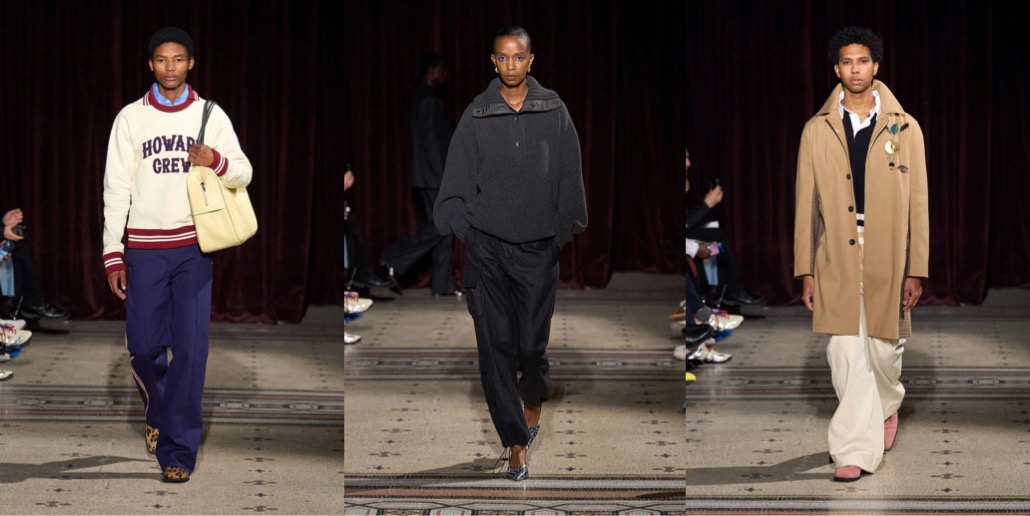
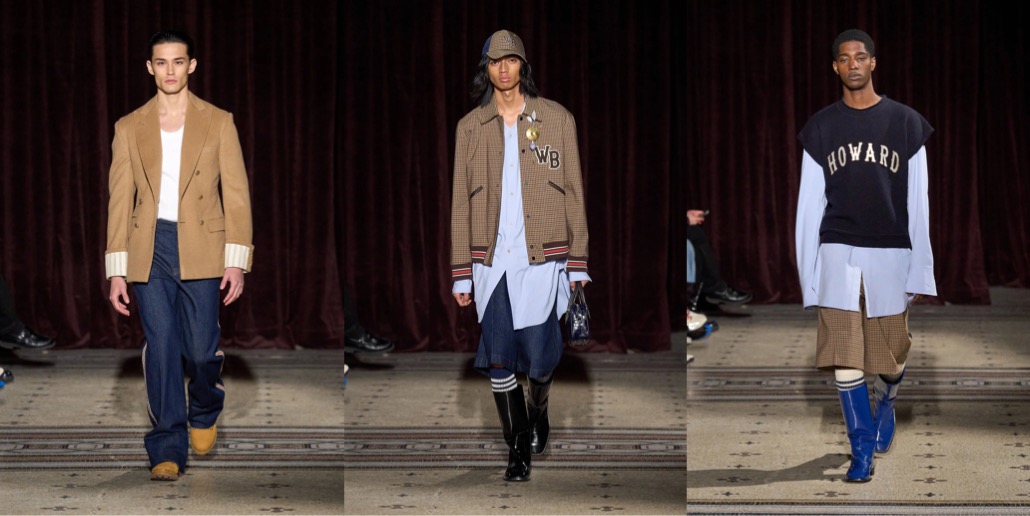
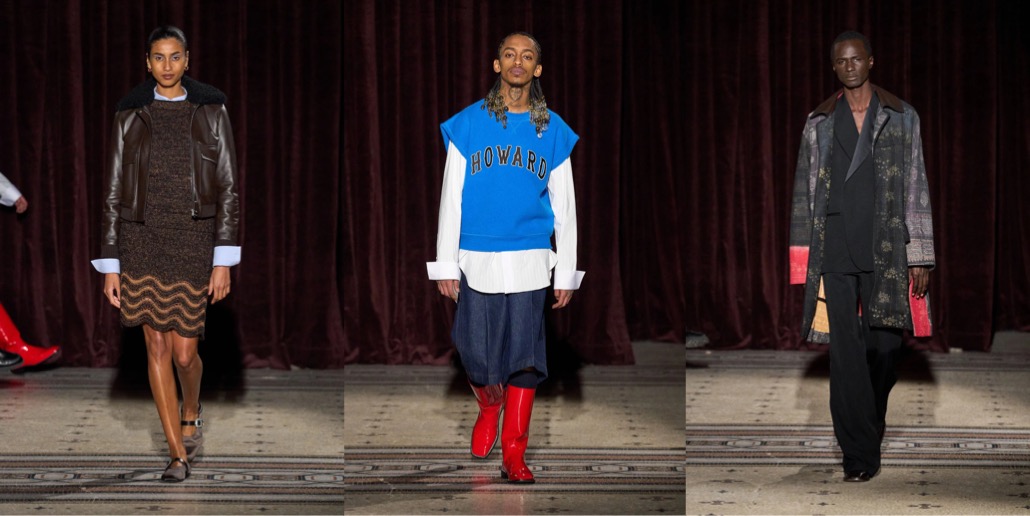
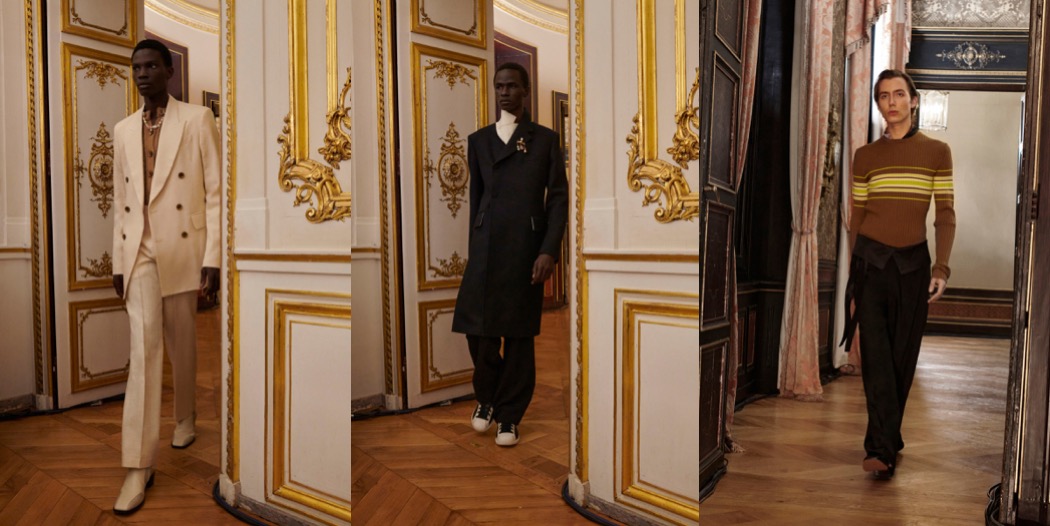
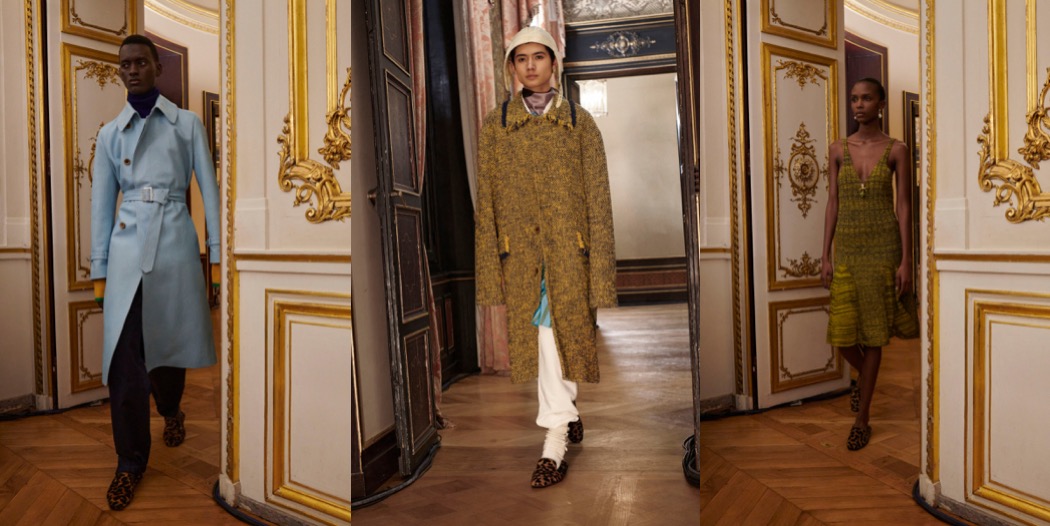
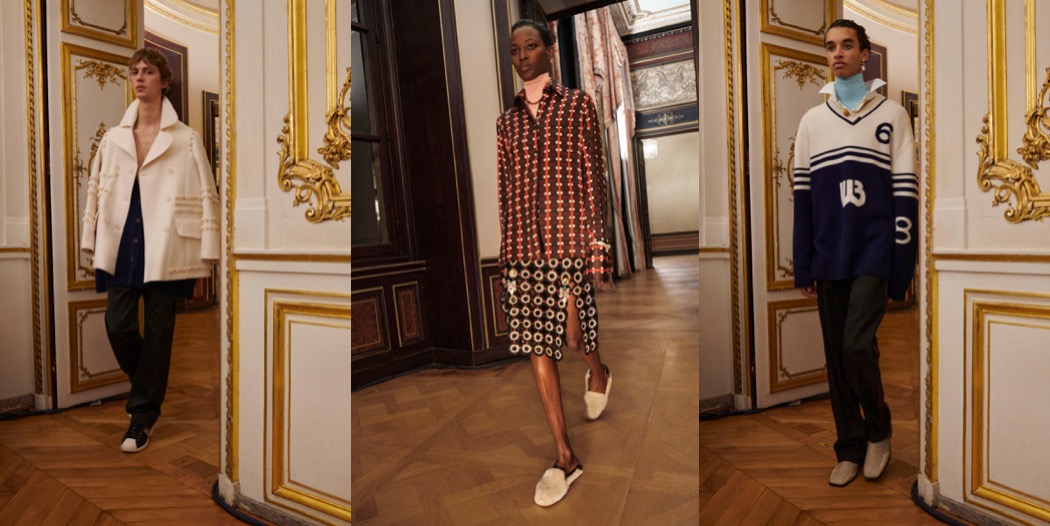
For autumn-winter 2023, Grace Wales Bonner delivered one of the best collections of the season. “Somehow, I feel like being away from home, in somewhere like Paris has this romance and grandeur about it.Wales Bonner‘s show took place in an historic suite of salons at the Hotel D’Evreux. This hallowed site is at the very corner of the Place Vendome, the heart of haute French luxury. It couldn’t have been a more intentional choice of backdrop for the aspirations of this most studied of young designers, who often repeats “bringing an Afro-Atlantic spirit to an idea of European luxury” as her mantra. Her abiding mission to elevate “Black male style; a very refined approach to masculinity” took on the Parisian sojourns of the American writer and intellectual giant James Baldwin, the fabulously wealthy young Maharaja and Maharani of Indore, and fanned out to admire the showgirl, style-maker and activist Josephine Baker. By immersing herself in their worlds, she said she found herself transported, not so much by the idea of literal references of costume as by the uplifting effect of the cultural atmosphere. “Thinking about what Paris as a place gave them license to do and express. This idea of freedom of self-expression, to define yourself.” Paris, she speculated, “may create space to have more license to be expressive.” The award-winning jazz trumpeter Herman Mehari stood in the middle of the apartment and played as a procession of sophisticated “Black flanuers” threaded its way through the rooms. First out was a strikingly precise black tailored coat with half its upturned collar in white. On its breast was pinned a brooch – one of several composites of baroque pearl and Ghanaian bead jewelry that studded the show with a sense of the ceremonial. Wales Bonner’s knack is for drawing her own clever intellectual line between past and present. Saturated as her pieces are with cultural symbolism, she always takes care that the way they’re put together is wearable and relatable. You could see that knack of hers as you scanned down an outfit – say, a precision cut tailored jacket, worn with cotton utility-type trousers and babouche slippers. Babouches walked the parquet in many variants; twinkling silver and sparkly and with Mary Jane straps on the toes for women. She also knows how to elevate the ordinary, or the generic, to give it her own stamp of cachet. Cowrie-shell decoration has been in her repertoire from the very first; now she deployed it as lines of embroidery on an oversized ecru peacoat, white on white. Half- French classic, half Wales Bonner classic. The leveling up, the equality of craftsmanship across cultures is also what Wales Bonner is about. Her casual wear has her intellectualism coded into it too. When you’re wearing a Wales Bonner collegiate jacket with the words Sorbonne 56 sewn onto it, you’re referring to the First Congress of Black Artists and Writers in Paris, to which James Baldwin was a delegate. When sporty, there are also genuine cultural connections. Wales Bonner’s designs for the new Adidas soccer kit for the Jamaican team was showcased.

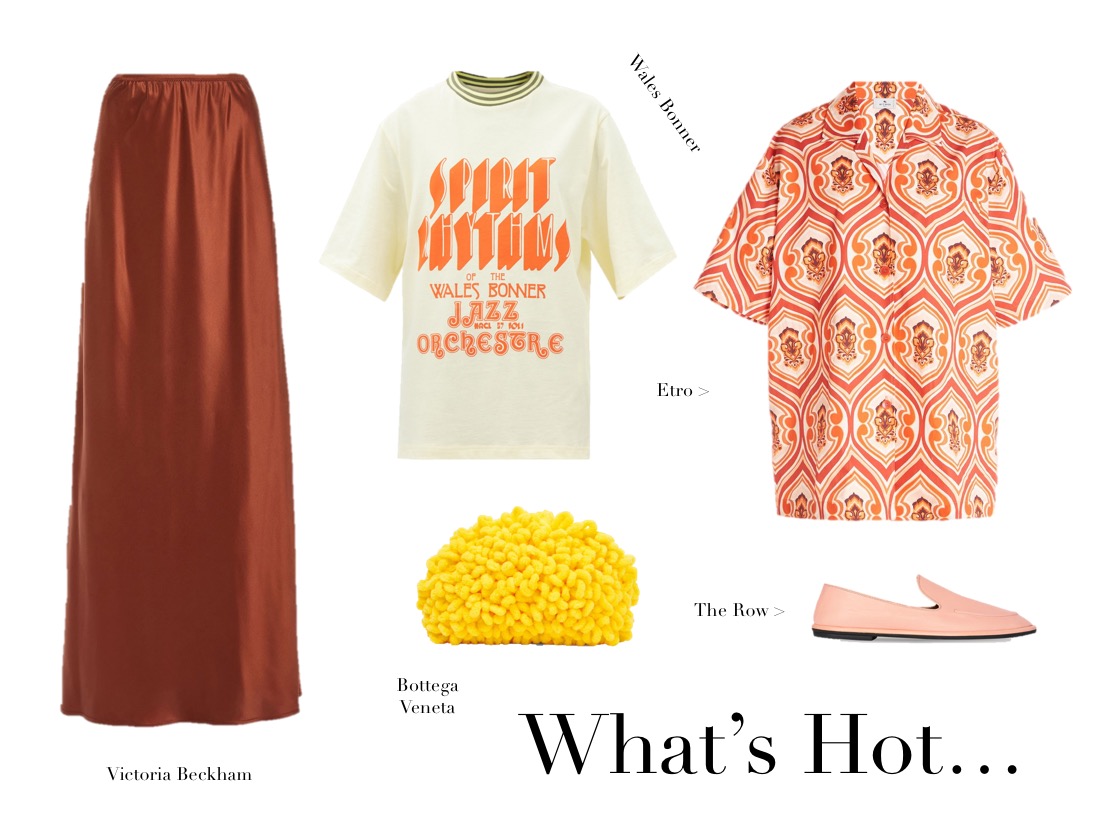
Collage by Edward Kanarecki.
Don’t forget to follow Design & Culture by Ed on Instagram!

NET-A-PORTER Limited

Arrival. Wales Bonner SS23

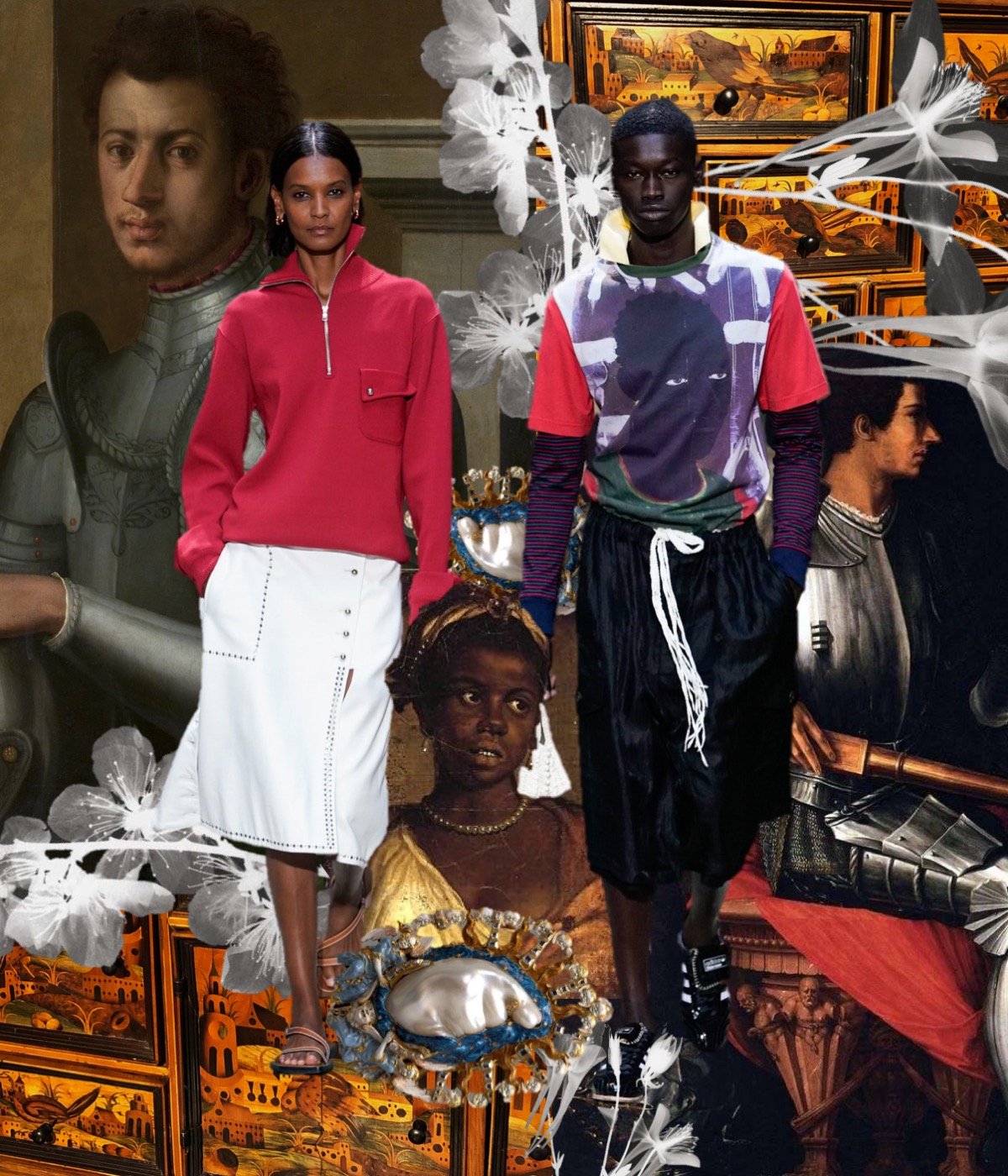
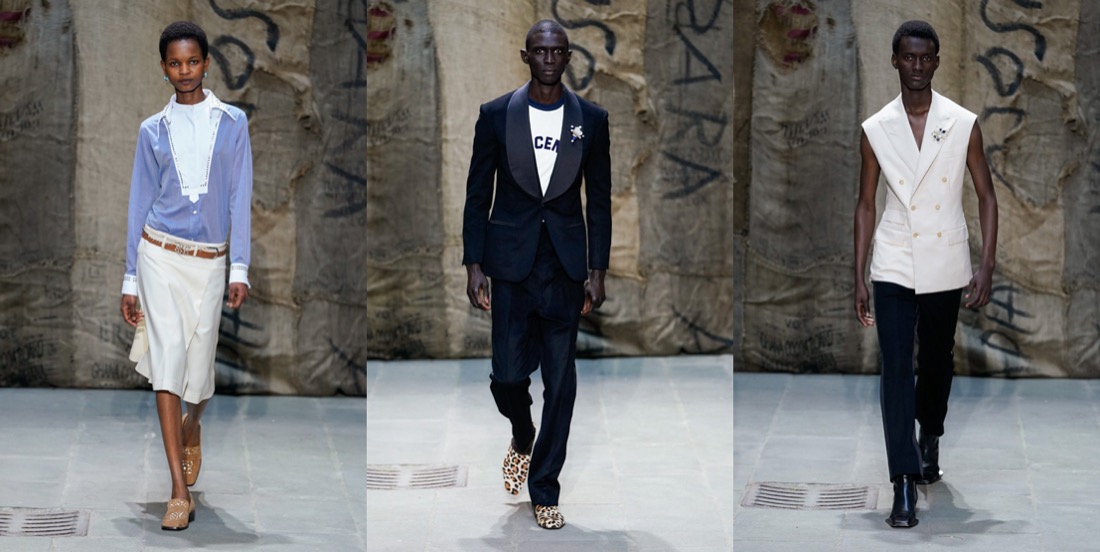
Towards the end of the press preview of this sumptuously progressive show, Grace Wales Bonner mentioned Sankofa. This bird-looking-backwards symbol of Ghana’s Akan people, she said: “means’ ‘going back to go forward.’ It is not about being nostalgic or historical. It’s about taking something from the past in order to pass it forward and make it useful for the future. And that’s the spirit of this collection.” Wales Bonner was speaking in the central courtyard of Florence’s Palazzo Medici Riccardi, a space where one Pitti Uomo executive mentioned in passing that there had never before been a live fashion show. It was as if the Palazzo had been waiting 485 years – the time since it was once home to the first Black head of state in modern Europe – to become the outbound runway for this evening’s Sankofa flightpath. Its starting cipher was Alessandro de Medici, who until his assassination in 1537 at the hand of a cousin ruled here as the first hereditary monarch of the Florentine Republic. His mother was named Simonetta da Collevecchio – aka “Soenara” – and was Black. She, history a little shakily relates, was a house servant who became mother to Alessandro after an encounter with either Duke Lorenzo (the official father) or Pope Clement VII. “I wanted to acknowledge that presence but also think about the idea of arrival,” said Wales Bonner. The building also held an additional layer of resonance relevant to her practice of excavating multifaceted manifestations of cultural intersection through garments. The palazzo was commissioned by Alessandro’s ancestor Cosimo in 1444, around the same time that he hosted the 17th ecumenical council, a global gathering of Christendom which according to historian Paul Strathern included: “Armenians and Ethiopians… other entourages included Moorish, Berber, and black African attendants.”

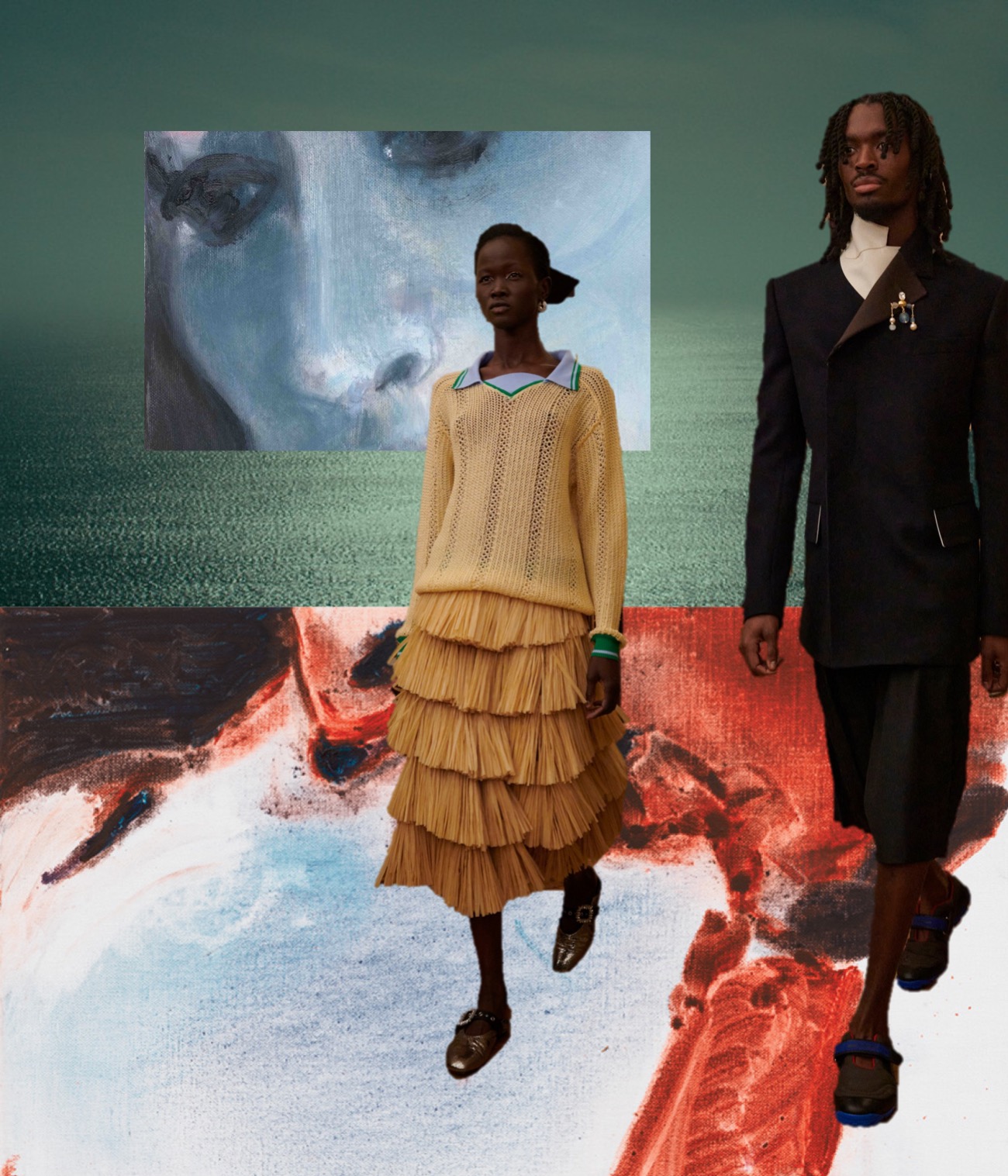
All of this context served as evidence that the building around us has played a role in the history of Black agency and participation in Renaissance Italy. It was leveled by the intervention in the Palladian architecture by the artist Ibrahim Mahama, who clad the space in a huge patchwork of hand stitched jute sacks originally used to export cocoa from his home country of Ghana – where Wales Bonner met him several months ago – into the global markets. “It was important to have an equal representation within the space,” said Wales Bonner. The opening look featured the reproduction of an artwork by Kerry James Marshall. This was another pointer towards Wales Bonner’s intention to rehang the display of menswear in Florence just as one would rehang a gallery – in order to shift the visitors’ experience. Just as effective was the slow coalescence of menswear forms – some sourced from the previously mentioned binary of contemporary European tropes of formality and informality, and others from a broader array of traditions whose boundaries were broken down by adjacency. Paris’s Charvet provided handsome robes and day-pajamas in jacquards whose patterns were drawn from Wales Bonner’s research into West African tradition. The macramé womenswear dresses were set with hand-made glass beads by Ghanaian artisans, and the heat-dryed hand-dyed jersey had been fashioned in Burkina Faso (Wales Bonner was building new trade routes between Africa and Italy, and Savile Row too). In menswear there was genre-busting back and forth between futuristic sportswear (which included a hand-made adidas shoe whose trefoil looked lacily artisanal) and Wales Bonner-directed, Anderson & Sheppard-cut tailoring in cashmere and camel hair that was de-conventionalized through emphasised shoulders and small sly acts of sartorial ‘wrongness’ that looked incontrovertibly right. So back to Sankofa. What was the backward-looking-bird returning to, in order to pass forward for the future? Said Wales Bonner: “It’s about bringing an Afro-Atlantic spirit to European luxury by honoring these traditions wherever they are. And making something hybrid or integrated through working with different people.

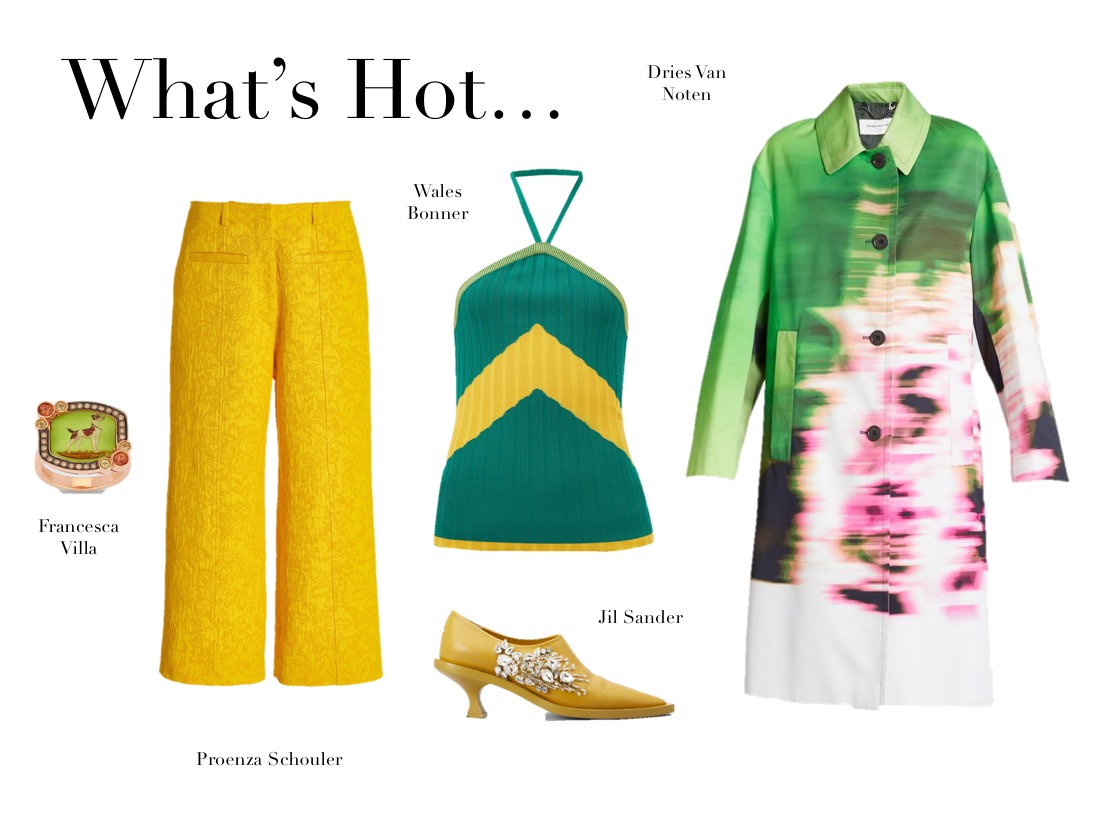
Collage by Edward Kanarecki.

NET-A-PORTER Limited