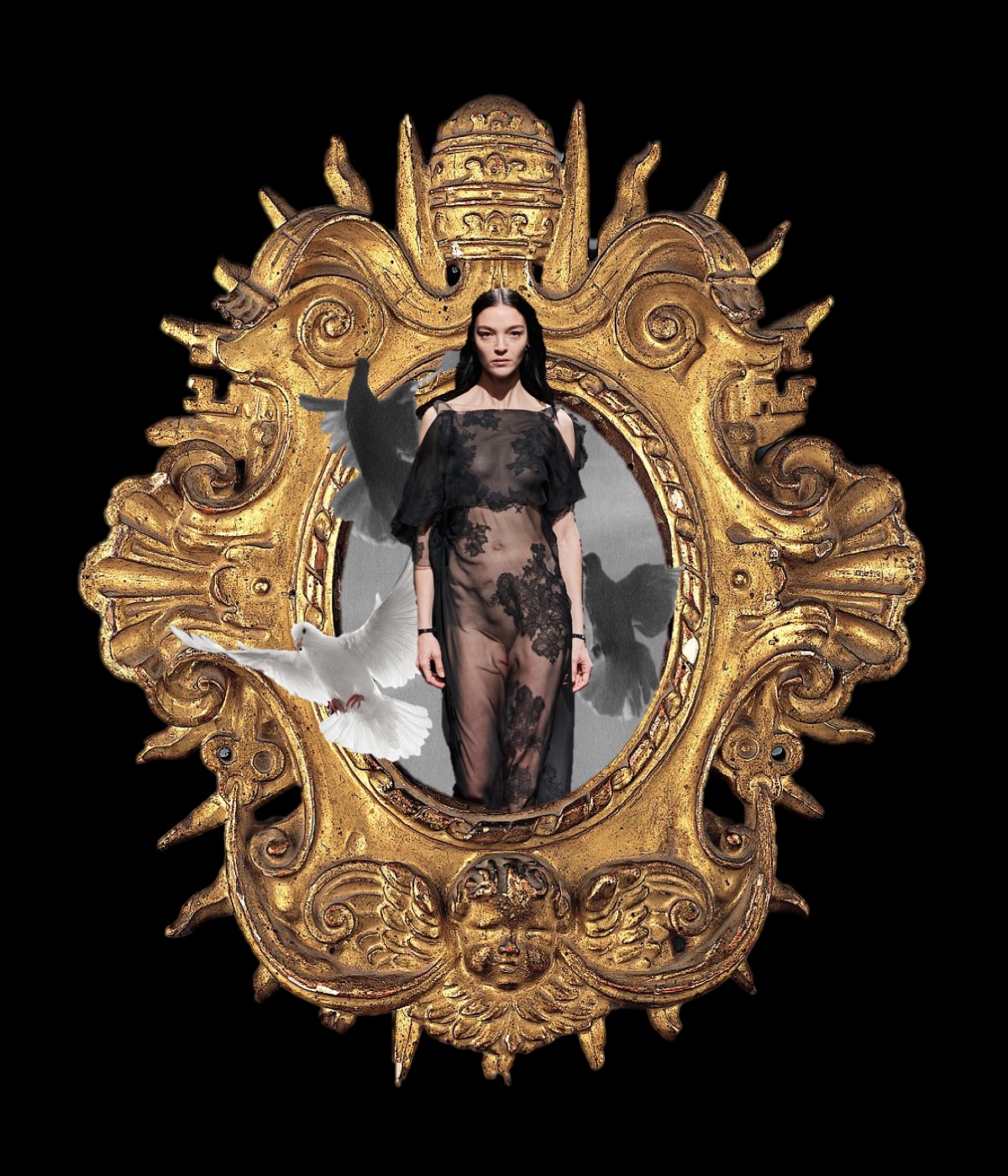
Radical Simplicity. Courrèges AW21

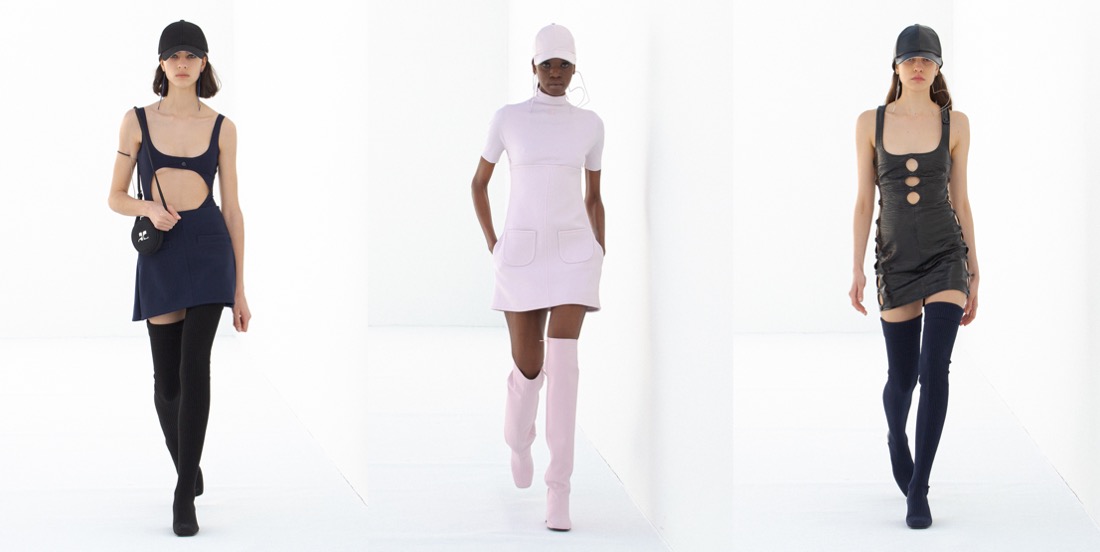
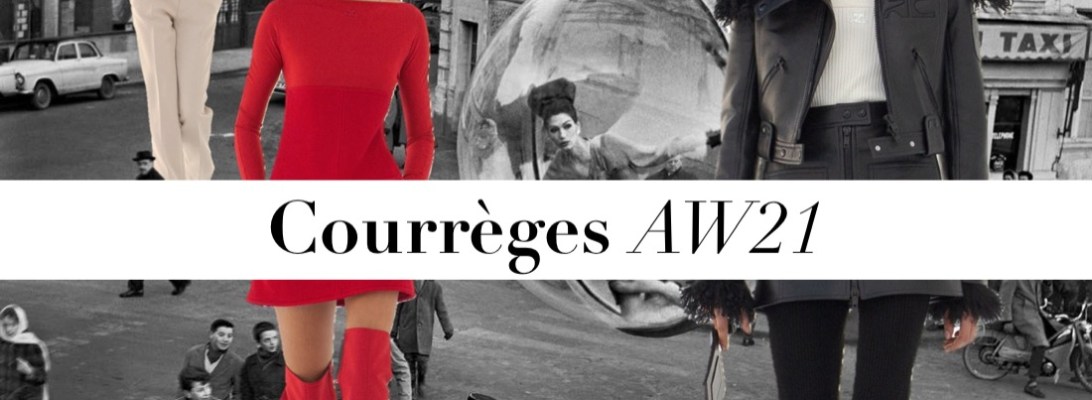
Courrèges isn’t a easy brand to revive. After all the reboots it went through in the last couple of years, the legendary 1960s Spage Age maison just didn’t resonate. Nicolas Di Felice is its new hope. The 37-year-old Belgian is a graduate of La Cambre in Brussels, and he’s worked in Paris for a dozen years with Nicolas Ghesquière at both Balenciaga and Louis Vuitton, and Raf Simons at Christian Dior. A behind-the-scenes guy until now, Di Felice has a knack for research and a command of technique, two things necessary to take charge of a heritage brand whose hallmark, as he describes it, is “radical simplicity.” He says he arrived at Courrèges with armfuls of files and started fittings on day one. And that’s quite visible. There are no ridiculous sci-fi gimmicks here, and finally the entire collection doesn’t solely orbit around the signature Courrèges vinyl jacket. Some Courrèges classics are present, but what’s most important is that they look relevant. A white trapeze dress is modeled on the brand’s original, but with a stretch jersey bodice. Vinyl has been redesigned to be more eco-friendly with bio-based polyurethane and a certified organic cotton base; the high-collared coat he used it for has a powerful, streamlined fit. Summing up, Andre Courrèges’s futurism has been filtered through Di Felice’s child-of-the-’90s eyes. I would say it’s a relatively quiet, but confident debut. Di Felice’s Courrèges might find its client in 2021.
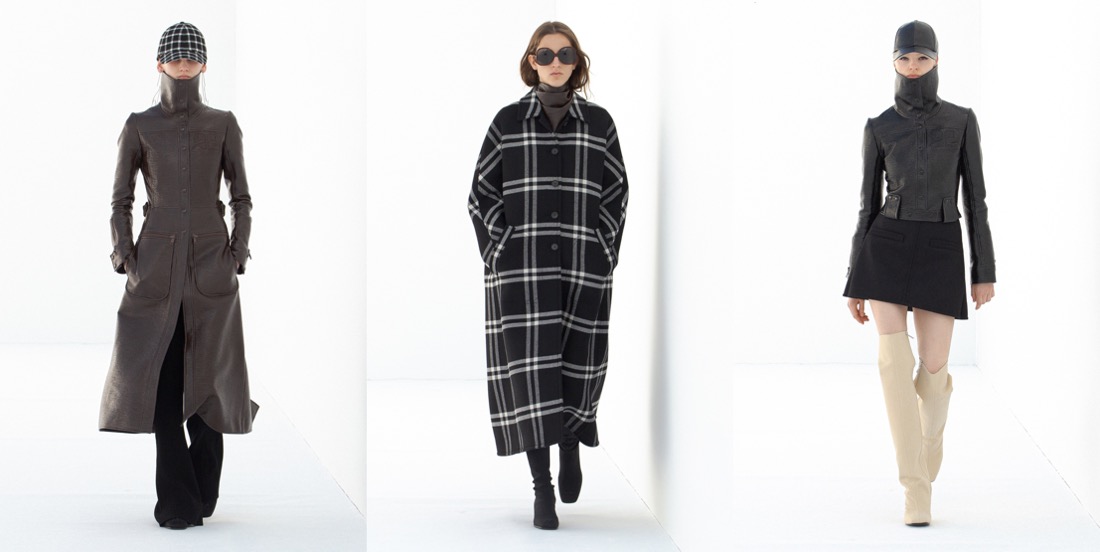
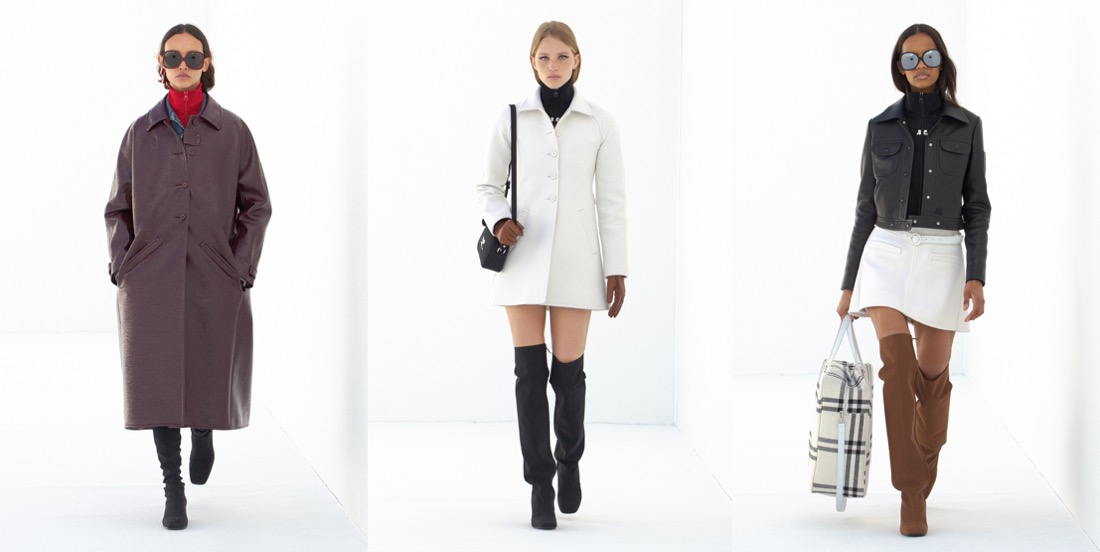
Collage by Edward Kanarecki.
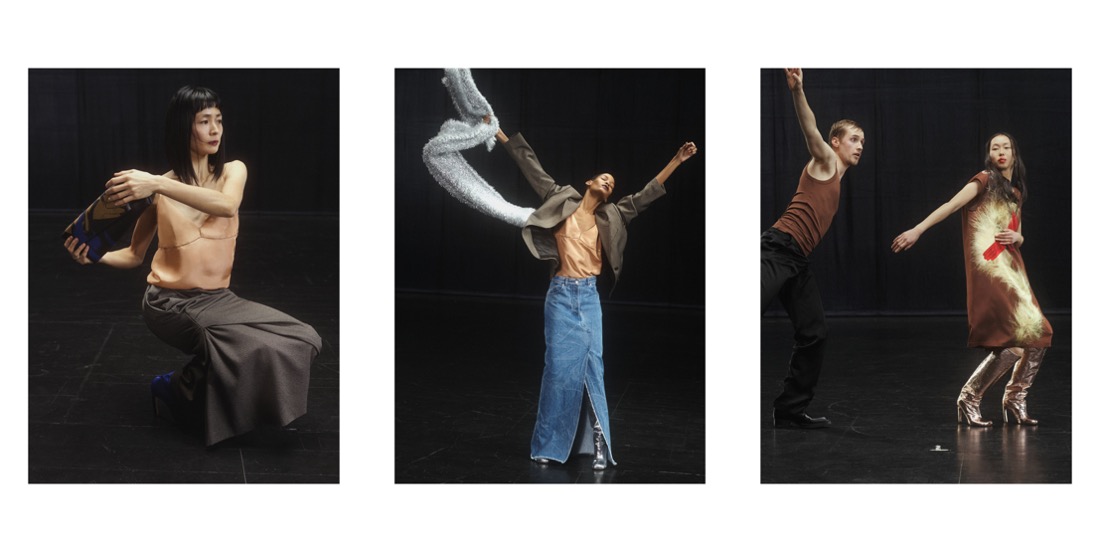
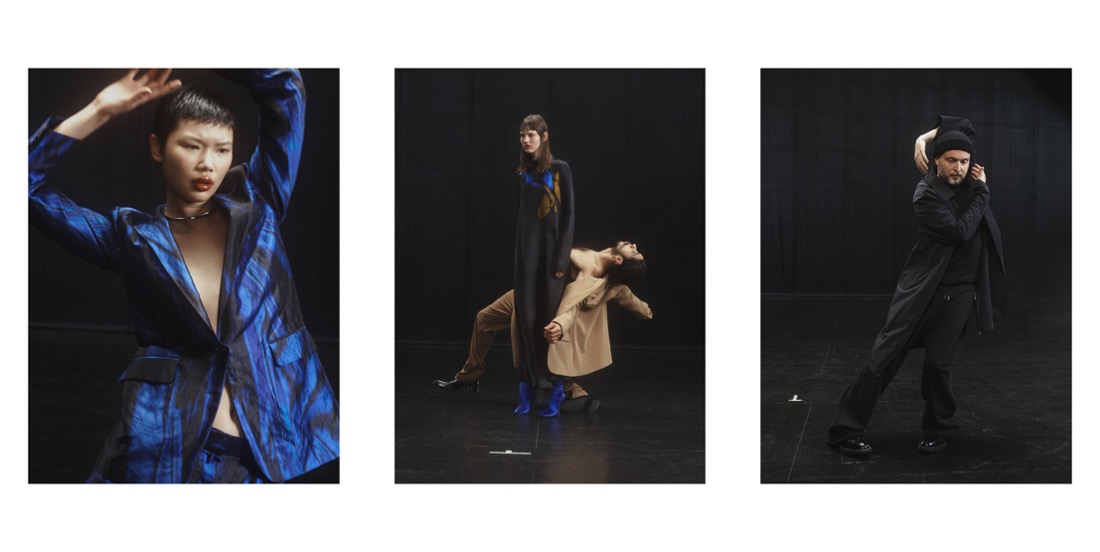
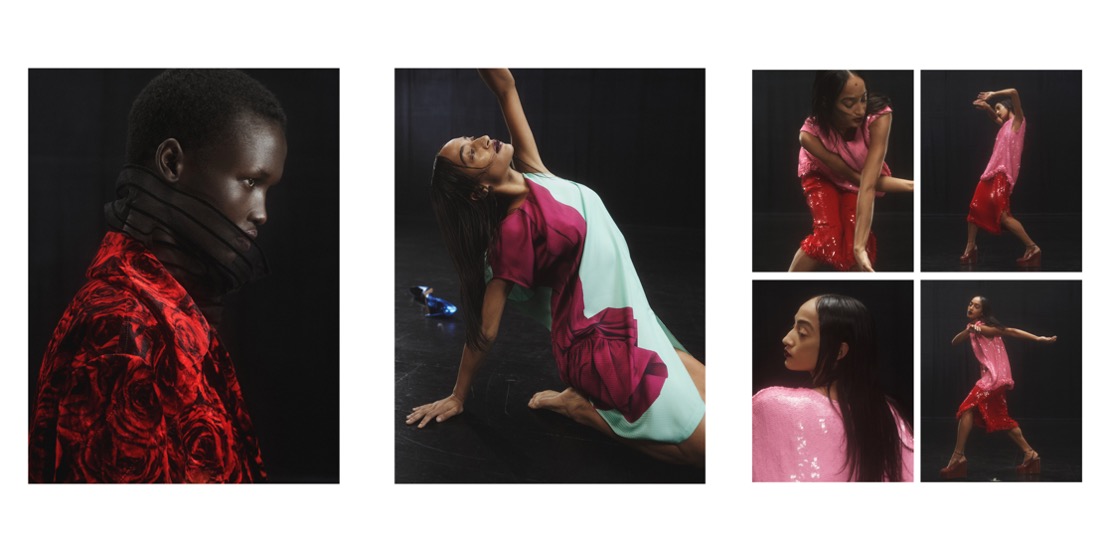
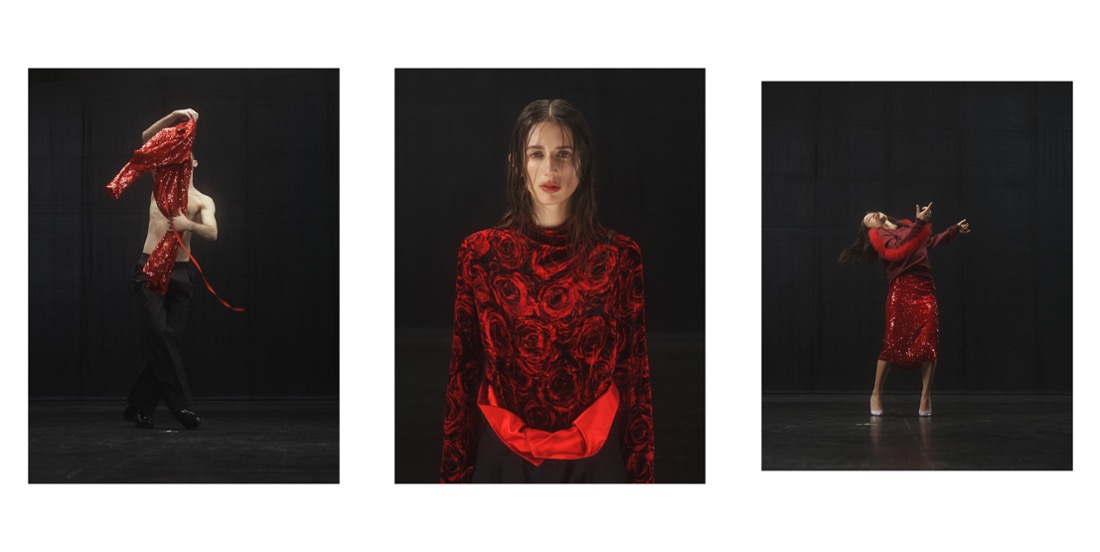
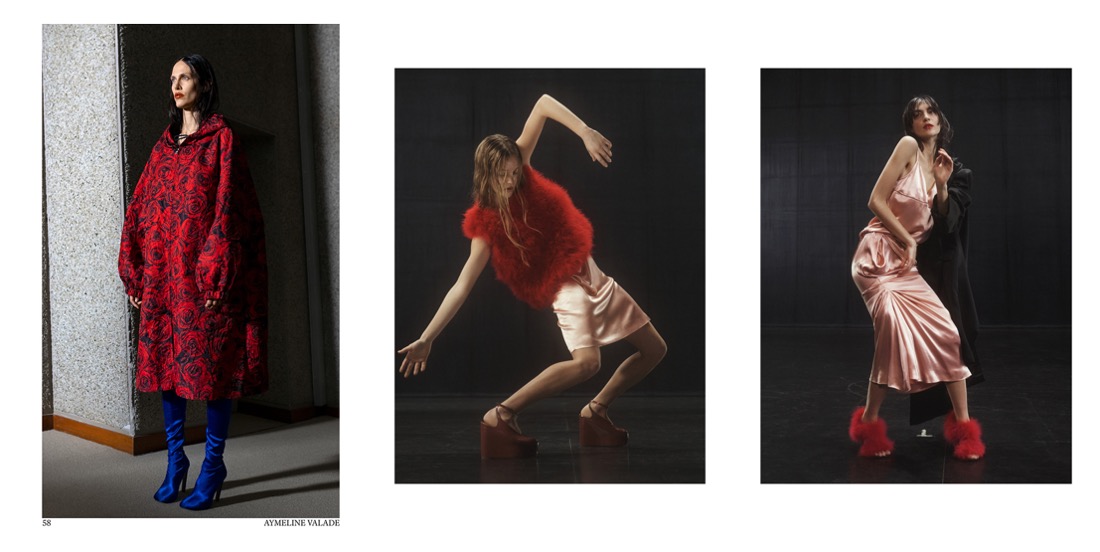
Dance It Out. Dries Van Noten AW21

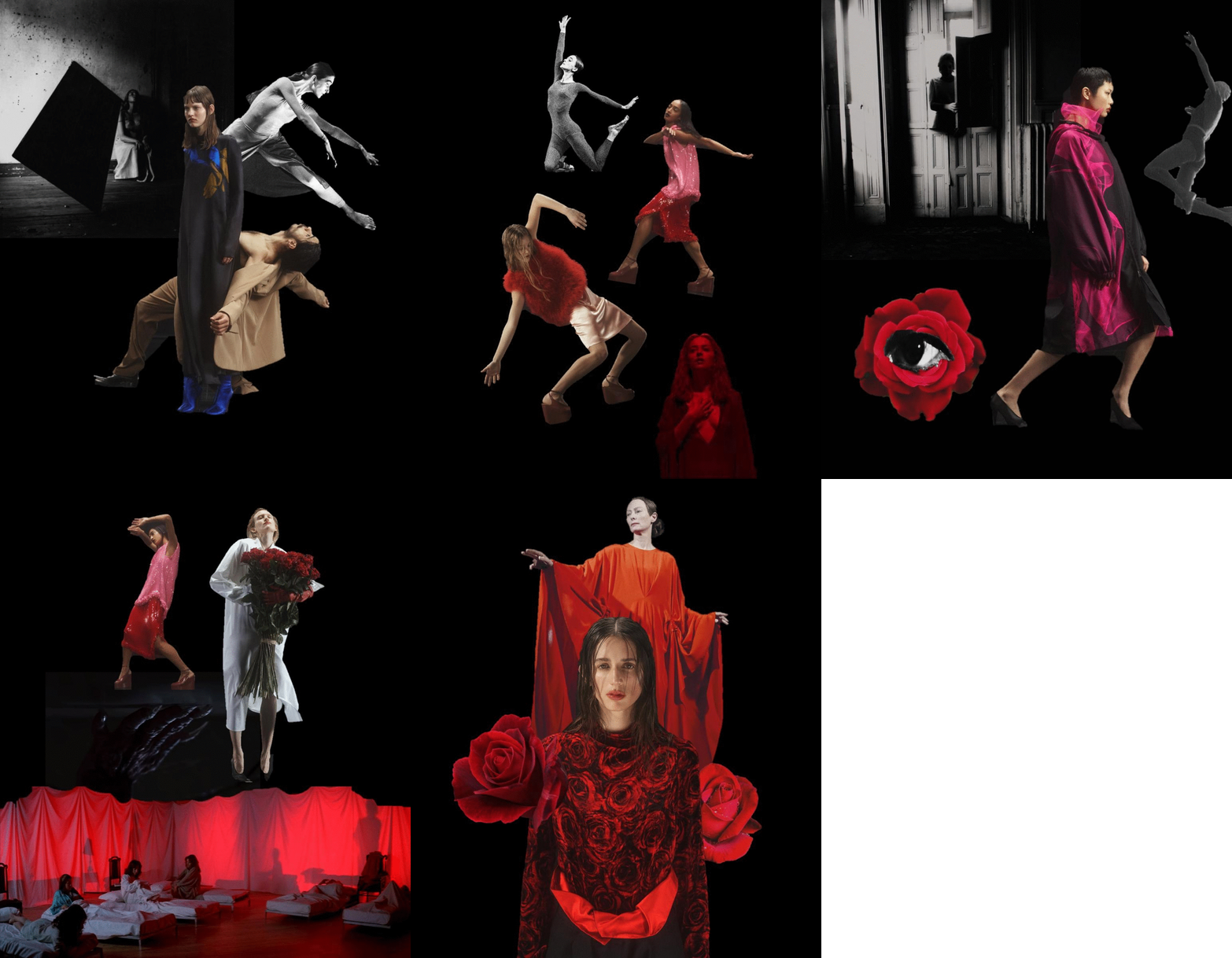
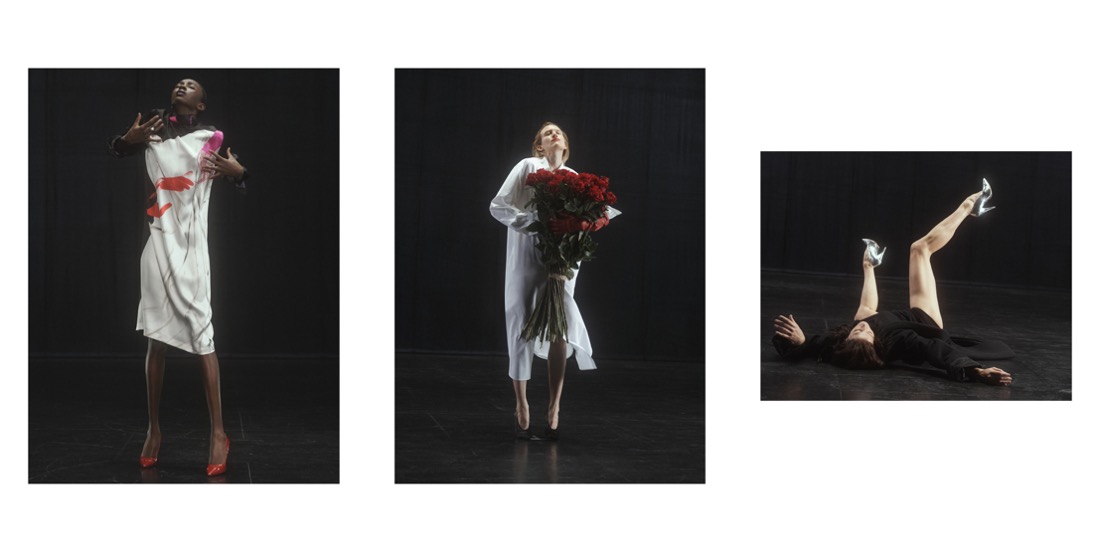
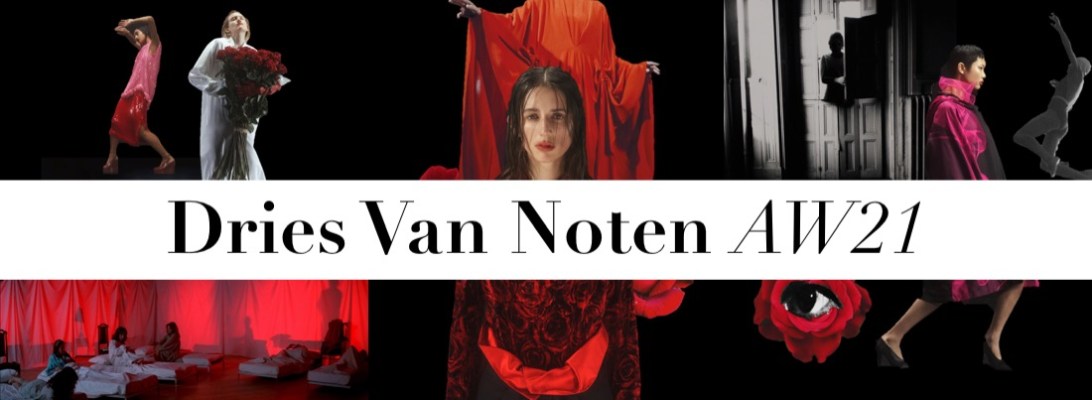
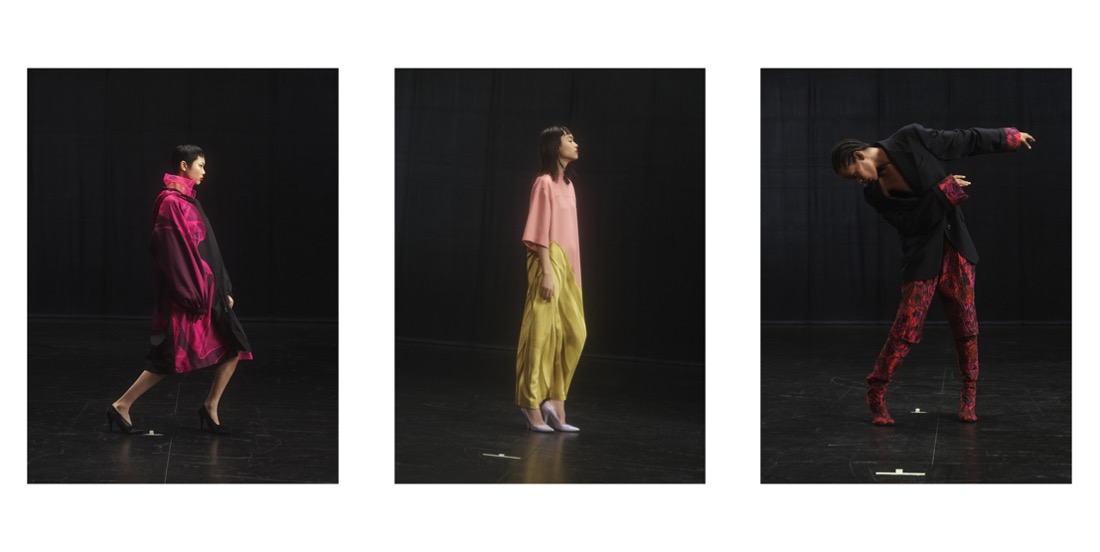
For autumn-winter 2021, Dries Van Noten left the comfort zone of any kind of runway or simple look-book far, far behind. There’s something cathartic about watching rage, frustration, confusion, longing and separation being danced out on a darkened Antwerp stage in the film the designer produced. Naming the un-nameable feelings of lockdown life, it plays out in territory close to home, evoking both the Belgian fashion culture of the 1990s which Van Noten belongs to, and the visceral physical intimacy of how we relate to clothes. “I think we’ve passed the stage of pretending,” he said. “We’ve all gone through something really not nice together. There’s kind of a rawness and directness also – it’s real movements, it’s real emotions.” The film, under strict COVID conditions, was a pretty big production: a gathering of 47 dancers and models on the stage of the deSingel theater in Antwerp, filmed by the director and photographer Casper Sejersen. It’s dramatic and sexual, and we’ve got the most delightful Van Noten pieces, like glittery marabou-trimmed dresses, dark tailoring and print-splashed volumes. Maybe you don’t entirely see all the details, but somehow this isn’t a disadvantage – you certainly ‘feel’ those clothes. “It’s rare that I’ve seen so much emotional kind of things which have cropped up in the body. Nobody was just saying like, ‘Oh, let’s make a pretty move.’ I think one way or another, there was something on stage there that happened. You felt that people wanted to say something with their body, even the models, who after five minutes were dancing even better than some dancers. I think Casper really managed to put that into the video – you really feel that kind of intensity that everybody felt and shared in that moment.” In the digital age, the opportunity to show clothes in movement, in different situations, on different kinds of people, and getting at social situations way beyond the narrow conventions of shows has turned out to be far more exciting, he also adds. “Do we really want to go back at a certain moment to 50 girls in a row who are 16-, 18-years-old, with a perfect size? Anyway, for June and September I don’t want to even think about shows. I don’t know if I’m going to feel the need to do a fashion show. If we are going to do them, it’s not going to be in the same way as before. I think this time is over, and nobody has the need to see a circus like that again. I think there’s now a realness and intensity, with the videos and pictures, and the way that everyone is finding their way to express themselves. And I feel quite well with what we’re doing now.”

“Live” collage by Edward Kanarecki.

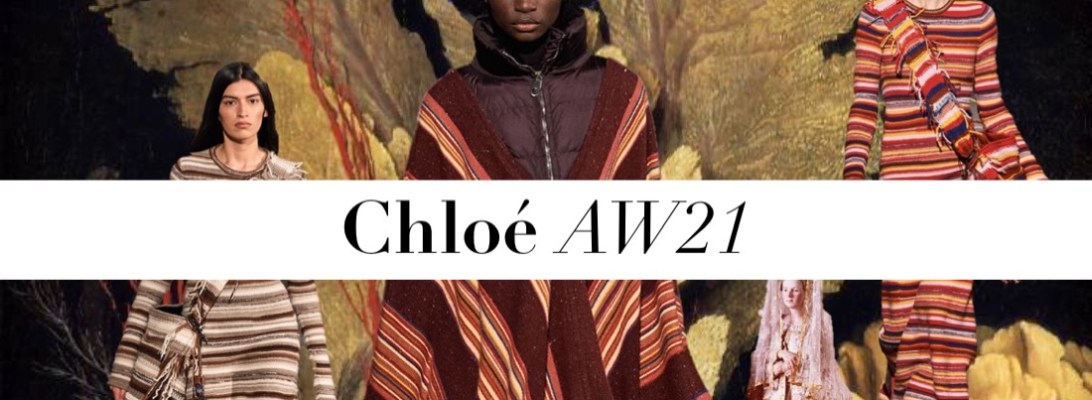
Gabriela in Paris. Chloé AW21

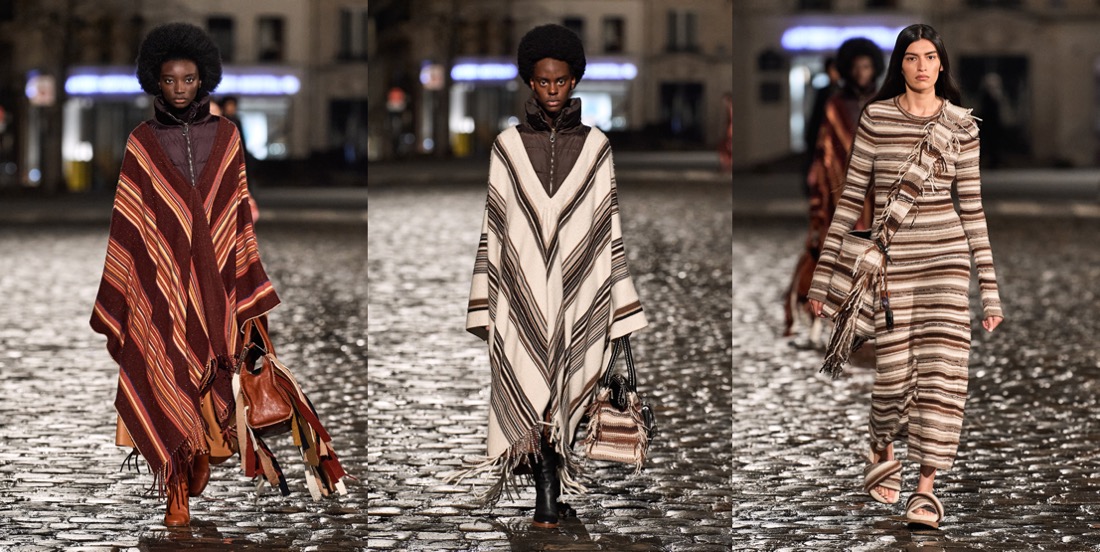
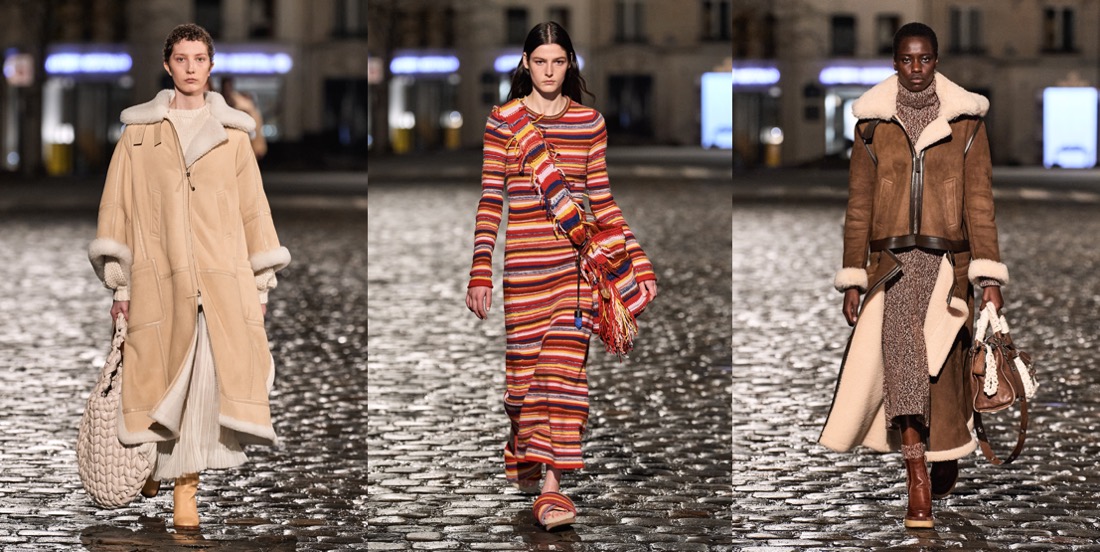
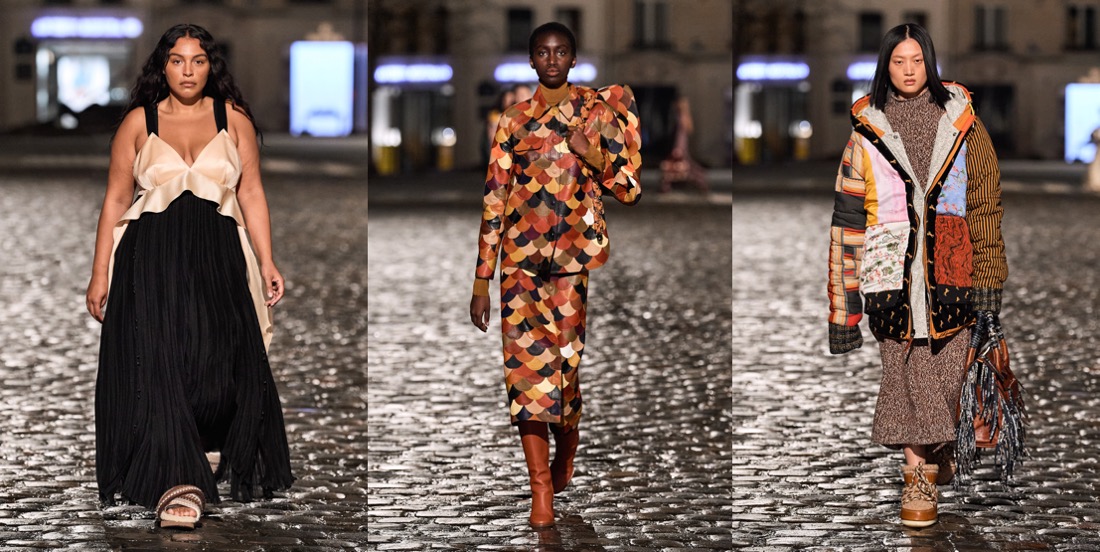
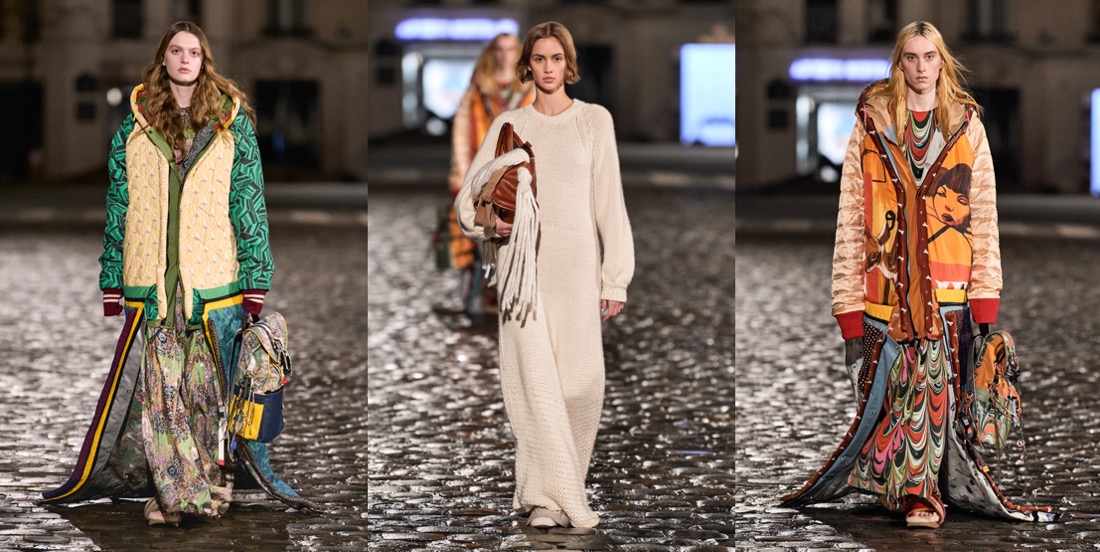
Most debuts are bumpy, epecially in COVID-19 circumstances. However, I can’t hide I’ve got some very mixed about Gabriela Hearst‘s first collection for Chloé. Knowing her style and philosophy at her name-sake, New York-based label, you could be sure she would take her sustainability-forward mindset to Paris (that was one of the main reasons why she was appointed as the creative director of the brand). Aesthetic-wise, we know her for ultra-luxurious, assertive minimalism with eventual, feminine details, but you will hardly find any irony in those cashmere cape-coats and gorgeous pleated leather dresses. Most of all, it seemed to me that the designer decided to revolt against the New York ‘Gabriela Hearst’ and let things take some sort of laid-back approach, in the spirit of the Saint-Germain-Des-Prés lifestyle (Chloé founder’s Gaby Aghion first fashion shows took place in Café De Flore. Hearst’s models walked out of the cult Brasserie Lipp into the empty, evening streets of Rive Gauche). The result is a collection filled with layered, nomadic silhouettes that unfortunately look cumbersome and overworked. The striped, knitted dresses, ponchos (they nodded to Hearst’s Uruguayan heritage), floating dresses (the flou is a must for every Chloé designer) and shearling coats were in general mild-looking. The designer closed the collection with puffer outerwear repurposed from Chloé overstock spanning designers and eras (I mostly noticed Natacha Ramsay-Levi’s memorable prints – the way they were clashed kind of diminished her Chloé tenure). The pieces were created with Sheltersuit, a nonprofit organization providing aid to the homeless, which also collaborated on a series of backpacks. As mentioned above, Gabriela’s Chloé will take a no-jokes road to sustainability (she said that Chloé had already decreased this collection’s environmental footprint by 400% compared to last winter’s line), which is admirable. She mentioned certified materials, circular economy, net-zero goals as just some of her aims for the brand, and placed sustainability center stage for her debut – as her inspiration, her material, her technique, and even her silhouette. This really does have a potential, especially in Paris, where that topic still feels dormant. But for her future offerings, she should get some proper styling (or editing) done.

Collage by Edward Kanarecki.
Grounded Approach. Eckhaus Latta AW21

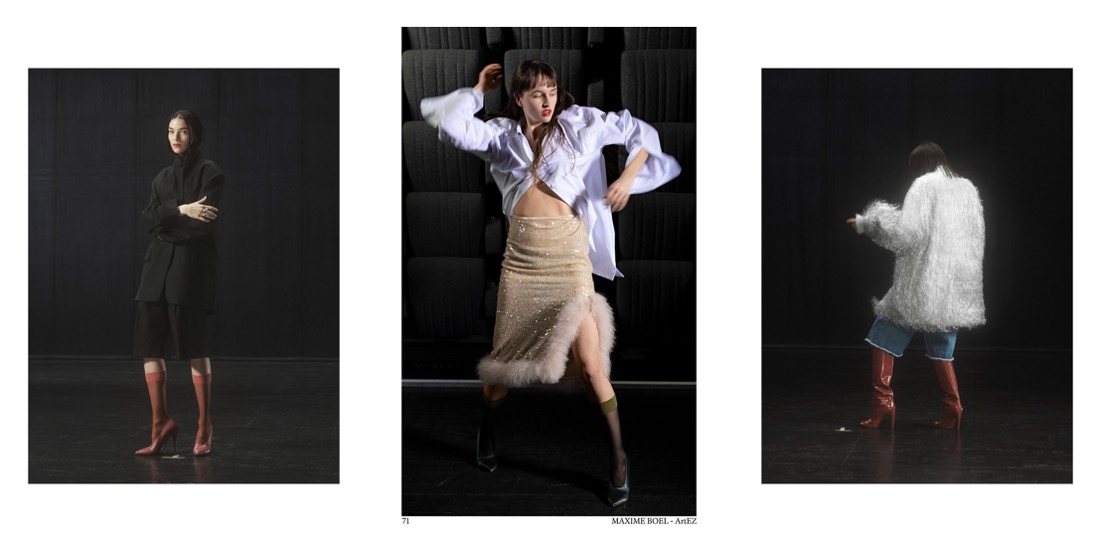
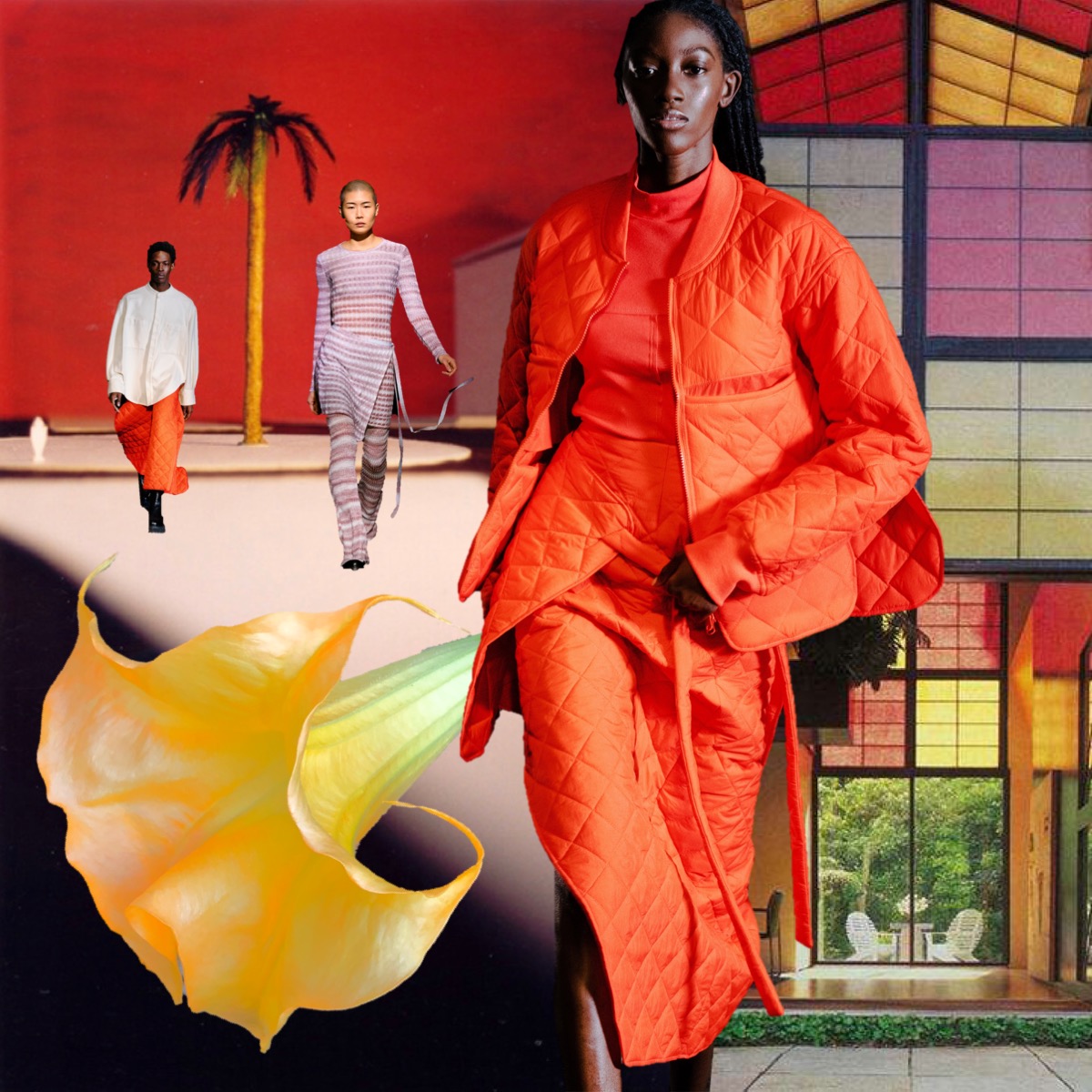
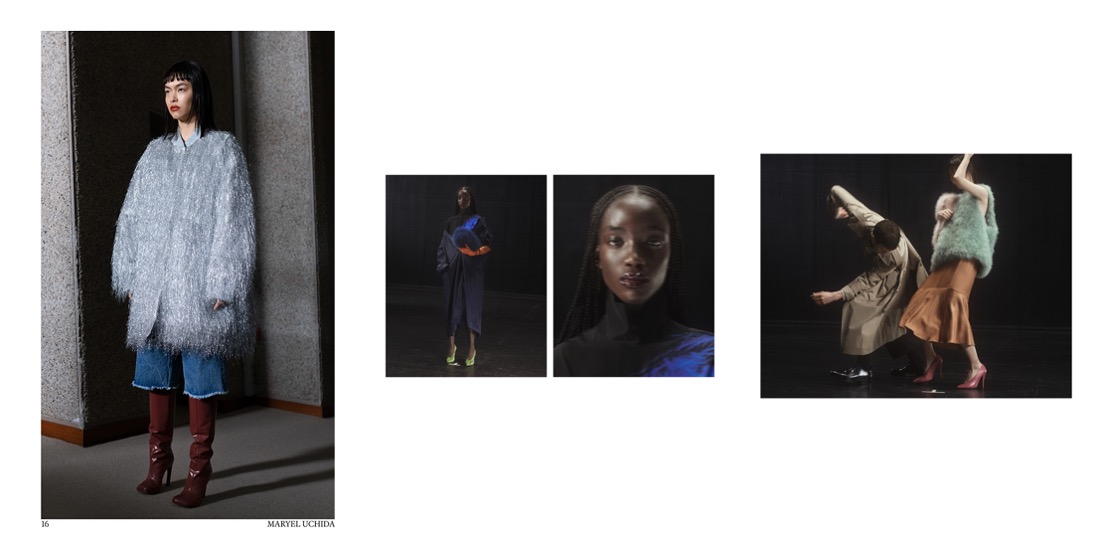
Like many people during this period, Zoe Latta and Mike Eckhaus had a mood rollercoaster. As the duo explained on a Zoom call with Vogue that bummed-out vibe provided a creative spark, suggesting that their focus ought to be on comforting shapes and textures and a somber palette. The Eckhaus Latta duo went on to report that, thankfully, they are feeling more optimistic now – and that they are eager to get back to fashion business as usual, with live events and people around, but in the meantime, like the rest of us, they’re making do. Perhaps accidentally, it’s that sentiment that served as the red thread through their autumn-winter 2021 outing. The most arresting idea the designers explored this time out was the deconstruction of familiar silhouettes in ways that created artful voids in the clothes or that made them adaptable into different forms. It was a poetic expression of our current state, a year into the pandemic. Eckhaus and Latta also played with optical patterns, like trippy rib knits and a black-and-white jacquard, and with ways of giving a sense of hand to synthetic fabrics. The collection was small, but thorough; every look was wholly considered, from form to detail. Perhaps the collection’s most admirable quality, though, was its grit – though we often look to fashion for fantasies of the future, that kind of grounded approach is necessary. This Eckhaus Latta line-up not only captured the general mood, but somehow it made it look… cool.

Collage by Edward Kanarecki.
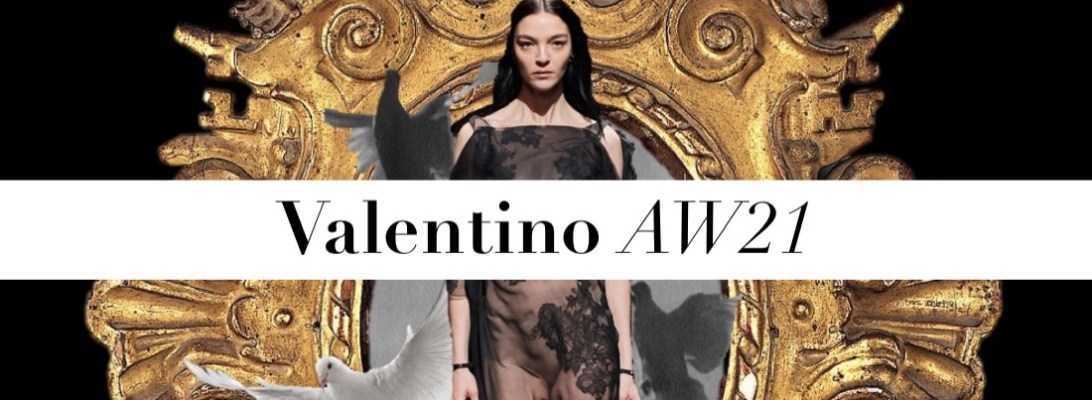
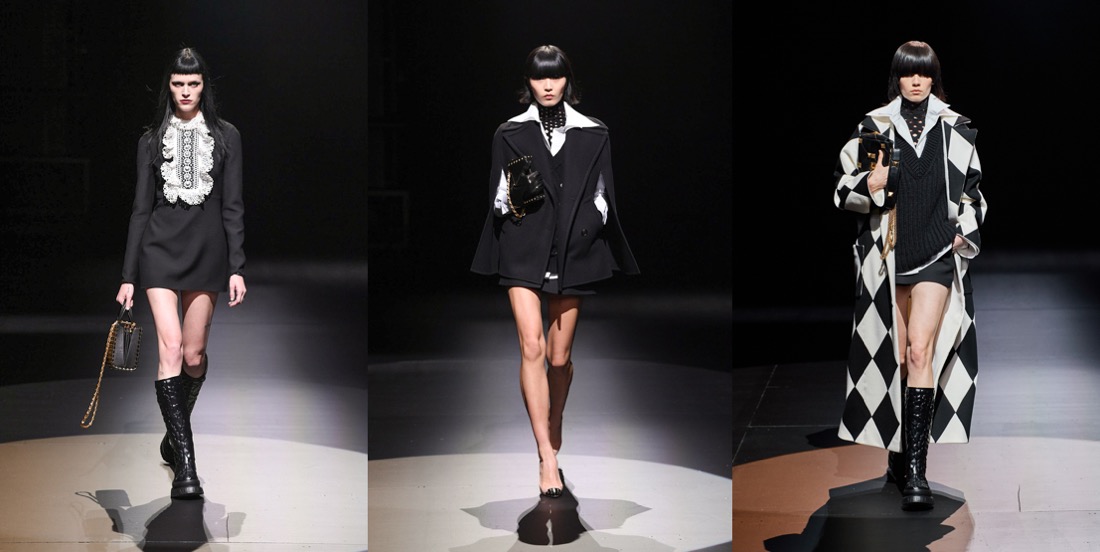
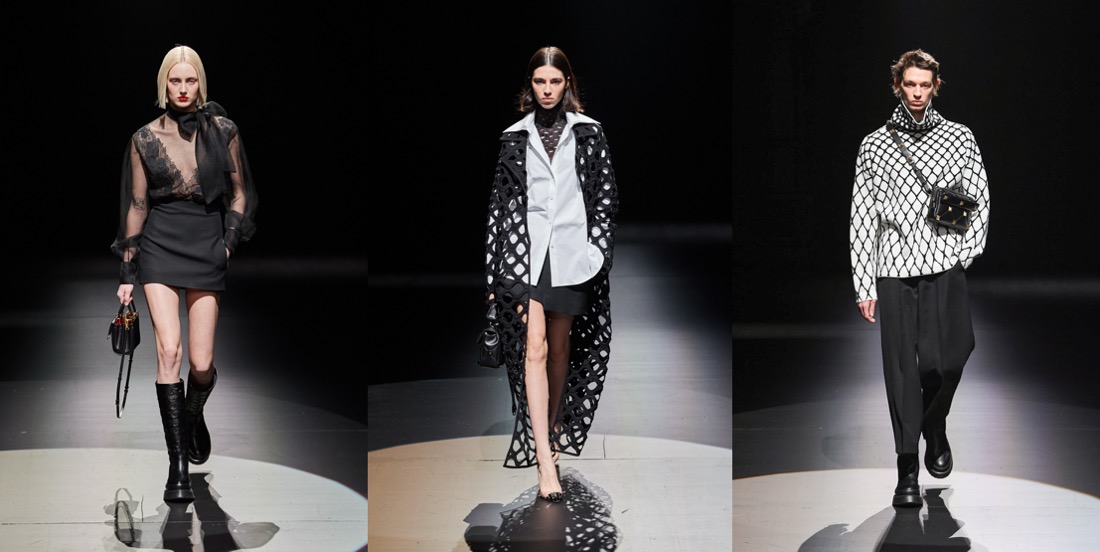
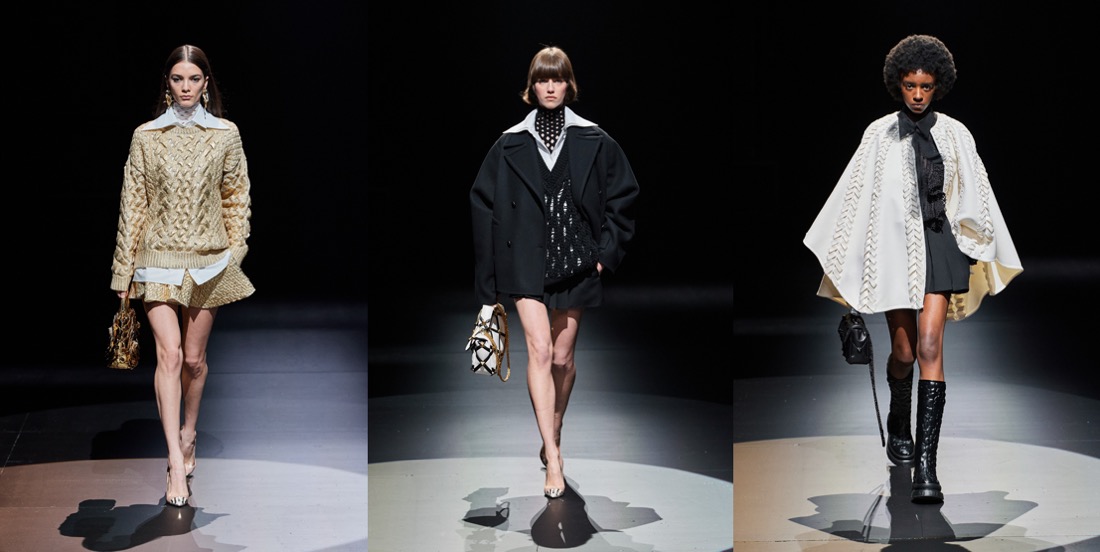
Realistic. Valentino AW21

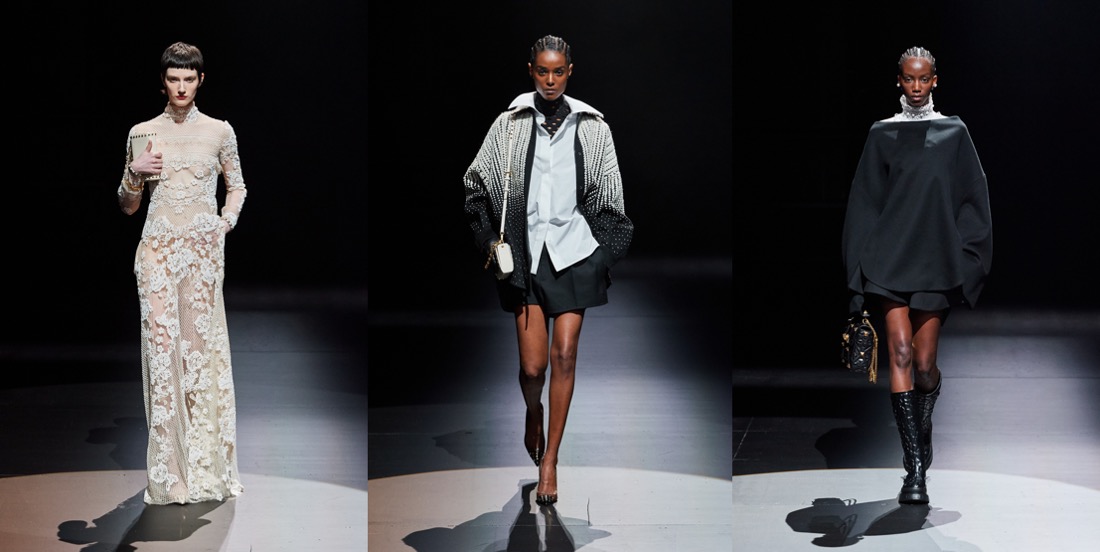
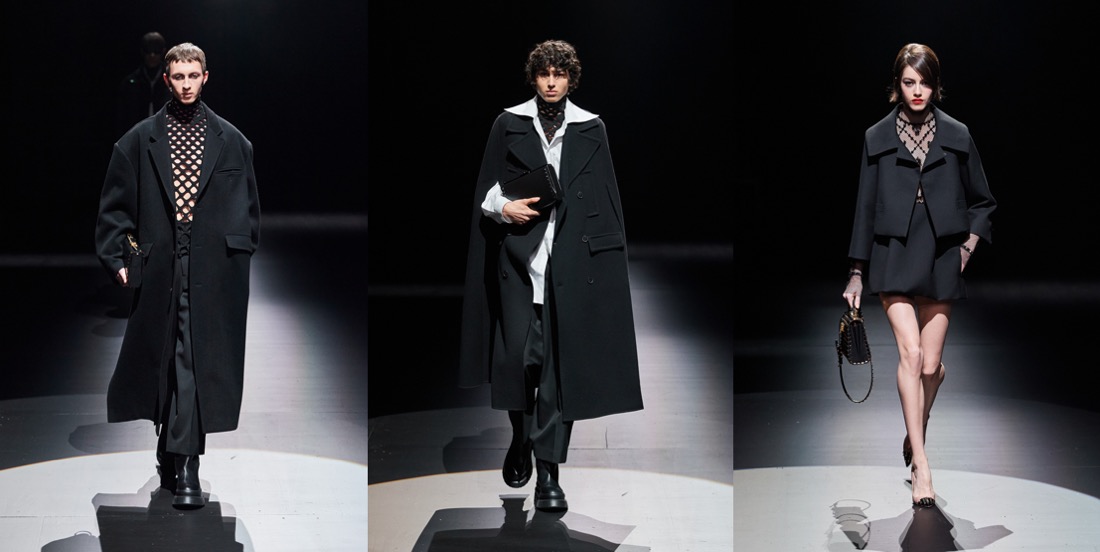
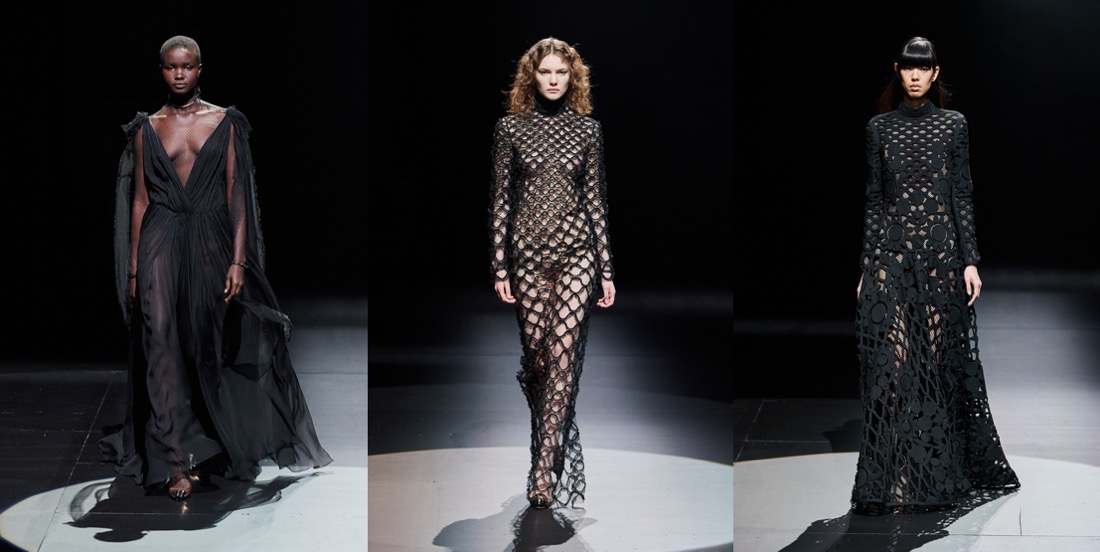
Approximately a year ago, COVID-19 hit Europe. Pierpaolo Piccioli was presenting his Valentino collection during Paris Fashion Week (who would have ever believed back then that fashion weeks will switch to digital?!) and the solemn, melancholic elegance he sent down the runway captured the first feelings of crisis. For autumn-winter 2021, you would have expected some sort of bold, joyful vision of future re-emergence most designers are desperately talking about this season. But surprisingly – especially having in mind his recent, extraordinary couture collection! – Piccioli decided to stay a realist, staying in the black-and-white colour palette. The line-up was livestreamed from Piccolo Teatro in Milan, as a gesture of love and support towards cultural institutions that are having a very tough time with all the lockdowns and limitations. The new season offering wasn’t exactly theatrical, but the dramatic lighting elevated the ready-to-wear silhouettes. Piccioli thought of a modern-day punk attitude with a romantic twist. From the sheer lace evening gowns to over-sized shirts worn as dresses, the collection looks towards the aspect of comfort, but not in a lazy way. Knitted capelets styled with heavy leather boots; ruffled blouses worn with simple mini-skirts (sexy is returning to fashion, as Tom Ford proclaimed); chunky cardigans contrasted with light pumps. Maybe this isn’t anything ground-breaking, but it’s a properly edited collection of clothes women will always want to wear. As for men, Piccioli leaves tailoring behind and decides for equally refined, yet easier wardrobe staples: an over-sized sweater, loosely-cut pants, a chic coat with a cape-like shape. The “net” motif comes in unisex turtlenecks and fantastic eveningwear. While the fashion industry is asking itself the million dollar question of ‘what will sell in the (close) future’, Valentino answers it with the right balance of stay-at-home, Zoom-ready classics and a sense of much-needed ‘dress-up’ for the better times.

Collage by Edward Kanarecki.