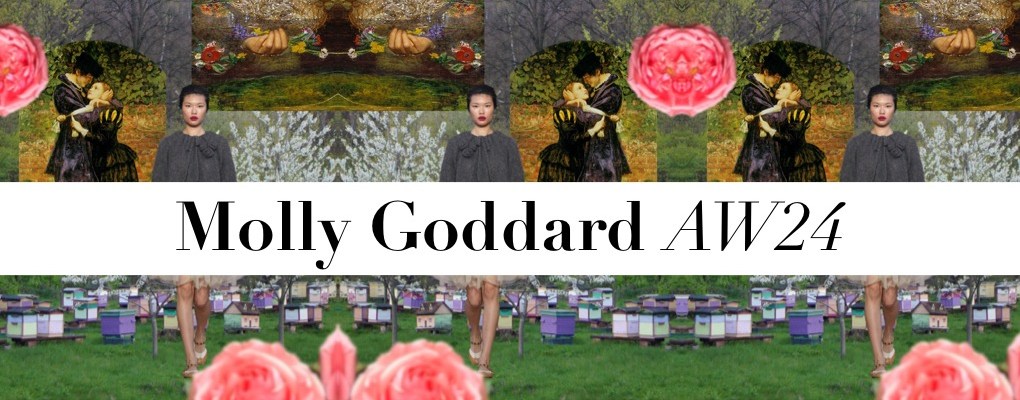
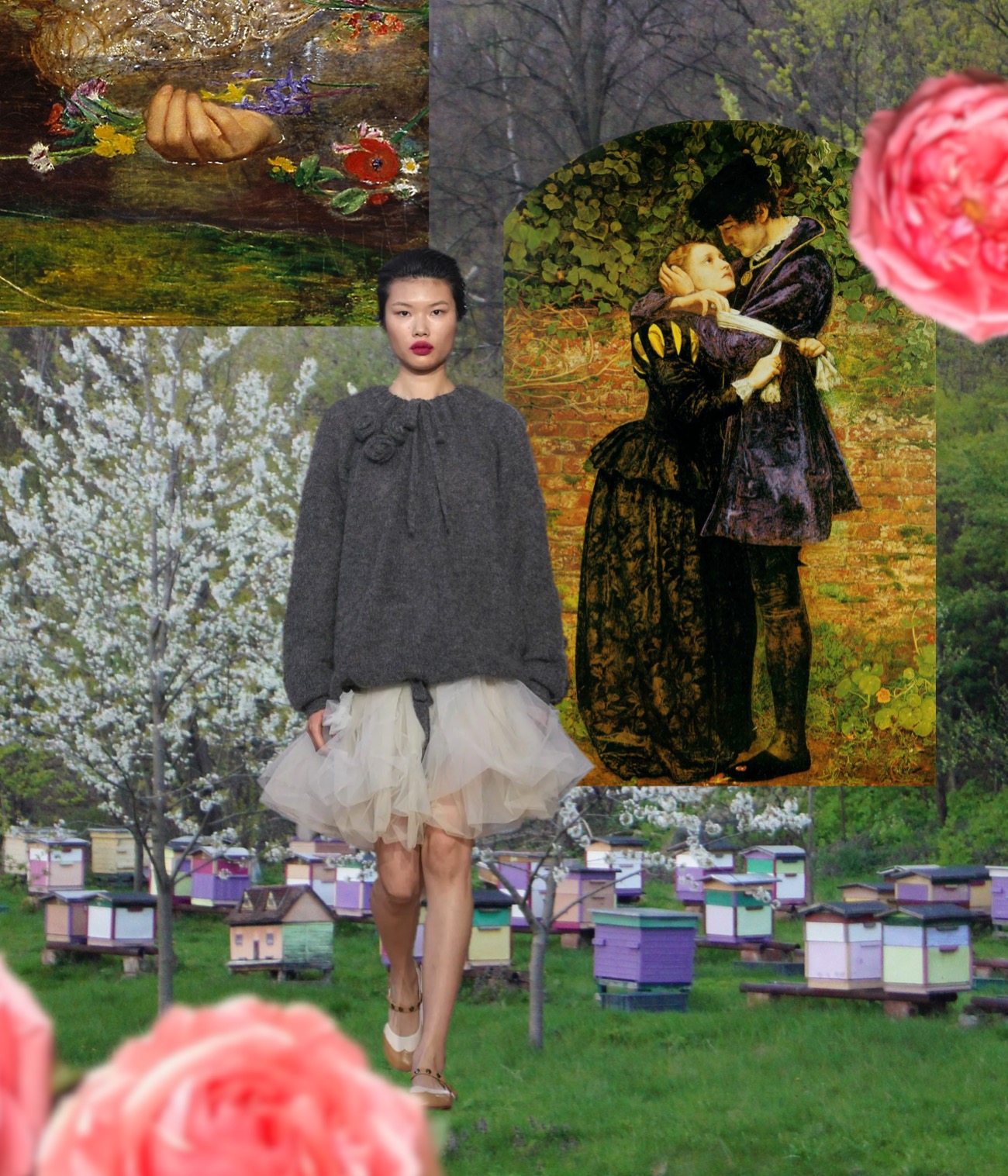
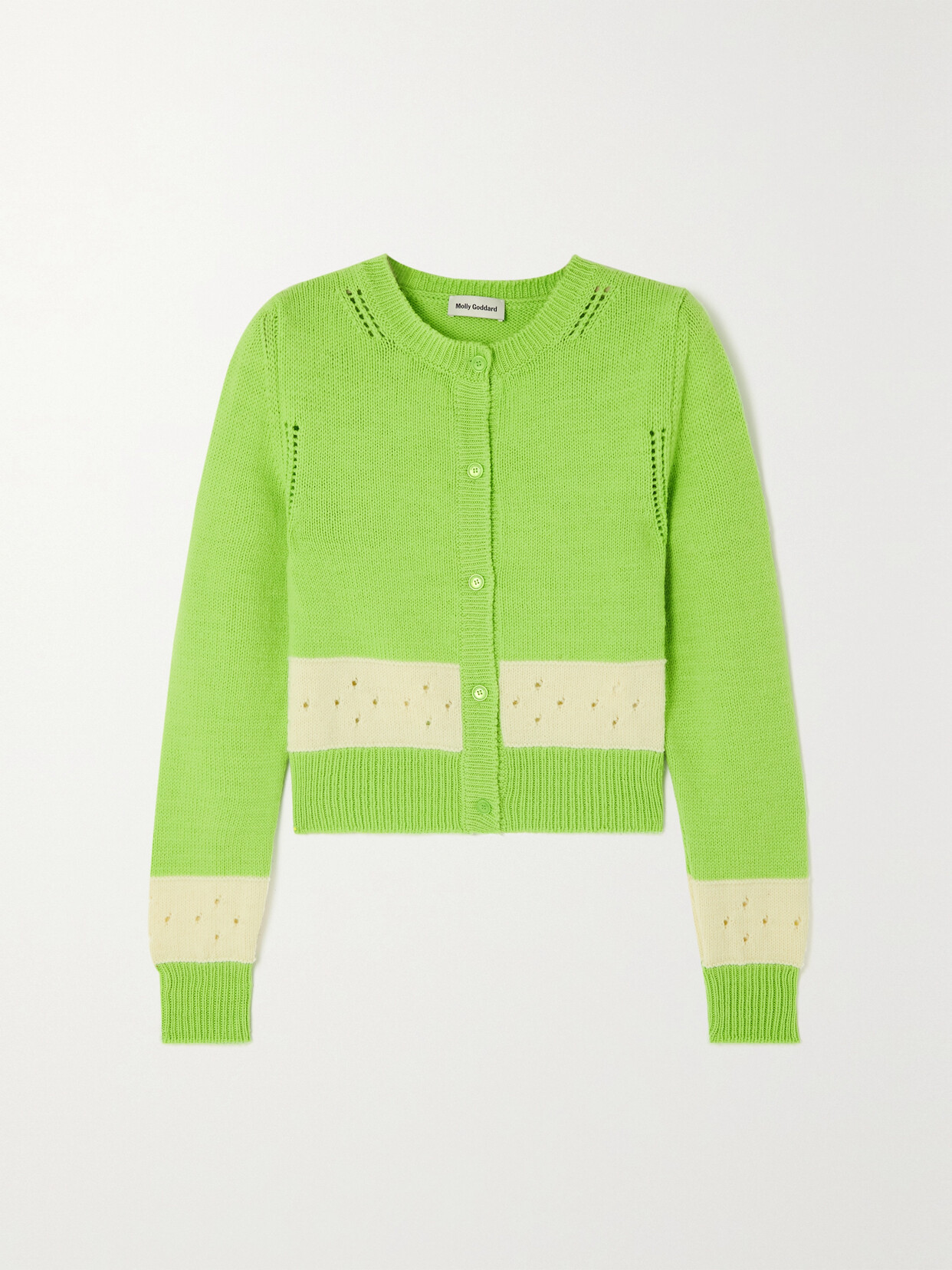
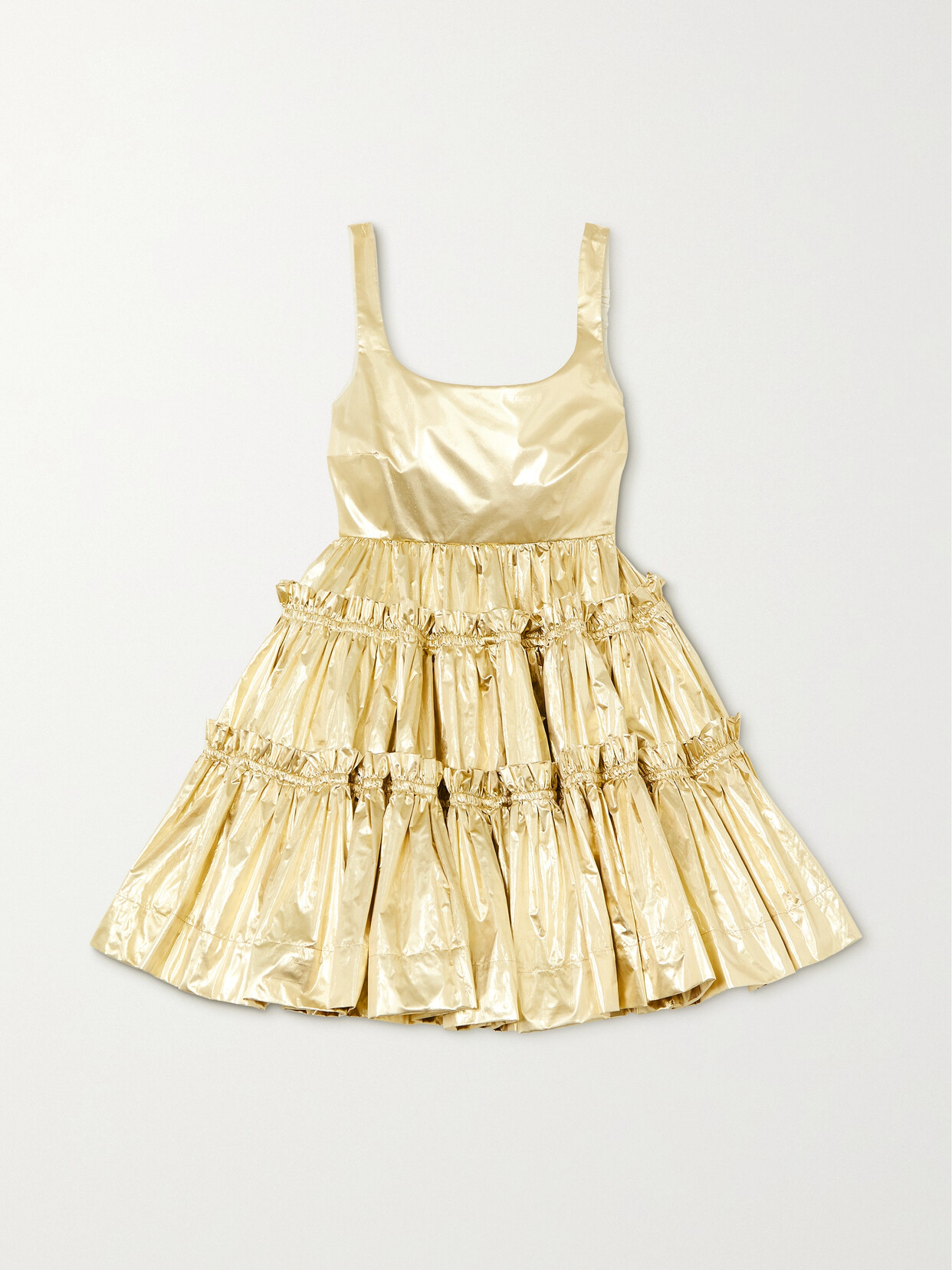
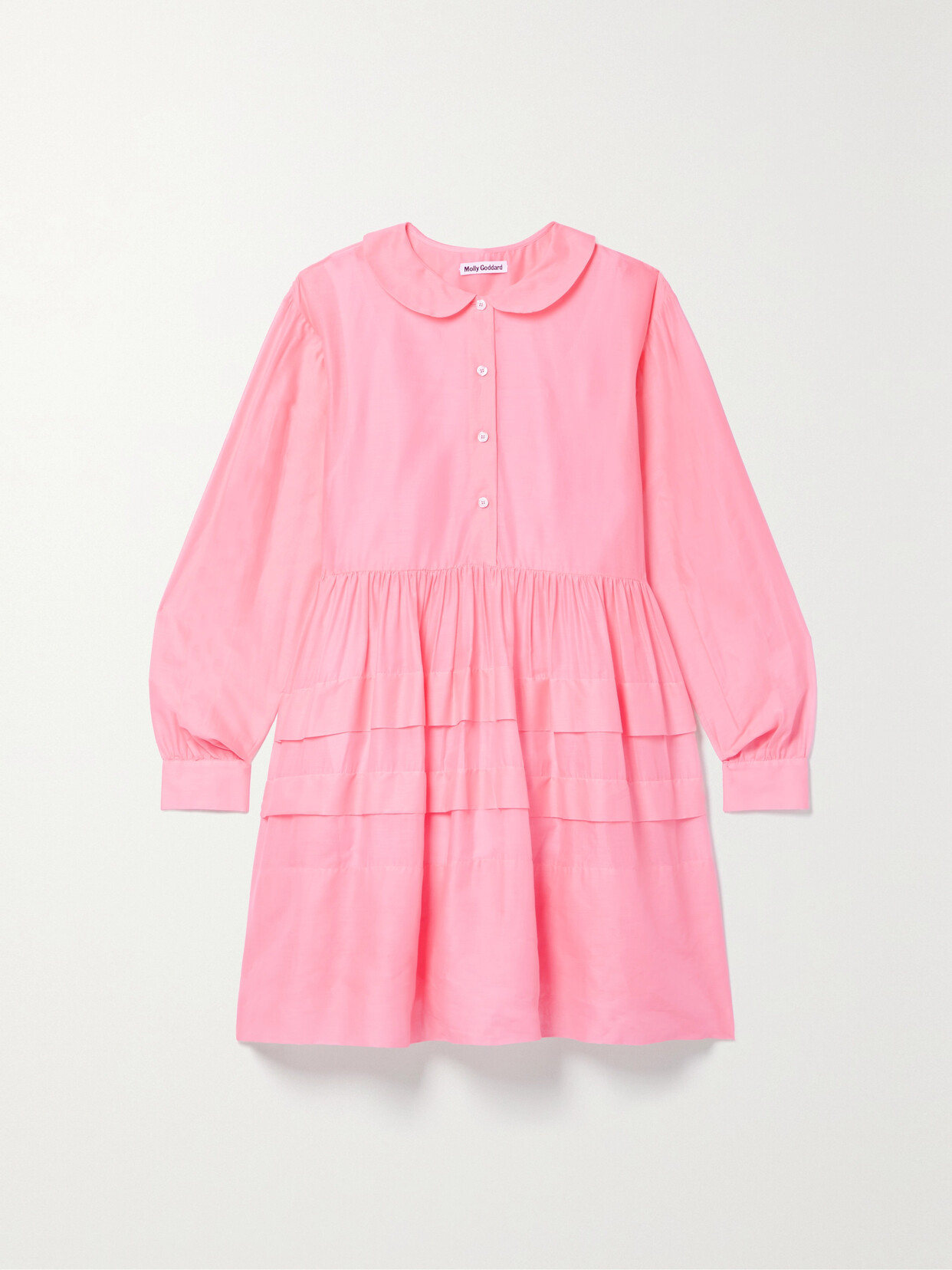
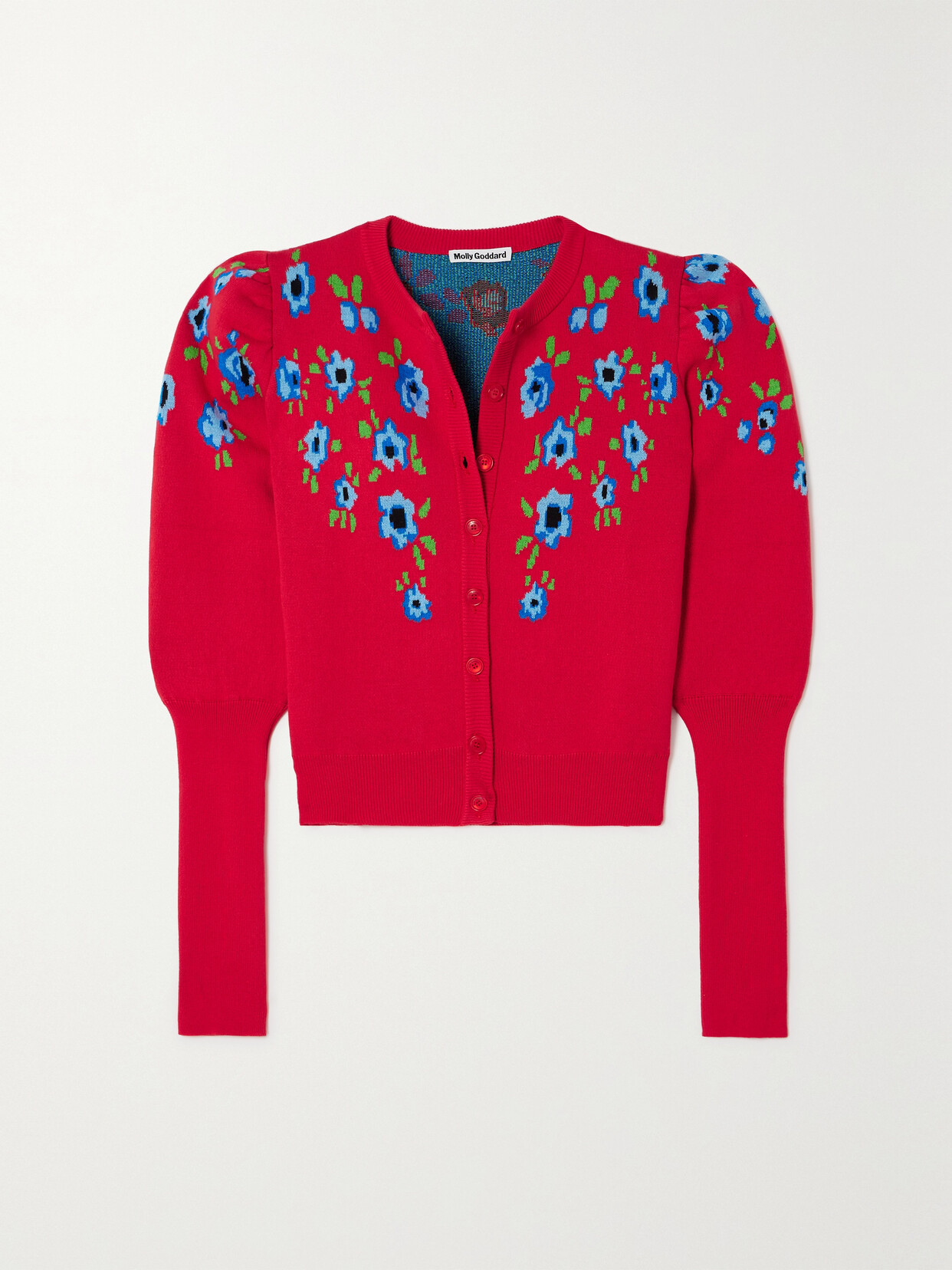
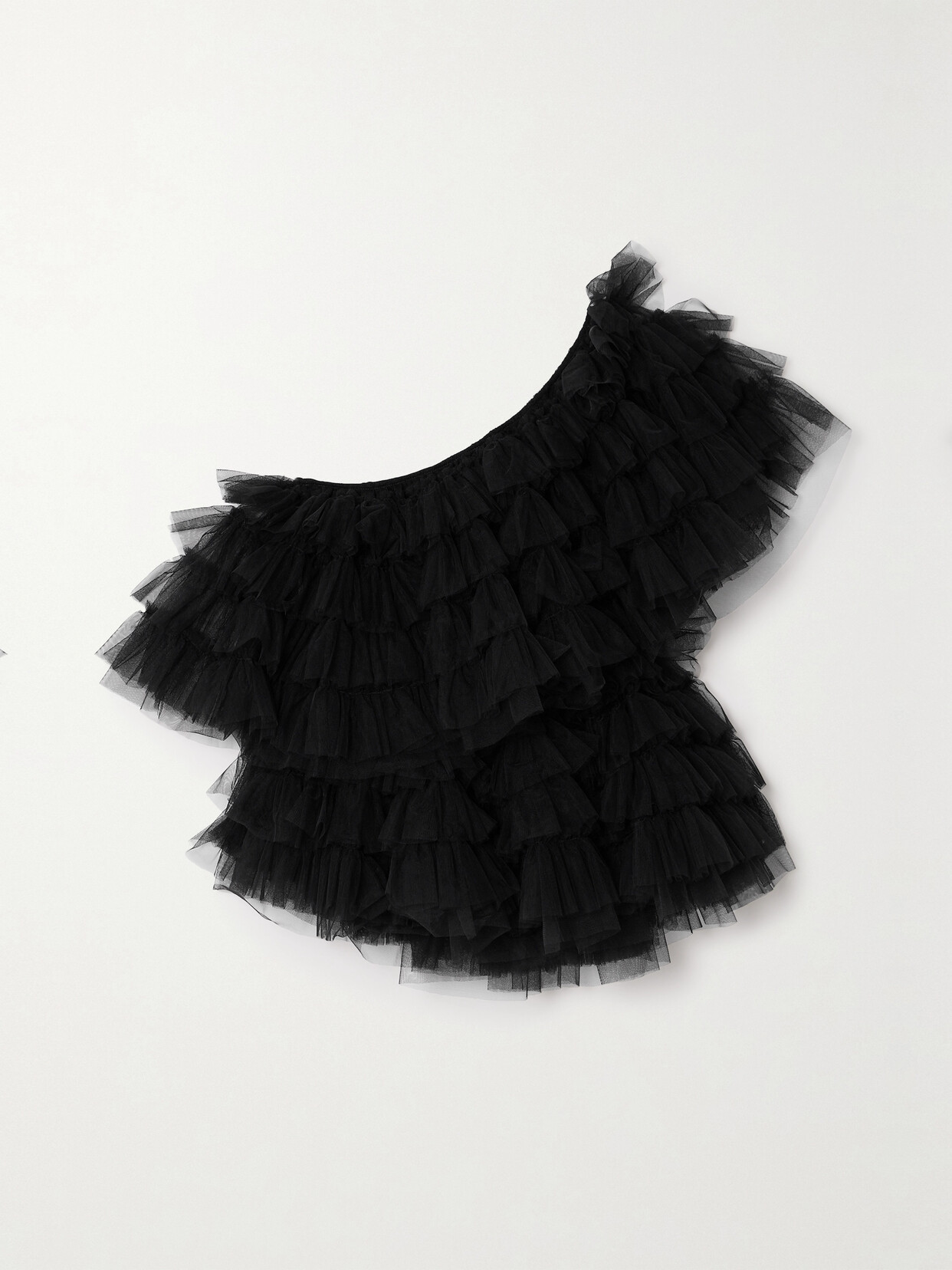
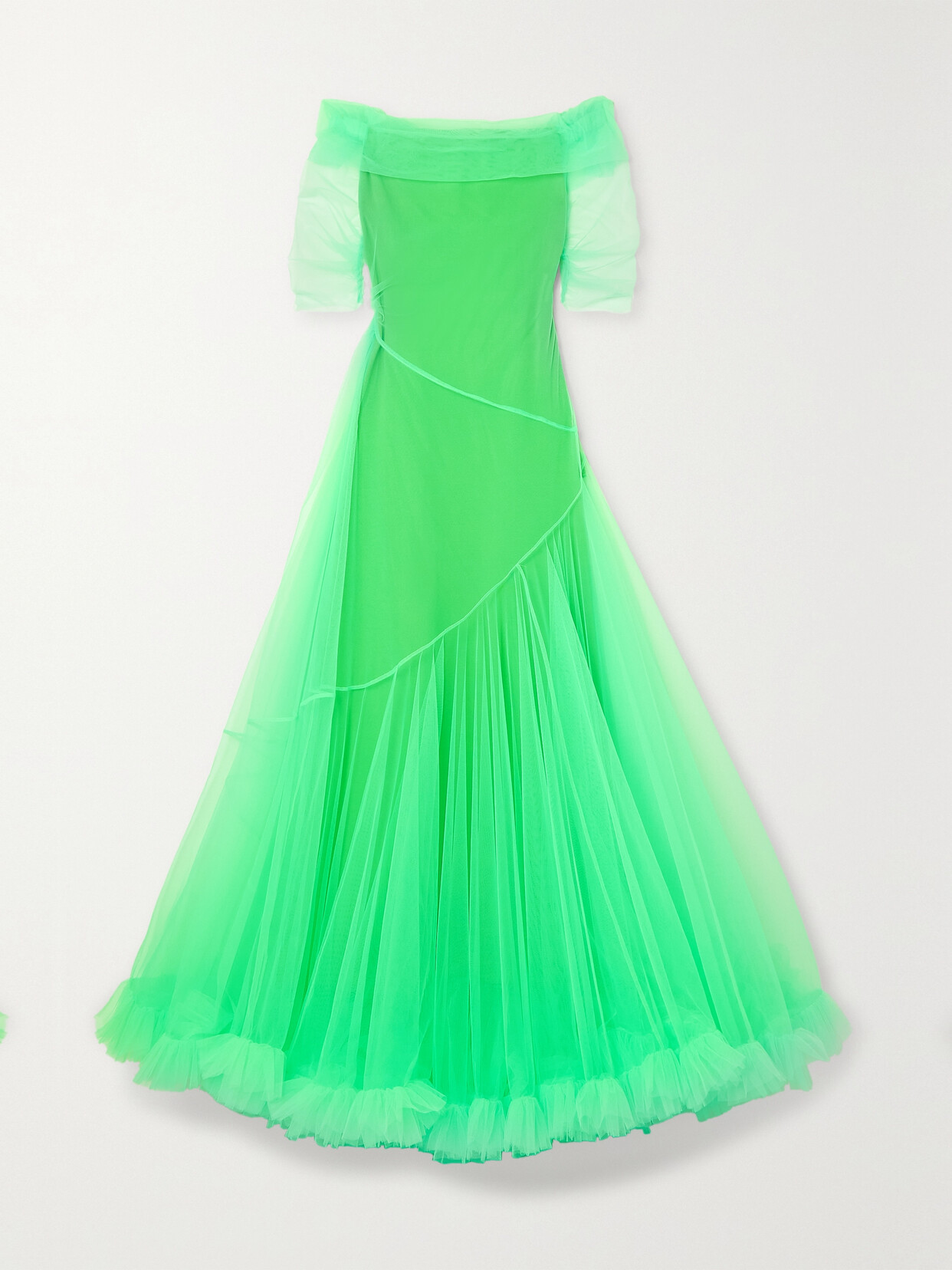
Molly Goddard‘s design language, consisting of signature tulle and romantic, magpie aesthetic, takes a beautiful, somewhat experimental turn for autumn-winter 2024. The play of volumes makes you think of the sensational Junya Watanabe’s 2000 “Techno Couture“ collection which was all about exaggerated, honeycomb ruffs inspired with European portraiture of nobility. Like some extraordinary dolls wrapped in layers and layers of tulle, the Goddard models could easily appear on the set of Yorgos Lanthimos’ “Poor Things“. Then there were all these charming cowgirl motifs, like embroidered roses on collars and full-skirts covered in XXL polka-dots, kept in a vivacious color palette taken straight out of a Pedro Almodovar film. Not every designer could pull off such portion of eclecticism and make it all look somehow consistent. But Molly Goddard is a creative who finds method in the madness.
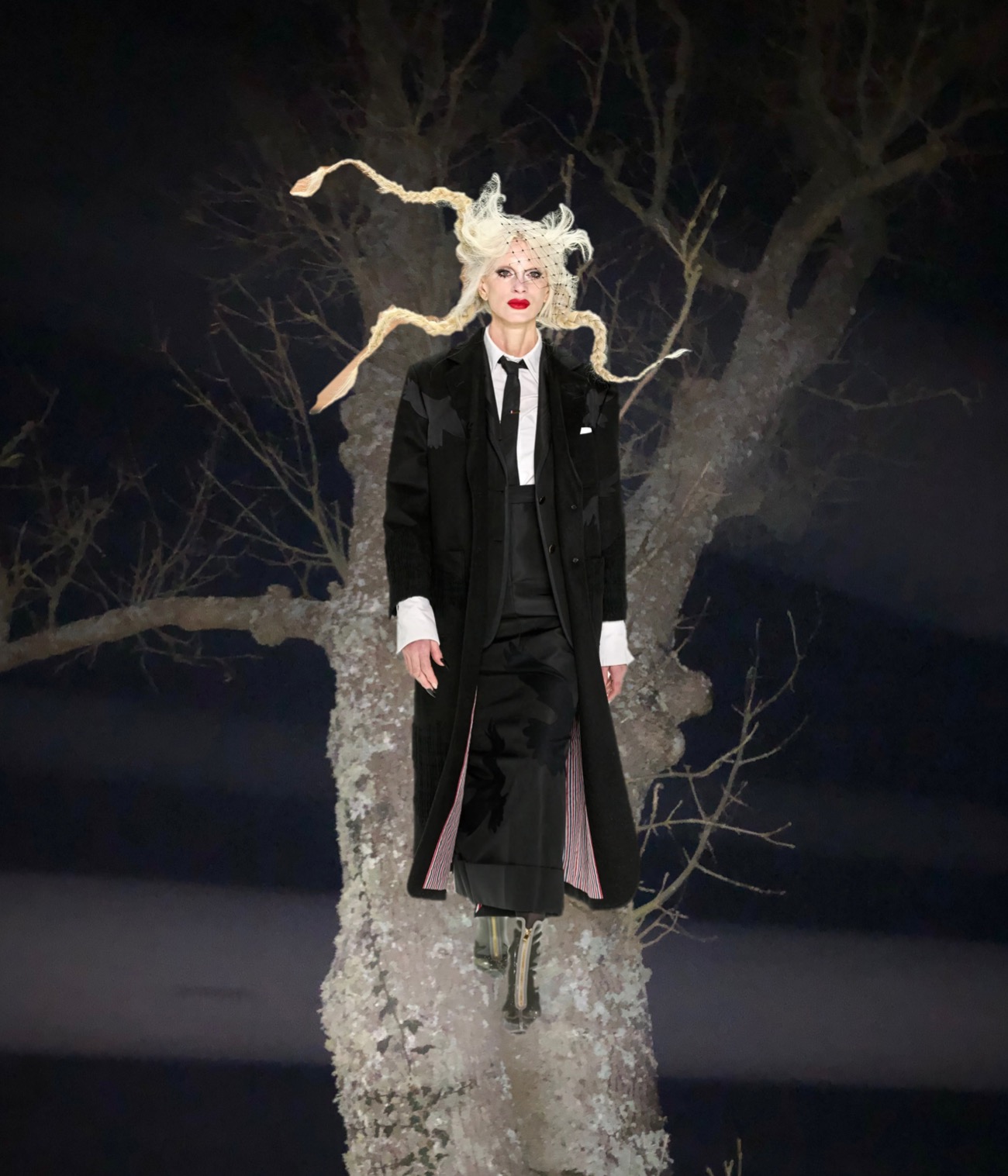
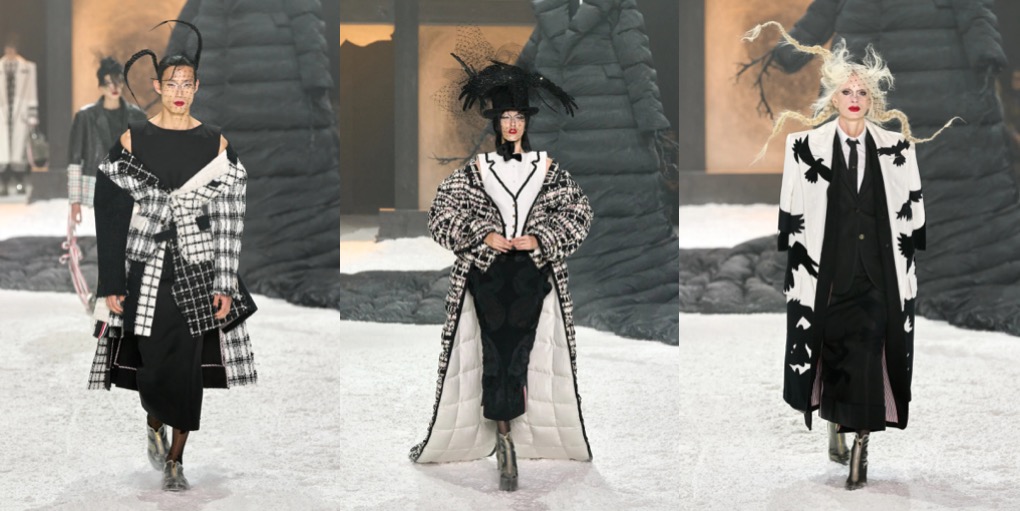
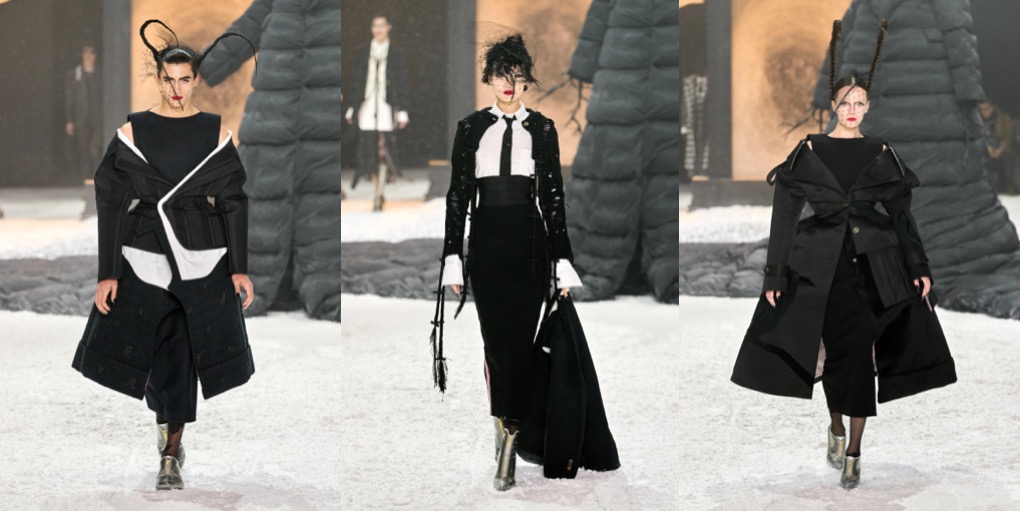
Thom Browne‘s autum-winter 2024 show was a compelling and theatrical NYFW send off. An ominous broken window in the centre of the runway coupled with barren trees, including a towering nine metre one swaddled in a puffer coat, set an eerie tone. As Anna Cleveland entered, clad in a tweed and a black headpiece, to the crowd’s surprise the largest tree began to move – it was a model on stilts. Suddenly, at the hem, children began to pop out, four in total. The soundtrack playing while this was all happening? Naturally Edgar Allen Poe’s The Raven, as narrated by Carrie Coon. The magnificent Kristen McMenamy was next to hit the runway, clad in a coat covered in ravens and gravity-defying braids. Twisted and dark, the subsequent parade of looks highlight what Browne does best, take preppy, classic standards like tweeds and tailoring and transform them into works of art with a perverse, sinister allure. A trenchcoat gets the bondage treatment, courtesy of rows of straps that line the back while a resin dipped jacket resembles a black ooze infecting a rainbow-hued world. Waists were cinched and blazers were exaggerated, creating both slim and bulbous silhouettes in equal fashion. Alex Consani’s finale as the mantis meant gold gilded braids turned into antennae as well as a face full of foil, complete with matching lashes. At its heart The Raven is a tale of distraught love and the madness that entails from it. Browne managed to convey all these feeling in this stunning fashion-show-slash-performance.
Collage by Edward Kanarecki. Don’t forget to follow Design & Culture by Ed on Instagram!
Hey, did you know about my newsletter – Ed’s Dispatch? Click here to subscribe!
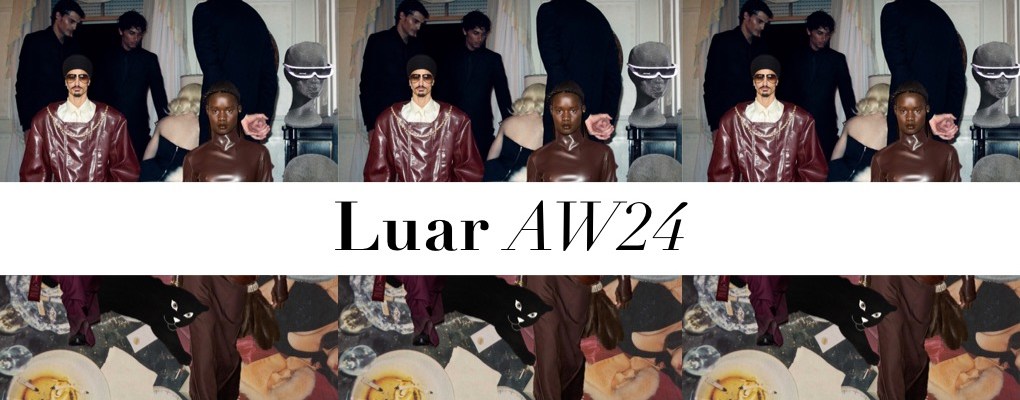
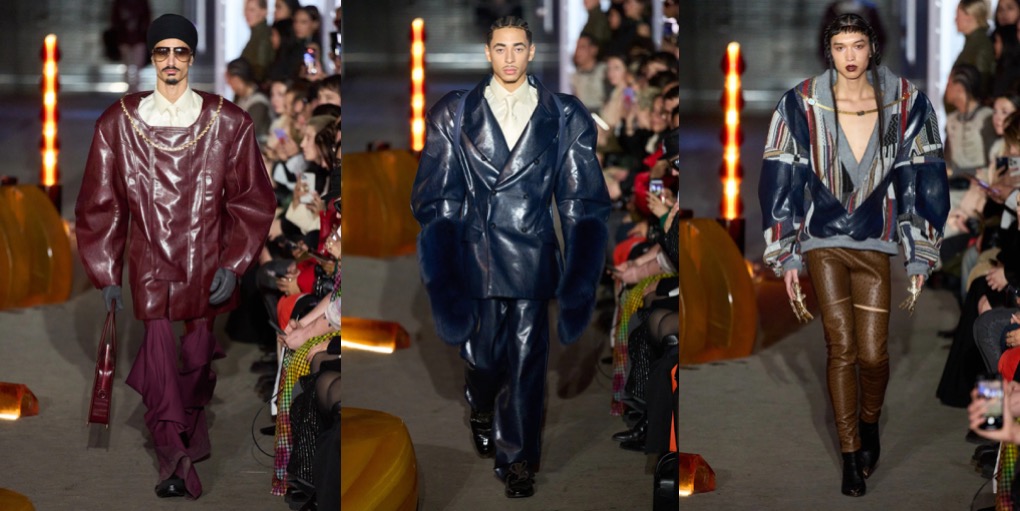
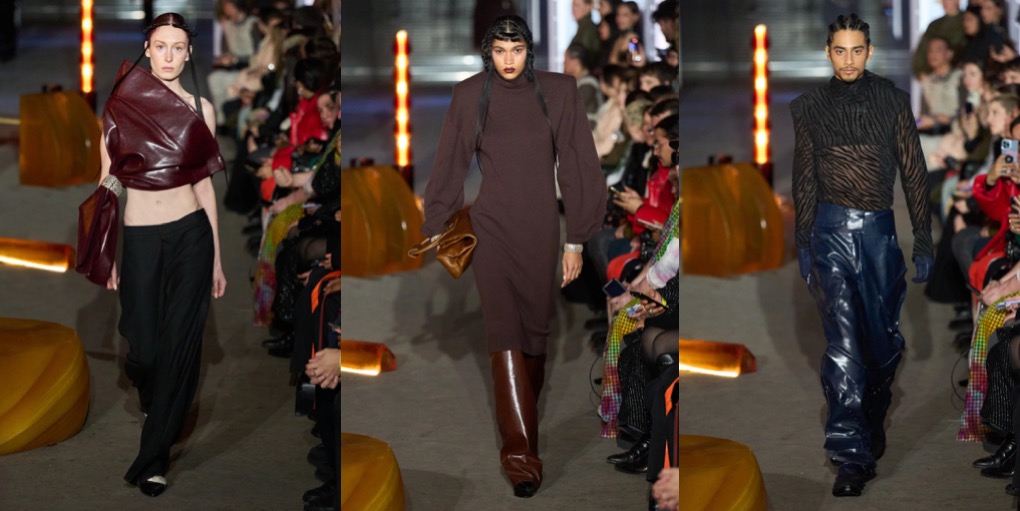
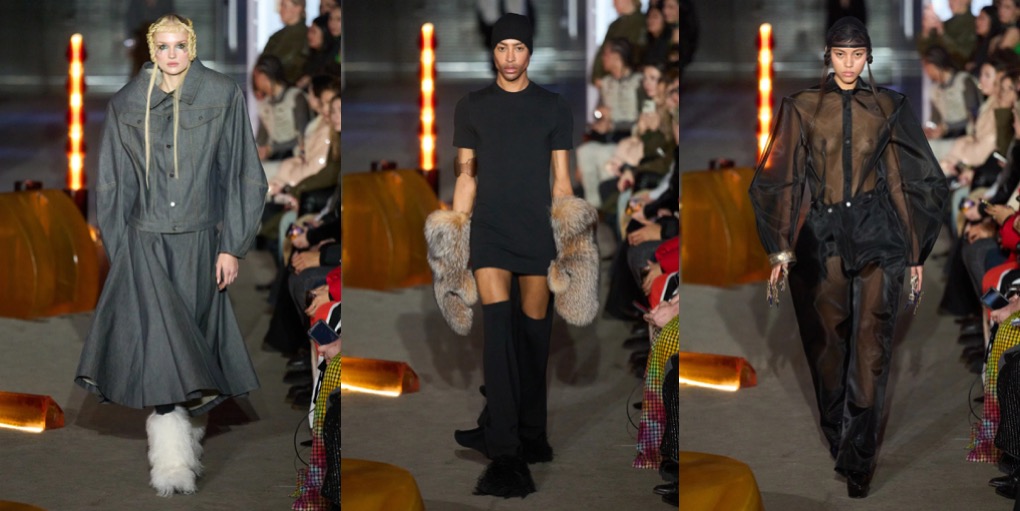
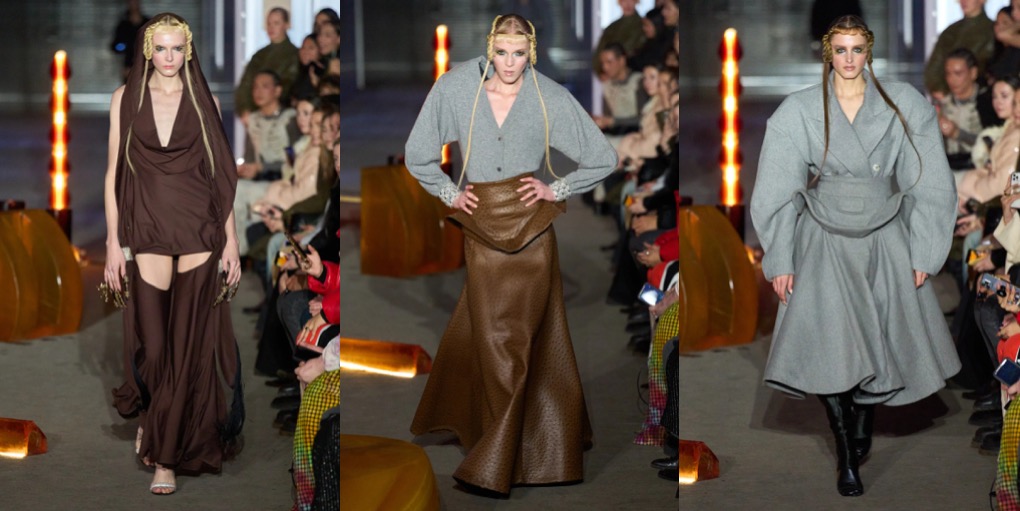
Raul Lopez’ Luar shows have become highlights, just as Marc Jacobs’ or Raf Simons’ Calvin Klein shows were back in New York Fashion Week’s history. Autumn-winter 2024 is one of those definitely, not only because Beyoncé was in attendance. This collection was a witty play around the clichéd term “metrosexual” (the last time I’ve heard it in a serious conversion was in 2012, and I live in Poland where such topics always arrive delayed). According to a dictionary definition, he’s a “single young man living in a metropolis in close proximity to the best gyms, shops, and social spaces, with a vast disposable income spent mostly on himself”. A metrosexual is a “well-manicured man whose sexuality is often immaterial – though he’s presumably heterosexual – who is well groomed, well-mannered, and has good style”.
“They’re back, and it comes in cycles,” said Lopez, pointing at images of Elizabethan and Victorian era men in brocades, makeup, and wigs, as well as men in the late ’70s with tight knits and blow-dried hair. “There are different generations of the metrosexual, and now we are in the era of the stray (straight gay),” the designer concluded. The collection in itself was an anthology of the metrosexual from the perspective of a queer man. This season, Luar clothes can be really flamboyant, but can also turn very masc at the same time. This dichotomy was on display on the runway as Lopez offered opulent zebra devoré prints in shirting (a riff on Tom Ford, an iconic metrosexual), glossy leather tailoring in the designer’s signature hefty proportions, and his recurrent hulking shoulder treatment on everything from cardigans to denim jackets. There were tight jeans paired with tighter tees (the uniform of the Dominican metrosexual, he said) that highlighted the models’ builds. A run of extra large jackets with the aforementioned bold shoulders and rounded sleeves, Lopez’s play on Elizabethan male attire, dwindled the body. The one-two punch provided by the Luar designer was the combination of a knockout collection paired with thought-provoking hypotheses about our culture. Forget the “strays,” metros, queers, straights, and everything in between. This fashion week, he christened the “Luarsexual,” and by asking the right questions about American culture and welcoming one of its biggest icons into his space, Lopez himself cemented his place as a key figure in American fashion today.
Here are couple of Luar classics you can shop right now!
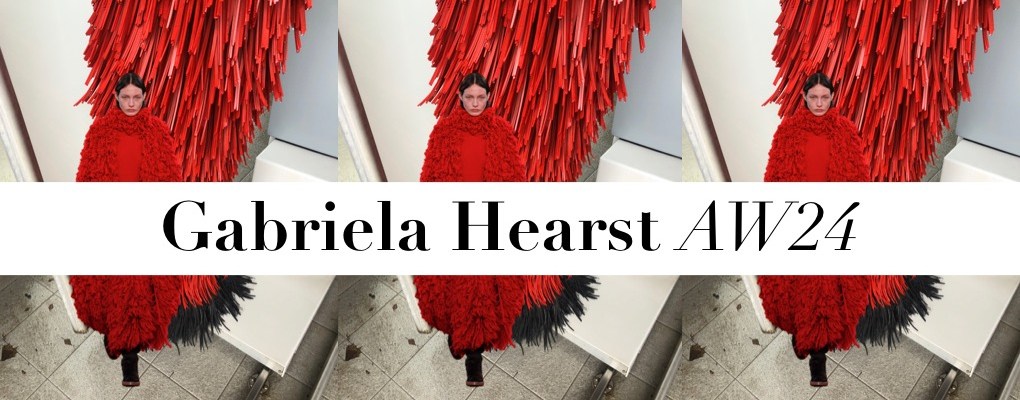
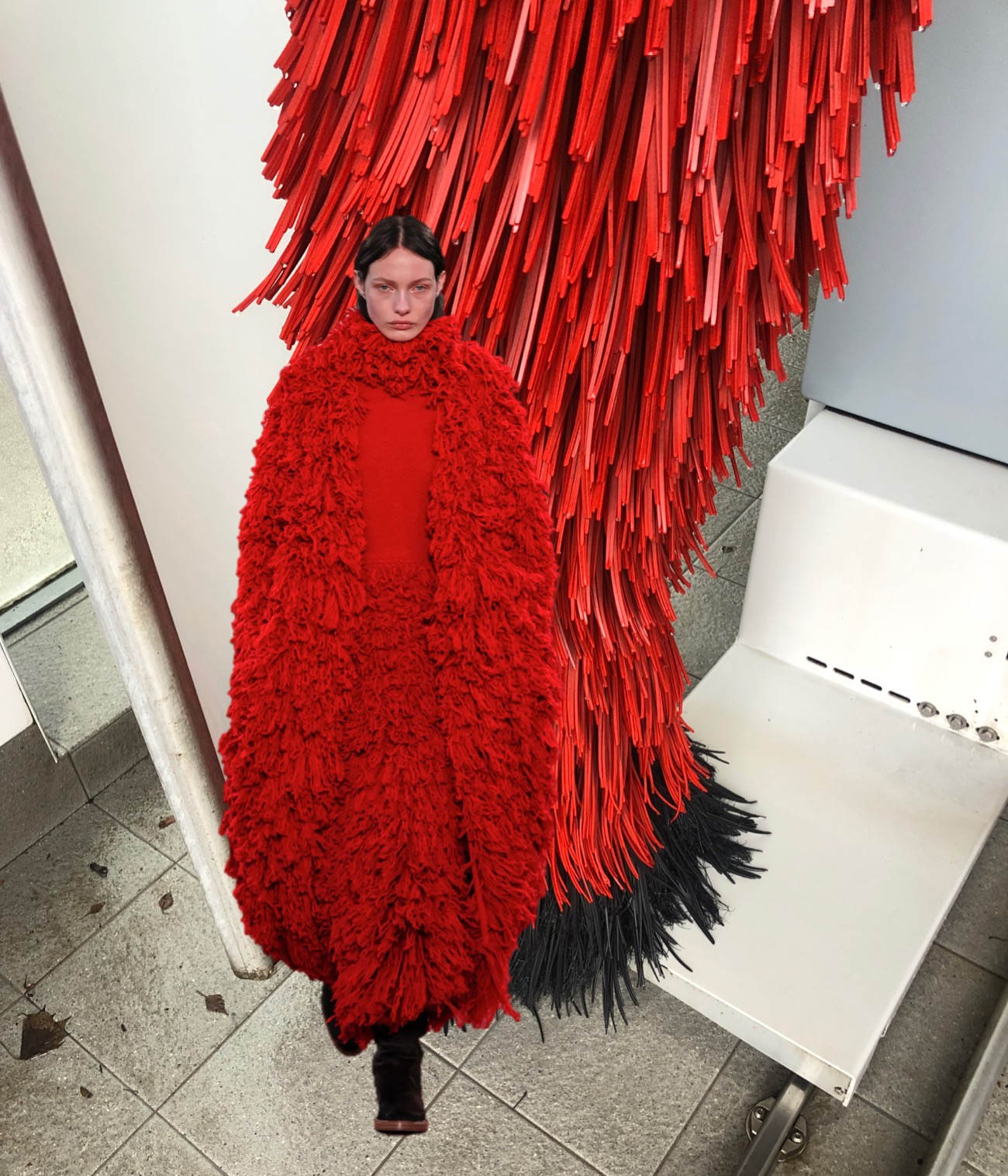
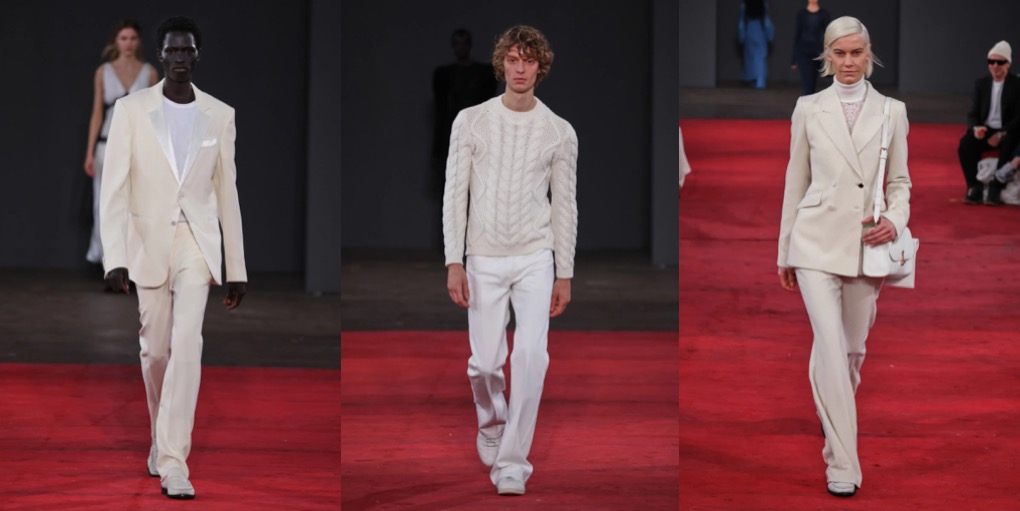
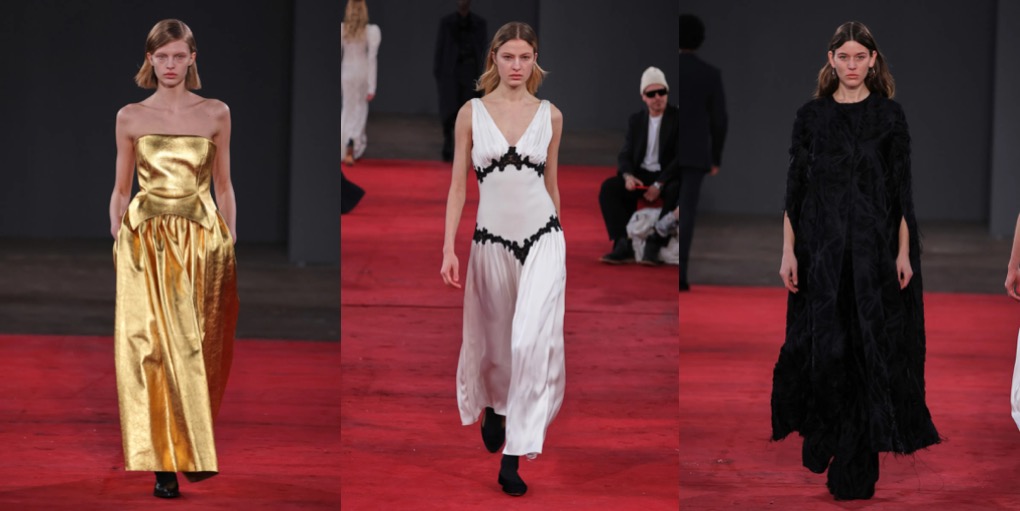
Since Gabriela Hearst is freed from Chloé, you would expect the designer to take a bit more creative risks at her namesake brand. The autumn-winter 2024 collection stays grounded in the comfort zone Hearst has carved for herself for the last few years. Slip-dresses with lace-inserts; chunky, knitted coats; proper leathers. Those are investment garments made with the finest techniques. A growing number of brands in New York do that too. And we already know this version of Gabriela very, very well. I wish the designer challenged herself more.
Collage by Edward Kanarecki. Don’t forget to follow Design & Culture by Ed on Instagram!
Hey, did you know about my newsletter – Ed’s Dispatch? Click here to subscribe!
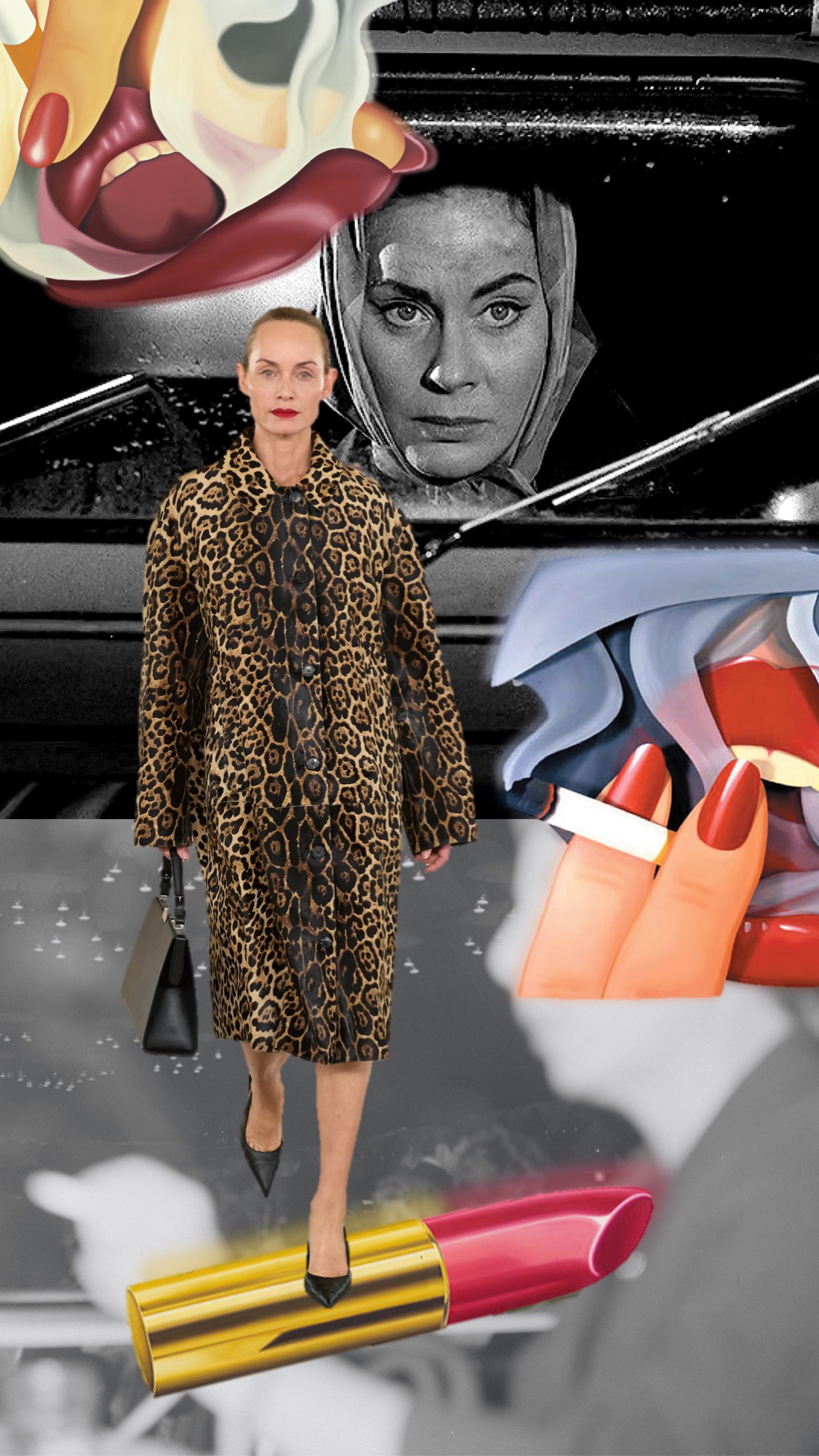
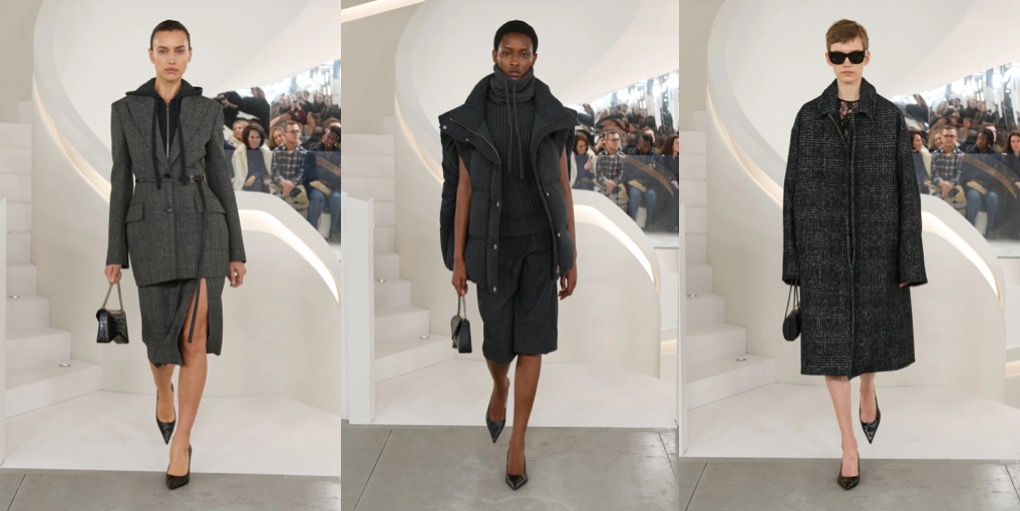
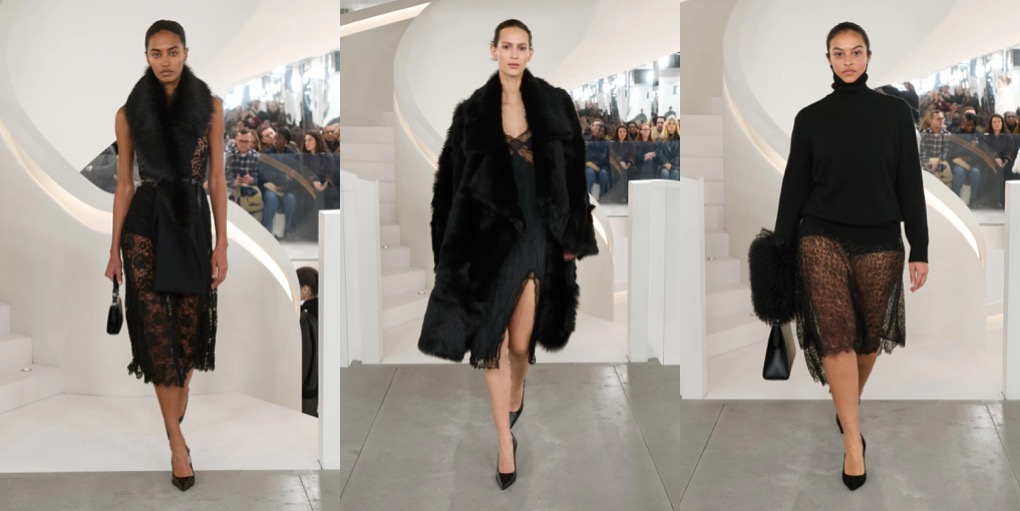
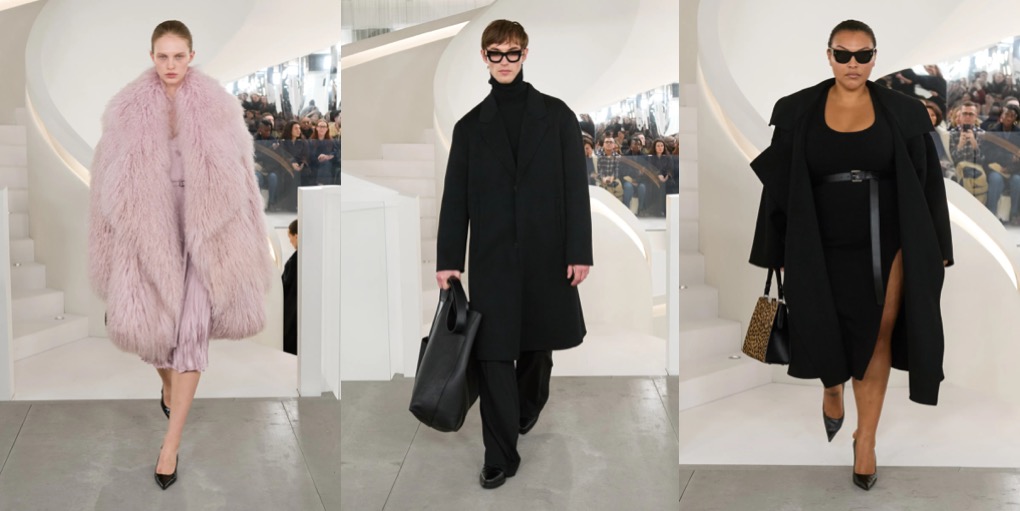
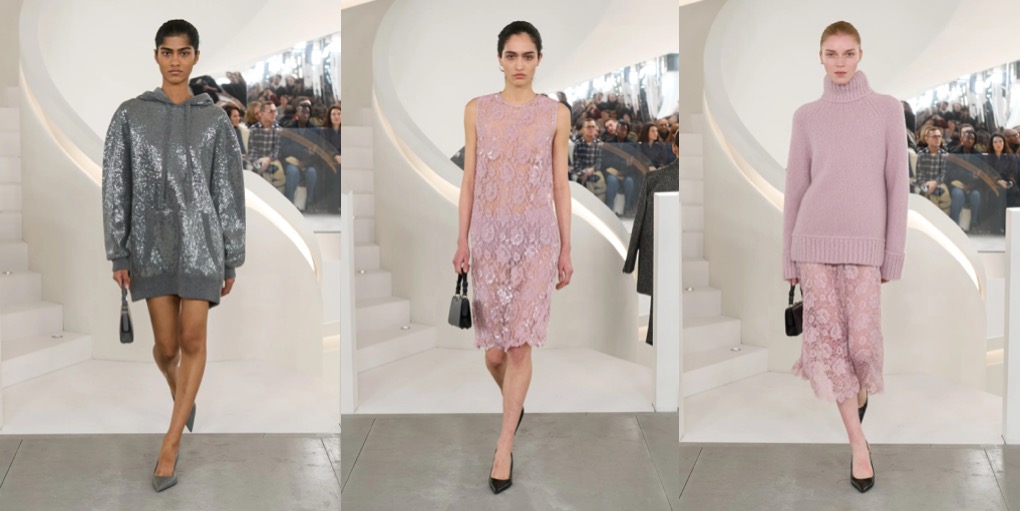
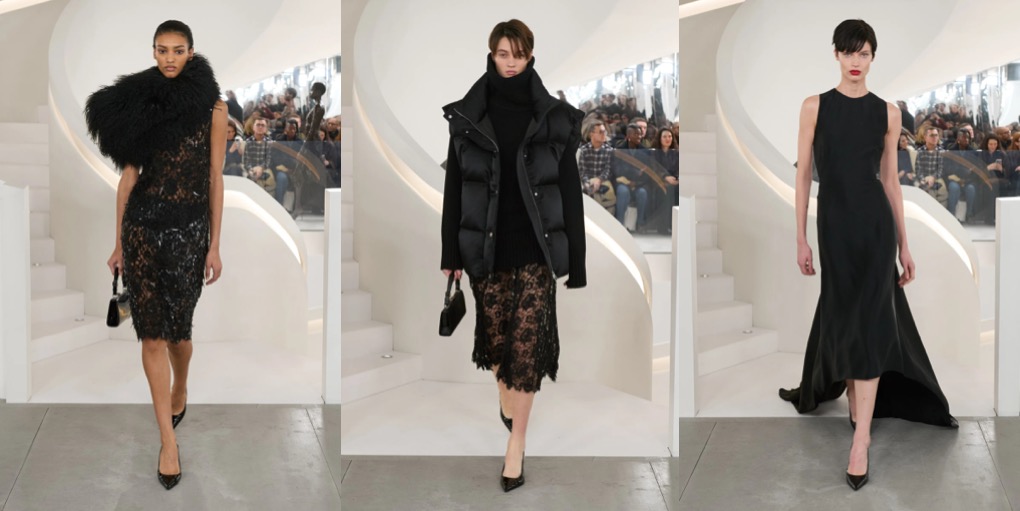
When Michael Kors comes to work, he really delivers. His autumn-winter 2024 collection is one of his best in years. It’s a real, consistent, and absolutely convincing proposition of how women can dress in 2024, without the ridiculous “quiet luxury” or “power dressing” labels. From the opening skirt-suit to the closing eveningwear, kept in all-black, real power oozed from these looks. All that confidence weaved into these clothes came from a very personal belonging, a black-and-white photo of Kors’ grandparents on their wedding day. “I was always absolutely enraptured with how my grandmother looked in her dress,” the designer said. “There was such simplicity to it, so chic. It’s the height of the ’30s. When my mom passed away over the summer, we were going through everything, and all of a sudden I saw this garment bag, and I opened it up and there it was. It’s the ultimate sleeping beauty story.” The dress was a two-fer, with a modest tunic over a “sensuous, sinewy” bias-cut number, the latter of which proved inspirational. “I started thinking about what endures,” Kors said. On the mood board, his grandmother was surrounded by women of other generations in bias-cut slips: Carole Lombard, Elizabeth Taylor, Kate Moss, Naomi Campbell. And for a counterpoint, there was tailoring of the Katharine Hepburn and Carolyn Bessette Kennedy school: strong yet feminine, with sharp shoulders and sculpted waists in Prince of Wales checks, herringbones, and camels. Kors is at his best reworking polished New York classics like this. He doesn’t just know the American sportswear canon, he’s helped shape it these last 40 years. And it shows this season.
Collage by Edward Kanarecki. Don’t forget to follow Design & Culture by Ed on Instagram!
Hey, did you know about my newsletter – Ed’s Dispatch? Click here to subscribe!















 Design & Culture by Ed