What’s Hot (7.9.22)


True to her Italian roots, Camille Miceli called Emilio Pucci’s winter collection La Piazzetta, hinting not only at Capri’s famous handkerchief-sized hotspot, but also at the notion of the city square as part of Italian culture, a space open to communality and connections. These values and the idea of la famiglia, another established building block of the Italian lifestyle, are the drivers Miceli is embracing to charge Pucci with a bold new energy. For her second collection for the brand, Miceli drew from her own family and circle of friends – a motley crew of characters, talents, and generations – generously sprinkling it with her abundant joie de vivre. “My Pucci woman is an urban bohemian, she loves to travel, she’s in constant movement,” she says. “It’s the mother, it’s the daughter, it’s the grandma – as long as they enjoy life, they’re part of the community of Pucci.” Festive, bold, and colorful, the collection keeps all the label’s fundamentals alive, while introducing a few novelty notes to the mix. Knitwear was a new addition, offered in a rainbow-colored capelet with an undulating hem, or in a fringed hand-knitted, patch-worked poncho worked with horizontal intarsia. Miceli said that she was “happy to have achieved something that is Pucci, without being logo-ed by the prints in a big way.” She also used black as a thread throughout the collection, using prints as pipings, side inserts, foulard ribbons, and fringes, while widening the color palette with “some more options that reflect its character without being necessarily full-on printed.” Fringes are a Miceli signature, as they “bring frivolity to the garment,” she explained. They also give the feel of the energy and glamour that is the quintessential combination of the Pucci-Miceli connection. The Pucci woman, whatever her age, is on the move, going around in activewear-inspired zippered blousons in shiny recycled nylon printed and tiny pleated printed kilts, and weathering rainy days in protective hooded waxed ponchos boasting the lysergic Marmo pattern.
Parties are the Pucci woman’s natural habitat, and Miceli wants her to shine under the discoballs. Leggings with disco ruffles are a tribute to the effervescent charm of Raffaella Carrà, an Italian showgirl famous in the ’80s who reminds the designer of her teenage years. Miceli’s affinity for the label’s high-style bohemia was conveyed in long printed chiffon dresses with ruffled décolletages, in more sinuous, body-con options wrapped in stoles, or else in leopard-printed satiny numbers – a new introduction as “Emilio only did zebra at the time,” said Miceli. Bravissimo!


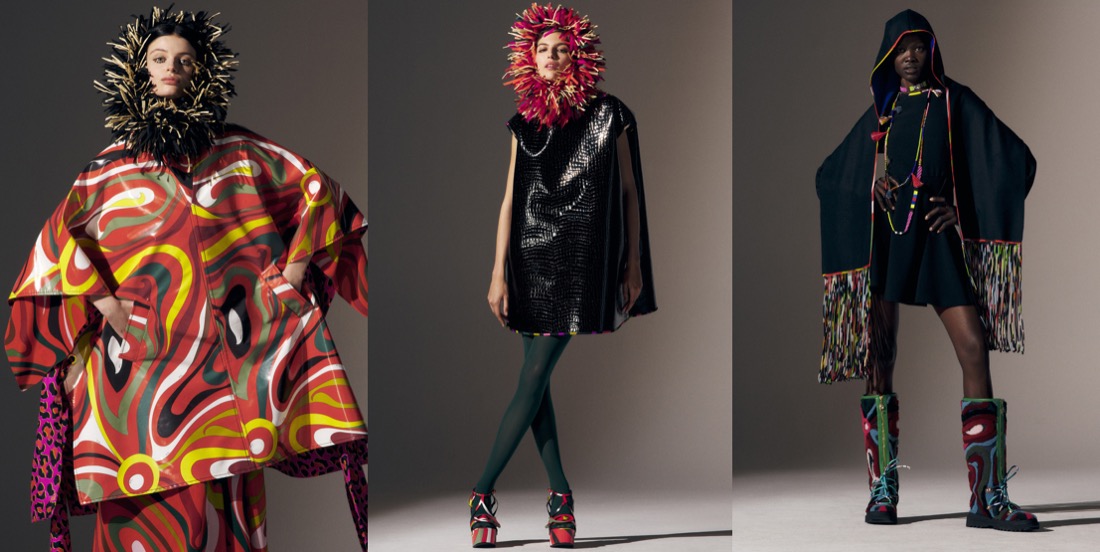

Collage by Edward Kanarecki.
Don’t forget to follow Design & Culture by Ed on Instagram!

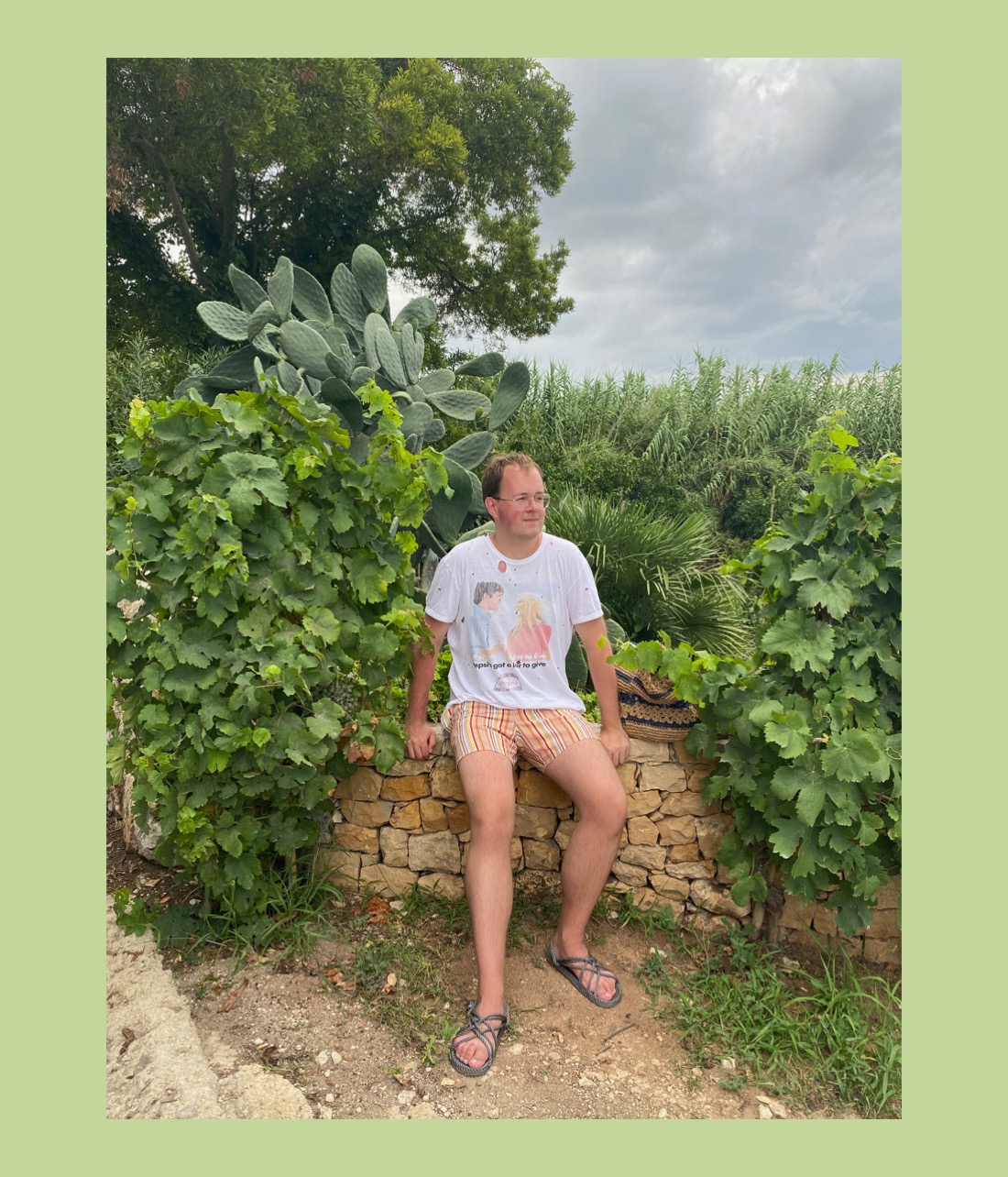
Whether you come here to walk, bird-watch or swim, the 8km long Vendicari Nature Reserve is one of Sicily’s most spectacular nature spots and a firm favourite with anyone who enjoys the charm of wild beaches. Situated in the south east corner of the island, it is made up of a mixture of lagoons, sandy beaches and rocky coastlines. Most importantly, it is visited each year by thousands of migrating birds, including flamingos, herons and terns, en route to or from Africa. Plant life too is significant, the high salt levels providing an ideal habitat for sweetly-scented herbs, dwarf palms and juniper bushes. On the way to the beach, there’s a lovely caffè serving the most delicious granita from local lemons and avocado.


Photos by Edward Kanarecki.
Don’t forget to follow Design & Culture by Ed on Instagram!
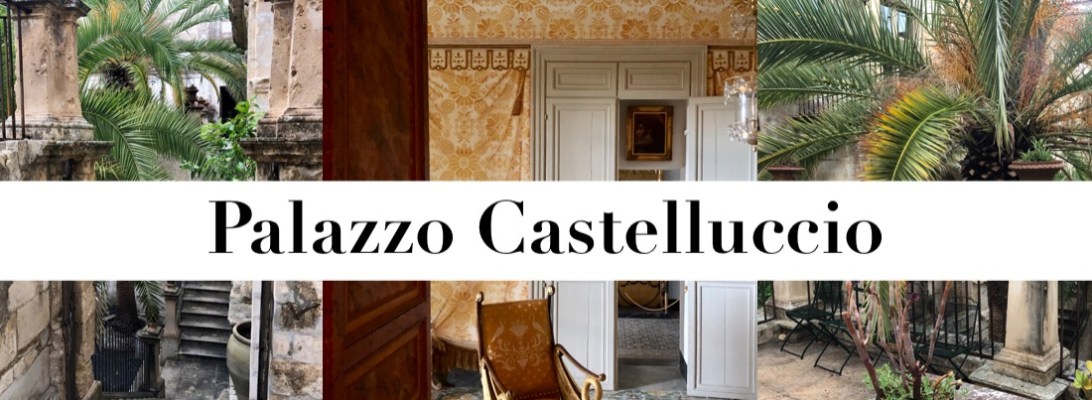
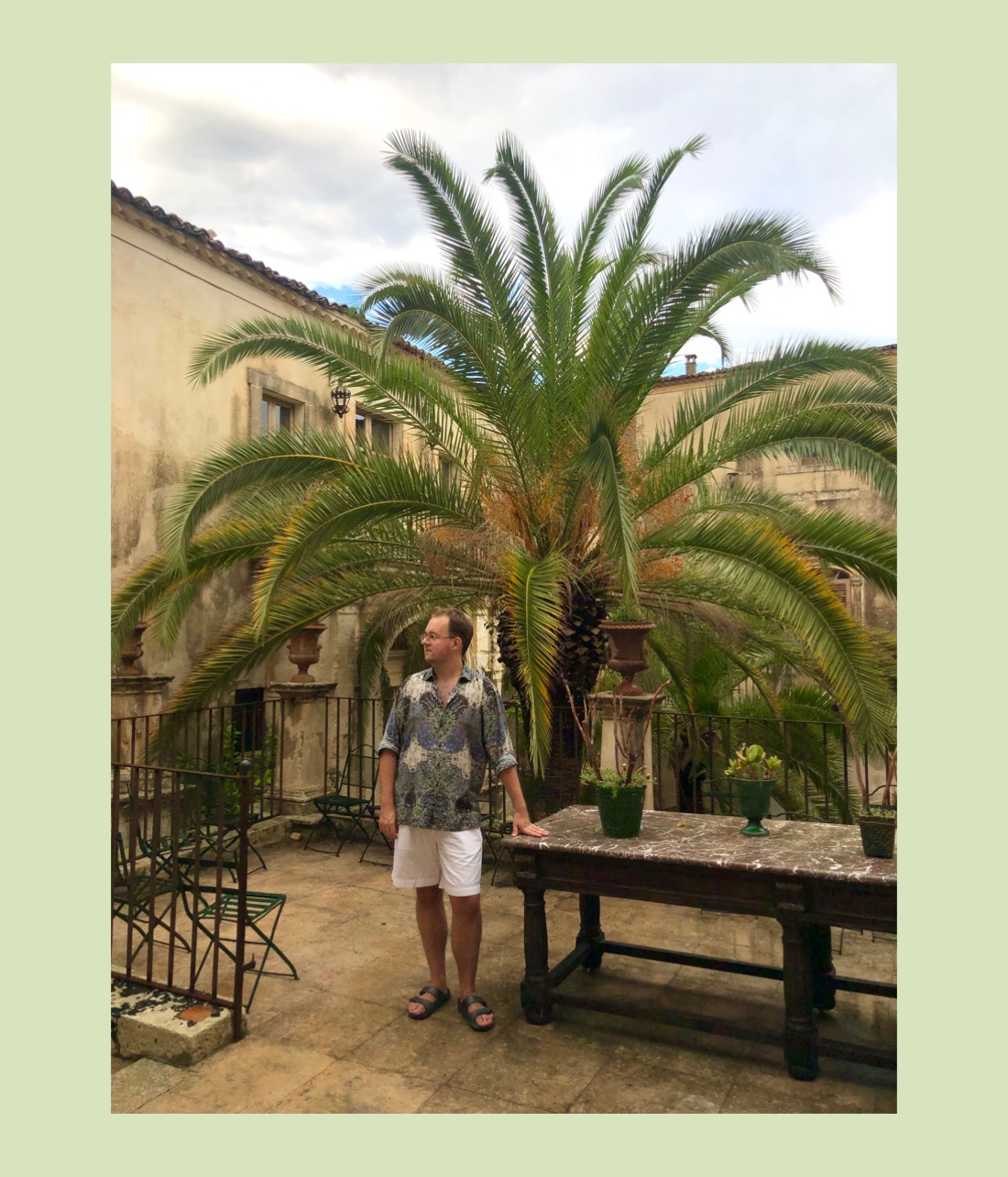
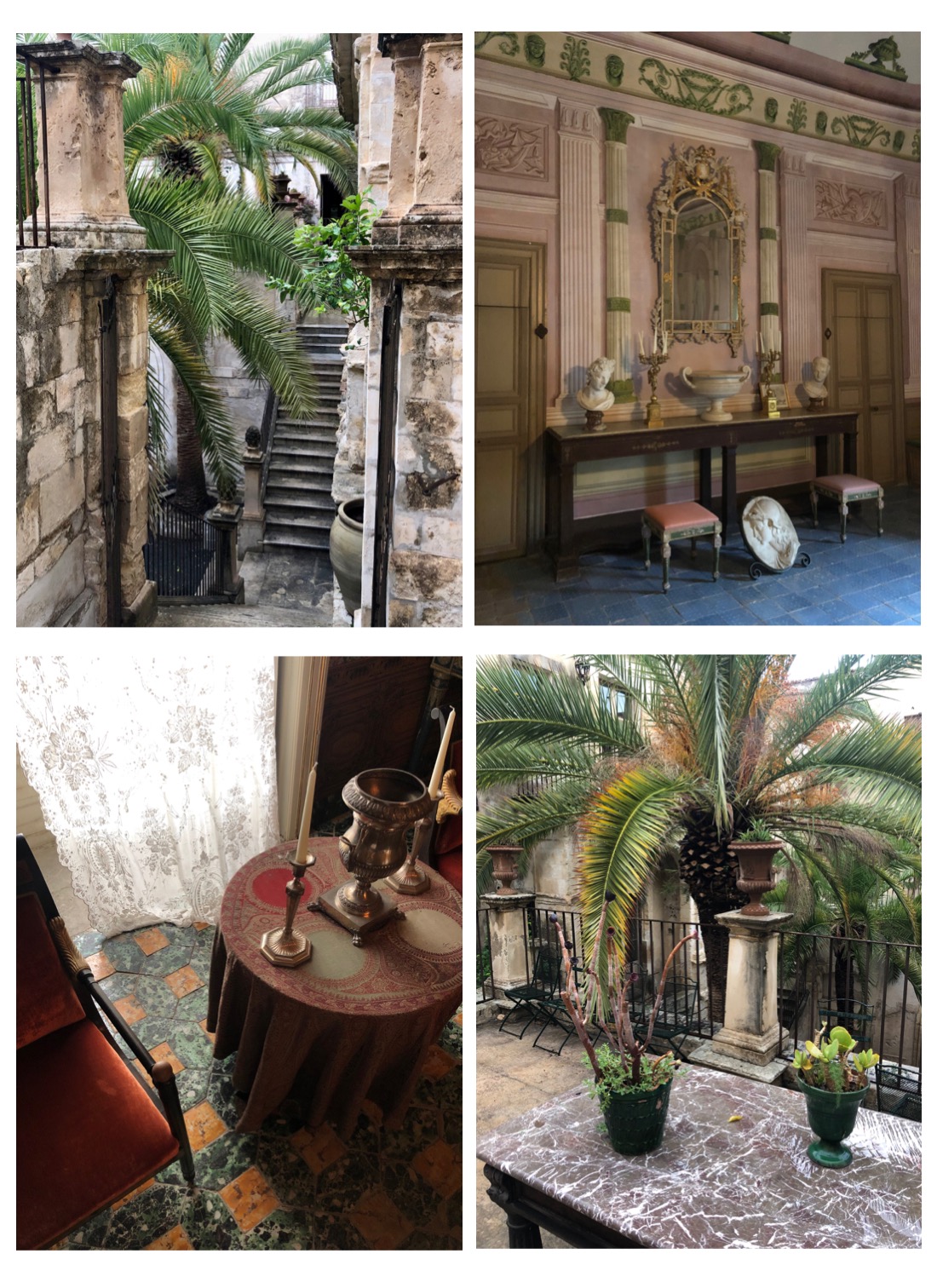
If you lose yourself to the streets of Noto, you will find incredible places to visit and fall in love with immediately. The Palazzo Castelluccio, belonging to one of the oldest families in Noto, was built in 1782 by the Marquis di Lorenzo del Castelluccio after the earthquake of 1693 which partly destroyed the region. The façade of the Palace, on Via Cavour, does not have the same baroque style used for the reconstruction of the main buildings of the city, but instead reflects the neo-classical taste popular in the late 18th century, which can be found in the well-preserved frescoes on the ceilings and walls of the main first floor. Four years of work were needed to revive the Palace, respecting its fine finishing and its history. The frescoes were cleaned and restored, the fabrics replaced and the silver wallpaper remade identically. A collection of Italian and Sicilian furniture and paintings restored the atmosphere of an inhabited palace. The music room, chapel and ballroom are testimony the power and good taste of a large aristocratic Sicilian family. After the death of the last Marquis of Castelluccio, the Order of Malta inherited the Palace and kept it for some years. When the current owner took possession in 2011, the Palace had been uninhabited for decades. The main first floor was in a terrible condition, and the doors, windows, paintings and electrical installations all had to be removed and replaced. Today, the colours have been restored to the grand staircase and its vases and extend a magnificent welcome to visitors…
Via Cavour 10


Photos by Edward Kanarecki.
Don’t forget to follow Design & Culture by Ed on Instagram!
 Design & Culture by Ed