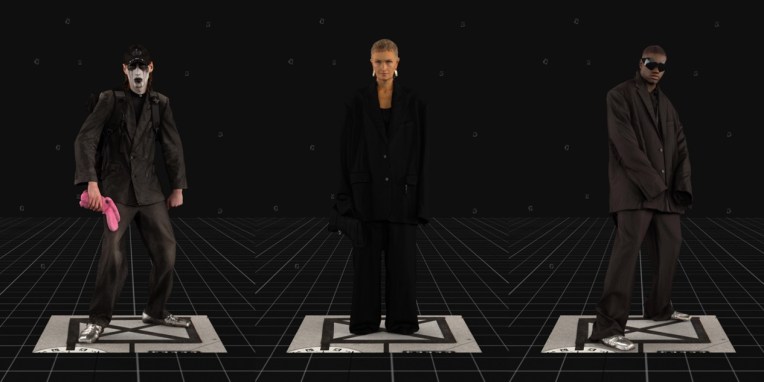
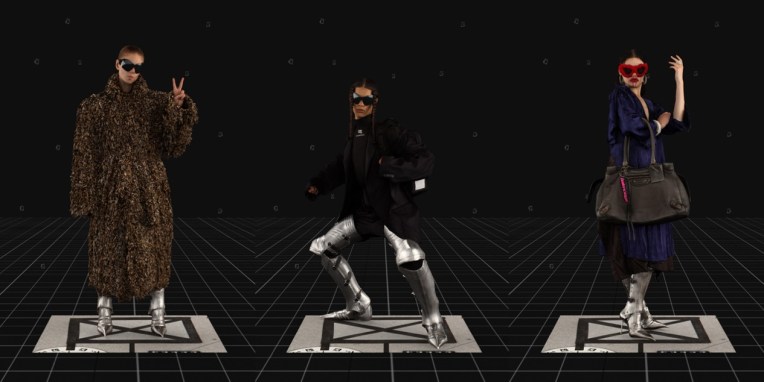
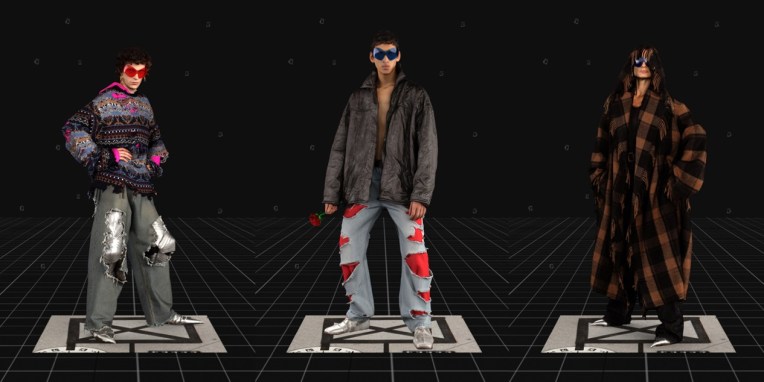
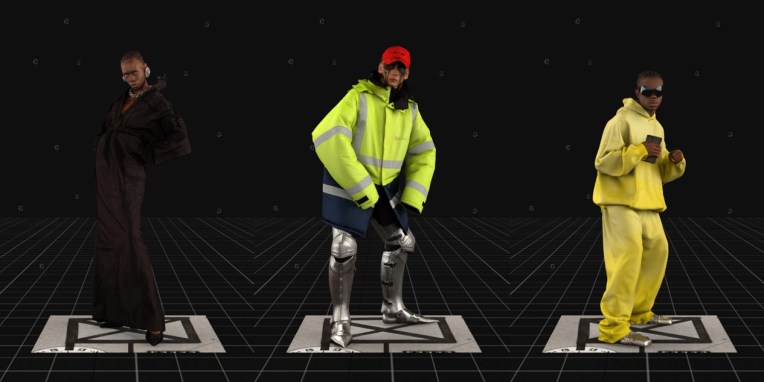
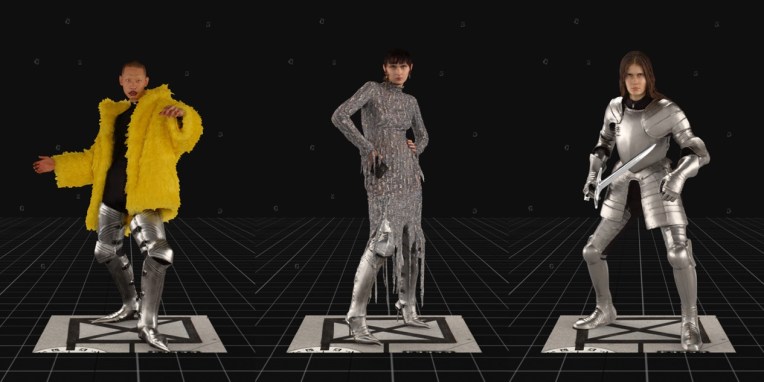
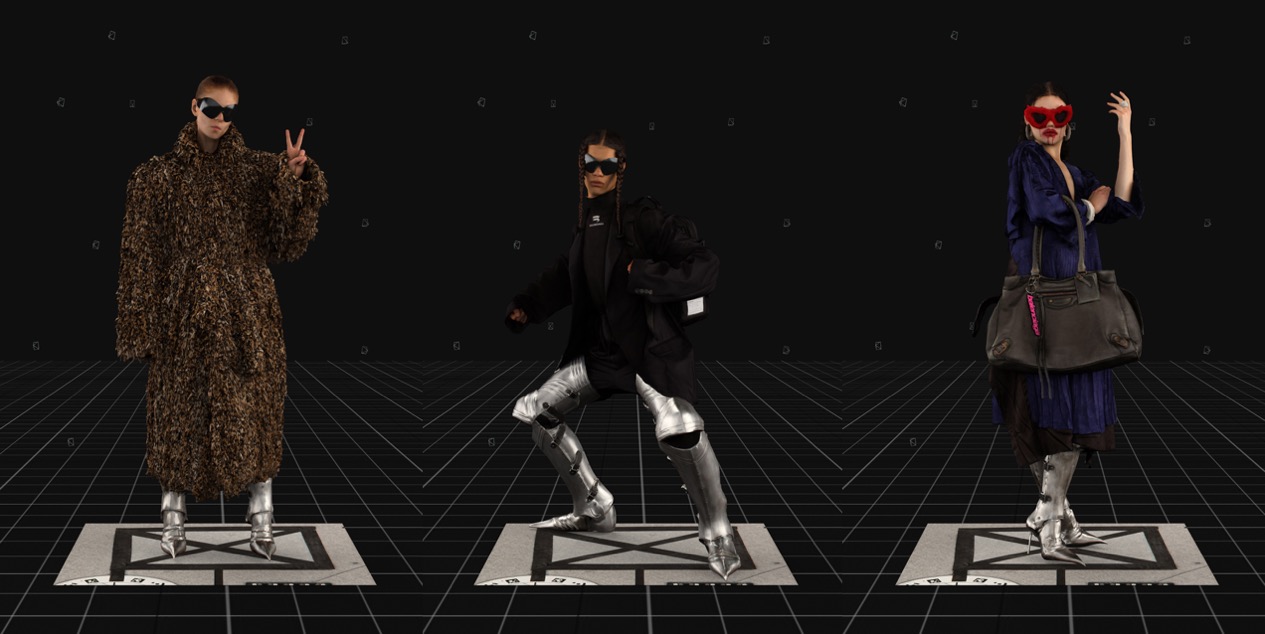
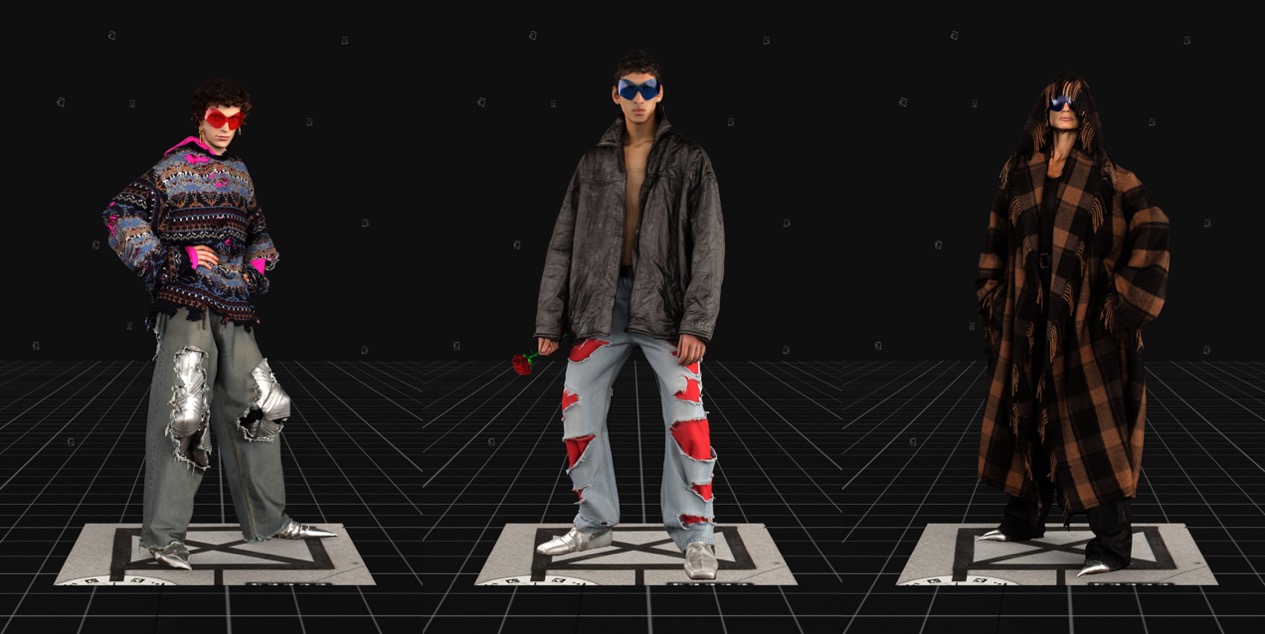
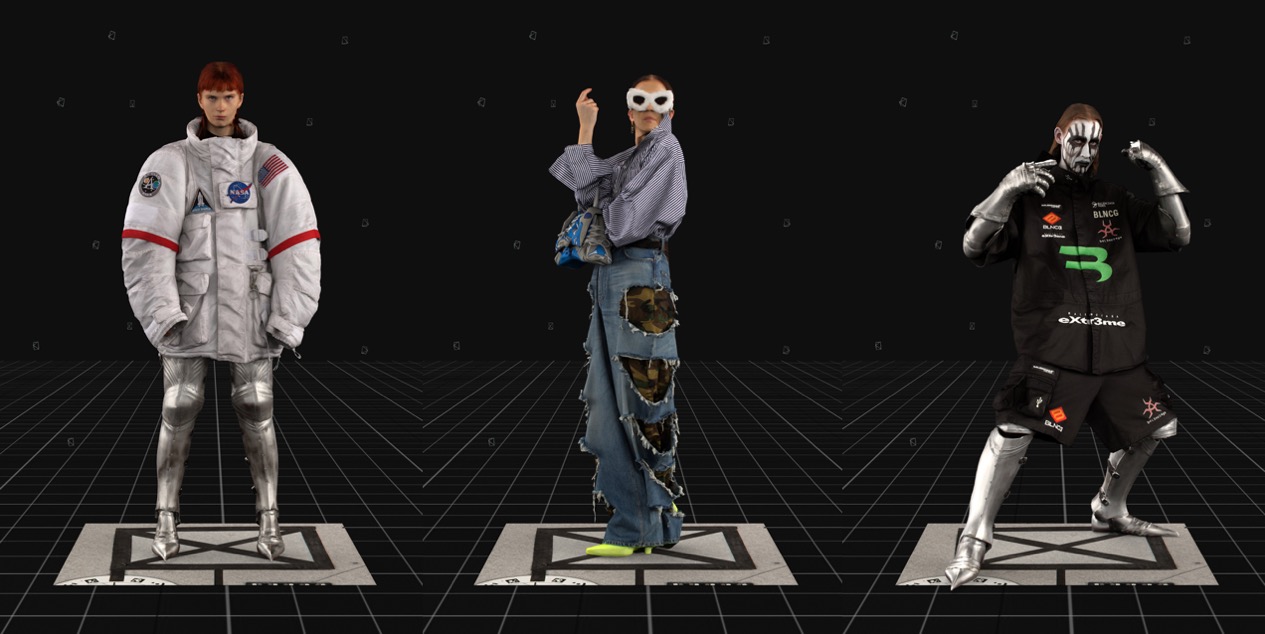
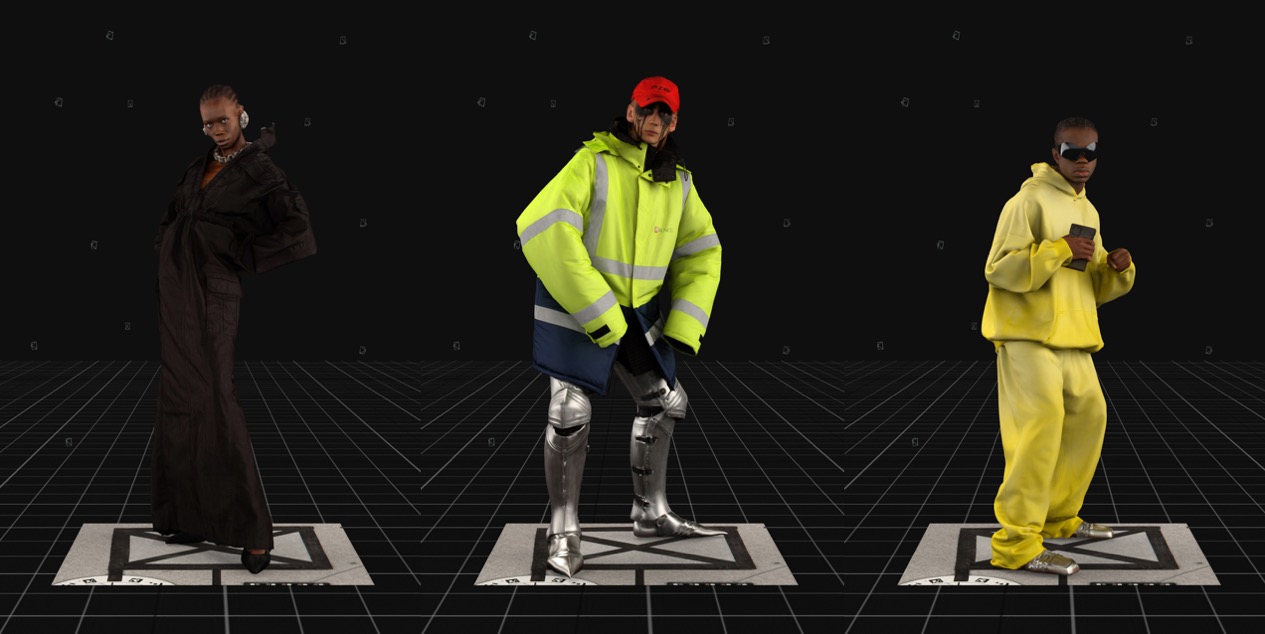
The global pandemic pushed the fashion industry into abrupt reflection of how to show clothes, but most brands decide on a safe look-book or a film (and even episodes directed by renowned artists). And then, we’ve got Balenciaga‘s autumn-winter 2021 collection. I can’t recall a more stimulating fashion show presentation in a while. It’s not even a presentation, but a game. Yes, that’s what fashion can be in contemporary times. And Demna Gvasalia is a genius for acknowledging and embracing that. Afterworld: The Age of Tomorrow is an allegorical adventure, simultaneously a collection, and a break into the lived world of millions of players. “I hate the idea of fashion film. I find it very dated,” the designer tells Vogue. “We started working on this in April, since we knew that fashion shows would be out of the question.” There are levels and levels to explore in what Gvasalia is engaging with now, and only one of them is the fact that on the tech side he teamed up with Unreal Engine, the games engine of Epic Games. He says it took a hundred people to pull off what is boasted of as a record-breaking “volumetric” video project escapade—meaning the hours of expertise and advanced technology that it took to digitally scan the Balenciaga models and their movements in a studio in Paris, and then transform them into avatars. “I asked them to imitate couture poses, which actually turned out to look like how gaming characters stand at the beginning of a game.” So that’s the start – and how the basic look book content was shot IRL. The “hero’s journey” narrative should be experienced first hand. I played the game, and I must say it’s brilliant. Maybe you’re not really doing anything, but the whole thing is immersing. Pandemic-wise, with everyone locked up in their homes, it’s a realm of escape; and connecting with others – that’s only mushroomed in emotional significance. Which is where Afterworld: The Age of Tomorrow comes in, constructed as Gvasalia’s projection into 2031 – 10 years hence, a gamified future where people will have battled through the anxieties of our present dark age to reach a better place, armored with some Balenciaga medieval boots as they go. “It’s about the comeback of youth – where nature and youth coexist,” he says. “Kind of hallucinogenic. It starts in a Balenciaga store in a city center, which could be anywhere. People go to meet in different suburbs, an arty underground area. Then you go to a black forest, led by a white rabbit to an illegal rave. Like you see people have been having this year.” The future of clothing aesthetics, Gvasalia imagines, is the logical extension of what’s already happening among the climate-emergency-aware generation. “People will keep wearing clothes they love until they fall apart. I do myself. So things look quite destroyed, worn in, pre-crinkled.” For outdoor dancing in the cold, there’s the signature Balenciaga red puffer (a look he made his name with in his first season), adapted to skew off one shoulder. Or the option of a shaggy gray padded coat. “It’s made of shredded deadstock. We cannot do fur today – and thank God. This gives that drama, instead. And it’s really light and warm.” It’s down into a cave next. Gvasalia swears this is not the same place of apocalyptic darkness he immersively evoked at his last Balenciaga show in March, where sinister black-clad people walked on black water under a burning sky. It was days before the world went into pandemic lockdown. “Some people called me prophetic after that. But fashion is a reflection of life,” he reasons. “We have been through dark times, but I don’t feel this darkness anymore. I feel hope. More positivity than despair.” There’s a hoodie, printed varsity-style with the word free on it. “People want to get to the other side of this.” In the gloom of the Afterworld cave, fashion-gamers will meet artist Eliza Douglas, Gvasalia’s emblematic Balenciaga model, dressed in armor as a modern-day Joan of Arc. “She takes a sword out of a stone, like in the myth of King Arthur. But she’s a modern-day pacifist warrior.” The high-heel armored boots she wears are the opposite of virtual. Gvasalia had them made by a man in the South of France who forges medieval armor. “It reminded me of how they make robots today,” he adds. “We’ve made some of them in softer leather. They’re going to be expensive. Limited.” Finally, the tribe of Balenciaga avatars – some dressed in old-style NASA space jackets, others in T-shirts printed with game-convention logos – will reach a mountaintop and see the sun rising. “The game ends with breathing in, and exhaling. It leads to a breathing app. A horizon where you can breathe,” says Gvasalia. “It’s making a reconnection, a balance with nature.” It’s drawing those parallels between ancient, mystical powers and modern consciousness that he’s really interested in. “I believe in a future that is spiritual. Loading a forgotten past.” He’s divined that right. Living through these times is absolute hell, but talk to many young people now, and spirituality, magic, and beliefs centered on the search for something greater soon rises through conversation. End of day, it’s an alternative to the “experiential” destination travel the insider fashion world got so extravagantly involved with in the past few years—just going to a far more democratically open-to-all realm, minus the mass expenditure of flight carbon emissions. Is there a future in more Balenciaga video games – maybe a shoppable one? “I would like to further explore it. I see a lot of potential in merging fashion with games, and in-game shopping is certainly the tool to be considered in the near future.” For now, though, he’s also spending his time reveling in the novelty of designing at completely the opposite end of the spectrum – the first haute couture Balenciaga collection that he’ll be presenting, when the time is right, in a physical show next summer. I can’t wait for this to finally happen. As Demna concluded, “I love it so much. We have time to do it, and with the craftsmanship we can use—it can be with Lesage embroidery or high-tech people from California. The sky’s the limit. Every time I go into that studio, it’s like Christmas every day.”
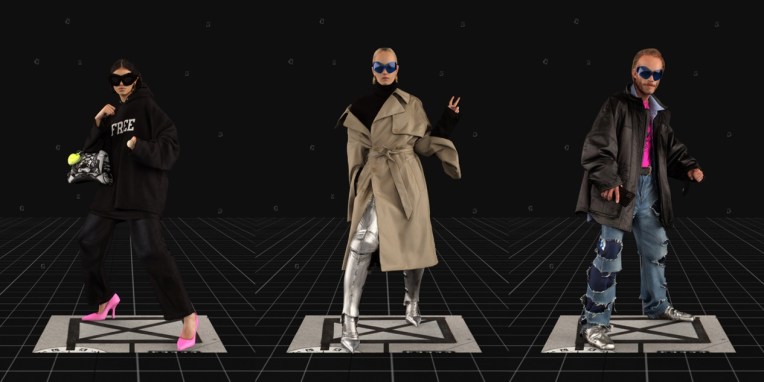
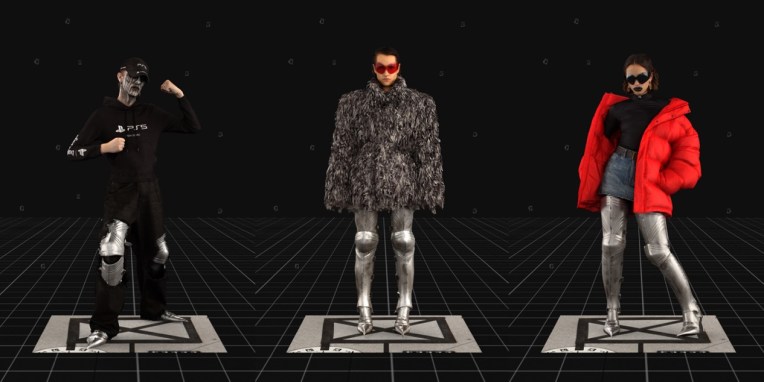
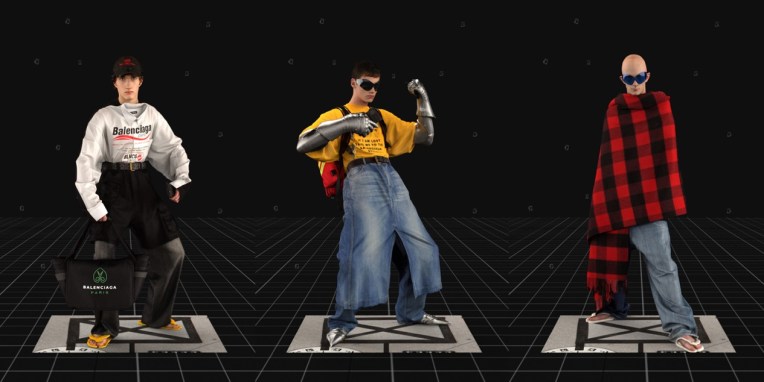
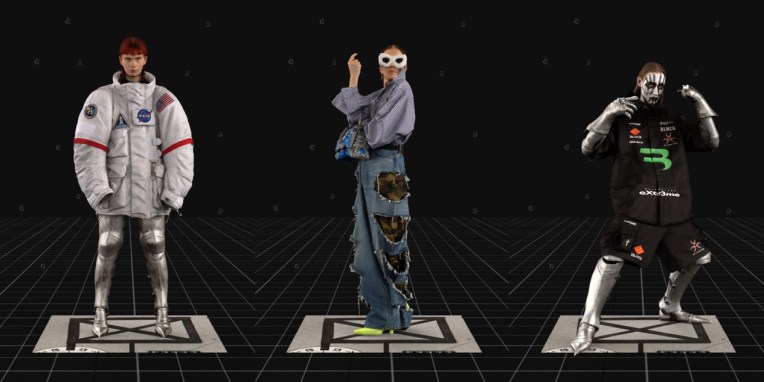
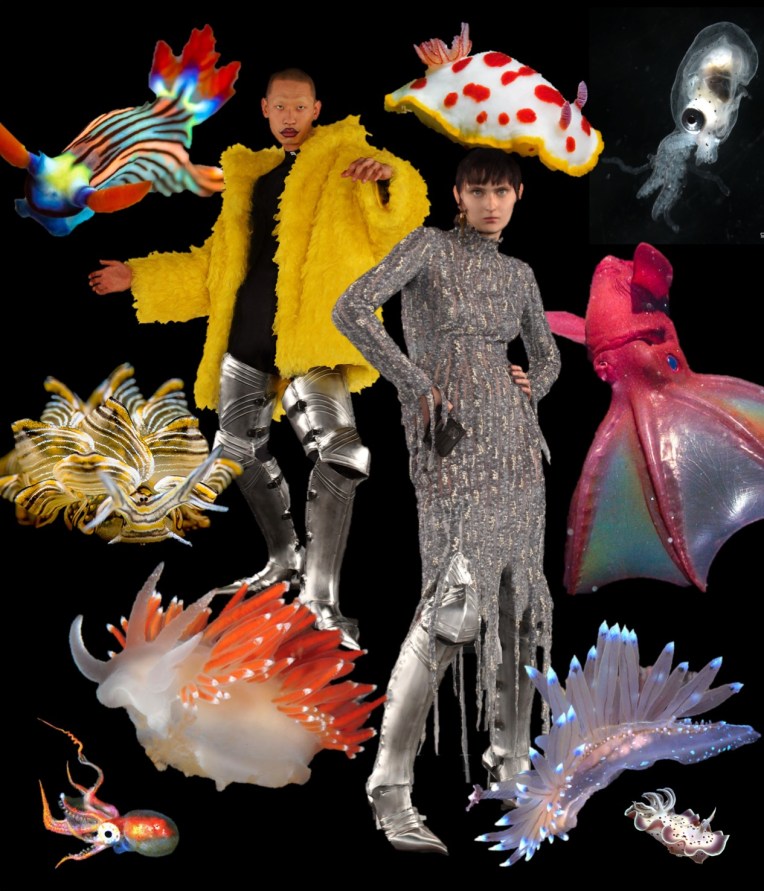
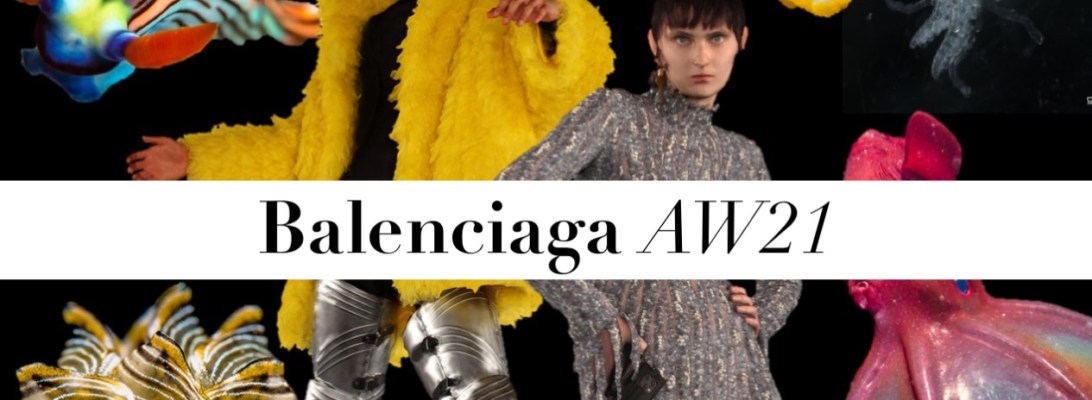
Collage by Edward Kanarecki.













 Design & Culture by Ed