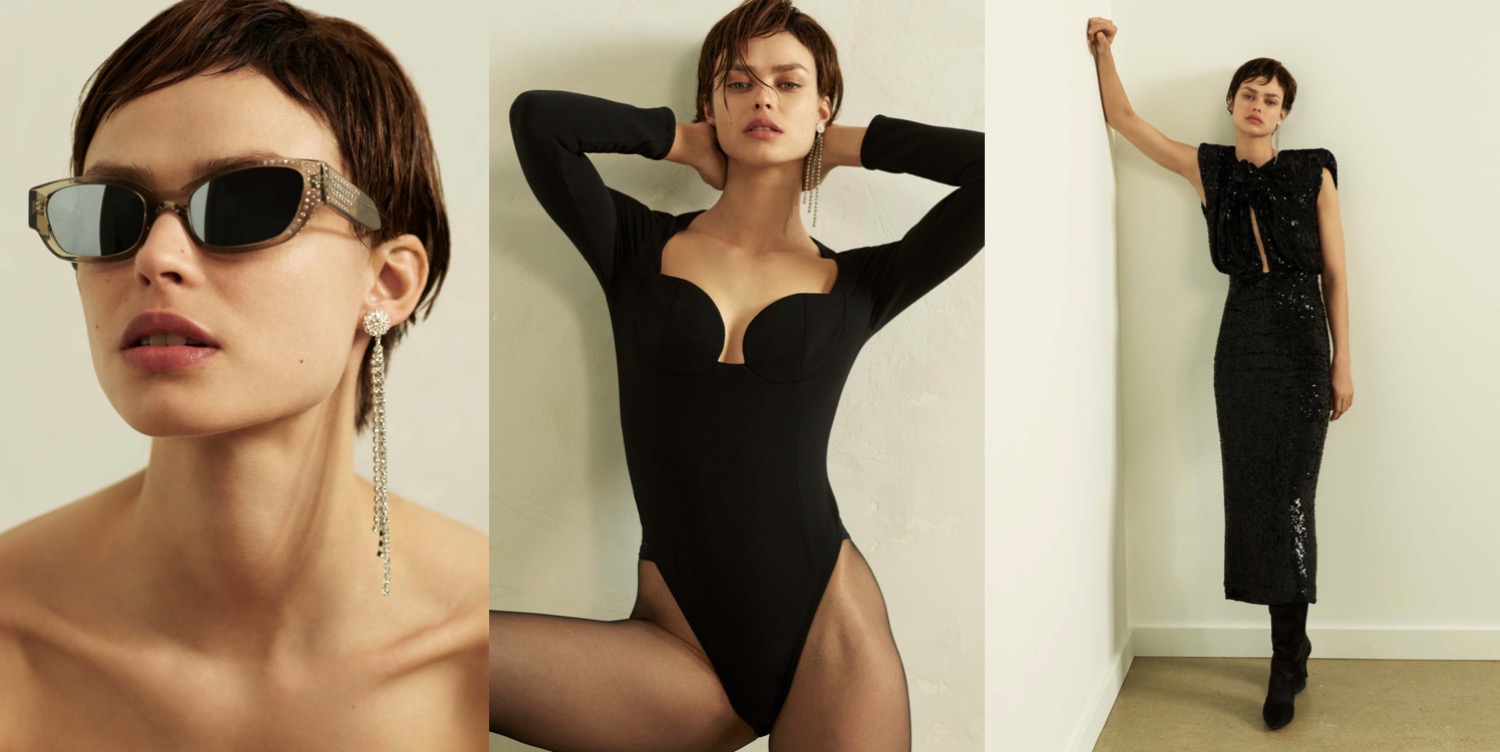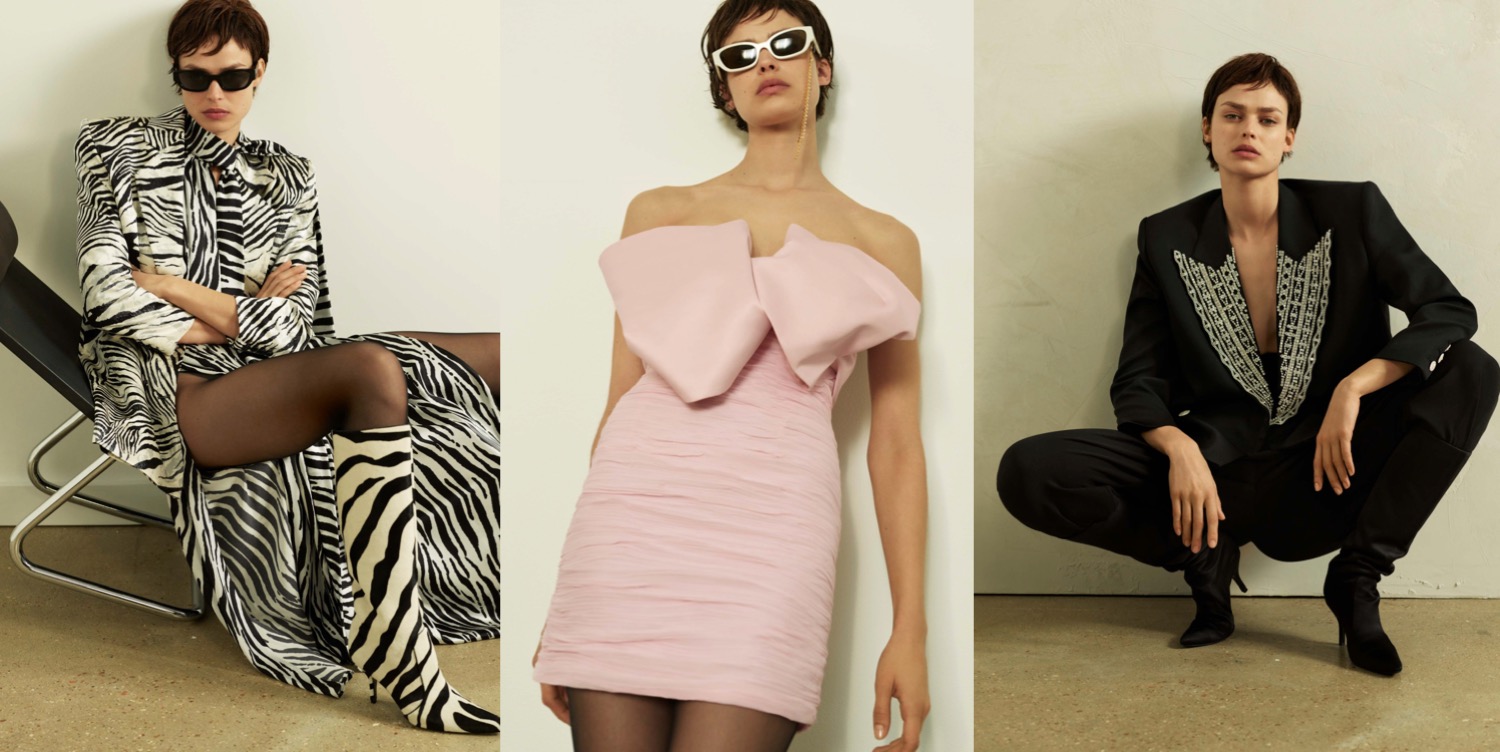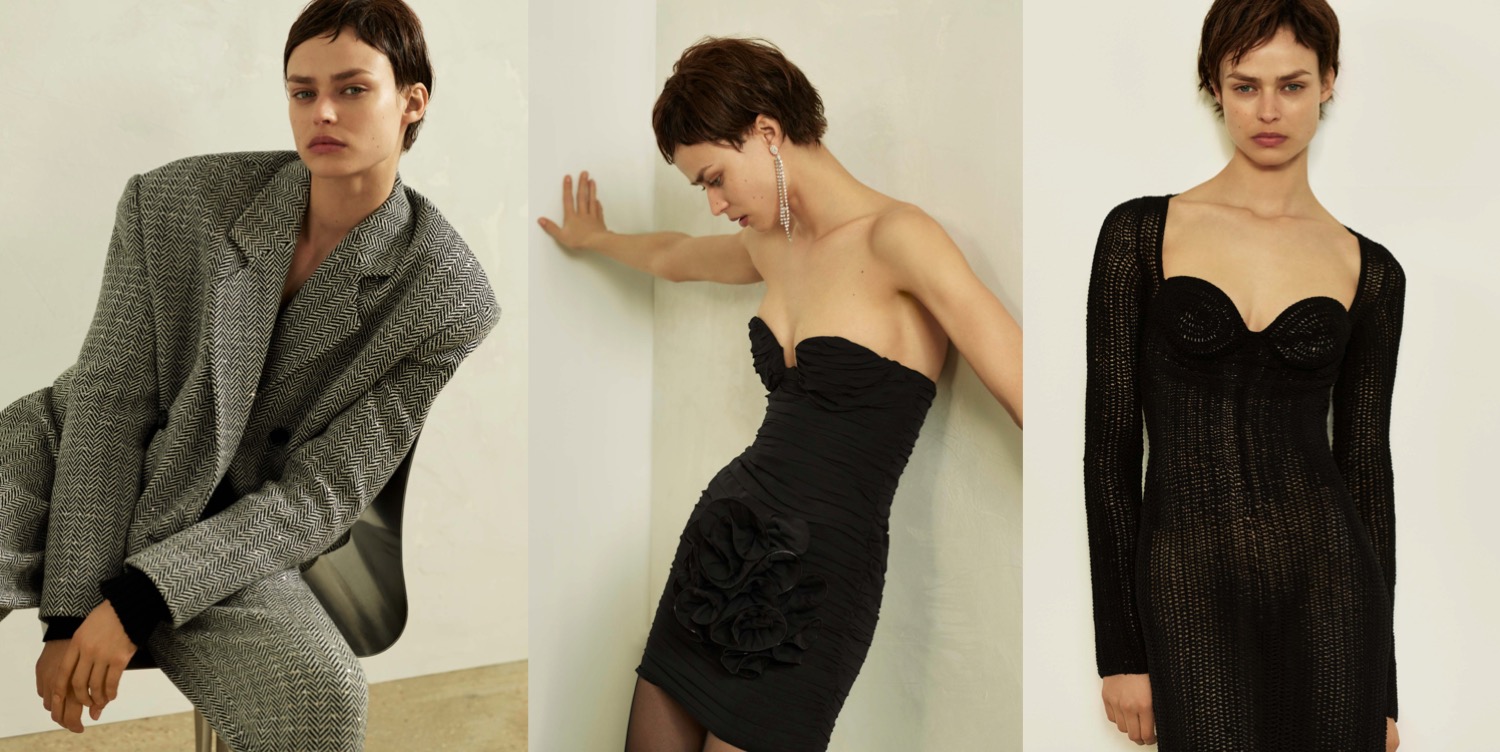
Delightful. Magda Butrym AW20
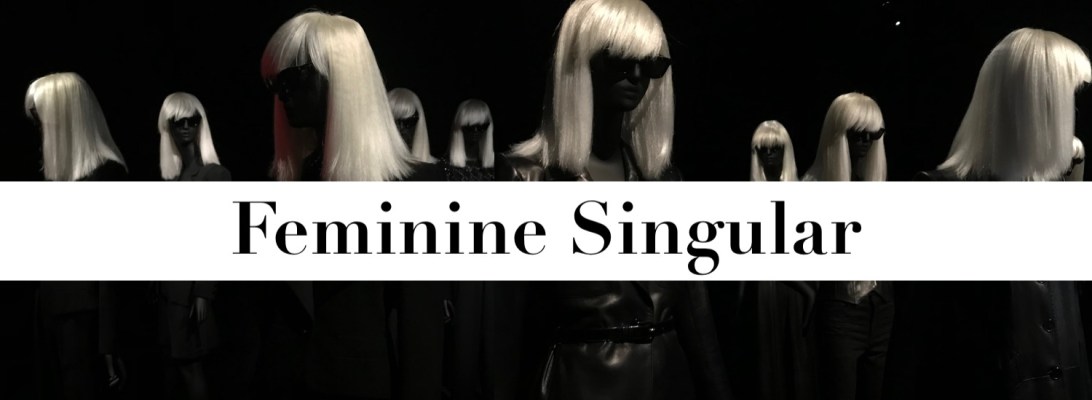
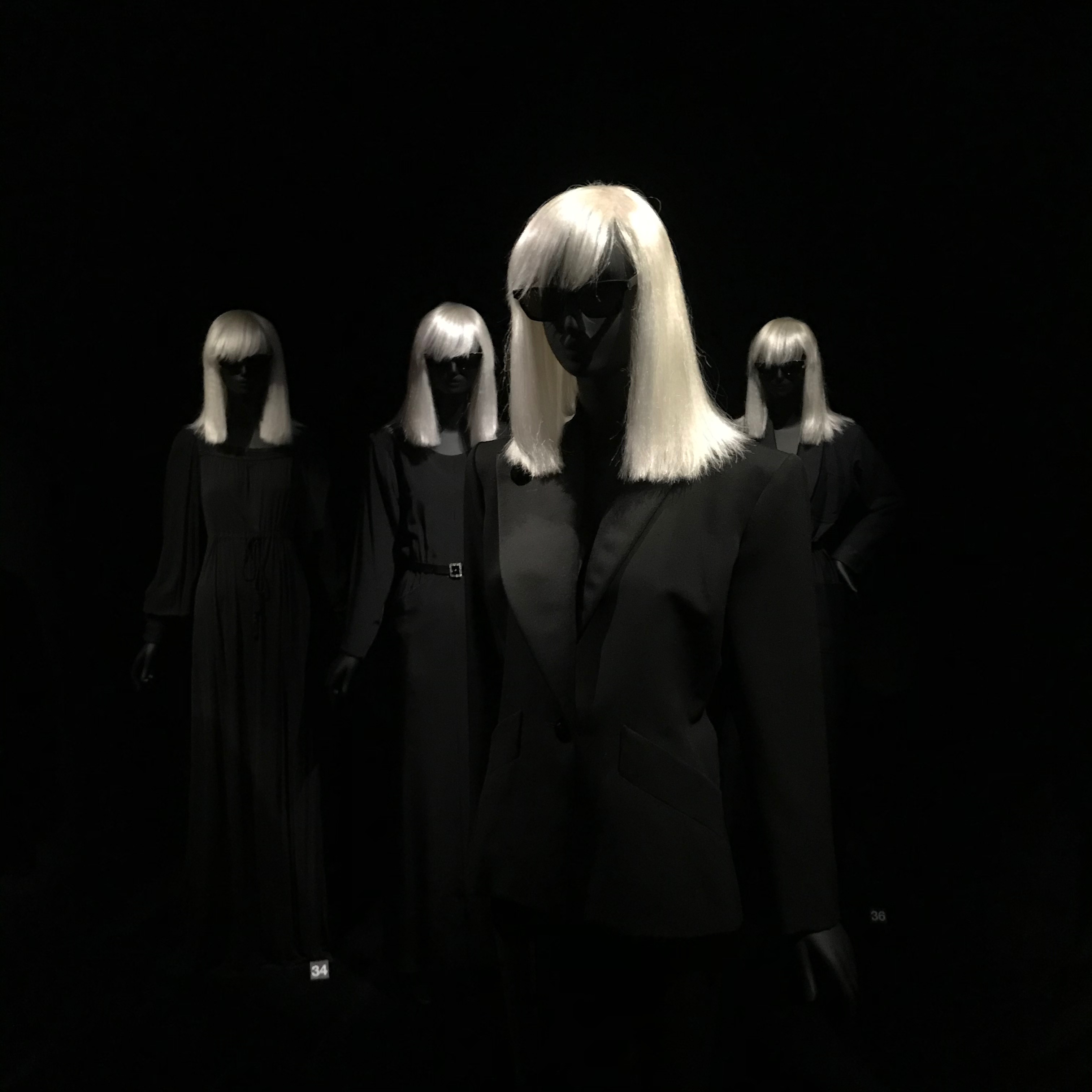
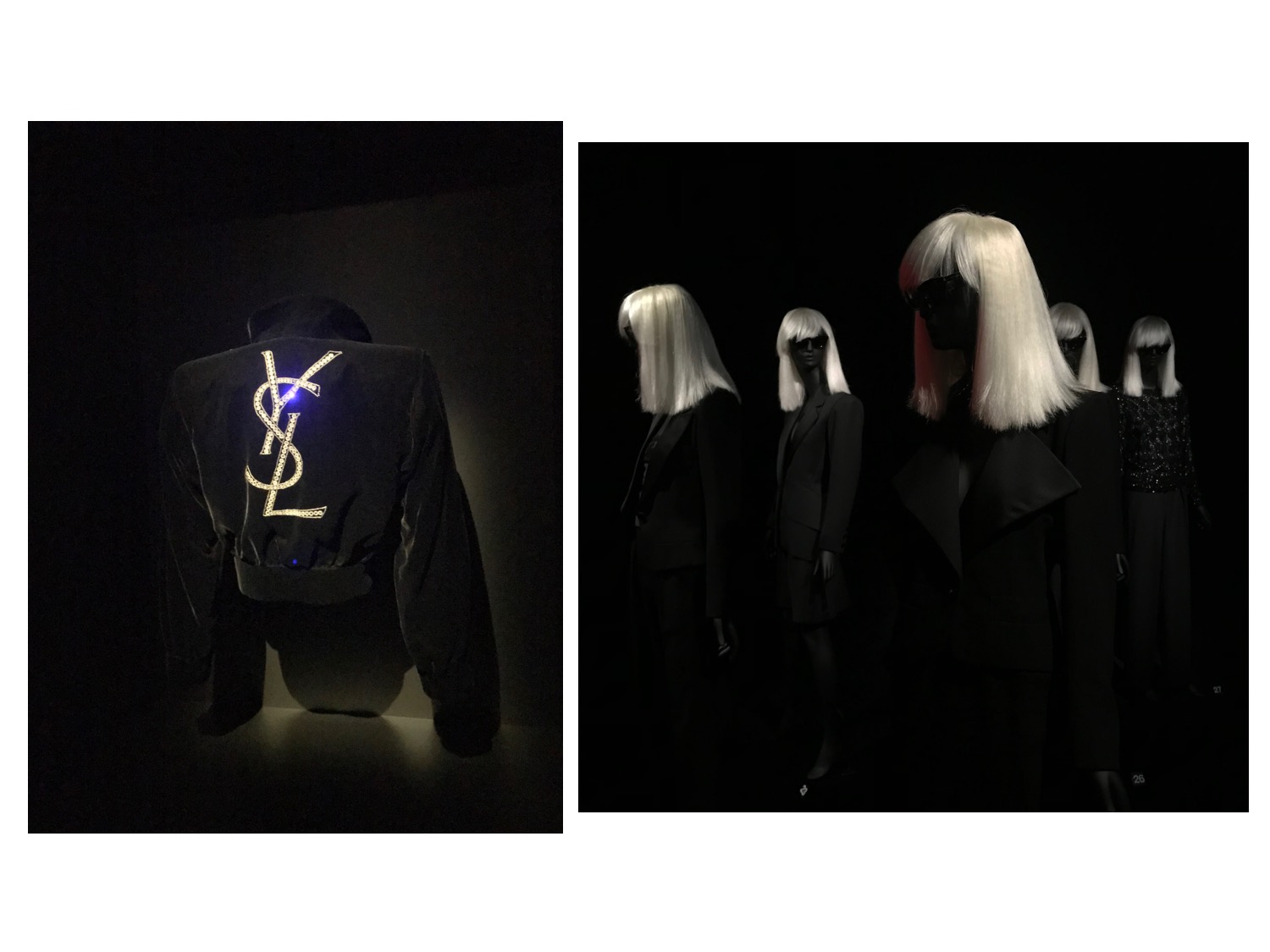
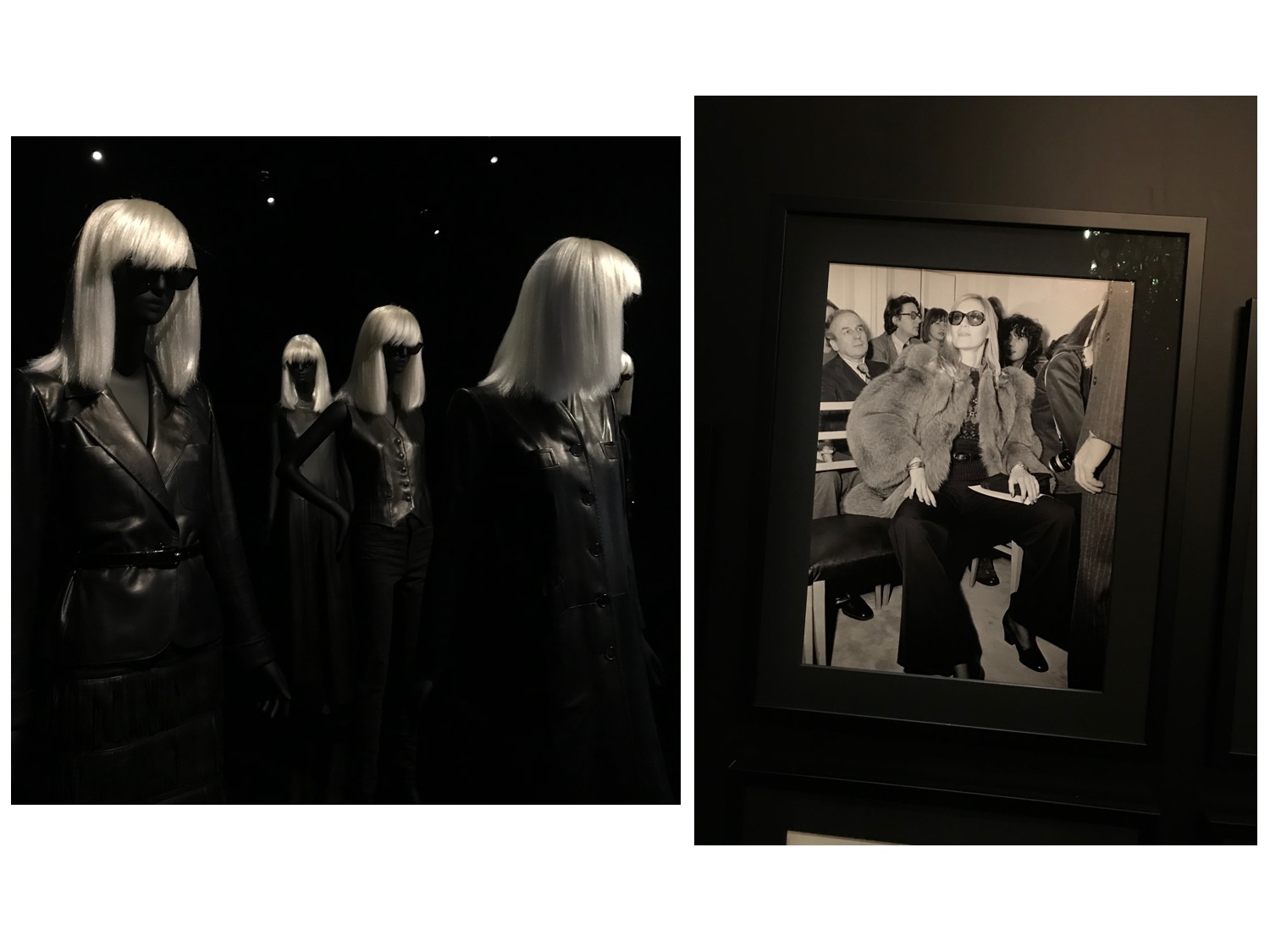
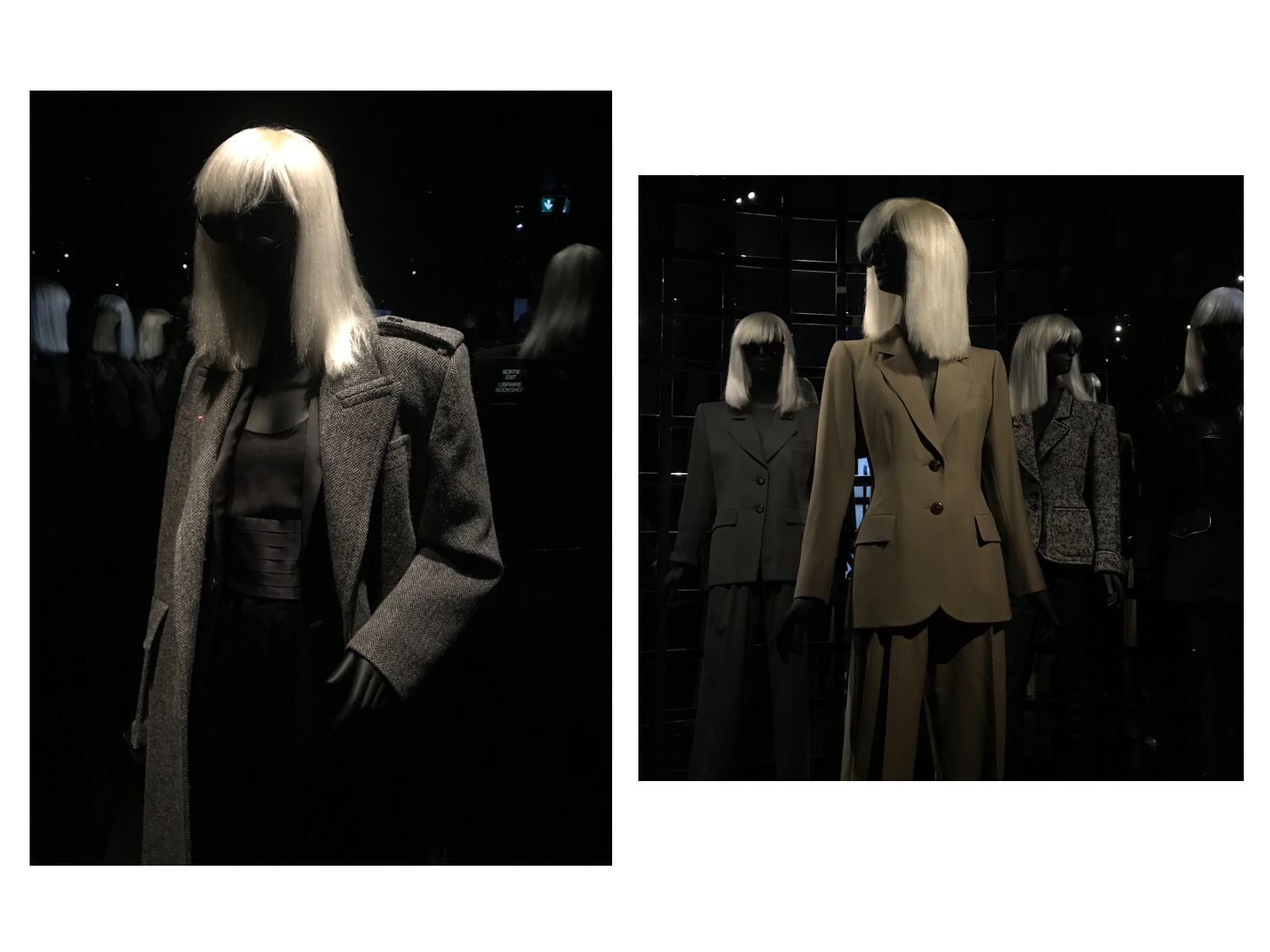
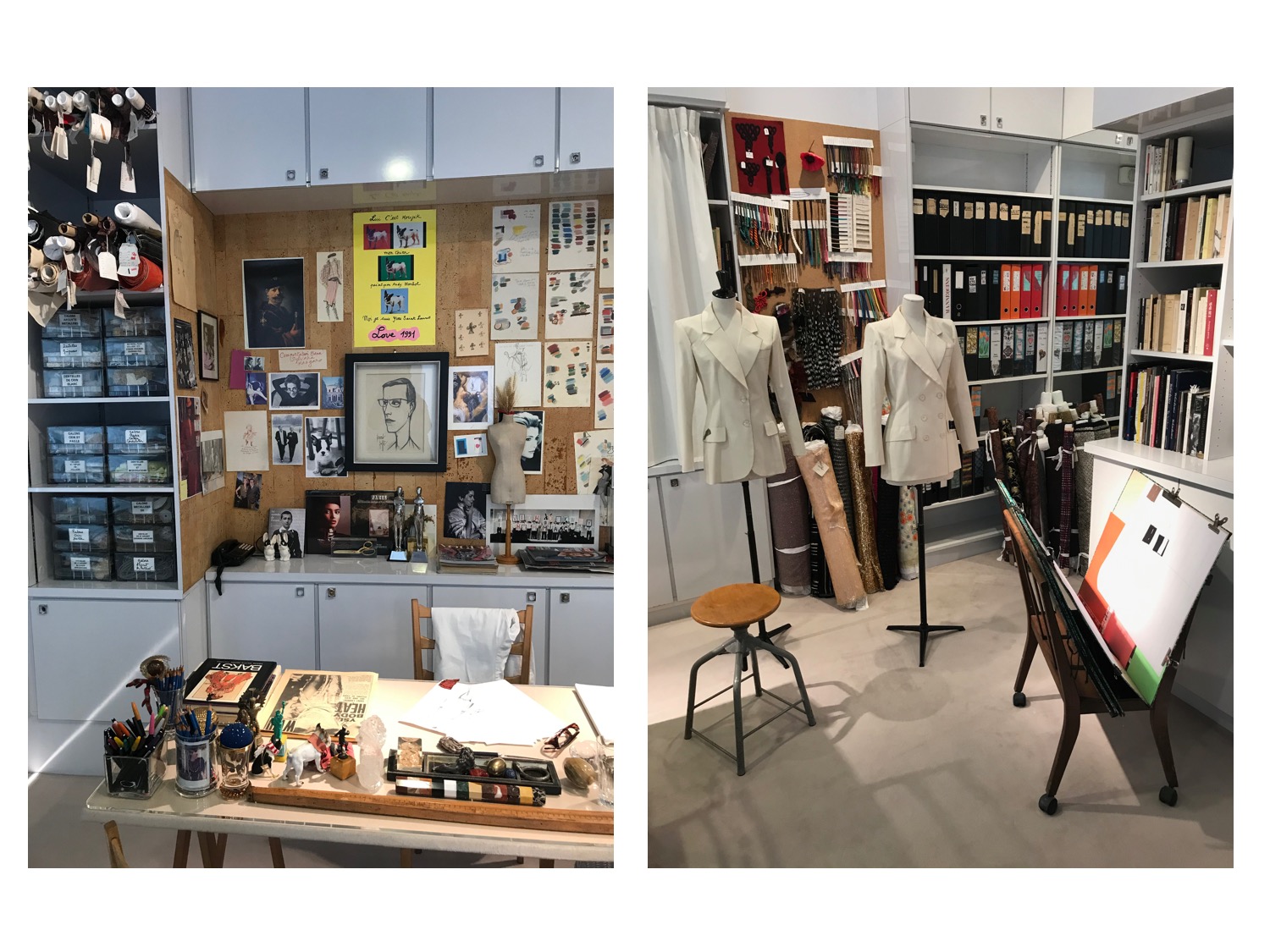
When walking down the streets of Paris, you just can’t miss the street posters promoting the current exhibition at Musée Yves Saint Laurent. A naked woman sits on a sofa, with her icy blonde hair and big sunglasses. It’s of course the iconic Betty Catroux. In 2020, the YSL museum is devoting a special exhibition to Catroux, the one and only Saint Laurent “female double.” The pieces displayed in the exhibition come from a major donation Betty Catroux has made to the Fondation Pierre Bergé – Yves Saint Laurent back in 2002. The museum gave Anthony Vaccarello (Saint Laurent’s creative director) carte blanche for curating this event. The designer approached Betty Catroux’s wardrobe from an aesthetic perspective by selecting the pieces that best reveal her unique personality and ongoing influence on the label’s signature style. “She lives and breathes Saint Laurent. An allure, a mystery, an almost nefarious aspect, an elusive yet desirable nature, all that underlies the house’s aura, and you understand the magnitude of it when you meet Betty.” That elusive aura is perceivable all over the space. Approximately fifty designs show the extent to which Betty Catroux embodied Yves Saint Laurent’s physical ideal and an attitude echoing the “masculine/feminine style” that he was developing when they first met at the nightclub The New Jimmy’s in 1967. Yves immediately fell in love with her androgynous look, which was radically different from the usual codes of femininity and seductiveness and remains the subject of ongoing fascination. Below are some photos I took during my visit. To read more about the museum, here’s the post I wrote about the place when I was here about a year ago.
All photos by Edward Kanarecki.
(P.S. If you are inspired by my Parisian coverage, I’m really happy about, but please have in mind that now isn’t a safe time for any sorts of travelling. Stay at home!)
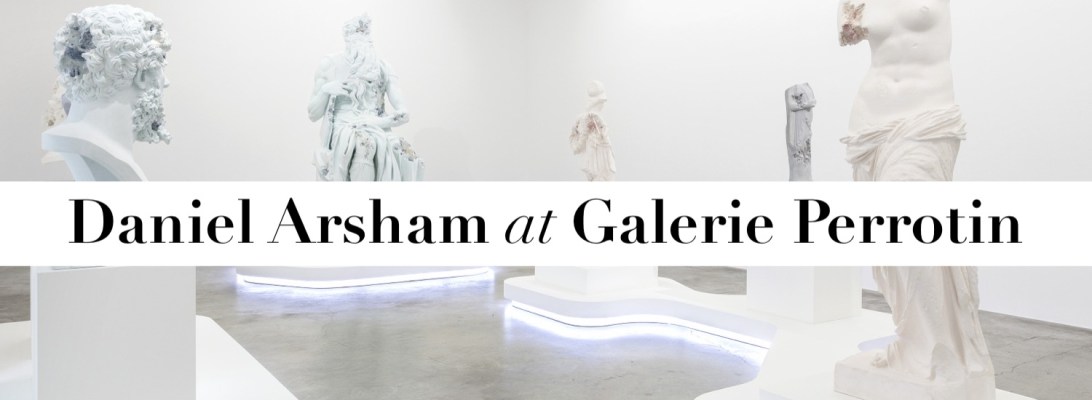
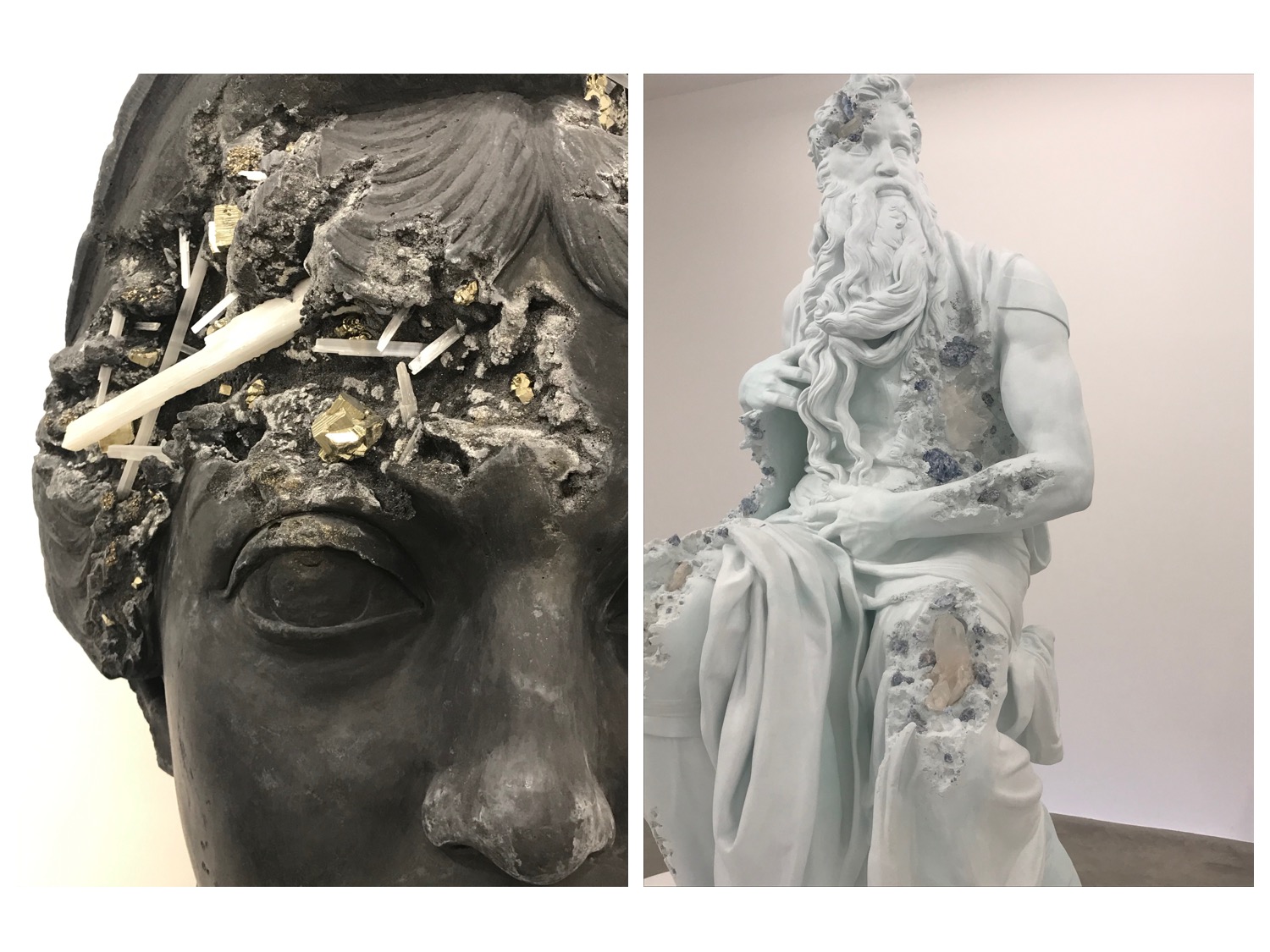
Although Daniel Arsham‘s exhibition “Paris, 3020” at Galerie Perrotin closed few days ago, I think it’s still worth writing about it. For his solo exhibition, the renowned, contemporary artist presented a new suite of large-scale sculptures based on iconic busts, friezes and sculptures in the round from classical antiquity. Over the past year, Arsham has been granted unprecedented access to the Réunion des Musées Nationaux – Grand Palais (RMN), a 200-year-old French molding atelier that reproduces masterpieces for several of Europe’s major encyclopedic museums. Arsham was able to use molds and scans of some of the most iconic works from the collections of the Musée du Louvre in Paris, the Acropolis Museum in Athens, the Kunsthistorisches Museum in Vienna and the San Pietro in Vincoli as source material for this new body of work. Interested in the way that objects move through time, the works selected by Arsham are so iconic that they have eclipsed their status as mere art object, and instead have embedded themselves into our collective memory and identity. Ranging from Michelangelo’s Moses to the Vénus de Milo, each item was cast in hydrostone to produce a perfect to scale replica of the original sculpture, a process that shares formal qualities with historic wax casting. Arsham utilizes natural pigments that are similar to those used by classical sculptors, such as volcanic ash, blue calcite, selenite, quartz, and rose quartz. From that, individual erosions are chiseled into the surface of the hydrostone, a nod to the sculpting techniques of the Renaissance sculptors. Finally, Arsham applies his signature tactic of crystallization (which has distinct, organic appearance). Making use of classical and ancient objects, this new body of work experiments with the timelessness of certain symbols, furthering Arsham’s previous investigations into “objecthood”.
76 rue de Turenne
All photos by Edward Kanarecki.
(P.S. If you are inspired by my Parisian coverage, I’m really happy about, but please have in mind that now isn’t a safe time for any sorts of travelling. Stay at home!)