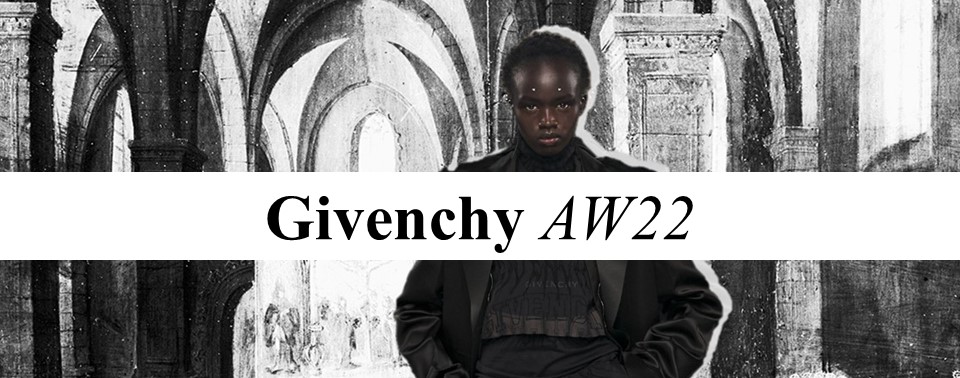
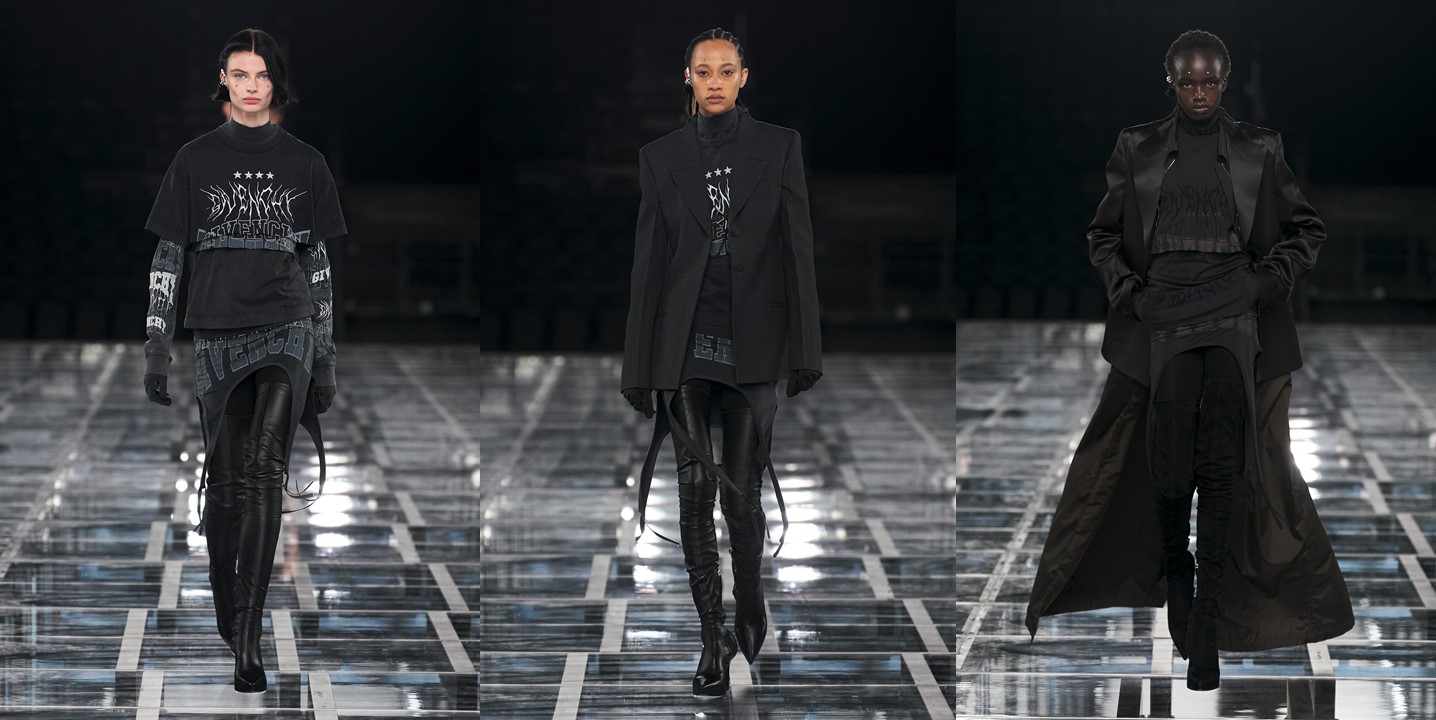
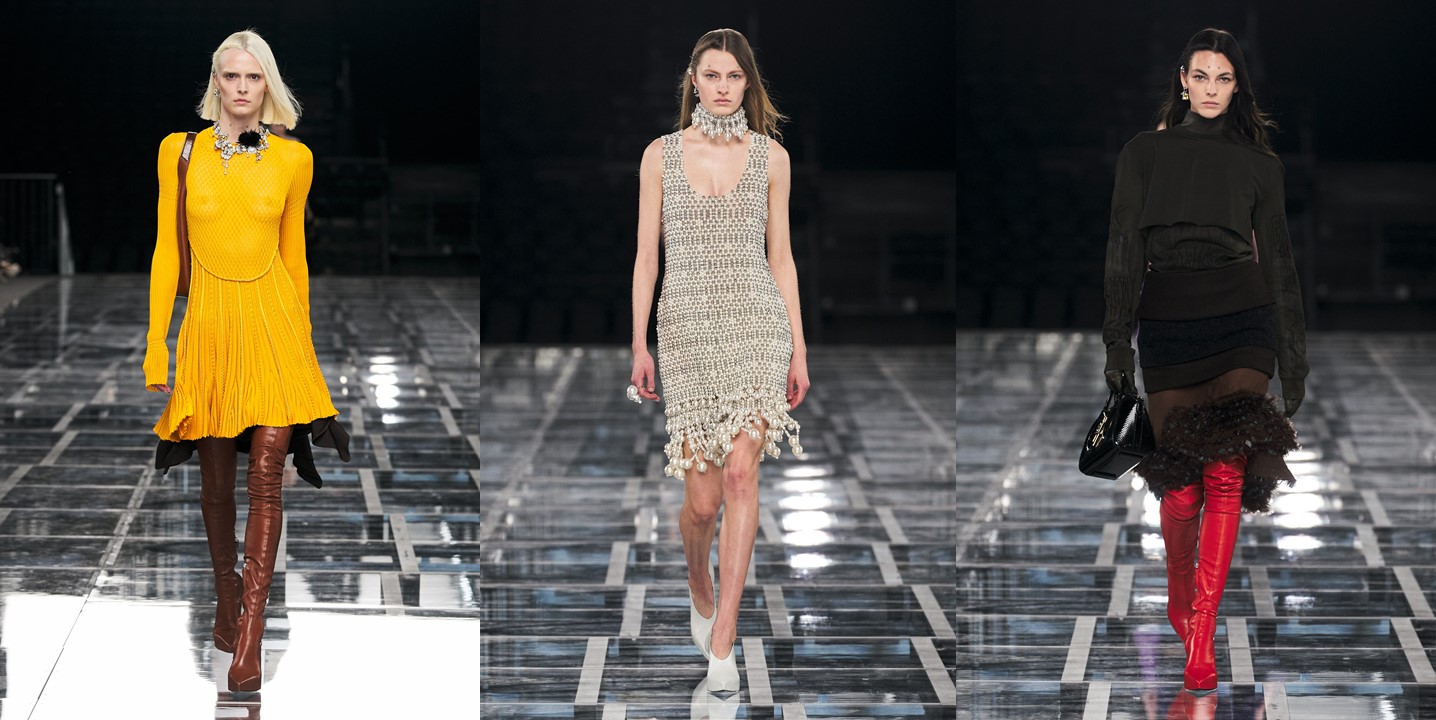
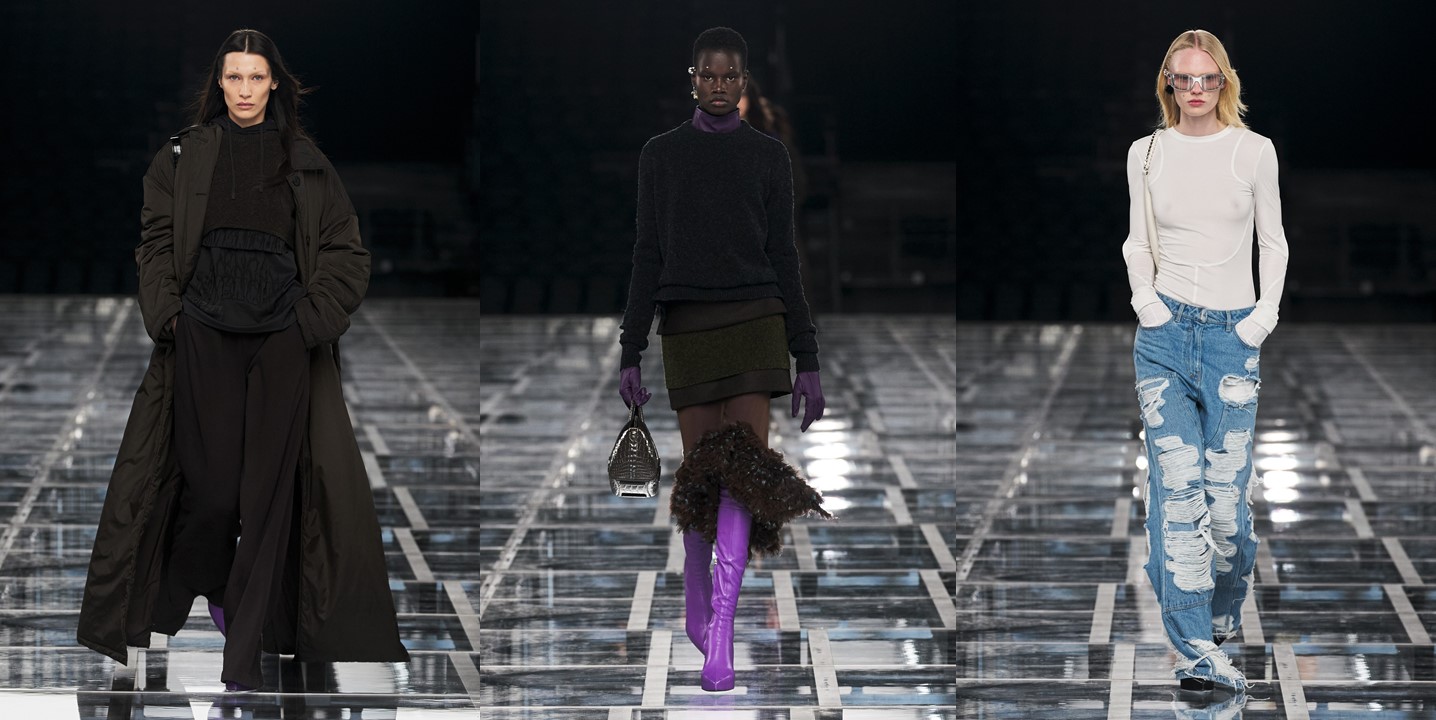
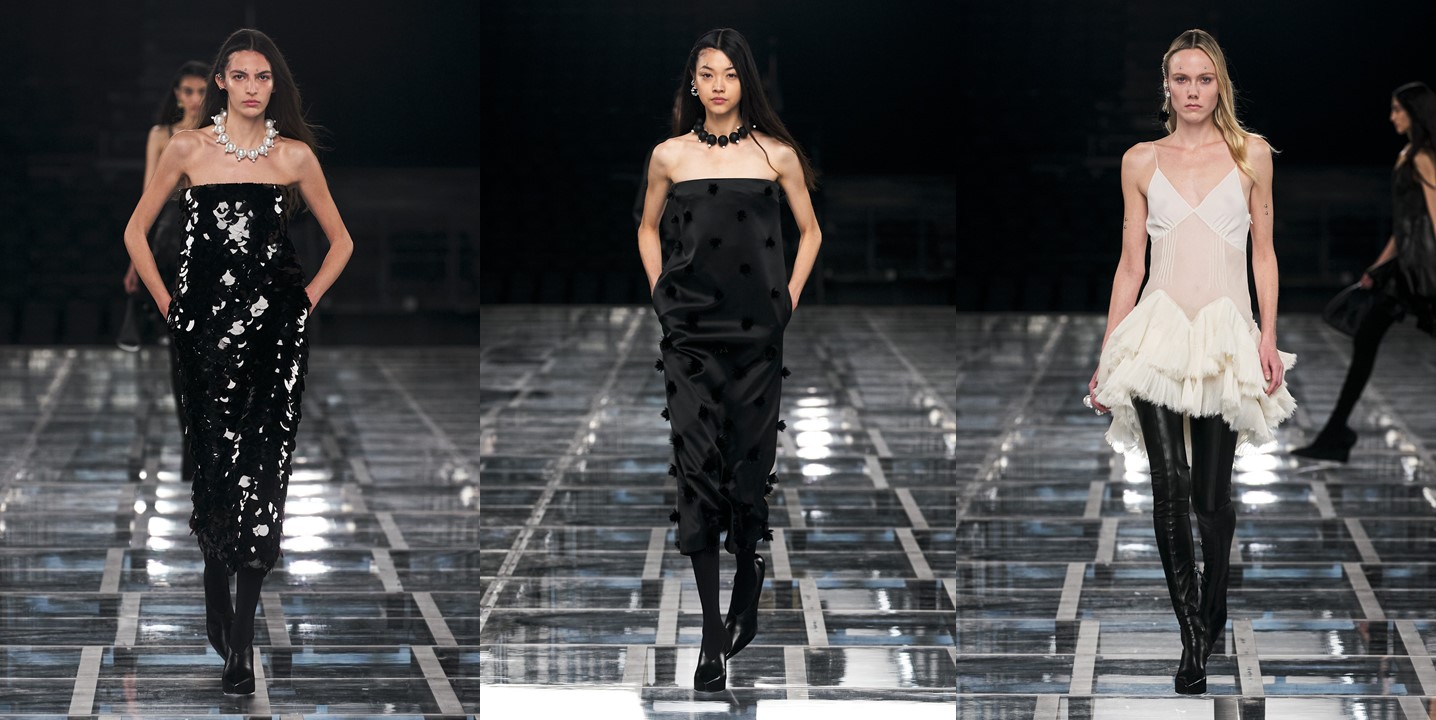
I’ve missed out on the last couple of Givenchy collections, but as far as I can see, Matthew M. Williams’ vision of the brand didn’t move anywhere forward. His autumn-winter 2022 offering is a straightforward take on “luxe” streetwear, and doesn’t really deliver any novelties. “I’m interested in making clothes that people wear, and that ease of it, so I guess it was finding those archetypes for today that I found interesting,” he explained before the show. Rendered largely in dark green and black, the collection was a wardrobe composed of the stereotypes that come with the territory, at least from a fashion perspective: layered and tiered T-shirts and sweatshirts with logo graphics in the vein of metal band merchandise; baggy denim trousers and leather tracksuits; and voluminous floor-length pimp coats that floated along the stadium-like structure bathed in the light of four surrounding LED lamps that looked like those used on football fields. In general, it all looks like a mediocre mash-up of Riccardo Tisci’s era Givenchy and early Demna Gvasalia for Balenciaga. Williams mentioned he took a look at the brand’s archives. Drawing on adornments and constructions he found in the house’s archives – from Audrey Hepburn’s pearls to the intricately strapped back of an evening dress – he translated the decorative language of Hubert de Givenchy into the contemporary tropes he was investigating. From eveningwear to day-wear, it materialized in pearl embroideries on jeans, beaded tops used for layering (which later turned into cocktail dresses), and long T-shirts sliced up from the bottom to resemble a kind of garter belt. I wasn’t convinced. Givenchy is a brand that can do much better with such rich history of chic and elegance.
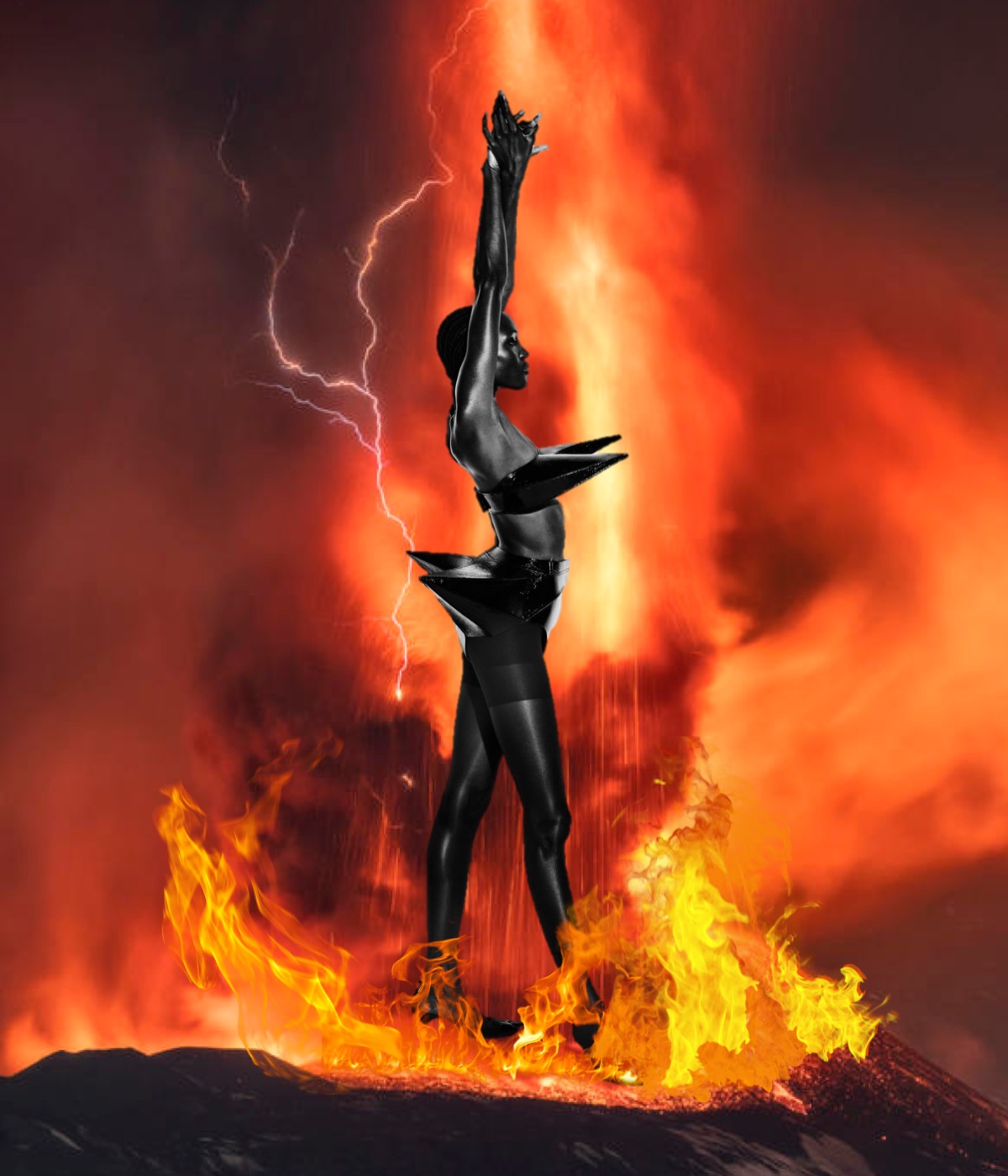
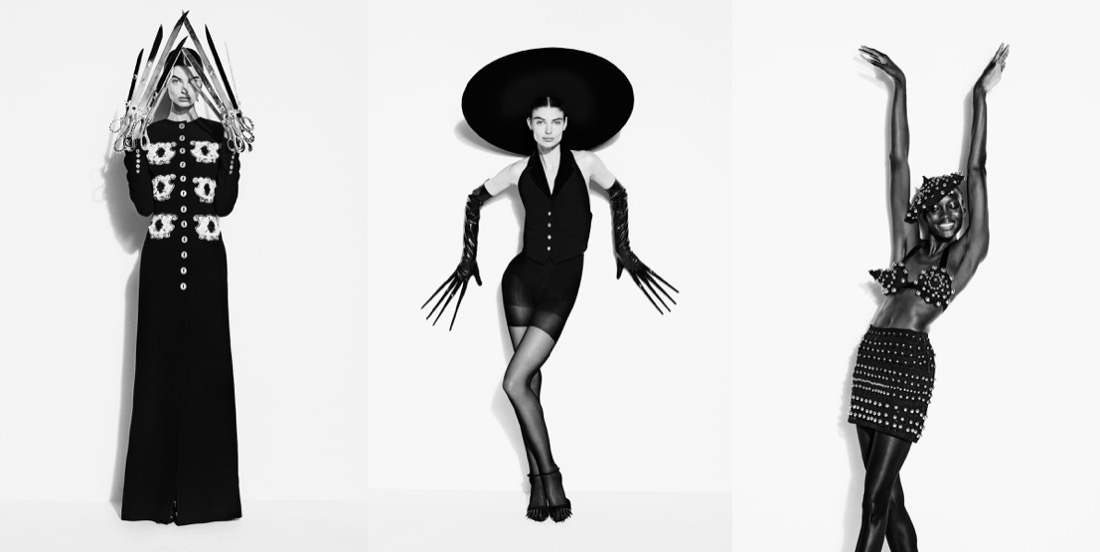
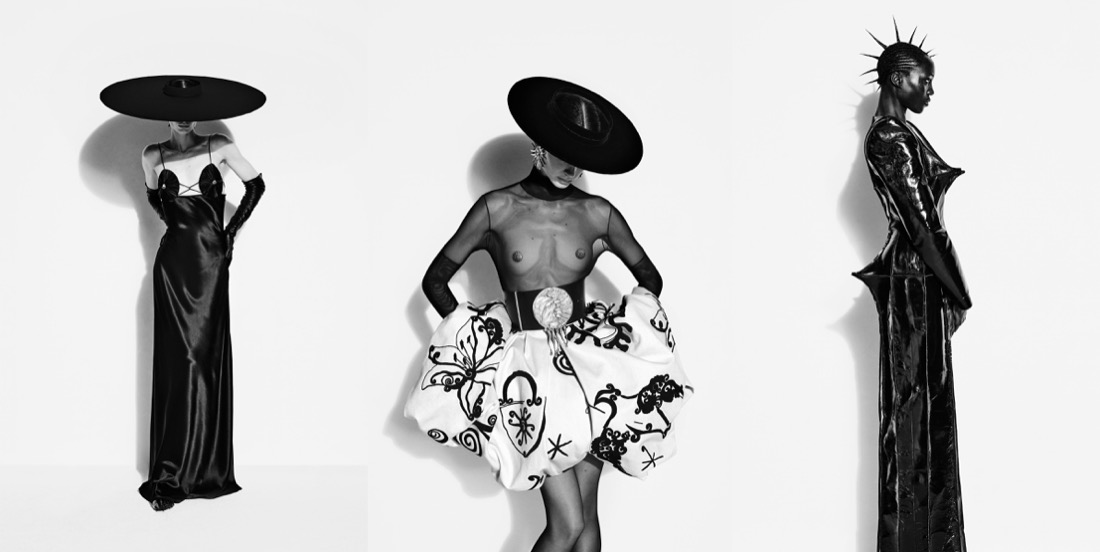
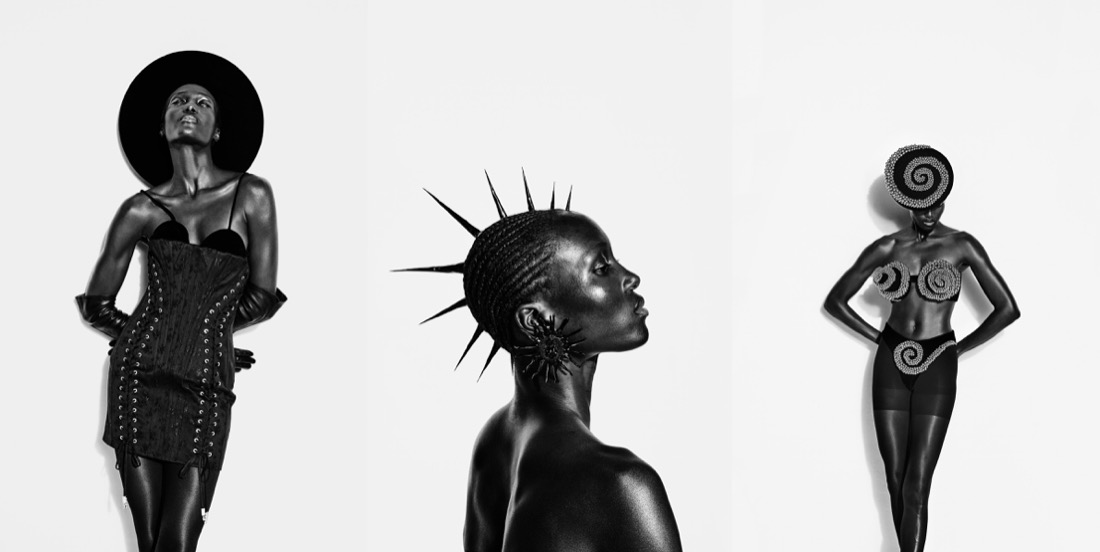
Fierce, bold, shocking – that’s how one might describe Daniel Roseberry‘s Schiaparelli, now known and loved for magnificent couture, surreal molded leather torso bags and jewellery that is all about human anatomy. The ready-to-wear business is blooming as well – something that makes the designer’s position among Parisian insiders and maisons even more important. Autumn-winter 2022 was his most relatable collection so far, rooted in denim embroidered with the illustrations he did for the tablecloths at a Bergdorf Goodman dinner last autumn, and knits that included riffs on Schiap’s famous trompe l’oeil intarsias. Roseberry pointed out that ready-to-wear came first for Schiaparelli and couture only after she’d achieved some level of success. As synonymous as she is with surrealism, the woman had a pragmatic streak. No one would mistake Roseberry for a maker of basics, but there’s an American honesty to the jeans here with their double S’s on the back pockets, and to stretch velvet and stretch leather pieces that take their shapes from athletic wear. As a native of Dallas, Roseberry grew up in and around these kinds of clothes. Likewise, he connects with the energetic, American vibe of Herb Ritts’s photos, which certain images in this lookbook were designed to reflect. But he’s just as fluent in kinky Parisian excess – as the embellished cone bras make clear, he relishes it. The only thing questionable is the punk-y, PVC headwear and masks.
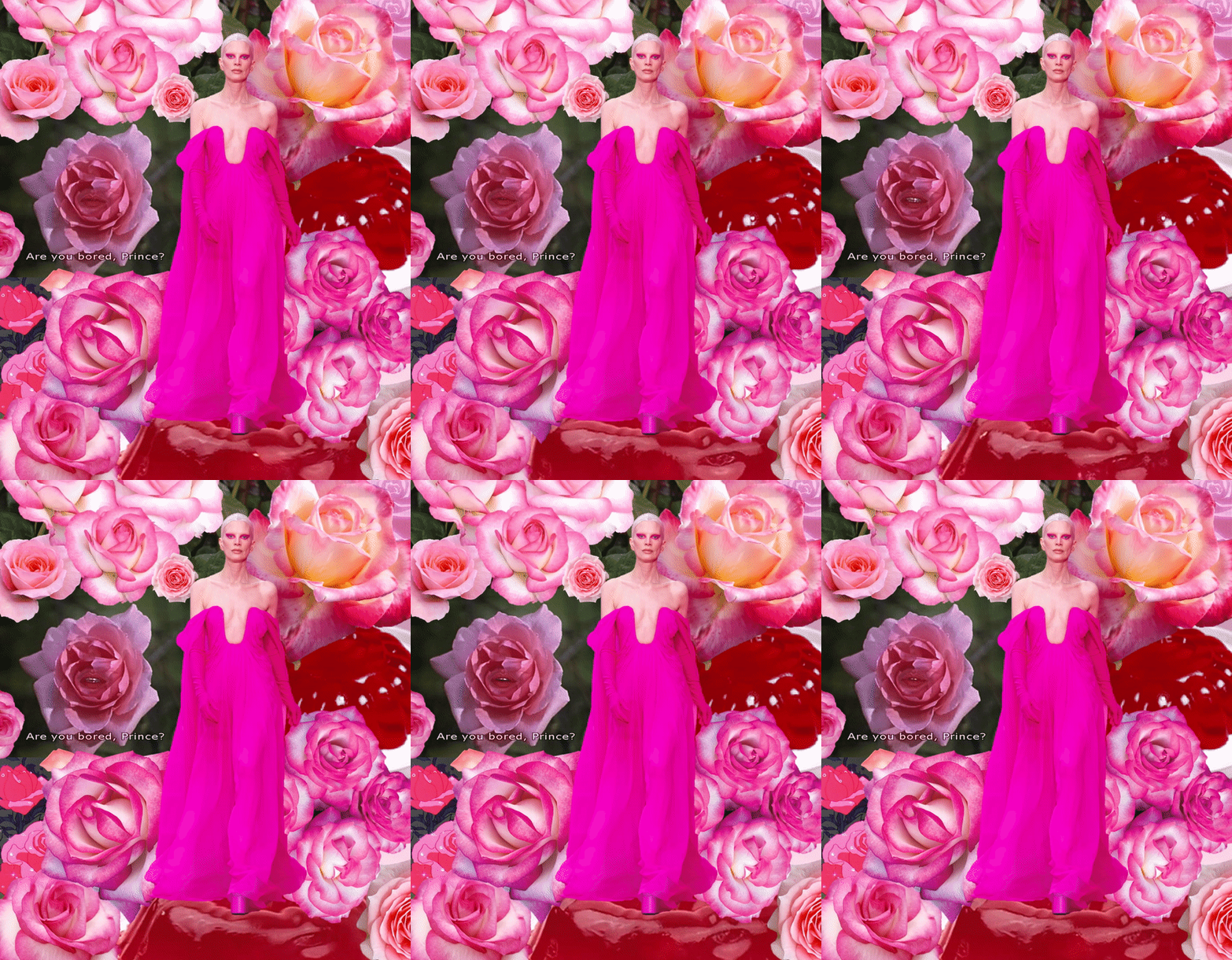
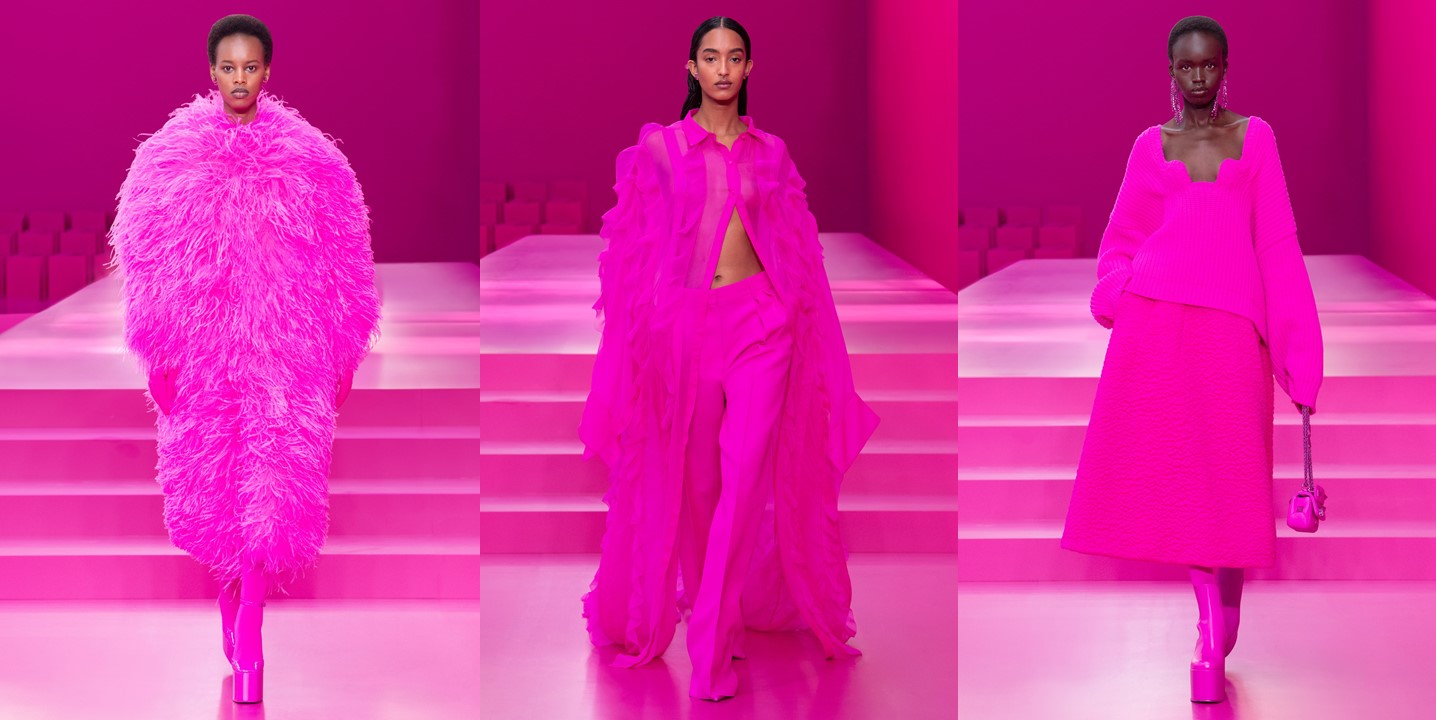
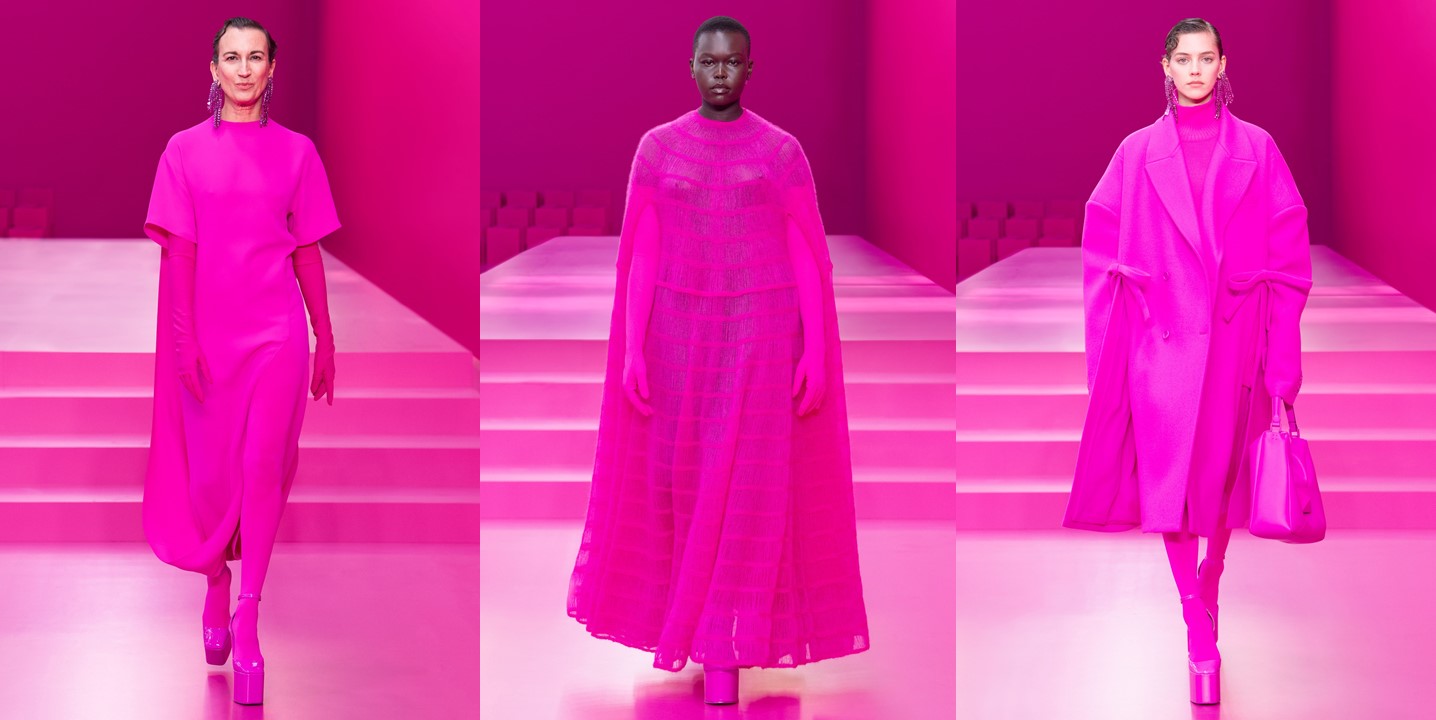
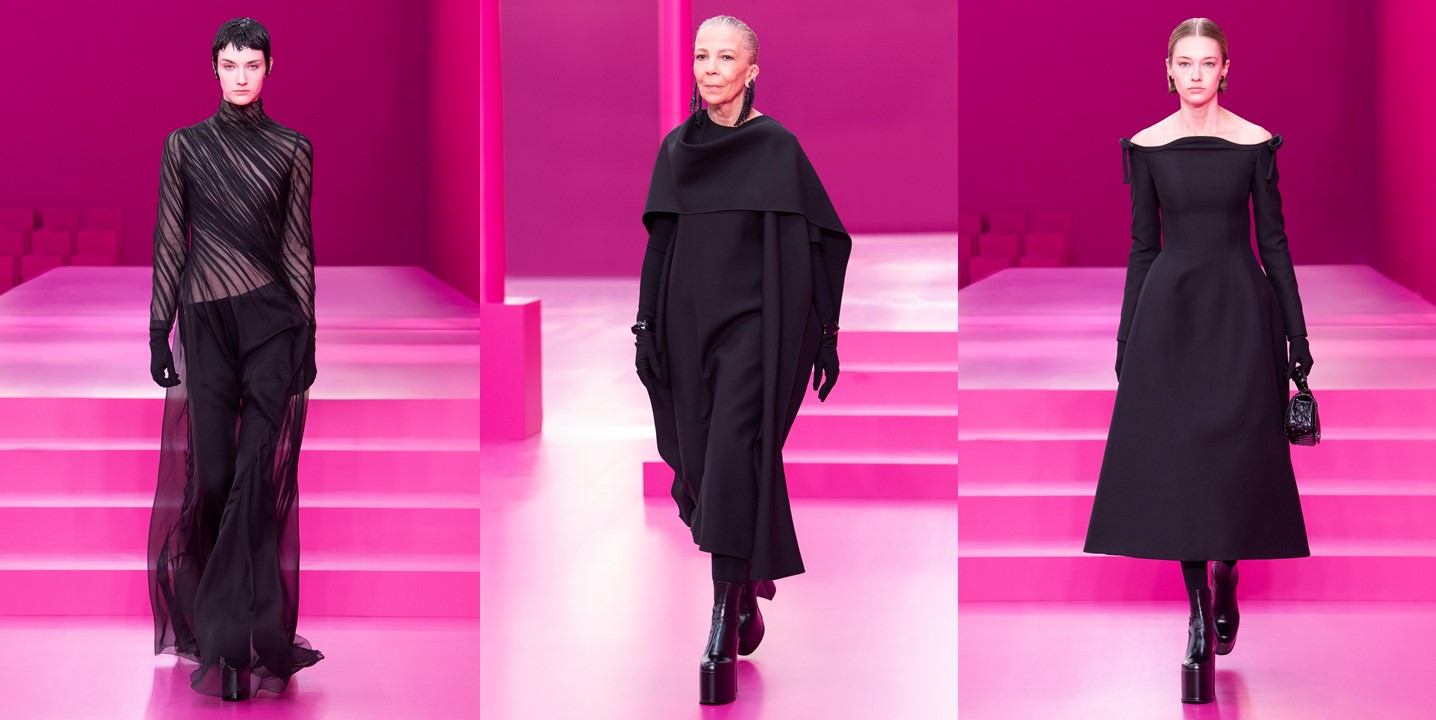
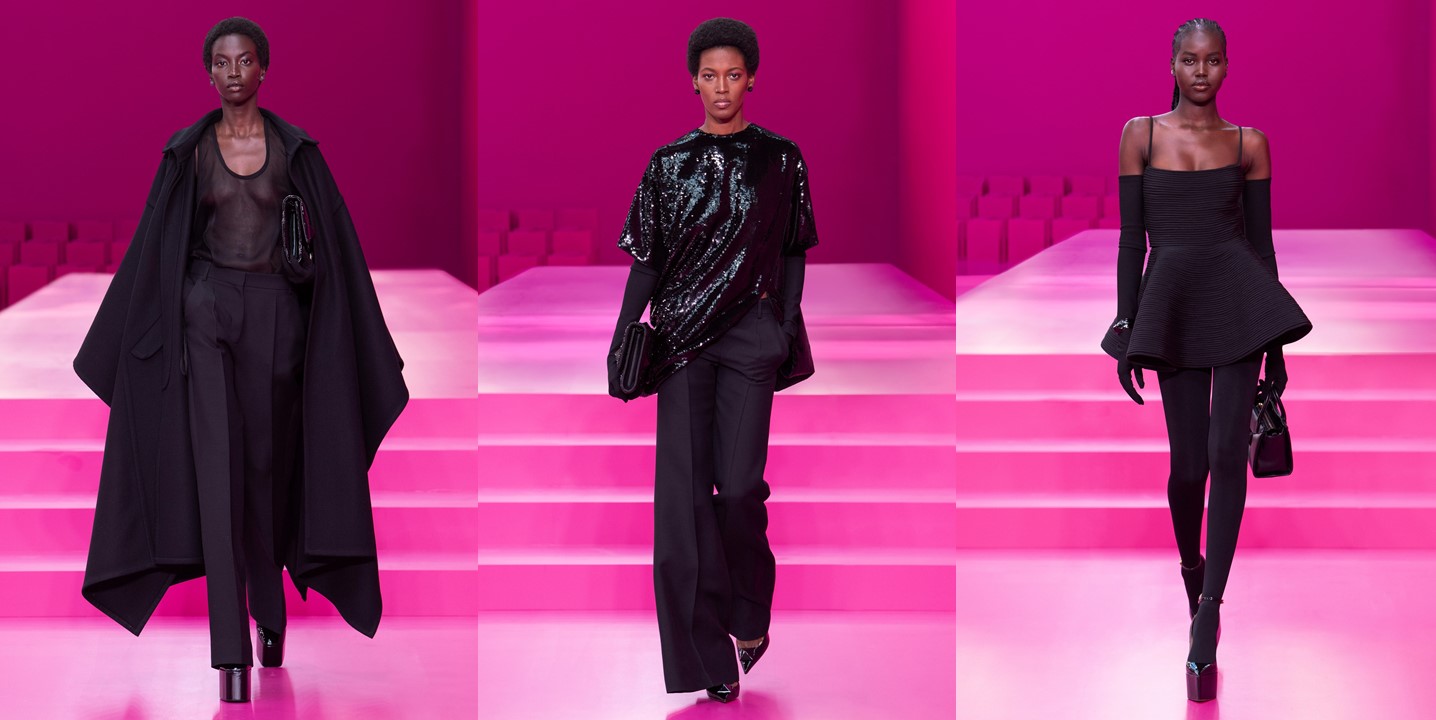
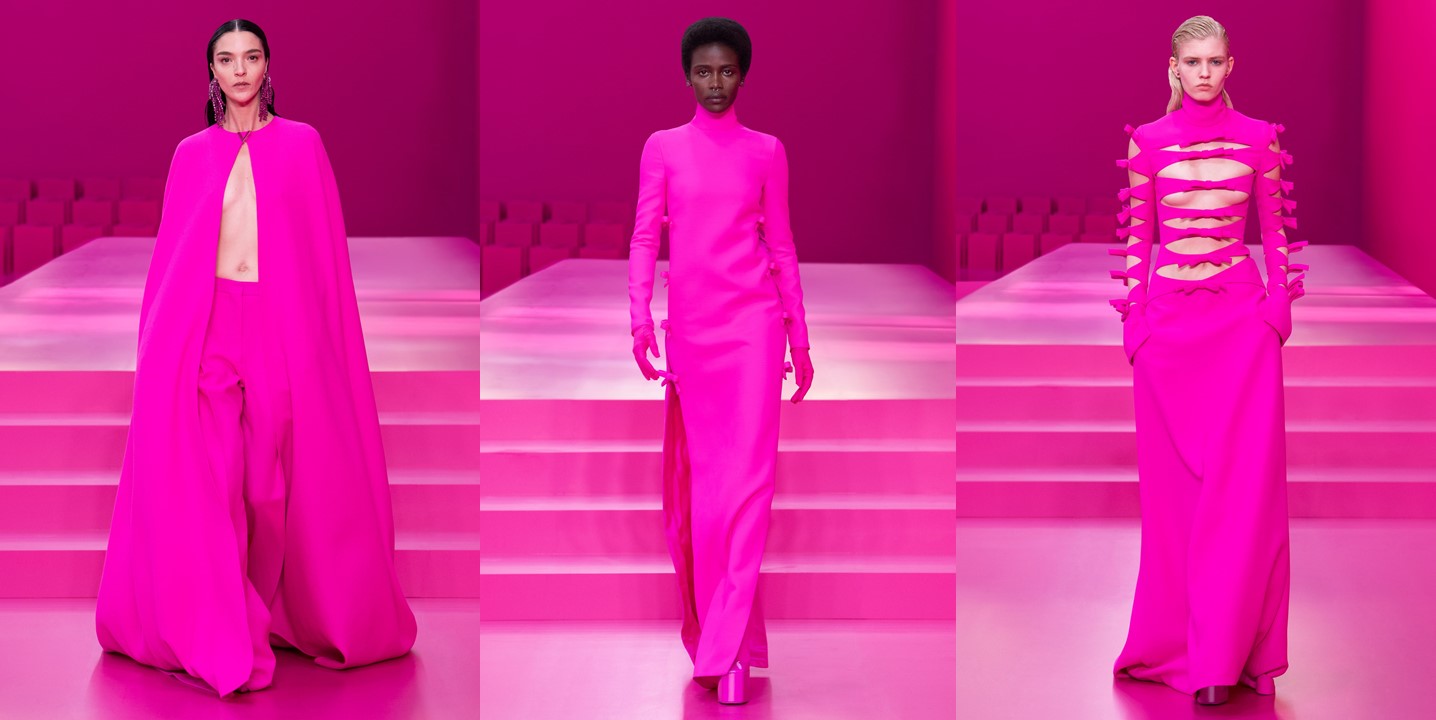
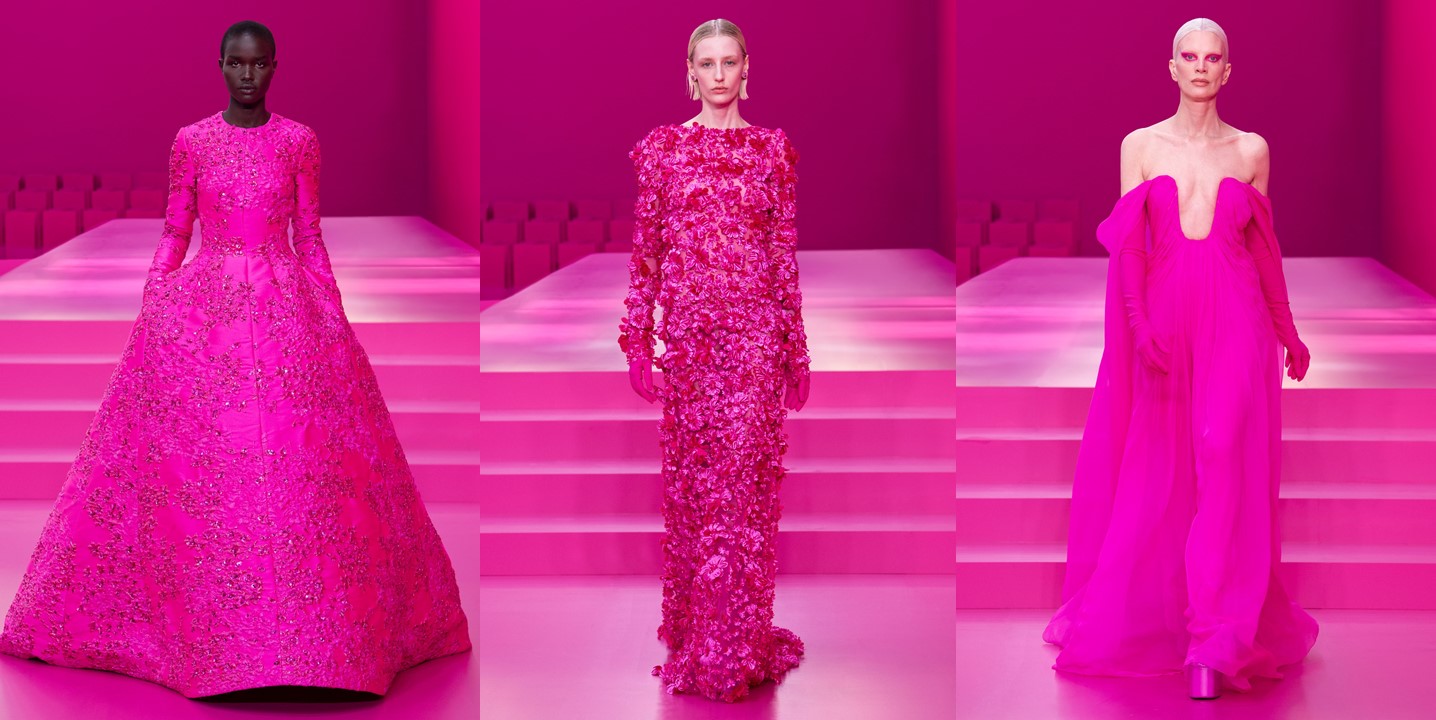
This season’s Valentino collection was entirely pink and black, which at first might sound like a banal thing to do. “I was fascinated by the idea of having this moment of reflection and digging deeper,” Pierpaolo Piccioli said during a preview. Presented in a huge space painted to match the exact pink of the collection, his idea was to intensify the senses and make us look at the details of each garment – the silhouette, the neckline, the surface decoration – rather than focusing on “looks”. Ultimately, he said, he wanted the character of each model to stand out, rather than what their appearance represented. “I was reading a book about Fontana [the Italian artist and Spatialist], who used to cut up his work – not in order to destroy it but to build new opportunities; new dimensions,” the designer went on. “You know when you see a book of black and white portraits, after two or three pages you know it’s a black and white portrait book, so you don’t expect to see blonde hair and blue eyes? You go deeper into expressions: wrinkles… I wanted to get that feeling.” Once the eye adjusted to all that pink, the effect did work. You noticed the details of garments, and looked at the models’ faces. For Piccioli, whose work always revolves around the celebration of individuality and diversity, the monochromatism – which is, in essence, uniformity – was meant to draw the observer’s attention to the individual wearing the clothes. To underscore that point, he focused on necklines – what he called “Madonna meets the street” referring to the way the Holy Mother’s face was framed by Renaissance artists – and placed them on a cast including Penelope Tree and Kristen McMenamy. The collection continued Piccioli’s couture-ification of everyday codes, adapted for ready-to-wear. A t-shirt elongated into a draped minidress, a sporty jumpsuit morphed into a formalwear silhouette, and a generational cargo suit was imbued with a glamorous hourglass shape. Menswear dealt in the very oversized, from giant suits to puffer coats and highly embellished transparent evening tops, all of which will be sold in stores in just pink and black, the way it was presented, Piccioli vowed. By the way, this isn’t just a shade of pink. Piccioli’s particular shade of pink will be added to Pantone’s official colour scale under the name of “Pink PP” – a counterpart, perhaps, to Valentino Garavani’s “Valentino Red”. And while he never wears pink himself, Piccoli explained it’s an ongoing fascination. “I always want pink in my collections. It’s a colour I feel you can subvert better, because it already has a lot of meaning. It changed during the centuries: it was the colour of the power of men, then it became girlish… I like to subvert the idea. Today, it means different things.”
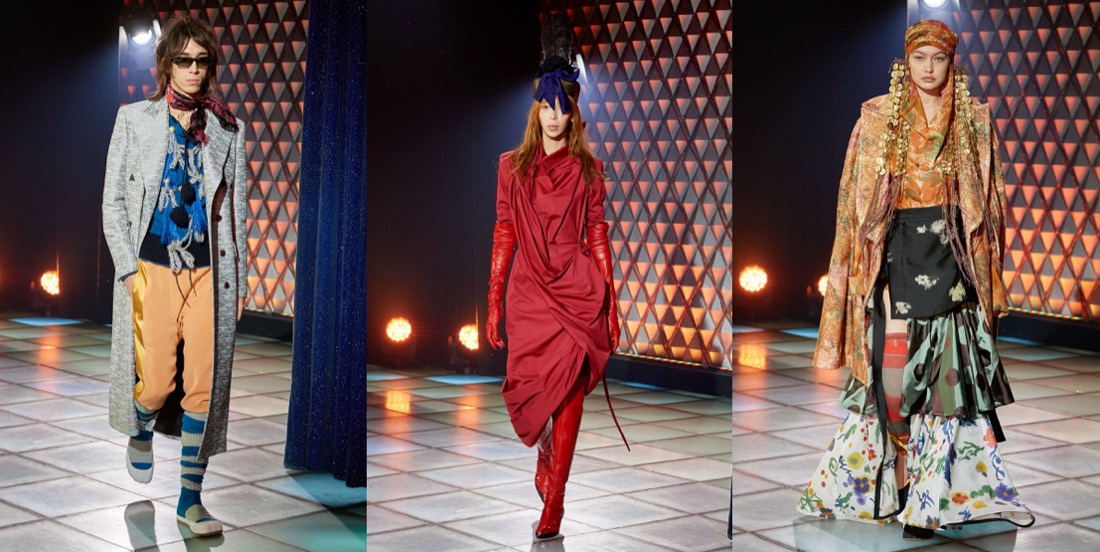
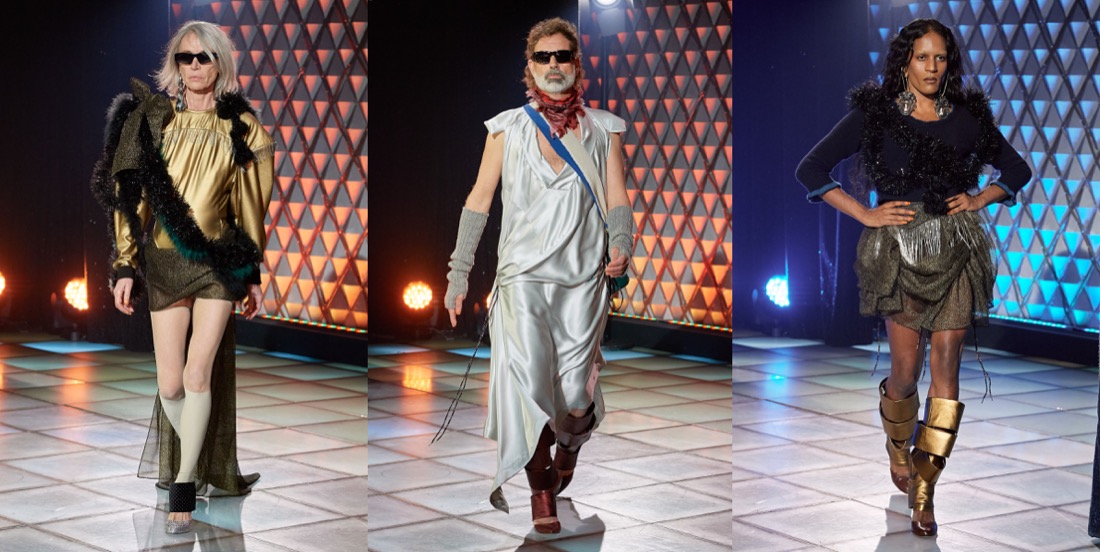
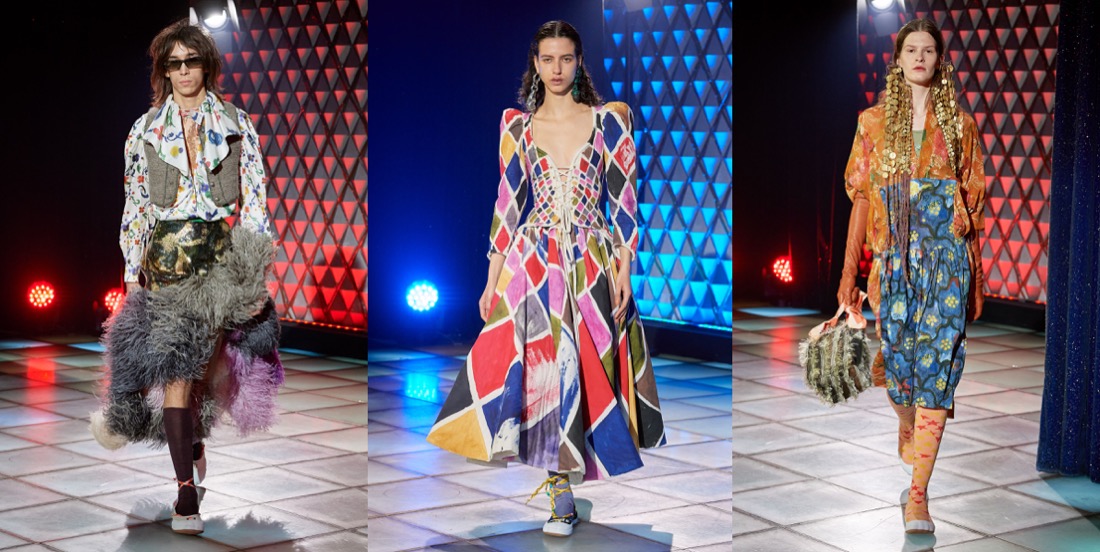
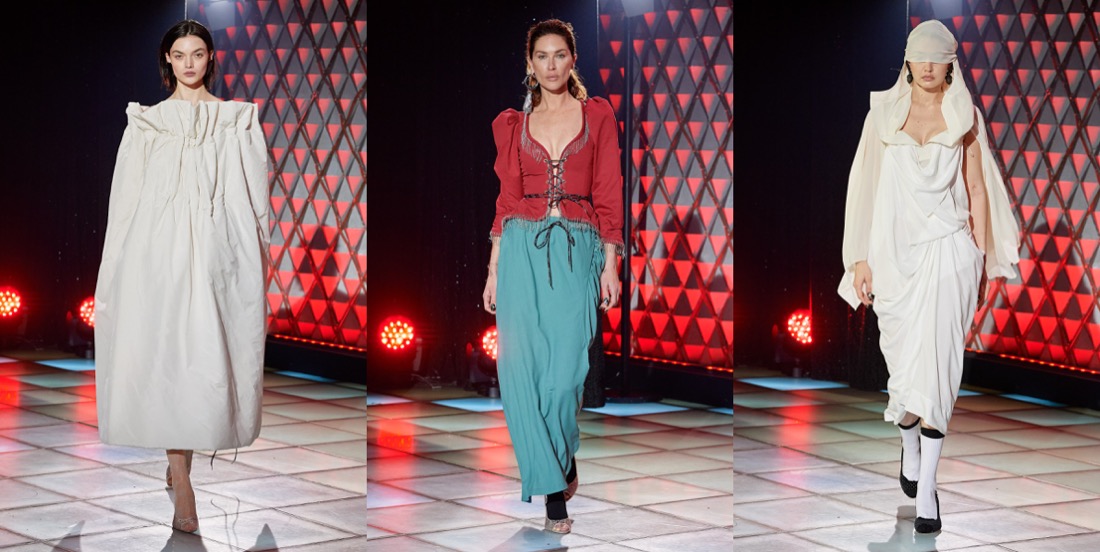
There are a lot of dramatic moments this Paris Fashion Week. Some directly refer to the atrocities going on in our world (Balenciaga), some deliver Old Hollywood glamour through an alien lens (Rick Owens). Andreas Kronthaler isn’t keeping it quiet either. Vivienne Westwood’s life partner and creative right hand delivered a bracingly engaging collection that was loaded with bold character. For this entertaining line-up, the designer said in his show notes that he’d wanted to pay tribute to the world of theater, plus express lightness. He also had worked “to find the muse in me.” One distinctly Andreas touch was the dandy-ish gentleman in the severe checked loden-cut coat – so too were the handsome boys in silky ruched dresses. Caped hoodies and ruche-backed tracksuits provoked the jotting “medieval athleisure” (the clothes alluded to various historical periods, creating a sort of anachronic, wearable puzzle). Crystal-fringed, 1970s-style silver sports shorts, corseted strumpet dress and track pants decorated in a rough-edged harlequin diamond pattern looked cool right away. Usually, Kronthaler’s collections feel as if somebody visited the attic, opened a dusty chest standing there, and played dress-up with all the treasures that were inside. This season it’s no different, but the amusing theatre theme makes it feel less haphazard and more convincing – especially the vintage-y vibe factor of these runway „costumes”. Westwood herself was hauled onstage as the curtain drew back and Kronthaler’s cast took in the lengthy applause. Flowers were thrown and bouquets exchanged. Then, Westwood did some hauling of her own, pulling granddaughter Cora Corré out of the crowd. A lovely family moment.
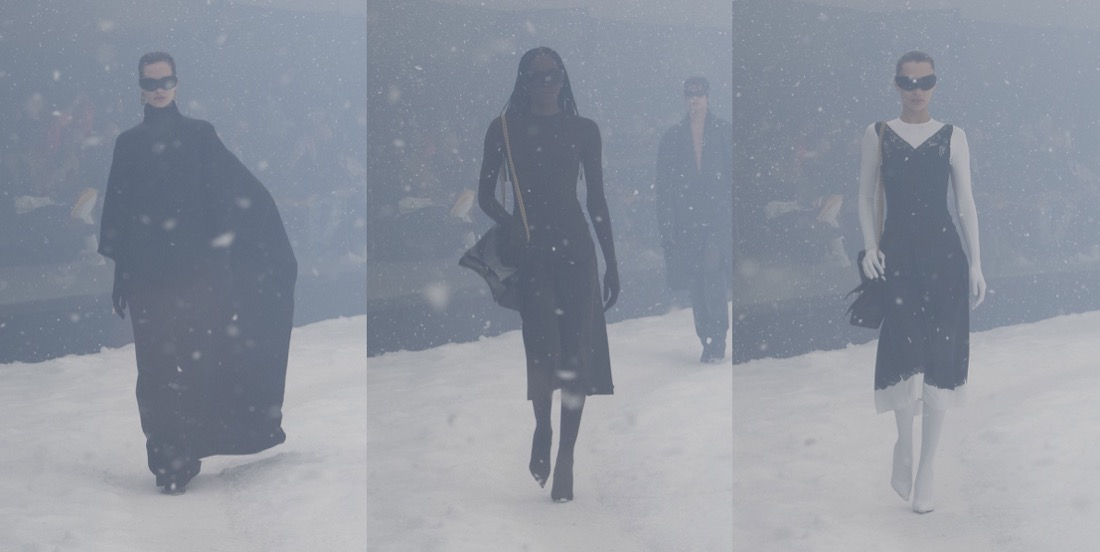
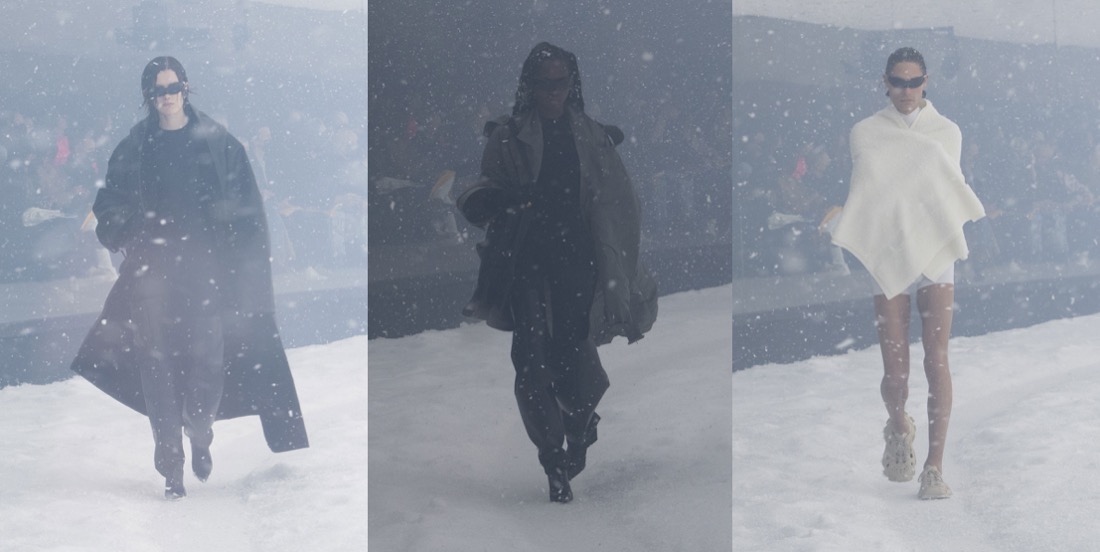
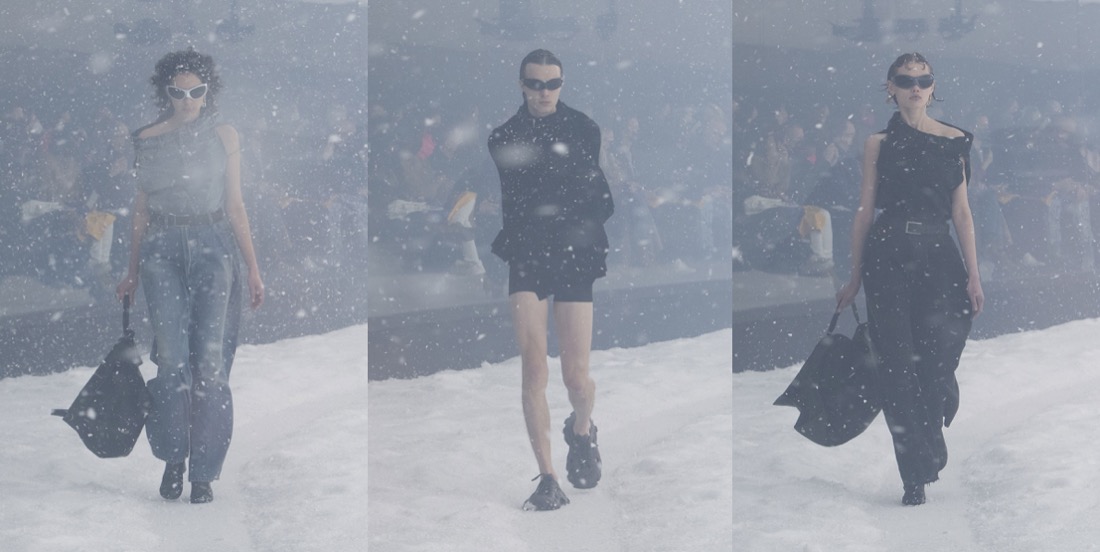
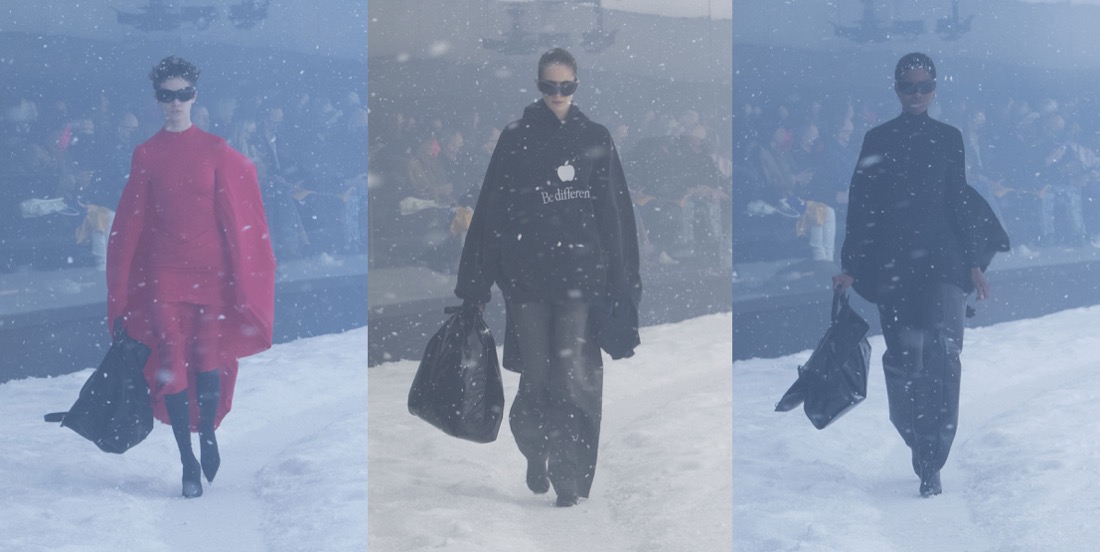
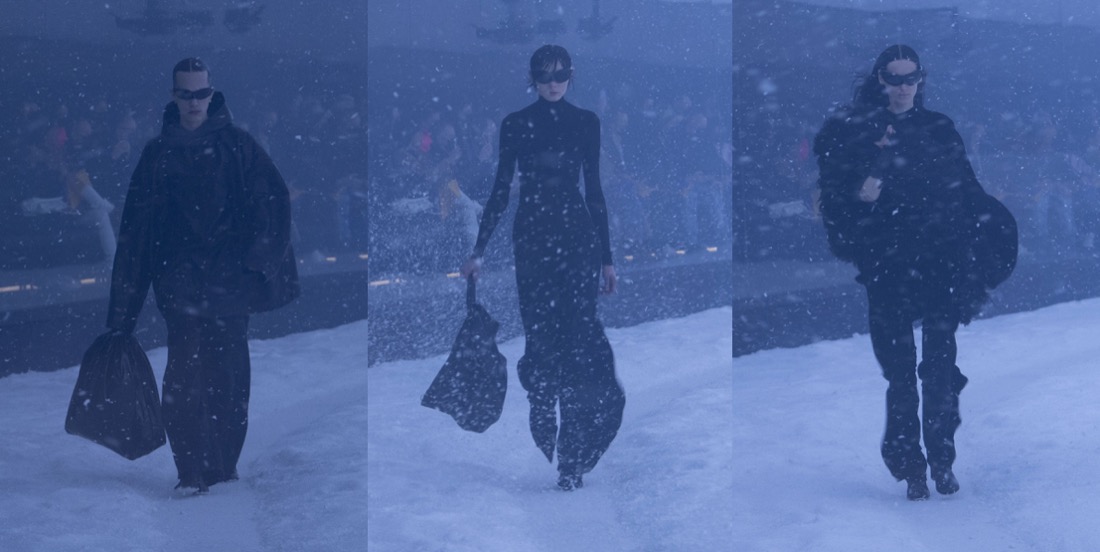
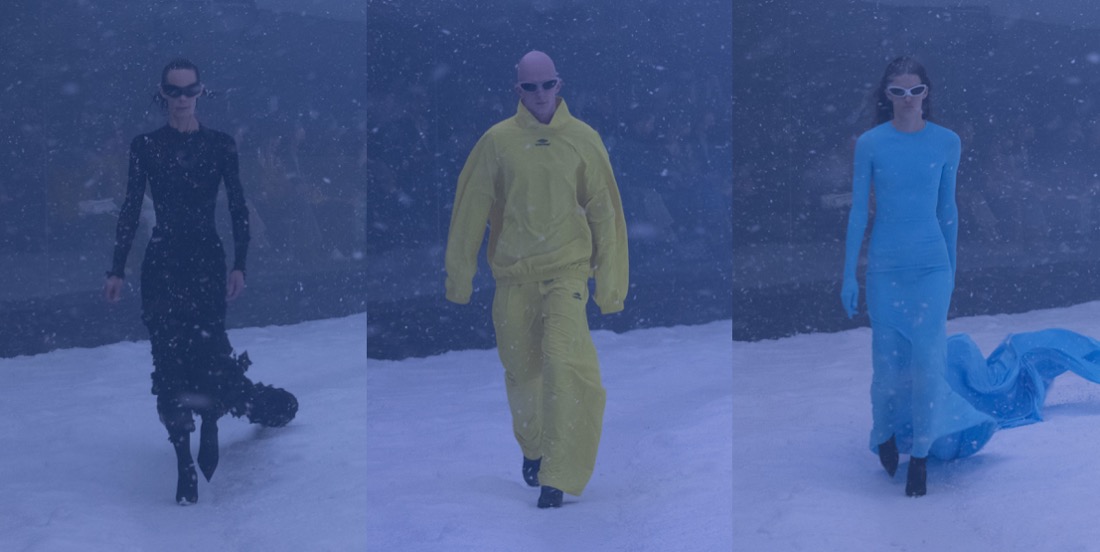
In 2022, Demna is the one and only designer who is able to connect and interwine design with the tough reality, creating fashion that is meaningful, emotional and truly, truly capturing the zeitgeist. Before sharp lights illuminated the giant snow-filled arena erected within Le Bourget where Balenciaga’s most epic and emotional show ever played out, Demna (who no longer uses his surname in a professional capacity) recited a poem in Ukrainian over the speakers. “It’s a poem to Ukraine about being strong, about focusing on love, and that its sons will protect it. That’s not a good translation, but the people I wanted to send this message to will understand it,” he said backstage after the show. On every seat, he had placed a T-shirt dyed in the blue and yellow colours of the Ukrainian flag, and a written statement explaining how he had decided to go on with the show because he didn’t want to give in “to the evil that has already hurt me so much”. Thirty years ago, when he was just 10 years old, Demna and his family fled their native Abkhazia in Georgia, after local separatists with ties to Russia claimed the land and killed more than 5,000 ethnic Georgians. Originally, Demna meant for his giant, manmade arctic set to reflect the ecological decline we’re experiencing in a time of climate change. “It was a comment on what’s going on in the world. Maybe in 50 years, people will have to go to these places to have an artificial experience of a certain weather condition that we take for granted,” he said. “But it turned into something else, which often happens with my shows, somehow.” Watching his largely black-clad cast fight their way through a snowstorm in the mountain-like territory he had built was terrifyingly apropos and – with the addition of a traditional Slavonic piano soundtrack – completely heart-wrenching. Some were dressed in their finest eveningwear, others in towels, some carrying their shoes on their backs. There’s a very blurry line between fetishizing a humanitarian tragedy and sending out a heart-felt message. While other designers would not be able to tackle that topic, in case of Demna, everything felt utterly right at this turbulent moment in contemporary history.
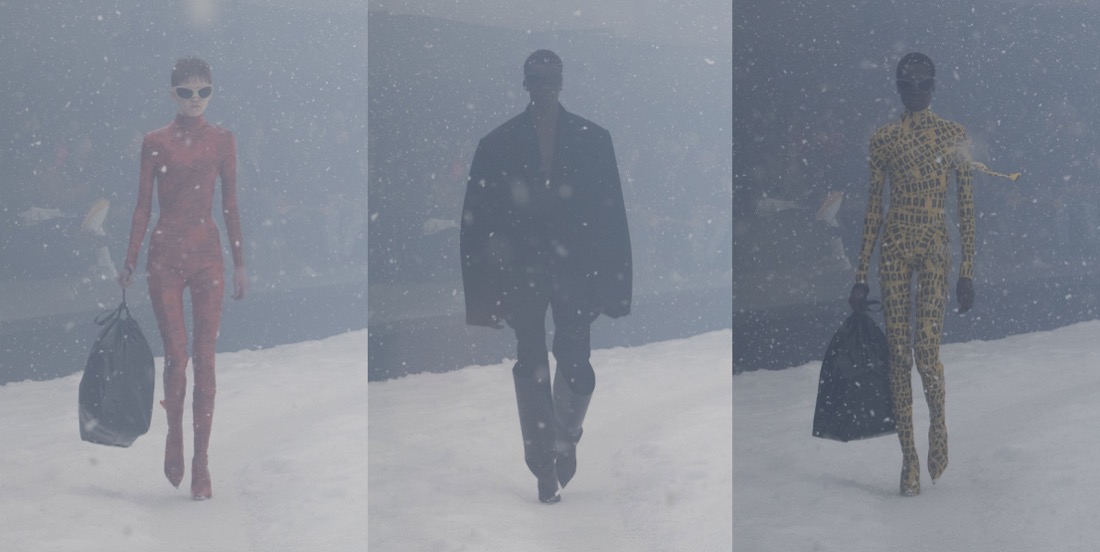
Next to the more haunting imagery that unfolded on his runway – those half-naked people fighting their way through the snow – garments had an air of disposability about them, the kind of make-do and mend we associate with times of turbulence. They were rooted in his own memories: handbags looked like fabric sacks tied together with drawstrings. Floral dresses evoked the repurposing of old upholstery. As they wafted in the harsh wind, the trains of evening gowns appeared shredded as if they had been beaten by the weather. Super light trench coats were constructed so they could be compressed into their own pockets. A bodysuit was created entirely from yellow tape wrapped around the body (in the audience, Kim Kardashian wore an identical piece she said had taken 30 minutes to tape up in the morning). “I used to do that as a little Georgian boy playing with curtains and tape, and being punished for it,” Demna smiled. “It’s a revenge for that; a payback moment. But it also made everything less madame, less bourgeois, less upper-class,” he said, referring to a fur coat in trompe l’oeil embroidery wrapped in tape. “It’s no longer the image of a rich lady walking in an expensive area. It breaks that. I like that an element like that can break a silhouette and re-contextualise it.”
“It’s only innocent people who die in war. I’ve experienced that and actually blocked it out for 30 years, until I started reading the news last week. It brought all this pain back, like anyone who has gone through that,” Demna declared in the show’s press release. “The message is love, always. And fashion has to assume that, at least in terms of taking a position on it.” The show was an example of how important context is to a staging like this in the age of social media; how important it was to know Demna’s own story to grasp the authenticity behind the imagery he presented. It was an epic, terrifying, beautiful, and heartbreaking experience in a season when the contrasts between fashion and its surrounding worlds couldn’t have been greater. As Demna said, “To me, fashion somehow doesn’t matter right now.”















 Design & Culture by Ed