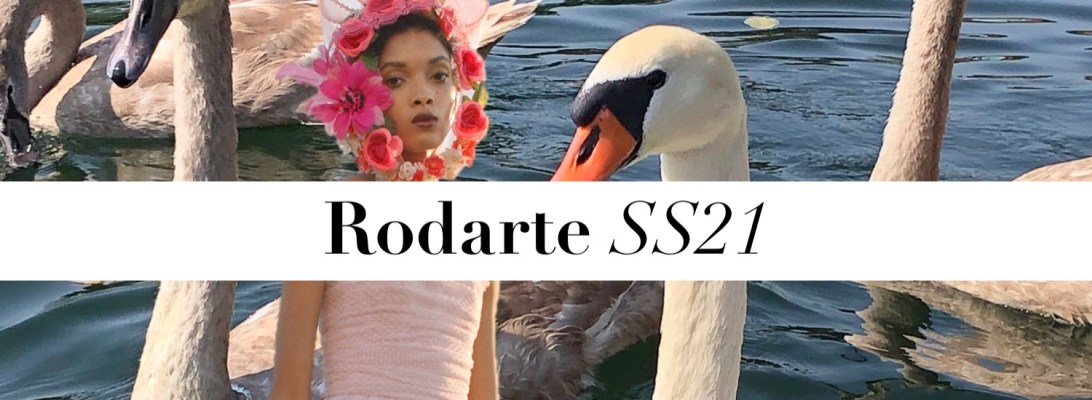
Simple Magic Is Still Magic. Rodarte SS21

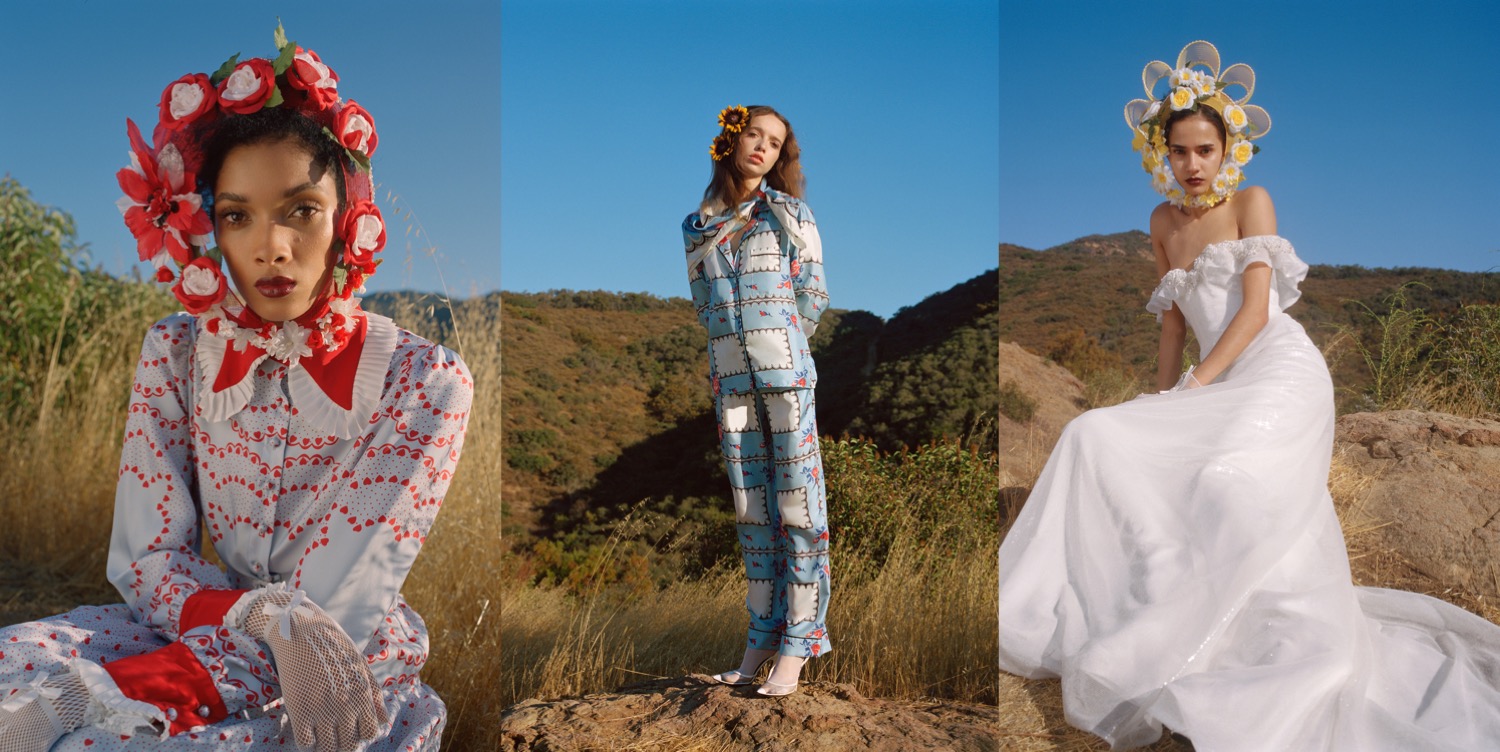
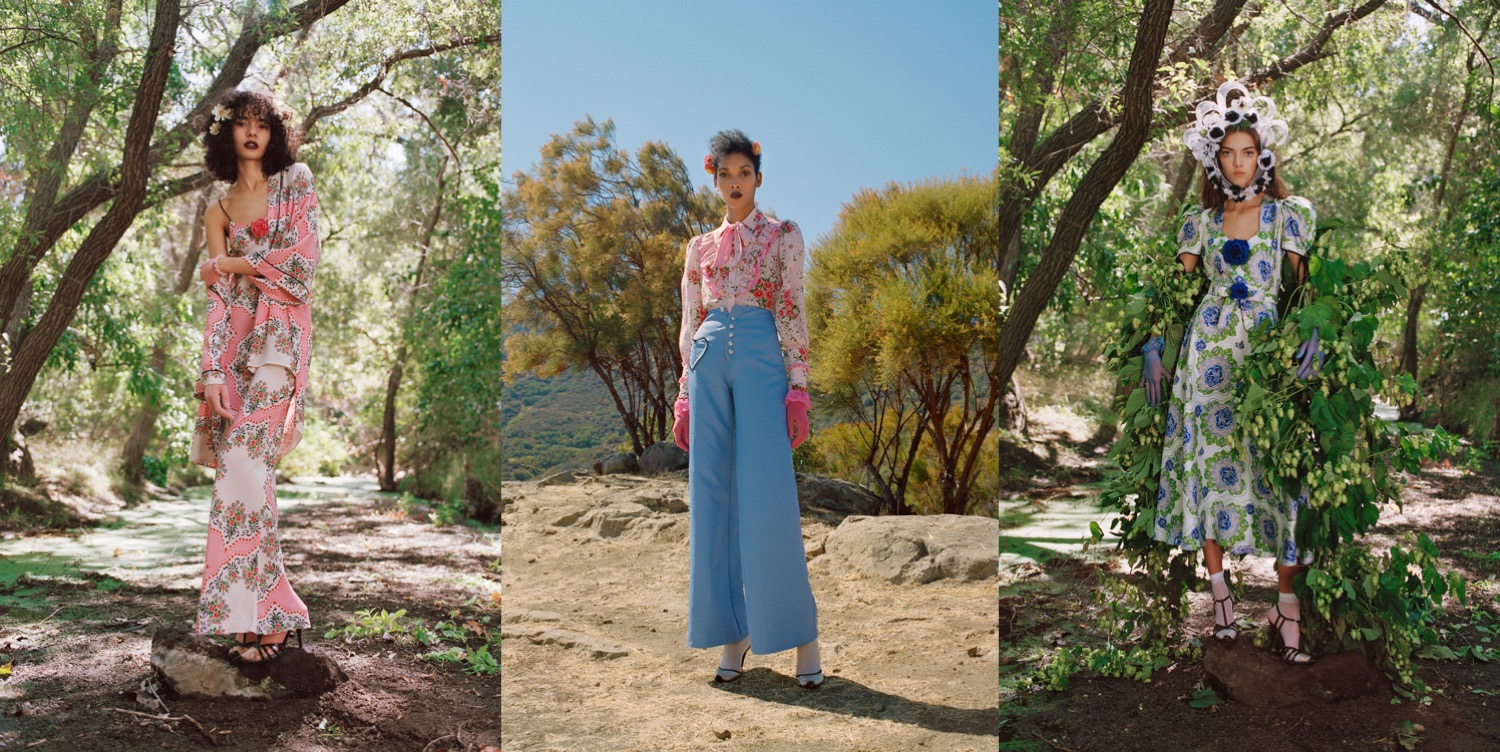
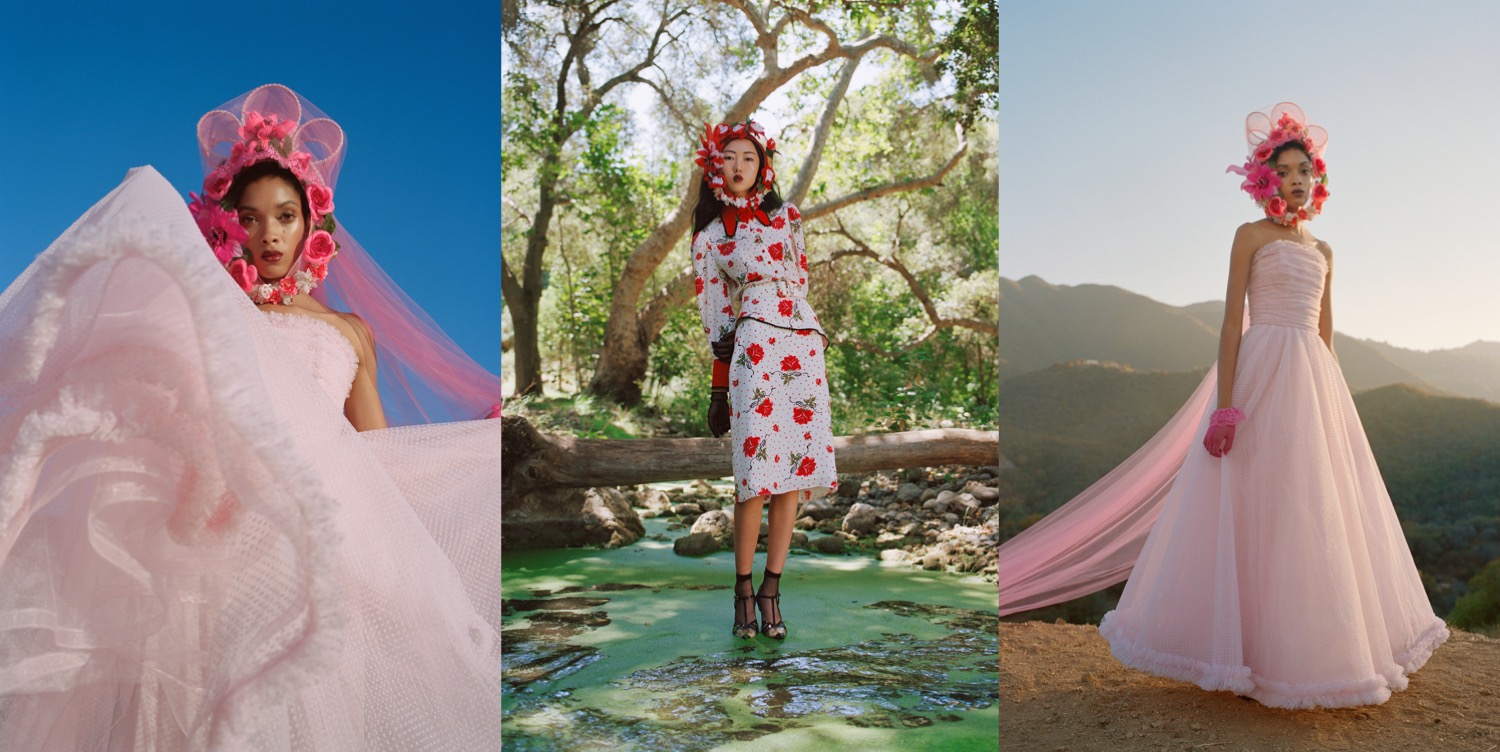
After last season’s Dracula-bitten, romantic extravaganza, Rodarte’s spring-summer 2021 collection – presented in a look-book – is understandably much less dramatic. It’s actually about coming back to the brand’s roots, according to Kate and Laura Mulleavy. The dual crises of a global health pandemic and raging wildfires in California – the sisters’ homeland – forced the designers back into that state: at home, together, with only their creativity to occupy them. While their collection was borne from the same cloistered Californian sisterhood of their earliest outings, the final products are visually different. It’s signature Rodarte, but in more practical-magic version. It’s not so much that the tulle explosions or the cake topper confections have dulled; in the face of such tough times, the sisters are emphasizing the importance of making fashion for this struggling world. “Everything we do is about fantasy and dreams, but we are located in a moment, and we are a part of what is happening now,” Kate told Vogue. A fanciful gown, both designers agree, has little place in today’s world, so instead they channeled their efforts into clothing they would want to wear now “without distilling the ideas.” Expect florals, veils, and just slightly off sweetness. Pajama sets, slips, and robes appear in dainty and orderly floral prints inspired by their local gardens. The floral story continues in the ’40s dresses they played with last season, now relaxed in shape with prints that radiate from the navel or appear in handkerchief-like grids. Silk sweatshirts (I’m on fence with logo ones, though), trackpants, and midi-skirts continue the motif, trimmed in lace or ruffles. All this is topped off with silk floral wreaths that frame models’ faces, giving them the impression of fairies, nymphs, or other magical woodland creatures. With this collection, the Mulleavys have proven their ability to make inherently useful garments that don’t compromise on the Rodarte identity.
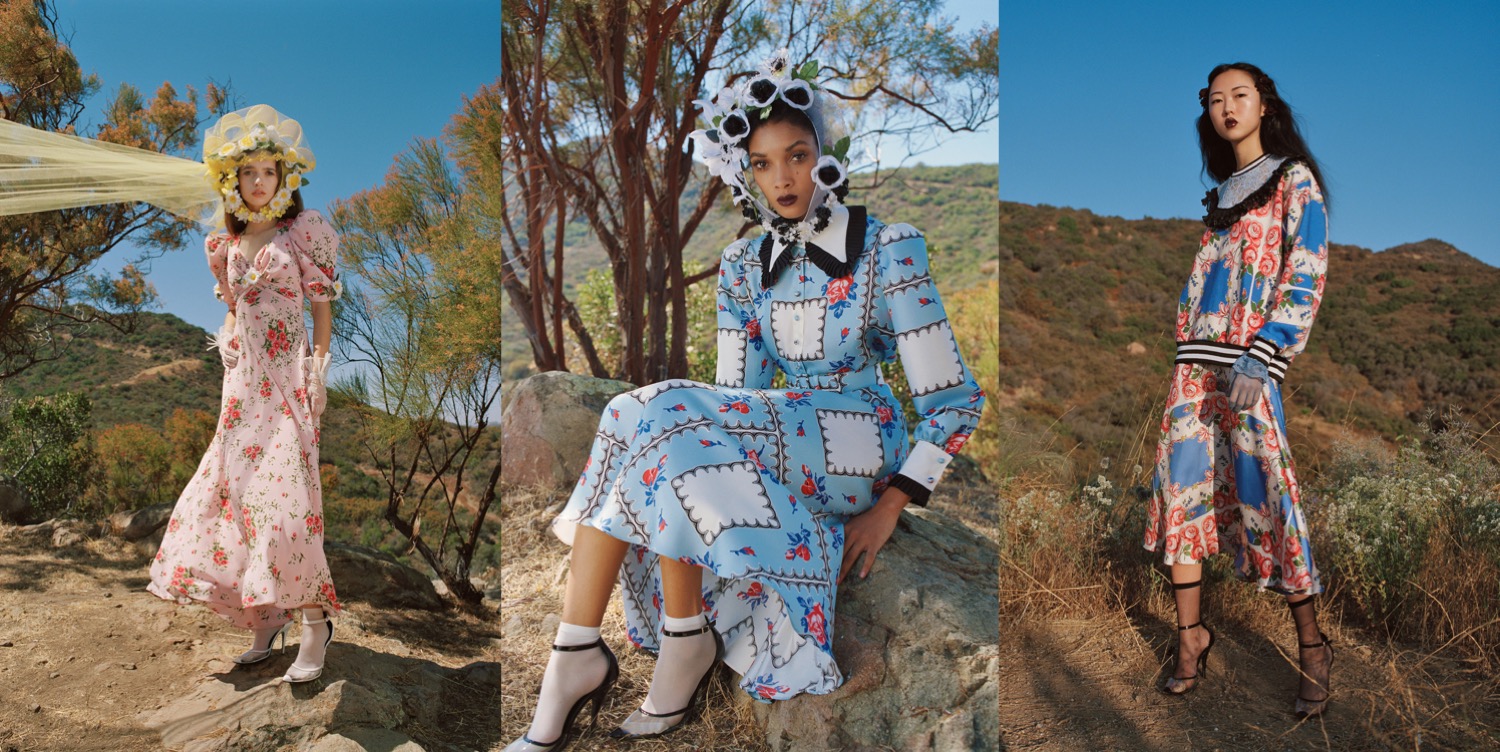
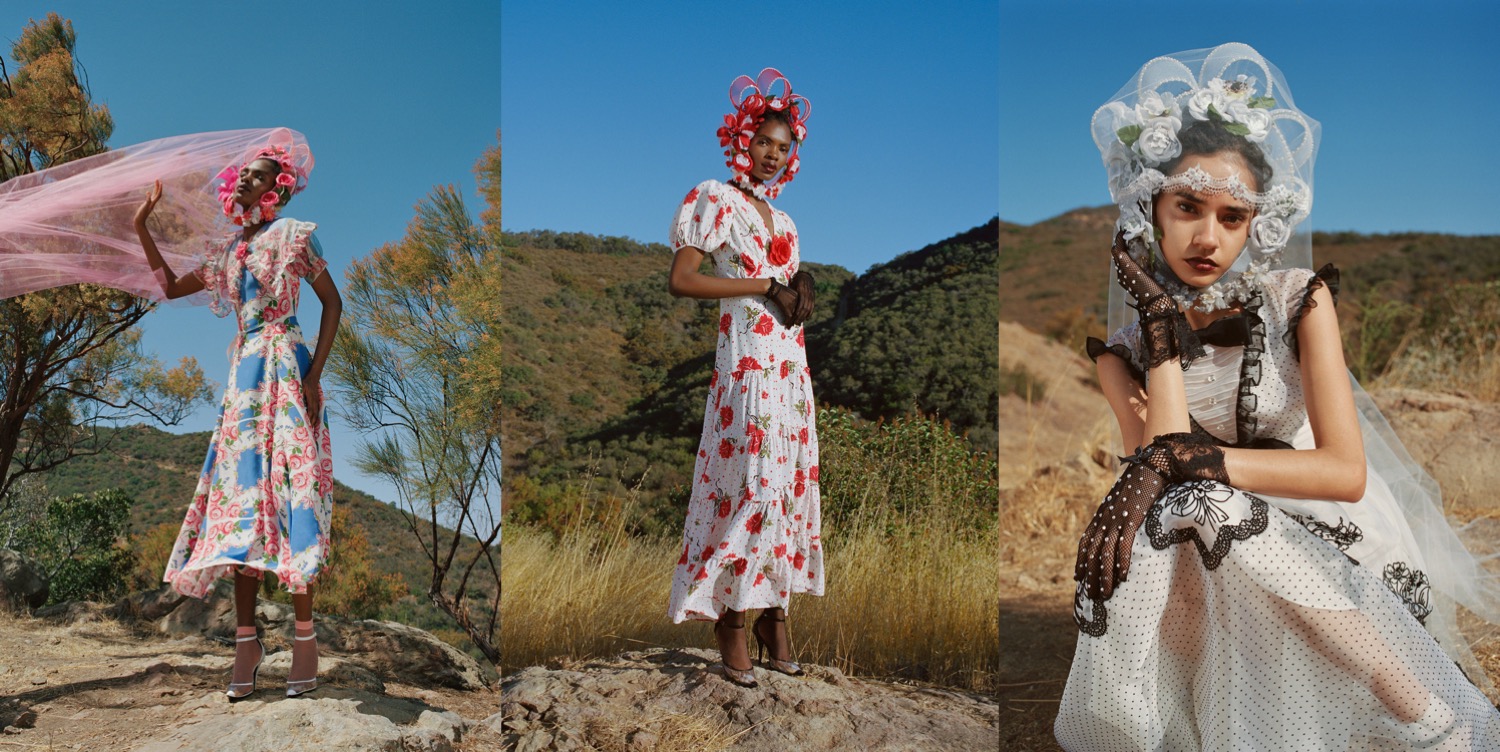
Collage by Edward Kanarecki.
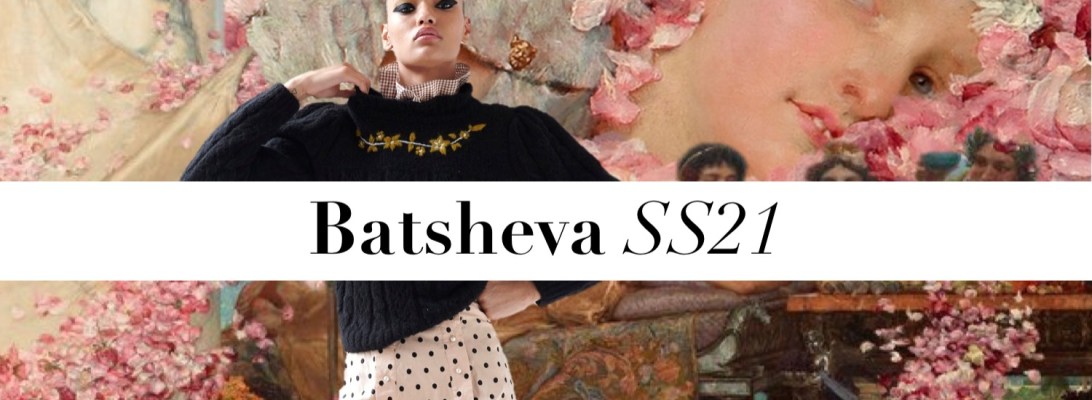
Be Camp, Everyday. Batsheva SS21

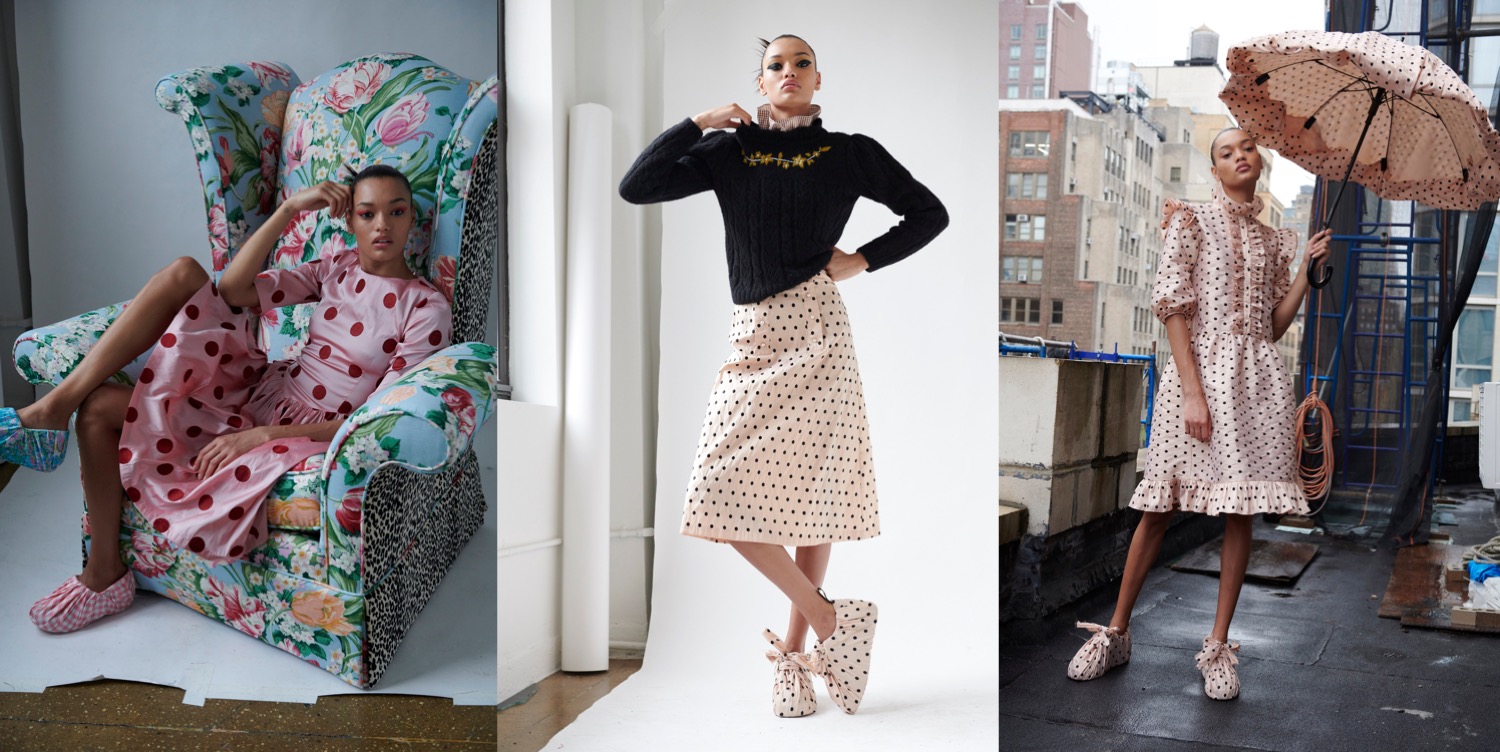
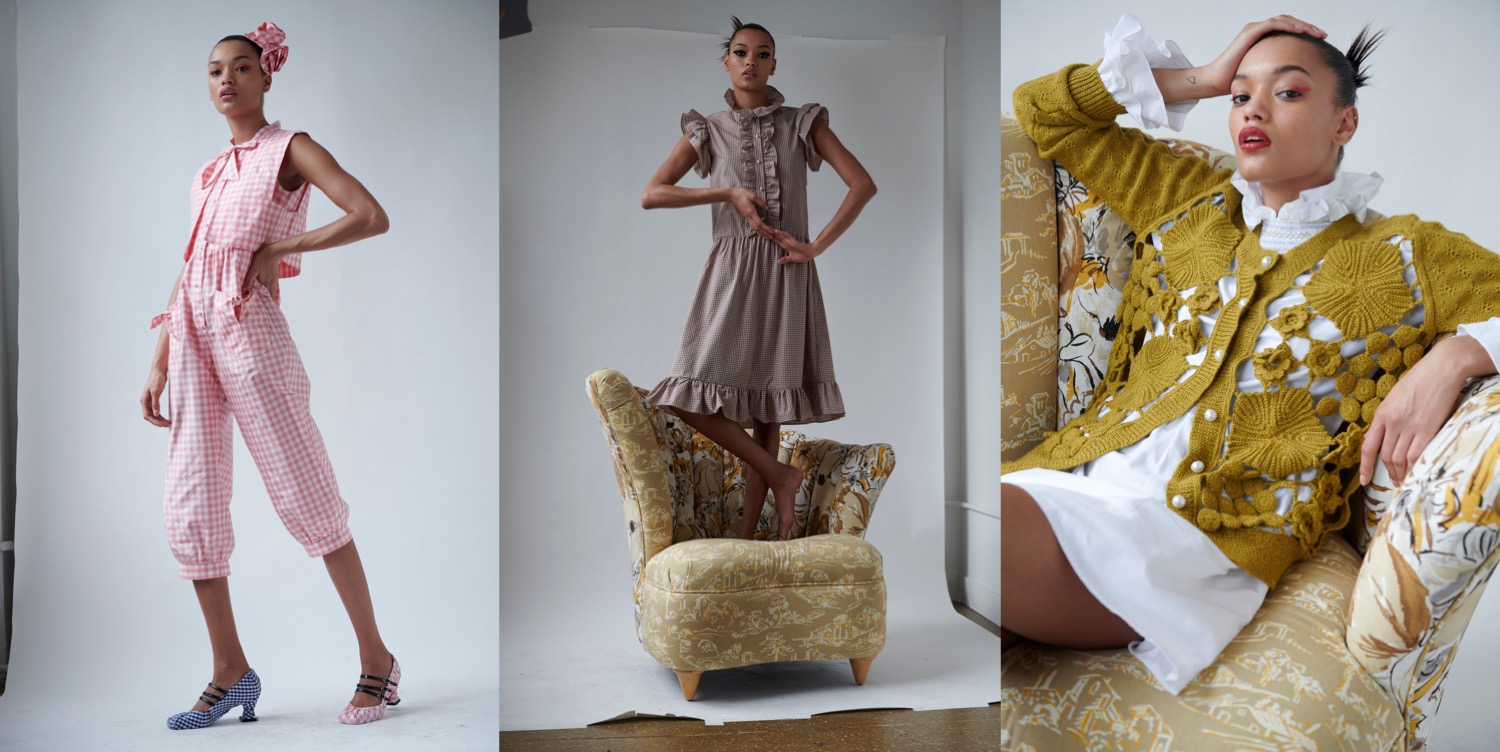
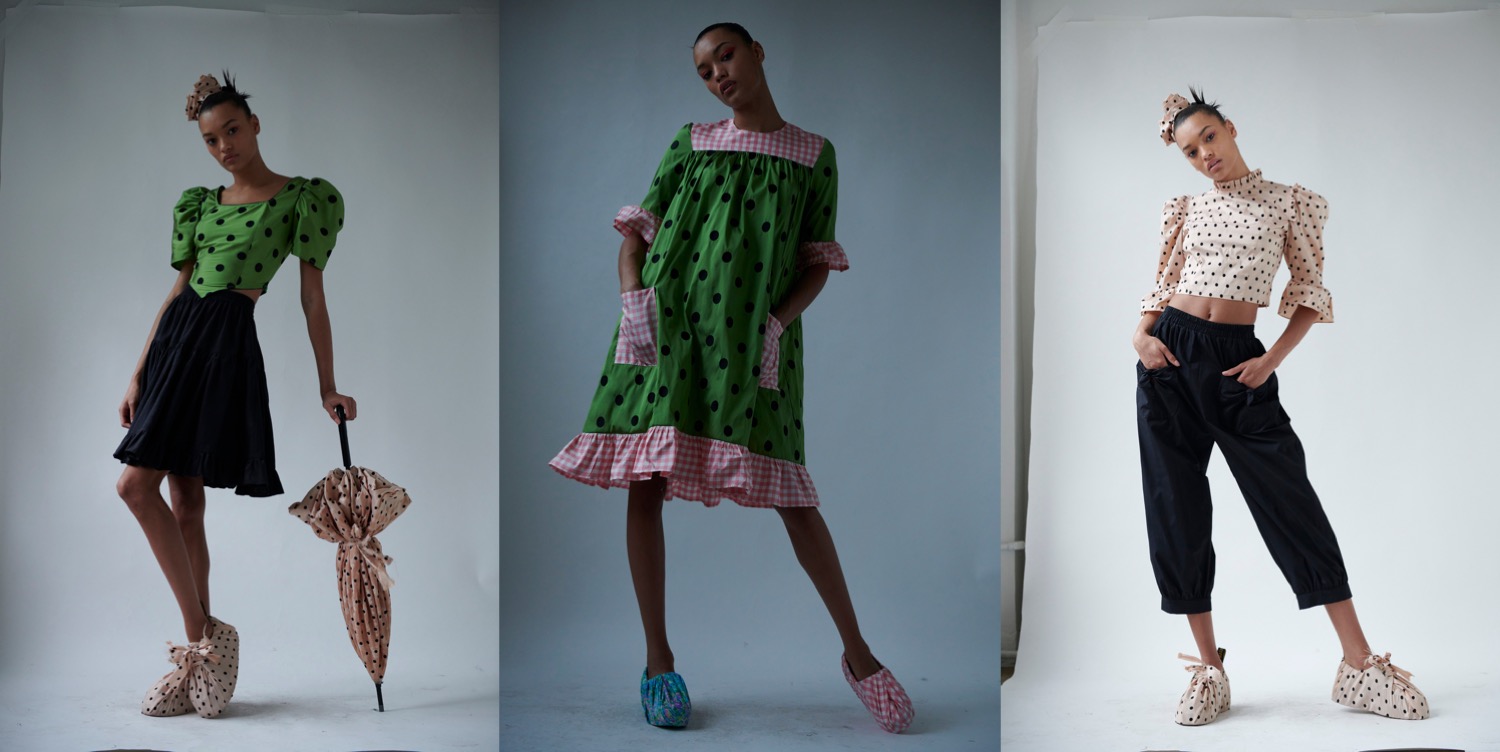
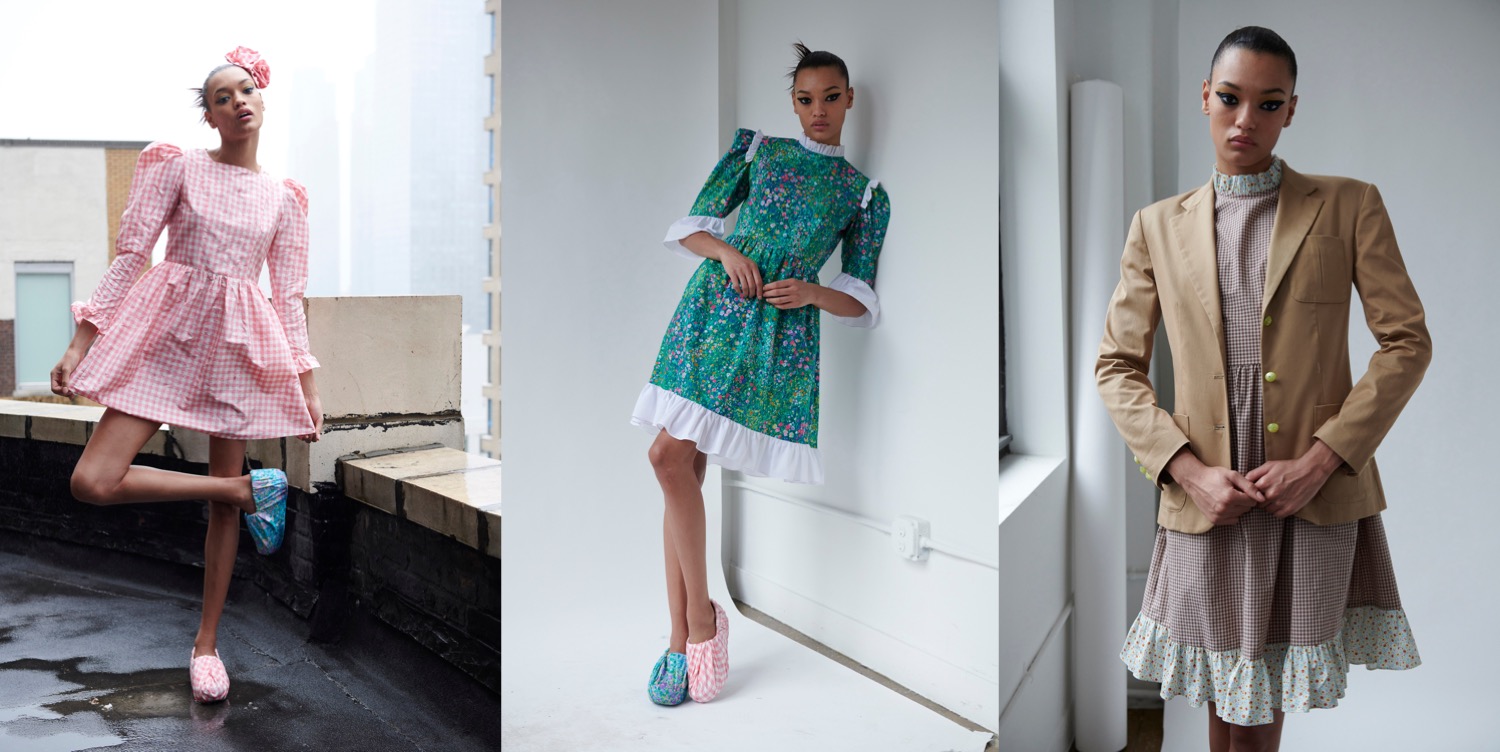
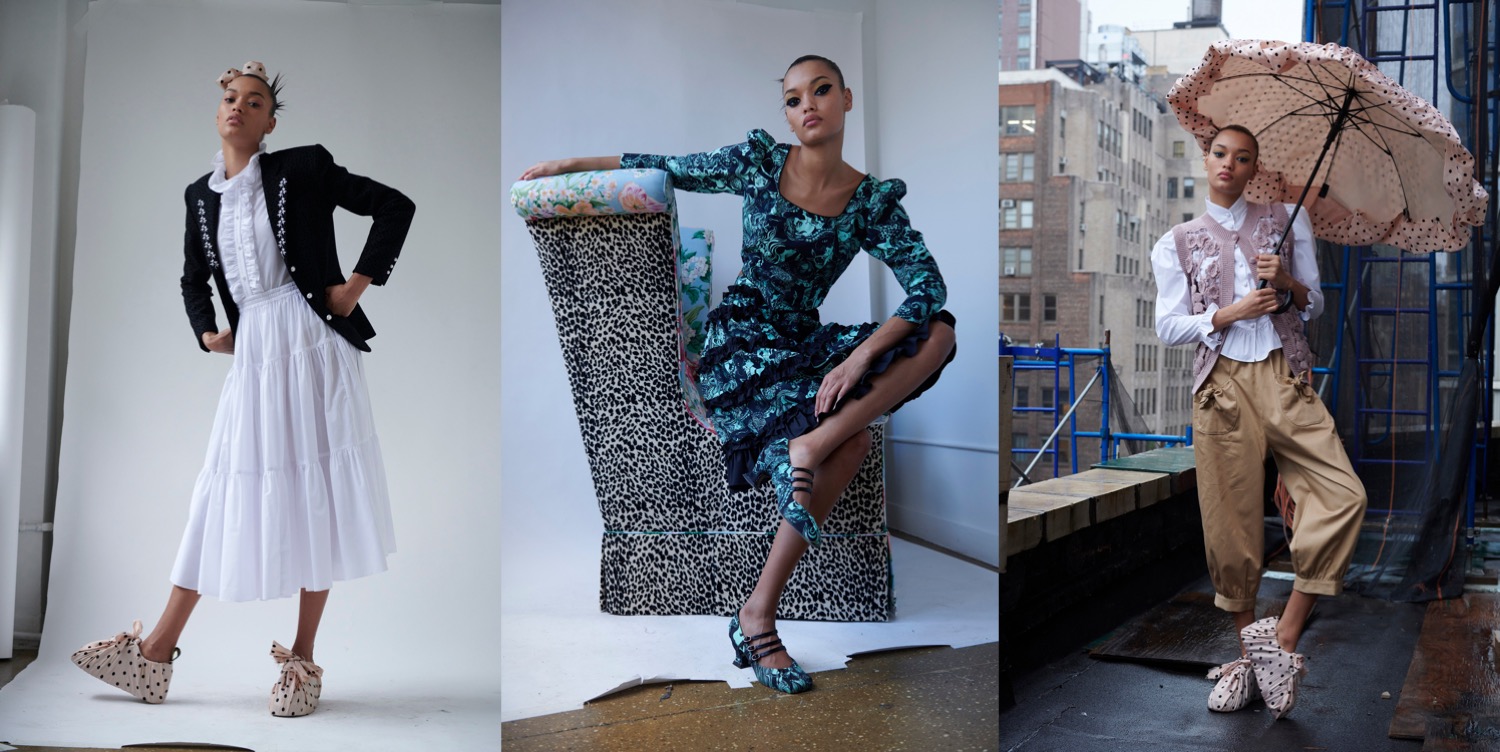
Maybe you can’t judge a season – a month of fashion shows and look-books – by one brand, but somehow Batsheva‘s spring-summer 2021 line-up makes me believe that things are looking up. In hard times like 2020, there’s nothing better than letting some joy in. In Batsheva Hay‘s fashion, adorable polka-dot dresses appear alongside high-collared midi-dresses with dainty embroideries and prints of psychedelic, acid green figures. There are, perhaps, more ruffles and bows than usual, each alighting on a V-neck or high shoulder. There’s playfulness and camp feeling all over those pieces, which – and that’s a Batsheva special – are made for the everyday. Even, if the new routine of Hay’s clients means days and days of Zoom calls. This is a loud “no, no!” to grey, sad sweatpants. The collection went live a few days before the official start of New York fashion week – which will last just three days and with many brands missing – and while many designers seem to struggle in the new reality, with Hay the situation is slightly different. She launched her brand with an unmissable signature, and evolved it however she felt right in her heart. Since day one, she thinks sustainably – some of the fabrics used in her dresses are either upcycled or vintage. When all the turbulent changes caused by the economic downturn of the pandemic (and because of the chaotic mess of the fashion system) abruptly came up, Hay didn’t have to change too much. “Fashion is about dressing,” she declared on a video call with Vogue. “It’s an answer to how people want to dress: be comfortable. Wear something not too expensive, but that feels elevated.” As a brand, she explained she wants to “exist in some way in ordinary lives.” Thinking soulfully and practically happen all too rarely in fashion industry. With some new, beautiful additions – like granny crotchet knits and a simple khaki blazer that will work with everything – Batsheva is a brand that keeps on evolving. And most of all, surprises with its powerful, never-boring consistency.

Collage by Edward Kanarecki, look-book photos by Alexei Hay.

Hyper Expression. Noir Kei Ninomiya AW20

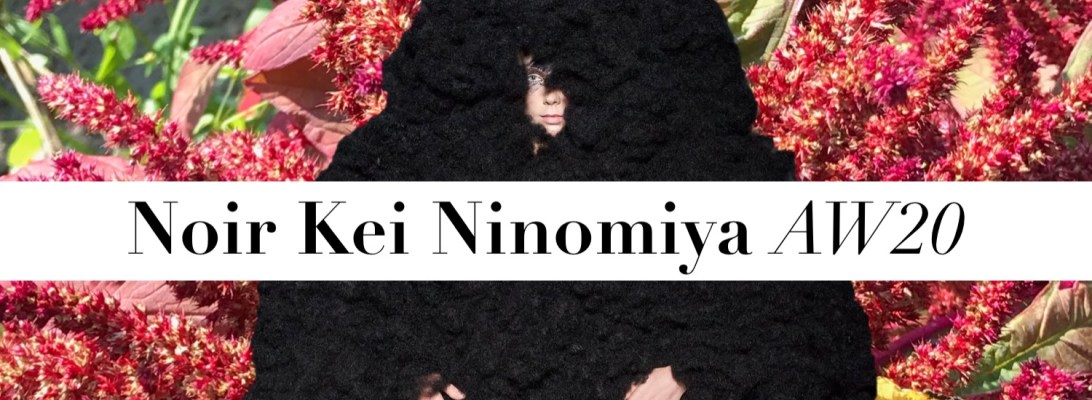
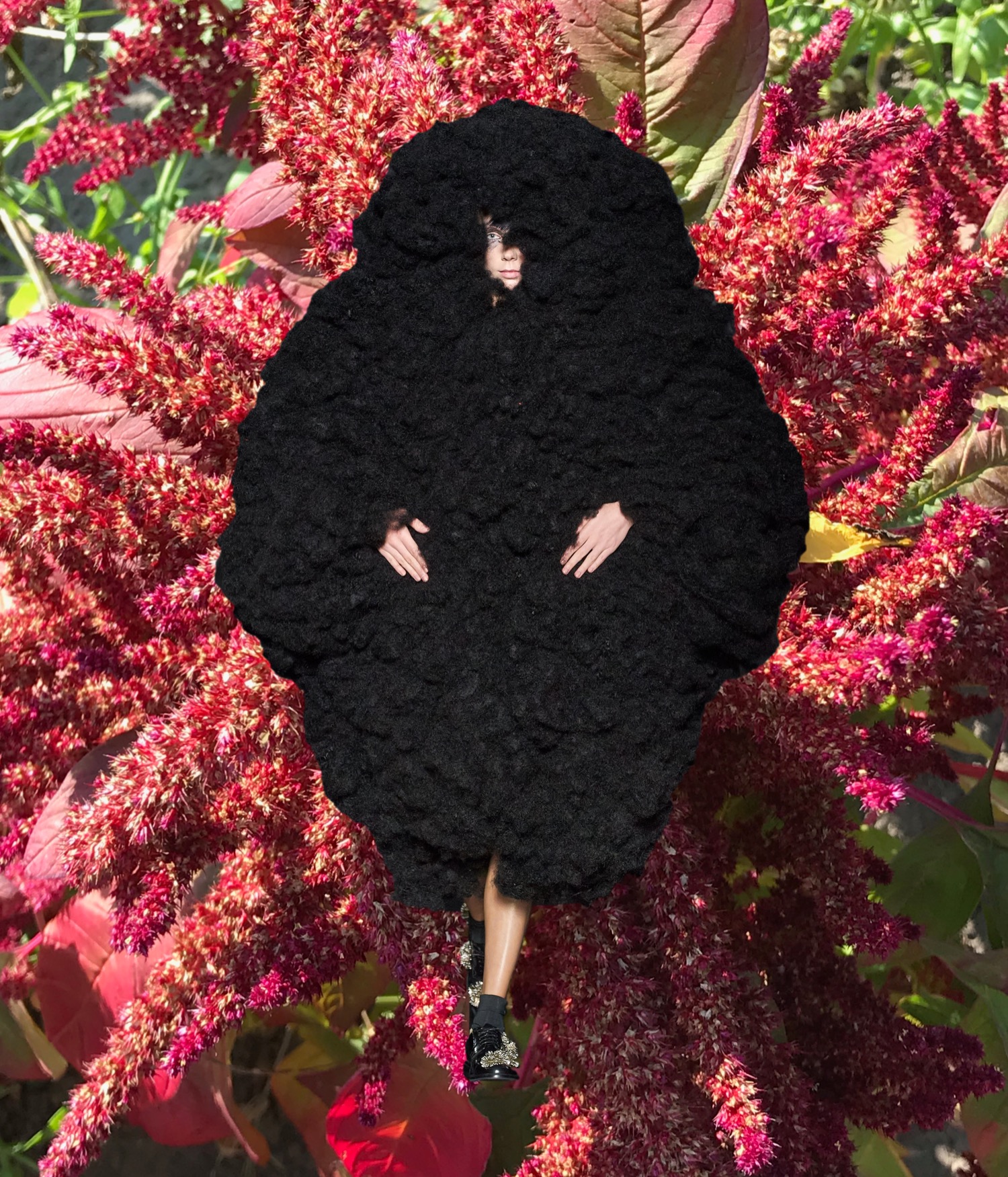
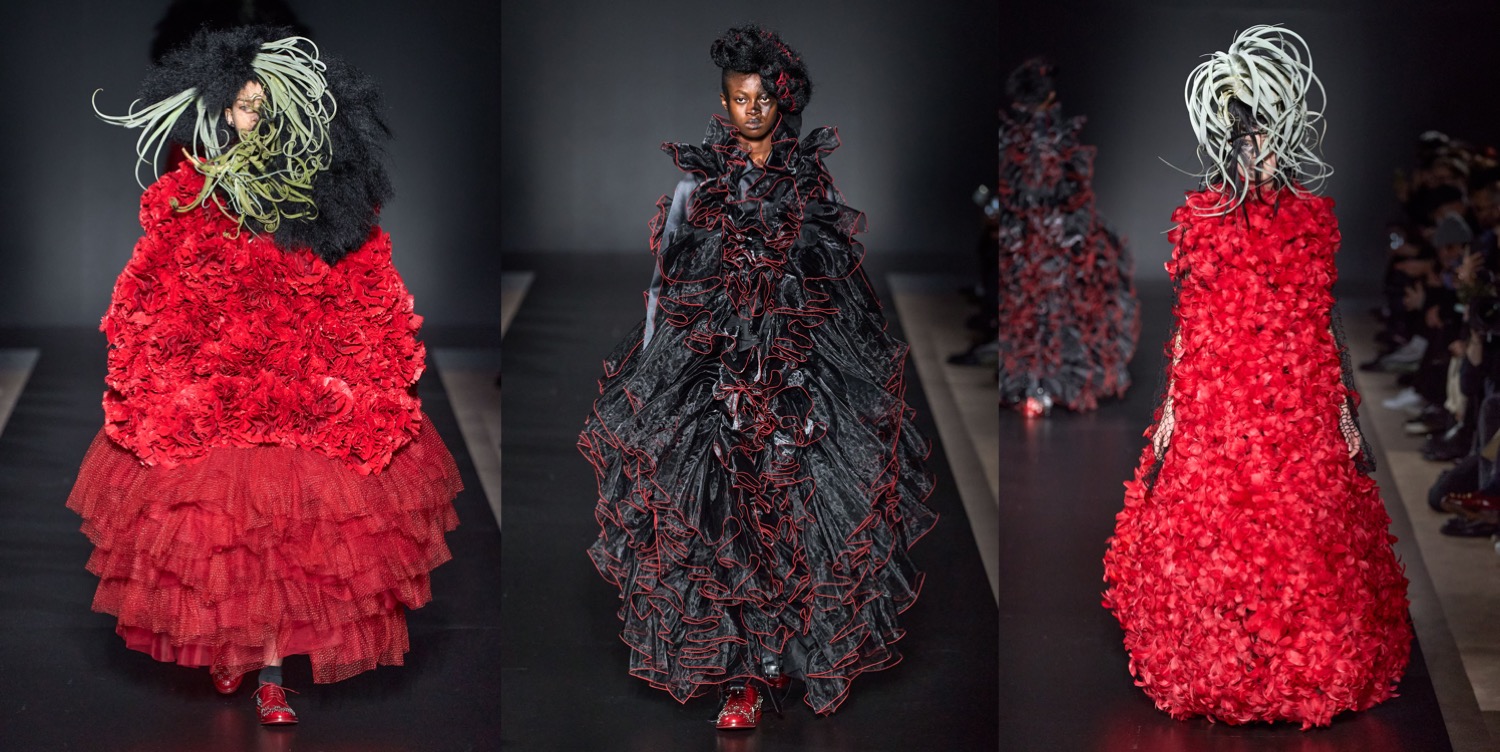
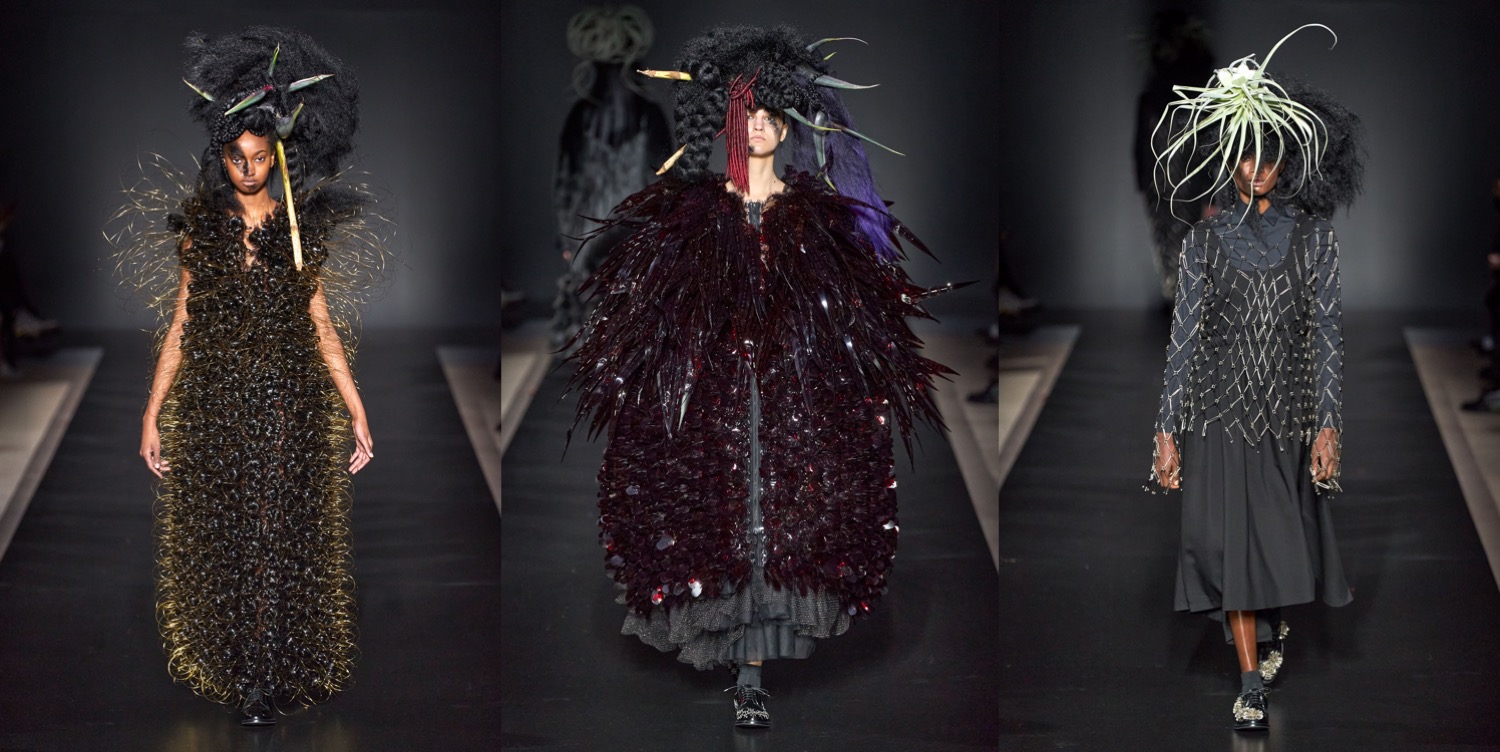
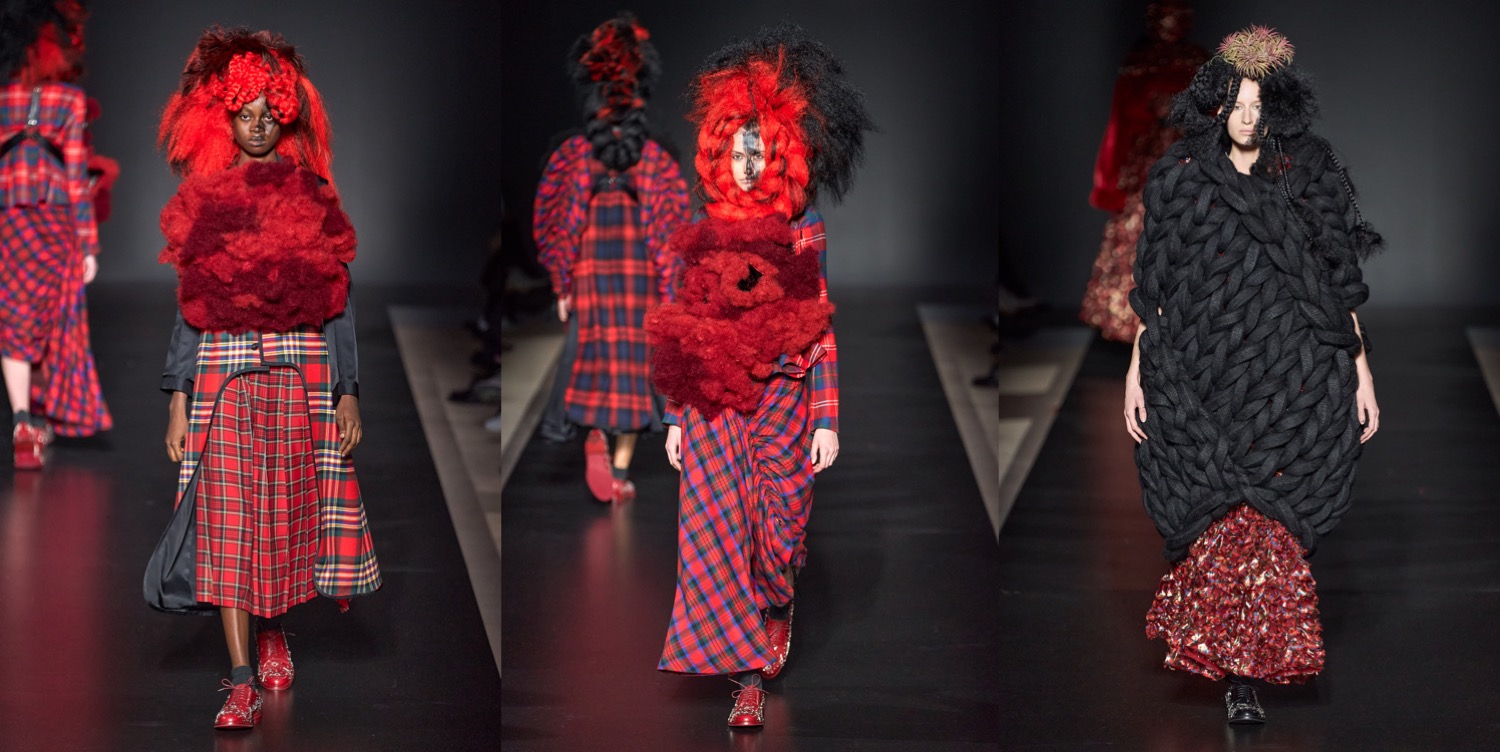
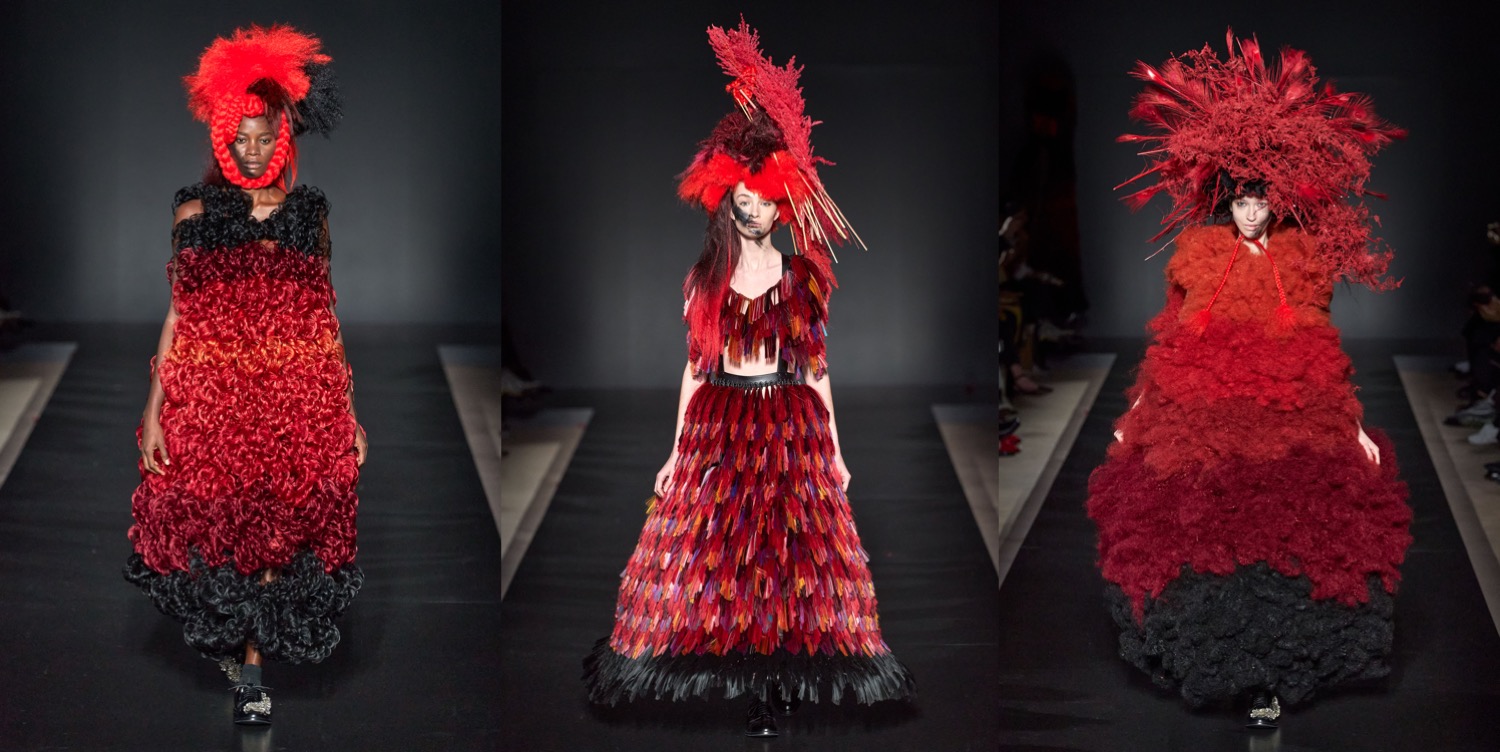
Today in the morning, out of the blue, I thought to myself: I need to look at Noir Kei Ninomiya‘s autumn-winter 2020 collection. I’ve got no idea how I missed it in my Paris fashion week coverage last March, but I’m happy to catch up on it. This collection was extraordinary. Ever since he first appeared during spring 2016, Ninomiya has slowly expanded his stitch-free wearable sculptures, building grander and ever more unsettling architectures. This season he again pushed forward into new territories, while working for the first time with Icelandic installation artist Shoplifter (aka Hrafnhildur Arnardóttir) as well as his long-standing floral art collaborator, Makoto Azuma. The magic of creative collaboration delivered something quite unforgettable. Shoplifter (an artist whose chosen material is synthetic hair, her works include the cover of Björk’s 2004 album, Medúlla, and the mind-blowing installation in the Icelandic pavilion at last year’s Venice Biennale) added a fresh element to the interplay between Ninomiya’s materials and Azuma’s botanicals, specifically exaggerated hair extensions that made the silhouettes look and feel even more organic and out-of-this-world. In his usual enigmatic manner, Ninomiya had said this collection was mostly about the color red, in that as paint it can be mixed to create black. The metallic woven check fabric that was folded and whipped like air-filled ice cream around the body vaguely resembled a florist’s bouquet wrapping. The fronds of palm, succulent, tuber, and bamboo that nuzzled and nudged their way through and around Shoplifter’s hairy extensions created an impression of human and plant grafted together and slowly devouring each other. Ninomiya’s materials included golden wires that furled like unearthly waratahs around the wearer; interconnected safety pins built into pearl-linked globes or an entire dress; red feathers; strips of rivet-connected red tulle; and lengths of brass-colored steel wool frayed, then wrapped in transparent PVC and braided to resemble enormous Viking wigs. Those safety pins (also gracing a fine new shoe collaboration with Church’s) and the tartan section signified a punk undertone also present in the guitar: Ninomiya’s usual biker jacket motif was retired for the season, but he hit the fringe trend via a couple of apocalyptically enormous black pieces. The closing titanic fuzzball was at once hilarious and ominous – part dark cloud, part hyper-expressed protective aura, all Noir.

Collage by Edward Kanarecki.
Colour On. Nina Donis AW20

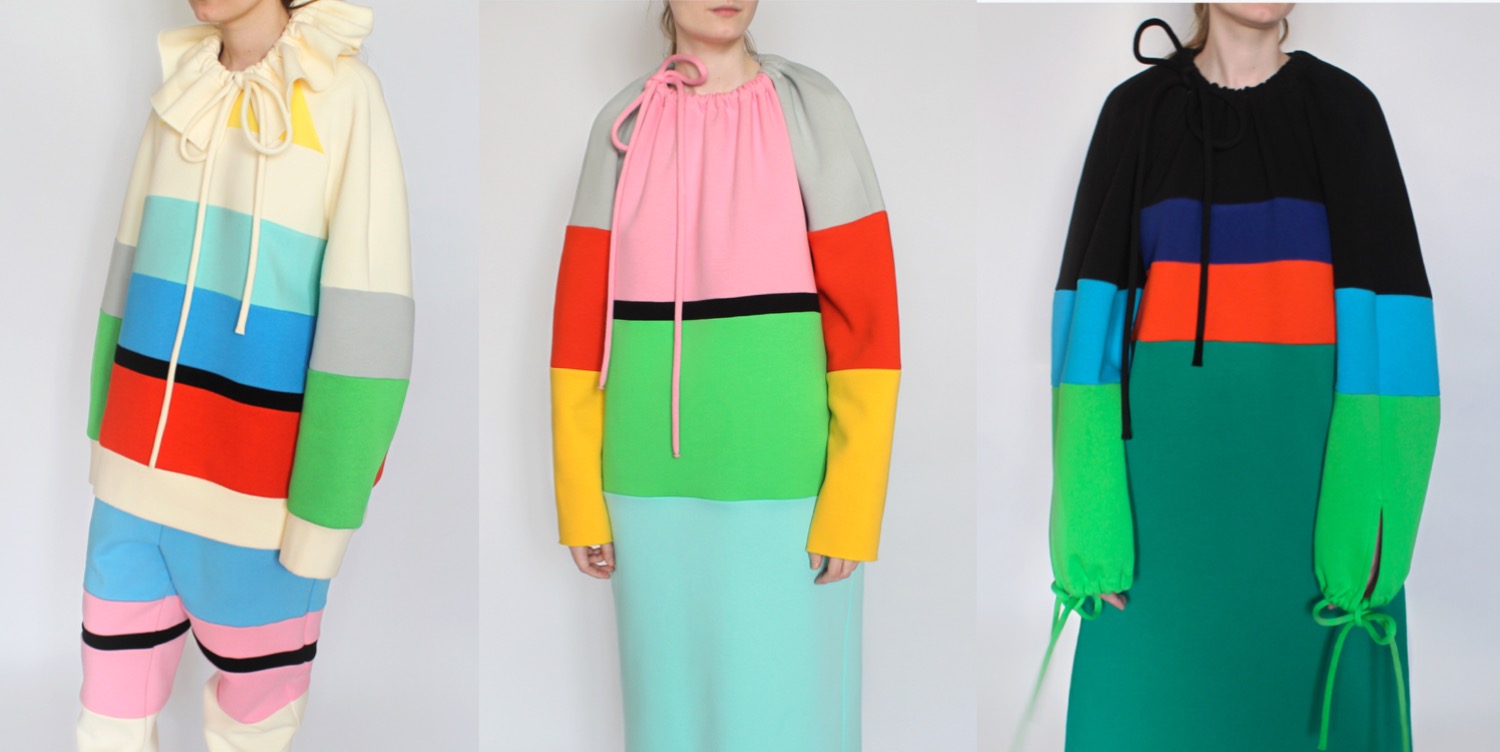
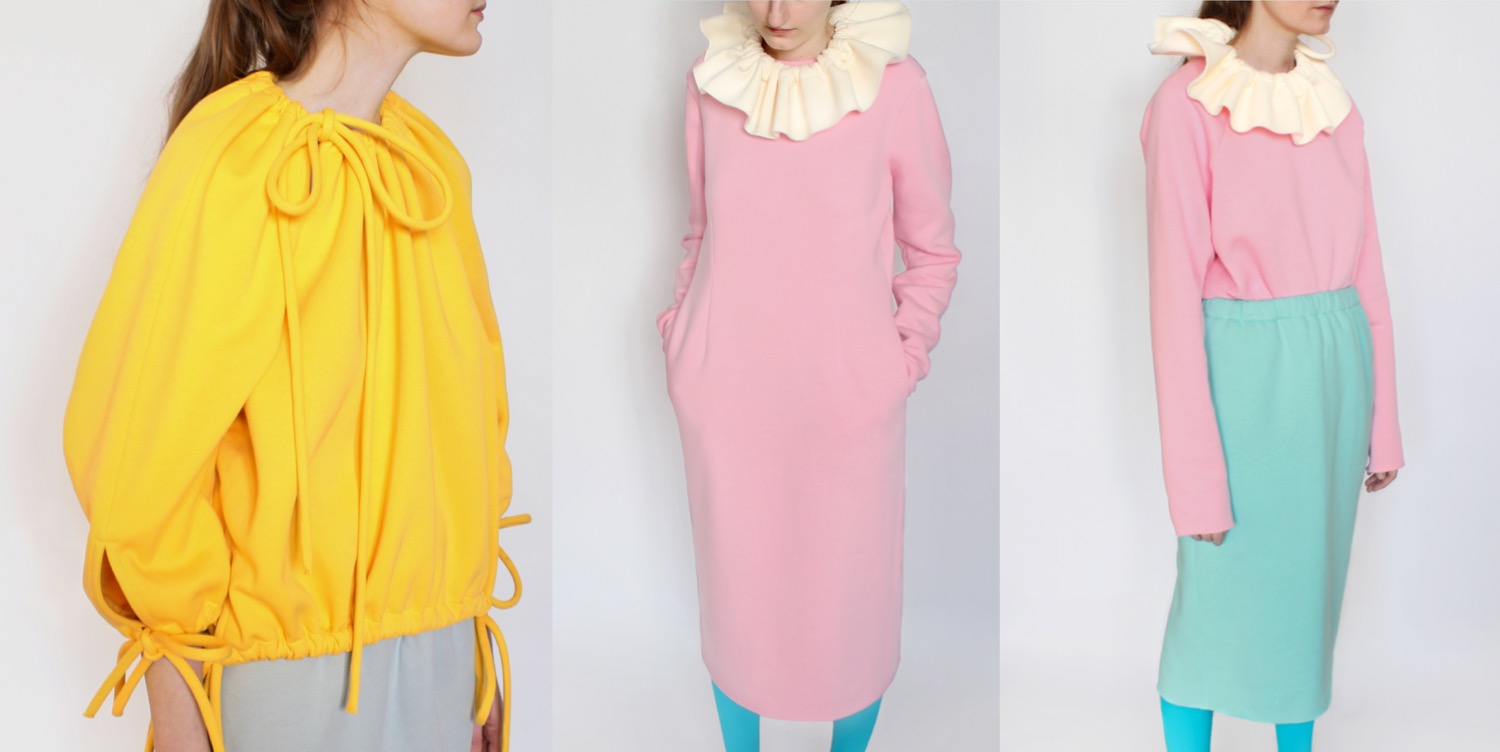
Donis Pouppis and Nina Neretina’s Nina Donis label is legendary within the Russian fashion industry. The duo met in the late 1980s while in university for textiles and started their own line, which they officially launched in 2000. The two went on to show at London Fashion Week for several seasons, but Moscow felt more like home. Now, the pair splits their time between Pouppis’s childhood home of Cyprus and the Russian capital, where the brand has amassed a dedicated following. As inspiration, they often look to Russian motifs, like Olympic uniforms and Russian traditional dress. For autumn-winter 2020, one might note a colour palette as bold as the one of Kazimir Malevich (or Pantone matching system). The duo were as well inspired by Jamie Julien Brown’s totem installations (the striped pieces!) as well as historic collars seen in El Greco’s portraits, deconstructed into verstaile accessories you can wear over a sweatshirt-dress or minimal knit. The collection’s must-have? Definitely here for the voluminous, yellow blouson with exaggerated bows down the sleeves. If you want to see more of Nina Donis, click here!

Collage by Edward Kanarecki.
Adaptability. Peter Do SS21

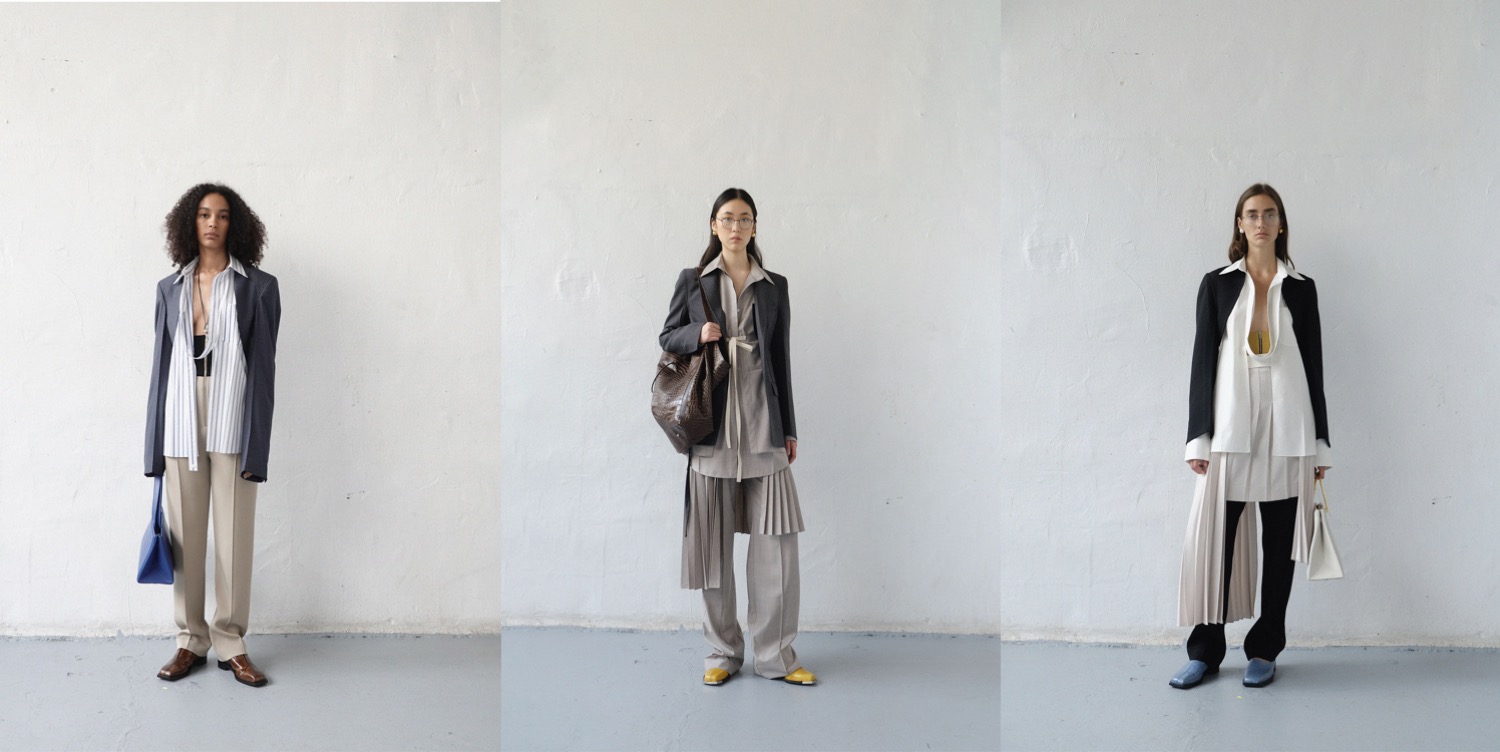
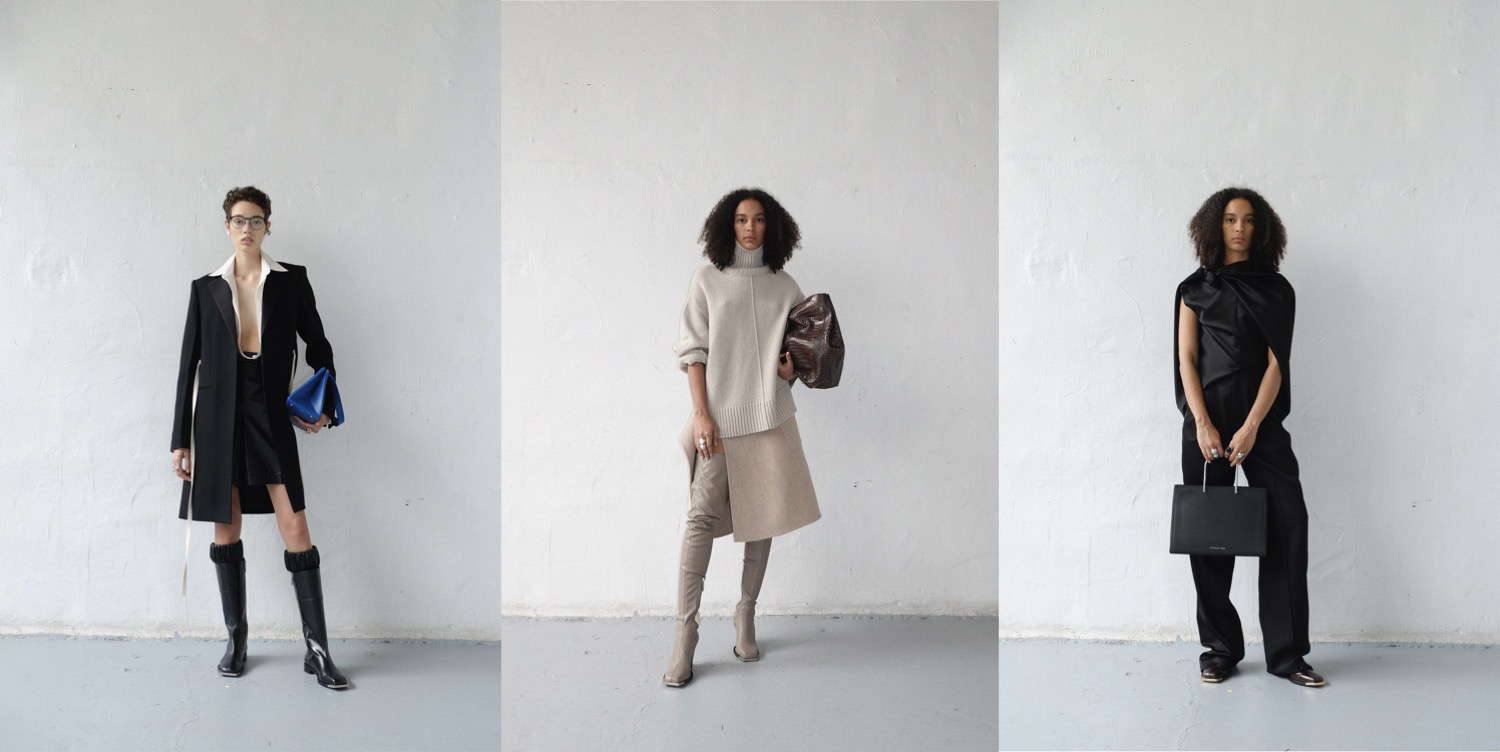
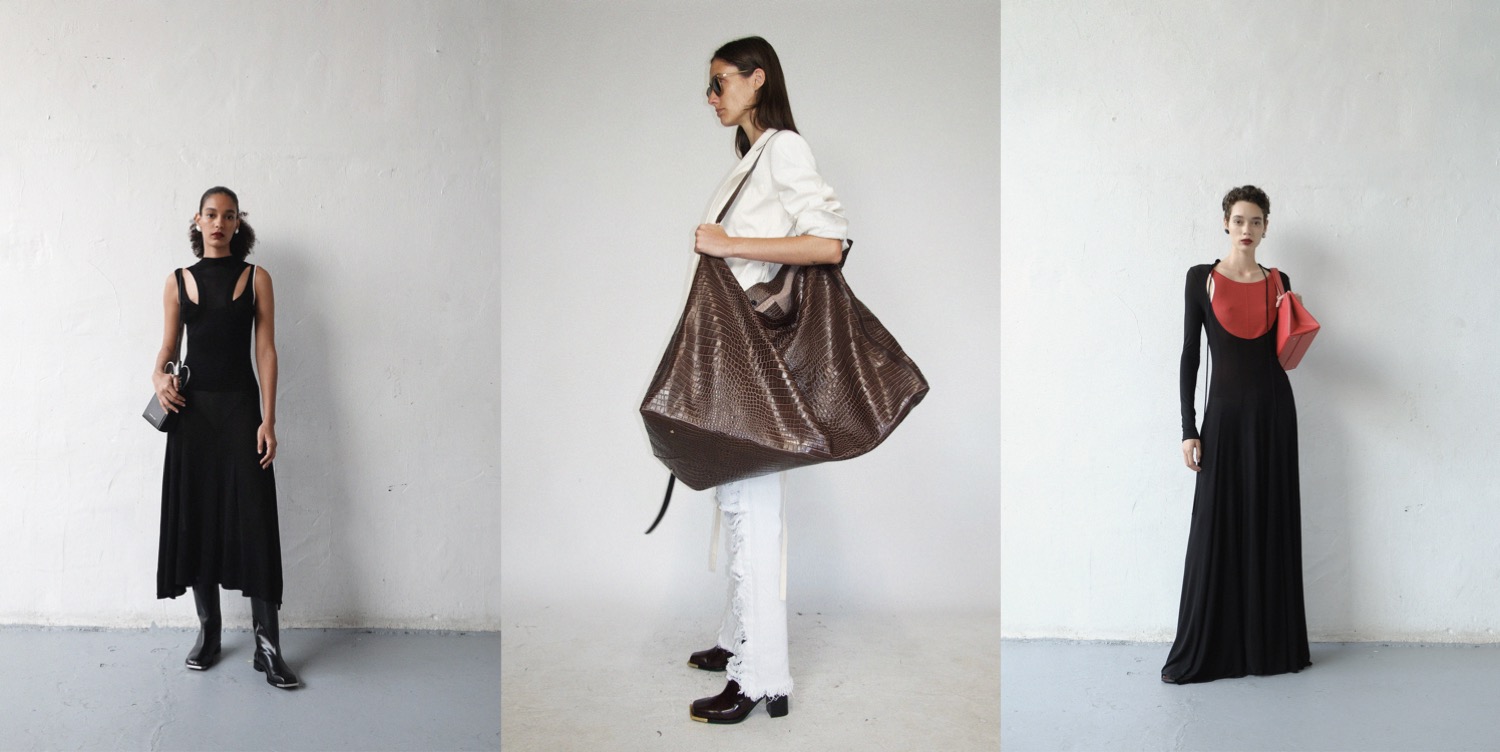
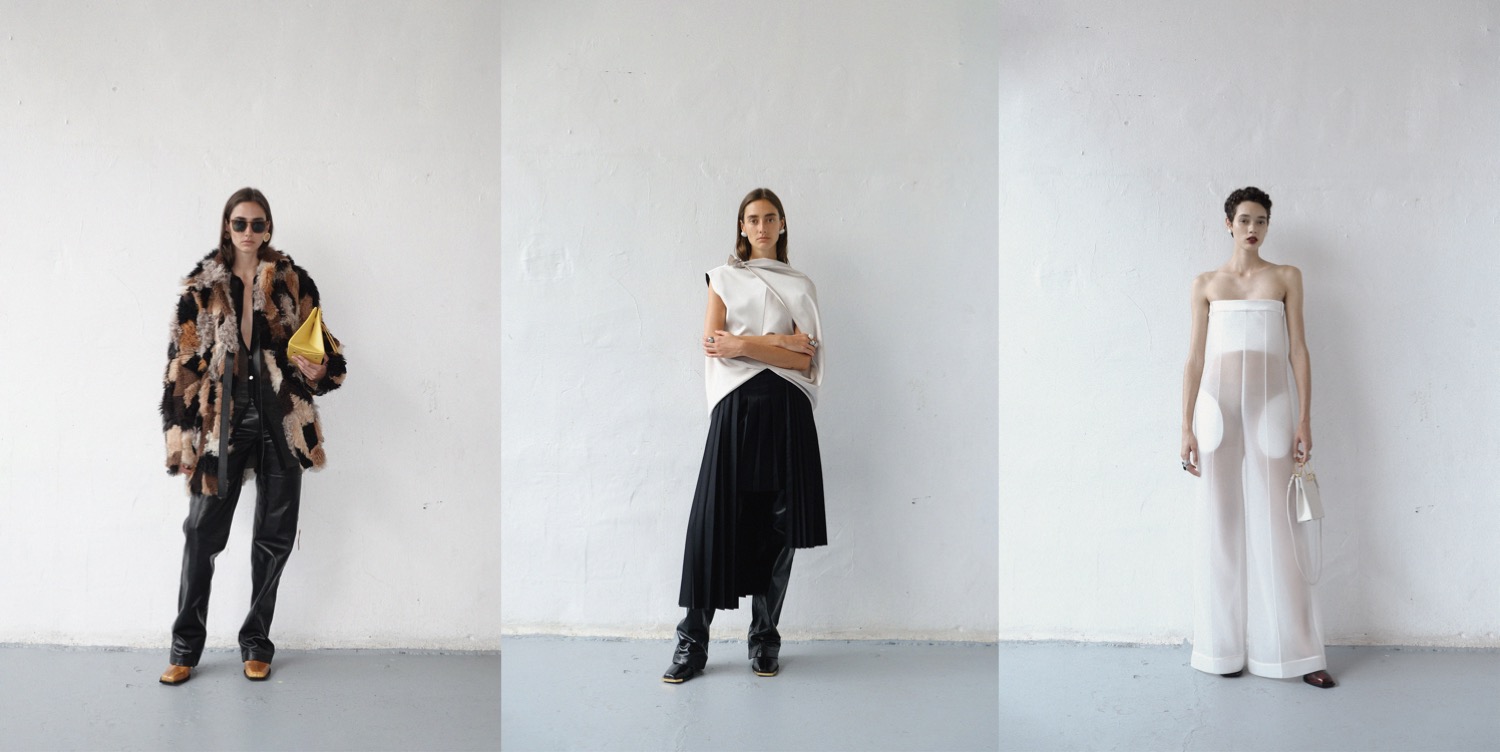
Gradually, first collections made entirely in lockdown are trickling in. Peter Do, the New York-based designer whom I follow since his time as studio designer at Céline, doesn’t show in the regular schedule, and this season his plan was a presentation in Paris (during men’s spring-summer 2021 collections back in June). Of course, this couldn’t work out, so he released a look-book and short video. The 2020 LVMH Prize finalist and nominee for this year’s CFDA emerging designer award is evolving, style-wise, as well as improving his signature pieces. Adaptability has been one of the hallmarks of his label since its launch two years ago. An early best seller was an adjustable jacket that separated into a bolero and a backless waistcoat. This season, he applied the concept to a technical silk dress that easily converts to an elegantly draped cape-back evening top. In this strange moment, if you are capable of spending on designer clothes rather than on the home improvements, a two-in-one that will play exceptionally well on Zoom screens is a smart bet. His chic long dresses in T-shirt jersey, including one that can be worn back to front with a tank underneath, show off a softer sensibility than this tailoring-focused designer has displayed before. Do told Vogue he was eager to break his own codes and “respond to what happens.” Also, it’s worth mentioning the accessories collaboration with Medea, a brand that makes those cool, leather “shopping bag” bags. For Peter Do, the label came up with bold colours and new sizes. One thing I don’t entirely feel in this line-up is the styling. Actually, some of the looks are over-styled, and it’s a bit hard to comprehend the garments. But then, Peter Do’s clothes are all about flexibility, so it’s really the matter of how you want to wear his clothes.

Collage by Edward Kanarecki.