You’re invited to join Ed’s Dispatch, my weekly newsletter – or rather, as the name suggests, a dispatch – covering my personal take on latest fashion obsessions, cultural phenomena, vintage shopping, thoughts on films & music, and pretty much anything that inspires me at the moment. And hopefully inspires you, too!
To subscribe to Ed’s Dispatch, please click here. Hope to see you there very soon!
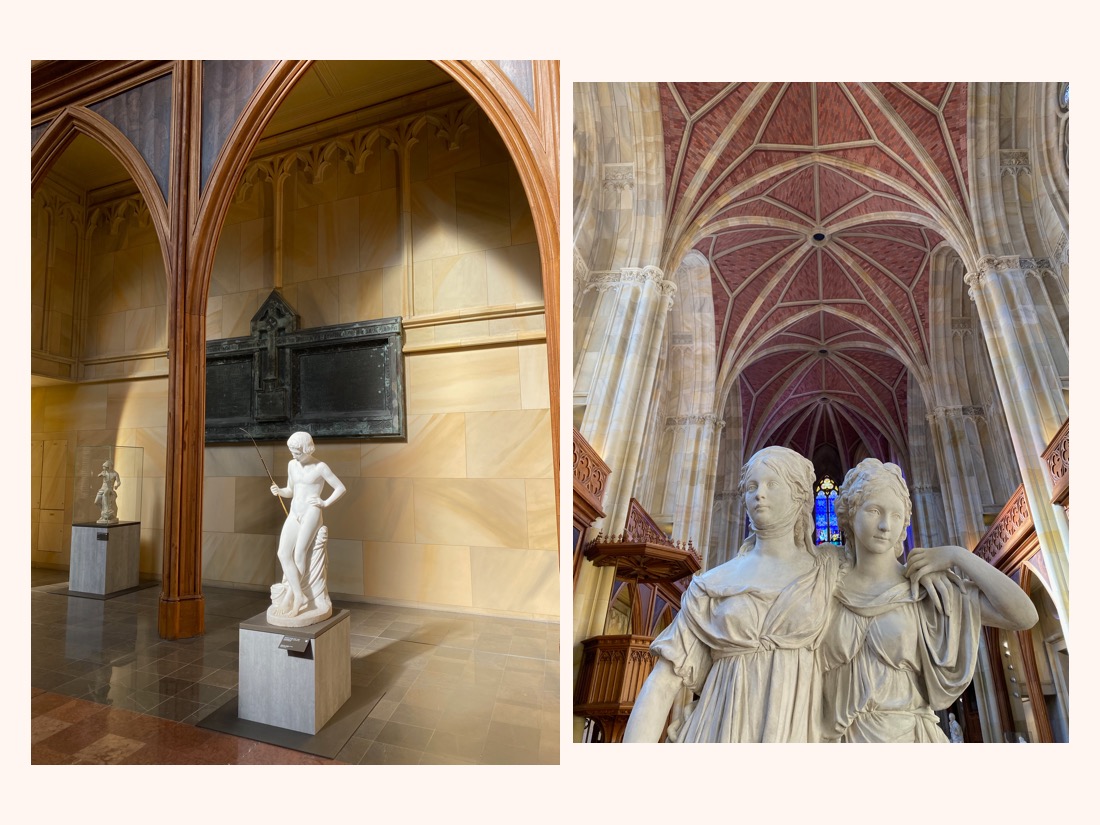
In Berlin, I stumbled upon another sort of sci-fi scenario. Johann Wolfgang von Goethe once adoringly described Luise and Friederike, the Mecklenburg-Strelitz sisters as “heavenly visions, whose impression upon me will never be effaced”. Sculptor Johann Gottfried Schadow erected a monument to their elegance and grace, creating an icon of European classicism with his double sculpted portrait of the “Crown Princess Luise of Prussia and her Sister Princess Friederike of Mecklenburg-Strelitz”. The statue of these two figures, which has come to be known under the abbreviated title Princess Group, is one of the highlights of the Alte Nationalgalerie’s collection. Now, the sculpture is back on permanent display at the breathtaking Friedrichswerdersche Kirche. The original plaster cast has a particular significance within both the broader context of Schadow’s oeuvre and that of 19th-century sculpture: it is here that not only the artist’s creative signature is at its most palpable, but also the thrilling genesis of the double-figure statue.
Showcasing sculpture from Karl Friedrich Schinkel’s era through to the German Empire, the exhibition “Ideal and Form” at Friedrichswerdersche Kirche traces the medium’s lines of development through the long 19th century into the modern era. It also invites visitors to rediscover the Berlin School of sculpture, a movement whose international outlook was ahead of its time. With more than 50 sculptures – some monumental in scale – this exhibition provides a comprehensive survey of the work of the Berlin School and of its complex international ties. On display are major works by Johann Gottfried, Emil Wolff and Christian Daniel Rauch, and by female sculptors such as Angelica Facius, Elisabet Ney and Anna von Kahle.
Werderscher Markt / Berlin
All photos by Edward Kanarecki. Don’t forget to follow Design & Culture by Ed on Instagram! By the way, did you know that I’ve started a newsletter called Ed’s Dispatch? Click here to subscribe!
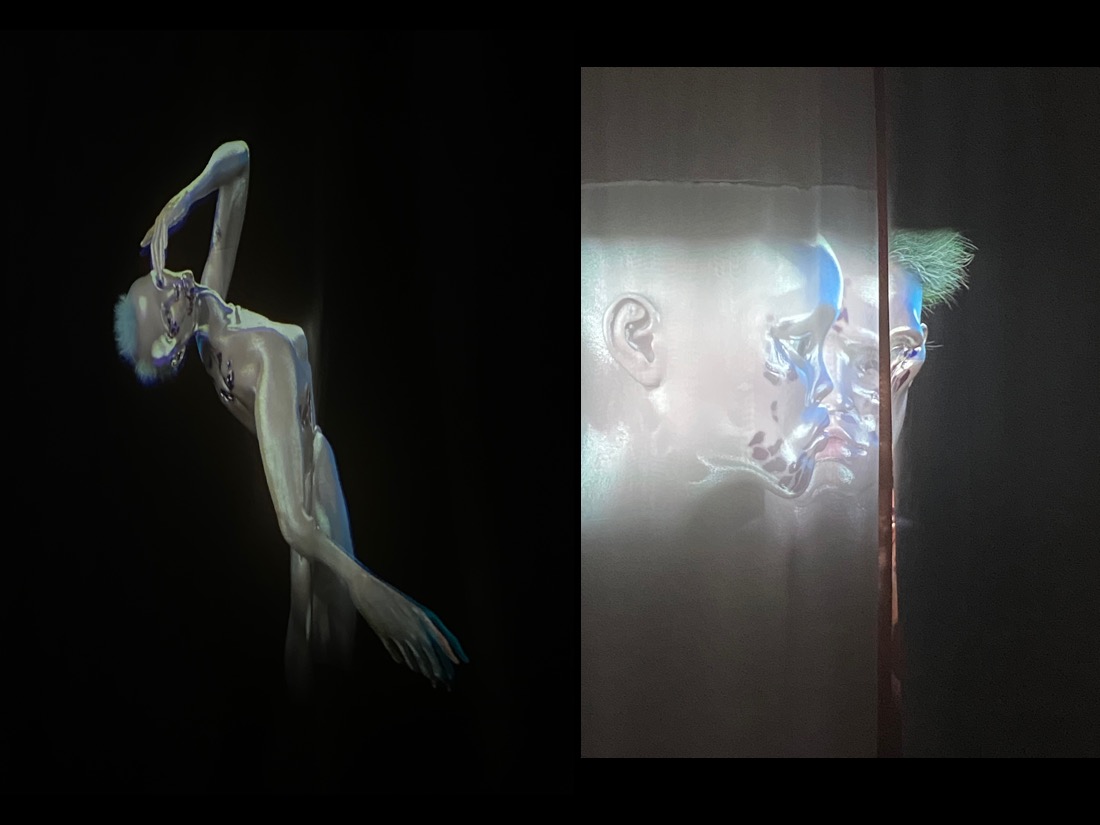
“HUMAN IS” is the best exhibition I’ve been to in a while. Don’t walk, run to Schinkel Pavillon if you happen to be in Berlin this summer. Sci-fi spirituality meets post-human aesthetics. Bodies, fakeness, AI, reproduction, mutation, realness, primal instincts, fluidity… all that in the ultimate cocktail-party spot of the DDR Germany times. You feel as if you were abducted by the aliens in the solemn 1970s Berlin and were about to get high on out-of-this-world ~vibes~. Curated by Nina Pohl and Franziska Sophie Wildförster, the exhibition offers distinctions between dystopia and reality that are increasingly collapsing in the face of inexhorable technological and ecological upheavals. “HUMAN IS” borrows its name from the eponymous short story by Philip K. Dick (1955) and investigates the idea of being human as a contestable and reversible category.
Since the 19th century – and its notions of capitalist, scientific and technological progress – science fiction has held up a mirror to the changing contemporary conditio humana with its values, fears and limitations. The seemingly external threat of extraterrestrial, supernatural or artificial beings often reveals itself as self-made anxiety and part of our cultural condition. The monstrosity of the unknown arises to shake up limitations, in effect, decentering the human protagonist. “HUMAN IS” juxtaposes historical with newly produced artworks. The exhibition paints a polyphonic picture of the mutual penetration of body and technology: it addresses the often violent interdependence of humans on their technological surroundings and opposes any promises of salvation through trans-humanistic progress. Simultaneously, it opens up spaces of possibility in which dualistic taxonomies can be overcome in favor of a networked and interdependent existence. The art show engages science fiction to transcend the humanistically inscribed human, on the one hand, and the species of anthropos, on the other, through both material and perspectival liminality. For many, the collapse of the systems we have come to rely on is no longer a distant apocalyptic future. Visionary science fiction writer Ursula K. le Guin sees fiction as a container for reinventing the possibilities of human experience and knowledge beyond any linear narrative of progress. And it is through these stories that the destruction and alienation of contemporary existence can trigger creative processes and a new ethics of relationality, which may no longer be truly human.
Oberwallstraße 32 / Berlin
Photos by Edward Kanarecki. Don’t forget to follow Design & Culture by Ed on Instagram! By the way, did you know that I’ve started a newsletter called Ed’s Dispatch? Click here to subscribe!
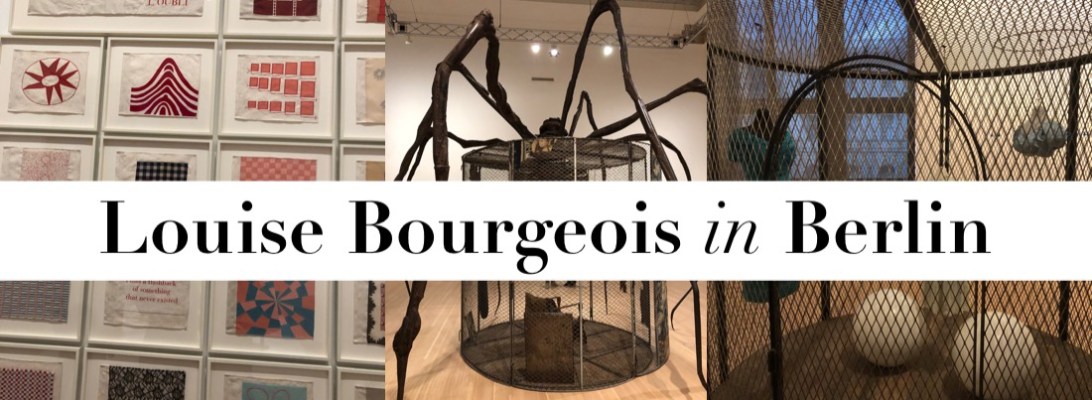
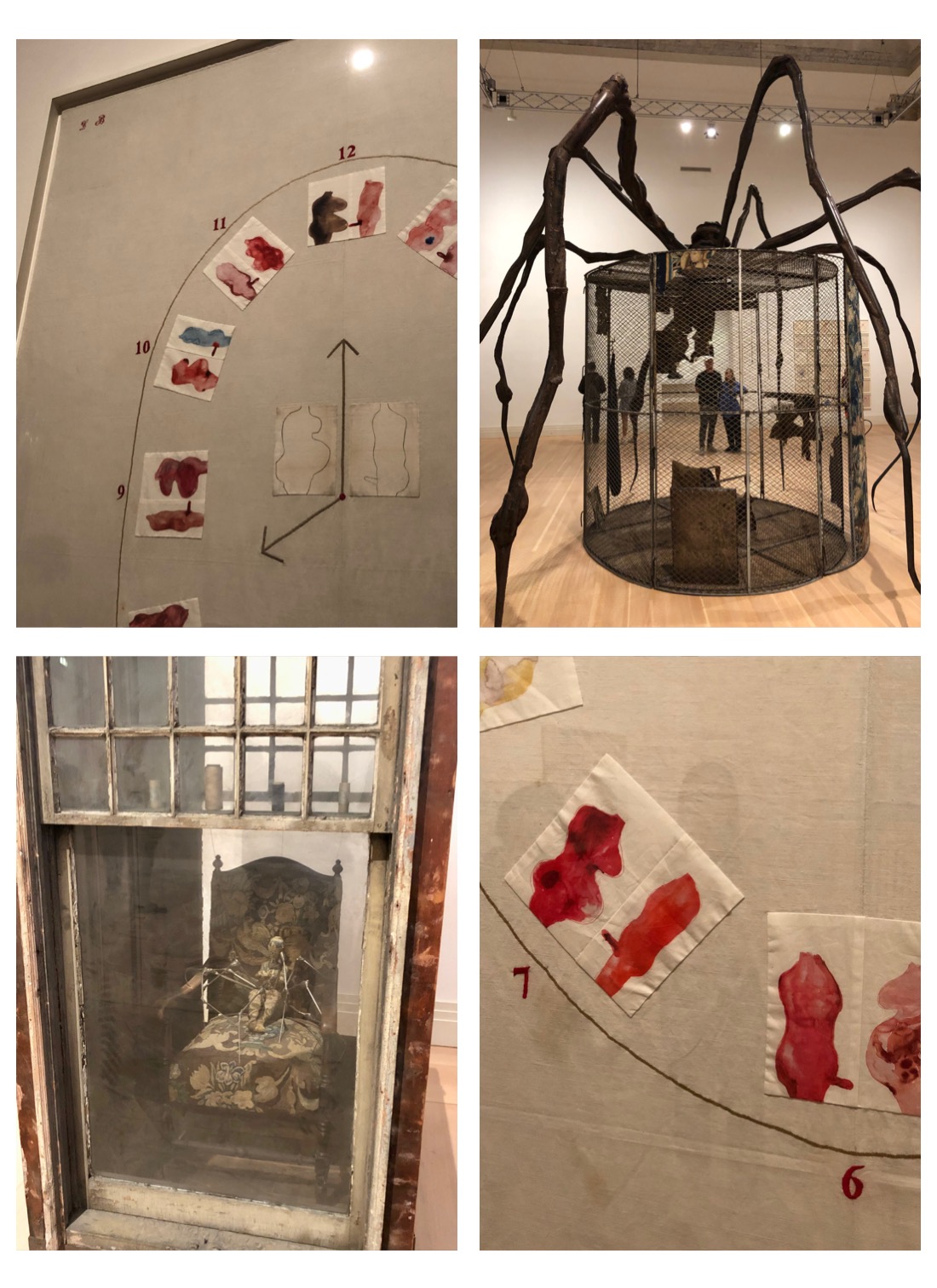
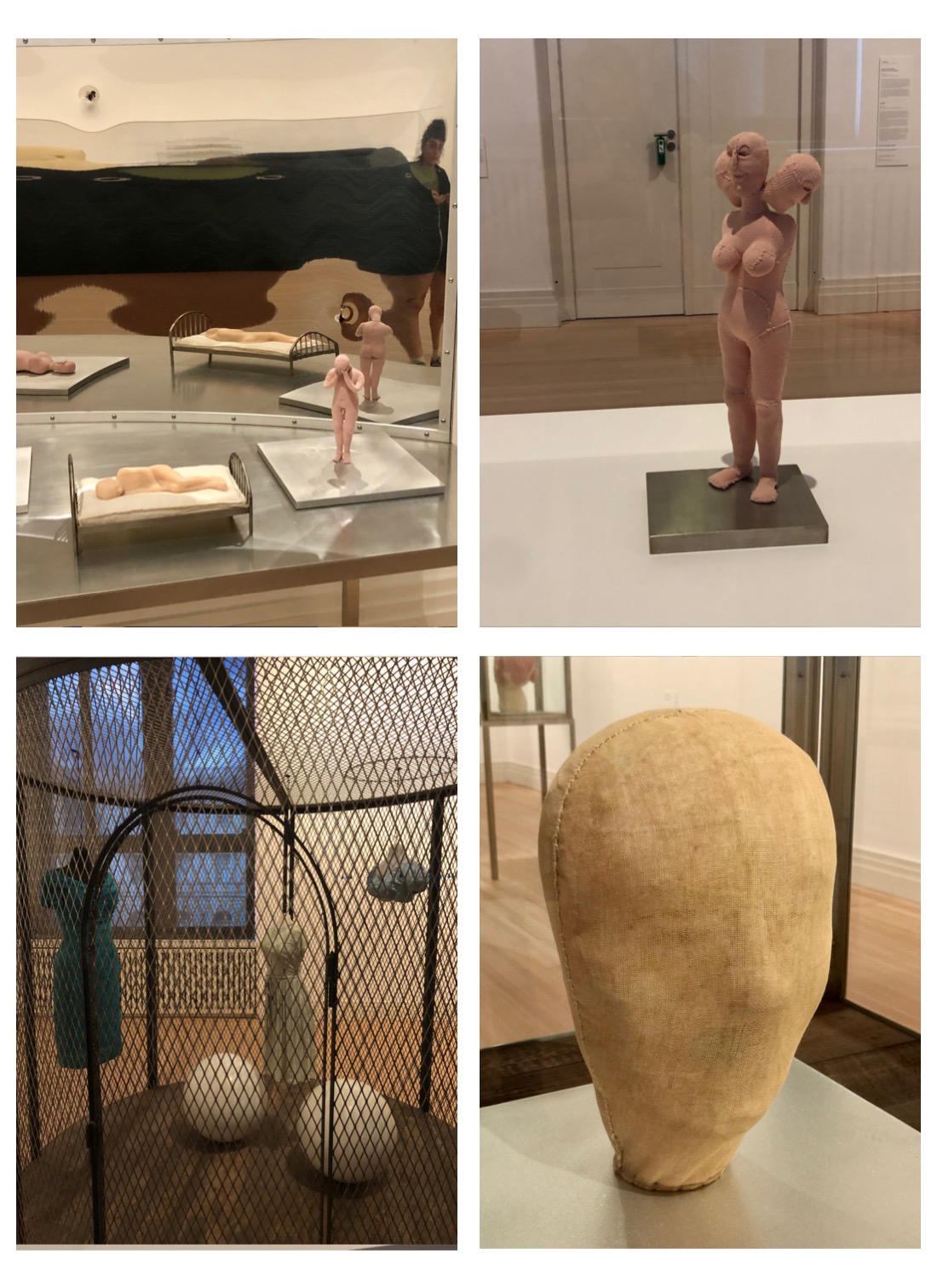
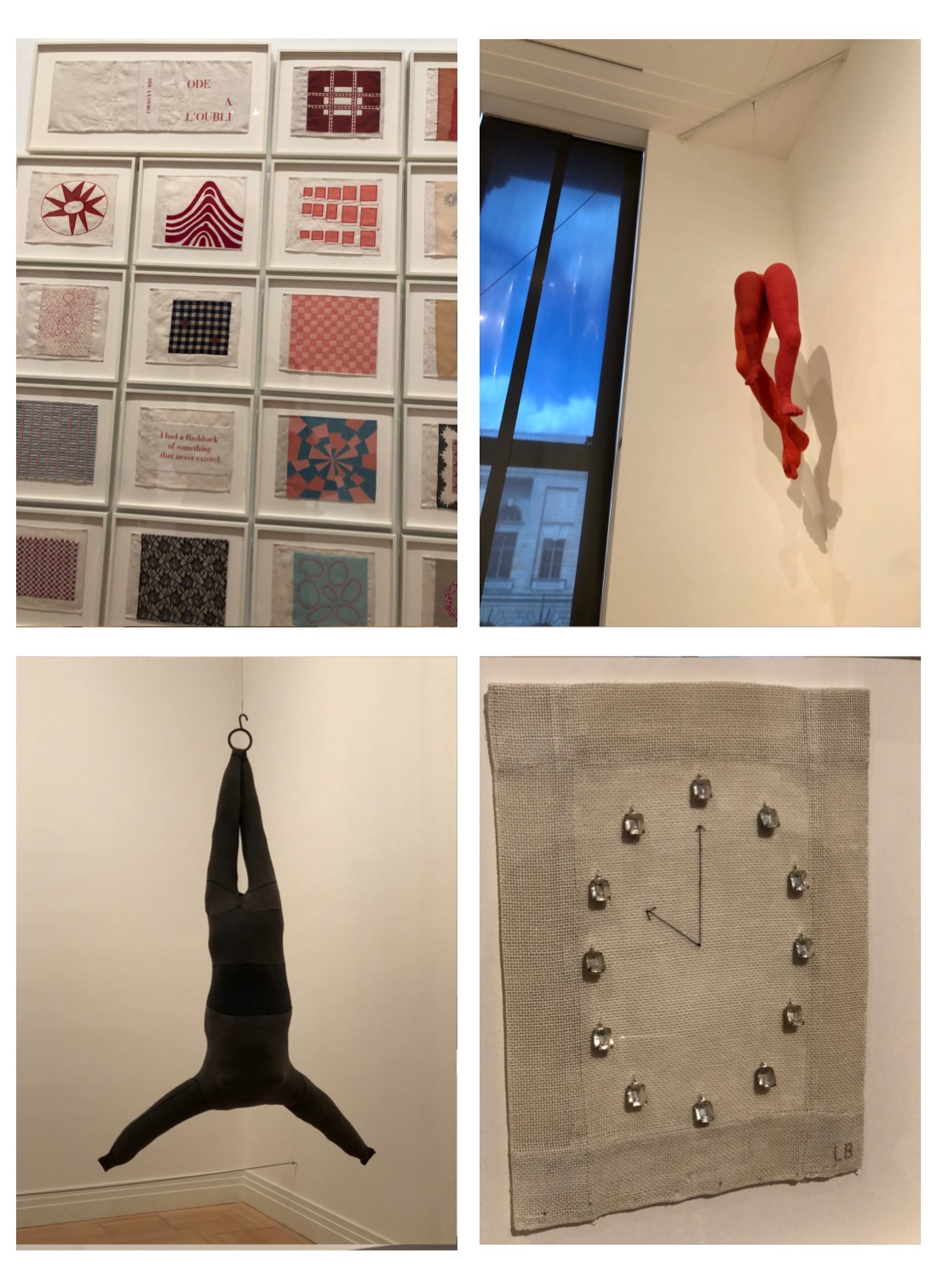
“The Woven Child” is the first major survey to focus exclusively on Louise Bourgeois’ fabric-based works. The exhibition charts the artists’s lifelong connection to textiles, and the memories they conjure, through a diverse body of sculptures, installations, drawings, collages, books and prints. Bourgeois’ fabric works, that she only began working on in her eighties, are among her most compelling and intimate creations. The late decision to create artworks from her clothes and household textiles was a means of transforming as well as preserving the past. Bourgeois incorporated these objects, which held memories associated with specific places and people, into sculptural installations that are on display at the Gropius Bau, such as her Cells and free-standing “pole pieces”. The exhibition sheds a new light on Bourgeois by linking her fabric works to her material processes, her own biography, and themes of the body, memory, femininity, trauma and repair. Highly recommend, the exhibition and Bourgeois’ oeuvre absolutely absorbs the soul!
Curated by Ralph Rugoff, Director, Hayward Gallery, and Julienne Lorz. Exhibition open until 23rd of October 2022.
Gropius Bau / Berlin / Niederkirchnerstraße 7
Photos by Edward Kanarecki. Don’t forget to follow Design & Culture by Ed on Instagram!
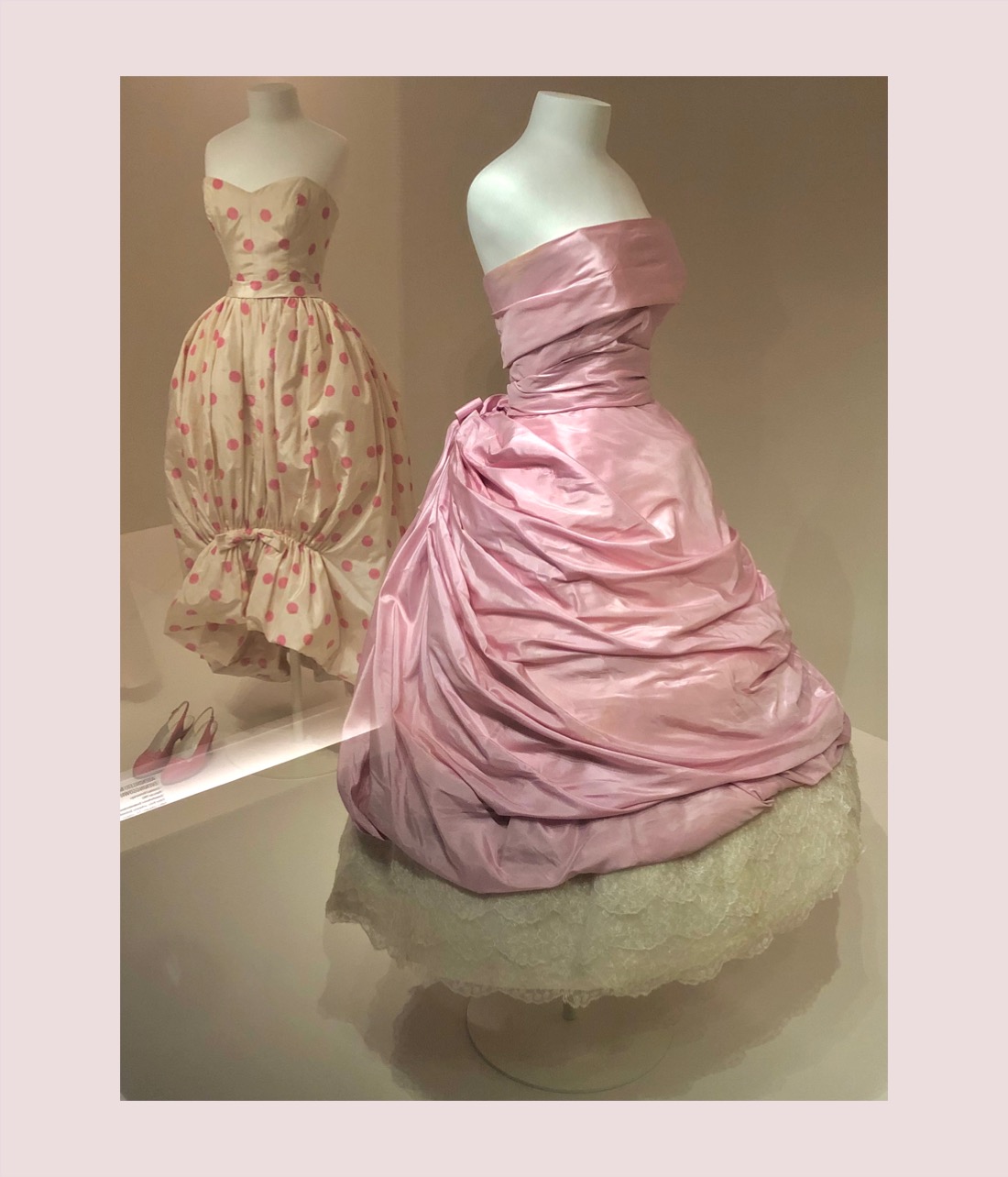
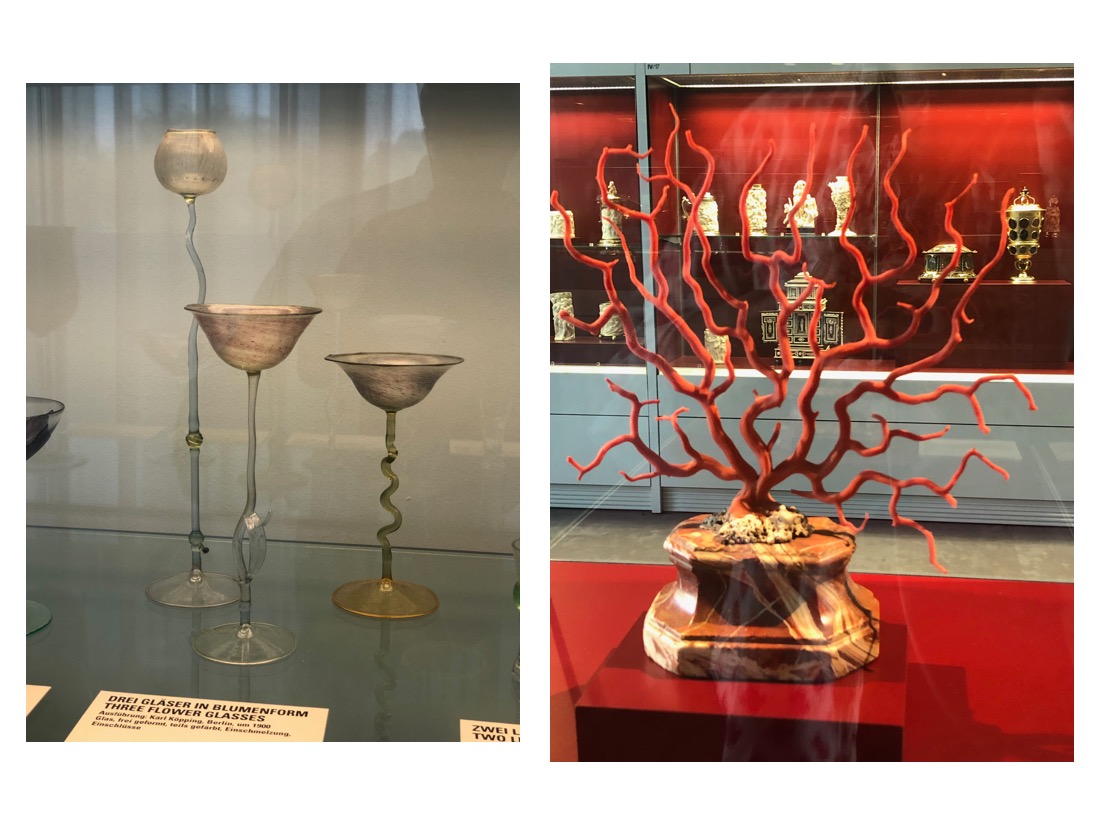
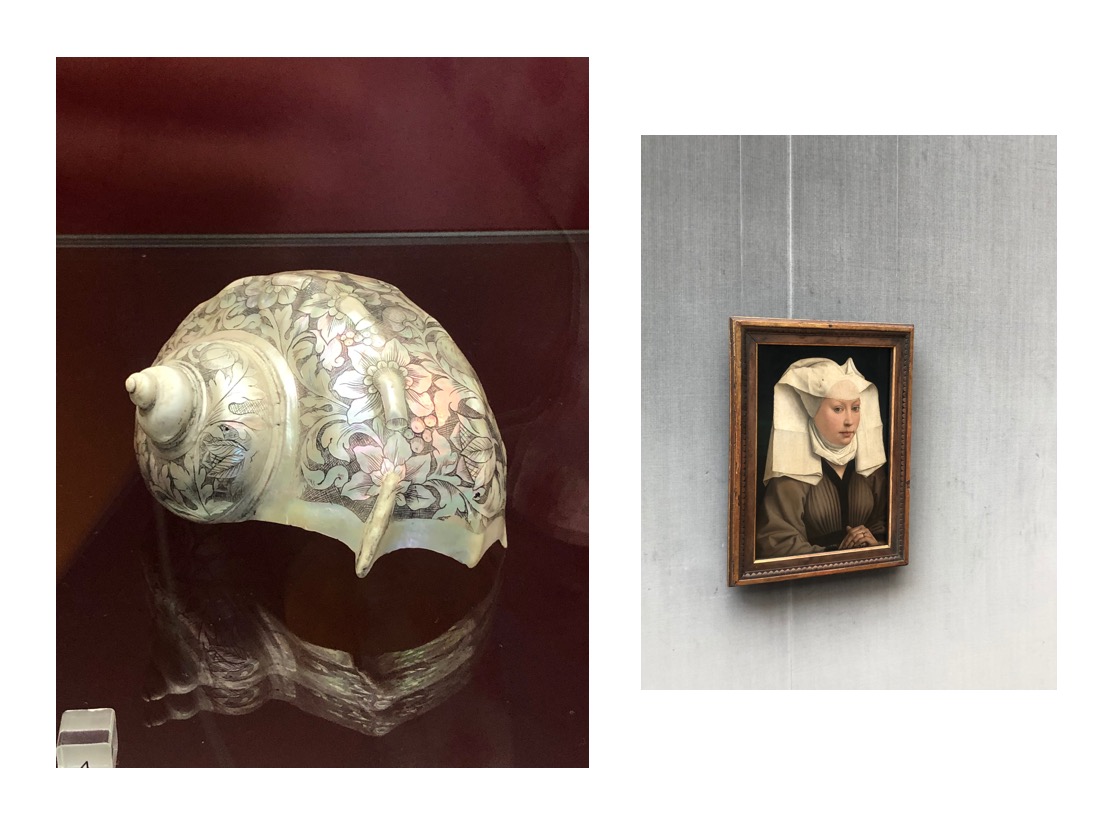
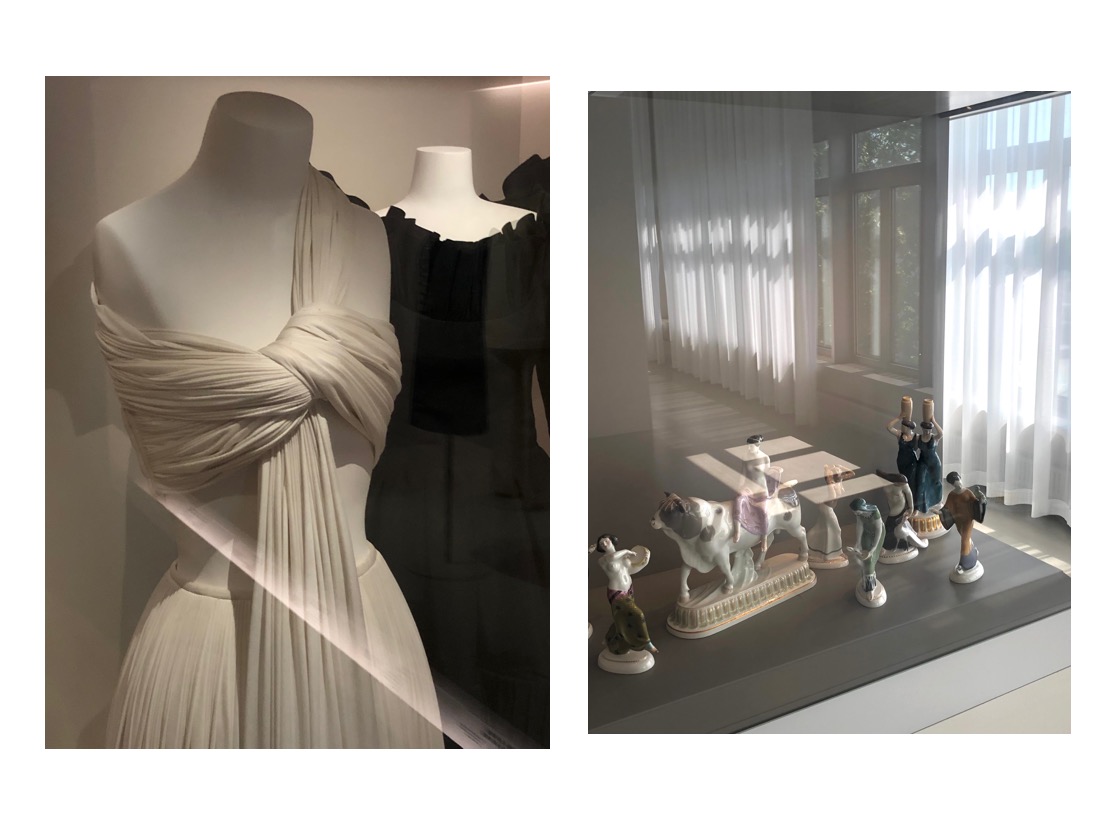
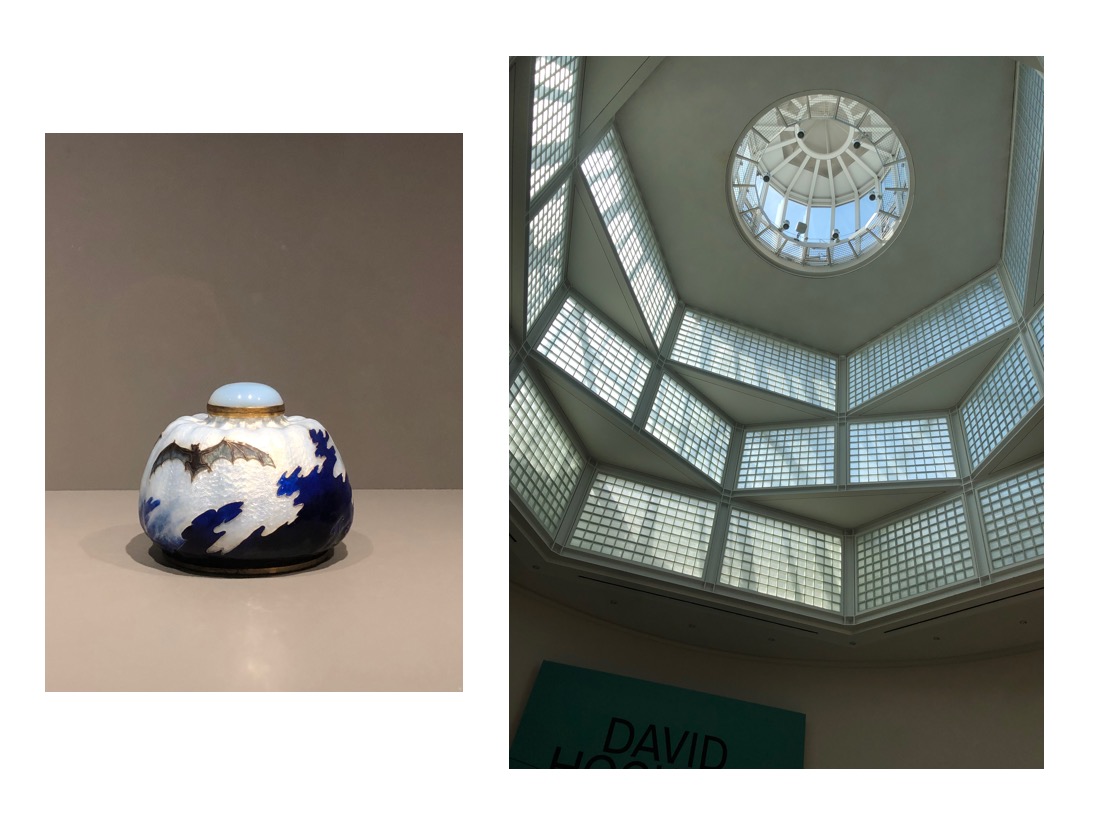
If you’re in Berlin and love fashion history (and decorative / applied arts in general!), make sure to visit Kunstgewerbemuseum. The sheer breadth of the collection is impressive, encompassing a wide variety of materials and forms of craftwork, fashion and design from the early Middle Ages to the present day. The collection’s extensive range of costumes and accessories from the 18th to 20th centuries is presented to visitors since the reopening of the museum in 2014 in a newly conceived fashion gallery. Dresses from the 1960s designed by Jean Patou, Christóbal Balenciaga, and Jean Dessès; Mariano Fortuny’s breath-taking Delphos dresses; 18th century panniers and 19th century crinolines… it’s brilliant. Jugendstil and Art Deco are also well represented at the Kunstgewerbemuseum with glassware from Emile Gallé, pieces of furniture by Henry van de Velde and the glass doors of César Klein. The collection comprises famous and influential design classics such as furniture by Bruno Paul, Ludwig Mies van der Rohe and Marcel Breuer as well as tableware from Wilhelm Wagenfeld. And… in the neighbouring building, there’s the exhaustive Gemäldegalerie with paintings from 13th to 18th century, and it’s also worth visiting.
Matthäikirchplatz / Berlin
Photos by Edward Kanarecki.
Don’t forget to follow Design & Culture by Ed on Instagram!















 Design & Culture by Ed