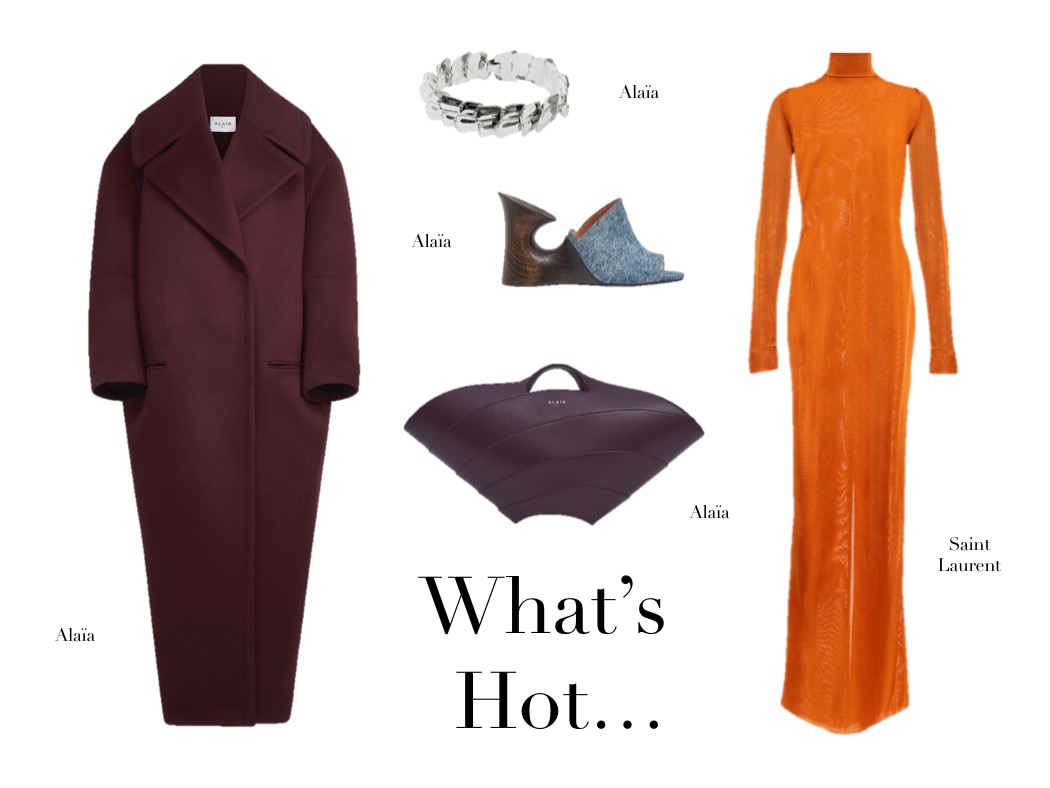
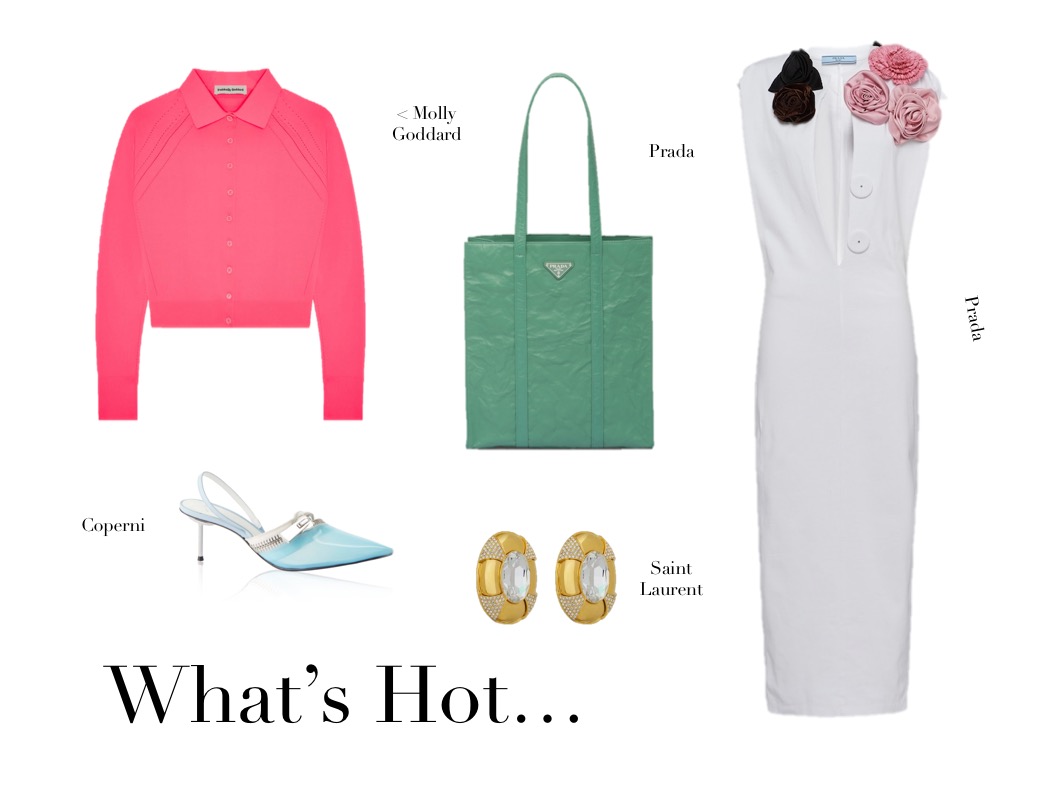
What’s Hot (7.4.23)


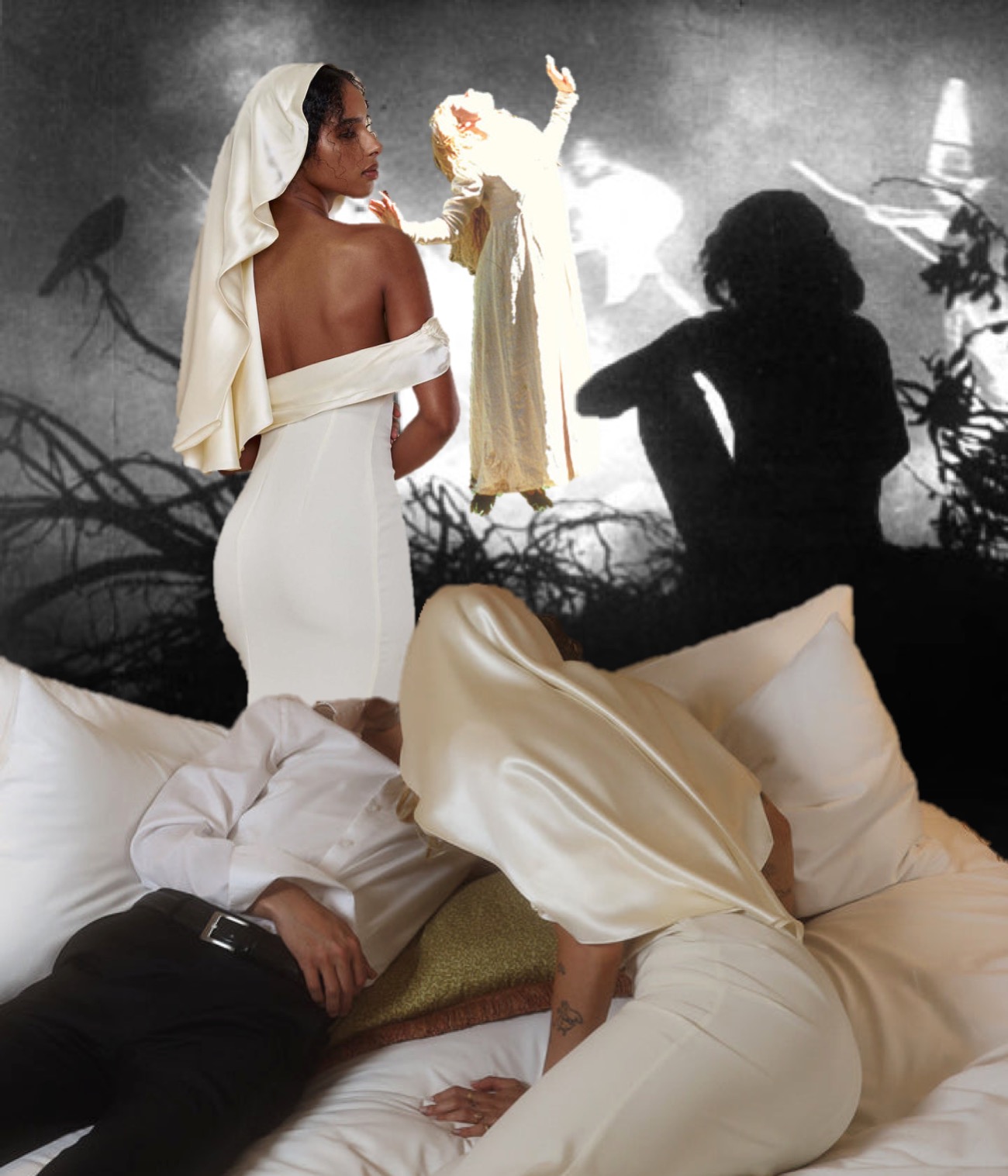
Mirror Palais is a sultry-slash-sustainable pre-order brand founded in 2019 by Marcelo Gaia. After working for almost a decade as a stylist, Gaia decided to create his own label – with the mission to celebrate the confident women who inspire him. His sumptuous collections feel like a nod to vintage silhouettes – think John Galliano’s 1990s bias-cut silk dreses – updated to fit the needs of the modern woman. The brand made an astounding impression on the industry with its New York Fashion Week show back in September, playing with several themes such as concealment and revelation. Born to immigrant parents from Brazil, Gaia’s years of youth consisted of humble beginnings, and a strict household. Among many brands, Mirror Palais is especially praised for its true celebration of Spanish culture as opposed to the appropriation of it. Gaia designs pieces with inspiration such as the Latino tradition of wearing white for good luck, the Huipil for its ruffles and silhouette, and the use of lace typically seen in a Mantilla. Overall, Mirror Palais is an amazing celebration of the female form and Spanish culture, designing timeless and unique pieces. Every Mirror Palais garment is designed and made in New York with the intention of bringing fair wages and craftsmanship to the forefront of the fashion conversation. So, when you buy Mirror Palais, you’re supporting a modicum of the garment district ecosystem. Here’s the brand’s latest diaphanous bridal collection…
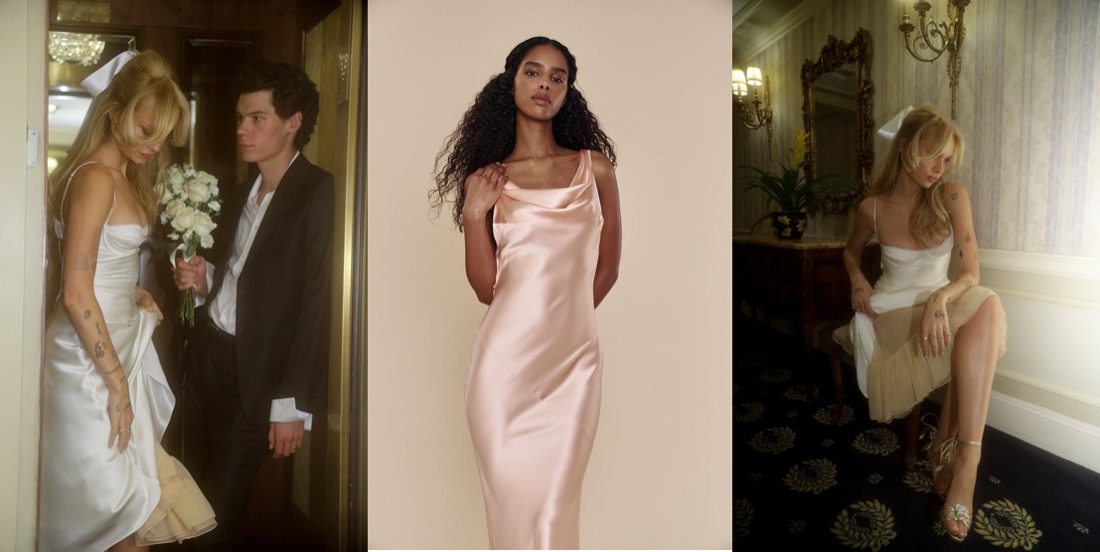
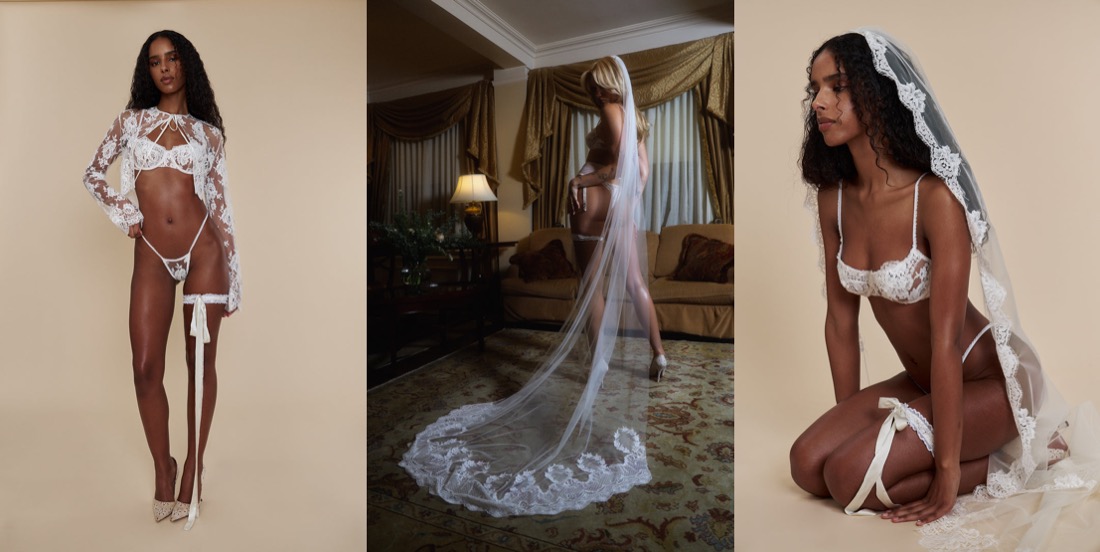
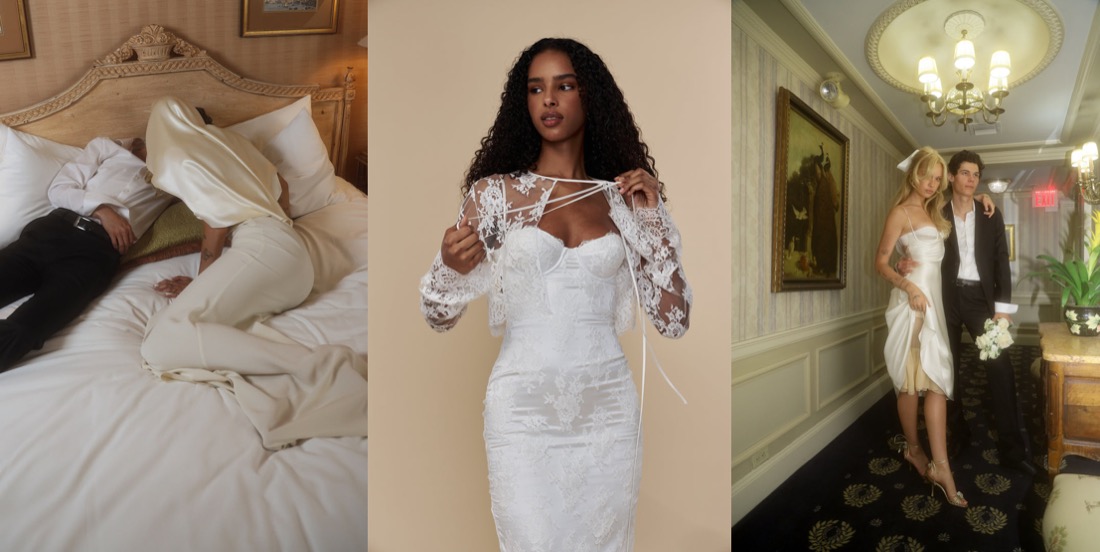
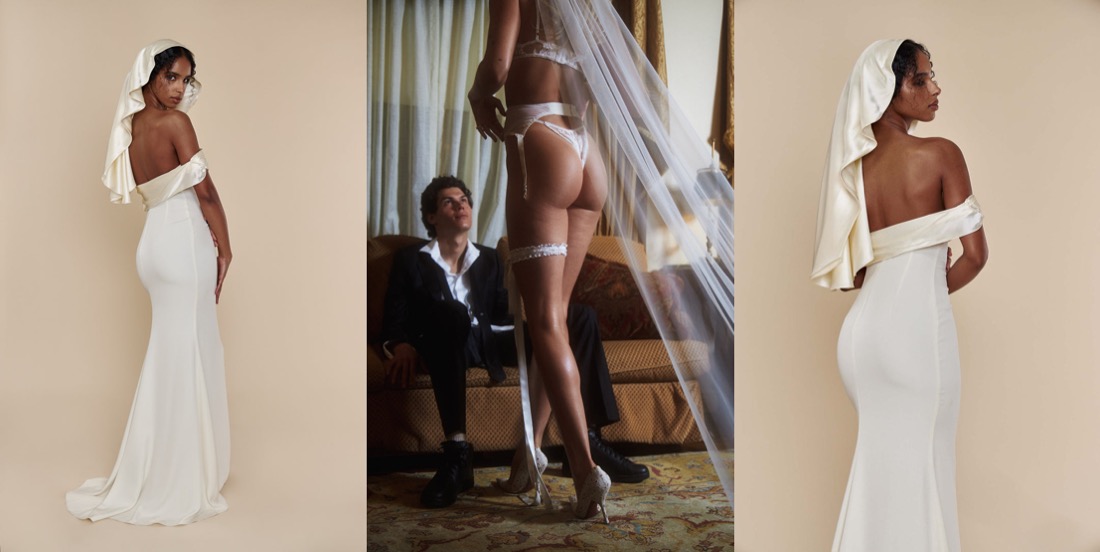
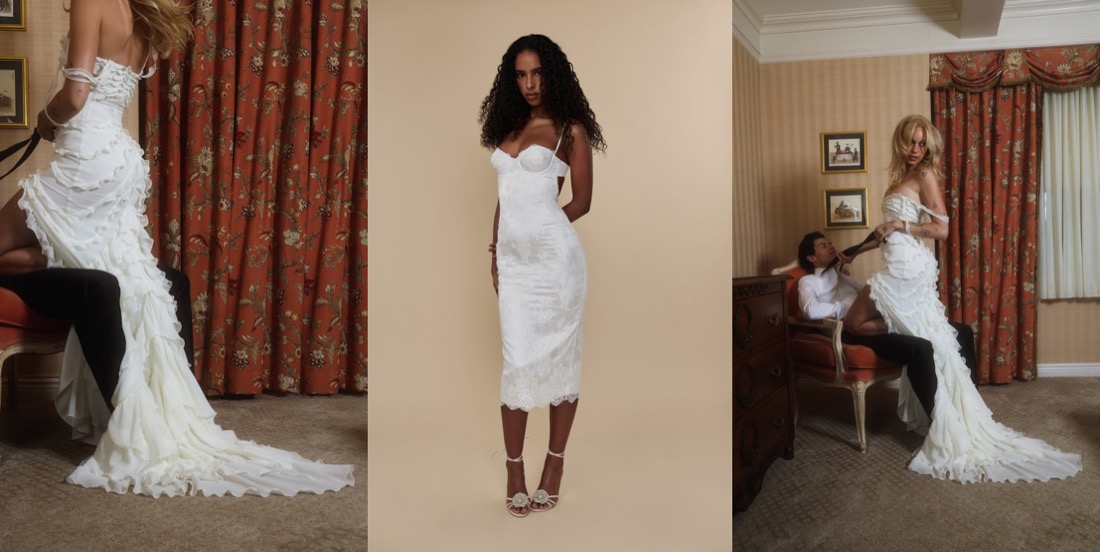


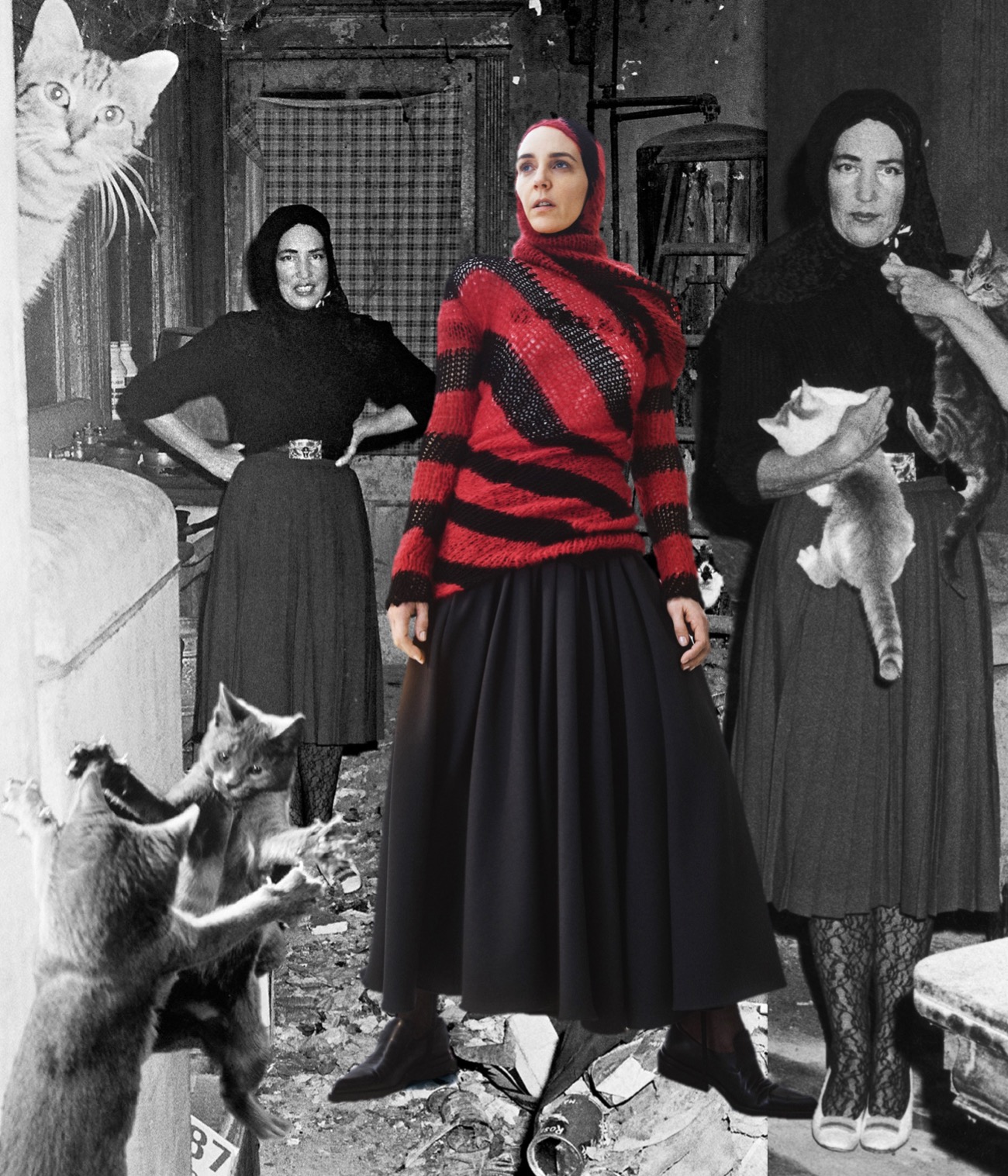
Collage by Edward Kanarecki. Images via Mirror Palais’ website.
Don’t forget to follow Design & Culture by Ed on Instagram!
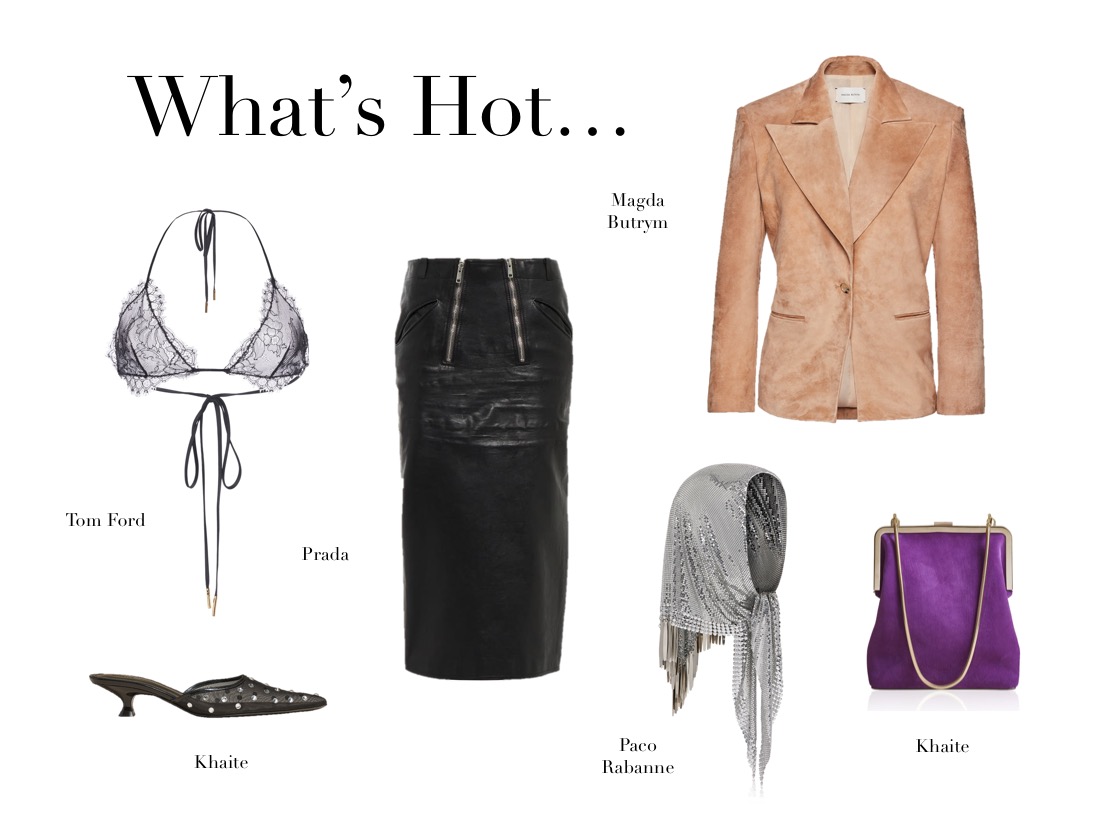

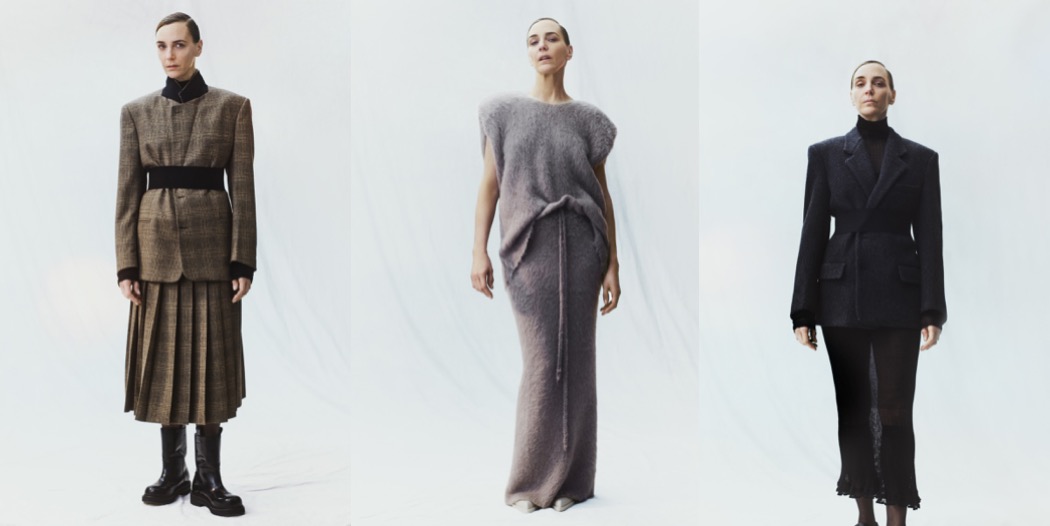
Veronica Leoni, the founder and designer behind Quira, is one of this year’s LVMH Prize finalists. No wonder why. The designer’s Italian roots give the three-year-old Quira its spirited quality, an expressive, instinctual peculiarity that translates into a “maximal minimalism,” as Leoni calls it. Her pedigree comes from having worked in close proximity with Jil Sander and Celine’s Phoebe Philo; for both she was head designer of the knitwear line. Moncler’s Remo Ruffini put Leoni in the top creative position for womenswear at Moncler 1952; currently she’s consulting with The Row for both men’s and women’s collections, working closely with the Olsens. “In Quira, there’s a sort of coexistence of all the differences, both geographic and stylistic, of the creative directors I’ve had the privilege to collaborate with,” she said. “But it’s a coexistence of experiences, rather than of aesthetics.” The sensibilities of her mentors have been distilled into a “guerrilla project” that embodies her personal take on contemporary femininity – rigorous yet spontaneous, sensuously severe, simplified and essential with hints of audacity. Her “devotion to Made in Italy” supports an imaginative complexity of construction that doesn’t detract from a strict, almost exacting approach. There’s inventive freedom in her disciplined design, although “the leash is quite tight,” she said, “when it comes to editing and to respecting the essentiality of the ingredients of my style. I’d call it equilibrium rather than minimalism.”
In the autumn-winter 2023 collection, Leoni further honed her take on the modern wardrobe, infusing it with a sense of poised newness while staying eminently wearable. An undercurrent of Philo’s unconventional artistic classicism and of Sander’s classy purity can be felt, but the overall look is Leoni’s. The clarity of shapes is twisted with intriguing plays on cut and construction, while considered details provide each piece with edge and a unique character. “Challenging my creativity, allowing moments of discomfort to happen helps push the process towards unpredictable solutions,” the designer explained. One of the best looks in the collection – a deceptively classic skirt suit – provided a template for Leoni’s modus operandi. The masculine strong-shouldered jacket was cut in a spiral shape to accommodate the hips in a soft, almost drapey movement; the box-pleated skirt was vertical and strict, made from dense, compact wool in a severe shade of uniform-gray. “I wanted something that recalled ’50s couture, and also 18th century volumes, and to inject some unexpected folk into the silhouette,” she offered. “What I’m after – it’s style, not fashion.”

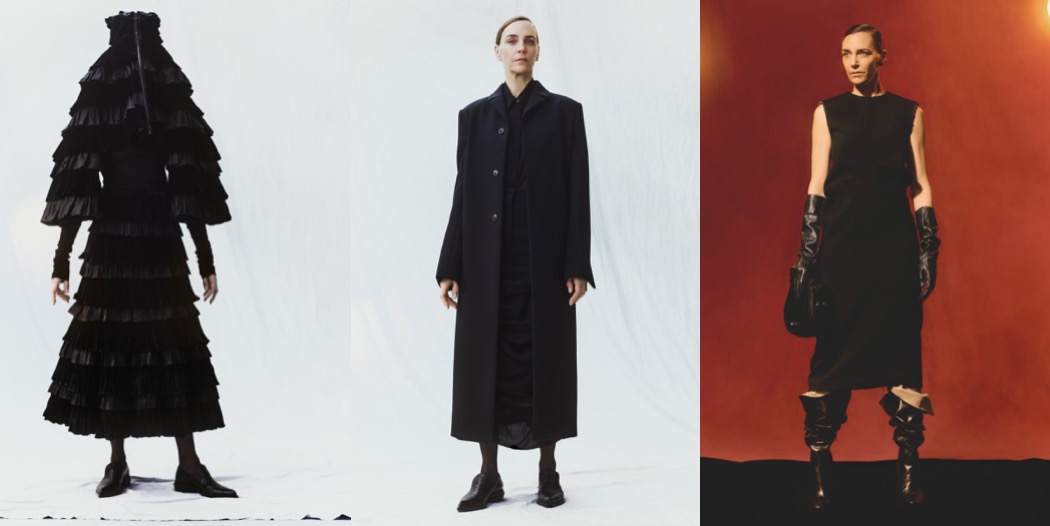
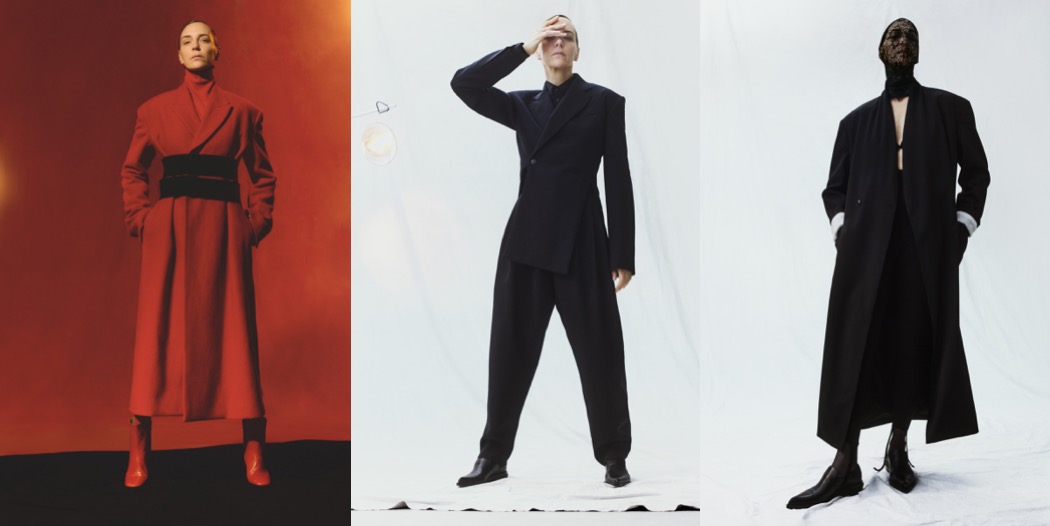
Collage by Edward Kanarecki.
Don’t forget to follow Design & Culture by Ed on Instagram!
 Design & Culture by Ed