Palazzo Castelluccio in Noto

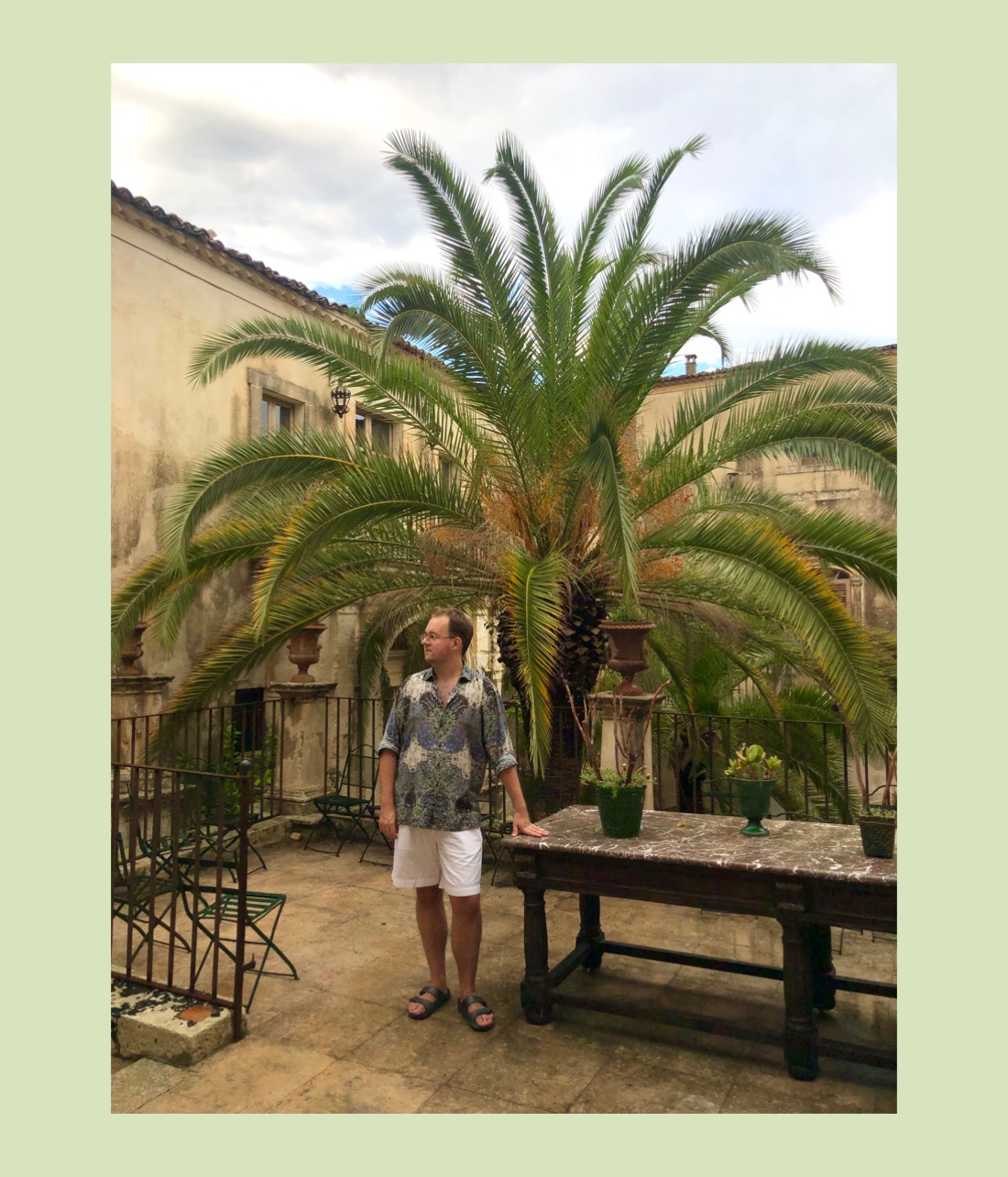
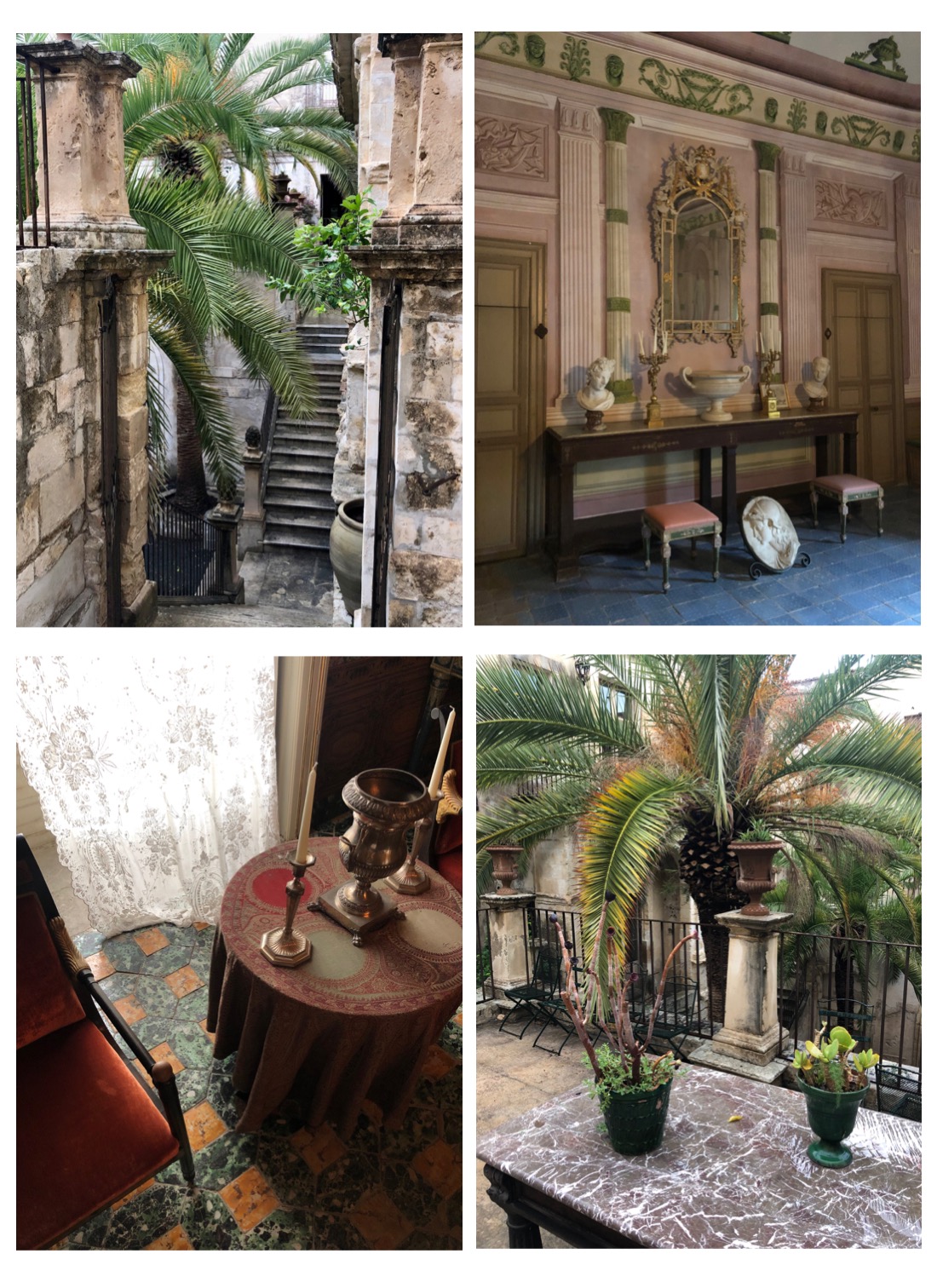
If you lose yourself to the streets of Noto, you will find incredible places to visit and fall in love with immediately. The Palazzo Castelluccio, belonging to one of the oldest families in Noto, was built in 1782 by the Marquis di Lorenzo del Castelluccio after the earthquake of 1693 which partly destroyed the region. The façade of the Palace, on Via Cavour, does not have the same baroque style used for the reconstruction of the main buildings of the city, but instead reflects the neo-classical taste popular in the late 18th century, which can be found in the well-preserved frescoes on the ceilings and walls of the main first floor. Four years of work were needed to revive the Palace, respecting its fine finishing and its history. The frescoes were cleaned and restored, the fabrics replaced and the silver wallpaper remade identically. A collection of Italian and Sicilian furniture and paintings restored the atmosphere of an inhabited palace. The music room, chapel and ballroom are testimony the power and good taste of a large aristocratic Sicilian family. After the death of the last Marquis of Castelluccio, the Order of Malta inherited the Palace and kept it for some years. When the current owner took possession in 2011, the Palace had been uninhabited for decades. The main first floor was in a terrible condition, and the doors, windows, paintings and electrical installations all had to be removed and replaced. Today, the colours have been restored to the grand staircase and its vases and extend a magnificent welcome to visitors…

Via Cavour 10

Photos by Edward Kanarecki.
Don’t forget to follow Design & Culture by Ed on Instagram!

NET-A-PORTER Limited

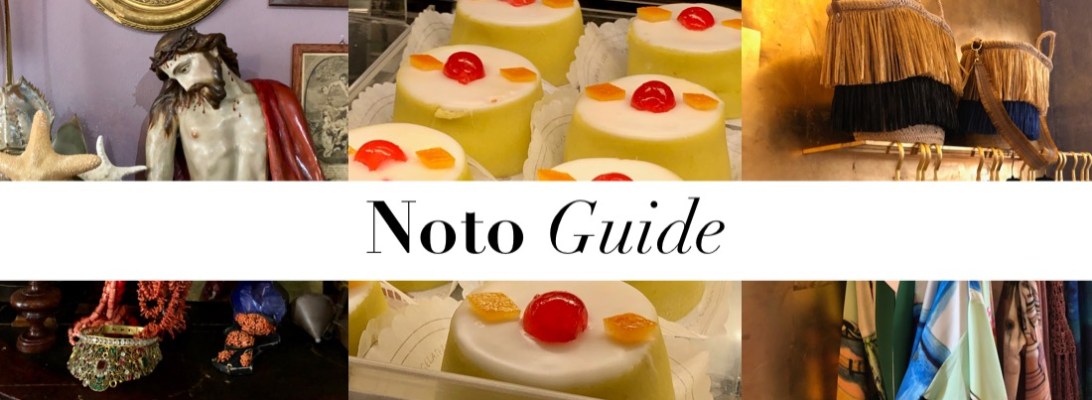
(Insider’s) Noto Guide

Welcome to my Noto guide! Here’s a selection of unique, authentic and chic places in the UNESCO-protected, eighteenth-century Baroque town located in the Southern part of Sicily. Prego!

Caffé Sicilia

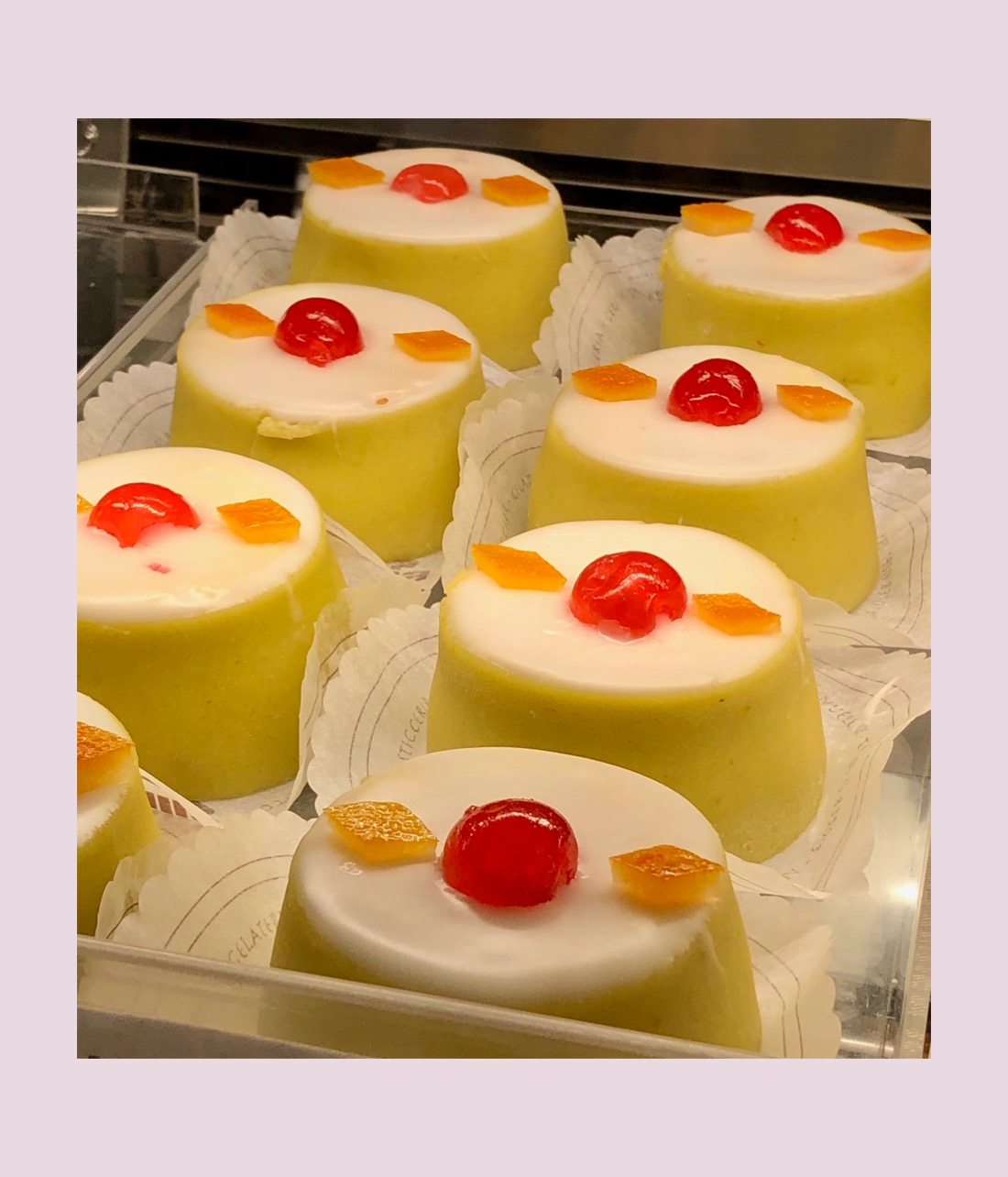
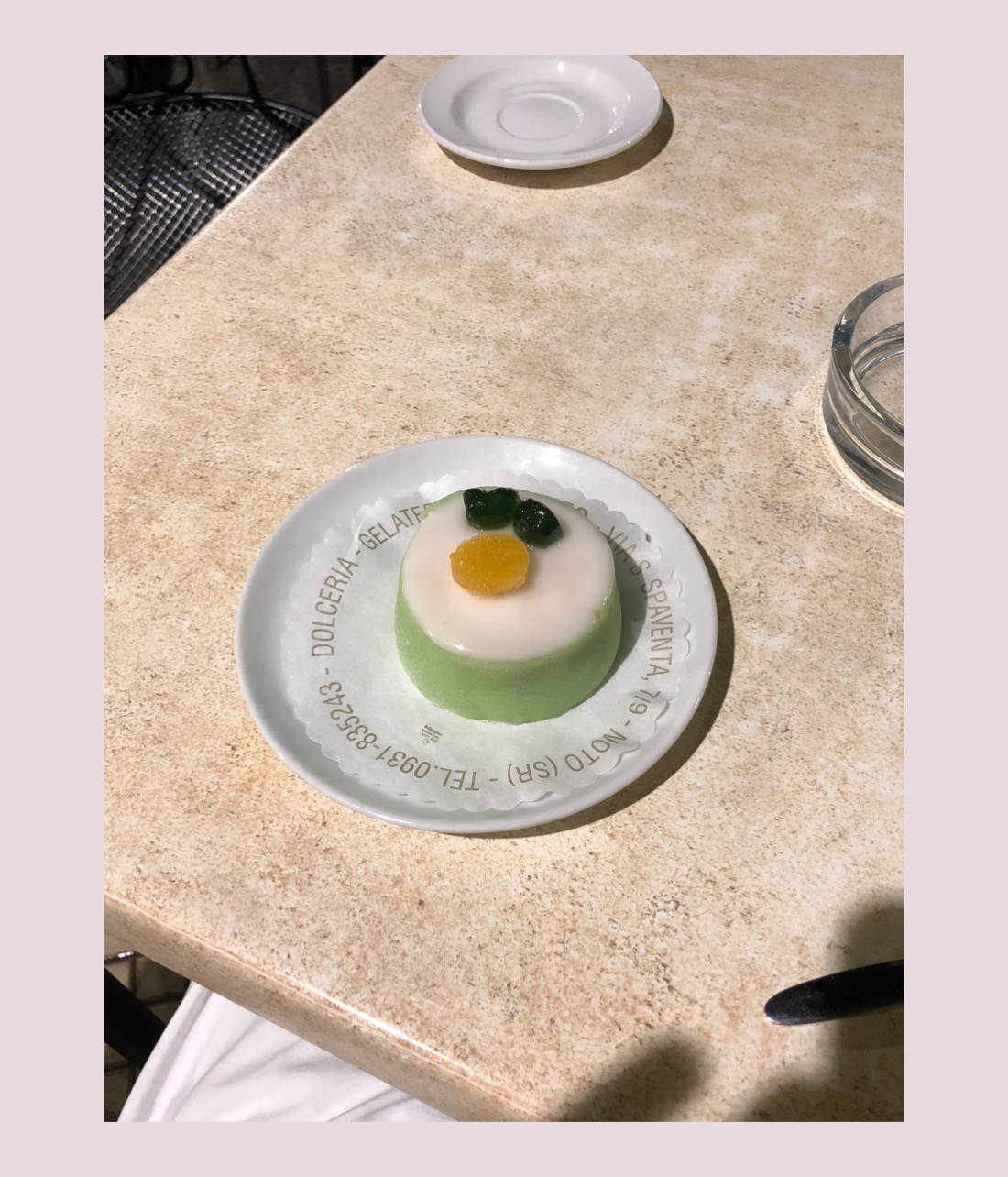
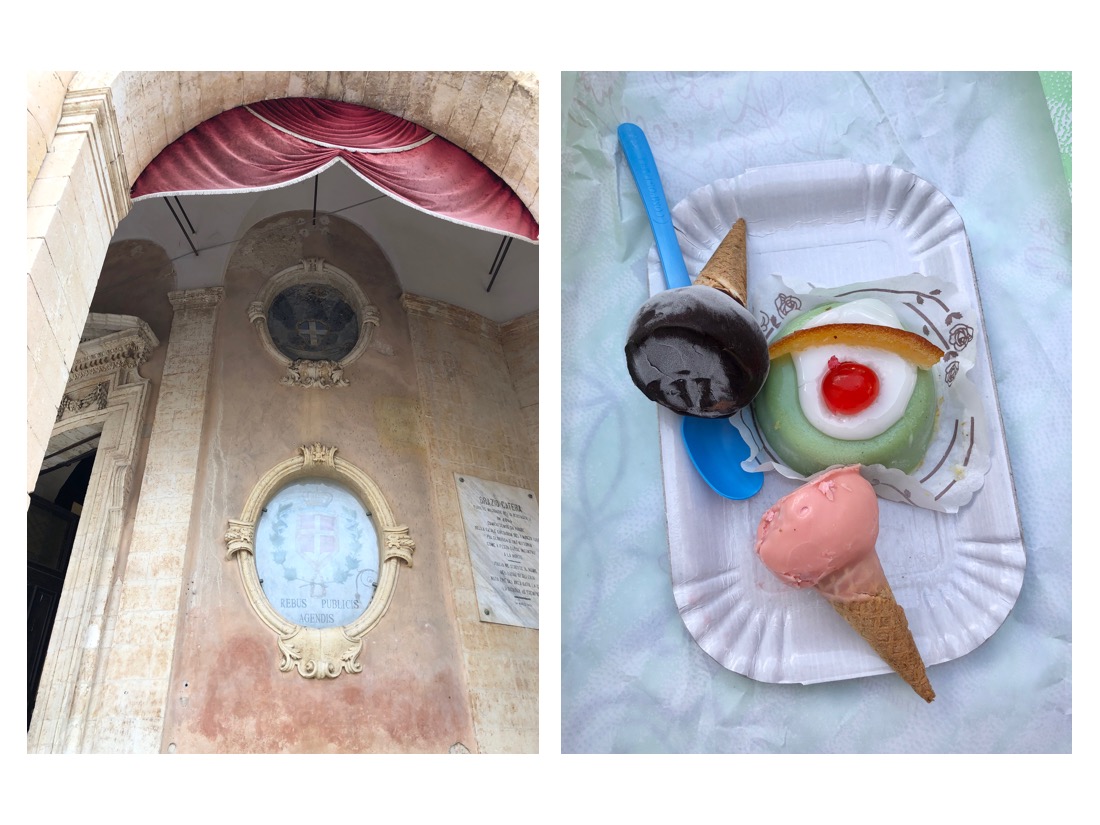
In the town center, a visit to the outwardly unassuming 124-year-old Caffè Sicilia, whose fourth-generation co-owner, Corrado Assenza, serves almond-milk granita and cappuccino ghiacciato (iced coffee with almond milk granita), is a must. Dessert, like the town’s architectural mix and local dialect, defies easy cultural classification, reflecting the French, Greek, Roman, Arab, and North African influences that distinguish Sicily from the rest of Italy. The cassatina siciliana is to die for, just like the chocolate cannoli.

Corso Vittorio Emanuele 125

Via Nicolaci Pour La Maison

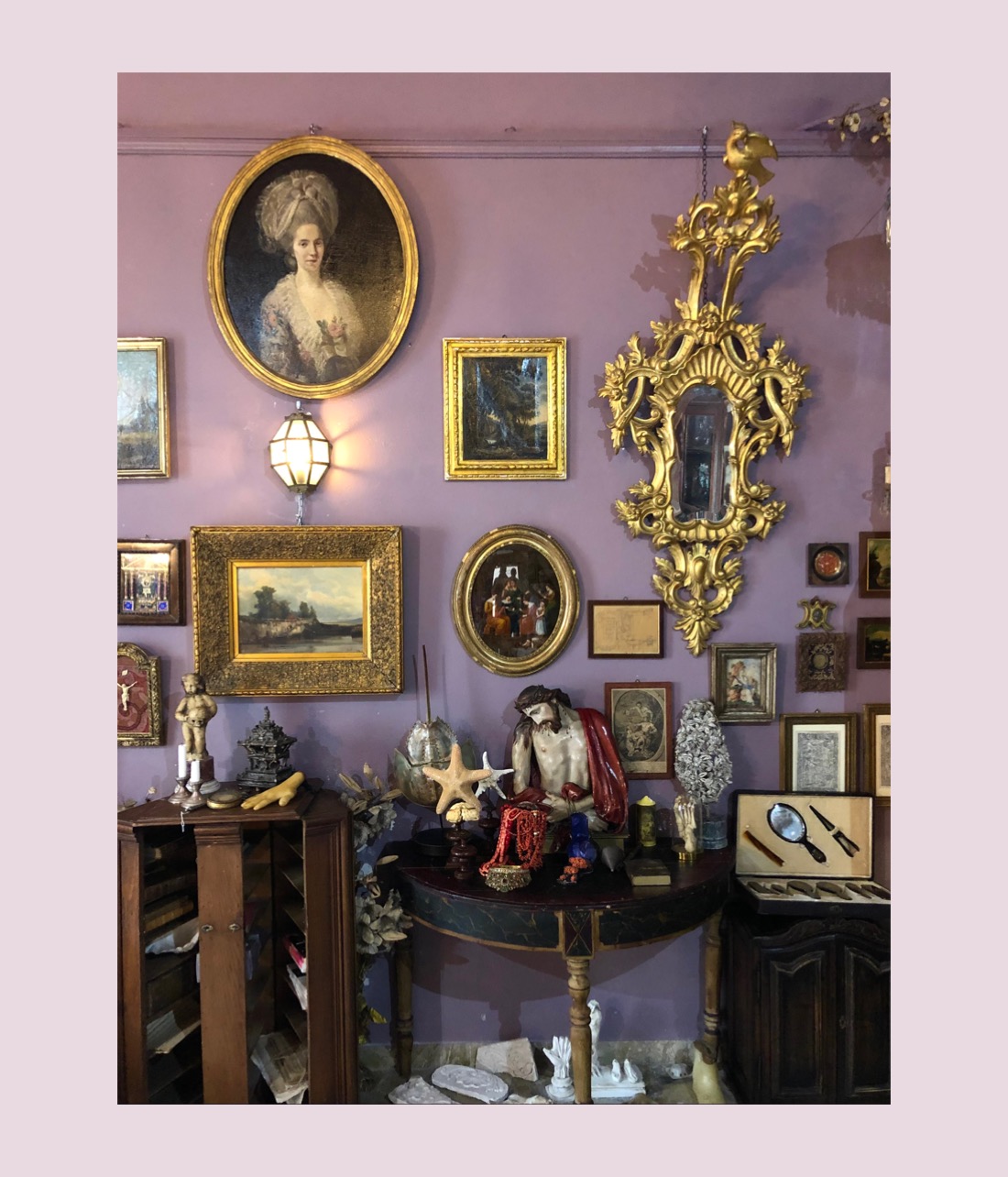
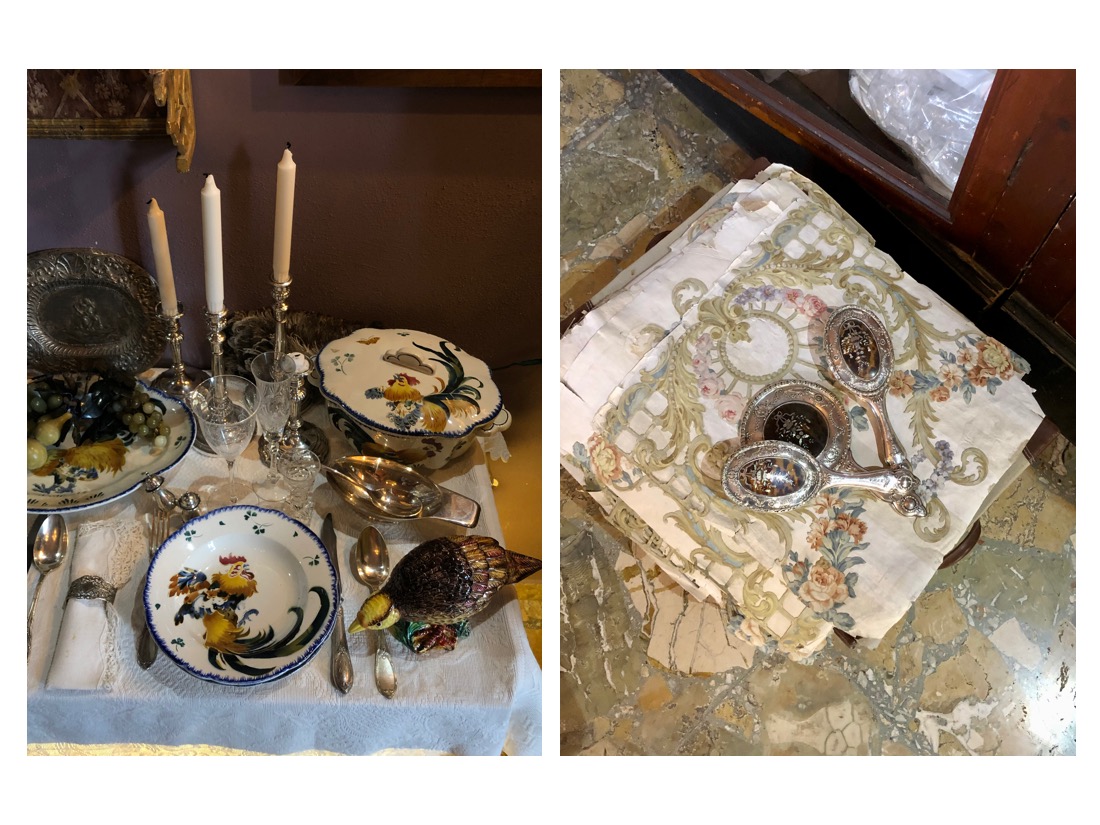
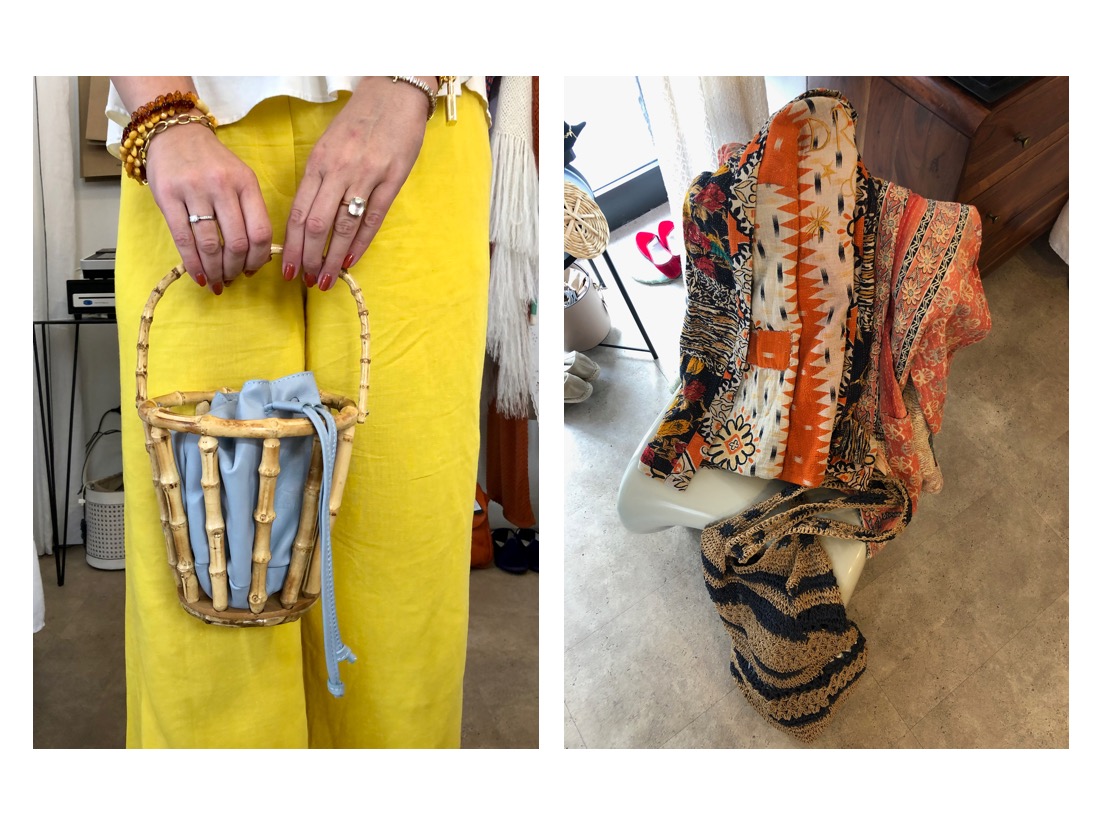
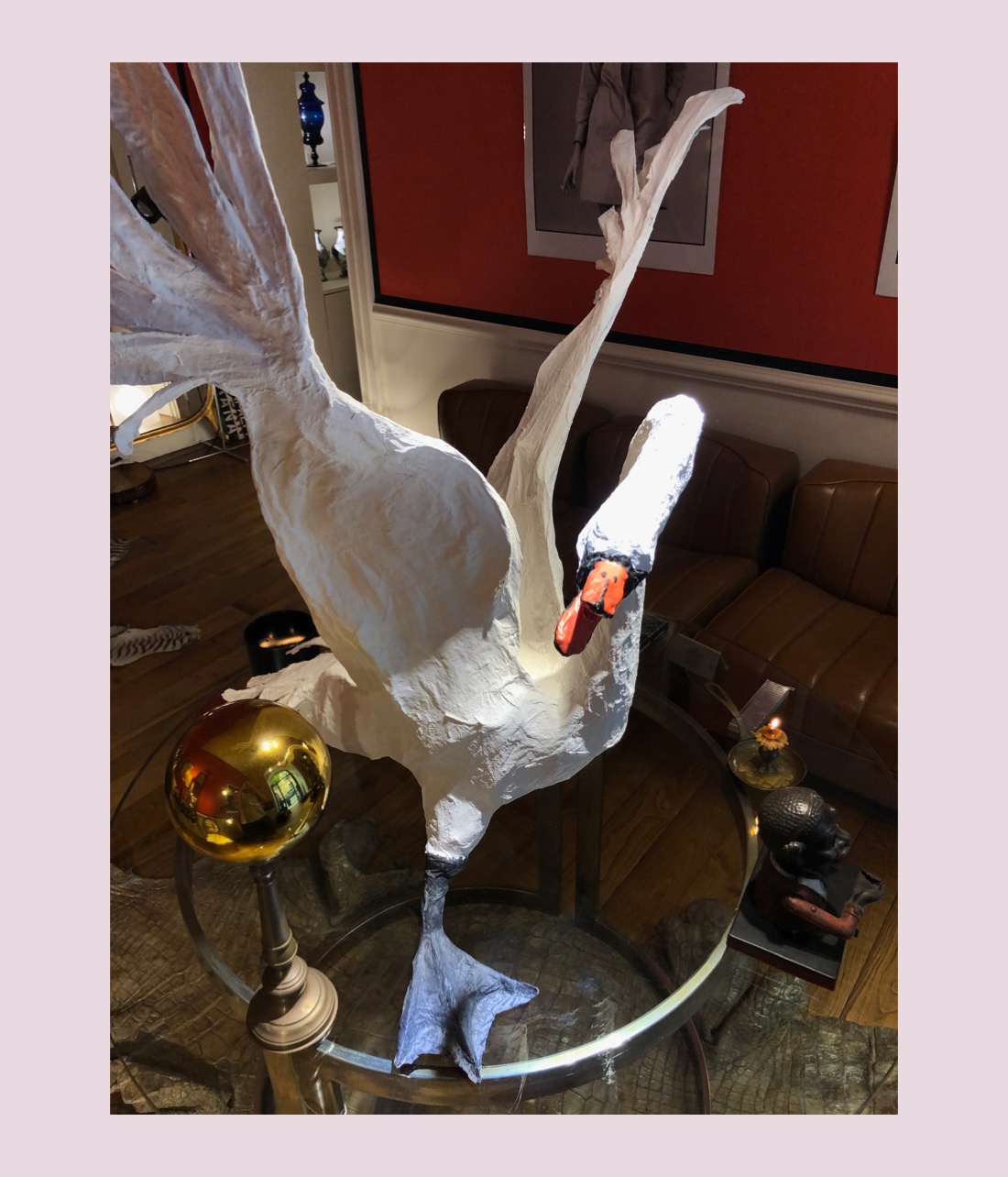
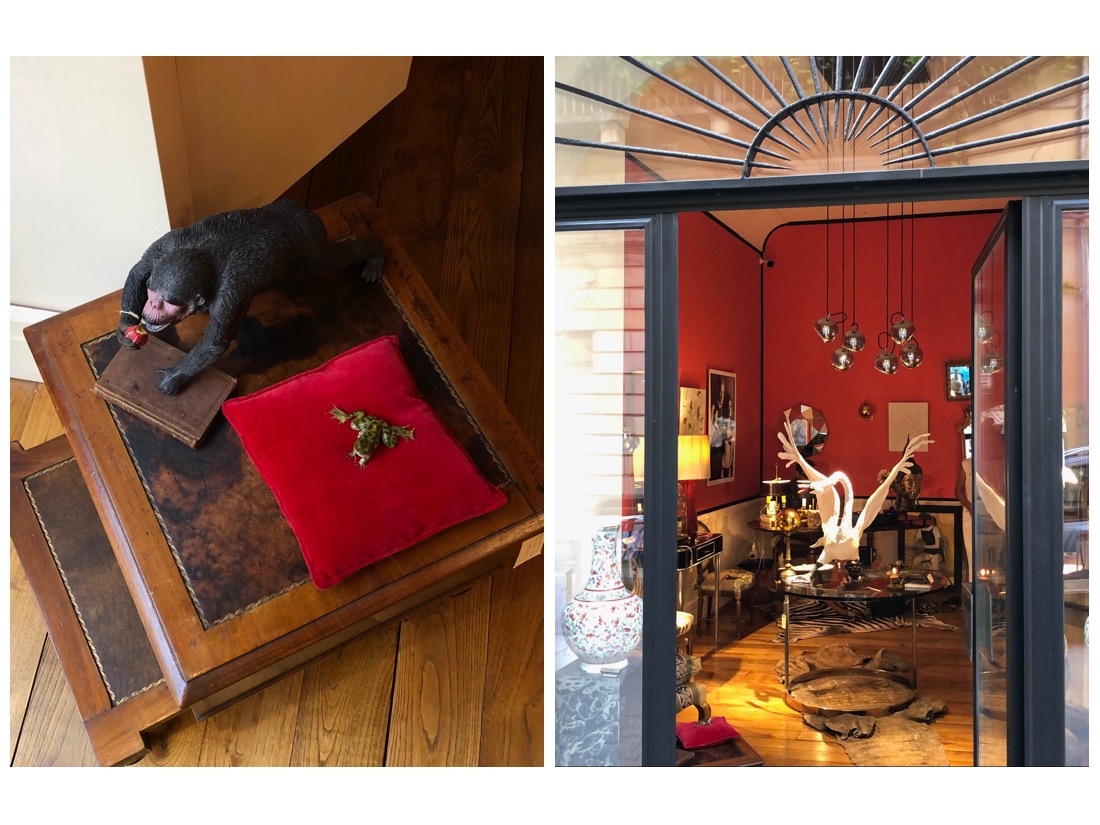
I’ve heard that antique shops in Sicily are a whole different level. But the discreet Via Nicolaci boutique is like a living and breathing cabinet des curiosités.

Via Corrado Nicolaci

Amare Noto

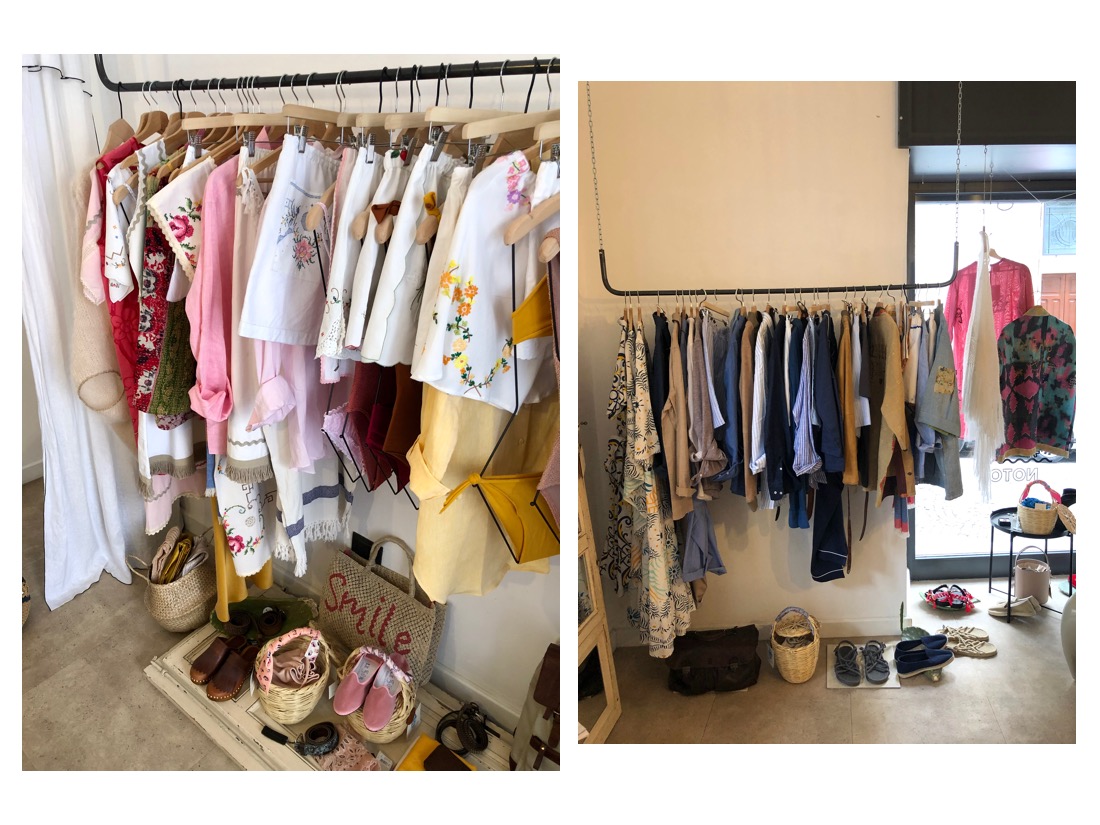
Amare is the best kept fashion secret in Noto. Highly curated selection of Italian and French brands combined with the most charming accessories, basket bags and swimwear. Don’t miss the leather clogs they’ve got in store for the new season!

Corso Vittorio Emanuele 43

Trattoria Fontana D’Ercole

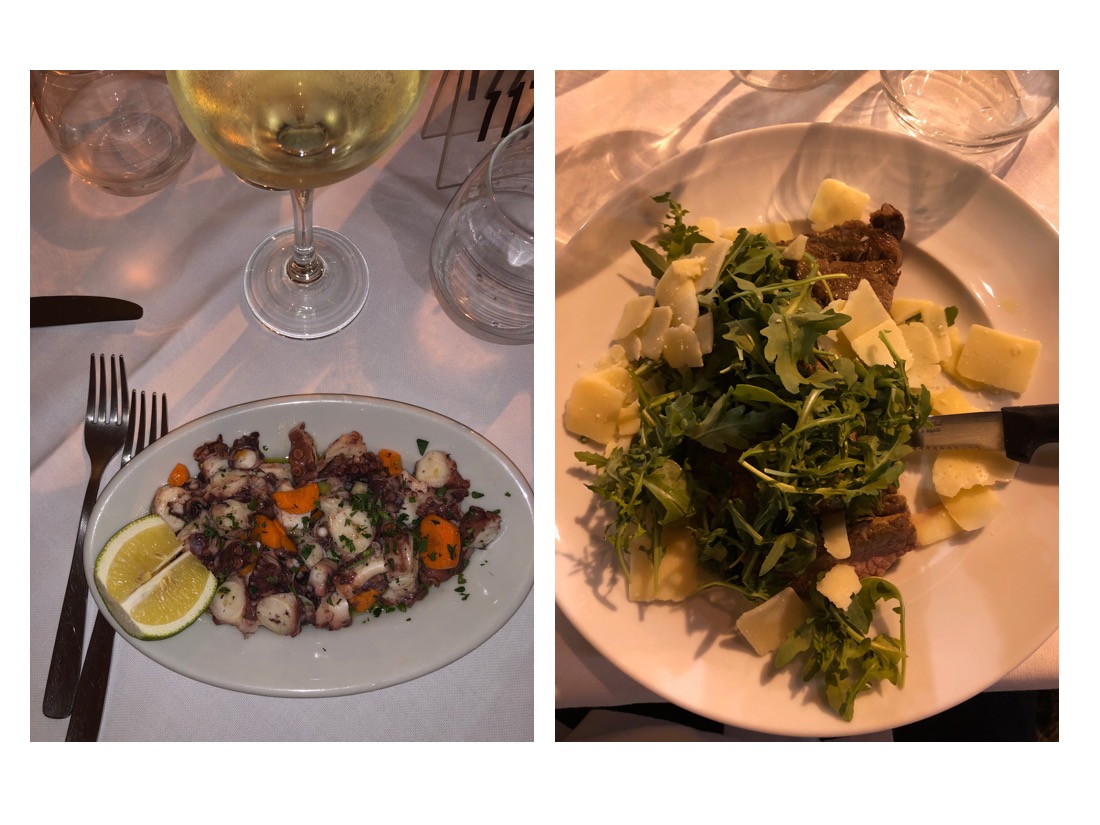
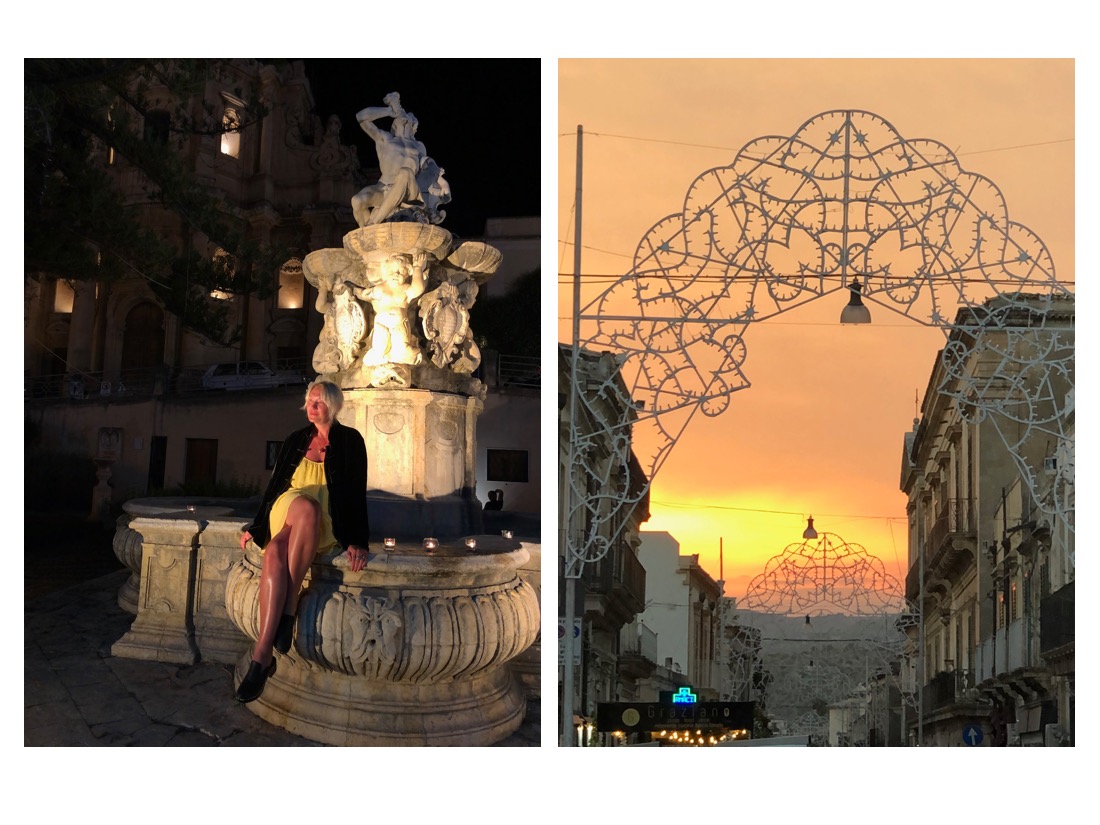
Perfect for semi-casual, semi-fine lunch or dinner filled with timeless, Sicilian flavours. Octopus salad, beef tagliata covered in local cheese, great view on the piazza… what else one needs?

Piazza XVI Maggio 11

Caffè Constanzo

Caffè Costanzo can’t be missed. Their gelato, cannolis and brioches are so, so good. The best place for afternoon espresso.

Via Silvio Spaventa 7/9

Aqua Di Noto

Acqua di Noto’s boutique delivers the most profound perfumes, as well as gorgeous, hand-made jewellery and silk kimono-coats. The brand is a family project, with a story born right here, in the street of the most beautiful balconies in the world, the via Nicolaci. The artistic perfumery has the mission of redefining the value of Made in Sicily. The right place for someone looking for an heritage and exclusive(ly) Sicilian brand.

Via Corrado Nicolaci 13

Rocciola Classic & Design

An elegant and very refined store selling beautiful objects for your home: antique sculptures, retro furniture, unique glassware and other curiosities. It well captures the one-of-a-kind, charming and sublime aesthetic of Noto.

Via Silvio Spaventa 4

Photos by Edward Kanarecki.
Don’t forget to follow Design & Culture by Ed on Instagram!

NET-A-PORTER Limited

From Noto With Love

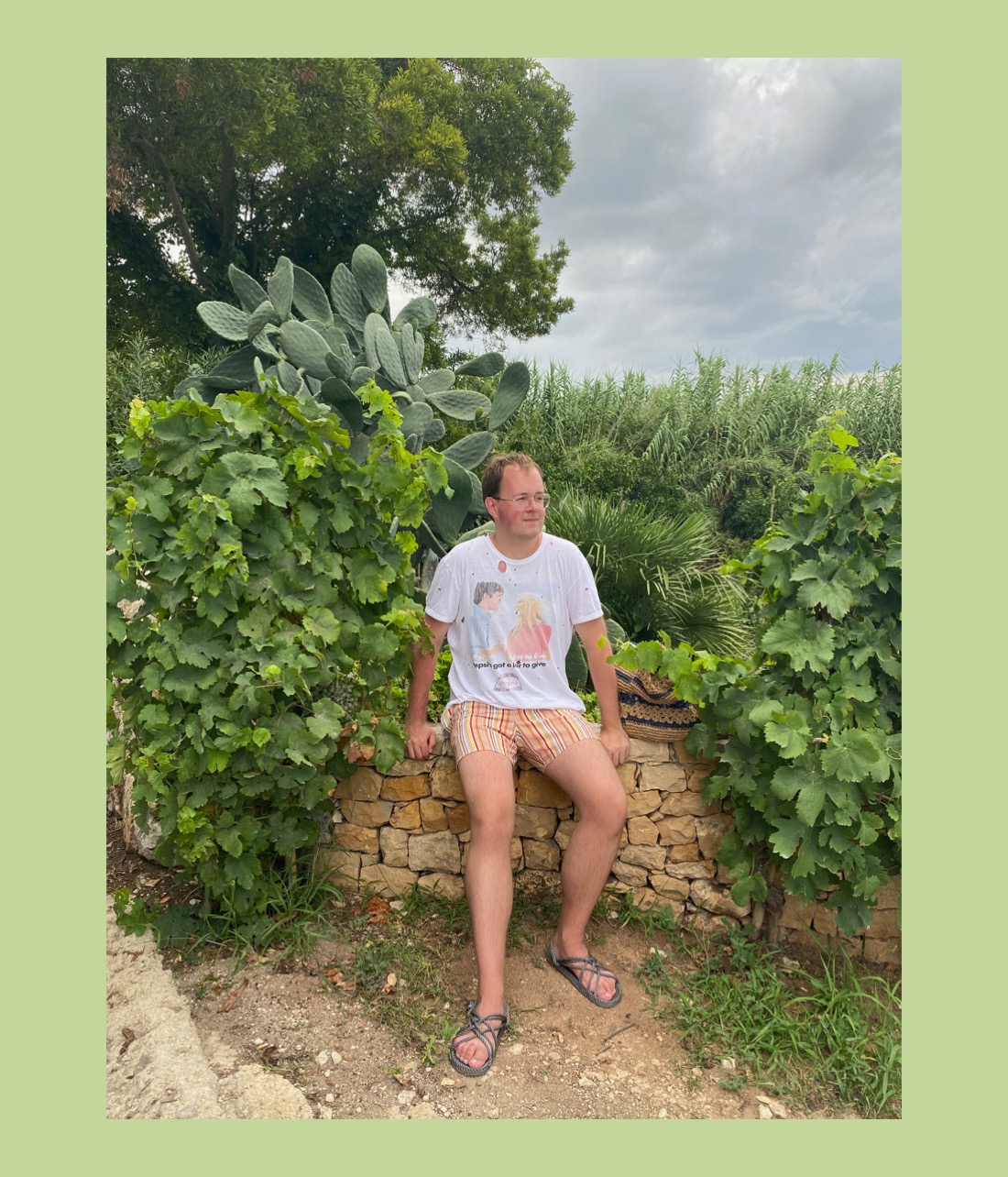
These past two weeks, I had the most amazing time discovering Sicily – so expect some sun-drenched content coming this week! During our first days on the island, we stayed in one of the most charming towns I’ve ever been to – Noto. In contrast to big European cities, Southern region of Sicily has all the history of Rome along with the small-town breezy seaside charm of the Cinque Terre. Until you are in Noto, though, it’s hard to imagine just how close neighboring historic towns like Modica and Ragusa – and any number of Ancient Greek ruins and unspoiled beaches – are to the town center and to each other. Noto and its neighbors make sightseeing feel serendipitous, but it’s worth staying his for a couple of days to truly absorb the aura of this UNESCO-protected, eighteenth-century Baroque masterpiece of town. It’s easy to cover the town on foot in a single afternoon along its two main arteries, the Corso Vittorio Emanuele and the Via Cavour, which run east to west. Or if you use Noto as your base for exploring the region, as we did, you can walk the streets at a languorous gelato-eating pace at the end of each day, as if you lived there. My Noto guide is coming shortly – for now here are some captured moments (and plenty of cassatina!) of this Sicilian slice of heaven.

Photos by Edward Kanarecki. Don’t forget to follow Design & Culture by Ed on Instagram!

NET-A-PORTER Limited

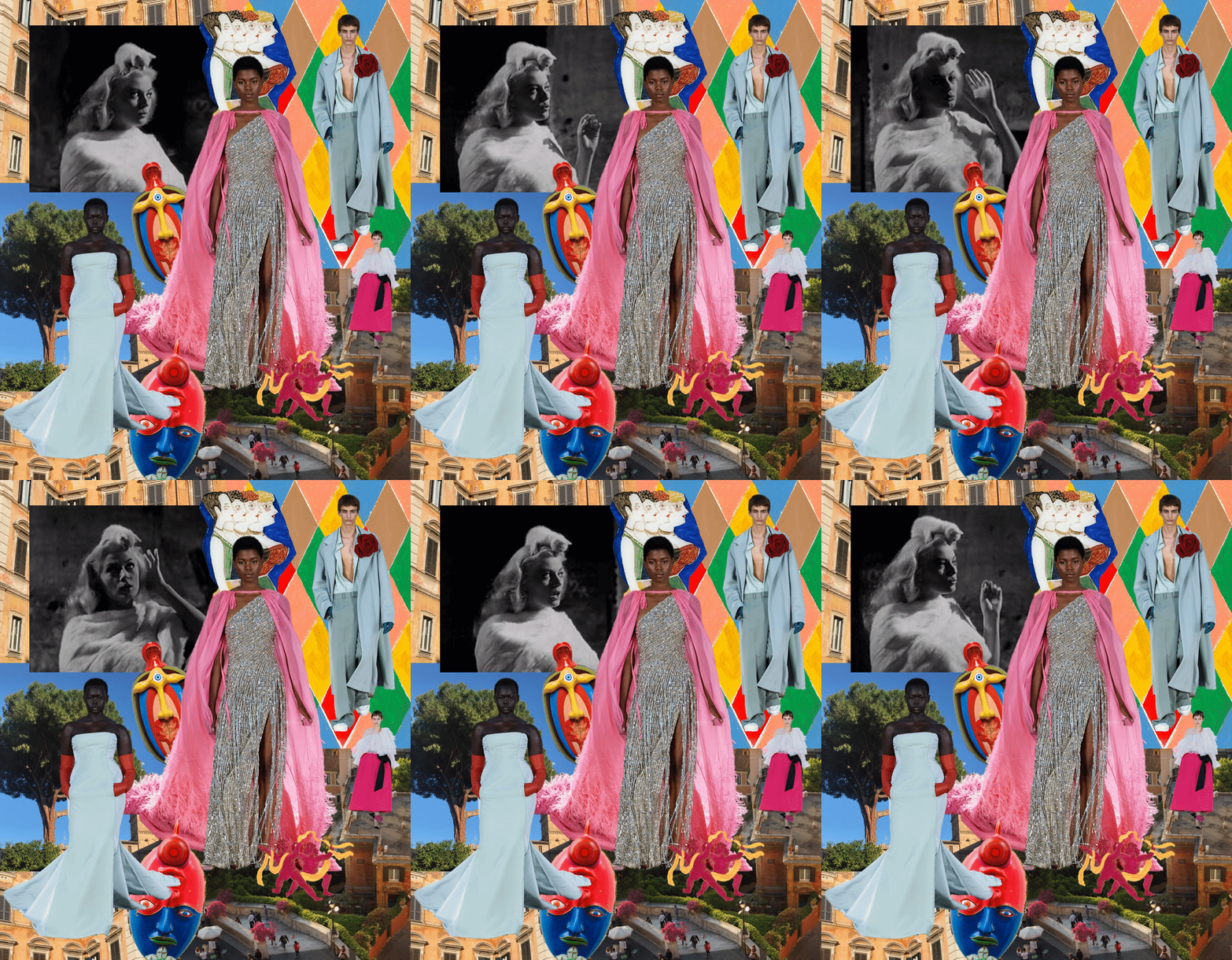
The Beginning. Valentino AW22 Couture

Amada mia, amore mio! Ah! ah!
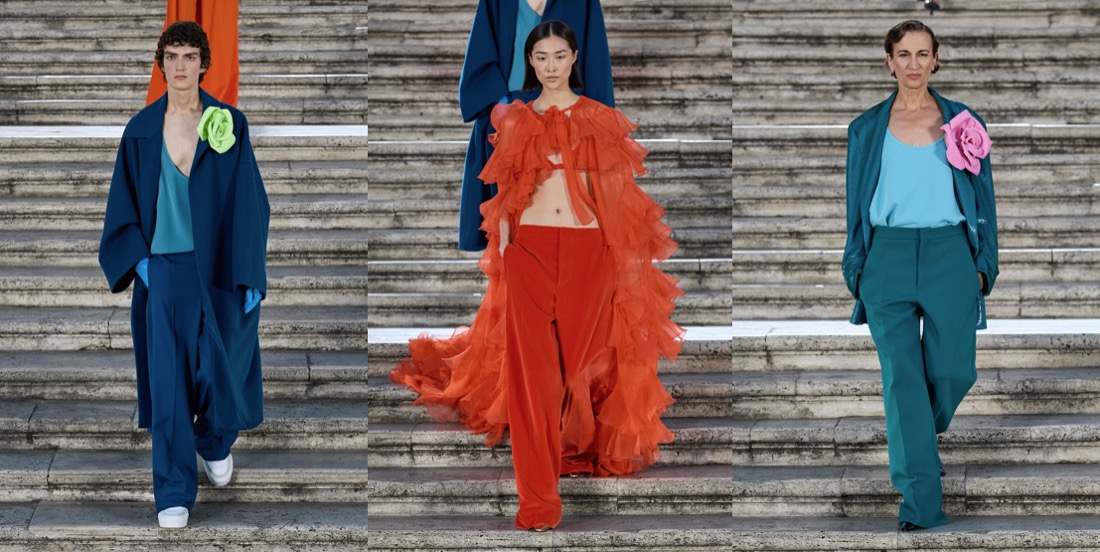
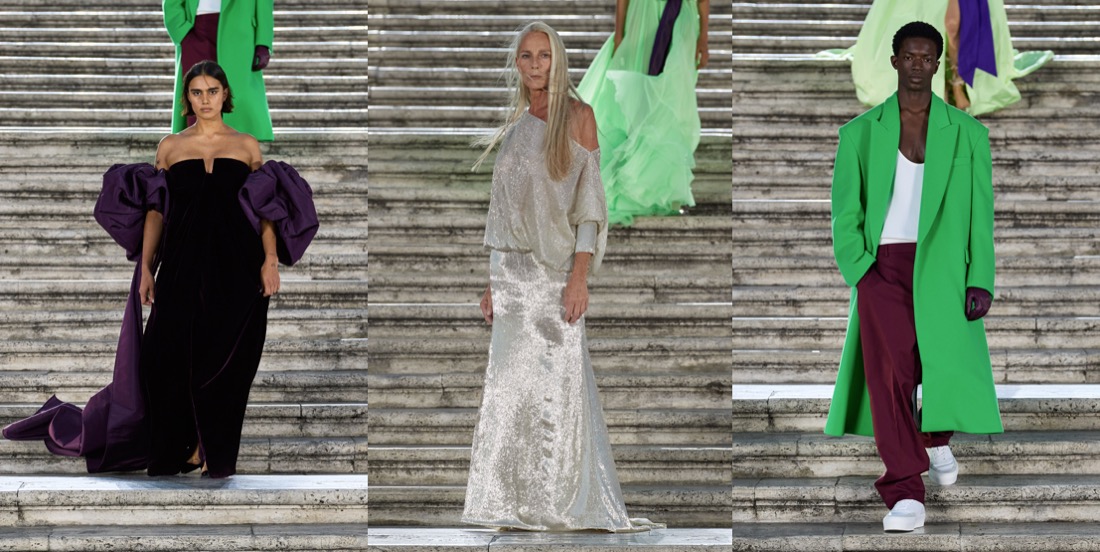
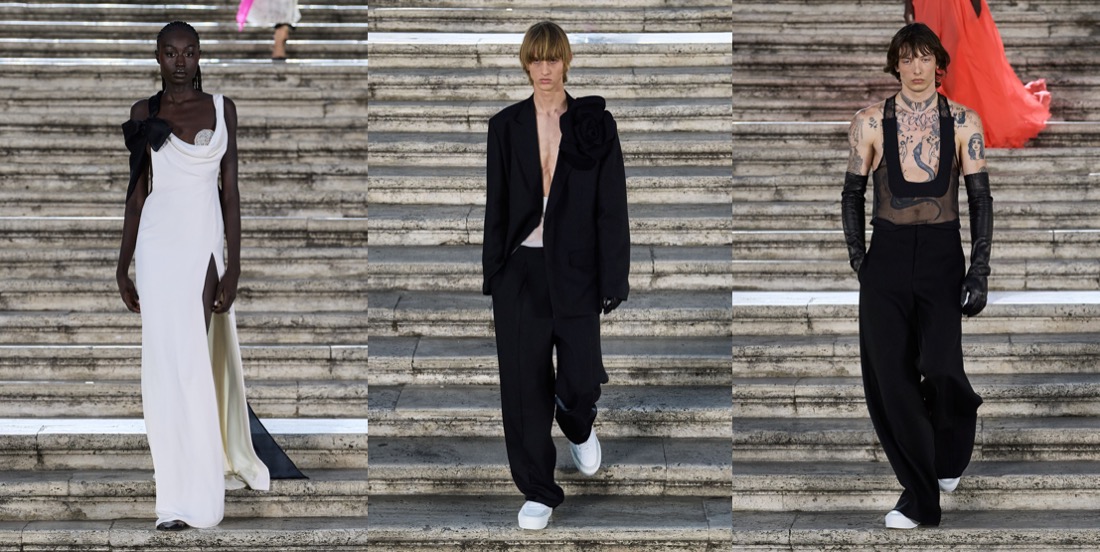
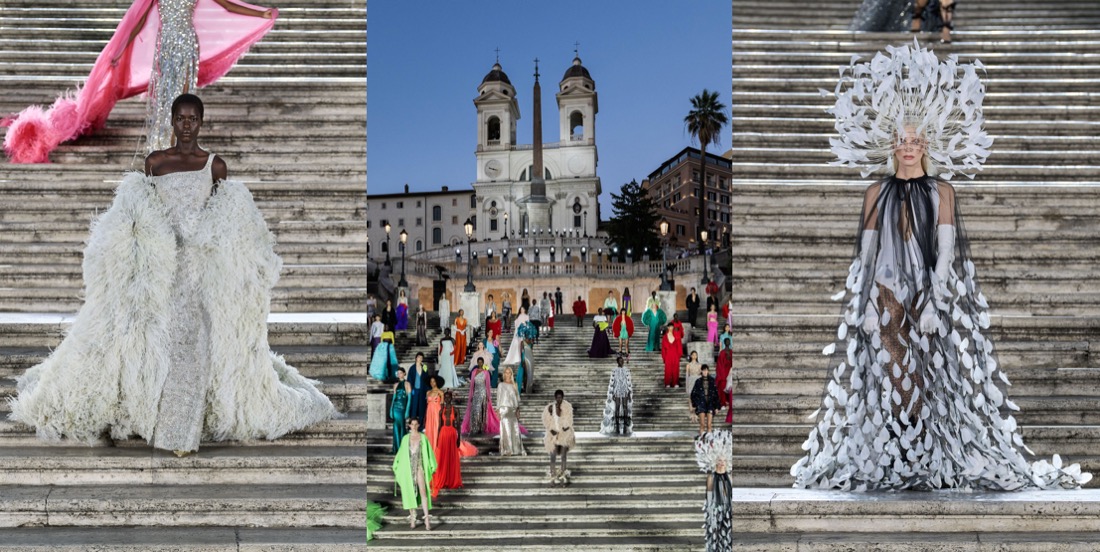
For Valentino’s spectacular autumn/winter 2022 haute couture show, creative director Pierpaolo Piccioli returned to Rome, where Valentino Garavani founded the storied maison back in 1959. Otherworldly bodies descending from the Spanish Steps in the golden evening sun, the romantic voice of Labrinth echoing from beneath the Trinità dei Monti… well, that was a scene. “I start from the finale, always,” Pierpaolo Piccioli said during a preview in Paris days before the show. “What I have in mind is these liquid, colourful drops coming down from the Steps, the volumes light and in movement.” He titled his show The Beginning: a return to the city where Valentino Garavani founded his maison, a place that has moved with the winds of change since the dawn of time. Like Piccioli’s Valentino, Rome’s codes may remain the same but its values are in eternal evolution. That was the sentiment behind a show he envisioned as “a conversation with Valentino” across the past, the present and the future. Piccioli had been dreaming of doing a show on the 18th-century steps. “It’s very personal. The last time Valentino did a show on the Spanish Steps was in the 1990s. It was a different moment in fashion. It was about lifestyle and the perfection of beauty, the glamour, the supermodels,” he reflected. “I wanted to get the spirit of Valentino – the joie de vivre – because I think it’s the only way of making beauty resilient to the time. On the other hand, there’s a picture I want to deliver, which is different from what it was 45 years ago. It’s the picture of what we live in. The Spanish Steps are the same, the atelier is the same, and in the end, clothes are clothes. I like to keep the rituals of haute couture. But the real difference is in the casting – in the humans – that can tell stories and witness a different moment in this world. I want to empower them and give them a voice and the opportunity to tell their own stories.

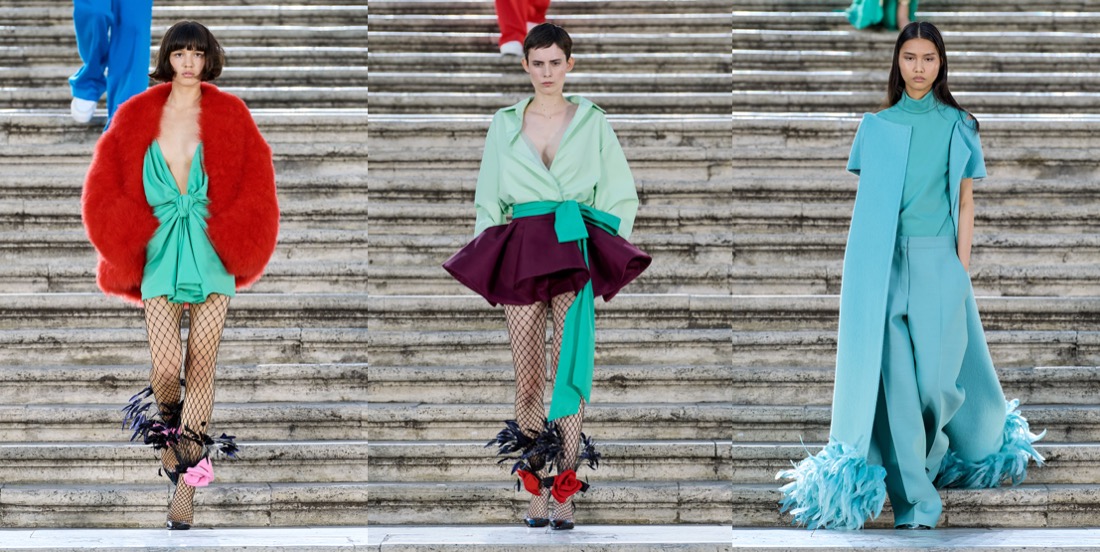
Piccioli’s approach to the show manifested in a collection that didn’t just poeticise the decades-long legacy of Valentino Garavani, but his own contributions to the house. Rather than pursuing newness, he reflected on what Valentino stands for after 14 years under his own artistic directorship (and 23 years as an employee). Unless you’d spent those years under a rock, you’d immediately recognise the resplendent volumes of his dresses, suits and coats, the hypnotising hues of his gem colours, and the drama of his plumed headpieces bouncing like jellyfish in the stream of the Roman evening breeze. “I wanted to do a reflection about how much of myself is in Valentino, and how much of Valentino is in my identity,” he said. “It’s everything I’ve already done but in a different place.” Piccioli’s era at Valentino has followed a time of political divide when the progressive values he fights for – the diversity, inclusivity and self-expression represented in his casting – are contrasted by a rise of reactionary ideas that has only become terrifyingly evident with recent American Supreme Court rulings. In that sense, moments like the Spanish Steps show – these grand gestures of beauty – are a kind of activism on his part. It may be wrapped in majestically coloured taffeta, three-dimensional geometric plumage painstakingly made to evoke Roman mosaics, or voluminous hand-sequined suits, but at the core of Piccioli’s haute couture is a dream that cuts deeper than mind-blowing craftsmanship. “I believe that it’s my responsibility as a fashion designer to bear witness to the times we’re living in,” he said. “I think that beauty has the power to break through, touch people and their conscience. Taking a radical posture through a strong narration and through images of a world that’s changing has an impact, and gives visibility to values that have to be protected. I believe fashion can be political.” With the likes of Naomi Campbell and Anne Hathaway on the front row the show was testament to the global impact of the new age of haute couture that Piccioli has spearheaded in recent years. But as illustrated by the people who joined them – Valentino’s co-founder Giancarlo Giammetti, Piccioli’s family, and their dog Miranda – it’s a success achieved through a grounded approach to the industry, to the mainstream fame he has gained, and everything that comes with it. At the heart of Piccioli’s progression-driven age of Valentino are a realness, friendliness and ease that remain his greatest assets.

Collage by Edward Kanarecki.

NET-A-PORTER Limited

Arrival. Wales Bonner SS23

Towards the end of the press preview of this sumptuously progressive show, Grace Wales Bonner mentioned Sankofa. This bird-looking-backwards symbol of Ghana’s Akan people, she said: “means’ ‘going back to go forward.’ It is not about being nostalgic or historical. It’s about taking something from the past in order to pass it forward and make it useful for the future. And that’s the spirit of this collection.” Wales Bonner was speaking in the central courtyard of Florence’s Palazzo Medici Riccardi, a space where one Pitti Uomo executive mentioned in passing that there had never before been a live fashion show. It was as if the Palazzo had been waiting 485 years – the time since it was once home to the first Black head of state in modern Europe – to become the outbound runway for this evening’s Sankofa flightpath. Its starting cipher was Alessandro de Medici, who until his assassination in 1537 at the hand of a cousin ruled here as the first hereditary monarch of the Florentine Republic. His mother was named Simonetta da Collevecchio – aka “Soenara” – and was Black. She, history a little shakily relates, was a house servant who became mother to Alessandro after an encounter with either Duke Lorenzo (the official father) or Pope Clement VII. “I wanted to acknowledge that presence but also think about the idea of arrival,” said Wales Bonner. The building also held an additional layer of resonance relevant to her practice of excavating multifaceted manifestations of cultural intersection through garments. The palazzo was commissioned by Alessandro’s ancestor Cosimo in 1444, around the same time that he hosted the 17th ecumenical council, a global gathering of Christendom which according to historian Paul Strathern included: “Armenians and Ethiopians… other entourages included Moorish, Berber, and black African attendants.”

All of this context served as evidence that the building around us has played a role in the history of Black agency and participation in Renaissance Italy. It was leveled by the intervention in the Palladian architecture by the artist Ibrahim Mahama, who clad the space in a huge patchwork of hand stitched jute sacks originally used to export cocoa from his home country of Ghana – where Wales Bonner met him several months ago – into the global markets. “It was important to have an equal representation within the space,” said Wales Bonner. The opening look featured the reproduction of an artwork by Kerry James Marshall. This was another pointer towards Wales Bonner’s intention to rehang the display of menswear in Florence just as one would rehang a gallery – in order to shift the visitors’ experience. Just as effective was the slow coalescence of menswear forms – some sourced from the previously mentioned binary of contemporary European tropes of formality and informality, and others from a broader array of traditions whose boundaries were broken down by adjacency. Paris’s Charvet provided handsome robes and day-pajamas in jacquards whose patterns were drawn from Wales Bonner’s research into West African tradition. The macramé womenswear dresses were set with hand-made glass beads by Ghanaian artisans, and the heat-dryed hand-dyed jersey had been fashioned in Burkina Faso (Wales Bonner was building new trade routes between Africa and Italy, and Savile Row too). In menswear there was genre-busting back and forth between futuristic sportswear (which included a hand-made adidas shoe whose trefoil looked lacily artisanal) and Wales Bonner-directed, Anderson & Sheppard-cut tailoring in cashmere and camel hair that was de-conventionalized through emphasised shoulders and small sly acts of sartorial ‘wrongness’ that looked incontrovertibly right. So back to Sankofa. What was the backward-looking-bird returning to, in order to pass forward for the future? Said Wales Bonner: “It’s about bringing an Afro-Atlantic spirit to European luxury by honoring these traditions wherever they are. And making something hybrid or integrated through working with different people.

Collage by Edward Kanarecki.

NET-A-PORTER Limited