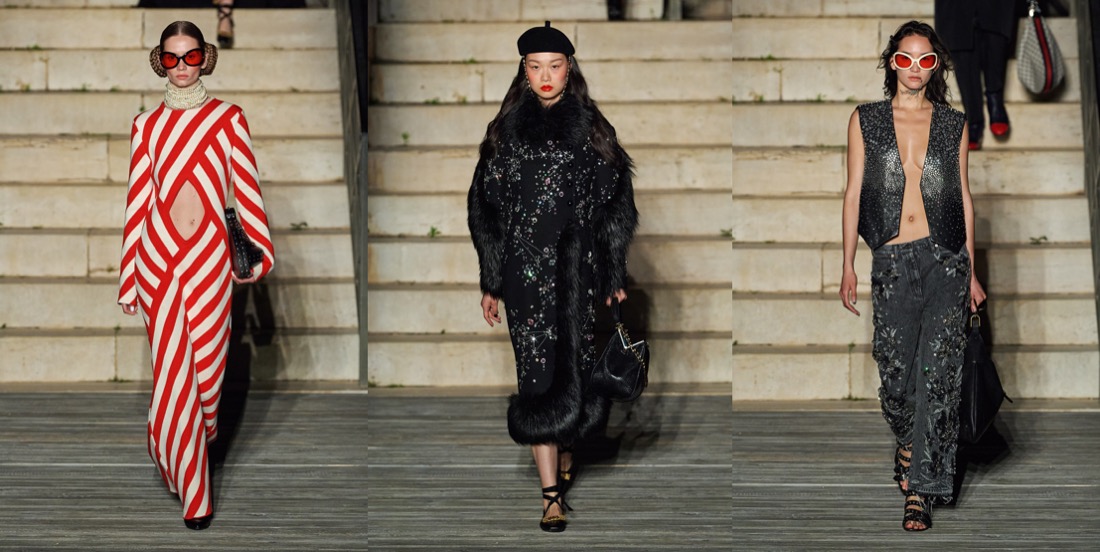
Arrival. Wales Bonner SS23

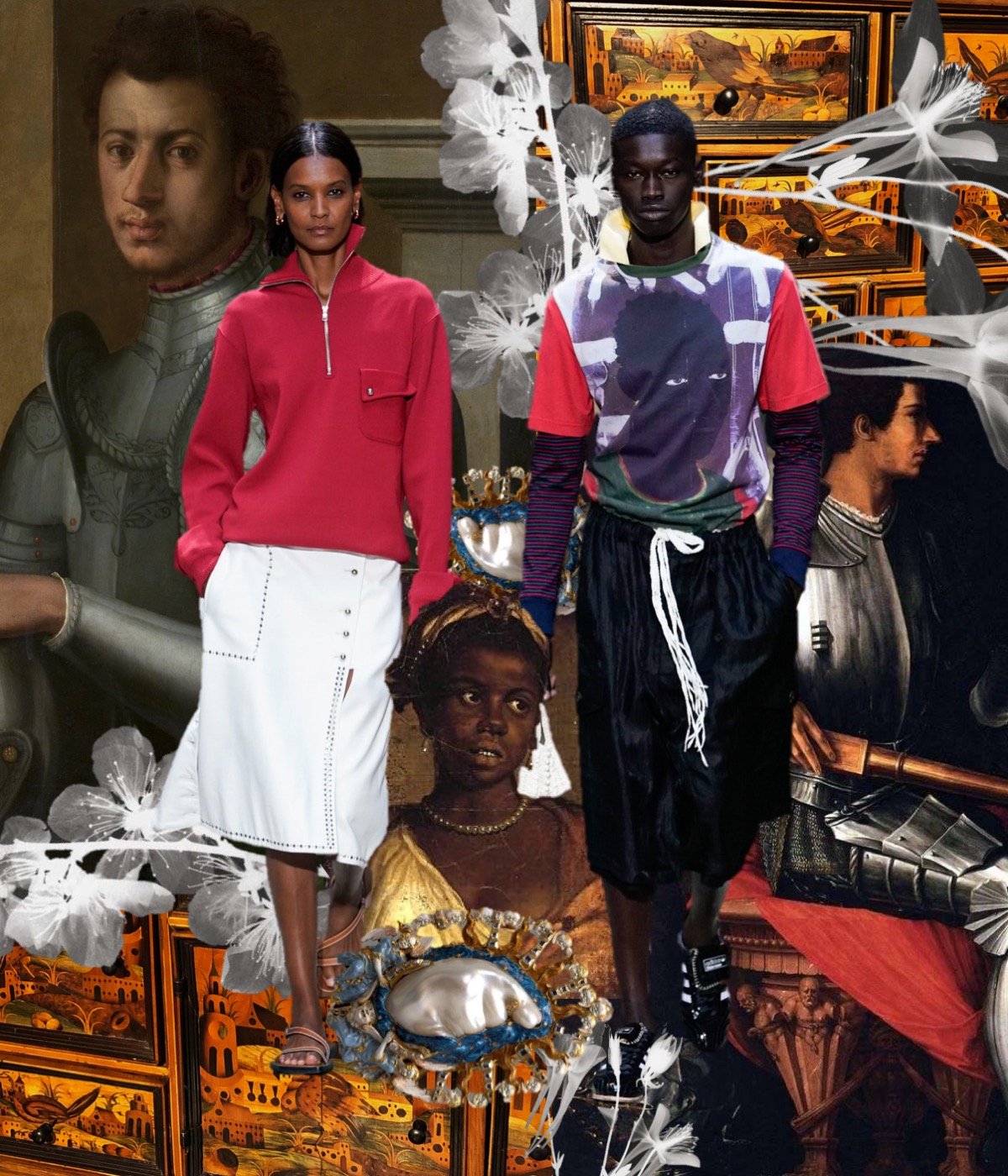
Towards the end of the press preview of this sumptuously progressive show, Grace Wales Bonner mentioned Sankofa. This bird-looking-backwards symbol of Ghana’s Akan people, she said: “means’ ‘going back to go forward.’ It is not about being nostalgic or historical. It’s about taking something from the past in order to pass it forward and make it useful for the future. And that’s the spirit of this collection.” Wales Bonner was speaking in the central courtyard of Florence’s Palazzo Medici Riccardi, a space where one Pitti Uomo executive mentioned in passing that there had never before been a live fashion show. It was as if the Palazzo had been waiting 485 years – the time since it was once home to the first Black head of state in modern Europe – to become the outbound runway for this evening’s Sankofa flightpath. Its starting cipher was Alessandro de Medici, who until his assassination in 1537 at the hand of a cousin ruled here as the first hereditary monarch of the Florentine Republic. His mother was named Simonetta da Collevecchio – aka “Soenara” – and was Black. She, history a little shakily relates, was a house servant who became mother to Alessandro after an encounter with either Duke Lorenzo (the official father) or Pope Clement VII. “I wanted to acknowledge that presence but also think about the idea of arrival,” said Wales Bonner. The building also held an additional layer of resonance relevant to her practice of excavating multifaceted manifestations of cultural intersection through garments. The palazzo was commissioned by Alessandro’s ancestor Cosimo in 1444, around the same time that he hosted the 17th ecumenical council, a global gathering of Christendom which according to historian Paul Strathern included: “Armenians and Ethiopians… other entourages included Moorish, Berber, and black African attendants.”
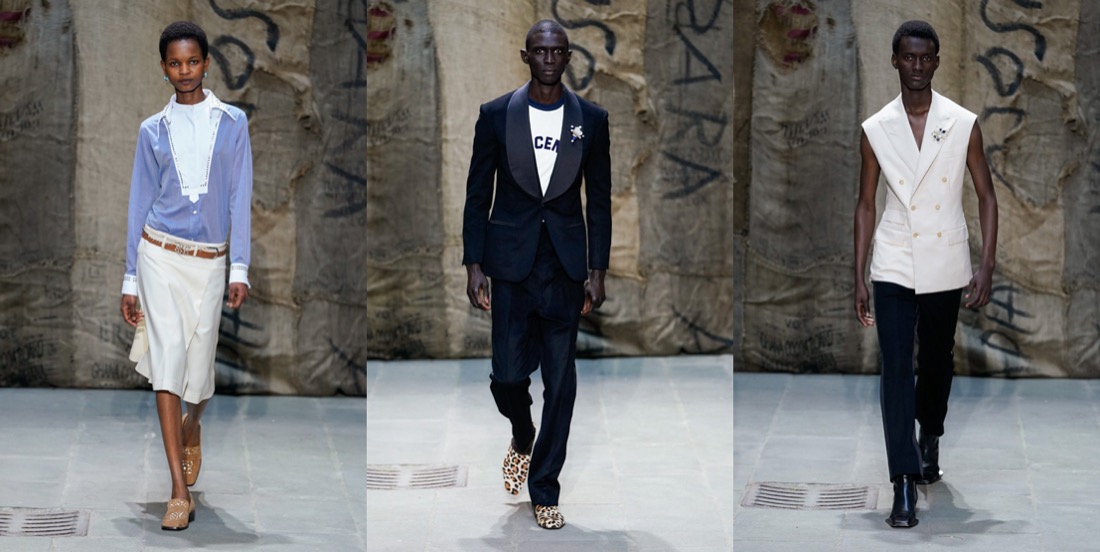
All of this context served as evidence that the building around us has played a role in the history of Black agency and participation in Renaissance Italy. It was leveled by the intervention in the Palladian architecture by the artist Ibrahim Mahama, who clad the space in a huge patchwork of hand stitched jute sacks originally used to export cocoa from his home country of Ghana – where Wales Bonner met him several months ago – into the global markets. “It was important to have an equal representation within the space,” said Wales Bonner. The opening look featured the reproduction of an artwork by Kerry James Marshall. This was another pointer towards Wales Bonner’s intention to rehang the display of menswear in Florence just as one would rehang a gallery – in order to shift the visitors’ experience. Just as effective was the slow coalescence of menswear forms – some sourced from the previously mentioned binary of contemporary European tropes of formality and informality, and others from a broader array of traditions whose boundaries were broken down by adjacency. Paris’s Charvet provided handsome robes and day-pajamas in jacquards whose patterns were drawn from Wales Bonner’s research into West African tradition. The macramé womenswear dresses were set with hand-made glass beads by Ghanaian artisans, and the heat-dryed hand-dyed jersey had been fashioned in Burkina Faso (Wales Bonner was building new trade routes between Africa and Italy, and Savile Row too). In menswear there was genre-busting back and forth between futuristic sportswear (which included a hand-made adidas shoe whose trefoil looked lacily artisanal) and Wales Bonner-directed, Anderson & Sheppard-cut tailoring in cashmere and camel hair that was de-conventionalized through emphasised shoulders and small sly acts of sartorial ‘wrongness’ that looked incontrovertibly right. So back to Sankofa. What was the backward-looking-bird returning to, in order to pass forward for the future? Said Wales Bonner: “It’s about bringing an Afro-Atlantic spirit to European luxury by honoring these traditions wherever they are. And making something hybrid or integrated through working with different people.

Collage by Edward Kanarecki.
NET-A-PORTER Limited

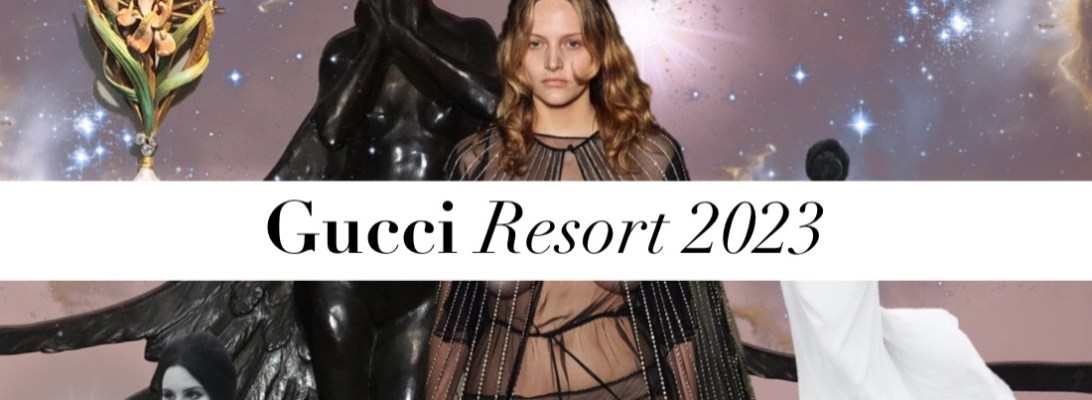
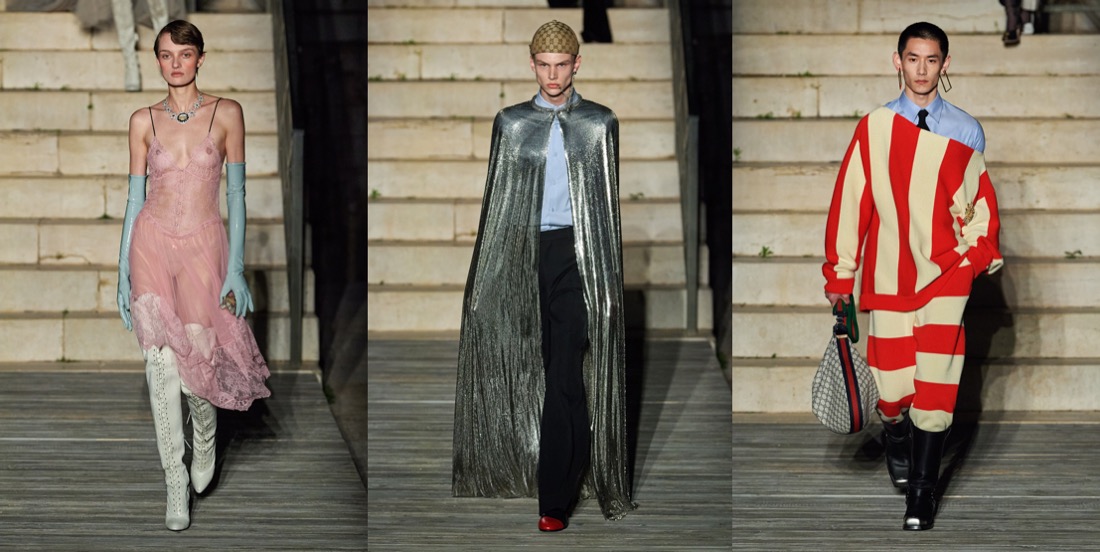
Cosmogonies. Gucci Resort 2023

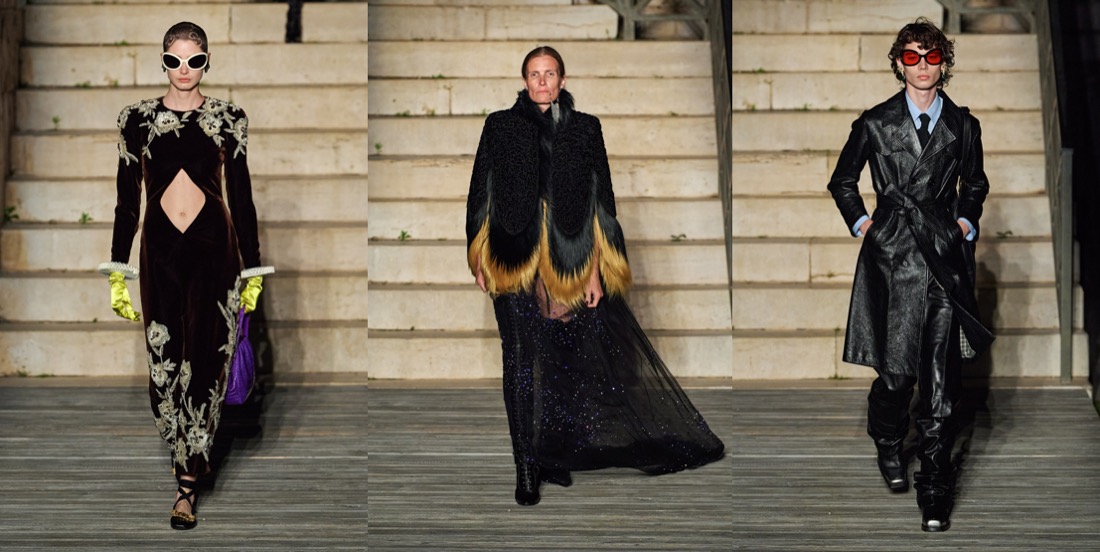
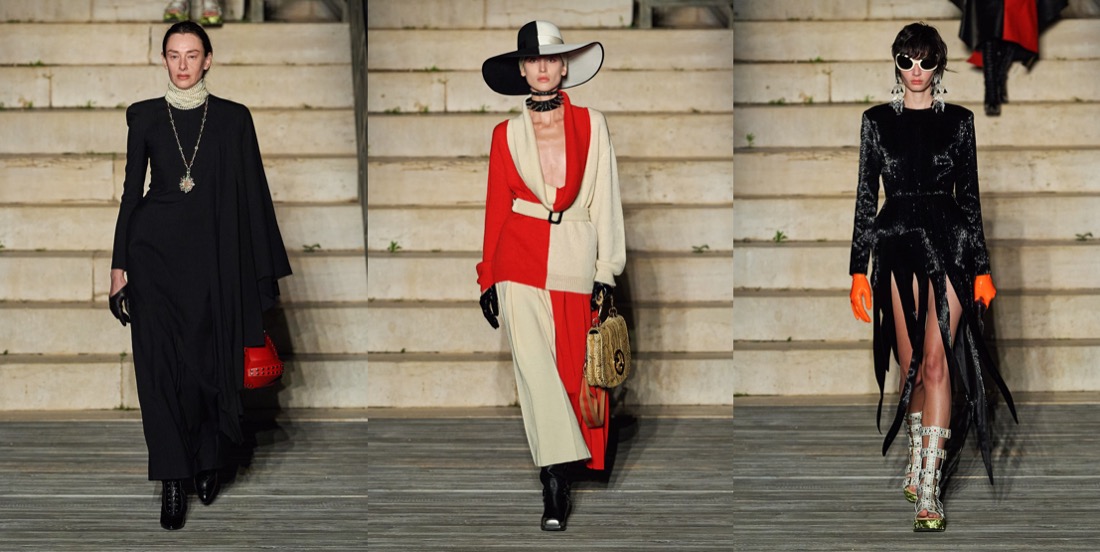
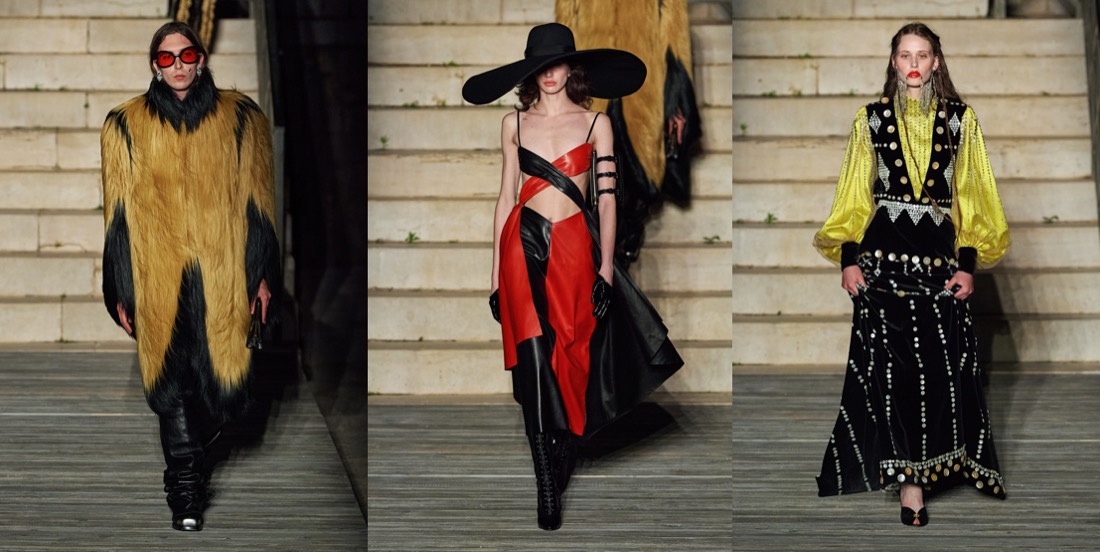
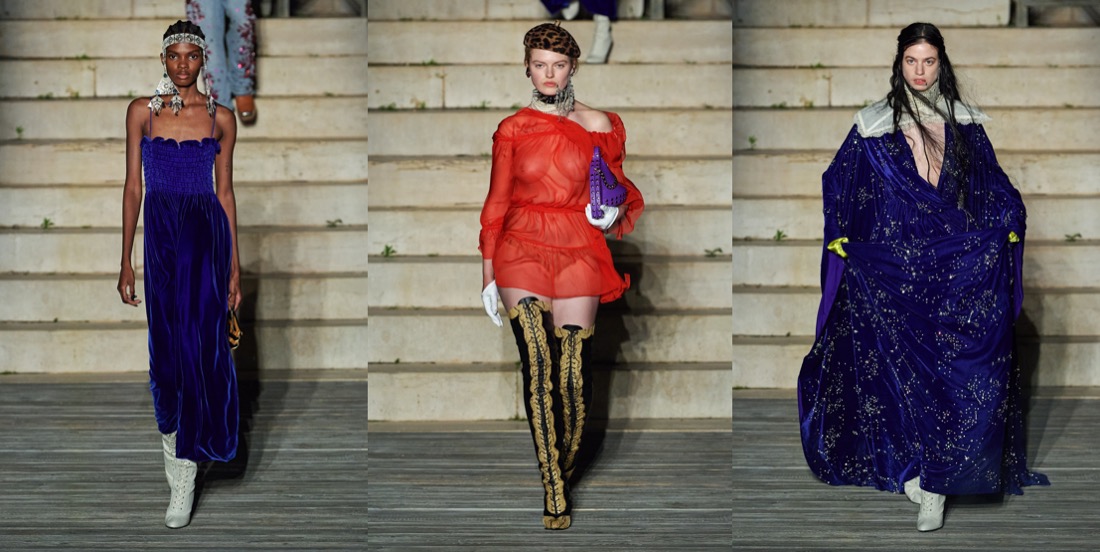
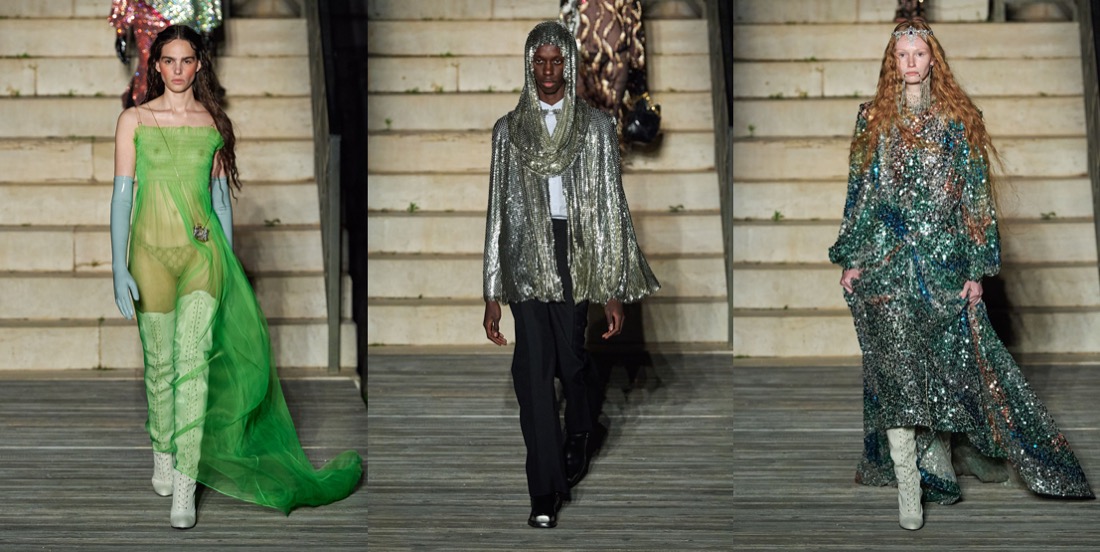
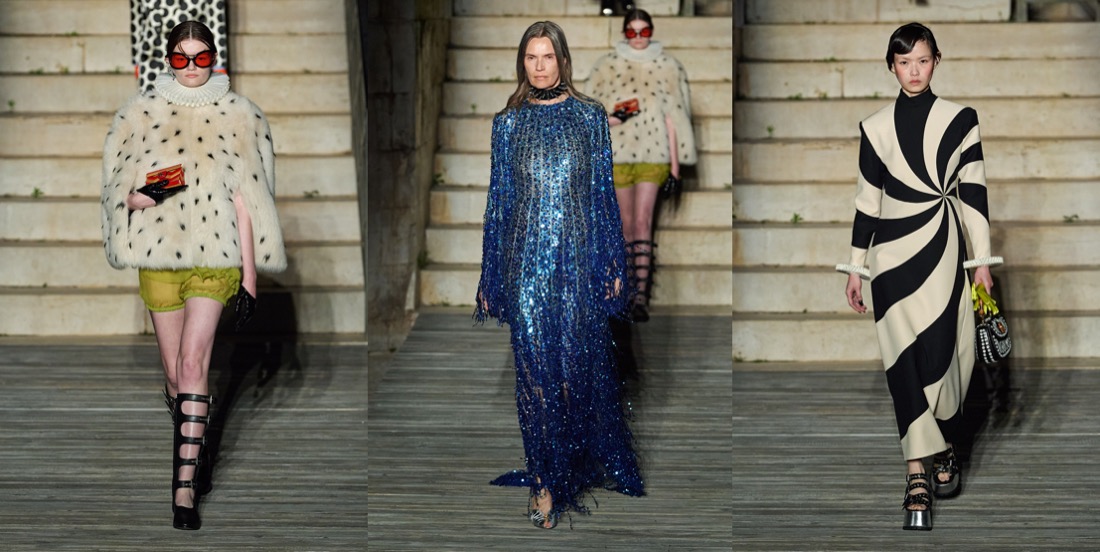
Once upon a time (last Monday), a tribe of cosmic goddesses and priests landed in Puglia and inhabited Castel del Monte – the extraordinary, 13th century castle that actually looks like an alien spaceship. All thanks to Gucci and its resort 2023 fashion show event. Alessandro Michele’s line of reasoning has never been linear. The collections he creates are prismatic affairs, as visually diverse as they are infused by meanings sometimes impervious to easy deciphering. His fascination for layered references and his love of history make him a collector of objects and memories, an archivist of galaxies of images. Not surprisingly, he called this collection “Cosmogonies“. At Gucci, Michele has brought his collections to places of esoteric, disquieting charm – the Promenade des Alycamps in Arles, an ancient necropolis, or Rome’s Musei Capitolini overlooking the Fori Imperiali, where archeological remains give off vibes of splendor and decay. But as far as magical thinking goes, Castel del Monte surely upstages his previous settings. In the castle’s timelessly edgy construction, the number eight was obsessively repeated as an arcane bearer of meaning. It goes without saying that Michele was drawn to the genius loci of this rather setting. “I was looking for a place which gave grace to the mythological,” he explained. “It’s a site where measurements and proportions cross each other as if by magic – the same way measurements of collars and jackets can be somehow magical.” For Michele, the mystery of Castel del Monte resonates with the enigmatic genesis of his creativity, “which operates through the need of putting together constellations of signs and symbols.” Michele’s collections seem to be part of a complex, well orchestrated flux of consciousness, gelled into attractive visual dénouements. While widely Instagram-compelling and immediate, they’re often substantiated by high-falutin, erudite citations. The idea of “cosmogonies of constellations” was born after a reading of German philosopher Hannah Arendt’s essay on Walter Benjamin, whose library was confiscated by the Gestapo, leaving him unable to access to the eclectic network of other people’s thoughts that nurtured his entire oeuvre.

Michele has often built on the tension and vitality of the past to write his own version of the present. “Clothes are mediums, strata of languages,” he said. “Today, ‘making fashion’ doesn’t mean just being a tailor, or chronicling just a one-dimensional narration. Putting together a collection has to do with talking about your idea of the world, because fashion is deeply connected to life and to humanity. Fashion isn’t just a hieroglyph that only élites can understand. It’s about life, it speaks a multitude of idioms, it’s like a huge choir from which nobody has to be excluded. It’s like being at sea, in the ocean, and casting out someone or something is not being fair to the complexity of life.” The designer’s journey this season manifested in a show intended “as a rave,” he explained, where his skills as a costume designer were boosted by the theatricality exuded by the location. “I thought the castle shouldn’t be kept shrouded in silence, but had to be lived and celebrated as it probably was when it was built, a sort of California, the Silicon Valley of the time.” Under a serendipitous full moon, his constellation of characters paraded around the fortress, lit by projections of stars and galaxies. While the idea of cosmogony was only tangentially translated into actual shapes or decorations, the designer’s recurrent theme of metamorphosis was hinted at through unobtrusive prosthetic insertions in some dresses, and also by an unrelenting, flowing panoply of divergences. Chatelaines and go-go girls, demure bourgeois ladies and spectacular nocturnal creatures, long-limbed lovers of bondage sheathed in thigh-high, laced-up stiletto-boots and romantic heroïnes swathed in yards of velvet—it was a feast of coherent discordances, tied together by historical references (portrait collars, plissé gorgets, crusaders’ capes, trains, and medieval crinolines) and by the “incendiary shimmer,” as he called it, of luminous textures under the light. “Women have often worn constellations on their bodies,” Michele said in a sort of conceptual pirouette. “Just think of Marilyn Monroe’s famous last dress studded with crystals; she looked like the beautiful tail of an impalpable comet.” What comes around goes around, but no one performs past-to-present magic quite like Michele.

Collage by Edward Kanarecki.
NET-A-PORTER Limited

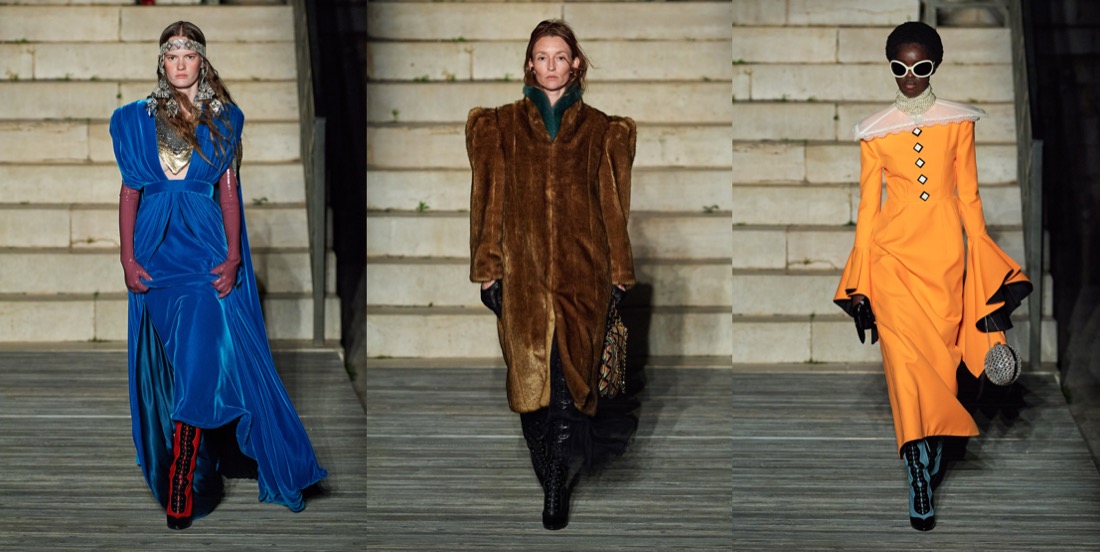
La Grotta Azzura. Emilio Pucci AW22

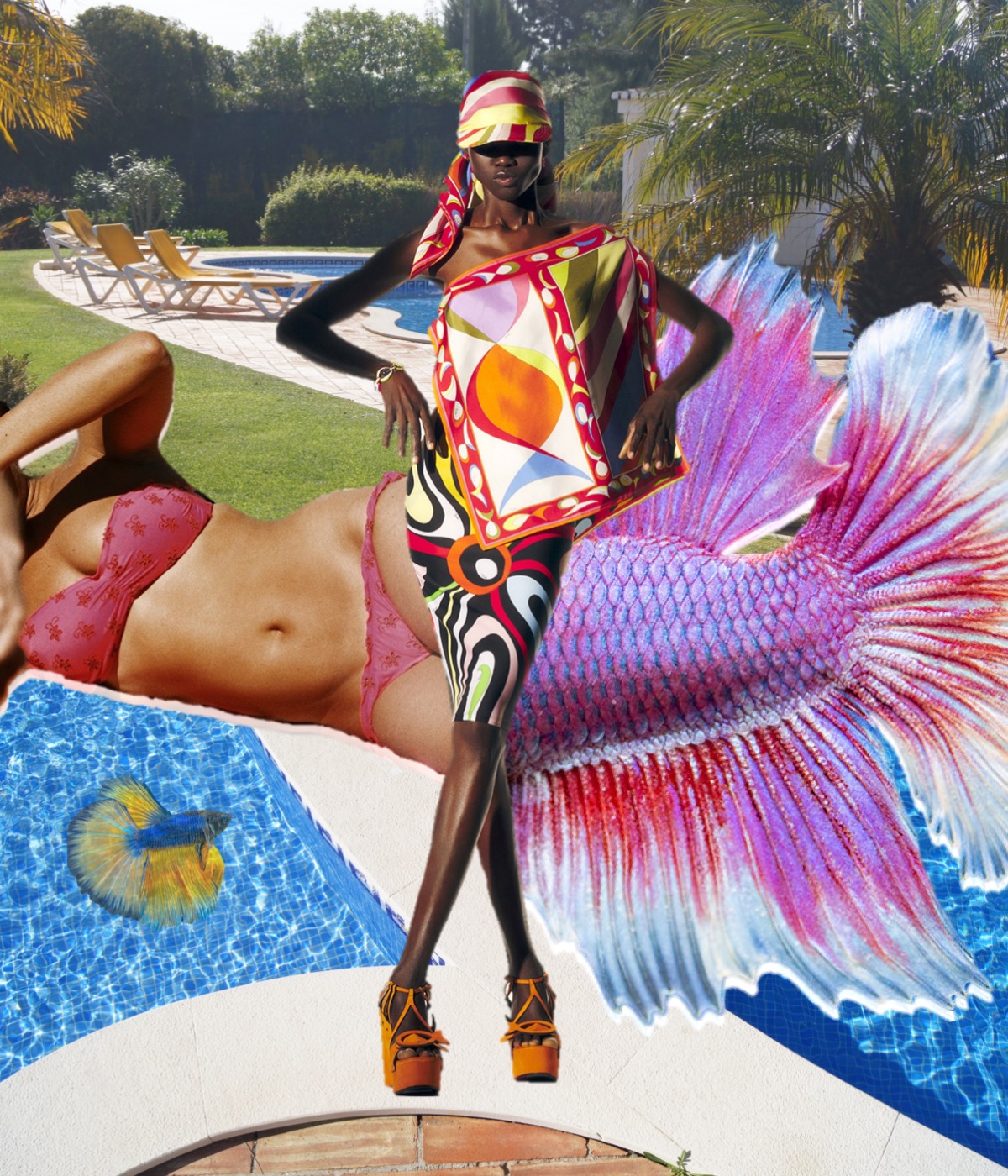
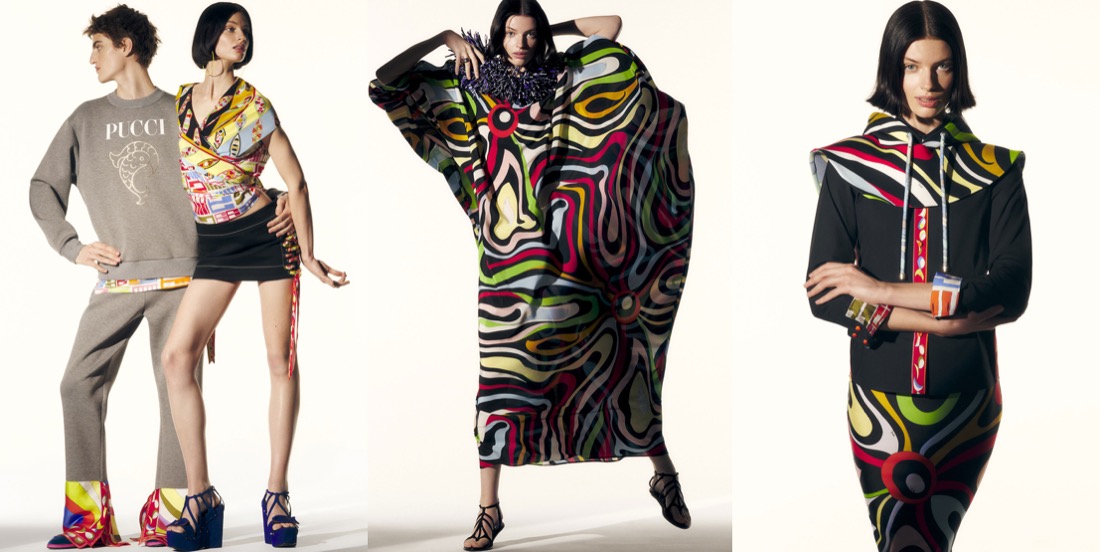
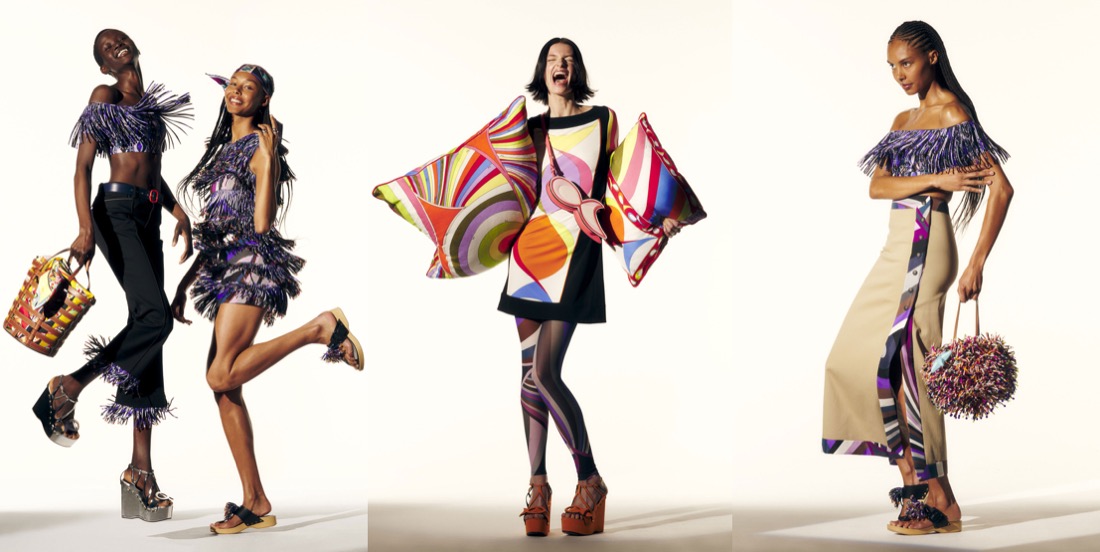
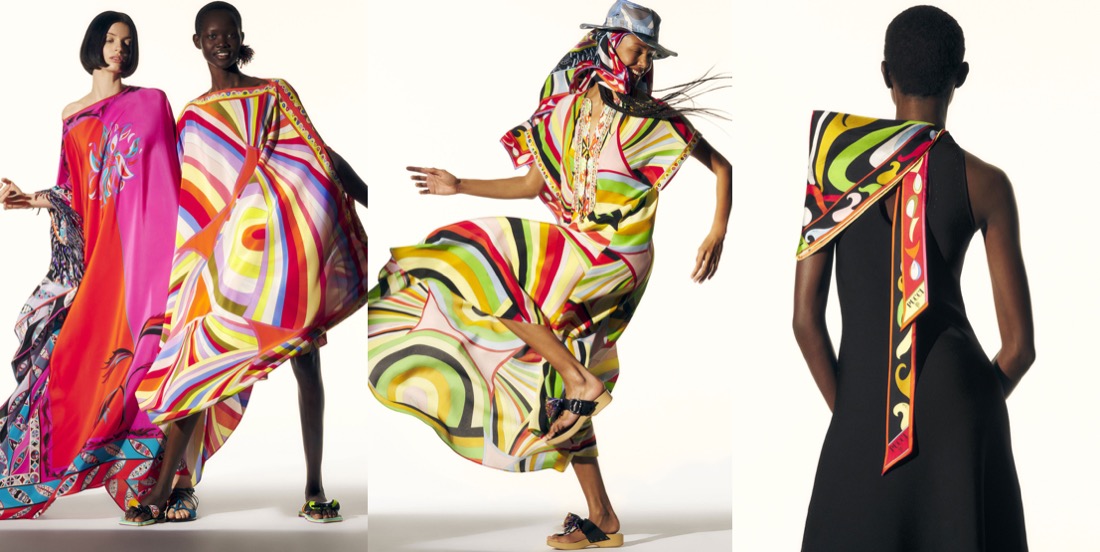
Emilio Pucci is one of these Italian luxury brands that have a rich, idiosyncratic legacy and a full package of well-known style codes, but somehow a number of contemporary designers that took it under their wings in the last couple of years never could put their finger on it. Maybe expect for Peter Dundas, whose ultra-sexy, jet-set nomad vision put Pucci on a very specific shelf of glossy Real-Housewives-kind-of clients. And then, suddenly, Camille Miceli arrived to this kaleidoscope-printed world in 2021. Her debut collection, entitled La Grotta Azzurra, is an optimistic start of the new Pucci chapter.

The designer touched down in Capri – Marchese Emilio Pucci’s beloved holiday destination – this week with her launch collection, making a splash in the late-April waters with an intense “experience” enjoyed by 160 guests flown in from Paris, Milan, and London. The US contingent was represented by the rapper Gunna, whose performance capped off three Pucci-fied days of activations and dolce vita – decadent dinners and hours-long lunches at Bagni di Tiberio; morning yoga classes for stylish Pucci yoginis; and “how-to-style-a-scarf” lessons in the label’s store on Via Camerelle. The see-now, buy-now collection was presented live in various tableaux vivants throughout the island, with Pucci-clad models looking very Slim Aarons in the surroundings. “Pucci isn’t a conceptual brand, it’s a lifestyle brand, so its message has to be direct,” she said. For Miceli it means energizing it further, amping up the joie de vivre factor already embedded in its codes. Energy is an attractive trans-generational attitude, and permeating the label with a positive, slightly trippy vibe will help engage for a wider, younger audience. Miceli also highlighted what she called Pucci’s “humanity and peculiar sensibility,” which she enhanced, for example, by creating hand-drawn iterations of the famous prints. “I think that digitized patterns strip Pucci’s motifs of the imperfections that are part of their unique charm,” she explained. In the new collection, which is full of simple (and at points simply plain, like all the active-wear), casual separates, the patterns’ pyrotechnics are offset by the use of few solid colors. Being a skilled accessories designer, Miceli has cleverly expanded the offer, working around the shape of two interlocked little fishes, playfully replicating the P in Pucci. The designer had it tranlated into enameled bracelets and metallic necklaces; into the outlined rubber soles of funny flip flops; into buckles decorating wooden clogs and high-shine platforms; and into a cute bag shaped like a fish. The Pucci reboot will proceed along a non-seasonal cadence. “The idea of season is démodée,” Miceli said, so jumping on the fashion show merry-go-round isn’t on the agenda yet. “It’s easy to have models walking a catwalk, but this see-now, buy-now formula with monthly new drops keeps you on your toes, creatively speaking, as you have to constantly find new ideas to engage the customers.” Rarely this strategy worked for other brands, but for Pucci – which largely is a “resort” label – that might the right path.

Collage by Edward Kanarecki.

NET-A-PORTER Limited

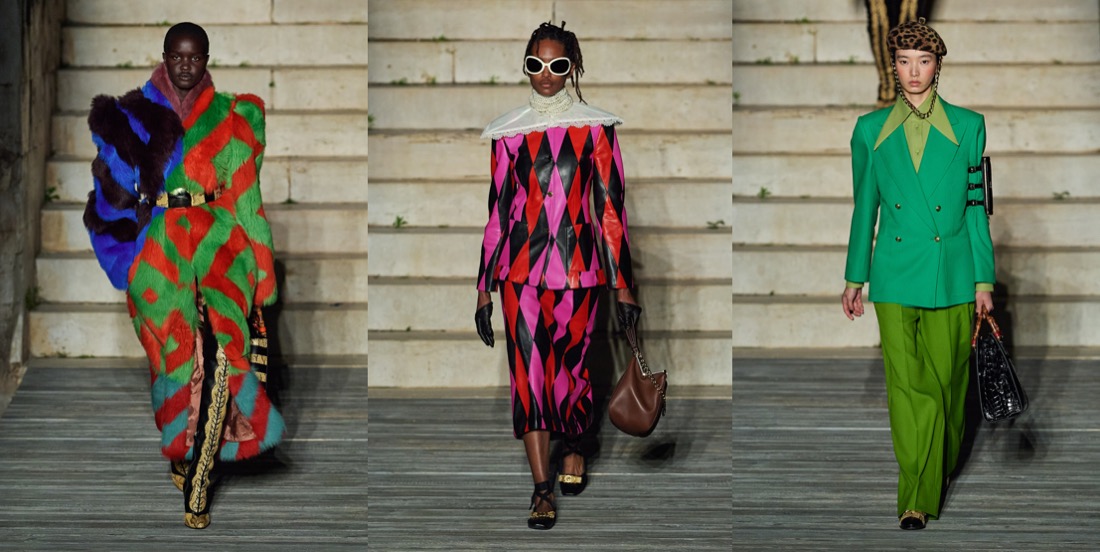
Torino Addresses

Here’s my Torino guide I’ve promised a couple of days ago! Hope it will inspire your visit to this delightful, Italian city. Enjoy!

Porta Di Savona

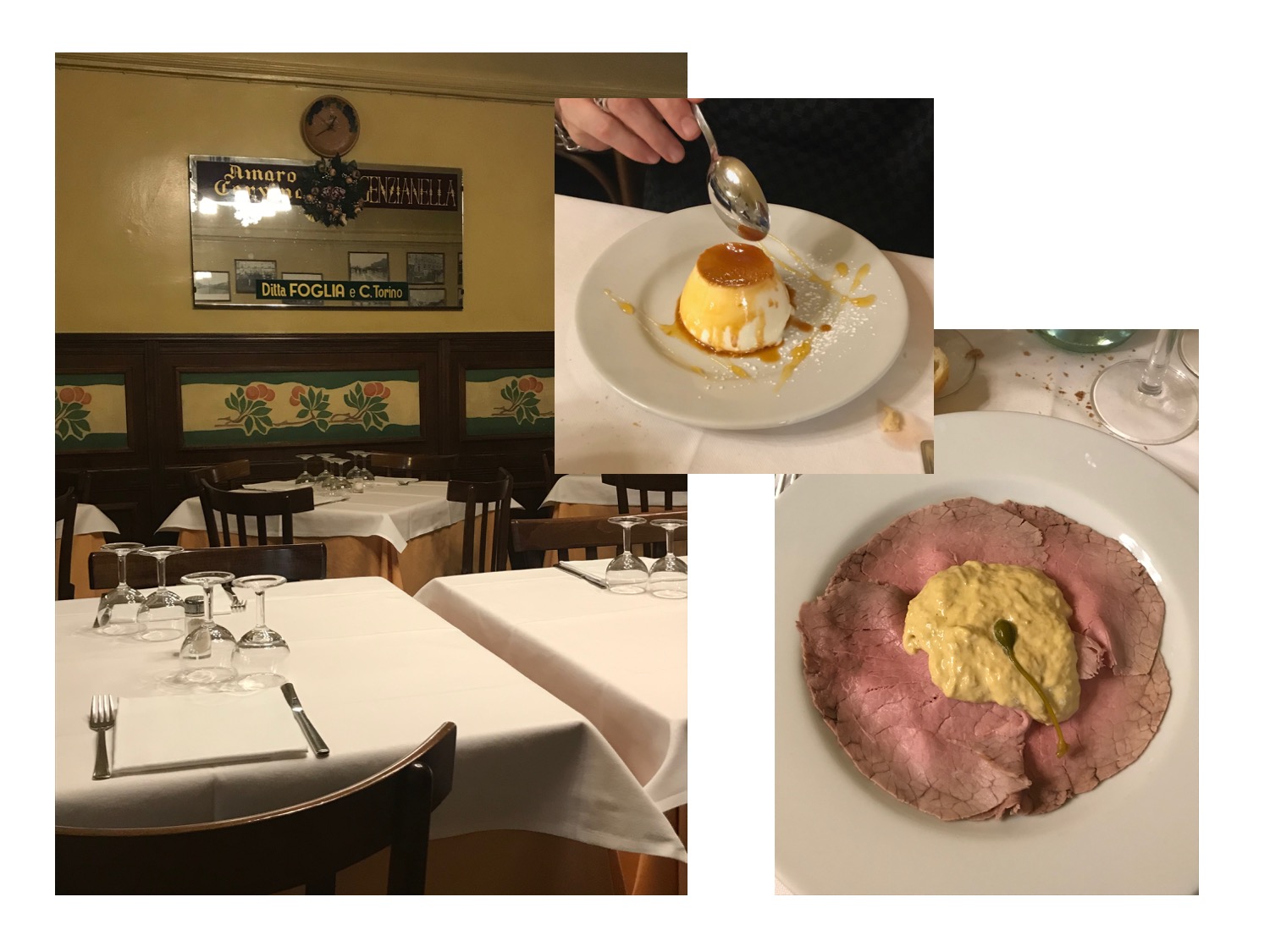
The room is charming if sparsely decorated, with marble floors, paneled walls, white tablecloths, and a little bar with a nice selection of aperitivi. All the dishes you want in the Piedmont are on the menu (the ultimate heaven: agnolotti, vitello tonnato, braised beef, and the best panna cotta ever!), and all taste the way you want them to.

Piazza Vittorio Veneto 2

Palazzo Madama

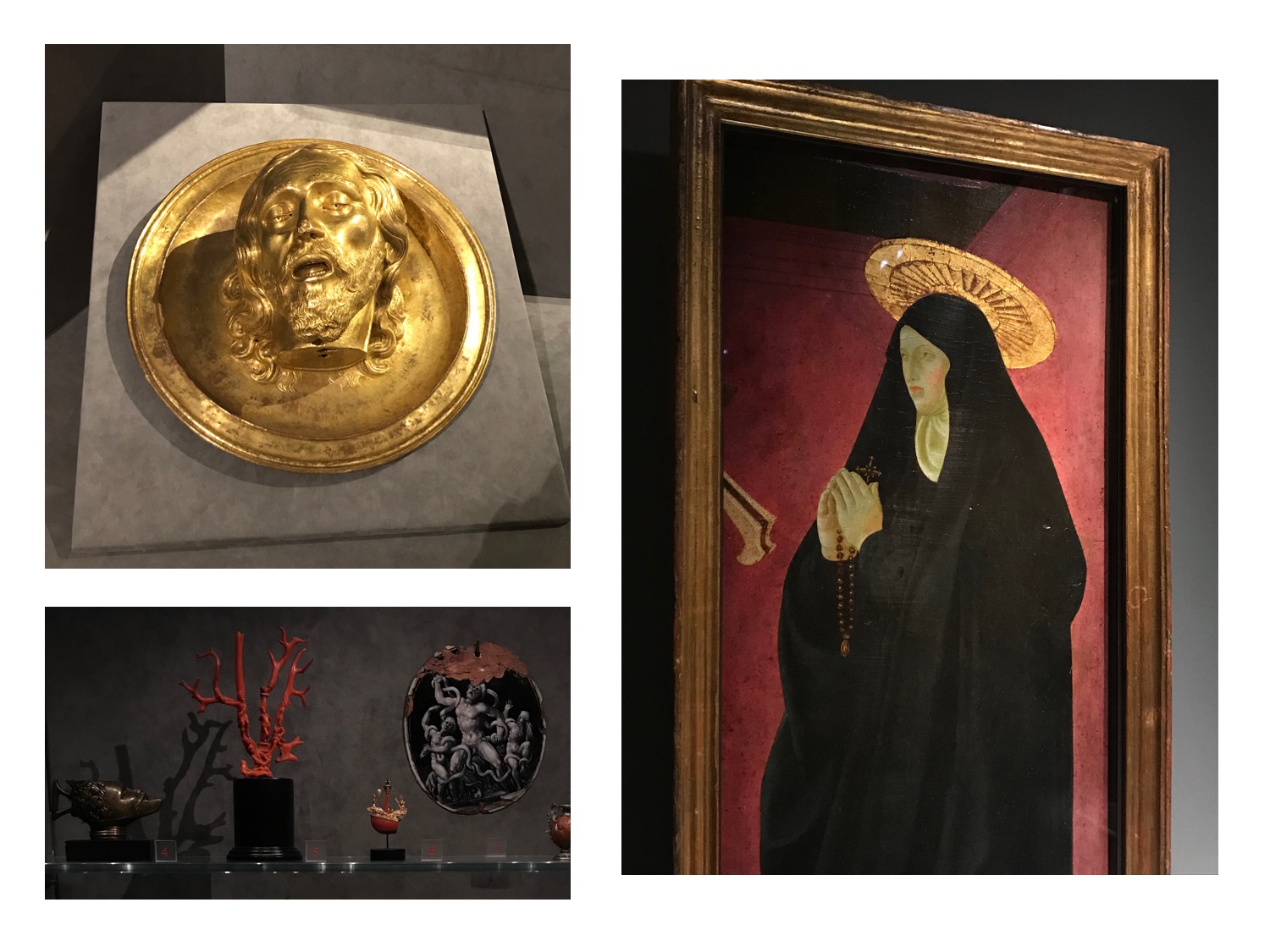
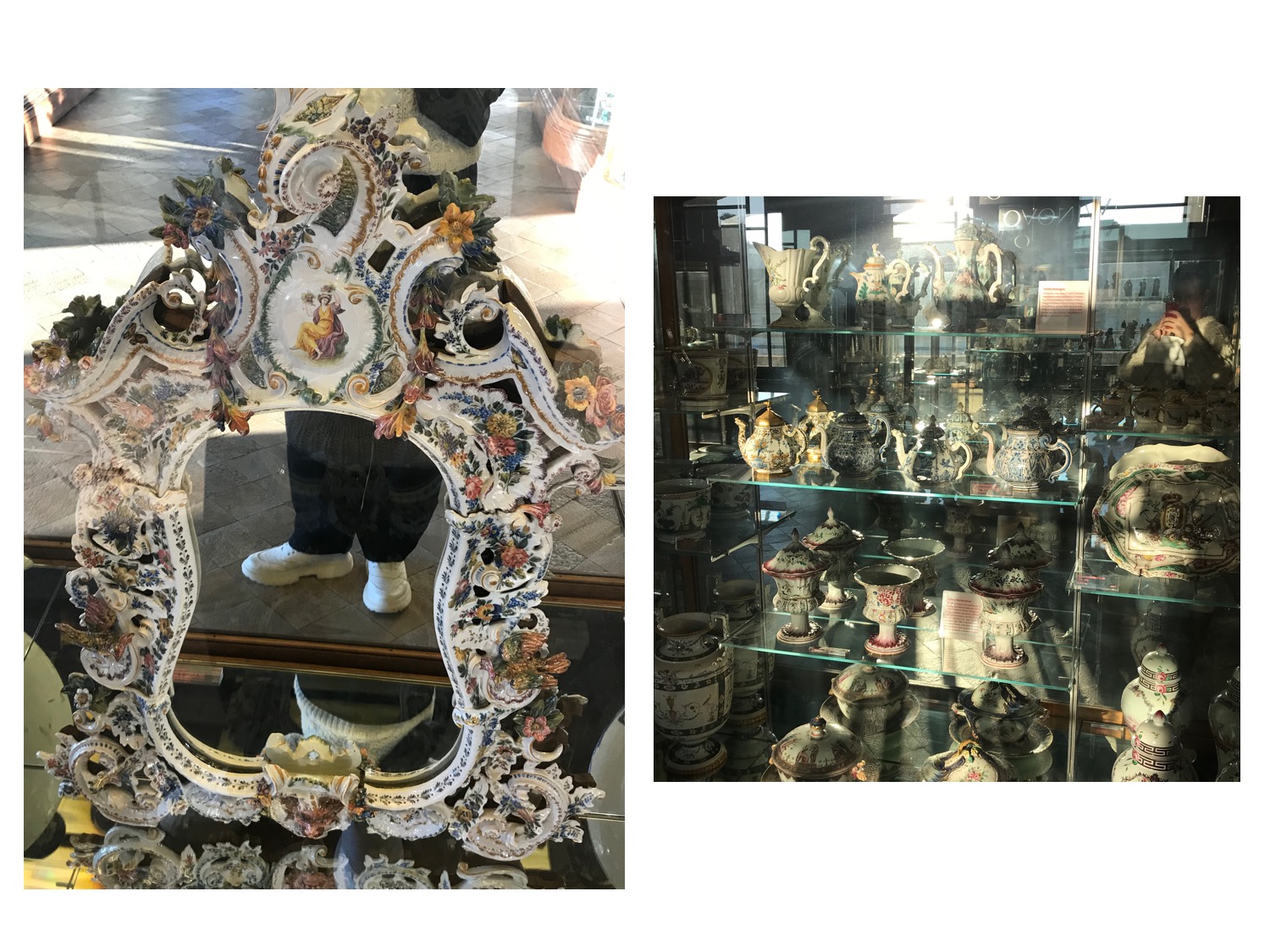
Having played a leading role in its history from Roman times through to the present day, Palazzo Madama was declared a World Heritage Site with the other Residences of the House of Savoy in 1997. The visit covers four floors, where the centuries-old story of its construction interacts with the collections of the Museo Civico d’Arte Antica, which have been here since 1934. The early centuries of the Middle Ages are illustrated in the Mediaeval Stonework Collection on the moat level, with its sculptures, mosaics, and jewellery dating from the Later Antique period to the Romanesque. The fifteenth-century rooms on the ground floor contain paintings, sculptures, miniatures and precious objects from the thirteenth to the sixteenth century, mainly from Piedmont. In the circular room in the Treasure Tower there is a selection of masterpieces, including the famous Portrait of a Man by Antonello da Messina. On the piano nobile, with its stunning array of Baroque stuccoes and frescoes, there is the modern picture gallery with works from the Savoy Collections and an important selection of furniture made by Piedmontese, Italian, and French master cabinetmakers. Lastly, the top floor houses the decorative arts collections, which are a key part of the museum’s assets, with majolica and porcelain, glasswork and ivories, fabrics and lace, jewellery and metals, as well as the stunning collection of gilded, painted and sgraffito glass, unrivalled in terms of its quantity and quality.

Piazza Castello

Parrot & Palm

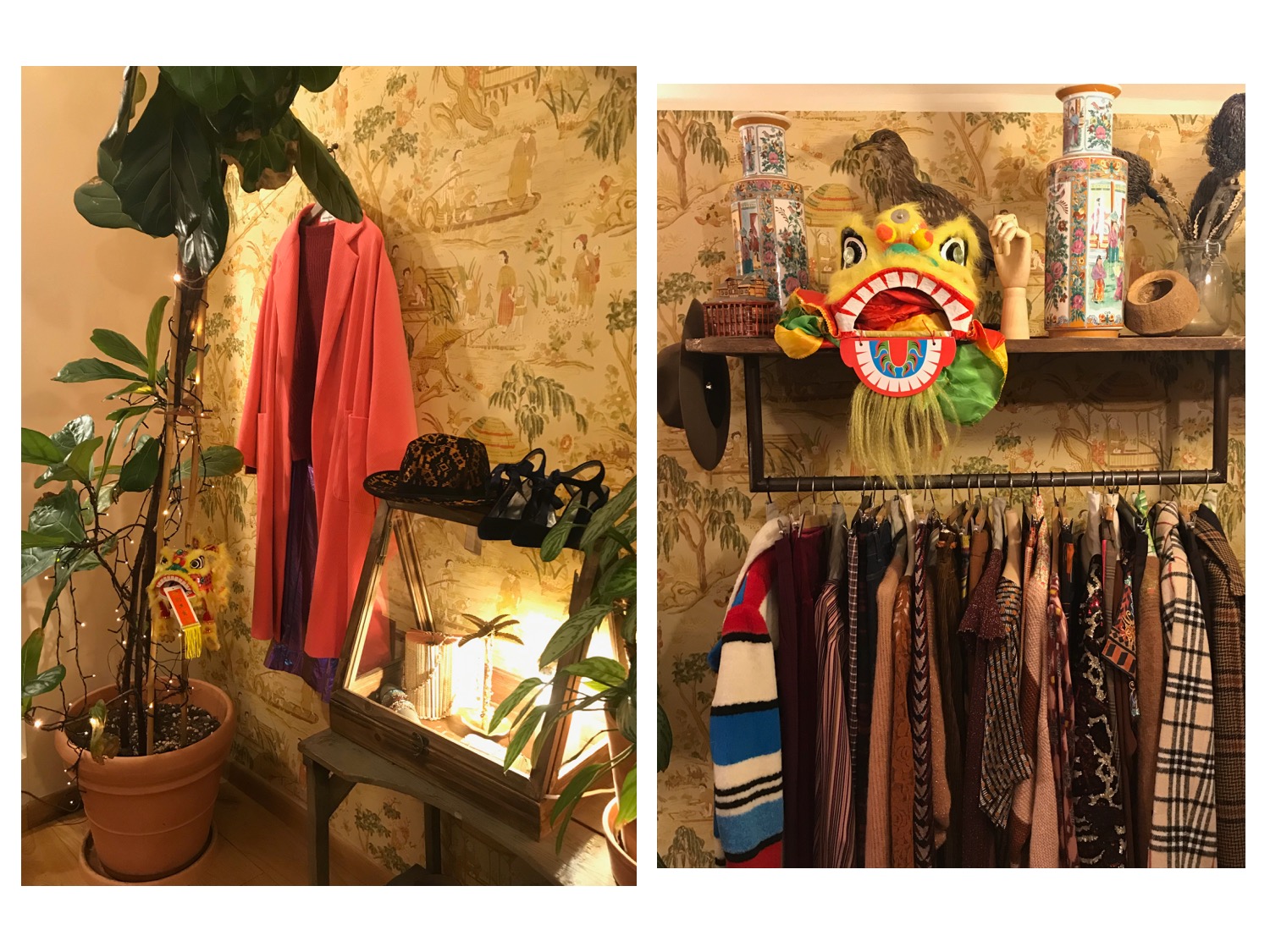
Probably the most chic boutique in Turin. From selection of niche Italian perfumes to affordable and stylish ready-to-wear labels, this place will charm you with its selection and beautiful, vintage-infused interior. Italians have their style, but in Turin, there’s a sense of non-chalant, born-with elegance.

Via Maria Vittoria 28/G

Da Michele

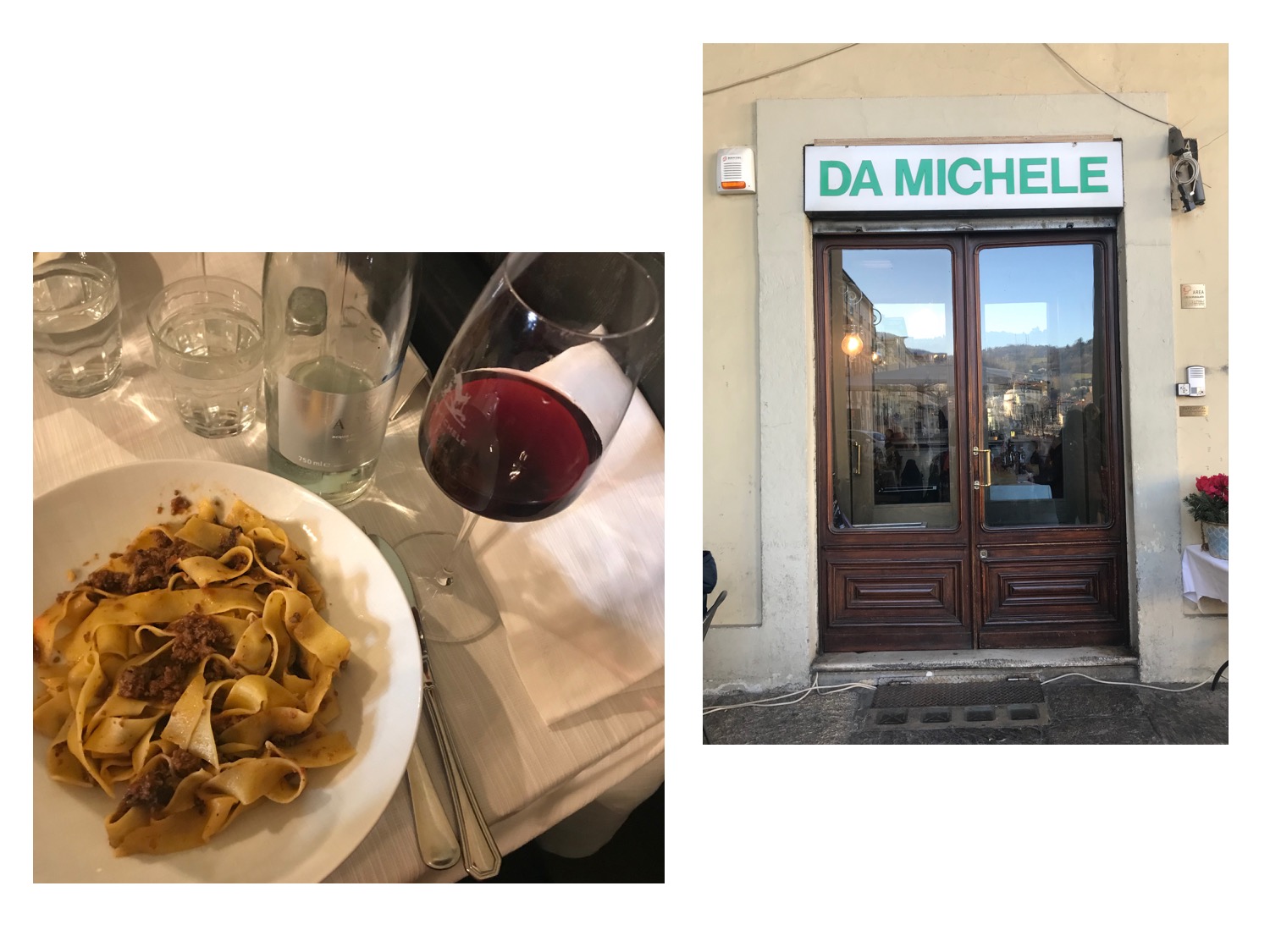
A treasure trove of taste since 1922, enclosed within the magnificent Piazza Vittorio Veneto and passed down from generation to generation. Daily offers at Da Michele are their unmistakable Pan Pizza and Farinata baked in their wood-fired oven as well as their authentic and tasty home-style cooking which showcases both Piedmont and Tuscan cooking traditions. Drooling.

Piazza Vittorio Veneto 4

Torino Mercato

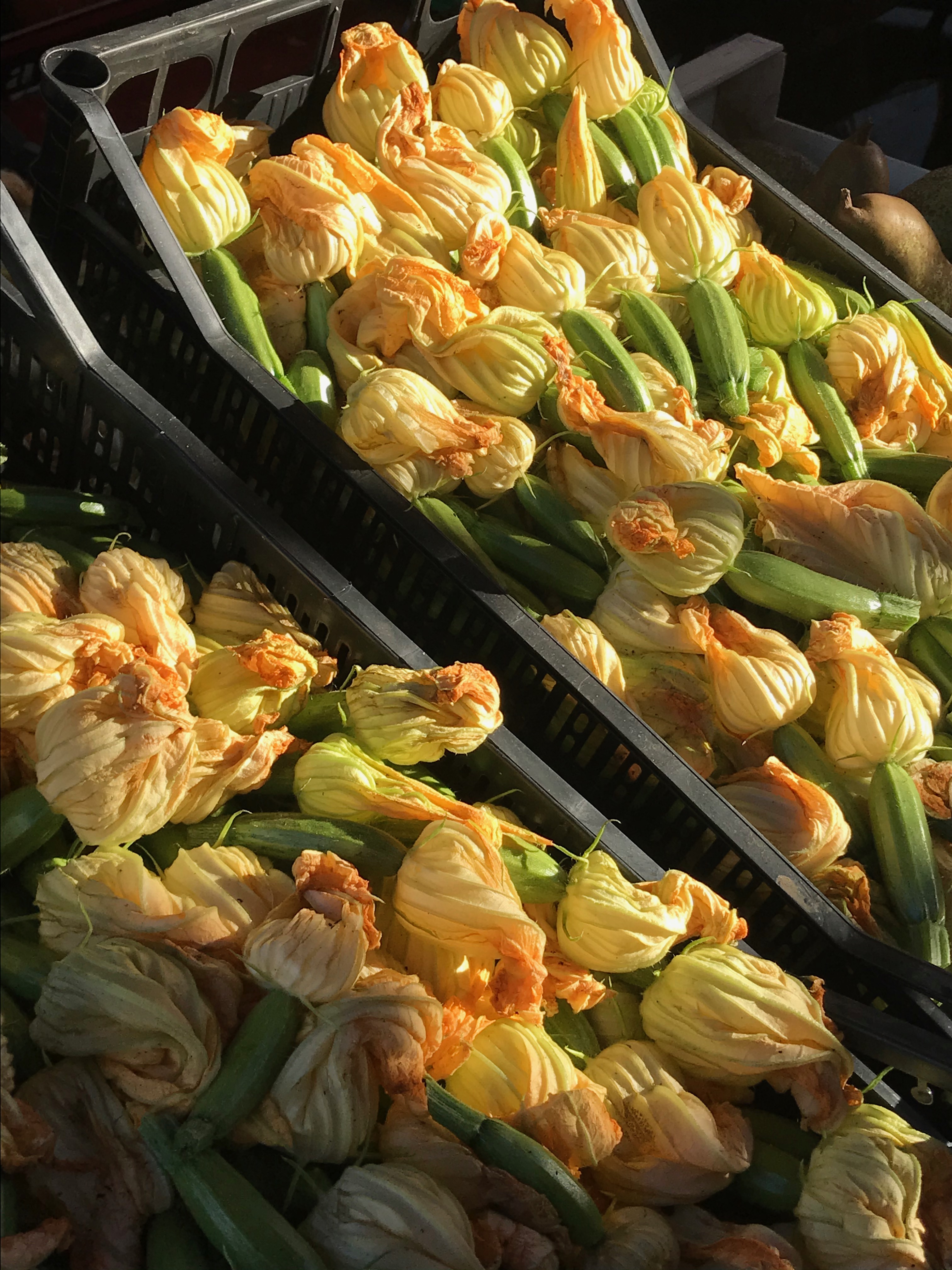
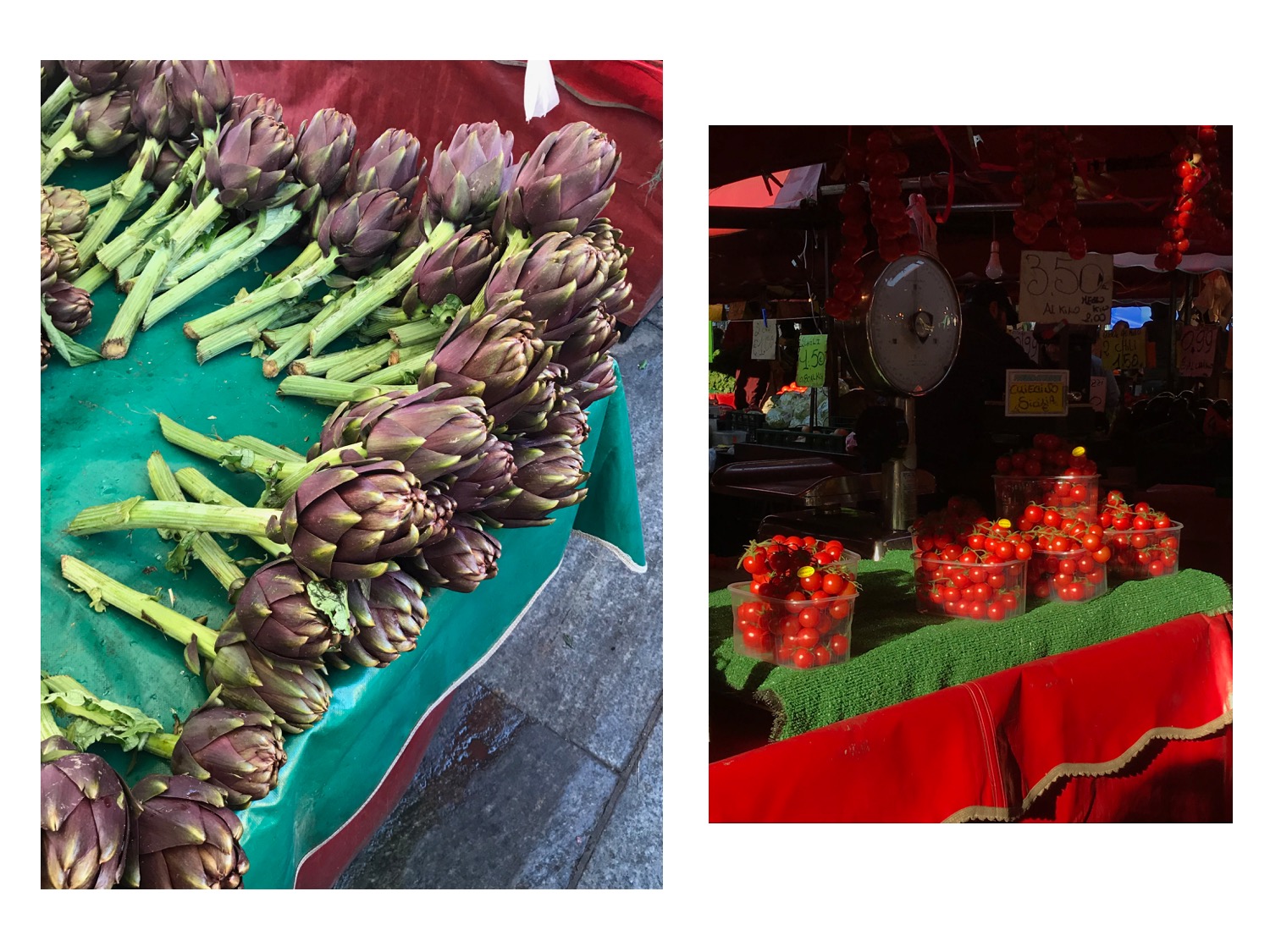
I always think that in order to disover an Italian city, you’ve got to visit its market first. Looking at all the beautiful artichokes, baby tomatoes and courgette flowers available at Turin’s central market, you can tell this city is worth staying in for a while.

Piazza della Repubblica

Serienumerica

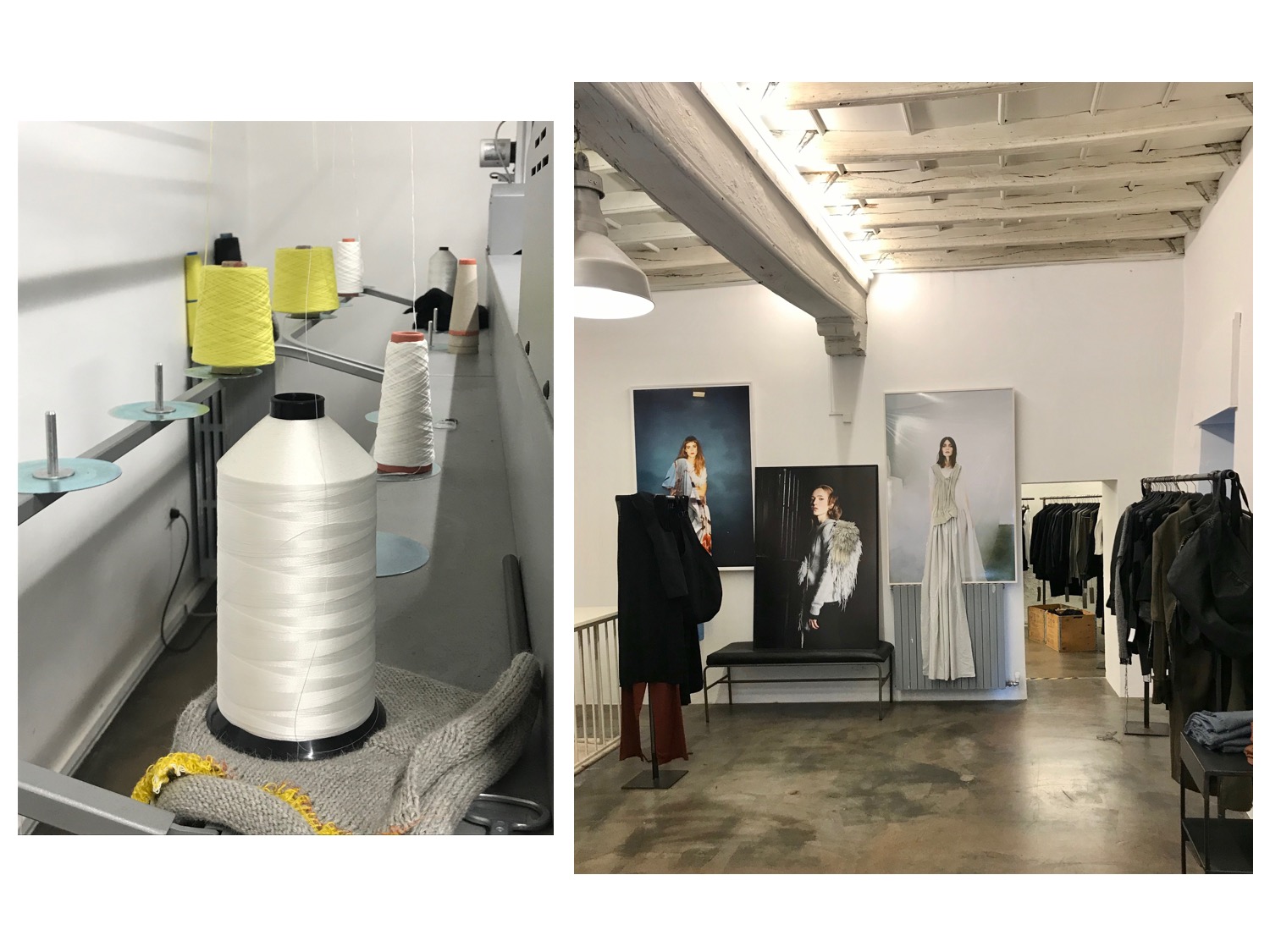
Born in Turin, Serienumerica is a brand that considers the constant research and experimentation its main features. The two designers, Maria De Ambrogio and Stella Tosco, focus mainly on knitwear and leather accessories, working closely with Italian artisans and breaking away form usual schemes, reinterpreting the culture of the product. Serienumerica proposes luxury clothes with clean lines, beautiful leather bags and leather backpacks. Their store is also their studio, where all the knits are produced. You are more than welcome to take a look at it!

Via Bonelli 3

Royal Palace of Turin

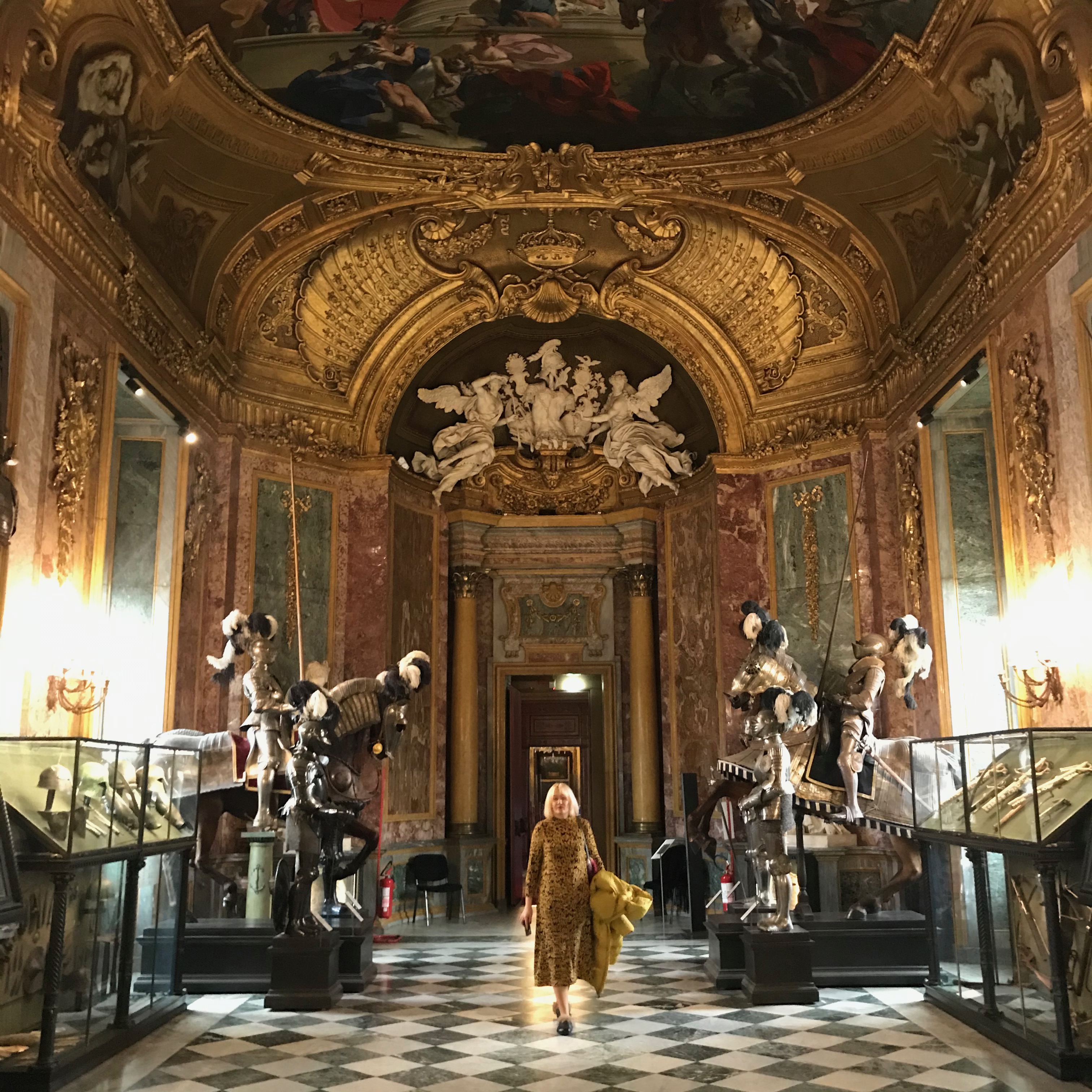
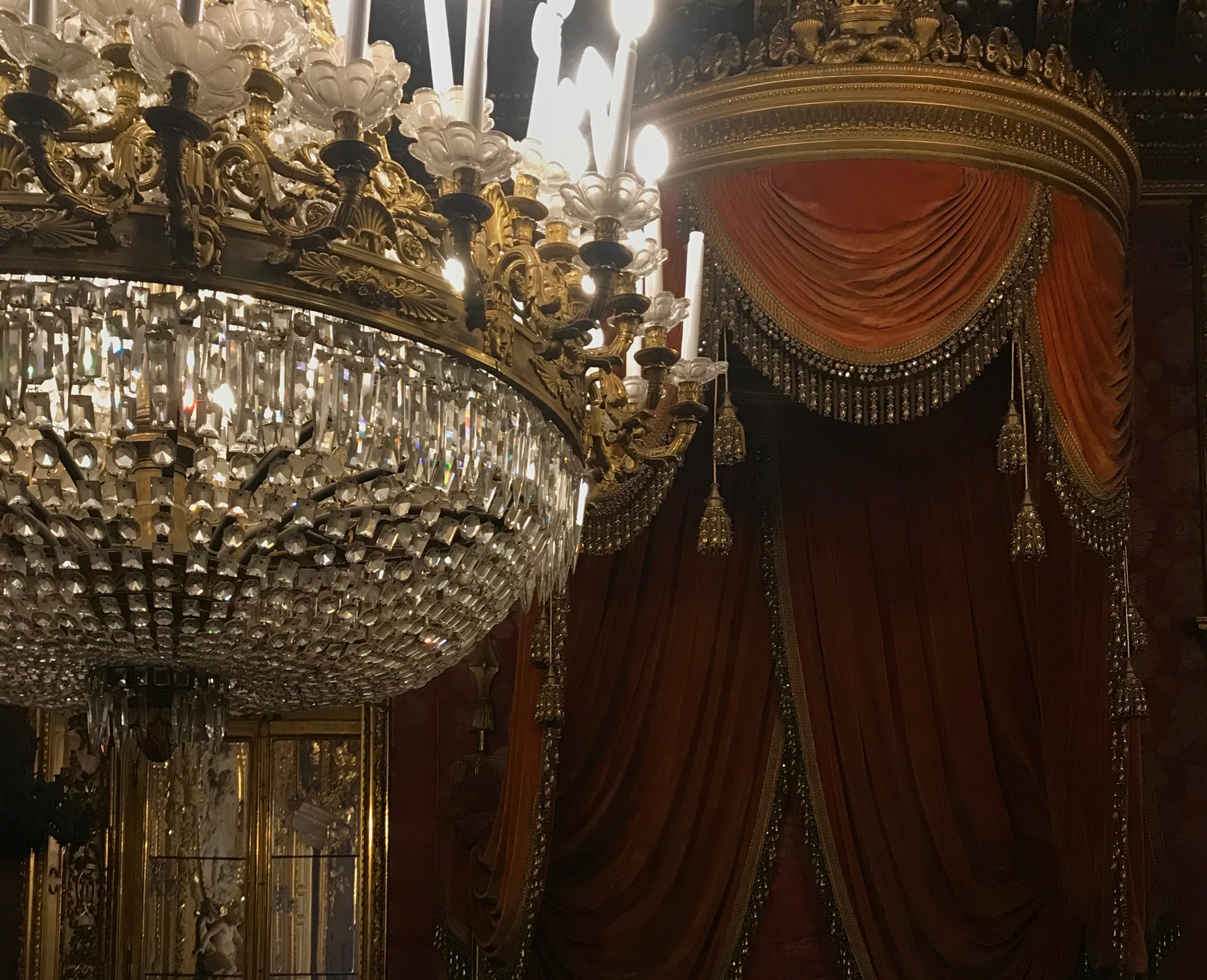
Palazzo Reale di Torino is a sixteenth-century palace constructed for the House of Savoy, which ruled Turin until the late nineteenth century. Originally built in the 16th century, it was modernized by Christine Marie of France in the 17th century with designs by Baroque architect Filippo Juvarra. The palace was converted to a museum in 1946 and, in 1997, it joined the list of UNESCO World Heritage sites. The lavishly-decorated rooms feature 17th-century carved furniture, tapestries, paintings, and frescoes. Visitors can tour the first-floor royal apartments, ballroom, throne hall, gallery, and Royal Library, which displays a self-portrait of Leonardo da Vinci from 1512. The adjacent Royal Armory features one of the world’s largest collections of weapons – and it’s a visual treat.

Piazzetta Reale 1

/

All photos by Edward Kanarecki.

Torino

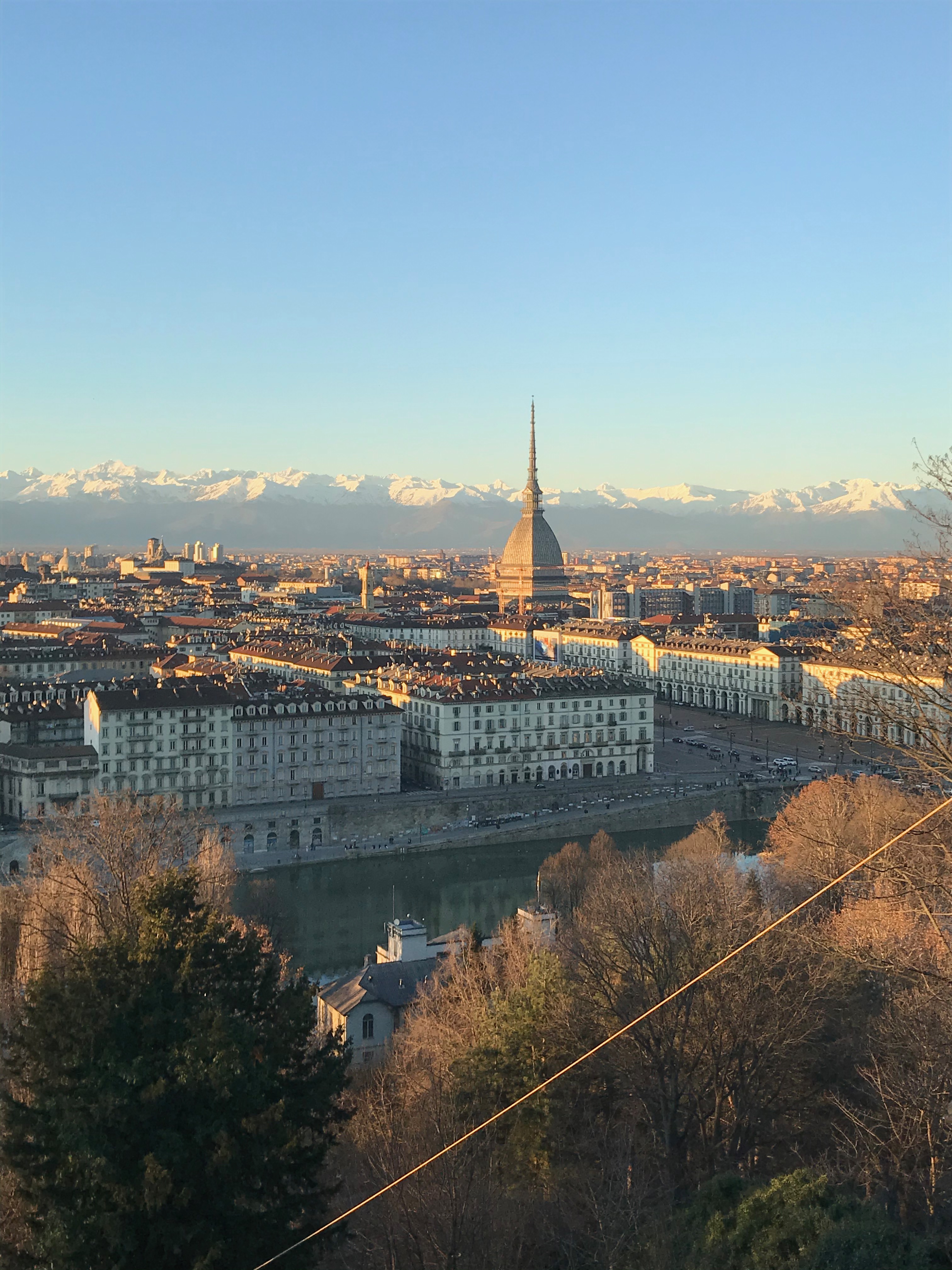
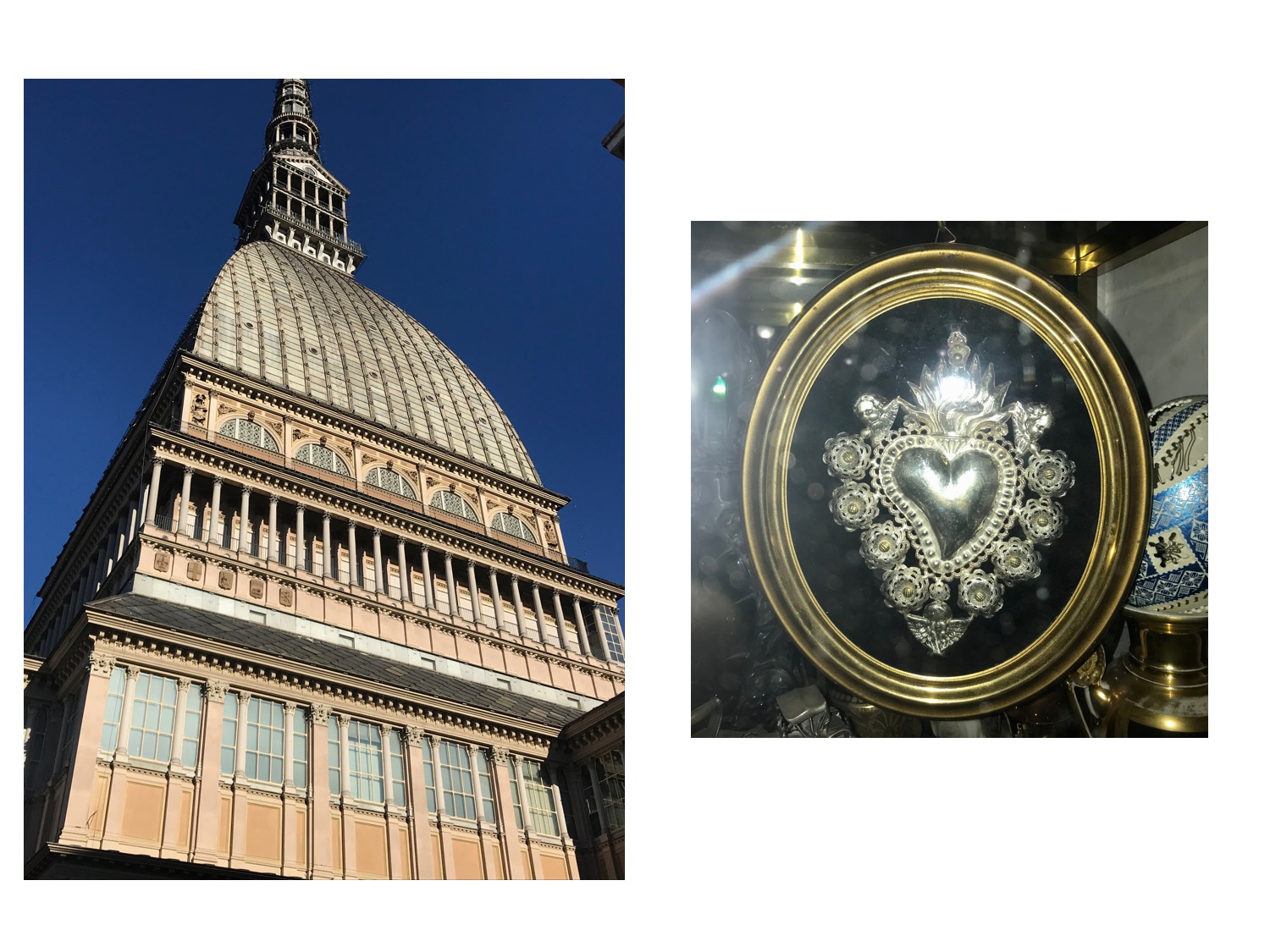
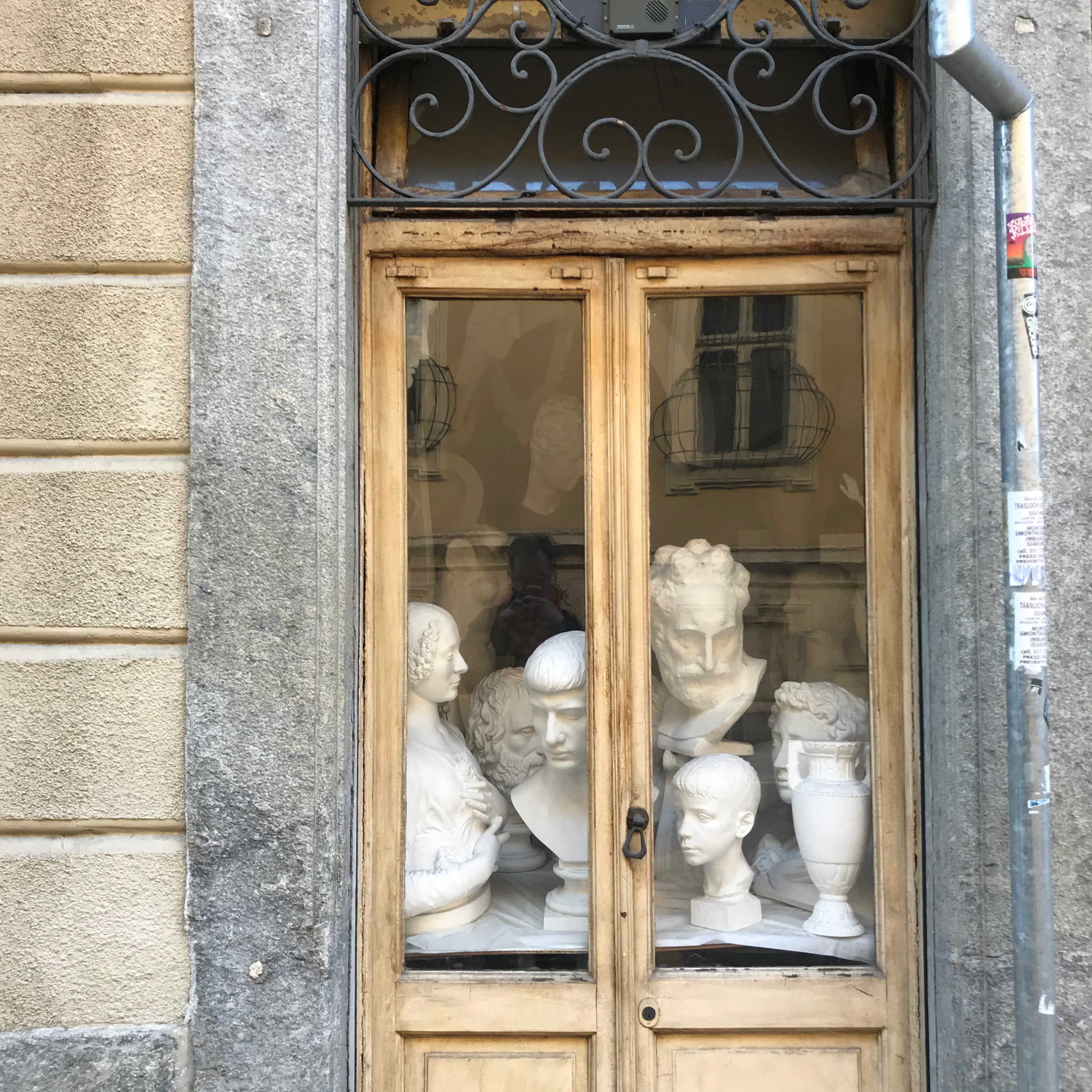
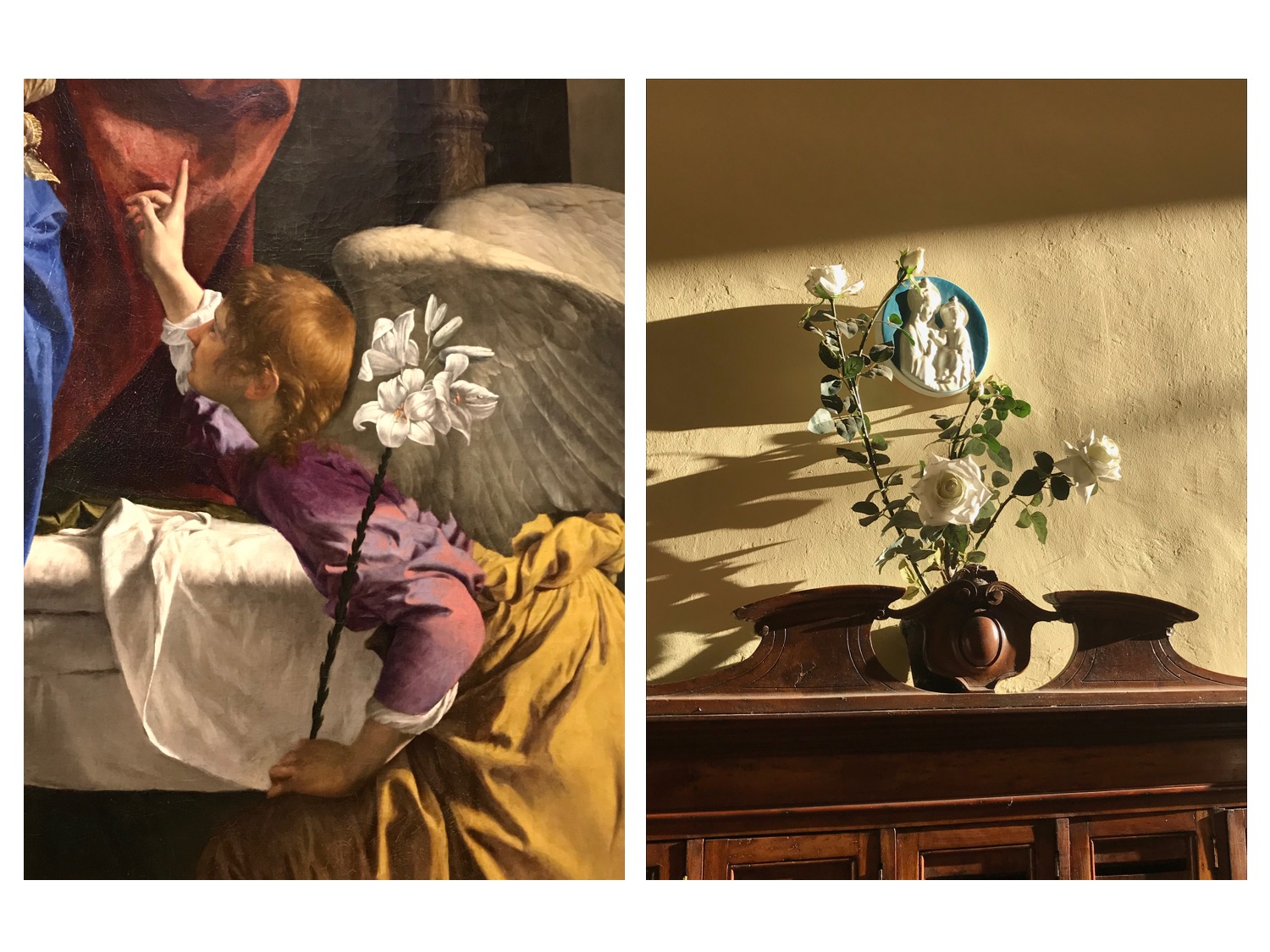
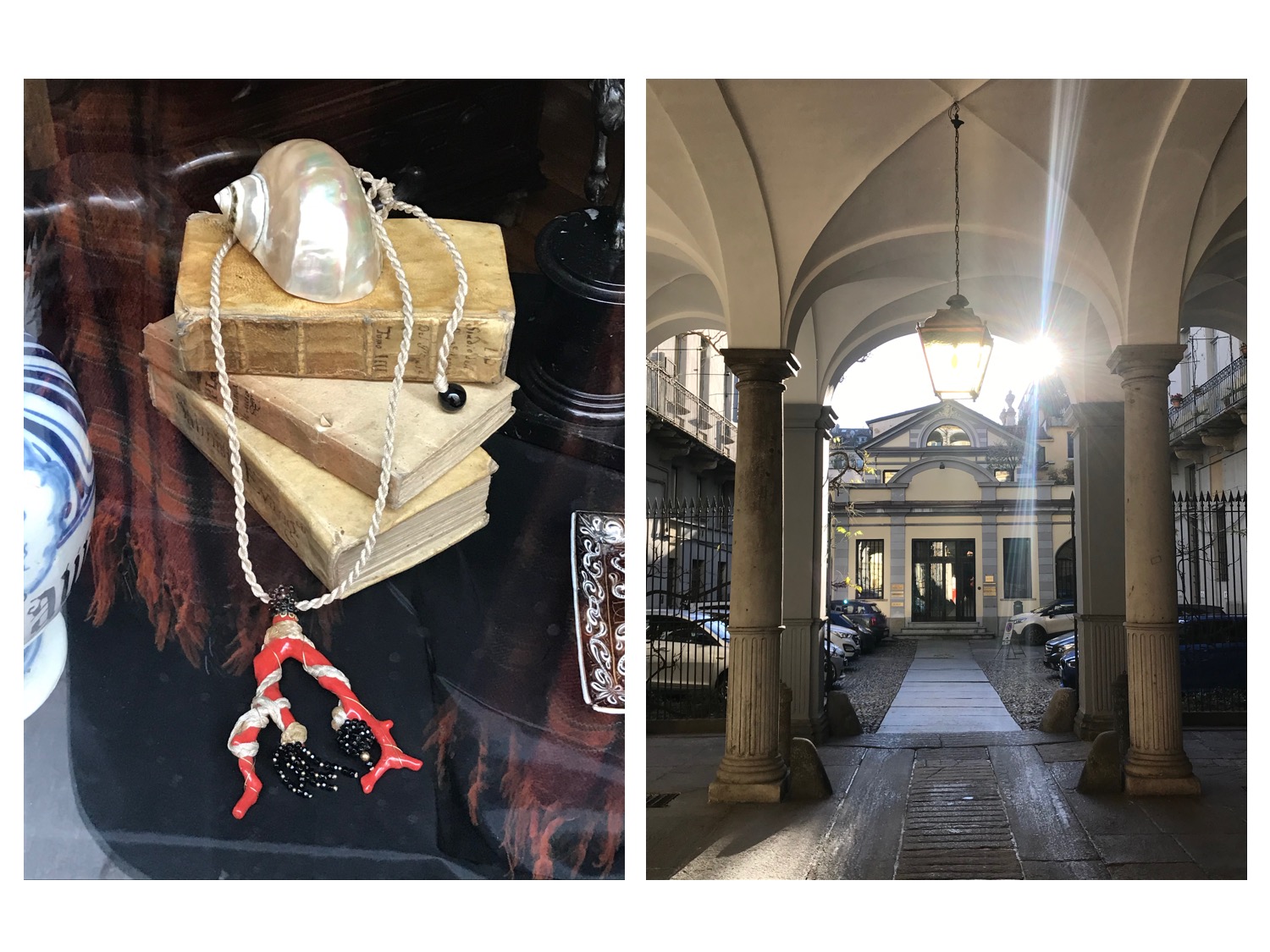
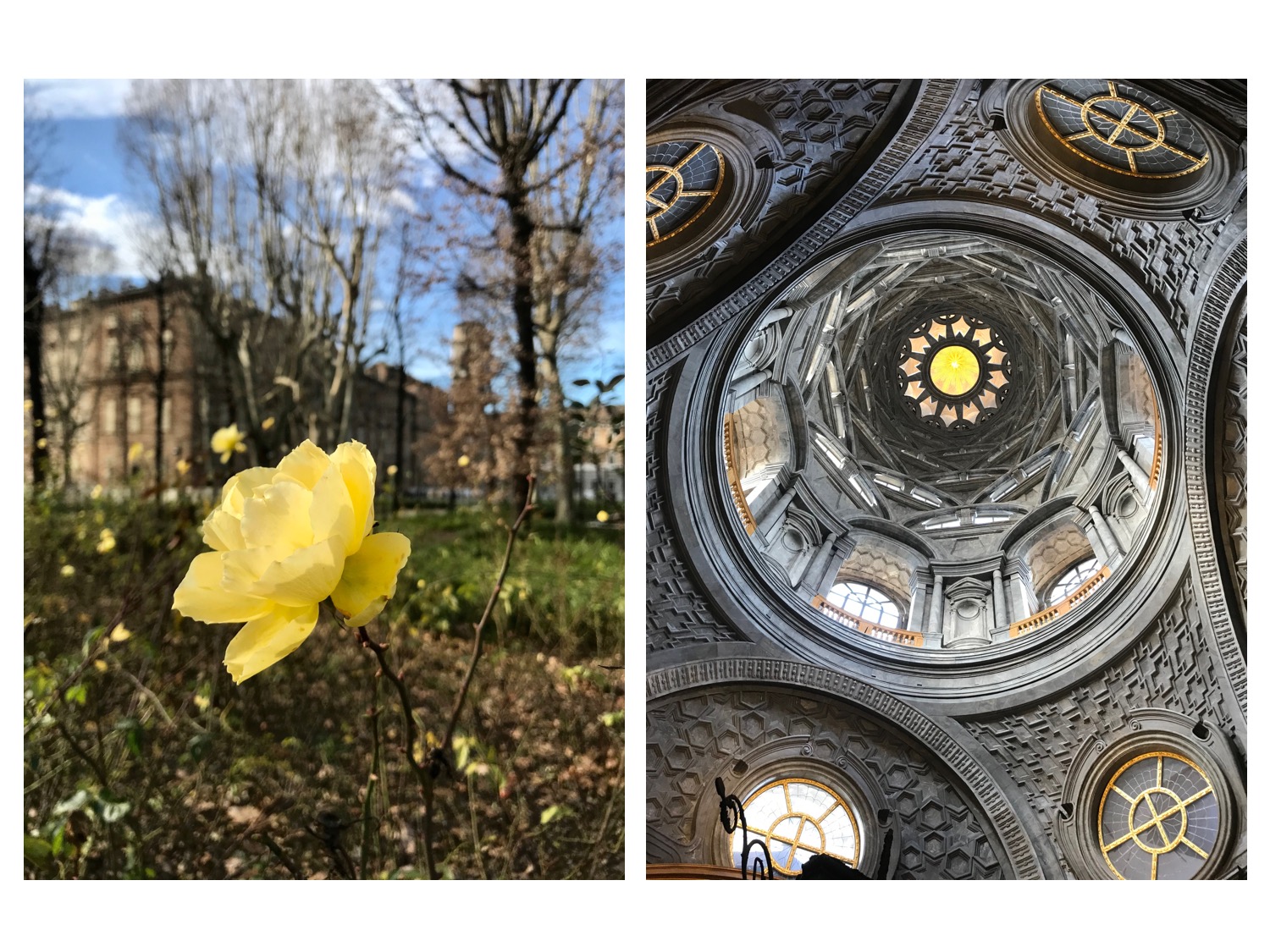
Just an hour-and-half away from Milan, in the heart of charming Piedmont. you’ve got one of the prettiest – and underrated – cities in Italy: Torino (also known as Turin). The first sight: beautiful Baroque buildings lined up, each embellished by quaint signage from bygone decades. Coffee shops with Art Nouveau interiors, red-velvet seats and older ladies with impeccable hair. Townhouse patios with tiny chapels, antique shops with true treasures, palazzos where you can spend hours on looking at all the intricate details… and blooming roses in the parks (yes, in winter). Not speaking of the fantastic lack of tourists, which is really calming if you’re back from Rome or Florence. I will post my favourite places to see and visit in Torino very soon, for now here are some “moments” I’ve captured during our stay in January…
Photos by Edward Kanarecki.