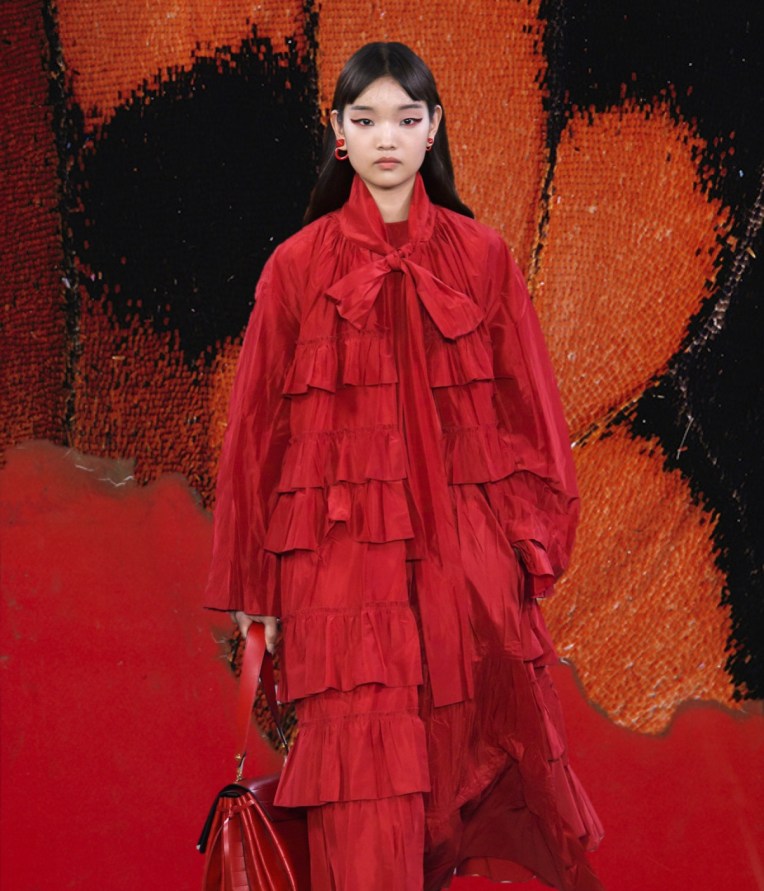
Dissonance. Comme Des Garçons SS21

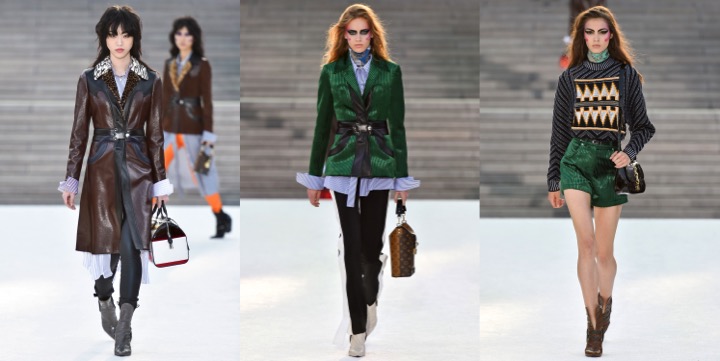
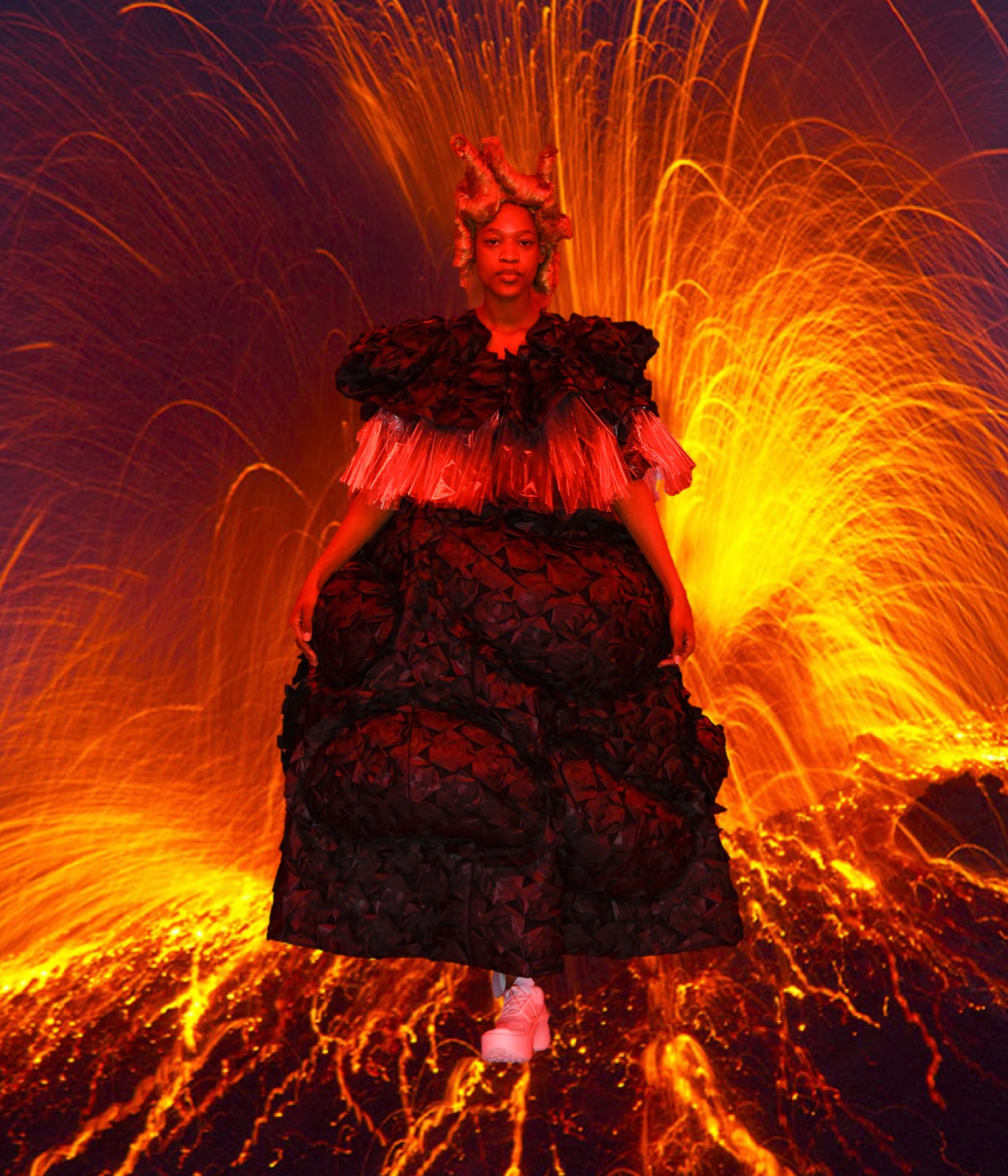
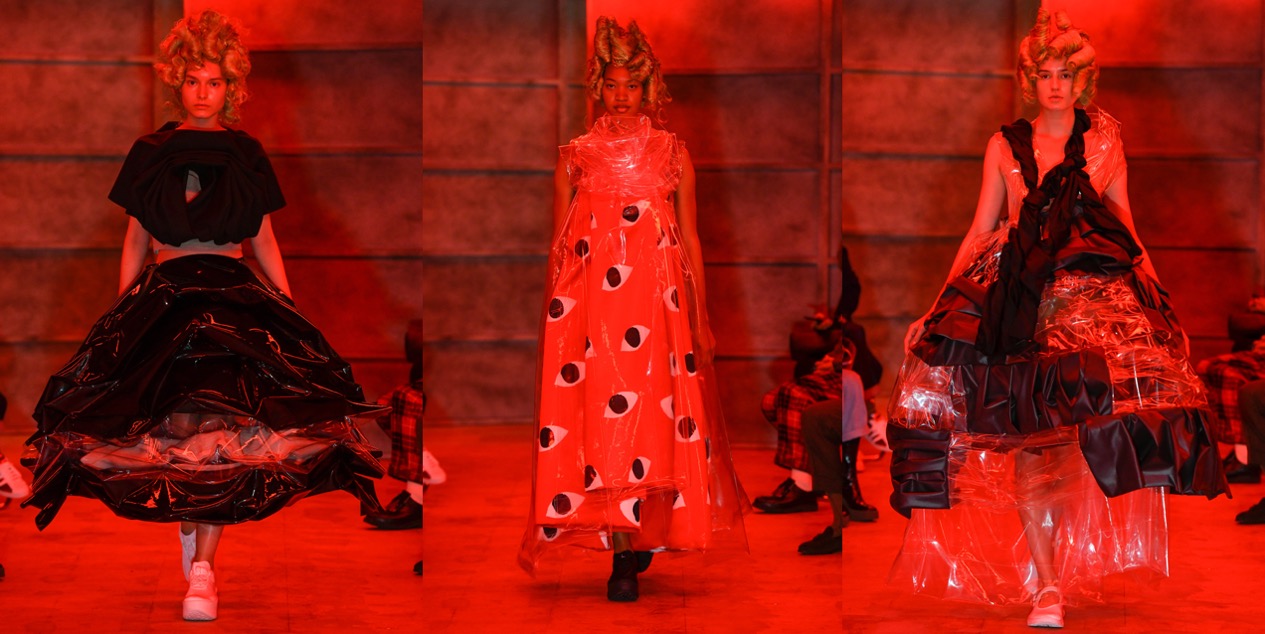
Paris Fashion Week felt incomplete without the Japanese avant-garde. From Tokyo, where all the Comme des Garçons family of designers have been showing, an email suggested that Rei Kawakubo has been striving to arrive at a creative resolution for designing in the midst of the existential plight that we’re all suffering. Dissonance was her theme: “The human brain always looks for harmony and logic. When logic is denied, when there is dissonance a powerful moment is created which leads you to feel an inner turmoil and tension that can lead to finding positive change and progress.” Any note of hope is gratefully received in these times of chaos. Discerned through the red light of her set – surely a signifier of the hellish state of the world, which at the same time made it hard to look at the garments in detail – her prescription for survival seemed threaded through with a playful, ironic sense of humor. Voluminous shapes, crinolines, bubbles, cloaks, and trapezoid coats came covered in plastic film. Then, what was Kawakubo up to, playing with Mickey Mouse and the Japanese Bearbrick teddy bear toy? Cutely reassuring representations of childhood innocence to cling to in our times of trouble, perhaps. The designer even messed around with the CdG heart logo, designed by Filip Pagowski back in the 1980s. The thing about Kawakubo is that her work brilliantly captures so many dissonant ideas at the same time. A phrase in her notes said she was interested in disrupting “the spirit of couture” with “illogical combinations and juxtapositions.” You sense she likes both the romance and glitter of couture and being punk with it, though – and this time, it almost felt like she’d had fun with it.
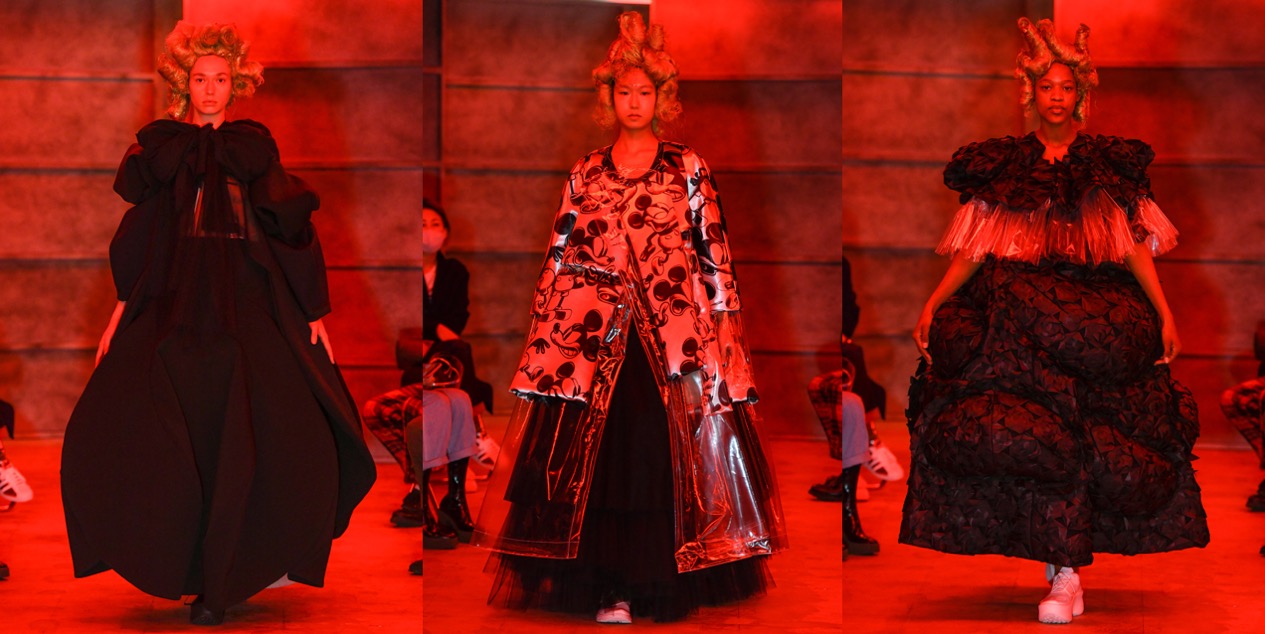
Collage by Edward Kanarecki.

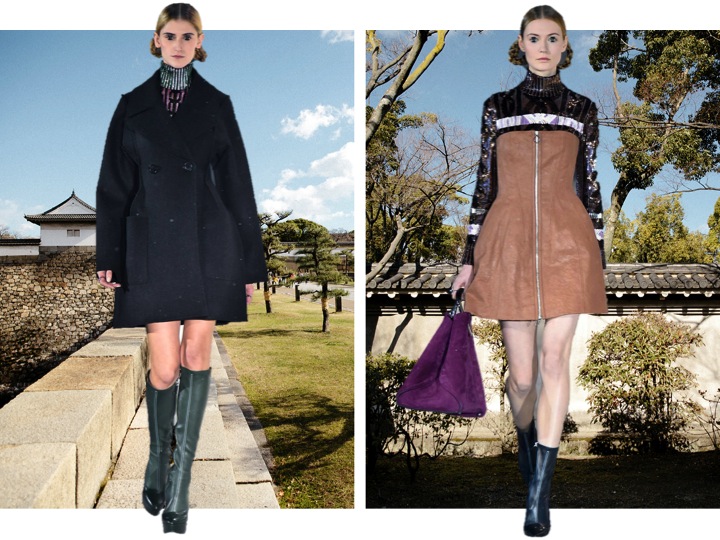
Big Red. Valentino Pre-Fall 2019

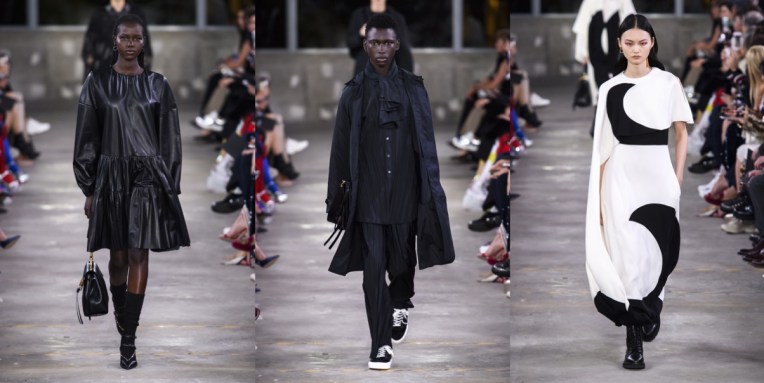
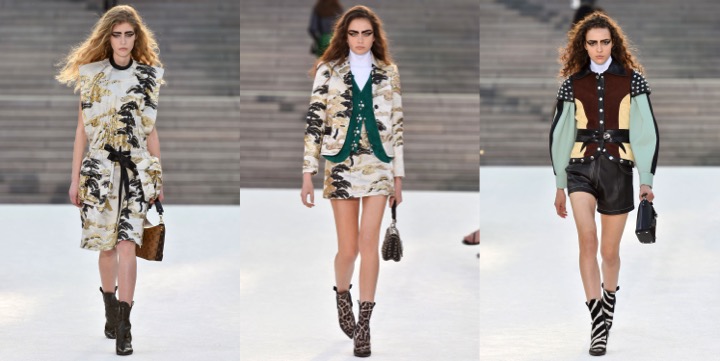
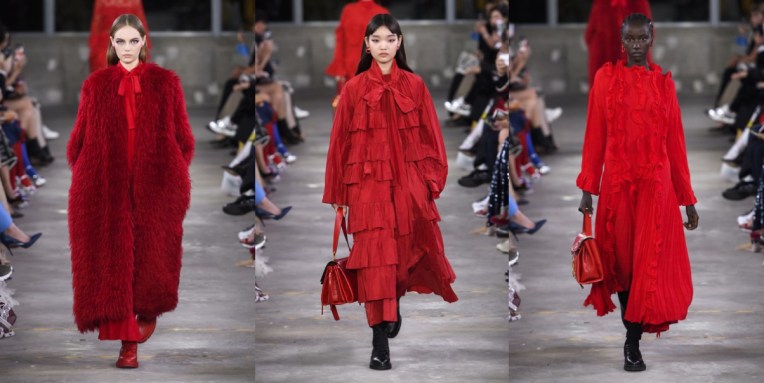
While some designers (well, I specifically think about the two that landed in every industry news headline last week) fail to understand and respect other cultures than theirs, Valentino’s Pierpaolo Piccioli doesn’t have that problem. His pre-fall 2018 collection for both, women and men, was presented in Tokyo a few days ago and it was far, far away from getting trapped in stereotypical thinking. The first dozen of looks was a punch of red: parkas, furs, florals, duvet jackets, sheer frocks, shirts, loosely fitted pants, everything in red. The next 30 or 40 looks were mostly black or white, with a few pastel exceptions. The closing looks – made for the red carpet – were all about red, again. But we’re speaking of Valentino red, which is a deep and absorbing shade. Lots and lots of tulle and silk was used for each of these evening gowns. And they did look exquisite, couture-level. Shortly, it seemed to be a regular Valentino collection that could be equally presented in Paris, New York or Rome. That was Piccioli’s goal: to show that today’s Valentino is an international brand, suited for women and men from very different destinations. Still, there were some Japan-related hints behind the collection. They were subtle and well-balanced. Piccioli is drawn to the Japanese art of kintsugi, of repairing the cracks of broken porcelain with a molten gold effect that adds new layers of beauty, “so the most broken pieces become the most precious—the opposite to Western culture. Time adds something to beauty.” Did he mean the ever-changing codes of Valentino? Or maybe that was a light metaphor for the art of autumn layering the designer mastered so well this season? Pierpaolo was also moved by this one aspect of Japanese culture that is extremely alive especially today – specifically “the symbolic act of dressing up. People in the street dress like a ceremony, like a ritual”. Other than Moncler, the designer did two more special collaborations this season – both with Japanese visionaries of their own crafts. Renaissance art appeared in the purses produced in collaboration with Undercover’s Jun Takahashi, which will only be sold in Valentino’s Tokyo flagship store. The playfully surreal self-portraiture of the 21-year-old artist Izumi Miyazaki appeared on loose dresses and parkas – it certainly brought more vigour to the line-up. It’s not the first time when I say this: Valentino blooms with Pierpaolo in charge of it.
Collage by Edward Kanarecki.
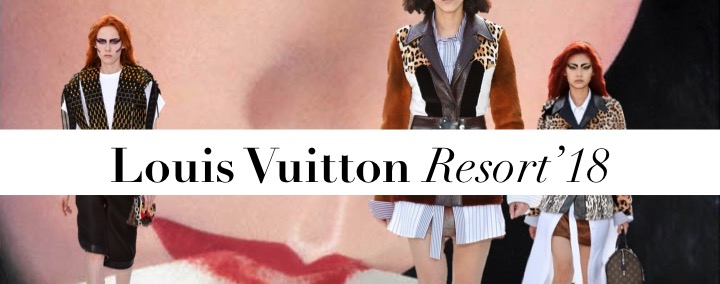
Big in Japan. Louis Vuitton Resort’18

Slide1

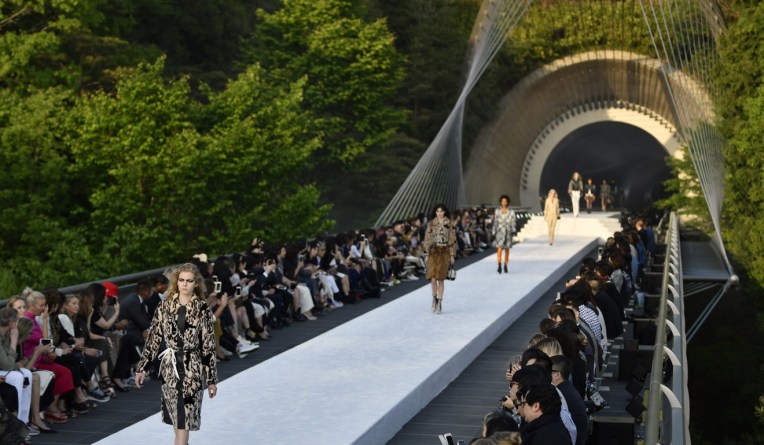
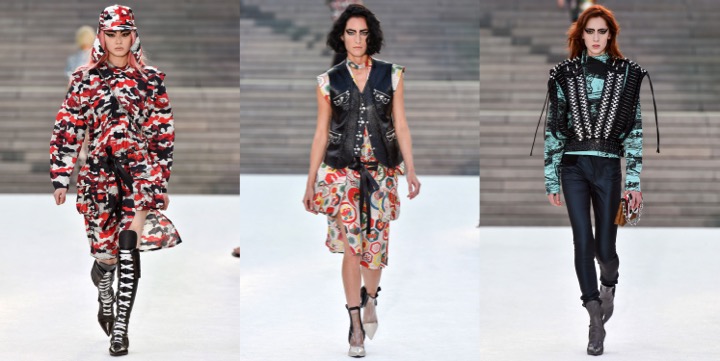
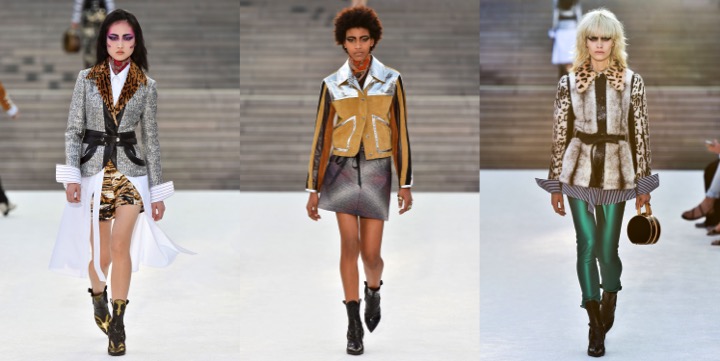
This is what you call a show. Chanel did a faux Ancient Greece venue at Parisian Grand Palais; Prada took us to Galleria Vittorio Emmanuelle’s attic; Dior had its guests see the show in the middle of a Californian canyon. But Nicolas Ghesquiere, and his team at Louis Vuitton, outdid himself. Again. The Miho Museum, a half-hour drive from Kyoto, is one of the most spectacular and out-of-this-world buildings in the world. Designed by I.M. Pei, the architecture of this place reminds you of some utopian space odyssey – and that’s precisely what Nicolas wanted to achieve, sending down a line of futuristic silhouettes with equally futuristic setting in the backdrop.

ba729944-390f-11e7-8ee3-761f02c18070_1320x770_130010

*1,2,3. Territory by The Blaze, Indestructible by Robyn (remixed). Just wow.*

Continuing to love Japan and its culture, the creative designer of the French maison did an impressive job in conveying his long-term relation with the country. He found just the right balance, not falling into oriental stereotypes, and what’s worse, cultural appropriation (a frequent problem among other designers). Those were the modern-day, badass attitude samurai girls, wearing over-sized biker jackets with leopard prints, skater shorts and weaved leather vests. Kansai Yamamoto was on Ghesquiere’s mind while designing the collection – that’s the Japanese designer, who dressed David Bowie in glittering jumpsuits and paved the way for Yohji Yamamoto and Kenzo Takada few decades ago in Paris. Now, his bold, artistic legacy gets a revamp according to Vuitton codes. Handbags with Kabuki eyes, prints of local fishermen, a variety of toned colour combinations: Japanese avant-garde of the late 20th century goes slightly more French, more refined. In an effortless, loose way. The collection, in overall, has something of Ghesquiere’s early Balenciaga days. But the designer has already established his language at Louis Vuitton – so it feels just the right way.

Slide1-kopia 2Slide2Slide6Slide7Slide3Slide4Slide8Slide5

Collage by Edward Kanarecki.

Shoes Like Pottery

moonstar_gallery1

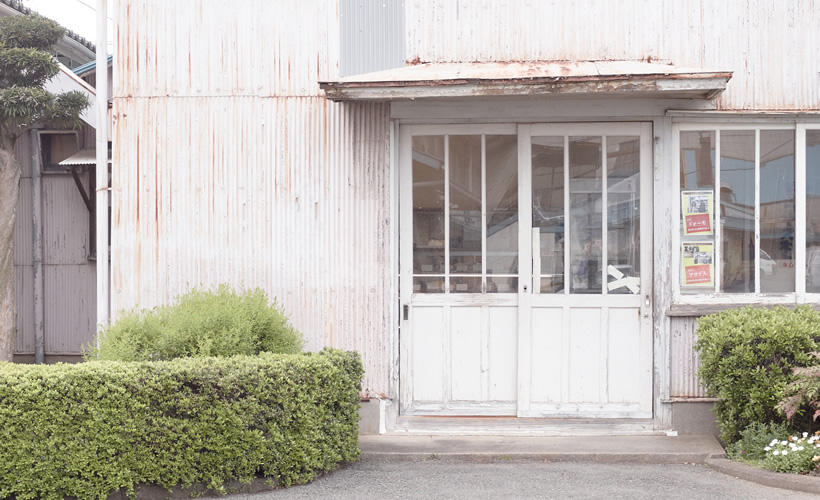
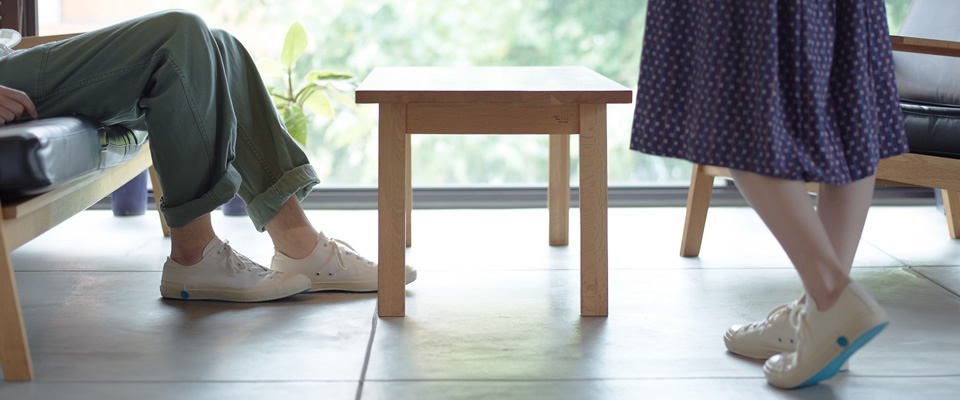
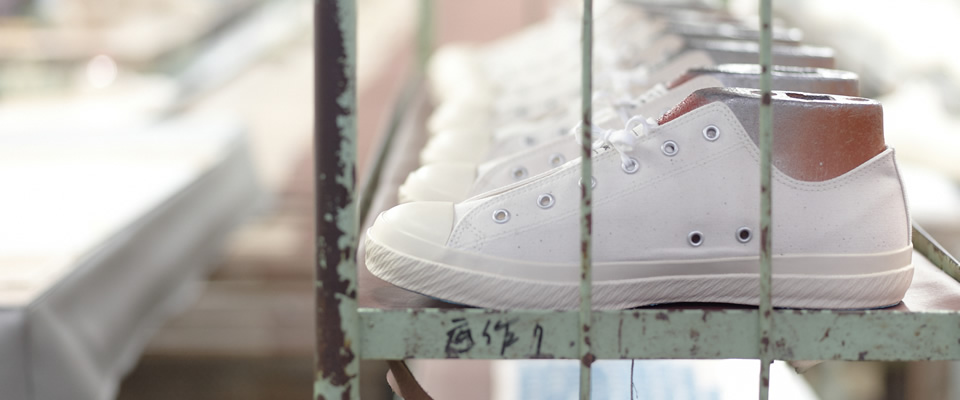
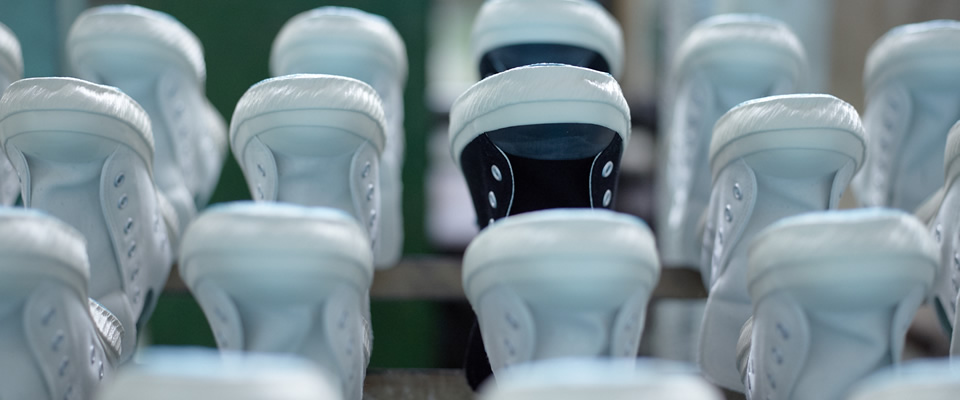
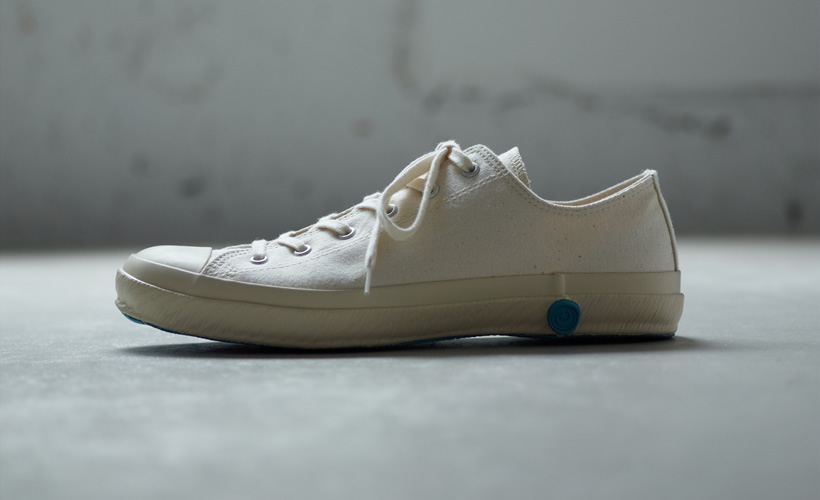
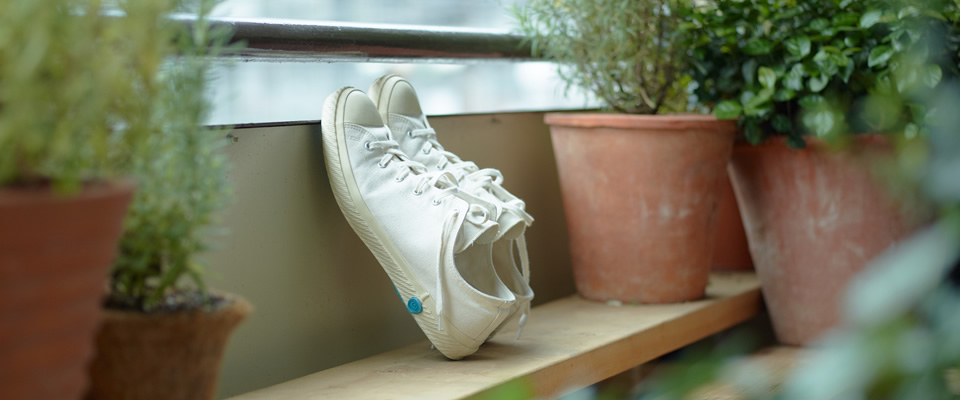
Japan-based label Shoes Like Pottery crafts classic trainers with the closest attention to detail. Featuring carefully chosen materials, each shoe is built on a special vulcanised rubber sole and fired in a kiln using a unique process called ka-ryu for long lasting durability and wear. Shoes Like Pottery features high-quality, beautifully textured fabric, hand-sewn by the skilled craftsmen of Kurume in Japan. As the owner of one of these shoes, I feel really happy – I sought for the perfect pair of trainers for a very long time, and these are not only comfortable, but super stylish! I see that the new generation of these little, conceptual brands from Japan are the one to watch for.
concept02

top02

concept03

top04

concept01

moonstar_gallery6

products_gallery5

top03

products_gallery2

Tokyo. Dior Pre-Fall’15

Slide6

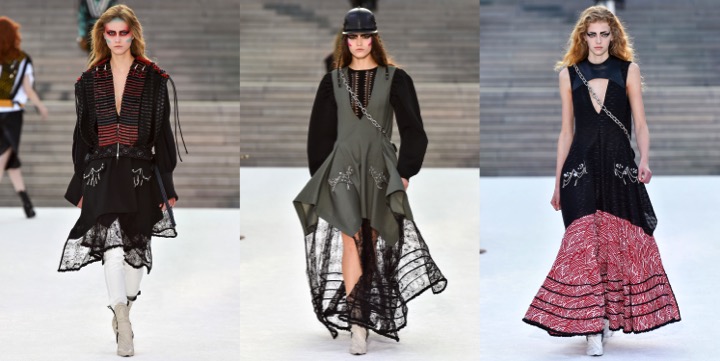
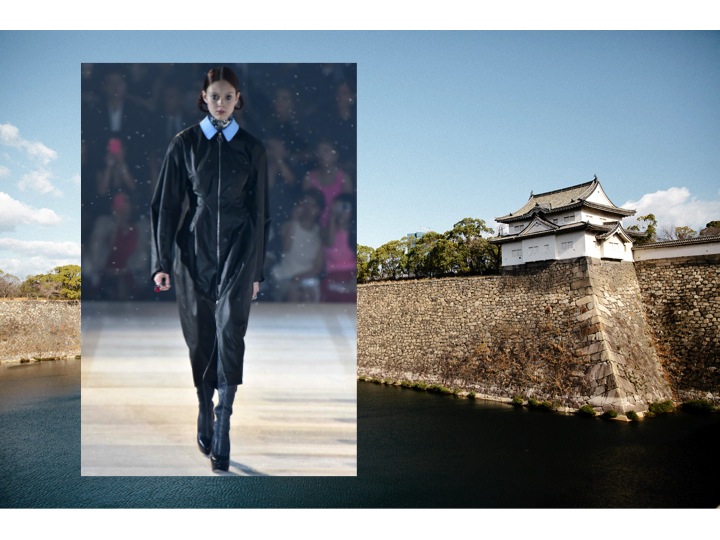
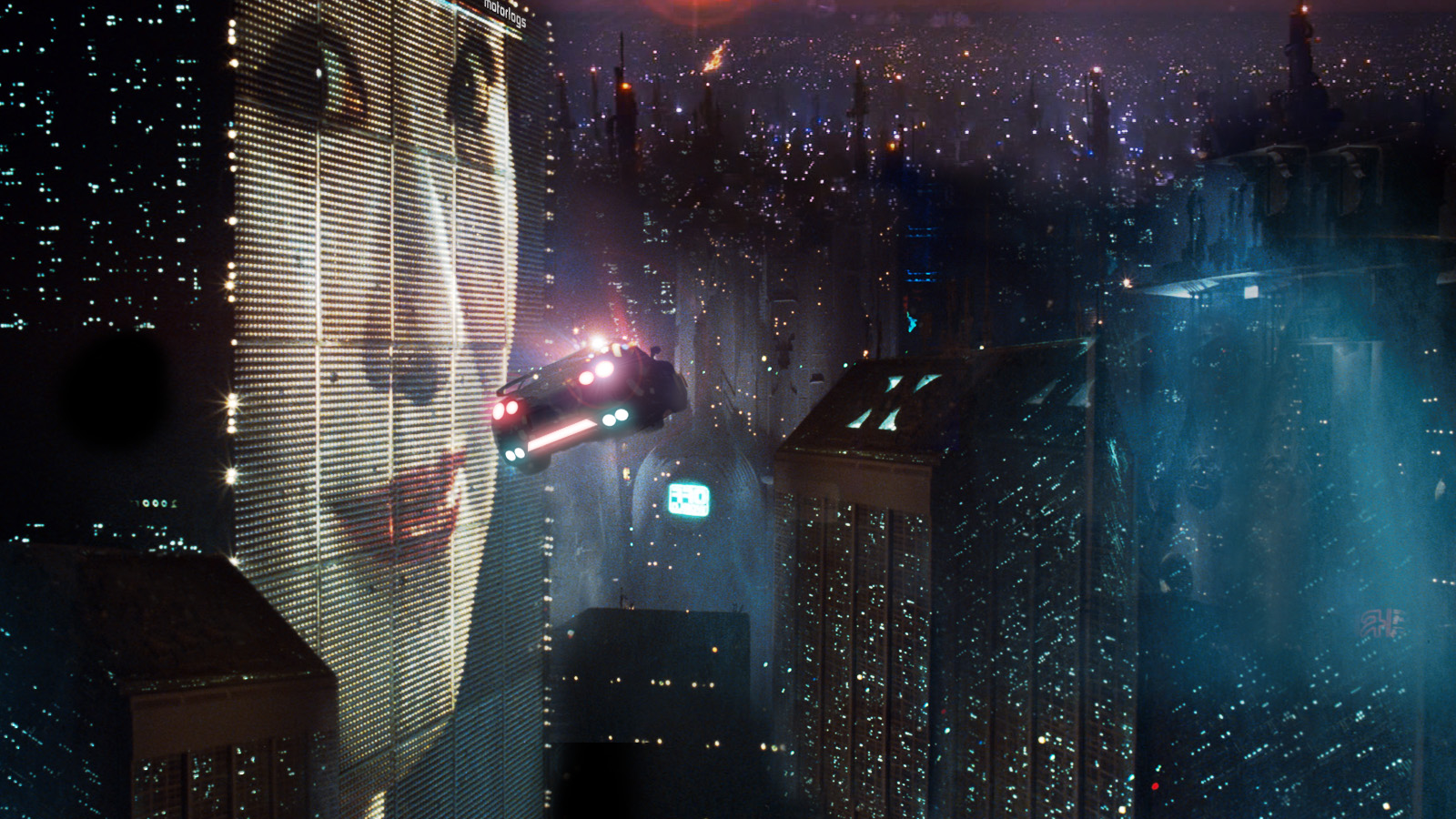
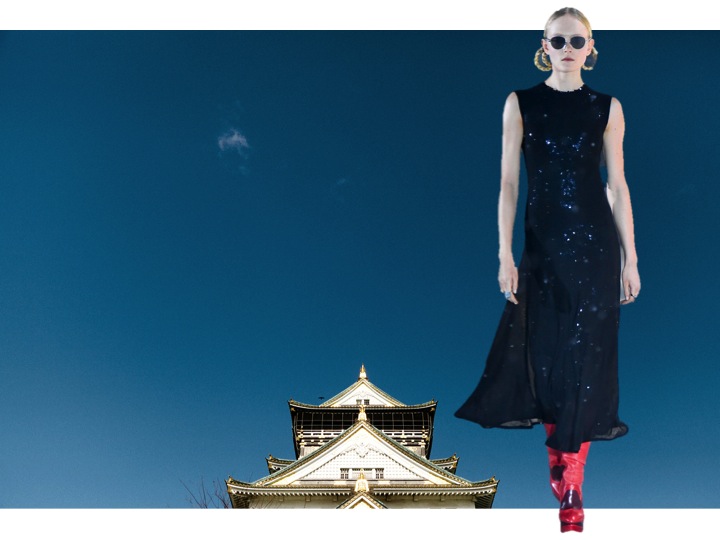
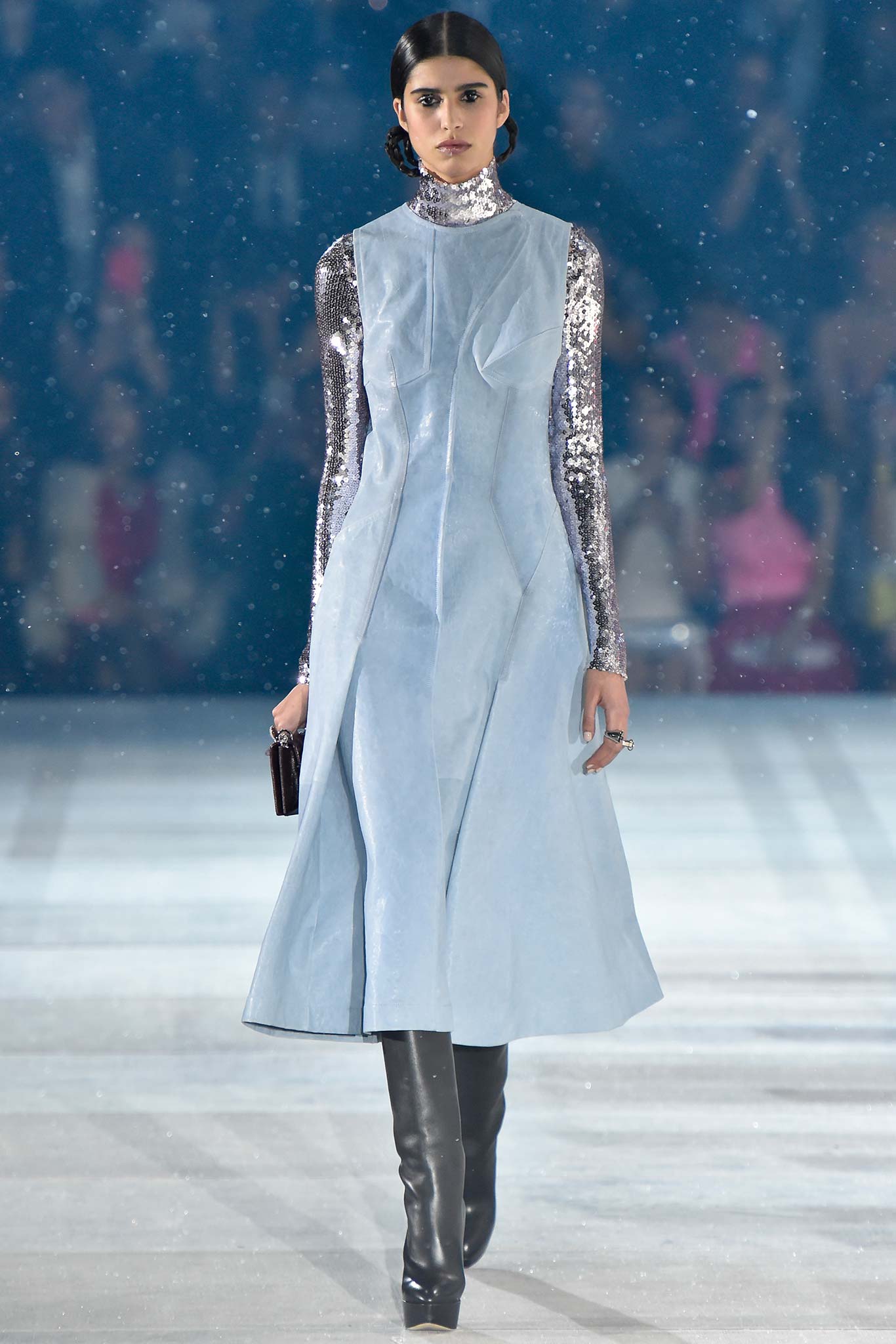
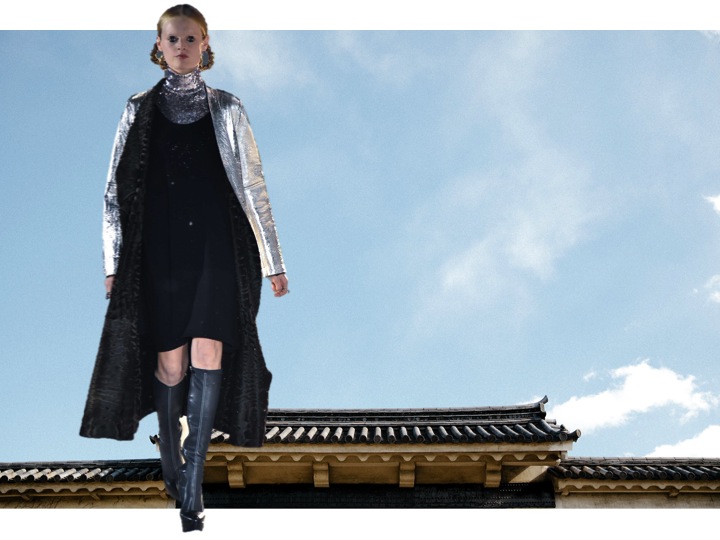
Raf Simons seems to have two personalities- one at his namesake label for men, where he doesn’t care about the rules; another at Dior, where he definitely obeys the bosses. Last season (SS15), in my opinion was trash. I truly couldn’t understand it. It felt like Simons explained it only by “oh, look, it’s like this, but look at those couture embroideries”… yawn. Come on, who cares about embroideries, if the clothes are so boring? Thankfully, Dior thought of something new for the house, which was smart. The pre-fall 2015 which was presented few days ago was organised in Tokyo- the place were Dior has it’s boutiques on nearly every street. Commercially, this is genius for the house. But for fashion? Raf Simons had his model walk zigzags in a huge sumo wrestling arena, inspired by the scenes of Ridley Scott’s Blade Runner movie. With fuses of futuristic influences (that badly reminded me of Paco Rabanne gold years) like silver sequined turtlenecks, jacquard motifs and wax cotton coats, Simons brought a lifey twist into his Dior timeline. And what’s interesting although the fact the show was in Tokyo, Japan, we didn’t notice even one kimono, manga print or anything of Japanese stereotypical fashion. Definitely, Raf looked at Japanese woman of the future- stomper boots, wide trousers and clean lines with neon elements. Plus, corn-rows and super kawaii eye-brows. Personally, I have no offend to Raf Simons- sometimes, he is just not on the point. However, this dynamic show proved one thing: not only that Raf has better and worse days in his life, but also that Tokyo is an amazing, energetic city of fashion.

blade-runner-2-movie

078-blade-runner-theredlist

dior_aw15_tokyo_0079

Slide7

dior_aw15_tokyo_0130

Slide8

dior_aw15_tokyo_0475

Slide9

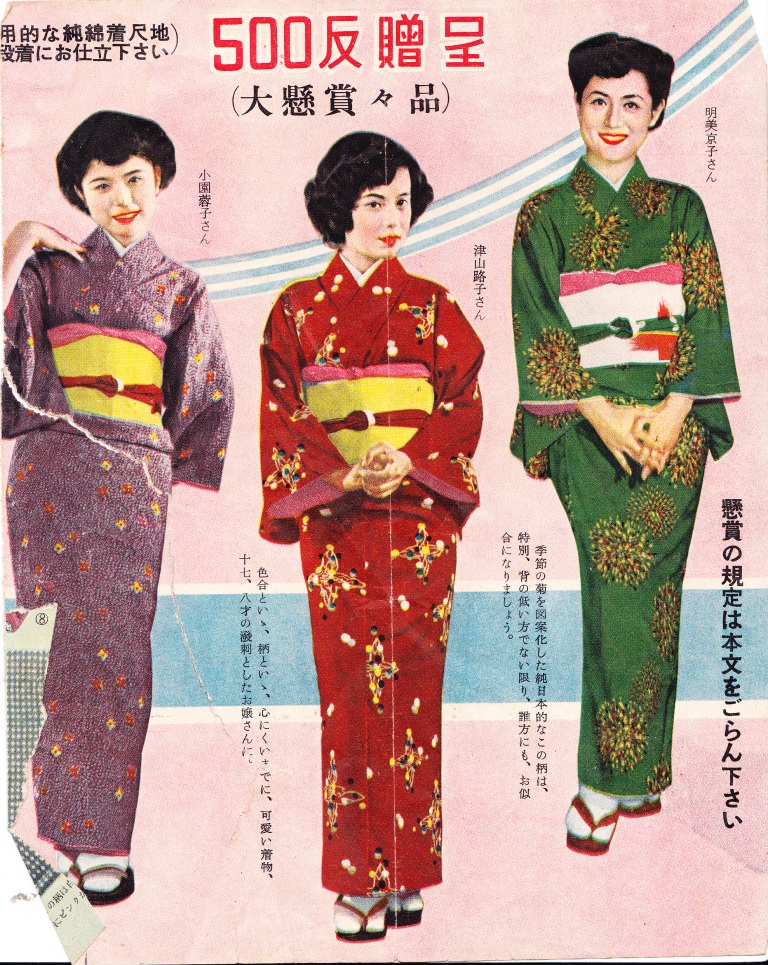
Just to be in the Japan mood- here are some amazing vintage posters from Wafu Works…

1950's japanese bride 2

cards_0008

1950's kimono

cards_0003