
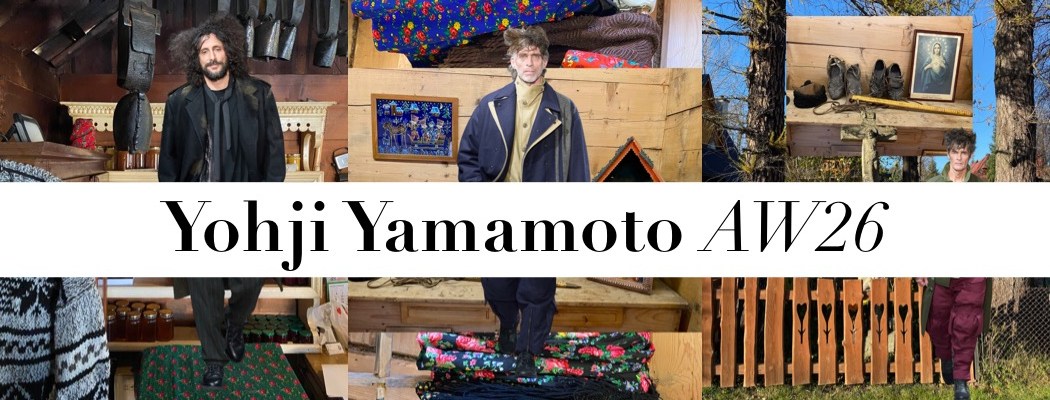
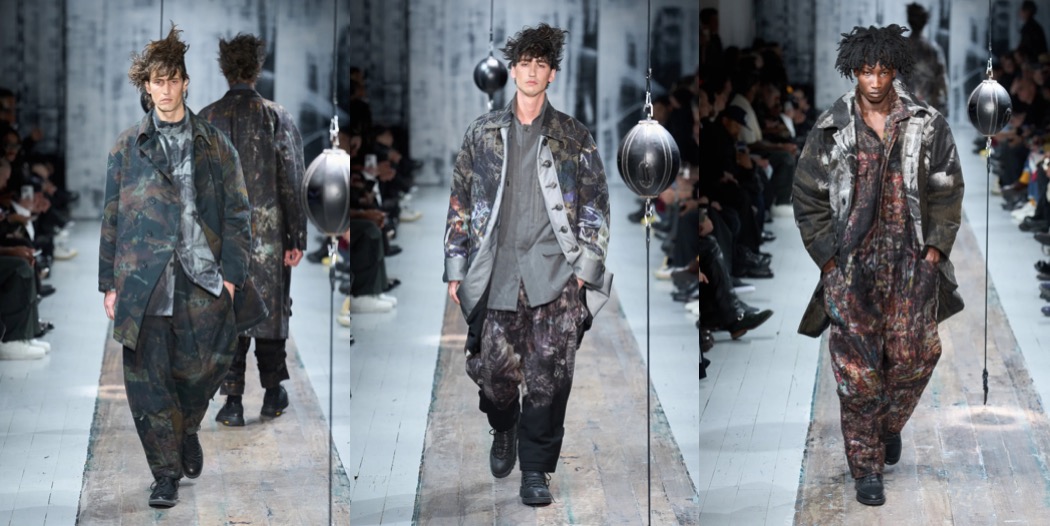
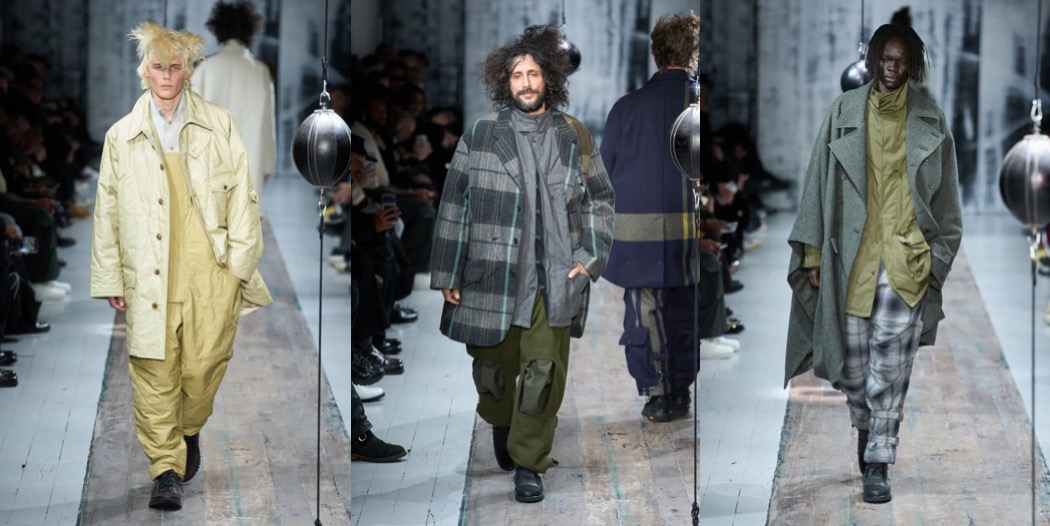
Yohji Yamamoto, a designer so often – and so productively – faithful to black, detonated expectations this season. Guests entering the show space were met by two suspended speed bags, hovering between the ceiling and the runway. When the models emerged, some punched the bags, others barely brushed them; one kissed one, while a few simply stared. It was a telling prelude to a collection about confrontation and restraint, aggression and dignity – about how clothing can act as a kind of moral armor.
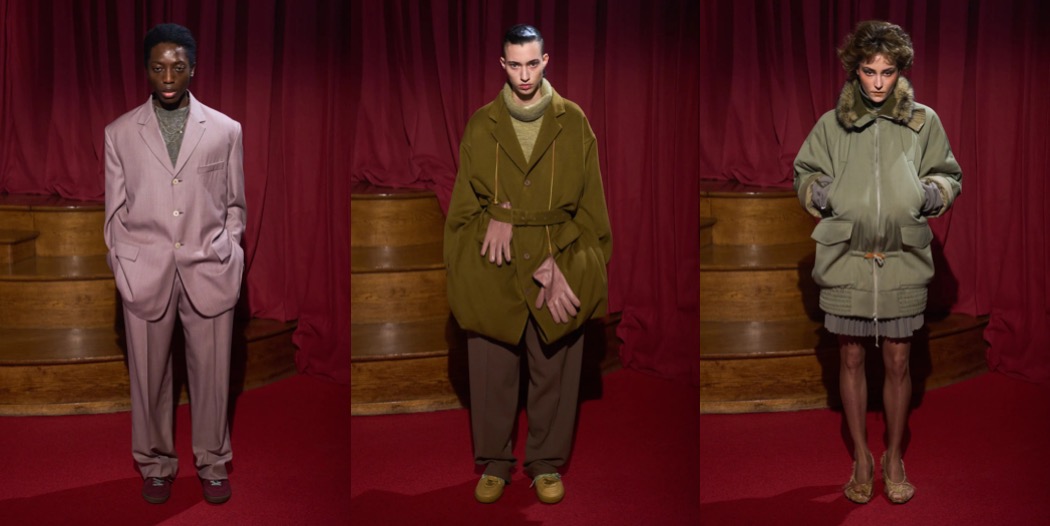
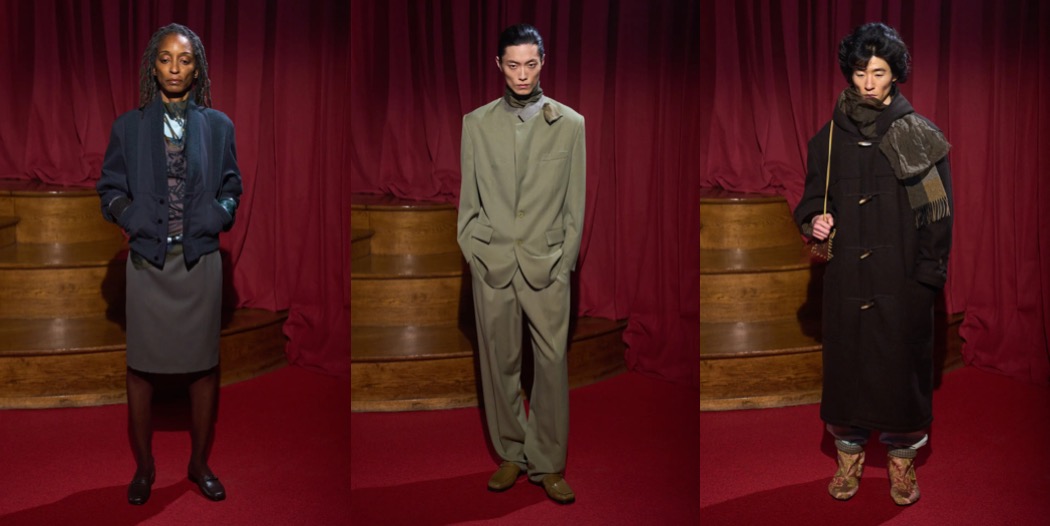
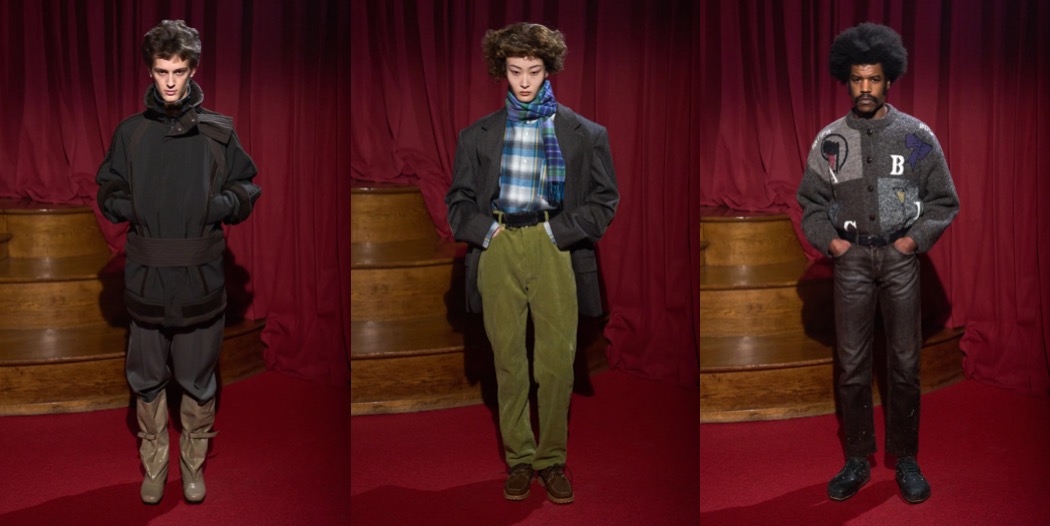
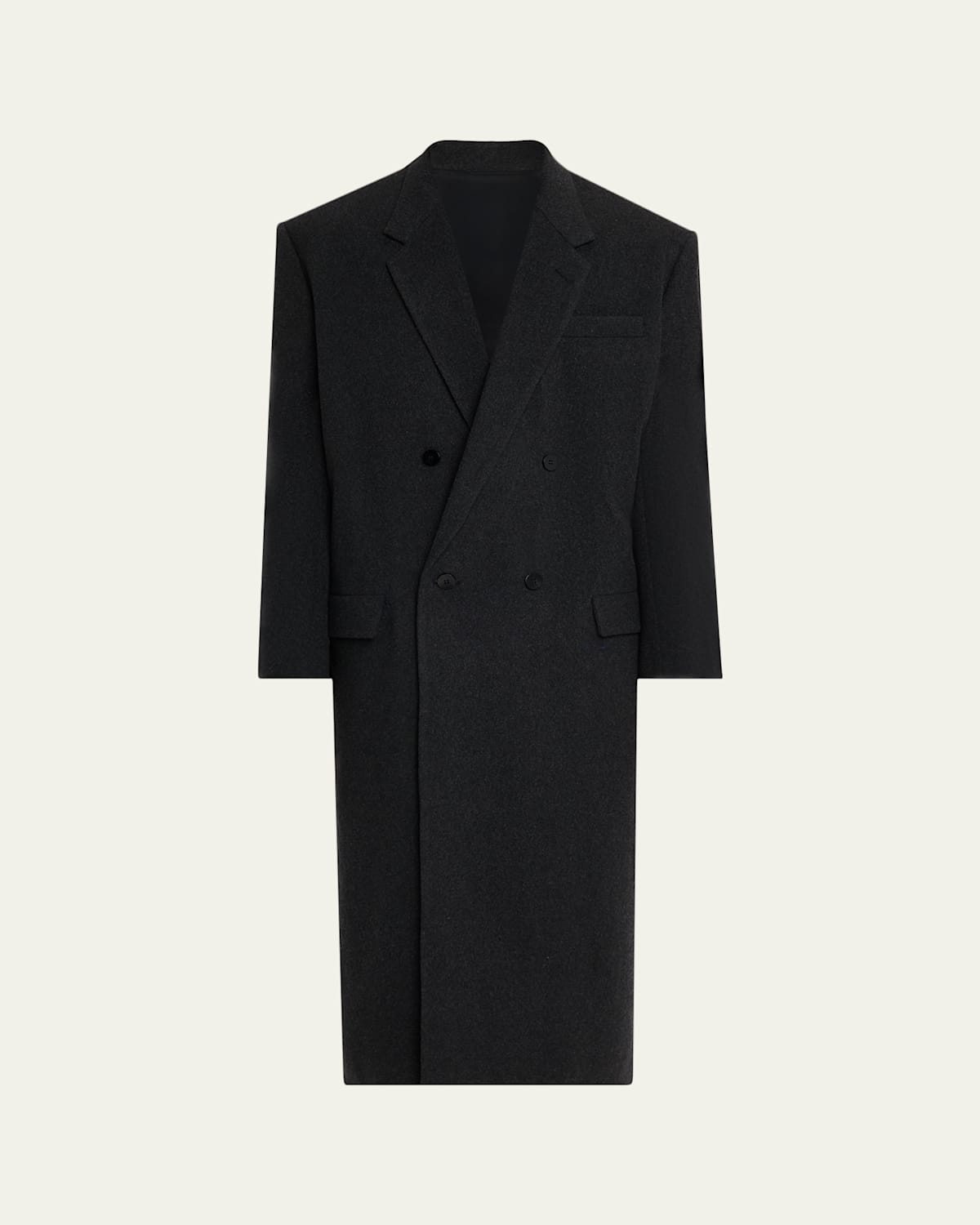
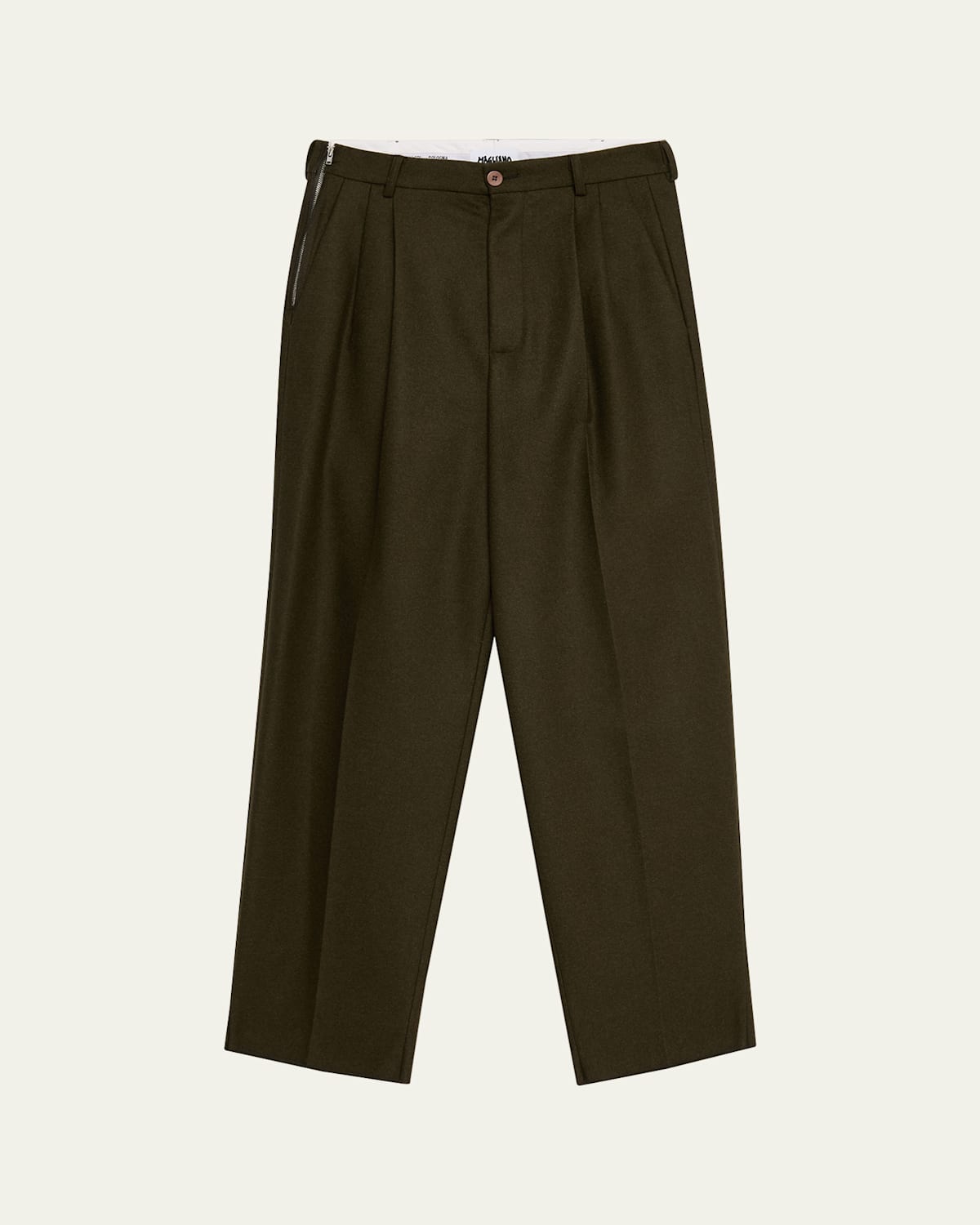
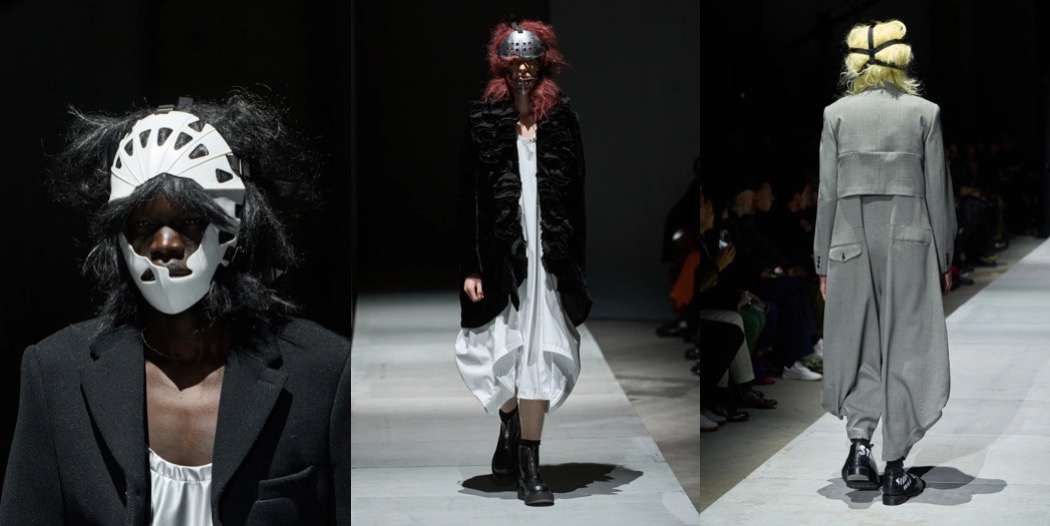
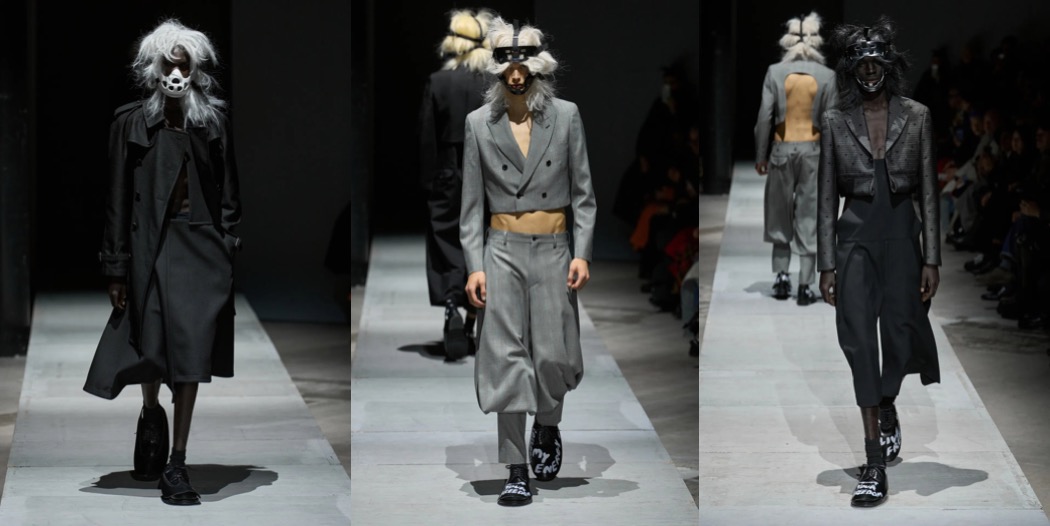
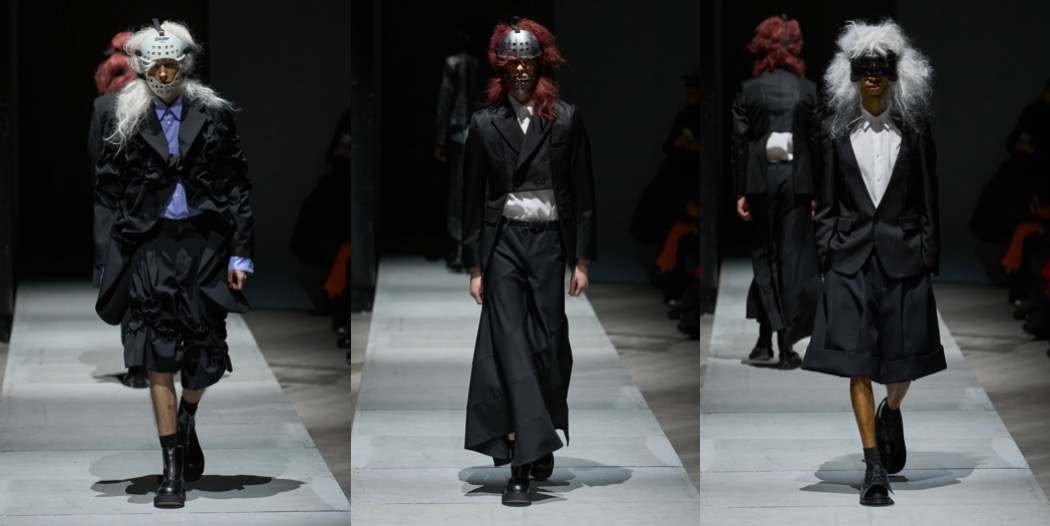
On the runway, that armor took tangible form. Yamamoto delivered one of his most colorful collections in years, though “colorful” here still meant disciplined, weighted, serious. The opening looks carried militaristic undertones: camouflage patterns coated double-breasted jackets and padded boilersuits, establishing a mood of readiness. Voluminous overcoats were paired with trousers cut from meaty corduroy and utilitarian jumpsuits in thick cotton, many printed with paint-like marks that looked less decorative than combative.
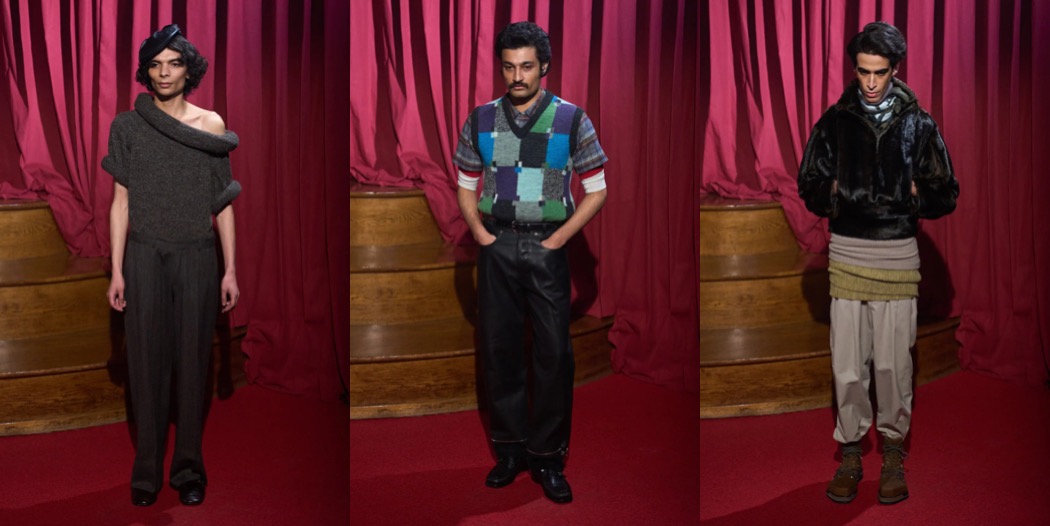
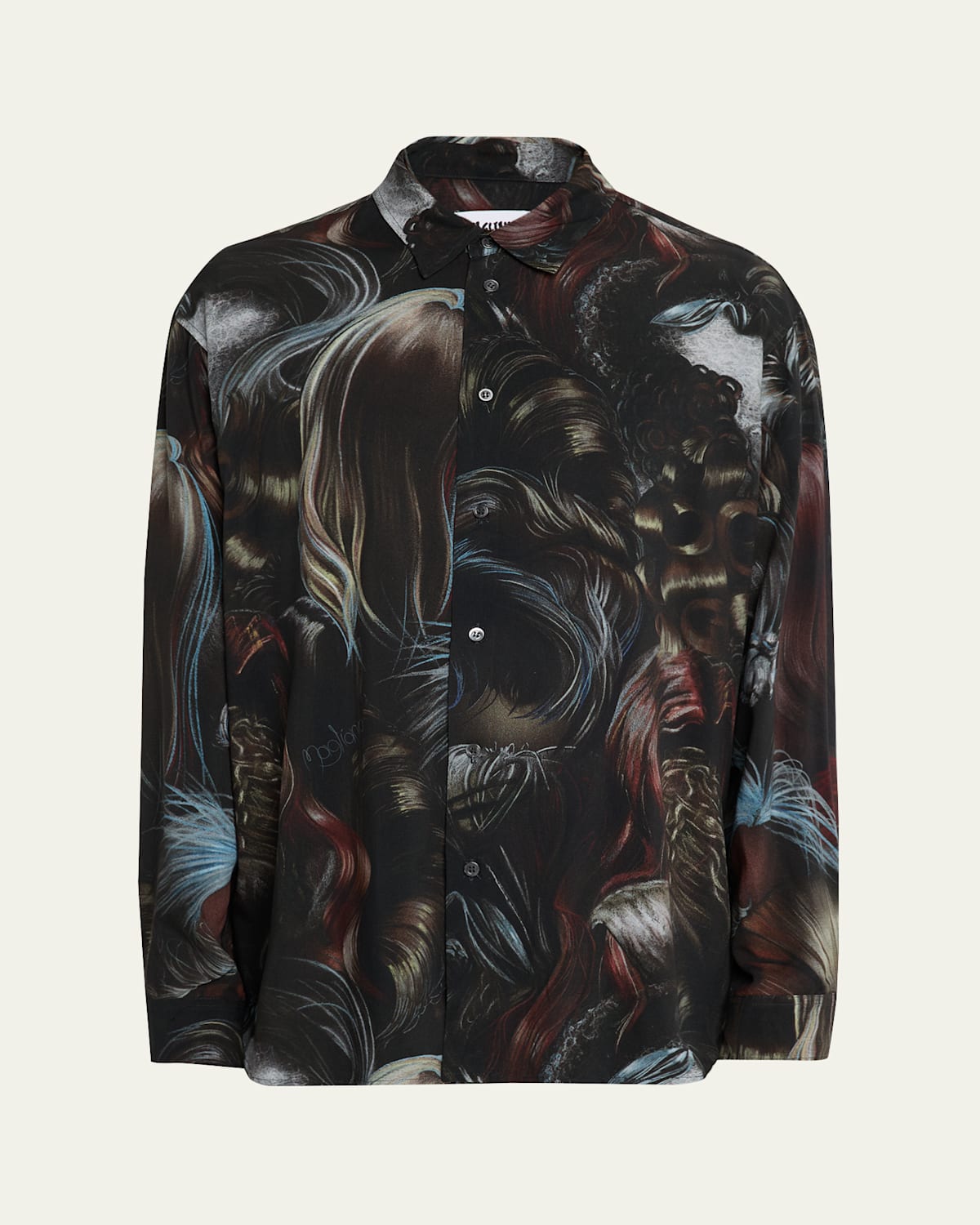
Elsewhere, padded coats arrived in stony beige; hair was teased into frizzy, defiant bouffants; and crushed beer cans were reassembled into a waistcoat and headgear – wry, César Baldaccini–inspired gestures that felt like survivalist poetry. In a fashion system obsessed with novelty and noise, Yamamoto continues to propose something rarer: clothes as stance, as shield, as a way of moving through the world with controlled defiance. It is precisely this posture – sharp, slightly arrogant, unyielding – that makes him not just relevant, but essential, one of the last designers of his generation for whom dressing remains an ethical act.
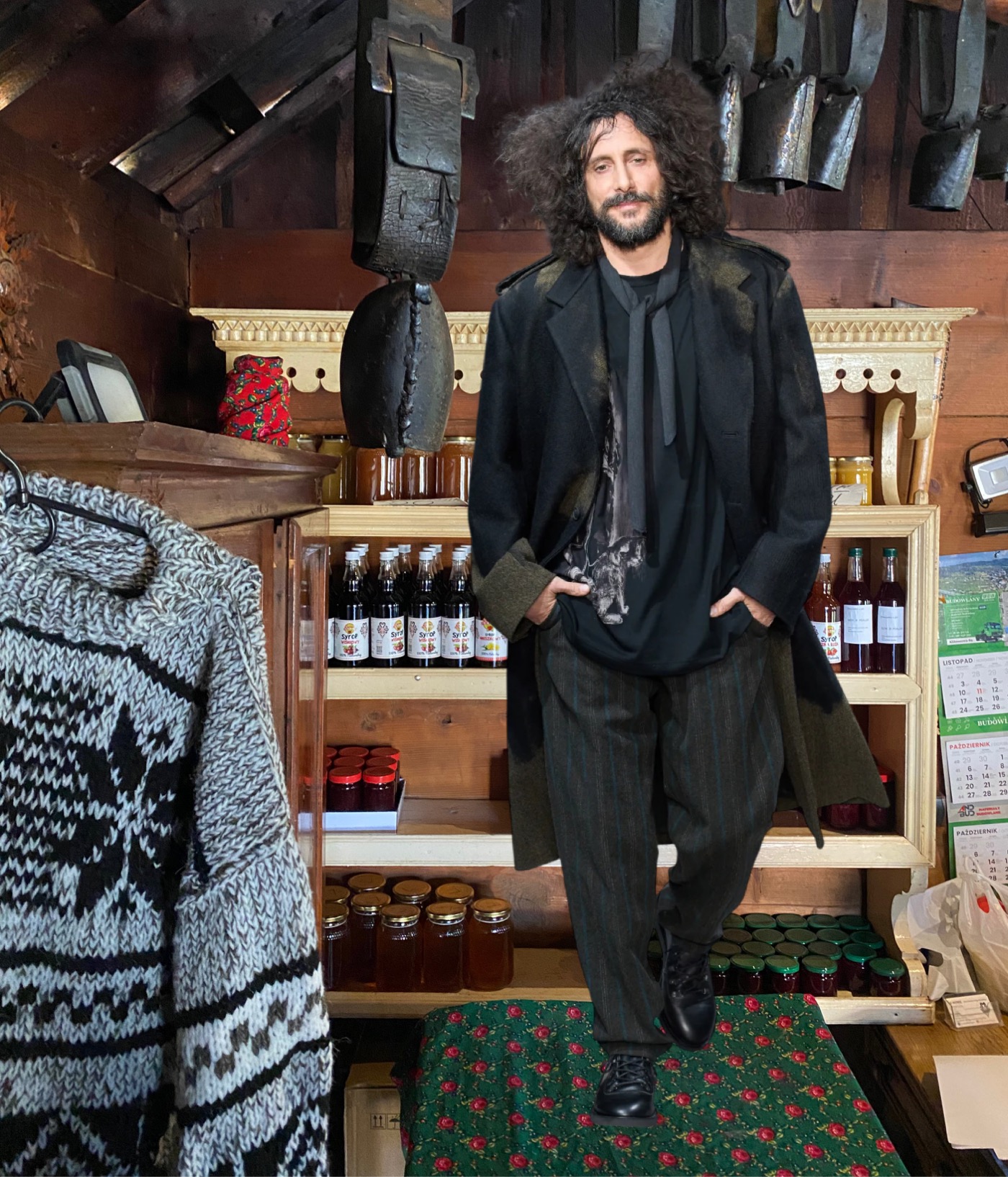
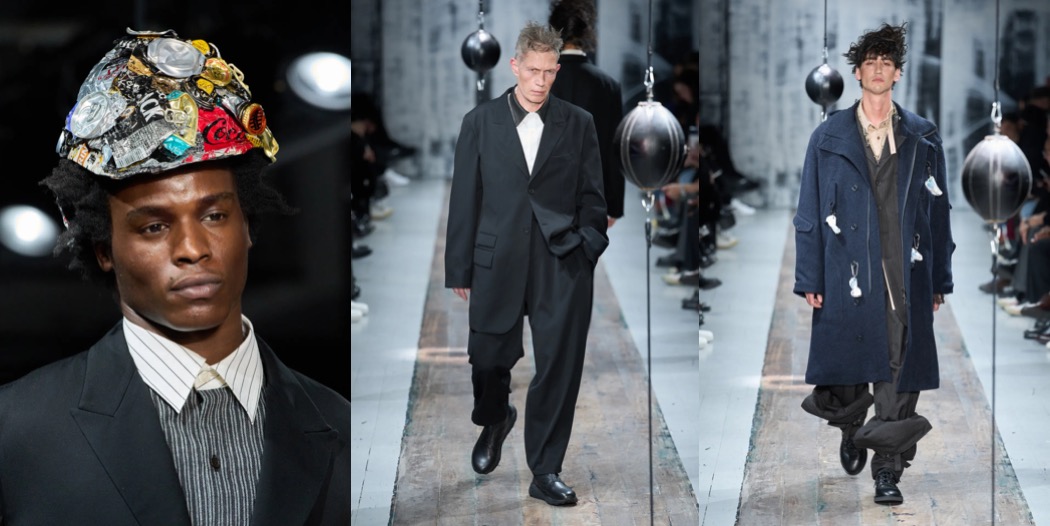
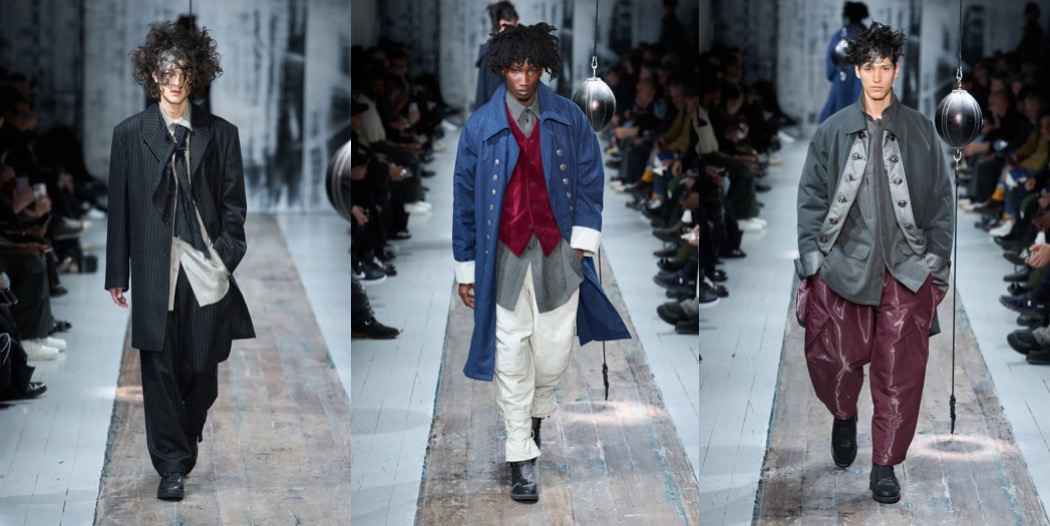
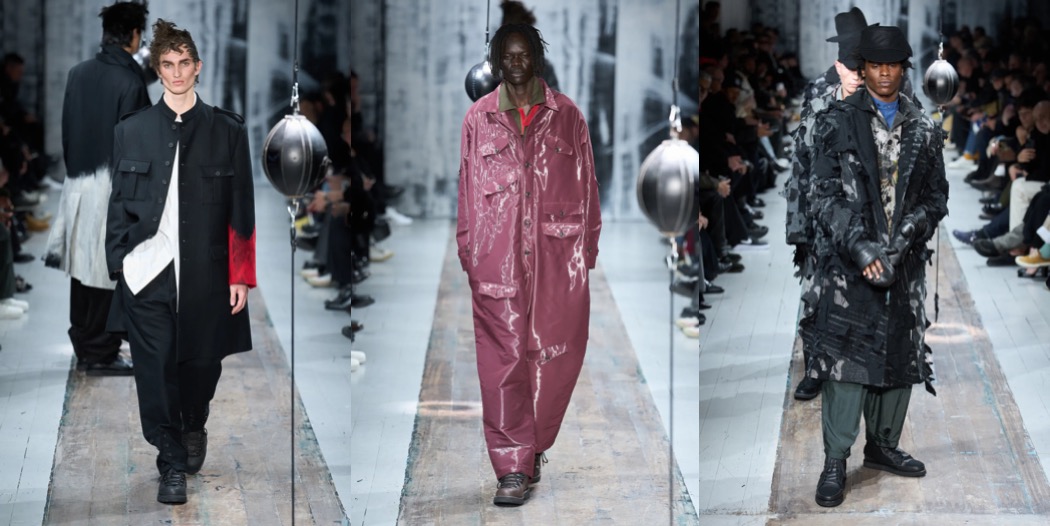
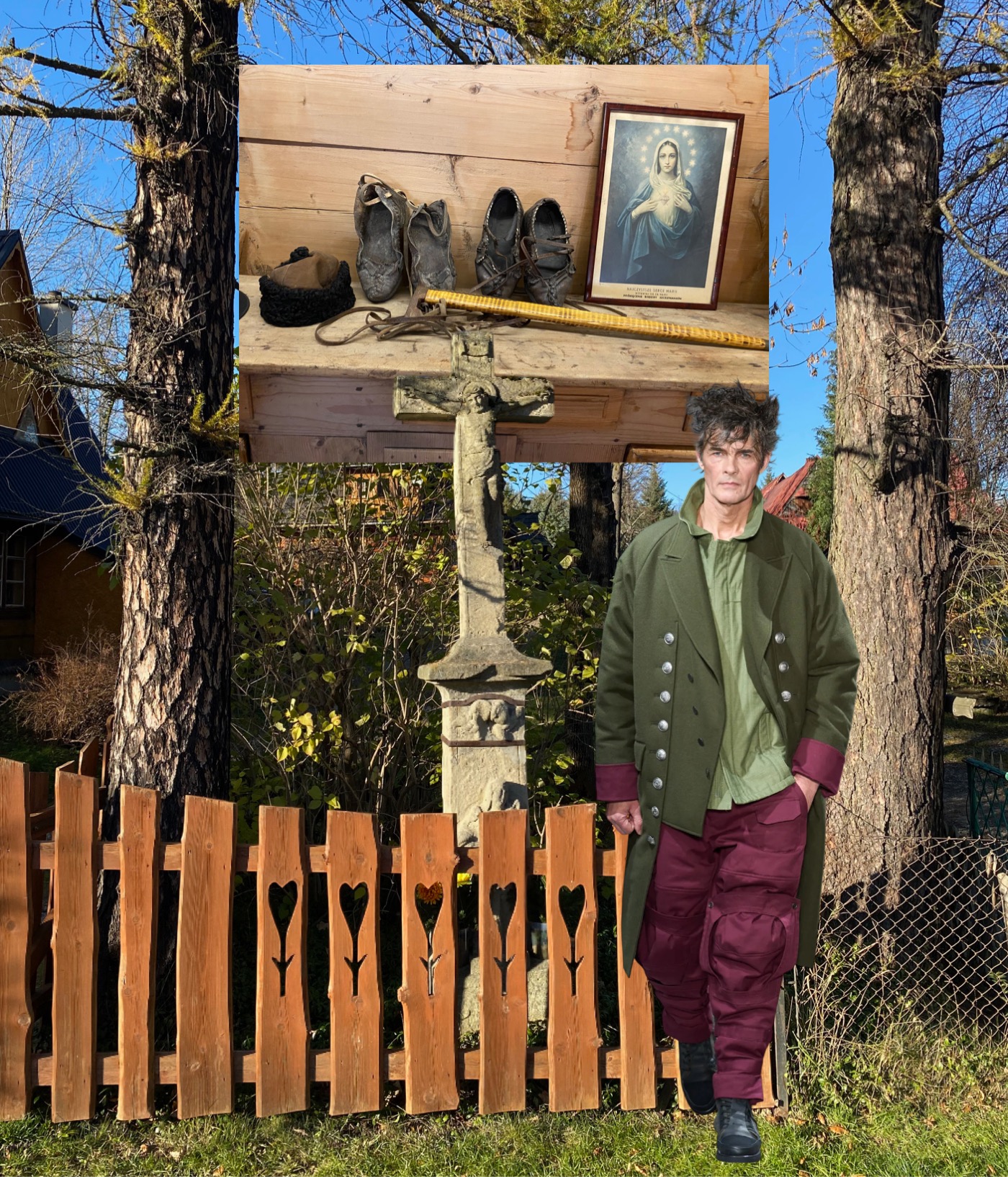
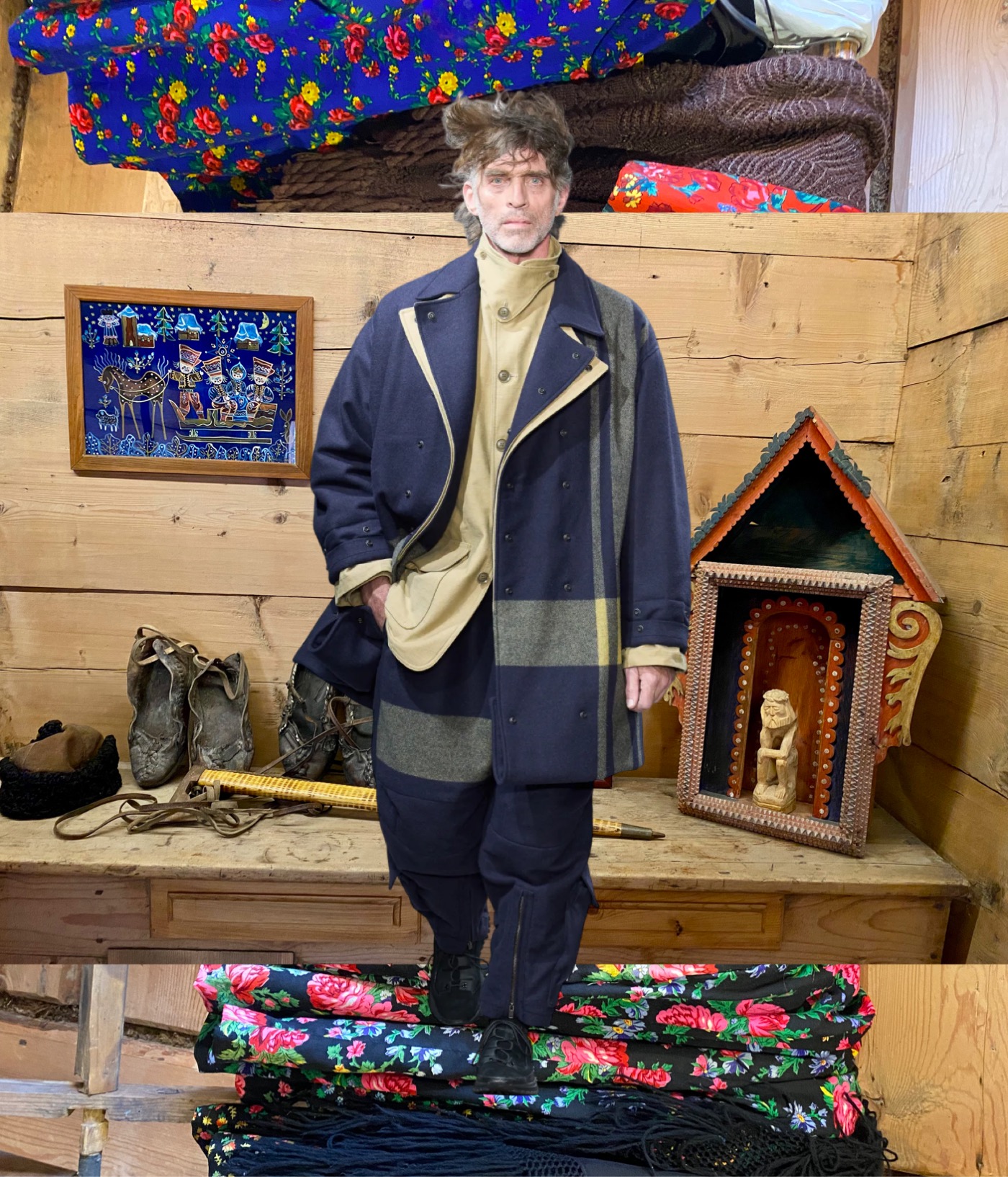
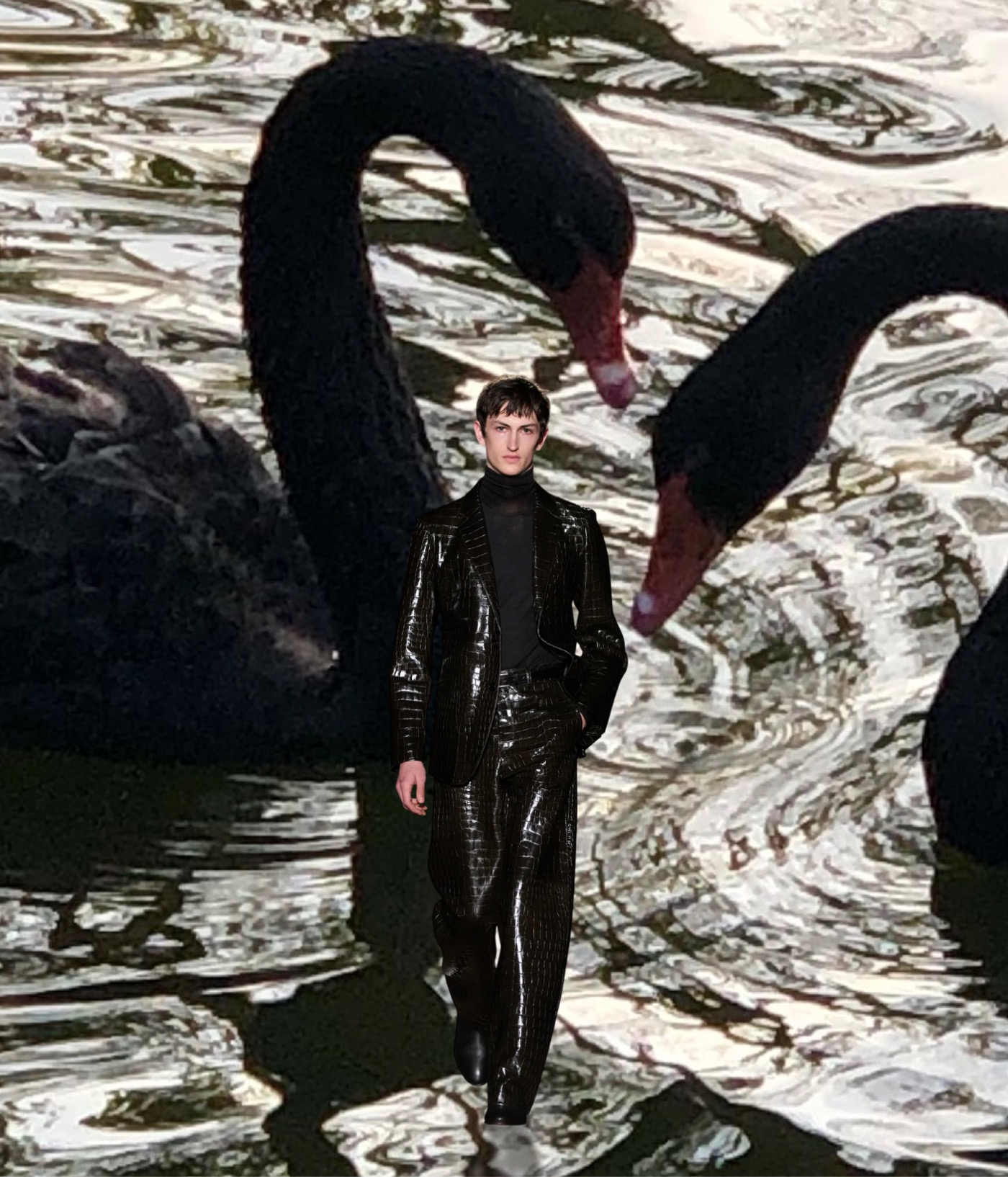
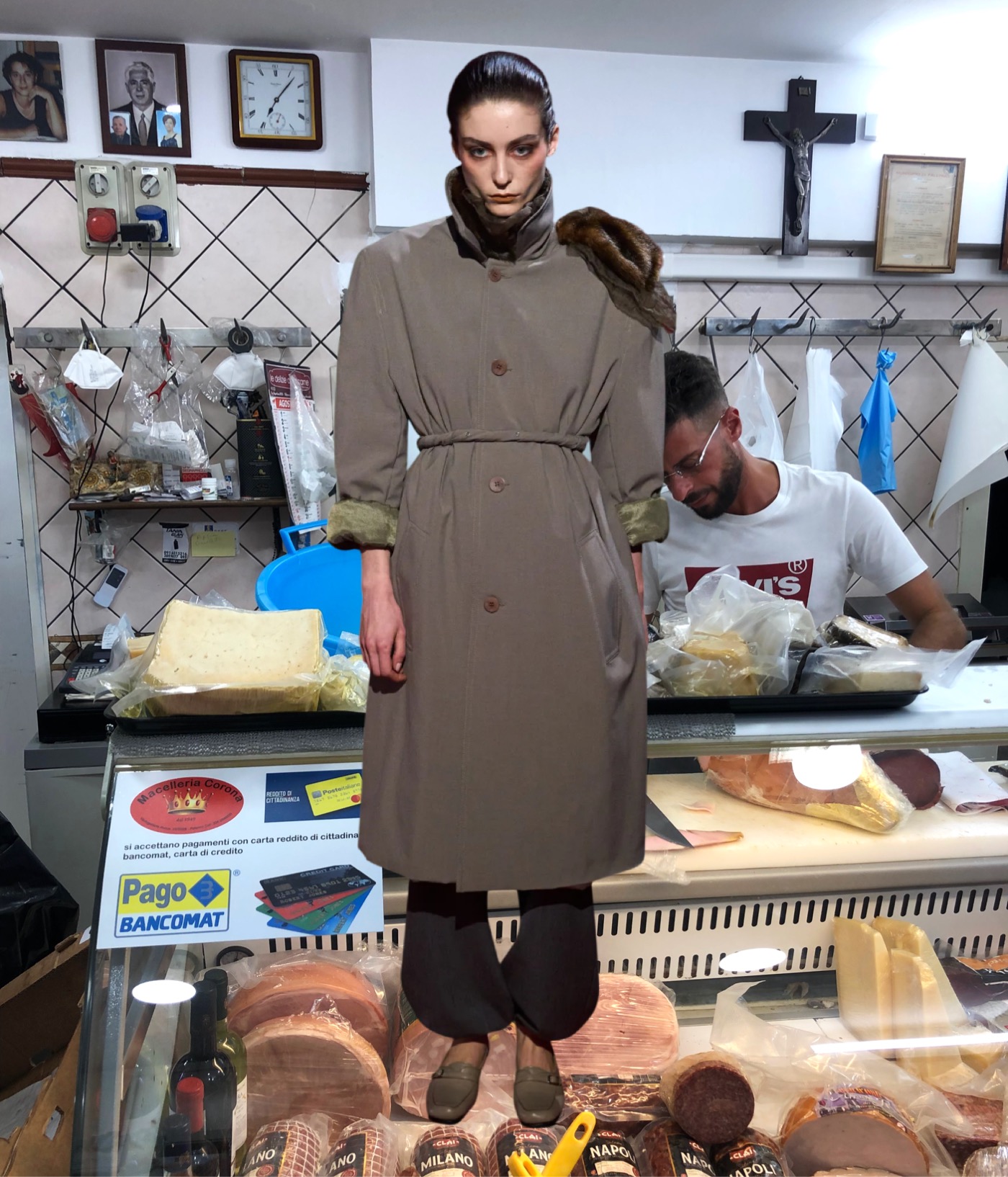
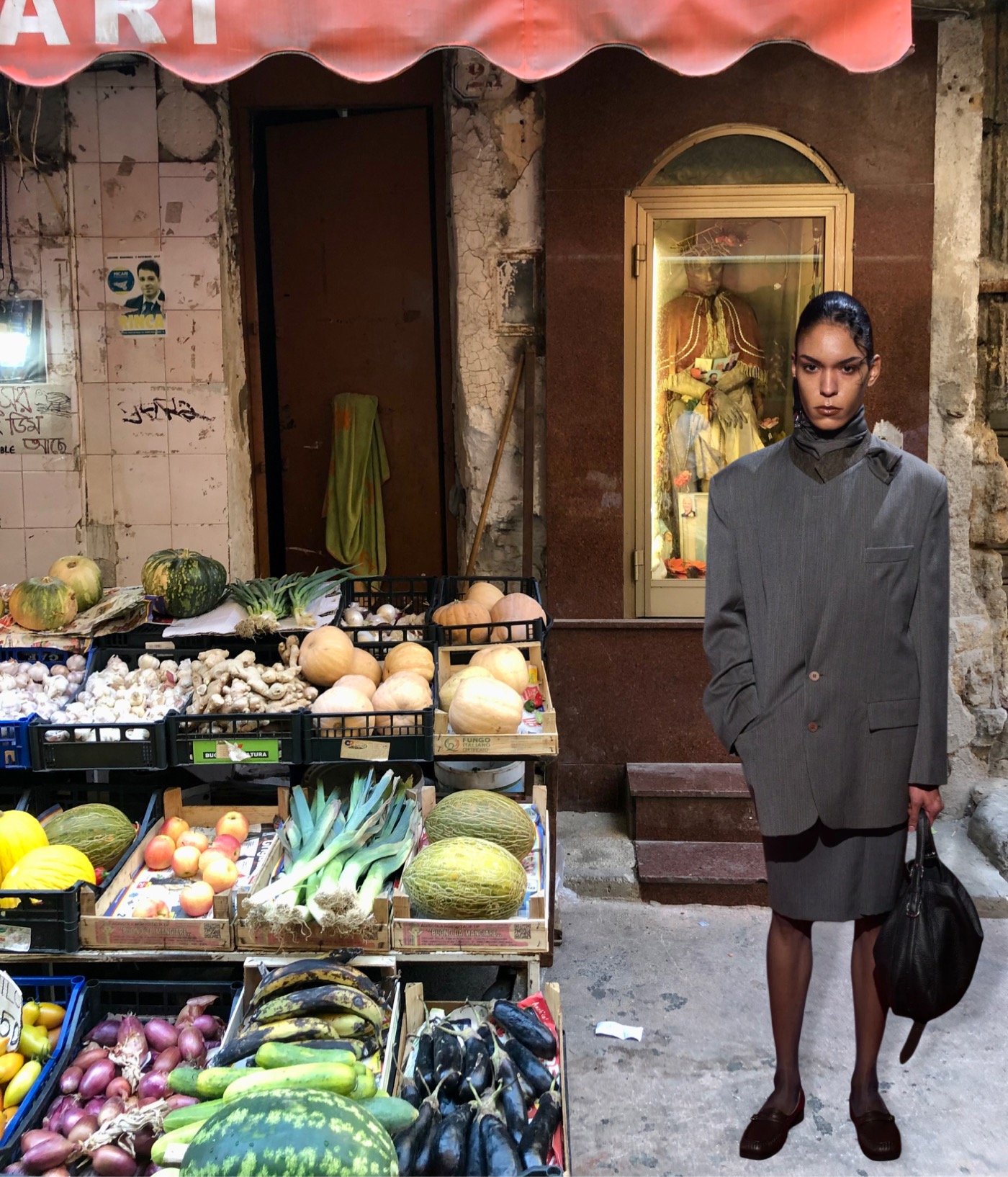
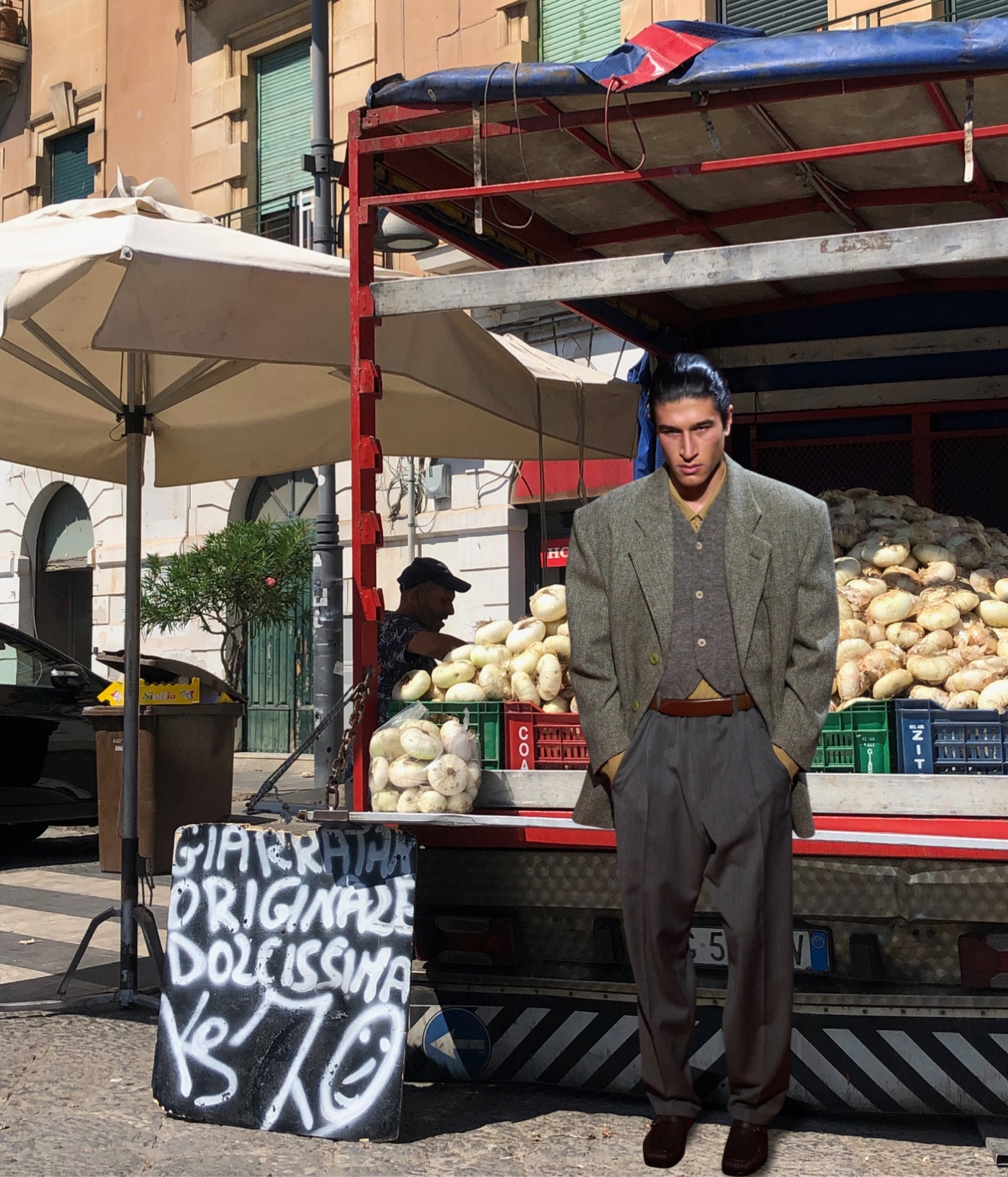
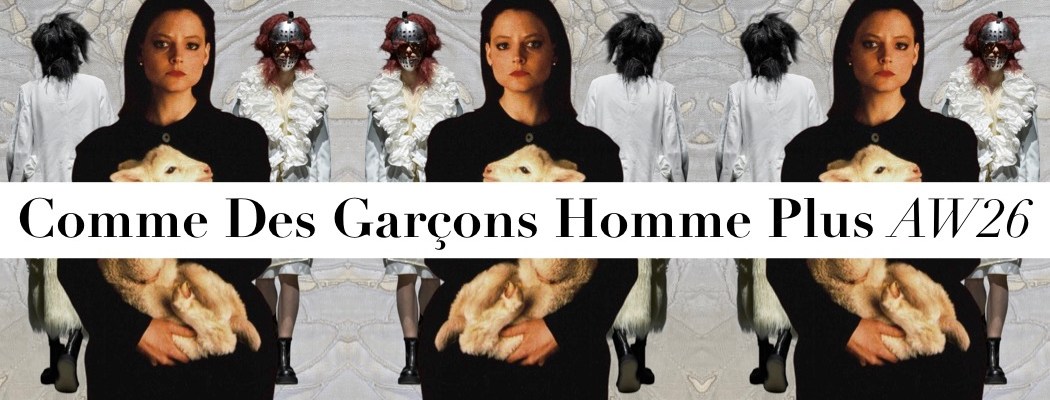
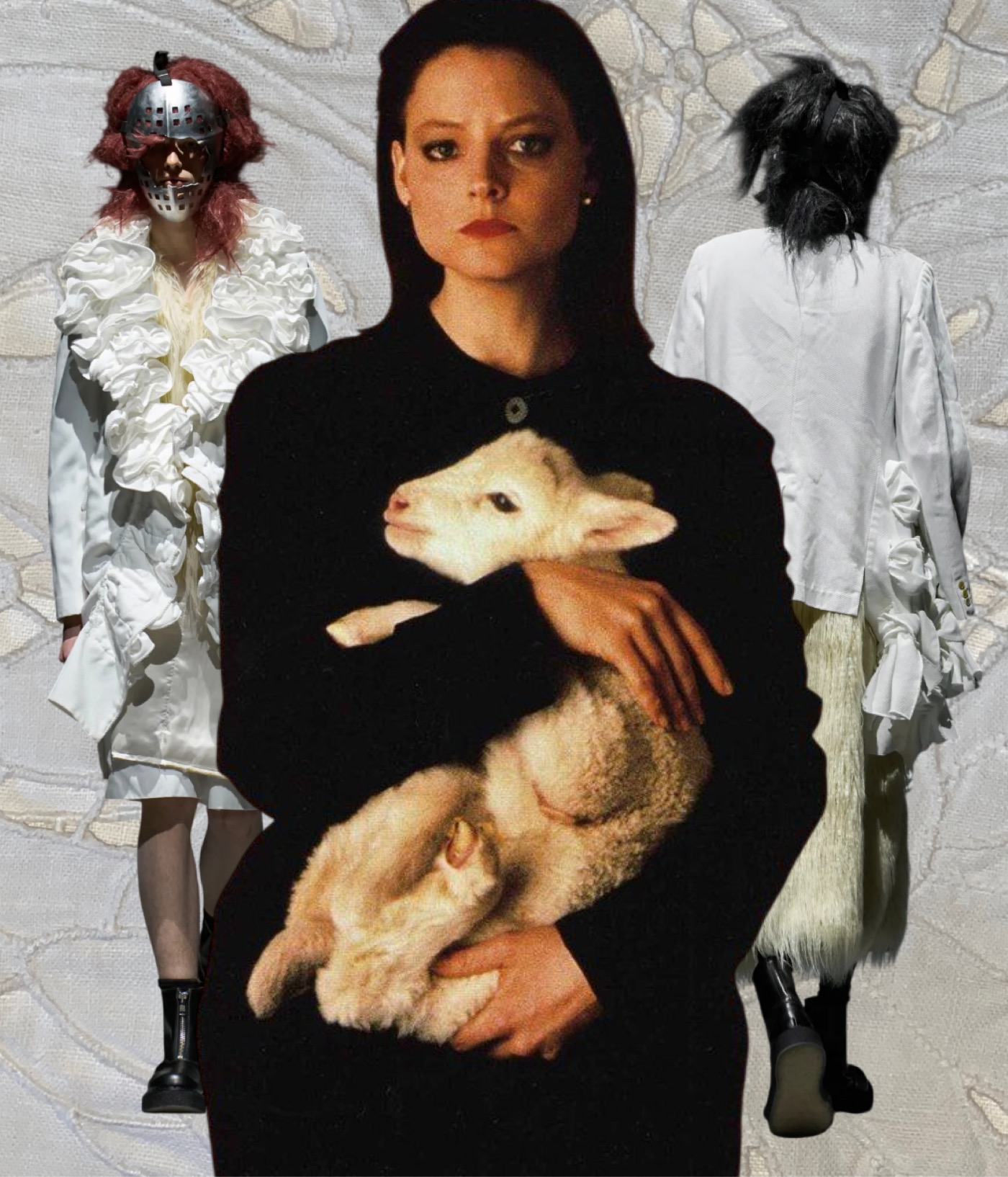
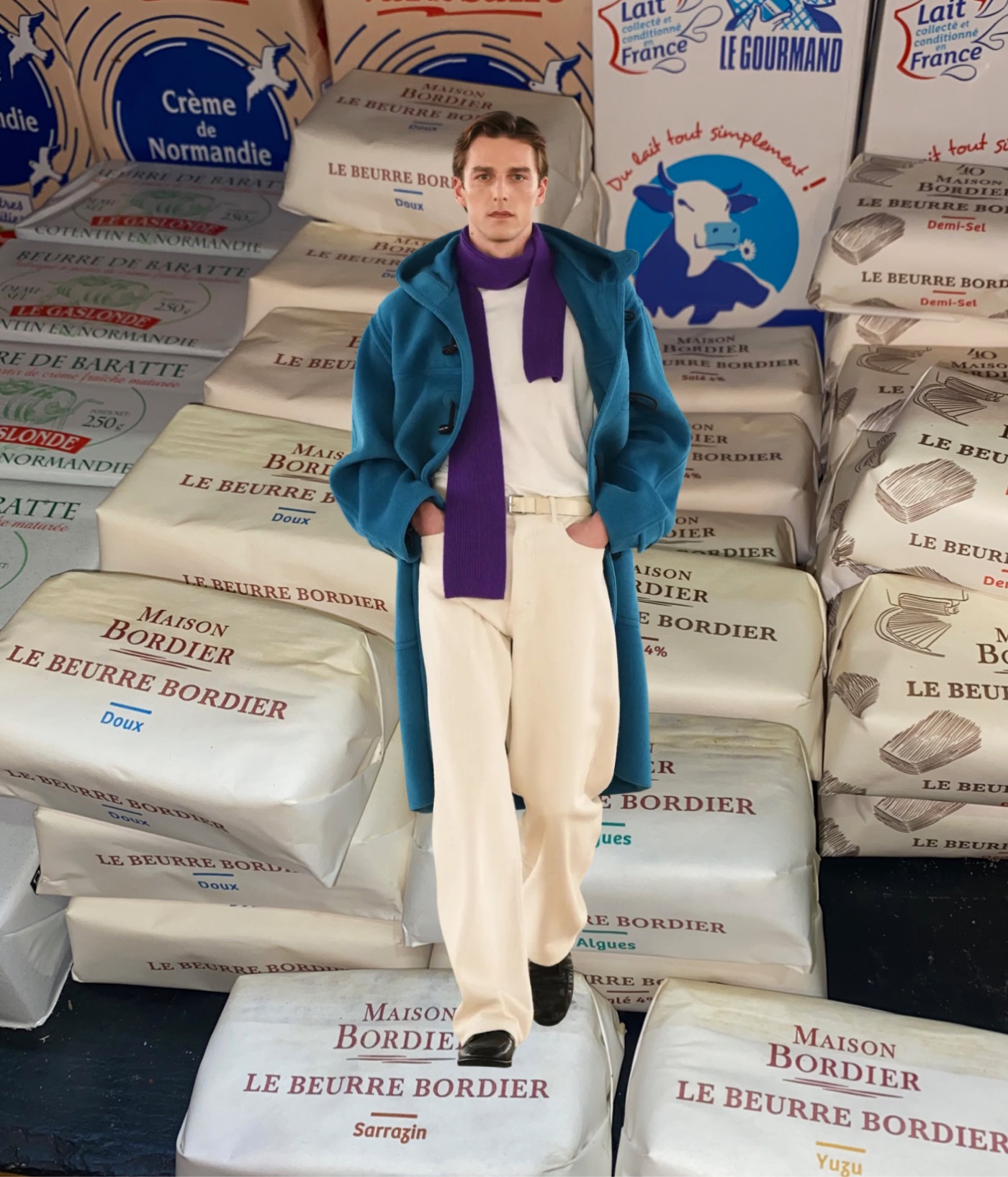
Collage by Edward Kanarecki.
Don’t forget to follow Design & Culture by Ed on Instagram.
Hey, did you know about my newsletter – Ed’s Dispatch? Click here to subscribe.

 Design & Culture by Ed