Gabriela in Paris. Chloé AW21

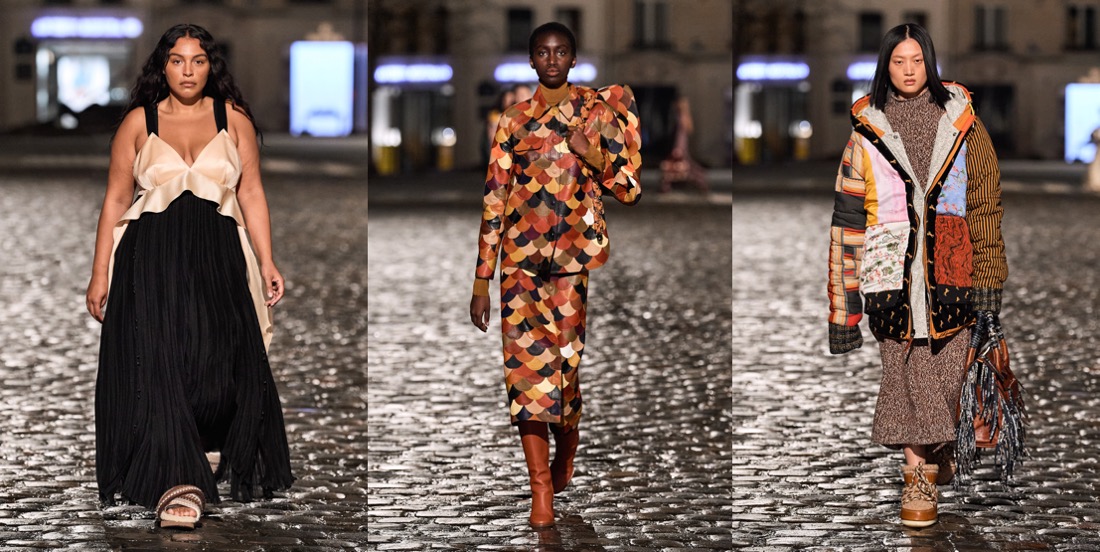
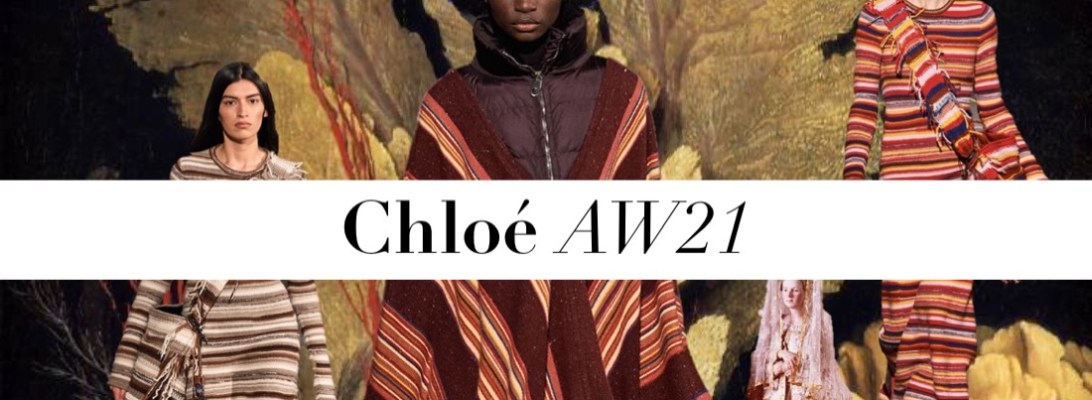
Most debuts are bumpy, epecially in COVID-19 circumstances. However, I can’t hide I’ve got some very mixed about Gabriela Hearst‘s first collection for Chloé. Knowing her style and philosophy at her name-sake, New York-based label, you could be sure she would take her sustainability-forward mindset to Paris (that was one of the main reasons why she was appointed as the creative director of the brand). Aesthetic-wise, we know her for ultra-luxurious, assertive minimalism with eventual, feminine details, but you will hardly find any irony in those cashmere cape-coats and gorgeous pleated leather dresses. Most of all, it seemed to me that the designer decided to revolt against the New York ‘Gabriela Hearst’ and let things take some sort of laid-back approach, in the spirit of the Saint-Germain-Des-Prés lifestyle (Chloé founder’s Gaby Aghion first fashion shows took place in Café De Flore. Hearst’s models walked out of the cult Brasserie Lipp into the empty, evening streets of Rive Gauche). The result is a collection filled with layered, nomadic silhouettes that unfortunately look cumbersome and overworked. The striped, knitted dresses, ponchos (they nodded to Hearst’s Uruguayan heritage), floating dresses (the flou is a must for every Chloé designer) and shearling coats were in general mild-looking. The designer closed the collection with puffer outerwear repurposed from Chloé overstock spanning designers and eras (I mostly noticed Natacha Ramsay-Levi’s memorable prints – the way they were clashed kind of diminished her Chloé tenure). The pieces were created with Sheltersuit, a nonprofit organization providing aid to the homeless, which also collaborated on a series of backpacks. As mentioned above, Gabriela’s Chloé will take a no-jokes road to sustainability (she said that Chloé had already decreased this collection’s environmental footprint by 400% compared to last winter’s line), which is admirable. She mentioned certified materials, circular economy, net-zero goals as just some of her aims for the brand, and placed sustainability center stage for her debut – as her inspiration, her material, her technique, and even her silhouette. This really does have a potential, especially in Paris, where that topic still feels dormant. But for her future offerings, she should get some proper styling (or editing) done.
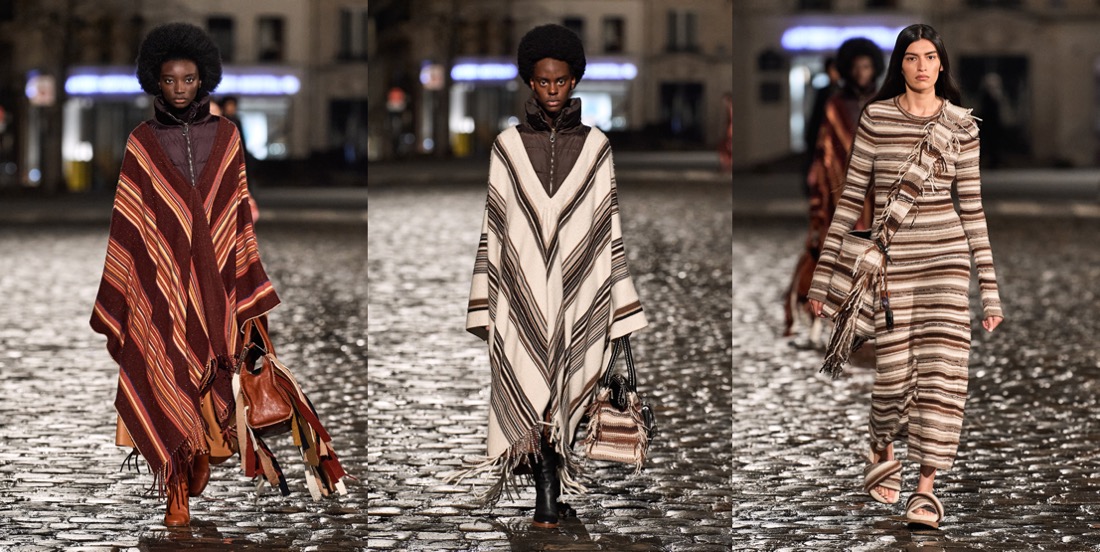
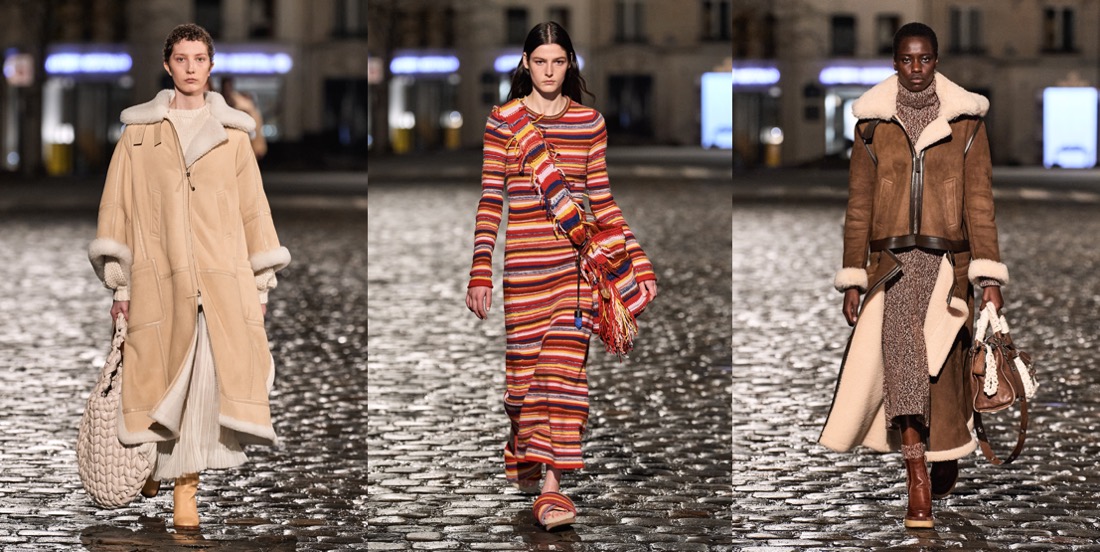
Collage by Edward Kanarecki.
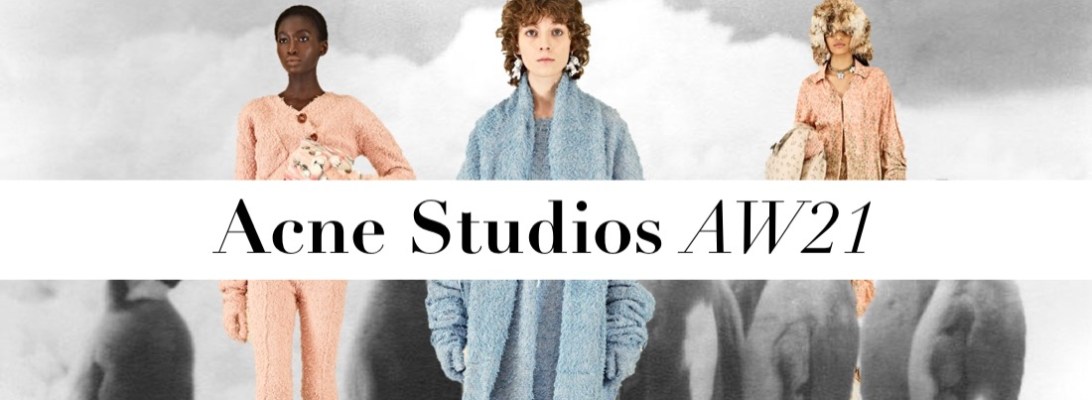
One Foot in Bed, One Foot in Reality. Acne Studios AW21

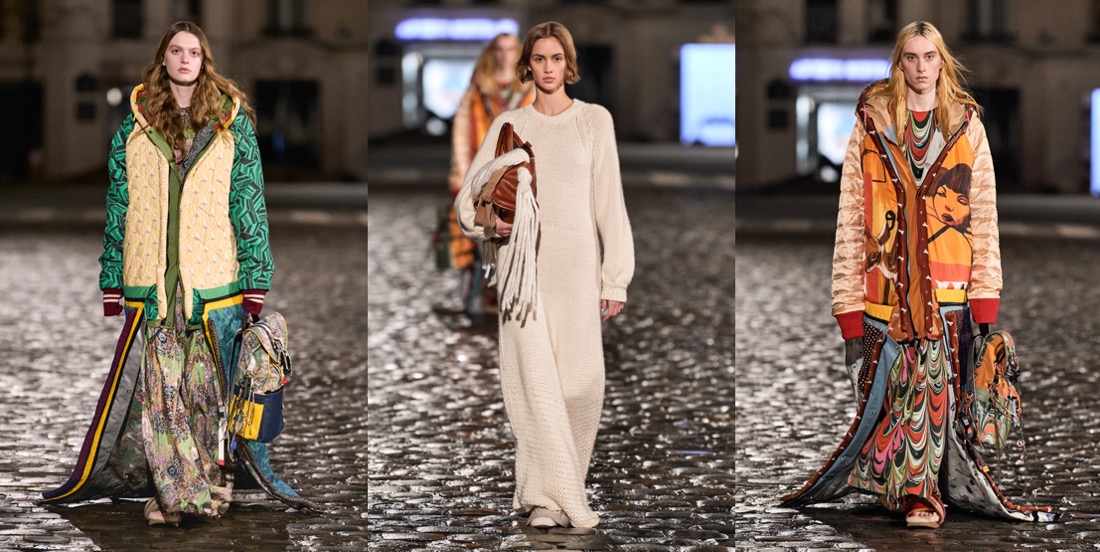
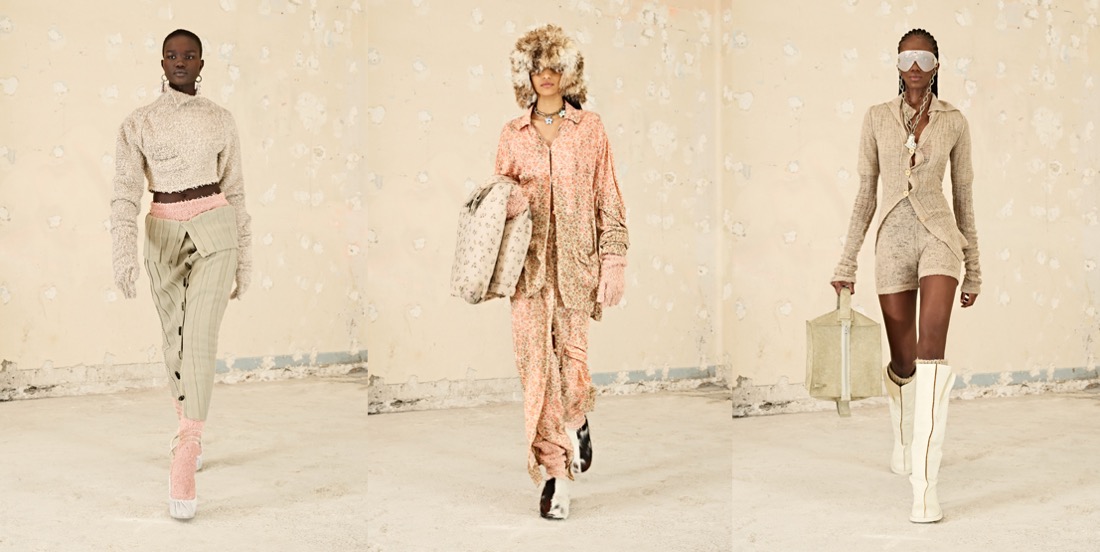
The new season Acne Studios collection is quite close to Jonny Johansson‘s recent outings: incredibly tactile, playfully deconstructed and intentionally ‘unfinished’ if you know what I mean. The difference is that it’s a direct response to current lockdown feelings and isolation moods. Spending lockdown at his Swedish country house, the designer has found it a sort of pastoral escape from reality: “a dreamscape, fantasy situation,” he said. “It’s been quite an easy place to focus, a comforting world to be in.” There’s a certain relaxed, cozy feeling in the opening, vintage-y looks. Distressed dressing gowns and fuzzy fabric pajamas, floral nightgowns and distended knits appropriated the cutesy fabrics that furnish his home, thick knitted socks stuffed into sandals… so Acne Studios and so, so desirable right now, during what seems to be a global fatigue. Stripped back, some of the underlayers (notably a tie-dye, silken dress, or a button-down micro-floral ’90s number) were charming as well. Johansson explained he was also designing with the future in mind. His somewhat severe snapback to reality, which appeared toward the end of the collection, revolved around the weddings and funerals precluded by gathering restrictions – hence the monochromatics that followed a palette of well-washed pastels. It felt somewhat dystopian, gaping crochet and wader boots read more directly as apocalyptic than churchgoing attire, but a twisted lace version of a wedding dress or some black taffeta tailoring would certainly suit cocktail hour. This season, designers are grappling with the notion of a post-pandemic wardrobe, and nothing has yet been decided – although it feels unlikely that many people will want to extend a year spent in pajamas much longer than is strictly necessary. Acne Studios offers that in-between wardrobe, one foot in bedsheets, one foot in actual life.

Collage by Edward Kanarecki.
Healing Powers. Thebe Magugu AW21

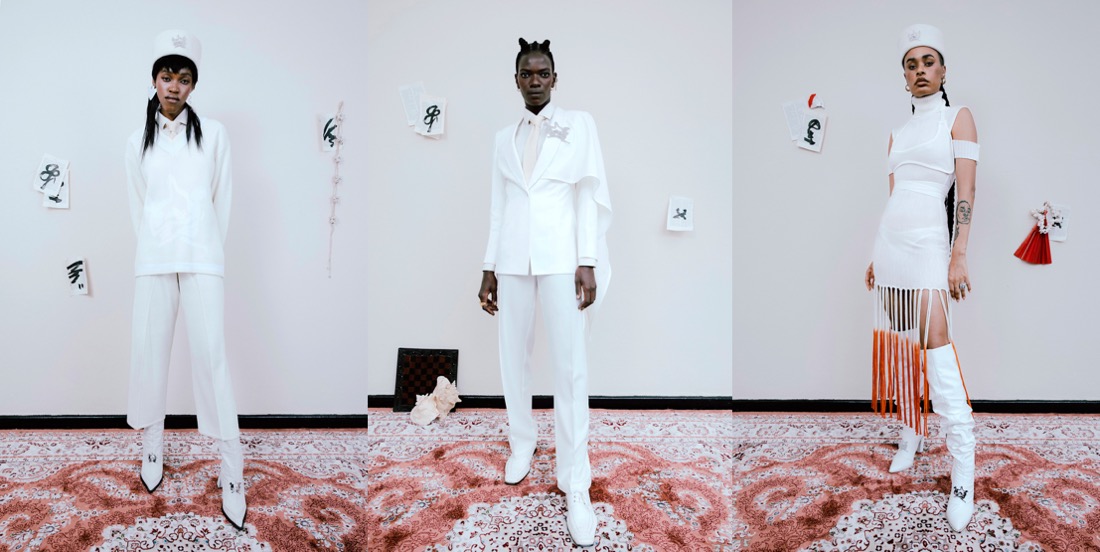
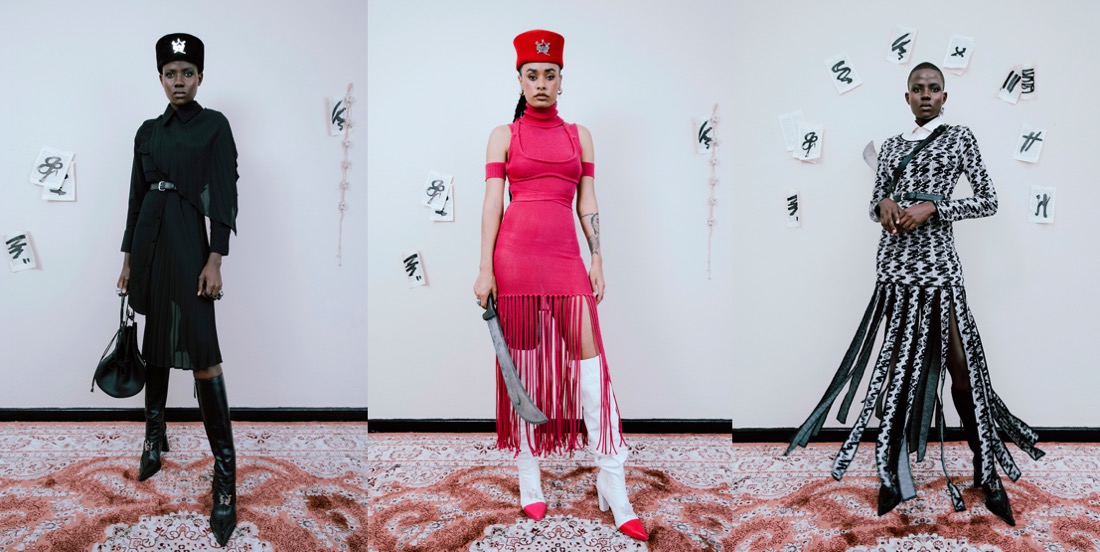
The first days of digital Paris Fashion Week are definitely lively – especially, thanks to new-gen designers who aren’t really Paris-based. In the last several years, South African designer Thebe Magugu observed friends and relatives overhauling their lives while studying traditional healing. Compelled by their connection to their ancestors, these young creatives began to learn practices with roots in antiquity, an experience that altered their perspectives. “It’s called ukuthwasa, and the way it manifests itself is quite interesting because it starts as a sickness, a kind of spiritual illness,” explained Magugu on Zoom to Vogue. “It causes people to take this monumental journey where you leave for months on end to train under a traditional healer. In the past it was something that felt far away from me, but now, as peers have received those sorts of callings, it’s fascinating. Once they return, they are completely changed.” This movement within African spirituality served as Magugu’s starting point for his powerful autumn-winter 2021 collection. The tension between old and new is a familiar fashion theme. Still, it has rarely been approached through the millennial South African experience, and never with healers as creative collaborators. Stylist Noentla Khumalo’s background in the subject adds a layer of authenticity and the collection’s key print. It’s through the articles used within her divination – goat knuckles, bones, seashells, and dice among them – that the pattern comes together, each element photographed by Magugu against a bed of straw. Abstracted from their original purpose and transferred onto pants and blouses, the items make for a kinetic design that draws the eye closer. The tale behind the floating dice and textured stalks isn’t instantly evident, but Magugu strives to create pieces with the kind of visual impact that requires no explanation. “With my collections, I always hope you can appreciate the fabrications or the construction even if you don’t know the whole backstory,” he says. “The story is an added plus.” Despite his claims to the contrary, Magugu is a detail-oriented storyteller whose pieces could come with footnotes and citations.

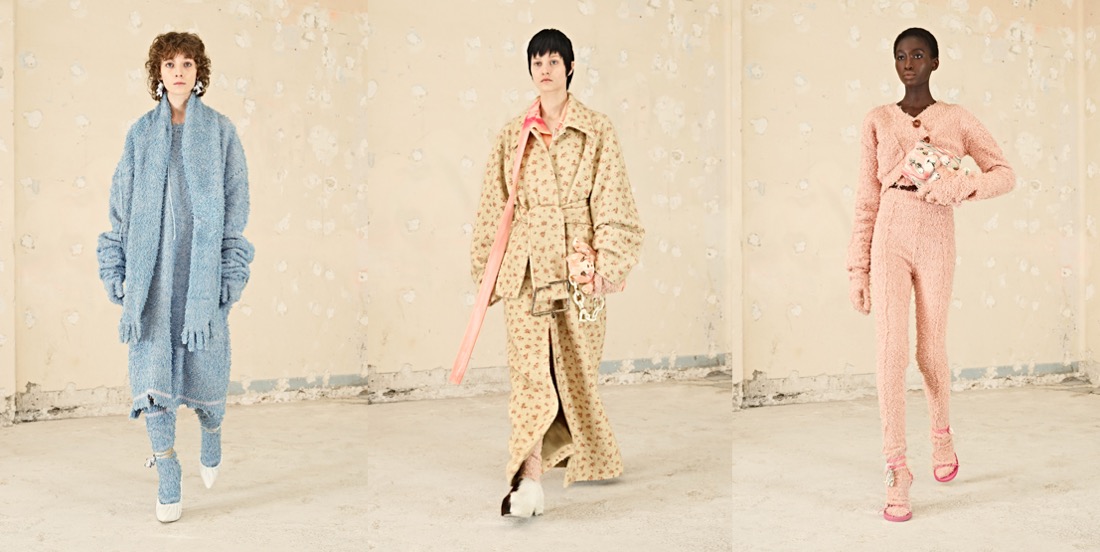
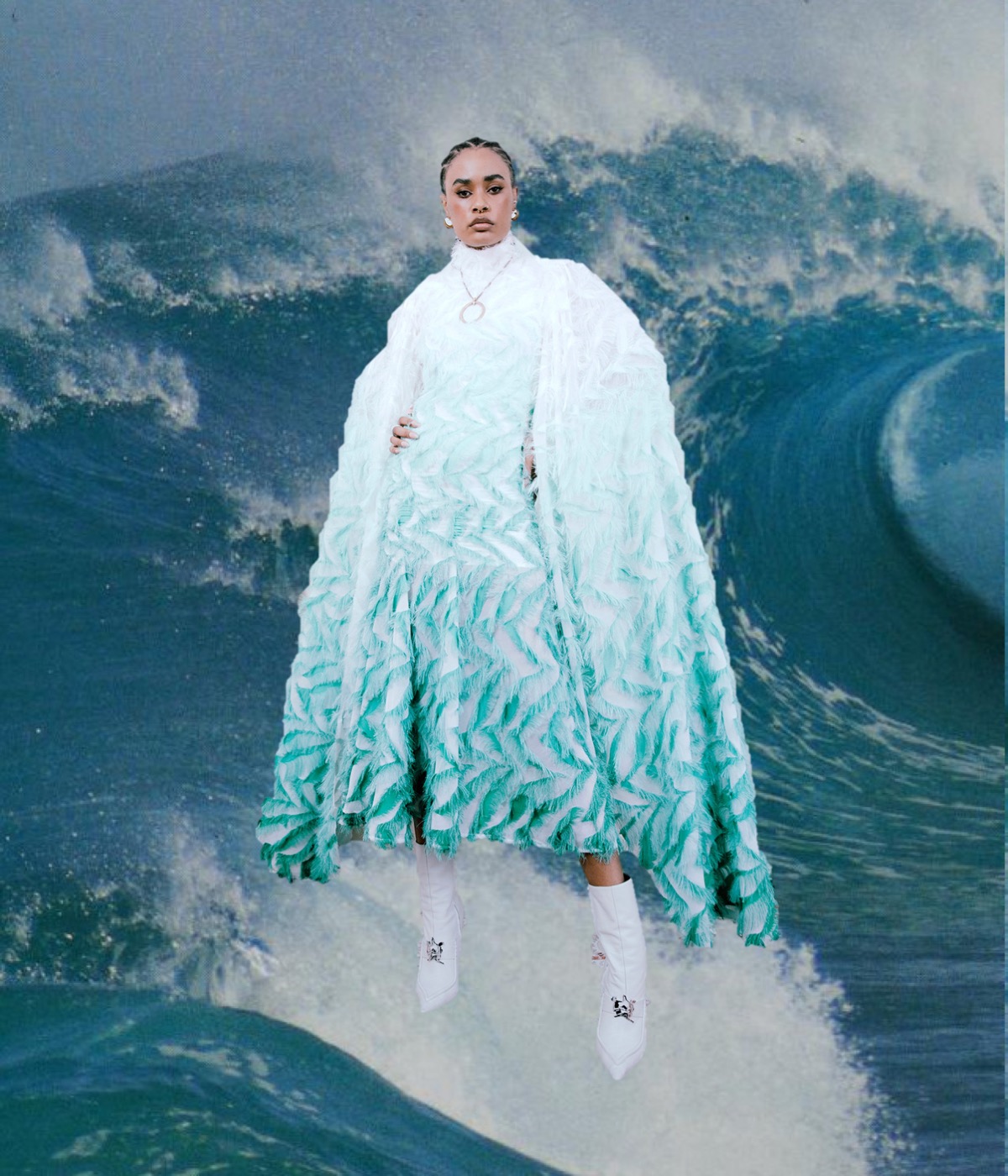
A certain surreal sentiment is perceivable clothes. An ombré cape dress laden with fringe was originally intended to be a costume, but Magugu decided to include it in the mix at the last minute. “It was conceived as the film’s opening look, and originally I wasn’t going to offer it as a commercial proposition,” he says. “It has a tactile feel to it, and it’s really a garment that showcases all this handiwork.” The importance of touch became a recurring theme, with tufted fabric from famed Japanese textile maker Mr. Adachi San and textured eco-prints by Larissa Don that utilized botanical transfers of imphepho, a flowering licorice plant used in traditional medicine. The materials also served to reference scarification, the raised surfaces on blazers imprinted with a proverb in braille that read, “What you do for your ancestors, your children will do unto you.” With cozy, straightforward pieces currently in demand, Magugu’s refusal to go humdrum was admirable. Sure, the buyer-friendly essentials are present – a blue and white shirtdress feels ready for a post-lockdown street style moment – but the excitement lies with esoteric pieces.

Collage by Edward Kanarecki.

Core. Marine Serre AW21

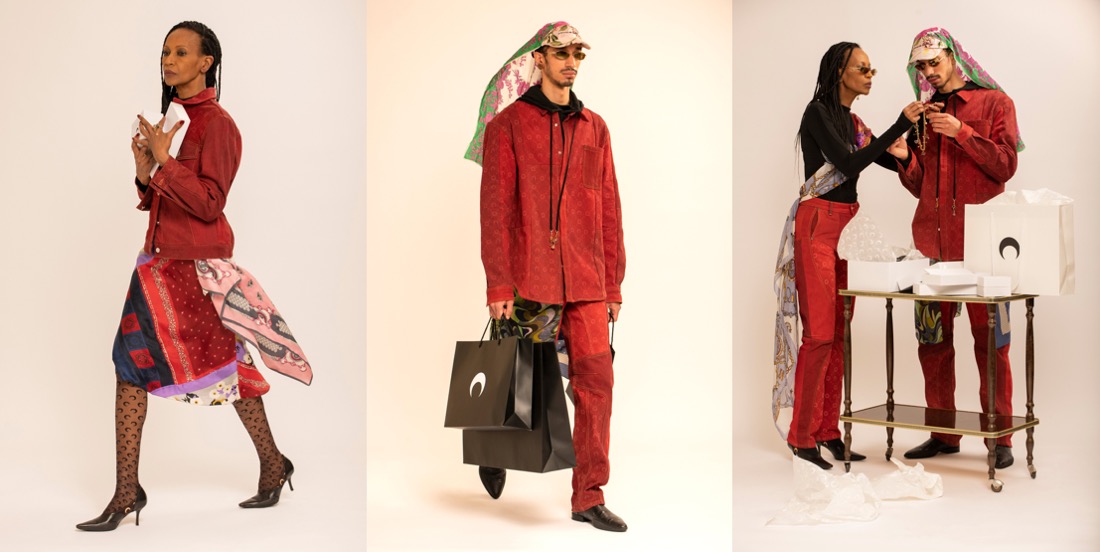
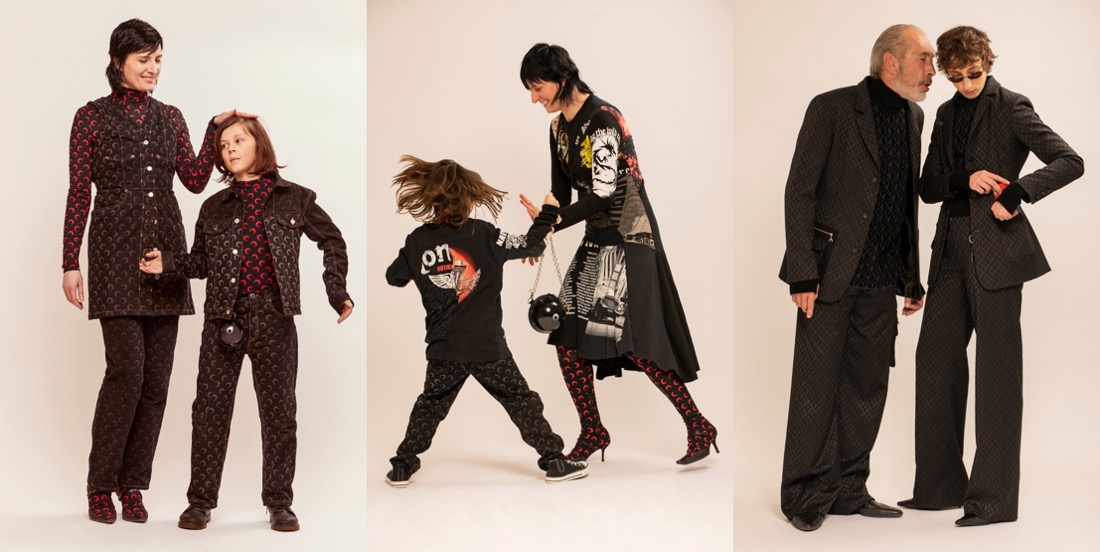
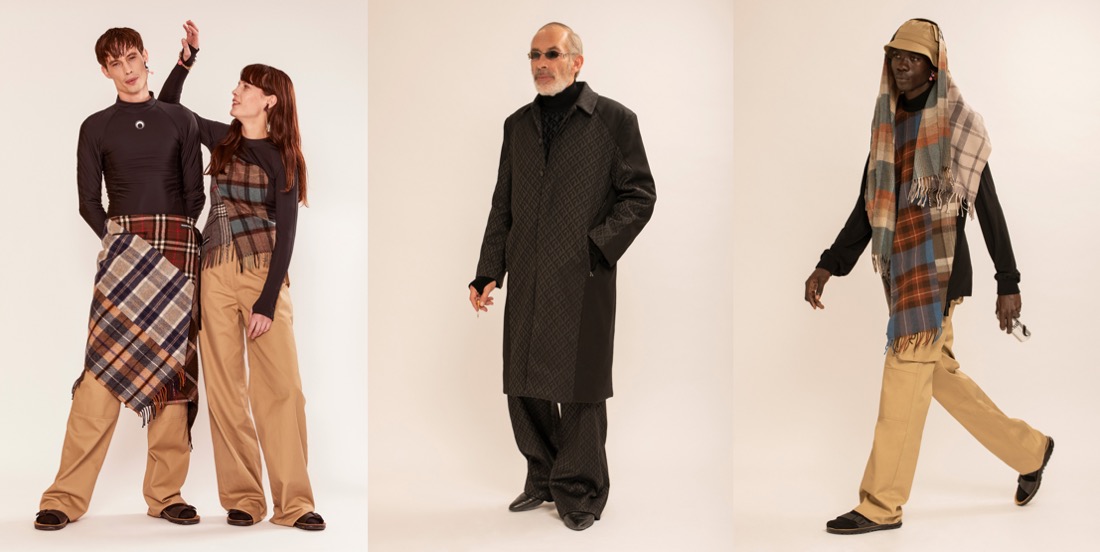
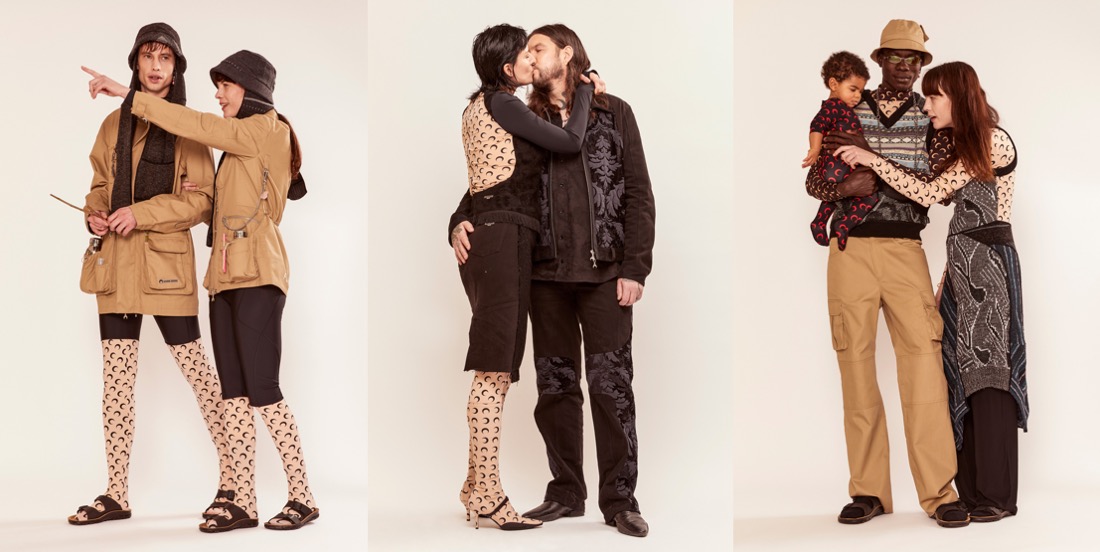
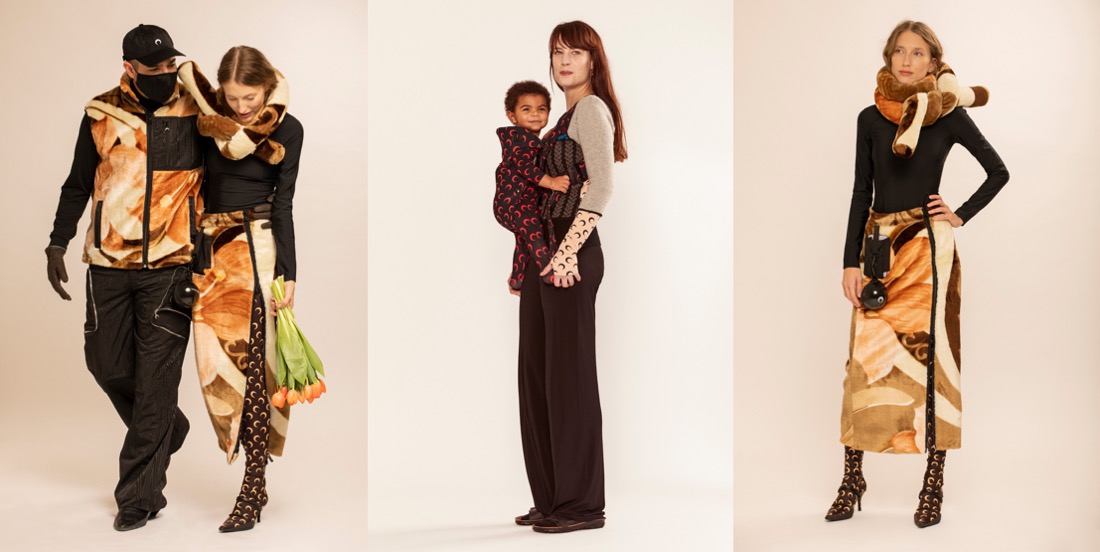
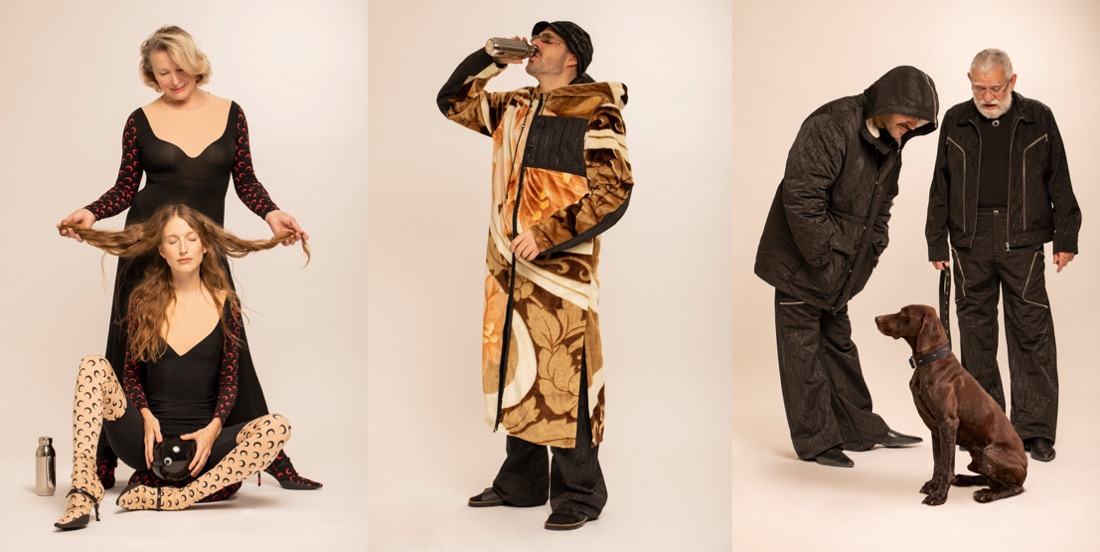
Digital Paris Fashion Week started today, and it hit off with Marine Serre‘s “Core” collections. We’ve got used to Serre’s dystopian visions, which appeared to be ironically precise (she pioneered face masks on the runway seasons ago…). However, her autumn-winter 2021 line-up is all about optymism and hope. The collection wasn’t heralded by a shallow short movie,  but by a website, http://www.marineserrecore.com, which went live at her regular spot on the Paris schedule. The website is a chronicle of all that goes into her designs, and ergo her view of the world, as much as it is a reveal of her new offering and a joyful, life-affirming celebration of family, friends, and community. “Core means the core of the brand, in much the same way as the idea of the core of a computer,” Serre said during a preview. “It’s all of the memory; how everything connects. Pragmatically,” she went on to say, “it’s been three years since we began. We’ve been doing a lot, being an extremely creative brand; we felt the urge to talk, ring the bell, raise the alarm, and reflect that in what we’ve created. This is maybe another moment. An opportunity to look at the interesting processes we’ve put in place; to really think about the garments and the materials we make them from – the transformation of those is really part of our creativity.” The collection is essentially a blueprint of all that Serre has accomplished since she launched the label, filled with her signatures. It’s also a pretty breathtaking and brilliant statement of what can be achieved in the space of three short years; what can emerge when you harness talent with a clear sense of purpose and convictions about what constitutes your values.

There are plenty of Serre’s upcycled silk scarves, draped around sinuous black dresses, which have been accessorized with talismanic metal belts and petite chain-strap bags, while other scarves have been worked into tunics and tees. Deadstock leather in shades of black, tan, and brown is graphically patched, with an anthropomorphic feel into blazers with squared-off shoulders, biker pants, and jeans-style jackets, sometimes layered up with short dresses created out of antique tablecloths. And the now iconic crescent-moon-motif-embellished bodysuits and regenerated denim or else was mixed with more hybridity in the form of sweaters and dresses collaged out of upcycled knits. All of this was shot on a terrific cross-generational cast of characters, kids included. “It was interesting to revise what we’d already done,” said Serre. “Basically the goal was to bring more real life to our design process, to bring garments into daily life.” Her solution was to ask the team to try things on, give their feedback, then modify to make everything more relatable. The website also houses a charming series of depictions of those within the extended Serre label family, wearing a few of the pieces, and engaged with their routines. “Cooking, spending time with your mother, in the garden, playing with your dog…pleasures which are simple,” said Serre, describing the scenes. “Fashion has always been about a dream, and I don’t like that. Here, fashion is the last thing you see. What you see first are the people.” Serre’s thinking about the site is akin to the way she thinks about her designs. Visit, spend time, come back, visit again, get to know what something means and what it stands for. Nothing should ever be fleeting, or disposable, gone in the blink of an eye.

Collage by Edward Kanarecki.
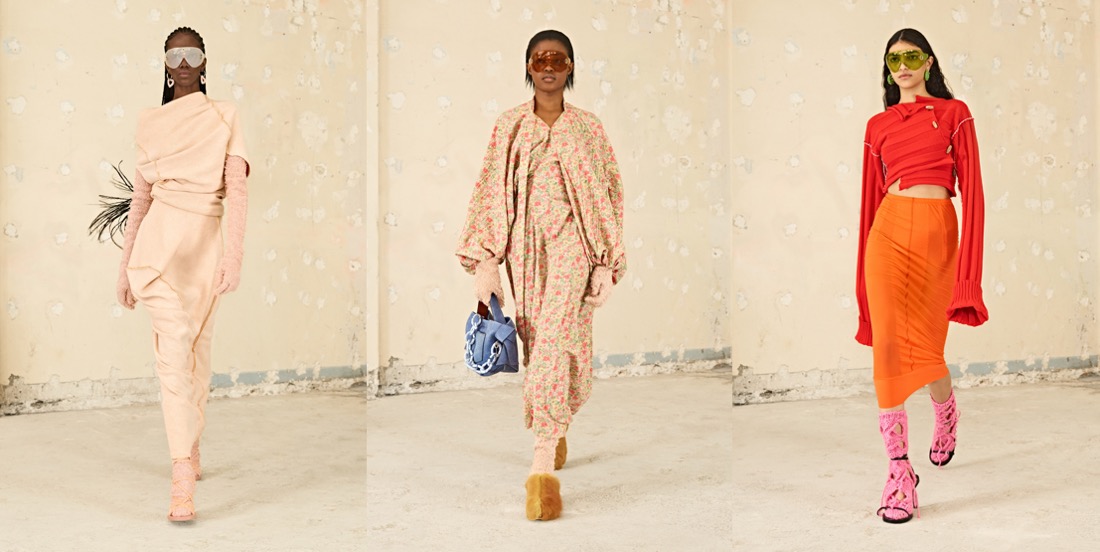
Wild Horses & The Sea. Chloé SS01

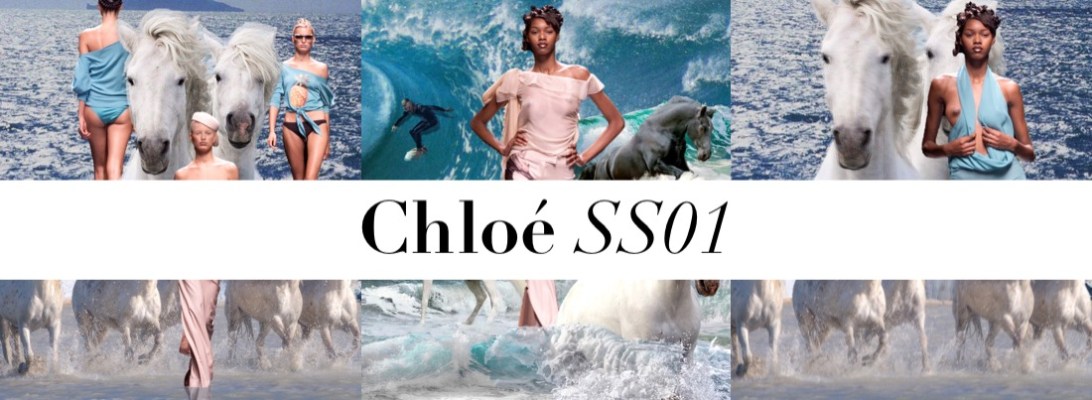
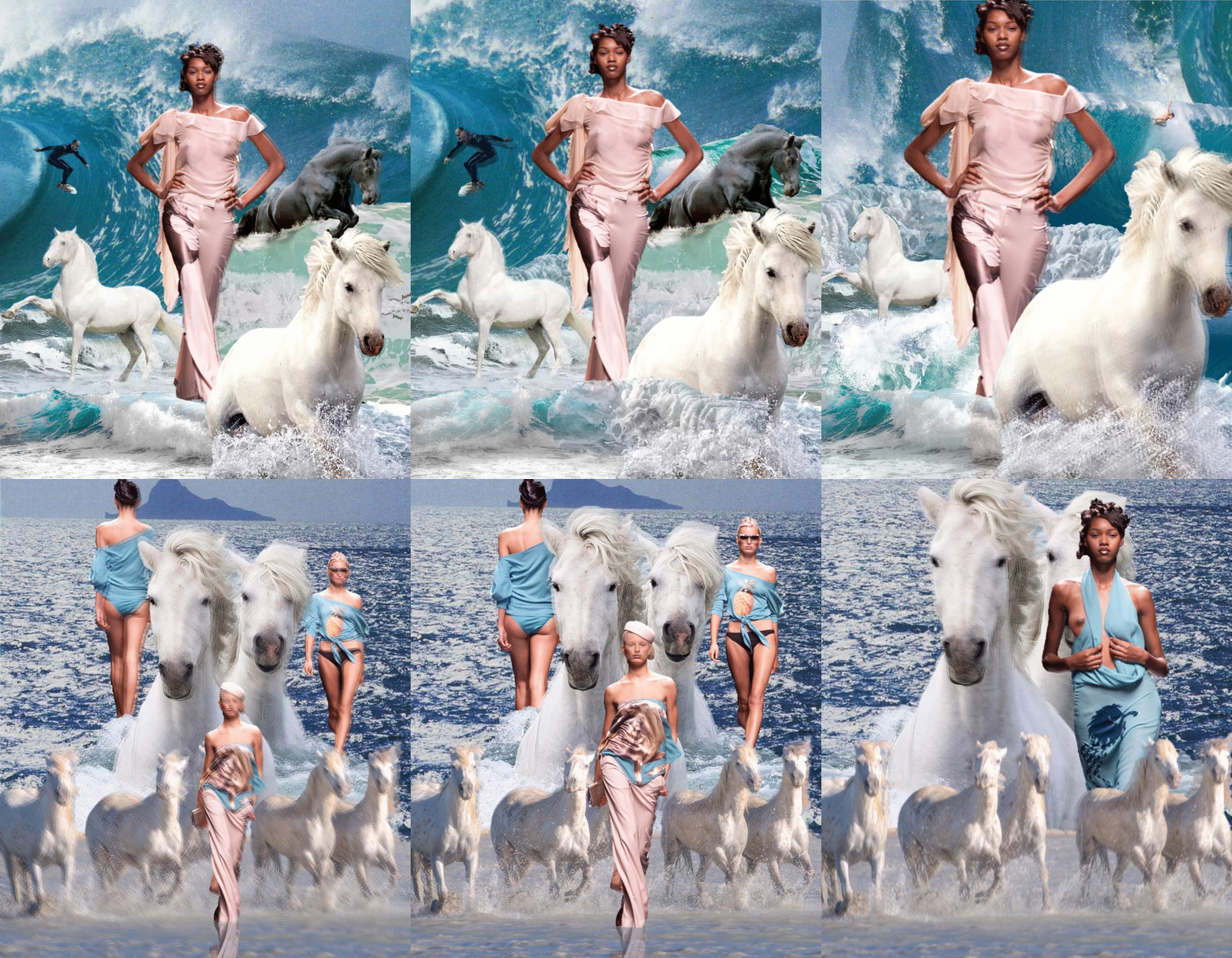
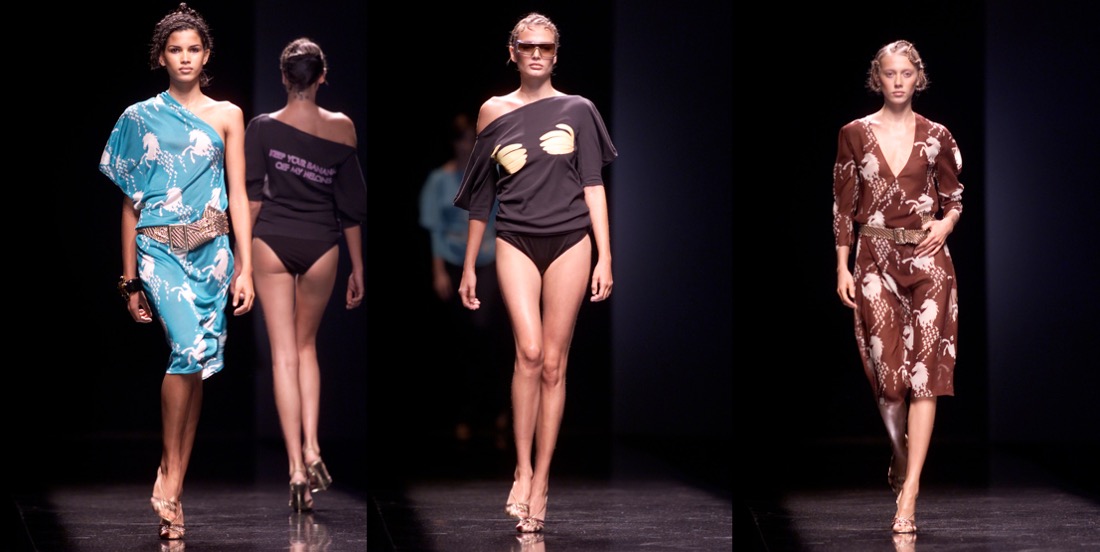
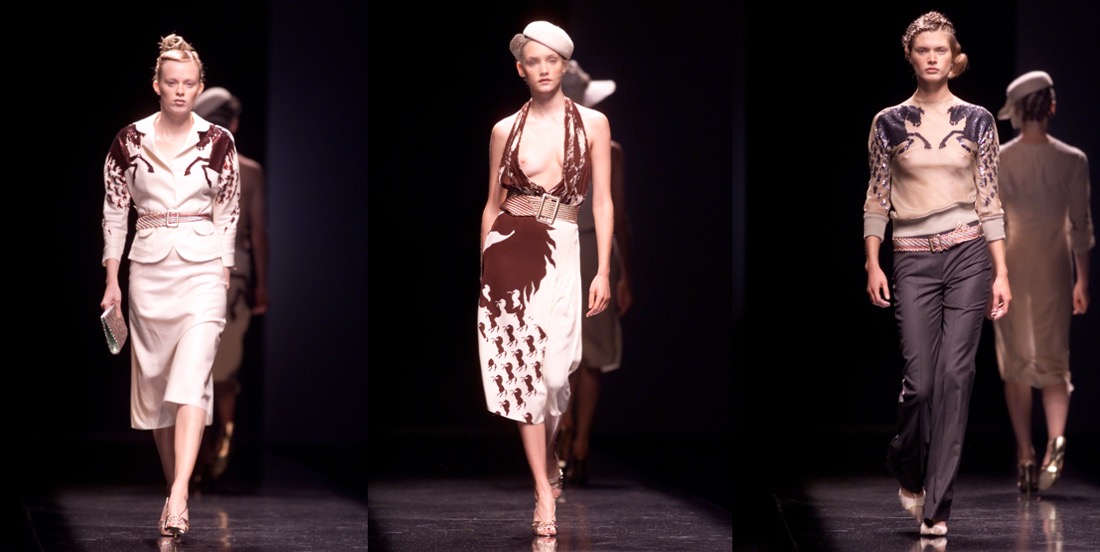
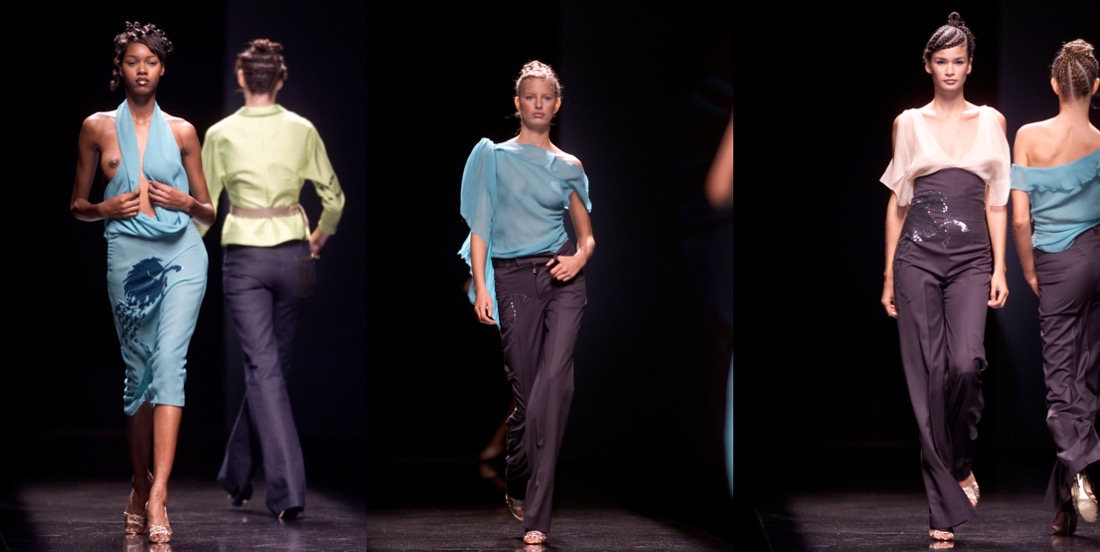
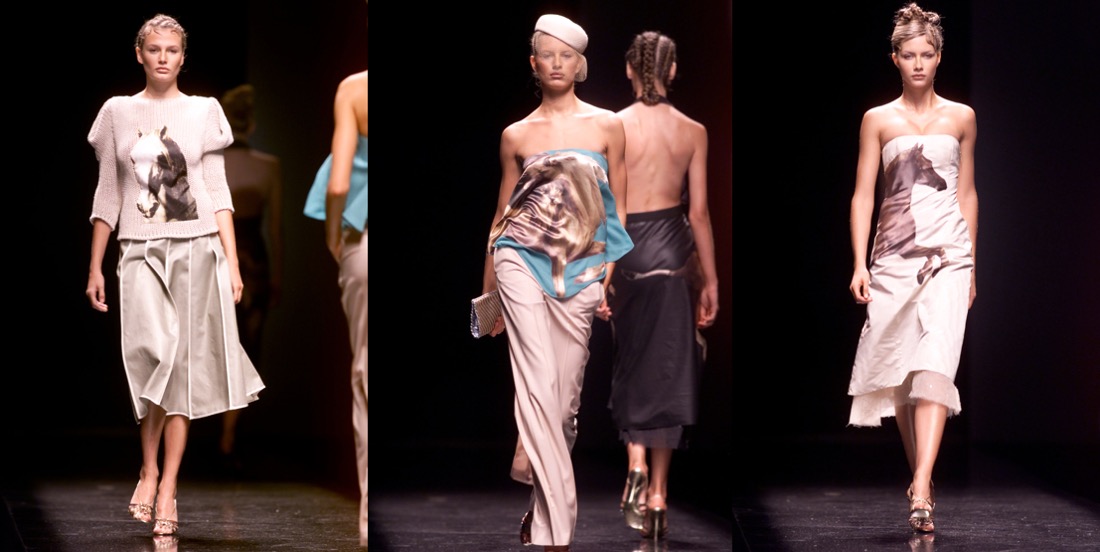
In the yesterday’s Insta-episode of “Never Worns” by Liana Satenstein (I highly recommend following her @schmattashrink!), she talked to journalist and fashion critic Alexadner Fury about his museum-worthy archive collection, and vintage trends that might be big soon. He mentioned Stella McCartney’s Chloé as a fashion moment that just waits to become sought-after on the market. I personally love Stella’s era at the French brand from the early 2000s, and I wish she did more of that carefree, sexy, trippy thing at her brand now. So, 20 years ago, the designer certainly did not disappoint her legions of fabulous young fans. For spring-summer 2001 season, in addition to delivering sexy new T-shirts and plunging bathing suits (with playful pineapple motifs – this sent shock-waves in Paris that day and eventually ended up being a feminist moment), McCartney explored grown-up territory, of course according to her signature princess-at-a-party style. Perhaps drawing inspiration from Elsa Schiaparelli’s inventive chic, McCartney worked graphic horse prints (borrowed from Stubbs and Géricault) into loosely structured diagonal-seam dresses and beautiful jackets with a softly draped triangle shoulder. Skirts were long and relaxed, perfect when paired with lightweight, flouncy off-the shoulder tops. Wide-brim hats and dainty pillboxes with a tulle overlay gave the look a touch of ’30s sophistication. More casual pieces included sexy jeans with zipper pockets and metallic horses galloping along the backside, and a T-shirt with strategically placed banana appliqués in the front and the words “Keep your bananas off my melons” in the back. This was one of the most memorable Stella-at-Chloé collections and one that confirmed her talent and potential as a major designer. I feel like those are clothes we want to see, love and wear in 2021 (or in post-COVID era that will eventually arrive, right?). Slightly hedonistic, beach-perfect, wild like a graceful mustang and simply sparking joy.

“Live” collage by Edward Kanarecki.