Men’s – Humanity and Craft. Loewe SS21

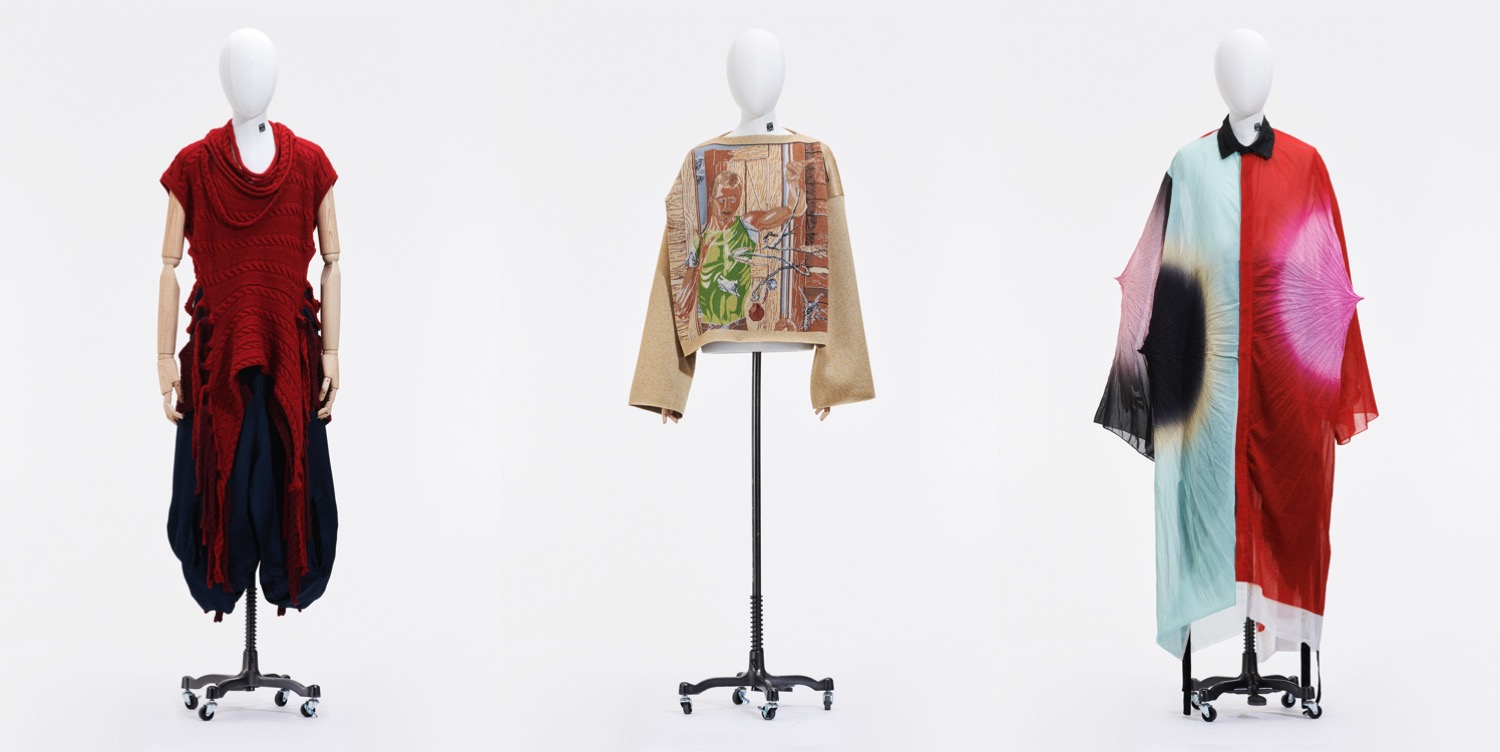
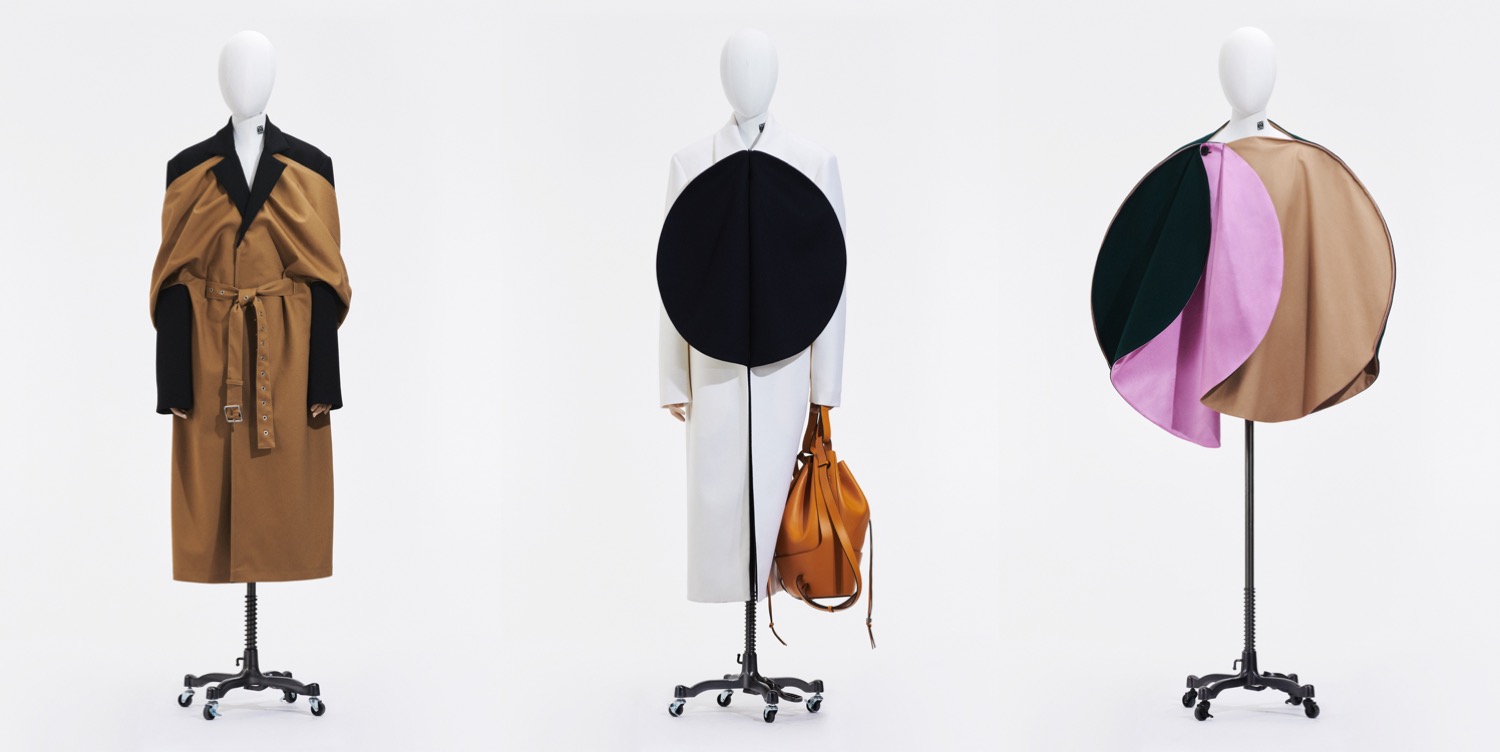
What Jonathan Anderson orchestrated yesterday around the launch of Loewe’s men’s spring-summer 2021 collection (and women’s pre-collection) felt like a long-needed quantum leap into the new world of open-ended possibilities. Where would a designer who’s always talked about Loewe as ‘a cultural brand’ and his links with artists and artisans go? How can the truth of tactility and emotion be felt when digital is the only option? On one level, what he came up with felt like dipping into a 24-hour Jonathan Anderson-curated worldwide live summer festival of arts, crafts, and conversations on Loewe’s Instagram page and website. “My whole thing is to do something in each time zone,” he told Vogue from his London home via Zoom. The program rolled from Beijing time onwards, connecting with (amongst others) crafts-collaborators Kayo Ando, who showed the art of Shibori, paper artist Shin Tanaka from Japan and the basketweave artist Idoia Cuesta in Galicia, Spain. There was music curated by Adam Bainbridge (aka Kindness), who showcased a calming ‘medley’ comprising different versions of Finnish musician Pekka Pohjola’s Madness Subsides, performed by Park Jiha in Korea, performer and producer Starchild, French-Malagasy pianist and bandleader Mathis Picard, and American harpist Ahya Simone. Lots more roved through live chats between Anderson and the actor Josh O’Connor, and, later, a conversation with contemporary textile artists Igshaan Adams, Diedrick Brackens, Anne Low, and Josh Fraught. And on another level, there was the Loewe Show-in-a-Box, a cache of paper-art discoveries delivered as a tactile substitute runway experience to the doorsteps of the industry insiders (it was a grander follow-up to the JW Anderson show-box he sent around last week). Inside was a pop-up show set, a flip-book of photos of the clothes on mannequins, a paper-pattern of one of the garments, print-outs of sunglasses to try on, textile samples, a set of paper pineapple bags and looks to stick together to make your own 3D ‘models,’ and a pamphlet listing Anderson’s art history inspirations. Slipped alongside was a packet of cut-out paper portrait silhouettes he’d had made of Loewe staff members. “I like that they’re kind of immortalized in this moment,” he said.

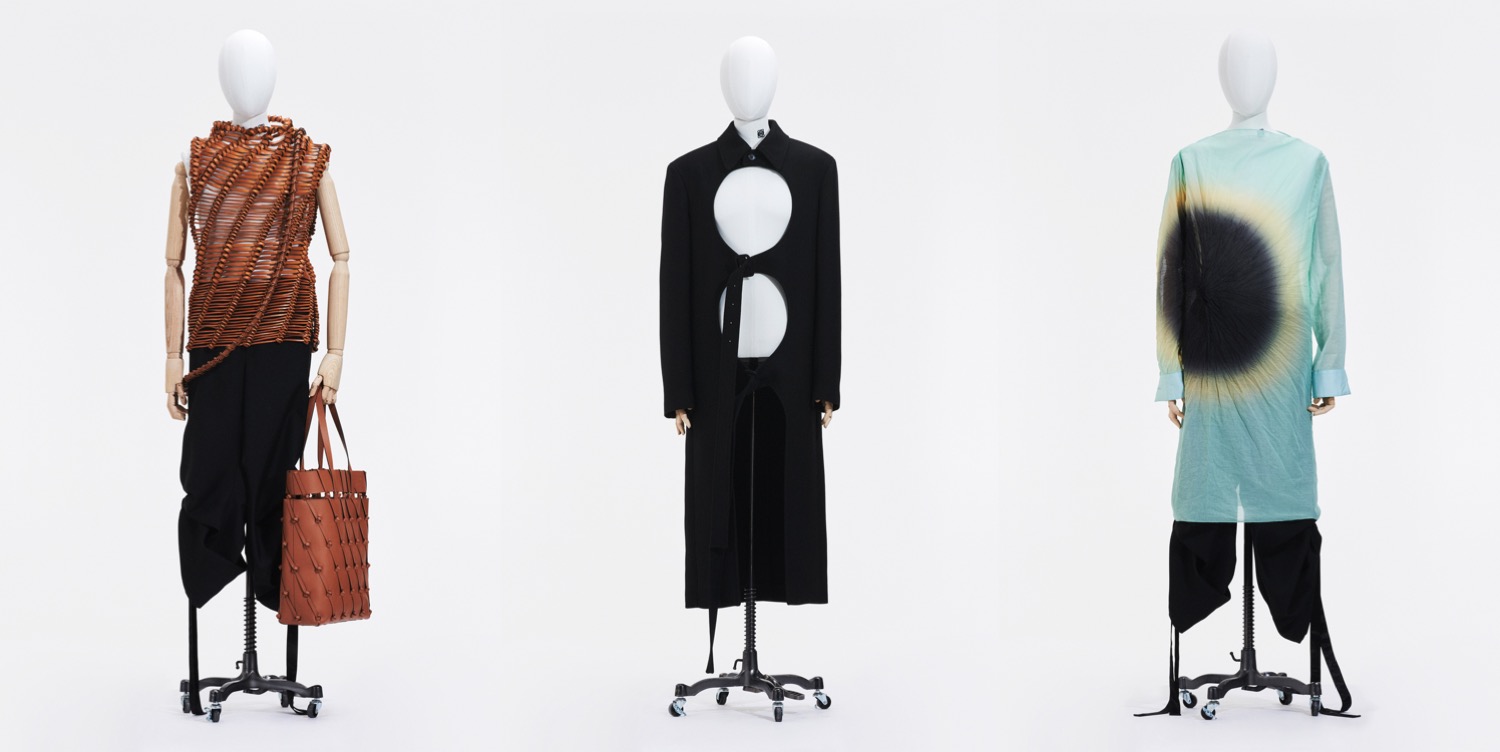
What about the collection? With their sculptural volumes, twisting, looping, and wrapping forms, the line-up read as Anderson’s push to convey the 3D presence of garments through the limitations of a flat, 2D medium of communication. Some of his references had been taken from El Greco and Velázquez, and his absorption of high Spanish art in the Prado in Madrid; others from his admiration of Issey Miyake’s pleats, and from wanting to showcase the painstaking handcrafts his collaborators bring. The leather-workers helped him evolve a basket-weave top and a soft, suspended bag that folds itself around one side of the body like an apron. The Japanese Shibori print radiates from the side of a tunic.“I have actually really enjoyed this process. It has made me be way more humble about who I am in this industry,” he concluded. “If I look at before the pandemic, I was slightly struggling. I was going out to prove that we are doing something. I think what’s been good about doing this is that I’m closer to the people who make the bags, to the pattern cutter.” Holding it all together in the digital space is turning out to mean more sharing of the glory, less behind-closed-doors mystique, more proof of the humanity, time and ingenuity that goes into making things, he believes. “I think that fashion now has to get rid of all the layers and just say, ‘This is what this brand does, and we’re going to do it with conviction.’ It has to be real. I think it’s bigger than the collection. I’m really proud of it because it’s very honest, it’s our humility. And it’s actually about finding that I love what I do.”
Collage by Edward Kanarecki.
Colours of Paris. Saint Laurent Pre-Fall 2020

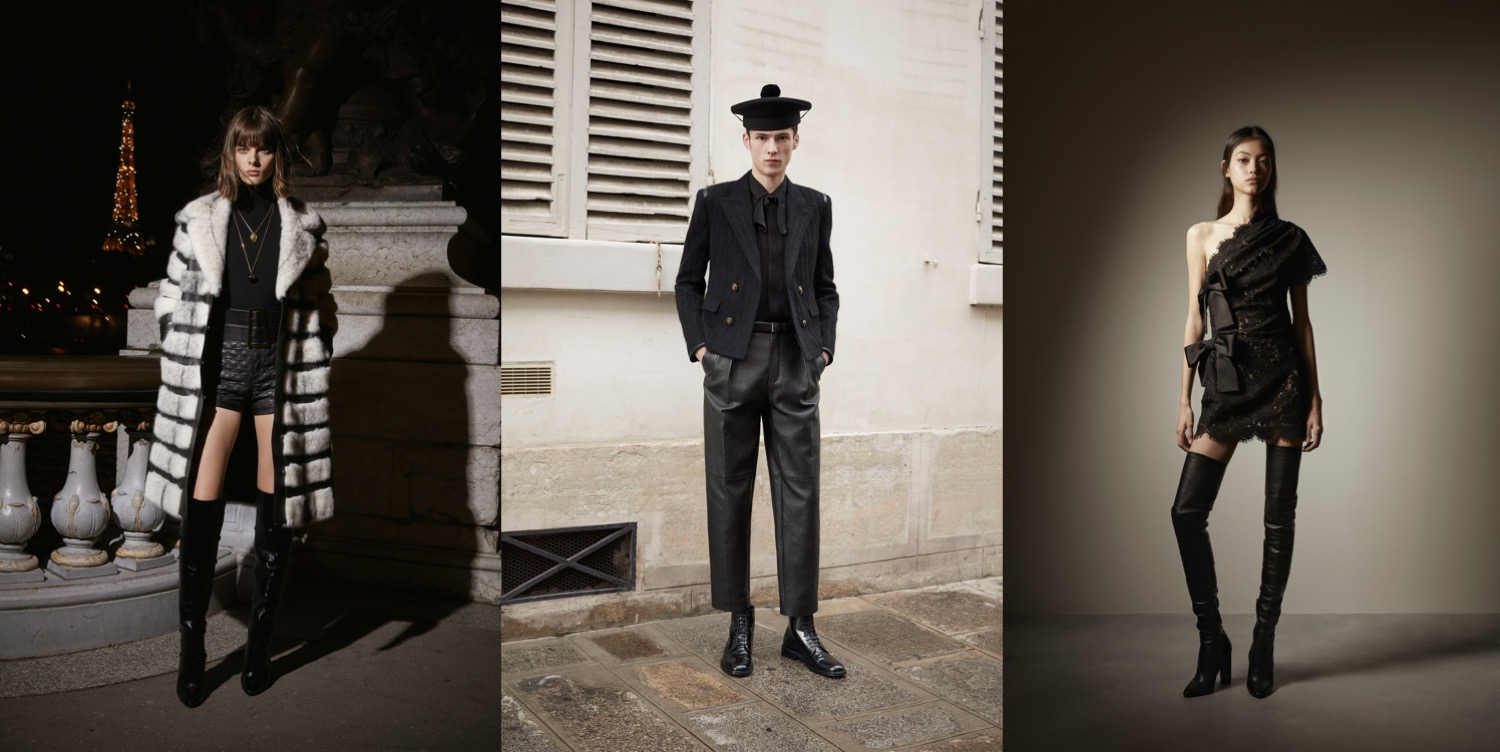
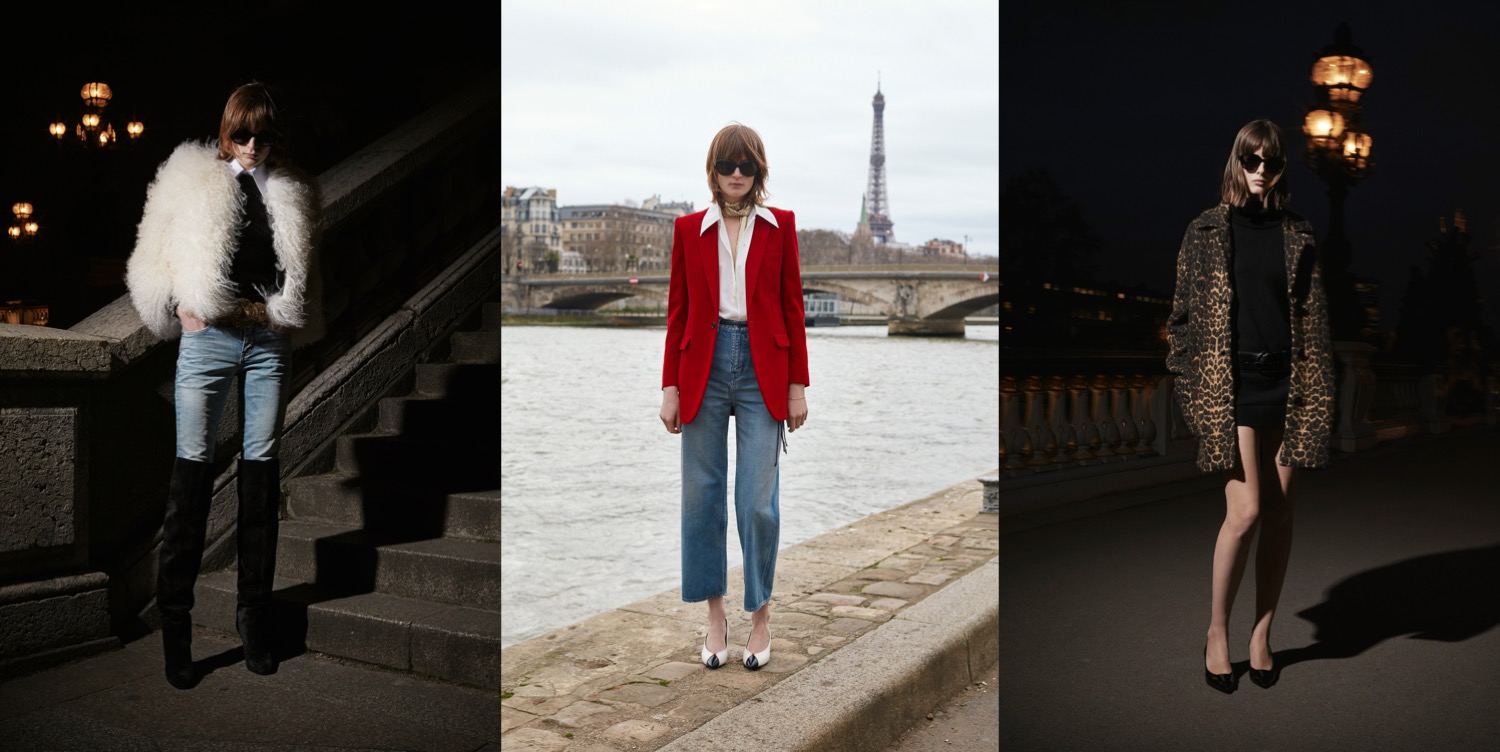
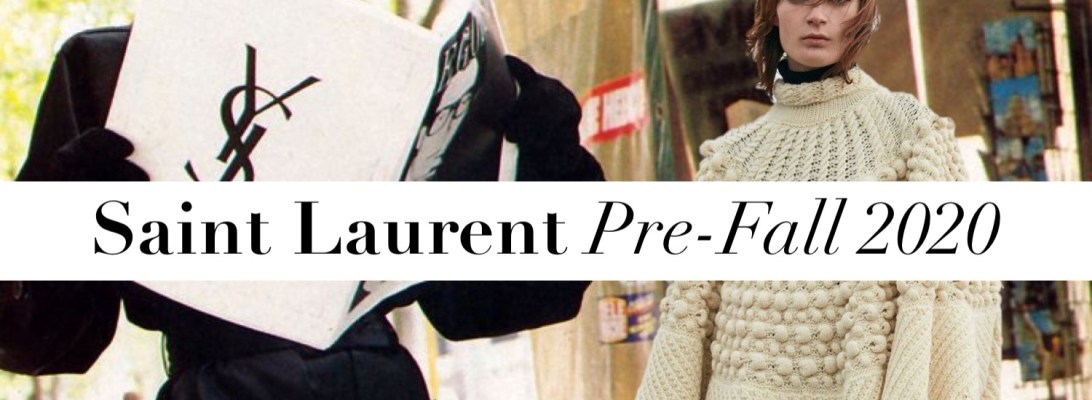
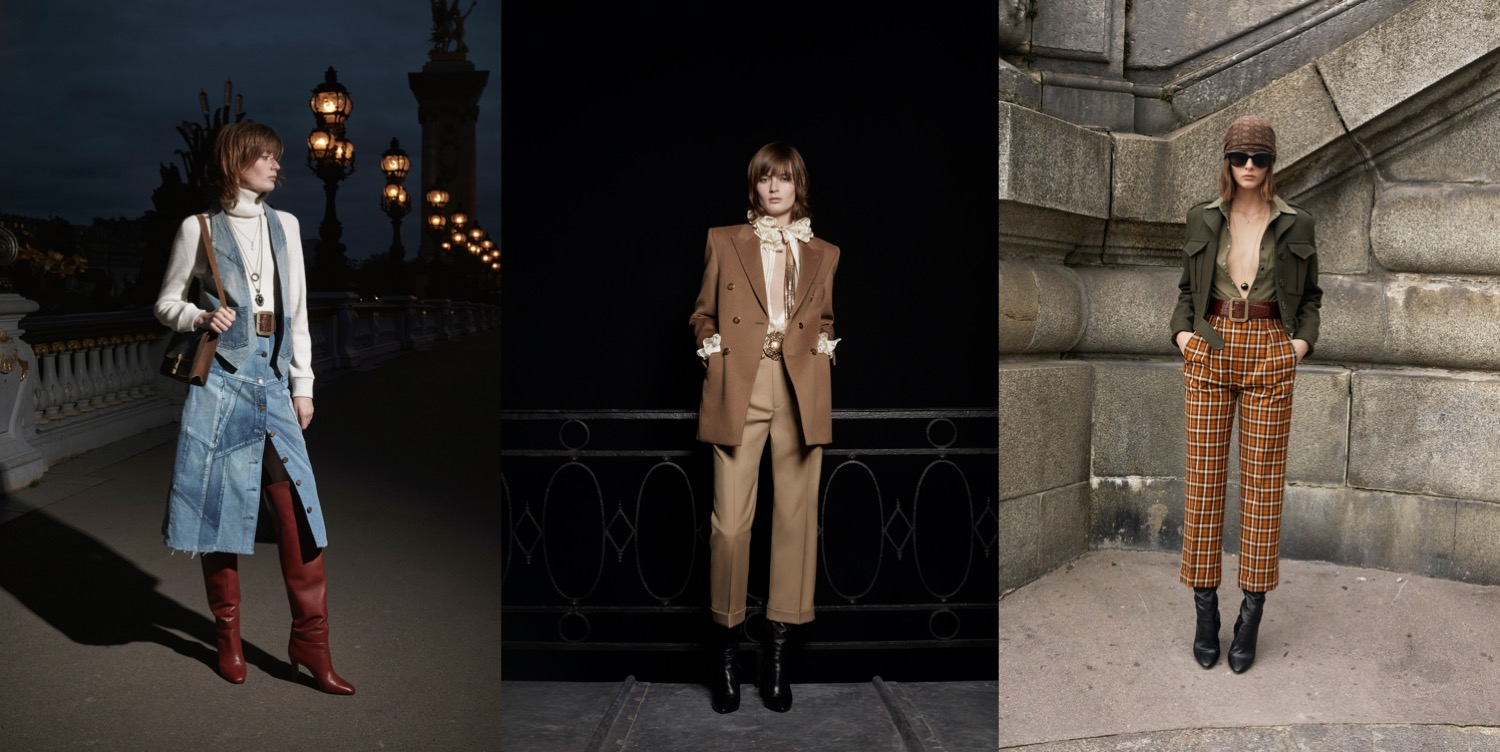
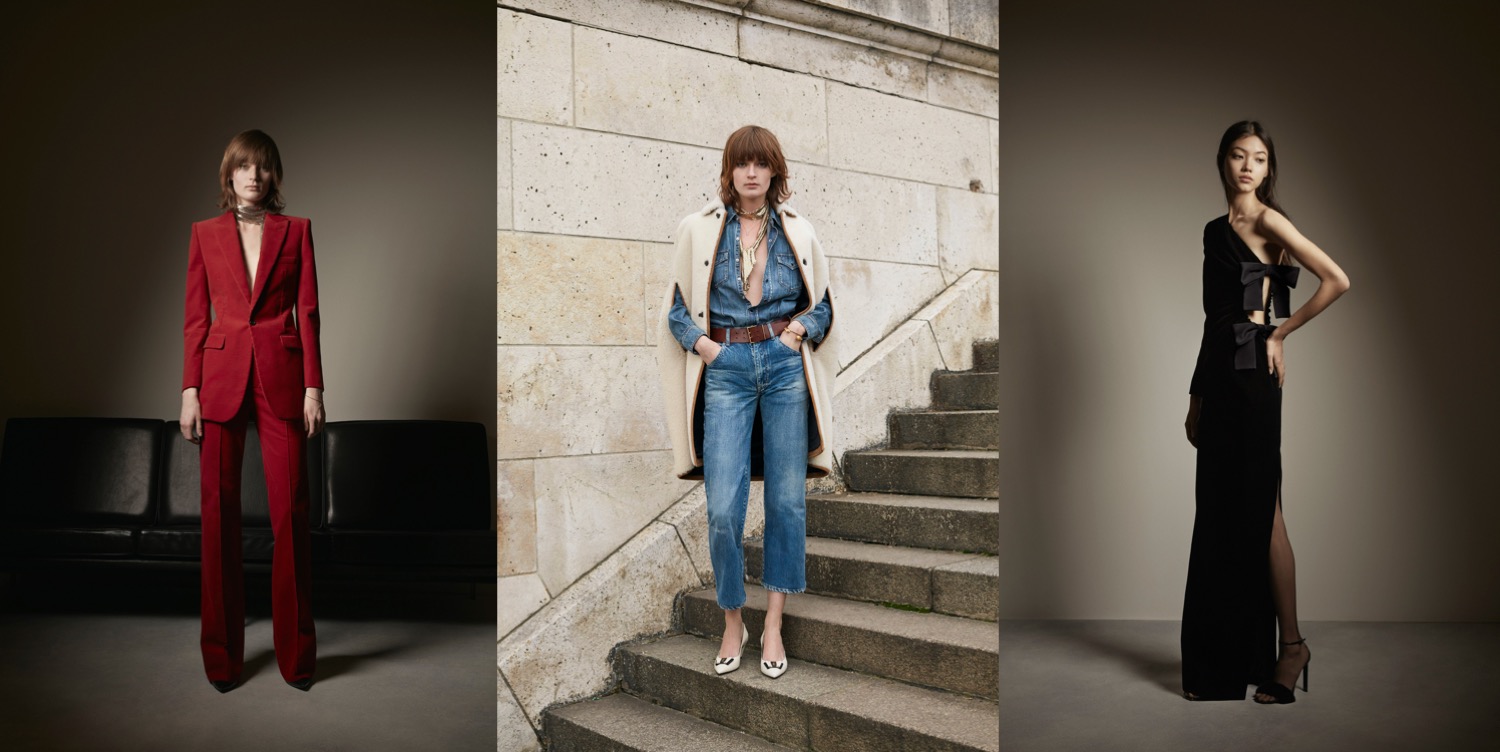
While Saint Laurent‘s pre-fall 2020 is released just now – the moment when the clothes hit the stores – it has the clues of the main, runway collection which we’ve seen back in March. It was Anthony Vaccarello‘s big success with colour, something so distinct and signature for Yves. “I started really enjoying those mixes of colors with the pre-fall” Vaccarello said. “It gave me the idea and desire to continue it for winter. I always thought that [color] was not my thing… but with time I have to say I just love mixing those improbable colors together, like in a painting.” With autumn there isn’t the same maitresse vibe of winter, but instead a softer, warmer approach, using color -mainly warm rust, ochre, a deep leafy green – in a judicious way so that it exalts and amplifies the kind of pieces Vaccarello sees as his perfect super-chic, super-Parisian wardrobe. That could mean a red velvet jacket over a white open-neck blouse and with beaten-up jeans. Or it could mean a kingfisher silk blouse gleaming from beneath an ocelot-like furry bomber and leather ski pants, the shade of blue set off beautifully by a hippieish gold metal belt. The other narrative threaded throughout this season at Saint Laurent are the 1970s. Here the decade is given a different cultural context by Vaccarello. He’s not looking so much at the likes of Betty Catroux or Loulou de la Falaise, but instead Jane Fonda. “[She] is always relevant, for everything she did in the ’70s and also for what she is still doing,” he said. “She is committed and active and never afraid to stand for her beliefs.” Incidentally, the year that her feminist-empowering thriller Klute came out – 1971 – was the very same year that Yves himself sent out his controversial ’40s-by-way-of-the-’70s collection. There are shades of both in this Saint Laurent autumn: the button-through skirt in leather or patchworked denim; the fluffy chubby; the squared-off shoulder line of a double-breasted jacket. I must admit that Vaccarello’s way of doing things at Saint Laurent gets better and better with time.

Collage by Edward Kanarecki.

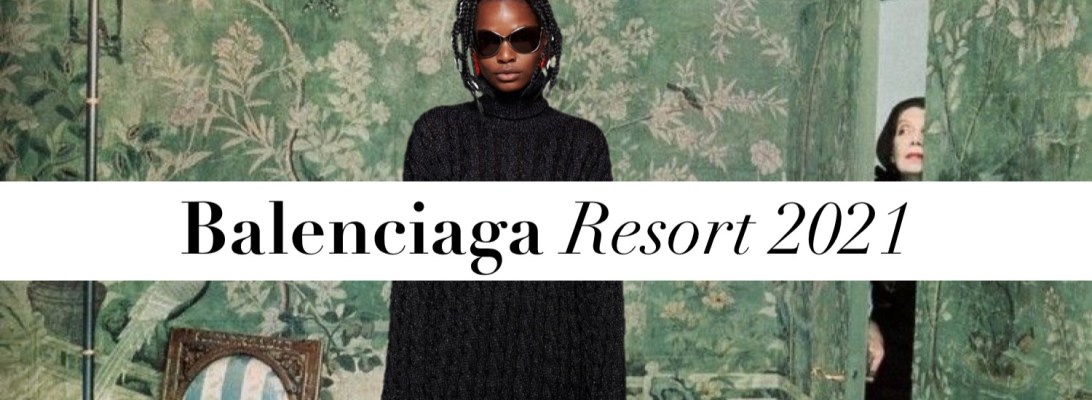
Dress for Yourself. Balenciaga Resort 2021

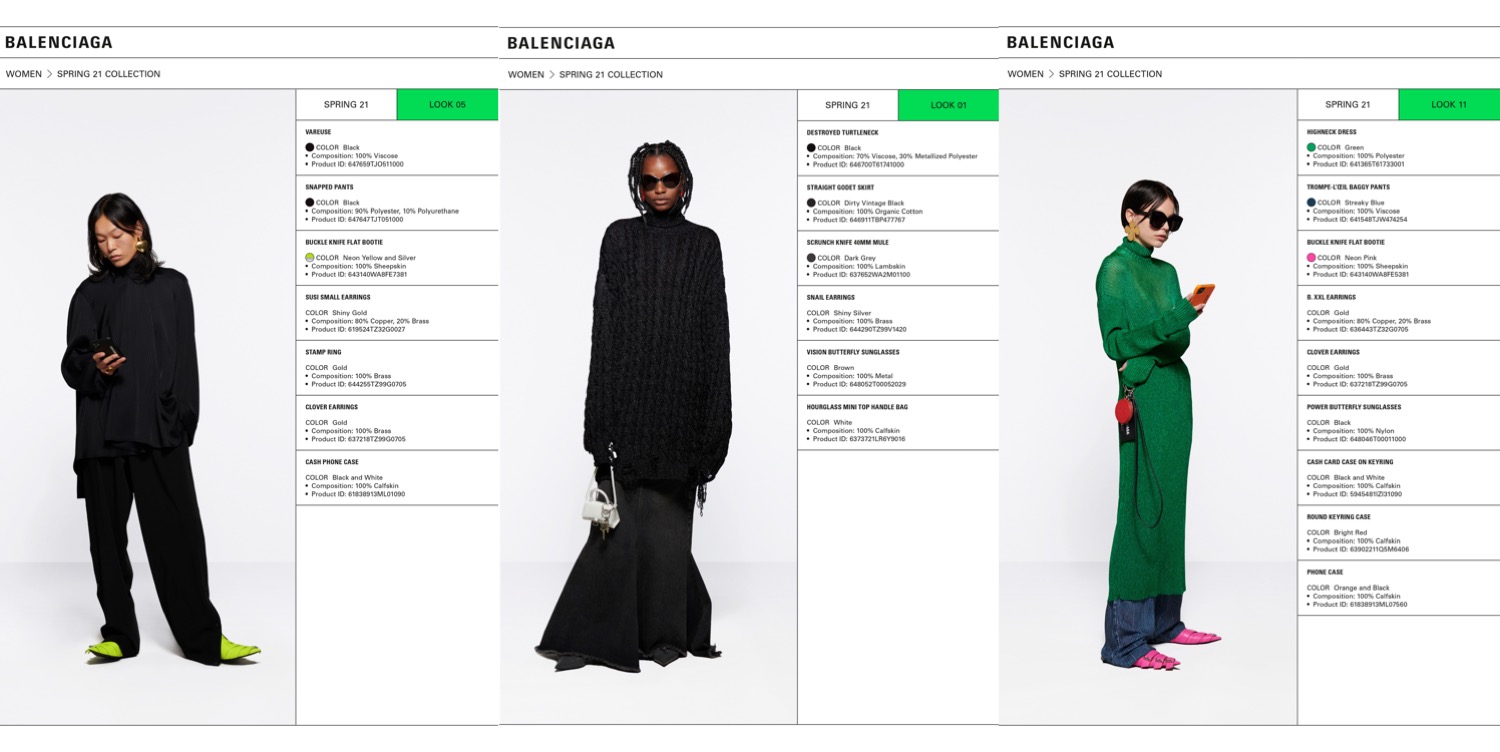
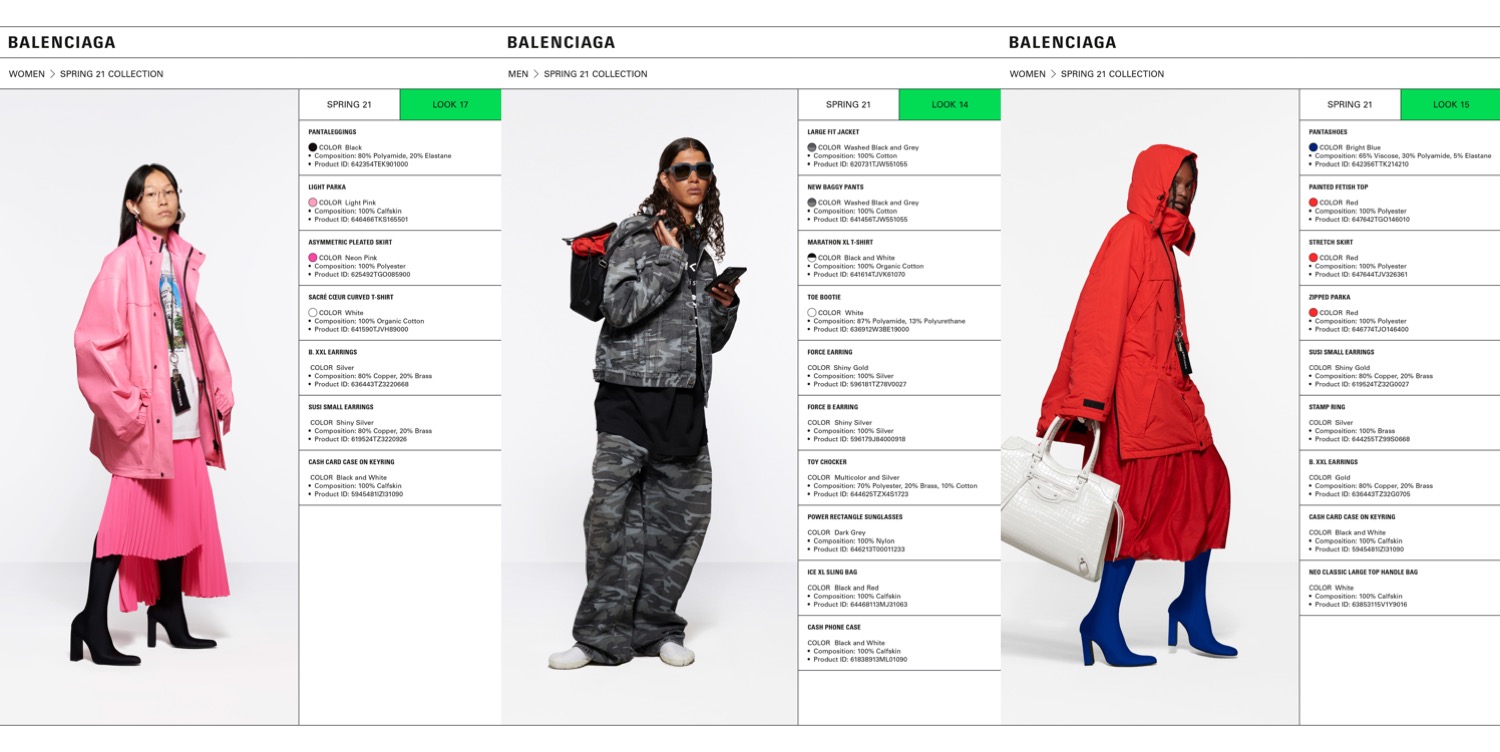
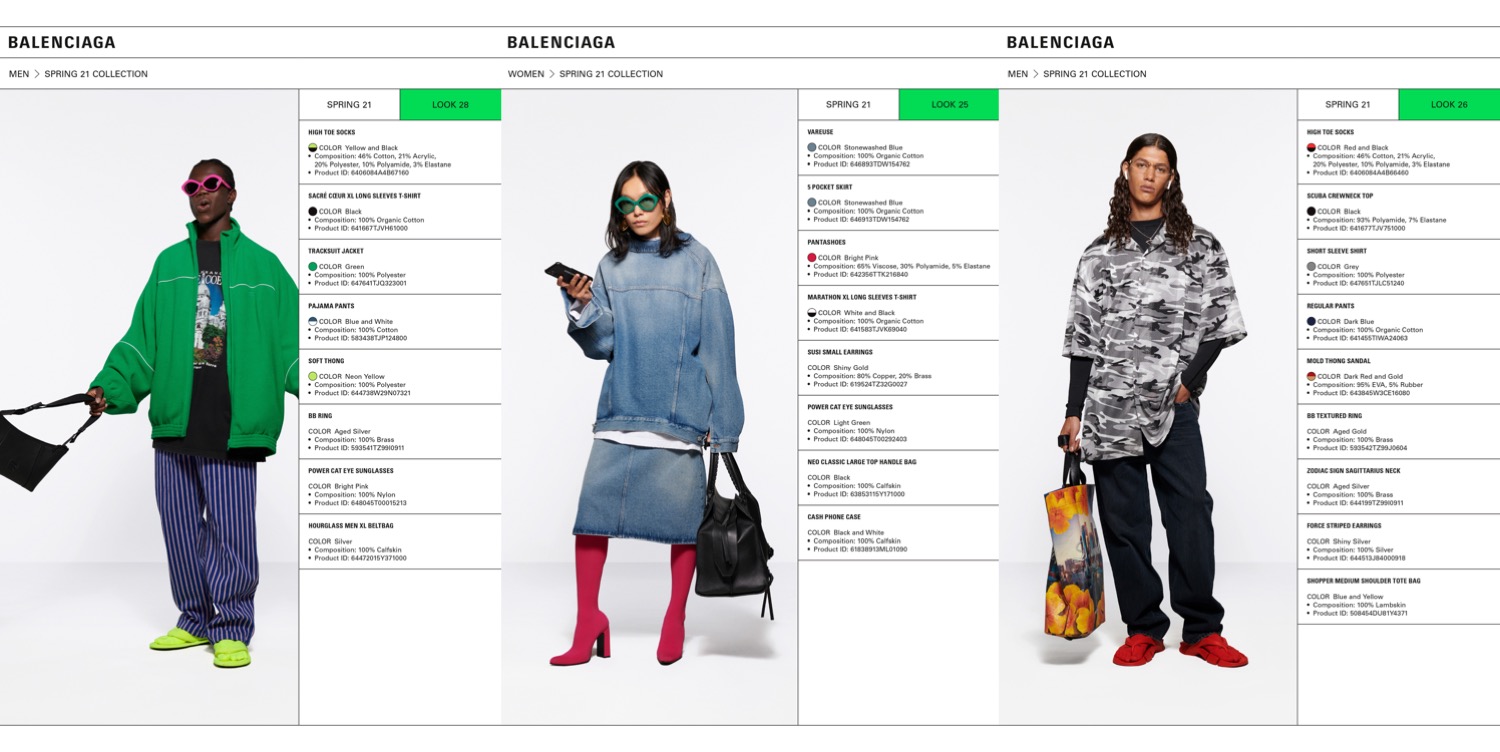
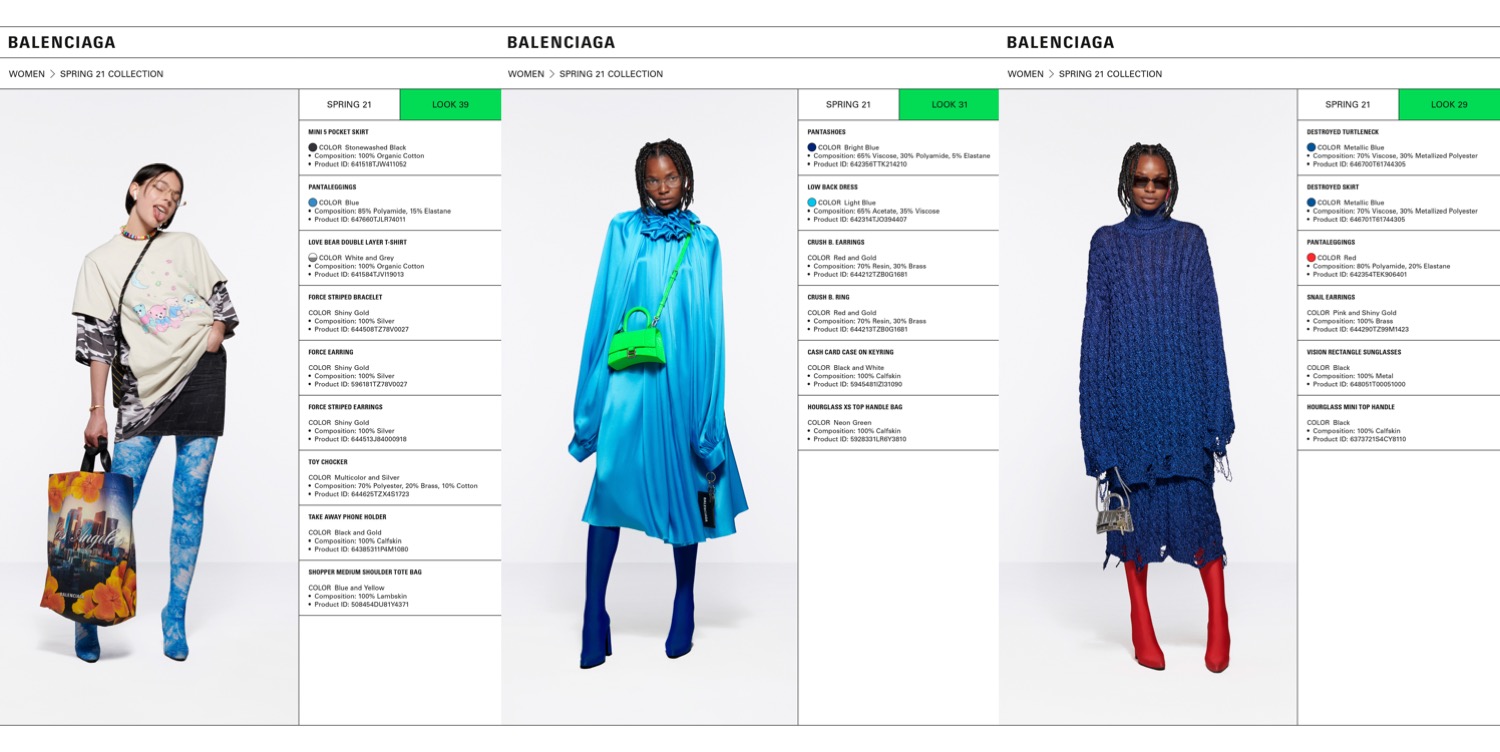
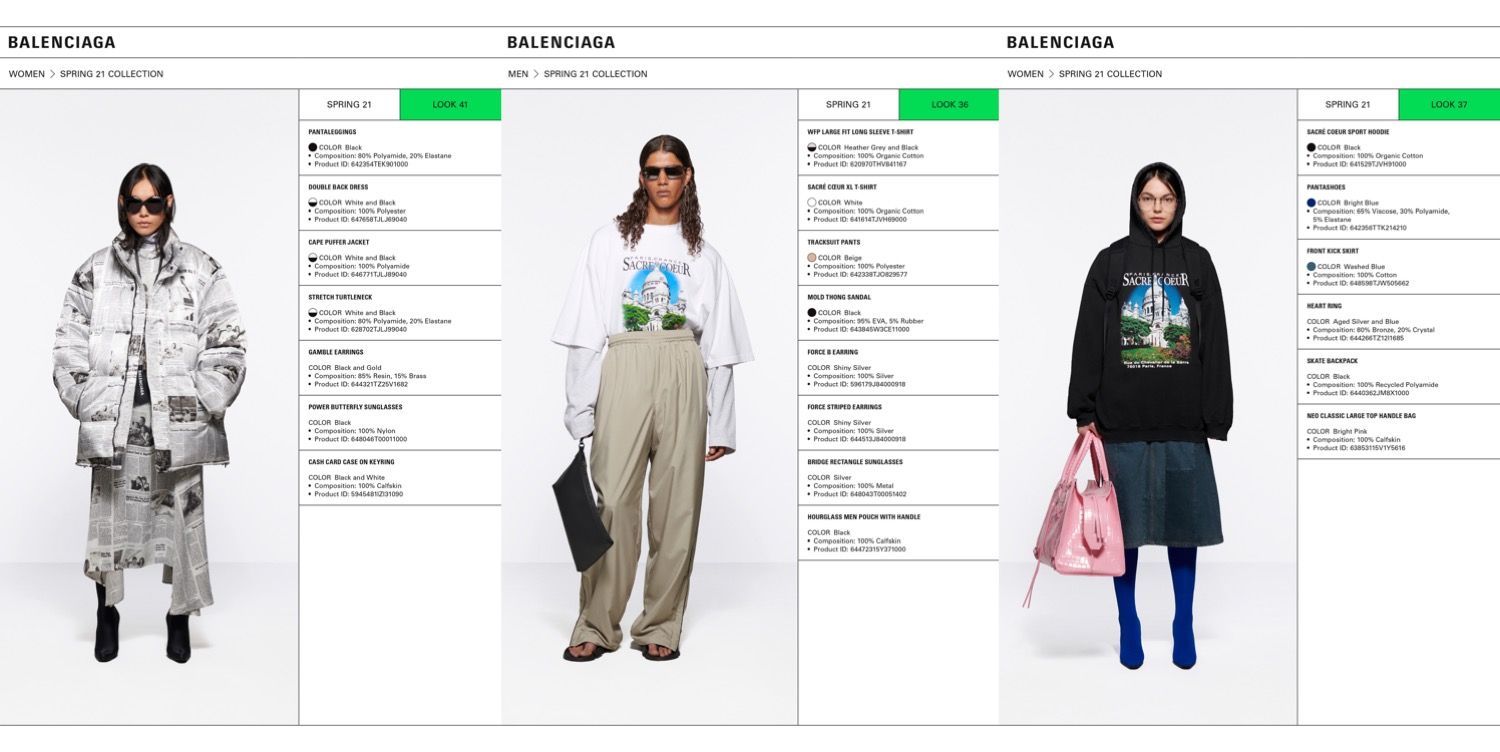
The latest Balenciaga show by Demna Gvasalia was unforgettably apocalyptic (and ironically realistic), with the first two rows of seats in the amphitheater submerged underwater and scenes of climate apocalypse on the screens above. All eyes will be on him in October – I really, really can’t wait to see how will the designer recycle all that happened in 2020 so far. In the meantime, for resort 2021, Gvasalia and his team came up with a clever, low-concept way to showcase the collection, playing up the lack of IRL appointments by including in these photos all of the line sheet information an e-commerce buyer might glean in a showroom, virtual, or otherwise – all the way down to the garments’ and accessories’ material compositions and product IDs. Gvasalia admits that Balenciaga’s pre-collections aren’t really about newness. The pre-seasons are chances to elaborate on what he calls the house’s “archetypes,” pieces like oversized car coats and parkas, the tea-dress, logo denim, all kinds of tracksuits, hoodies and t-shirts, and cult accessories (think the “Knife” panta-shoes). This time around, the styling was done completely on-screen. “It was an experiment in showing you don’t always need the new,” Gvasalia told the press. “Fashion has become a race, running after novelty, and more and more. And here we did the opposite. We looked at what we have and asked what we can do with it so it looks different for the customer.” And how did the confinement affect – or inspired – Gvasalia? “The theme,” he continues, “was dress for yourself. In this lockdown we understood what’s important for people who like fashion and like to dress up: You do it for yourself first and foremost. Working from home started with me wearing boxer shorts and pajama pants: very lazy. I thought, I don’t have to make an effort to make my look every morning, but then I started getting depressed. When I started to dress up every morning, it changed my whole mood, I started to feel good about myself. This is the task that fashion has,” Gvasalia concludes, “to bring this excitement or goodness to the person wearing it. That’s the least we can do.

Collage by Edward Kanarecki.
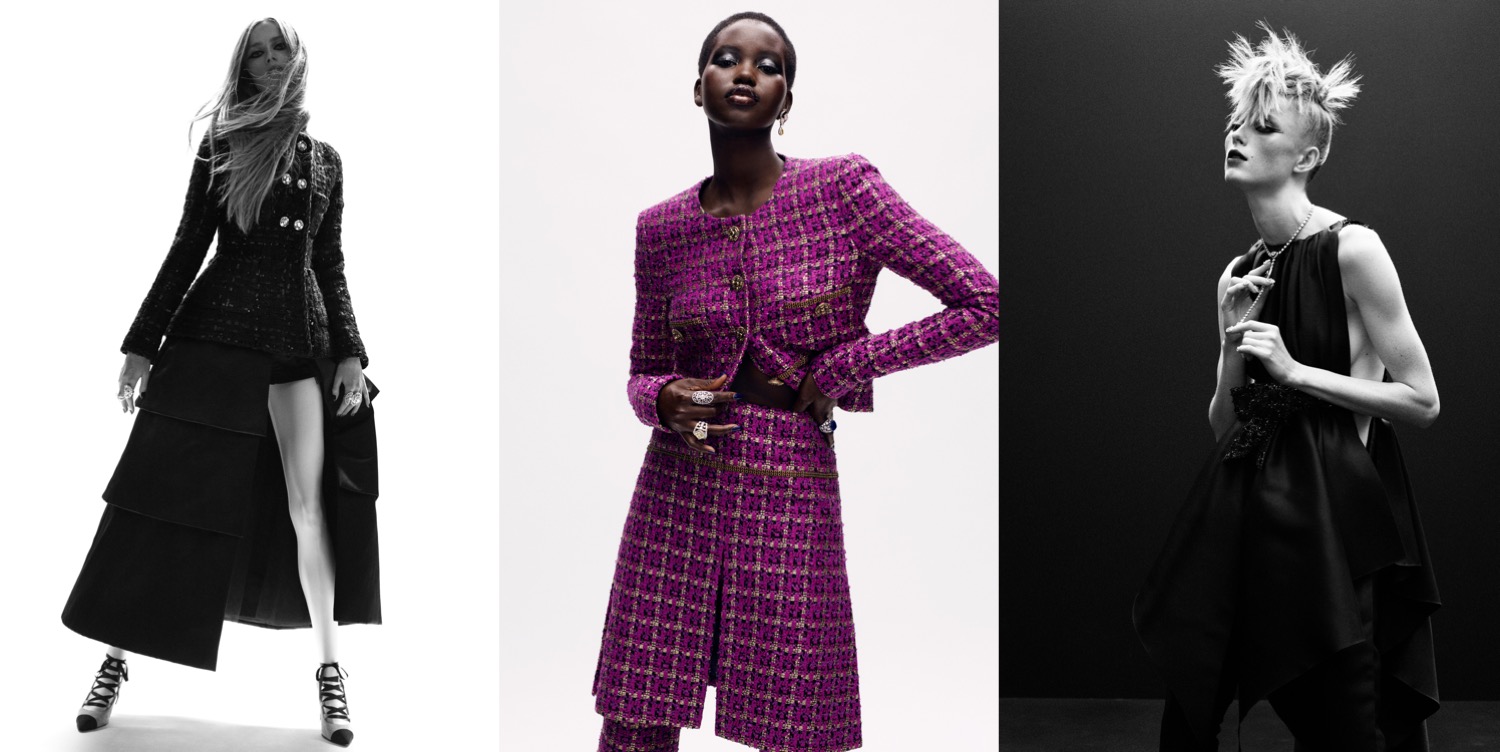
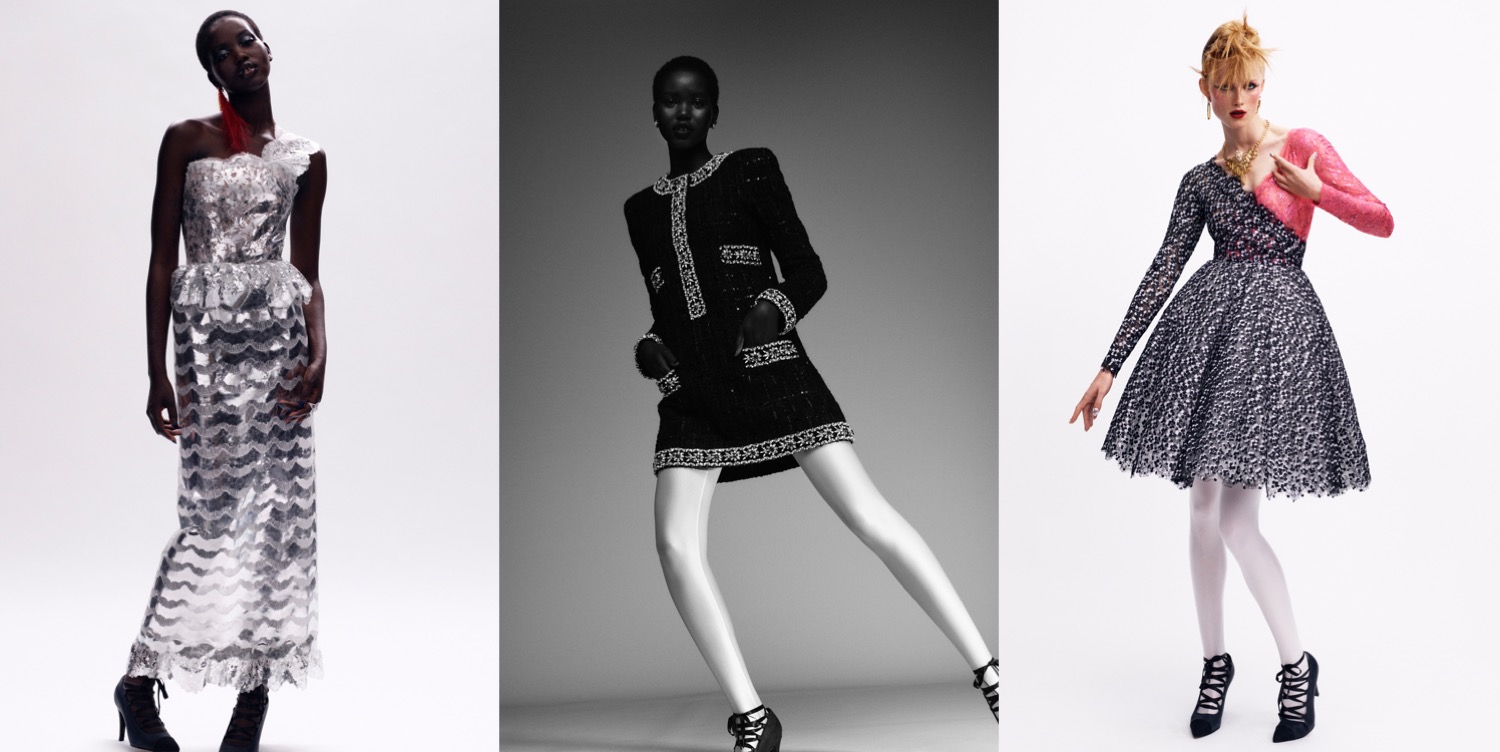
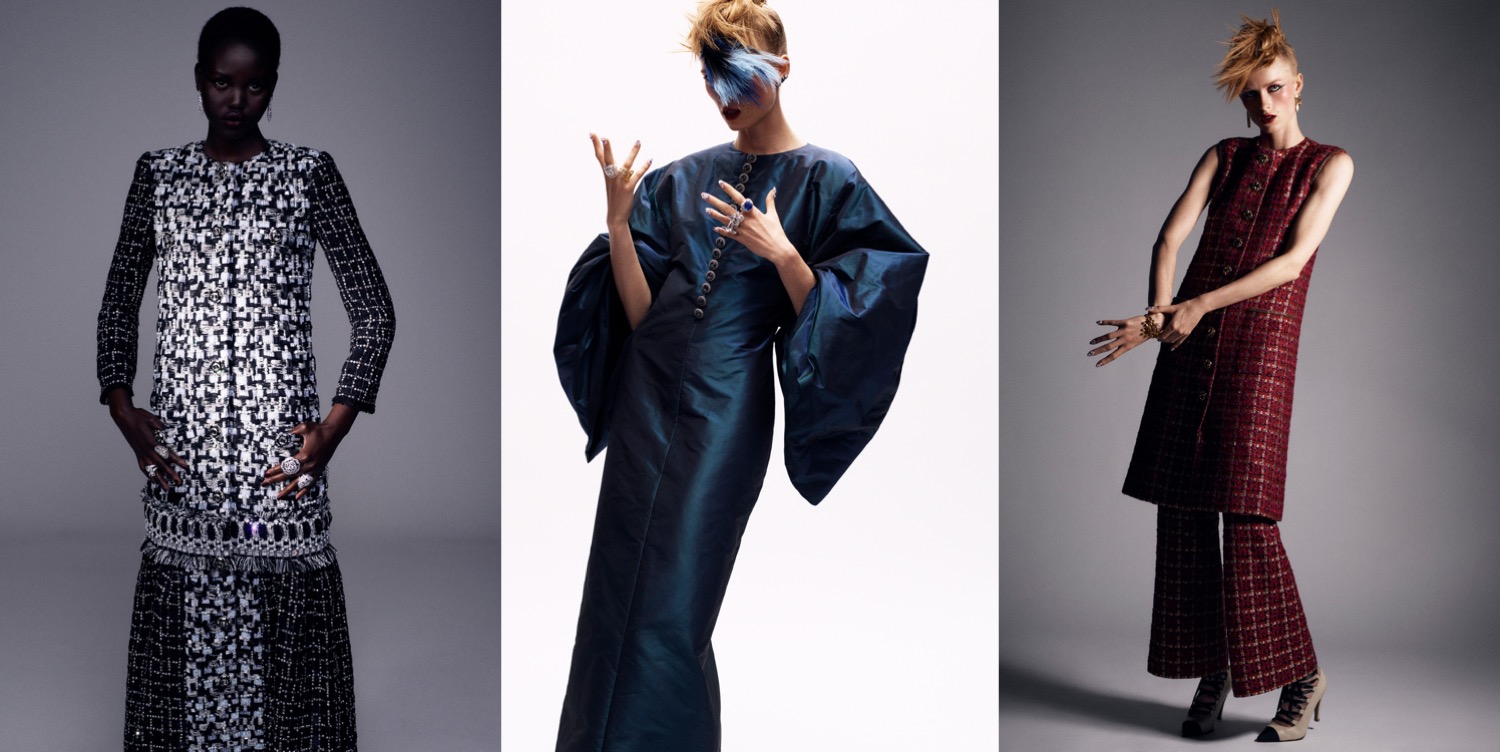
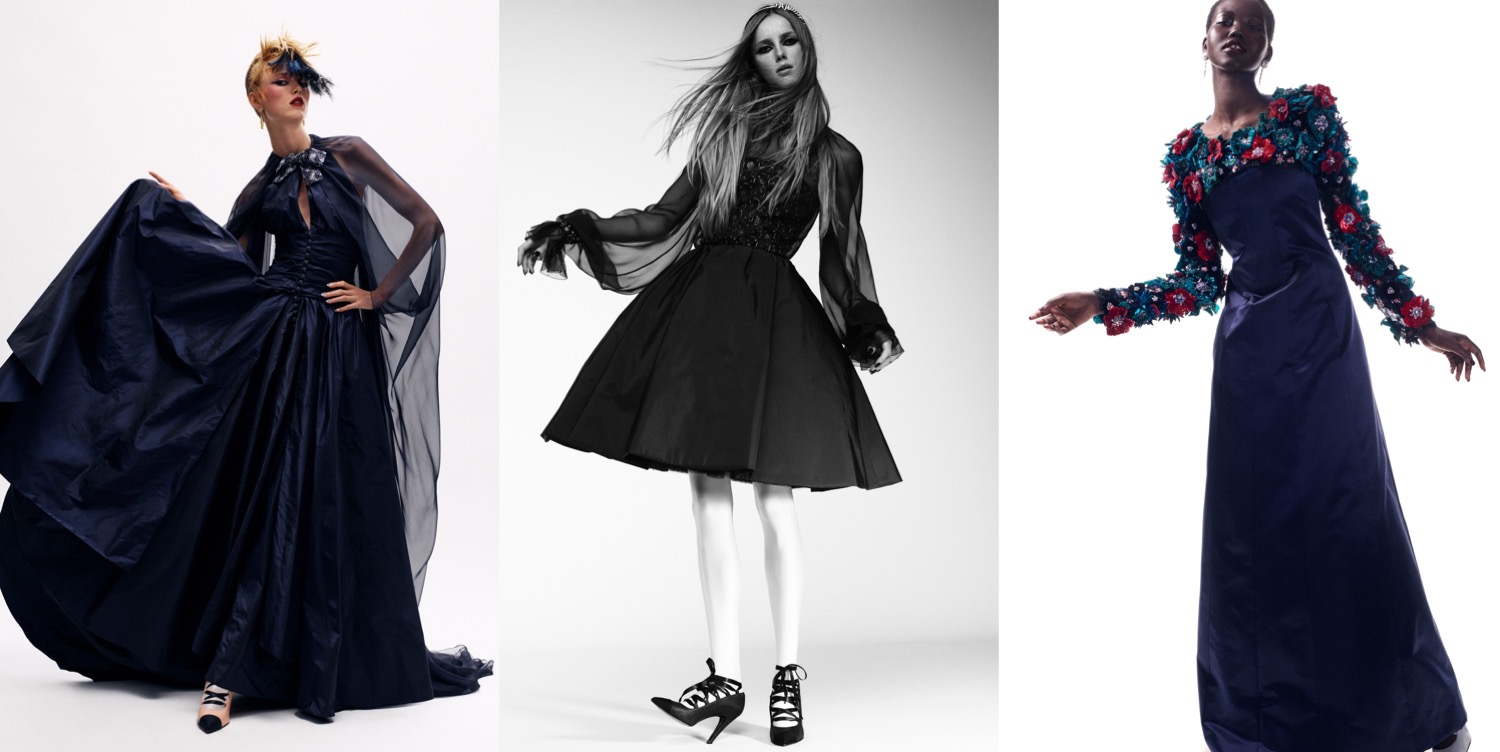
Eccentric Girl. Chanel AW20 Couture

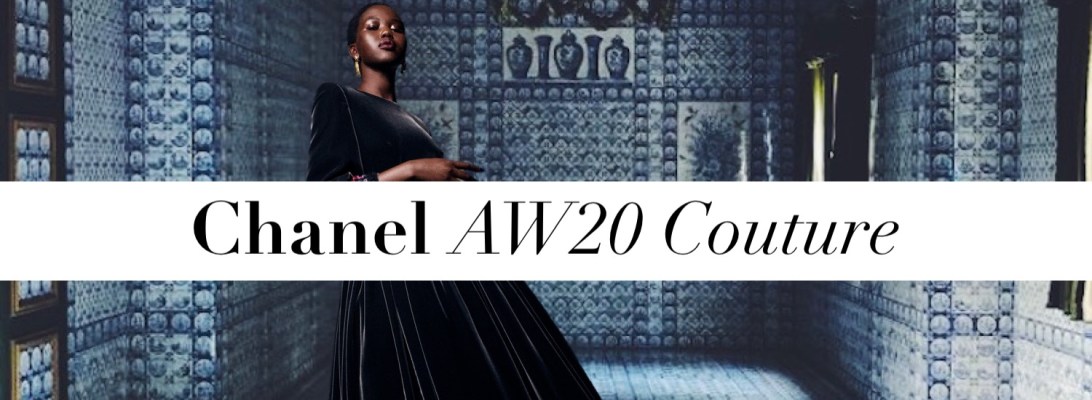
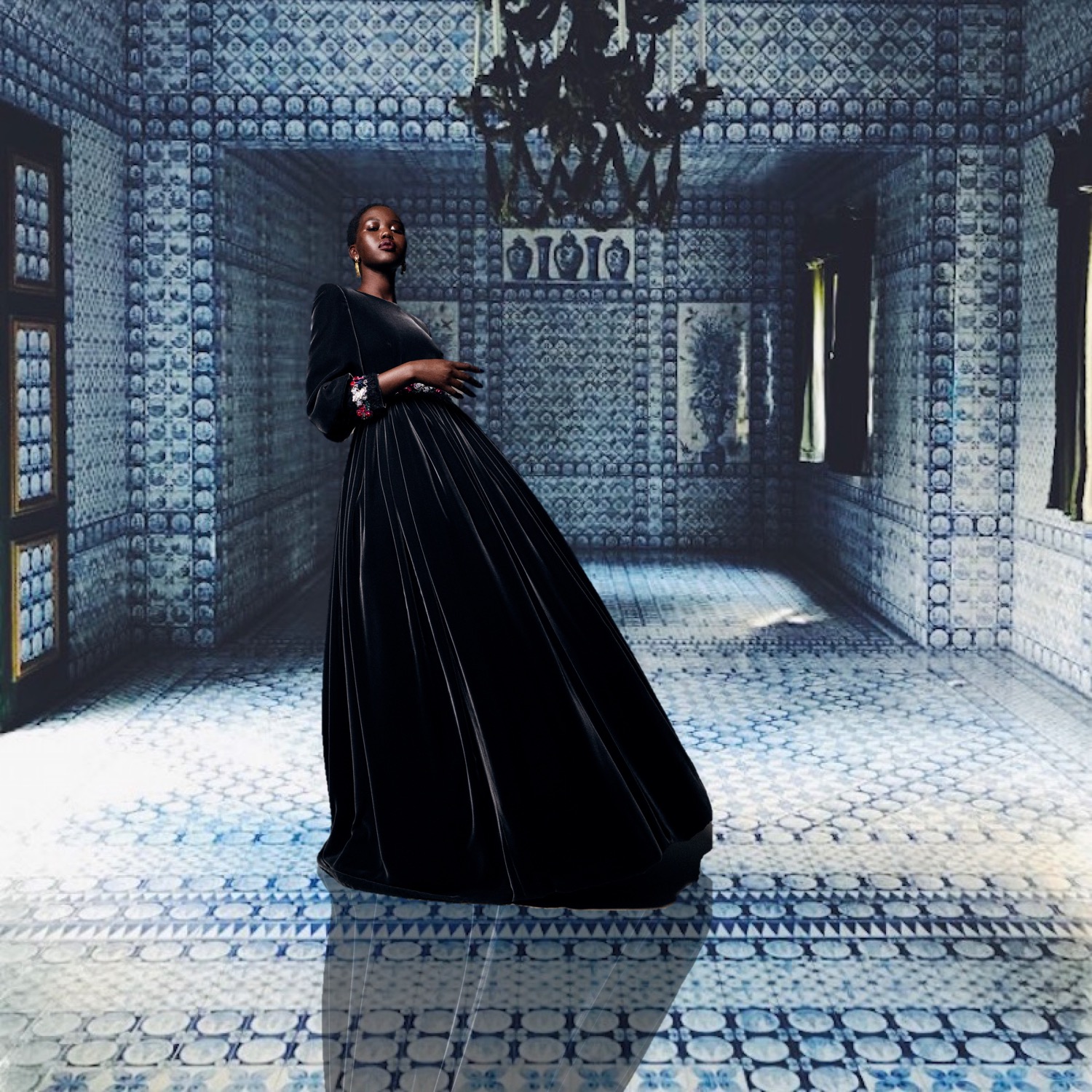
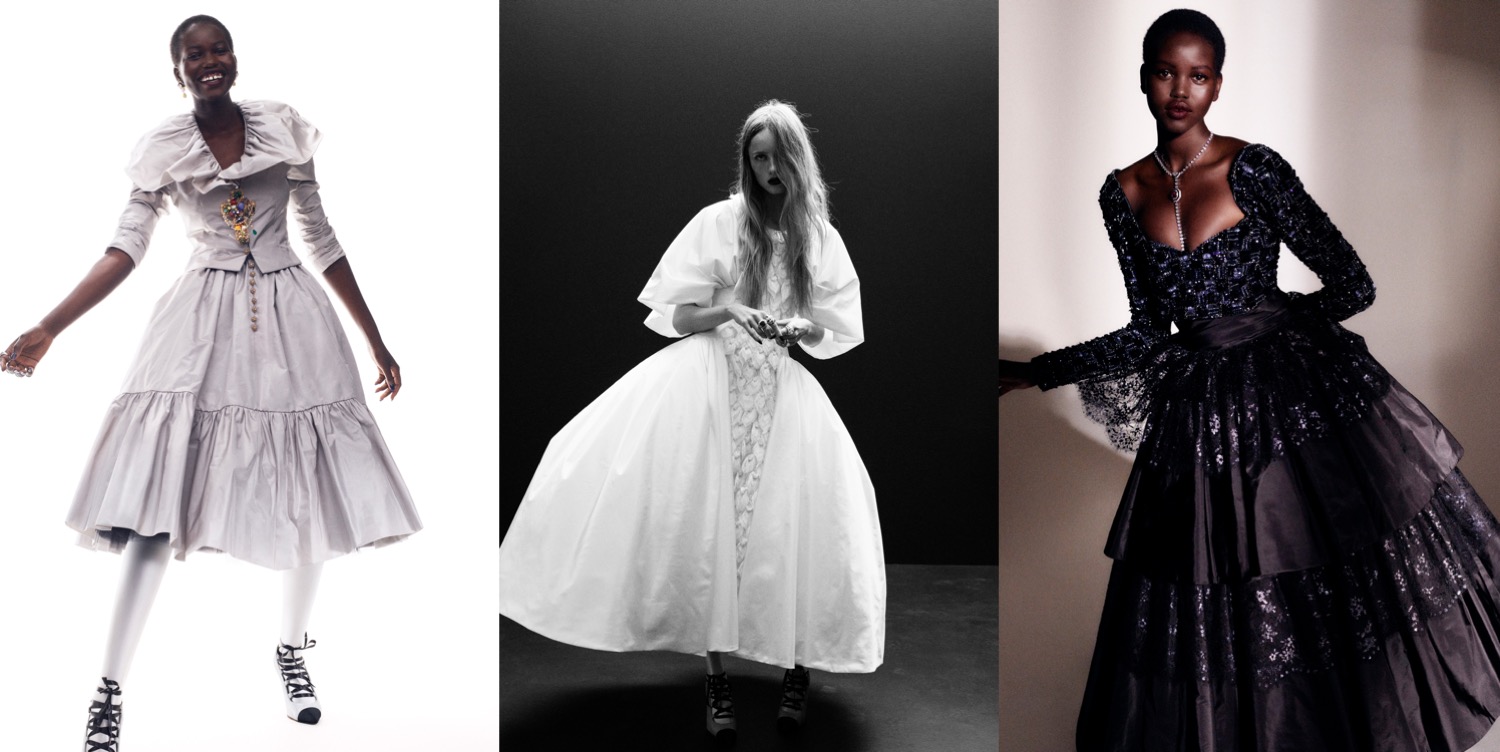
Things started looking up for this unusual, digital haute couture season the moment Chanel revealed its gorgeous collection by Virginie Viard. No pointless mega-productions with special effects, just a short video and a proper look-book shot by Mikael Jansson starring Adut Akech and Rianne Van Rompaey. The focus is on the clothes, which are a delight. “I was thinking about eccentric girls,” Virginie Viard said of her autumn-winter 2020 couture line-up. In particular, Viard was remembering Karl Lagerfeld heading off to parties with his sometime muse, the madcap Princess Diane de Beauvau-Craon, who as a teenage debutante got herself an American crewcut to give some punk edge to the pretty but detested pink dress her mother had chosen for her coming-out ball. “Life with her around is the ideal for me,” Lagerfeld said of de Beauvau-Craon when he spoke with Vogue, “because life must never be flat. She gives a light spirit, yet she is deeply spiritual.” Viard wanted to swing to some escapist opulence after last season’s soulful austerity – and because we all need the dream of a grand party right now! Viard was thinking of “things that maybe I would not do in a show – punk hair, fine jewelry.” Those Chanel haute bijoux included yellow diamond lions (Chanel herself was a Leo) and tiaras. The de Beauvau-Craon touch erupts in the form of a short frothy taffeta dress and faille ball skirts or a full-skirted retro cocktail dress of flowering black and white lace spliced with lacquered pink lace – and in punk feather mohawk bangs worn in the hair, and the lace-up court shoes that would have been perfect for dancing the night away in the great 1980s Parisian nightspots Les Bain Douches and Le Palace. As usual in her work, Virginie looks towards the essence of Chanel. Tweed figures large in the collection for day and night: a knee-length tunic worn over boot-leg pants, for instance, or a minidress with the traditional Chanel braid trim reworked in rhinestones. There is more amazing trompe l’oeil in the allover Lesage embroidery of a lean jacket worn with an ankle-length skirt, or in the Emmanuelle Vernoux–embroidered sleeves of a decorous wool ball gown, or the Montex sequin and wool tufts of an off-the-shoulder minidress. Viard provides subtle elegance too –  which I always adore the most in her collections – in pieces that include a sheath of inky faille with bishop sleeves or a solemn evening gown of steel gray silk velvet (my favourite), discreetly dusted with embroidery at the waist and cuff, and jackets with midriffs defined by hand smocking. Viard aptly describes the looks as “casual and grand” – and this is what I call relevant couture.

Collage by Edward Kanarecki.
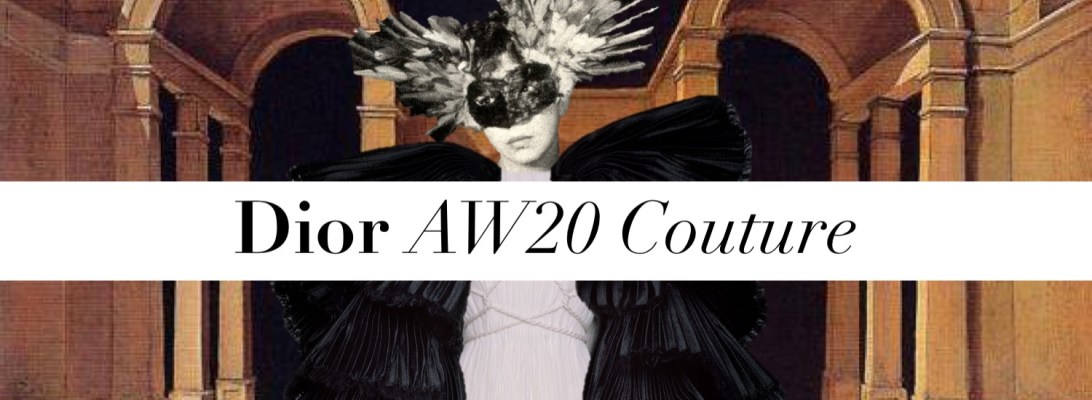
Théâtre de la Mode. Dior AW20 Couture

Yesterday was the first day of the autumn-winter 2020 haute couture “week”, digitally streamed from Paris due to confinement reasons. To be honest, I had a huge dilemma with it. After seeing all the look-books and pretentious, confusing videos, I felt like everybody would be completely fine with skipping this season entirely – designers the most. Schiaparelli released a look-book featuring Daniel Roseberry’s sketches, just to have a brief moment going on on Instagram. Illustrations are beautiful and all, but the execution of this concept felt completely empty. Olivier Theyskens couldn’t imagine a worse timing with his Azzaro debut – the blurry music video the label released tells nothing about his vision for the brand, and it would be simply best if they postponed it. But the fashion industry seems to still not know that word: “postpone”. Everything must be immediate, even if there’s nothing to show.

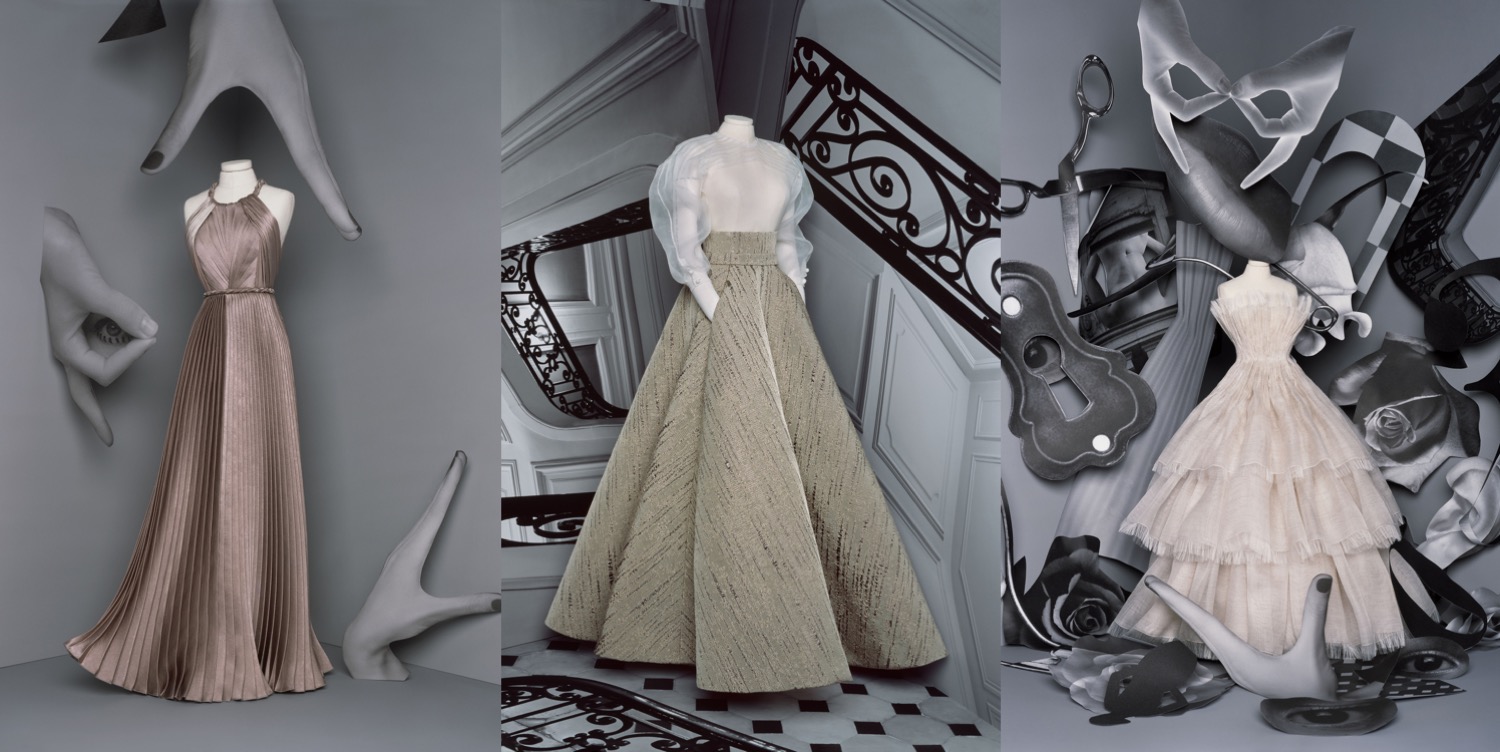
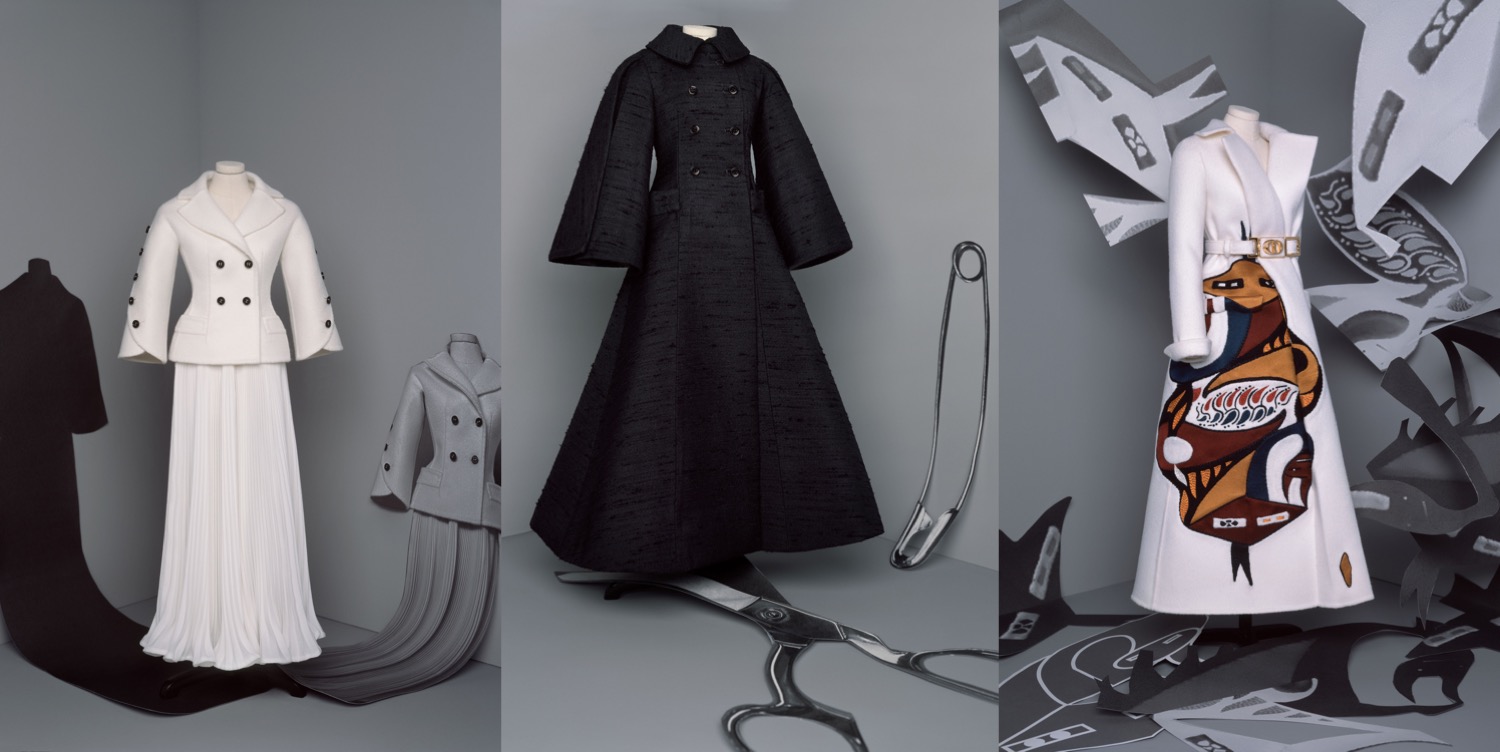
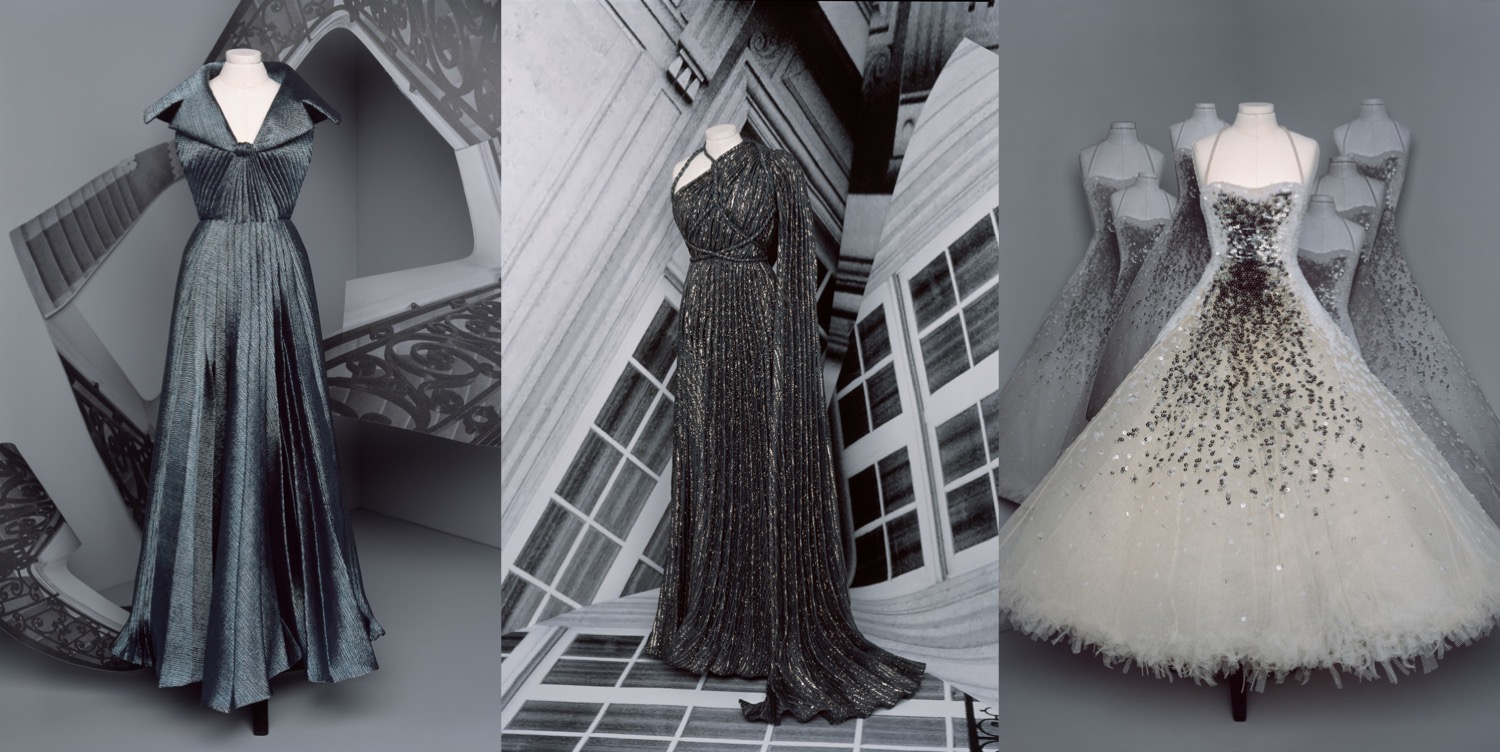
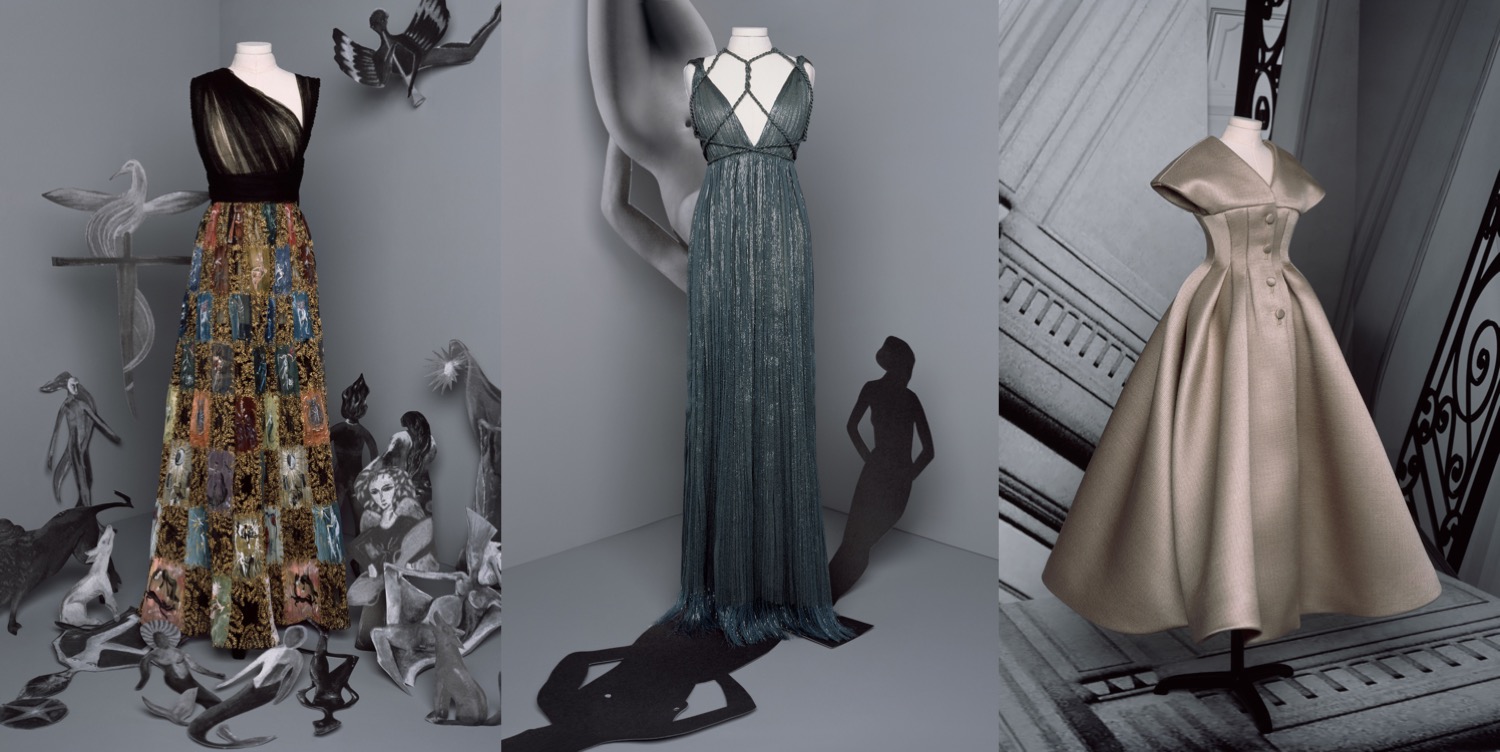
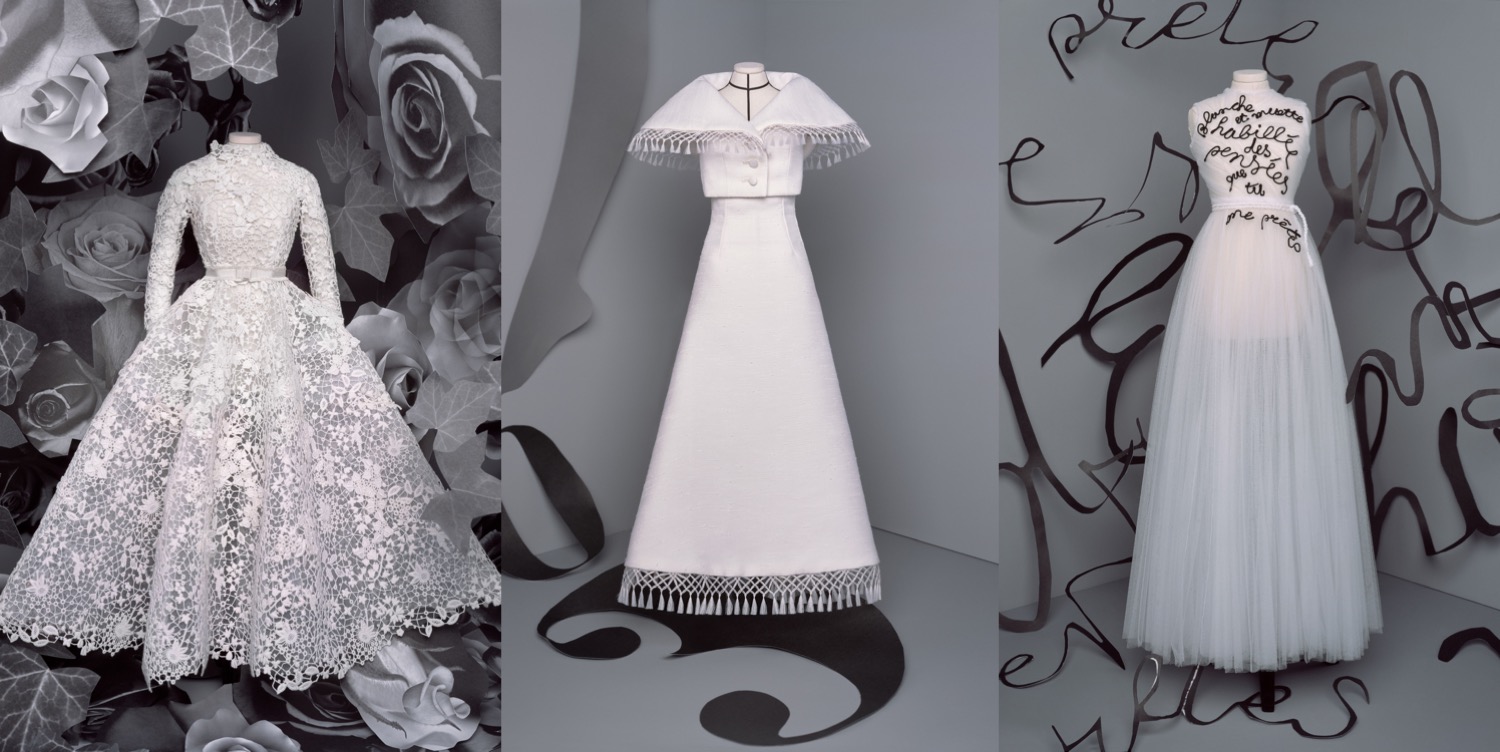
Maria Grazia Chiuri‘s Dior collection, clothes-wise, was surprisingly good. And they really, really could just leave it the way it is, a proper look-book photos of mannequins wearing couture and a well-written press release. Unfortunately, the brand decided to start with a visual, where everything went wrong. I’m talking about the film directed by Matteo Gerrone, which I found cheesy in production and, well, so, so ignorant towards current events going on in the world. As if Black Lives Matters never happened, an all white cast without a single model of colour held it all back to the maximum. And having models of colour in a casting is the easiest way for a brand to confront the term “diversity” – something Chiuri used to say was so important to her, with all her “feminist” themes… – and believe it or not, Dior failed with it. Which is sad and frustrating. Ok… lets go back to the collection. The film showed mermaids, nymphs, a live Venus statue and a travelling trunk of dresses (a nod to Théâtre de la Mode, the tour of miniature gowns on dolls in 1945-46 to revive the French fashion industry post-war) exploding into the woods in an Ancient dreamscape, and all that lead us to a collection filled with references of Greek mythology, fairytales and pre-Raphaelite times. Maria Grazia Chiuri name-checked the likes of Lee Miller, Dora Maar, Leonor Fini and Jacqueline Lamba – 20th-century women who are often remembered by history for their beauty or for their famous lovers and husbands, but in fact did important work of their own as artists. With a surrealist twist, that was a line-up of delightful diaphanous gowns and voluminous New Look-inspired coats, all kept in neutral colours. The bondage details in some of the dresses made me think of Man Ray and Lee Miller’s work, were kinky merged into sensual. At some points it all looked overly historical, even theatrical. Not sure if it’s relevant couture, like the one Virginie Viard does at Chanel. But if any sort of MET Gala is coming up in 2020, those dresses will perfectly match the About Time: Fashion and Duration theme.

Collage by Edward Kanarecki.