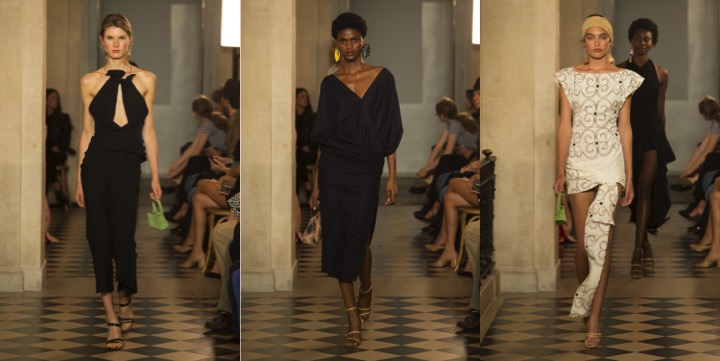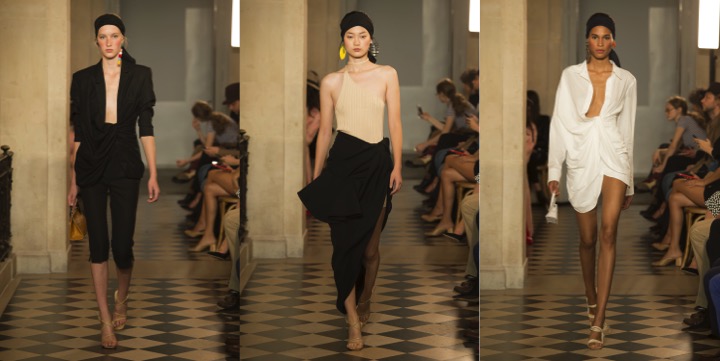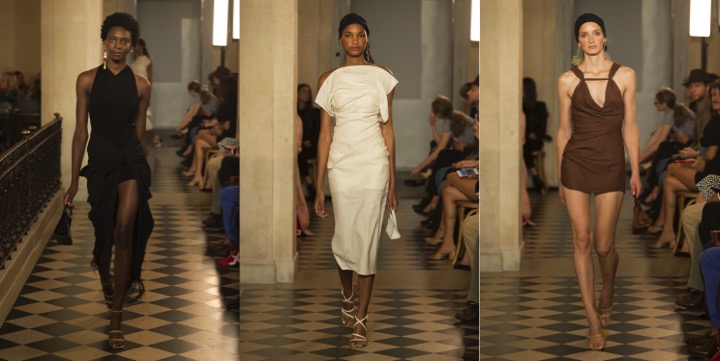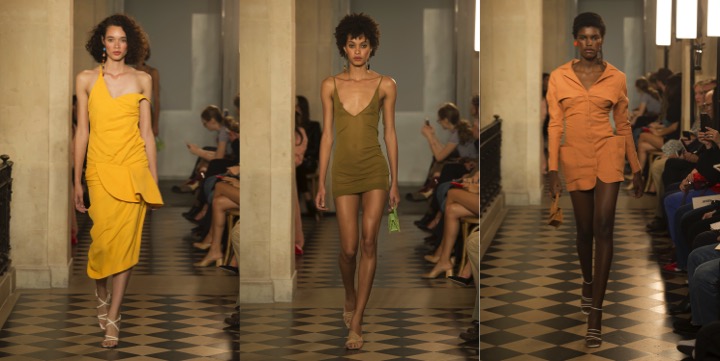
La Bombe. Jacquemus SS18

Slide1

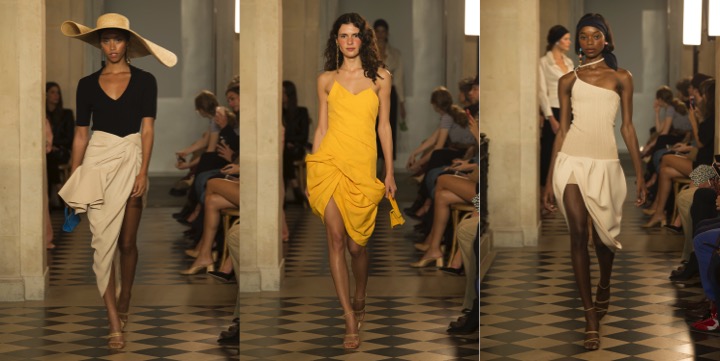
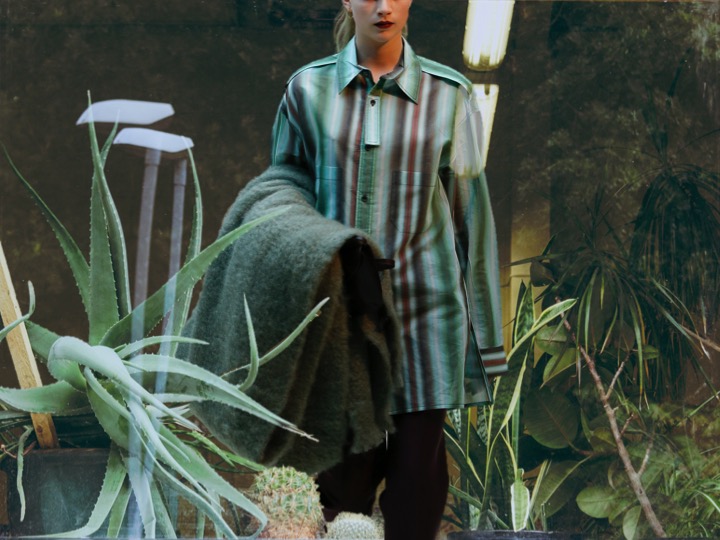
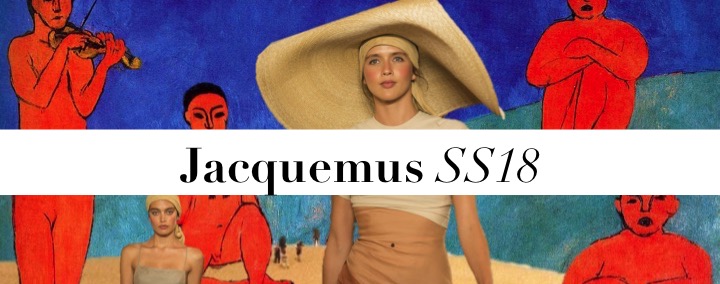
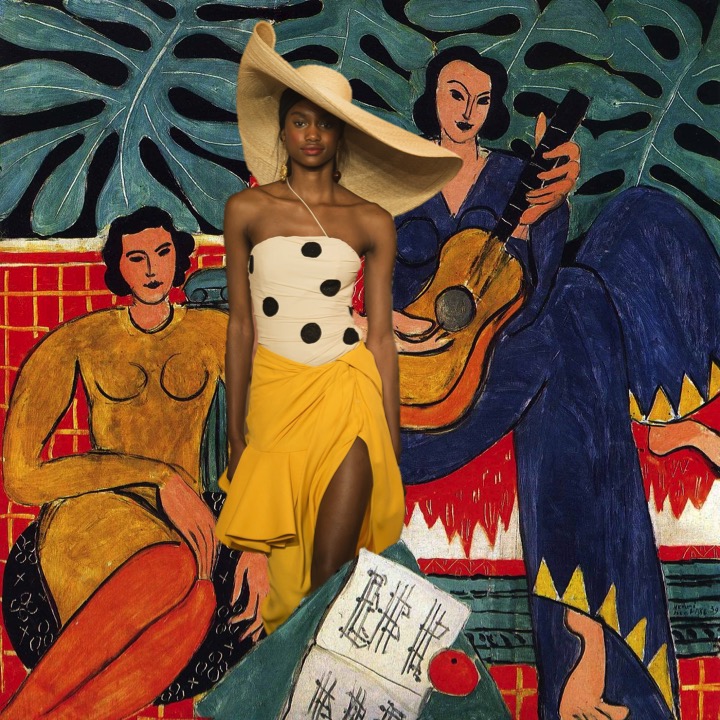
‘La bombe’ is the way Simon Porte Jacquemus thinks of his late mother, Valérie, who is the designer’s lifetime inspiration and muse. It’s  a popular saying for beautiful, confident women in the Soe uth of France – the region, where the designer was born and which he continues to celebrate in his collections. The spring-summer 2018 show was like a sun-drenched fashion poetry, that took place in an extraordinary location – at Musee Picasso in Paris (no other fashion show took place here before). A special place requires special clothes, and Jacquemus’ pieces will be exactly what you’re going to demand when the summer comes – mini-dresses kept in sultry lengths, curved straw hats (slightly different from the ones from the memorable spring-summer 2017 La Santons de Provence collection), polka dots and lots of eclectic, Lacroix-like jewellery, but kept in a more minimal, sweet-candy style. This season, the textures feel softer than usual at Jacquemus. The young designer is keen on experimenting and he felt like draping and shaping the silhouette with the textiles, rather than keeping it stiff and statuesque. Simon had also been thinking about “French Island girls—they could be in Corsica, or Martinique in the Caribbean, too.” Henri Matisse’s paintings appear in my mind right away…

The overall effect? Blushing girls with their unfinished make-ups, in care-free dresses that they really ENJOY wearing – that’s the most frivolous and heart-warming start of Paris fashion week you could imagine. The Jacquemus femme is a bomb in every meaning of this word this (and every) season, that’s for sure.

Slide01Slide06Slide02Slide07Slide2Slide03Slide08Slide04Slide09Slide05Slide10Slide3

All collages by Edward Kanarecki.

TBT: Margiela’s Hermès Years

Slide1-kopia 5

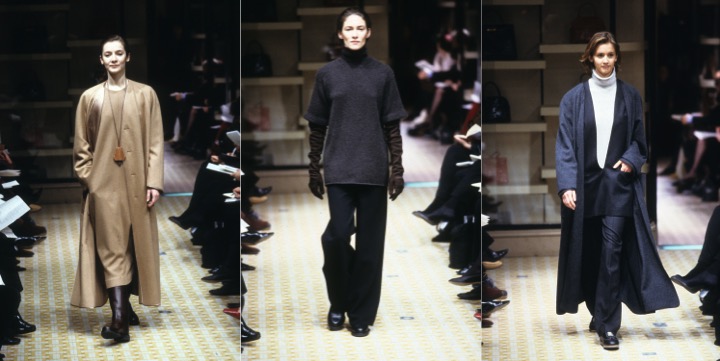
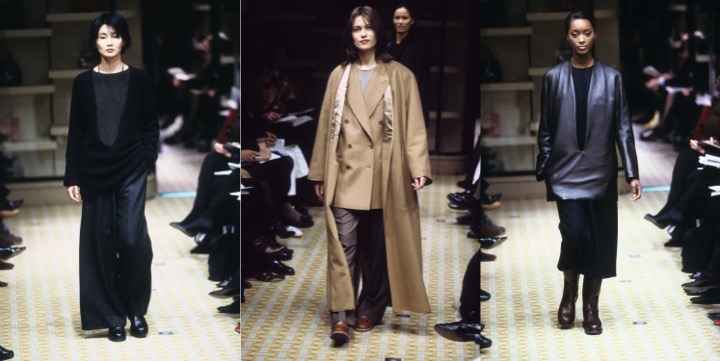
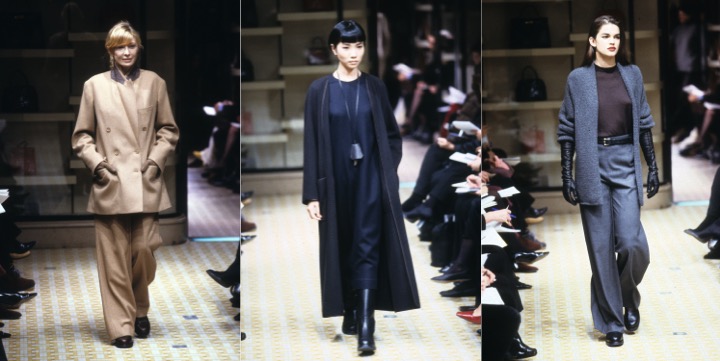
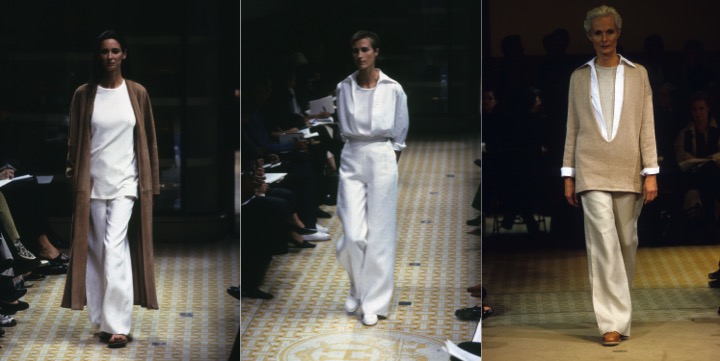
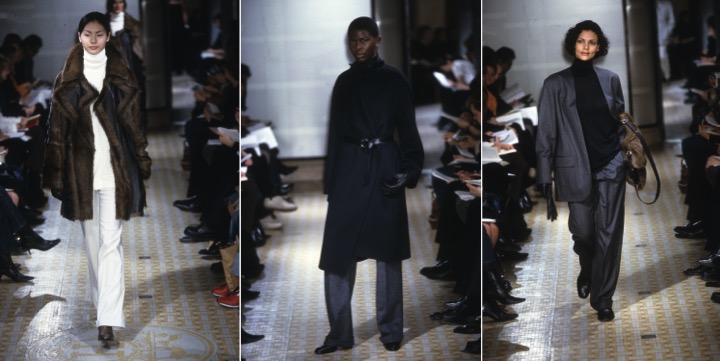
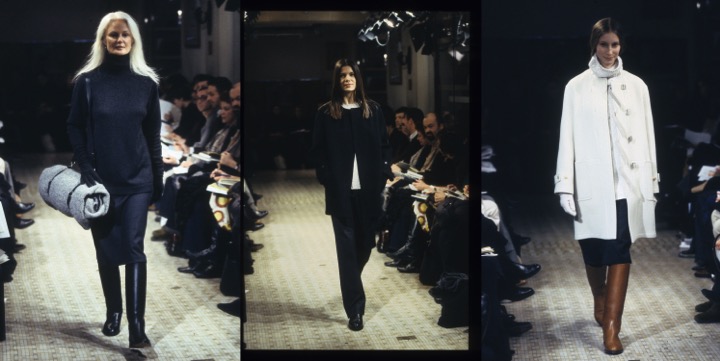
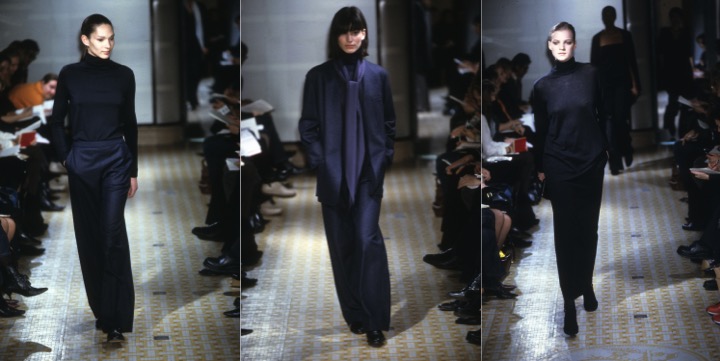
It’s funny that Martin Margiela‘s tenure at Hermès suddenly appeared on everybody’s lips after this year’s exhibition at Antwerp’s MoMu It took nearly two decades for the fashion industry to wholeheartedly appreciate the Belgian visionary’s contribution at the maison, that’s probably most associated with very-rich-women kind of ‘luxury’. At his eponymous label, Maison Martin Margiela, the famously anonymous designer used to redefine such terms as ‘avant-garde’ and ‘minimalist’ in one single garment – meanwhile at Hermès, it was a different philosophy. Tranquil, understated and low-key – that’s how the guests of his shows at Rue Saint-Honoré flagship store (12 in overall, between 1998 and 2002) described the atmosphere. So were the clothes, kept mostly in black, beige or navy. Fashion tends to forget its references, and as you can clearly see in images below, it wasn’t Phoebe Philo at Céline, Christophe Lemaire (he designed for Hermès before the current creative director, Nadège Vanhée-Cybulski) or The Row who were first to decide on making a perfectly tailored camel coat the focus of their collections.

For Margiela, ready-to-wear with a Hermès tag had to be of the best quality materials, made with the biggest attention to details (no flashy embroideries meant here) and with the aim to be worn for the next 20 years. This is what actual ‘luxury’ in fashion meant to Martin, even though he would never use that stabby and deprived of its meaning word. For a brief moment, Hermès was more than fancy foulards and bags (note: for spring-summer 2000, Margiela casted Jane Birkin as the show’s model, making a nod to, guess what, the Birkin bag). It was about the clothes, too, and very well constructed clothes: warm cashmere sweaters, crisp white shirts, masculine blazers, eternally chic black gowns. And sneakers – remember, we’re speaking of 90s / beginning of 00s, when only stilettos mattered on Parisian catwalks. There’s no surprise his shows weren’t received that well. Many thought that Hermès was just ‘boring’ with Martin’s conservative approach: those were the 90s, after all, and fashion loved FASHION. The time has shown, however, that those who bought Margiela’s Hèrmes were the smart ones. Finding pieces from that era is quite a struggle, and when you find anything, the prices are killer. Martin Margiela is an acclaimed designer for more than one reason, but his underrated creative direction and aesthetic at Hermès is… timeless.

Slide01Slide02Slide03Slide04Slide05Slide06Slide07Slide08Slide09Slide10

Collage by Edward Kanarecki.

Mr. Jeanloup Sieff

068-jeanloup-sieff-theredlist

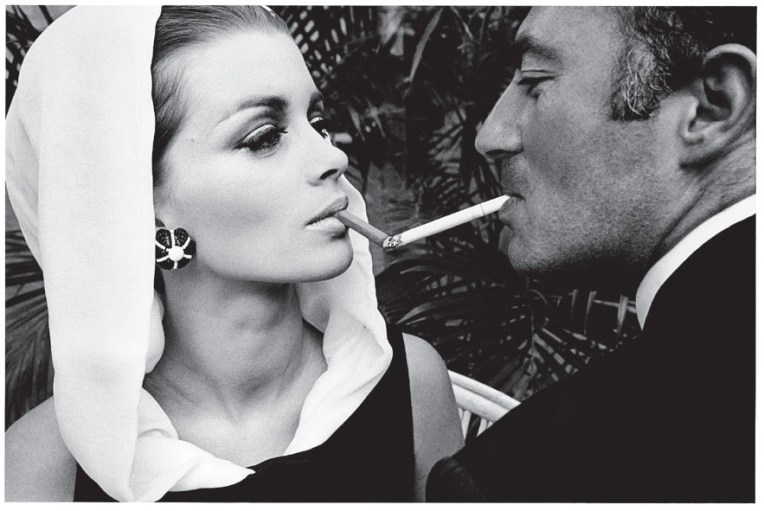
In honour of the World Photo Day, here’s a post devoted to one of the most intriquing image makers – and one of my all-time favourites – Jeanloup Sieff. Born in Paris, Jeanloup Sieff received a camera for his 14th birthday and since that moment he had a passionate love affair with it. Throughout his career, he introduced an innovative feel of eroticism to fashion photography that traditionally used to represent stiff, ice-cold models. In his hands, the camera adored the sitters and vice versa, making the shoot feel like more like a flirt. Often emphasizing a specific area of the body – mostly backs and bottoms – Jeanloup Sieff believed that ‘sometimes, the face is not interesting when the body is. Sometimes the face is a distraction.

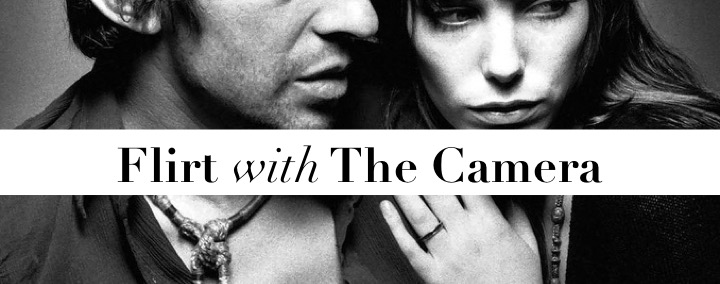
With his wide-angle black and white images, the French photographer caught the dramatic potential of light and shadow while he often added a touch of humour to his pictures, playing with situations and his, lets not hide the fact, sexy sitters. Obsessed by women like Françoise Hardy or Mia Farrow, Jeanloup Sieff also captured one of fashion photography’s most legendary male nude – the controversial image of Yves Saint Laurent in 1971, for his perfume Y. Also, one can’t forget the couple-shot of Jane and Serge, the up-to-now epytome of French love.


Céline Blankets

Slide1-kopia 8

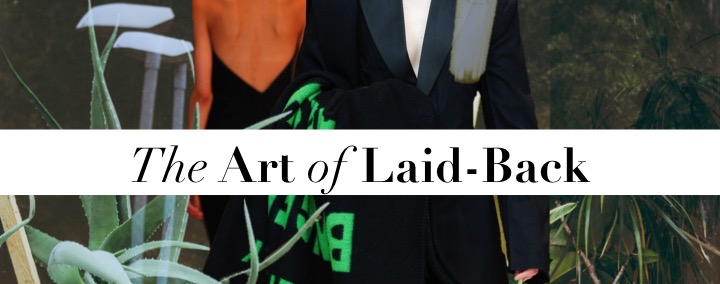
Phoebe Philo knows the art of laid-back like no other. And her autumn-winter 2017 collection for Céline proves that with a piece you surely haven’t predicted to become the new style trick. I’m speaking of the ultra-big blankets, that have a thing or two to say. Philo took her cue from a pub menu, emblazoning those fleecy, fringed shawls with ‘Beef Stew’, ‘Sticky Toffee Pudding’ and ‘Bangers and Mash’. Just imagine, how these heartfelt blankets might warm you up on a breezy day in the countryside this autumn (while eating one of Phoebe’s favourite dishes, I guess).

All collages by Edward Kanarecki.

Boys Exit Courrèges

Slide1-kopia

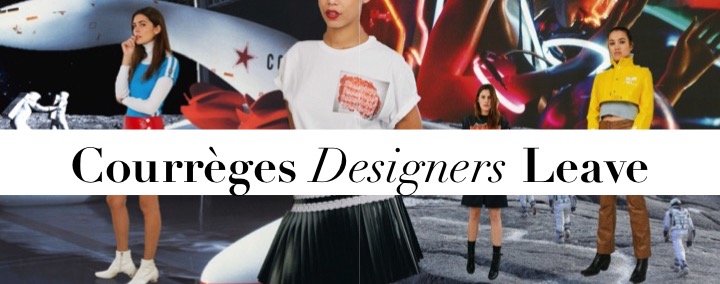
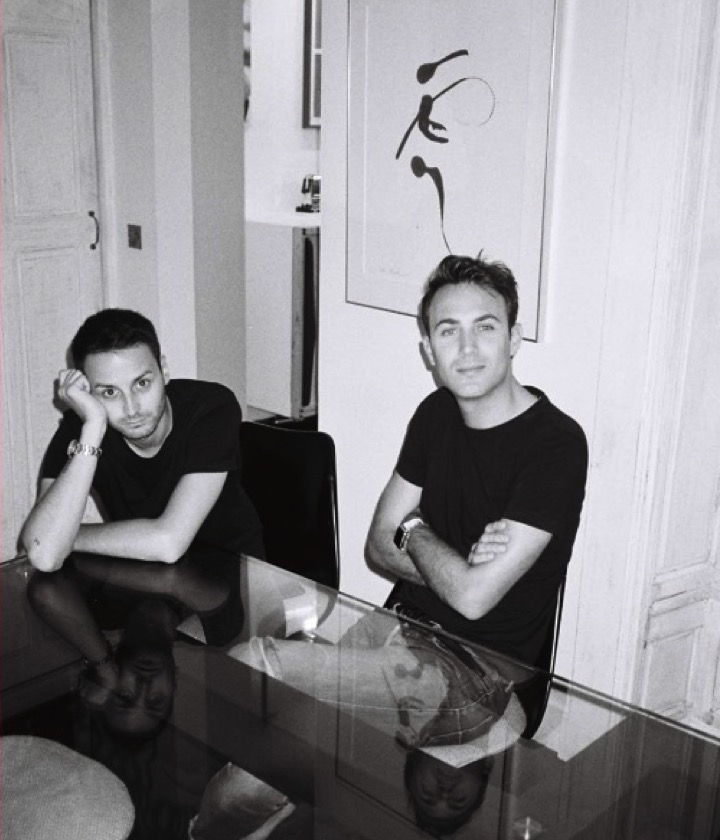
Parisian fashion houses don’t stop playing musical chairs. While Clare Waight Keller and Natasha Ramsay-Levi are presenting their debut collections at Givenchy and Chloé respectively this September, Sébastien Meyer and Arnaud Vaillant exit Courrèges after just two years of creative direction. The couple was hired in 2015 by French advertising executives Jacques Bungert and Frédéric Torloting, who acquired Courrèges in 2011 from the brand’s namesake founder André Courrèges. Although Courrèges was the 20th century synonym of fashion modernism in Europe, the maison‘s name appears to be not as well-known as Yves Saint Laurent, Chanel or Balenciaga today. Actually, reviving Courrèges seemed to be complicated since the very beginnings. First, other old French brands like Paco Rabanne and Vionnet where being revitalised at approximately the same time, evidently with greater funds and patience. Second, Sébastien’s and Arnaud’s sophistication and desire to keep Courrèges a rather quiet, celebrity-free brand is hardly possible in today’s industry – unfortunately. And that’s quite a pity, as their collections intriguingly redefined Courrèges codes in a truly modern way – no big venues or fuss, but  pure focus on the clothing.

According to the official statement, François Le Ménahèze, who was named president of Courrèges in April 2017, will announce the brand’s new designer when the time comes. But what does the future hold for the extremely talented Meyer and Vaillant? It’s worth remembering that the duo set aside their well-received by editors and retailers label Coperni Femme to focus on Courrèges. Will they return to their roots? Or are they planning a new venture into another fashion house? For now, lets look back at the boys’ achievements at Courrèges.

Collage by Edward Kanarecki.