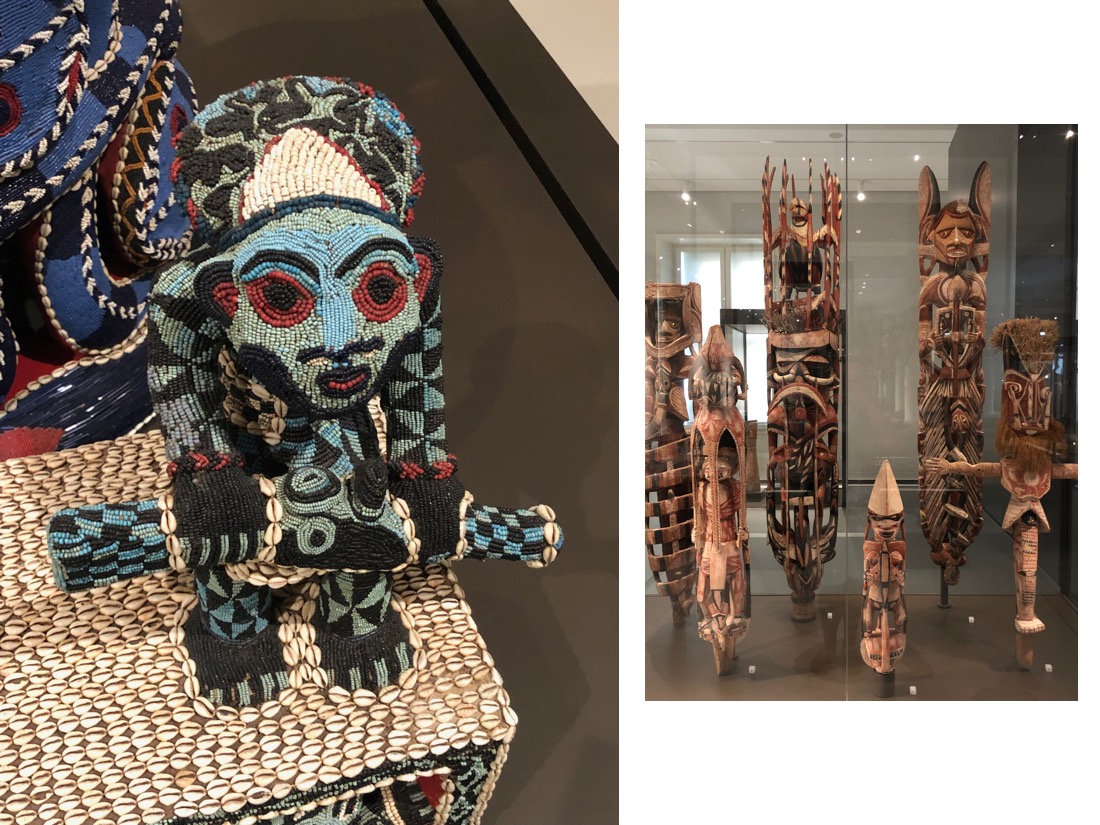
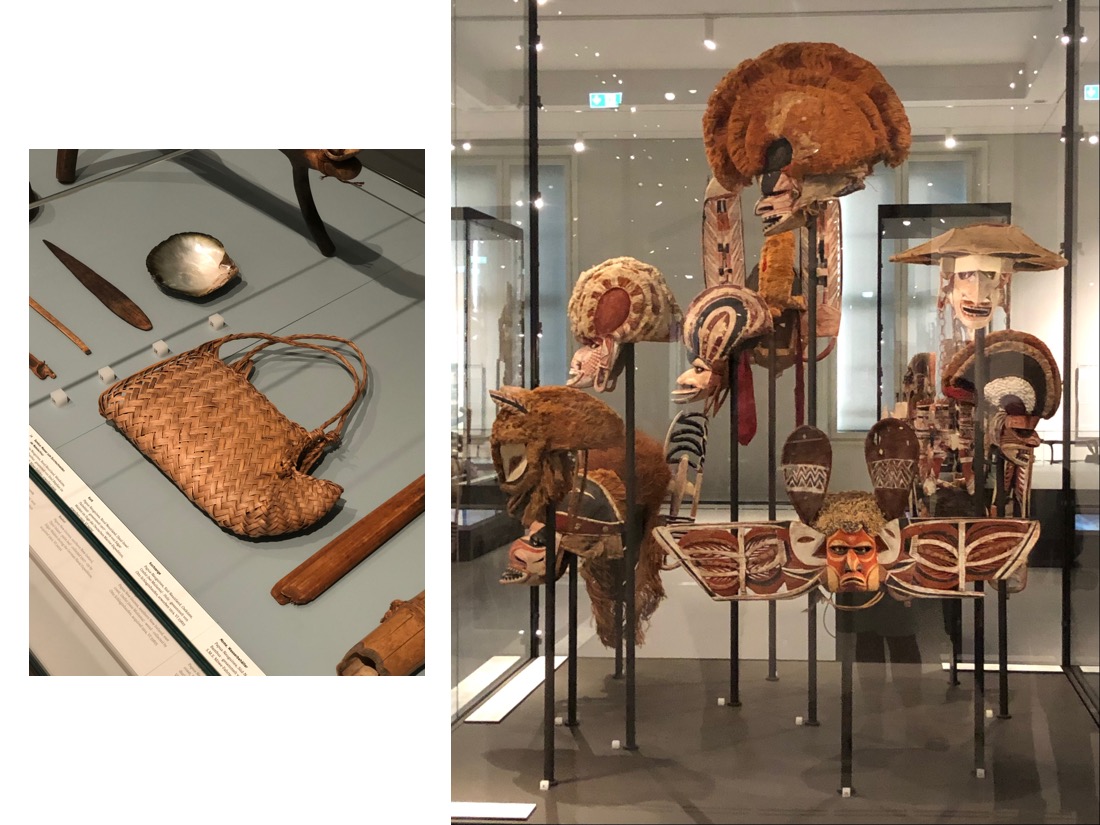
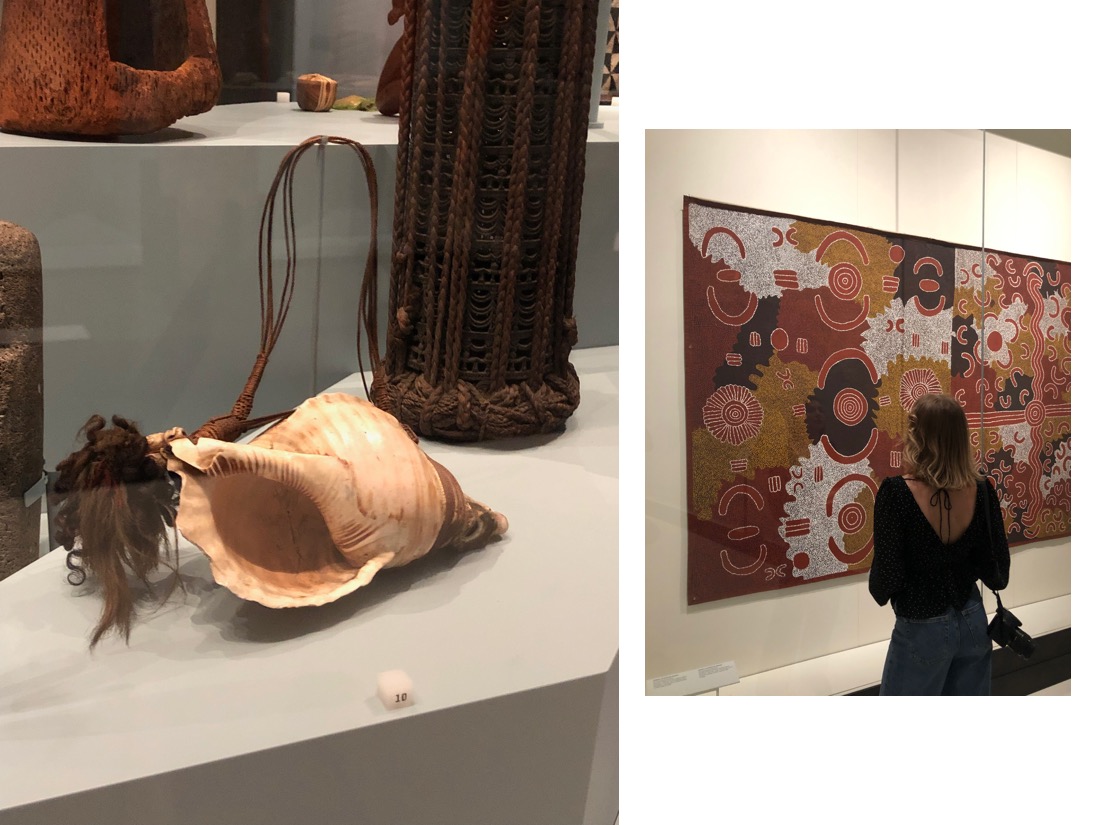
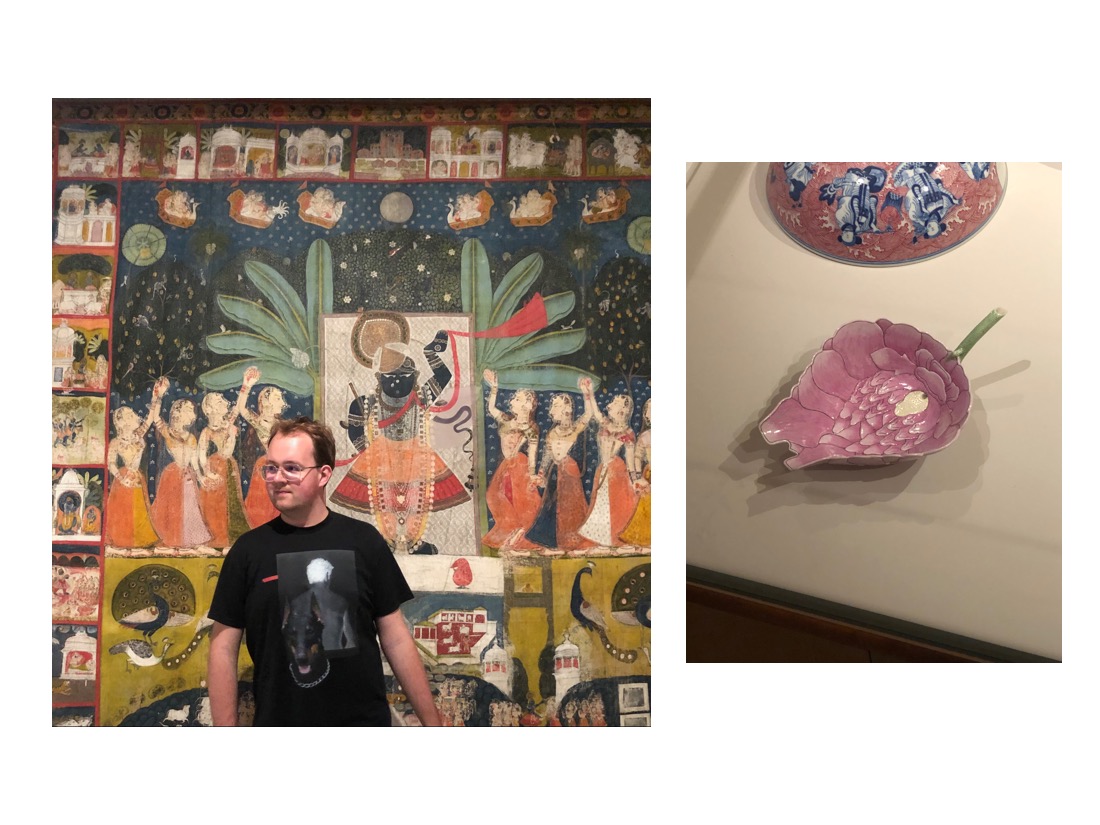
Artistic carvings from Oceania, wooden figures and masks from Cameroon, a Japanese teahouse and sounds from around the world: the exhibitions from the Ethnologisches Museum and the Museum für Asiatische Kunst in the brand new Humboldt Forum offer an eclectic view into the past and present cultures of Africa, America, Asia and Oceania. Around 20,000 archaeological, ethnological and art-historical exhibits offer multiple perspectives on universal themes of humanity. Media installations as an introduction to the exhibitions, Schaumagazin exhibition spaces filled with a varied selection of objects, areas for cultural education, spaces designed by international architects and works of contemporary art pose questions about the history of the objects and place the collections in the context of our present-day world. Definitely worth a visit when in Berlin!
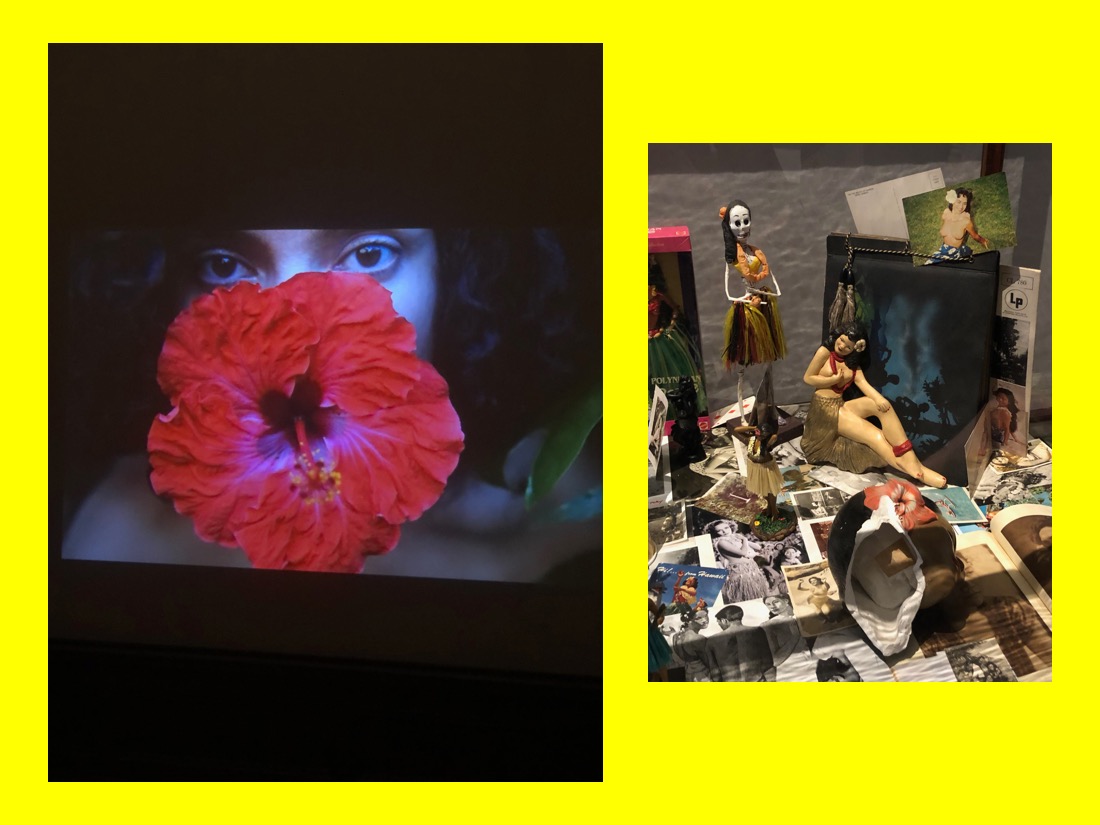
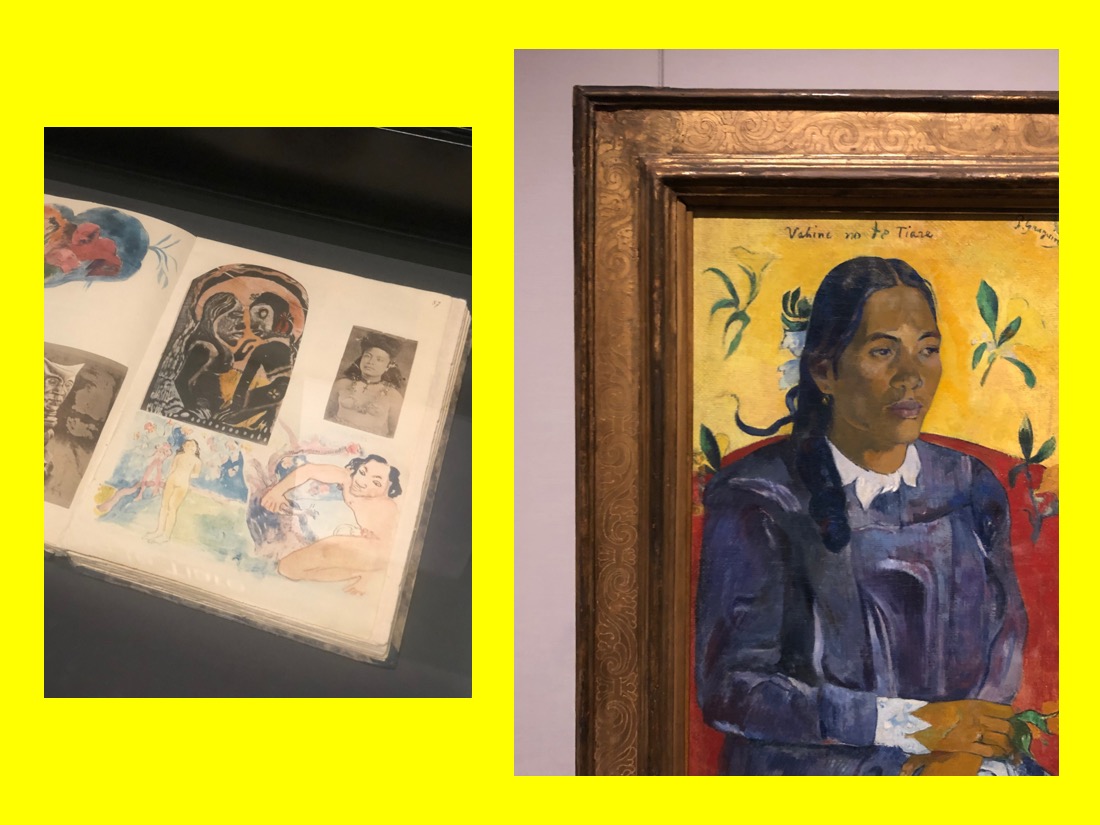
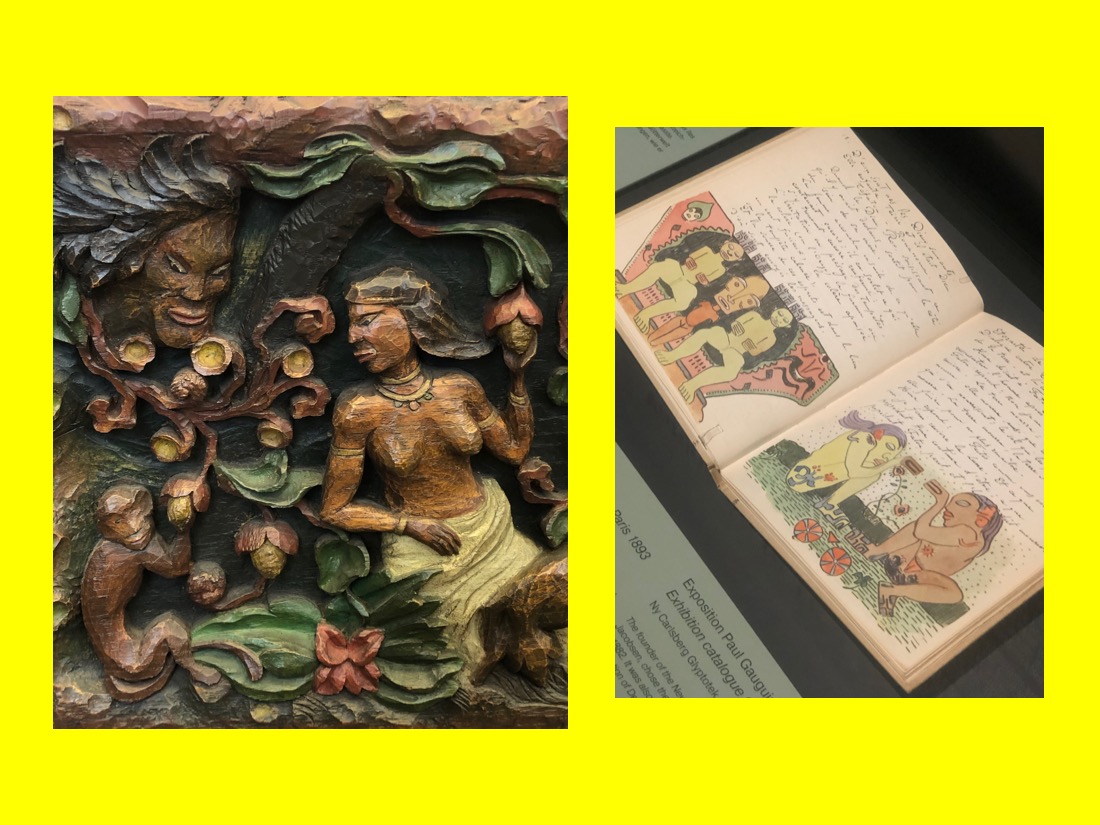
Paul Gauguin was one of the central trailblazers of Modern art, and his most famous paintings were produced on the Pacific island of Tahiti between 1891 and 1901. “Paul Gauguin – Why Are You Angry?” at the Alte Nationalgalerie looks at Gauguin’s oeuvre – which was also shaped by Western, colonial ideas of ‘the exotic’ and ‘the erotic’ – juxtaposing the works with historical material from both Gauguin’s past and his present, and with international contemporary art. Gauguin left the art capital of Paris, his wife and five children in 1891 to embark on a spiritual and artistic quest to French Polynesia, where he lived until his death, apart from one interlude. It was in this period that Gauguin created one of his major works, the painting Tahitian Fisherwomen (1891) from the Nationalgalerie’s collection.
Against the backdrop of historical influences and postcolonial debates, the exhibition interrogates Gauguin’s self-created myth of the “savage artist”. Gauguin made recourse to a colonialist dream of an earthly paradise, but at the same time managed to articulate a completely novel artistic vision. Paul Gauguin – Why Are You Angry? approaches Gauguin from various angles, and also provides a contemporary perspective through works by artists such as Angela Tiatia (New Zealand), Yuki Kihara (Samoa) and Nashashibi/Skaer (United Kingdom), along with the Tahitian activist and multi-artist Henri Hiro (French Polynesia).
Open until the 10th of July / Bodestraße 1-3 / Berlin
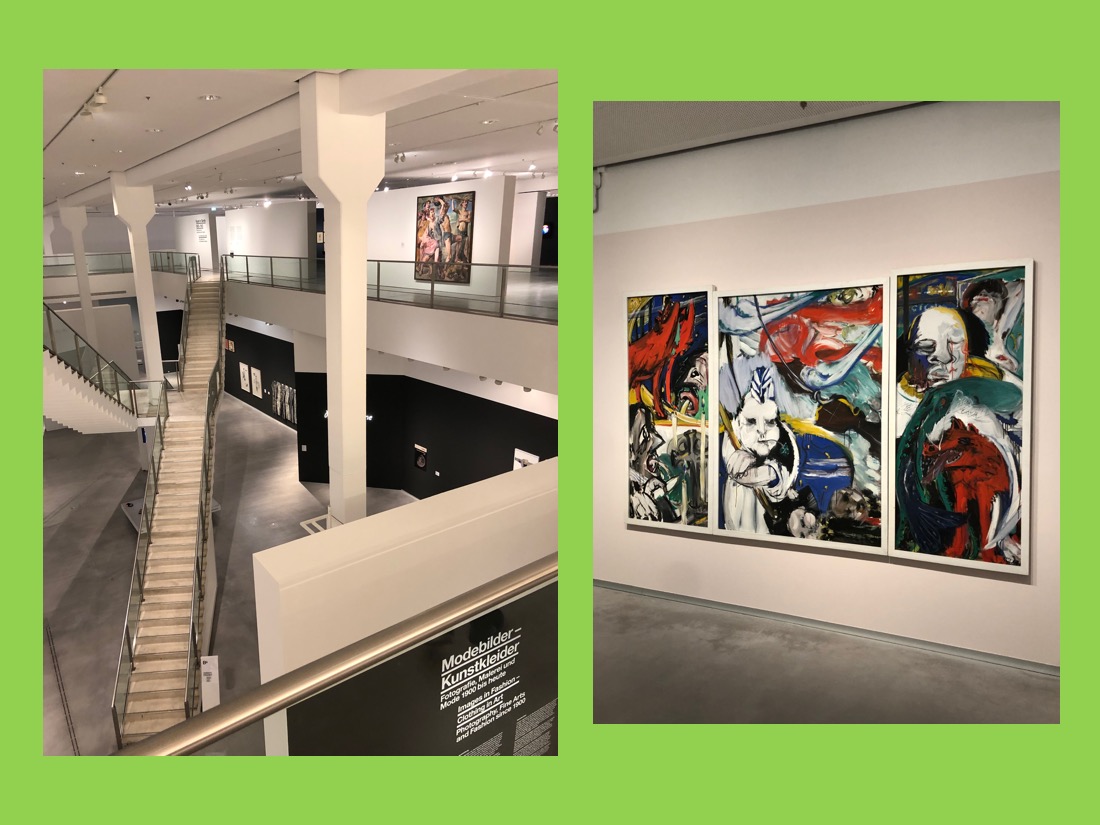
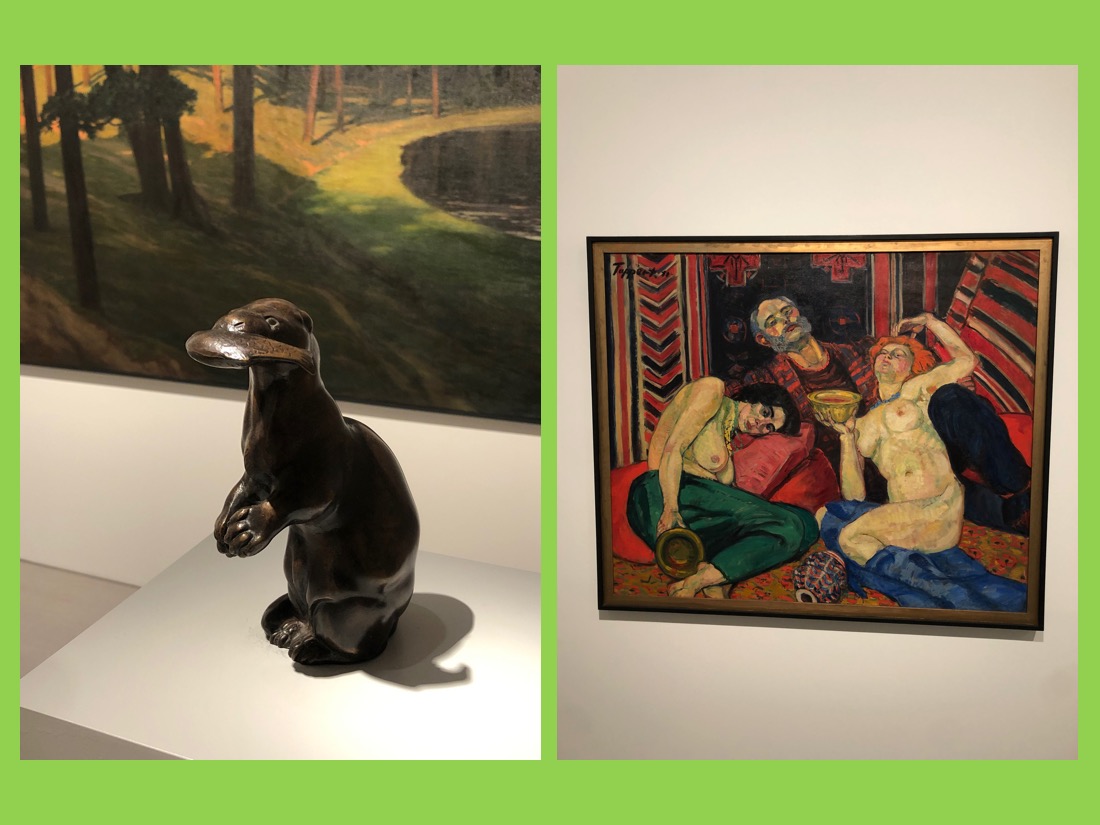
Berlinische Galerie seeks to portray Berlin’s art history in new and surprising ways with room for every genre and style. This sometimes reveals unexpected threads in the fabric, and international networking by the art community is part of that weave. Berlin is a city of artists, and here you can truly sense it. The museum show sthe classics, but also responds quickly to the latest trends in contemporary art. The programme is undogmatic, thought-provoking and sometimes controversial – but then so is Berlin. The instituion offers an interdisciplinary collection that includes painting and sculpture, prints and drawings, photography and architecture, all dating from 1870 until the present day. This makes Berlinische Galerie fundamentally different from other exhibition venues in the German capital.
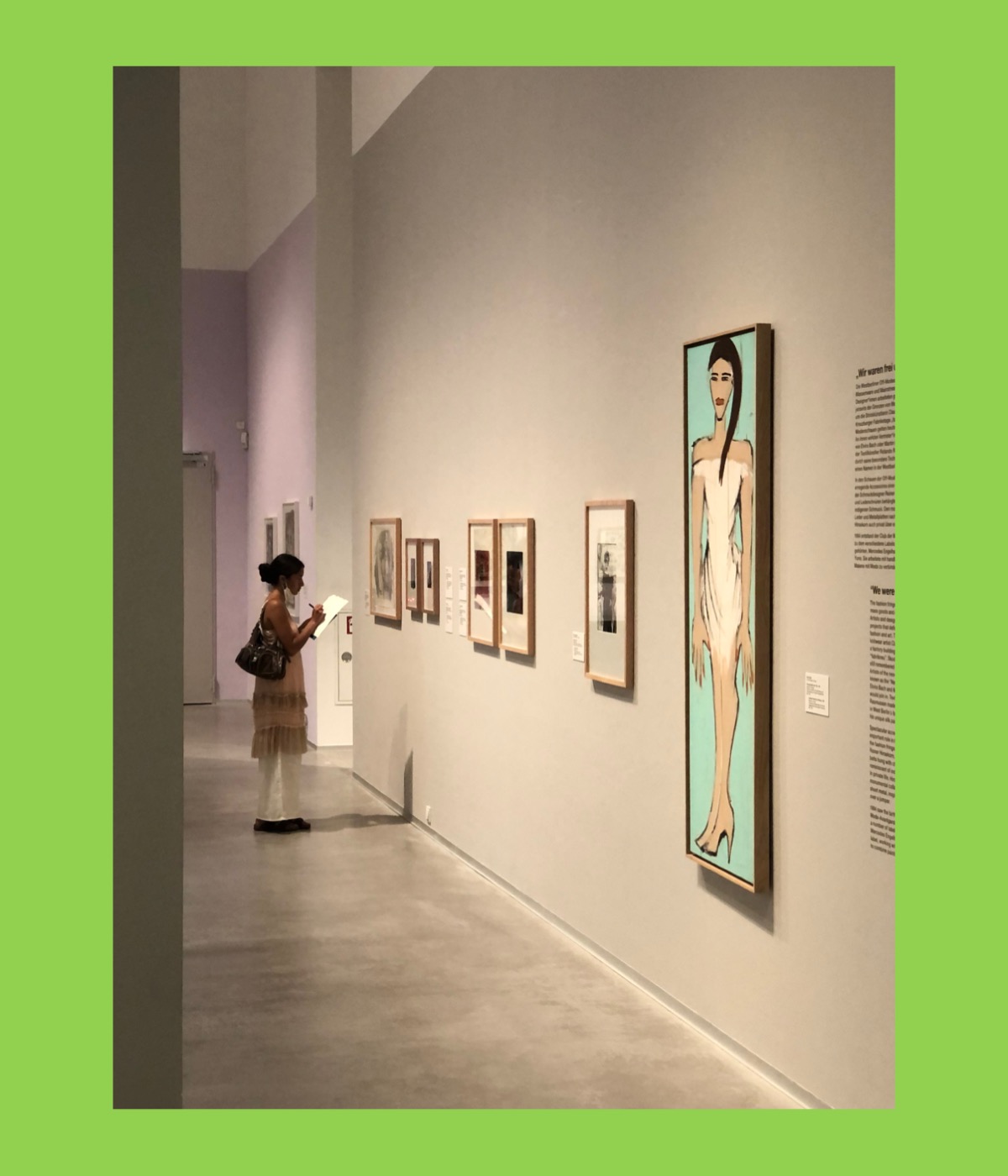
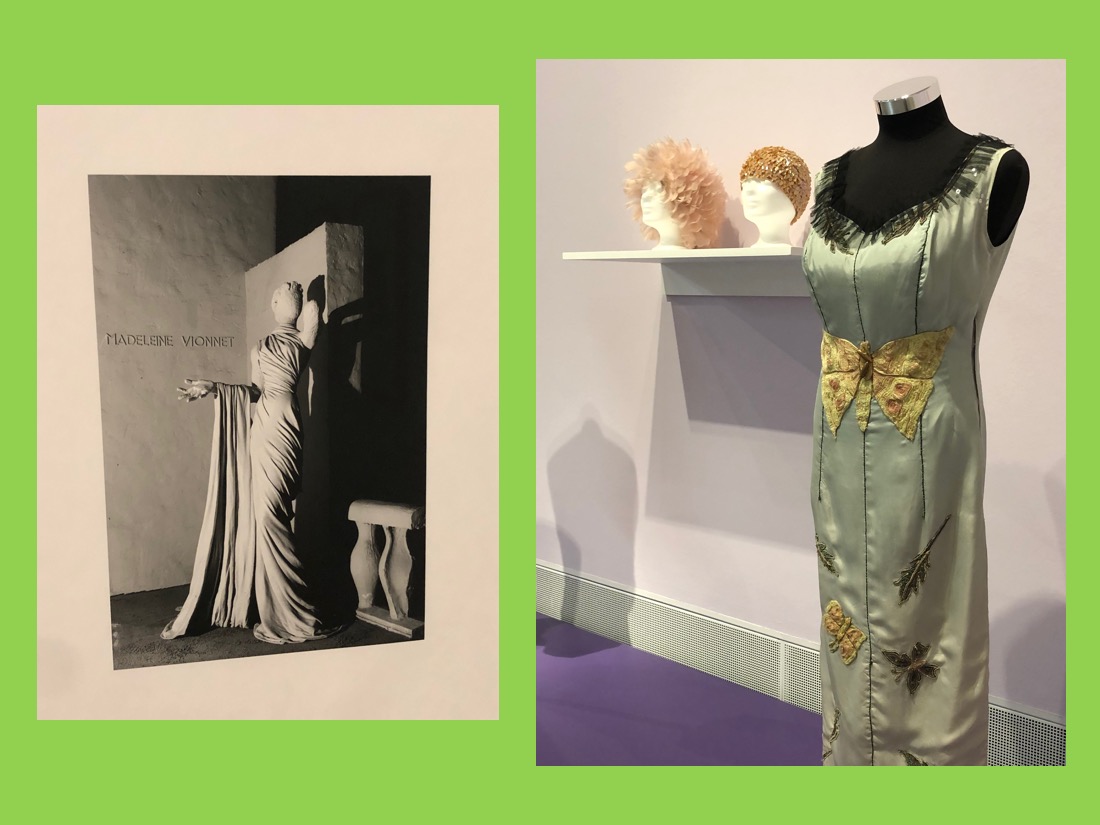
Till the end of May, you could enjoy here the fascinating, temporary exhibition entitled “Images in Fashion – Clothing in Art“. Fashion and art are mirrors of social changes and individual needs, and in the collection of the Berlinische Galerie, this theme is present in surprising and diverse ways. In addition to numerous fashion photographs spanning the 20th century (from Helmut Newton to Ute Mahler), just as many paintings and drawings testify to the role of fashion as a means of expression and representation of a particular era: from the reform dress around 1900 and the Dada dandies of the 1920s to avant-garde clothing designs in contemporary art. You can read more about this exhibition here!
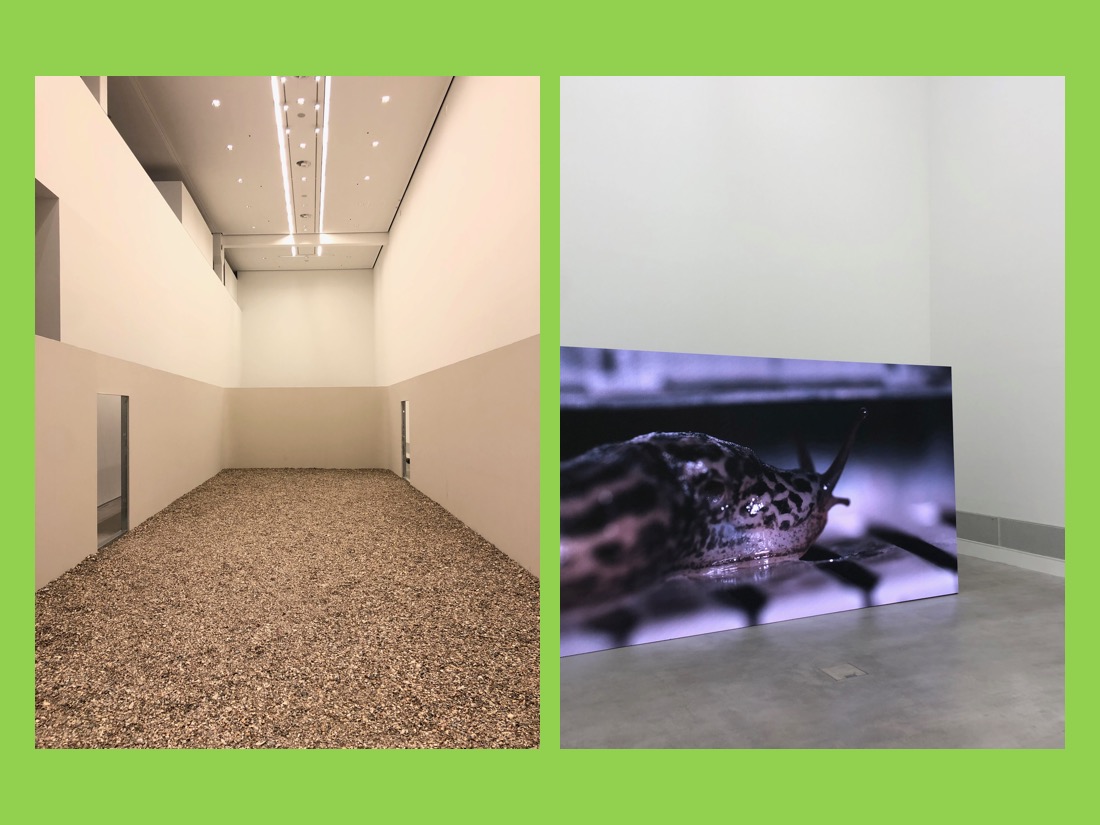
Until the end of August, there’s also the Nina Canell exhibition going on. Her artistic practice does not revolve around the finished artwork; instead, it foregrounds process, synergy and entanglement. For the Berlinische Galerie, she has conceived an experiential installation that considers the material vitality of calcite. Literally crumbling under our own weight, seven tonnes of shells speak up from the ground, causing a sensation remote from that of walking on a gallery floor. Yet, crushed calcite from marine molluscs is an essential ingredient in concrete, a major constituent of our built environment. Here, the biomineral forms that feed the construction industry break down over the course of the exhibition. Material stress gives way to a sounding, durational sculpture, inviting us to consider the ineffable number of broken bodies that hold us up. This exhibition brings together several of Canell’s sculptural works and a video created with long-term collaborator Robin Watkins. Considering the overlaps between minerals, animals, energies and technologies, “Tectonic Tender” reflects the artist’s commitment to duration and circulation as fundamental sculptural tools.
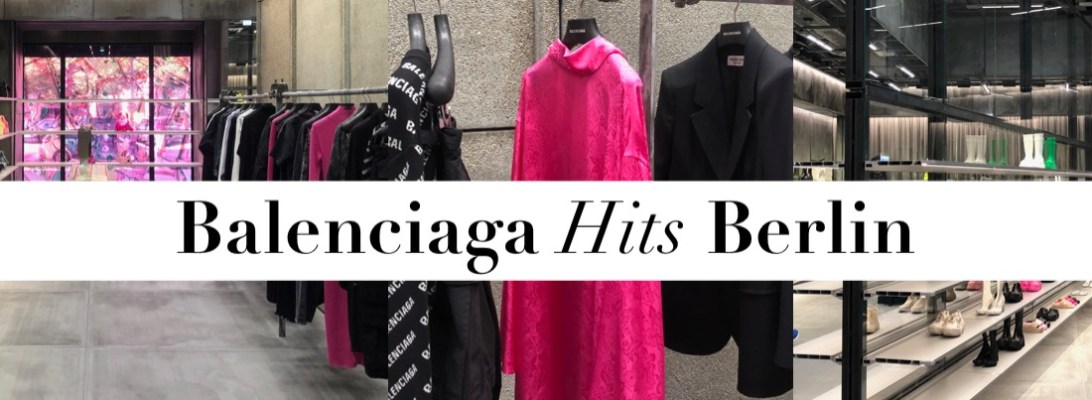
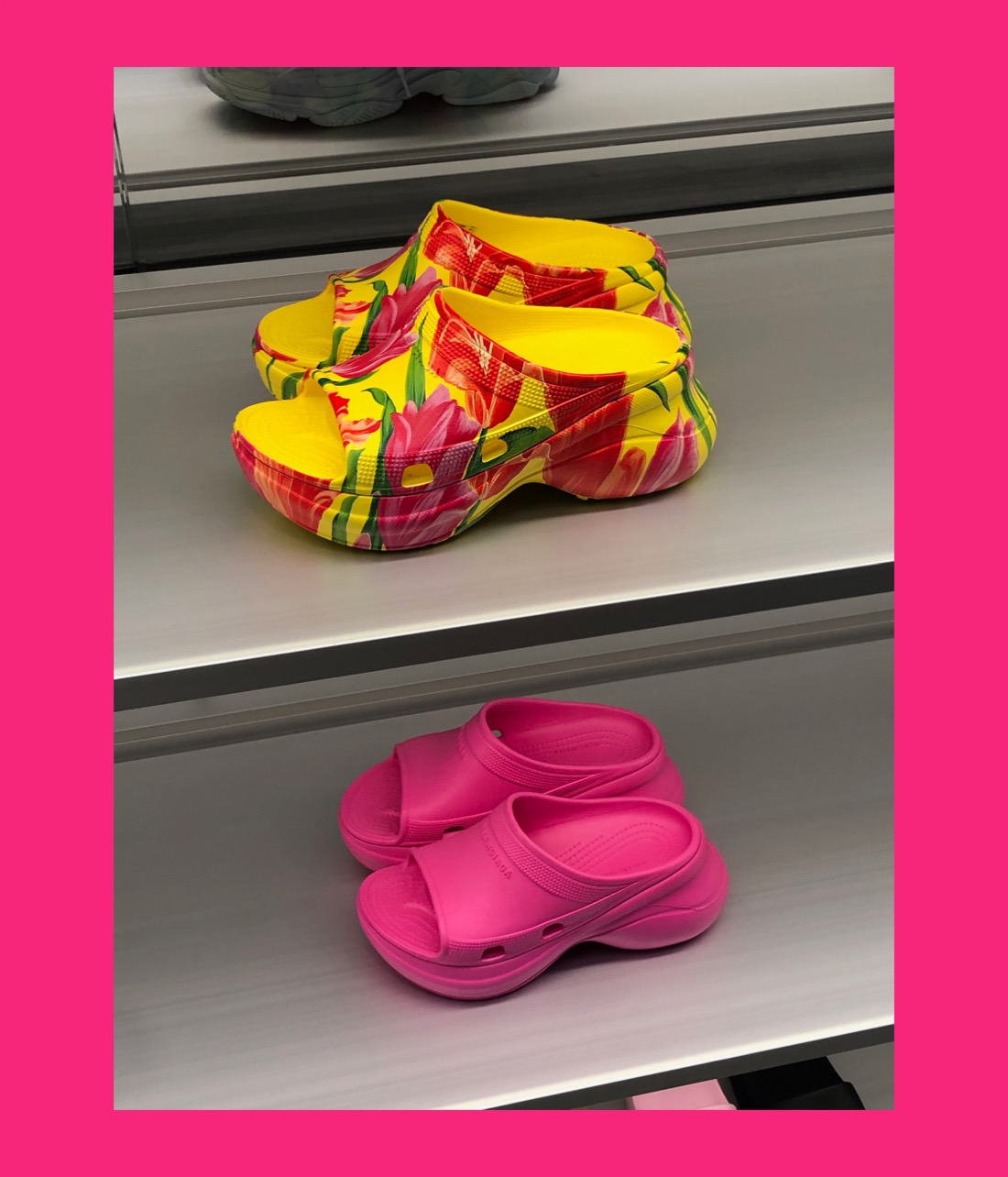
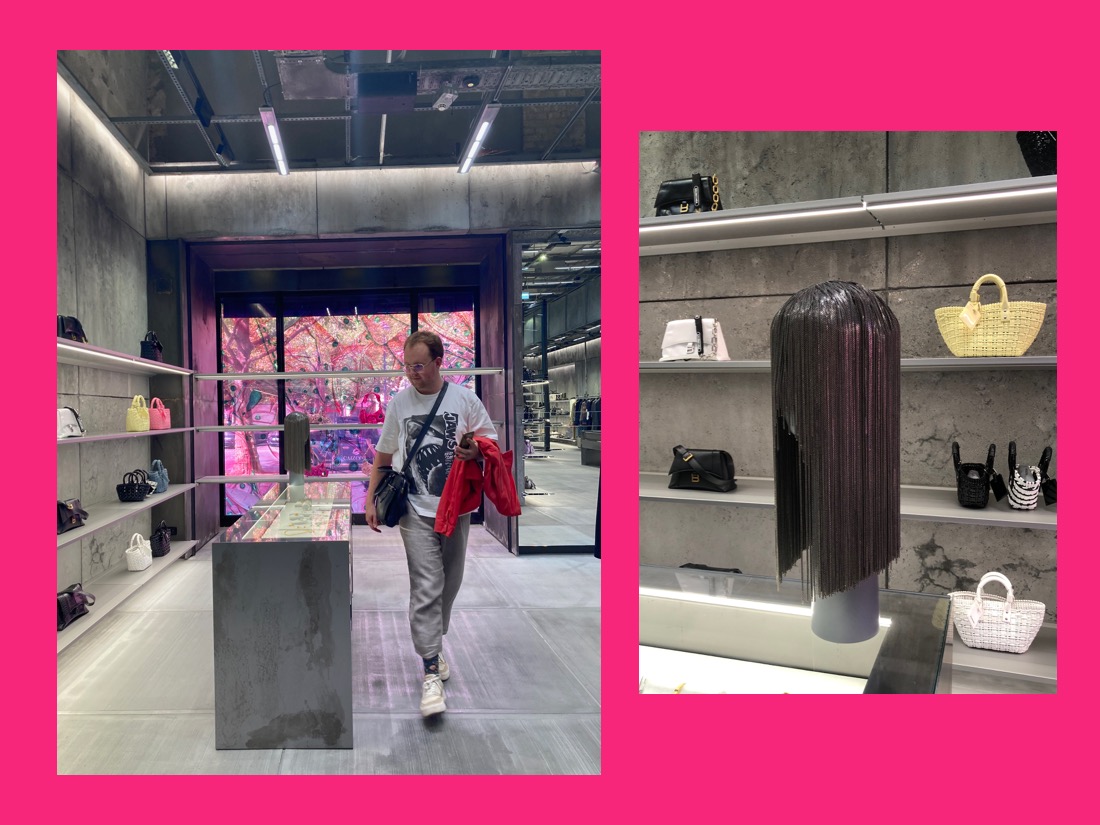
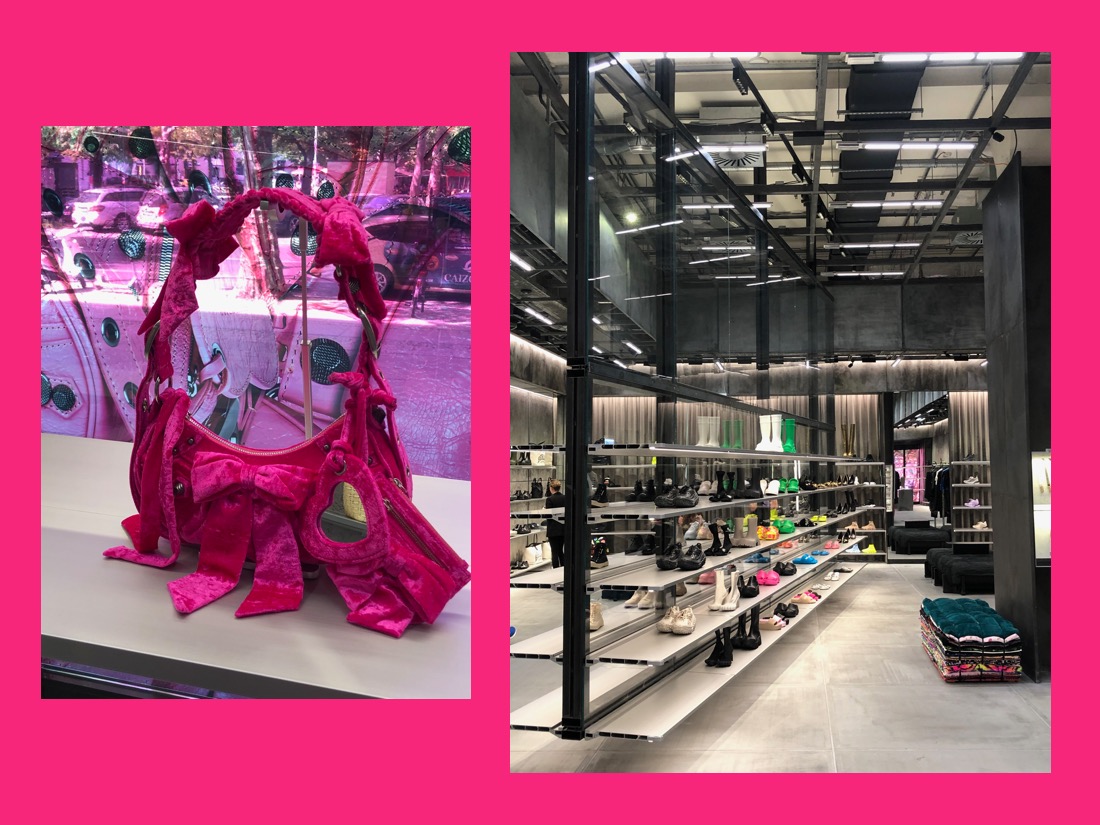
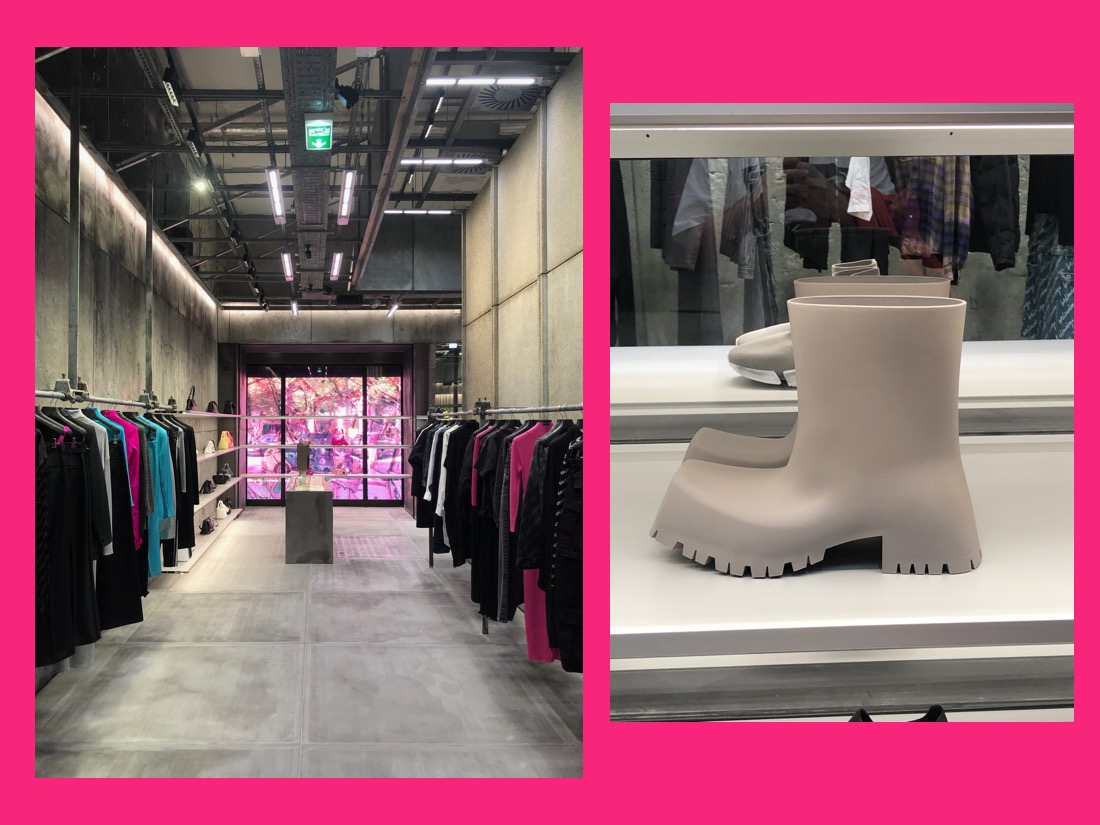
Balenciaga has finally arrived to Berlin with its flagship store. The floral Crocs wedges! The candy-sweet velvet Cagole! The deconstructed ball-dresses! The gargantuan rubber boots! All the Demna classics under one roof.
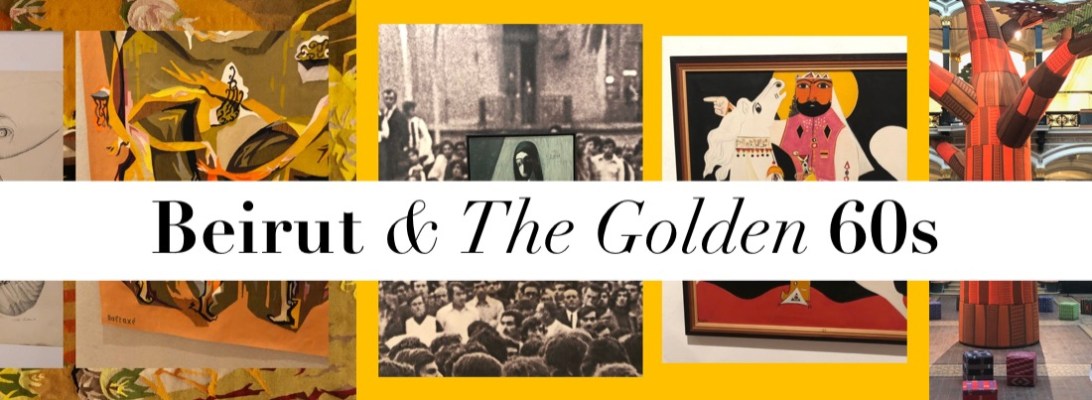
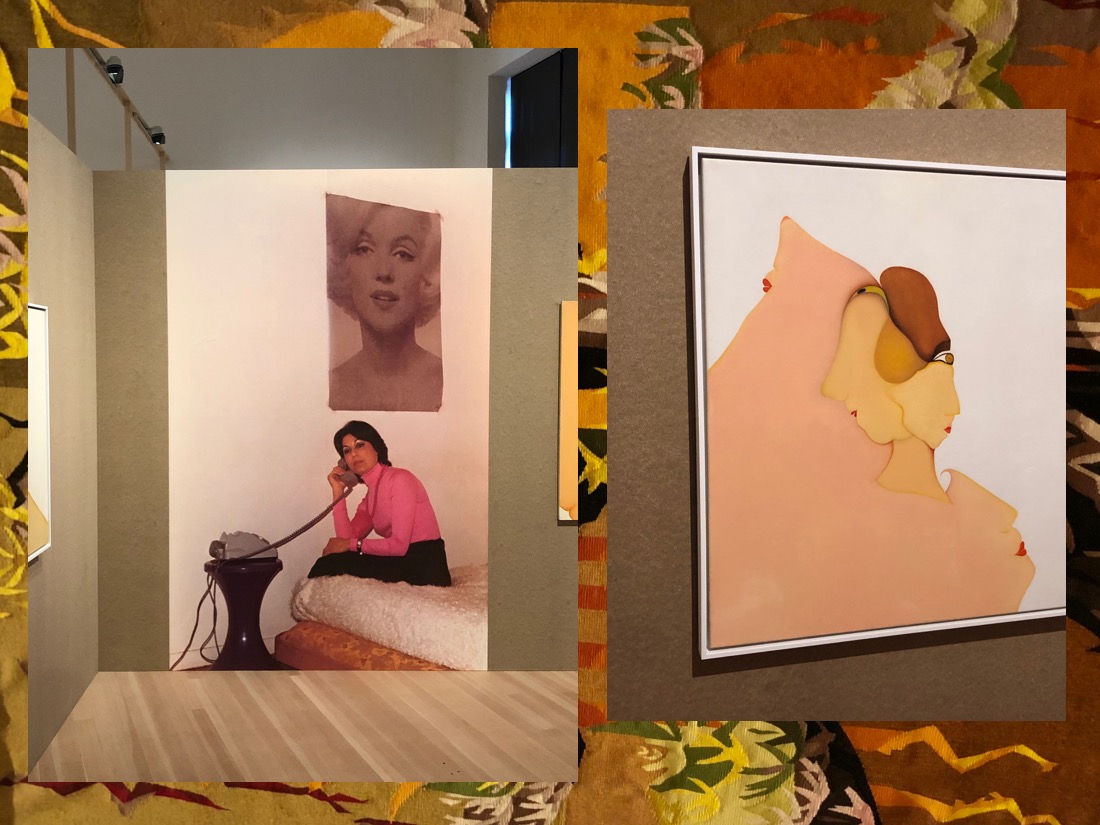
Until the 12th of June, there’s an incredible exhibition going on at Berlin‘s Gropius Bau. “Beirut and the Golden Sixties: A Manifesto of Fragility” revisits a dazzling yet moving chapter in Beirut’s modern history. Spanning the period between the late 1950s and the 1970s, from the Lebanon Crisis in 1958 to the outbreak of the Lebanese Civil War in 1975, the exhibition traces the complicated tension between Beirut’s artistic cosmopolitanism and its pervasive transregional and political antagonisms. At that time, the city’s character was shaped by the influx of people and their inexhaustible ideas. A heterogeneous mix of artists from Lebanon and abroad articulated their different and sometimes contradictory visions of modernity. Their drive for formal innovation was often as strong as their political convictions. With 230 works by 34 artists and more than 300 archival documents from nearly 40 collections, this is the most comprehensive exhibition to date of a crucial period in Beirut’s history. It reveals the complex connections between the city’s past and its current problems and challenges the romanticized portrayal of Beirut’s so-called Golden Age, which ended in the outbreak of the Lebanese Civil War in 1975. Beirut and the Golden Sixties: A Manifesto of Fragility tells the story of a city’s hunger for life and its contradictory ambitions.

















 Design & Culture by Ed