Modern Goddess. Bevza SS21

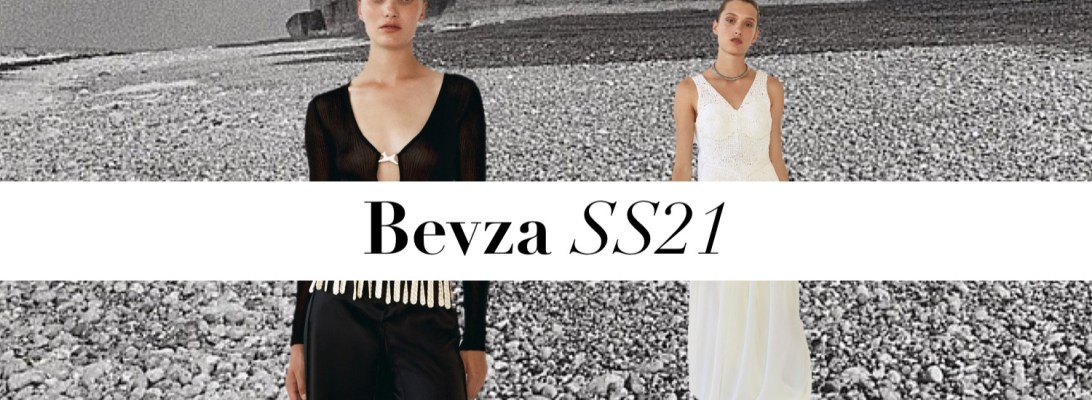
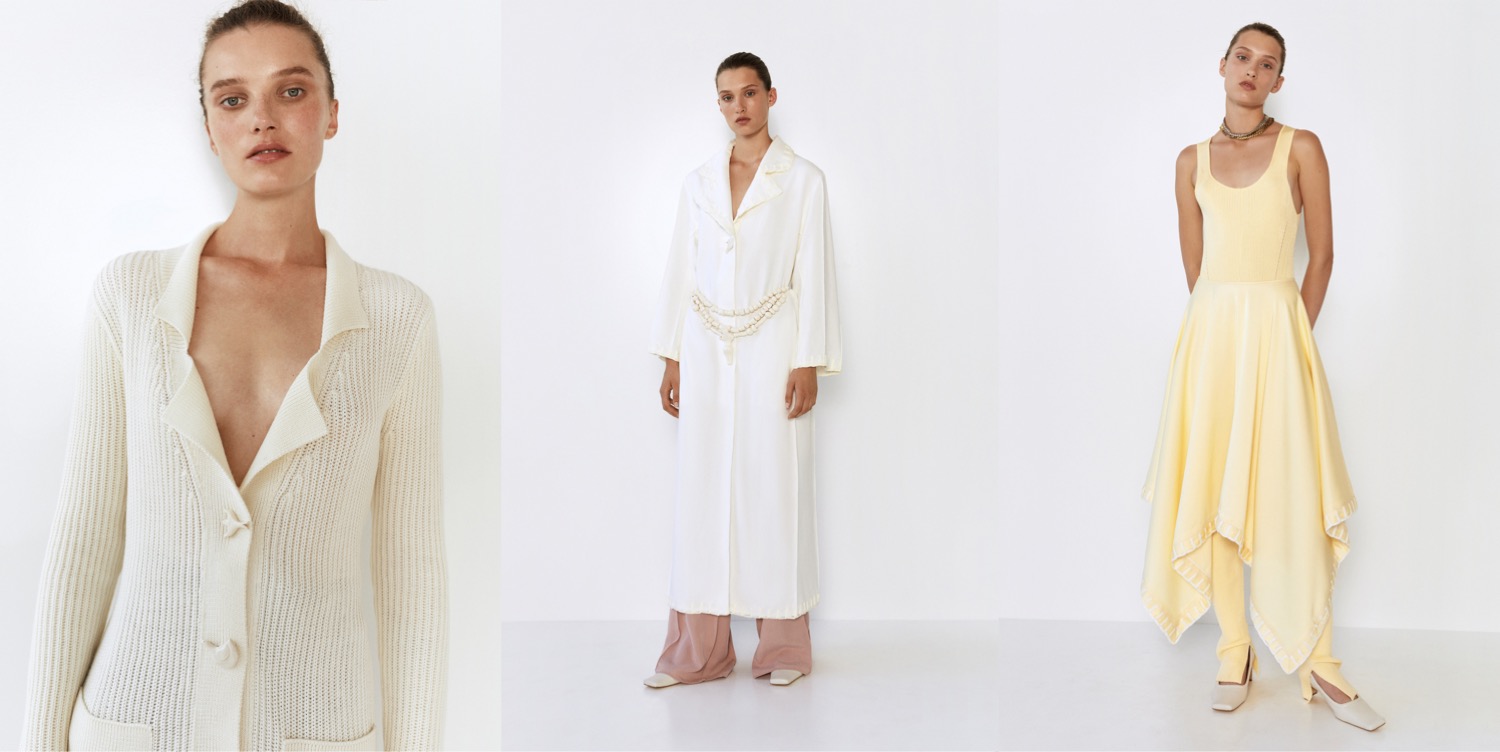
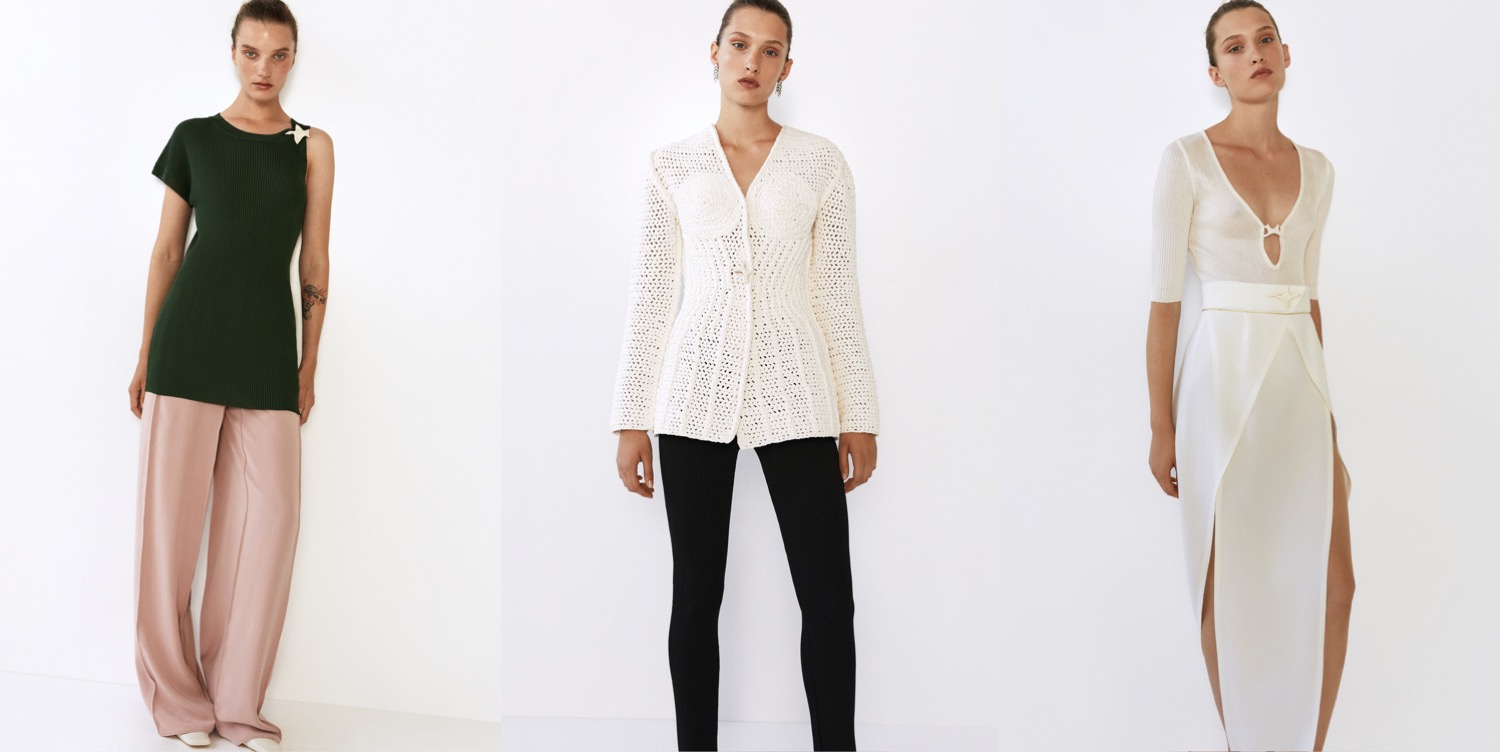
The one good thing about this season’s cropped New York Fashion Week is that the small brands that show here for years, but stay always under the radar due to overcrowded schedule, get the spotlight they deserve. Svitlana Bevza’s designs may be minimal, but there’s deep meaning and history behind their simplicity. In her previous Bevza collections, she’s often referenced her Ukrainian heritage, specifically the country’s powerful women. This season, she created a narrative around her study of Trypillia, an ancient pagan civilization that cherished women. Harvest symbols also played a role in pieces like a delicately braided knit top and a silk dress with pleating at the bodice mimicking a “tree of life.” Paying homage to the Trypillia women, Bevza designed sharply tailored, corseted dresses, and a tunic with visible stitching outlining the female figure. Those pieces were soft and sensual but still strong, especially a hand-knit ivory coat. The earthily hued, subtly textured garments were accessorized by ceramic jewelry modeled on the statues of the Trypillia people. In the absence of a show, the designer created a film that further emphasized her aesthetic and passion for sharing her Ukrainian history. This collection is an example of how fashion can tell a story and educate us on the world.

Collage by Edward Kanarecki.

Resurrected. Imitation of Christ SS21

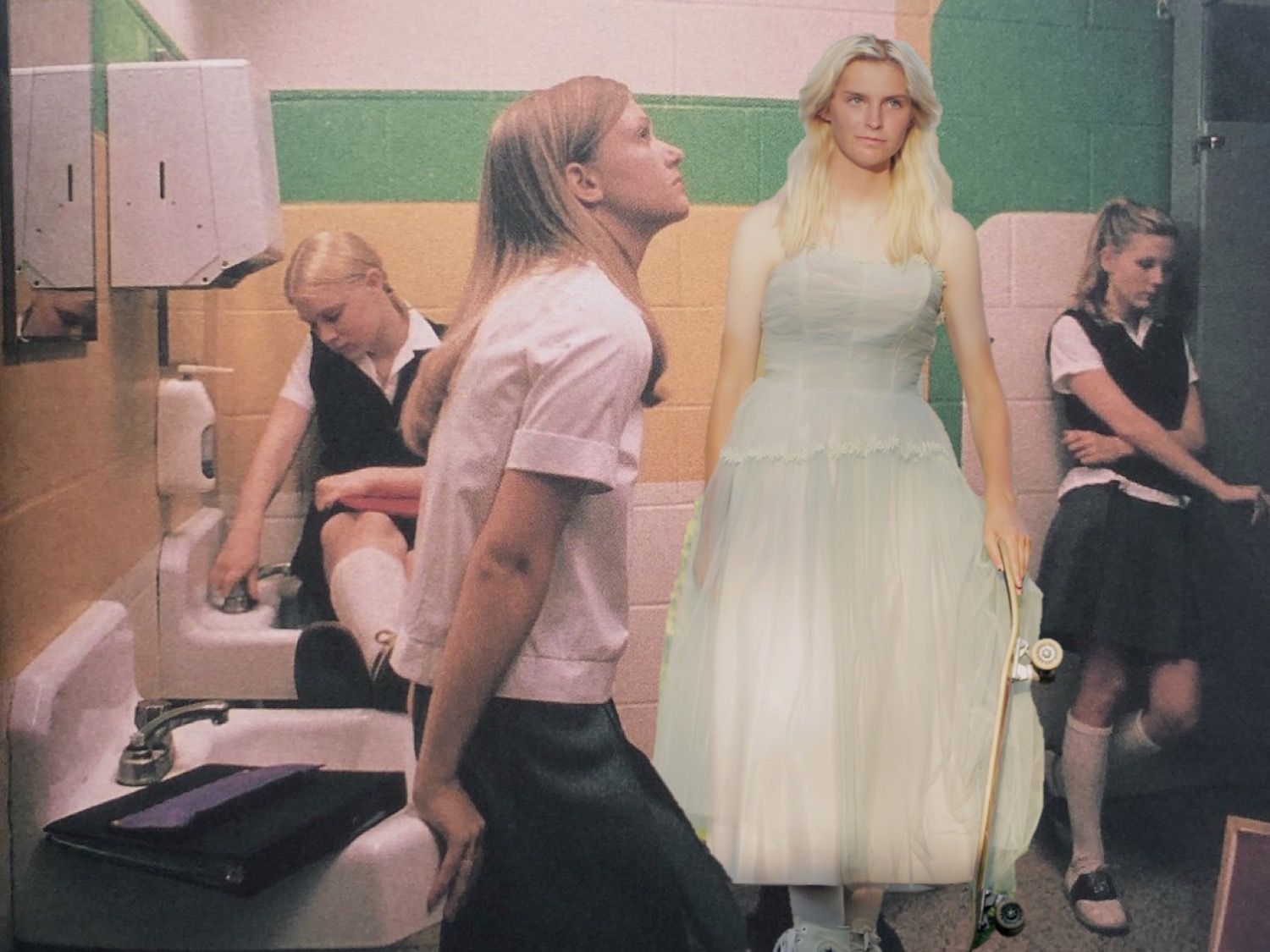
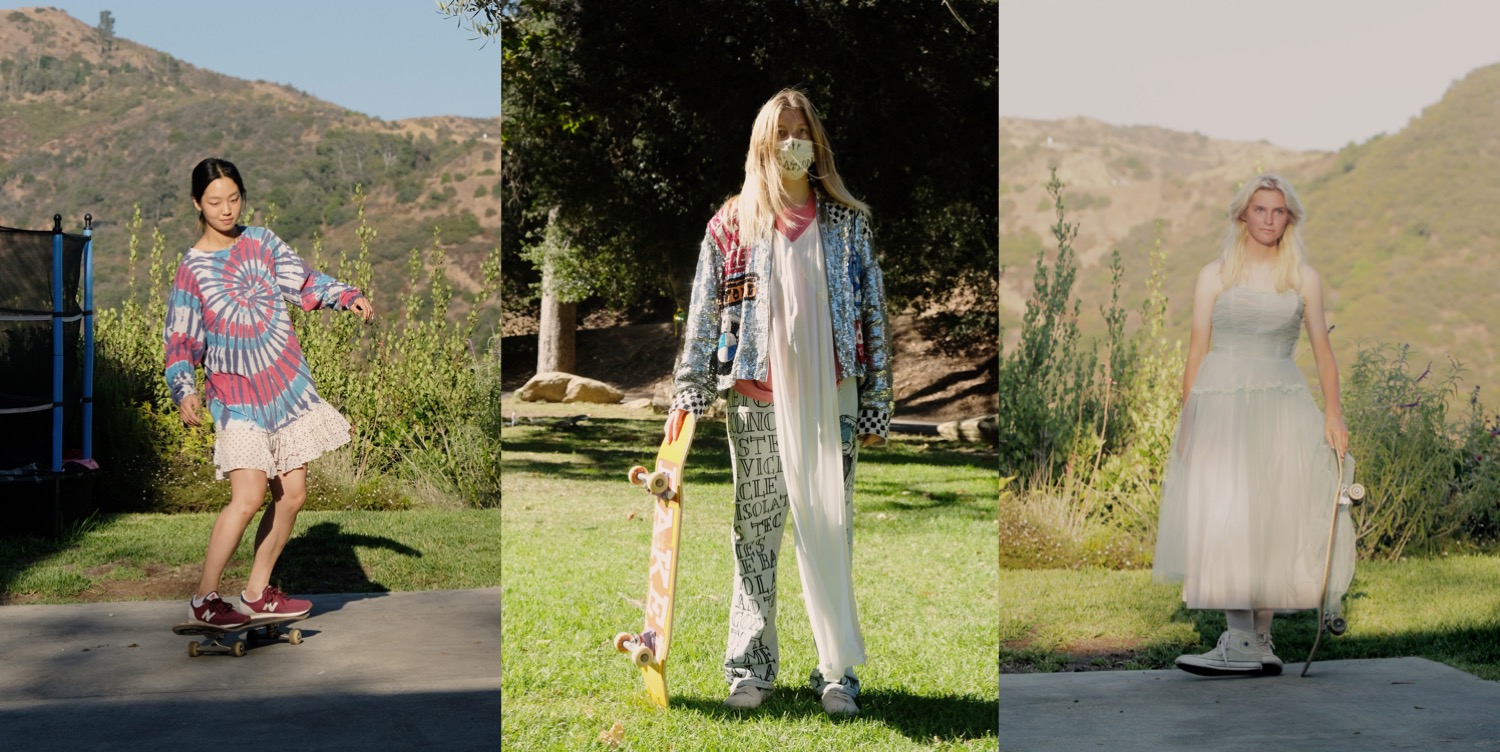
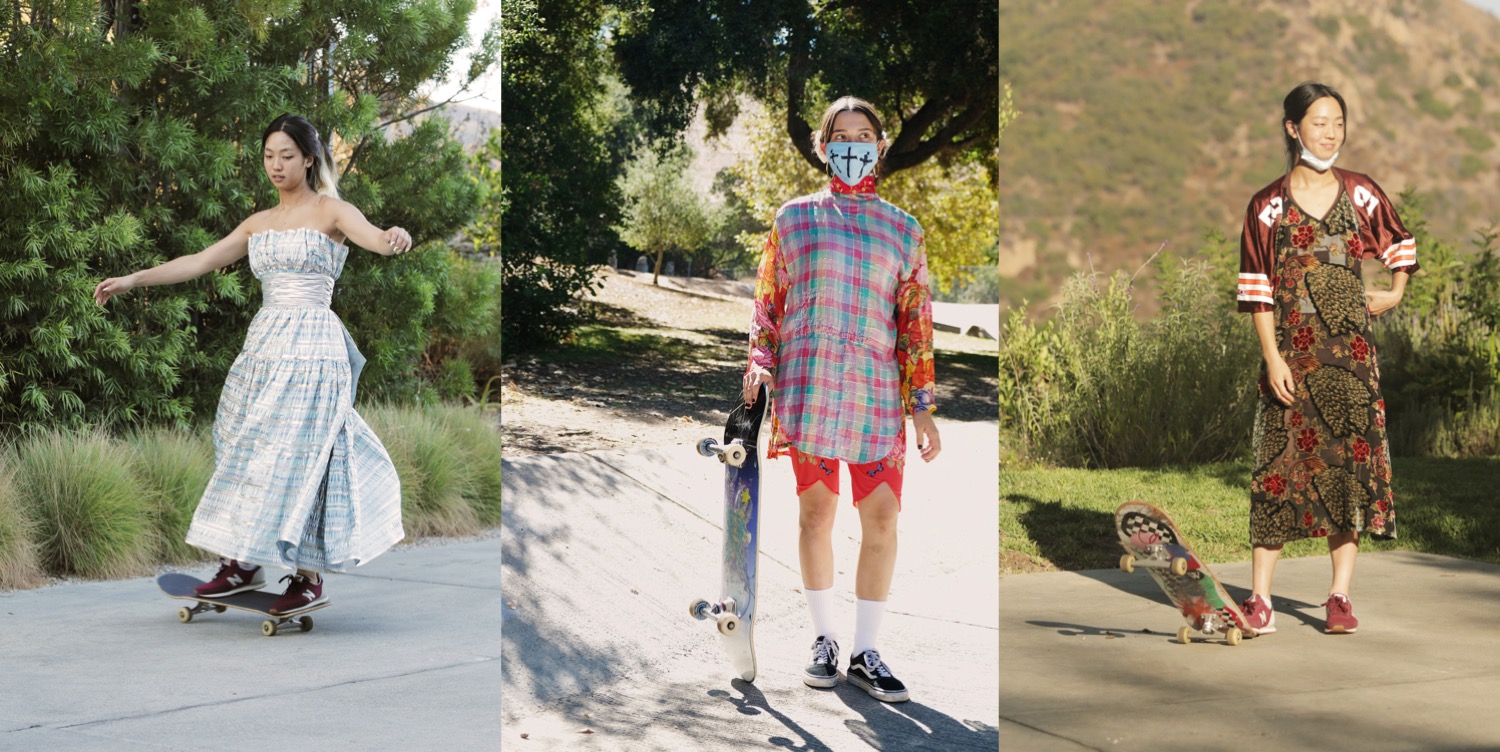
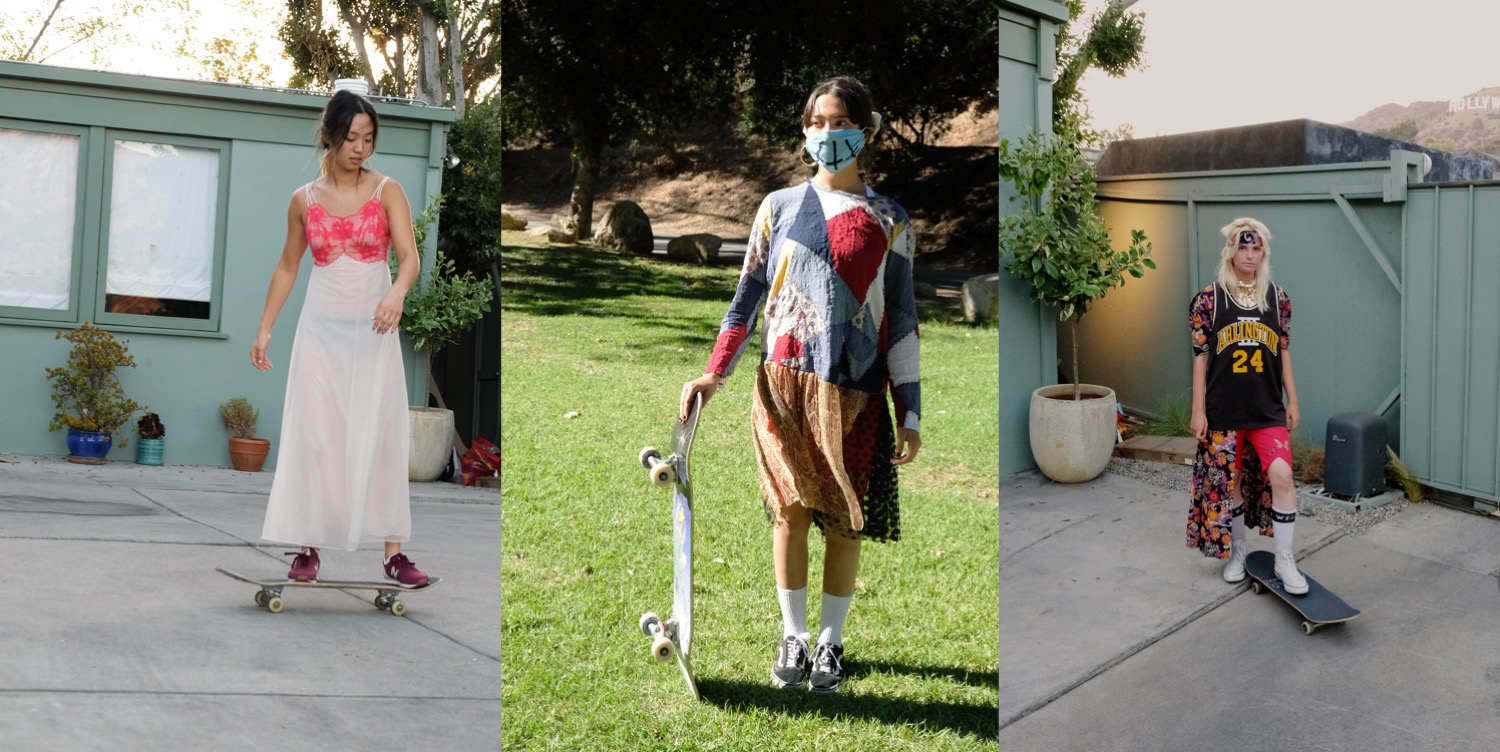
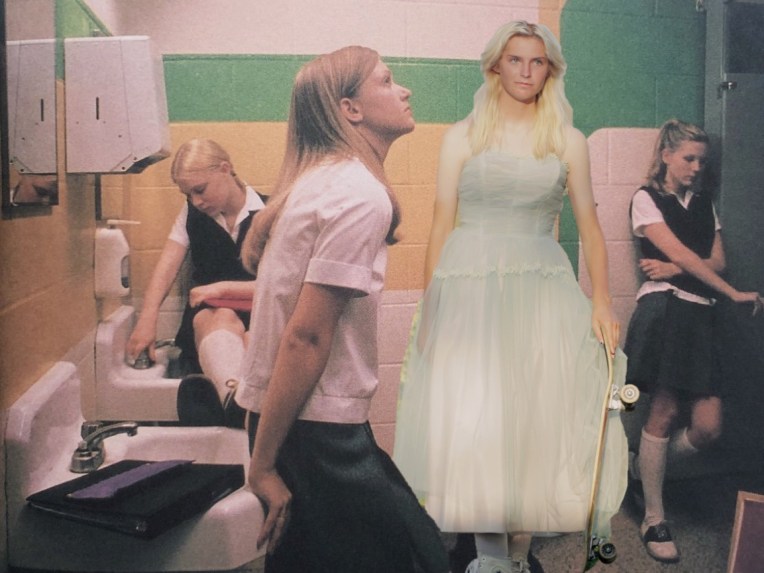
I discovered Imitation of Christ a year ago, and when I’ve shared some archive images from Tara Subkoff‘s early 2000s shows on my Instagram stories, many replied to me that they’ve never heard of the brand and that it’s just so, so amazing. I was in awe, too. Each of the label’s collections was presented as a sort of ironic performance: a funeral show; a red carpet line-up opened by Chloe Sevigny; a collection solely dedicated to denim, with Scarlett Johansson as a Marilyn-Monroe-look-alike model. Then, the brand seemed to go into a hiatus, then it came back for a moment and disappeared again. And then, to my surprise, somebody posted on Instagram that Imitation of Christ is back this summer with a guerilla couture performance in Los Angeles. And now, here we are with Subkoff’s spring-summer 2021 collection – in a moment that one might never suggest for a brand that’s planning its “big” come-back. But Imitation of Christ isn’t a regular brand, so the circumstances just couldn’t be more exciting. Twenty years after the brand’s first show on the escalators in a subway station, this season’s performances (there were two, one in Los Angeles, one in New York, not identical, but each consisting of a capella singers accompanied) are equally inventive. And, while all of this is going on, The RealReal, from which Subkoff sourced some of her pieces, will offer the spring collection for sale in see-now, buy-now fashion, with part of the proceeds going to Greta Thunberg’s nonprofit Fridays for Future. Upcycling or “resurrecting” existing pieces is the central tenet of Imitation of Christ, and it means that every piece is unique. Collection themes do emerge, however, and are crystallized by the way they are presented. Skateboarding is the organizing principle this time around, and Subkoff describes the clothes as “glamorous activewear” – say, a vintage slip attached to the front of a sports jersey. Some of it could have been hand-sewn by the bored, home-imprisoned Lisbon sisters from Sofia Coppola’s The Virgin Suicides, by the way. Subkoff became acquainted with skateboarding girls when she was feeling a bit blue. Struggling to find inspiration, the designer started visiting local skateboard parks, which she found to be “heavy on the dude feeling” until she noticed the young female skaters trying to master tricks, falling down, and starting over again. In their determination Subkoff says she found a “good metaphor for what it feels like, to me, to be female in this world in some capacity. Like you just have to keep doing it, until you do it better than the men. And then you have respect in some way.” Looking forward to more of Imitation of Christ, as it’s one of the most enigmatic and intriguing labels in New York.
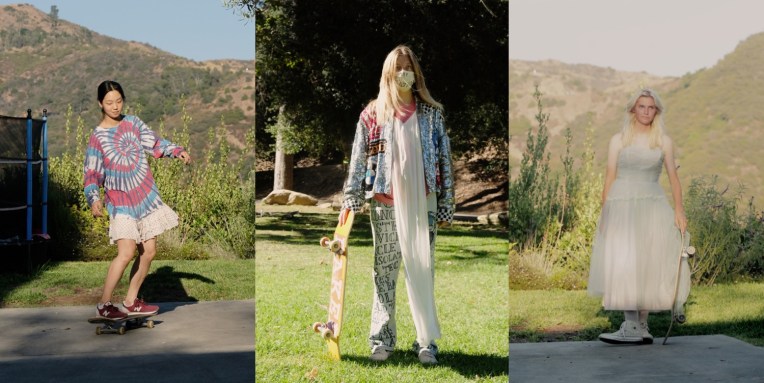
Collage by Edward Kanarecki.

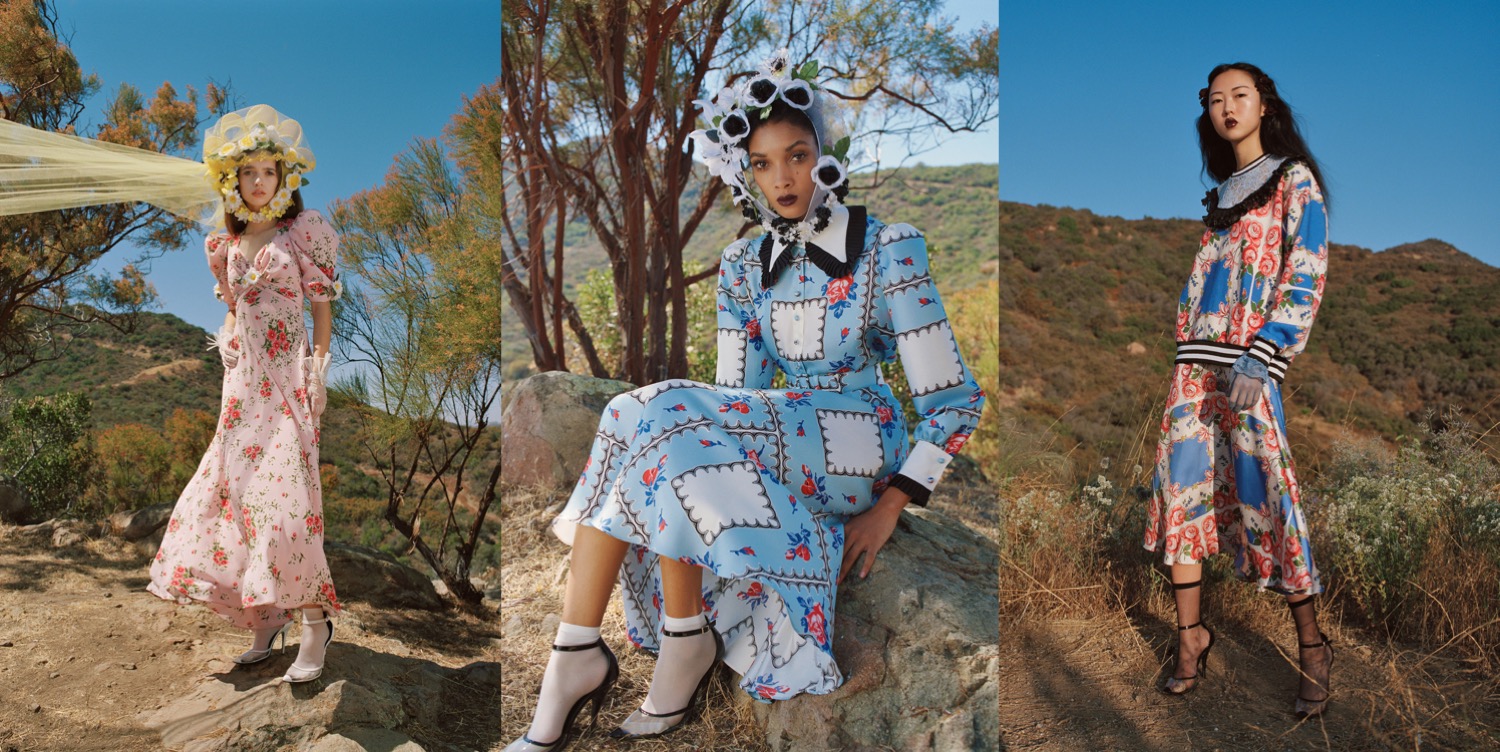
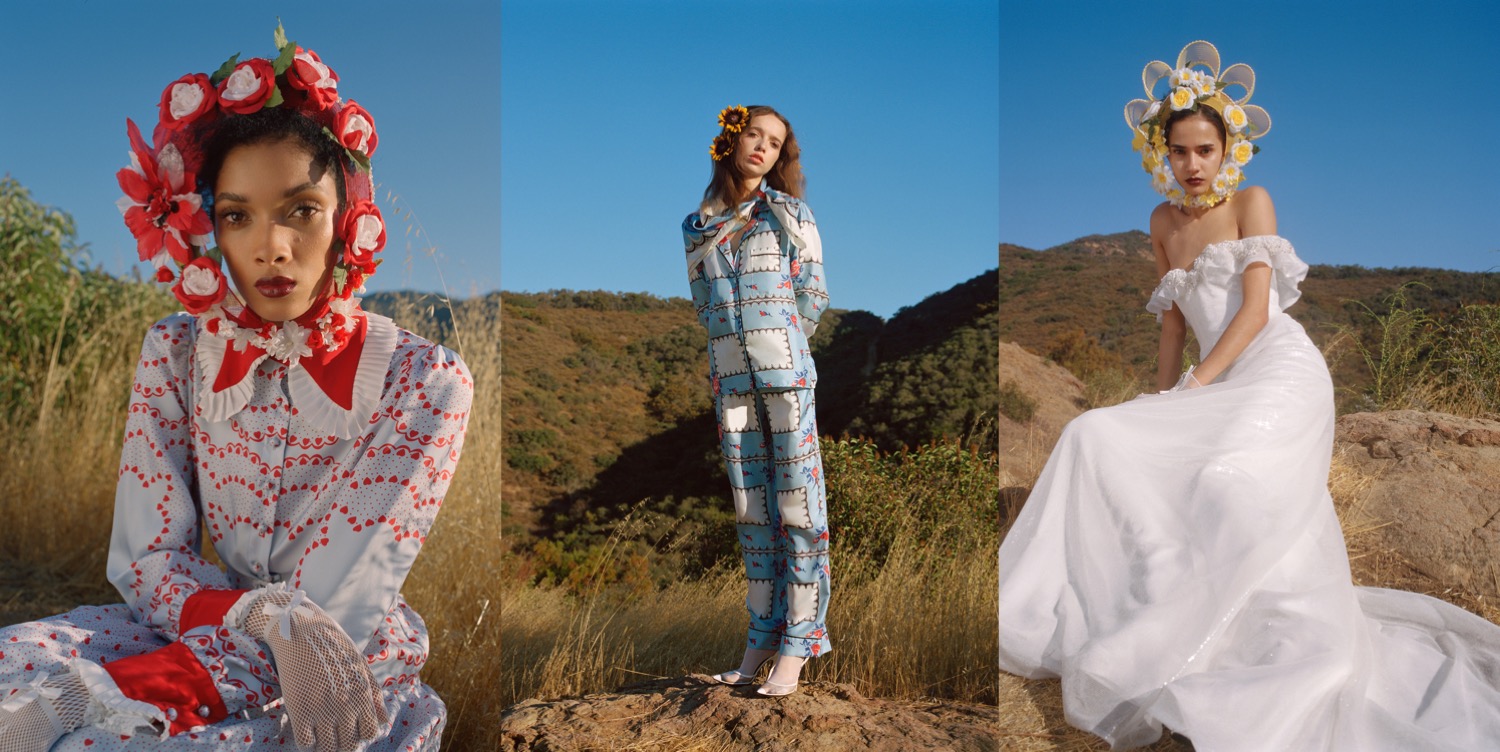
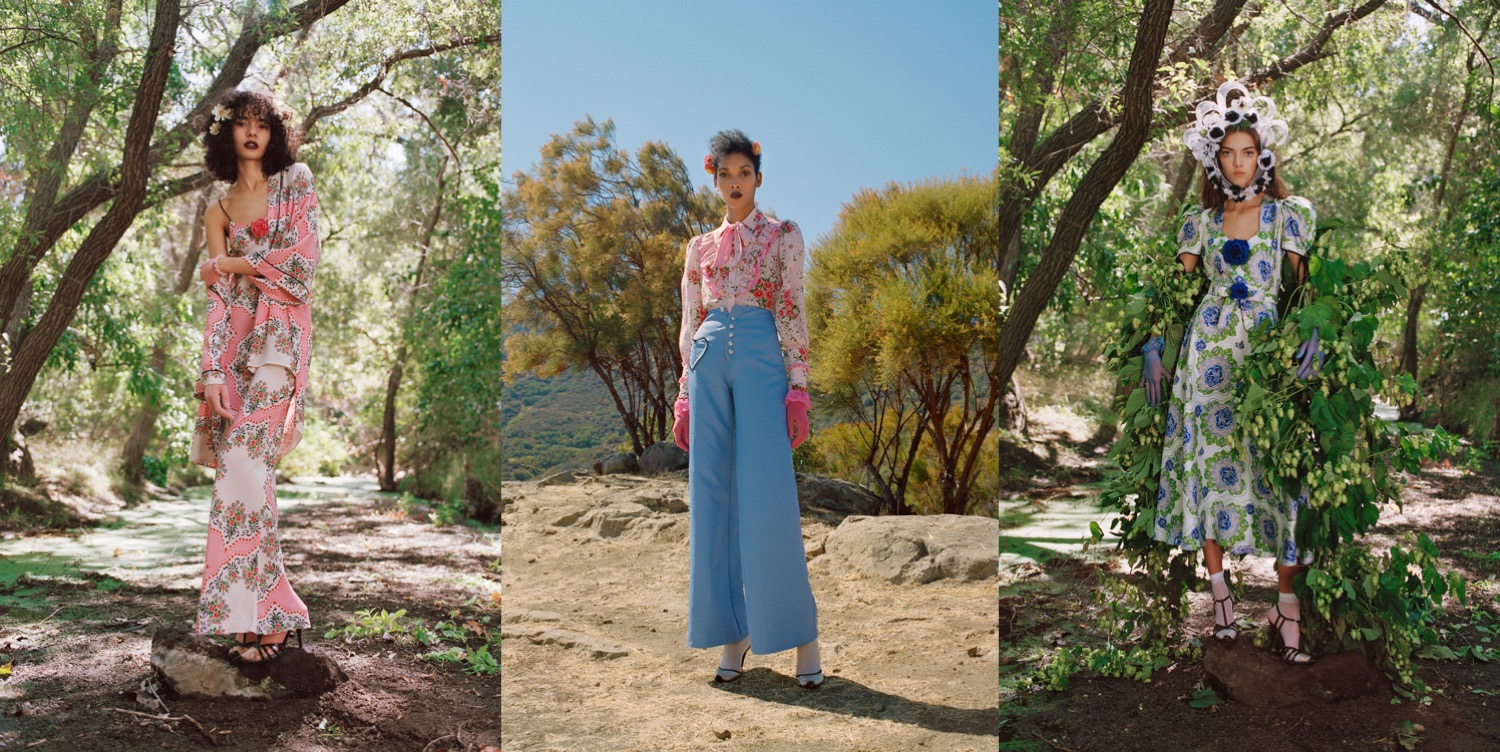
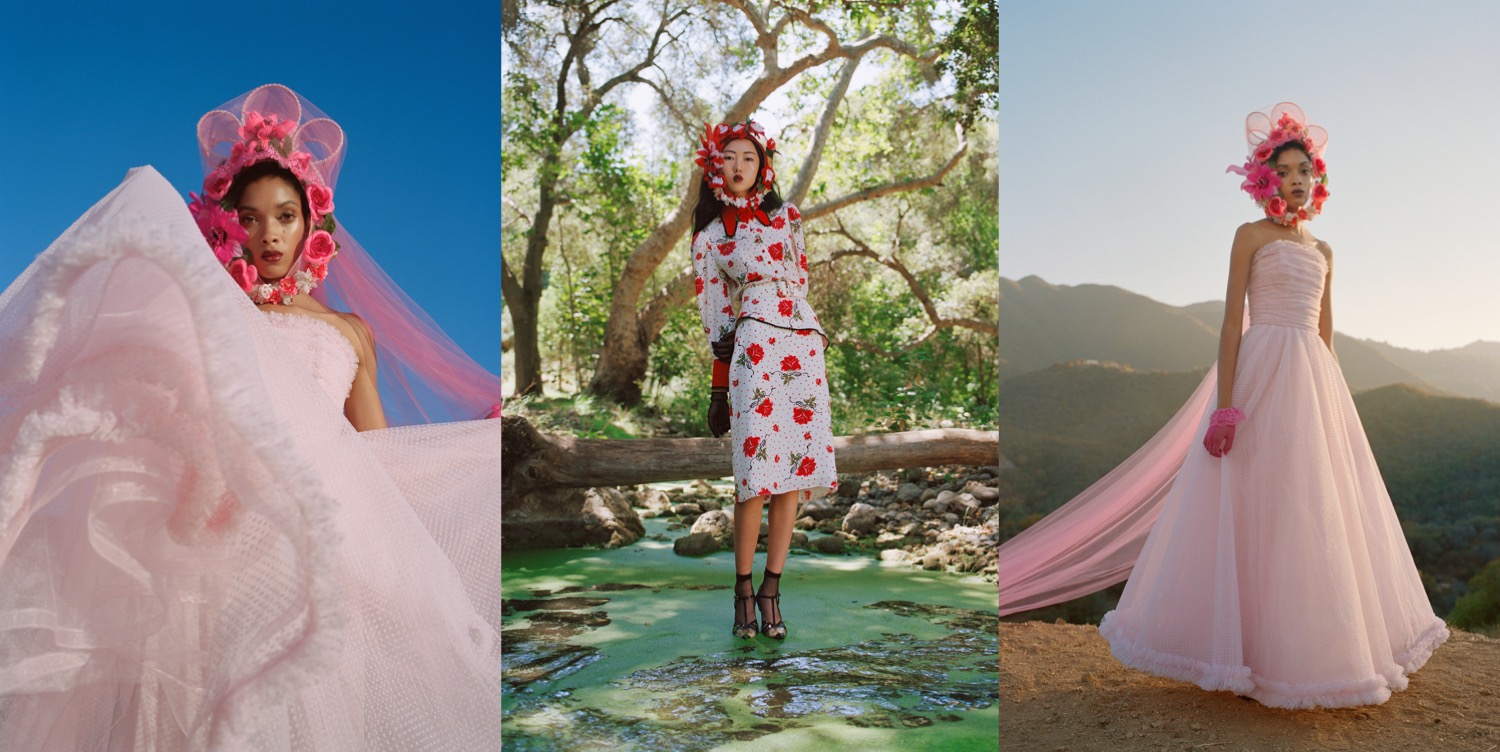
Simple Magic Is Still Magic. Rodarte SS21

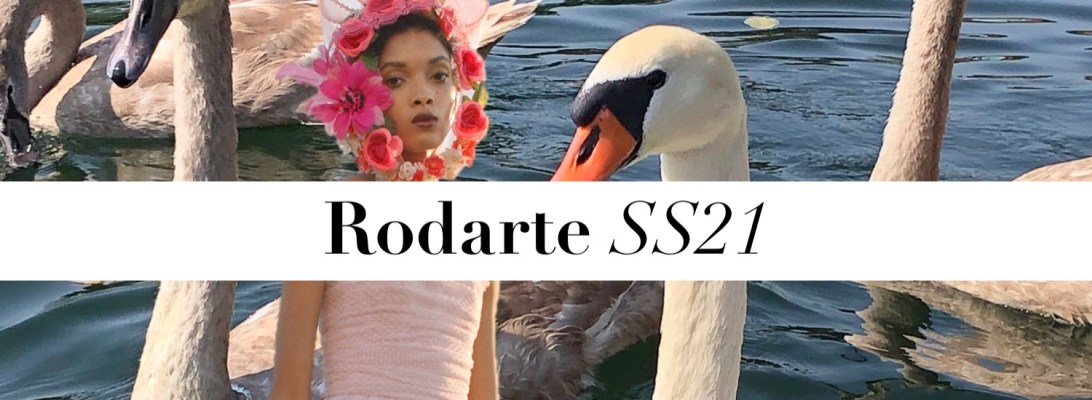
After last season’s Dracula-bitten, romantic extravaganza, Rodarte’s spring-summer 2021 collection – presented in a look-book – is understandably much less dramatic. It’s actually about coming back to the brand’s roots, according to Kate and Laura Mulleavy. The dual crises of a global health pandemic and raging wildfires in California – the sisters’ homeland – forced the designers back into that state: at home, together, with only their creativity to occupy them. While their collection was borne from the same cloistered Californian sisterhood of their earliest outings, the final products are visually different. It’s signature Rodarte, but in more practical-magic version. It’s not so much that the tulle explosions or the cake topper confections have dulled; in the face of such tough times, the sisters are emphasizing the importance of making fashion for this struggling world. “Everything we do is about fantasy and dreams, but we are located in a moment, and we are a part of what is happening now,” Kate told Vogue. A fanciful gown, both designers agree, has little place in today’s world, so instead they channeled their efforts into clothing they would want to wear now “without distilling the ideas.” Expect florals, veils, and just slightly off sweetness. Pajama sets, slips, and robes appear in dainty and orderly floral prints inspired by their local gardens. The floral story continues in the ’40s dresses they played with last season, now relaxed in shape with prints that radiate from the navel or appear in handkerchief-like grids. Silk sweatshirts (I’m on fence with logo ones, though), trackpants, and midi-skirts continue the motif, trimmed in lace or ruffles. All this is topped off with silk floral wreaths that frame models’ faces, giving them the impression of fairies, nymphs, or other magical woodland creatures. With this collection, the Mulleavys have proven their ability to make inherently useful garments that don’t compromise on the Rodarte identity.

Collage by Edward Kanarecki.

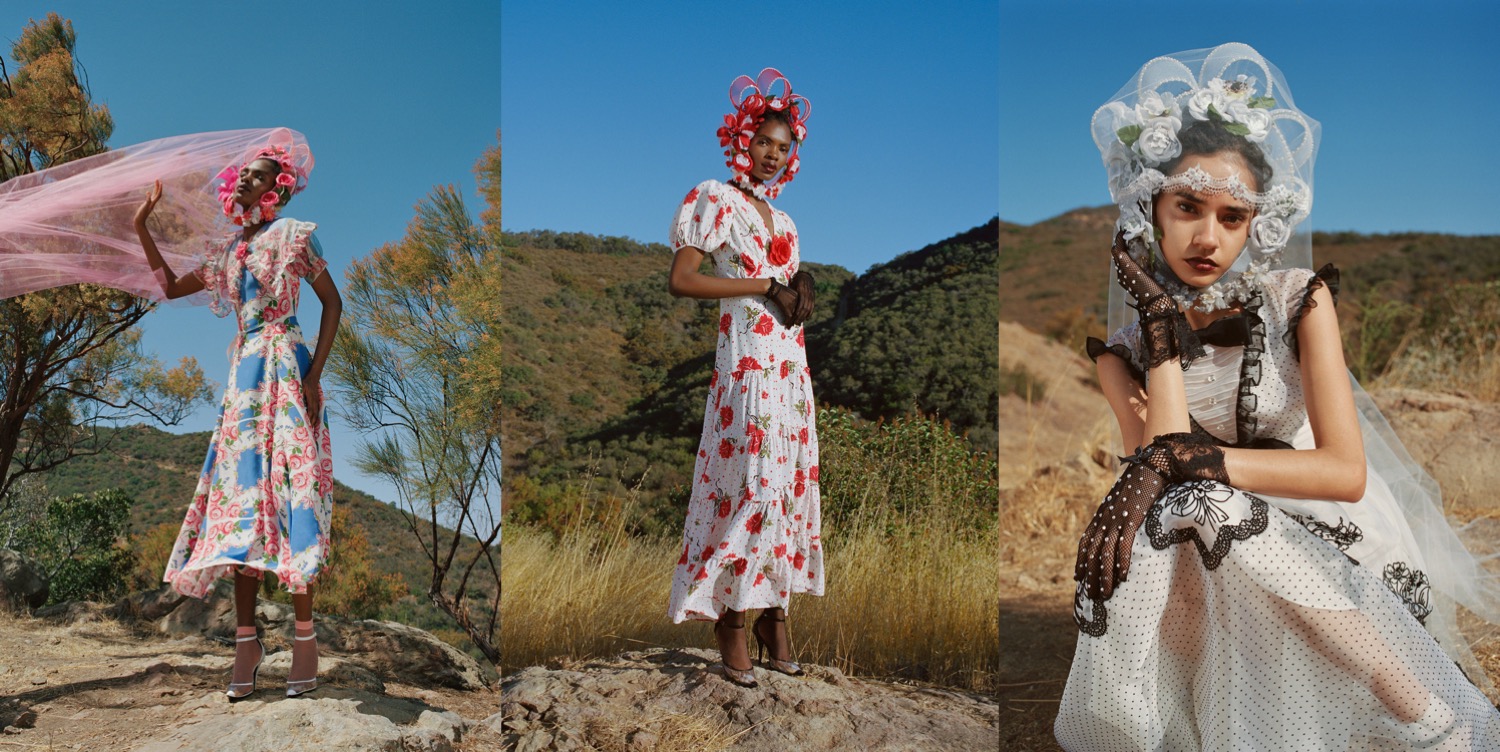
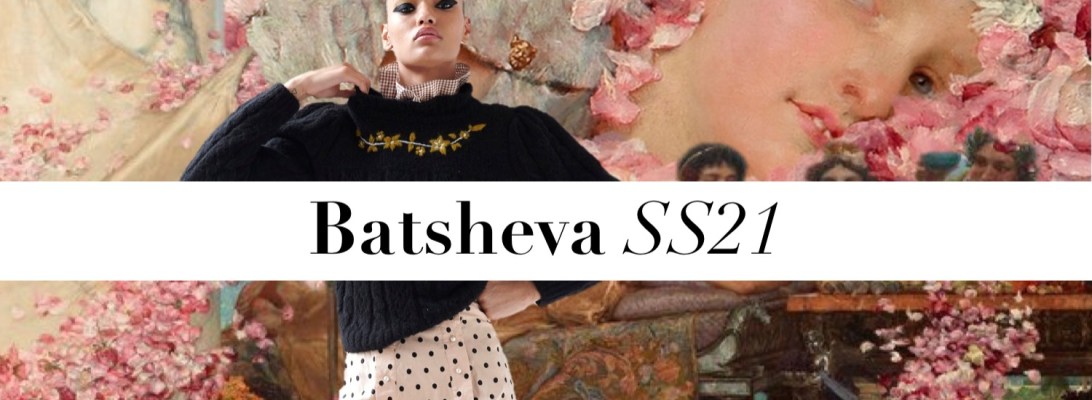
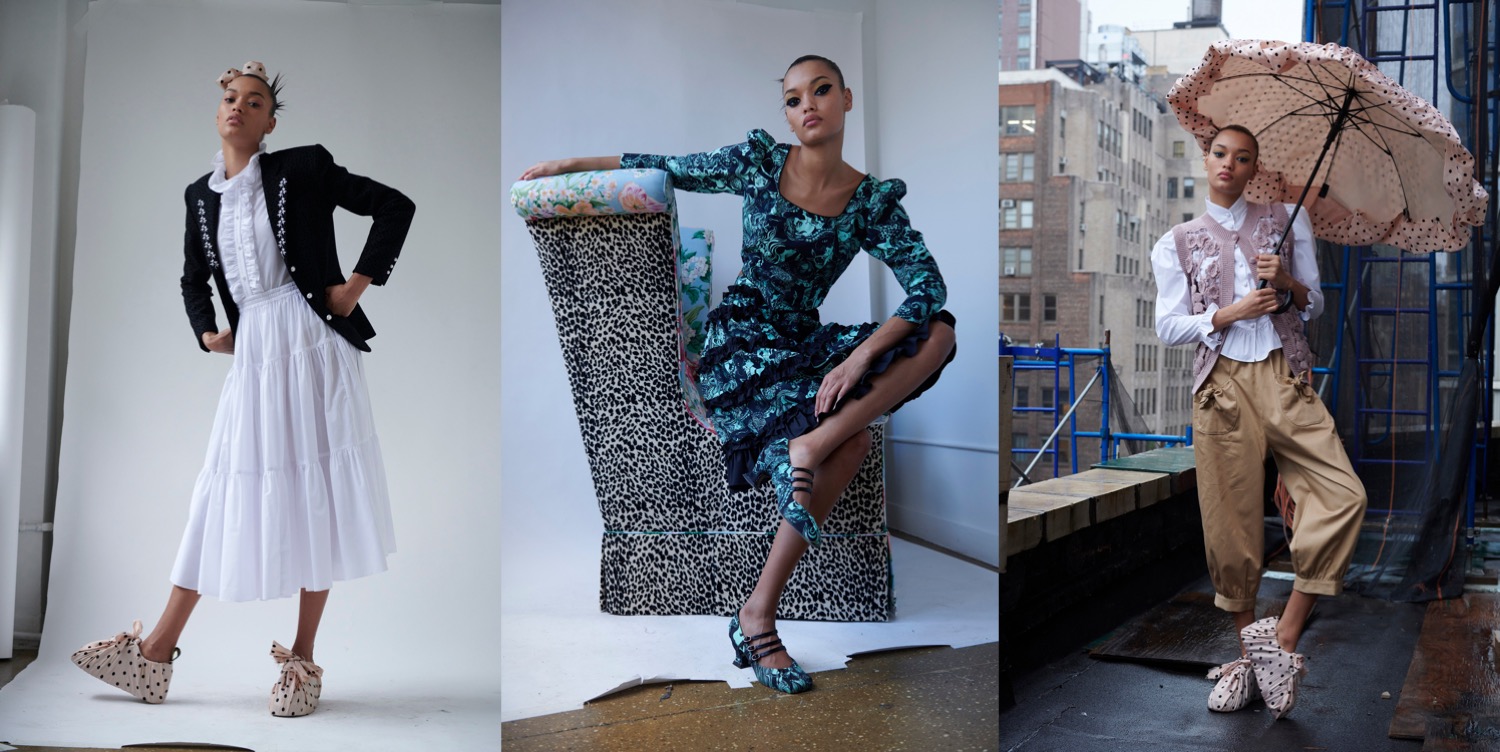
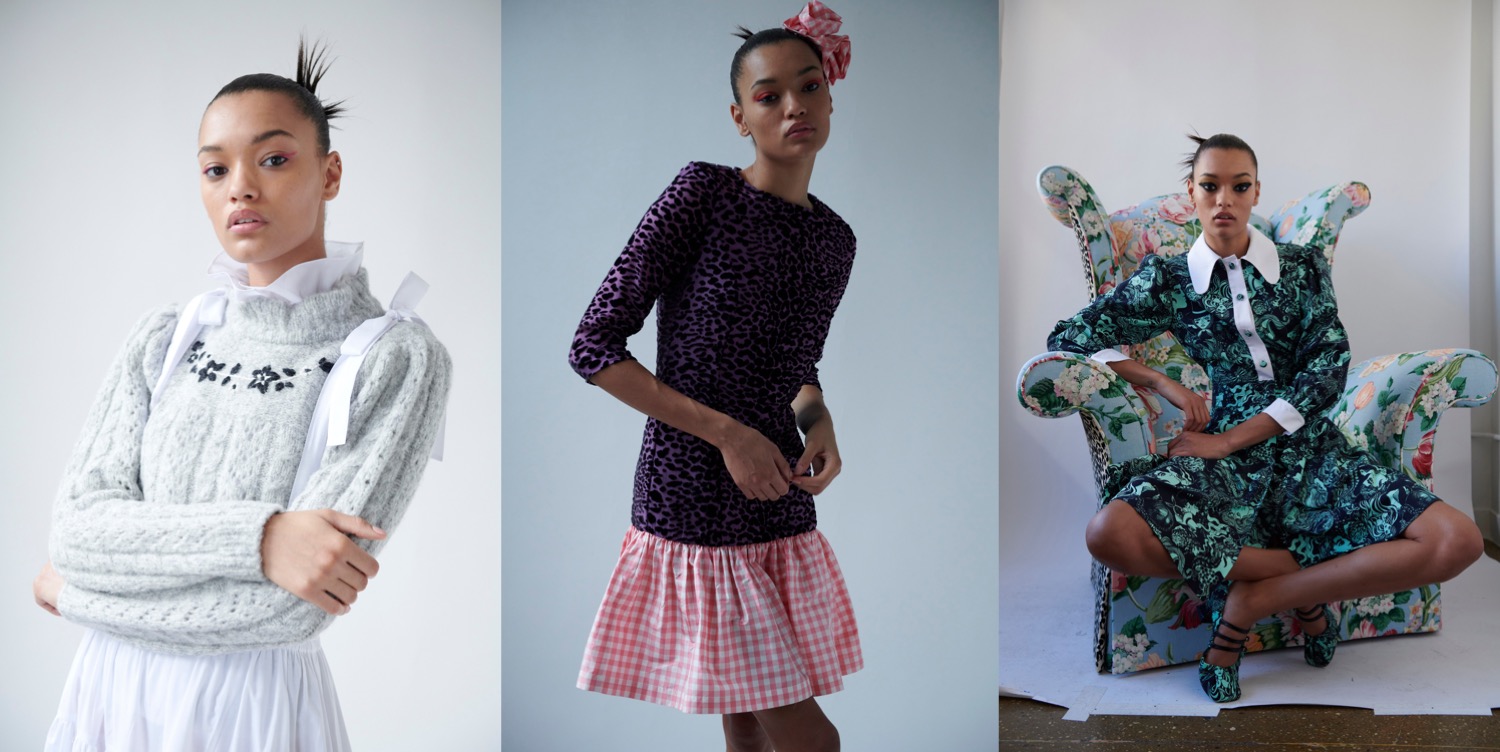
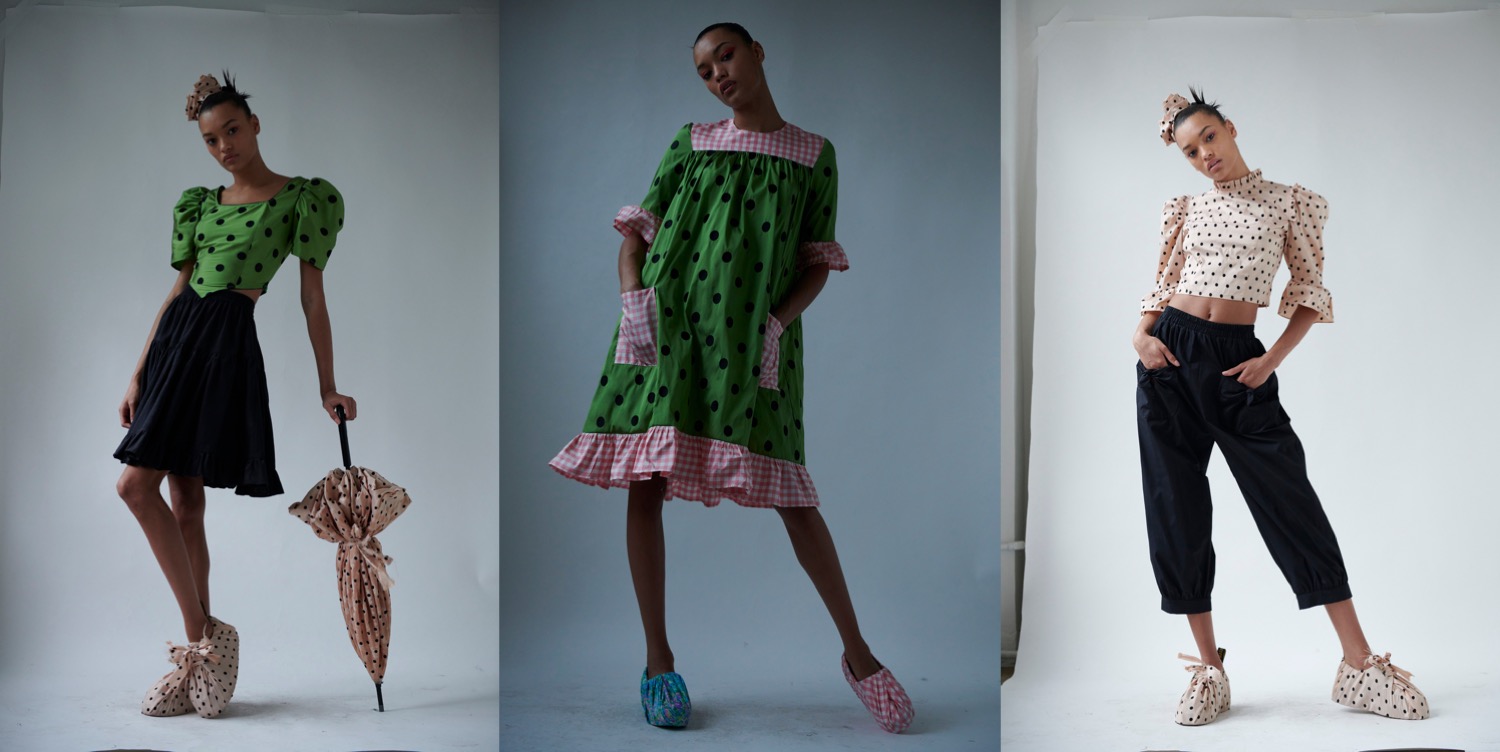
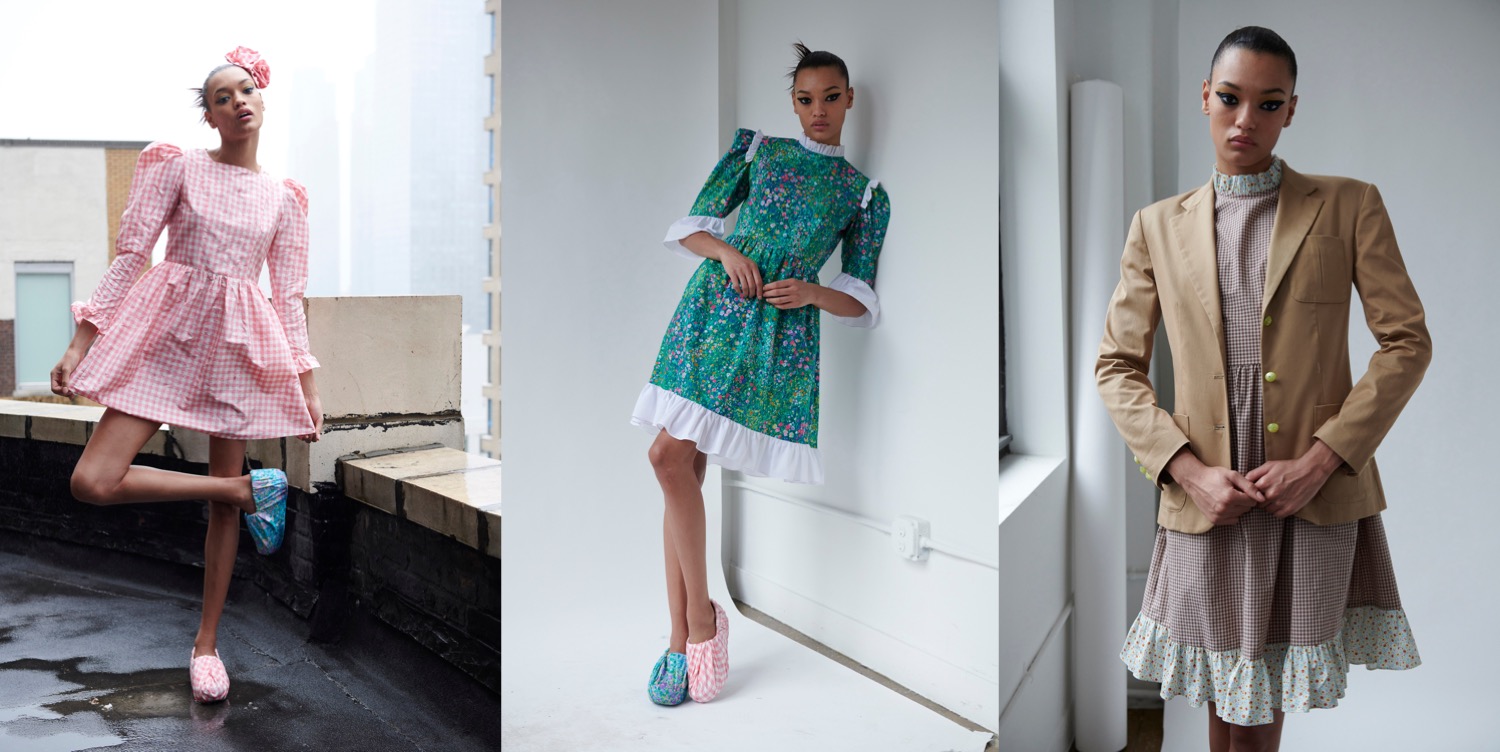
Be Camp, Everyday. Batsheva SS21

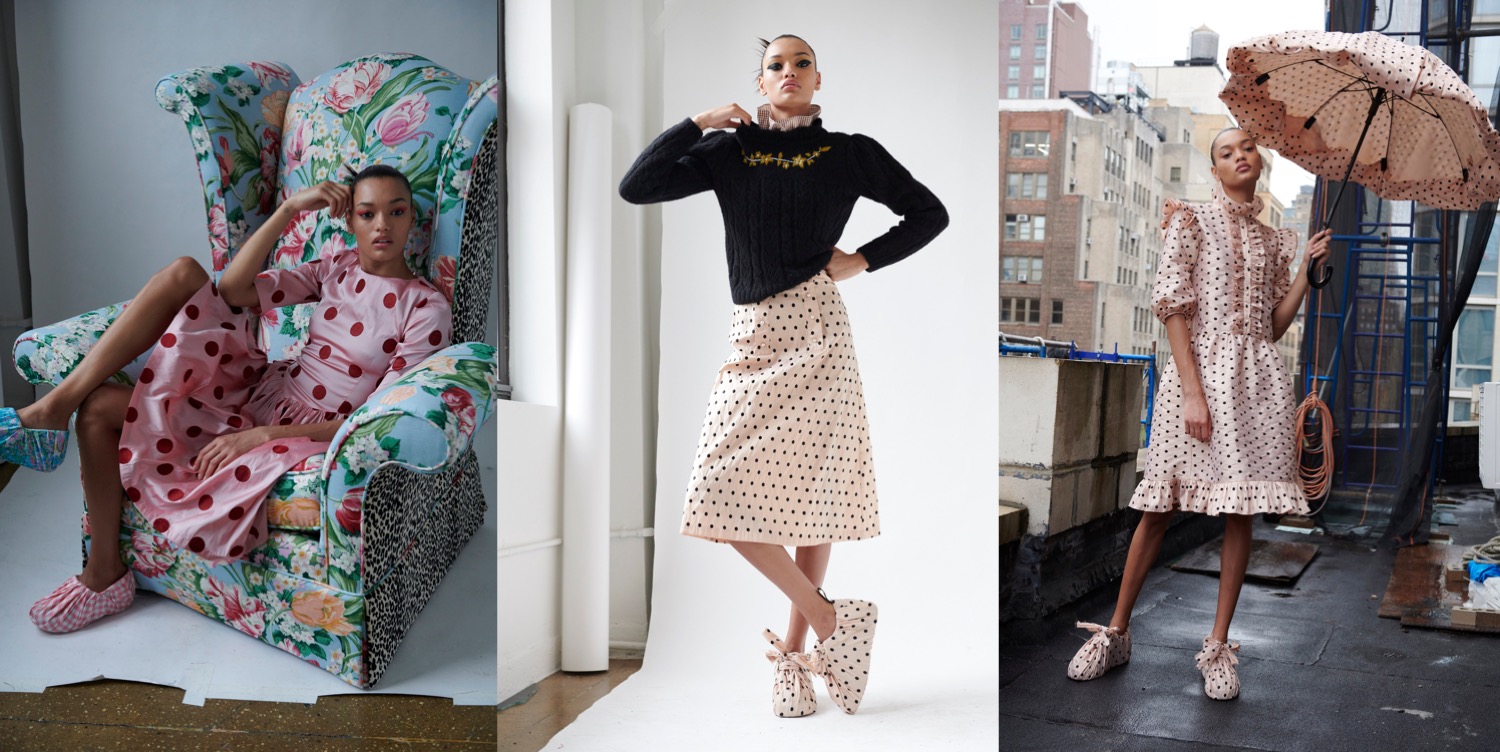
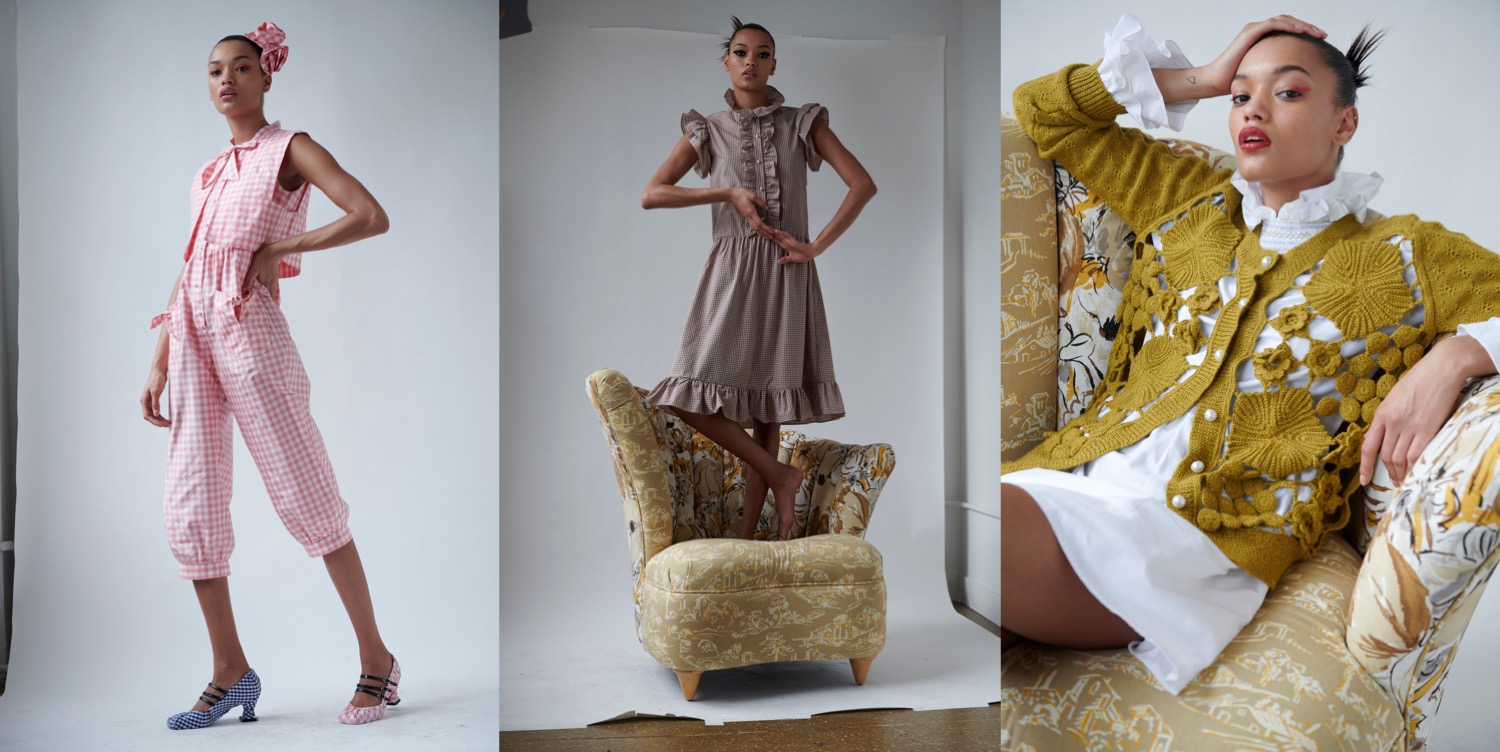
Maybe you can’t judge a season – a month of fashion shows and look-books – by one brand, but somehow Batsheva‘s spring-summer 2021 line-up makes me believe that things are looking up. In hard times like 2020, there’s nothing better than letting some joy in. In Batsheva Hay‘s fashion, adorable polka-dot dresses appear alongside high-collared midi-dresses with dainty embroideries and prints of psychedelic, acid green figures. There are, perhaps, more ruffles and bows than usual, each alighting on a V-neck or high shoulder. There’s playfulness and camp feeling all over those pieces, which – and that’s a Batsheva special – are made for the everyday. Even, if the new routine of Hay’s clients means days and days of Zoom calls. This is a loud “no, no!” to grey, sad sweatpants. The collection went live a few days before the official start of New York fashion week – which will last just three days and with many brands missing – and while many designers seem to struggle in the new reality, with Hay the situation is slightly different. She launched her brand with an unmissable signature, and evolved it however she felt right in her heart. Since day one, she thinks sustainably – some of the fabrics used in her dresses are either upcycled or vintage. When all the turbulent changes caused by the economic downturn of the pandemic (and because of the chaotic mess of the fashion system) abruptly came up, Hay didn’t have to change too much. “Fashion is about dressing,” she declared on a video call with Vogue. “It’s an answer to how people want to dress: be comfortable. Wear something not too expensive, but that feels elevated.” As a brand, she explained she wants to “exist in some way in ordinary lives.” Thinking soulfully and practically happen all too rarely in fashion industry. With some new, beautiful additions – like granny crotchet knits and a simple khaki blazer that will work with everything – Batsheva is a brand that keeps on evolving. And most of all, surprises with its powerful, never-boring consistency.

Collage by Edward Kanarecki, look-book photos by Alexei Hay.

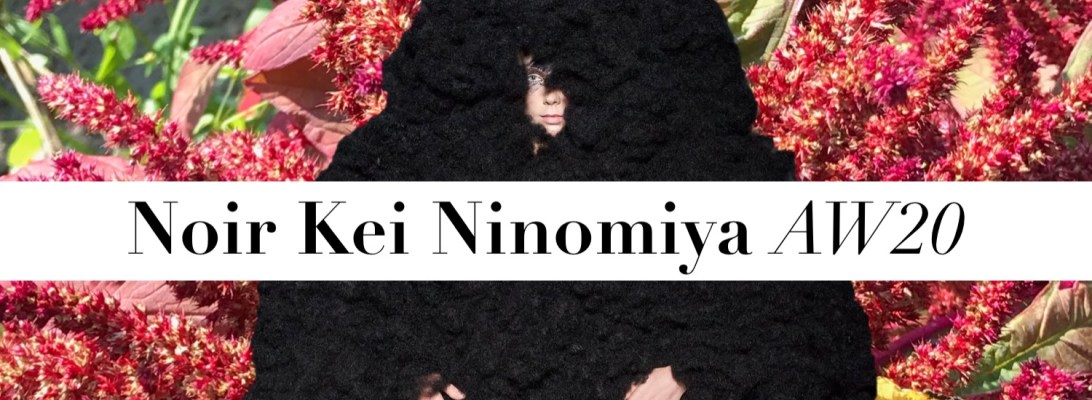
Hyper Expression. Noir Kei Ninomiya AW20

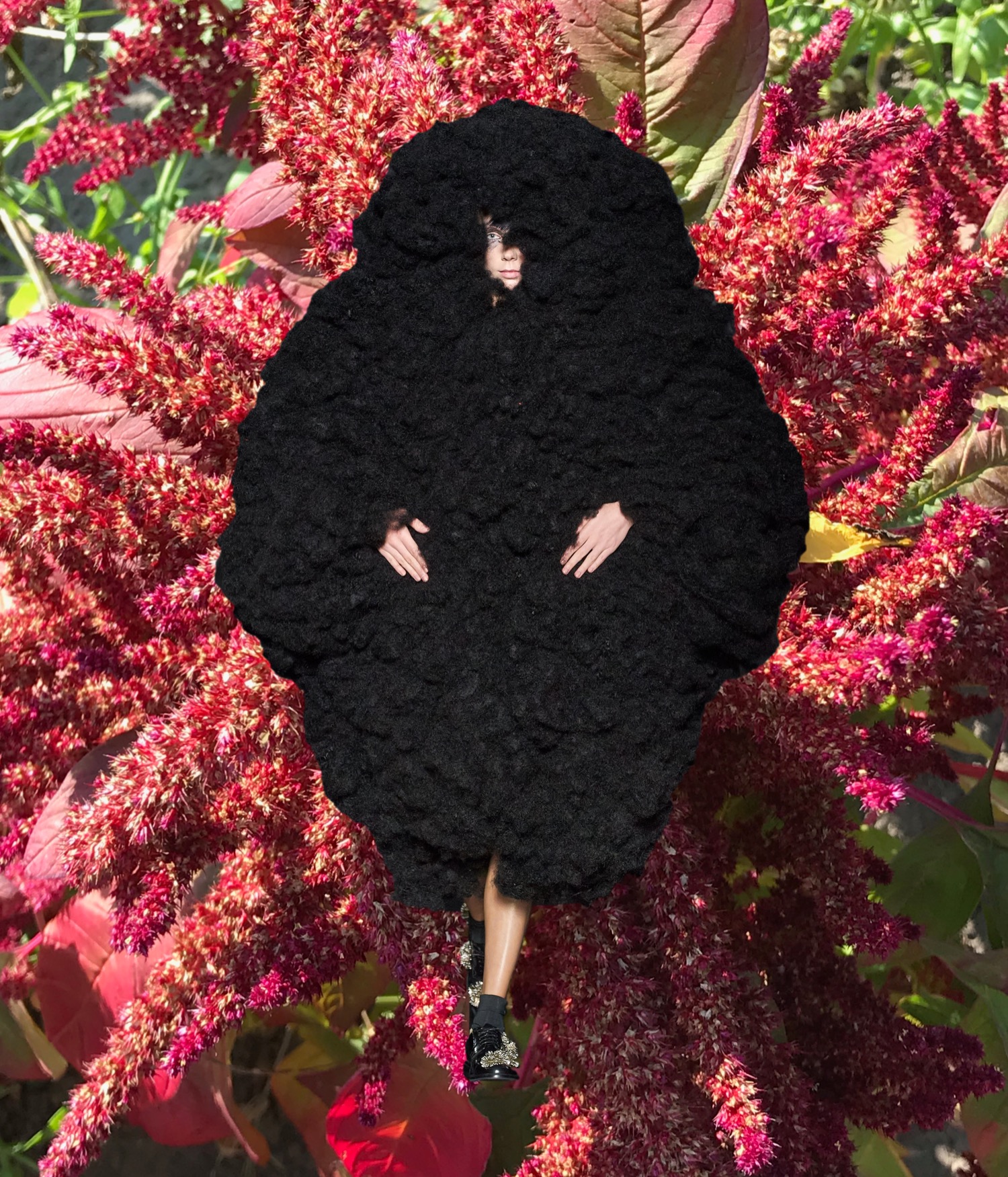
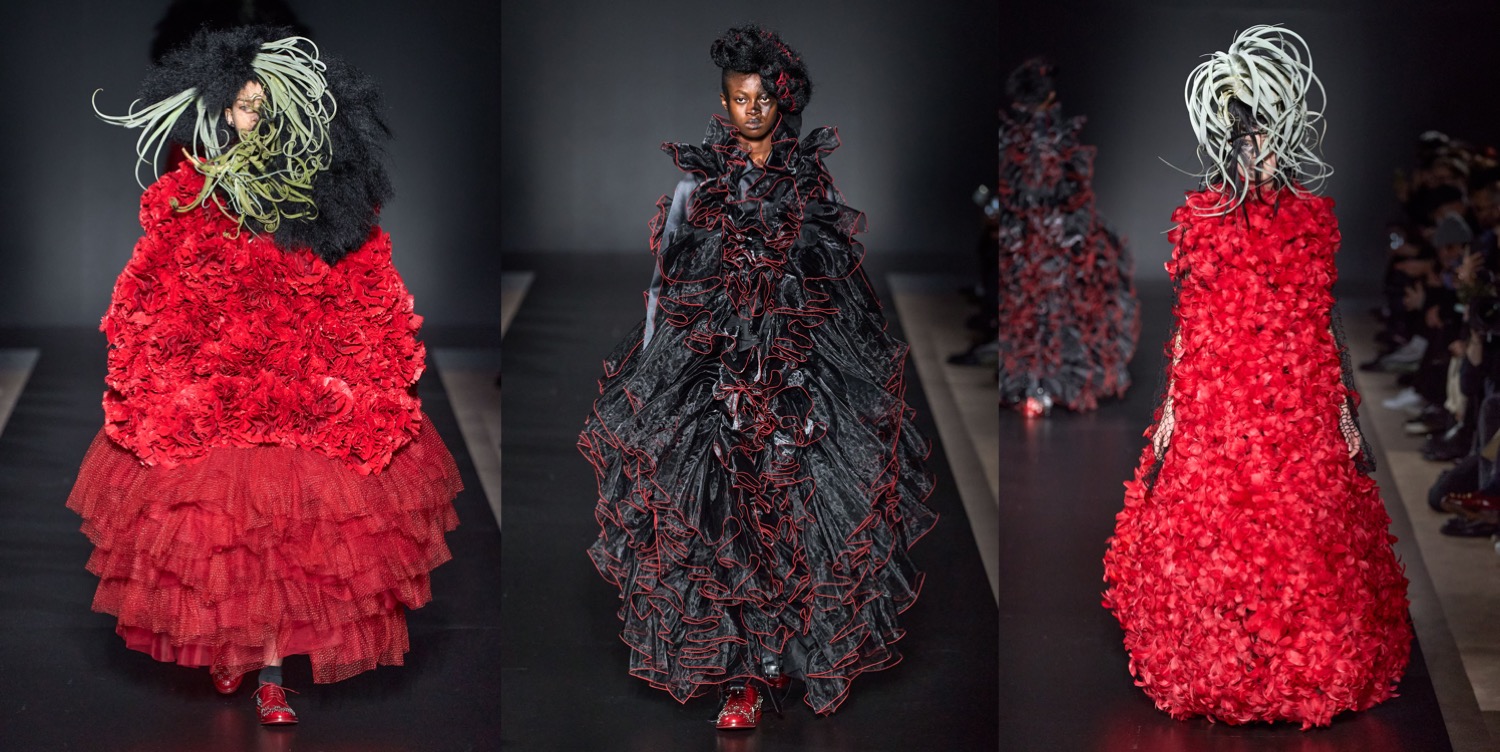
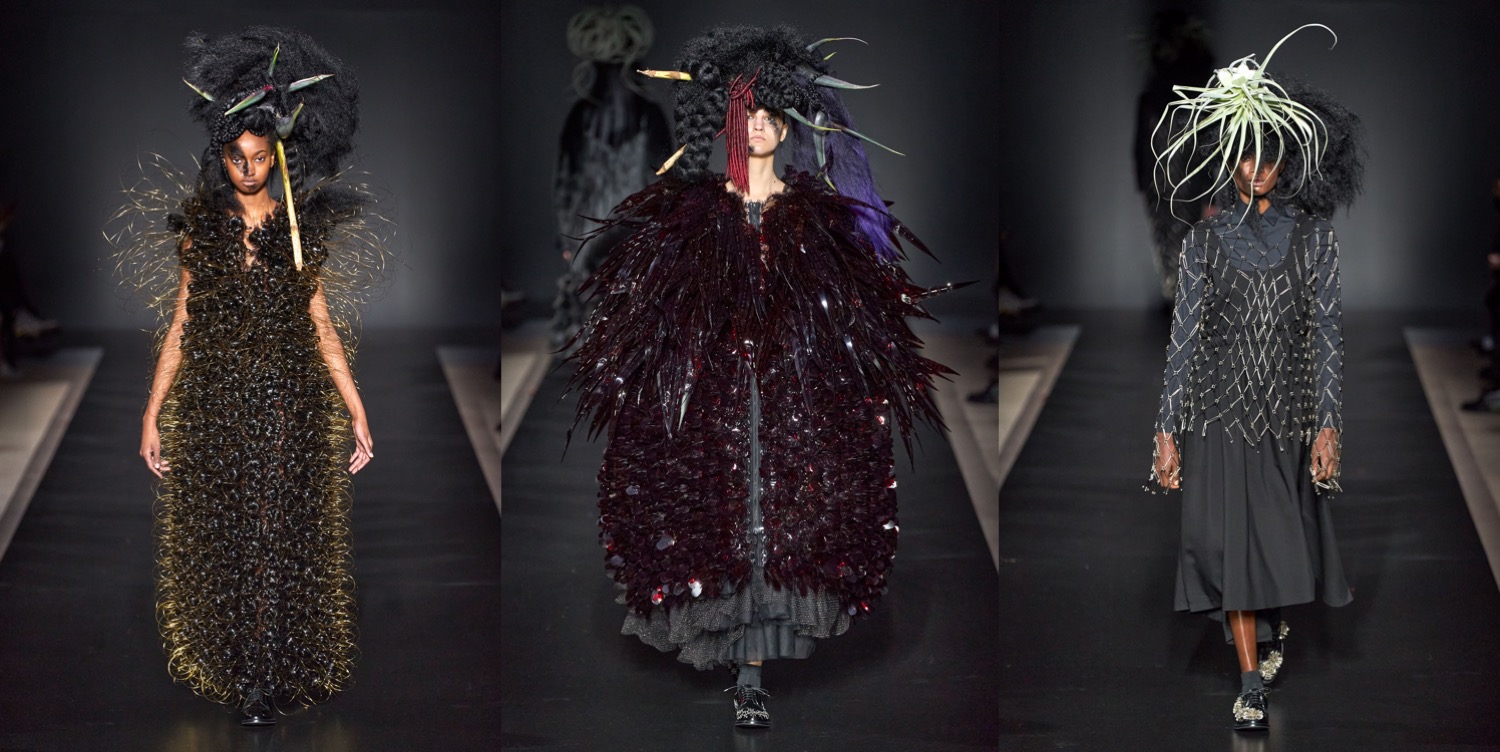
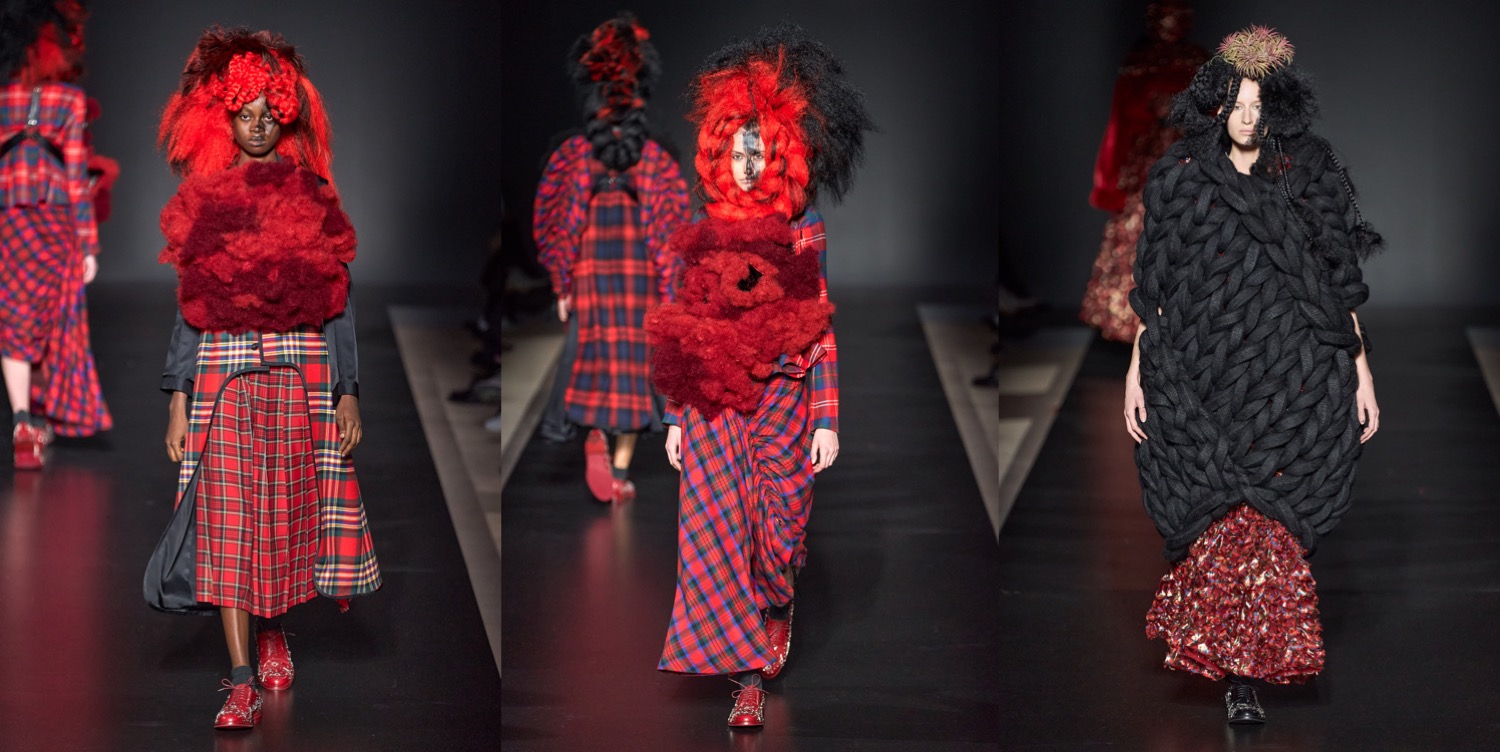
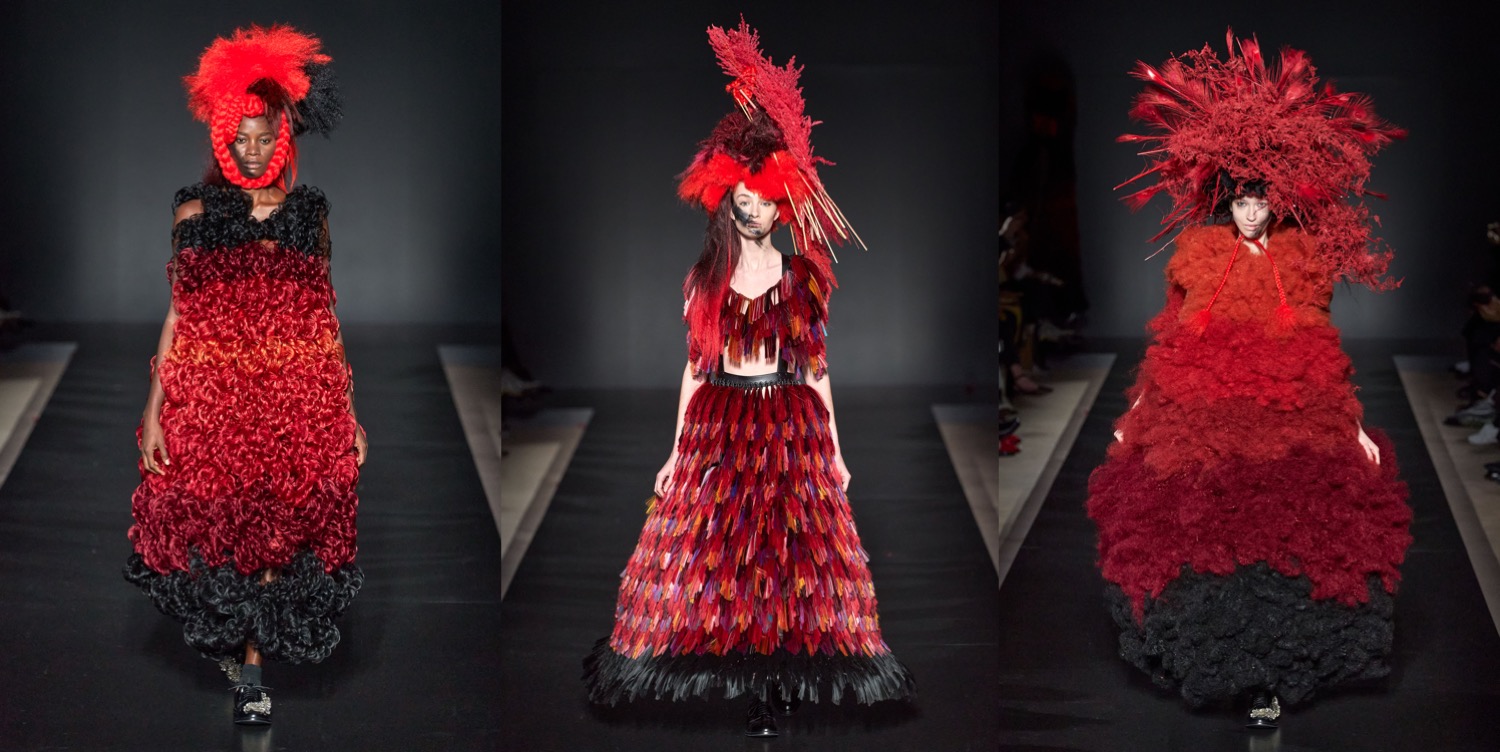
Today in the morning, out of the blue, I thought to myself: I need to look at Noir Kei Ninomiya‘s autumn-winter 2020 collection. I’ve got no idea how I missed it in my Paris fashion week coverage last March, but I’m happy to catch up on it. This collection was extraordinary. Ever since he first appeared during spring 2016, Ninomiya has slowly expanded his stitch-free wearable sculptures, building grander and ever more unsettling architectures. This season he again pushed forward into new territories, while working for the first time with Icelandic installation artist Shoplifter (aka Hrafnhildur Arnardóttir) as well as his long-standing floral art collaborator, Makoto Azuma. The magic of creative collaboration delivered something quite unforgettable. Shoplifter (an artist whose chosen material is synthetic hair, her works include the cover of Björk’s 2004 album, Medúlla, and the mind-blowing installation in the Icelandic pavilion at last year’s Venice Biennale) added a fresh element to the interplay between Ninomiya’s materials and Azuma’s botanicals, specifically exaggerated hair extensions that made the silhouettes look and feel even more organic and out-of-this-world. In his usual enigmatic manner, Ninomiya had said this collection was mostly about the color red, in that as paint it can be mixed to create black. The metallic woven check fabric that was folded and whipped like air-filled ice cream around the body vaguely resembled a florist’s bouquet wrapping. The fronds of palm, succulent, tuber, and bamboo that nuzzled and nudged their way through and around Shoplifter’s hairy extensions created an impression of human and plant grafted together and slowly devouring each other. Ninomiya’s materials included golden wires that furled like unearthly waratahs around the wearer; interconnected safety pins built into pearl-linked globes or an entire dress; red feathers; strips of rivet-connected red tulle; and lengths of brass-colored steel wool frayed, then wrapped in transparent PVC and braided to resemble enormous Viking wigs. Those safety pins (also gracing a fine new shoe collaboration with Church’s) and the tartan section signified a punk undertone also present in the guitar: Ninomiya’s usual biker jacket motif was retired for the season, but he hit the fringe trend via a couple of apocalyptically enormous black pieces. The closing titanic fuzzball was at once hilarious and ominous – part dark cloud, part hyper-expressed protective aura, all Noir.

Collage by Edward Kanarecki.