Théâtre de la Mode. Dior AW20 Couture

Yesterday was the first day of the autumn-winter 2020 haute couture “week”, digitally streamed from Paris due to confinement reasons. To be honest, I had a huge dilemma with it. After seeing all the look-books and pretentious, confusing videos, I felt like everybody would be completely fine with skipping this season entirely – designers the most. Schiaparelli released a look-book featuring Daniel Roseberry’s sketches, just to have a brief moment going on on Instagram. Illustrations are beautiful and all, but the execution of this concept felt completely empty. Olivier Theyskens couldn’t imagine a worse timing with his Azzaro debut – the blurry music video the label released tells nothing about his vision for the brand, and it would be simply best if they postponed it. But the fashion industry seems to still not know that word: “postpone”. Everything must be immediate, even if there’s nothing to show.

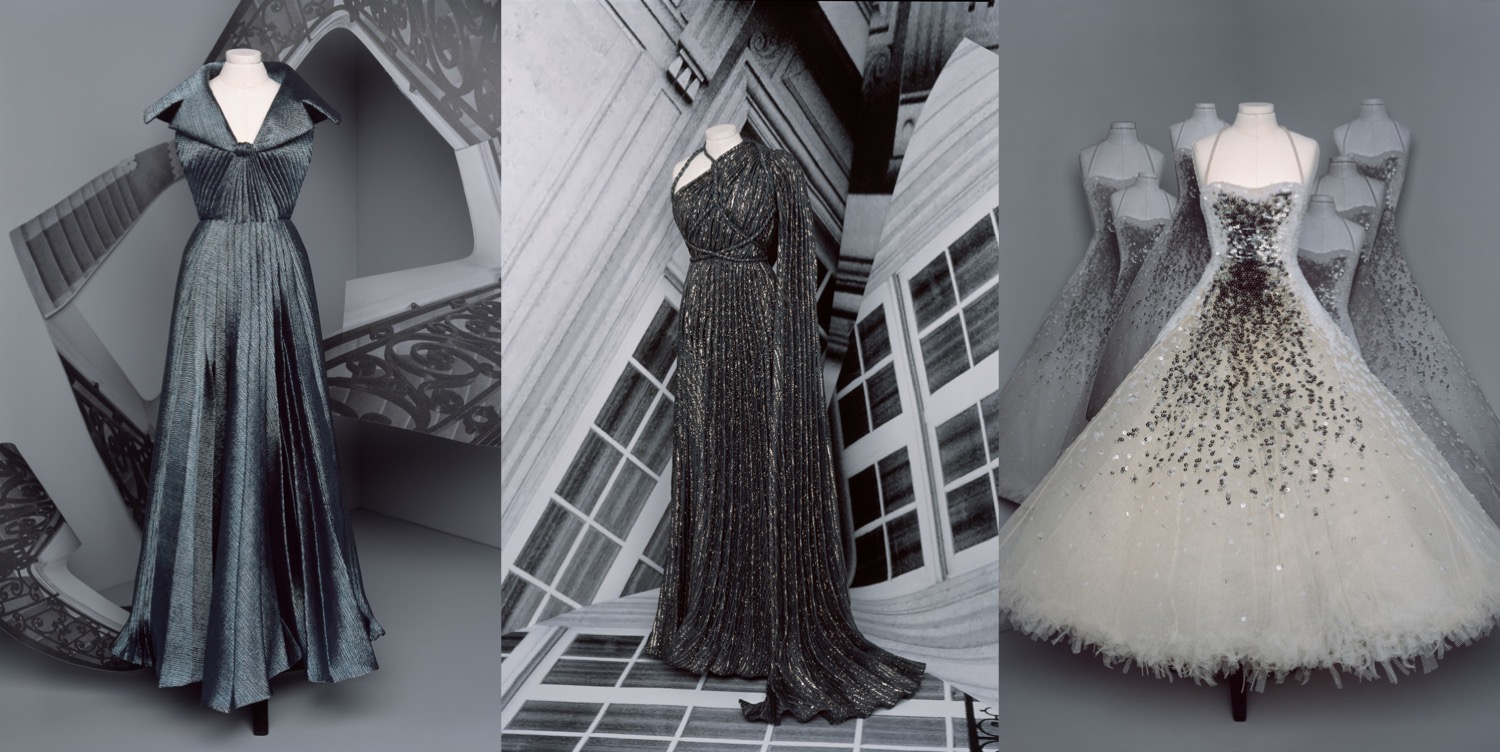
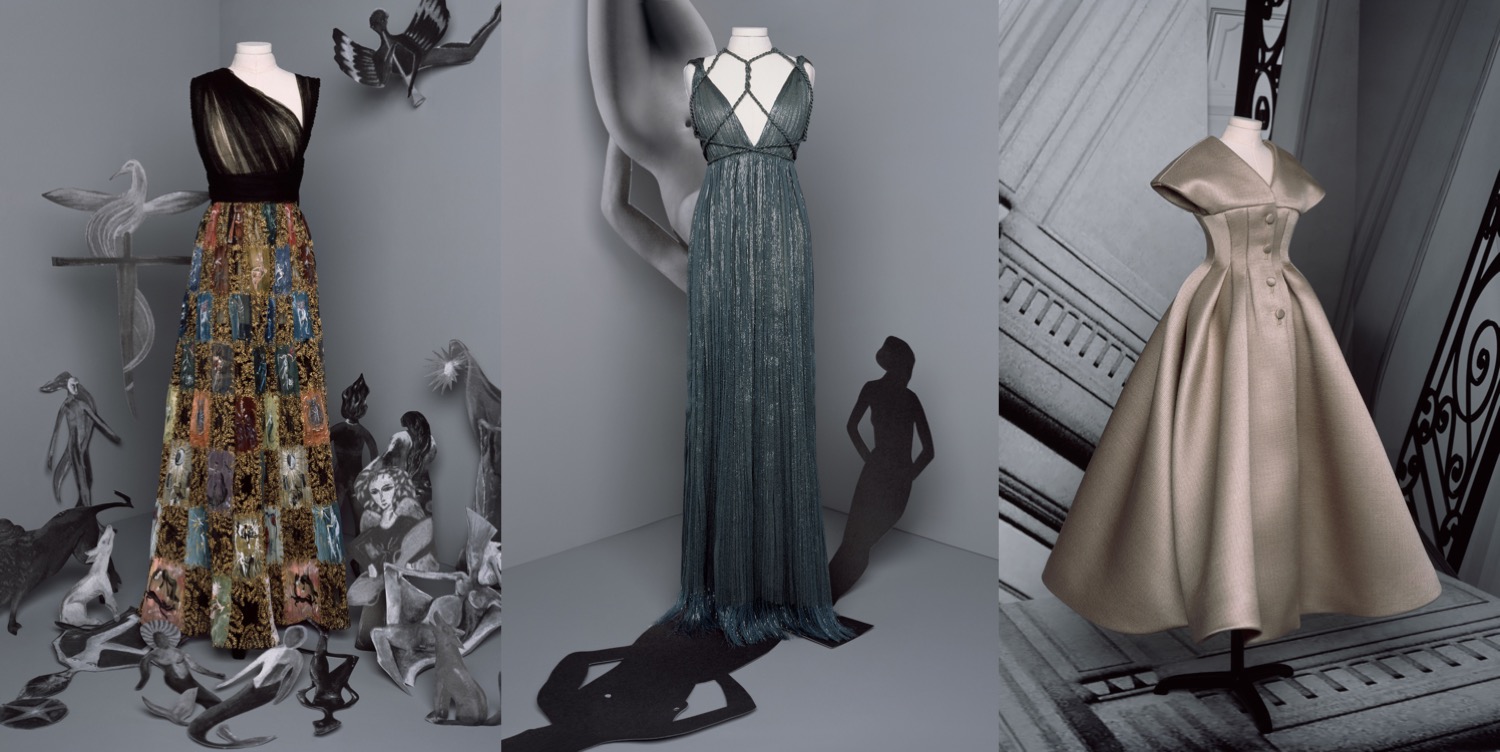
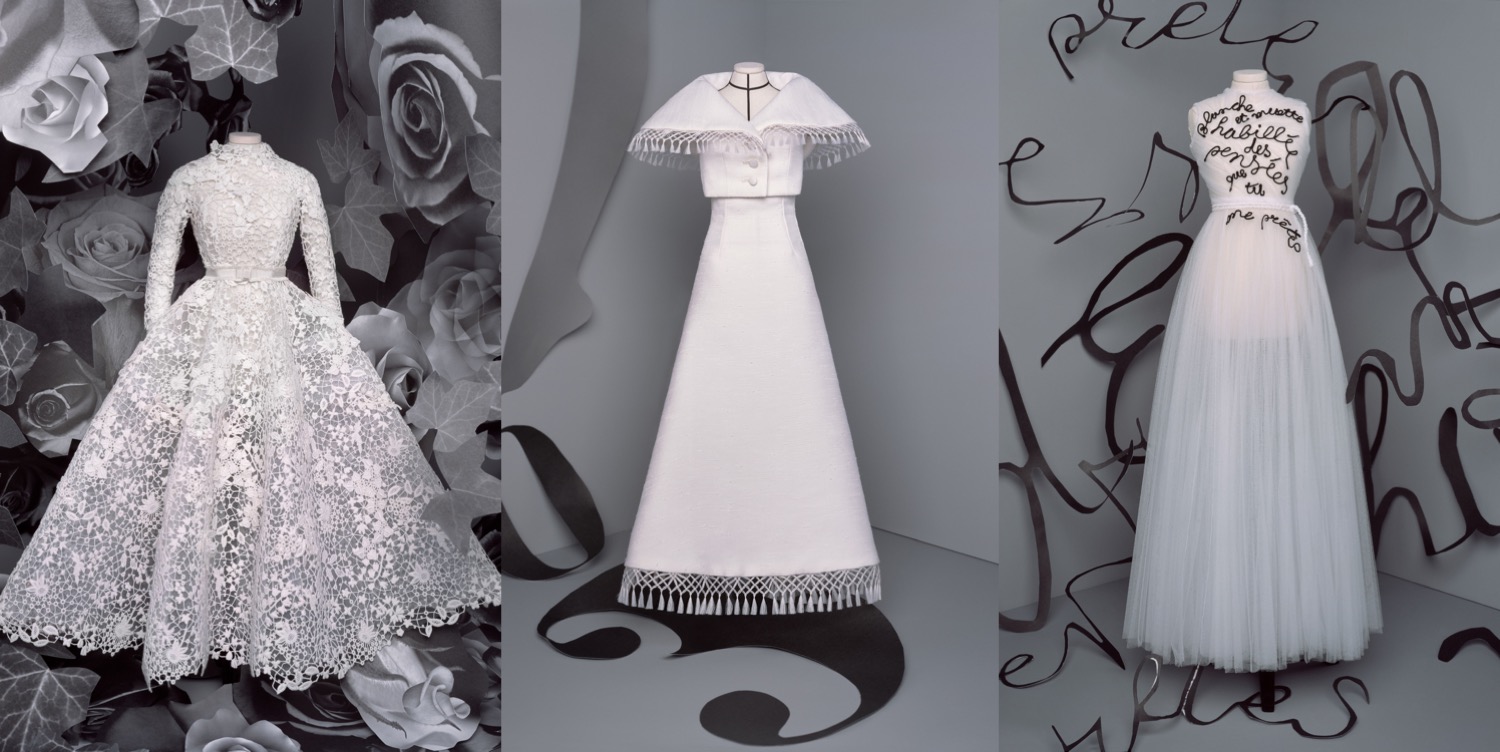
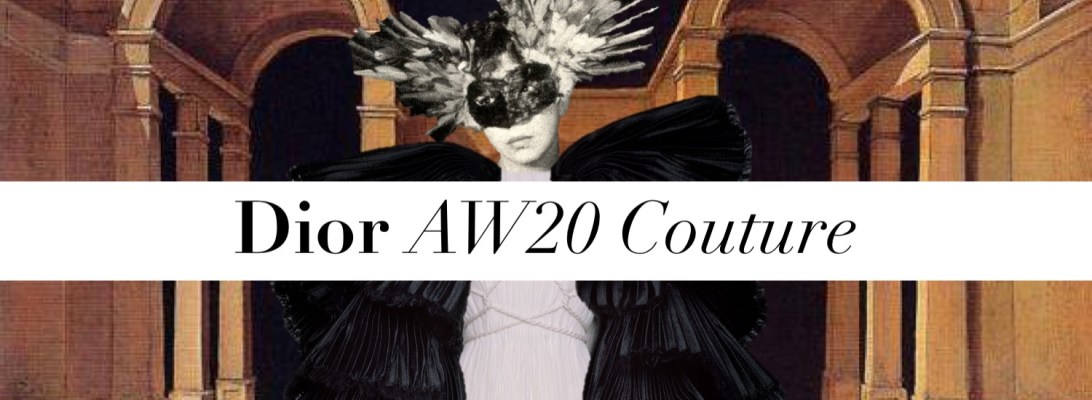
Maria Grazia Chiuri‘s Dior collection, clothes-wise, was surprisingly good. And they really, really could just leave it the way it is, a proper look-book photos of mannequins wearing couture and a well-written press release. Unfortunately, the brand decided to start with a visual, where everything went wrong. I’m talking about the film directed by Matteo Gerrone, which I found cheesy in production and, well, so, so ignorant towards current events going on in the world. As if Black Lives Matters never happened, an all white cast without a single model of colour held it all back to the maximum. And having models of colour in a casting is the easiest way for a brand to confront the term “diversity” – something Chiuri used to say was so important to her, with all her “feminist” themes… – and believe it or not, Dior failed with it. Which is sad and frustrating. Ok… lets go back to the collection. The film showed mermaids, nymphs, a live Venus statue and a travelling trunk of dresses (a nod to Théâtre de la Mode, the tour of miniature gowns on dolls in 1945-46 to revive the French fashion industry post-war) exploding into the woods in an Ancient dreamscape, and all that lead us to a collection filled with references of Greek mythology, fairytales and pre-Raphaelite times. Maria Grazia Chiuri name-checked the likes of Lee Miller, Dora Maar, Leonor Fini and Jacqueline Lamba – 20th-century women who are often remembered by history for their beauty or for their famous lovers and husbands, but in fact did important work of their own as artists. With a surrealist twist, that was a line-up of delightful diaphanous gowns and voluminous New Look-inspired coats, all kept in neutral colours. The bondage details in some of the dresses made me think of Man Ray and Lee Miller’s work, were kinky merged into sensual. At some points it all looked overly historical, even theatrical. Not sure if it’s relevant couture, like the one Virginie Viard does at Chanel. But if any sort of MET Gala is coming up in 2020, those dresses will perfectly match the About Time: Fashion and Duration theme.
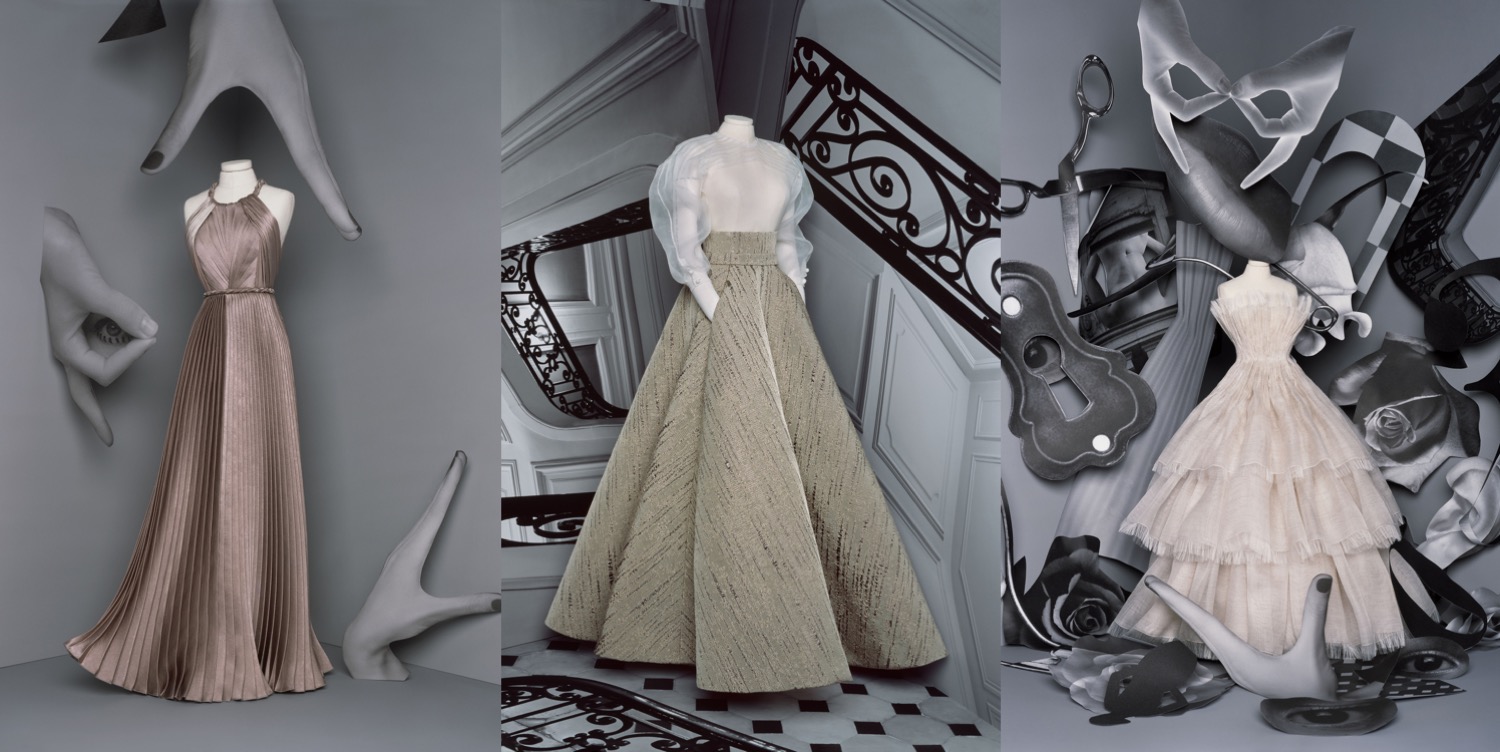
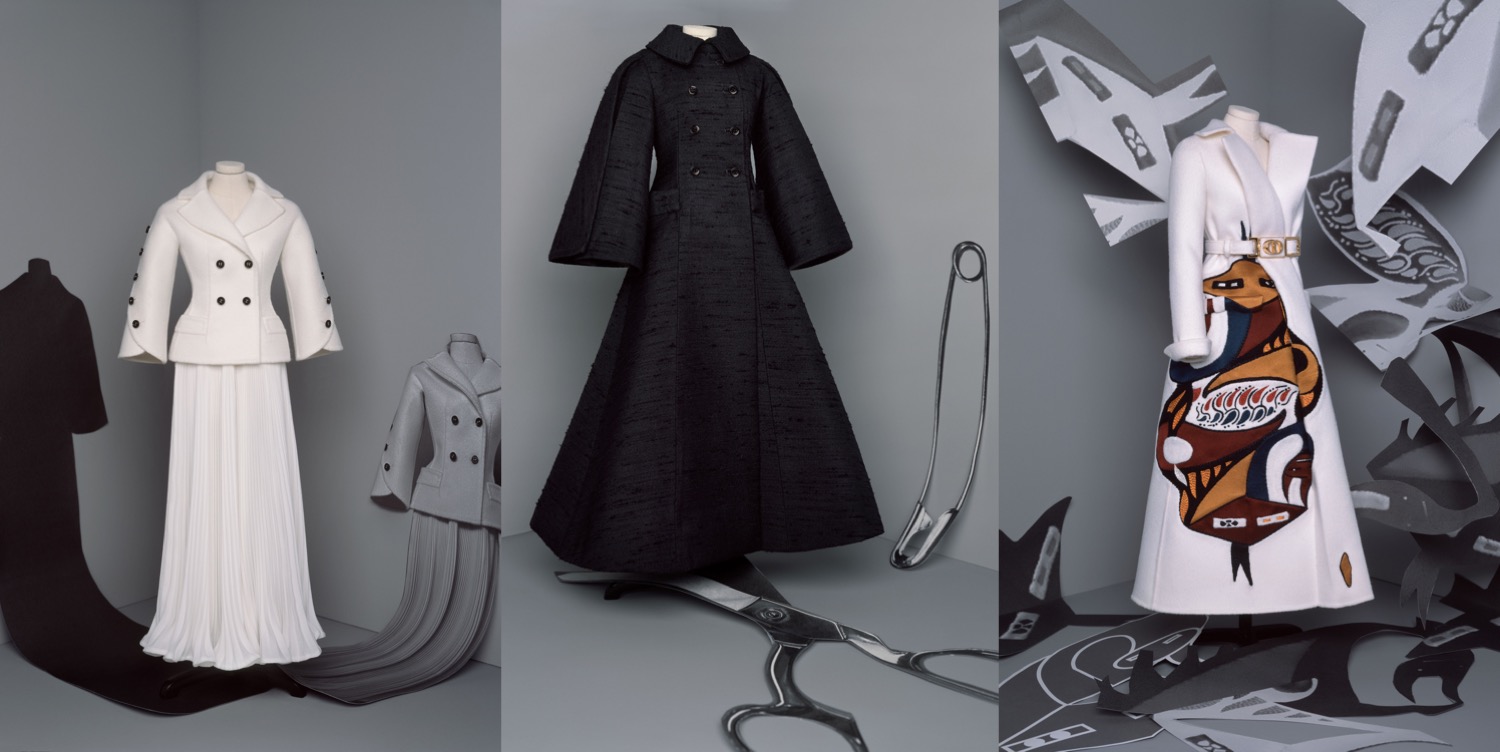
Collage by Edward Kanarecki.
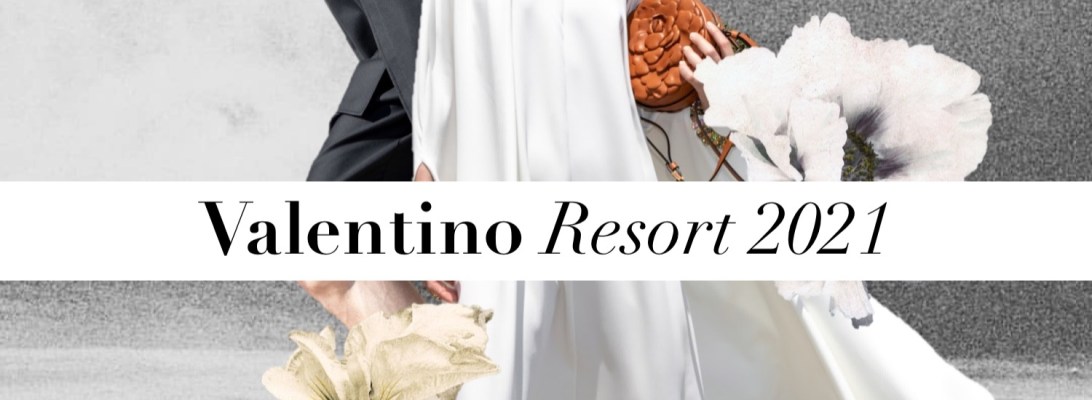
Italian Summer. Valentino Resort 2021

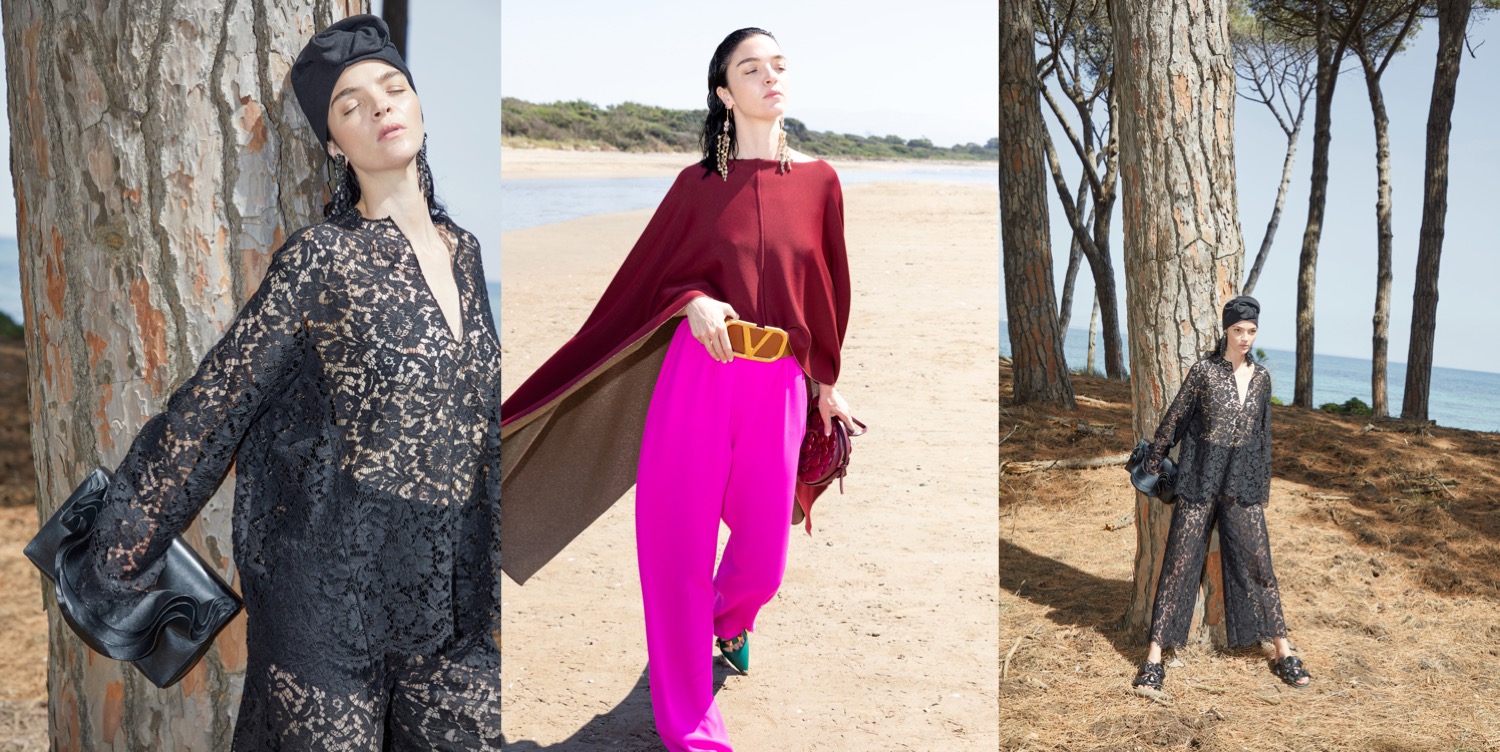
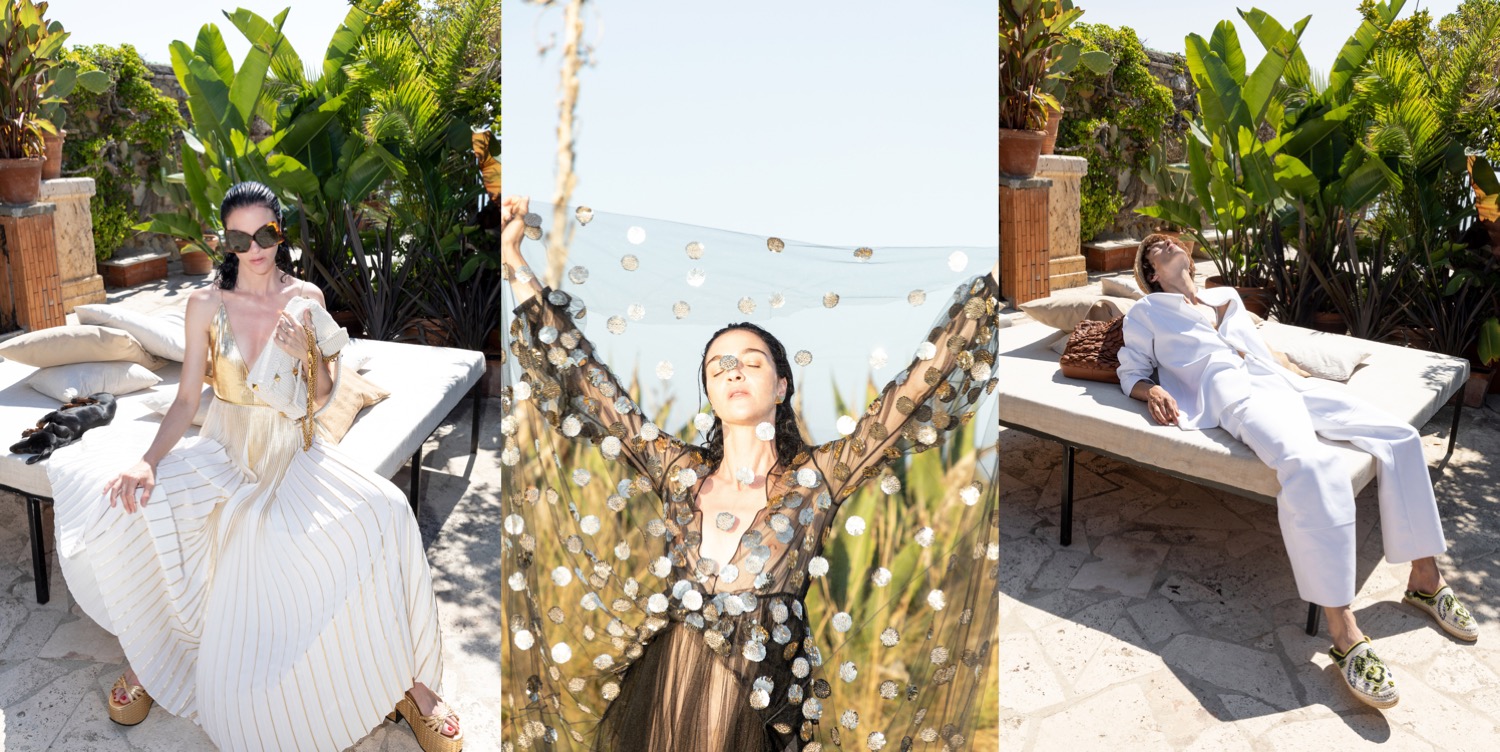
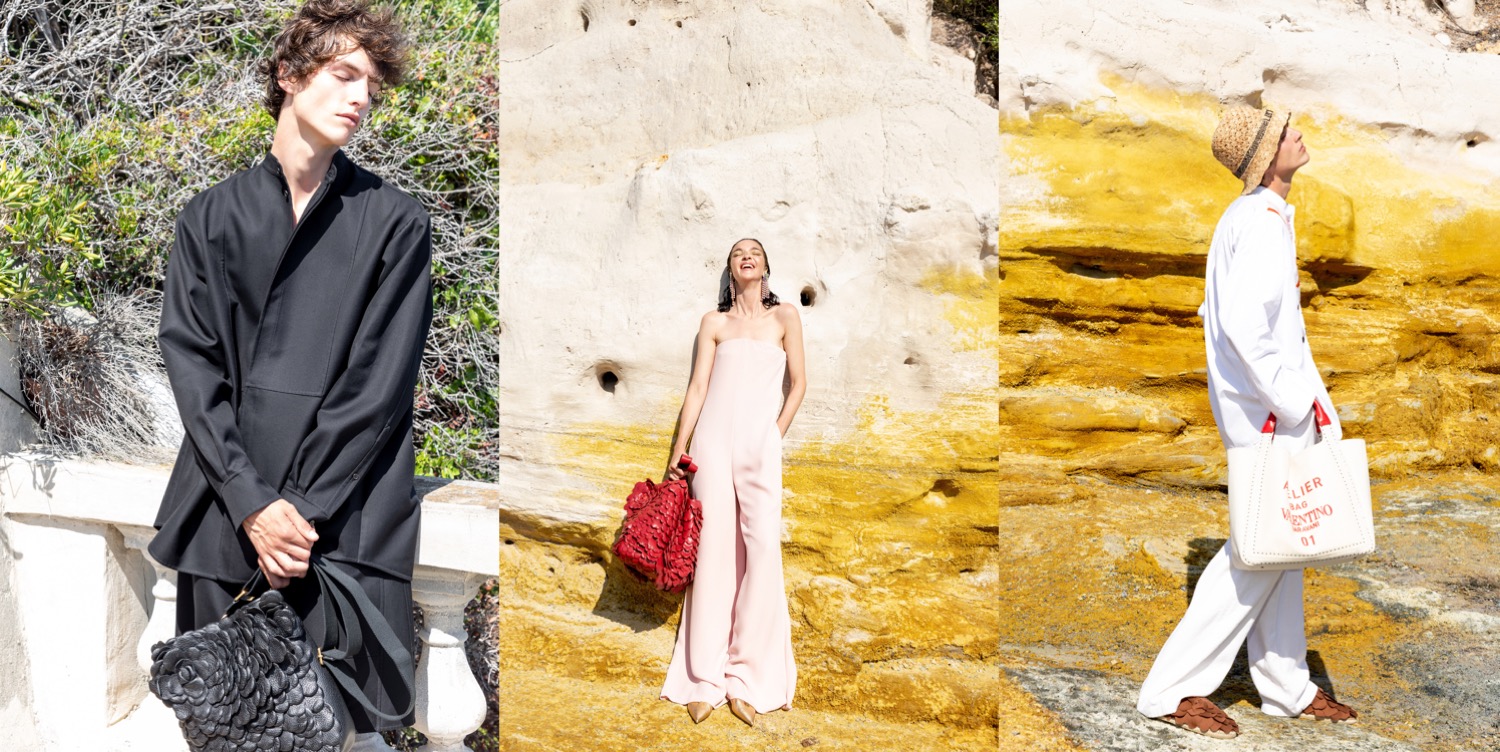
This is the ideal summer state of mind: Mariacarla Boscono dancing, laughing and sun-bathing at the Italian sea-side, wearing Valentino and being photographed by her friend – and the brand’s creative director – Pierpaolo Piccioli. Italy was the European country that was first tragically hit by COVID-19, and to many it seemed that good days aren’t coming back anytime soon. Now the country seems to gradually revive and the dream Italian summer is back on track. Optymism is winning. “I never stopped working,” Piccioli told Vogue during a Zoom call. “I profoundly love what I do; this is my passion, something fundamental for me – it isn’t just work.” The resort 2021 collection is the byproduct of the time spent alone drawing and painting, while remaining connected with his team. “I wanted to convey spontaneity and truth, even imperfection—but it’s the feel of human imperfection you long for right now,” he explained. “The collection was born out of flat drawings – paper and pencil, no styling, no mood board, just researching on paper shapes that linger in your head. A pure fashion process, as it should be done.” The human quality of creativity is paramount to Piccioli’s practice. He has imbued the rarefied world of couture with emotional values – exposing and revealing its craft and handmade processes, and shining a light on his team of seamstresses and artisans as essential players behind his fabulous creations. This center still firmly holds. “I wanted [to communicate] something even more personal, very close to myself. Conveying a sense of intimacy, a sentiment of individual connection, of emotion. I decided to photograph the collection myself because it seemed more coherent in this moment to send out a message with no filters, no manipulation, no other interpretation or mediation. I didn’t want the usual glamour of a fashion shoot,” he continued. “What I was interested in focusing on was what I’ve missed most in this confinement – the simple feeling of human connection, of shared love and friendship. This is what I wanted to bring about in my images.” Not surprisingly, simplicity is the collection’s key word. “It’s a radical simplicity though,” reflected Piccioli. “I wanted to be even more radical, in that the simplicity I’ve tried to achieve in shapes, volumes, and construction comes at the end of a process of resolved complexities. It’s a study and a project on cut, proportions, balance. Reducing and subtracting to reach the core, something essential and pure – but not more banal. Simple, not simplified.” There’s an ease and a fluidity of movement, a feel for freedom and effortlessness exuding from the lean silhouettes of caftans, elongated shift dresses, capes, and separates. Defined by strong, solid colors inspired by Mark Rothko’s chromatically powerful palette, pure shapes were infused with a vibrant, joyful flair. A few prints inspired by 18th-century tapestries were rendered as inconspicuous abstract strokes of color, as if they were just traces of memories, or shadows of the decorative motifs’ former selves. And what’s more special than a dear friend you’ve known and loved for years? “Mariacarla and I, we go back a long way,” he said. A spontaneous energy radiates from the images, shot by Piccioli in the natural surroundings of his home: a lake where he goes swimming; a sulfur mine where Pier Paolo Pasolini shot some scenes from his 1964 movie Il Vangelo Secondo Matteo. There’s a palpable sense of intimacy and of a familiar bond between photographer and model. Again, individuality and humanity are the pivots around which the collection, which was designed to appeal to both genders, came alive.

Collage by Edward Kanarecki.

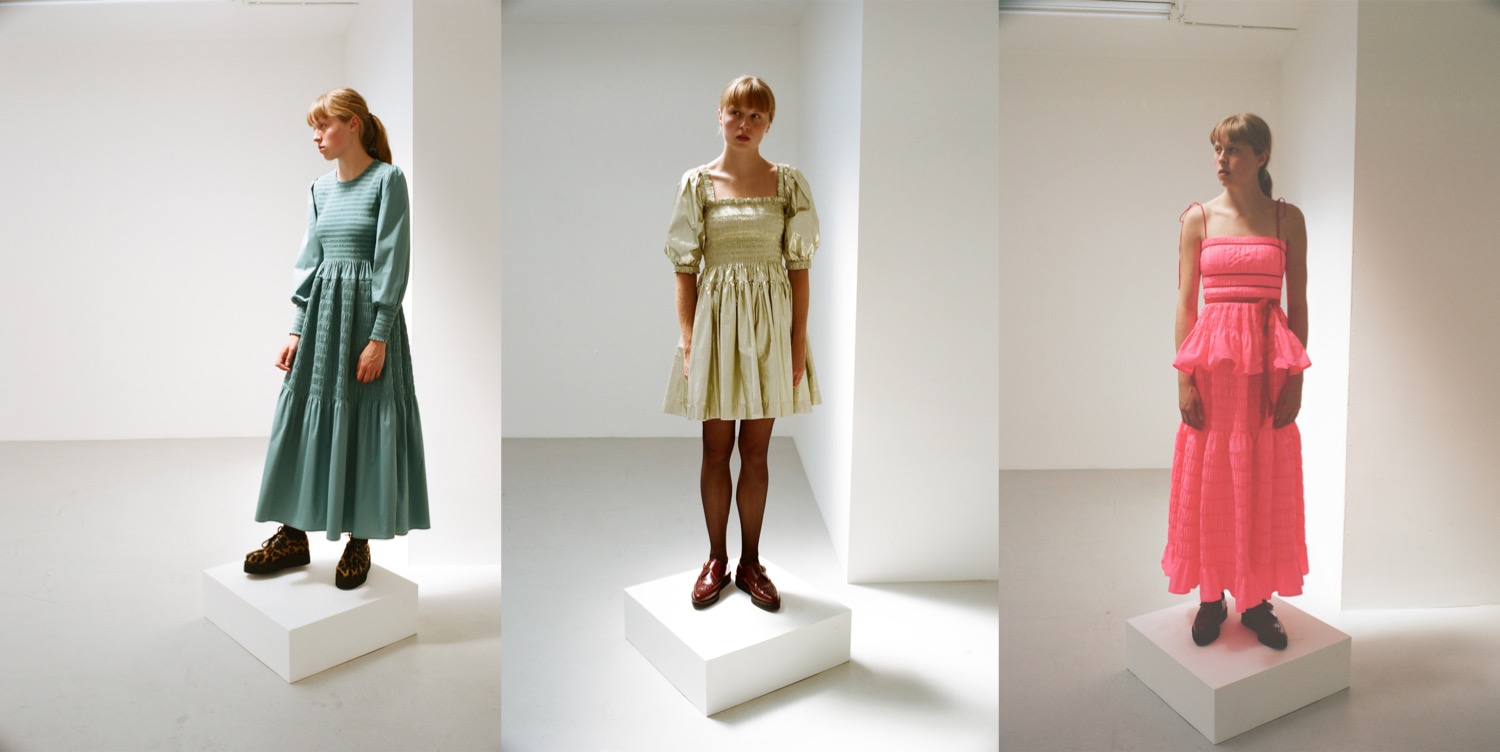
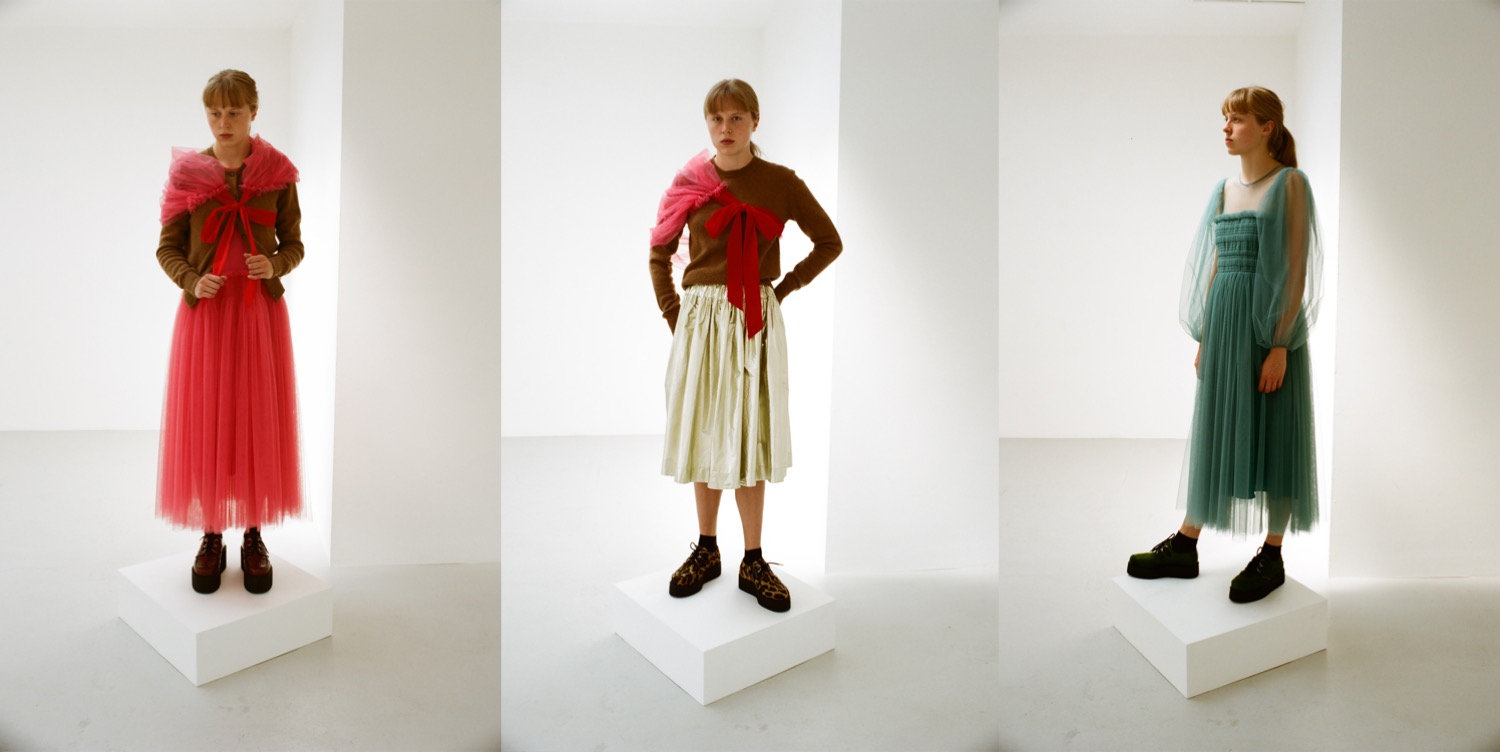
Simple Things. Molly Goddard Resort 2021

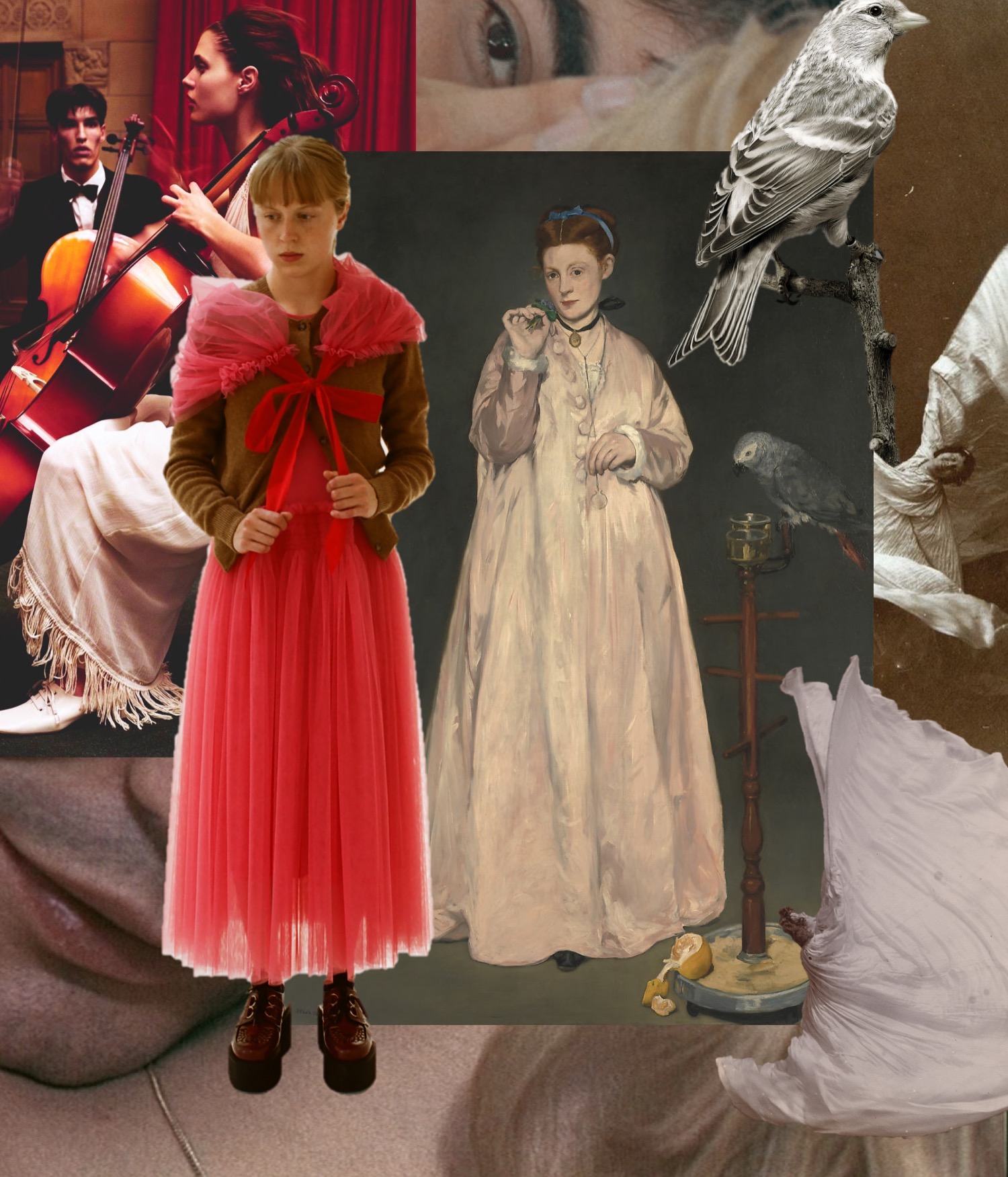
Going back to the roots, enjoying the simple things. In the uncertain times – and 2020 is a winner in this category – designers and labels yearn for a more organic approach, one that opposes mindless abundance. In her resort 2021 collection – which is more of a capsule really – Molly Goddard is serving her all-time signature, tulle dresses, in a more everyday mode.  Molly’s clothes are as cheerful as ever, dresses and skirts made “in all the ways I can think of,” she told Vogue, with the smocking and ruffling techniques she developed as a student. The shirred polyester taffeta – this season in neon pink with burgundy velvet trims, or inky blue flounces – is “so comfortable to wear, because it just stretches with you,” she explained. “So you can sit down, lie about, do anything in it. I think that’s why people like it. Because you can wear these things in an everyday way, not just for parties.” True to her hands-on resourcefulness, the designer decided to keep things going during the height of the lockdown. “We all worked remotely, doing fittings on ourselves, which was quite funny.” She runs a tight and friendly business. “I didn’t furlough anyone. I thought it’s important to maintain our relationships with all the people who we rely on, the fabric suppliers and the local London factories who managed to keep ticking over, with people taking work home.” There’s knitwear, too, now –  shrink-pleated stretchy sweaters and wool cardigans made in England. She’s also spent her time developing accessories: ruched bags made from her signature fabrics, and solid-but-perky leopard-spot and emerald green creepers in collaboration with the British brand Underground. And how does the designer see the future? Who knows whether there will be a usual London fashion week schedule this September. But then, do creators like Molly need those? “Really, I never meant to get into that whole fashion week thing of having huge shows and all the nightmare that goes with it,” she says. “Honestly, I’d love to get back to what we did at the beginning, just being able to do something that feels spontaneous and fun.

Collage by Edward Kanarecki.

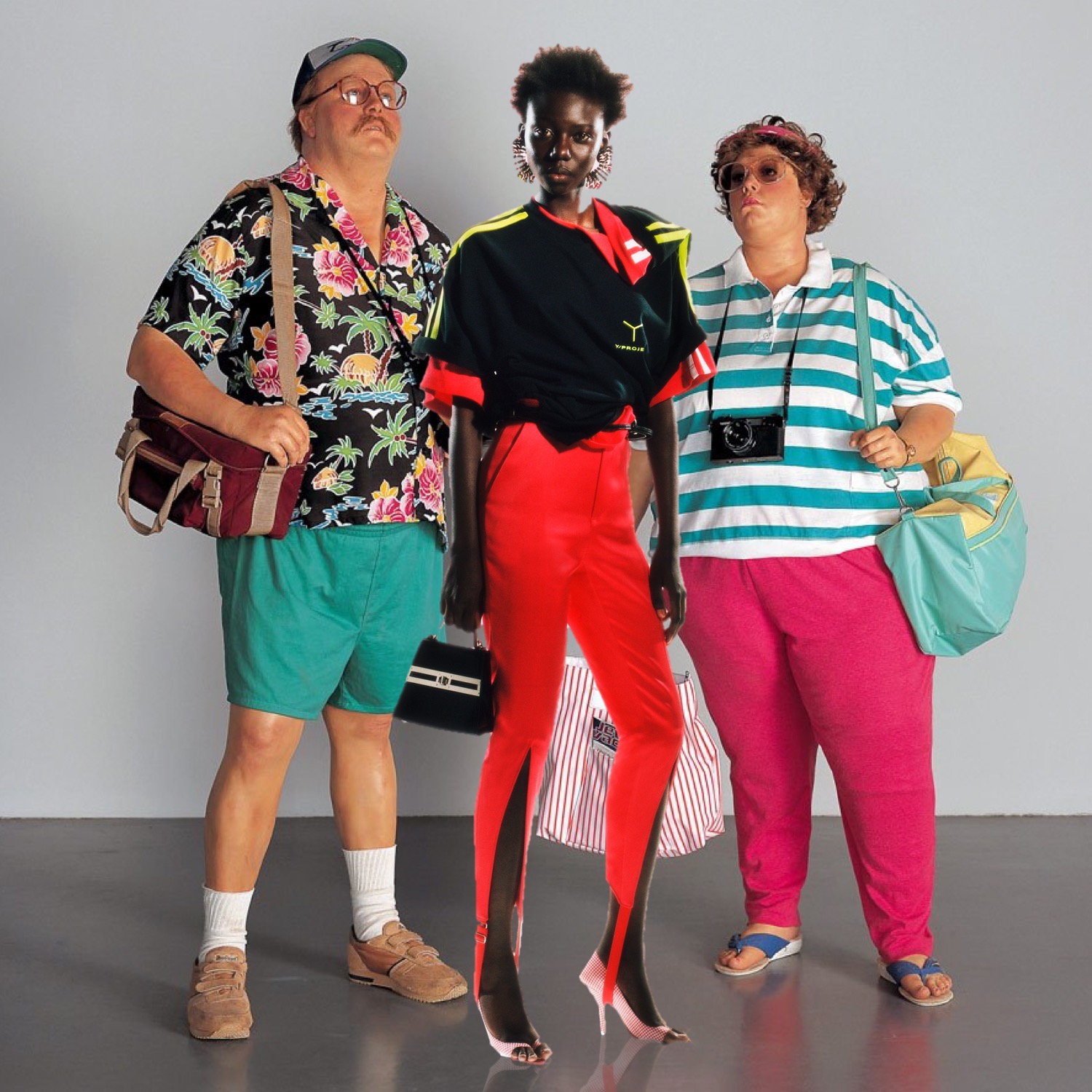
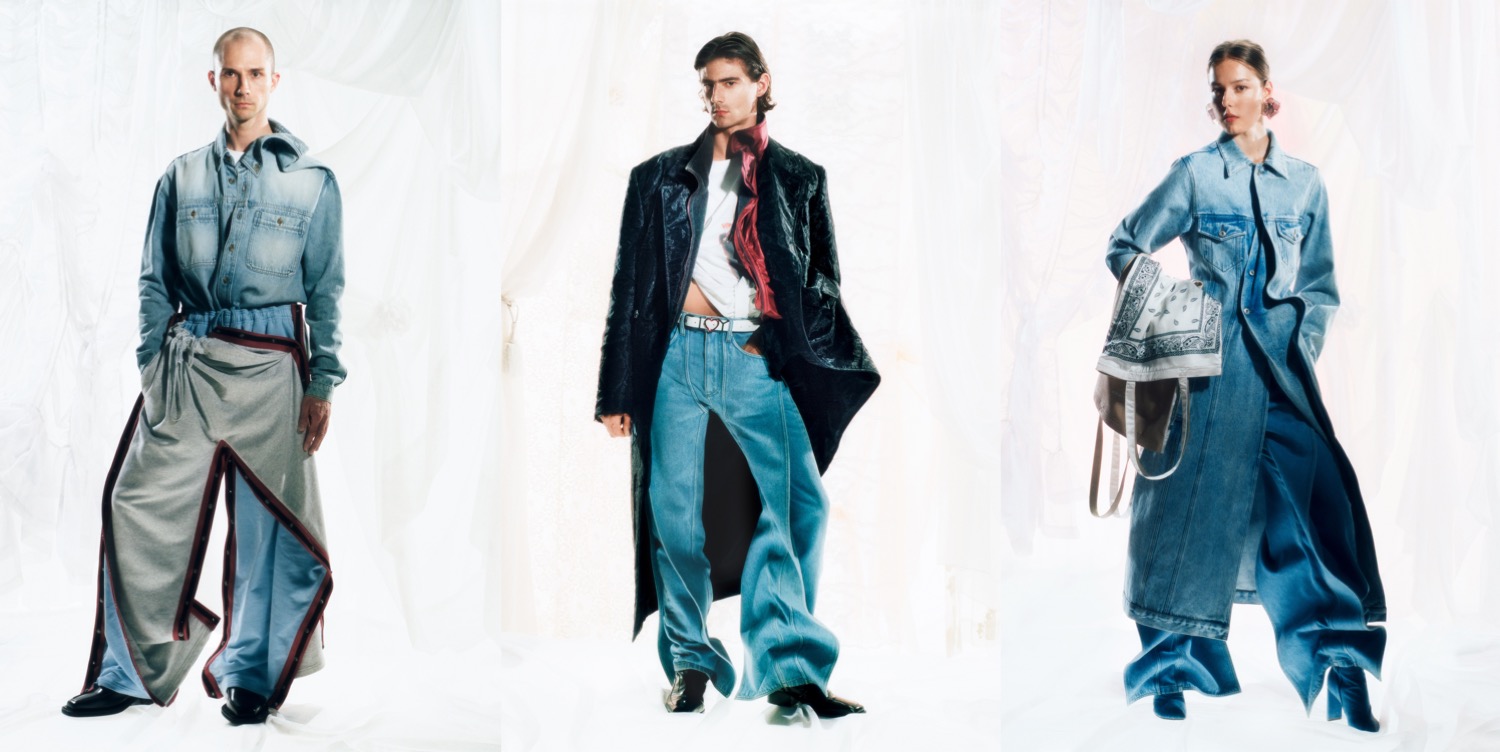
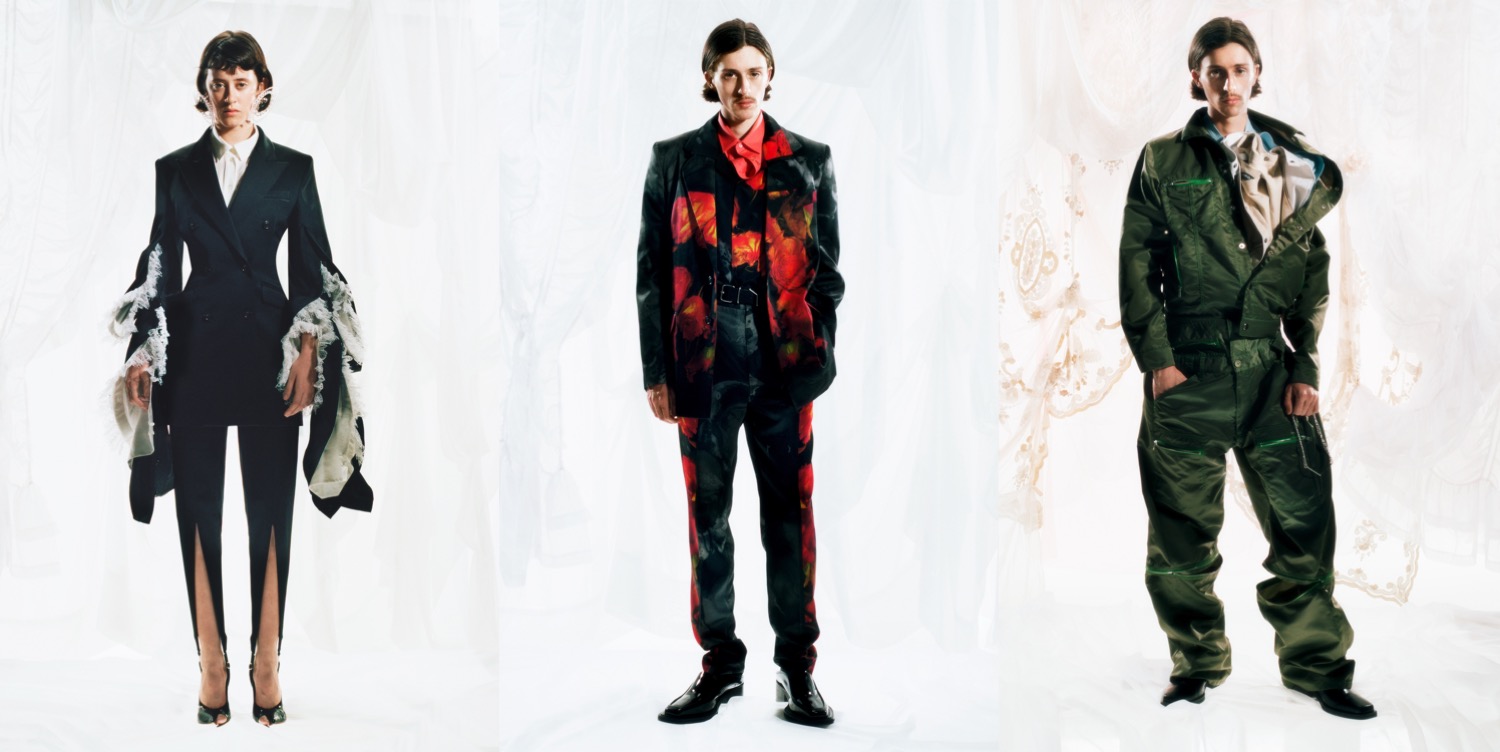
New Reality. Y/Project Resort 2021 + Men’s SS21

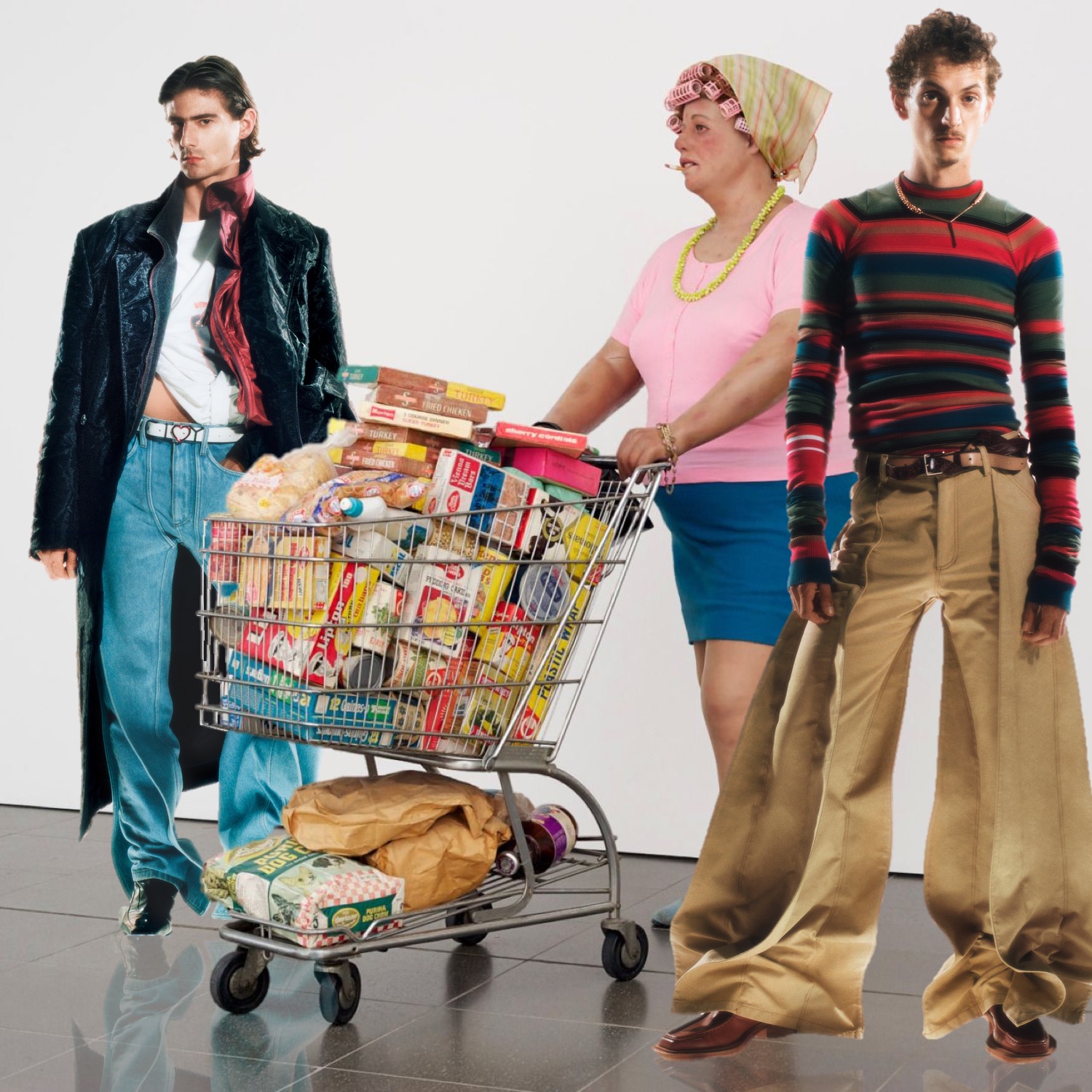
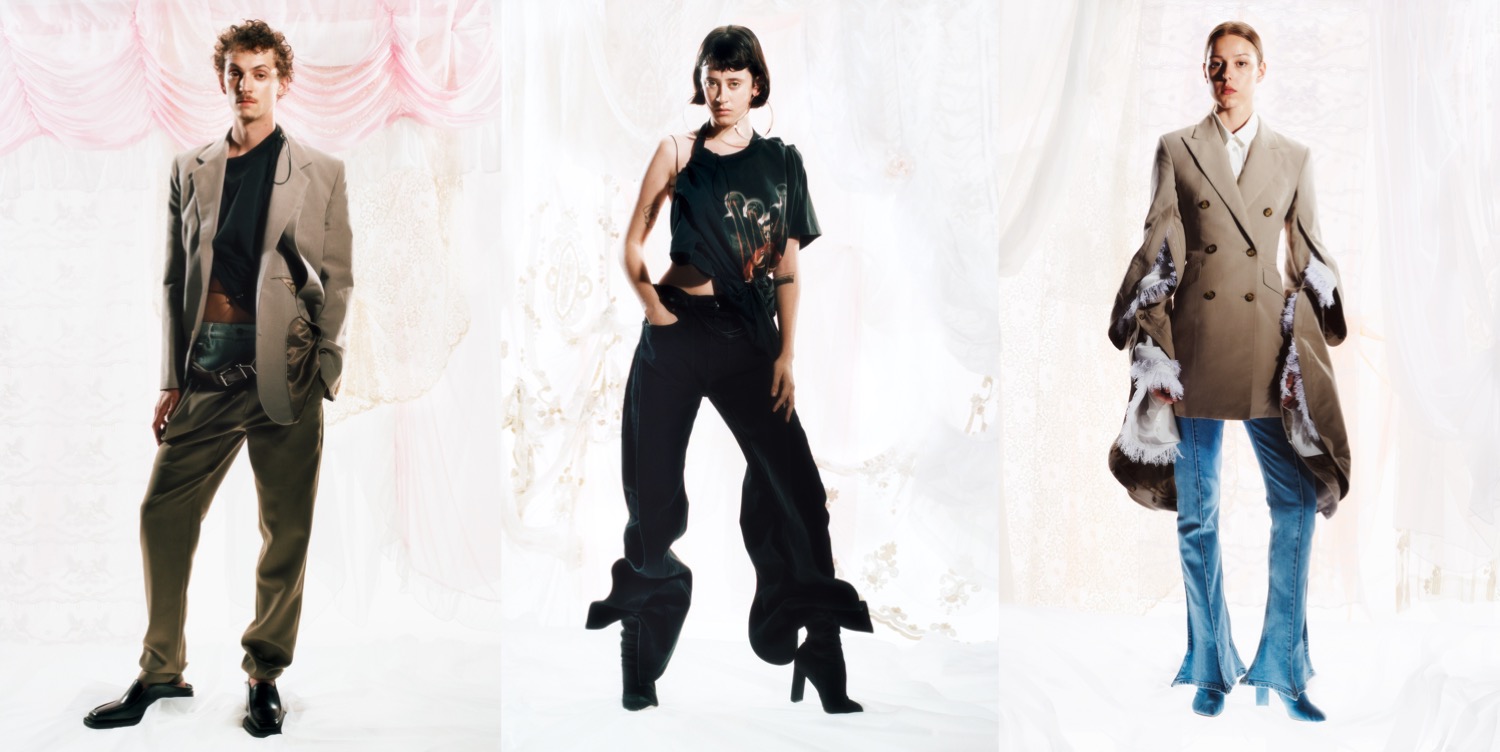
Business really isn’t as usual in the times of COVID-19 (and even in the “post” moment that’s now in Europe). Traditionally, end of June and beginning of July is the the moment for all the resort and men’s collections, and in general this time of the year is a sort of “summer September” of fashion. But not entirely in 2020. Showroom visits for the press and buyers are done via Zoom only. Majority of collections feel very safe and are based on the brand’s signatures. Still, some of the line-ups impress, and moreover, appear to be some of the best work coming from the designer in a while. Glenn MartensY/Project is a great example of how crisis and chaos can bring new ideas and trigger a kind of brand evolution. Martens’ innovatively constructed, apparently woozily skewed garments whose conventional templates are drawn from across the demographic landscape of womenswear and menswear, are brain-bending at first glimpse, and often only make sense upon second look. “Obviously, these looks are distorted, and that is part of the fun of the brand. But most of them you can wear calmed down. Have you seen the video?”, he told Vogue. This season, instead of holding a menswear fashion show, Martens worked to create a video show-and-tell for Y/Project newbies that he said was partially inspired from the opening scene of Dangerous Liaisons, in which Glenn Close is laboriously installed into her pannier dress. Here Martens and two colleagues show how looks from these jointly digitally presented collections can be worn; take a fitted, ruched-body womenswear jacket, pull a drawstring, and – ta-da! – you have a full-length dress. Or reach into the innards of a louchely cut suit and – voilà! – you have a double-layered look with a new denim foundation. Martens concluded: “It’s a kind of lava lamp of looks… showing how you can personalize your clothes and how you can make it look as crazy as you want or you can tone it down as much as you want.” The collections here are around a third the size of a normal-times Y/Project offering, and Martens said that the restrictions of lockdown meant that many of the pieces were hewn from deadstock. The collection includes past designs that have been redesigned and upgraded to be even more twisty the second time around. This is a virtue, as is that distorted adaptability that is at the core of Martens’s work – for what could be more sustainable than a single garment that you can wear in a multitude of ways? Also, as the press was informed, Martens discussed Evergreen, which is the title of a new all-sustainable collection of core Y/Project pieces that will start with a launch of 16 pieces online in September, and then be added to going forward. “It’s a selection of garments, which I believe can go into your wardrobe forever. And we also decided to only make them in the most basic materials which are not at all oriented to a season, so it’s really black, white, and denim.” These garments are not “basics” – the initial lineup includes Y/Project’s much-socialed, super-skimpy, jean/panty “janty” hybrid – and bear all the usual twisty codes of Martens’s design-eye, including rotating-collar shirts and hoiked-shoulder blazers. Looking forward to see it!

Collages by Edward Kanarecki.
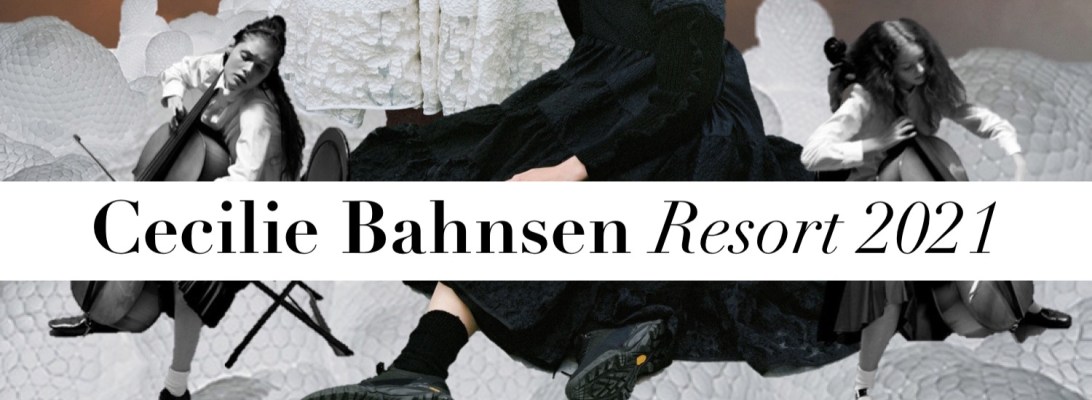
Growing. Cecilie Bahnsen Resort 2021

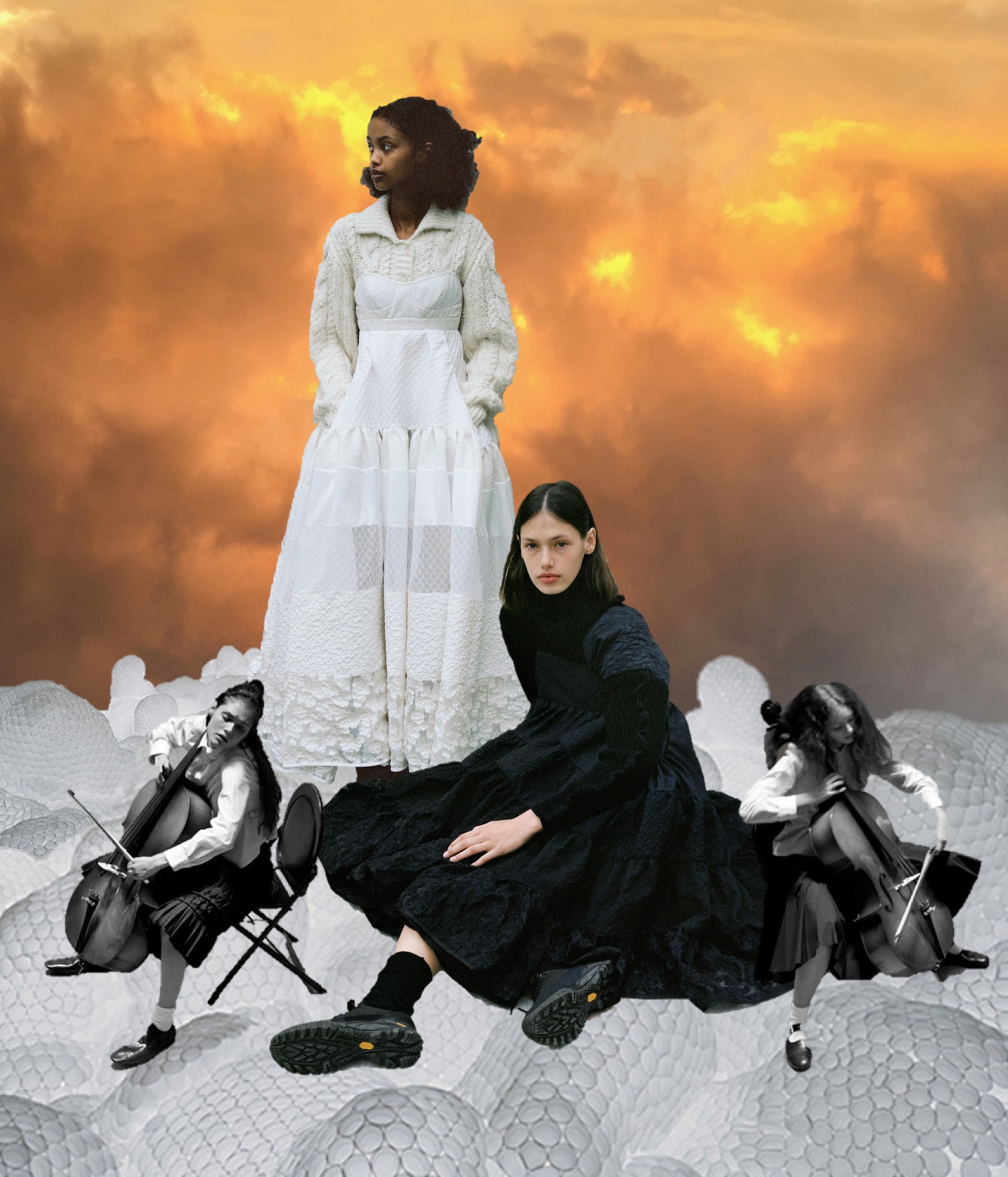
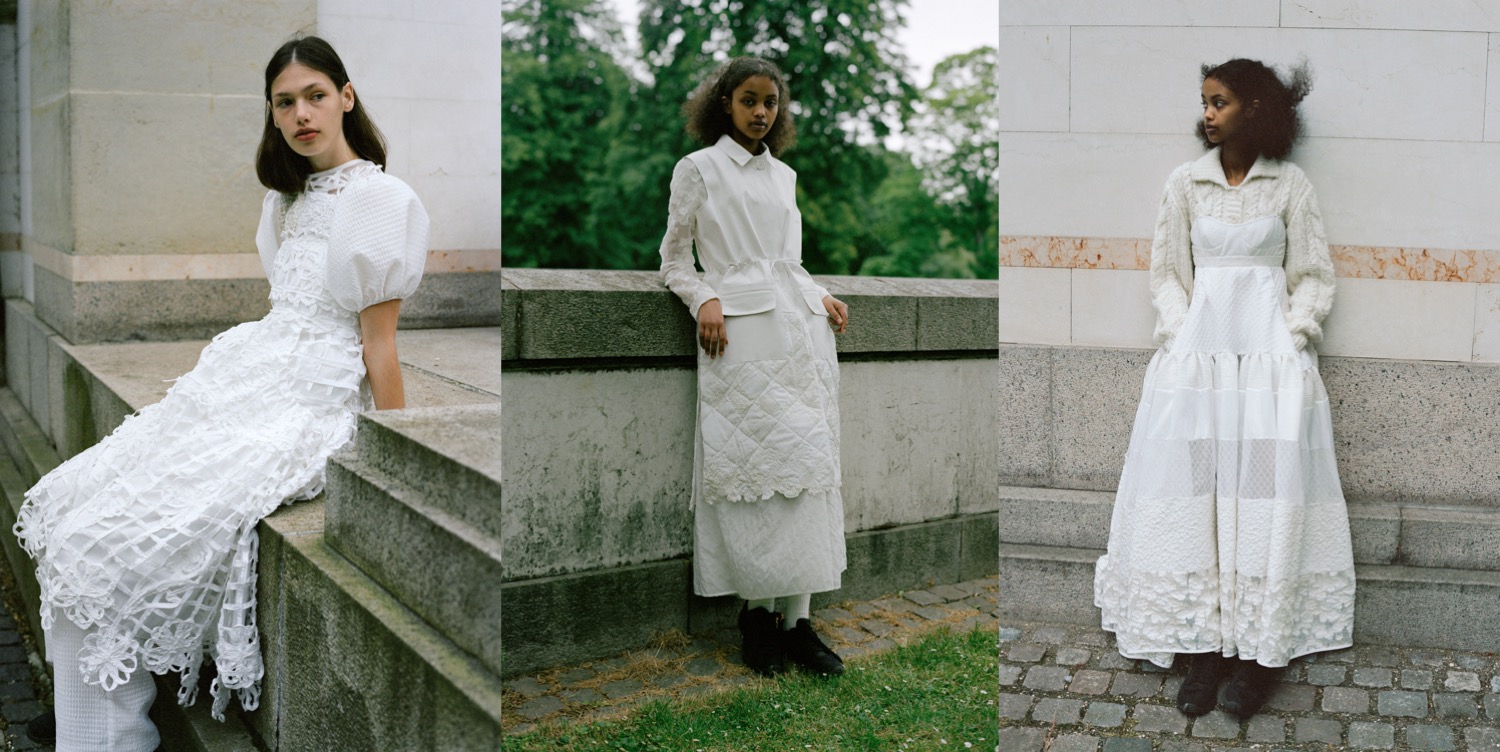
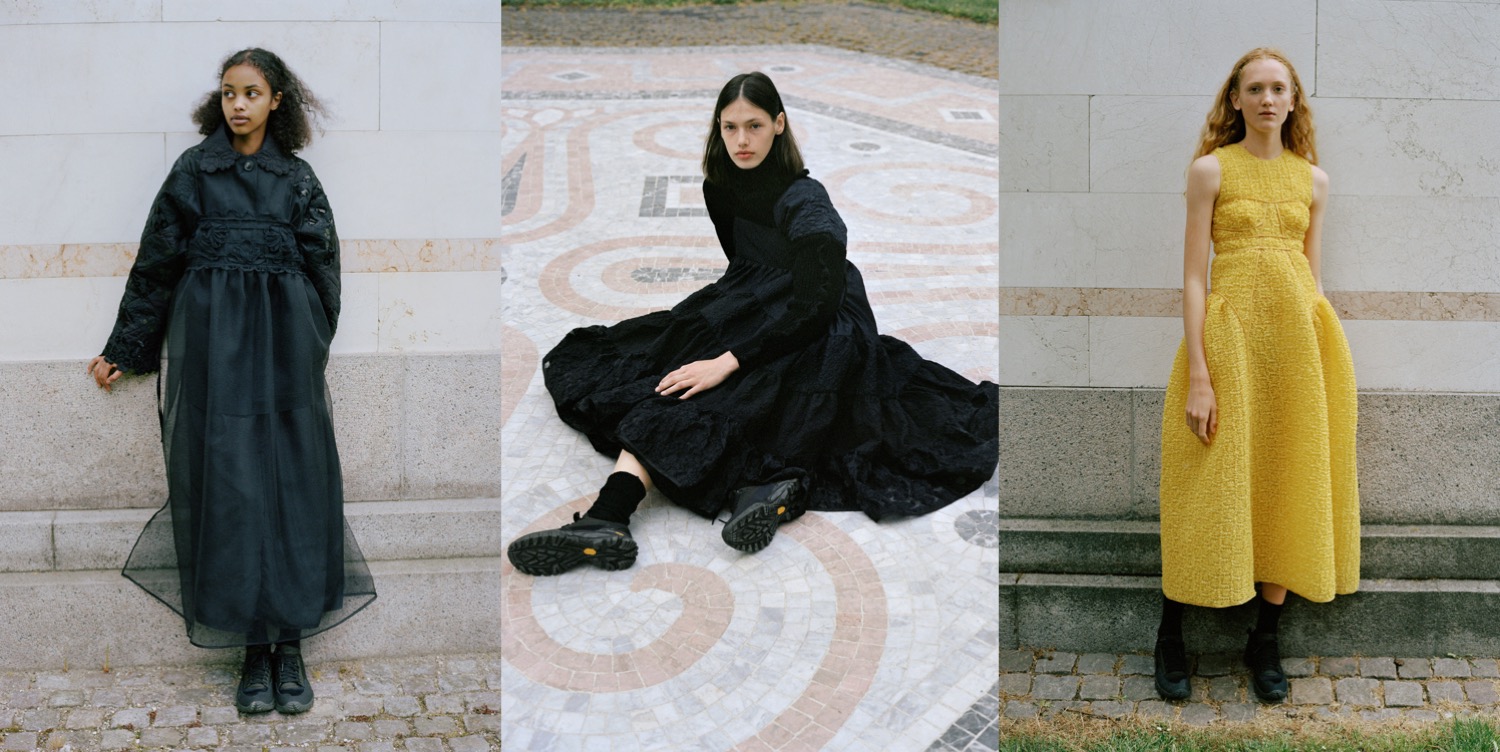
Being a small label, even an established one, might be even more nerve-wracking in the uncertain nearly-post-corona times, than when the pandemy striked in the beginning of spring and the whole population was equally confined and paralysed by the new reality. Just think of Sies Marjan, the New York-bsed brand designed by Sander Lak that seemed to thrive in its five-year existence, and then suddenly closed just a few days ago – due to the crisis. But then, not all young brands seem to be totally doomed. Cecilie Bahnsen, for instance, has a very distinct, signature product – her dreamy, ethereal cloudy-puffy dress – which has organically built a fandom around her small Danish label. She even released a resort 2021 look-book, something many labels quit or have delays with. And the idea behind this collection shows just how much the designer has grown and reconsidered her brand. Using 100% upcycled fabrics from previous collections – a response to lockdown limitations – Bahnsen created corseted and peplumed dresses and tops decked out with lace, as well as witchy black coats and jackets. Other pieces combine patchworks of quilting, embroidered organza, and sheer silk faille. One of the most dynamic looks in the collection was a canary yellow frock with a spliced-up cable-knit sweater and a caged floral overlay on the skirt. Another was a hybridized white sweater top and dress featuring no fewer than five different fabrics from Bahnsen’s archive. Moreover, the designer plans to continue experimenting with upcycling and will release smaller, monthly capsule collections made entirely from stockpiled fabrics under the name Encore. This month’s features not just dresses but also blankets and pillows. Speaking from her studio in Copenhagen, Bahnsen told Vogue she’s focused on accessibility: “I want the dresses and everything else to be worn in the streets, not just during special occasions. This was a creative challenge, as I normally work very clean and don’t like to mix too much. But I knew there were a lot of ideas hidden in these old fabrics, and I needed to reflect on them, to maybe be less precious and to give them new value.” Two take-aways from this small capsule: Bahnsen has a distinct point of view and it was satisfying to see her play around with it a bit more freely, mashing things up and giving new life to unused materials.

Collage by Edward Kanarecki.