Tough Chic. Magda Butrym Resort 2025

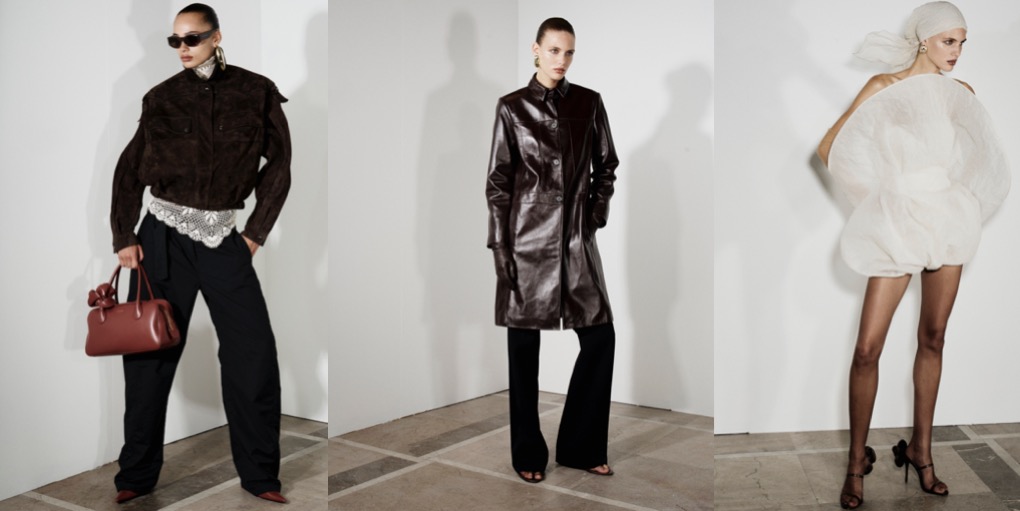
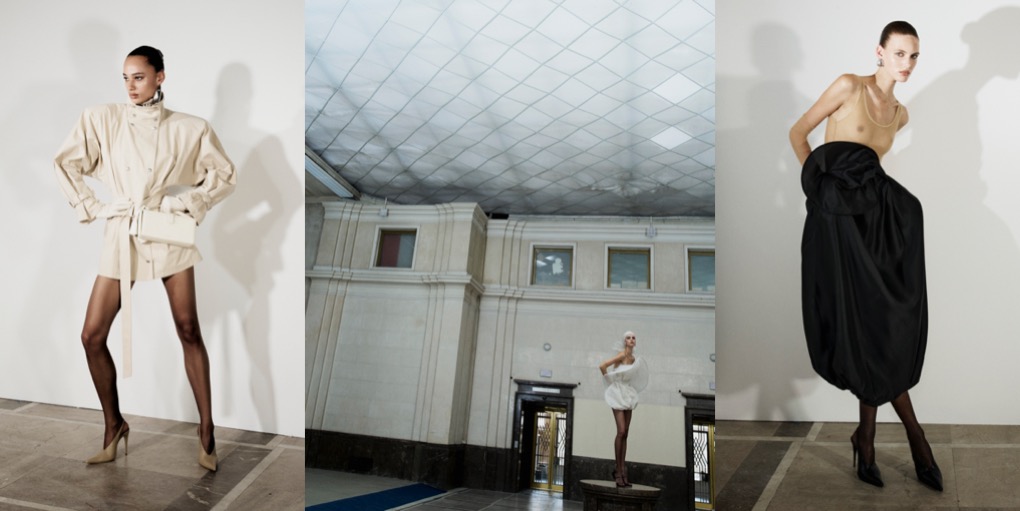
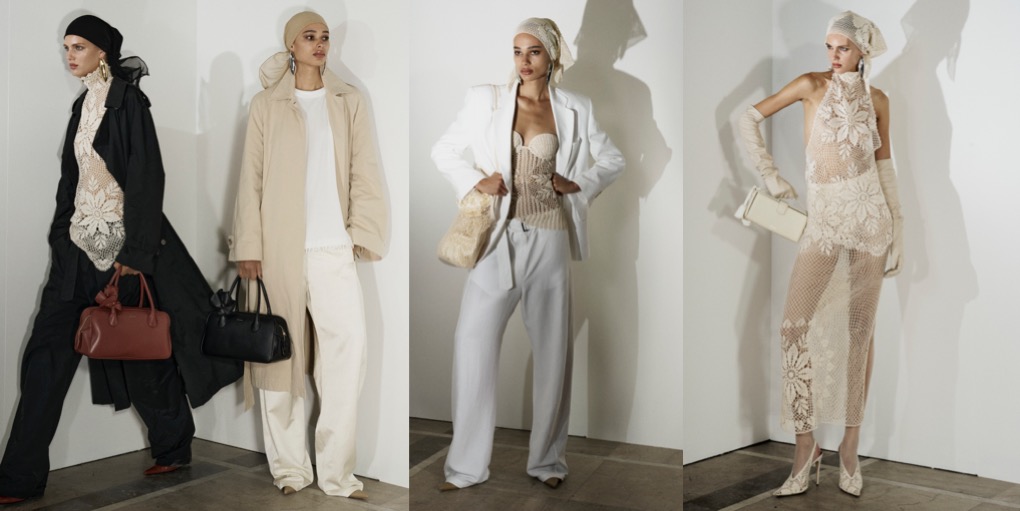
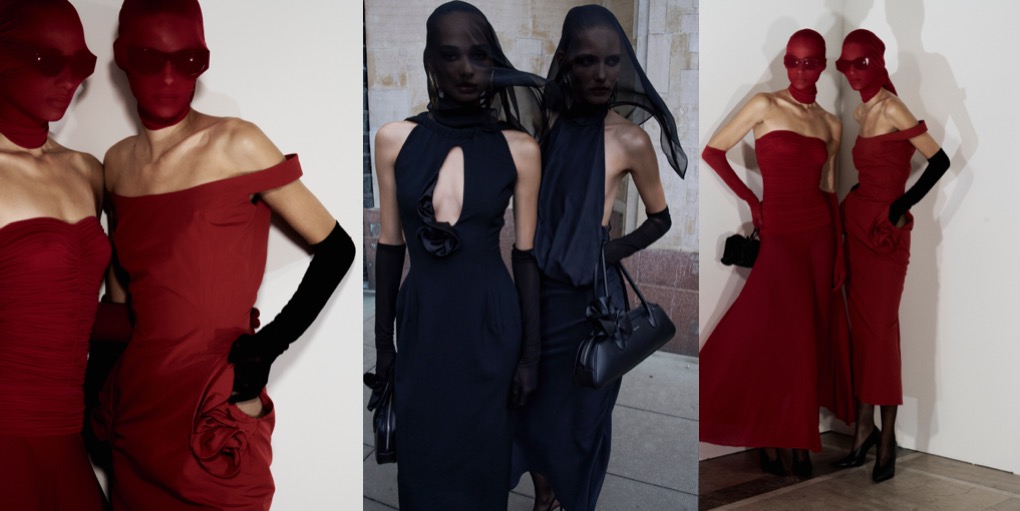
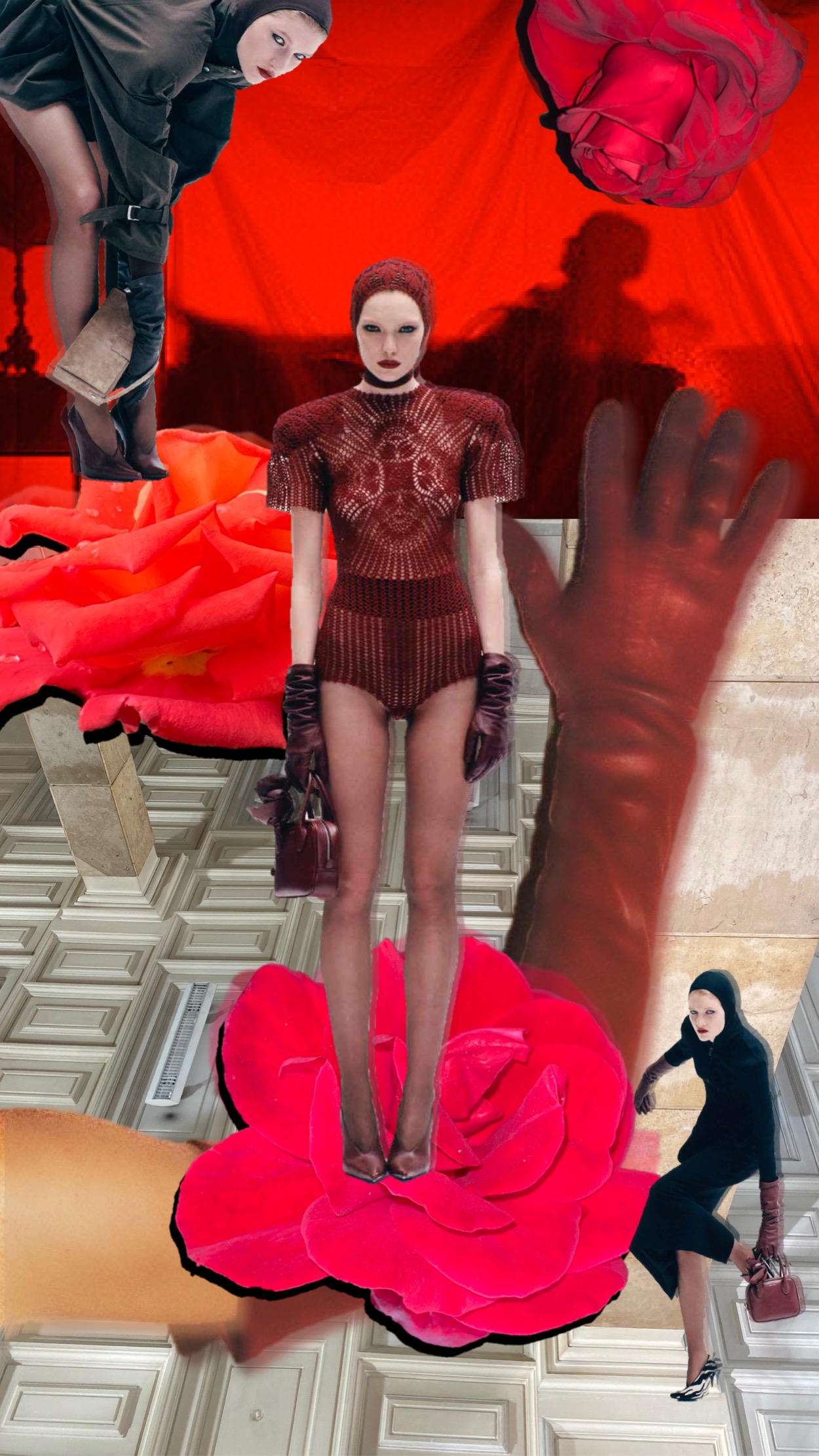
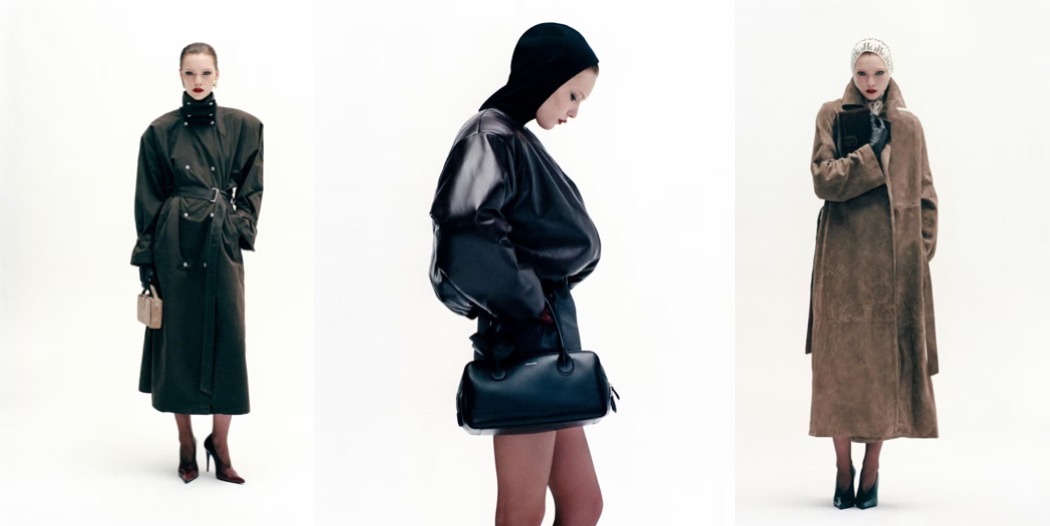
There’s an appealing, sensually charged toughness about Magda Butrym’s collection for resort 2025. The Polish designer’s smokey-eyed and red-lipped glamazons are in a dreamworld, but one that isn’t a saccharine wonderland. A sense of enigmatic chic informs the entire line-up, blurring the lines between daywear and eveningwear, feminine and masculine, precious and utilitarian. The collection’s brave, tough chic mood finds inspiration in cinematic depictions of women in West Berlin during the late 1970s, from Luca Guadagnino’s “Suspiria” remake to Andrzej Żuławski’s “Possession“. The first, a perplexing story of a witchy dance school and its female-only cadre and students, informs the collection’s color palette. Rusty-tones, overcast-greens and earthy-ecrus meet intoxicating blood-red – the color of lipstick on the pale faces of Madame Blanc’s dancers, and their nail polish, and the unsettling interiors of the Tanz Akademie. In Possession, the high-pitched fever dream directed by the renowned Polish provocateur, Isabelle Adjani’s character Anna – entangled in an illicit, forbidden romance – storms metro stations and soc-realist neighborhoods in utilitarian, yet feminine dress-coats. These two so female-centered films deliver an unobvious outlook on women, their emotions, sensuality, and most importantly, their sacred power. The lookbook, photographed by Vitali Gelwich, was captured inside Warsaw’s iconic Dom Pod Orłami (“House Under Eagles”). This modernist pearl keeps in its thick, marble walls many untold secrets, from pre-war bank affairs to wild raves of the 1990s. Who knows what rituals happened down these long corridors and hidden staircases? The brute, monumental beauty of the building charges the lookbook with certain mysterious, elusive, even esoteric ambience, one that can be perceived in Guadagnino and Żuławski’s cinematic universes.

In all that highly feminine, yet commanding mood the designer is channeling and refining in her latest offerings, an assortment of no-nonsense, investment-worthy garments: a drab olive-brown jacket with a high, chin-grazing collar styled with matching pair of knitted panties; sensational outerwear in broad-shouldered cut; pleated, wool pants refined by the designer to perfection. But there’s also place for unabashed glam: the eternal style of Milanese sciuras unexpectedly dialogues with the unsung chic of Old Warsaw’s starlets like Zula through a retro-imbued overlap that comes evident in faux fur stoles wrapped around the shoulders, worn over seductive, ruched dresses with built-in corsets. Meanwhile, the two finale pieces of the collection are hooded black dresses in either above-the-knee or floor-sweeping length. They intrigue with minimalist sharpness of cut and the seductive depth of plunging necklines, subverting monastic connotations. As usual in case of Butrym’s style vocabulary, there’s a charming nod to her Slavic heritage. For resort, it comes in form of hand-made lace from Koniaków which is very proudly used in a crocheted body with sharp shoulder-pads, an apron-like skirt, shopper bags, and next season’s ultimate it-accessory: bonnets.

Psst… have you seen the designer’s first ever flagship store that she opened last month in Warsaw? Read about it right here!

Need a Magda Butrym wardrobe update? I’ve got you covered.

ED’s SELECTION:


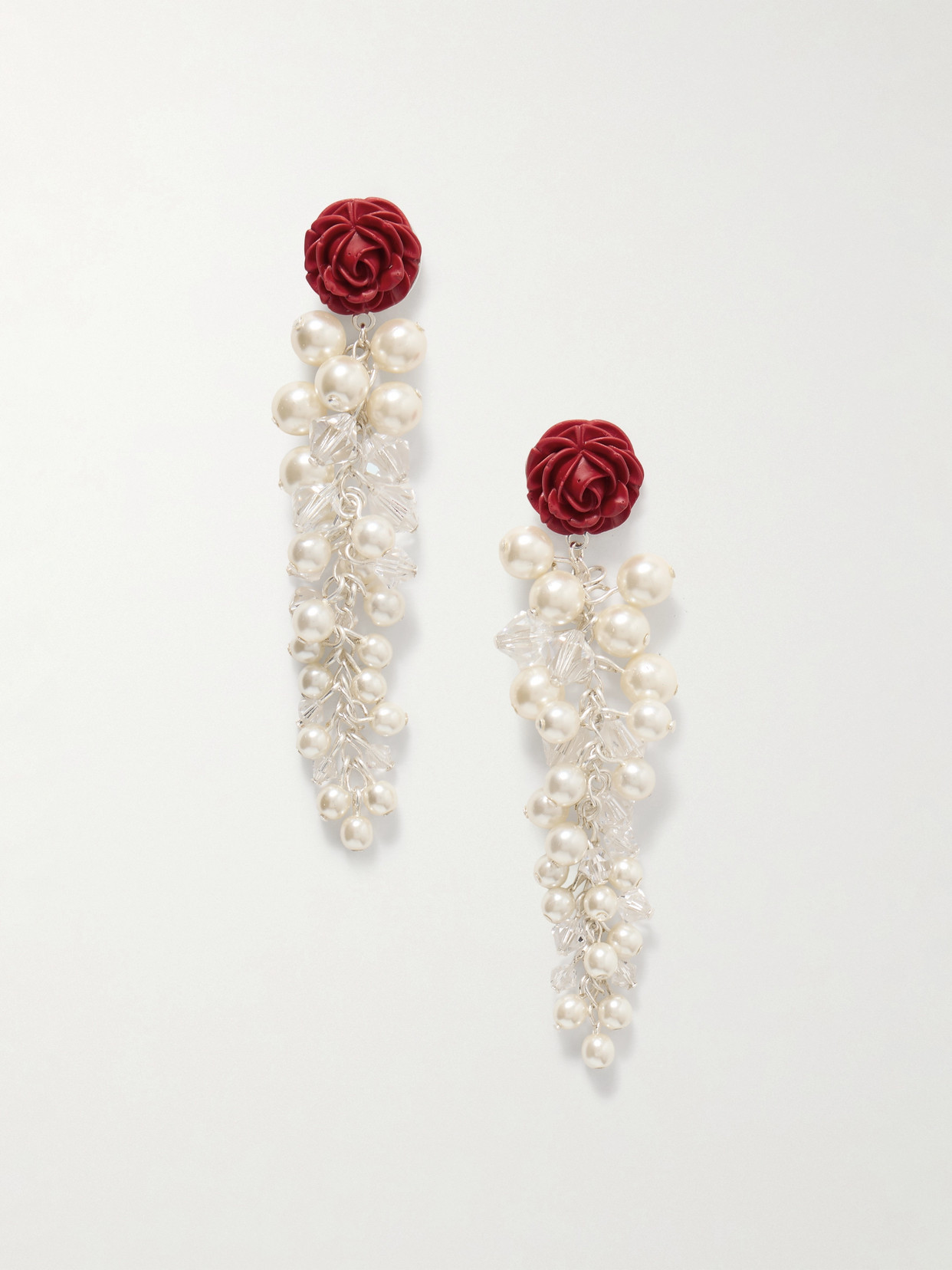
Magda Butrym Silver-tone, Faux Pearl, Crystal And Resin Earrings


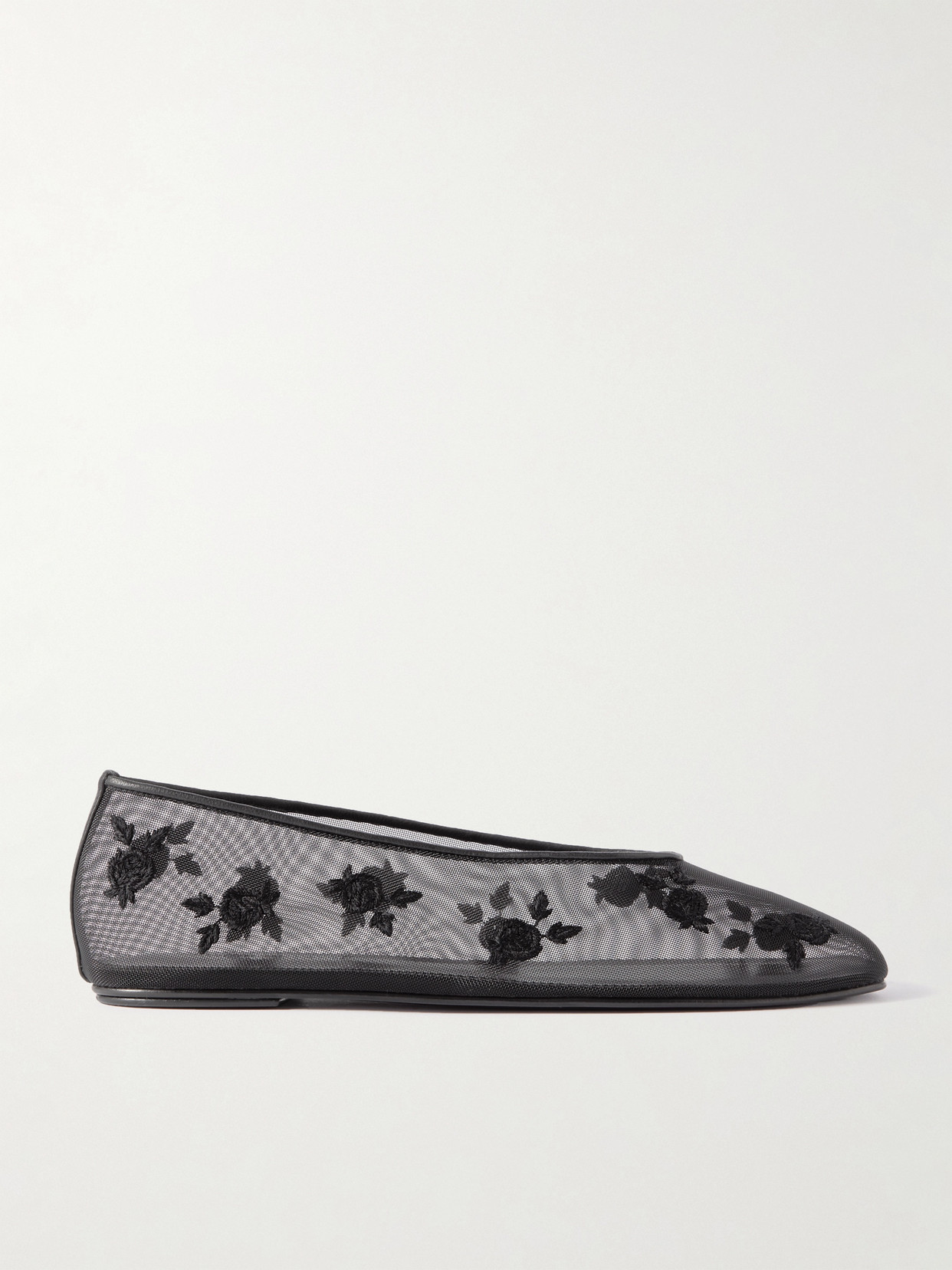
Magda Butrym Leather-trimmed Embroidered Mesh Ballet Flats


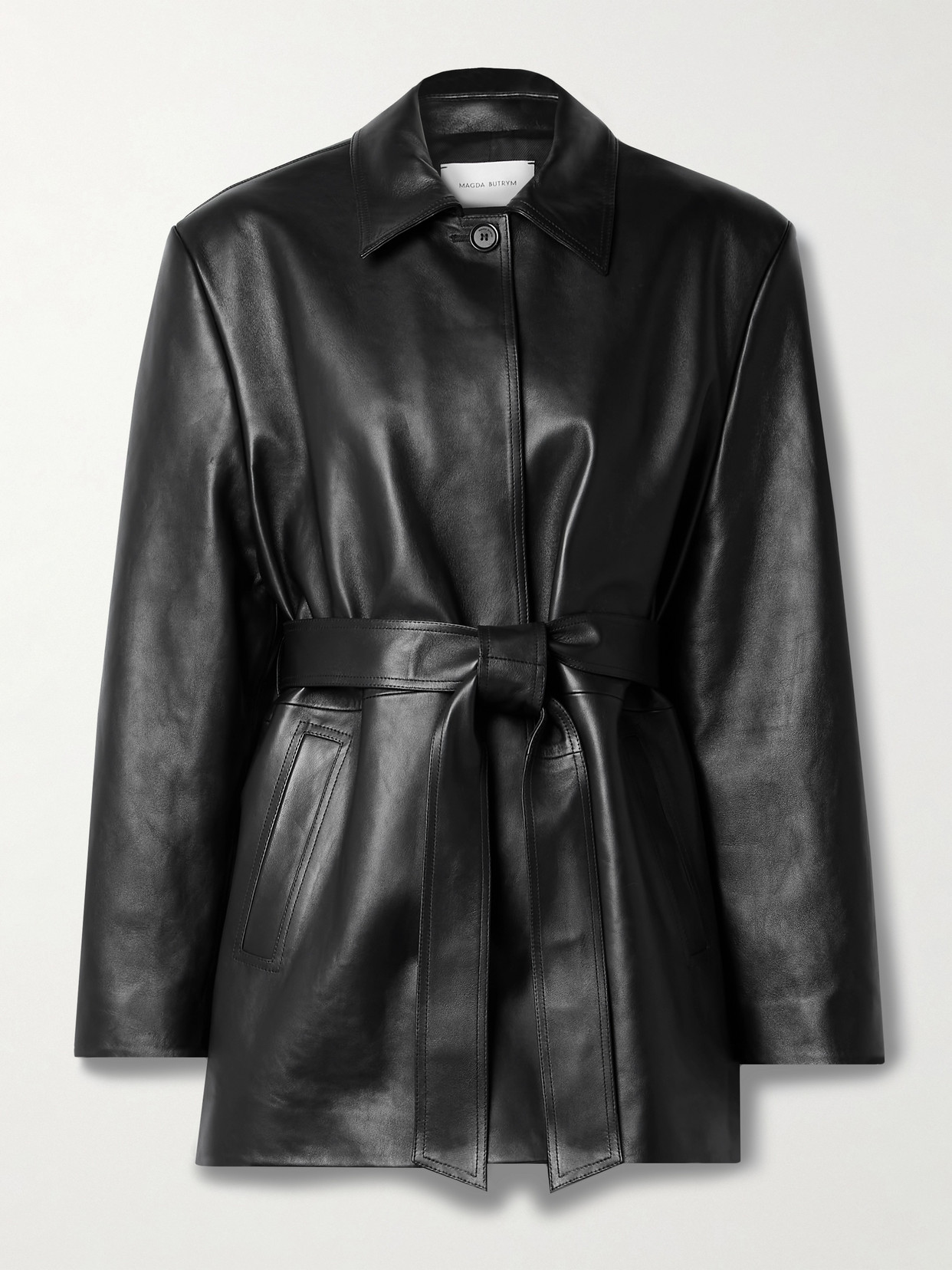
Magda Butrym Belted Leather Jacket


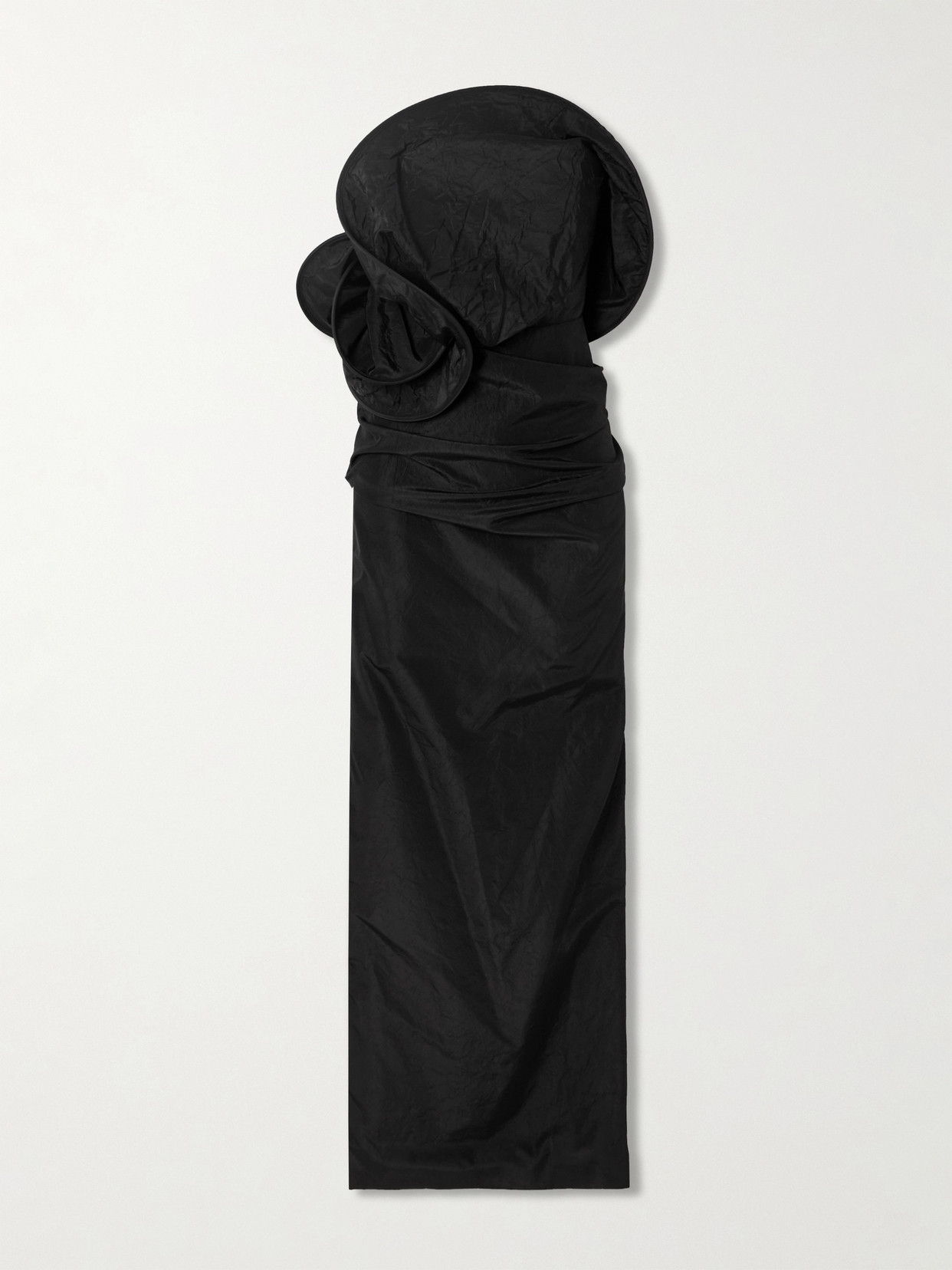
Magda Butrym Strapless Ruched Silk-taffeta Maxi Dress


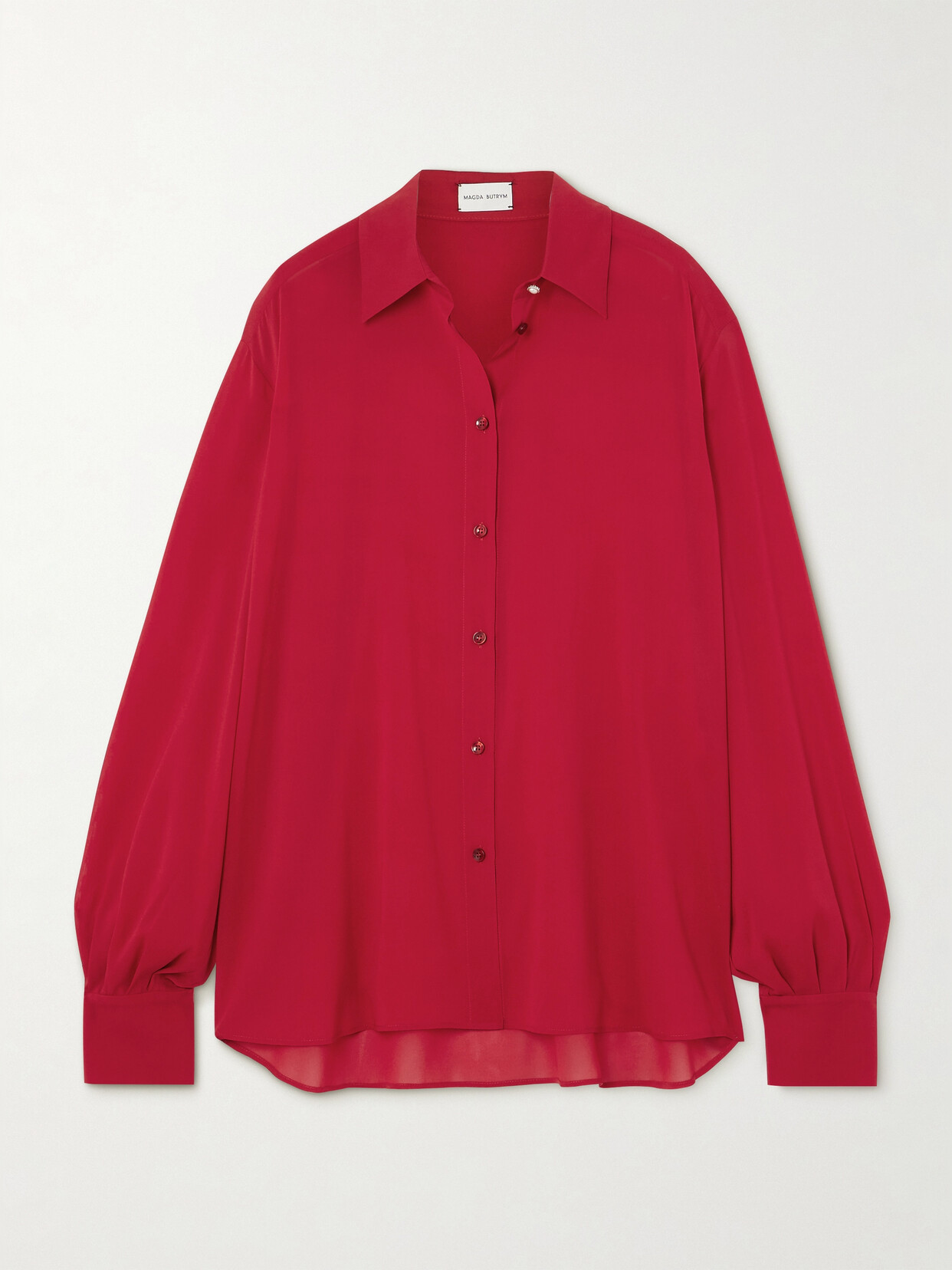
Magda Butrym Oversized Silk-blend Chiffon Shirt

Collage by Edward Kanarecki.
Don’t forget to follow Design & Culture by Ed on Instagram!

Hey, did you know about my newsletter – Ed’s Dispatch? Click here to subscribe!

NET-A-PORTER Limited

Surrealism & Other Myths in Warsaw

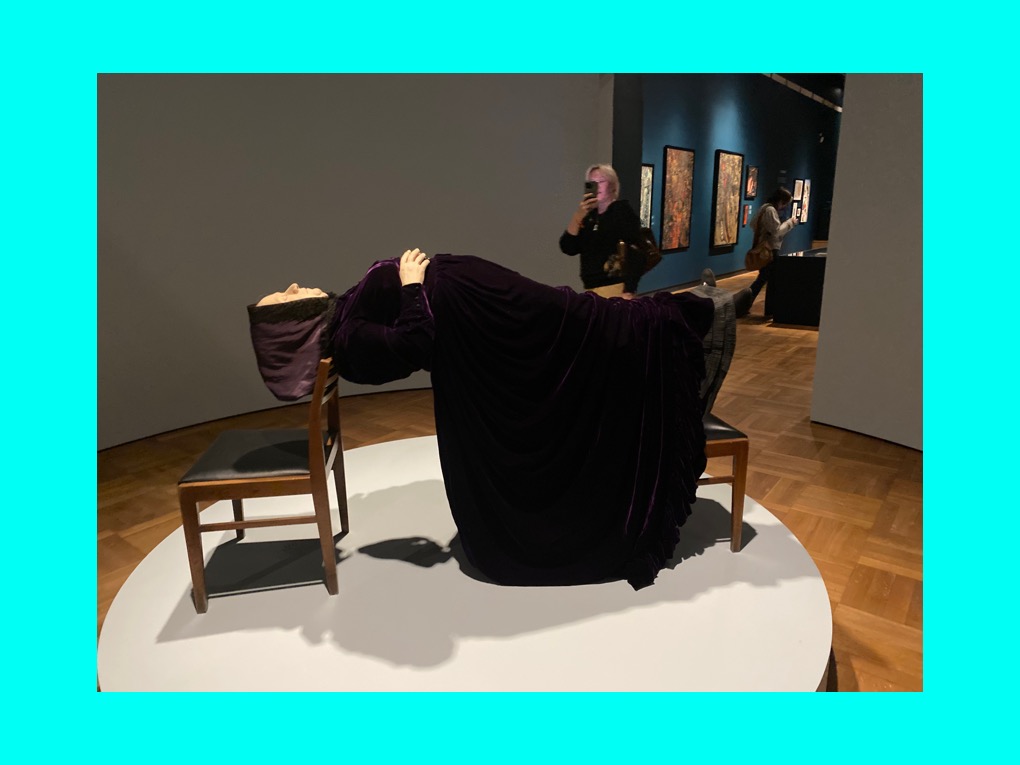
Goshka Macuga’s “Madame Blavatsky”

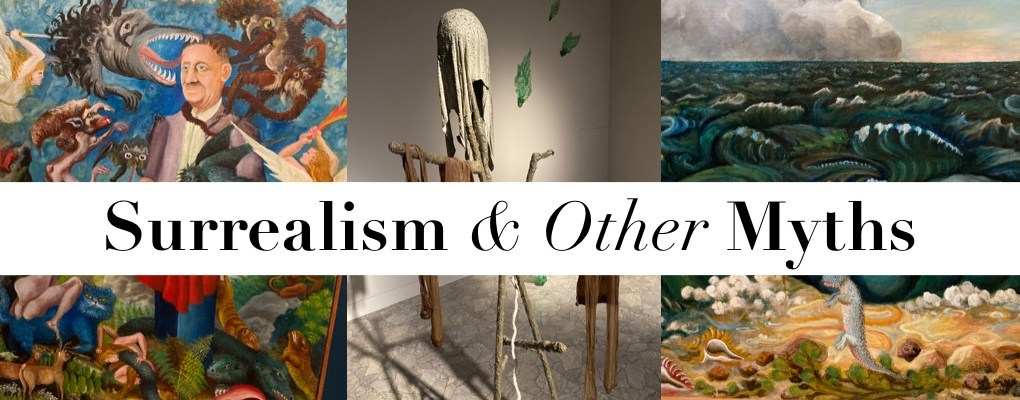
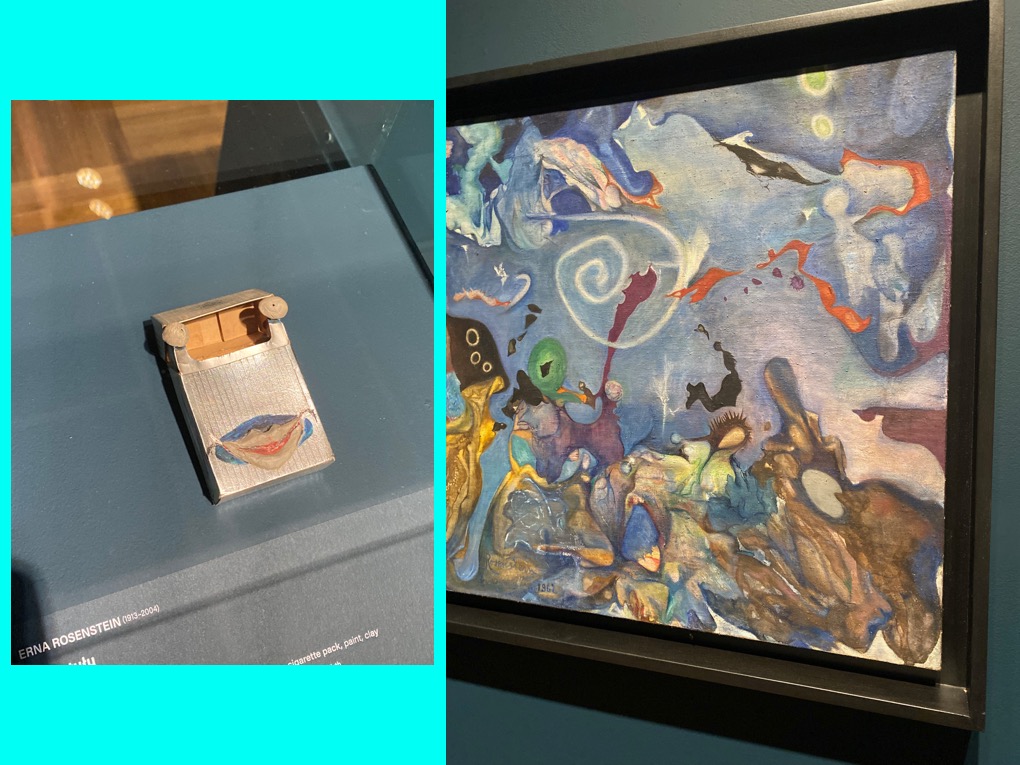
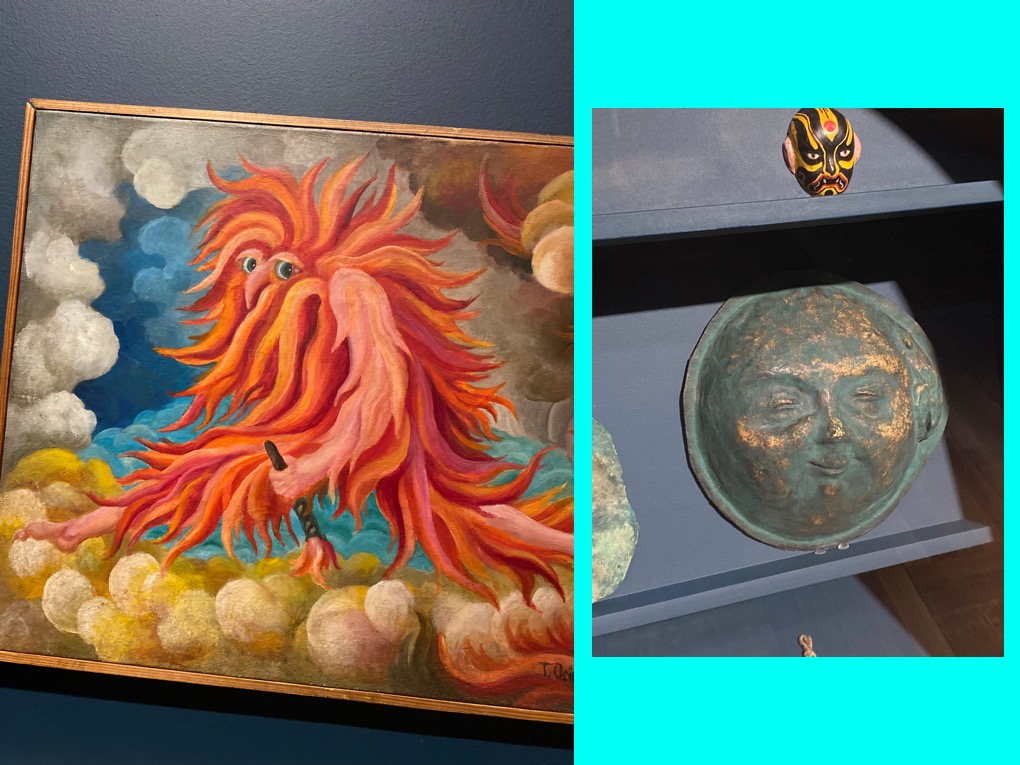
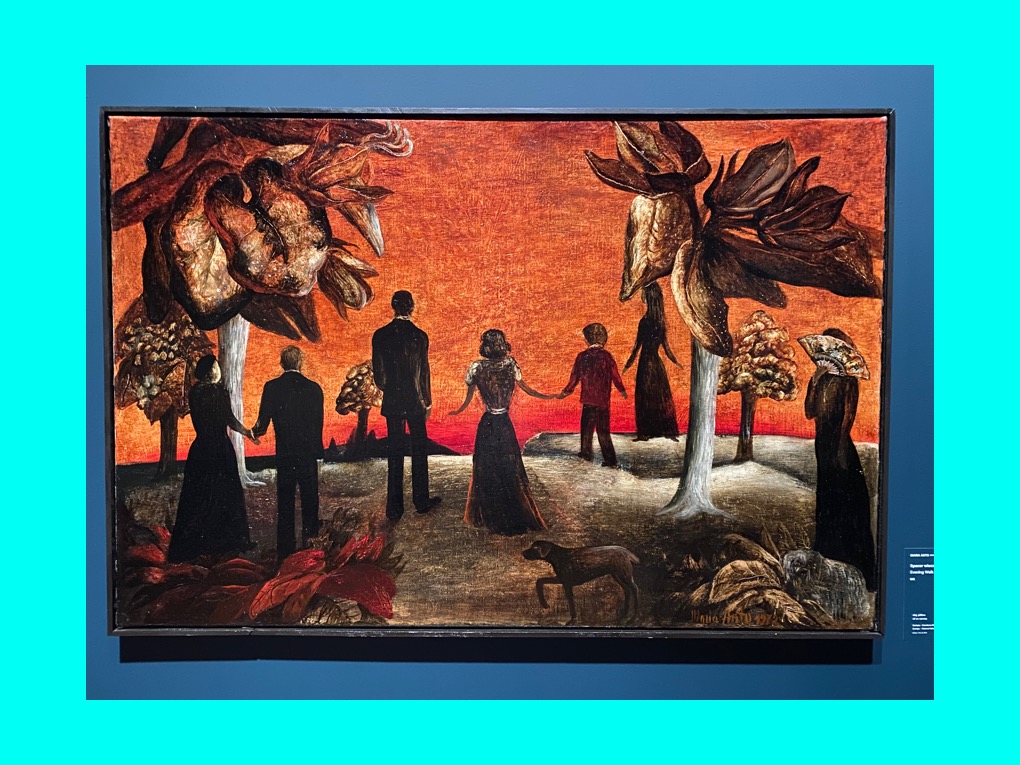
The exhibition “Surrealism. Other Myths” (curated by Hanna Doroszuk) that has just opened at the National Museum of Warsaw is coinciding with the one-hundredth anniversary of André Breton publishing his famous “Manifesto of Surrealism“. The show however refutes the orthodox thinking on Surrealism as a historical art movement having a defined time-frame and fixed geographic boundaries. Instead it treats the movement as a global, inclusive and diverse phenomenon that’s reflected in Polish art, modern and contemporary. The exhibition’s historical narrative begins with works from the interwar period and ends with the output of artists connected with the international “Phases” movement, founded in the 1950s. 

The exhibition is a unique opportunity to discover and admire works by more than sixty artists, including Marek Włodarski, Marek Piasecki, Jerzy Kujawski, Erna Rosenstein, Władysław Hasior, Zbigniew Makowski, Teofil Ociepka and Max Ernst. Their pieces exemplify the range of techniques typical of the Surrealists, like decalcomania, grattage and frottage. Also on view are examples of Surrealist objects and a large selection of photographs. In addition to items from the NMW collection, the exhibition features works on loan from other Polish museums and private collections. “Surrealism. Other Myths” proves that surrealism is breathing and well alive.

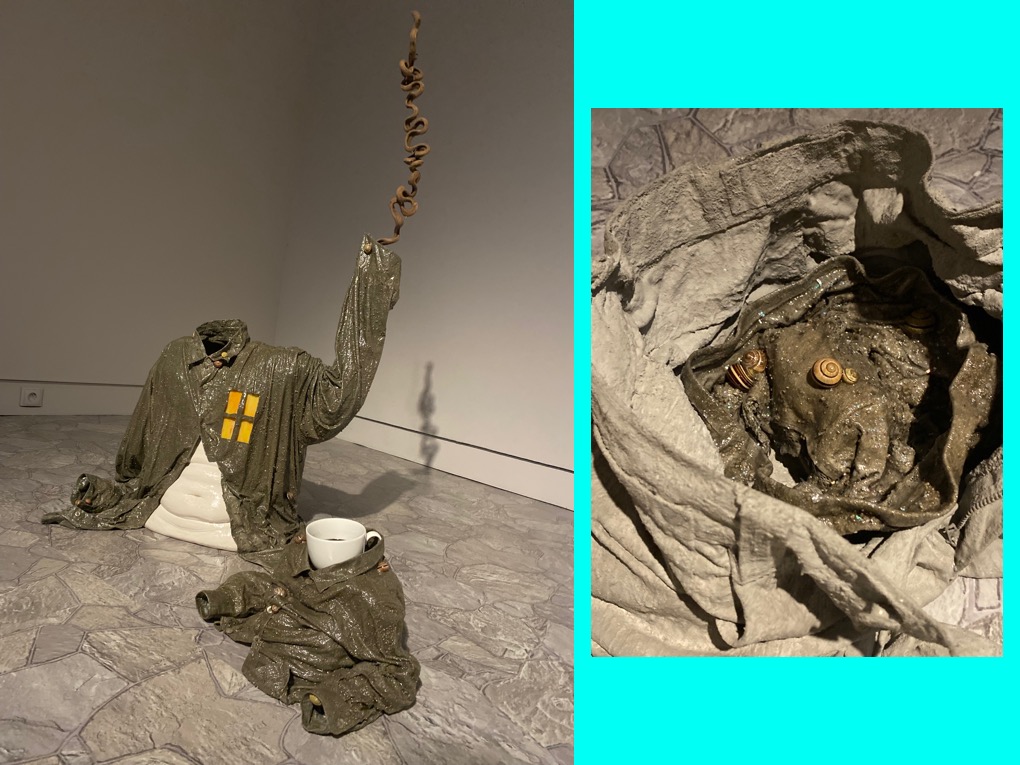
The part of the exhibition that drew my attention the most was Dominika Olszowy’s – one of the most talented contemporary, Polish artists out there – “Nocturne“. The artist has devised a quasi-domestic space inspired by nocturne painting tradition and by the world of night-time experiences. Permeating the room arranged by the artist is an emotional tension manifesting in physical responses like muscles tightening and bodies freezing in motionless. The objects and sculptures comprising “Nocturne” thus reside in a dead space where action is rendered impossible and the only escape is to wait out the night. In this space where the boundary between dream and reality dissolves, anxiety takes on a material and viscous form. Yet, deep in the crannies, a faint glimmer of the approaching sunrise breaks through. Experiencing this artwork reminded me why I love art. Make sure to follow Olszowy on Instagram!

And here are other details I captured at this fascinating exhibition:

The exhibition is on view until 11th of August 2024.

If you’re in mood for digging deeper into Surrealism, here are some books to indulge in!

ED’s SELECTION:


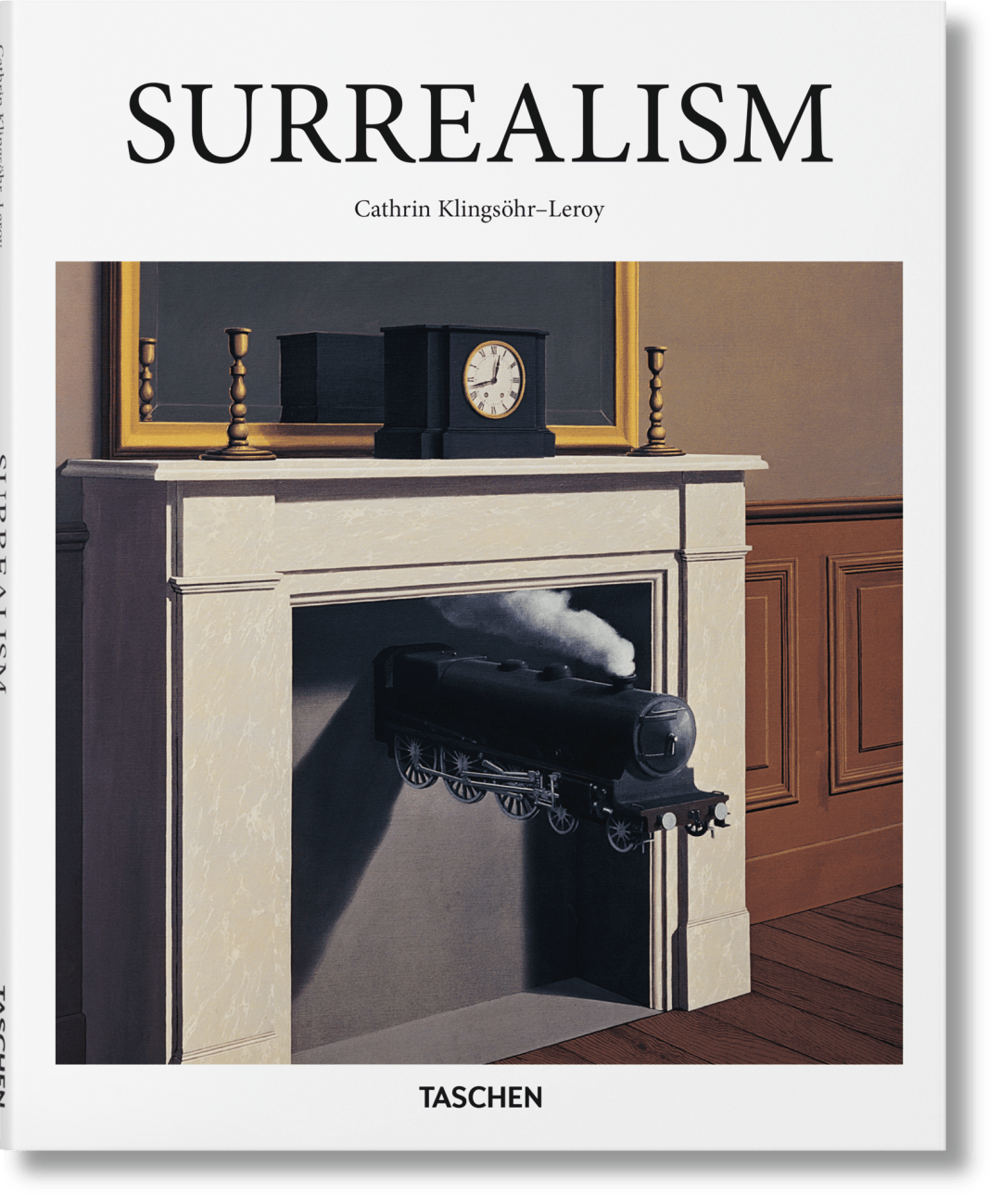
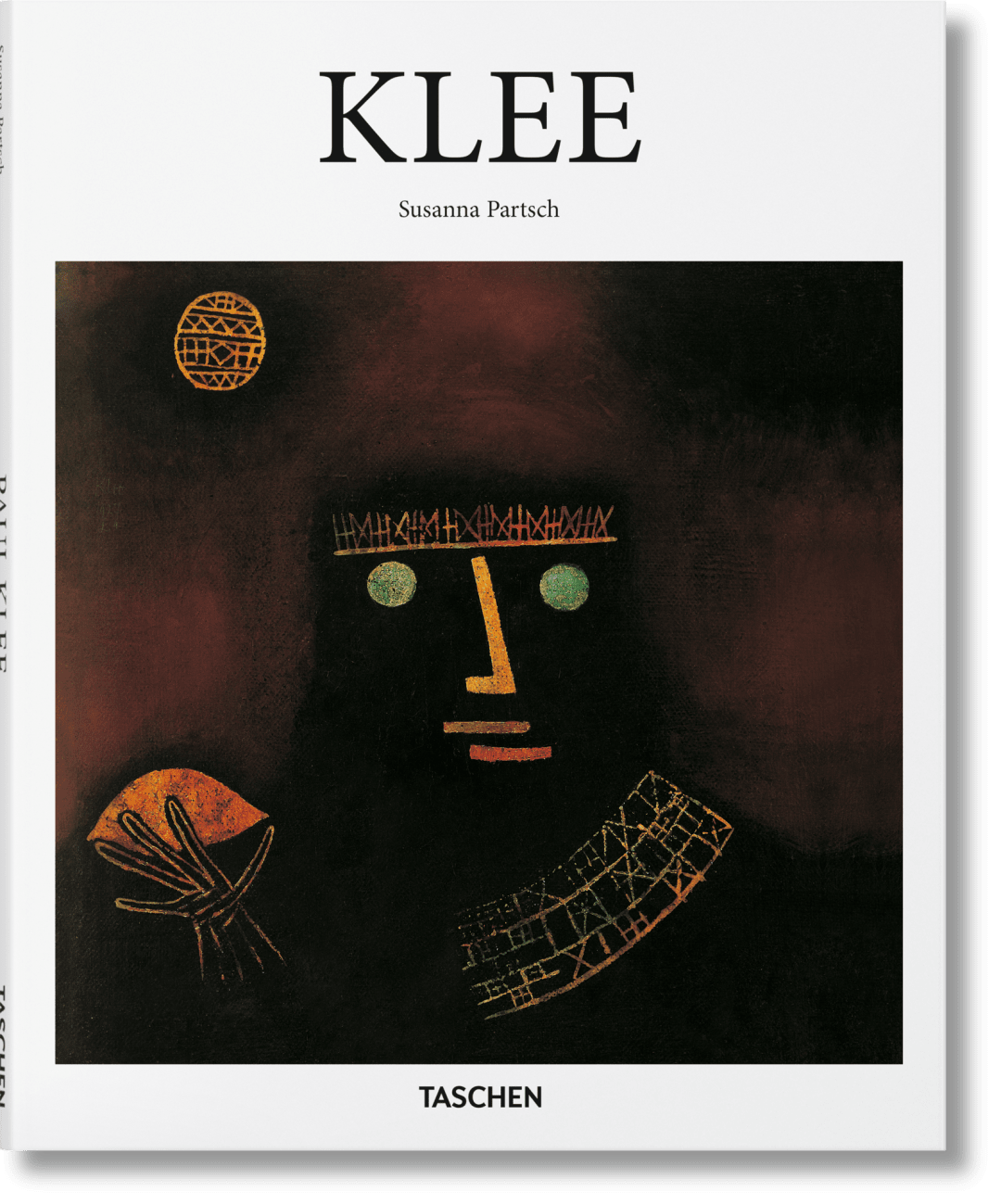
“Surrealism” by Taschen


“Klee” by Taschen


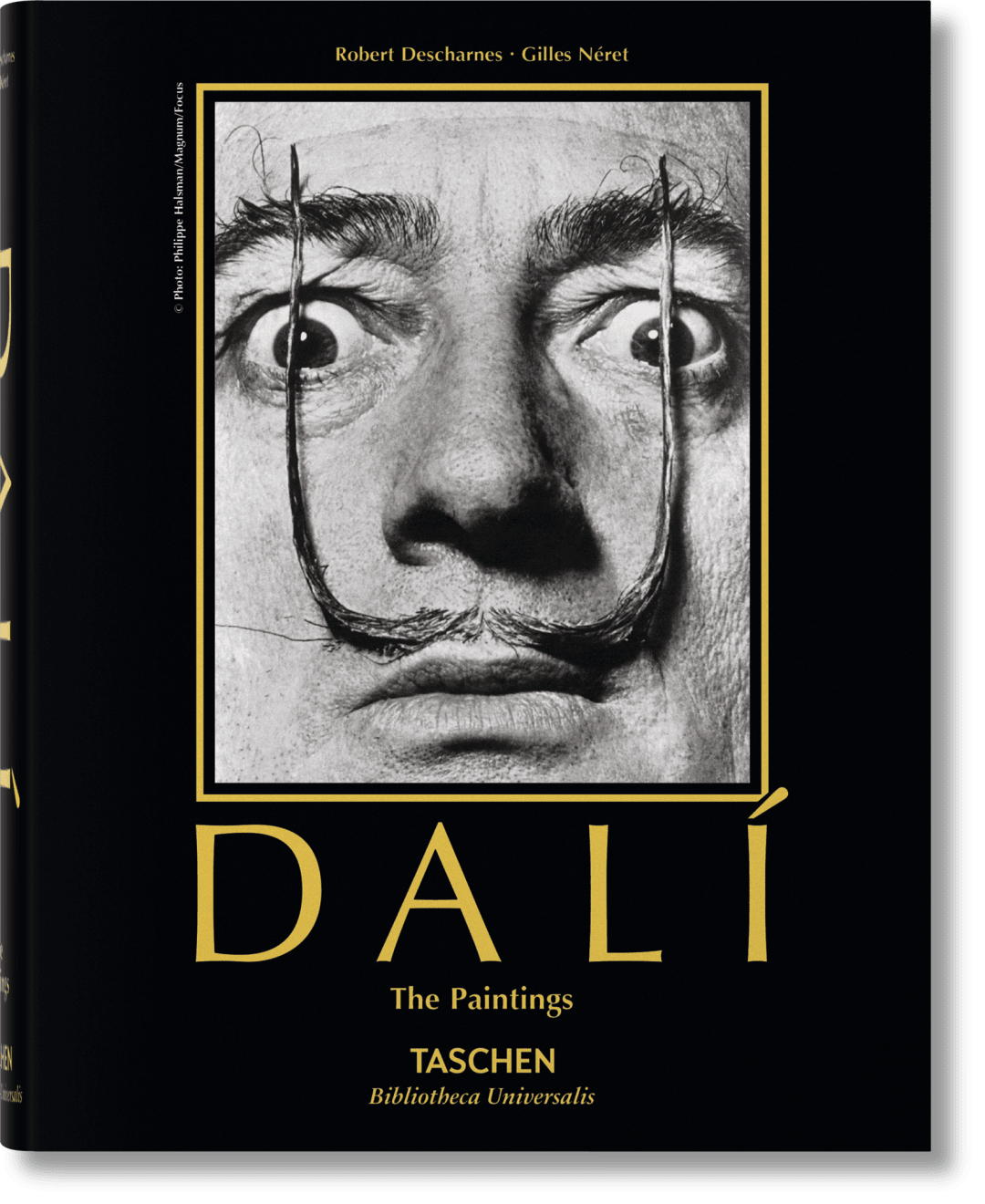
“Dalí. The Paintings” by Taschen


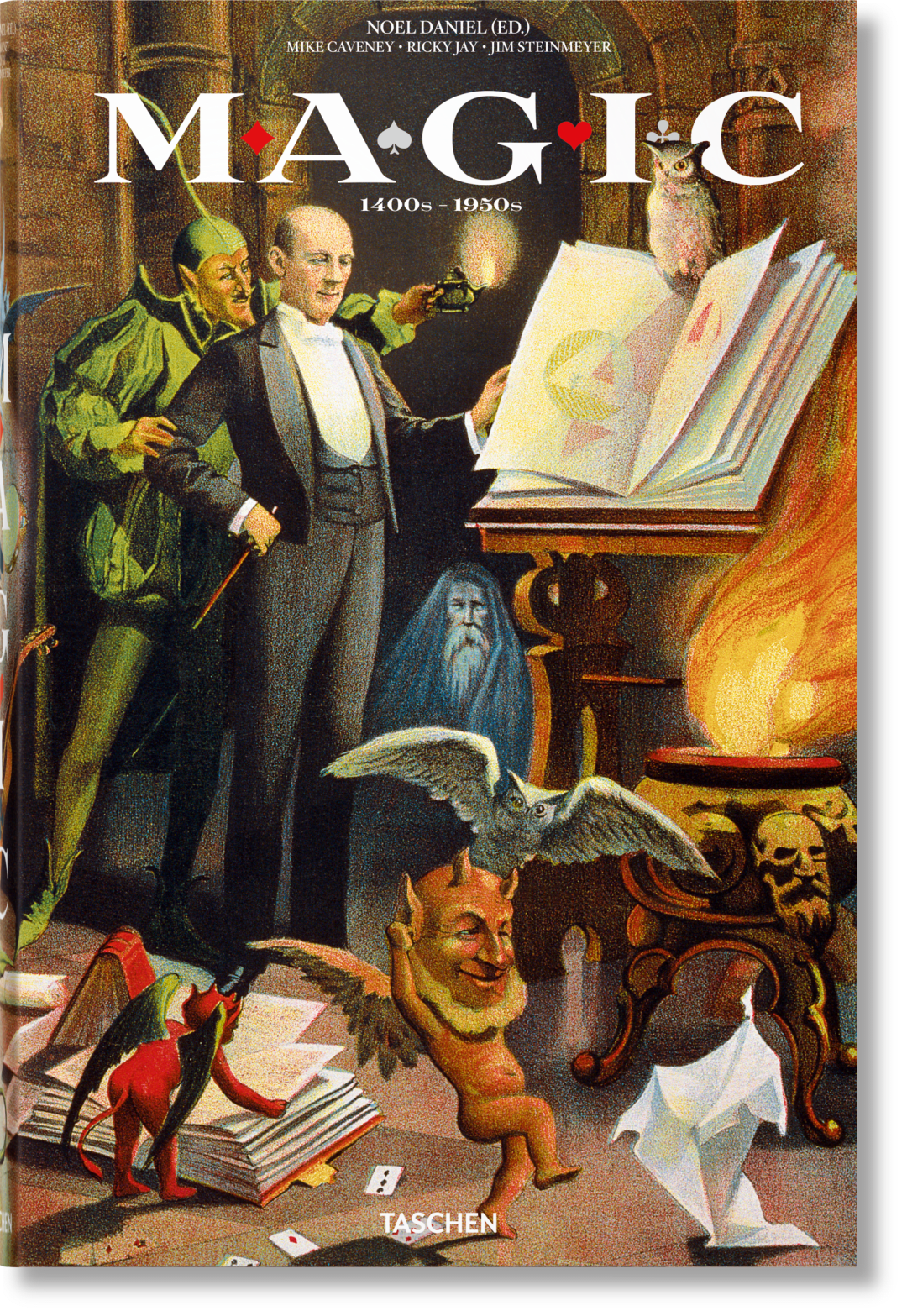
“Magic 1400s-1950s” by Taschen


“Magritte” by Taschen


“The Magic Mirror of M. C. Escher” by Taschen

All photos by Edward Kanarecki.

Don’t forget to follow Design & Culture by Ed on Instagram!

Hey, did you know about my newsletter – Ed’s Dispatch? Click here to subscribe!
NET-A-PORTER Limited

Art of Maria Prymachenko in Warsaw

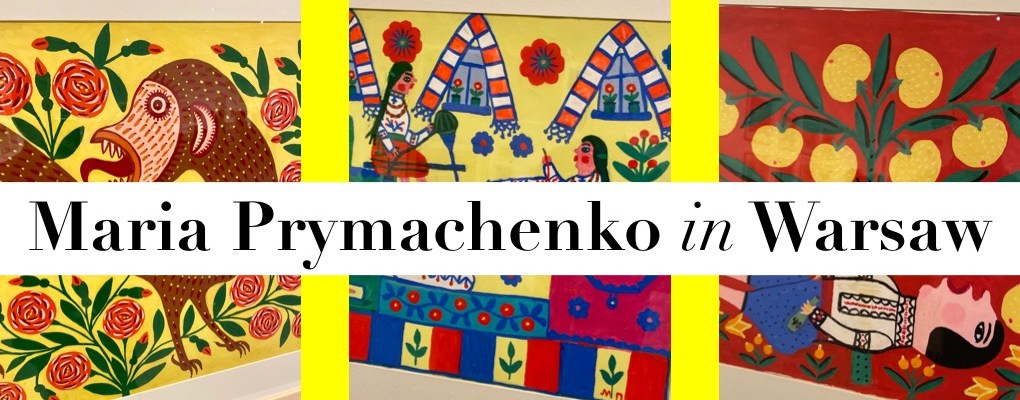
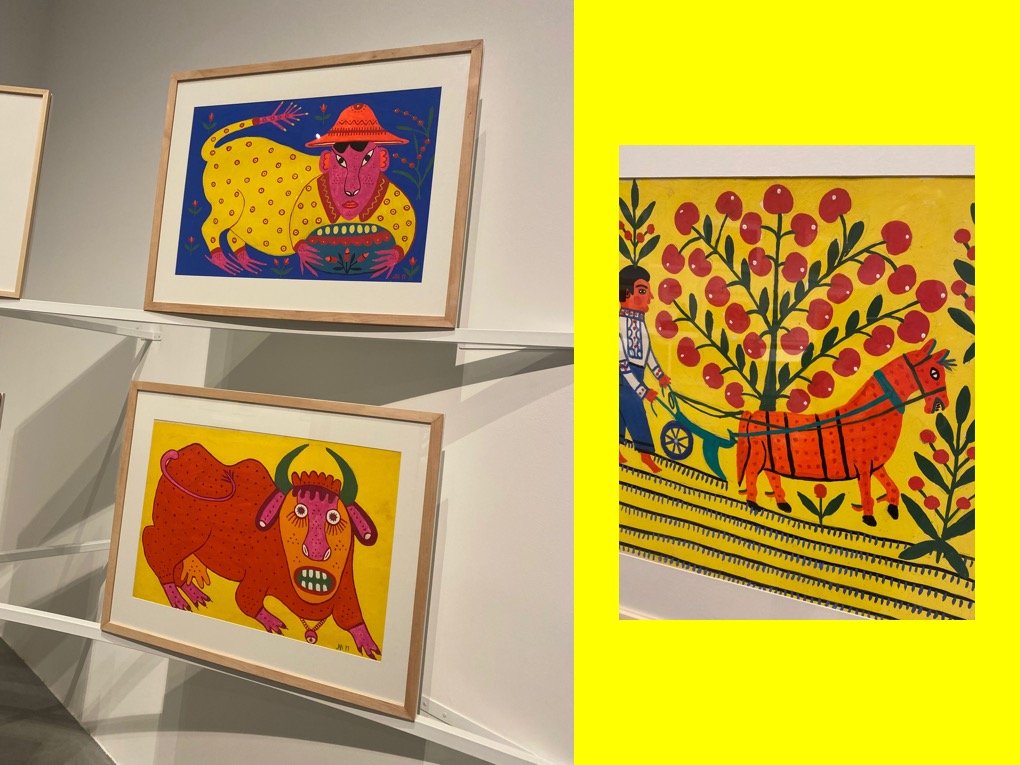
Maria Prymachenko (1909–1997) is an icon of Ukrainian art. Her oeuvre has helped shape Ukraine’s cultural heritage. The exhibition “A Tiger came into the Garden” at Museum of Modern Art in Warsaw is the first presentation of the artist’s work in Poland of such breadth. The gouaches shown here, from 1982-1994 period, derive from the private collection of Eduard Dymshyts, and are a selection from among hundreds of works by Prymachenko.

For over six decades, Maria Prymachenko created art in the village of Bolotnya in the Polesia region, midway between Kyiv and Chernobyl, an area she never left. She survived the Holomodor, the Second World War, and the nuclear disaster at Chernobyl, and lived to see an independent Ukraine. She was “discovered” as a folk artist in 1935 and hired as an embroiderer at the Central Experimental Studio at the Museum of Ukrainian Art on the grounds of the Pechersk Lavra in Kyiv. Her works were shown at the First Republican Exhibition of Folk Art in Kyiv in 1936, and then at the World Expo in Paris in 1937 and in numerous European cities, including Warsaw, Prague and Sofia. She was a painter, embroiderer and ceramicist, and an illustrator of children’s books. She became a professional folk artist. Starting in the 1960s, she led an art school in Bolotnya. She continued creating art until the end of her life.

Following Russia’s invasion of Ukraine, Prymachenko’s works have taken on particular relevance, in part due to their anti-war message. In 2022 the Local History Museum in Ivankiv, not far from Bolotnya, was burned down, although some of her paintings there were rescued. The Maria Prymachenko exhibition at MSN Warsaw is a continuation of efforts to promote broader knowledge of Ukrainian culture.

In her work, Prymachenko depicted the connections between humanity and nature, drawing on folk traditions of Polesia, rich in symbols and metaphor. She painted people, animals and plants in her everyday surroundings. Her images of the world built on observations of the everyday life of Bolotnya undergo a magical transformation—they do not so much portray reality as undergird it and exert a positive influence on its fate, casting a spell. One of the motifs in her painting is fantastic creatures and birds, both mythological and inspired by pagan beliefs.

Her characteristic bestiary, containing numerous depictions of “humanized creatures” in an archaic composition with heads forward and bodies in profile, comprises numerous elaborate allegories, often expressing moral judgments, mocking human vices, or celebrating the delights of everyday life.

Prymachenko’s recognizable style involves a decorative line, and flat, intense patches of colour. Initially she used watercolours, but in time only gouache (watercolours mixed with chalk). In her work, language is another transformational force. Prymachenko often gave her works poetic, descriptive titles, which sometimes help decipher the paintings, or serve as dedications or wishes, as well as modified quotations from folksongs (“I give sunflowers to those Who love to work on the land And love all people on earth; I give red poppies to people, So they won’t be no-good slobs, But love the holy land And work on it“).

The garden mentioned in the title of the exhibition represents nature, which coexists harmoniously with humans, and in exchange for their work gifts them with all its bounty, while the tiger symbolizes the mysterious, fantastic and wild (“The tiger came into the orchard And rejoiced That the apple trees have borne fruit, Apples aplenty“). It may also point to efforts to represent the element of danger. After the Chernobyl disaster, Prymachenko also created a series of works connected with nuclear threat and war (“Nuclear war – May it be cursed! May people not know it, And shed no tears!“). Through the power of her surrealistic imagination, sense of humour, and also a certain dose of optimism, her works are dominated by a humanistic message and a vision of harmonious coexistence of the human and non-human worlds. Prymachenko’s dream was that “people would live like flowers bloom.

Curator: Szymon Maliborski; co-curator: Eduard Dymshyts. The exhibition is open until 30.06.

Collage by Edward Kanarecki.
Don’t forget to follow Design & Culture by Ed on Instagram!

Hey, did you know about my newsletter – Ed’s Dispatch? Click here to subscribe!
NET-A-PORTER Limited

Her Gardens. Magda Butrym AW24

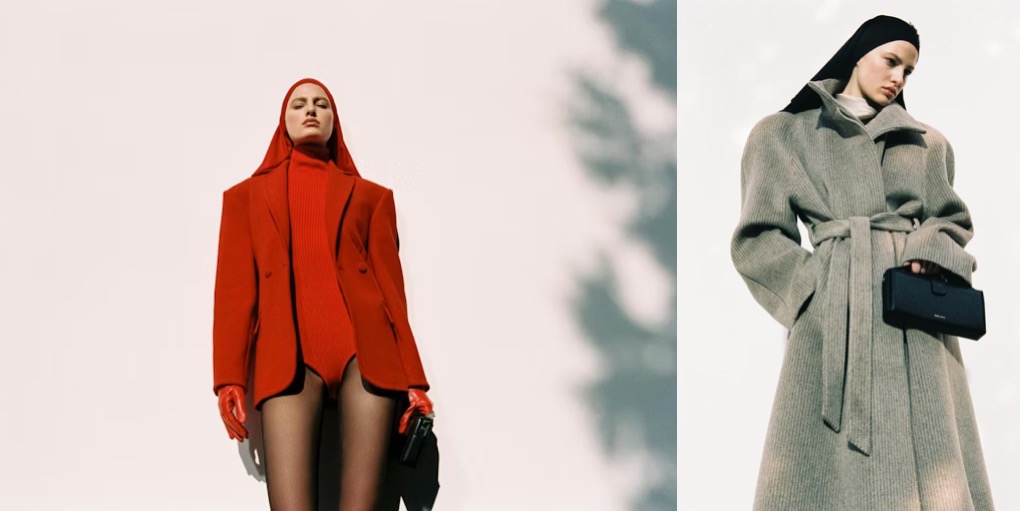
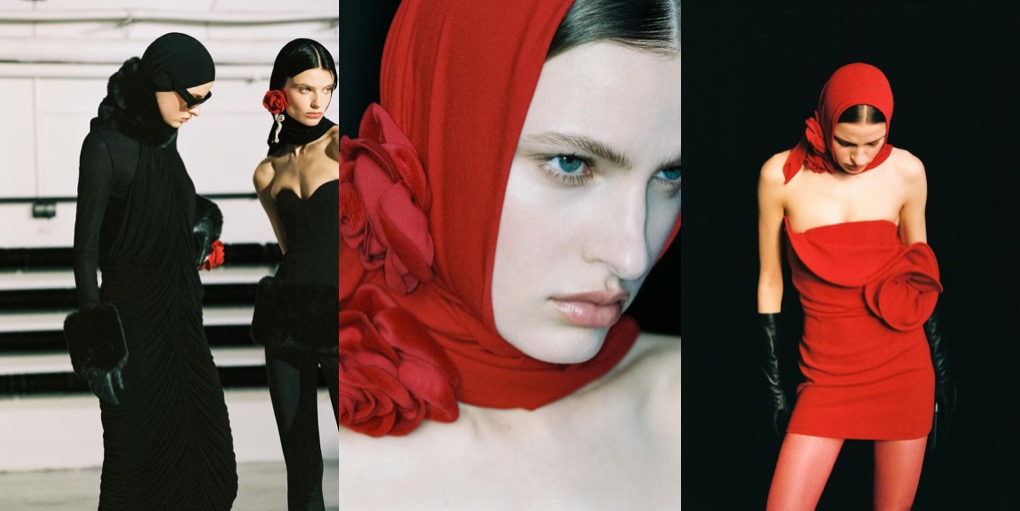
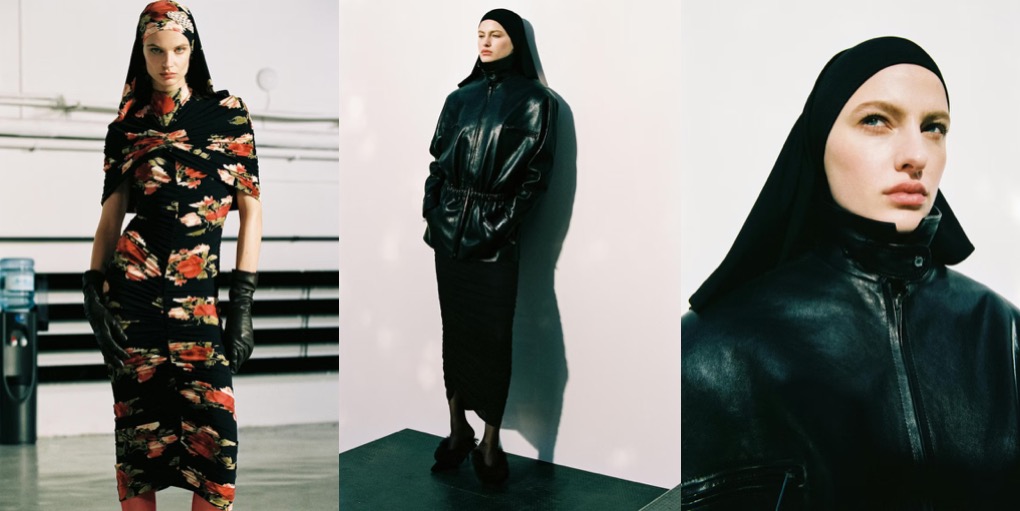
Magda Butrym finds pleasure in experimenting and developing her language through exploration of themes close to her heart. She’s also a female designer with a unique design sensibility that joins this season’s growing discourse around the way women are designing for women. The autumn-winter 2024 collection is an unexpected journey: from the cult 1975 documentary “Grey Gardens” to a fascinating revisiting of Polish heritage. Let’s start in the East Hamptons property of the eccentric Bouvier family, where Little Edie’s singular style, characterized by shawls and veils, evolved and became fashion’s ever-self-updating inspiration. The latest collection revisits her iconic looks, like the maxi cardigan cocooning or the shearling coat reminiscent of the oversized fur she used to wear while running errands in her garden. A red, broad-shouldered blazer or double-breasted coat, highlighted with strips of shearling, contrasts with ribbed knits and matching pantyhose, creating a charismatic, off-kilter look. Residing in industrial surroundings, the two models starring in Butrym’s lookbook (shot by Vitali Gewich and styled by Jacob Kjeldgaard) are undeniably elegant, with a hint of madness, yet there is grace and lightness in their unparalleled styles.

With Magda Butrym’s universe, there’s always the return to her Polish roots. The appreciation of Polish cultural heritage is synonymous with the brand’s rose-budding ethos. The collection’s hero accessory – the headscarf – is a symbol of femininity rooted in Slavic tradition. Whether monochrome or adorned with blooming florals, the shawls embrace and safeguard the sacred essence of womanhood. Women are the custodians of ancient wisdom, myths, and legends, passing on entire mindsets to the next generations, nurturing and preserving their heritage and integrity. The headscarf as well evokes the image of Madonna, a maternal figure that stands as a timeless emblem of female empowerment. An enduring example of Polish cultural iconography depicting Saint Mary is the album cover of Maanam’s “Love is Wonderful”. Kora, the band’s iconic frontwoman, performs Miron Białoszewski’s 1956 poem “Carousel with Madonnas”, a vivid portrayal of girls and women having fun in an amusement park, resembling Madonnas painted by Renaissance masters. The urban setting of the autumn-winter 2024 lookbook – two women, two strong characters – can be read as a contemporary interpretation of female self-confidence and self-satisfaction conveyed in the track. The finale look of the collection further explores Slavic traditions and is somewhat an elusive mystery. A fringed, silk bolero jacket paired with a draped column dress and a bejeweled headscarf, all in pure white, a color representing absolute freedom and the possibility of new beginnings. What’s coming next for Magda Butrym? Watch this space.

Collage by Edward Kanarecki.
Don’t forget to follow Design & Culture by Ed on Instagram!

Hey, did you know about my newsletter – Ed’s Dispatch? Click here to subscribe!

NET-A-PORTER Limited

In The Mood For… Magda Butrym Pre-Fall 2024

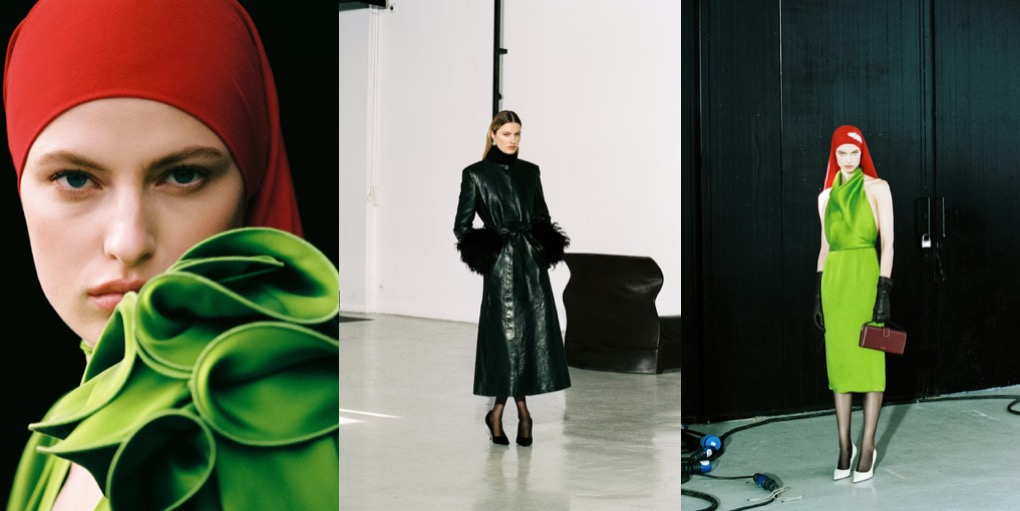
The latest Magda Butrym collection, photographed by Vitali Gelwich in the cinematic, soc-realist halls of Warsaw’s Palace of Science and Culture, is a sexy take on the designer’s sensual eveningwear and razor-sharp tailoring. Kept in the color palette of signature rose-red, white and black, the line-up, mood-wise, is somewhere between Wong Kar-Wai’s elusive “In The Mood For Love” (just take a look at the scarlet gown covered in bouquets of flowers) and David Leitch’s explosive “Atomic Blonde” (the black leather coat is giving badass secret agent). Butrym feels more and more confident in playing around with the feminine and masculine codes, and that shows. Her pre-fall 2024 heroine is both chic and “don’t cross me” in her all-black, all-leather looks. In case of accessories, the ultimate highlights are the maxi-length, ribbed scarves, nonchalantly worn like feather boas, and the hand-crocheted shopper bag: a nod to the brand’s Polish heritage and love for artisanship.

Here are couple of my favorite Magda Butrym pieces you can get now…

ED’s SELECTION:


Spiral Appliquéd Satin Sandals


Gathered Cutout Floral-print Silk And Wool-blend Top


Embellished Satin Mules


Silk Satin-trimmed Wool Blazer


Strapless Ruched Floral-print Stretch-silk Dress

Collage by Edward Kanarecki.
Don’t forget to follow Design & Culture by Ed on Instagram!

Hey, did you know about my newsletter – Ed’s Dispatch? Click here to subscribe!

NET-A-PORTER Limited