Bologna – Not Just Bolognese

IMG_E4211

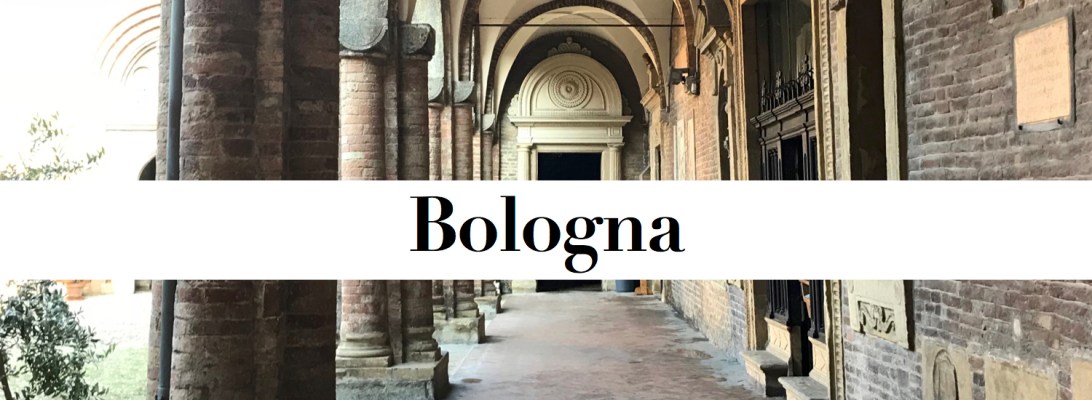
Before, when I heard about Bologna, I instantly thought about food. Maybe because Bologna’s cuisine is said to be the best in the entire Europe – and not just because of the Bolognese sauce (by the way, the locals don’t use that name – they call it simply ‘pasta with ragu’). But visiting Bologna made me realise how beautiful this city is, not just from the taste buds’ aspect. The old city centre is filled with remains of its medieval history: countless towers, palaces, churches and brick facades. The San Petronio Church is especially stunning, with its marble floors and neck-breaking ceiling heights. Make sure to visit Palazzo dell’Archiginnasio, contructed back in 1563. There, you will find the all-wooden Teatro Anatomico, so the place where the human corpses were dissected in front of the medical students for educational matters the first time in history (note that Bologna is the city of some of the oldest universities in the world). In the same building, there’s the mind-blowing library, mostly closed for the tourists. But still, the view of it from behind the see-through doors is quite something. Also, we went to Pinacoteca Nazionale, the ‘richest’ museum in Bologna – but it was quite a disappointment. It served as a good starting point for the long walk back to the centre. When you’re in Bologna, take your time to ‘get lost’ in the streets of this magnificent, red city – or else you won’t really feel it

I will post my favourite addresses in Bologna soon!

All photos by Edward Kanarecki.
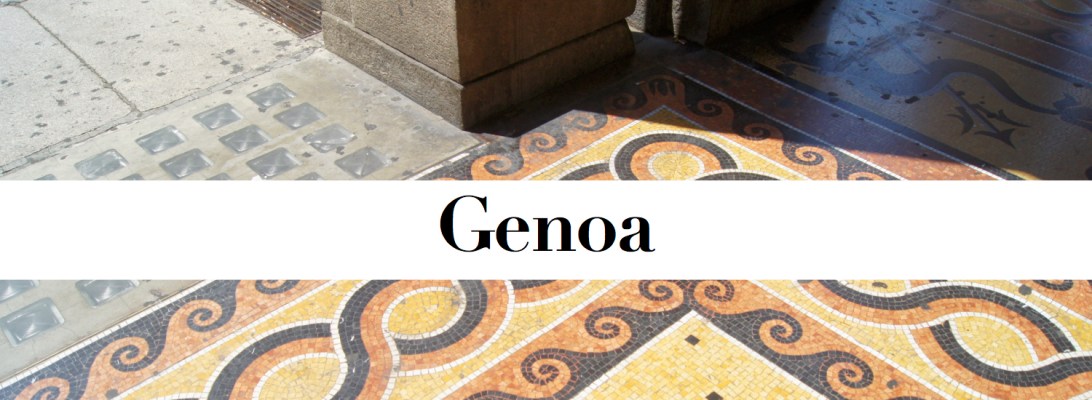
When in Genoa

SONY DSC

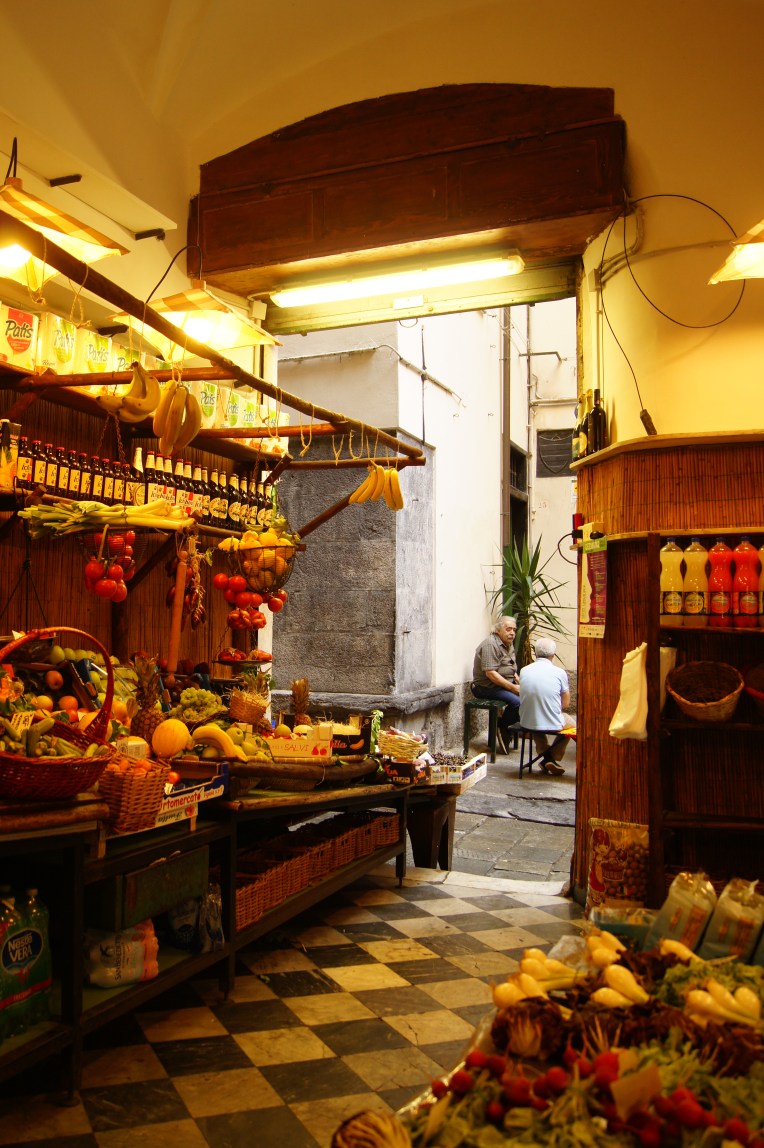
Once called the ‘mistress of the sea’ due to its port, today Genoa (also read as Genova) isn’t that much in favour, especially if speaking of tourists. There’s no sense in planning your walk around the historic centre of the city. The streets and narrow caruggi twine and tangle without much logic, so it’s better to go with the flow (but remember not to get too lost – it’s better to stay in the main part of the city, since Genoa in general is infamous for being one of the least safe places in Italy). The local roughness and state of dilapidated, close-to-ruin buildings might repel at the beginning, but you will surely feel the charm on the second day of your stay. Genoa reminds you that Italy isn’t that polished after all, and the laundry getting dried on the streets isn’t a postcard cliché, but reality. What’s definitely worth visiting is Cattedrale di San Lorenzo (which is somewhere between Gothic and Baroque style) that stores an underground treasury. Still, Genoa’s streets intrigued me the most. At some moments they get totally dark, even in the day-time. Not only because they are narrow; the townhouses are surprisingly tall as well. The effect is highly cinematic. Also note all the small food markets. For coffee, go to the chic Caffè Degli Specchi that has the best ice coffee, while for small shopping try Aspesi (best ‘Made in Italy’ shirts in very affordable prices) and the vintage market situated at Galleria Mazzini (next post is coming up on that magical place!). But in the end, even though every guide seems to hate Genoa, we had great time here. We weren’t robbed or anything like that!

A hint: if you’re travelling in a big car, Genoa might be a hard nut to crack. Parking here is a nightmare, and no guide will tell you this…

More of my addresses from Genoa are right here.

All photos by Edward Kanarecki.
 

Sé do Porto

IMG_1940

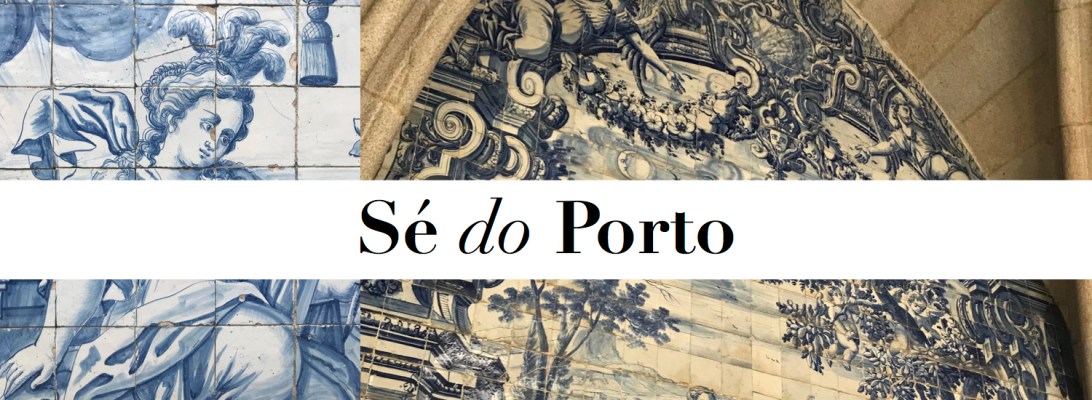
I have such a beautiful memory from this major destination in Porto. Originally built in the 12th century, Porto Cathedral (or Sé do Porto) still has the original merlons and twin towers, although the towers are now topped by 18th century additions. It has undergone various alterations over the centuries, the most important additions being the Gothic rose window, the cloisters, the 18th century altar and the rococo doorway. But you don’t notice details like this when in a crowd of tourist. Really, by co-incidence, we had a chance to visit the Cathedral all by ourselves: we came a few minutes before the closing, but the lovely cashier let us go in. Walking around the cloisters as if it was your summer mansion, ahh, what a feeling! You can look at the tiled walls with no haste and see every single tiny fragment (and believe me, the Portuguese loved tile story-telling). And all that in total silence.

Photos by Edward Kanarecki.

Alhambra

IMG_0043

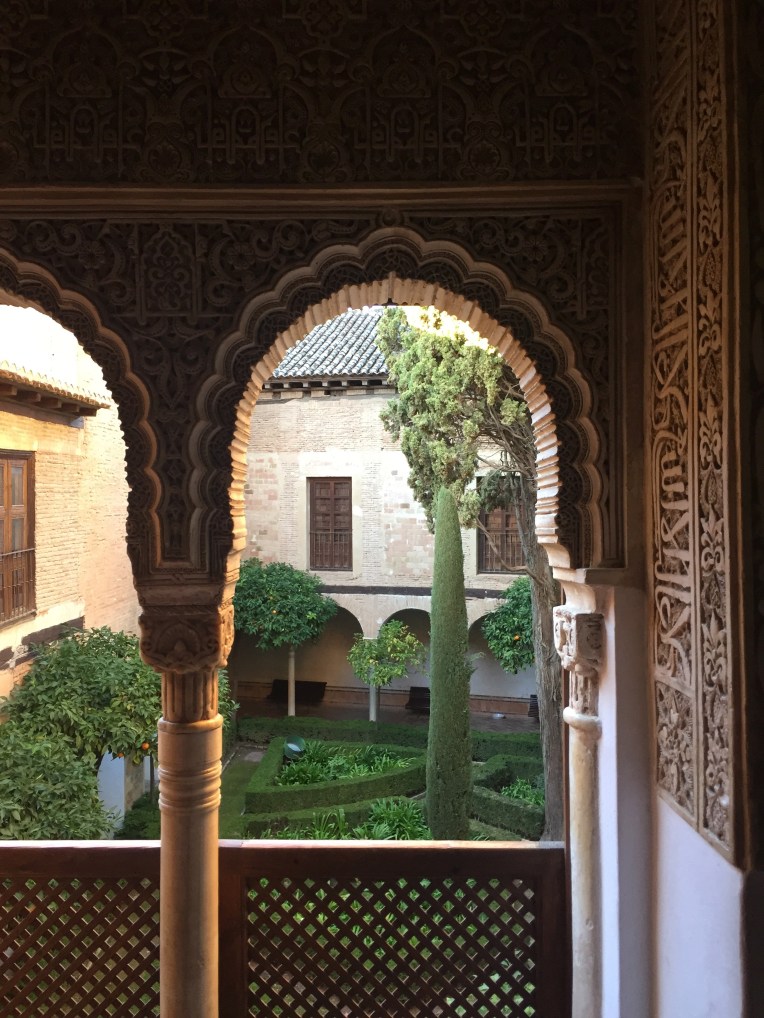
If you’re staying in Seville for a few days, you can’t miss the opportunity to visit the Alhambra (by car, if possible). The Alhambra is a palace and fortress complex located in Granada, one of the biggest cities of the Andalusia region in Spain. It was originally constructed as a small fortress in AD 889 and many years later converted into a royal palace by the Sultan of Granada. Until today, the heritage place delights its visitors with the arabesque-style architecture, filled with meticulously carved ornaments and thousands of tiles. One can’t get enough of the orange tree scent present all over the local gardens and indoor patios. And if you pretend for a moment that you don’t see those crowds of tourists, you might suddenly feel like a majesty yourself…

All photos by Edward Kanarecki.

Natalia Siebuła

8031f9_9777536381db4d9aaa74633ee3d6fa41mv2_d_3840_5760_s_4_2

Polish fashion used to be something of an underrated, rather oblivious niche. Today, however, we’ve got such incredible labels like Natalia Siebuła that steal the hearts of local customers. The visuals from her spring-summer 2018 look-book (by Piotr Czyż) make you drool over everything: from the pleated polka-dots skirt with pastel-pink inserts to the cotton shirts printed with Małgorzata Jagielska’s illustrations. The collection was photographed in an UFO-resembling train station in Kielce. Opened in 1984, it was seen as one of the most modern bus stations of its kind in Poland. Although today it’s no longer as appreciated as it used to be, the place works as a delightfully contrasting background for Siebuła’s feminine, yet not overly saccharine clothing.