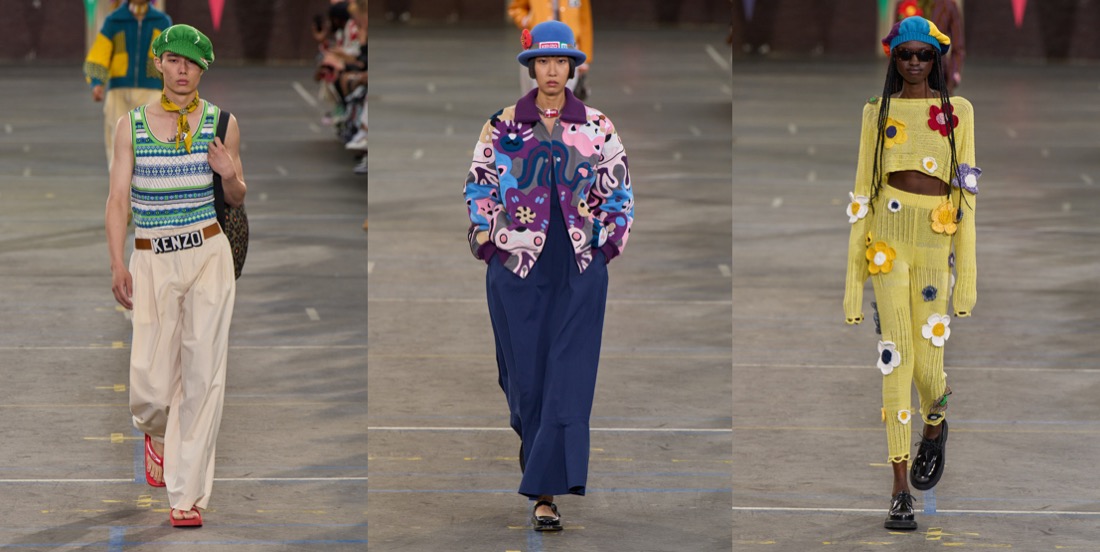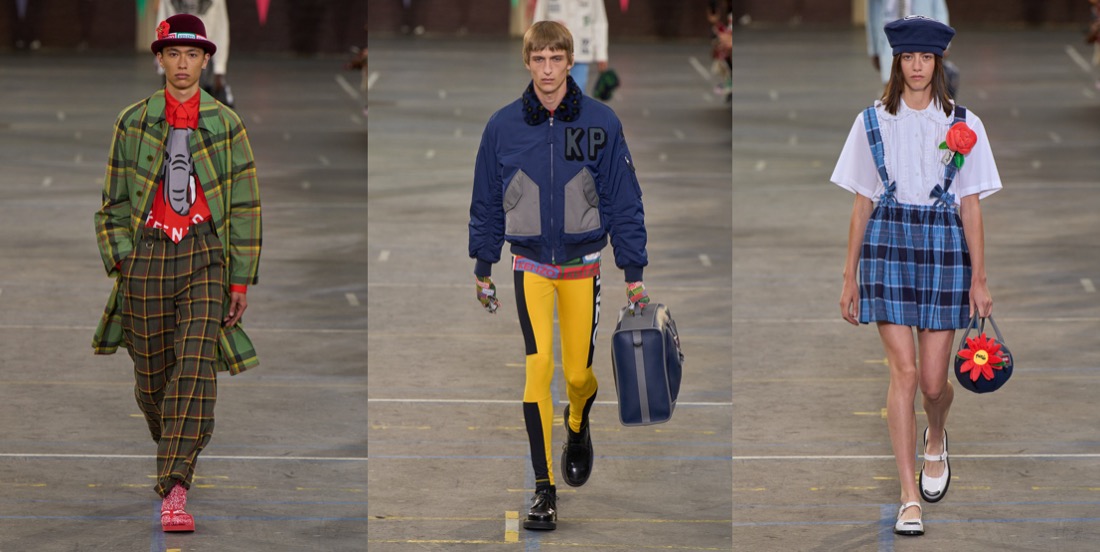
Graduation. Kenzo SS23

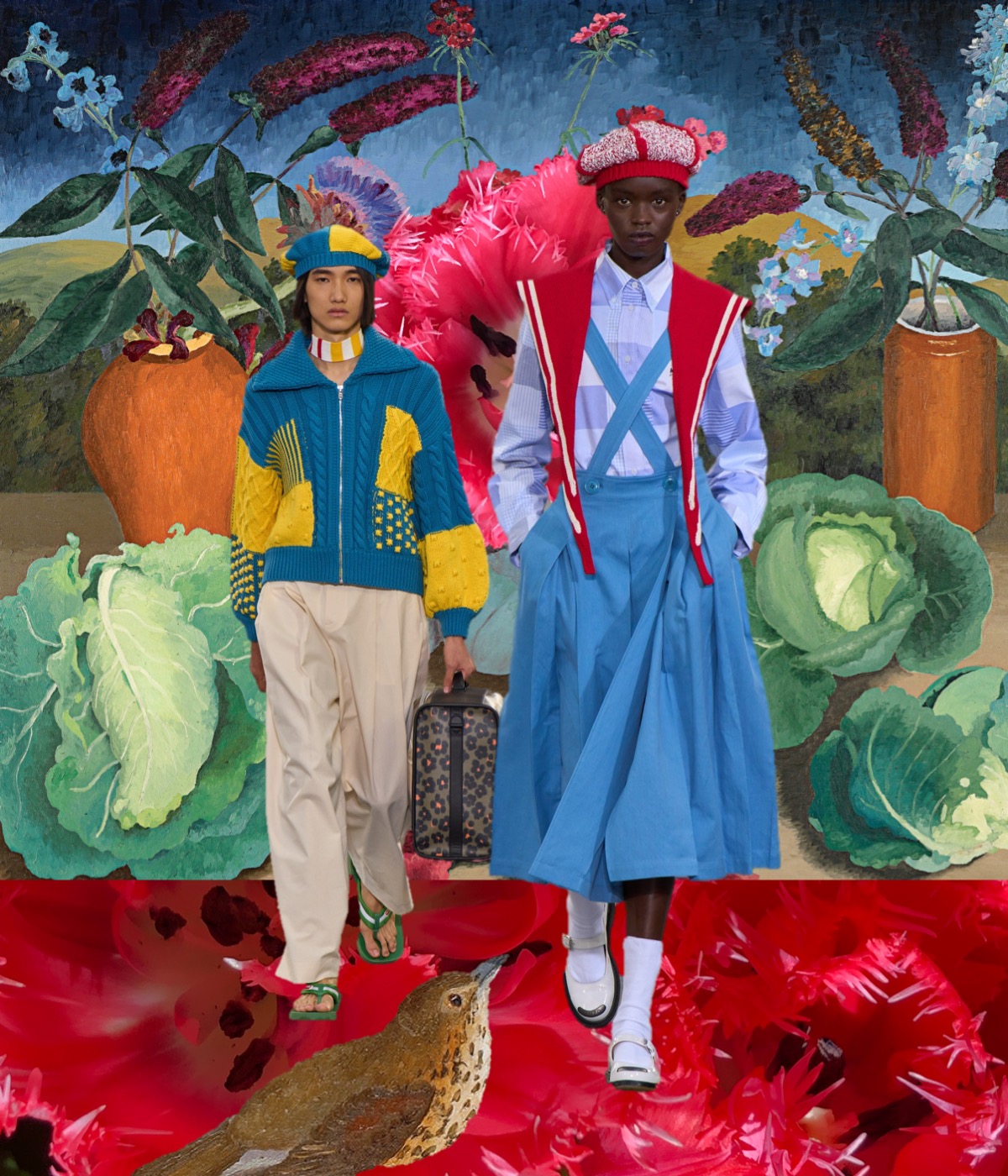
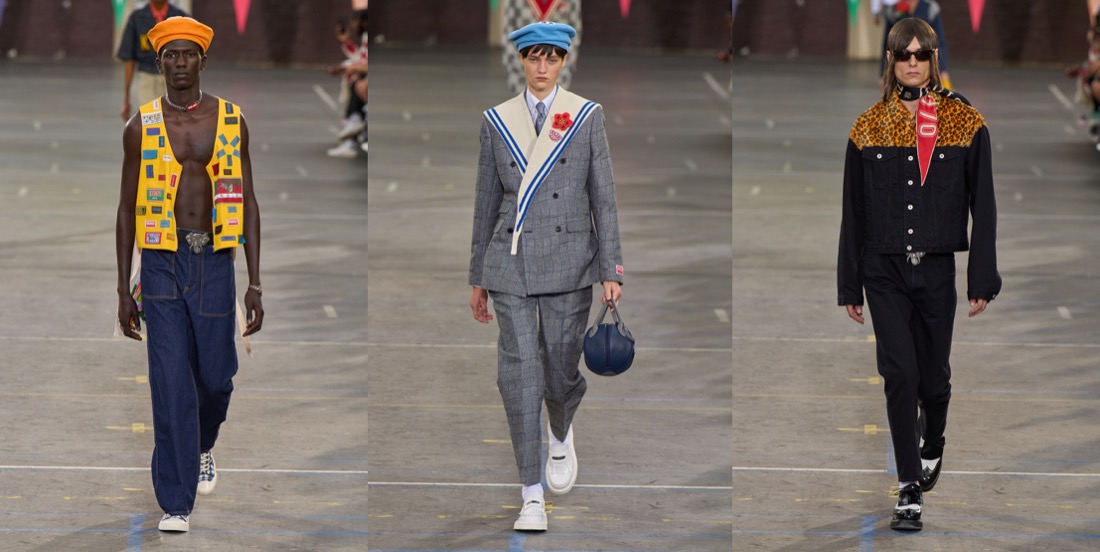
This sophomore collection by Nigo for Kenzo marked a double graduation. The first was that Nigo is increasingly finding the levels and detail of denim (now all sourced from Japan) and workwear production here much more aligned with his expectations as a connoisseur, thanks to evolution within Kenzo. Secondly, a graduation is what this show was staged to remind us of. Nigo said he’d used the concept of a passing out ceremony – inspired by a 1980s show by Kenzo Takada based on a sports day – in order to present an otherwise diverse group of dressed characters under the same banner: this was Kenzo’s class of ’23. Nigo is still understandably steeping himself in the archive of the house’s founder. Waistcoats came patched with an array of long-defunct labels that were reproductions of original Takada-era graphic designs. Similarly the patched naif animalia pieces were based on an archive design. And the womenswear especially – with the notable exception of a wabash and hickory striped denim liner dress in look 19, and look 16’s fabulous unwashed swing skirt – seemed deeply rooted in Takada’s oeuvre. Although this was a continuation of last season’s collection, a new interjection was the armada of naval inspired pieces. As well as literal-ish sailor wear, the maritime scarf was ingeniously integrated into the house’s revived tailoring as jacket lapels. The maritime aesthetic is deeply embedded in contemporary Japanese dress – just look at the school uniforms – but it also served as an interesting point of connection in a collection that was produced by a French house, conceived by a Japanese designer, and which took fundamental points of inspiration from Americana: conceptually, these were much-traveled clothes. This was a collection with pan-generational appeal that spanned continents and cultures: word is that the sales are already reflecting the new wind Nigo has brought to Kenzo.

Collage by Edward Kanarecki.

NET-A-PORTER Limited

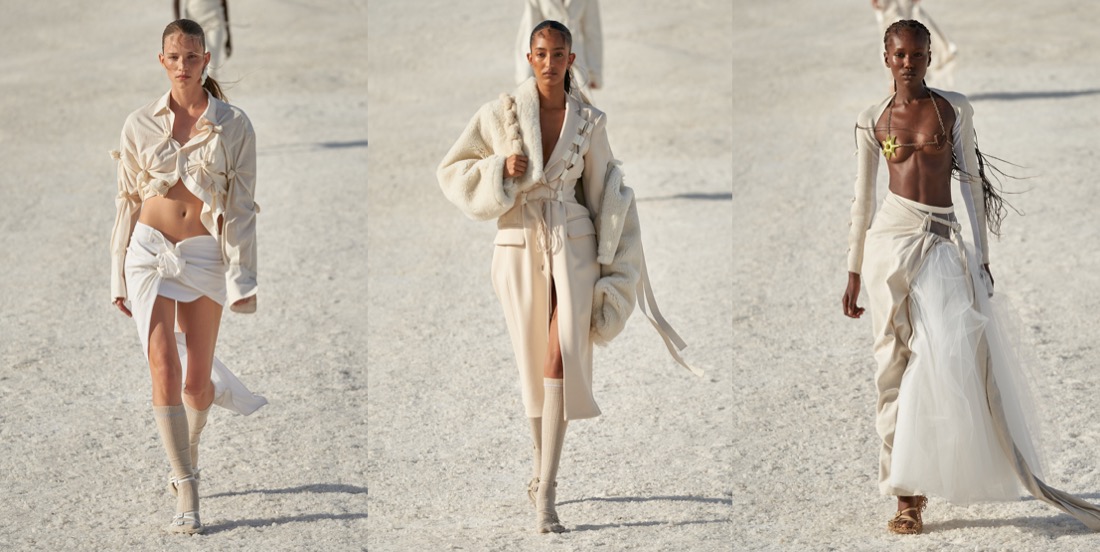
Le Papier. Jacquemus AW22

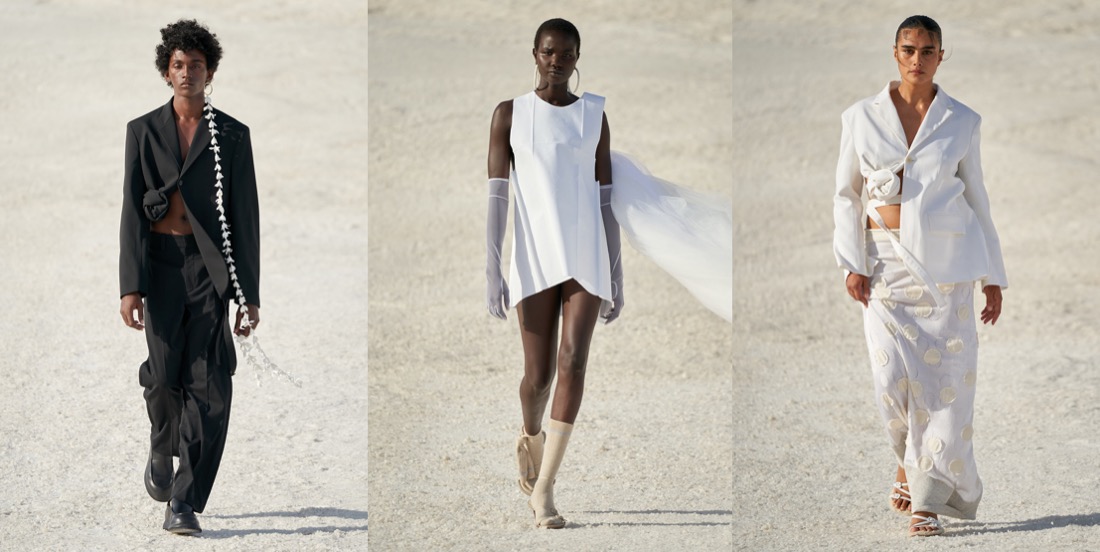
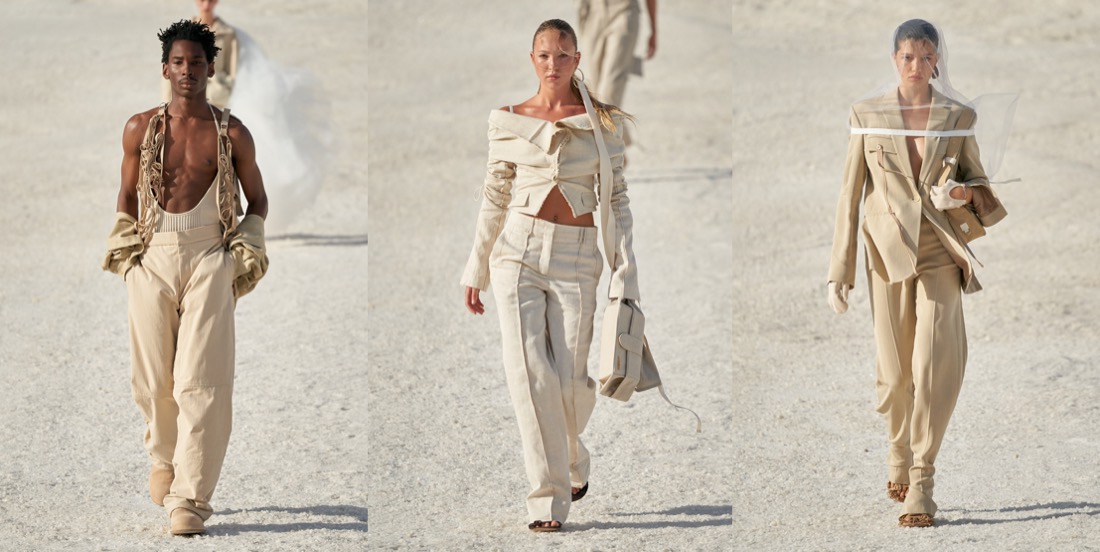
After a show in Hawai’i with mostly local guests, Simon Porte Jacquemus landed in the salt mountains of the Camargue park in the South of France for his beautiful autumn-winter 2022 collection. The guestlist in France was far longer than the one for his Pacific trip, with trainfuls of international buyers, press, stylists, and models arriving through the Avignon station hours before the show. After car rides and bus rides they arrived at the otherworldly location at dusk, the Rhone and the sea crashing into the harsh terrain. Several remarked that it looked like being on the moon: clear water, icy salt, lilac sky. Between the mountains of salt, Jacquemus had carved out a runway that wound down a hillside. His models descended from the top of the mount, their trains whipping in the wind, their tulle veils blowing up into clouds, looking like chic extras in Dune. Once the looks were on eye-level the reality became clearer. Working with a brute hand and humble-yet-lovely materials, Jacquemus was repositioning his brand and his look away from the Pop vibes of recent years and towards something more finessed. “I started working on the collection with the obsession to restart from nothing, like a white page,” he said. The first two things he filled his page with were ideas of comfort and couture; “every couture,” he elaborated, talking about fusing the security of a blanket or pillow with the easy drama of a pleated ball skirt or cocoon jacket. His impending nuptials, set to take place in the South in two months, also influenced the scene: the show began with two models hugging and dancing. At 61 looks, that white page of ideas filled up quickly. Shearling coats, puffer vests, and cargo pants are what Jacquemus does best for men, and here he had loosened up the shapes for a more serene spirit, adding his new Humara sneaker in collaboration with Nike. For women, his simplest ideas are best, like a white tulle midi dress with a piece of burlap-colored canvas tied around its front for a pure, maidenly look. Jacquemus’s body-baring pieces are a good counter to the Lycra cling-couture of other Parisian houses: the diaphanous white dress Mica Arganaraz wore is unimpeachably pretty. Luxe ball skirts over trousers and a little white tulle explosion coming out the side of a black tuxedo dress added a little swoosh to the Jacquemus strut. In many ways, the collection was a harkening back to where Jacquemus started. His crafty couture of the mid-2010s defined that moment’s irreverent, bourgeois arty look – think of his polka dots of autumn 2017 or his prairie girls of the previous spring, clothes that were cute, cheeky, and surprisingly elegant. Jacquemus’s new take relies a lot on drama, but of volumes and precarious straps and cinching that may not translate as easily into a real life away from the Space Age salt mountains. It won’t deter him. “I want to be the name of my generation,” he said post-show, implying that whatever big fashion jobs might be available, he is not in the running. “I want to work for Jacquemus – and Jacquemus is a big house.” He stopped playing by the fashion system’s rules, but the fashion industry still wants him.

Collage by Edward Kanarecki.

NET-A-PORTER Limited

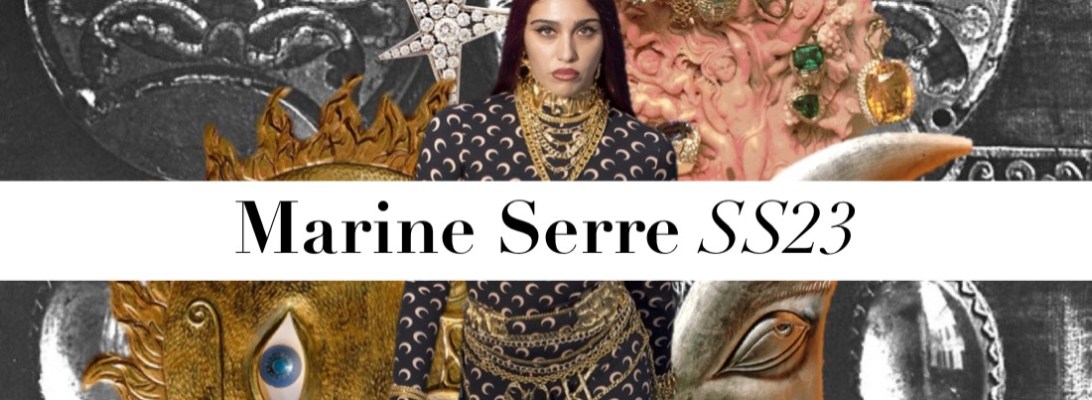
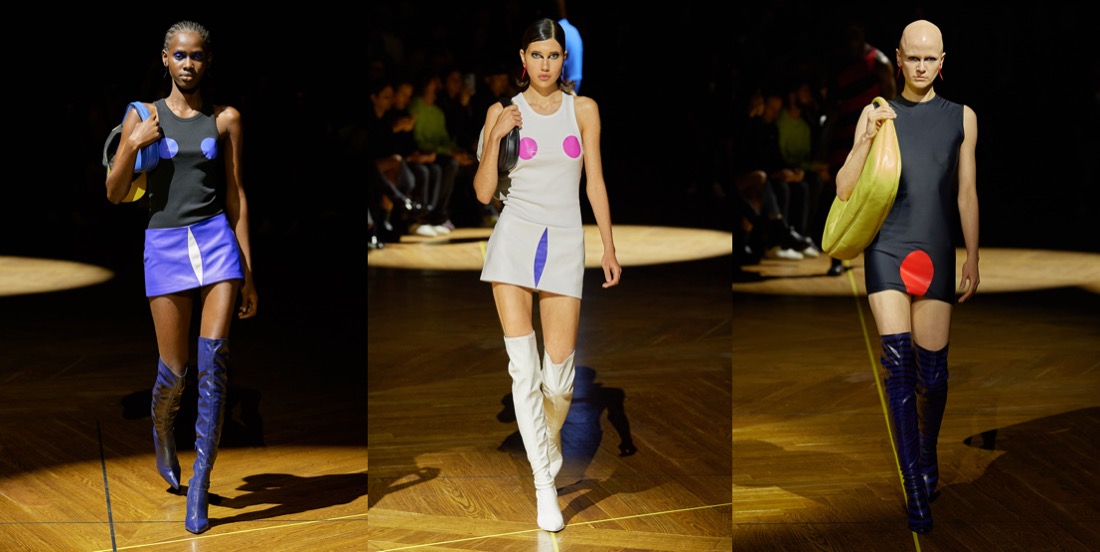
State Of Soul. Marine Serre SS23

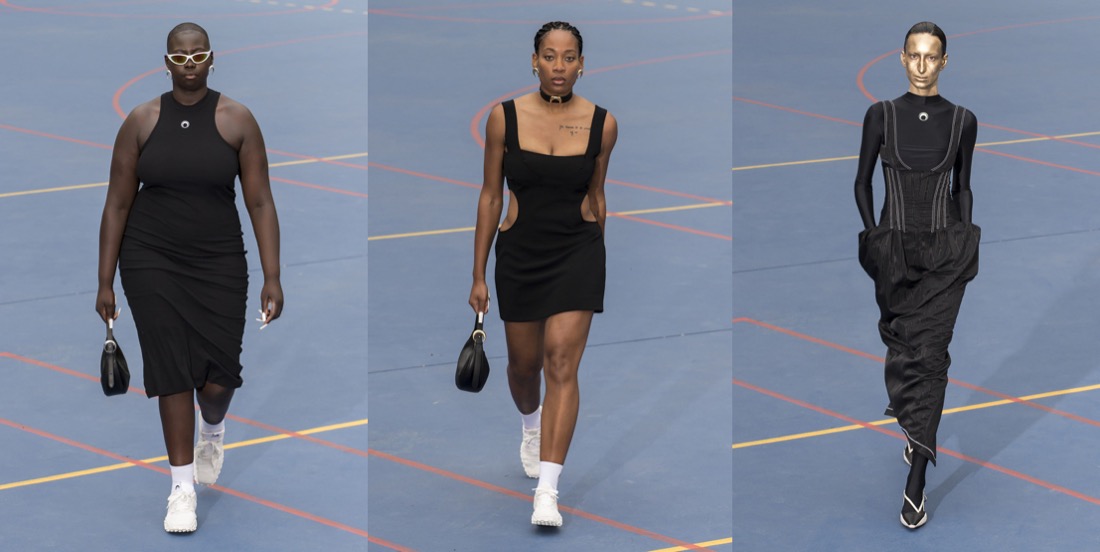
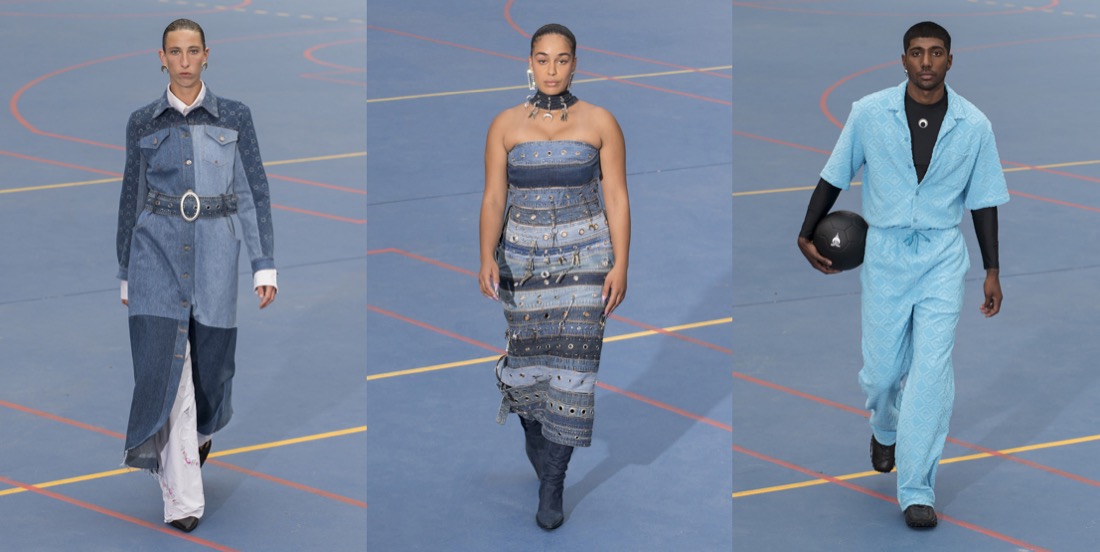
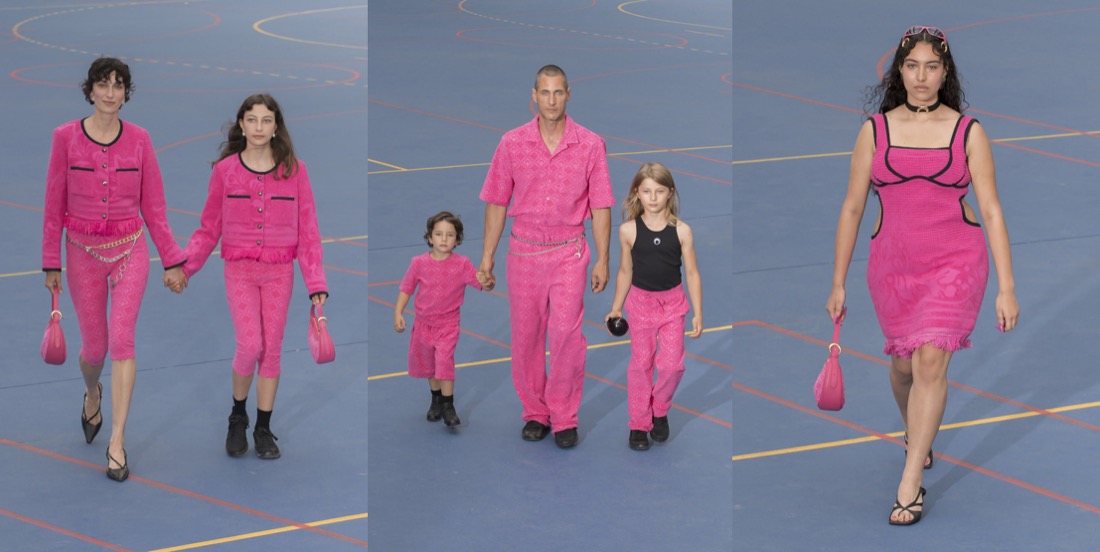
It’s about being present. Putting down your phone. Being with your friends and people you love. Seeing the sun go down and feeling the wind and having a party. Not just a 10-minute show. With all these people coming, I just wanted to give them a good time and to feel like a community – and honestly I think that was really here. So this is what State of Soul means.” This is how Marine Serre explained her show title and concept shortly after that show had ended. The sun was indeed setting, and hundreds of guests, almost a thousand in fact, who had scored public tickets for the show were streaming into a party area where dancing would continue long into the night. When fashion designers elect to hold late night shows on the edge of Paris it is often borne of a wearisome creative insecurity – they wish to make the audience suffer for their art in order to feel reassured they have clout. This was entirely different. Serre was trying to reshape the fashion show in sync with the values transmitted by her brand; inclusive, ethical, positive, human. The show acted as opening ceremony for this gathering of the Serre community, upcycling the concept from sporting jamborees like the Olympics. The models, both professional and amateur, included athletes, families, friends, and a smattering of celebrities including Jorja Smith and Lourdes Leon. The idea of this being in theory a menswear event seemed laughably irrelevant, merely the result of Serre’s canny decision to choose the balmiest fashion week of Paris’s calendar to try this experiment in. The models walked the 400 meter circuit around us in groups that reflected the phases of the collection. The swimwear, made from recycled fibers, had been on offer for a while, the designer said, but never before in a show. Patched denim looks featuring Serre’s crescent moon mark segued into a section of bodycon pieces crafted from shaved pink terry, which on a mother and daughter were worn against two Chanel-esque jackets. This made you wonder whether Serre had even knocked on the door of Paris’s couture fashion week, given the huge amount of handicraft here. That was perhaps most exemplified by the piped dresses made of upcycled towels in green and pink. The fit was so excellent that I wondered if the fabrics had been treated in some way to add stiffness. These were followed by patched dresses made from upcycled T-shirts and a series of witchily alluring silk looks, some featuring prints of the upcycled jewelry pieces that were also part of the collection. Shoes included Serre’s own sneakers and molded sole pumps. “I always try to break the boundary of what the system is wanting you to do. It was the same with the upcycling. Everyone was telling me it was not going to work. I said ‘OK, but let’s try.’ The thing is, if no-one is trying to change the rules then they will never change… In the industry we tend to forget that.

Collage by Edward Kanarecki.
NET-A-PORTER Limited

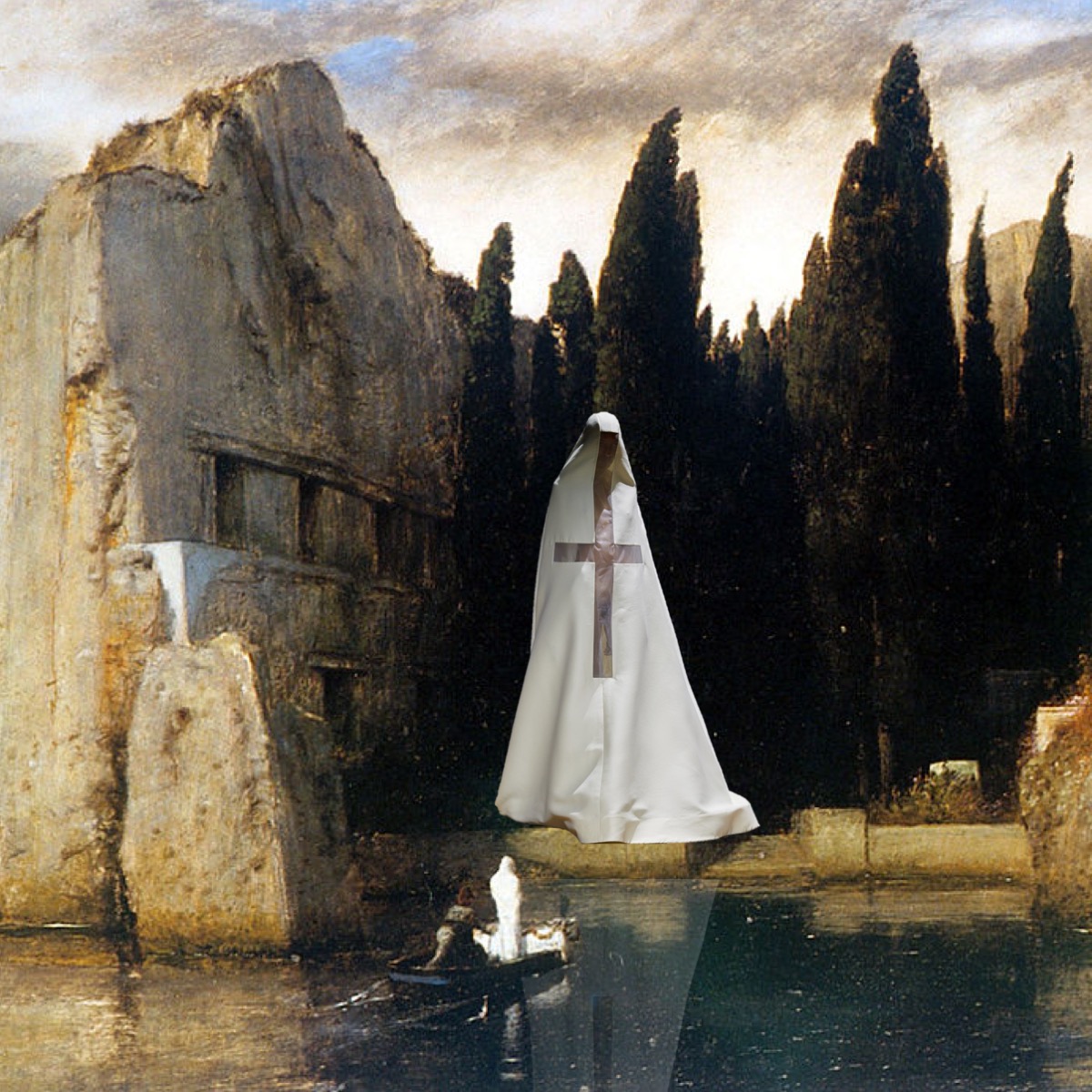
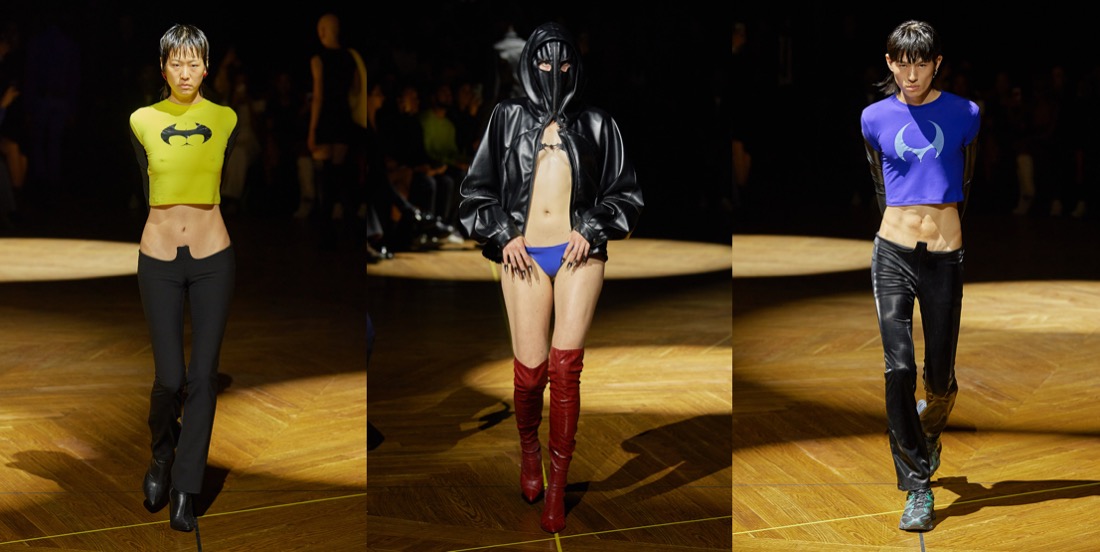
Weapon-Wear. Mowalola SS23

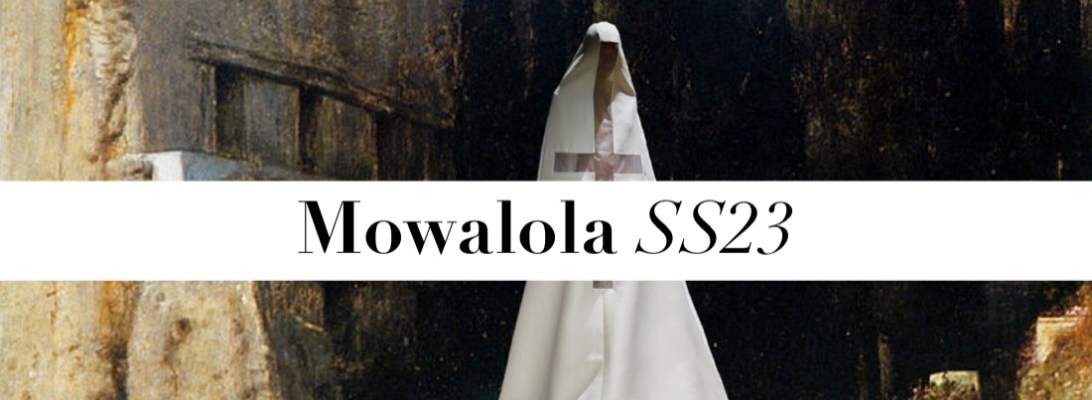
When Mowalola Ogunlesi appeared for her bow after a three-year runway hiatus, the room roared. Ogunlesi has a strong community of fashion lovers who love her – even outside her physical show space, her legions of online fans offered an outpouring of support. That passion bleeds into Ogunlesi’s clothing and her first solo show after participating in Fashion East for several seasons. “Before, I would cut myself off from expressing in certain ways because I thought I shouldn’t do that,” she said before her Paris debut. But the designer learned that “whatever feeds me, I should just do it.” What was feeding Ogunlesi this season was thievery and evolving her aesthetic beyond the trenches, tees, and accessories she is known for. She titled her collection “Burglarwear,” inspired by all types of criminals, from kidnappers to stockbrokers to the priesthood. There were literal renderings of these themes – the show opened with a yellow leather cross harness, closed with a beautiful sheer cross-embellished veil worn over a nude body, and Wall Street suits were cropped to Mowalola proportions in between – but her most interesting propositions were her distortions to the human body. Sexiness has been a staple of the Mowalola look since the inception of her brand – backstage before the show she expressed frustration about gendered views of sex appeal, “that’s why I have women showing nipples and men showing nipples,” a pregnant model in a beaded dress and a male model in some of the lowest rise pants seen this season. But rather than just show off the body, she reshaped it. Inspired by the way kidnappers would zip tie wrists – “the same position if you are wearing handcuffs,” she said – she created garments that held arms clasped out in front. The best was a white dress that pointed the model’s elbows up to the heavens. “I like the idea of weaponizing clothes, weaponizing shoes, weaponizing shoulders, weaponizing elbows,” she said with a smile, “Even my bag… sometimes I have to use my bag as a weapon.” Living as freely and expressing as purely as Ogunlesi does, sometimes require fighting for a space in fashion. She’s definitely up to the task.

Collage by Edward Kanarecki.
NET-A-PORTER Limited

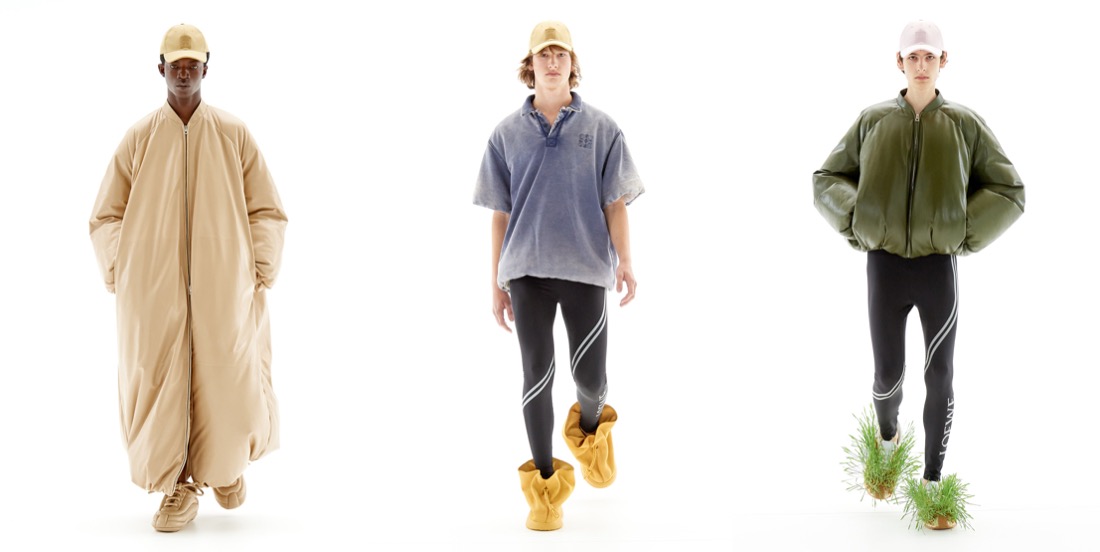
Men’s – Grow. Loewe SS23

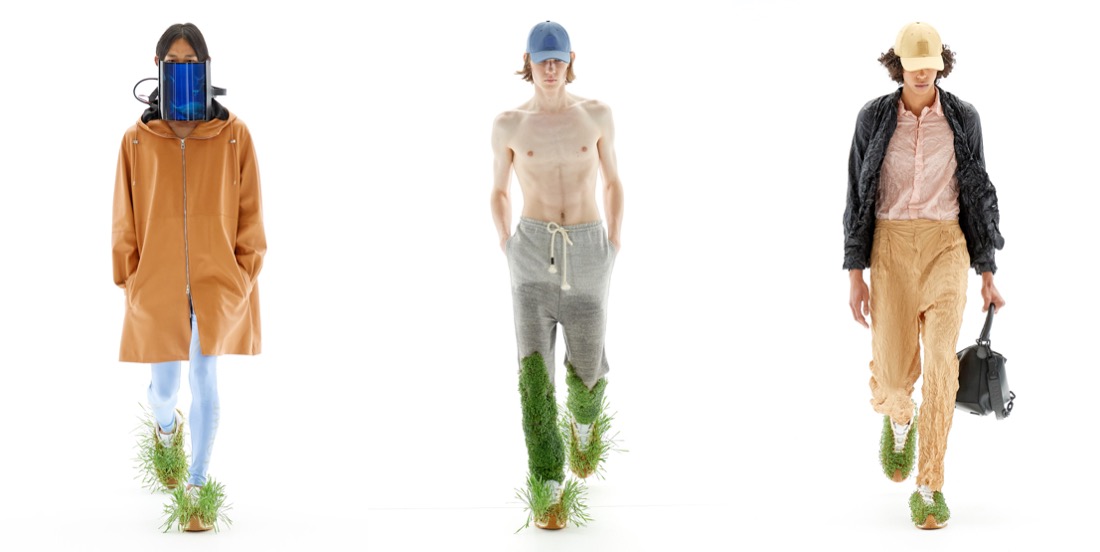
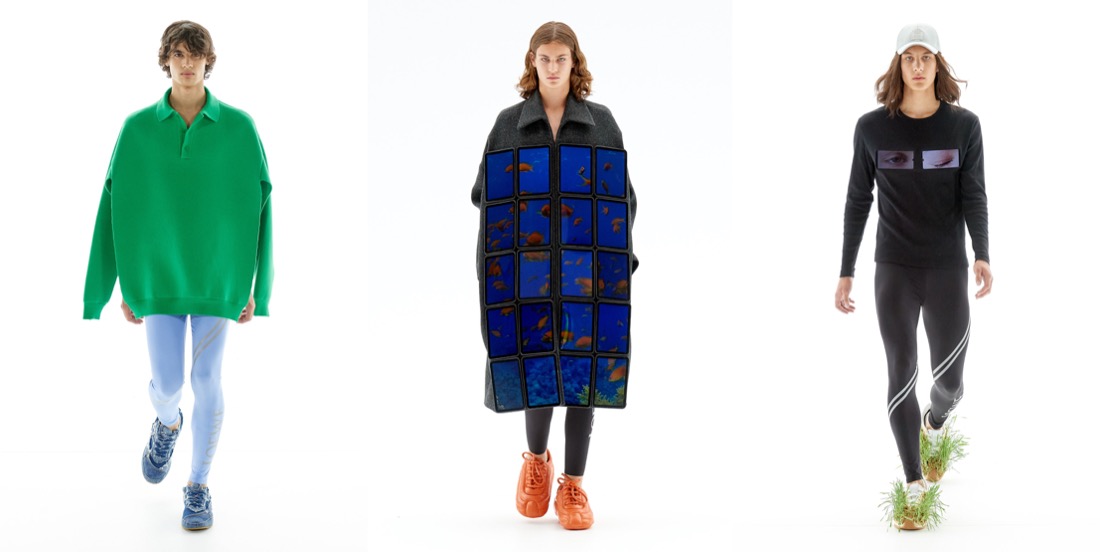
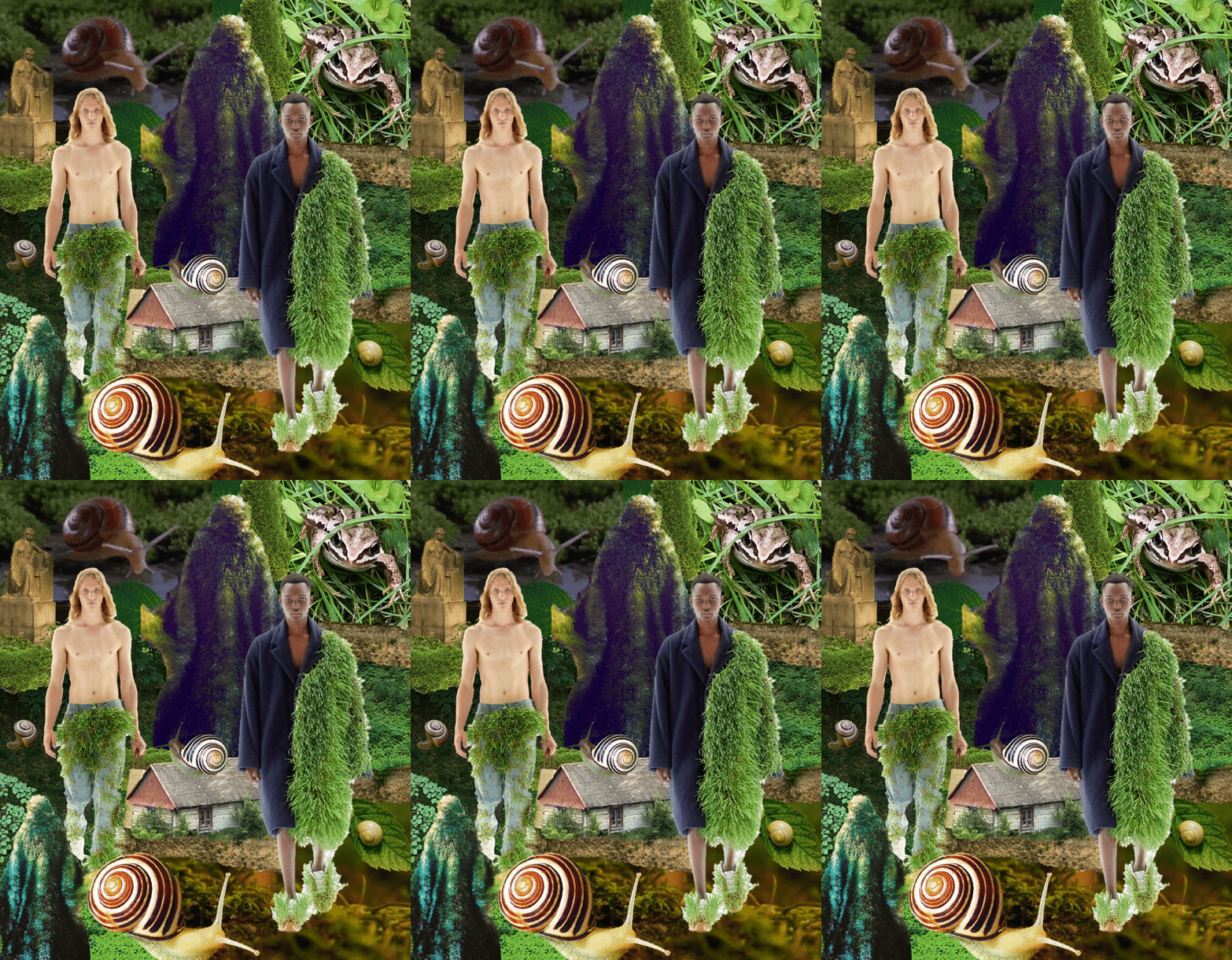
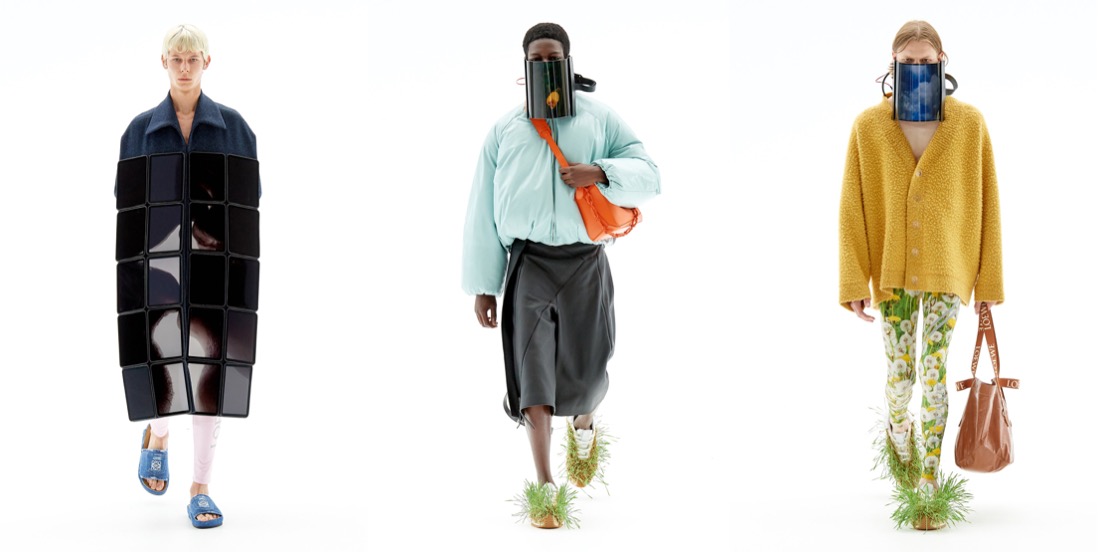
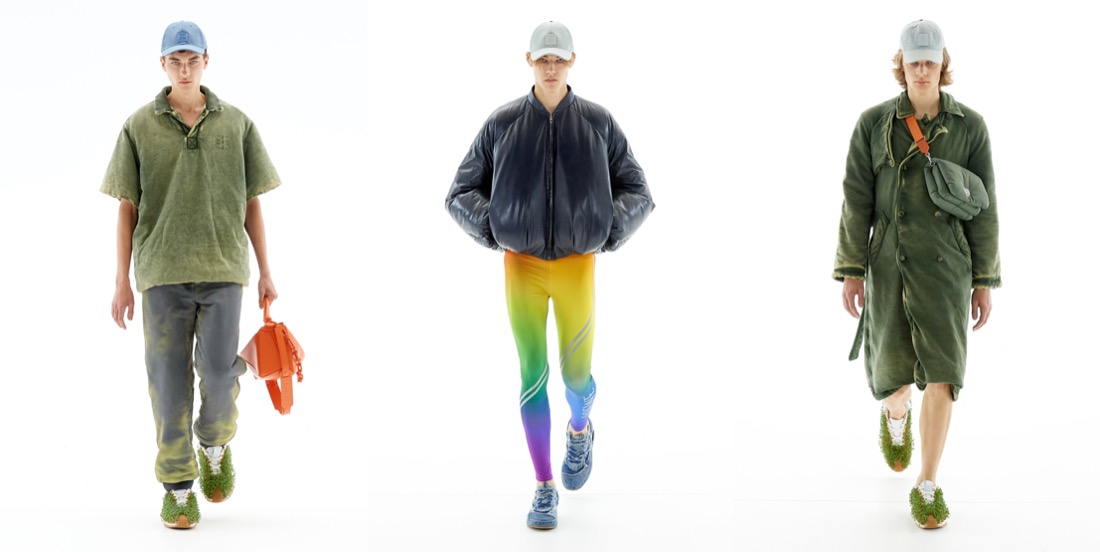
It’s safe to say that Jonathan Anderson’s spring-summer 2023 menswear collection for Loewe was the most mind-blowing moment of the season. Fashion is on the brink of entering the Metaverse, and arguably our human consciousness is already fused with our digital devices: Jonathan Anderson marked the moment with an intriguing exploration around the subjects of perception, nature and progress. “A fusion of the organic and the fabricated,” he called it. On the one hand, part of his collection was seeded, watered and grown over 20 days in a polytunnel outside Paris. Chia plants and cat’s wort, living greenery, were made to sprout from trainers, tracksuit bottoms, jeans, coats. A collaboration which Anderson forged with the Spanish bio-designer Paula Ulargui Escalona. And on the other: there was Anderson, toying with manipulating tech and his set to make this physical show appear to be a non-real, computer-generated entity when viewed via his livestreamed video and lookbook. “I like this idea of high definition, the idea of that you remove everything away from the clothing, and it becomes about silhouette,” he said in his backstage debrief. When you could drag your eyes away from the fascination of boggling at how Anderson had pulled off the verdant decoration, all was simplicity and clarity. Luxurious leather coats and hoodies, sometimes minimally tailored, and sometimes exaggeratedly puffed up. His ultra-desirable oversized sweaters, teamed with second-skin sport tights. Iterations of Loewe Puzzle bags, utilitarian cross-body and basket totes, dangling on logo ribbons: all of the above underscored his enormously successful talent at focussing on desirable items for the house of Loewe.

There was more to this picture than that, though: the ones who walked down the white, metaversial slope of the set with wraparound masks, or coats and T-shirts implanted with screens playing videos of people kissing, flocks of birds at sunset, tropical fish, flowers and winking eyes. “When you’re sitting on a train or in a cafe, everyone is looking at the screen,” said Anderson. “And in weird way, I was fascinated by this idea. What happens when a screen becomes the face?” At its best, stirring up cultural discussion is the job that fashion can take on. Anderson’s show and the waves it will make do just that. What he presented was less of a judgment than a question, though. “I think we should have a place to be able to talk about these things constructively,” he said. Pitting nature against tech isn’t a forward-thinking formula, as far as he sees it: “Maybe out of this through we can find progression somehow.”

Collage by Edward Kanarecki.
NET-A-PORTER Limited