Sprüth Magers has expanded from its roots in Cologne, Germany to become an international gallery dedicated to exhibiting the very best in groundbreaking modern and contemporary art. With galleries located in Berlin Mitte, London’s Mayfair and the Miracle Mile in Los Angeles – as well as an office in Cologne and an outpost in Hong Kong – Sprüth Magers retains close ties with the studios and communities of the German and American artists who form the core of its roster. The gallery emerged amid an extraordinary outburst in contemporary art that took place in Cologne in the early 1980s. Its first iteration as Monika Sprüth Gallery opened in 1983 with an exhibition of paintings by Andreas Schulze and was soon followed by exhibitions of Rosemarie Trockel and Peter Fischli David Weiss. Over the next few years George Condo, Jenny Holzer, Barbara Kruger, Louise Lawler and Cindy Sherman all showed at the gallery and have continued to do so for the last thirty years. In 2008 the gallery established its flagship space in a former dancehall in Berlin Mitte – not far from the city’s Museum Island. The gallery debuted with Thomas Scheibitz and George Condo. Known for its rigorously curatorial approach to its program and for a deep and enduring devotion to the artists it represents, the gallery has, over the past three decades, fostered close and cooperative relationships with museums and curators worldwide. Meanwhile it continues its tradition of commissioning new scholarship and creating innovative books and publications.
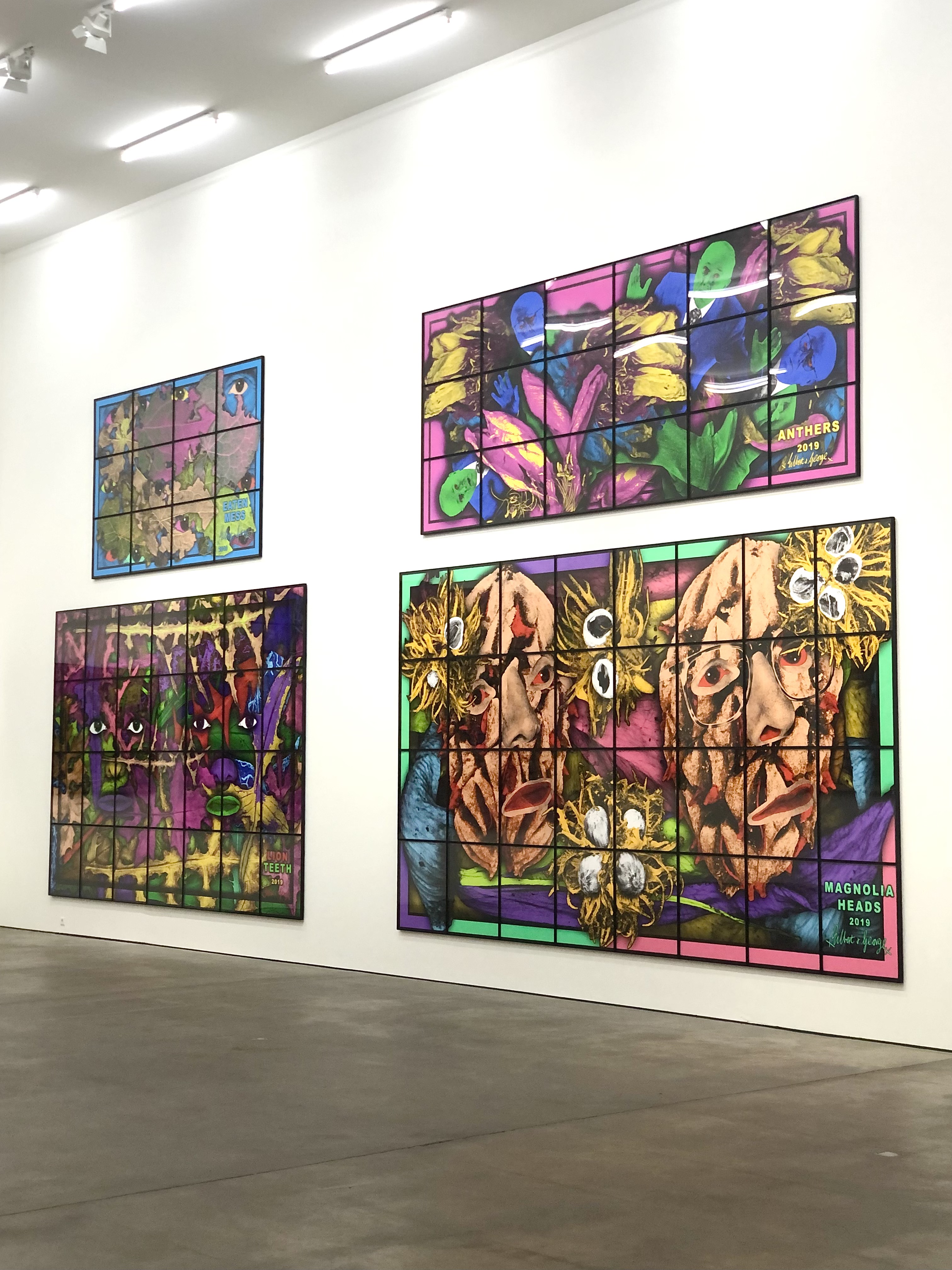
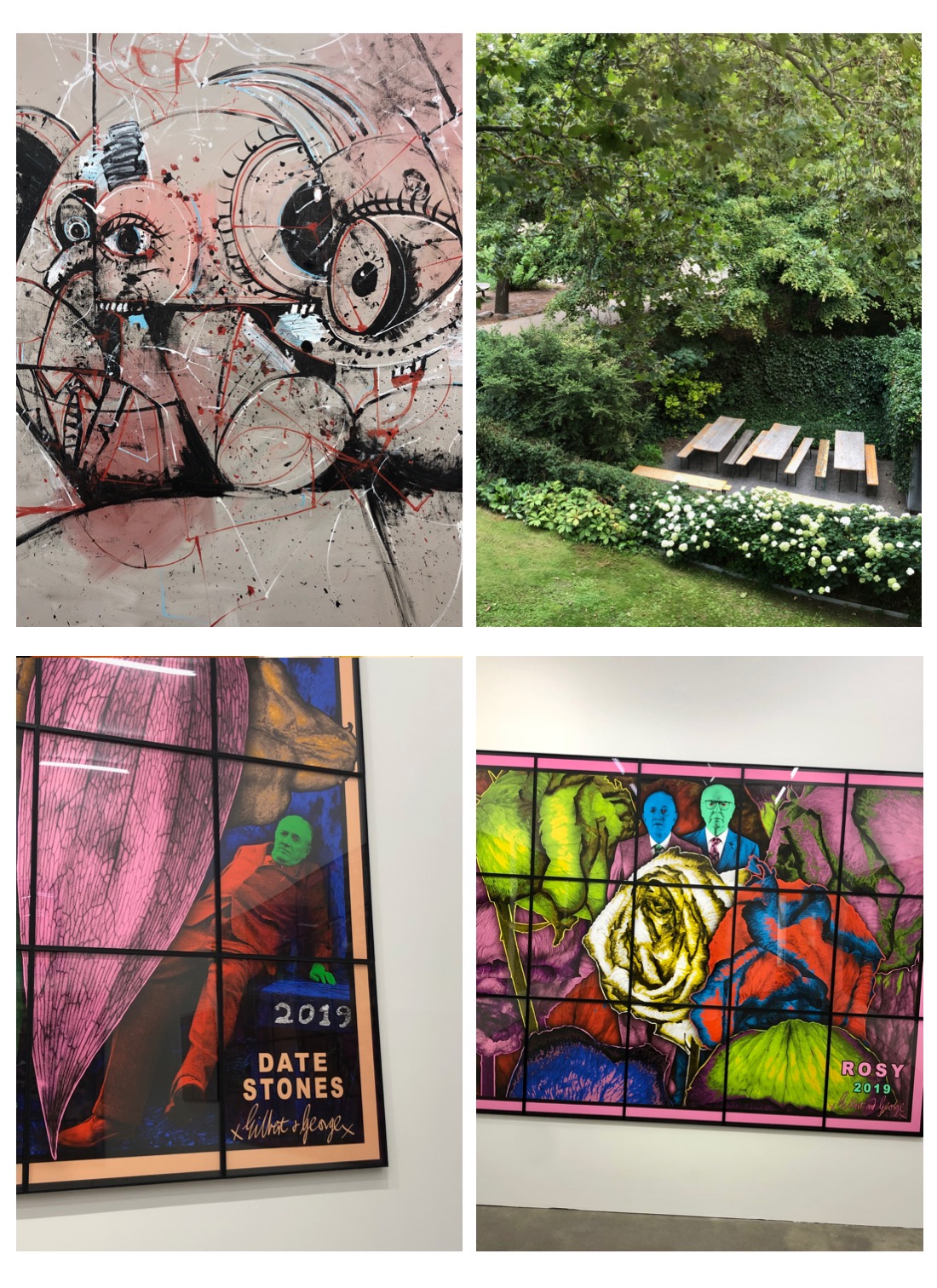
Right now showing in their Berlin gallery: Gilbert & George‘s “The Paradisical Pictures” and George Condo‘s “Linear Expression” – both open to visitors until the 25th of August.
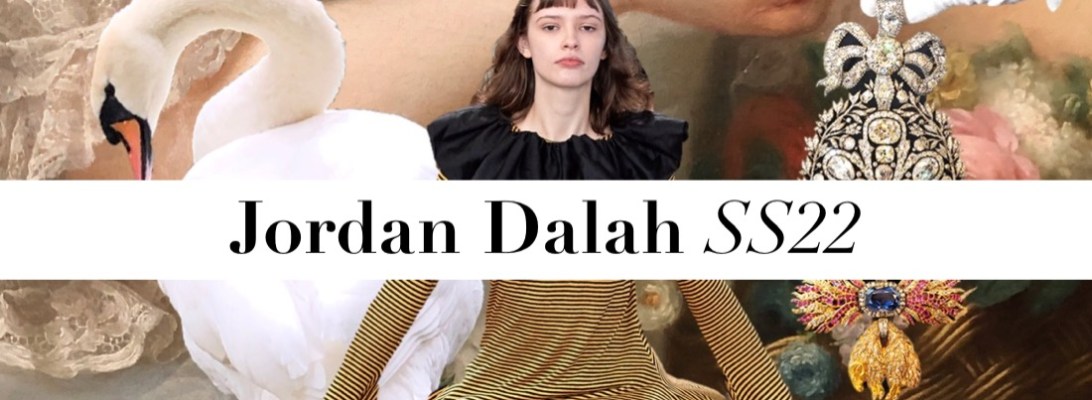
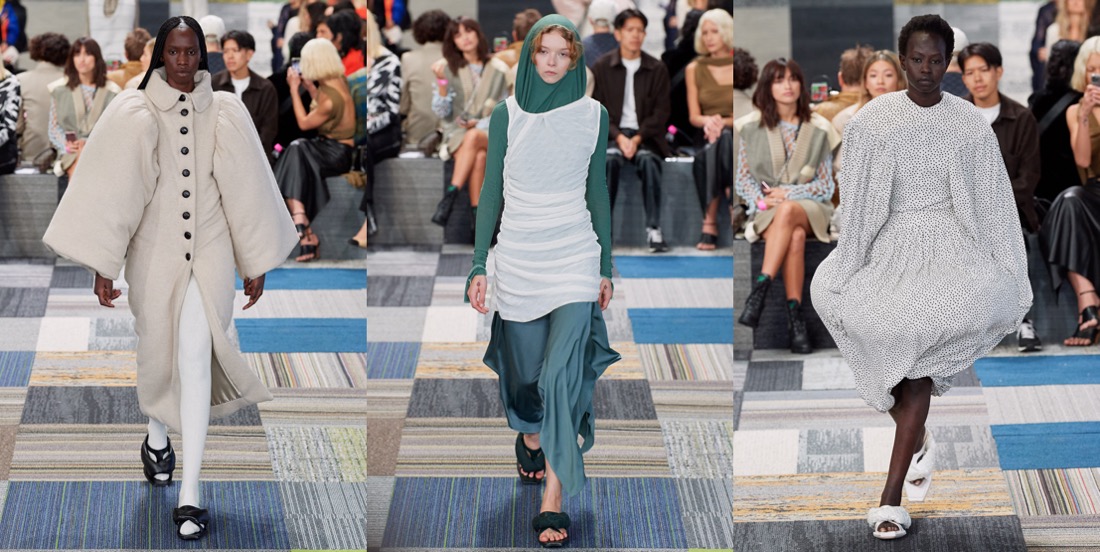
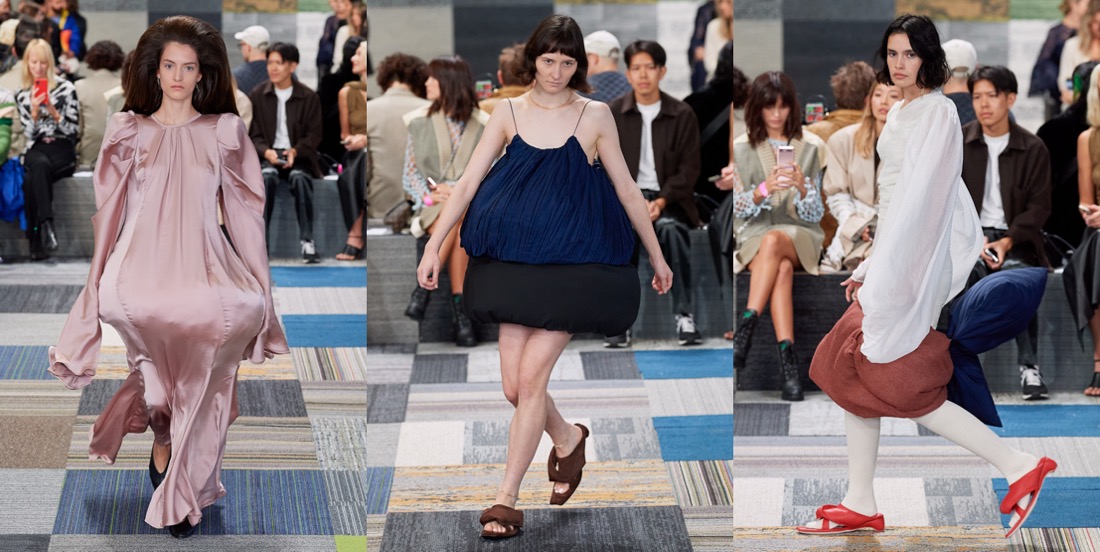
Jordan Dalah is one of Australia’s most intriguing, emerging fashion talents. When you see Dalah’s cocooning garments that extend and distort the potential of the human silhouette, there’s really no wonder why he opened this season’s Australia Fashion Week in Sydney – his works are stunning. The designer has been toying with gigantic, exaggerated shapes and cloudy silhouettes for quite some time now, and his padding and puffing couldn’t feel more right for now, least of all because his clothes are the kind that make you want to drift into a daytime nap just wearing them. But Jordan’s Elizabethan volumes as well carry a strong sense of theatre and performance. As Dalah explained to the press, for spring-summer 2022 season he spent the months leading up to his runway debut “finding the strongest silhouettes I could make – and then really knocking them out.” His fluted shapes and high, gathered shoulders are positively supersized, cloaking models in quirky stripes, graphic patterns, and soft rose-colored silks. That’s where the surprise element comes in: underneath some of Dalah’s more dramatic shapes are removable tubular bustles that look something like a pool floatie. When the dresses are deflated, so to speak, they lose their gargantuan proportions and reveal expertly done sensual bias draping. Other pieces are cut slim from the start, like a ’40s-ish black button-up midi-dress and an evocative light blue mini with a pierrot collar and bell cuffs. A leather jacket with signature exaggerated sleeves has more mass appeal – ditto the puffed sandals made in collaboration with Actually Existing and the puffed robes made with Common Hours. Dalah has proven he has the mettle to think big and practically.
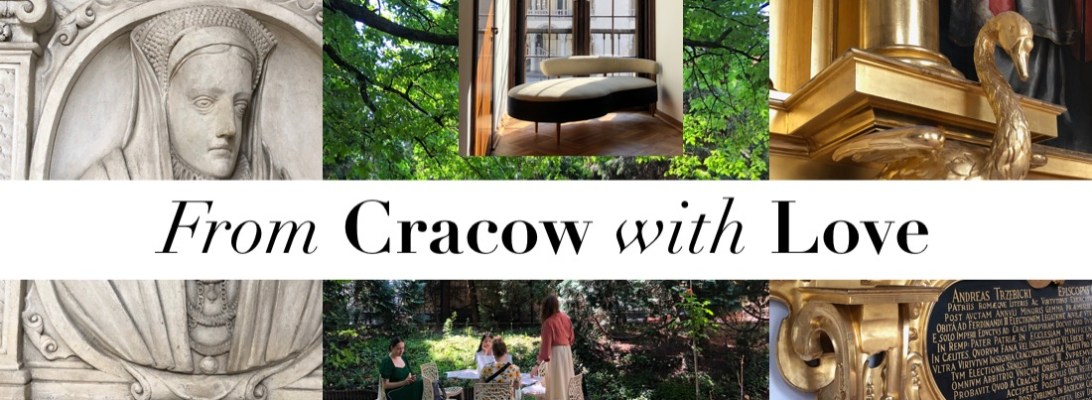
After the Tary mountains and Zakopane, there’s just no way not to visit Cracow. Historically Poland’s former capital and oldest university town lies in a broad valley on the banks of the Vistula river, and is a treasure house of national culture. Its ancient, elegant Old Town has been placed on the UNESCO list of World Historic Sites. It is ideal for a long weekend break, without the tourist hoards and high prices. Be dazzled by its art and architecture, from baroque to Art Nouveau, renaissance to Gothic, and by the sheer spectacle of the city. Here are some of the gorgeous places I’ve visited this time…
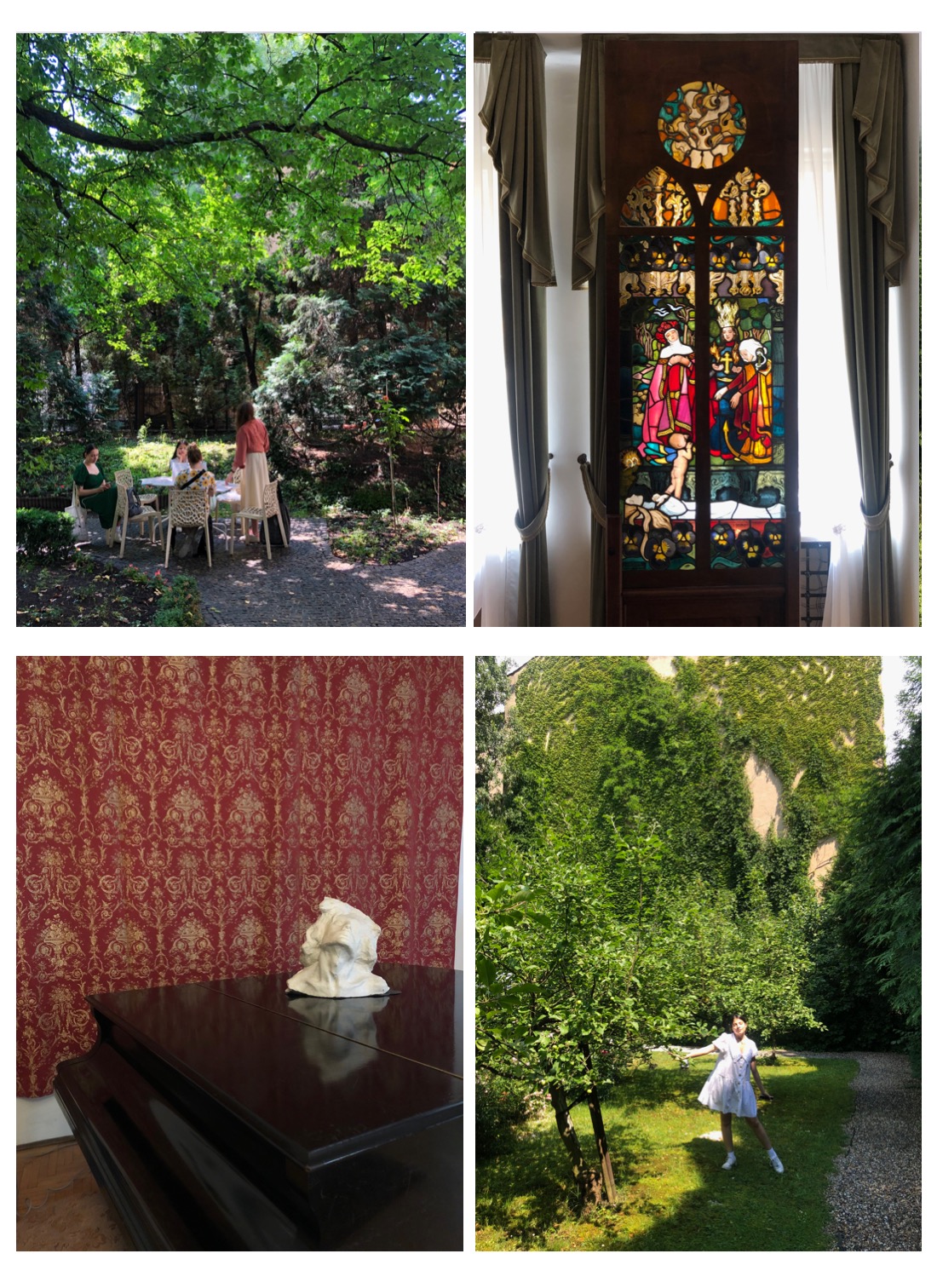
The Józef Mehoffer House is a museum located in the former residence of the painter at 26 Krupnicza street and is listed in the Register of Historical Monuments. It boasts an adjacent, blooming garden extending to the south. In 1932, the house was purchased by Józef Mehoffer who was captivated by its old-fashioned look as well as its spacious courtyard and garden shaded by old green trees. The building already constituted part of the city’s history. Mehoffer carried out its thorough renovation, leaving the structure of the building unchanged but introducing new interior divisions. The process endowed the house with features of a carefully devised family residence, which was dubbed „The Cone Palace”. The outbreak of the war in 1939 interrupted the finishing works. After their return from a German camp in Ash in the Sudetes, the Mehoffers – despite the misery and horror of the occupation – continued the tradition of musical and literary gatherings in their home. It was here that the painter also worked, having lost access to his atelier in the building of the Academy of Fine Arts in Matejko Square. After Józef’s death, the family stayed in the house filled with works of art, archives and memorabilia. As early as in 1963, Zbigniew Mehoffer, the painter’s son, began to expend efforts to create Józef Mehoffer’s museum in Krupnicza street, which bore fruit only many years later. In 1986, in accordance with the will of the artist’s family, the house and the land became the property of the State Treasury and was transferred to the National Museum in Krakow for the purpose of establishing a branch dedicated to the artist. After further renovations and redecorations, the Museum was opened to the public in 1996.
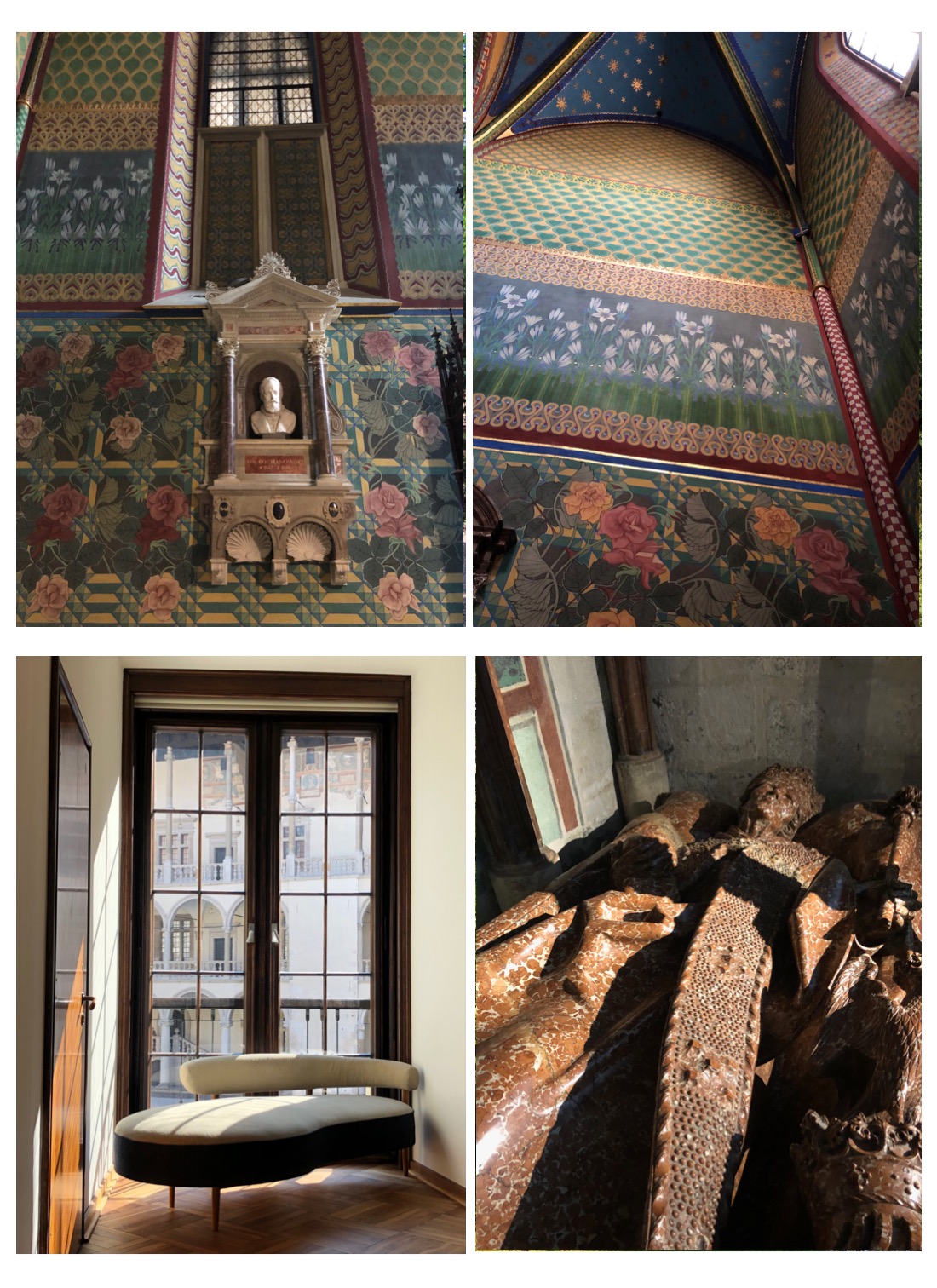
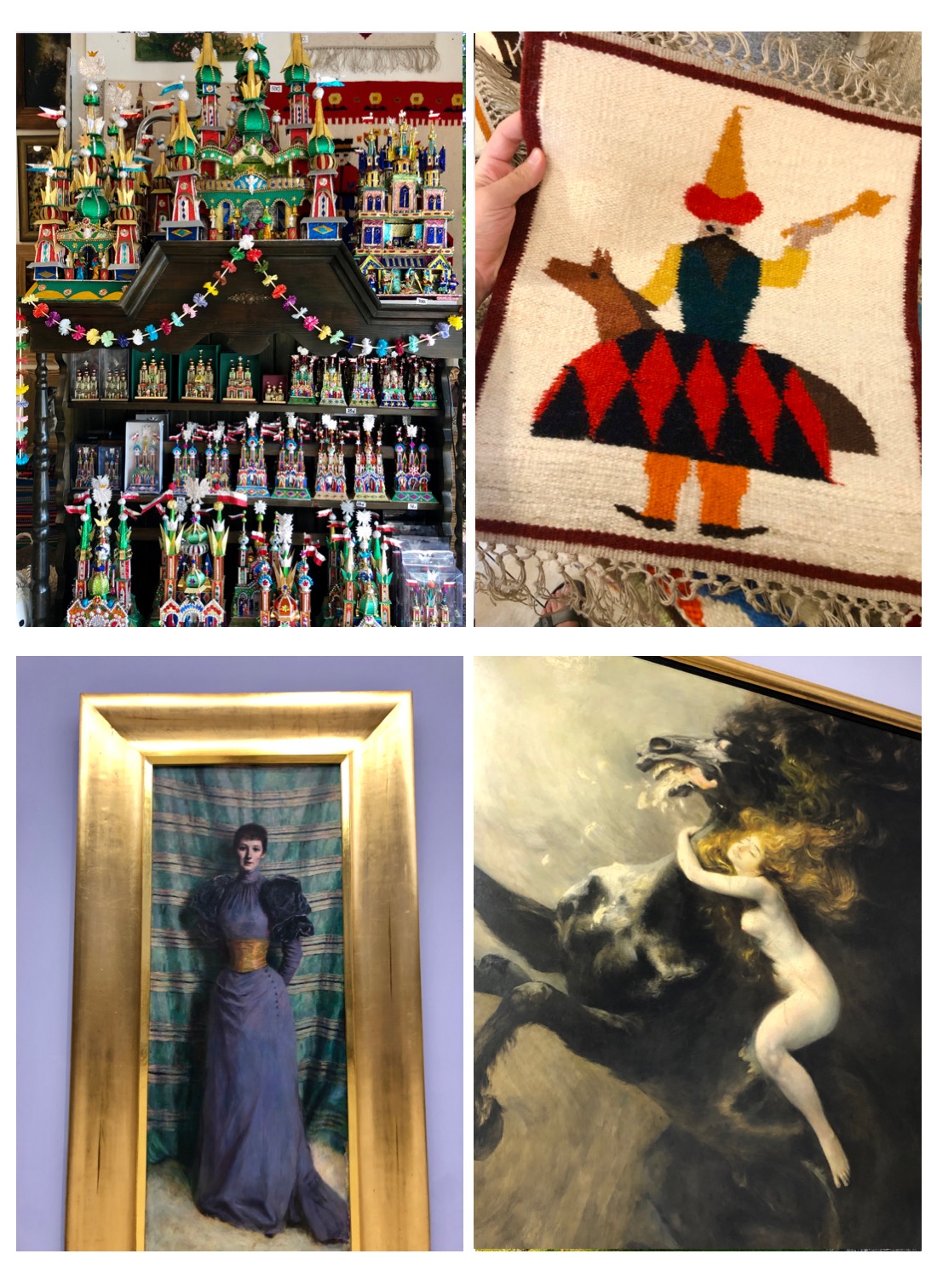
For a proper dose of art and architecture, you should definitely visit St. Francis’s Church with its original, floral polichromies by Stanisław Wyspiański, the Wawel castle and cathedral, and the 19th Century Polish Art Gallery at Sukiennice (in the same building you will find the best store with locally-sourced decorations and traditional, hand-made rugs -“kilim“).
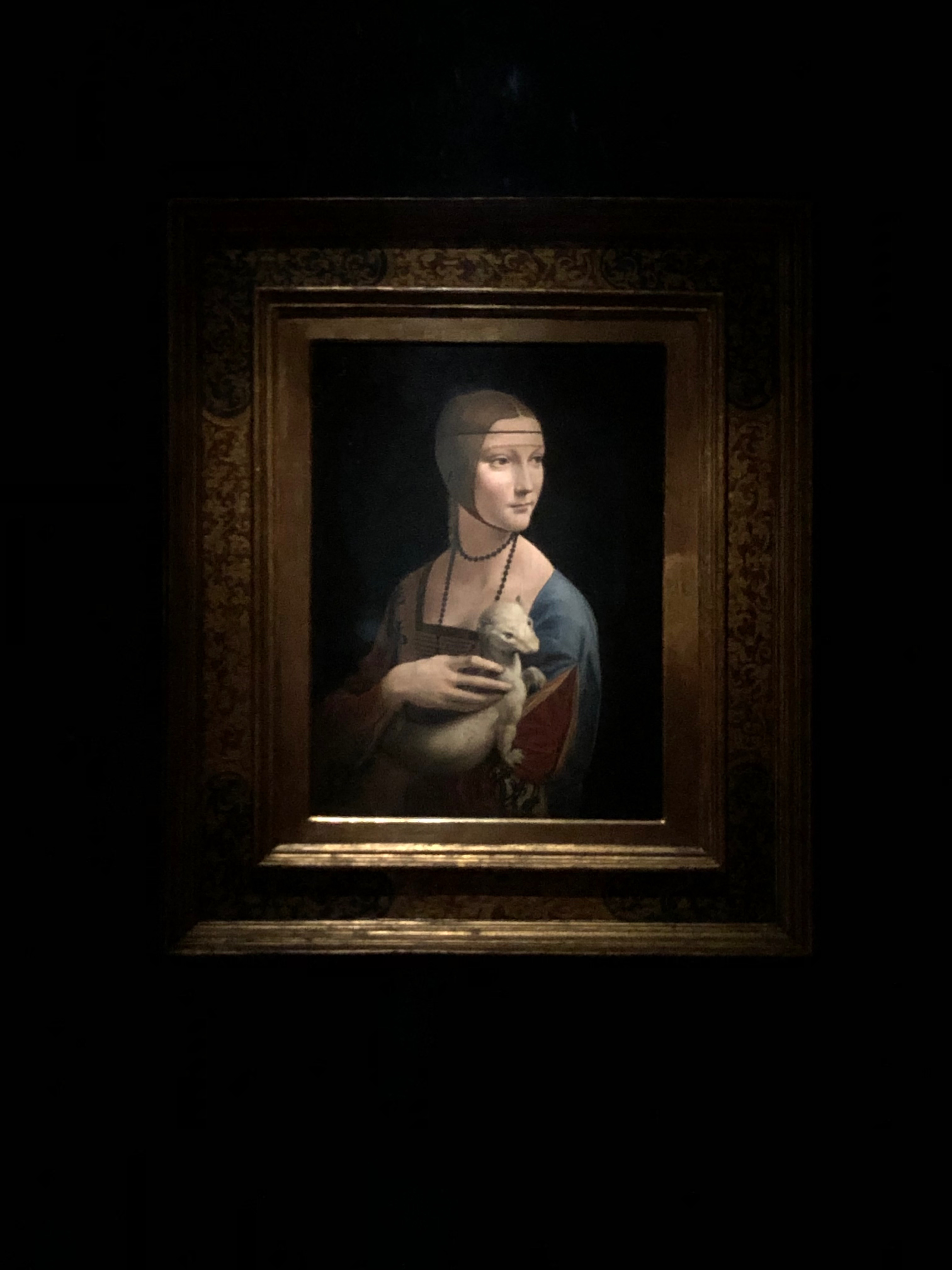
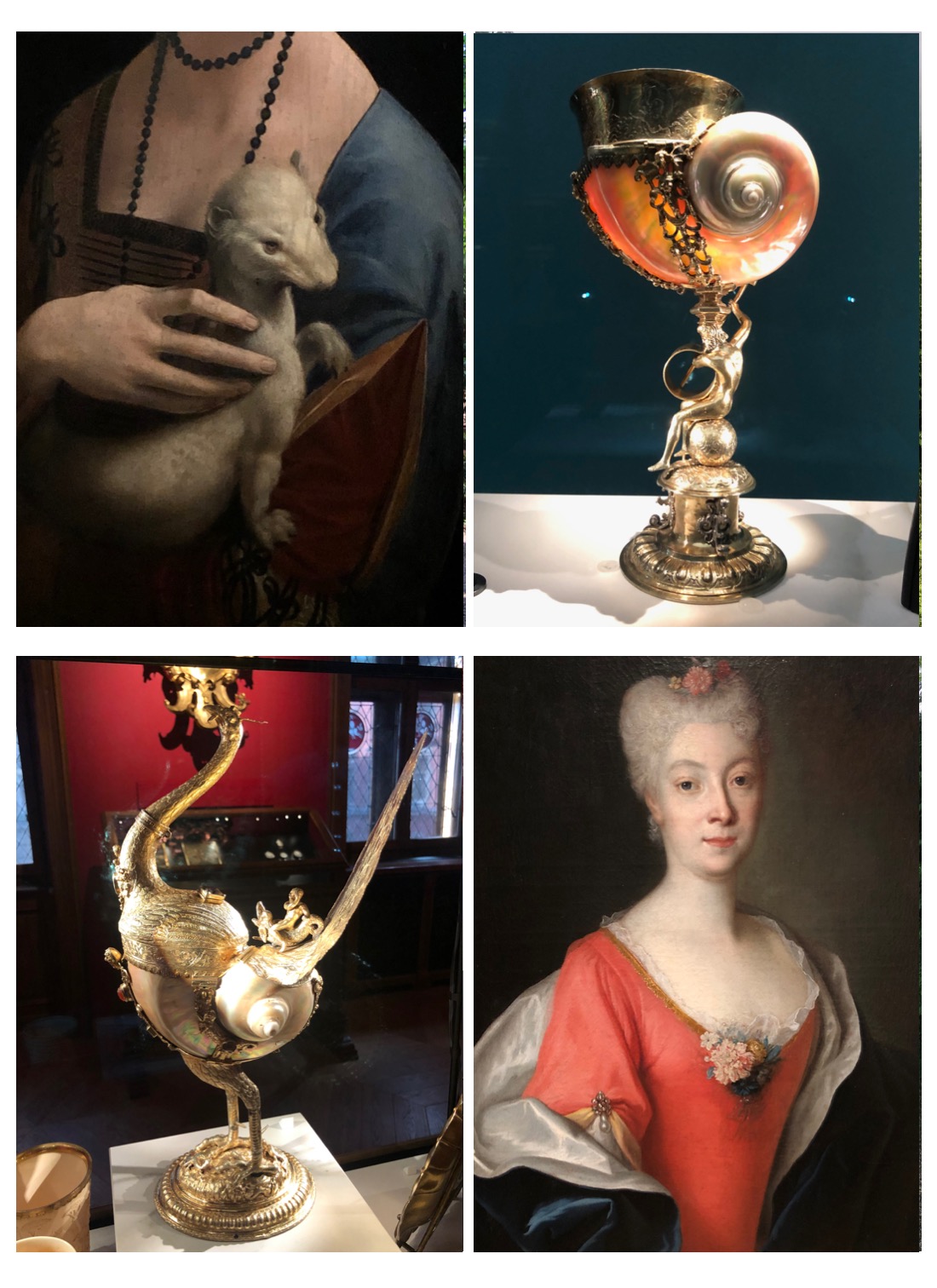
The Princes Cartoryski Museum. The most valuable art collection in Poland, and one of the most valuable ones in Europe. The Lady with an Ermine by Leonardo da Vinci or the Landscape with the Good Samaritan by Rembrandt van Rijn, as well as many other masterpieces of not only painting, but also sculpture, crafts, military, applied arts, can be viewed in 26 exhibition halls, on two floors of the renovated Princes Czartoryski Museum. In 1801, Princess Izabela Czartoryska née Flemming created a collection of national treasures. The resources she collected were presented in Puławy, in two park pavilions: The Temple of the Sybil, and since 1809 also in the Gothic House. It was in the Gothic House that the Leonardo da Vinci’s Lady with an Ermine and Rembrandt van Rijn’s Landscape with the Good Samaritan were exhibited. During that time, the pearls in the Czartoryski collection also included the Portrait of a Young Man by Rafael Santi (lost during World War II). However, the museum did not survive the November Uprising, and in 1831 – following Prince Adam Jerzy Czartoryski’s emigration – the collection was transported to Paris. It only made its way back to Poland in 1876, in connection with the scheduled opening of the museum in Krakow. World War II brought about significant losses to the collection. After the war, the museum was taken over by the National Museum in Krakow, and in 1991 fell under the management of the Princes Czartoryski Foundation. On December 29, 2016, thanks to the purchase by the Polish government, the Czartoryski resources became an integral part of the National Museum in Krakow. After all these years, visitors can finally see Czartoryska’s precious collection.
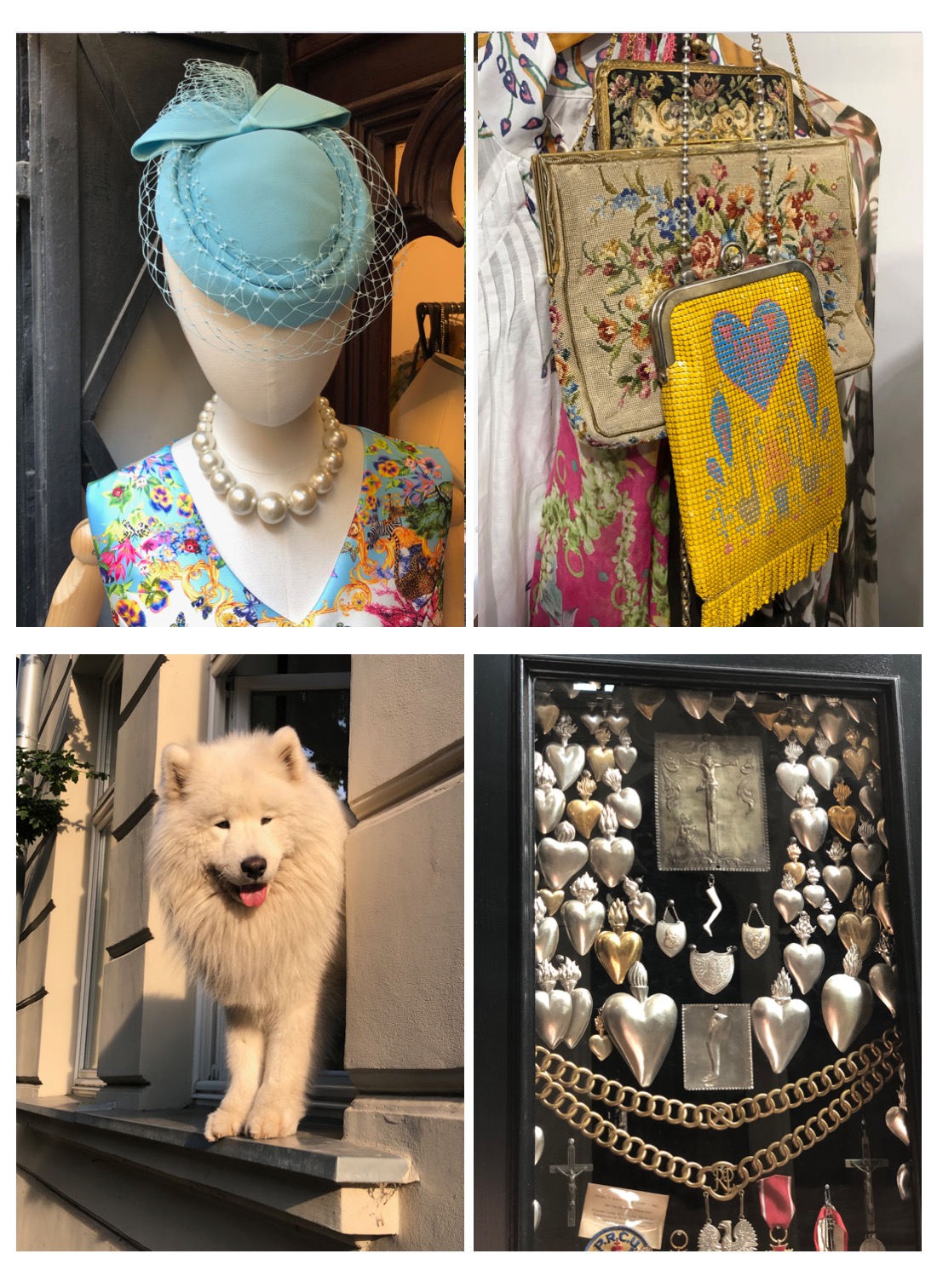
Cracow is also a great place for vintage fashion! Vintage Shop on Szpitalna street has a lovely selection of unique jewellery, designer items and adorable, tapestry bags from 1960s and 70s.
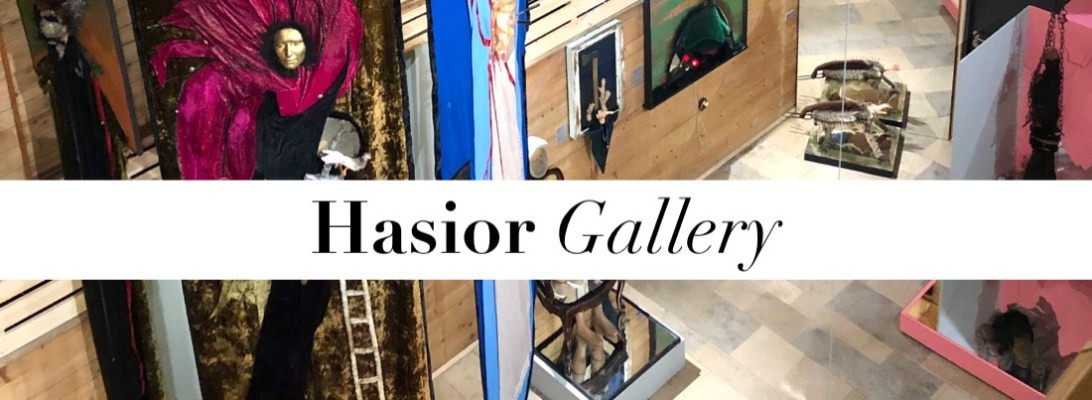
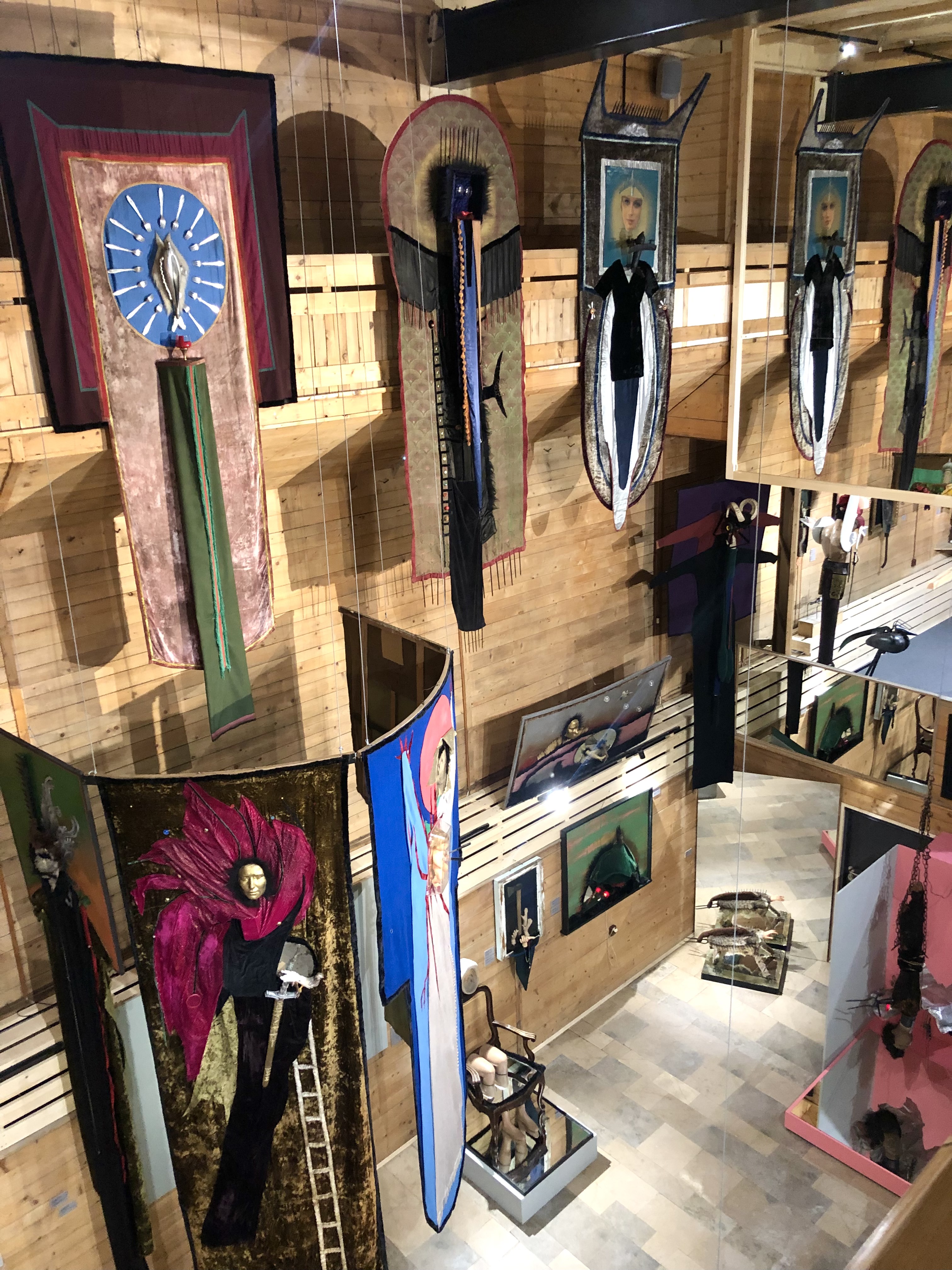
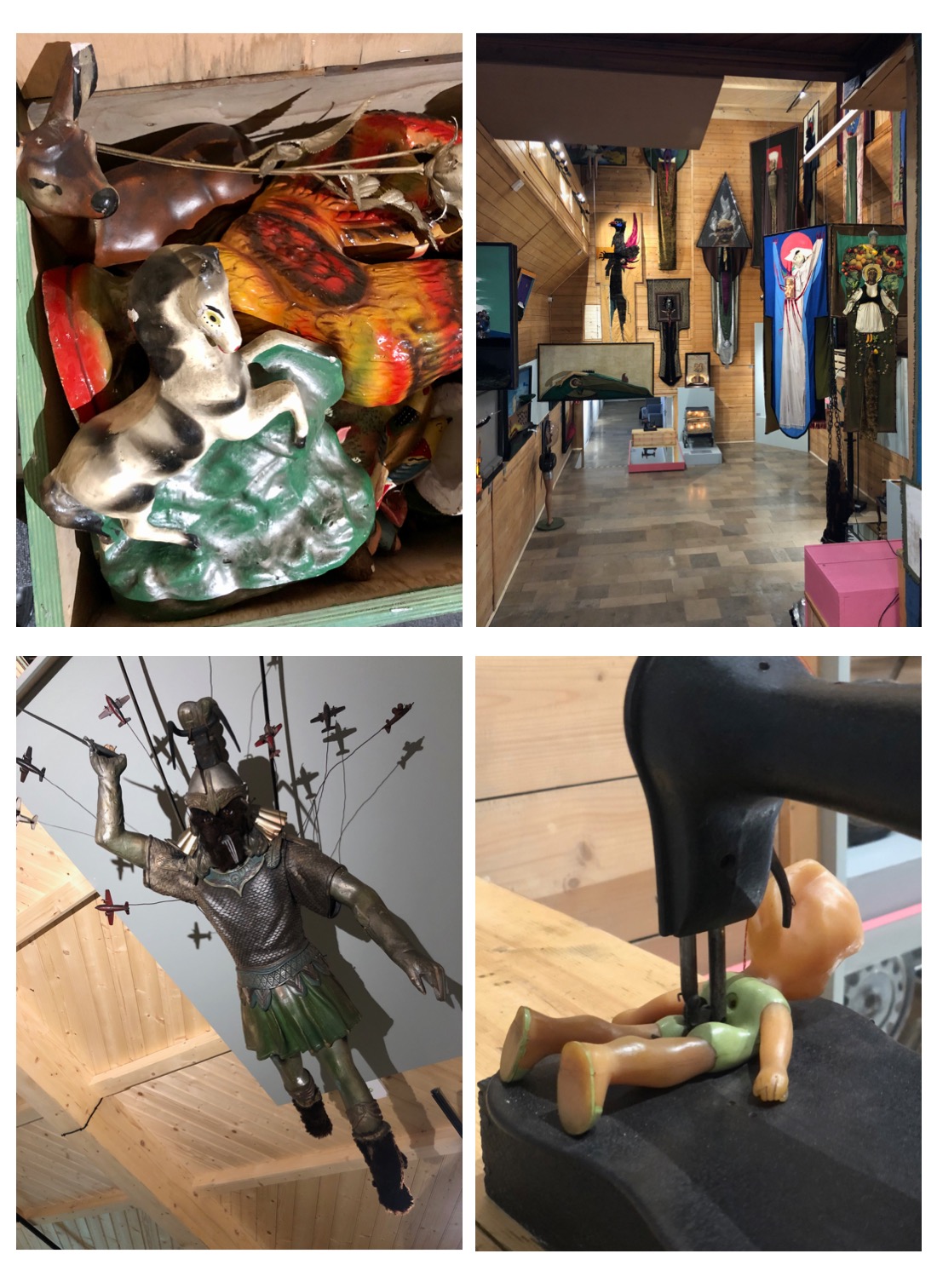
If you ever decide to visit Zakopane, avoid the main Krupówki street (it’s a really bad looking commercial street…), but check out the “niche” places, like the Willa Koliba and Willa Oksza, or the amazing Władysław Hasior Gallery. Born in 1928 in Nowy Sącz, Władysław Hasior is one of the most remarkable modern, Polish artists. From 1959 he participated in every regional Zakopane artist ehxibitions and Art School Complex painters performances. In the 60s and 70s, Hasior showed his works on many national and foreign exhibitions. His works were transported from small workshop to the gallery by Jagiellońska street in 1984. The gallery was located inside former resting site of “Warszawianka” sanatorium, built by Wacław Nowakowski in 1935. Wooden resting site had two floors, glazed from south. Thanks to this transformation, the multilevel ehibitional interiors were created, often used as concert halls and living rooms or atelier of Hasior. In Władysław Hasior Gallery, various artworks found their place, like banners, assamblages, compositions and sculptures made from “trash” materials and junky, everyday items. Bearing metaphoric, ironic and contrary titles, they provoke reflection on the modern world and art, just as Poland’s history.
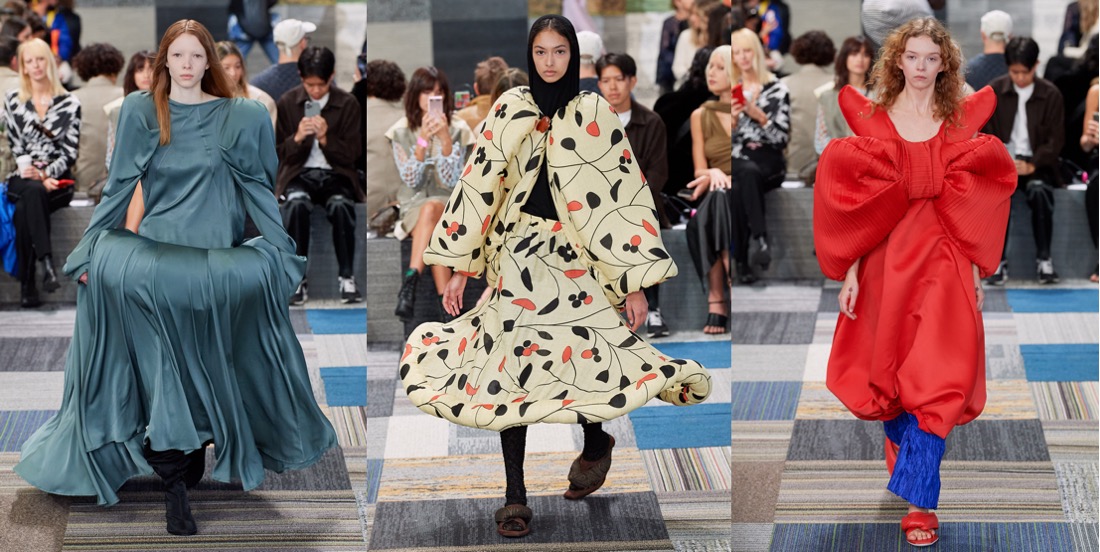
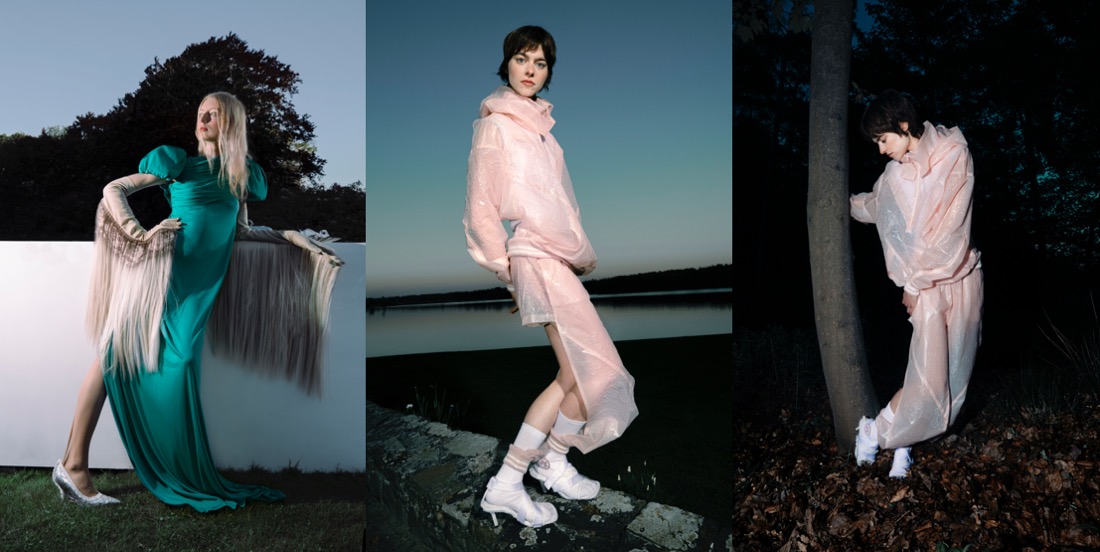
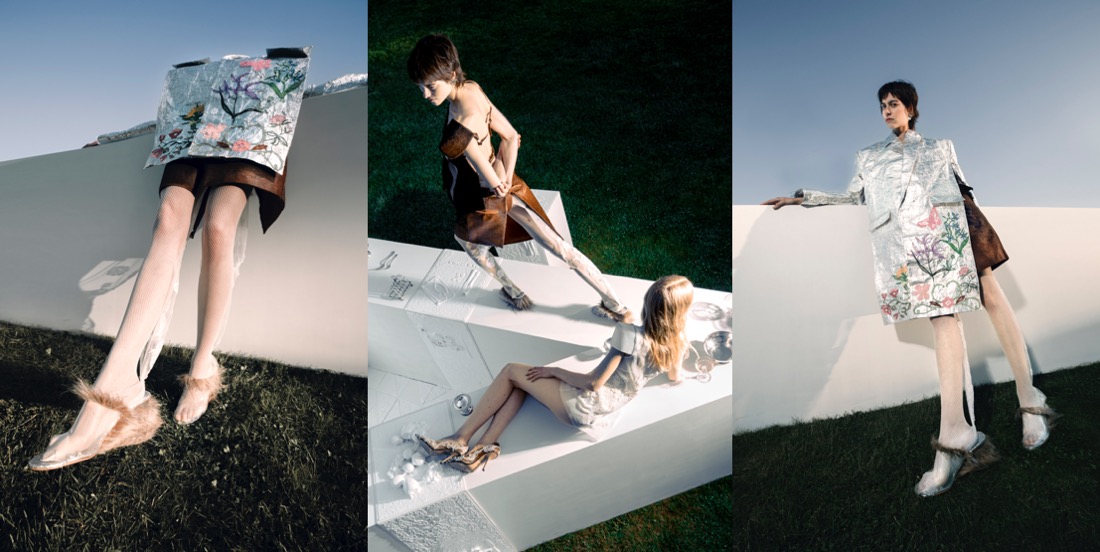
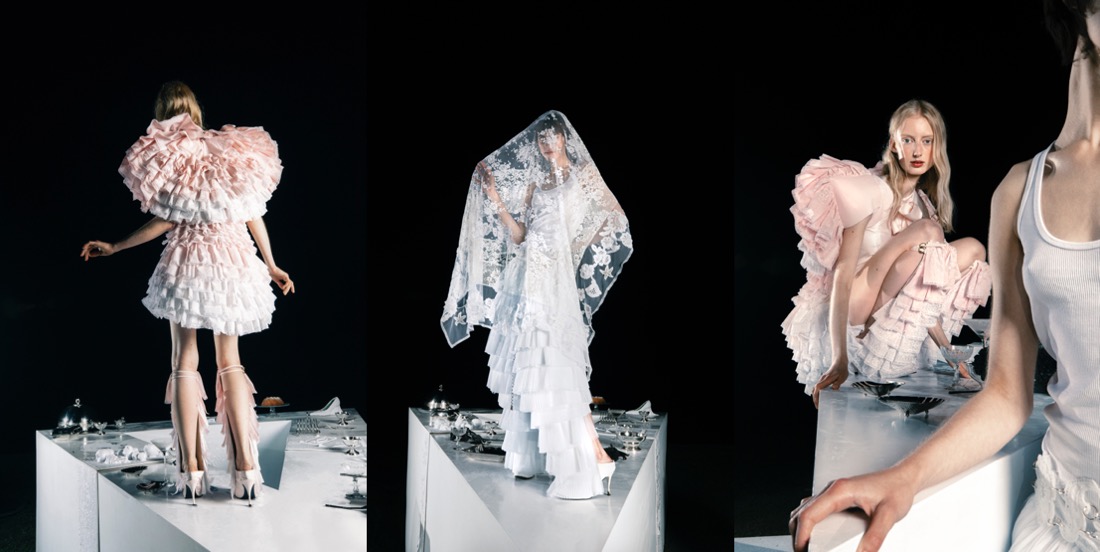
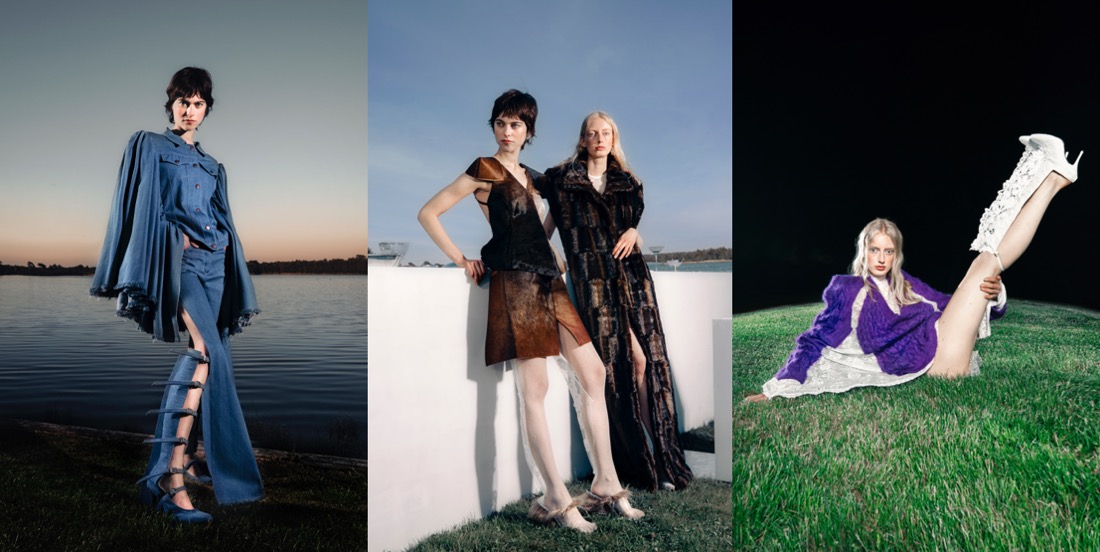
“I will always be me,” Belgian fashion designer Julie Kegels told 1 Granary. Ever since primary school, she dreamt of joining the fashion department at The Royal Academy of Fine Arts in Antwerp – the city where she was born and raised. The stars aligned, and we’ve got an exciting, emerging fashion designer coming from the famously off-beat, “fifth” fashion capital. Her unconventional approach towards silhouettes, and ability to fuse the media of fashion and art, are distinct in her first, proper collection. The main inspiration from Kegels’s Masters Collection is “The Dinner Party“, the installation by Judy Chicago from 1979, in which the feminist artist set a gigantic, triangular table for 39 women from across history. Each place setting was dedicated to a mythical or world-famous woman that played an essential role in the history of female rights. For every woman, she designed a custom place setting inspired by the story of their life.
For her collection, Kegels focused on the twelve of these settings. You can wear each of the silhouettes, but you can lay them on a table for decoration purposes as well. The whole concept was an excellent opportunity to experiment with textiles. “I tried to push the boundaries and create fabrics with a soul like embroidery, hand knits, playful drapes and materials with structure. I vacuumed old lace with a plastic fabric as this created depth in the shape of laceflowers. By creating new fabrics, I discovered that making an old fabric look modern is what I genuinely loved doing during the process of this collection“. The designer continues: “Dressing up for a dinner party has always been a magical experience for me. My line-up is based on a picture of a woman standing in front of the mirror holding a dress. Therefore, every piece in my collection has a different front and back. With these primary elements in mind, I developed the concept.” The final effect is both futuristic and retro; familiar, yet totally unknown. The look-book, photographed by Anton Fayle and art directed by Studio M, transports you to the unique world of Kegels, where nothing is as it seems. Keep Kegels’ work on your radar – and don’t forget to check out her Instagram!












 Design & Culture by Ed