Dries Van Noten x Christian Lacroix in Paris

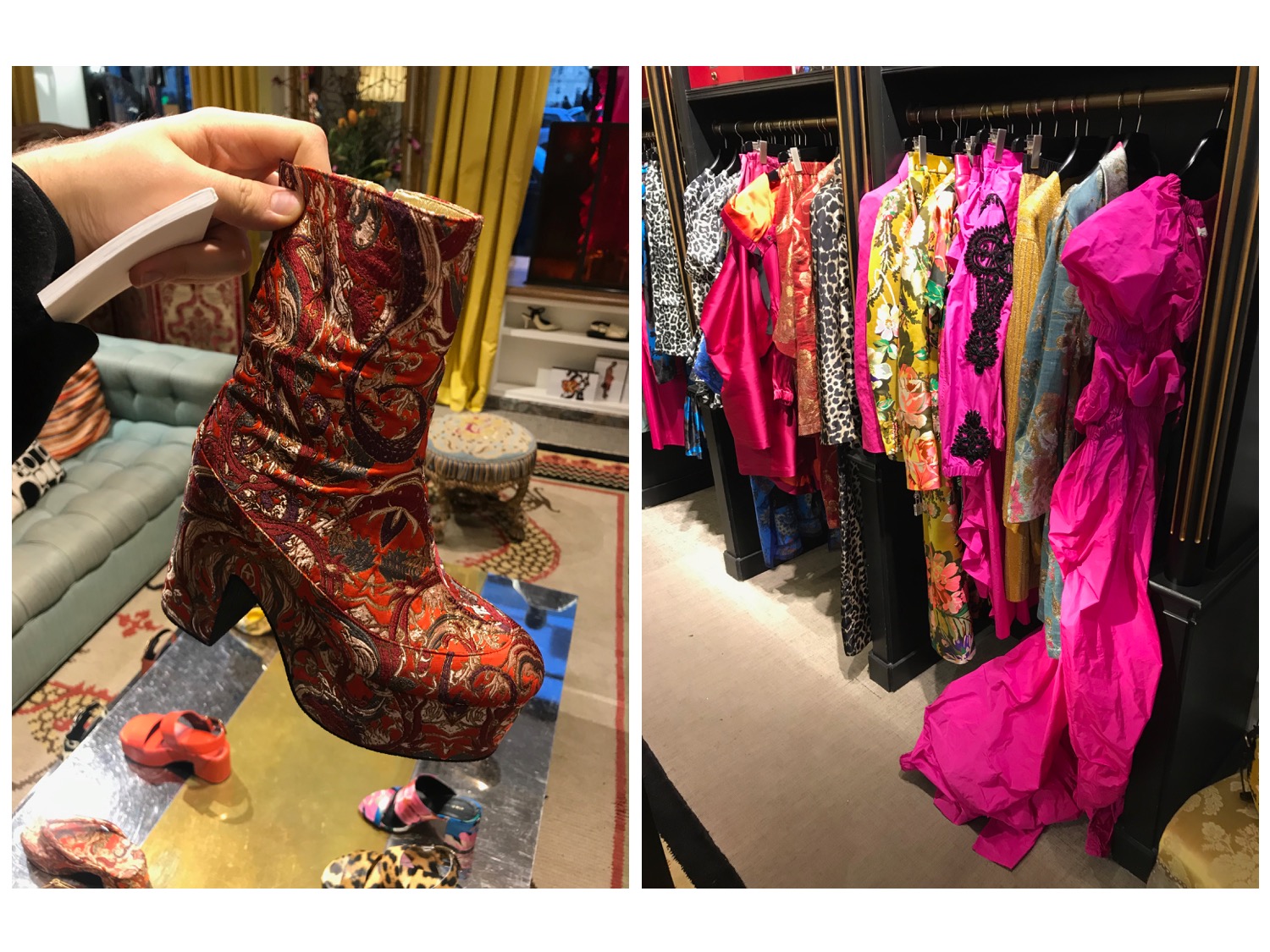
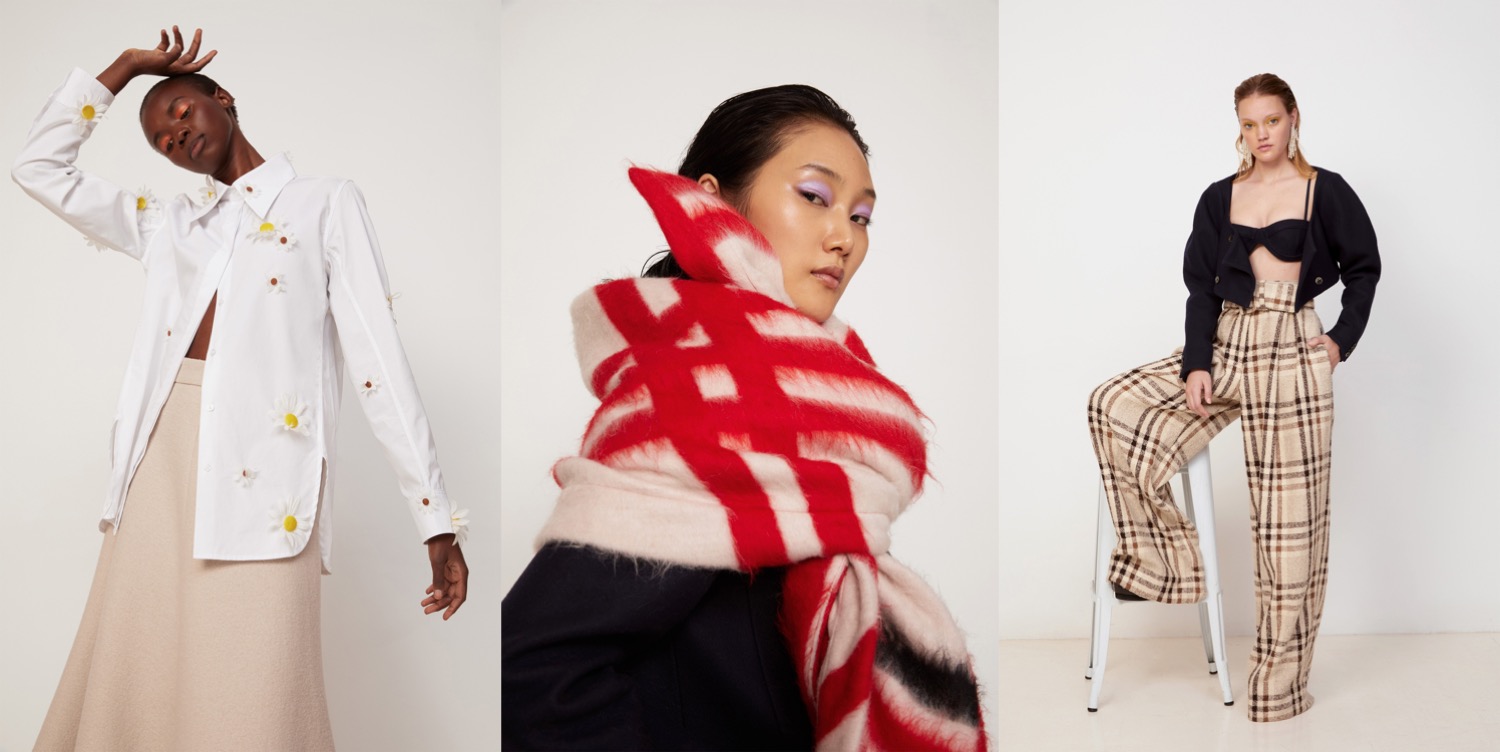
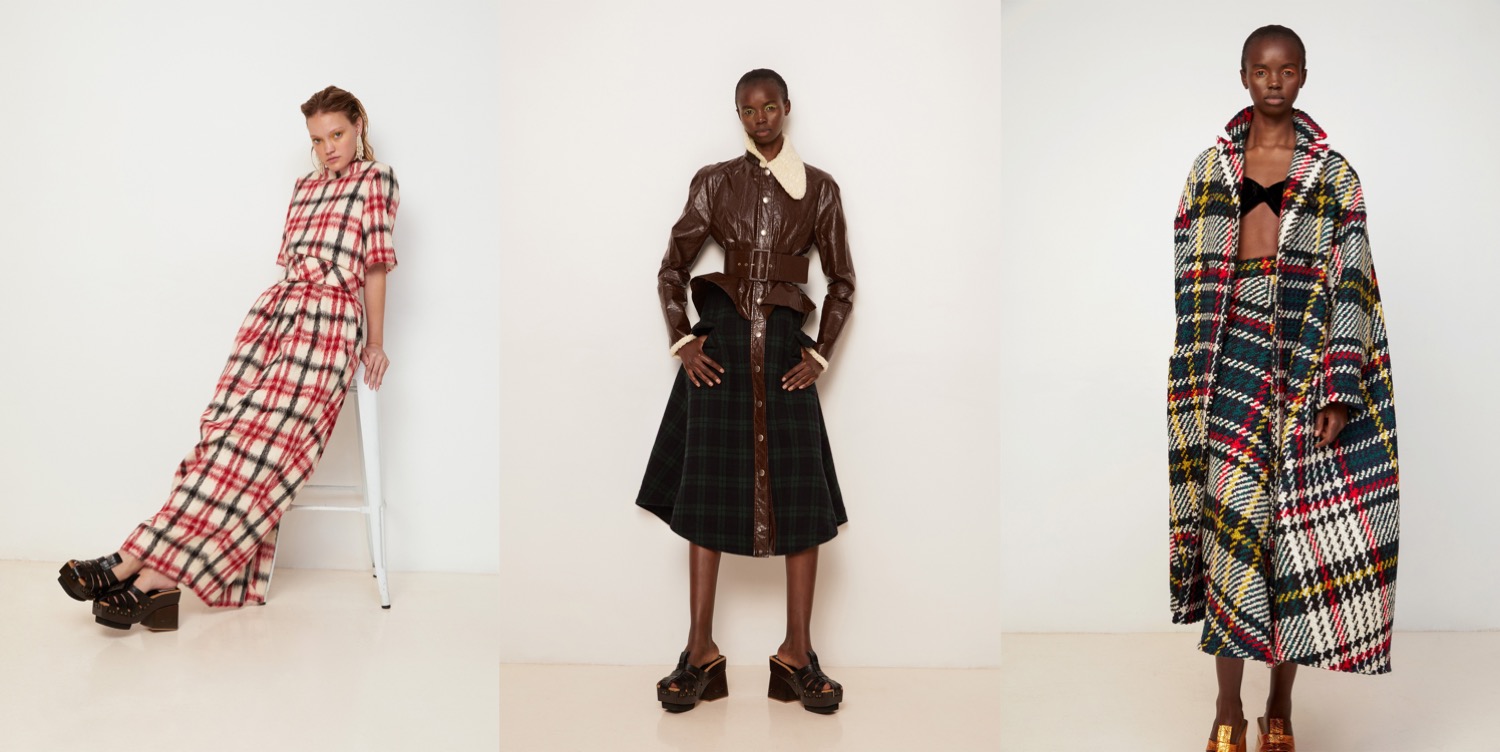
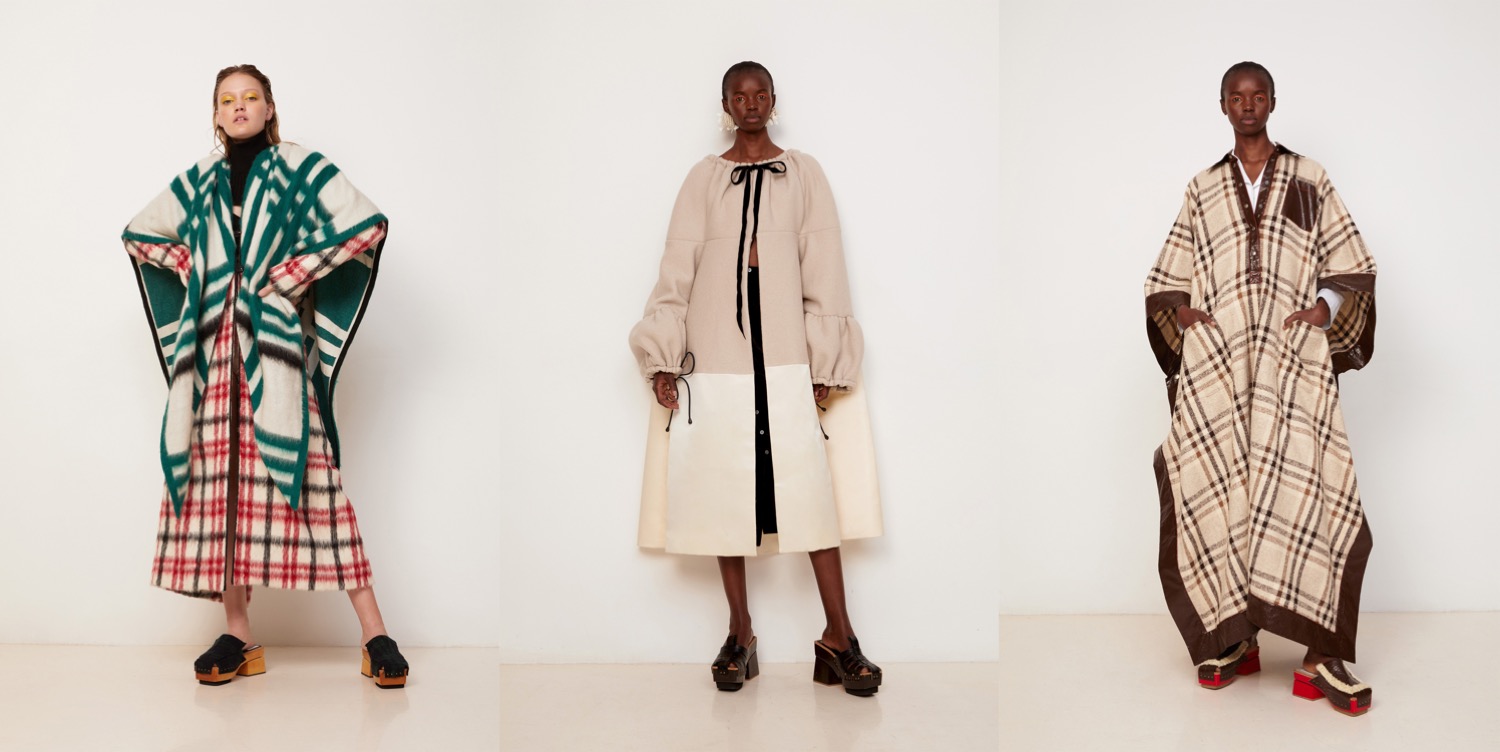
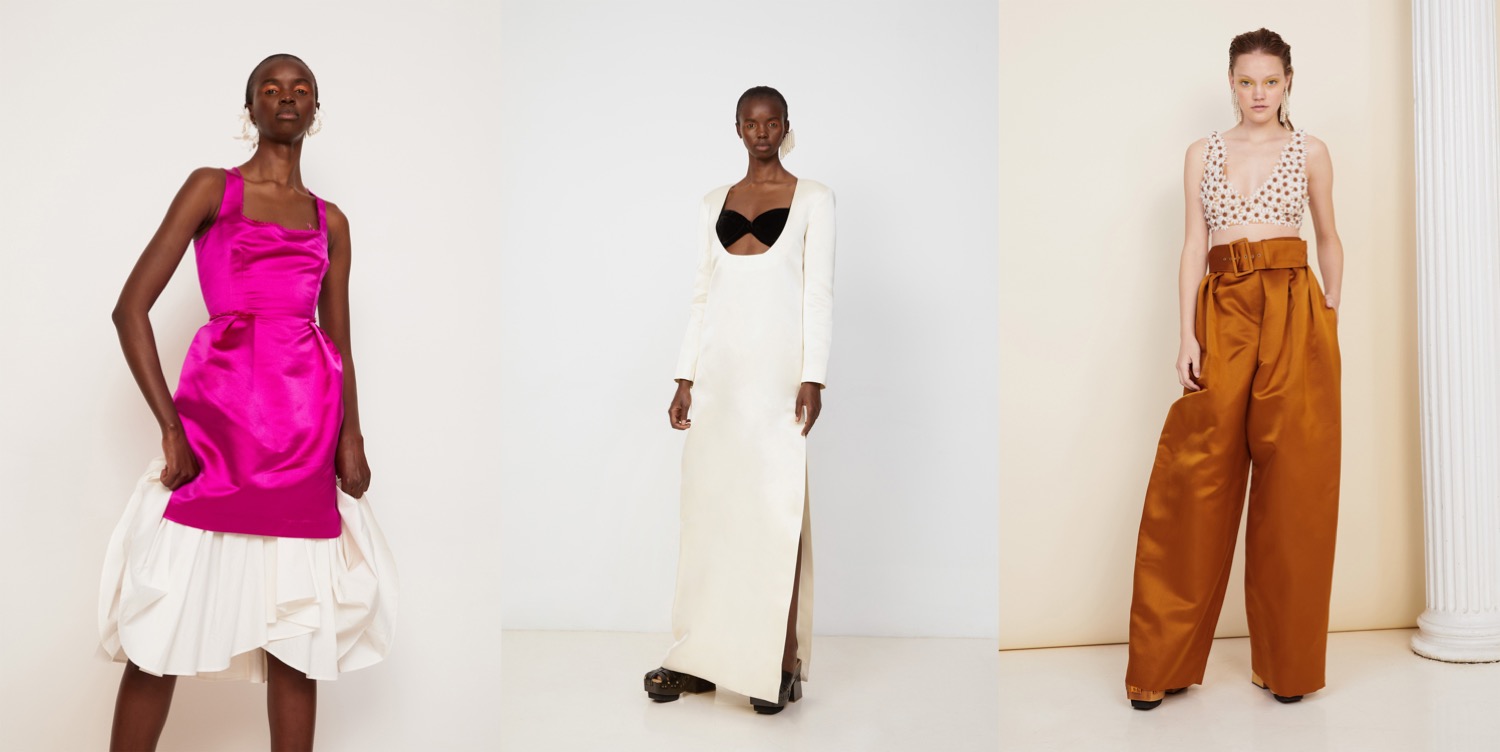
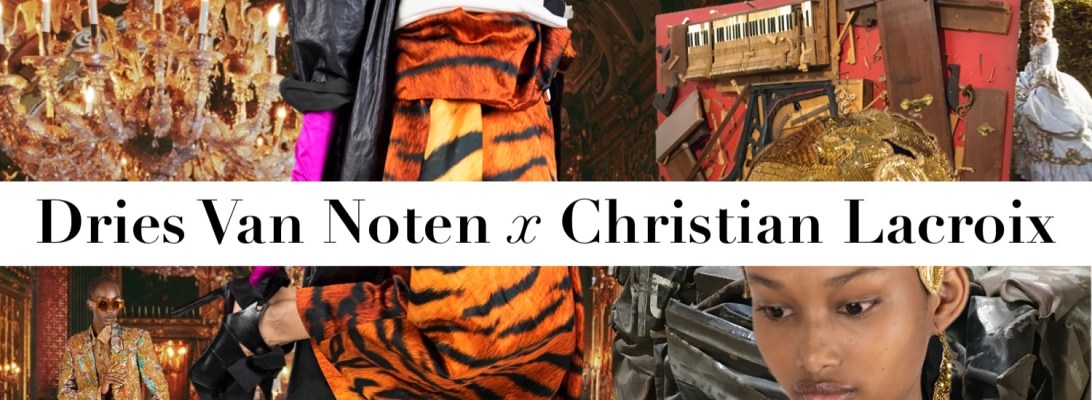
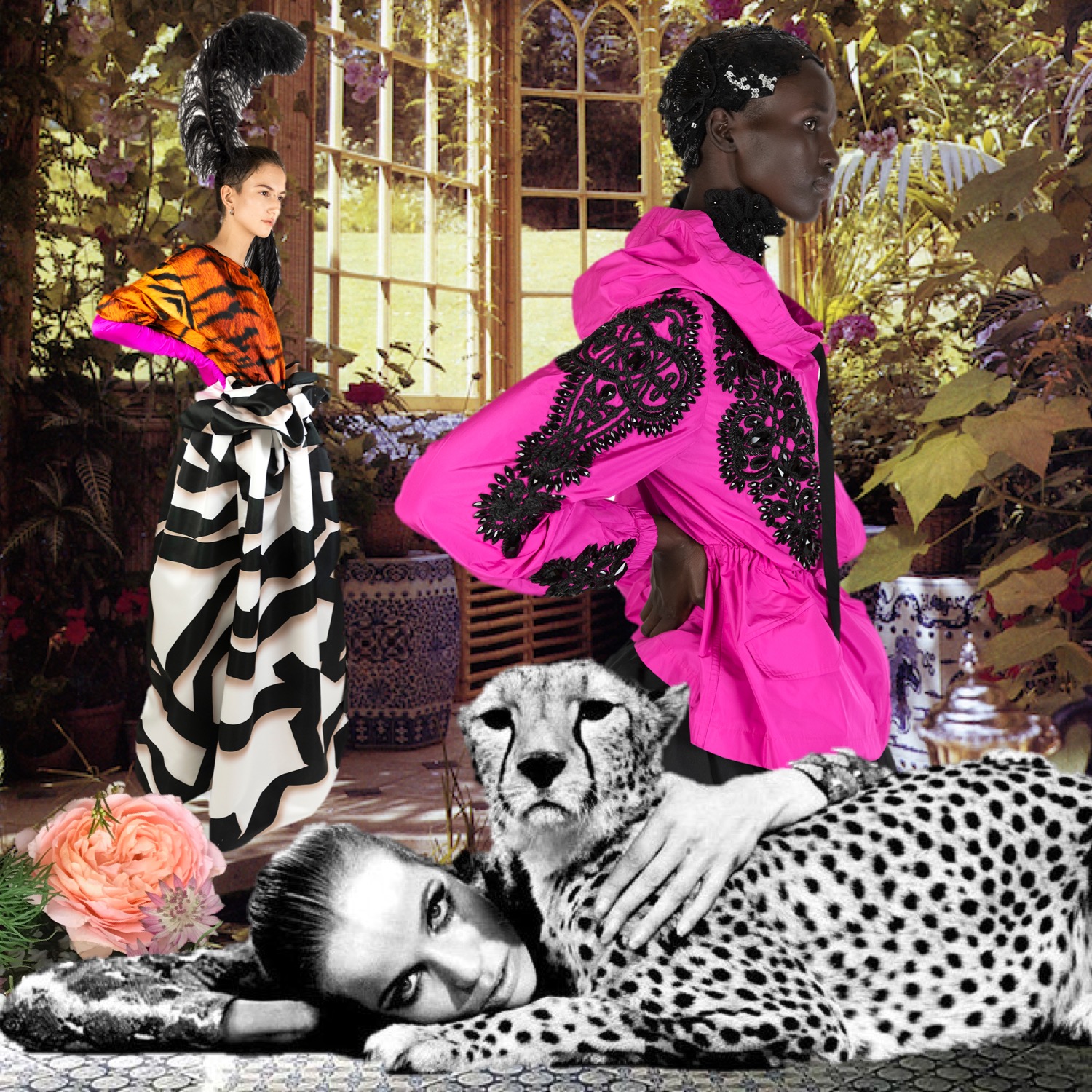
Three weeks ago I’ve been to my beloved Paris – the pre-coronavirus-outbreak times… – and now is the moment to share some of my highlights. A trip to the Dries Van Noten store on the Left Bank is a ritual, but this time, it was even more important because of the very special collection that is there. I mean spring-summer 2020, the one where Dries collaborated with the legendary designer Christian Lacroix. You might have already observed that I really fell in love with this one-of-a-kind collaboration. Or better, say match; dialogue; meeting. When this bacame a fact during the last Paris fashion week, in that very moment the planets moved or maybe the time stopped. This collection is something you never thought you needed in your life. I’m still in absolute awe, while going through the looks over and over again. “The idea is to bring fun ideas, nothing too serious, things that I think perhaps we have lost a little in fashion”, Van Noten told the press back then. “I wanted to do something joyful”. Dries and Christian weren’t acquainted before their collab (it came up spontaneously), but their contrasts became actual similitaries once they started working together. They fulfilled each other. Lacroix’s iconic legacy of ‘never too much’ combined with Van Noten’s mastership of colour-and-print balance. Looking at the final result, all the Lacroix signatures are in place, filtered through Van Noten’s sensibility: polka dots, broad stripes, animal prints, ruffles, matador jackets, gigot sleeves, silks woven with scaled up, bright flowers, pouf skirts, duchesse satin and grosgrain. The vocabulary of Dries Van Noten is fused with that of Mr. Christian Lacroix throughout: said jacquards have been scanned and appear as prints across cotton and organza; lightweight polyesters, made out of recycled plastic bottles and coated papers rustle alongside precious French silks; basic white tops are decorated with a single overblown embroidered sleeve here, jeans with an appliquéd feather or feather print on one leg there. If Mr. Lacroix was among the most feted couturiers of the latter part of the 20th century (in his own words, he “failed with ready-to-wear”), Dries Van Noten is one of the pret-a-porter leaders of today. It’s a match made in heaven. Such fashion wonders happen very, very rarely, so seeing them IRL, in the charming Van Noten boutique, was an ecstatic experience. Below are photos I took there, mixed with my new collages feauturing the collection photographed by Tommy Ton. As most of us are staying at home now, here‘s a link to the interview where both designers talk about their work – and even if you’ve seen it, it’s worth rewatching!

7 Quai Malaquais – Paris

(The place is temporarily closed. If you are inspired by my Parisian coverage, I’m really happy about, but please have in mind that now isn’t a safe time for any sorts of travelling. Stay at home!)
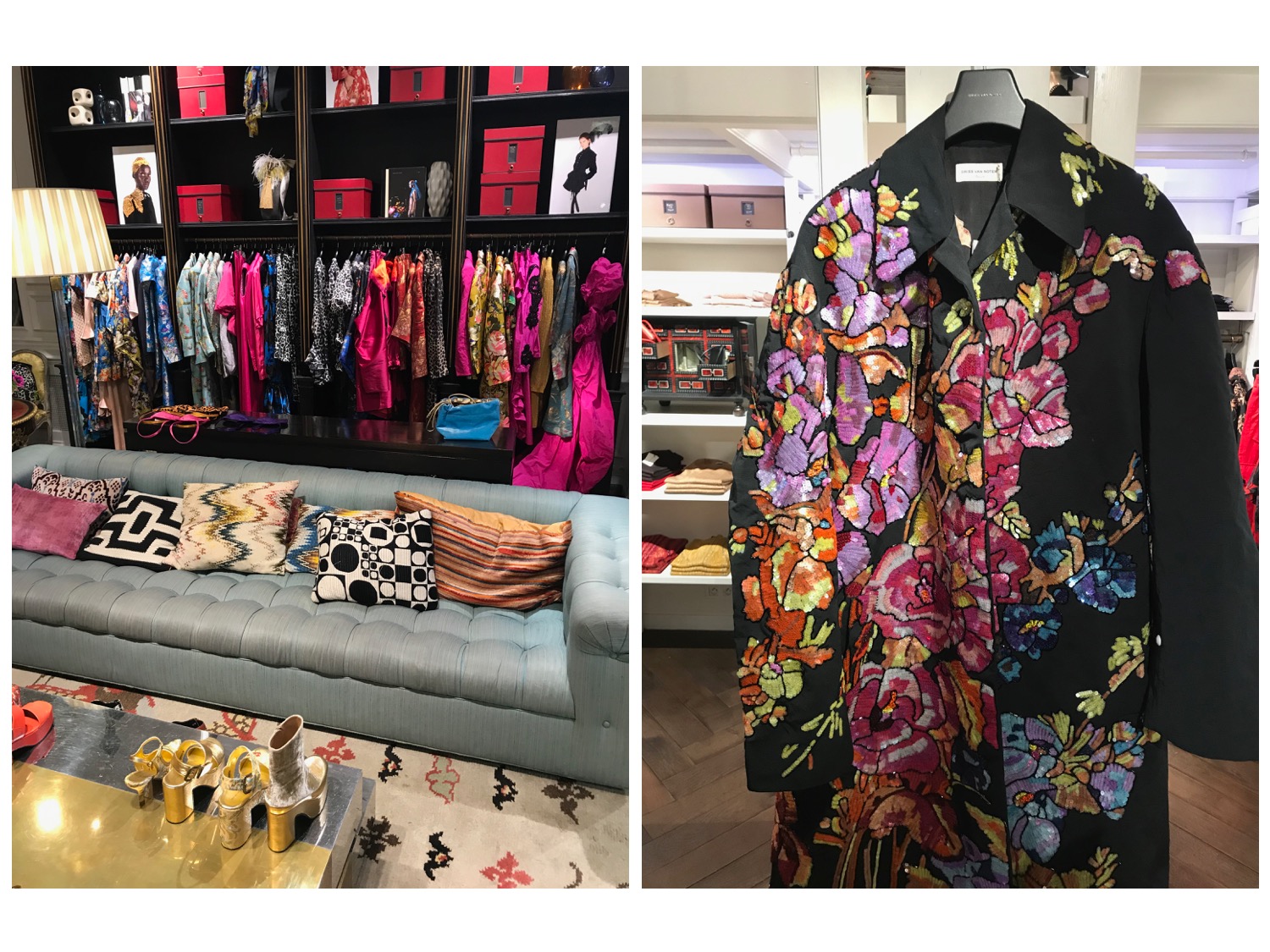
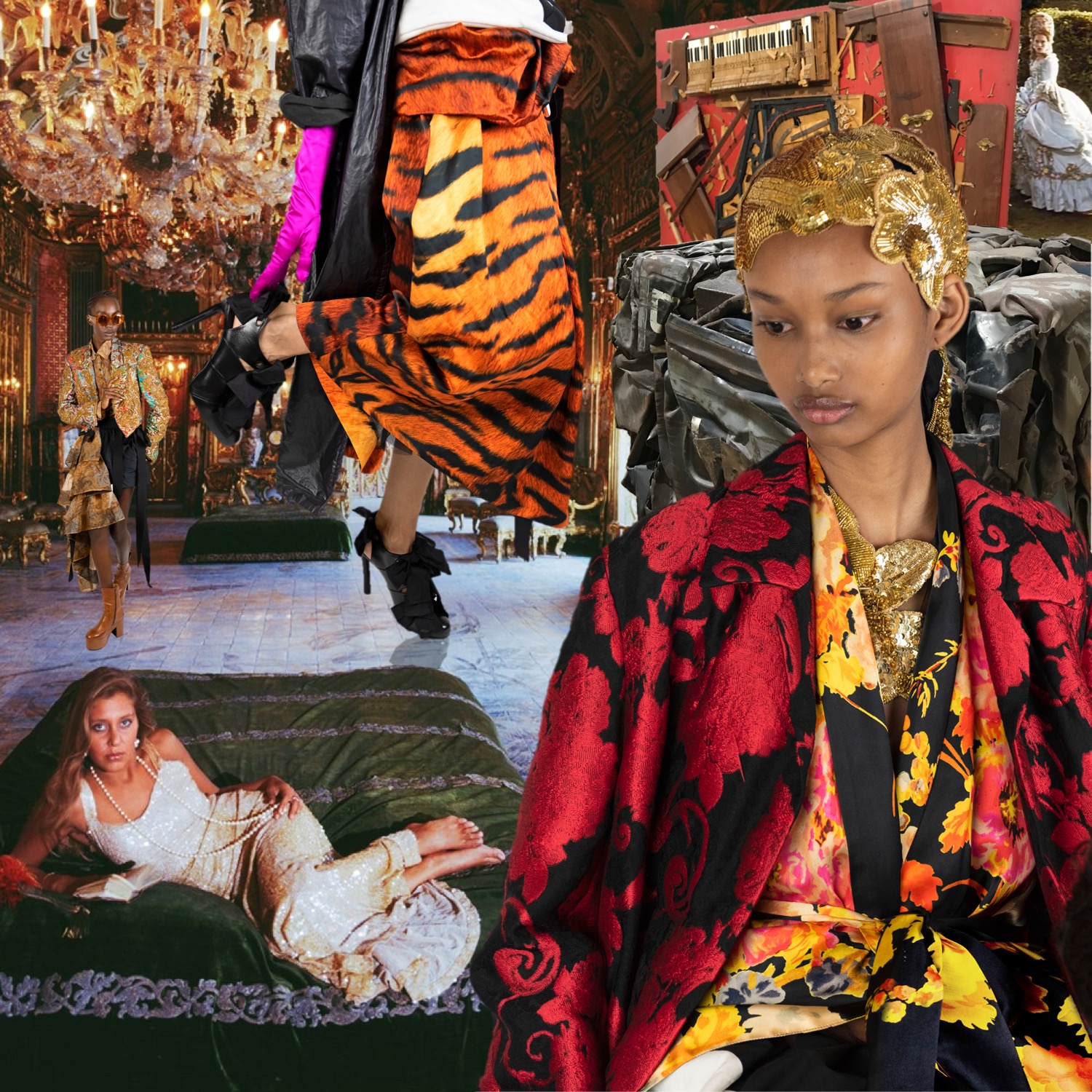
Photos and collages by Edward Kanarecki, photos of the collection photographed by Tommy Ton for Dries Van Noten.
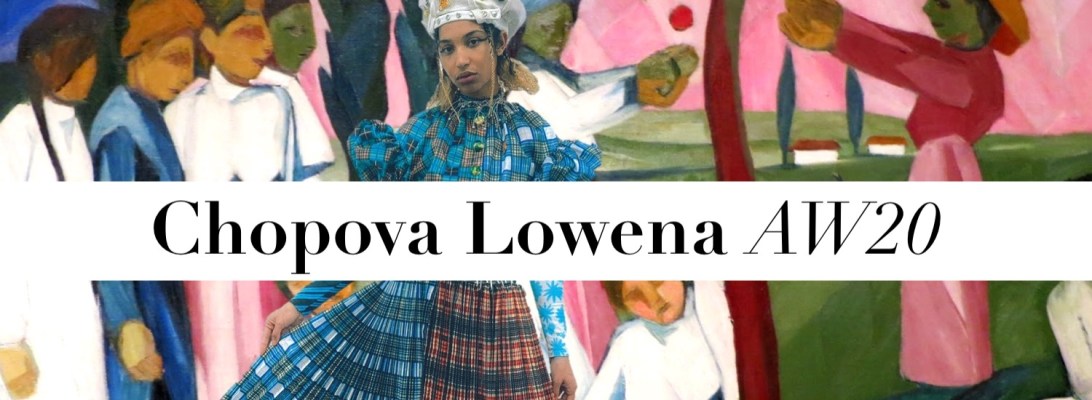
New Heritage. Chopova Lowena AW20

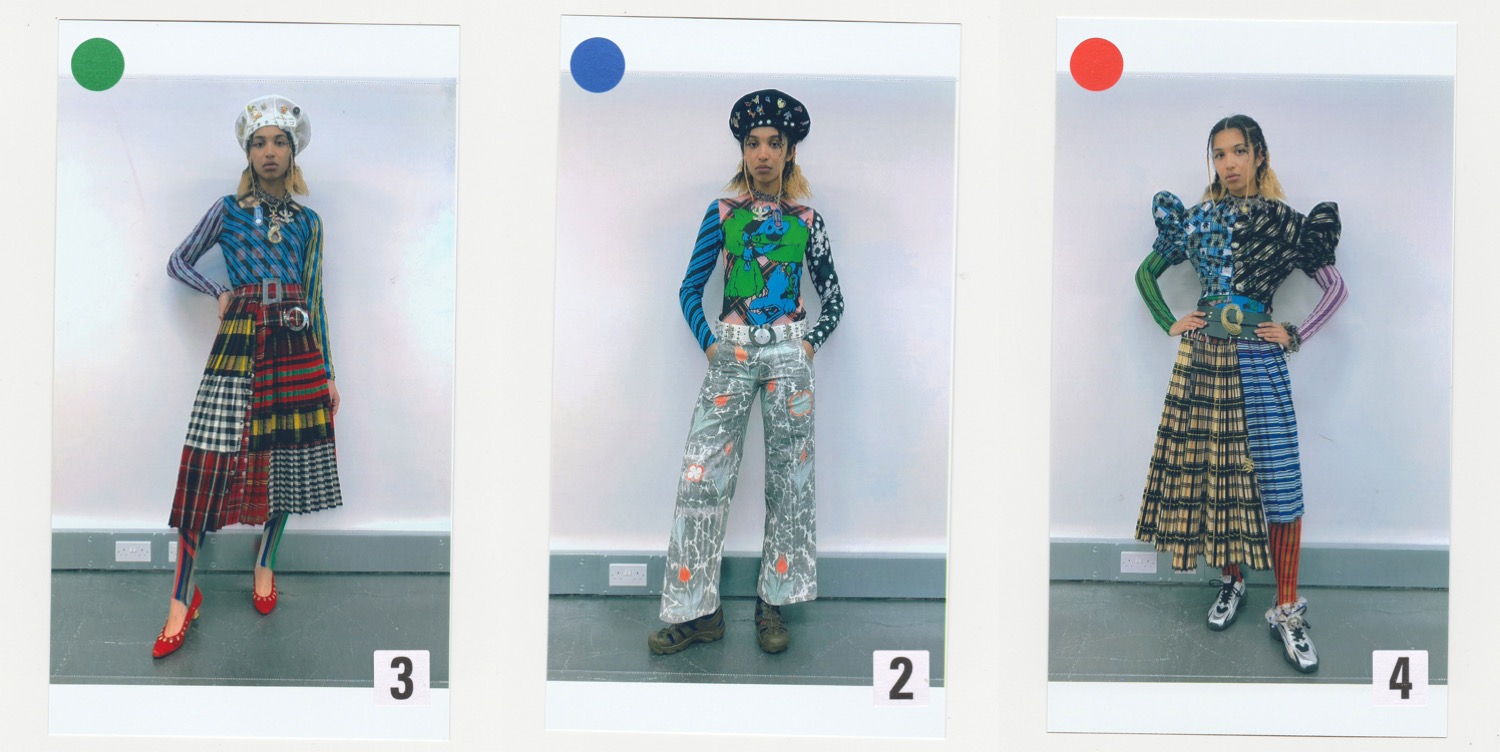
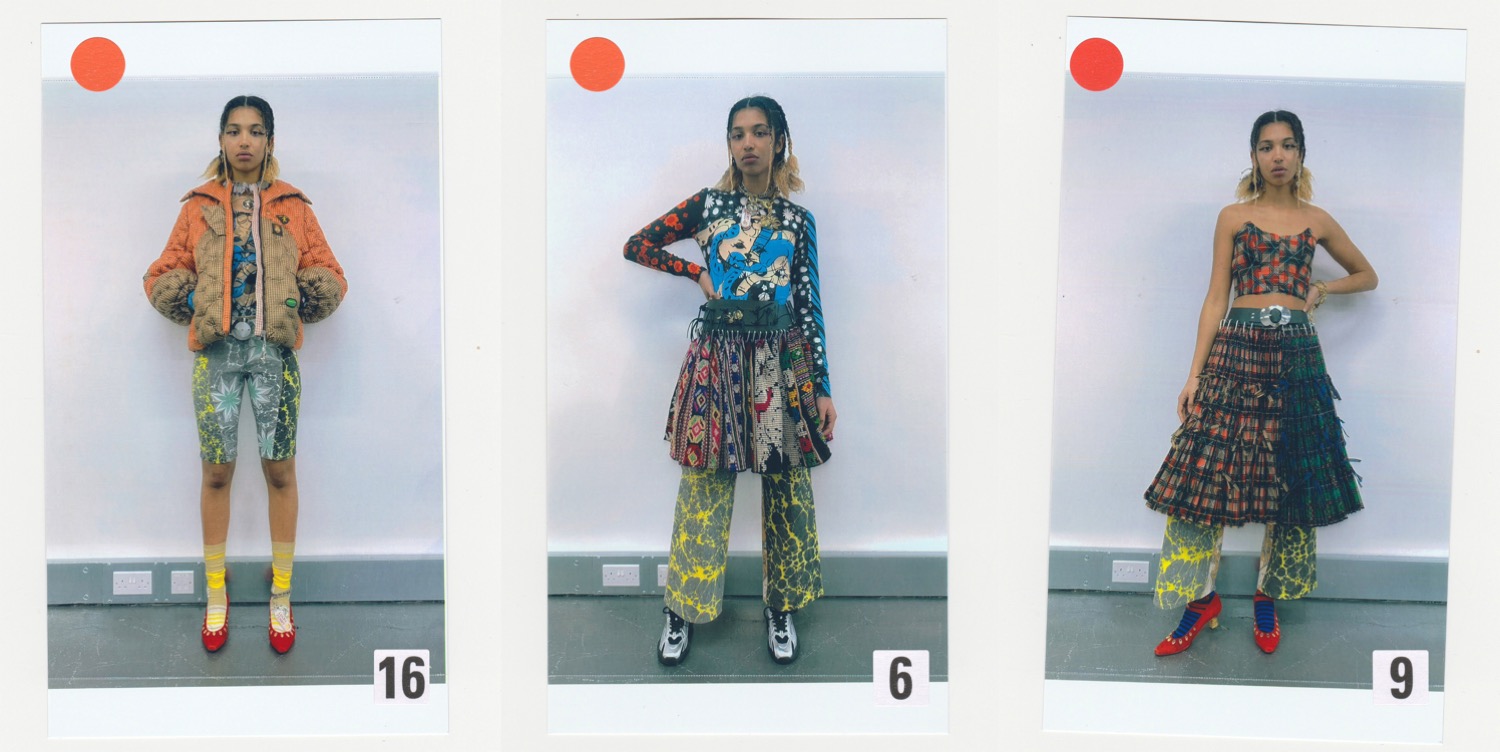
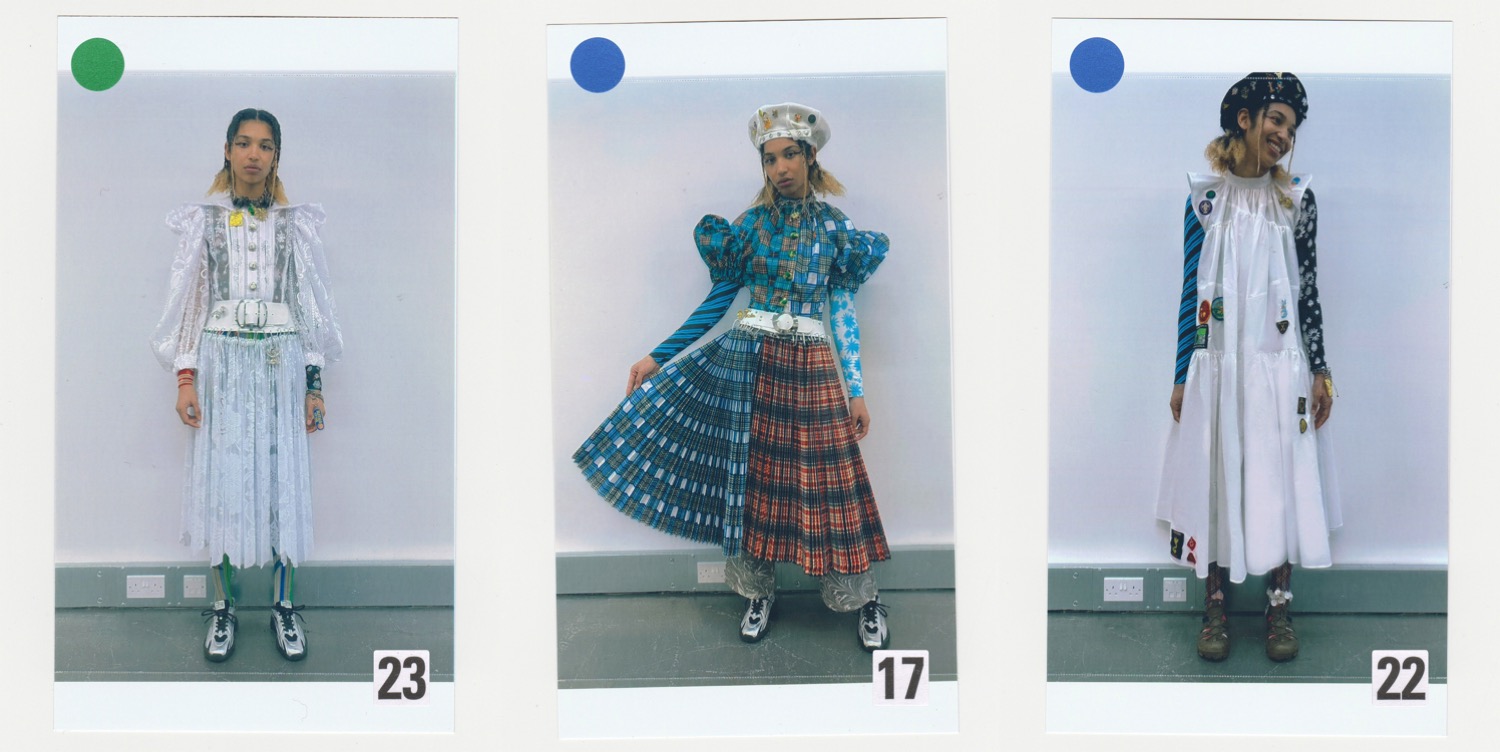
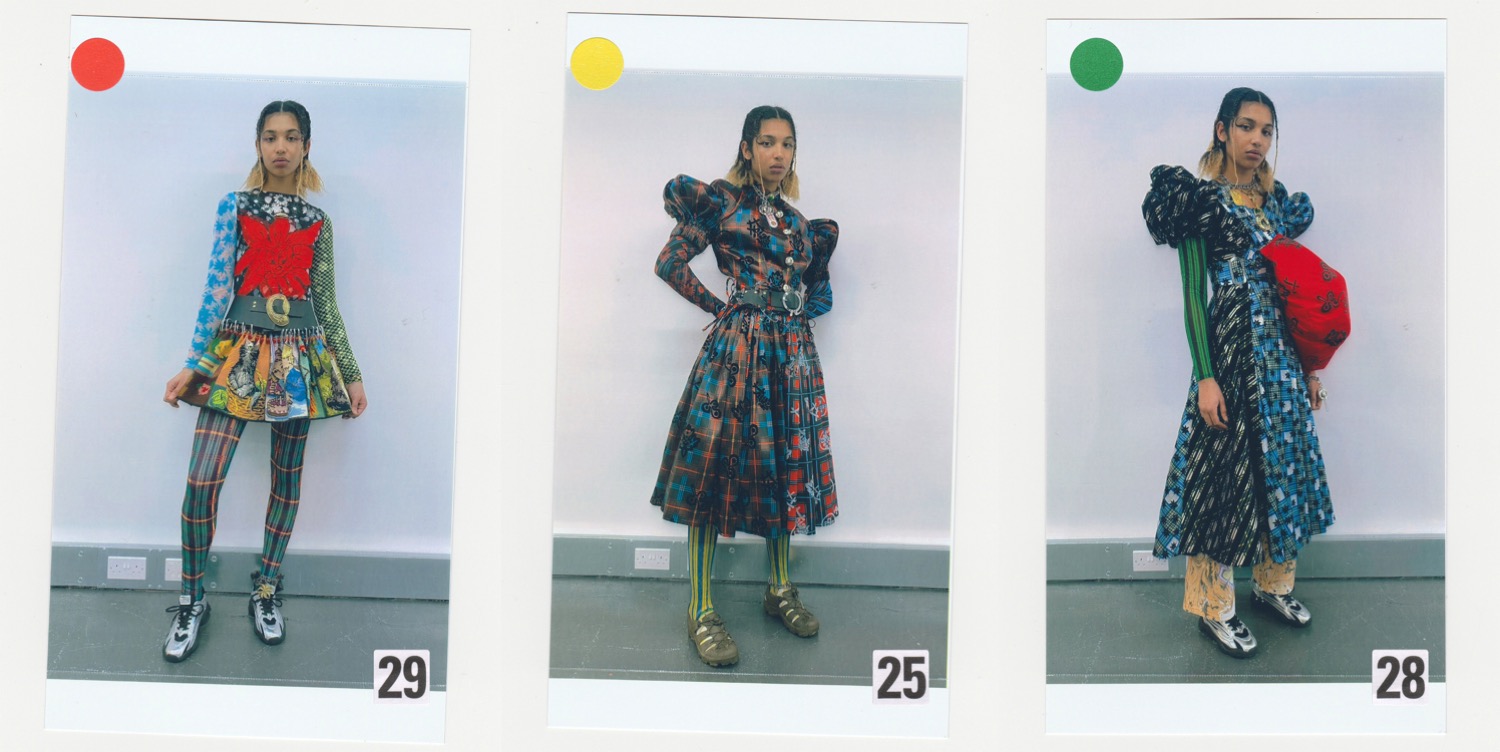
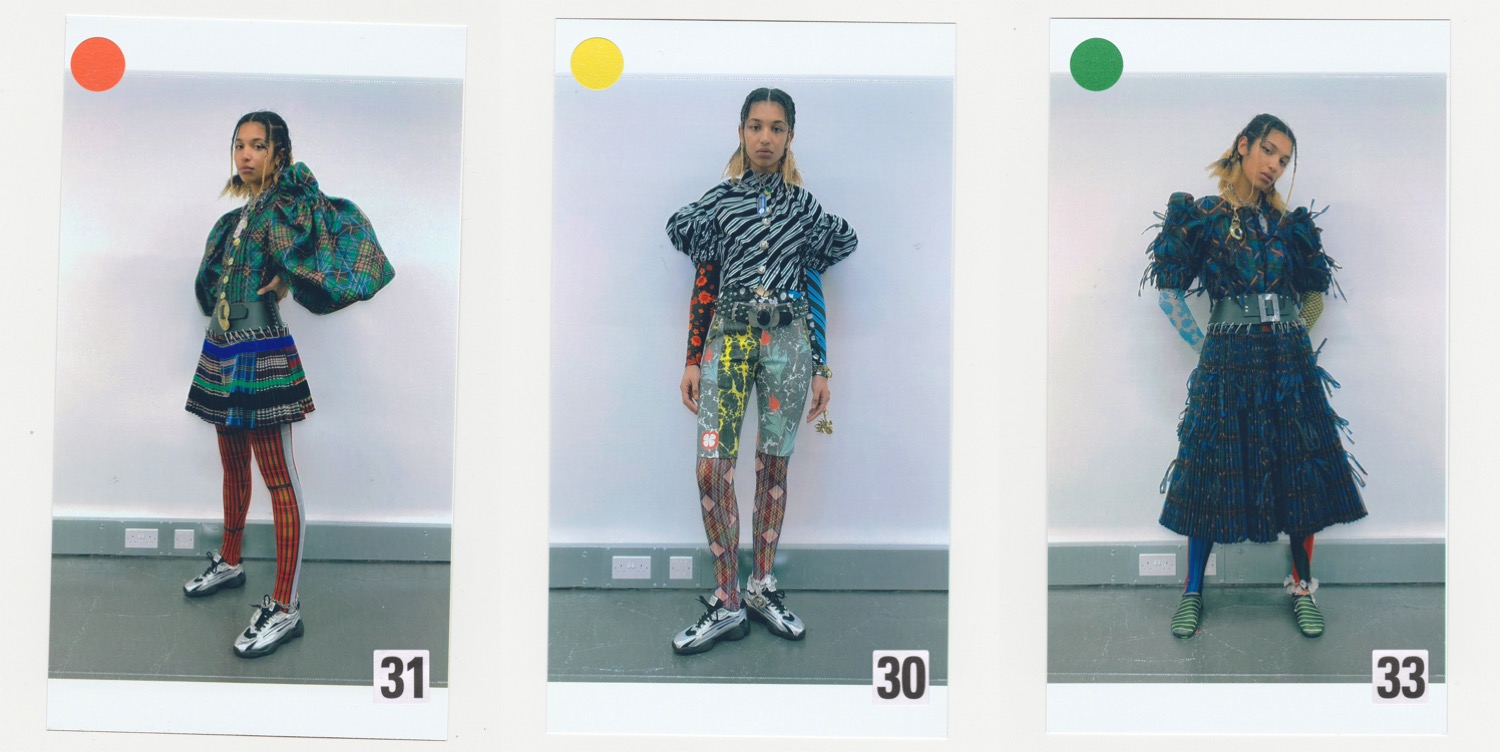
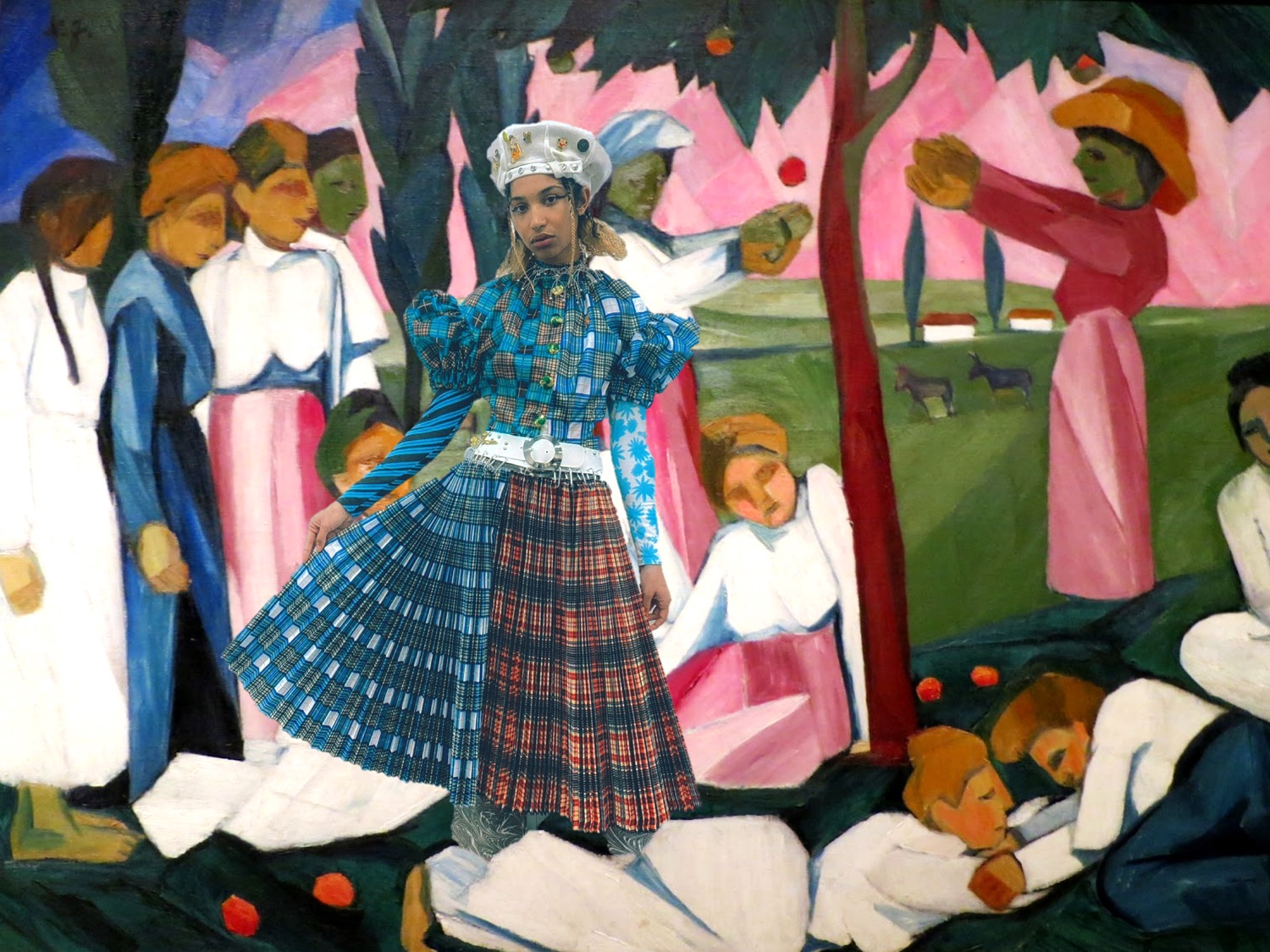
I bet you’ve seen the unmistakable, Chopova Lowena skirt – multiple-pleated patchworks, suspended by mountaineering carabiners from chunky leather belts – on the street style arena. They are so distinct in their look you that just can’t miss them in the crowd. Emma Chopova and Laura Lowena‘s signature, made out of traditional fabrics from Bulgaria – and produced there – was the start of their label’s story. In a short space of time they’ve developed a cult following for their upcycled collection: colorfully cool, full-skirted dresses with big puffed sleeves, layerings of tartans and ’70s prints. Also, their way of doing things is so appealing. “It’s important for us not to make clothes for the sake of it, but to make things which are part of our heritage, and are helping people,” they say. Chopova’s light bulb moment was realizing that her home country is full of under-recognized cultural resources – both in terms of rich fabrics and skilled female sewers. “After communism in Bulgaria, it was all about adopting a Western lifestyle,” she says. “So all the beautiful traditional clothes which had been made as dowries for brides, which people kept in trunks for generations – they didn’t find them precious anymore, and were throwing them out.” The designers began retrieving them, along with 1970s mass-produced flower-print and check taffeta deadstock, then made a network of Bulgarian women seamstresses to make their collections. “It’s built up by one friend knowing another – someone knew a granny who loves embroidery, the old technique they used for aprons. So now it’s great that everything’s being made by these women who really know their skill.” Thanks to another friendship-group link, Chopova Lowena has hit on original way of making jeans this season, printed with beautifully faded marbled patterns, inset with florals. “It’s made by women in their houses in Bursa in Turkey,“ Chopova told Vogue. “We discovered it through one of the Bulgarian women we work with, who goes there. It’s a-300-year-old technique which is used for making Turkish tiles; but now we’ve transferred it to fabric,” she continues. Every piece is unique. In times when sustainability must be the keyword for every brand out there, this ethical way of working comes naturally for these two designers. “We think it’s a luxury to be able to have something handcrafted, and to know where it comes from,” Chopova says. “When we were starting, with all these old materials and telling buyers that, no, everything we make can’t be the same – we never even guessed that it would be welcomed.

Collage by Edward Kanarecki.

Good Times Will Come. Rosie Assoulin AW20

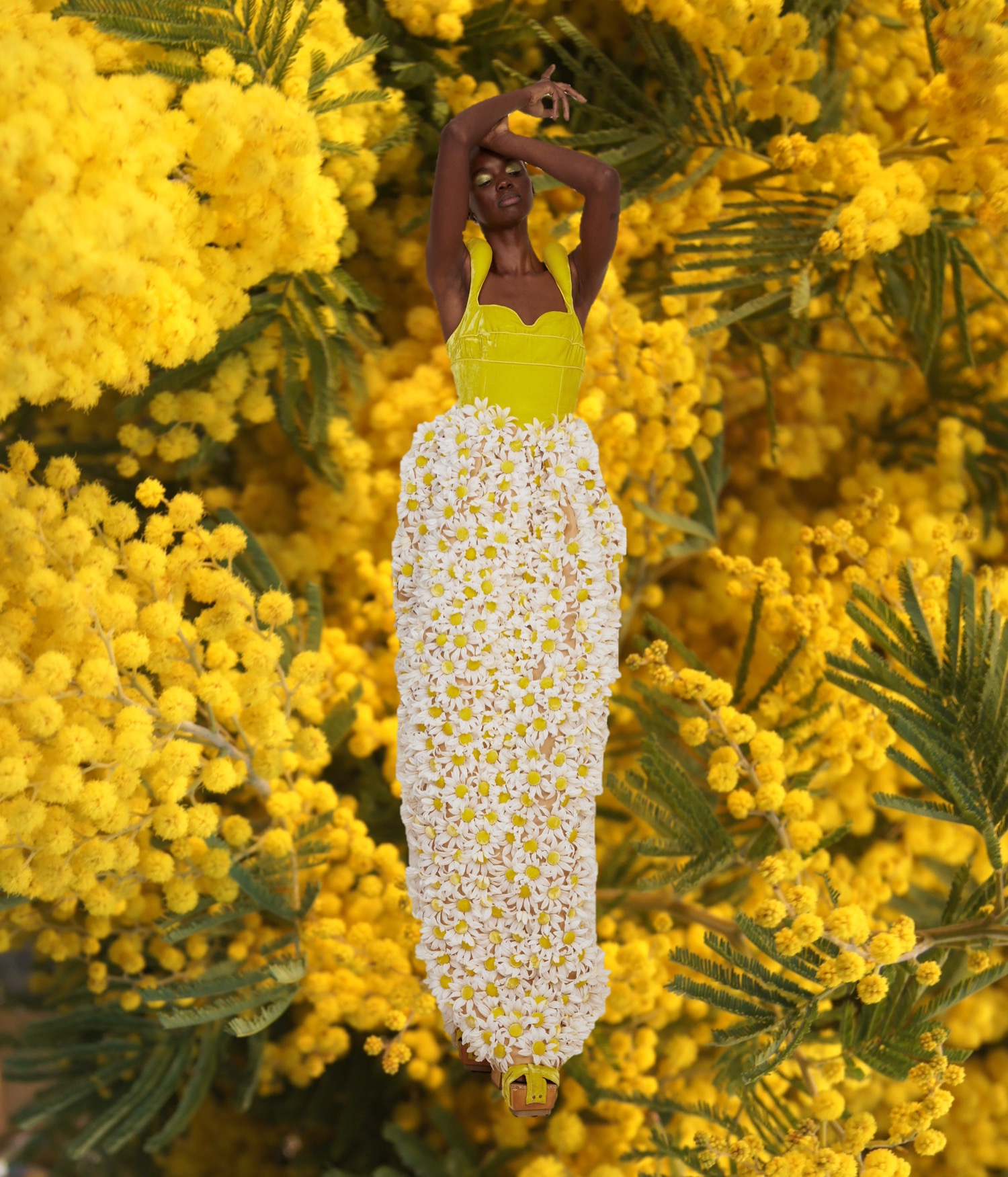
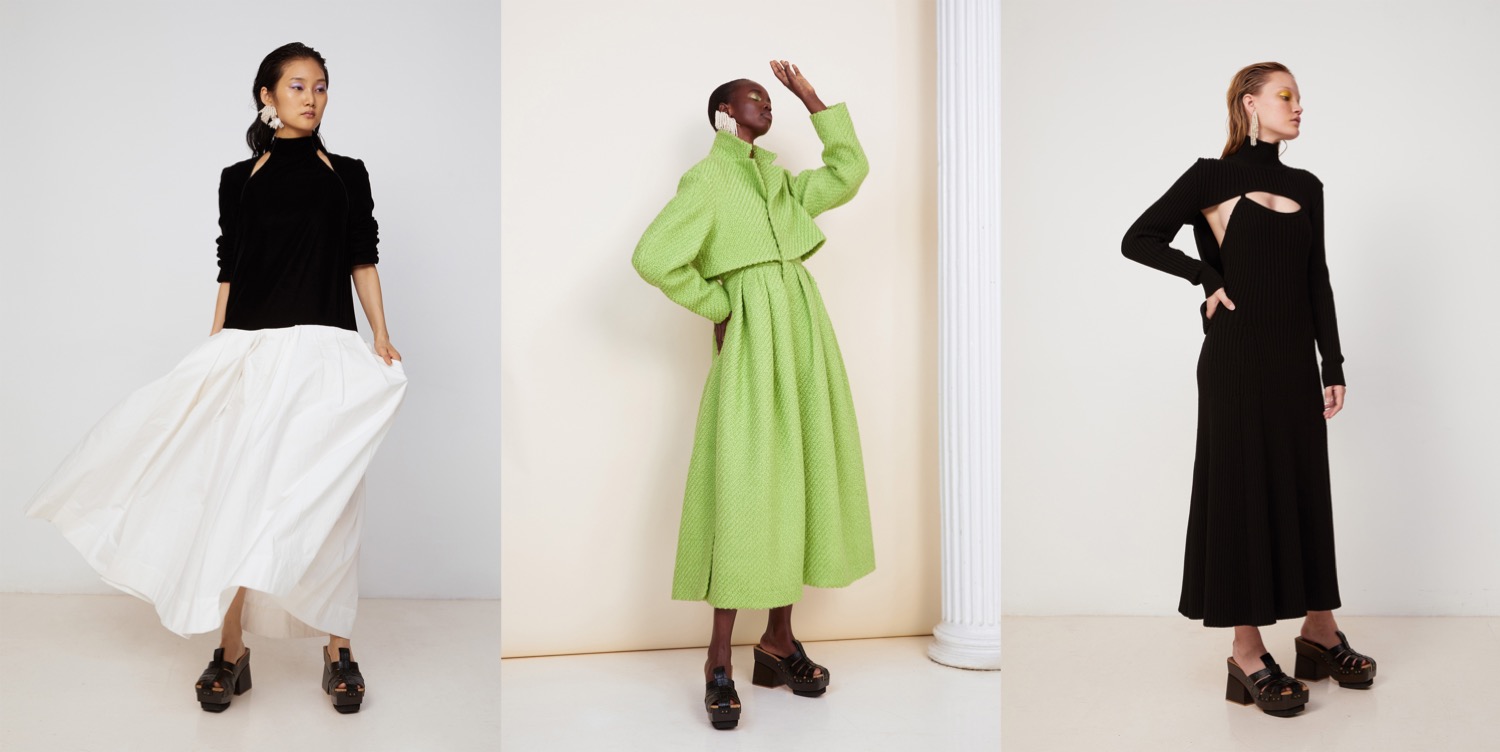
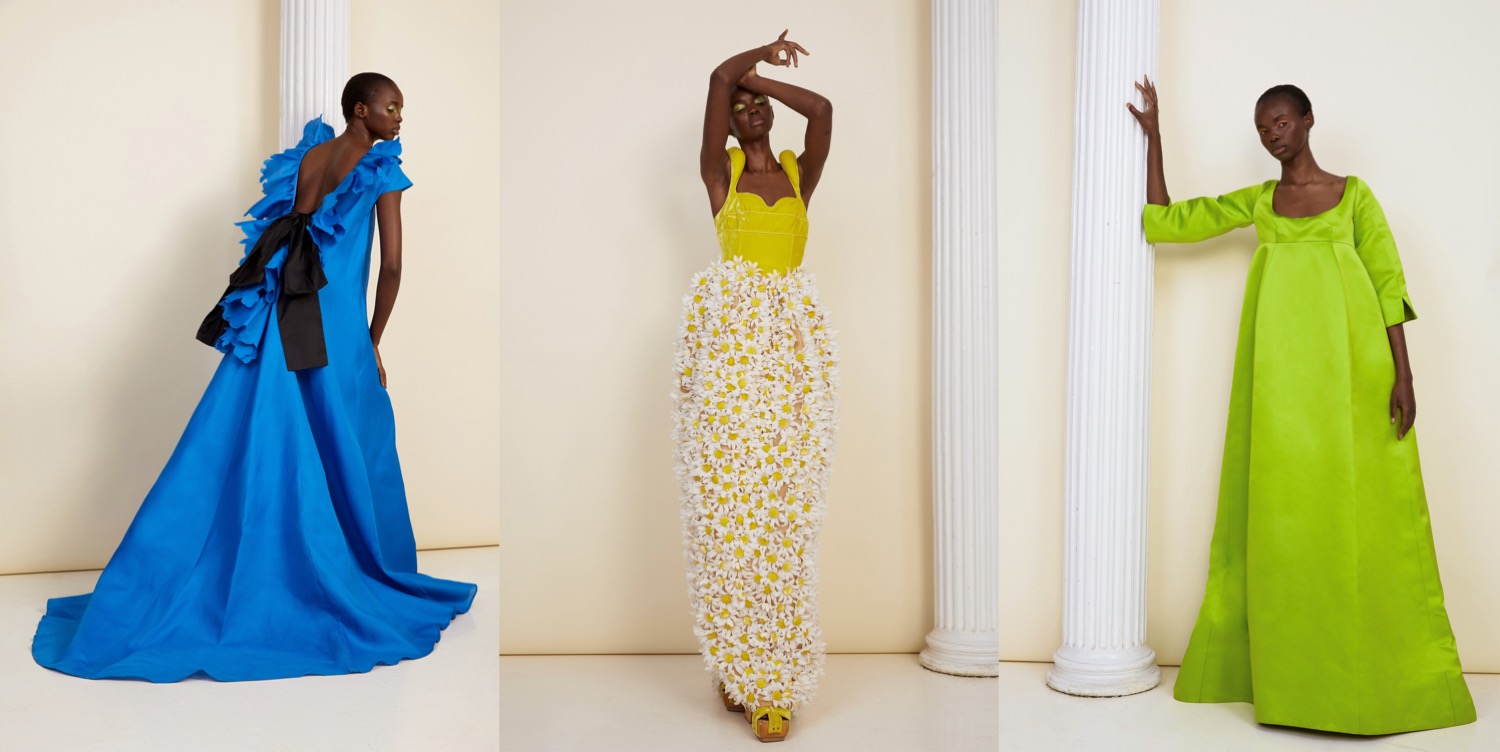
The spread of coronavirus affected everyone in the fashion industry this season, from Milan to Paris. In the first days of March, Rosie Assoulin planned to present her autumn-winter 2020 collection in Paris. I was so happy: we would finally meet in person after years of our Instagram chats. In the end, the event didn’t take place and the designer stayed in New York for safety reasons (which was a right thing to do). When the look-book went live on-line, I was even sadder we all didn’t get a chance to see the clothes in real life, because this collection is GORGEOUS. It’s probably my favourite line-up coming from Rosie. The collection consists of three stories, “almost like capsule collections,” the designer told Vogue, with each speaking to a different theme. The first story emphasized knitwear and outerwear. Her new season hit, “Thousand-In-One-Ways” wool sweater, is a highlight – you can wear it multiple ways, sometimes revealingly, sometimes concealingly. Jumbo plaids, blanket shapes, and heavy wools were cut into fitted coats that blurred the line between jacket and dress. The next story was florals – literally. The designer used silk-petal daisies with velvet buttons to turn the skirt of a lemon dress into a 3D garden. Same happened to a going-out bra and one of the white shirts. The last part was Assoulin’s all-time signature: eveningwear. Couture-ish volumes in exuberant colours and rich satins were contrasted with simpler, yet equally convincing pieces like the white column dress with matching flowers on the straps or a parachute mini-dress in lemon-zest-yellow. Good times will come. Celebrate them in one of those beauties.

Collage by Edward Kanarecki.

For The Champions. Lacoste AW20

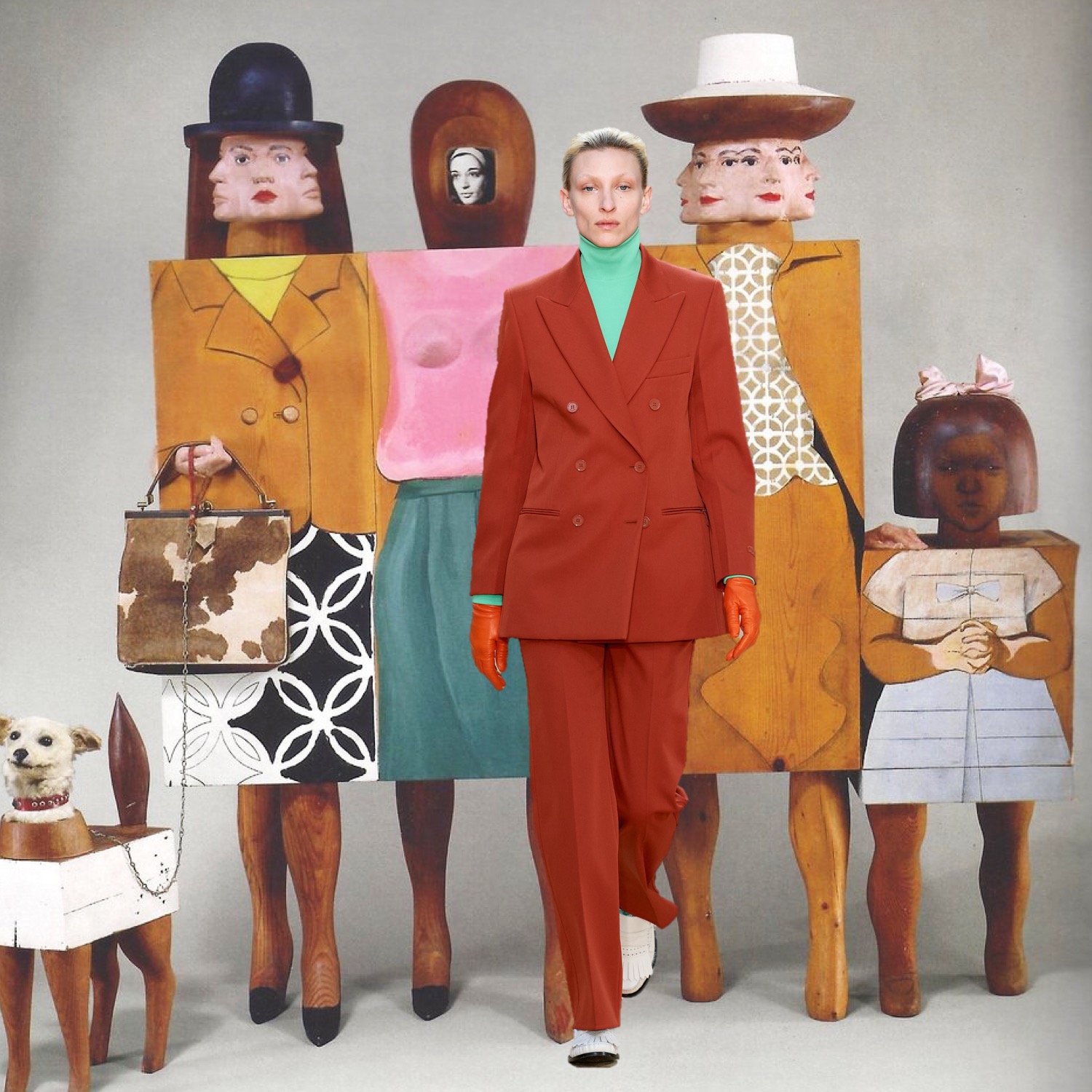
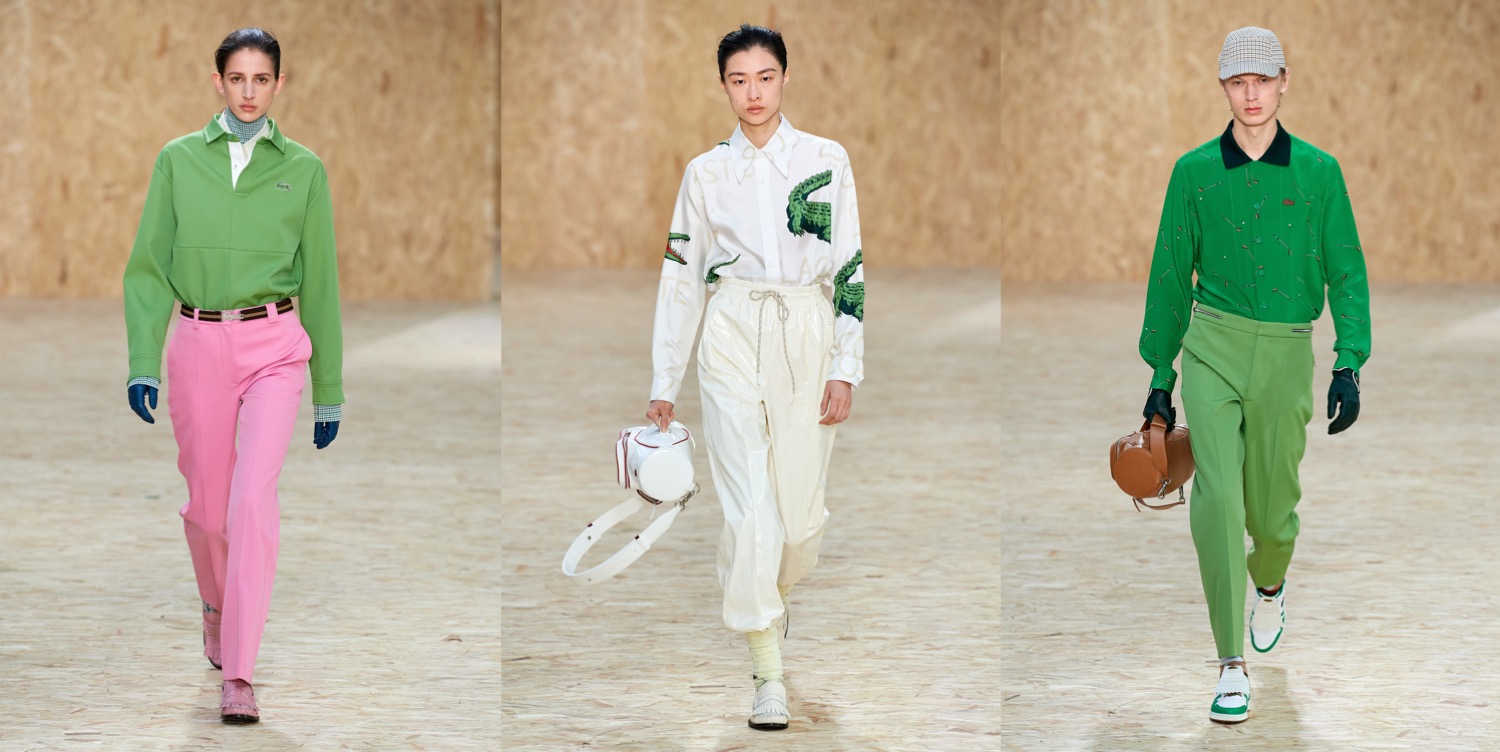
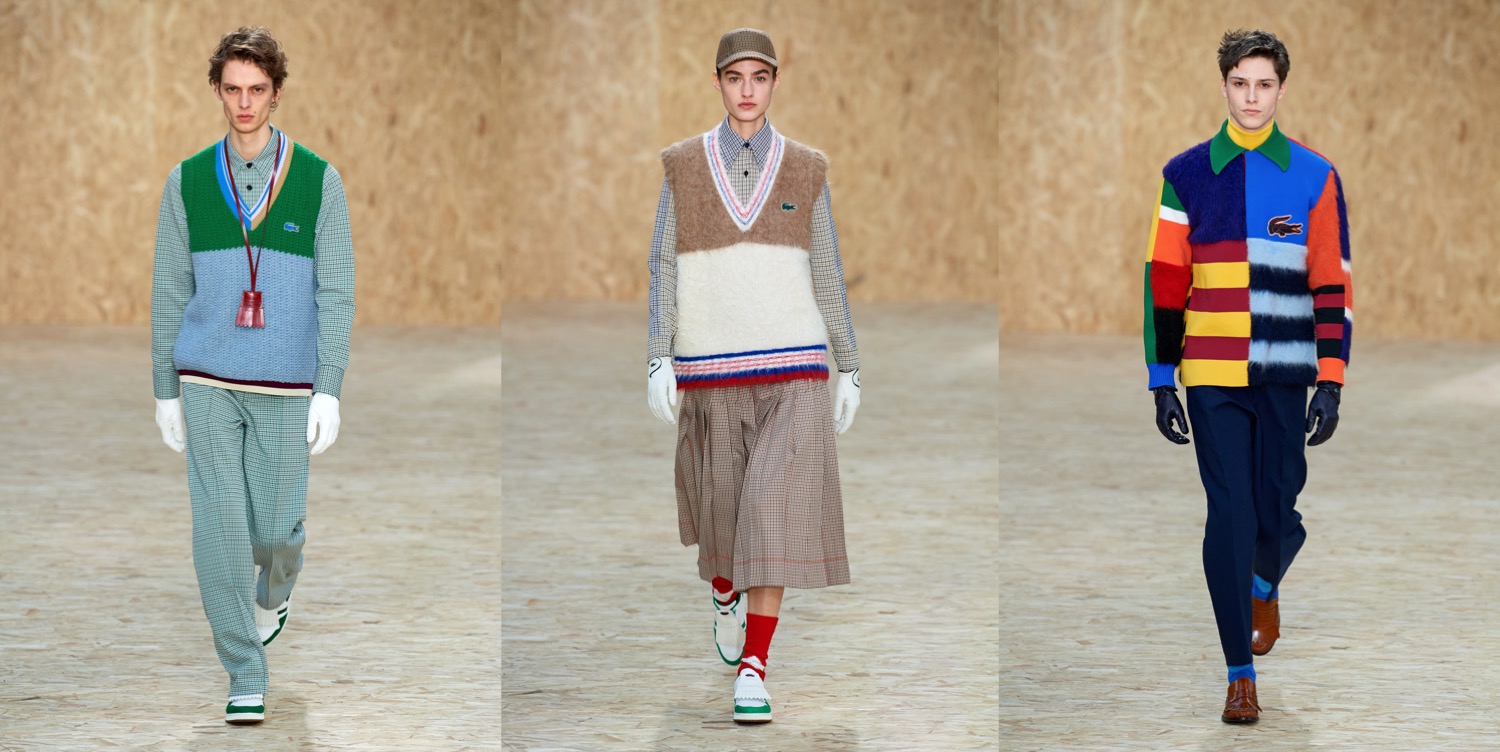
Louise Trotter‘s take on Lacoste gets better and better with every season. Golf bags, kiltie loafers, and signature green crocodile logo were all over the autumn-winter 2020 – Trotter knows that a brand like this needs its codes to be nurtured continously – but there were other additions. The designer has not abandoned the brand’s tennis heritage for its neighboring sport at the country club – through these golf-inspired pieces, she is paying homage to René Lacoste’s wife, Simone de la Chaume, a champion golfer whose legacy has been overshadowed by her husband’s embroidered gator. In De la Chaume’s heyday in the 1920s, shin-grazing pleated skirts and deep-V knitwear constituted the on-green look for women; here, Trotter refigured these silhouettes to be lighter, breezier, and in flashes of pastel colors. Styled as total looks – according to stylist Suzanne Koller’s own wardrobe rules – these golfing ensembles had a quirkily modern feel without veering too far into costume. The colour palette of the collection was definitely one of the most inspiring this season. I think buyers and editors aren’t really taking the new Lacoste seriously. And they actually should: it’s great.

Collage by Edward Kanarecki.

Past, Present, Future. Louis Vuitton AW20

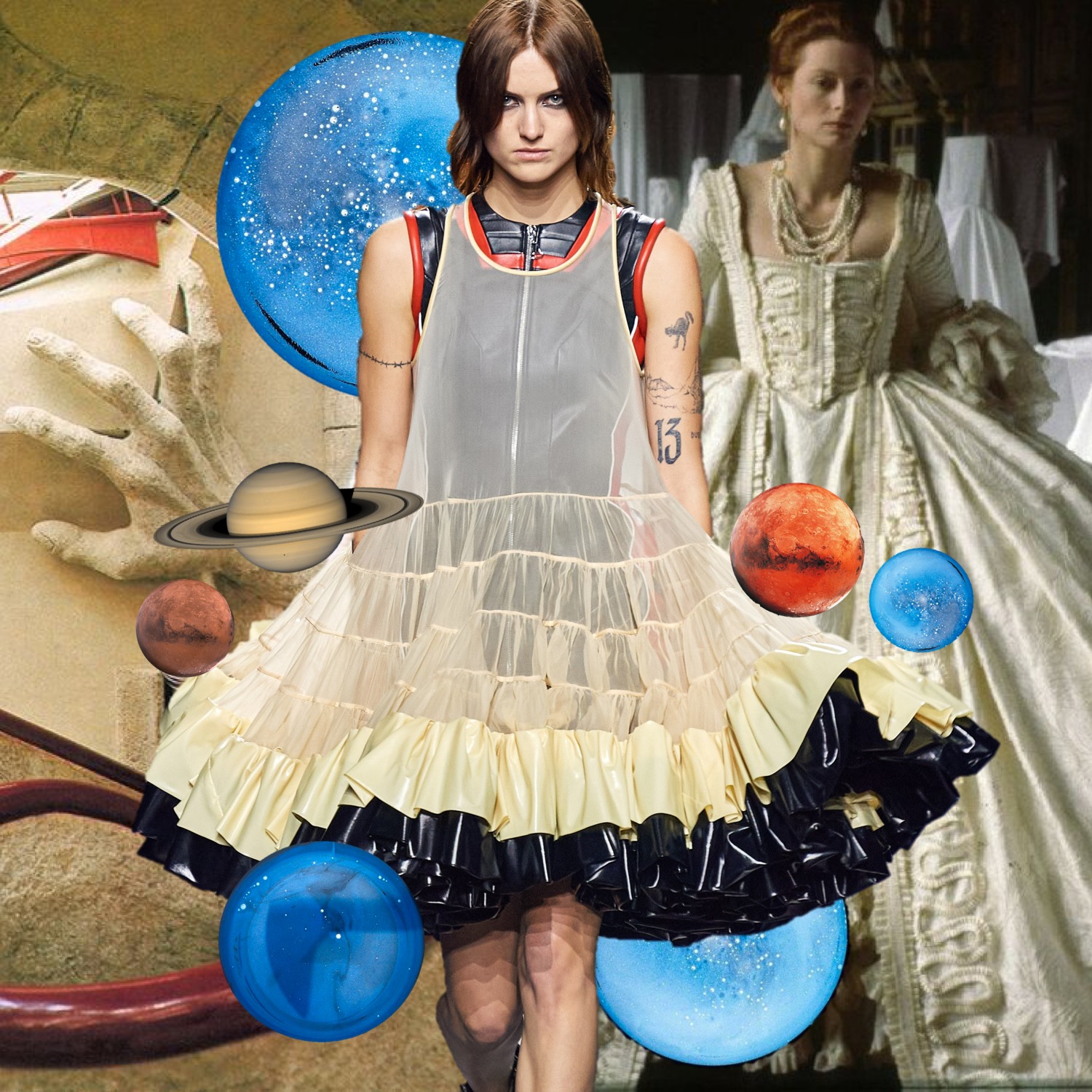
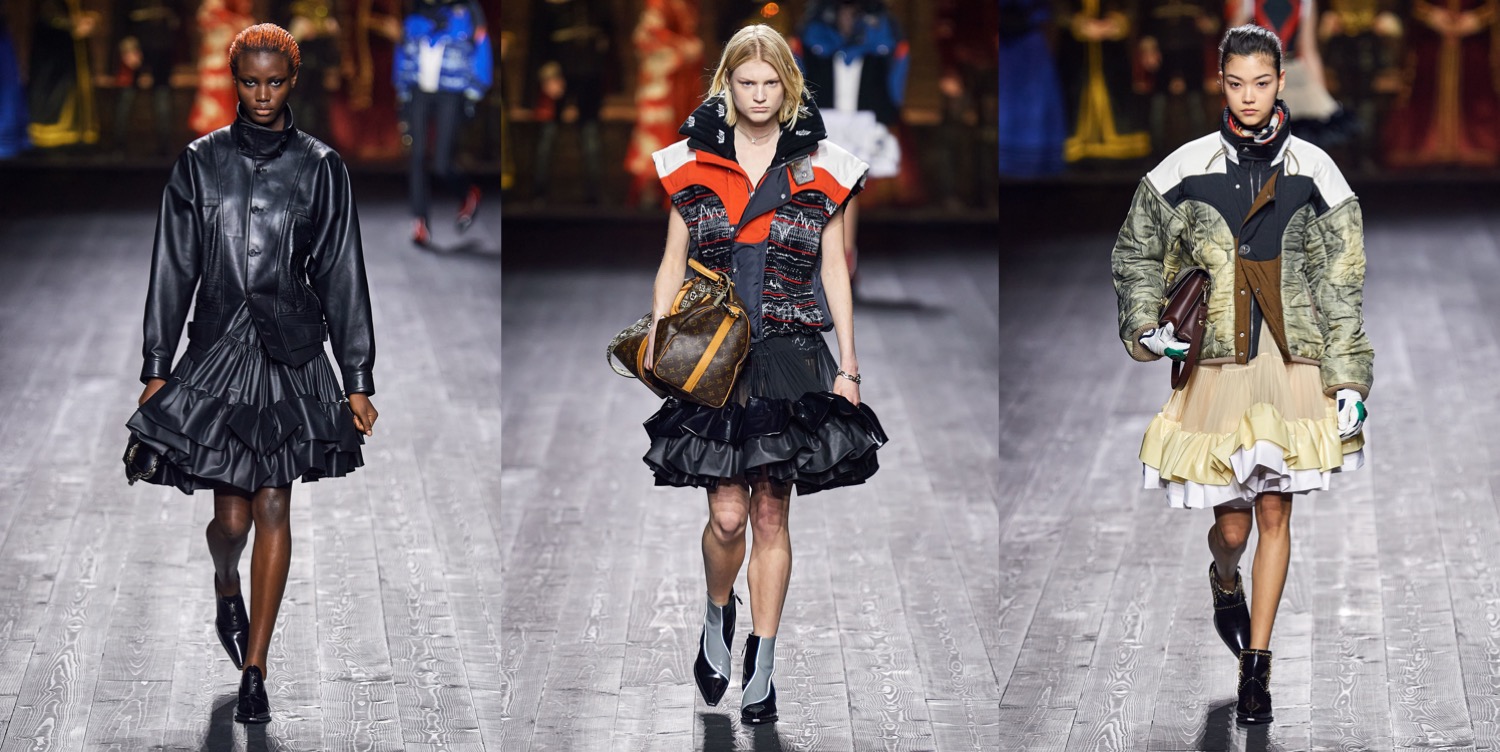
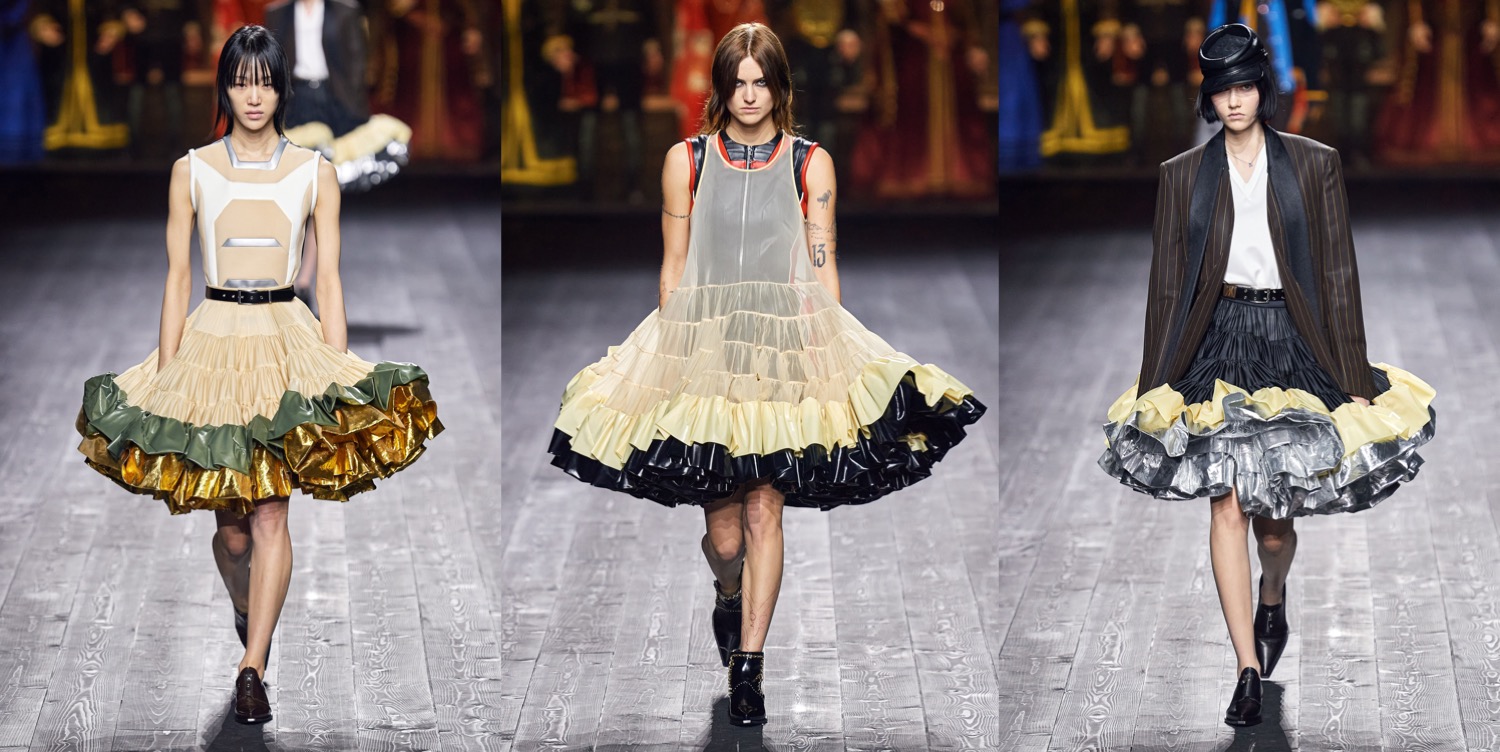
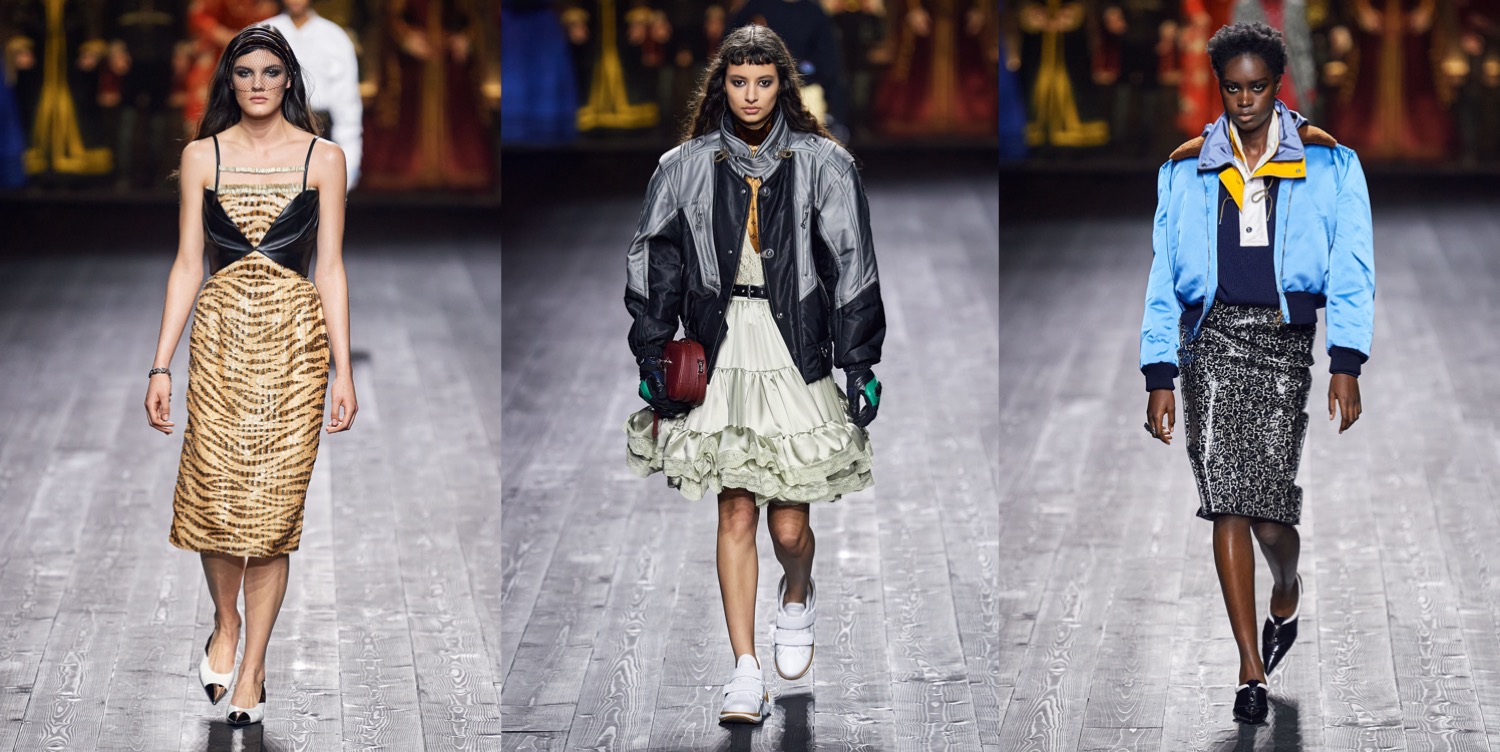
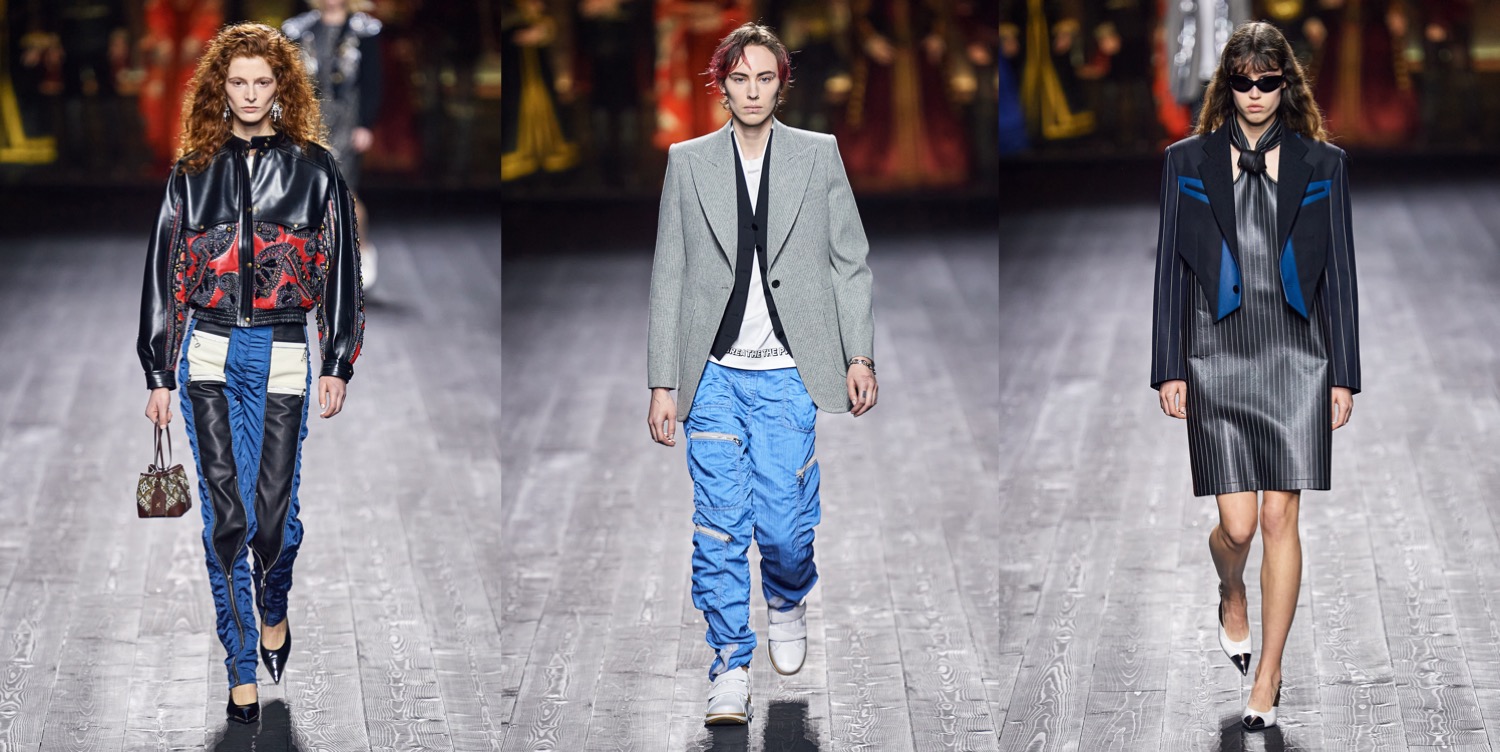
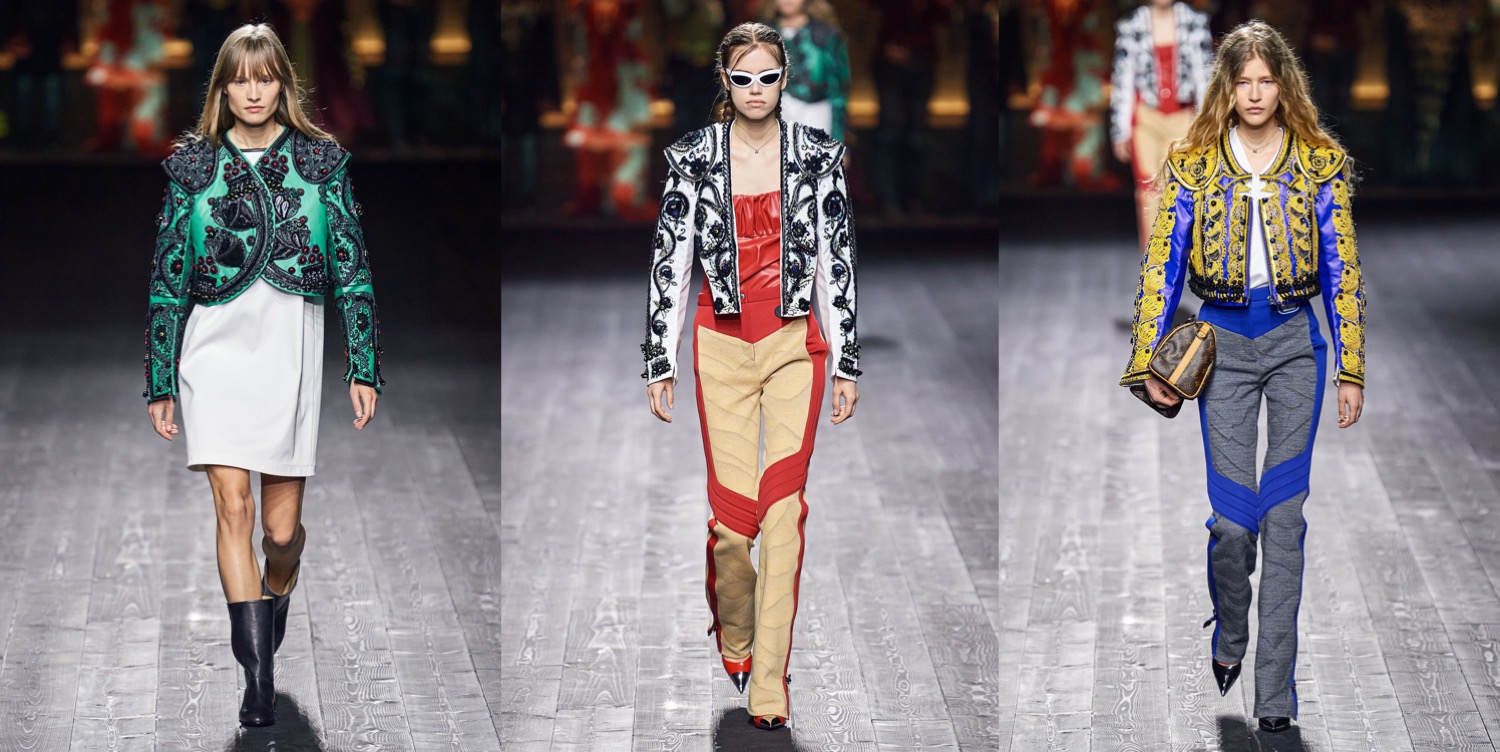
This season, Louis Vuitton‘s Nicolas Ghesquière enlisted the costume designer Milena Canonero, a frequent collaborator of Stanley Kubrick’s, to create a monumental backdrop of 200 choral singers, each one clothed in historical garb dating from the 15th century to 1950. It was a mammoth undertaking, and a truly beautiful one. “I wanted a group of characters that represent different countries, different cultures, different times,” Ghesquière explained beforehand. “I love this interaction between the people seated in the audience, the girls walking, and the past looking at them—these three visions mixed together.” The time-collapsing sensation was heightened by the fact that the chorus performed was a composition by Woodkid and Bryce Dessner based on the work of Nicolas de Grigny, a contemporary of Bach’s. All of today’s fashion is a synthesis of the past, but Ghesquière makes a closer study of it than most. He’s compelled by the anachronous. A few seasons ago he clashed 18th-century frock coats and the high-tech trainers, creating a look as full of contrasts as the times we live in. For autumn-winter 2020, he offers even more time clashes: jewel-encrusted boleros (I can already see Rosalia performing in one of those) meet parachute pants, buoyant petticoats are paired with fitted tops whose designs looked cribbed from robotics, bourgeois tailoring is layered over sports jerseys. My favourite look of the collection – a sheer tulle dress with latex finishings worn over a leather motocross body – carried the quintessence of Ghesquière’s concept. The collection comes perfectly in time with the upcoming Met Gala (which is scheduled for the beginning of May and isn’t surrendering to coronavirus – for now) and its theme. Nicolas is the cohost of the gala, and Louis Vuitton is sponsoring the Costume Institute exhibition, “About Time: Fashion and Duration”. Just as in the exhibition’s idea, the collection says it out loud: fashion is a mirror of the present moment, built from the past. And it has future, as well.

Collage by Edward Kanarecki.