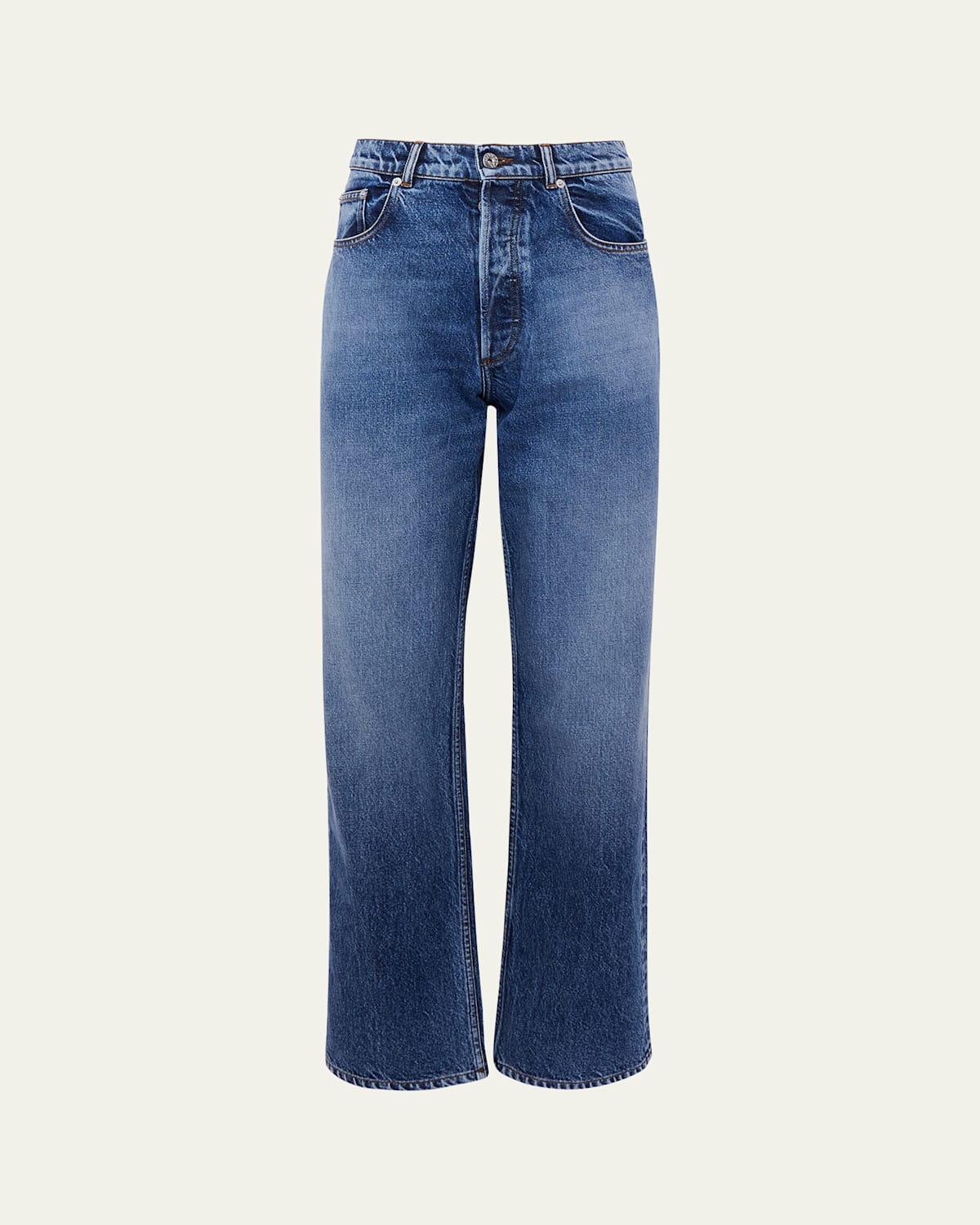
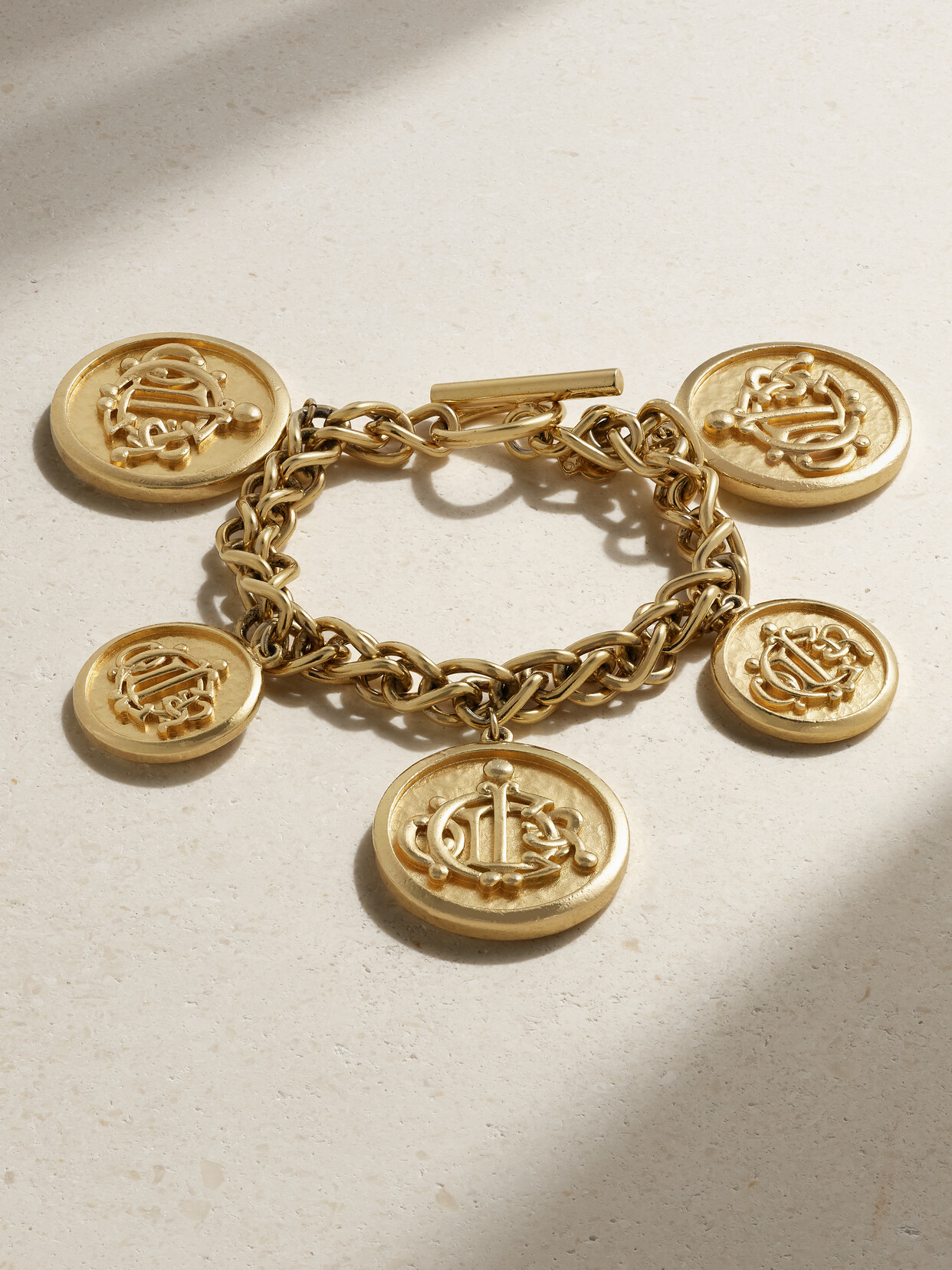
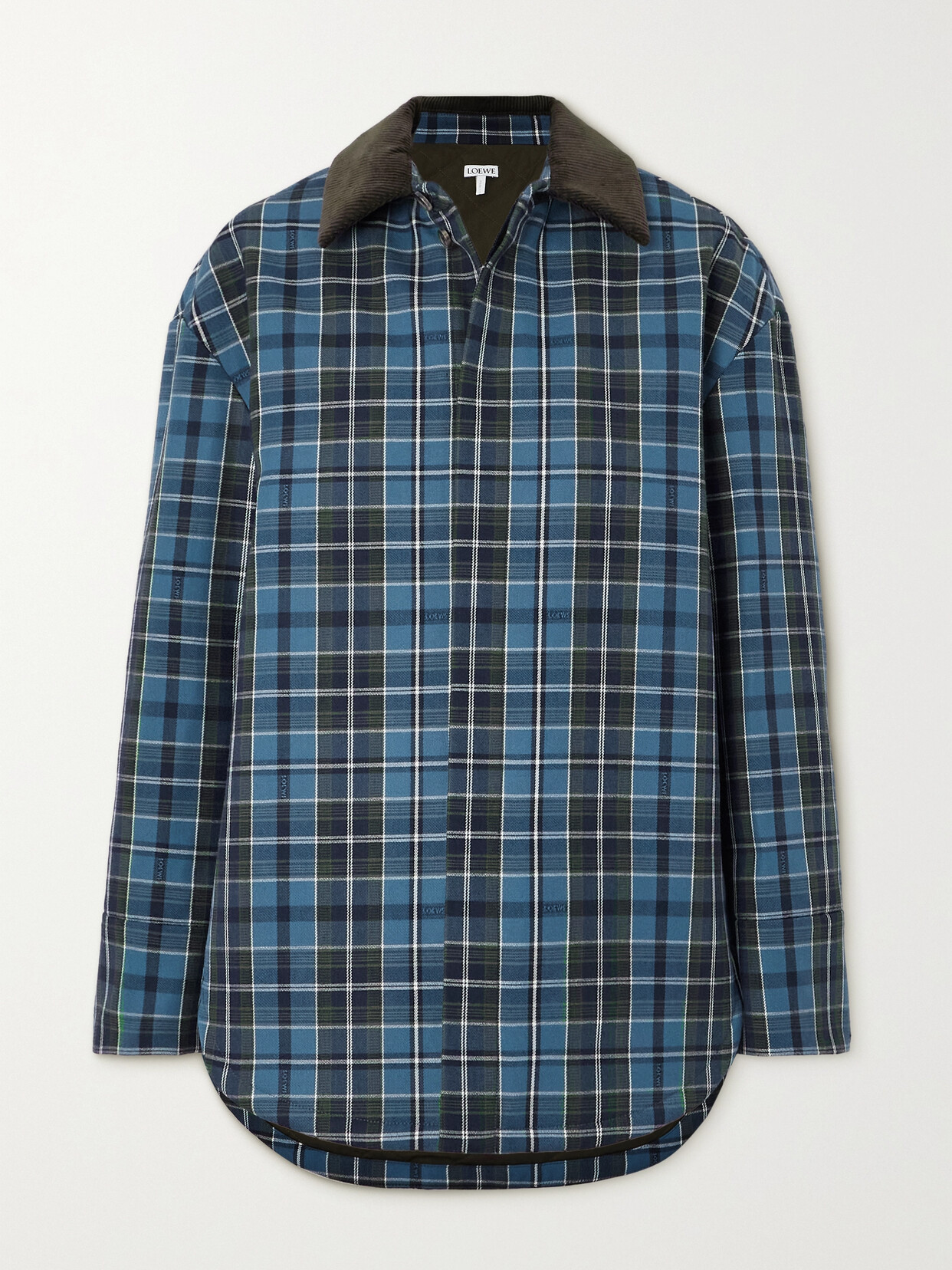
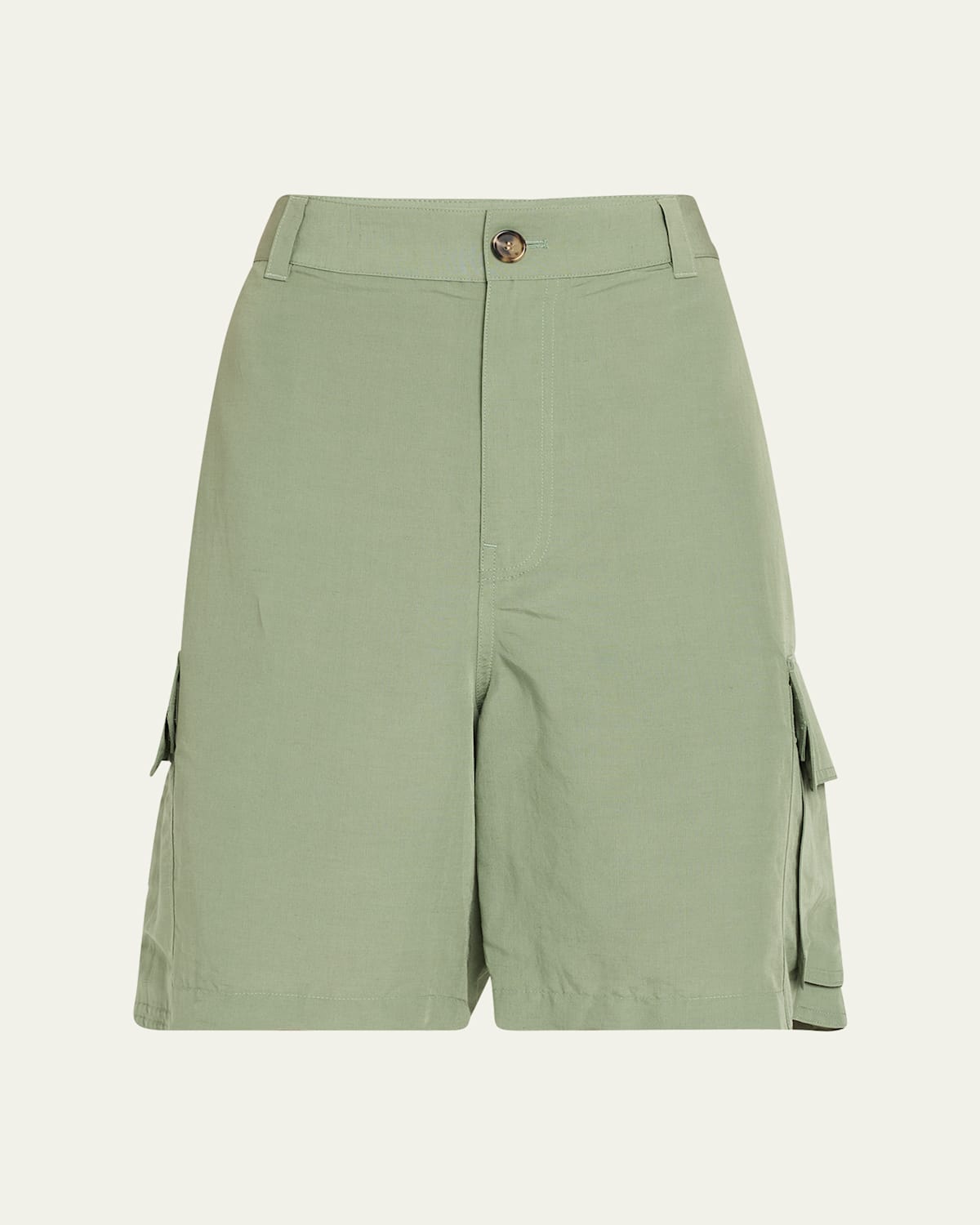
Christophe Lemaire and Sarah Linh-Tran – who has given birth since the Lemaire show in January – wanted to deliver a collection that felt “awakened”. It certainly was awakened in terms of sensuality. The Lemaire man and woman are sheding cocooning layers and confidently reveal some flesh, a lot more leg. Think a super-chic crinkled leather, knee-length skirt worn with a blazer and a pair of mesh sock-sandal heels, or else silky culottes that gave baggy drawers a sensual spin. One look was especially unexpected: a beautiful lace dress in ochre, worn with an oversized trench coat and chestnut pumps. You don’t see lace frequently on the Lemaire runway, and it felt so right.
Marc Jacobs showed his latest collection on Monday, it’s Thursday, and I’m still on a high!!! A fashion high! And I don’t want it to end.
The king of New York fashion is one of the last designers who knows how spark true euphoria with his runway work. And also one of the last fashion creators who comprehend, cherish, and nurture what Walter Benjamin once called aura.
It’s the magnetic, almost transcendent presence certain artworks possess. Originality, authenticity, and the sense of time and place woven into an object: this is a Marc Jacobs garment, through and through, traditionally presented at a light-speed pace at The New York Public Library. In an age of fast fashion and mass production, aura is what sets apart the truly iconic from the easily replaceable. It’s that feeling when a piece doesn’t just dress the body – it tells a story. Aura is like a drug you can’t deny. READ MY FULL REVIEW HERE.
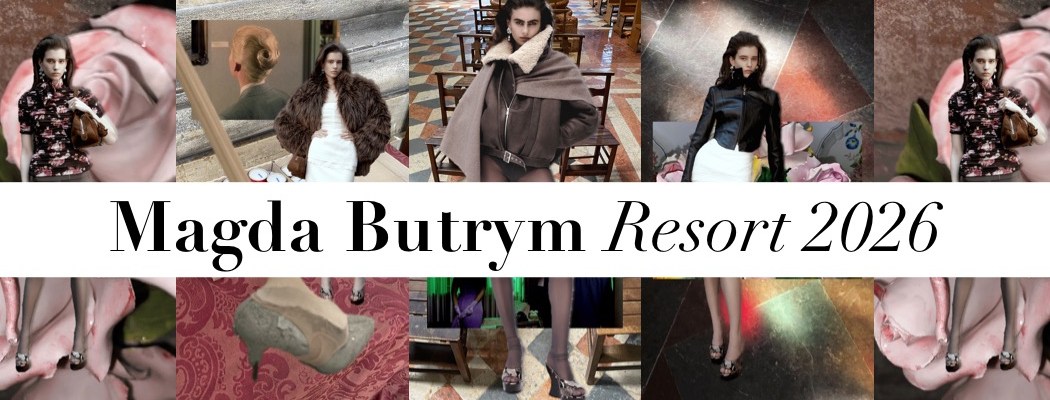
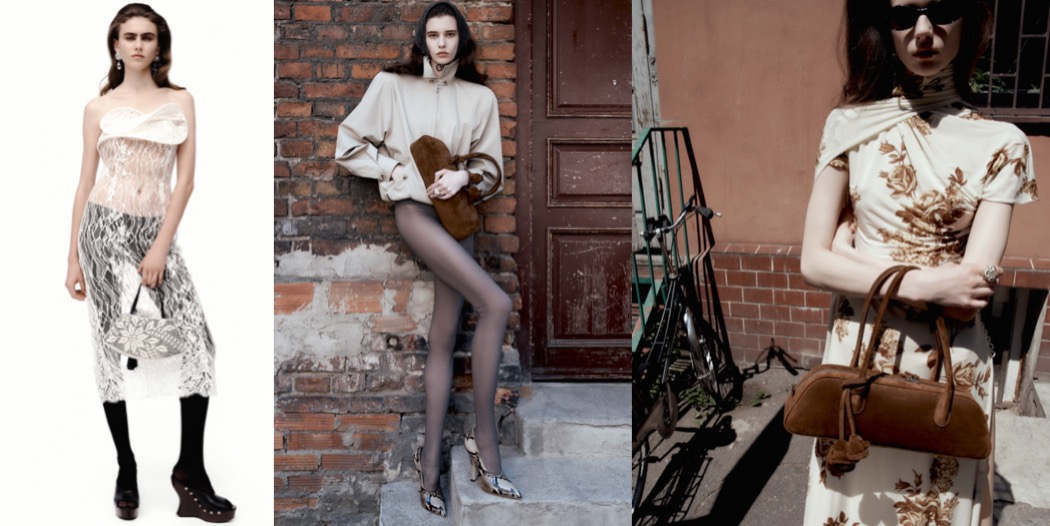
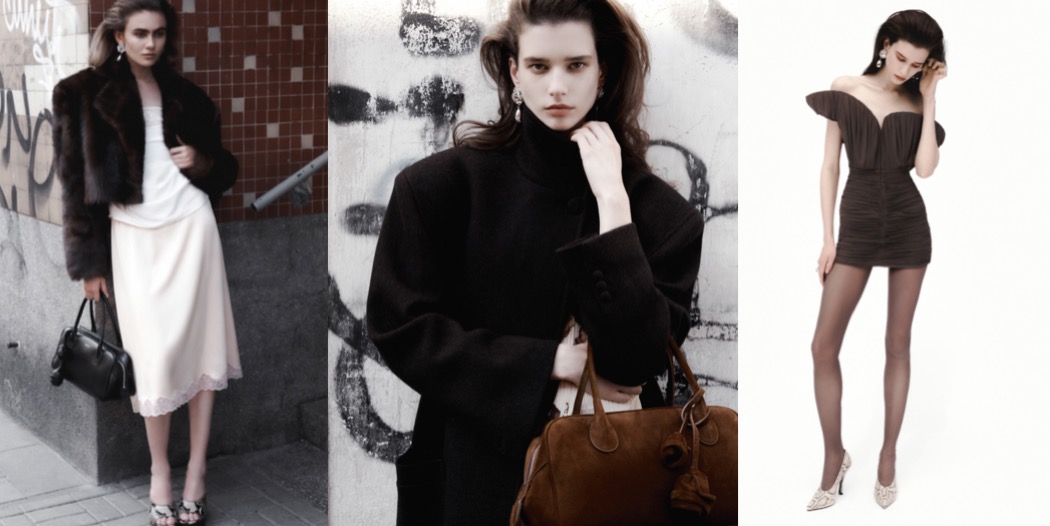
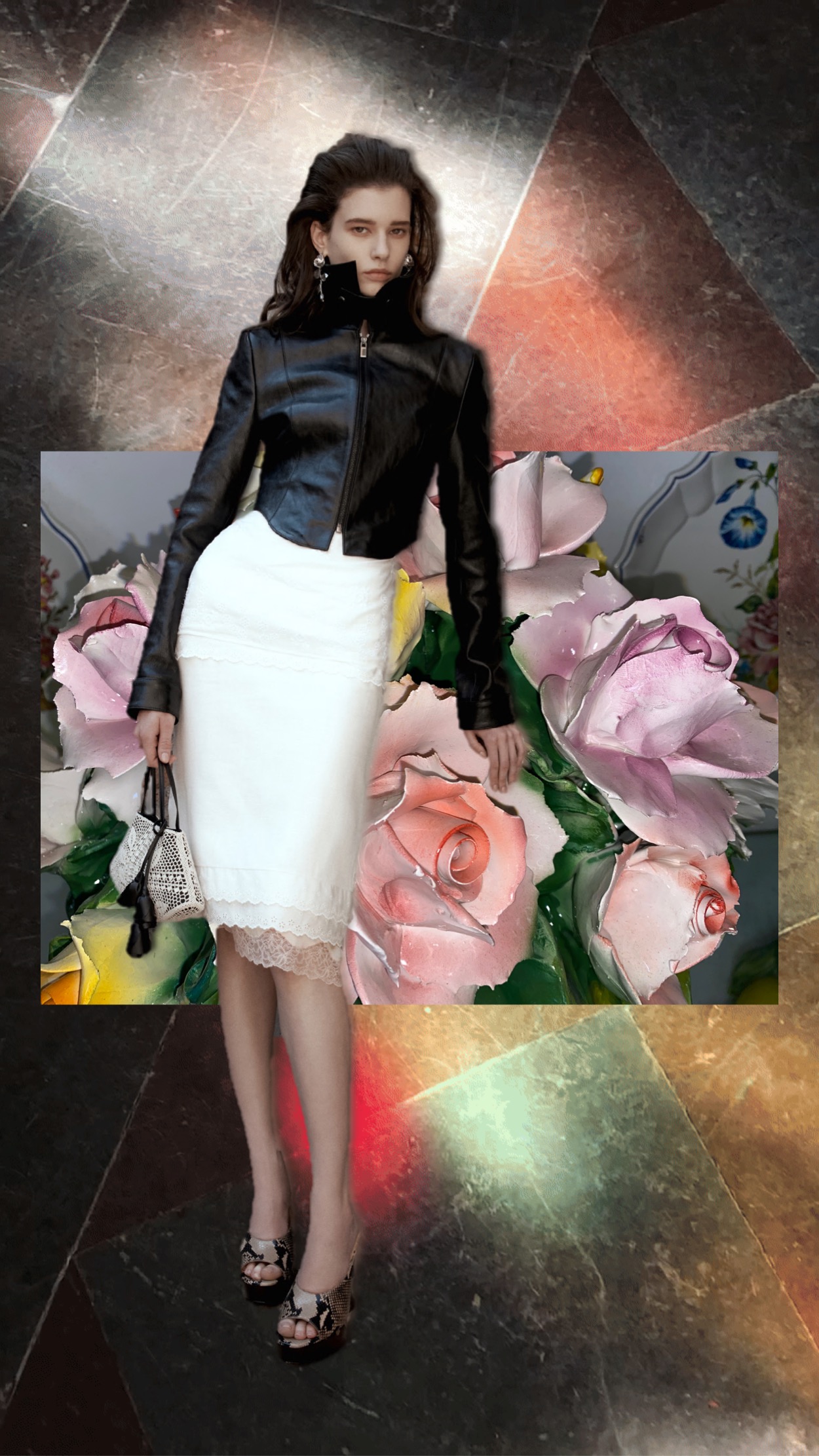
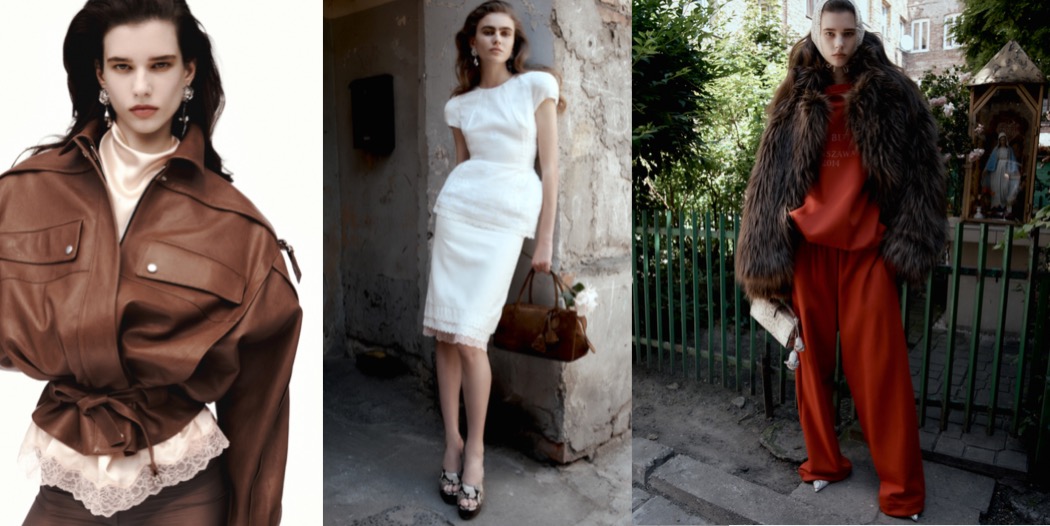
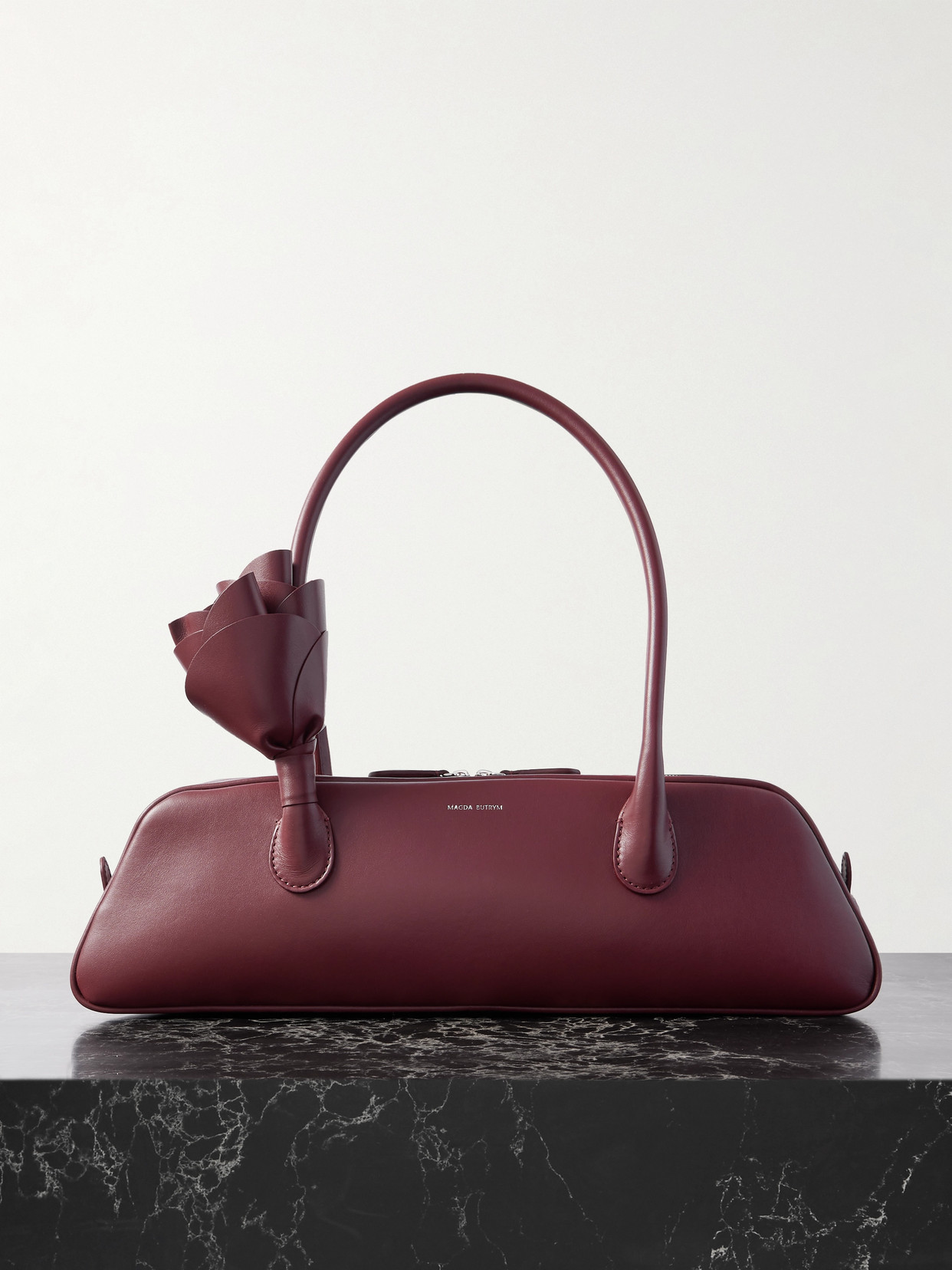
Introducing the Magda Butrym pre-spring 2026 look-book: an ode to revived, lady-like femininity documented in the romantic courtyards and gritty streets of Warsaw’s most elusive quarter.
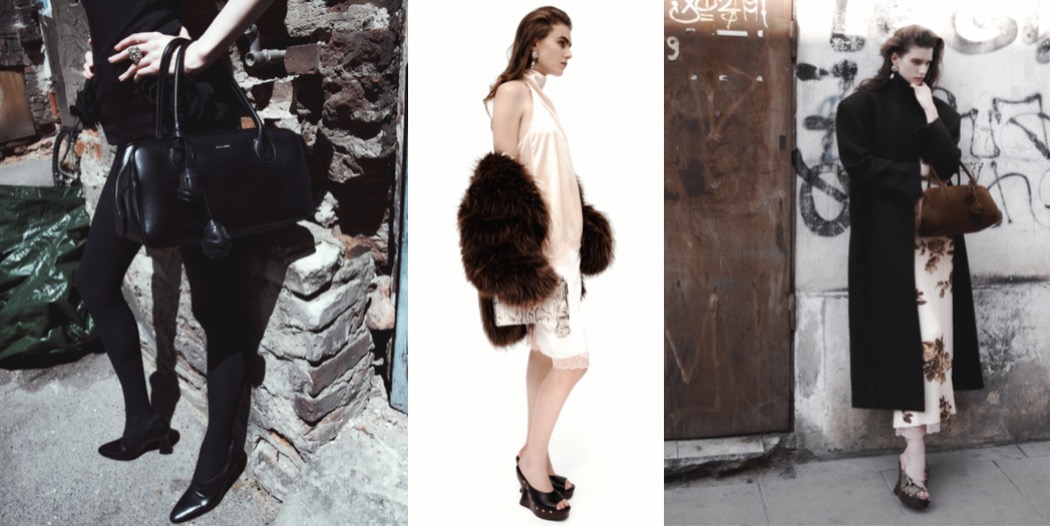
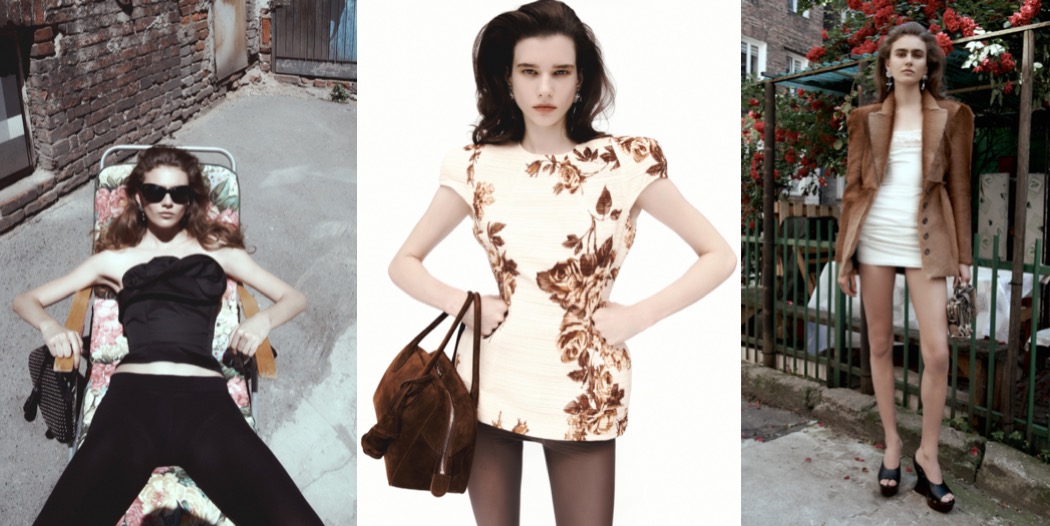
The look-book is an emotionally charged exploration of Warsaw’s lesser known, yet enigmatically alluring neighborhood: the Praga-North quarter. Defined and characterized by historic pre-war townhouses, secret courtyards adorned with sacred shrines and untamed blooms, and offbeat bazaars favored by locals, the district exudes a mysterious atmosphere that resonates with the sentimental and romantic notions of Slavic Heritage – one of the brand’s most distinctive signatures.
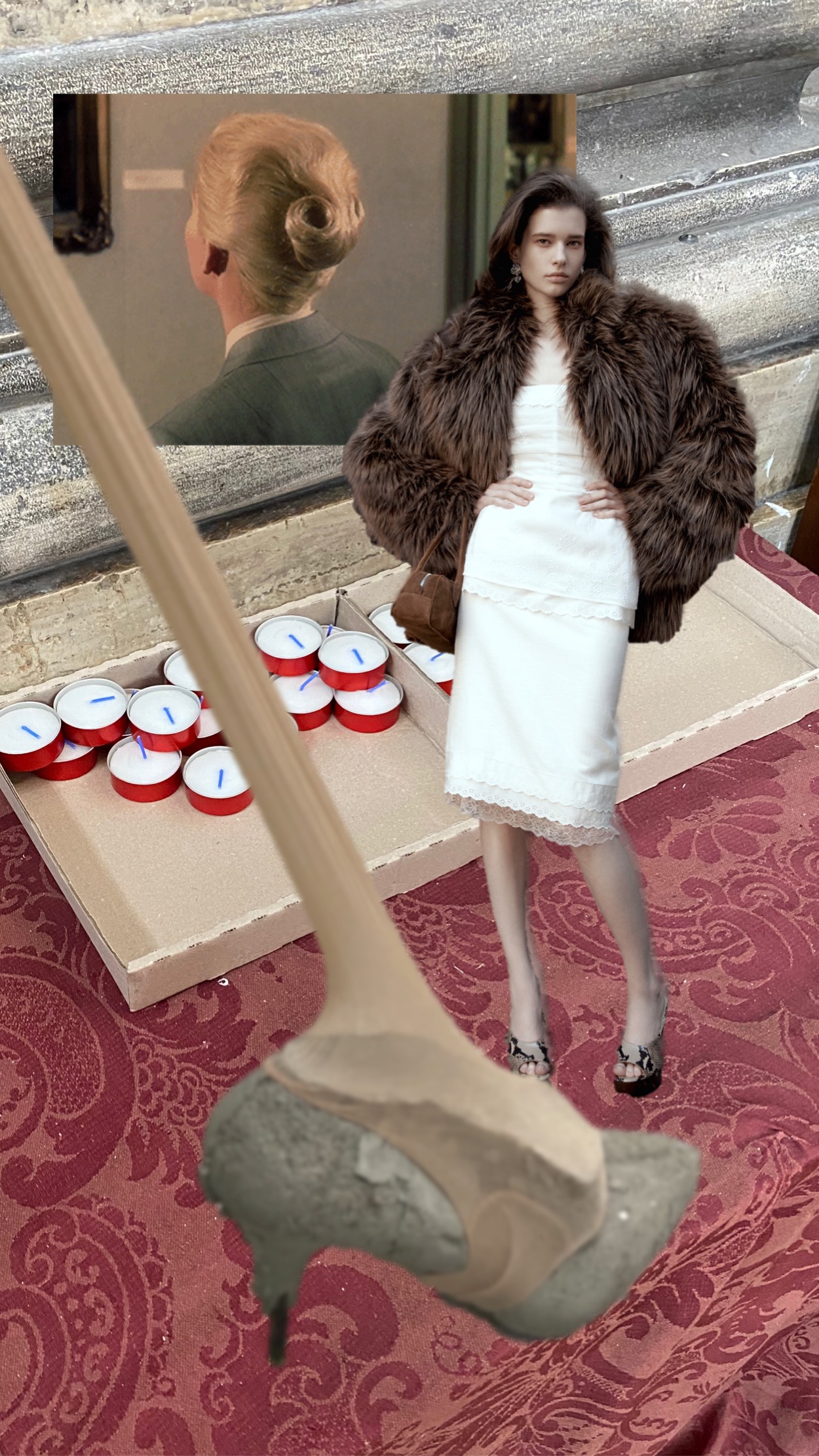
Photographed by Robin Galiegue and styled by Jacob K, the new season look-book expresses Magda Butrym’s deep affection for the ritual of dressing up and the innate, instinctual chic possessed by women of a bygone era. The nonchalance – and undeniable authenticity – of bouffant-haired ladies and sensational dames comes to life in ultra-feminine slip layered beneath robust fur coats; delicate, draped tops paired with lace-trimmed skirts; and bold floral prints clashed against unexpected hues. These codes of elegance draw from Butrym’s vivid childhood memories of the impeccably dressed women she loved observing—and felt inspired by. As she recalls, they didn’t dress up only for special occasions but made an effort with their style on daily basis – and that’s exactly what made such a long-lasting impression on her.
The pre-spring 2026 collection channels the spirit from real glamour, reimagined for the modern age – no longer just an ornament, but a powerful, confidence-boosting armor.
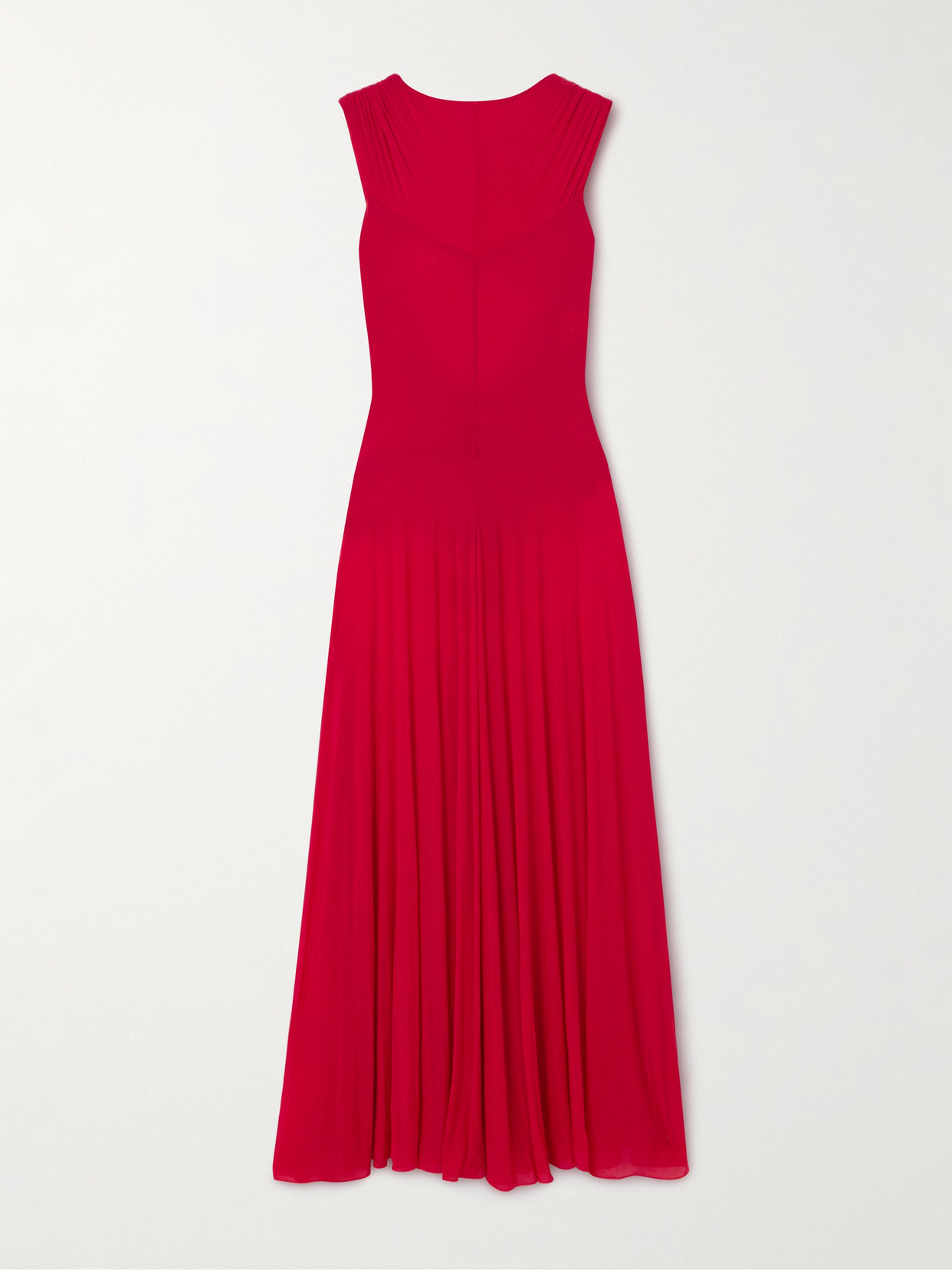
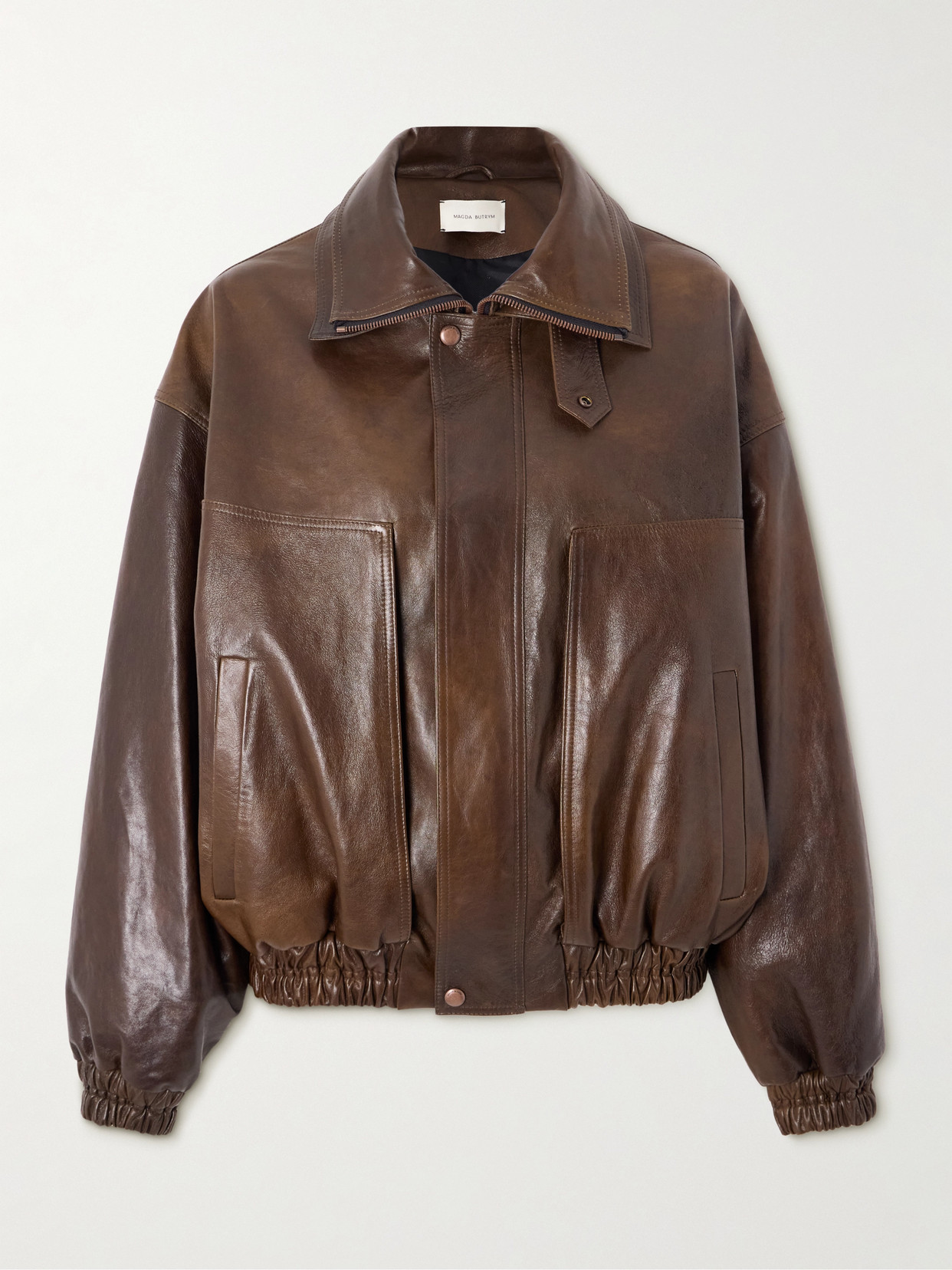
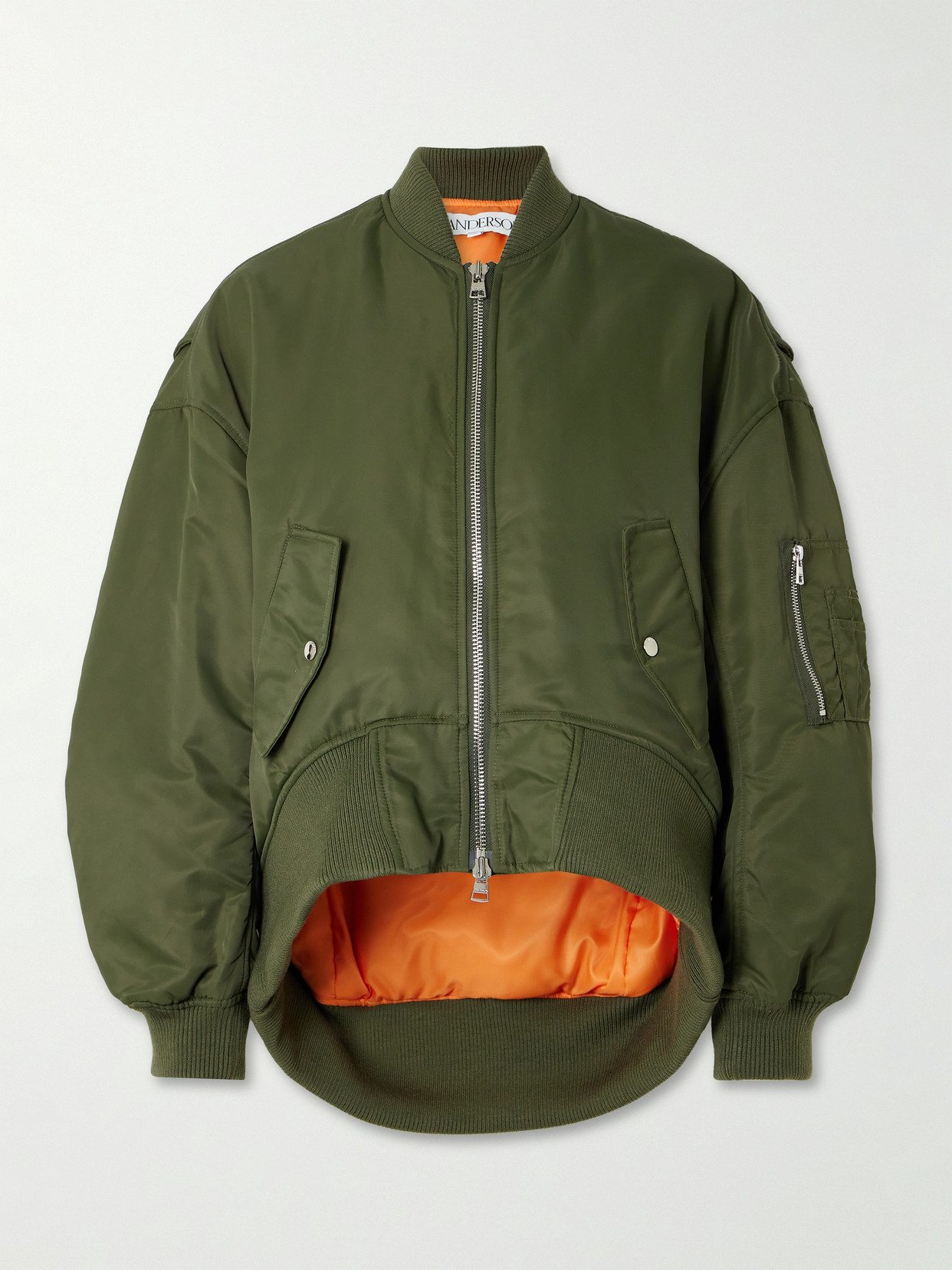
All dressed up and brimming with attitude, the look-book’s nearly cinematic heroines lounge on upholstered deck chairs, stride through the lively streets of Praga-North, and revel in the hidden, picturesque corners of the rough-around-the-edges quarter. The narrow silhouettes – accentuated by shoulder-padded, hourglass-shaped pony-hair jackets and knee-length skirts – are offset by the utilitarian energy of heavy-duty leather bombers and a slouchy rose-red tracksuit. Hip-padded mini dresses boldly reveal flesh, while shaggy boleros and voluminous masculine coats offer a sense of protection. A floor-sweeping crimson dress with a dramatic back slit is finished with a vintage-inspired flower necktie, its petals subtly shredded. Beneath the collection’s rich textures, artisanal details, and lady-like decorum lies a raw, risqué energy- sexual, liberated, and unapologetically bold.
The look-book thrives on an unexpected, magnetic tension: rose gardens blooming amid brutalist surroundings, sacred icons of Saint Mary tucked away in shadowy alleys. It reflects the designer’s vision of ambiguous femininity – glamorous and “perfected” at times, yet coarse and grunge-tinged at others. That sensual duality is especially vivid in this season’s leg-centric silhouettes: curved wedges and semi-sheer, tights-like trousers evoke a strong, sculptural attitude, inspired by one of Sarah Lucas’ tapering artworks made from stockings stretched over wire and anchored by concrete high heels. The season’s eveningwear – structured in body-morphing forms and elevated through exaggerated silhouettes- also nods to the British artist’s crude, unfiltered approach to the female body. Lucas’ provocative vision of womanhood fascinates Butrym – and inspires in rethinking contemporary femininity.
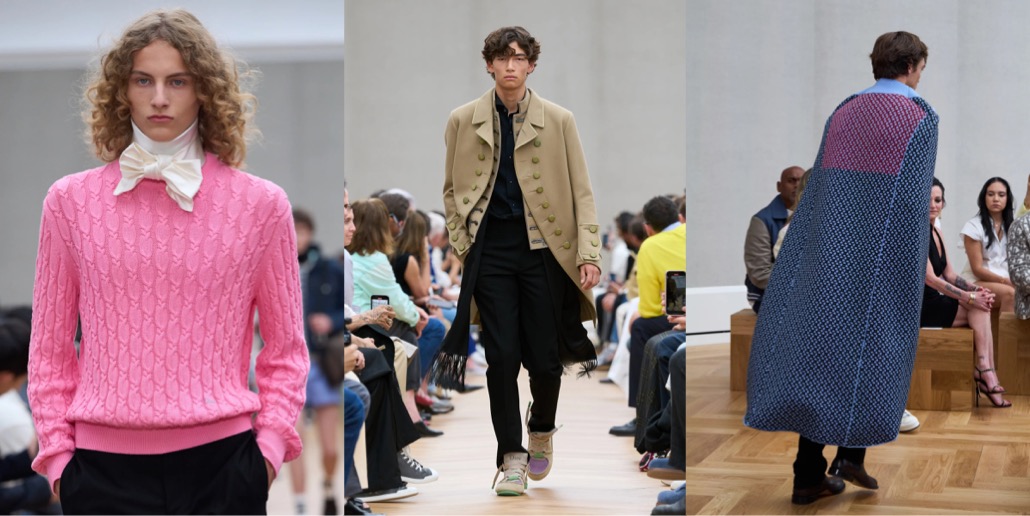
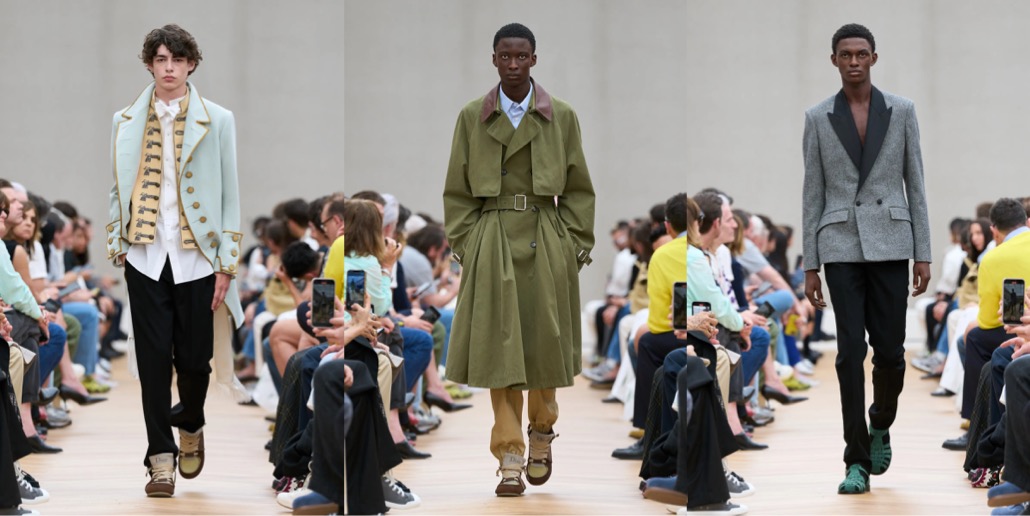
For some reason, you always expect a seismic shift from a debut as big as Jonathan Anderson’s first collection for Dior. Interestingly, his first line-up for Loewe – over a decade ago – was menswear too, and many people were puzzled, just like now with his take on Dior. And that’s ok.
Rewriting Dior isn’t something you can pack effortlessly into one collection. Anderson has a vision for the brand for the upcoming few seasons, and probably only when we see more of it, his debut will make more sense – when a bigger picture will take shape.
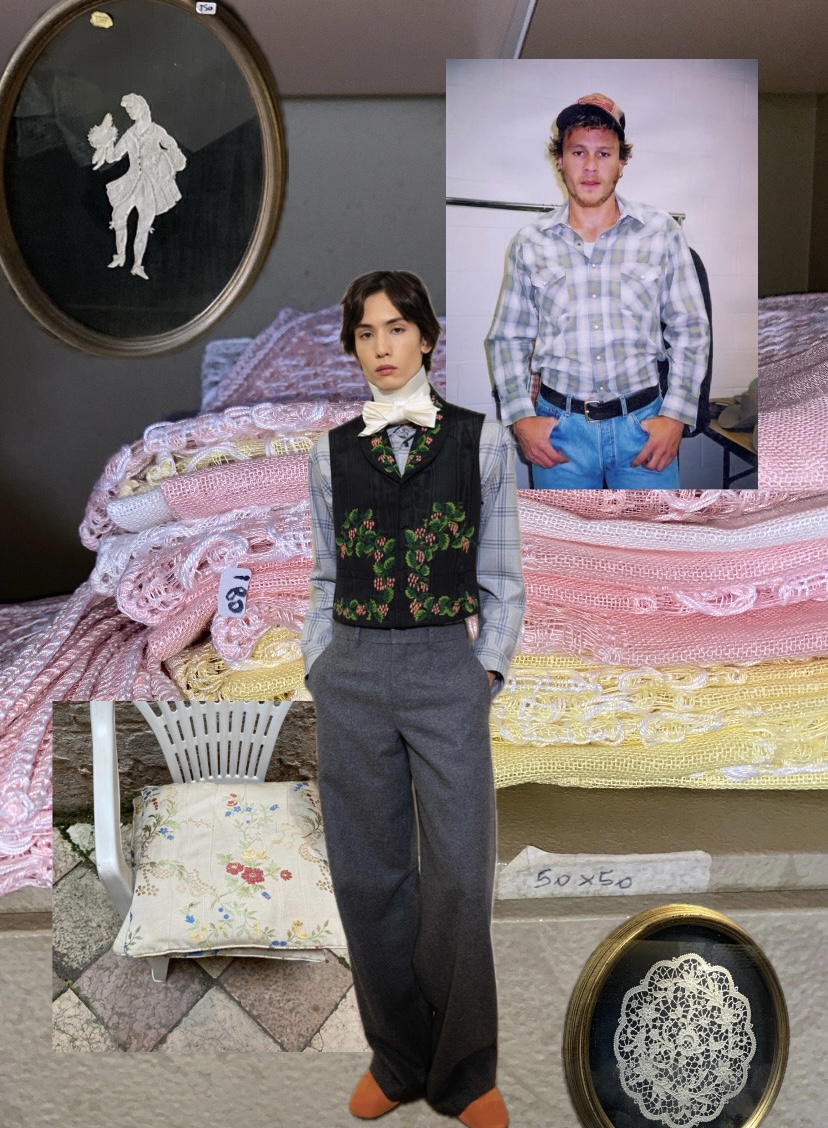
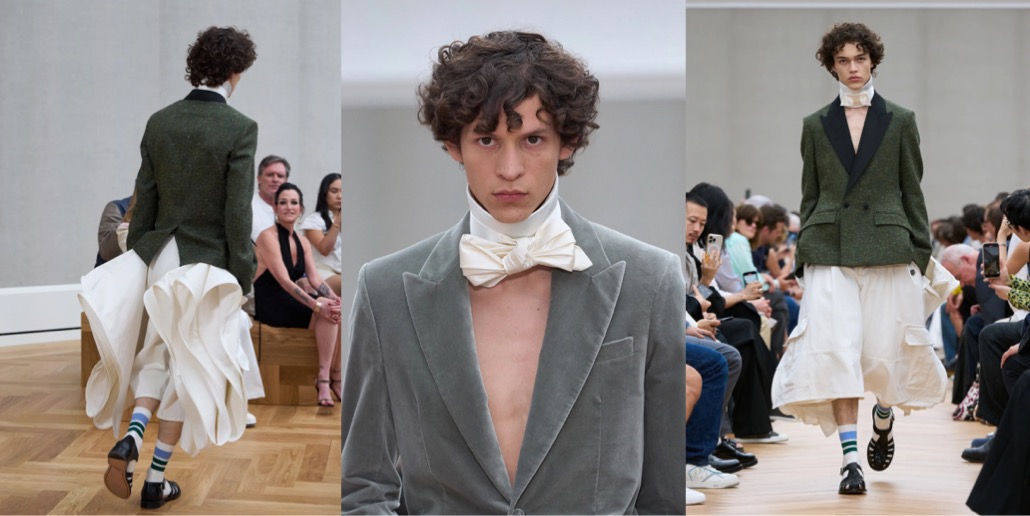
At the moment, all I see is a continuation of a Dior Men narrative that was planted by Kim Jones: British flamboyance, twisted with codes coming from Jonathan’s namesake label, JW Anderson (like those oversized, millefeuille chino shorts). There were witty references to the maison’s heritage, revived through a new lens: the “Bar” jacket was made from an Irish Donegal tweed – a matter of national pride for Anderson – which featured here and there throughout the collection. There was also an intriguing play with fashion historicism, like Louis 16th frock coat worn with ordinary cotton trousers. I will note that such brands as Marcus Allen’s The Society Archive or ERL experiment with similar vintage-vintage notions for a while now. Interestingly, the collection’s affection for flaneurism had echoes of Rei Kawakubo’s Comme Des Garçons.
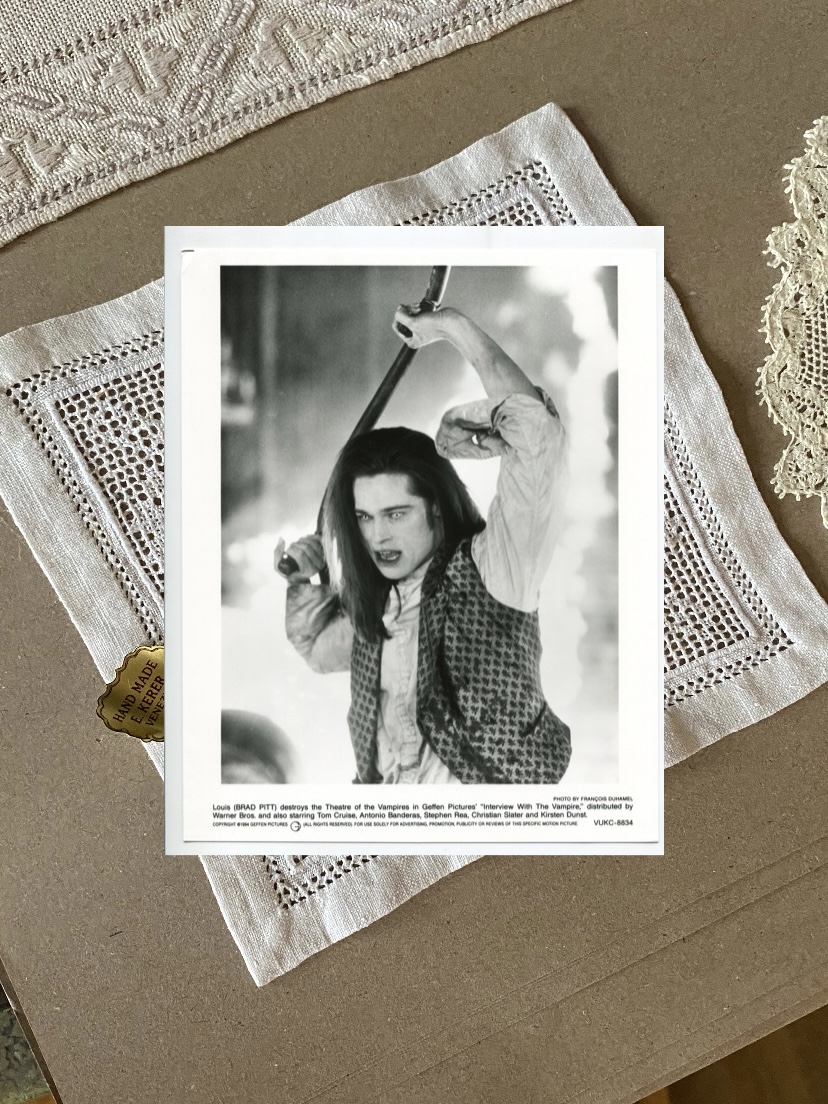
I might still not understand the show’s connection with Andy Warhol (the brand released polaroids depicting his famous friends as the collection’s teaser), but I see a dialogue between two fictional man: Louis de Pointe du Lac, played by Brad Pitt in “Interview With The Vampire”, and Ennis, embodied by Heath Ledger in “Brokeback Mountain”. Dramatic, knitted capes (and of course the “Dracula” tote) and slim, brocade waistcoats created an intriguing friction with raw flannel shirts and faded denim.
Designers entering a new brand have more questions than answers – just like the spectators of their debuts. I’m not fully buying new Dior yet, but I look forward to the next pieces of the Anderson puzzle.
At Dries Van Noten, Julian Klausner delivered a triumphant menswear debut – one so true to the brand that you can barely notice Papa Dries’ absence (he’s quietly consulting the new creative director in-between other personal projects – like renovating a palazzo in Venice).
What resonated most in Klausner’s spring-summer 2026 attempt is the actual joy of dressing up – or rather, not fearing to experiment with clothes. At first nothing seems to match in this collection, but then you see the beautiful method behind all that madness. A gorgeously tailored jacket worn with a floral sarong? Yes. Oversized grey sweatshirt topped with a handsome, embellished cummerbund? Yes. A cropped jacket in red roses styled with electric-blue biker shorts? Hell yes!
This outing offers not just great clothes, but absolutely inspiring solutions that will pimp up your summer wardrobe. I’m taking notes.