Run. Sunnei AW22

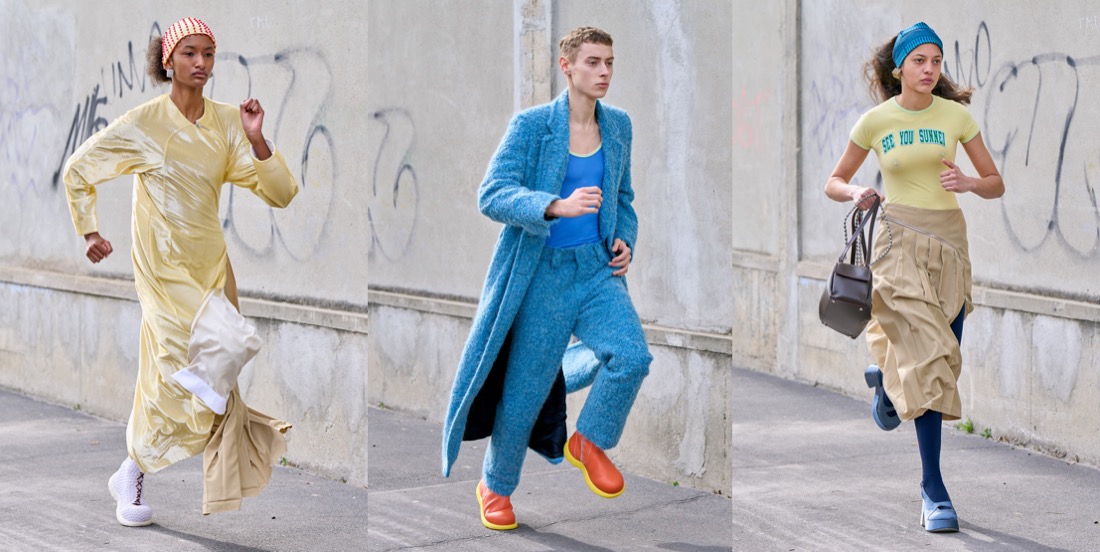
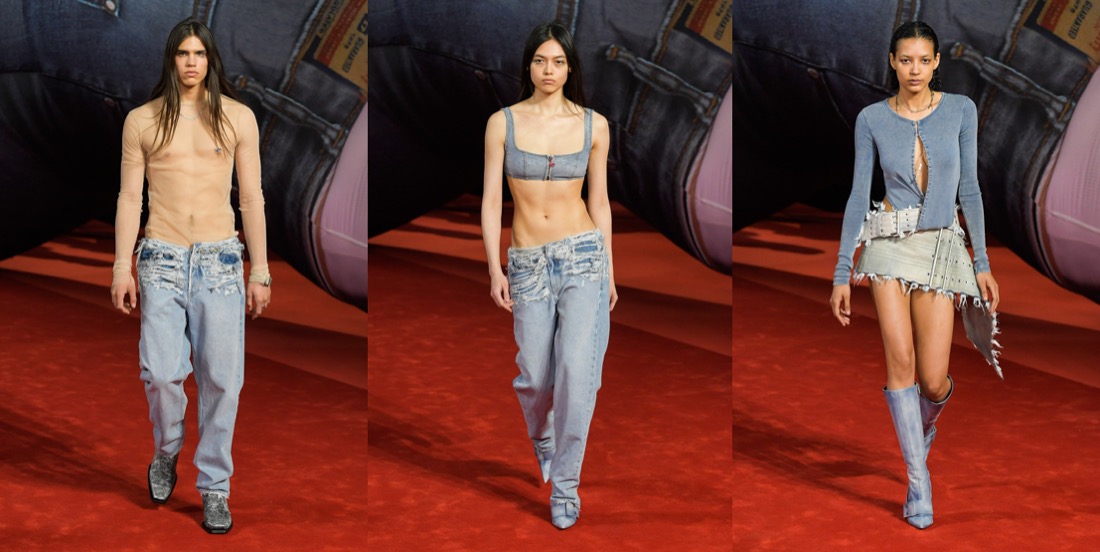
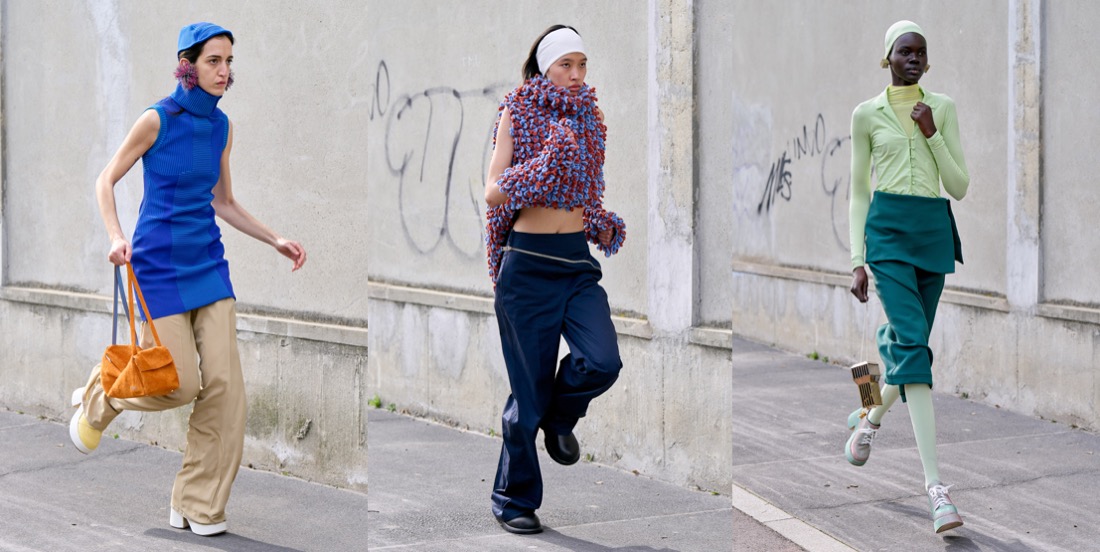
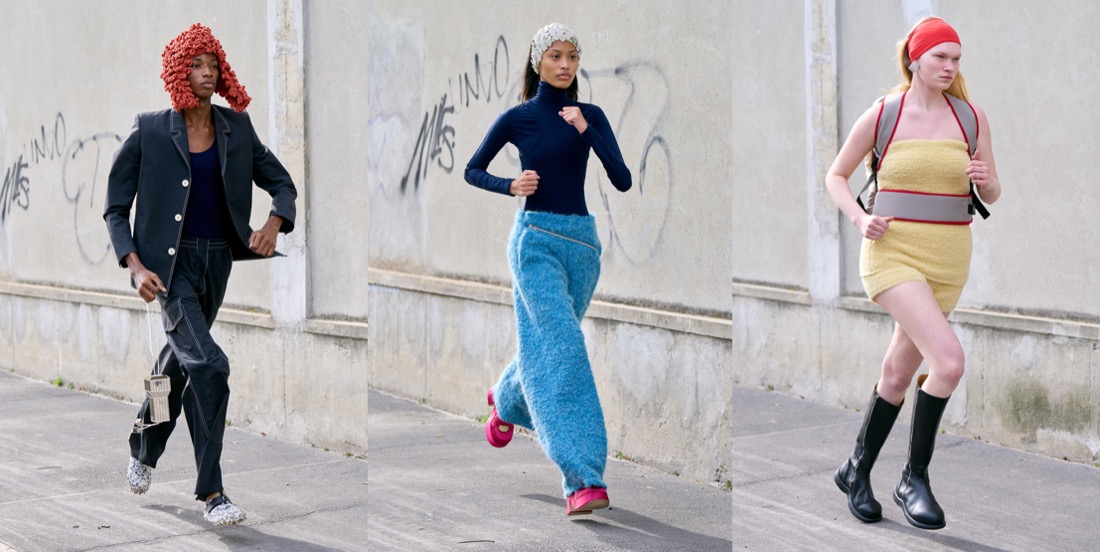
Social commentary always lurks in the background of Sunnei’s practice. The pandemic has offered Simone Rizzo and Loris Messina plenty of open questions to chew on, fashion being rich food-for-thought territory, with game-changing actions still slow to come about within the industry. For starters, fashion’s high-pitched, fast-paced beat hasn’t slowed down (even at the moment when Europe’s peace is under threat), and running from one physical show to the next has become normality again. Collateral effects of frenzy, stress and nerve-racking timetables are part of the picture, despite all the good intentions flaunted when the fashion world was in a state of pandemic shock. Their autumn-winter 2022 show seemed a good occasion for Messina and Rizzo to pick up on our collective scatterbrained state. They rallied their community in an open air set on the outskirts of Milan, where they orchestrated a sort of “performance within the performance” as they called it, with the audience commanded to stand on metal benches, facing the sidewalk near a wall of an industrial building. “We wanted to make people stop for a moment and reflect on what’s happening, especially today, which is such a delicate, disquieting moment,” said the designers. With Russia and Ukraine clashing violently, and war looming on the horizon, the mood was one of uncertainty and worry. Instead of walking, models came running along the wall, while the audience was invited to follow the show in slow motion through their iPhones. As a sort of metaphoric “crystallization of the moment,” as the designers called it, it was quite fitting. As for the collection, it was quite hard to see the details with models running at lightening speed, but the clothes looked fit for such an athletic performance. “We’ve used a new technical fabric that extends and stretches, perfect for layering,” said the designers. They riffed on their core items, “focusing on what we do best, experimenting on making our favorite shapes more extreme and radical, without detracting from their identity and character.” While keeping their offer sleek and minimal, they went quite eclectic, playing with colors and textures with a more tactile appeal on balaclava-capes in furry wool and chenille woven into wavy 3D motifs.
Collage by Edward Kanarecki.
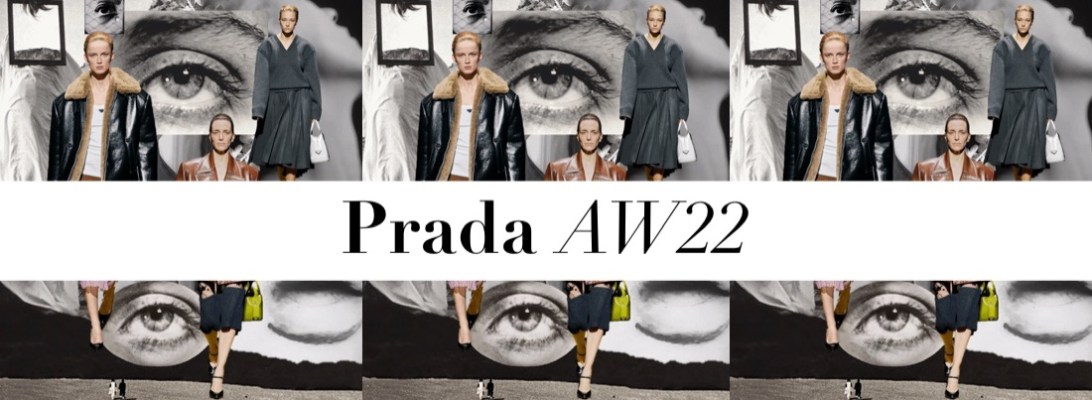
Will It Make Sense? Prada AW22

As Russia is invading Ukraine and Europe is at the brink of war, it’s really hard to look at the latest Milan Fashion Week collections. Suddenly, fashion’s frivolity feels ignorant and insensitive, and the smiley street-style faces make you wonder if there are two parallel realities existing simultaneously. Still, one can’t blame Miuccia Prada and Raf Simons for staging a fashion show yesterday, as if nothing wrong was going on the other side of the continent. How could they know that on the same day, Putin would commit a war crime? The situation is getting more and more turbulent with every hour, and as brands in Milan do business as usual (even though at least some symbolic gestures of solidarity would be more than welcomed and appreciated), who knows if this isn’t the last fashion month for a long time to come. Trying to stay hopeful, but I’m really terrified of what might happen next.

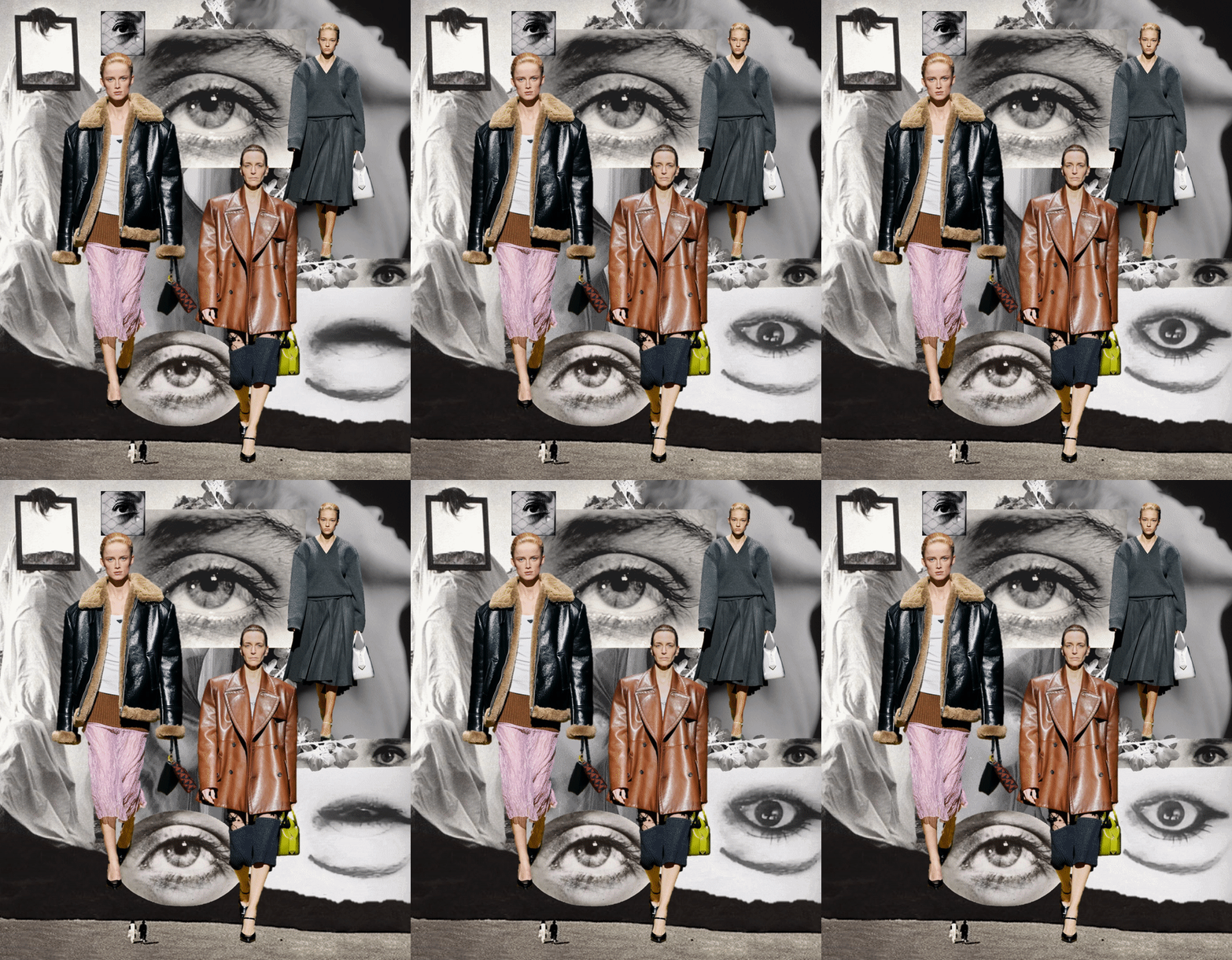
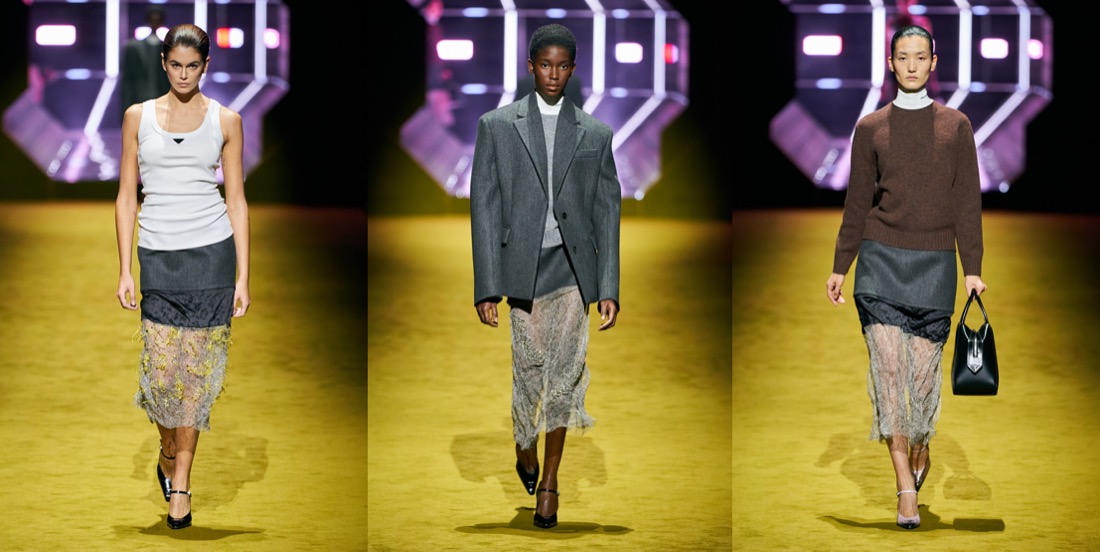
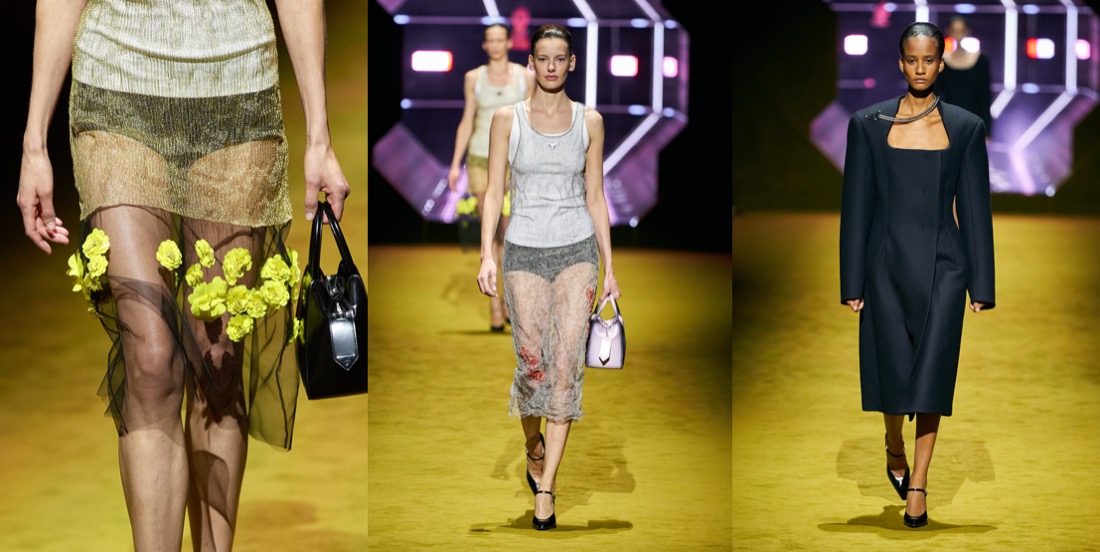
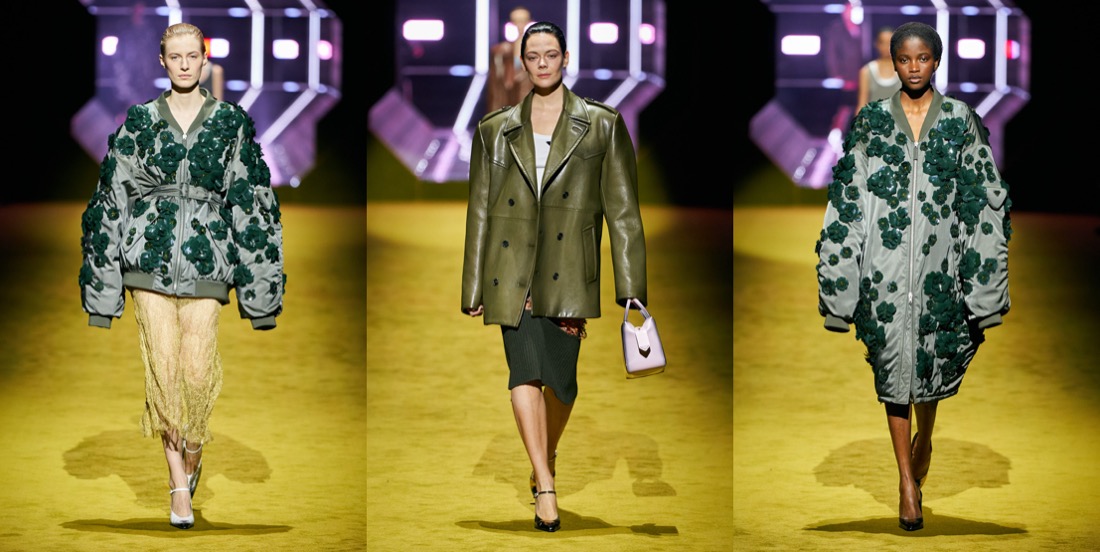
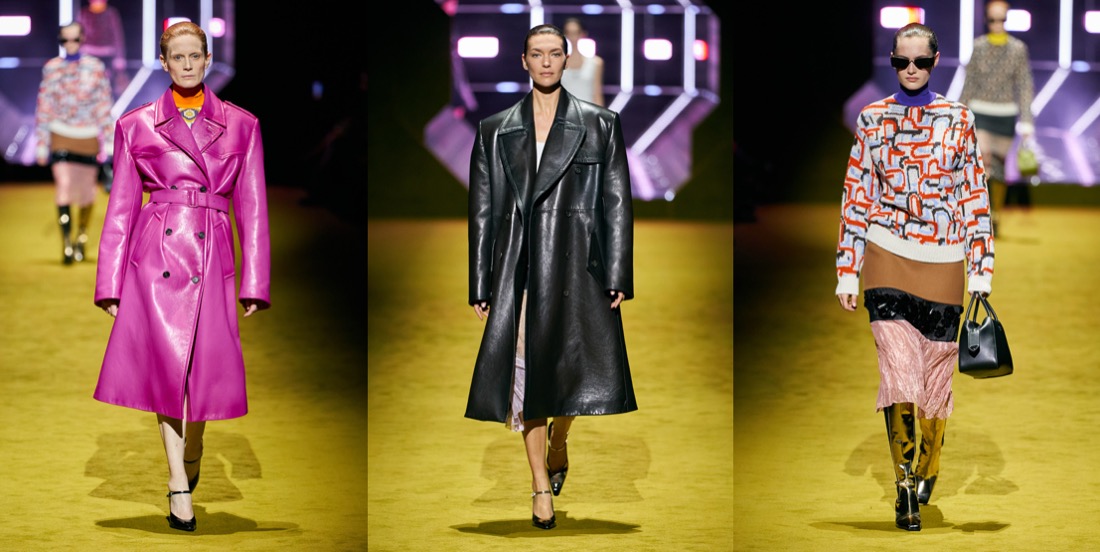
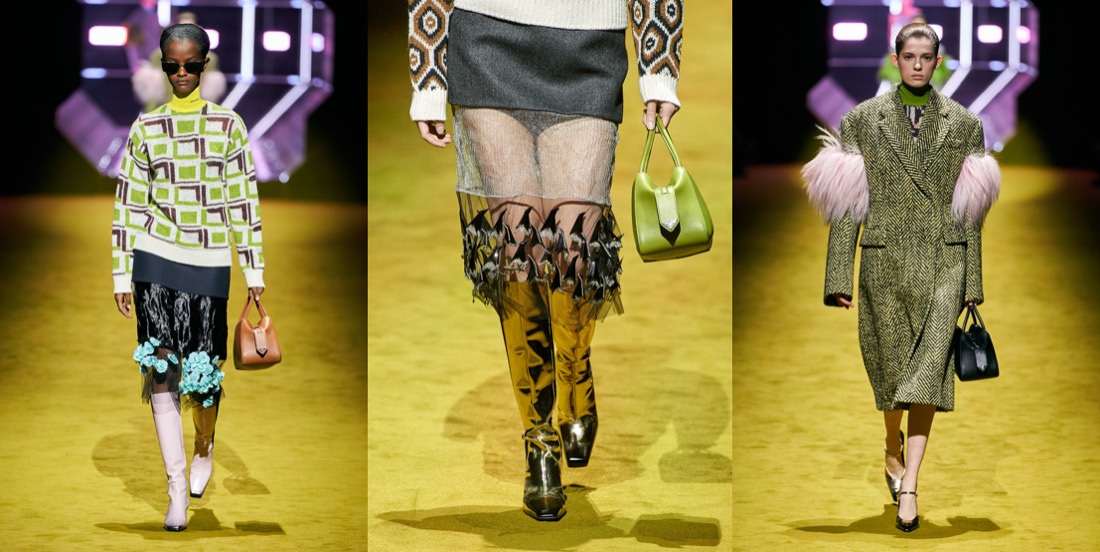
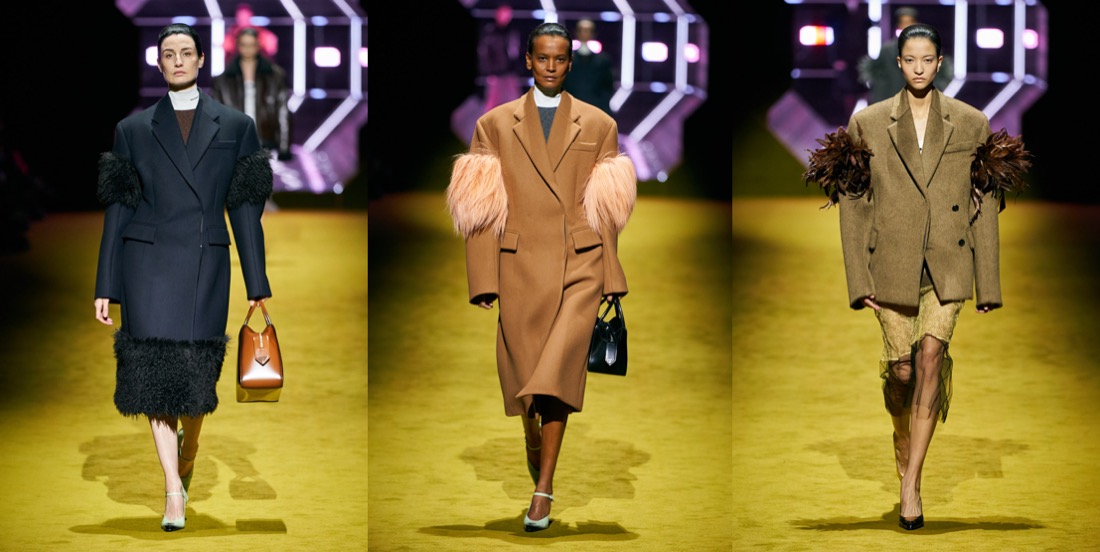
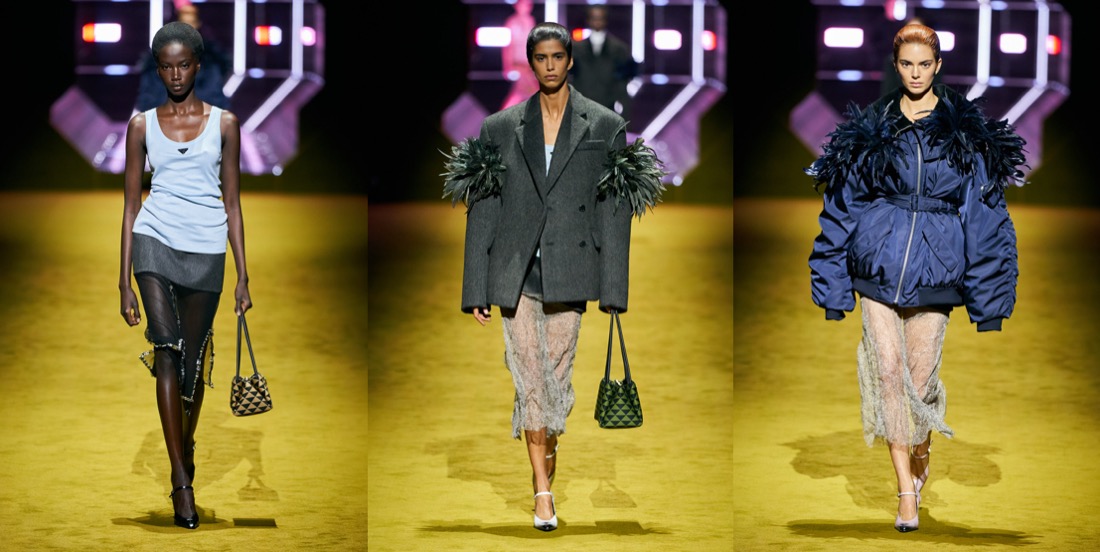
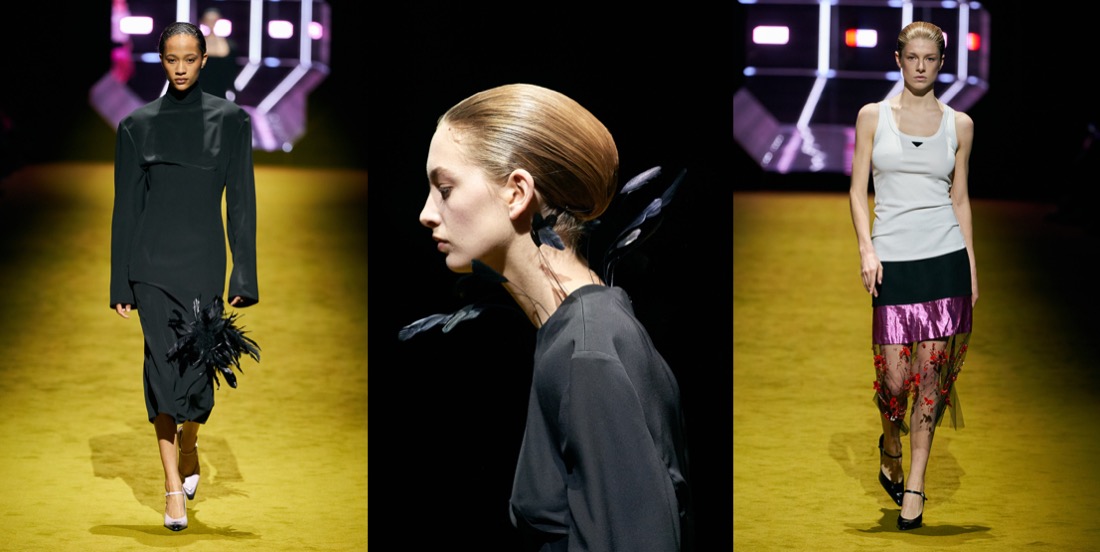
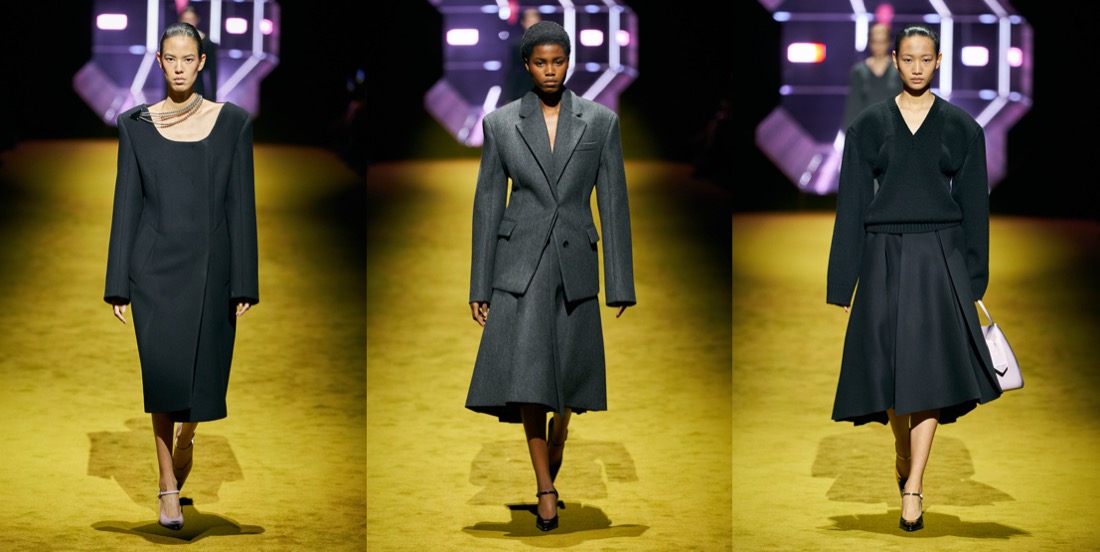
I wish the circumstances wouldn’t make this Prada line-up feel somehow unfortunate and badly timed. The collection is beautiful, yet will it make any sense in the near future? The designers’ offering started with a fitted white tank, triangular logo front-and-center, with a narrow just-below-the-knee skirt divided horizontally in different combinations. Kaia Gerber’s show-opener merged gray flannel, crushed black satin, and a crystal-dusted metallic mesh, but others were sheer to the waist, exposing the boy briefs that the models wore underneath. These pieces formed a foundation on top of which Prada and Simons showed simple Shetland wool sweaters and others that revived the label’s breakout “ugly” prints of the ’90s; mannish single-breasted jackets and double-breasted ones decorated on the upper arms with rings of faux fur or feathers; and oversized MA1s picked out with paillettes. Again, there was that emphasis on unlikely combinations, and the sense of import that kind of intentionality creates: making an occasion out of the everyday. “You want to live again, to be inspired. And to learn from the lives of people,” Prada said in a statement that was distributed after the show. The silhouette didn’t reach the extremes of the men’s collection last month, but the proportions – of black coat dresses draped with askew pearl necklaces, of leather trenches in black and shocking pink – were exaggerated. The shapes conveyed strength, not the decorum or daintiness that the lingerie foundation underneath might suggest. That message was underlined by the cast, which included models who walked Prada runways 20 years ago – Erin O’Connor, Liya Kebede, Elise Crombez, and Hannelore Knuts – amidst new faces like Euphoria‘s Hunter Schafer. As has become their practice, Prada and Simons were looking back at past Prada collections, embracing the Prada-ness. “I think of revolutionary moments in Prada’s history, and we echo them here,” Simons said in his statement. “There are never direct recreations, but there is a reflection of something you know, a language of Prada.” Scrolling through the archive to find the reference isn’t the point, though fashion obsessives will have lots to work with here. More interesting is how together they made something sort of implausible – like, say, a herringbone coat with that proportion-shifting acid green faux fur treatment on the sleeves – look intriguing.

Collage by Edward Kanarecki.

Tactile. Max Mara AW22

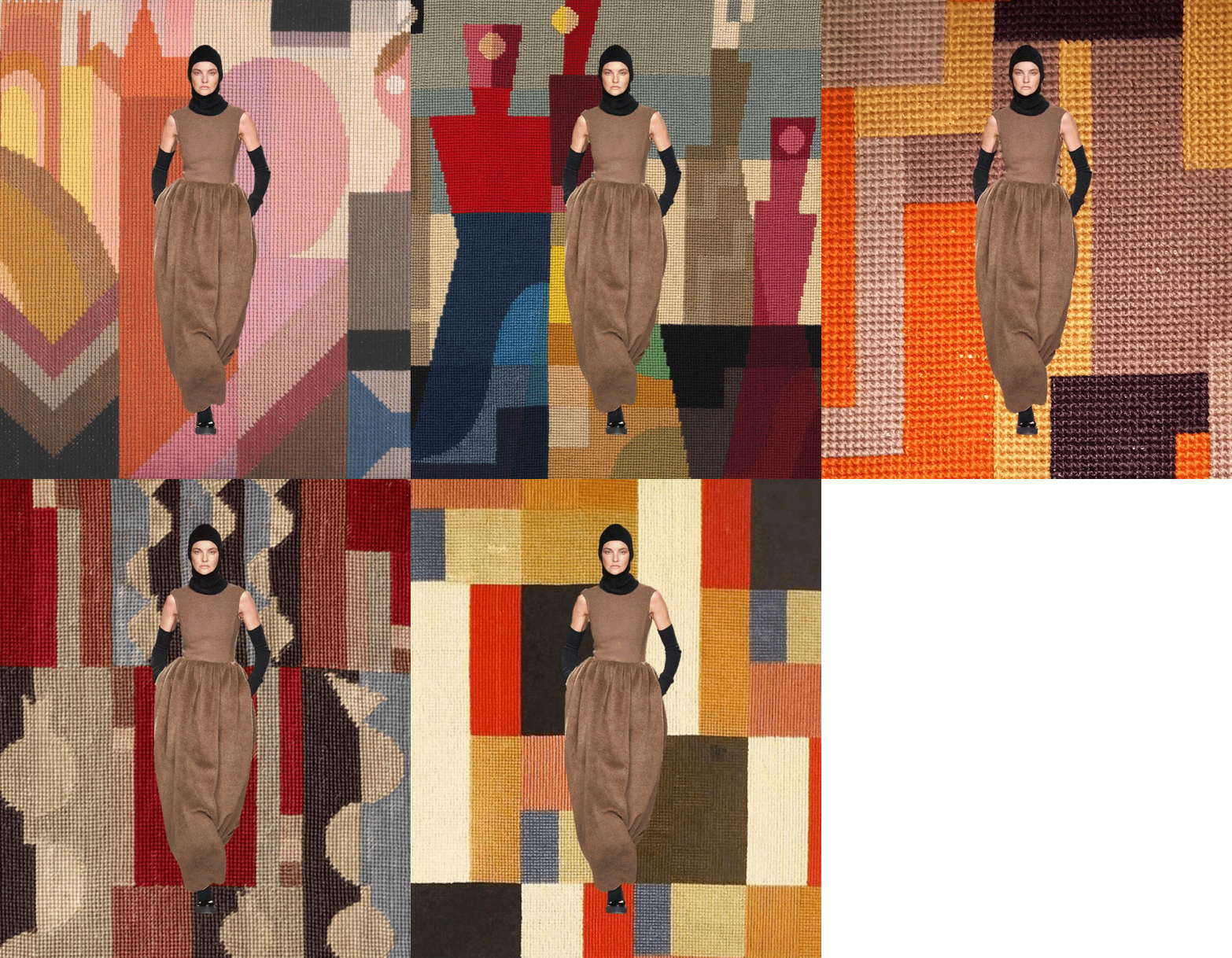
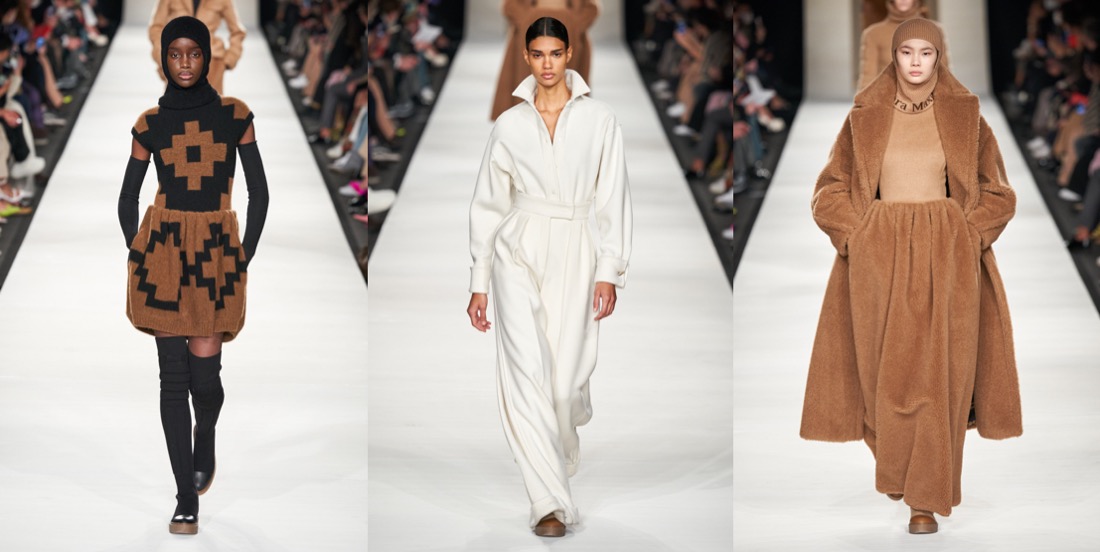
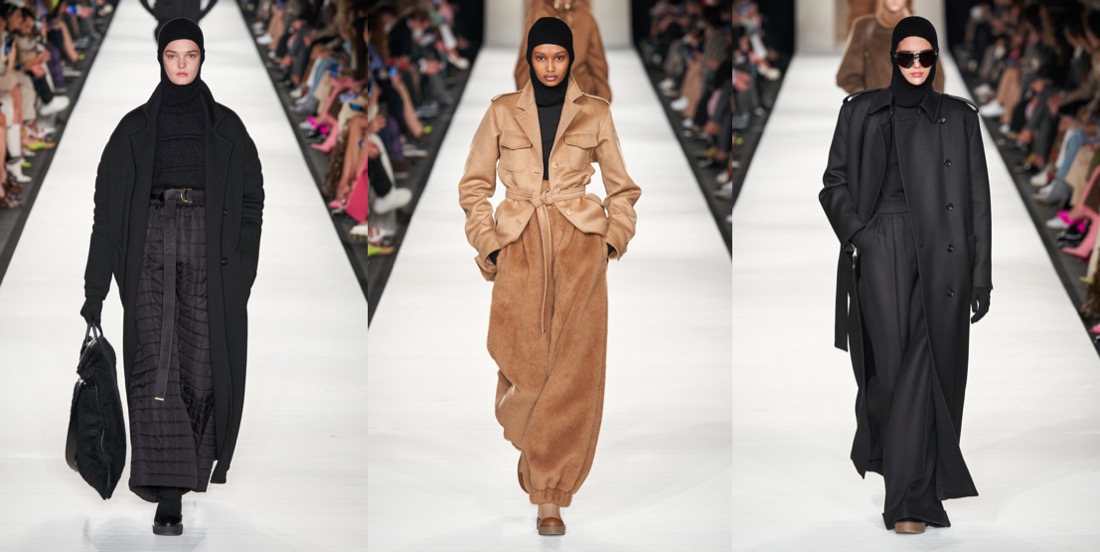
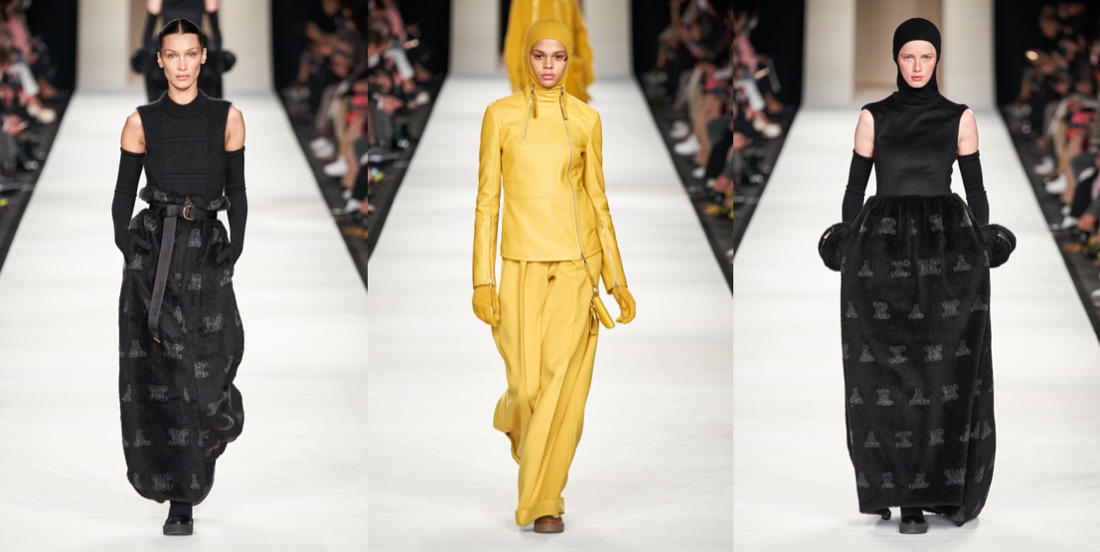
This season, some really delightful looks appeared on the Max Mara runway. Backstage, Ian Griffiths presided over a moodboard pinned with images of the work of Sophie Taeuber-Arp, who was closely affiliated with the Dada movement. Taeuber-Arp is currently the subject of a retrospective at the Museum of Modern Art in New York showcasing a prodigious career that spanned genres: textiles, marionettes, interior and architectural designs, furniture, paintings, relief sculptures, and photographs. Griffiths said he was attracted by the way she invested even everyday objects with magic and mystery. “After the last two years, we’re craving magic,” he said. Active between the two World Wars, the Dadaists rejected nationalism and violence, which made her an all too apt muse on a day when Russia attacked Ukraine. Griffiths used the shapes of marionettes Taeuber-Arp made for a restaging of the 18th century play “The King Stag” as templates for his designs; they informed the bulbous silhouettes of short skirts and the articulated arms of sweaters. Whimsy was the desired effect of the teddy bear material, which he cut not just into oversized enveloping coats, but also full skirts both short and long, and even sweatpants. These pieces were juxtaposed by others with a more utilitarian bent. Parachute pants with zips up the calves had a smart adaptability; add a second-skin turtleneck and a tailored jacket and a woman would be ready for anything. All this marched out on gum-soled over-the-knee sock boots, which got the playful/practical balance that Griffiths was after exactly right.

Collage by Edward Kanarecki.

Finesse. Fendi AW22

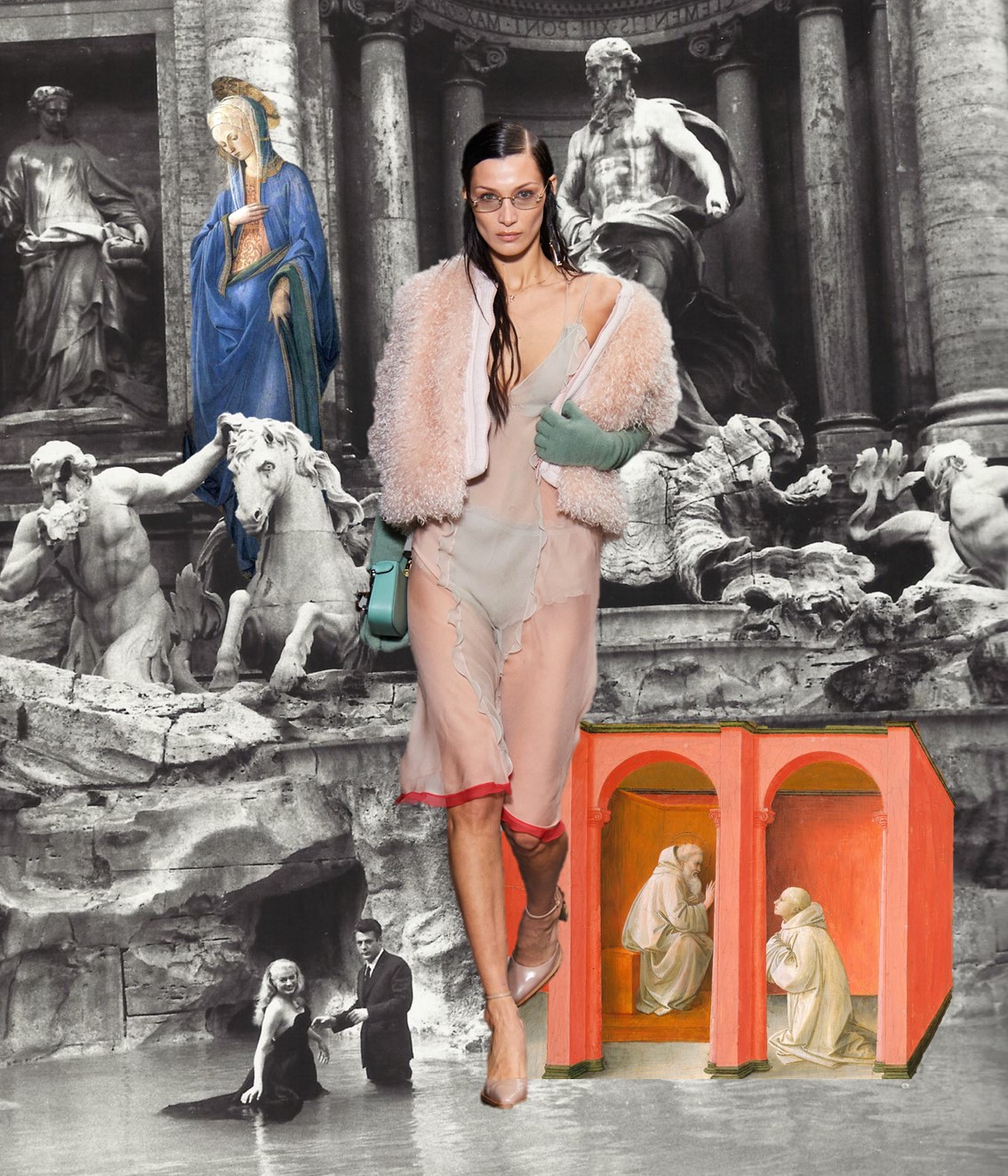
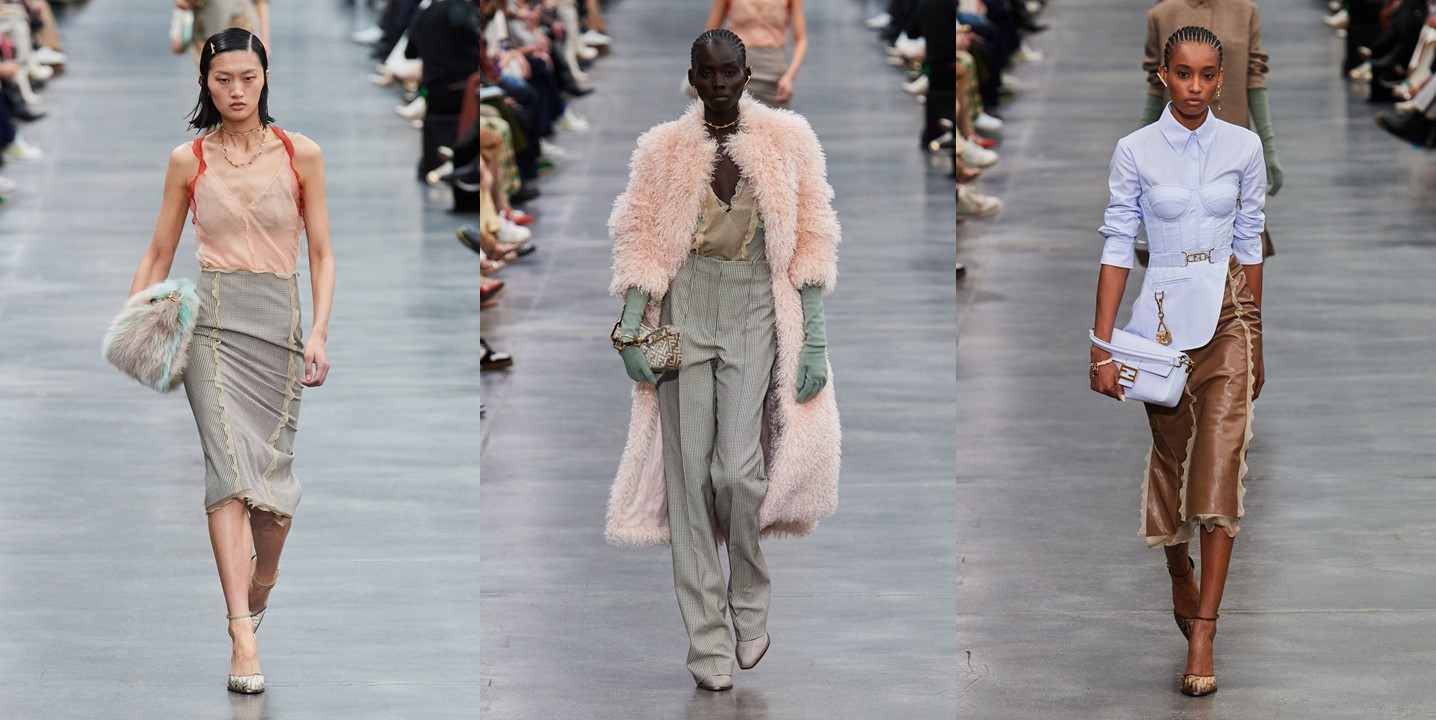
Finally, a Fendi collection by Kim Jones I genuinely love. Fendi’s best asset, as Jones knows, is the Fendi women themselves, mother and daughter Silvia Venturini and Delfina Delettrez. In Delfina and her younger sister Leonetta, Jones has ideal muses. “What they wear is what Silvia wore when she was younger, and she’s very cool and they’re very cool; seeing how it’s generational is very inspiring. They’re obsessed by clothes and details, having those women around you when you’re working is a real joy.” Backstage of the autumn-winter 2022 fashion show, Jones explained that the genesis of his new offering was seeing Delfina in the Rome office wearing a blouse of Silvia’s from a 1986 Fendi collection by Karl Lagerfeld, when he was in his Memphis phase. “I took it off her back and put it on the research rail,” he said. Jones recolored the print and collapsed the more obviously 1980s proportions of that show’s tailoring into separates, some in menswear fabrics, others in denim. Then, because he was after lightness, he combined those references with a callback to another Lagerfeld-designed Fendi collection for spring 2000, one with a delicacy in direct opposition to the blousy proportions of the 1986 show. Naturally, Jones updated these looks too, starting by layering them over matching flutter-edged underpinnings. Jones is in many ways like Lagerfeld, an enthusiastic collector with a capacious mind for references, and he’s bringing all that to bear on Fendi. The job before him is at least in part to woo a new generation to the label; Lagerfeld, though he never lost touch with the young, was in his position for 54 years. Nominating that spring 2000 collection for a re-see couldn’t be a coincidence, what with that era being newly relevant to people who didn’t experience it the first time. But Jones has done it with finesse, avoiding any of the retro allusions seen on so many other runways.

Collage by Edward Kanarecki.
New Era. Diesel AW22

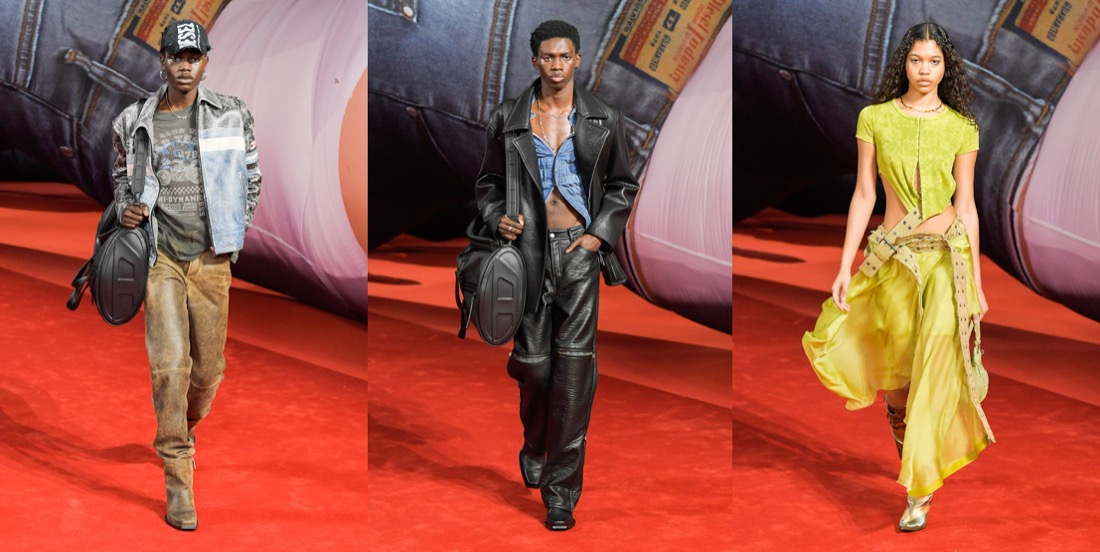
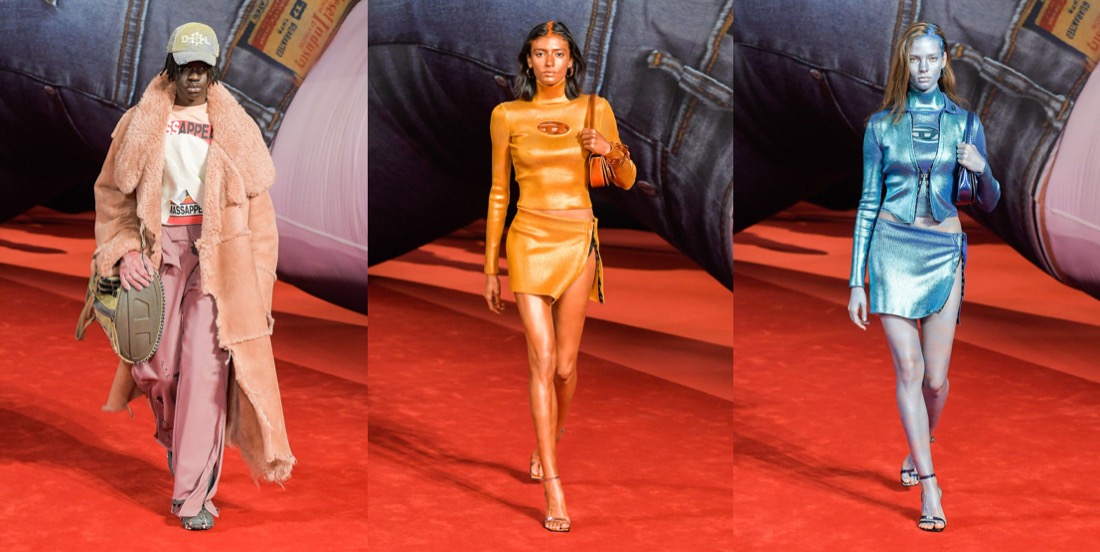
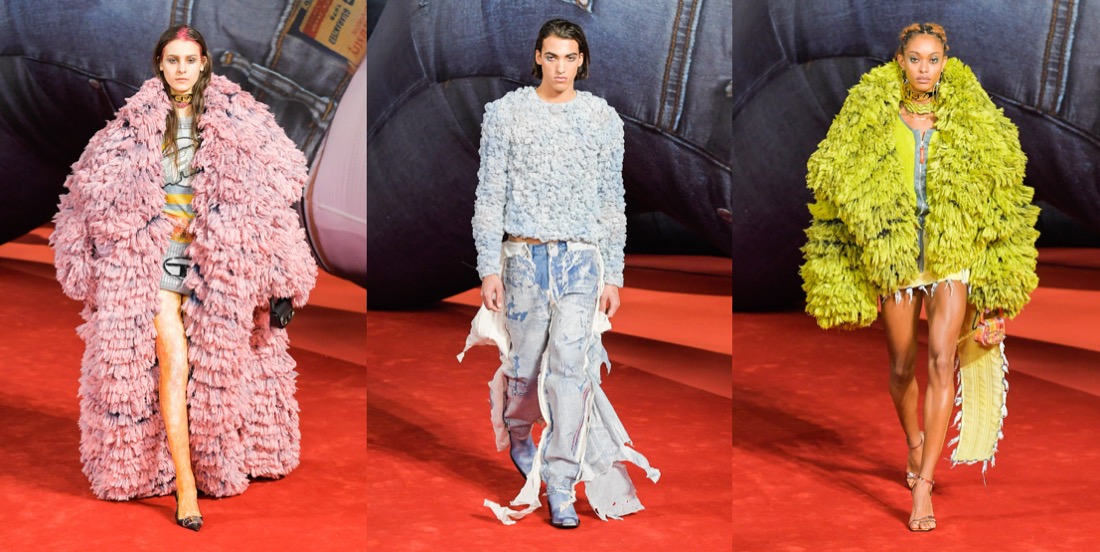
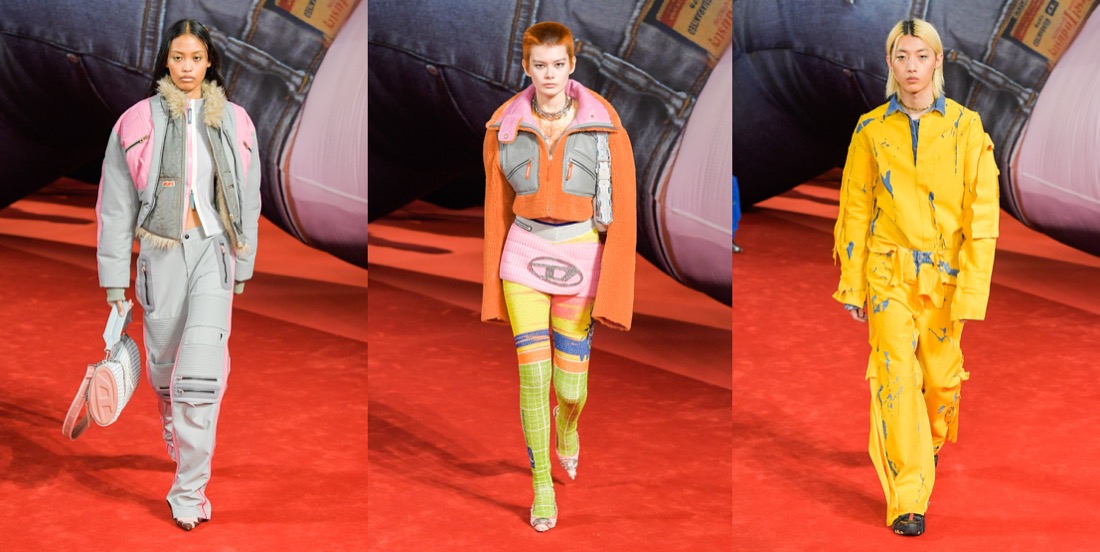
Who would have ever thought that Diesel might be cool again? Like, really cool? Glenn Martens‘ first runway collection for the Italian denim brand is the best start of Milan Fashion Week you could imagine. The red catwalk was surrounded by inflatable, mega-sized dolls – a giant man and woman in sexy poses – which added an eerie, yet highly-Instagrammable ambiance to the presentation. Bizarre set aside, the latest Diesel collection was all about Y2k aesthetic with a futuristic twist. Logo mini-skirts, jumpsuits printed to appear like denim in trompe l’oeil style, and distressed jeans were unmistakably Diesel, very 2000s, but also super relevant in 2022. The more conceptual pieces – like the utilitarian jumpsuits and fleecy denim sweaters – were pure Martens as we know him from Y/Project. Beyond denim, the designer introduced chiffon and organza dresses, leather suits and shearling flight jackets, and a mystifying array of metallic coated knit dresses. Still, the timeless, over-sized denim trench was the ultimate show-stopper and will surely become an instant best-seller. Also, I really loved the use of body paint – very alien-chic. One model appeared in a bright shade of red that contrasted the icy blue of her denim top and jeans. The industry had high hopes for Martens’ take-over of the brand, which rather affiliated with shopping-mall fashion and a tired macho aesthetic. With his latest collection for the brand, Martens definitely doesn’t disappoint. It’s safe to say – we’re entering a new era of Diesel.

Collage by Edward Kanarecki.