
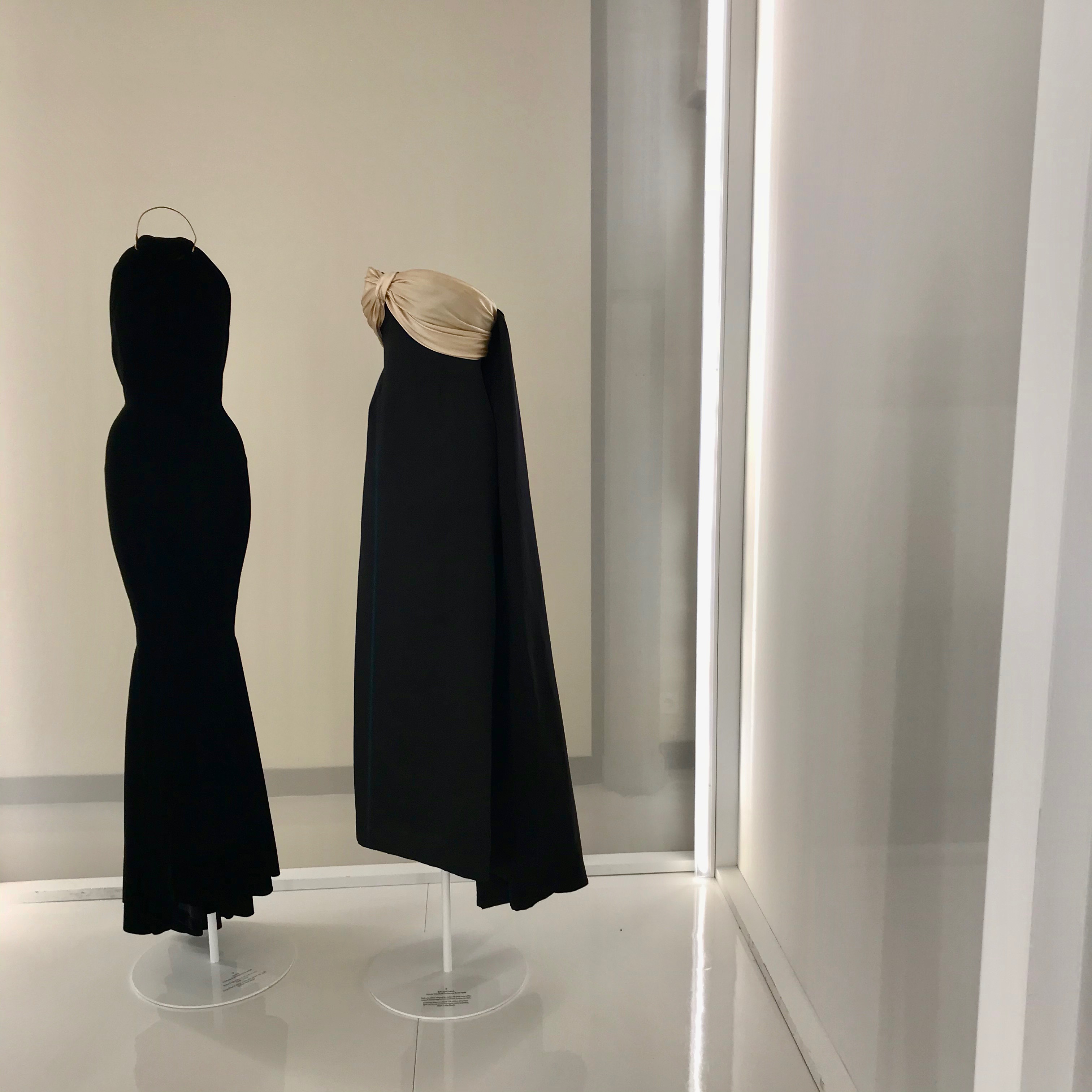
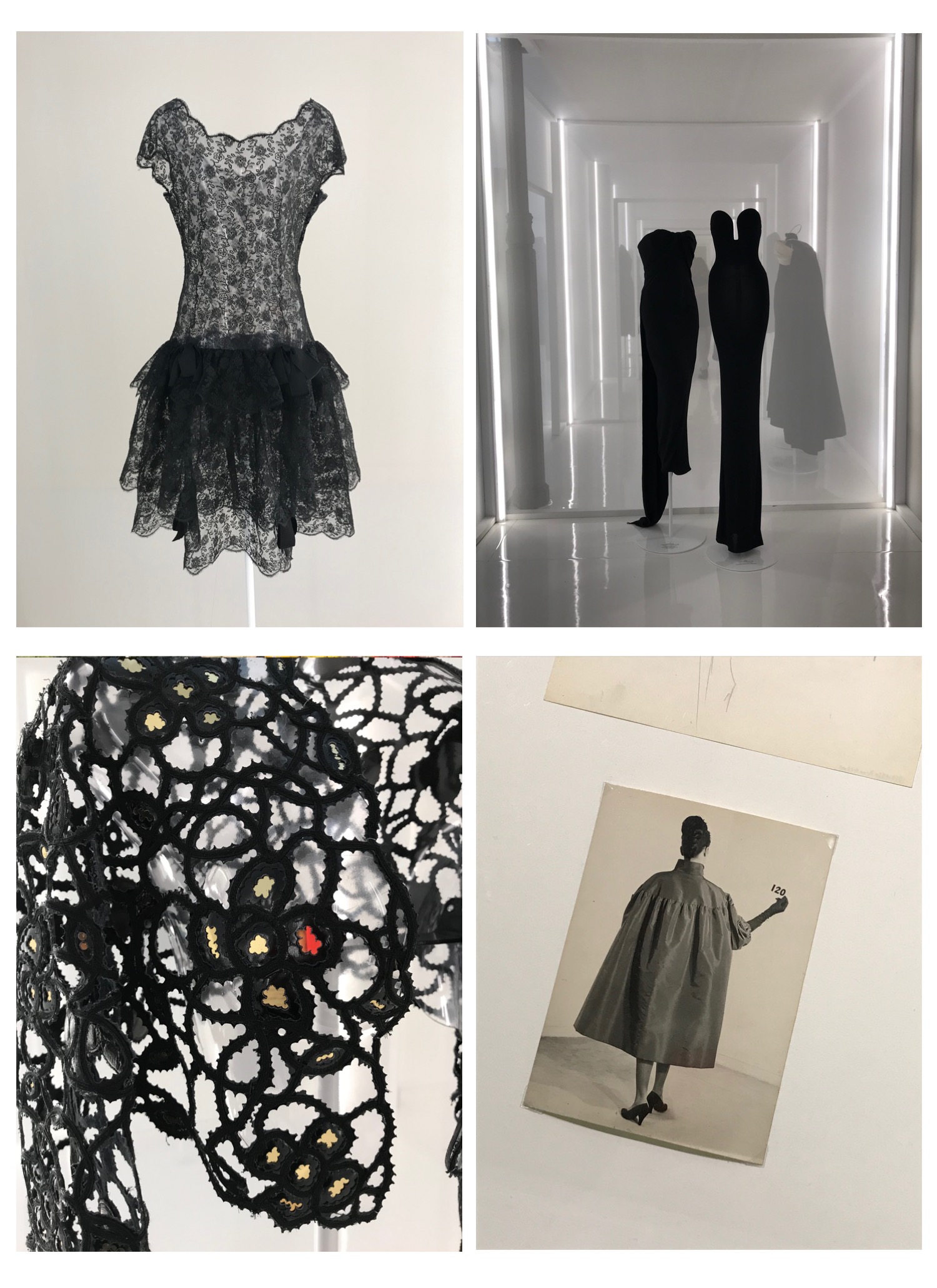
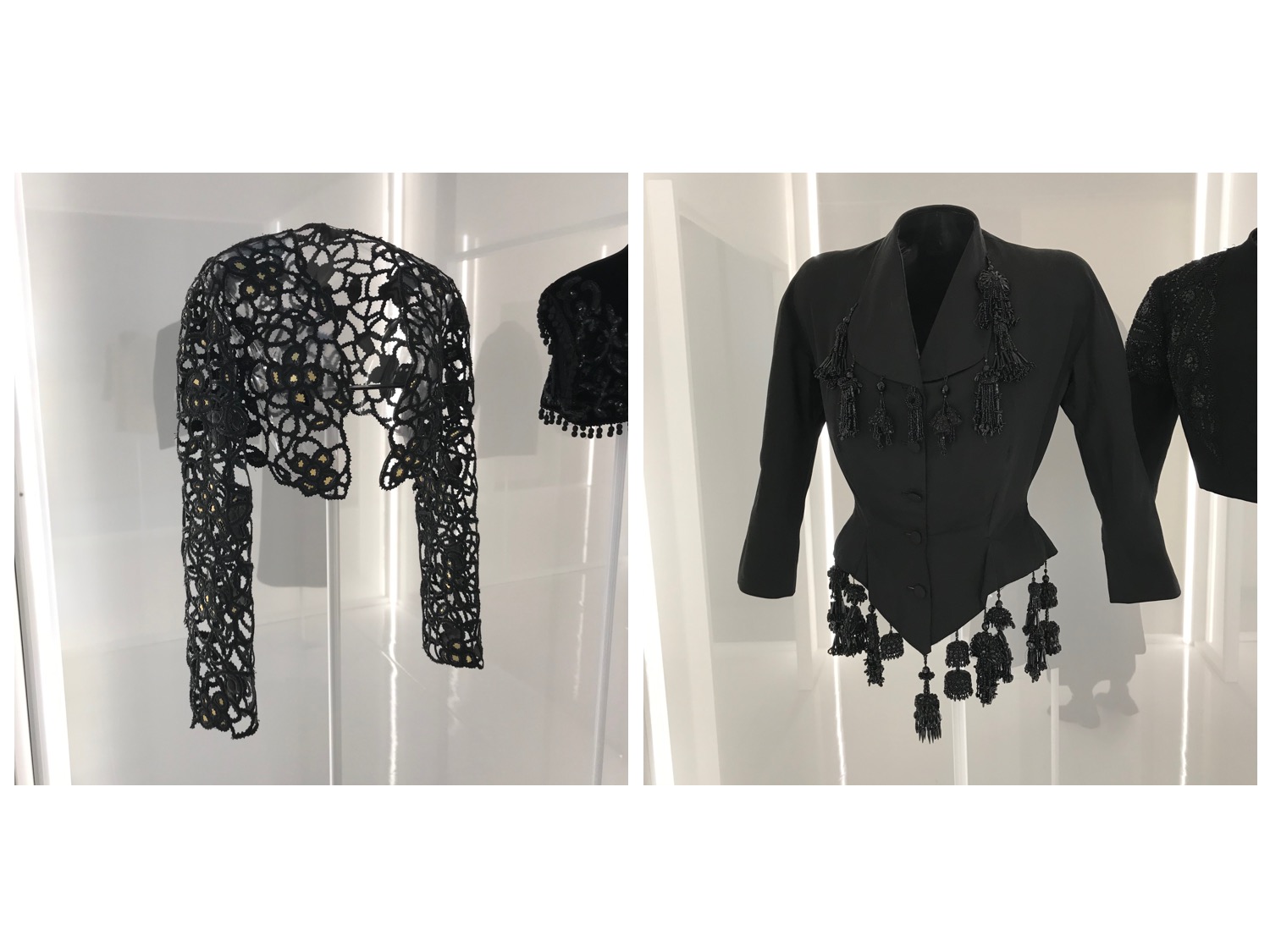
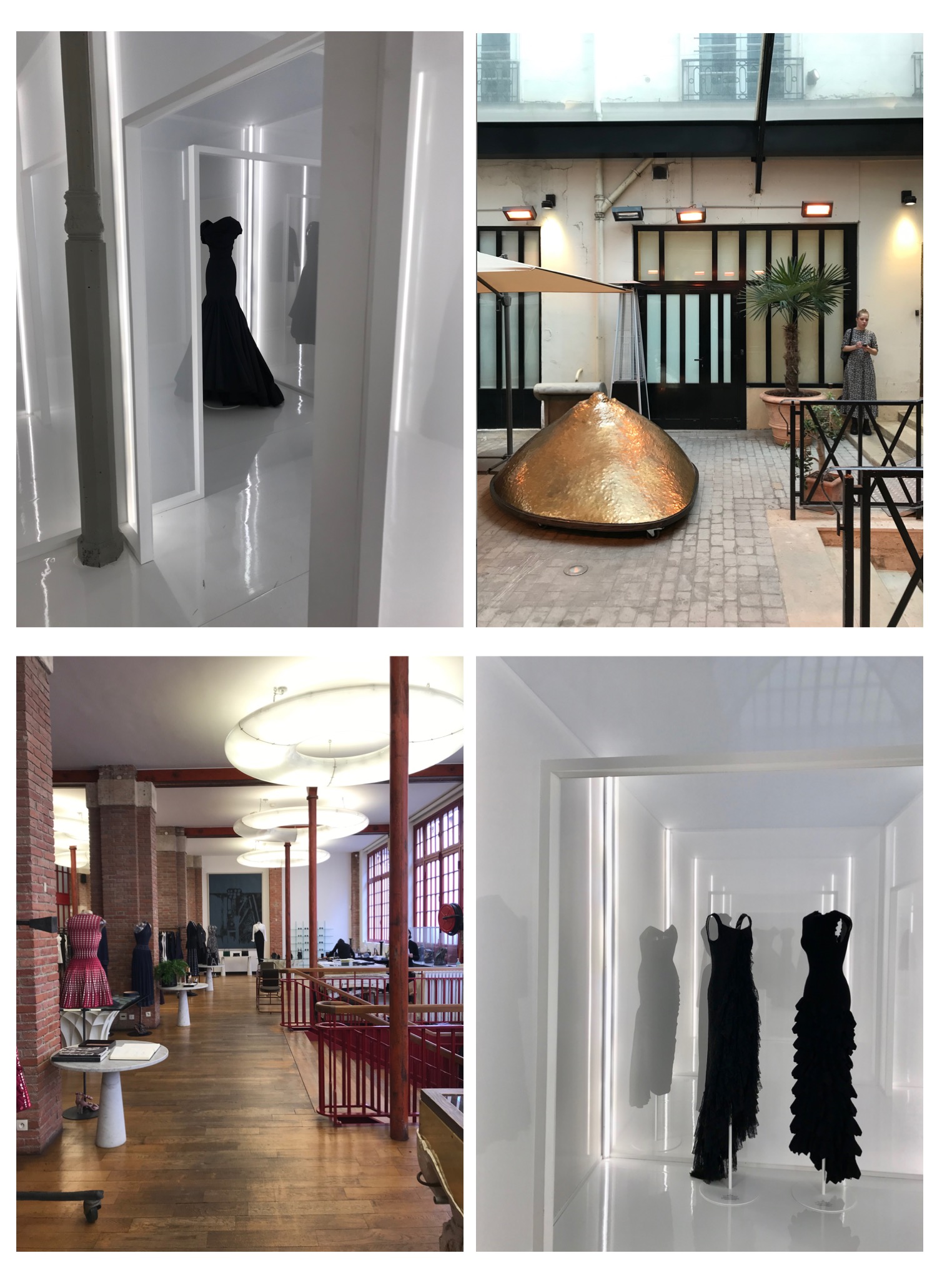
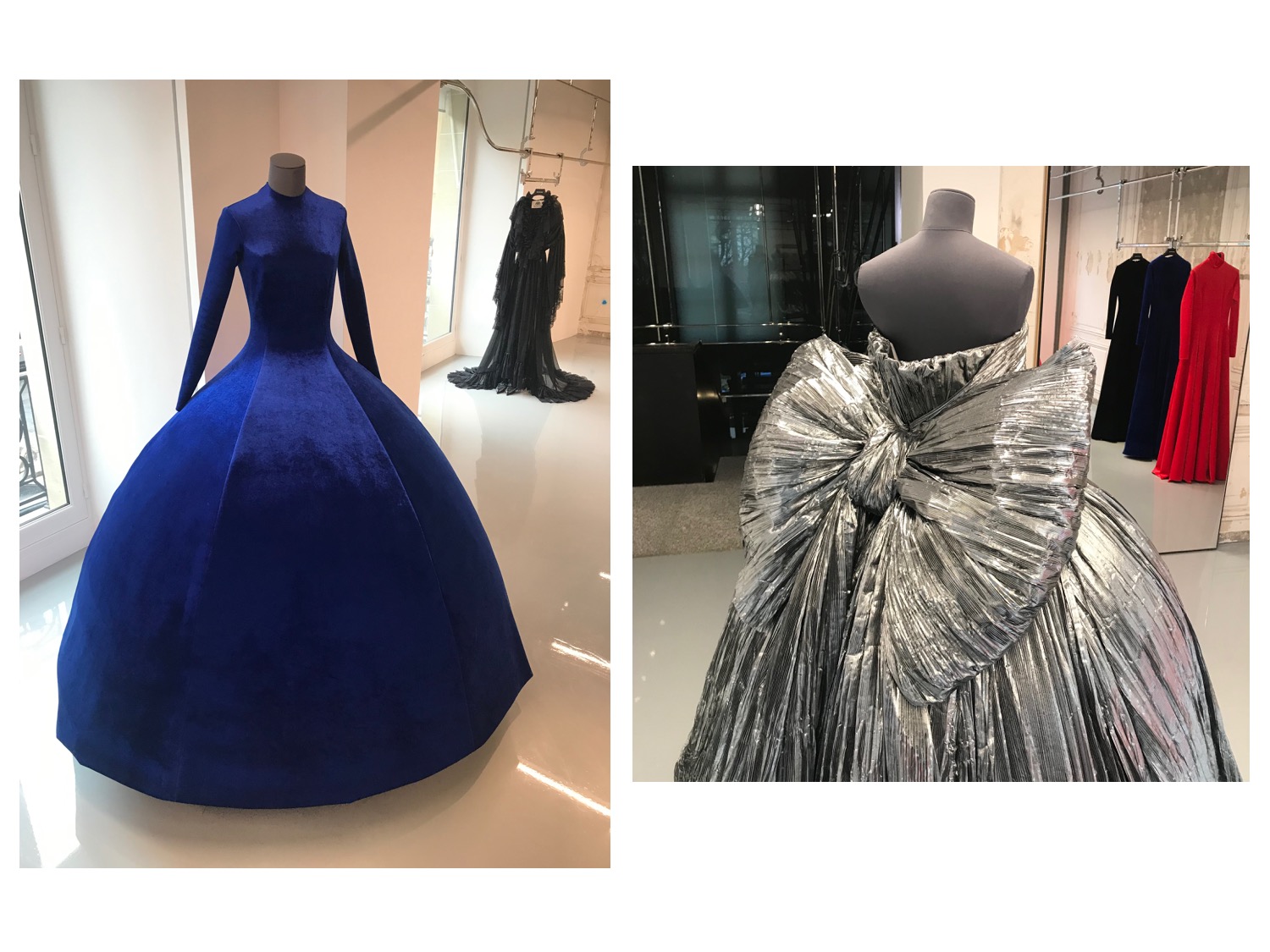
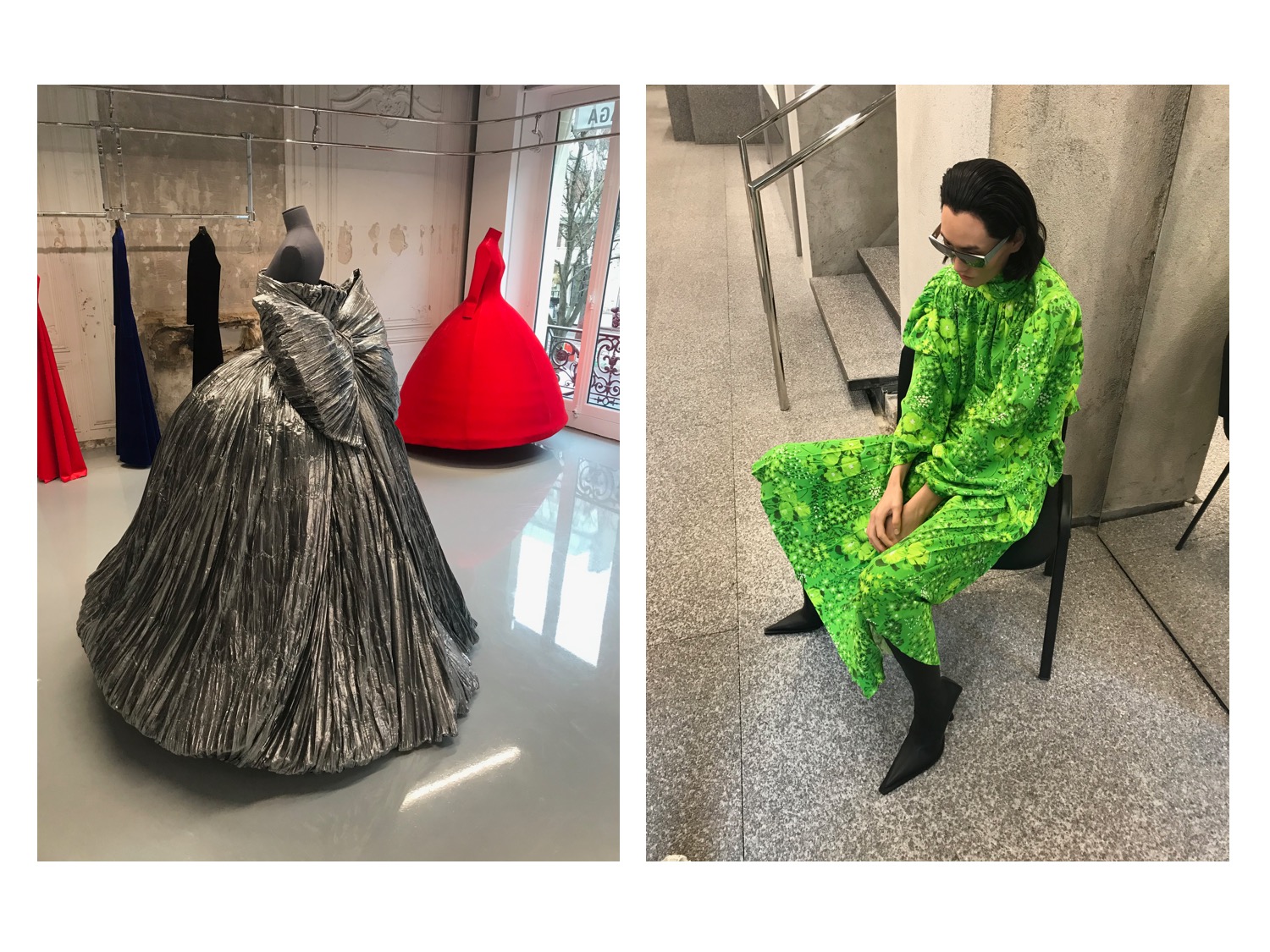
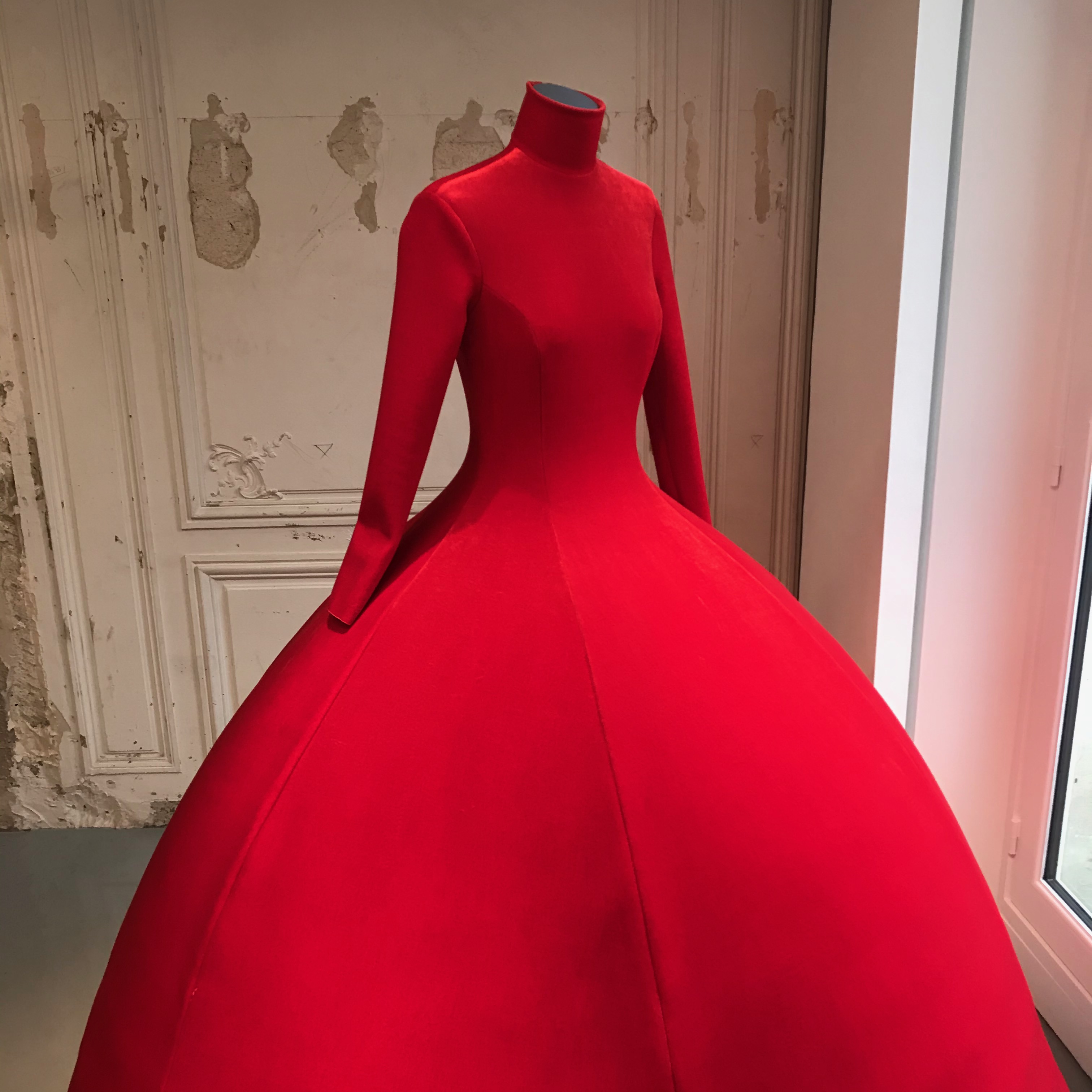
In 1968, as Cristóbal Balenciaga was preparing to close his eponymous fashion house, a young Azzedine Alaïa – already designing for private clients from his small apartment – received a phone call from Mademoiselle Renée, Balenciaga’s then-vice general director. She was concerned about the future of the Spanish couturier’s archive of gowns and unused fabrics and invited Alaïa to the maison to help himself to what was left, hoping he might re-cut and re-purpose the garments and cloth to give them new life. “That’s how his obsession for collecting fashion began,” says fashion curator and historian Olivier Saillard. “He was so moved seeing all those pieces that, instead of reworking them, he decided to keep them intact.” Saillard – who works closely with Carla Sozzani and Alaïa’s partner, the painter Christoph von Weyhe, to manage the late designer’s foundation, Association Azzedine Alaïa – has curated a new exhibition “Alaïa and Balenciaga, Sculptors of Shape” which runs until June 28 (temporarily closed now due to the coronavirus epidemy) at Galerie Azzedine Alaïa in Paris. Conceived as a sort of pristine white labyrinth, the exhibition sees pieces from both designers mirror one another without ever getting too physically close, reflecting the fact that the two couturiers never met in person. And, though Saillard might have been behind the exhibition’s content and design, he is quick to insist that the exhibition was not his own idea – rather that of another famed Parisian couturier, Hubert de Givenchy. “He came to see us in 2018, approximately six months after Azzedine’s death and, at 90 years old, completely blew us away with his old-school charm. He wanted to show the work of both designers at the Cristóbal Balenciaga Museum in the Spanish city of Getaria,” Saillard informs in the press notes. “Unfortunately, he died two weeks after that first meeting.” The curator then became in charge of fostering Givenchy’s idea, and the exhibition will eventually make its way to Getaria this summer. Identifying all the Balenciaga pieces in Alaïa’s collection was no easy feat. “Nothing was really archived, but we ended up finding more than 500 items,” remembers Saillard. “Then we compared them to Azzedine’s own work. That’s when I realised the extent of the Spanish master’s influence on him. Most of all, I think Azzedine always strived to equal Cristóbal’s technical virtuosity.” Did he succeed? “Well, there are very few 20th-century designers that mastered every step of the creative process, from drawing to cutting, sewing and assembling a garment, and they both did it. So yes.” Here are some photos I took inside this divine exhibition – partially located in the Galerie, partially over Alaïa’s boutique-slash-studio on rue de Moussy – but to really feel that mastership of cut and every single detail, these garments should be seen in real life. Here’s my post on one of the previous exhibitions presented here in case you’ve missed it: “Adrian and Alaïa. The Art of Tailoiring.”
Galerie Azzedine Alaïa / 18 rue de la Verrerie
Azzedine Alaïa Boutique & Studio / 7 rue de Moussy
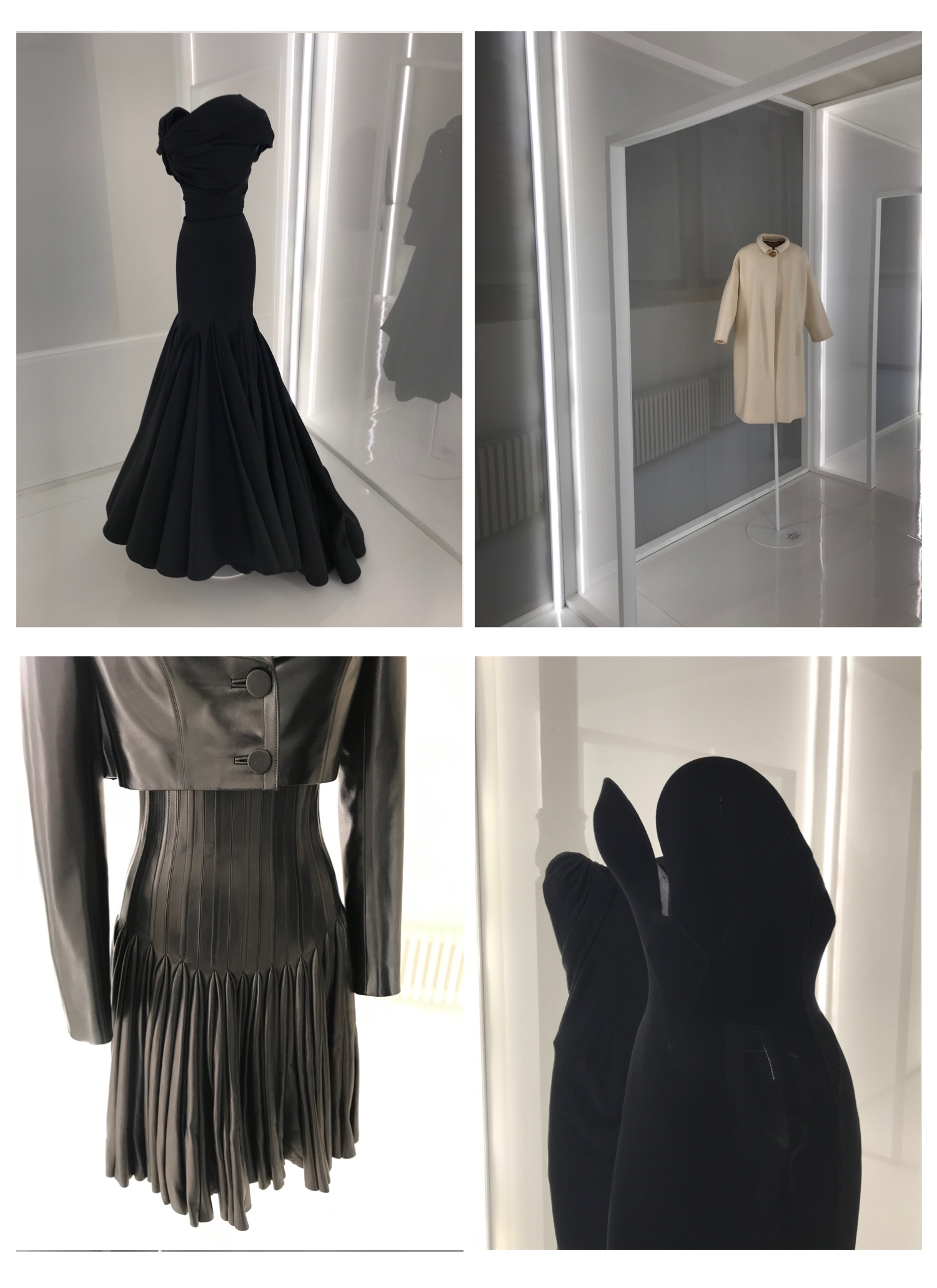
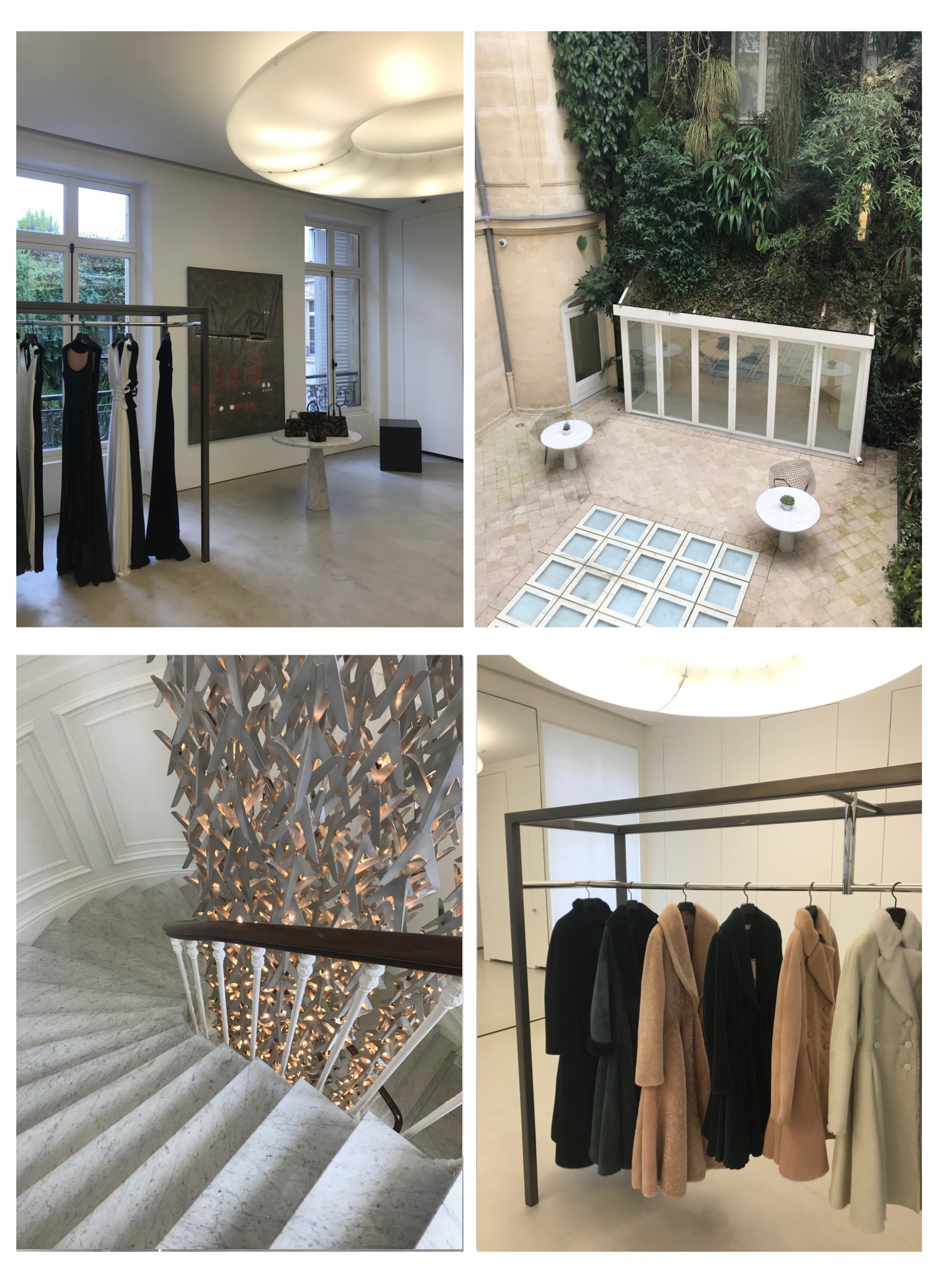
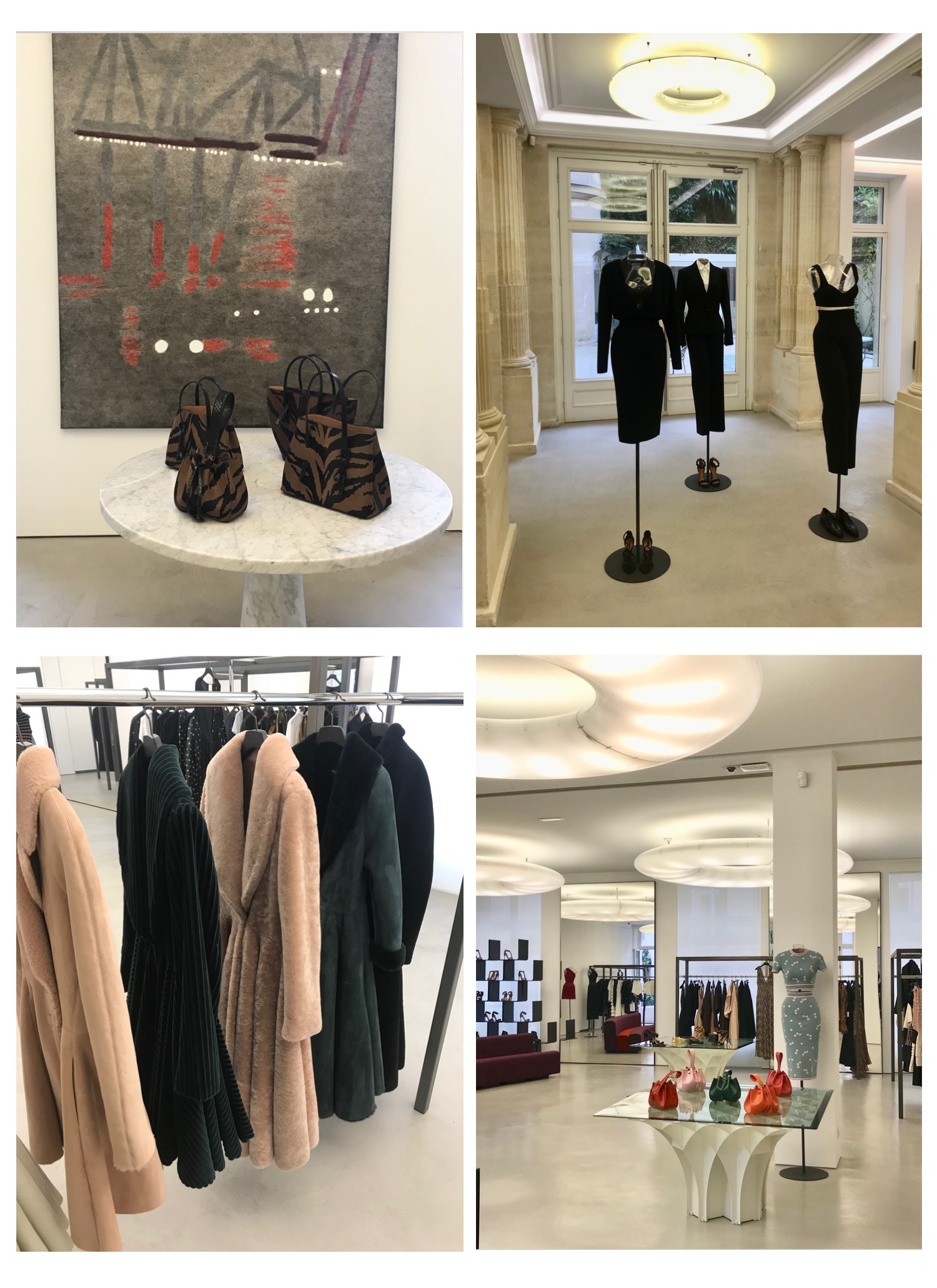
And now we’re jumping from Le Marais district to rue de Marignan (located near the posh Avenue Montaigne), where Alaïa’s second Paris flagship store is located. I’ve been there a few years ago after its opening, and now I was surprised to see that more floors are open to the clients. Here you will find the brand’s current collections (designed by Alaïa’s studio), as well as re-editions of some of the most cult Azzedine designs and motifs. Fact check: no other brand in Paris does as refined eveningwear as Alaïa’s maison. Oh, and shearling coats. When I saw that rack, my heart skipped a beat. Going to this store feels like a continuation of the exhibition tour, but this time you can try it all on and, if your wallet is a magic well, buy it. Never enough of Alaïa!
Azzedine Alaïa Boutique / 5 rue de Marignan
All photos by Edward Kanarecki.
(P.S. If you are inspired by my Parisian coverage, I’m really happy about, but please have in mind that now isn’t a safe time for any sorts of travelling. Stay at home!)







 Design & Culture by Ed