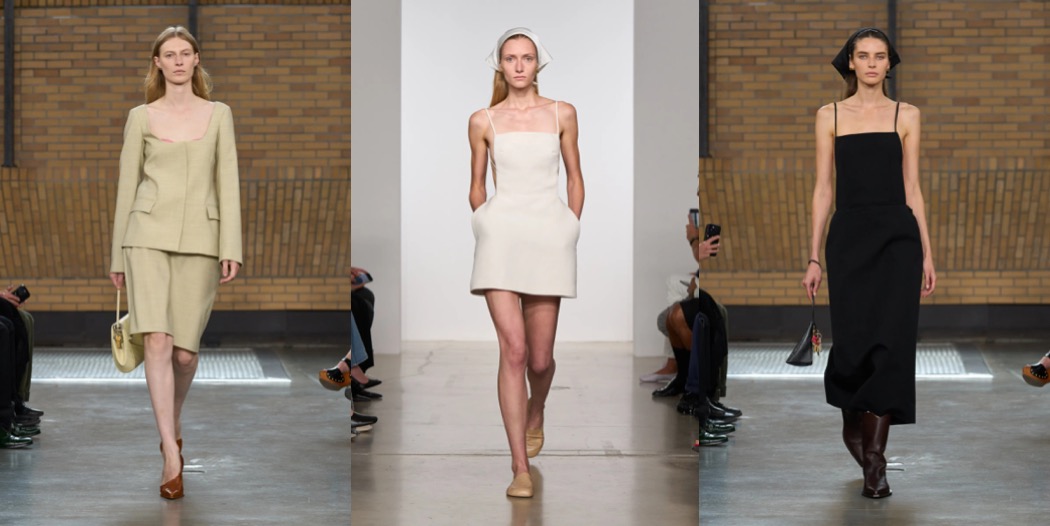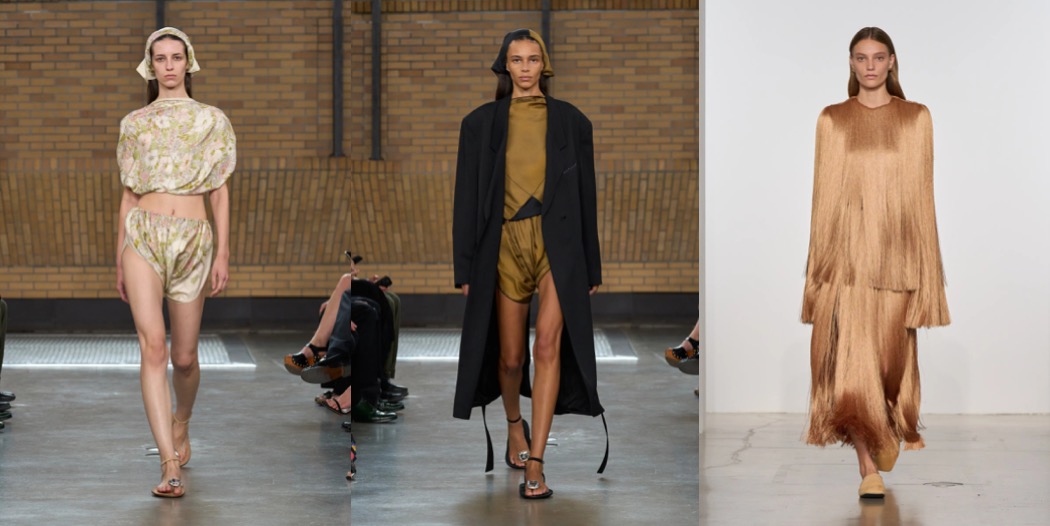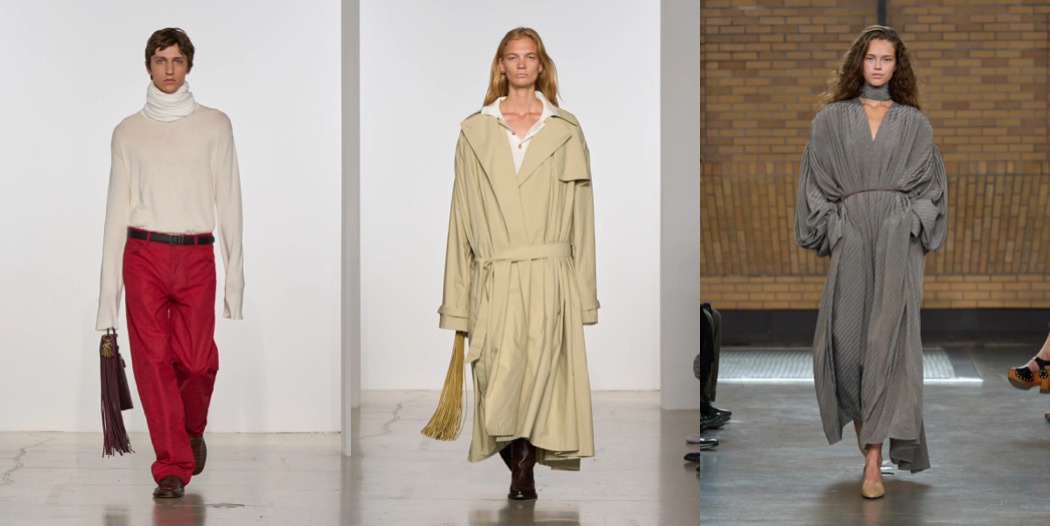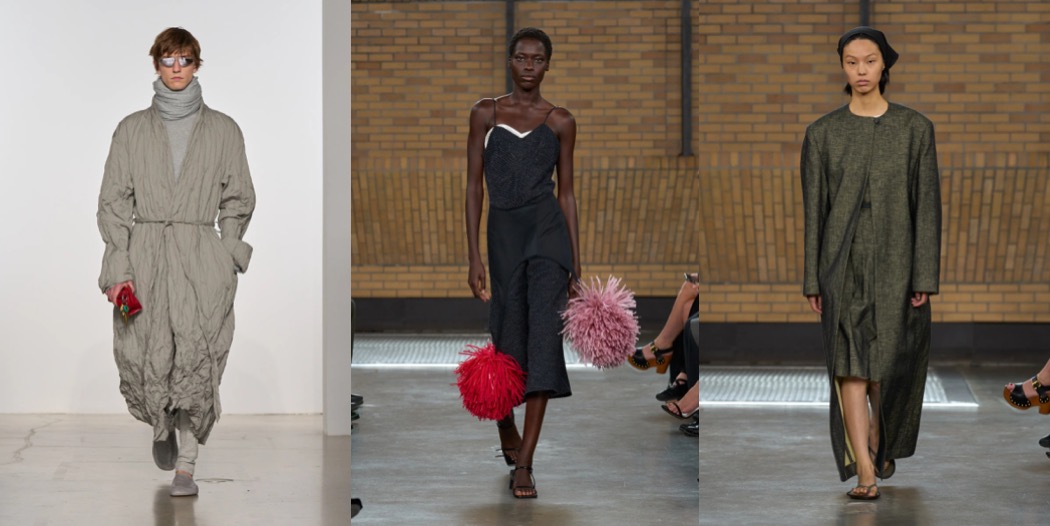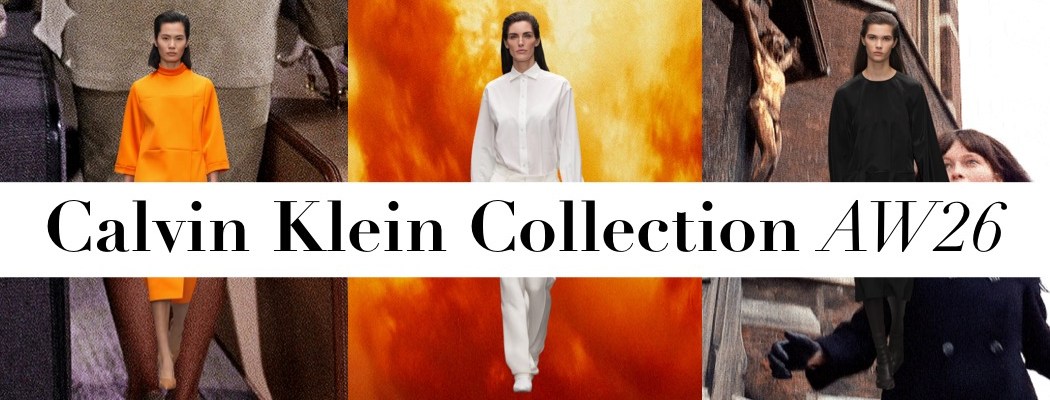
Unanswered Questions. Calvin Klein Collection AW26

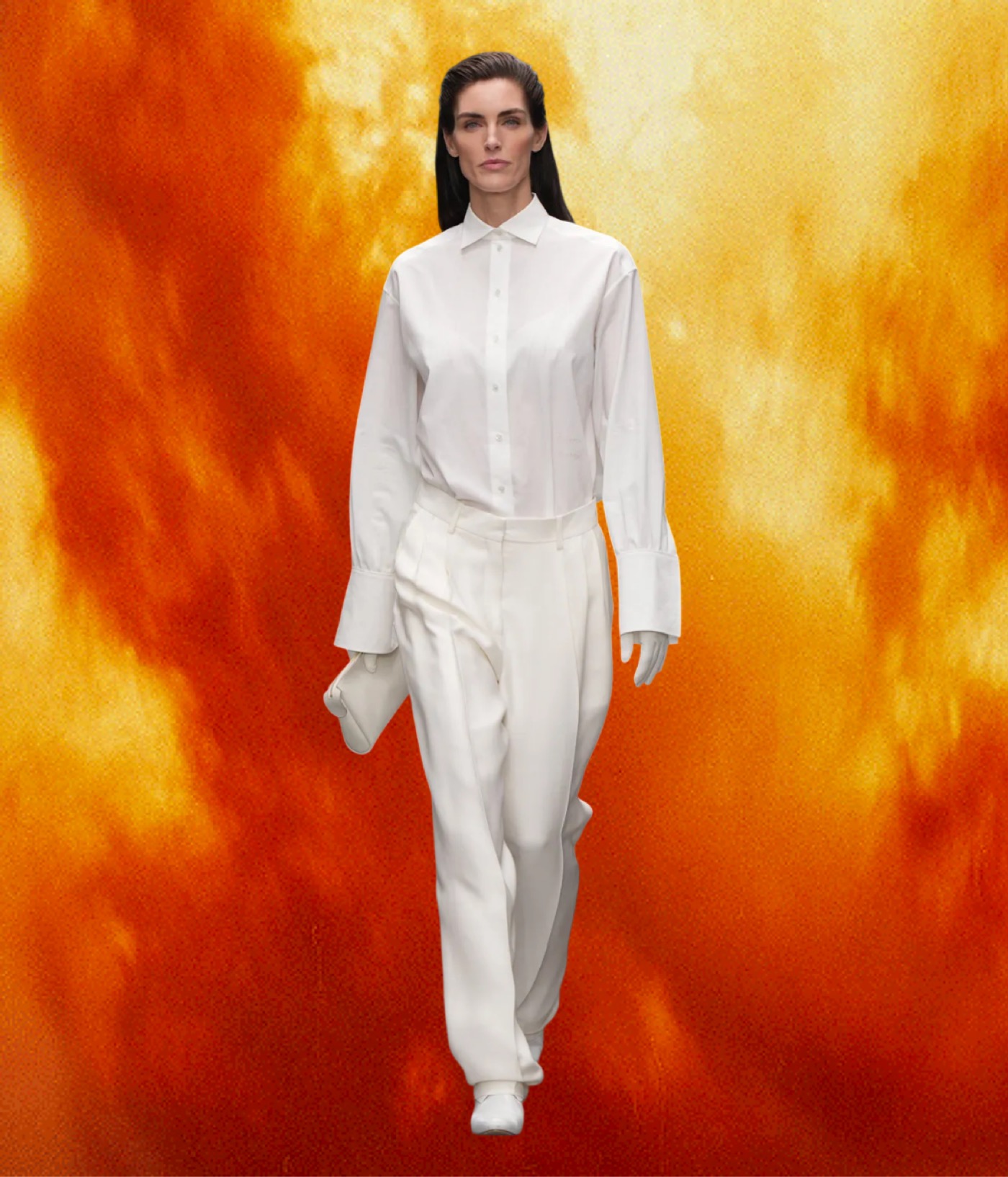
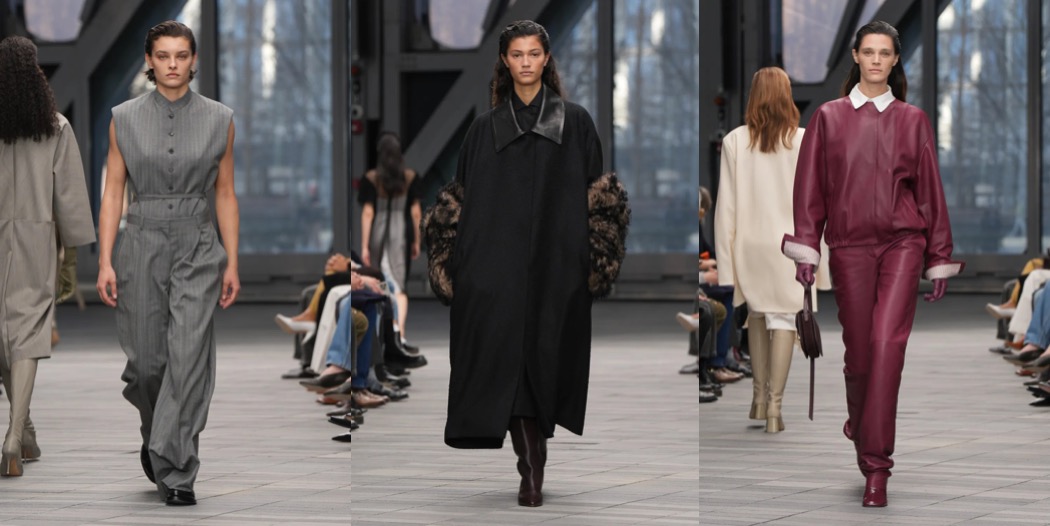
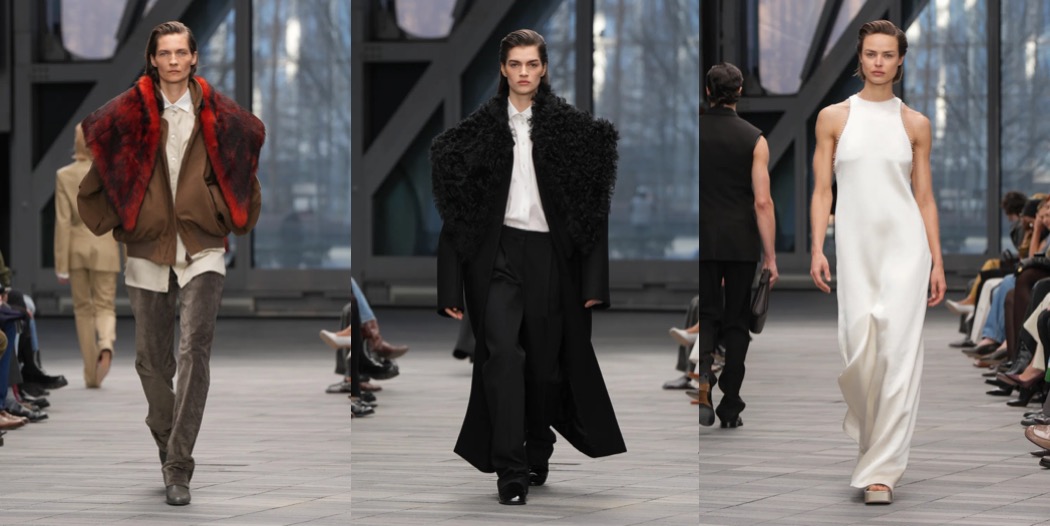
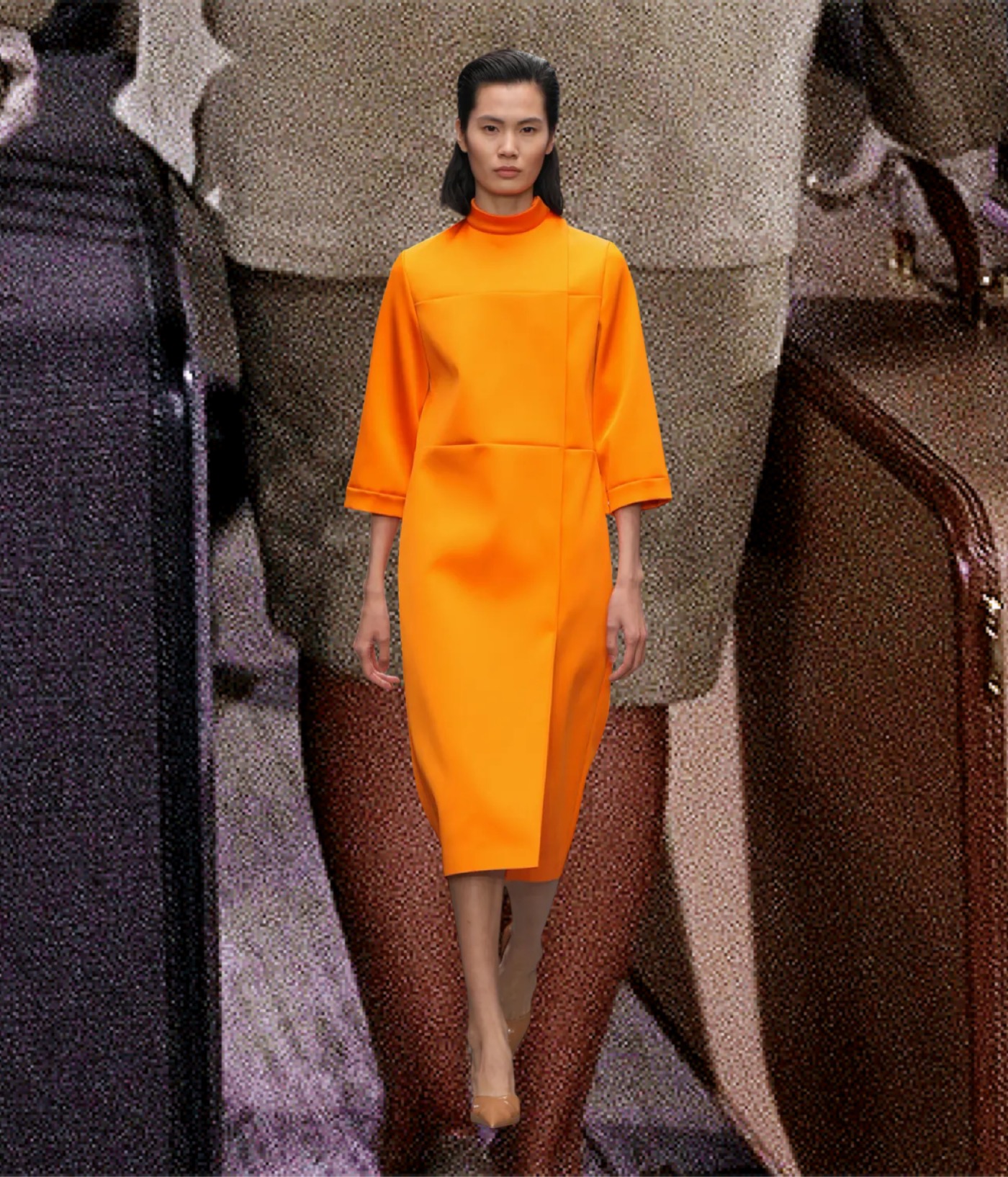
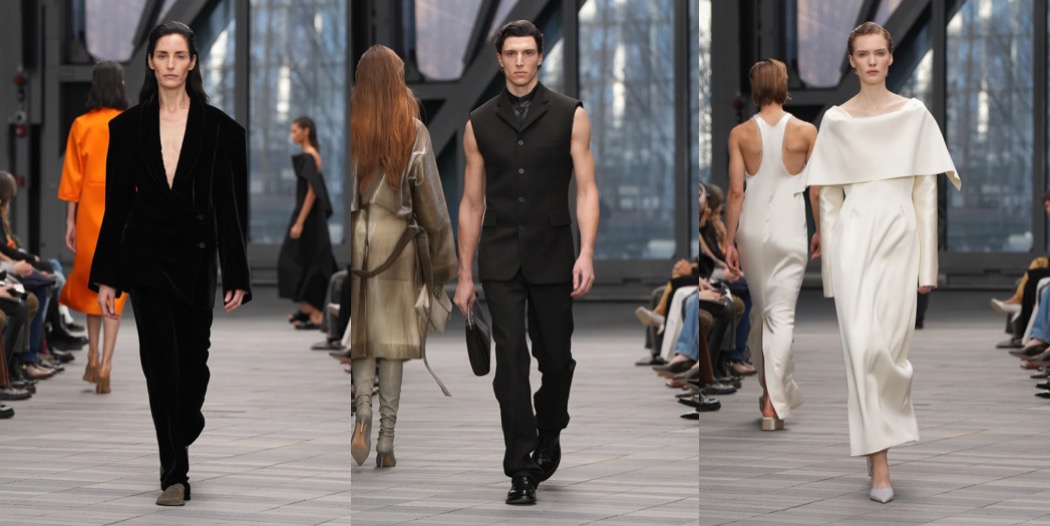
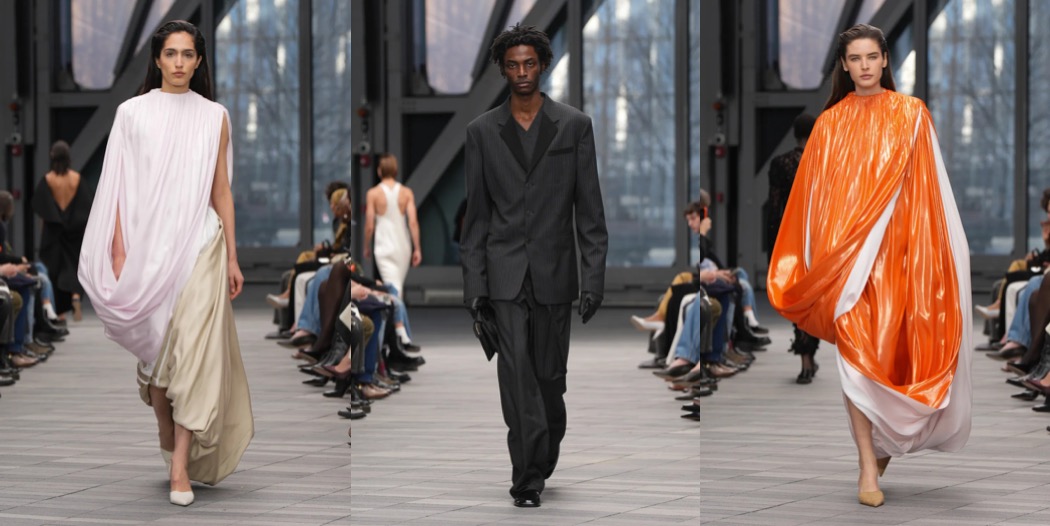
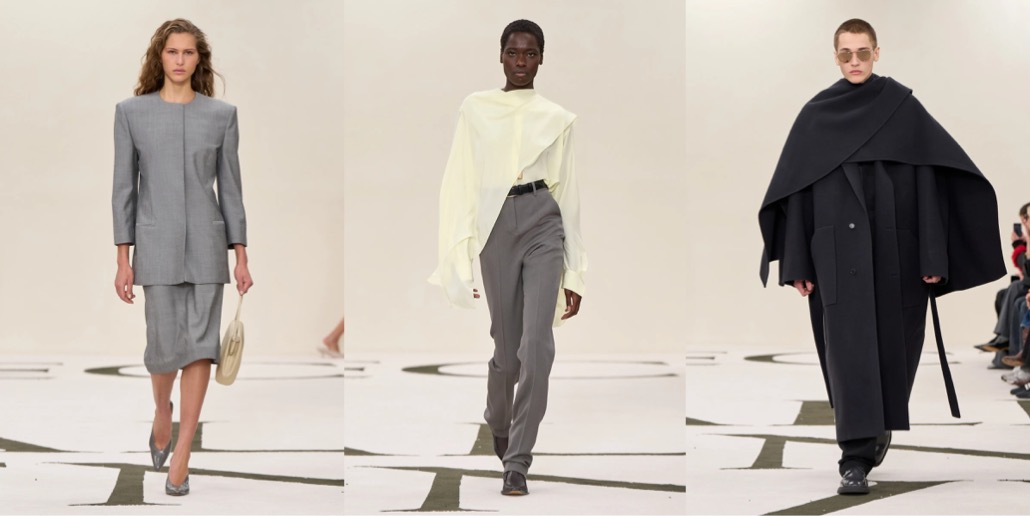
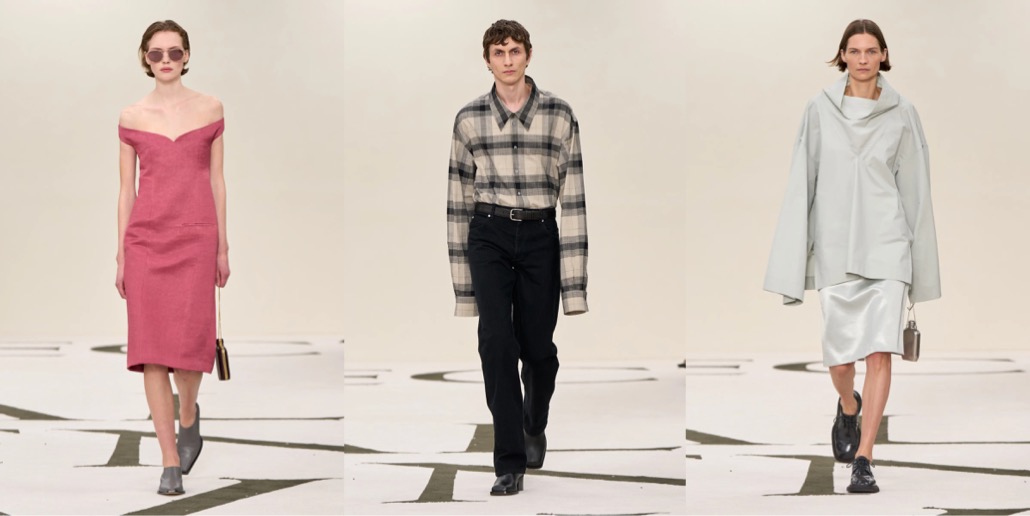
After two entirely unmemorable and unresolved collections, Veronica Leoni’s third outing for Calvin Klein Collection is her strongest yet. That doesn’t mean it was flawless. A significant question still lingers: what is the actual purpose of this line? And why does it feel so disconnected from what Calvin Klein as a brand represents today?

It’s clear that Leoni wants to challenge both herself and the house by proposing sophisticated interpretations of minimalism. Yet the result often comes across as misguided, particularly in a city like New York, already saturated with minimalist labels. Why not take a cue from Dario Vitale’s now-legendary debut at Versace and engage directly with the most recognizable signifiers of contemporary Calvin Klein? Why not embrace full-throttle hedonism in the spirit of the Bad Bunny campaign? Maybe, in the end of the day, the hypothetical client of the brand wants to get laid. That shift would truly shake things up – for Calvin Klein Collection and for Leoni herself, a seasoned and undeniably talented designer who nonetheless appears somewhat constrained within this corporate behemoth.

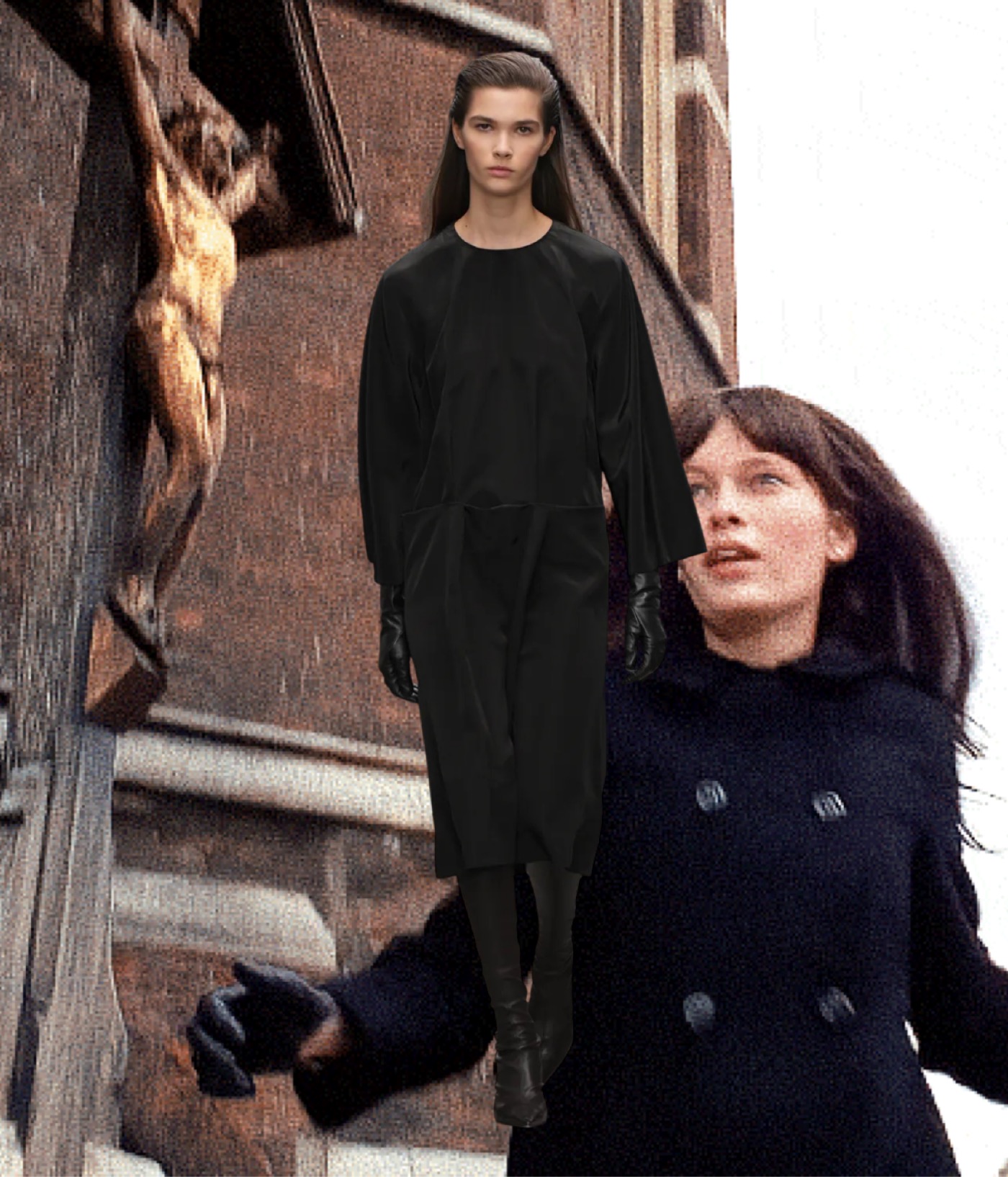
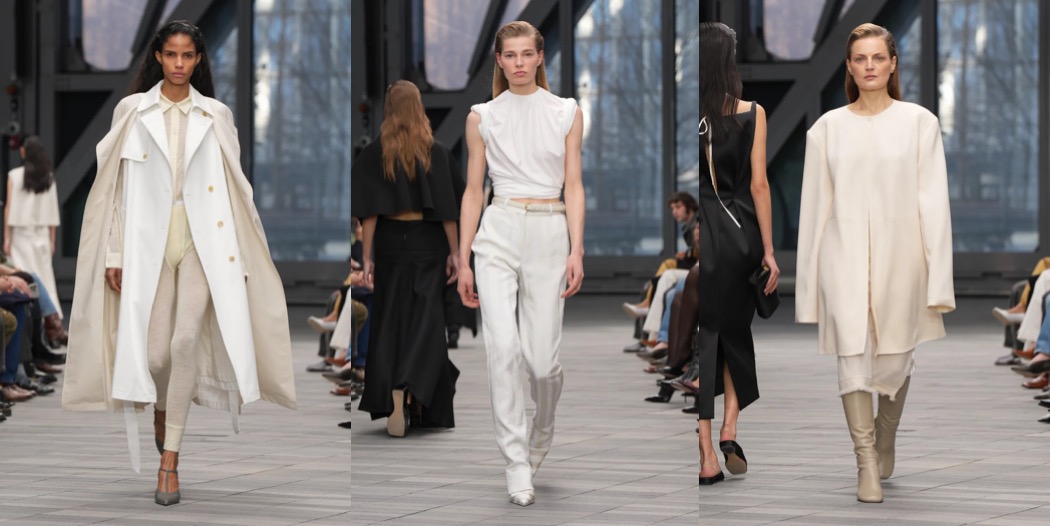
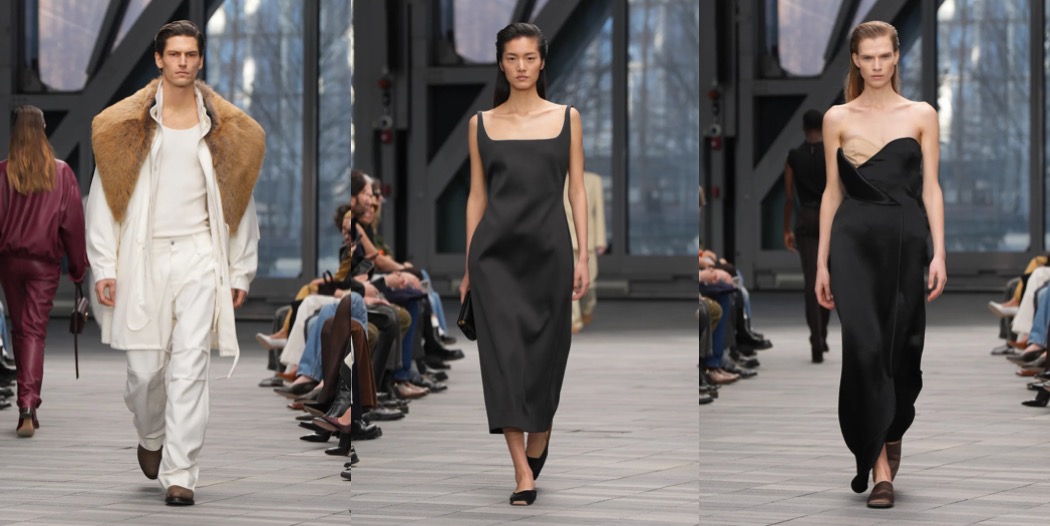
Her autumn-winter 2026 collection assembles a series of compelling ideas – sack-like silhouettes, or her first foray into straightforward, muscular sex appeal expressed through sleeveless jackets that expose sculpted arms. But these moments are diluted by awkward curtain-like dresses and outerwear that feels closer to Helmut Lang than to Calvin Klein. A sharper edit might help clarify what Leoni is trying to communicate. Ultimately, however, the issue seems to lie within the institution itself: a brand that aspires to high fashion without fully committing to making it work. In that context, the designer becomes the casualty of the story.
ED’s SELECTION:
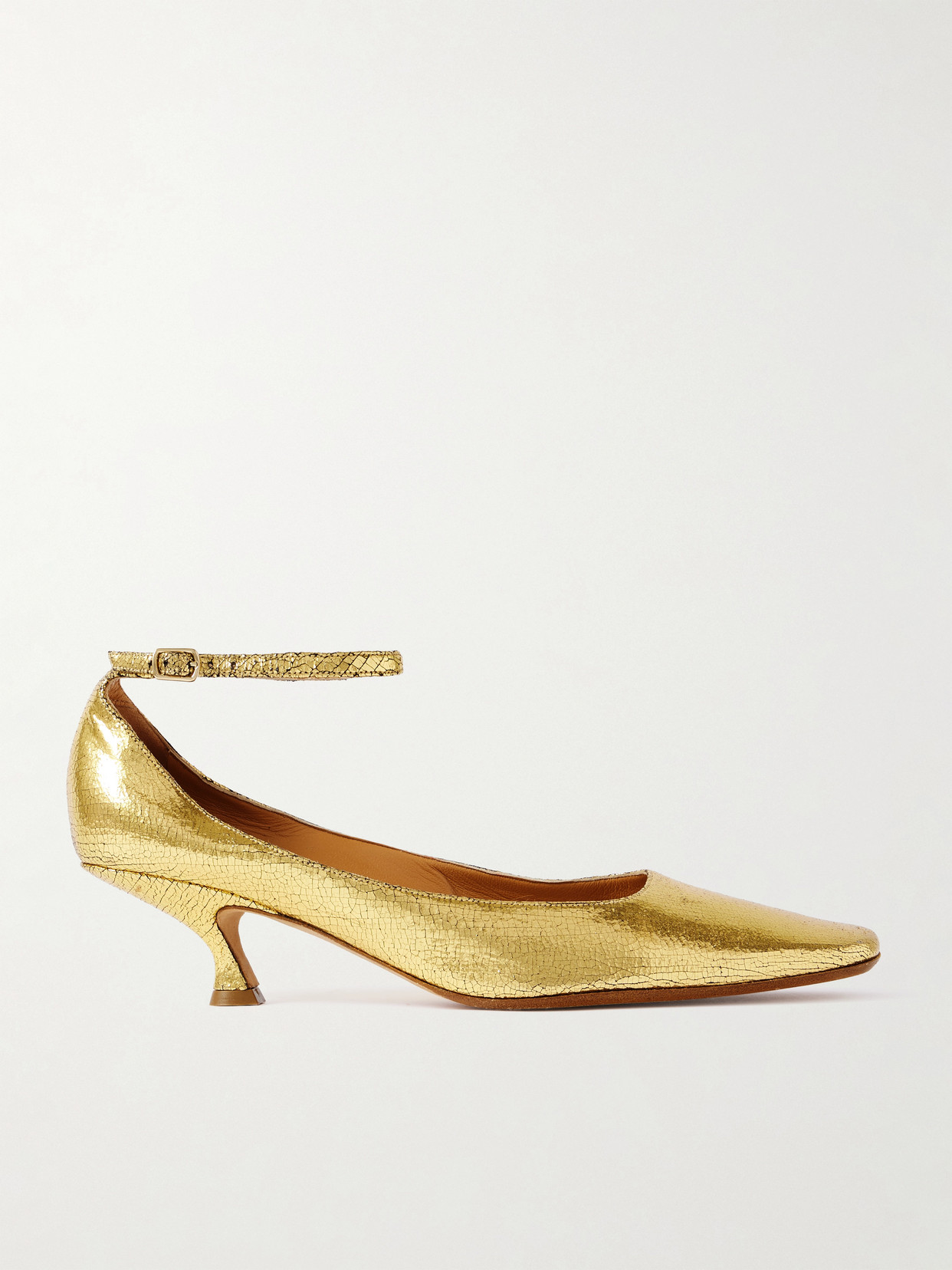

Calvin Klein Collection Anna Metallic Cracked-leather Pumps
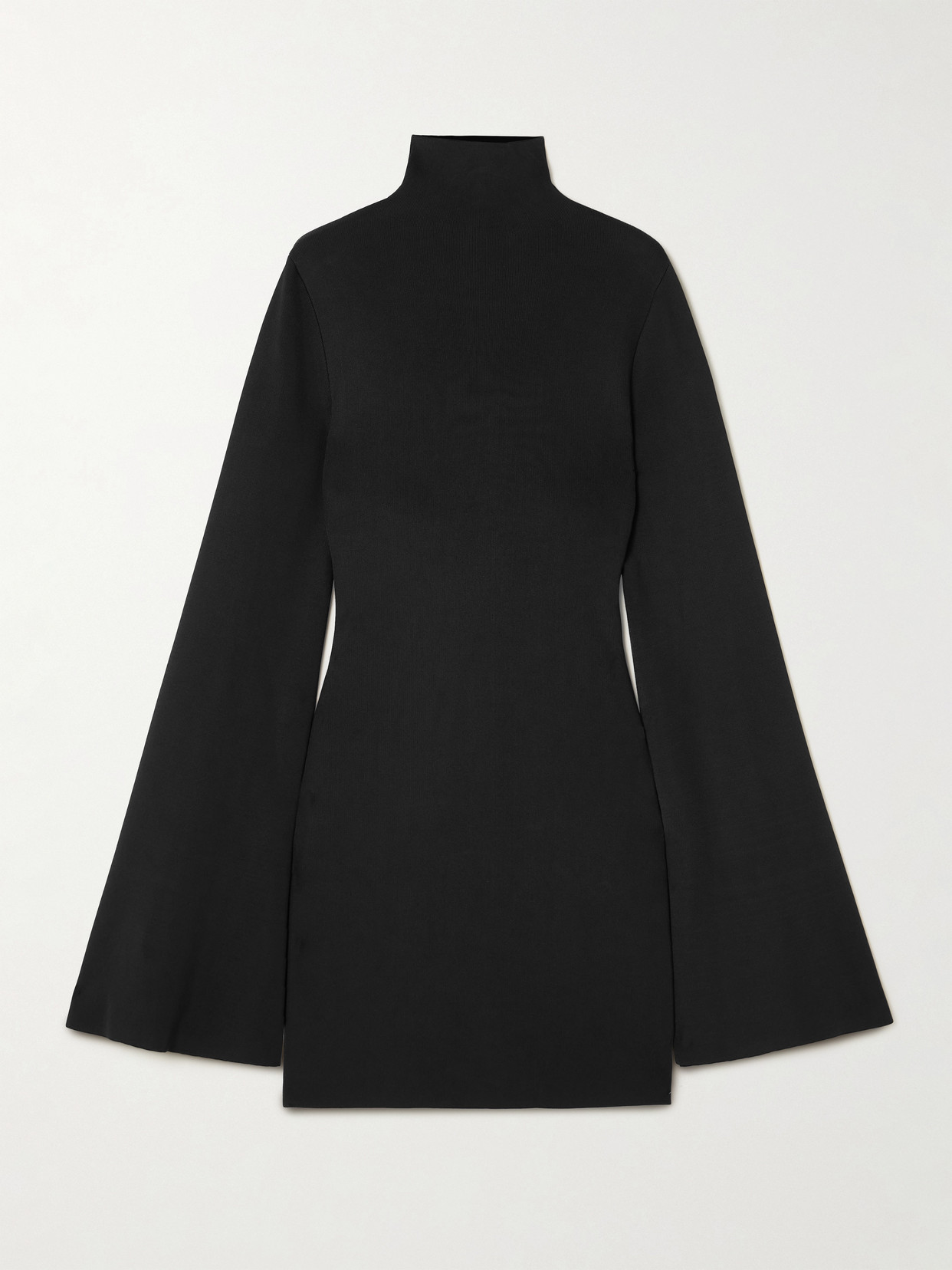


Calvin Klein Collection Annie Stretch-knit Mock-neck Mini Dress
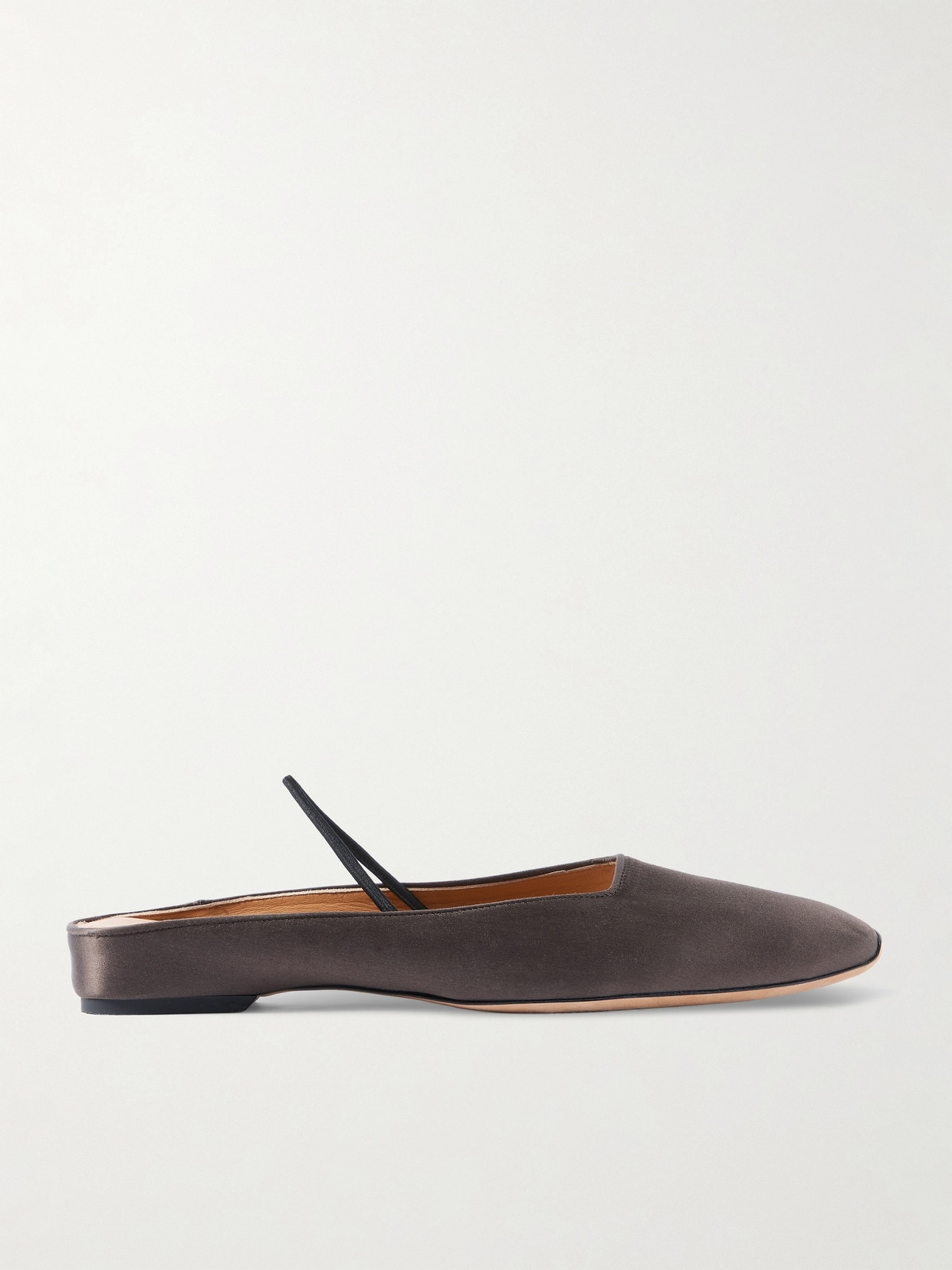


Calvin Klein Collection Kate Satin Slingback Flats
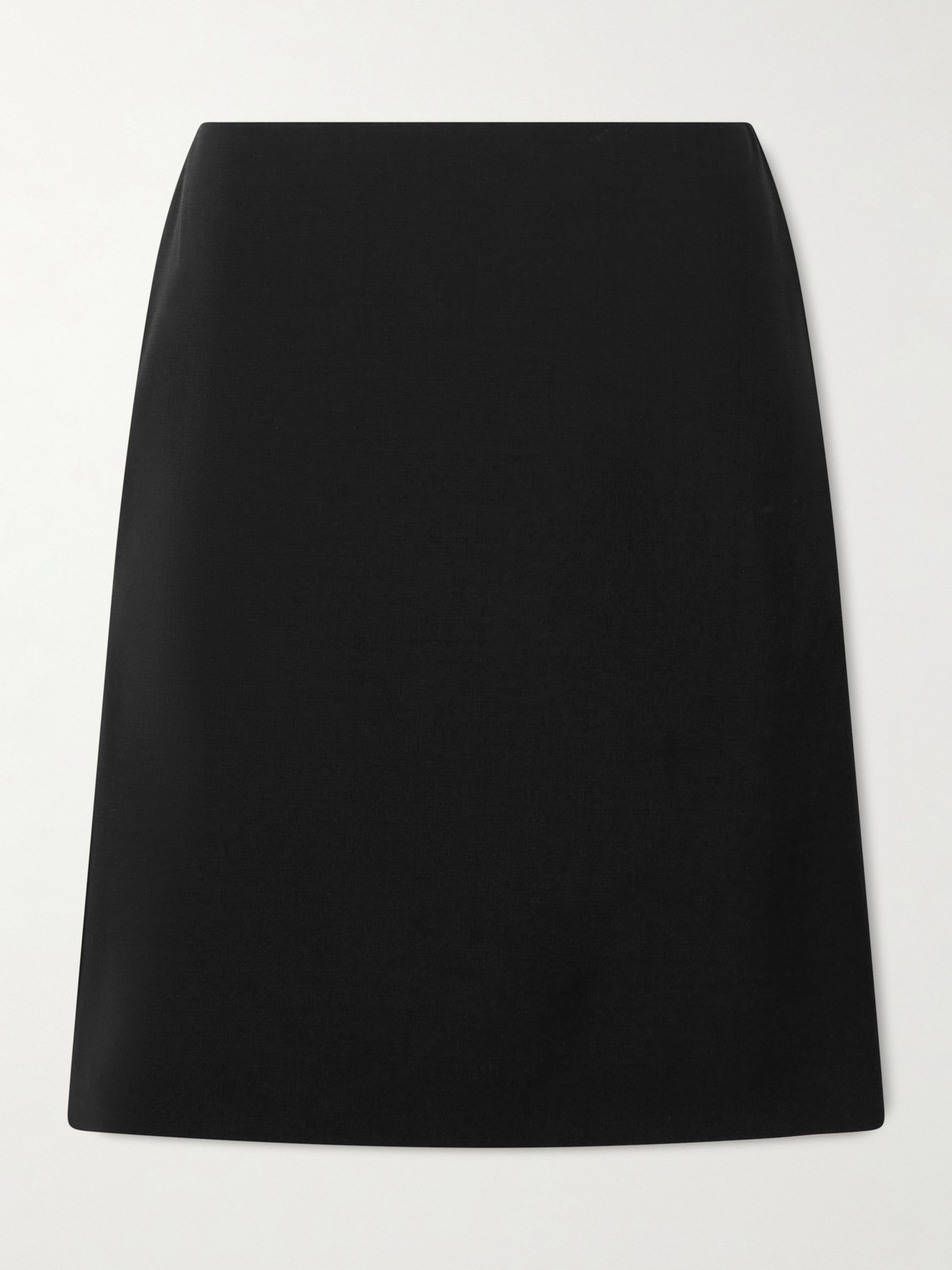


Calvin Klein Collection Luna Satin Skirt
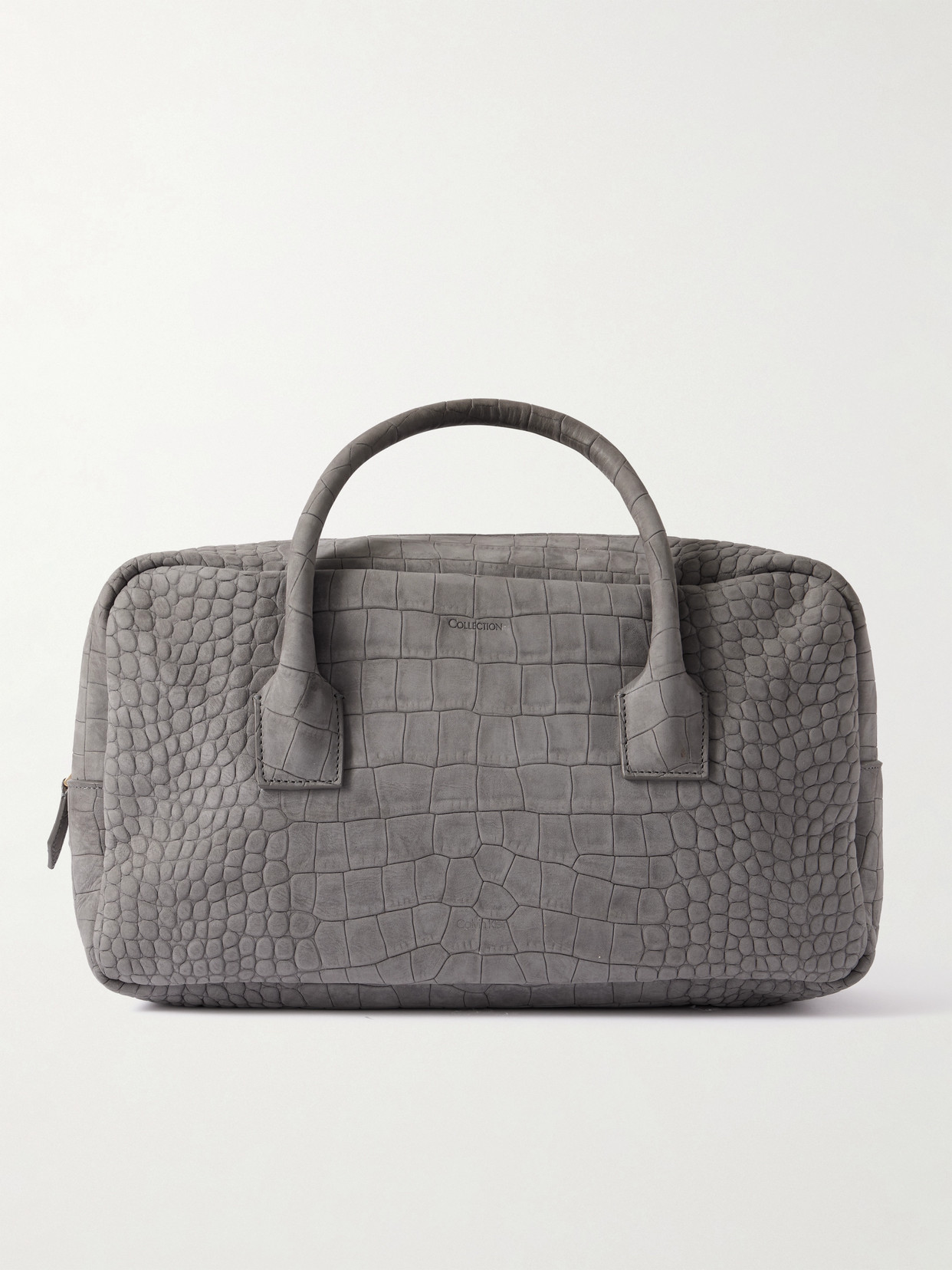


Calvin Klein Collection America Duffle Medium Croc-effect Suede Tote
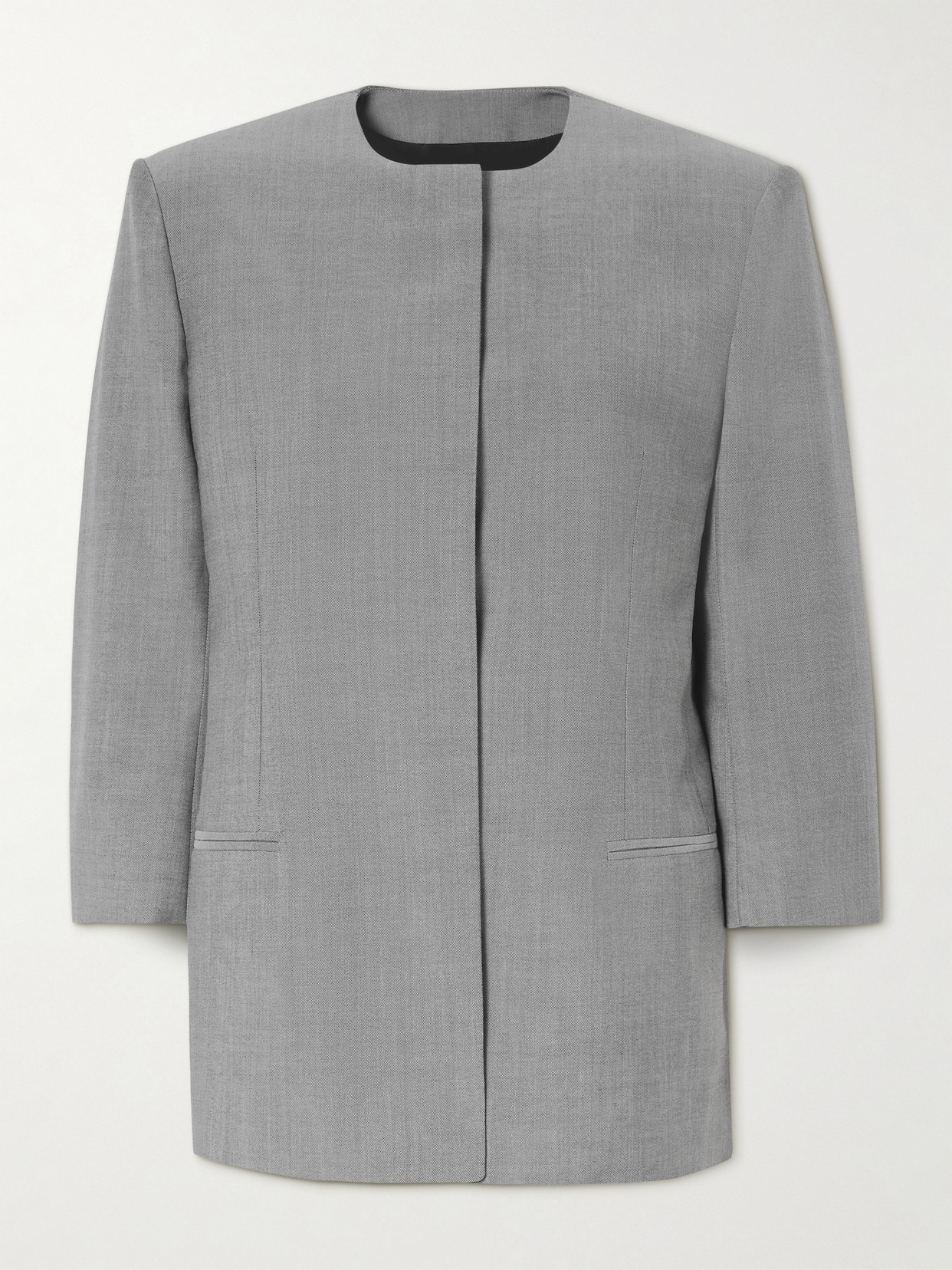


Calvin Klein Collection Parker Wool Blazer
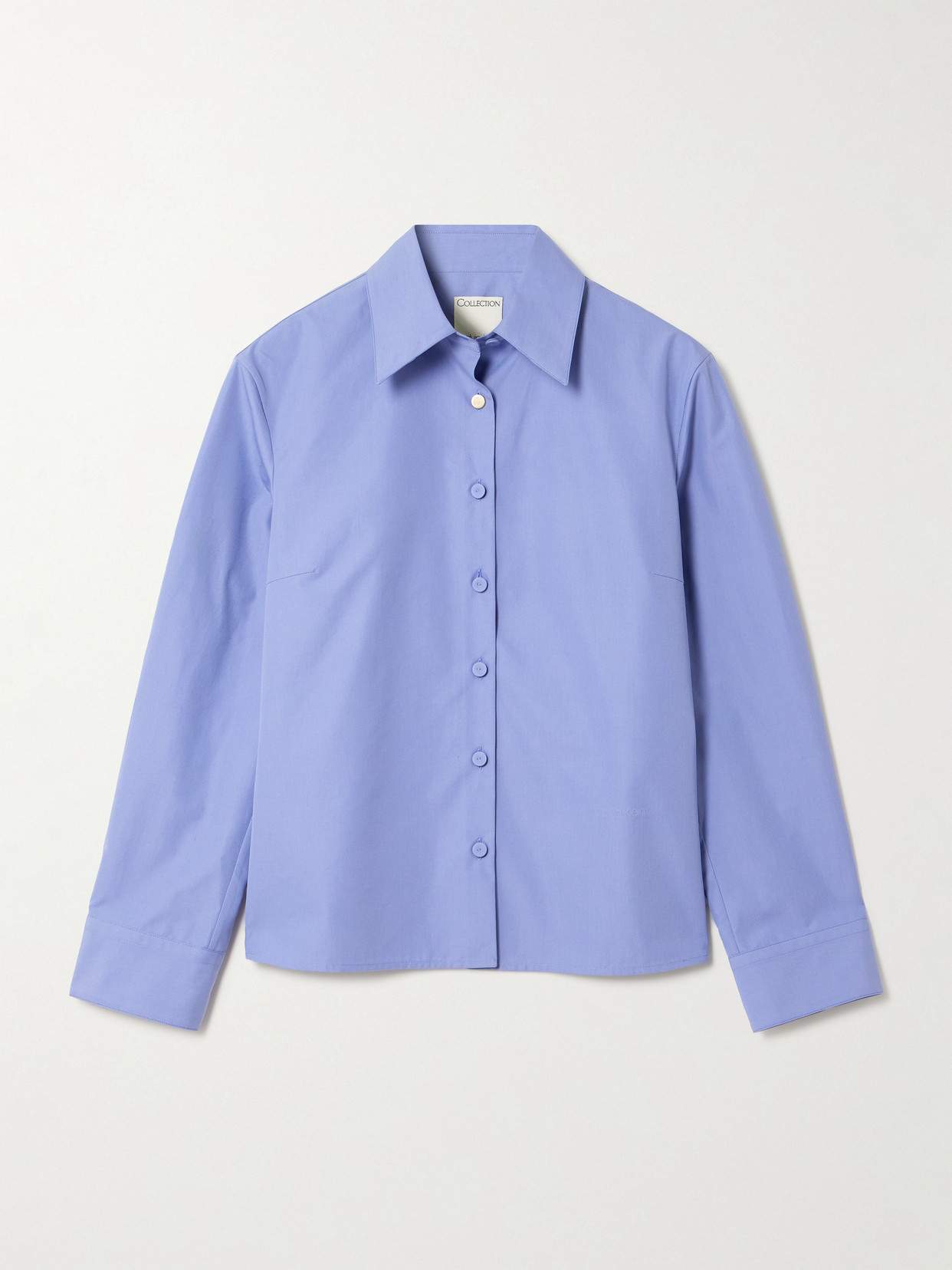


Calvin Klein Collection Daisy Cotton-poplin Shirt
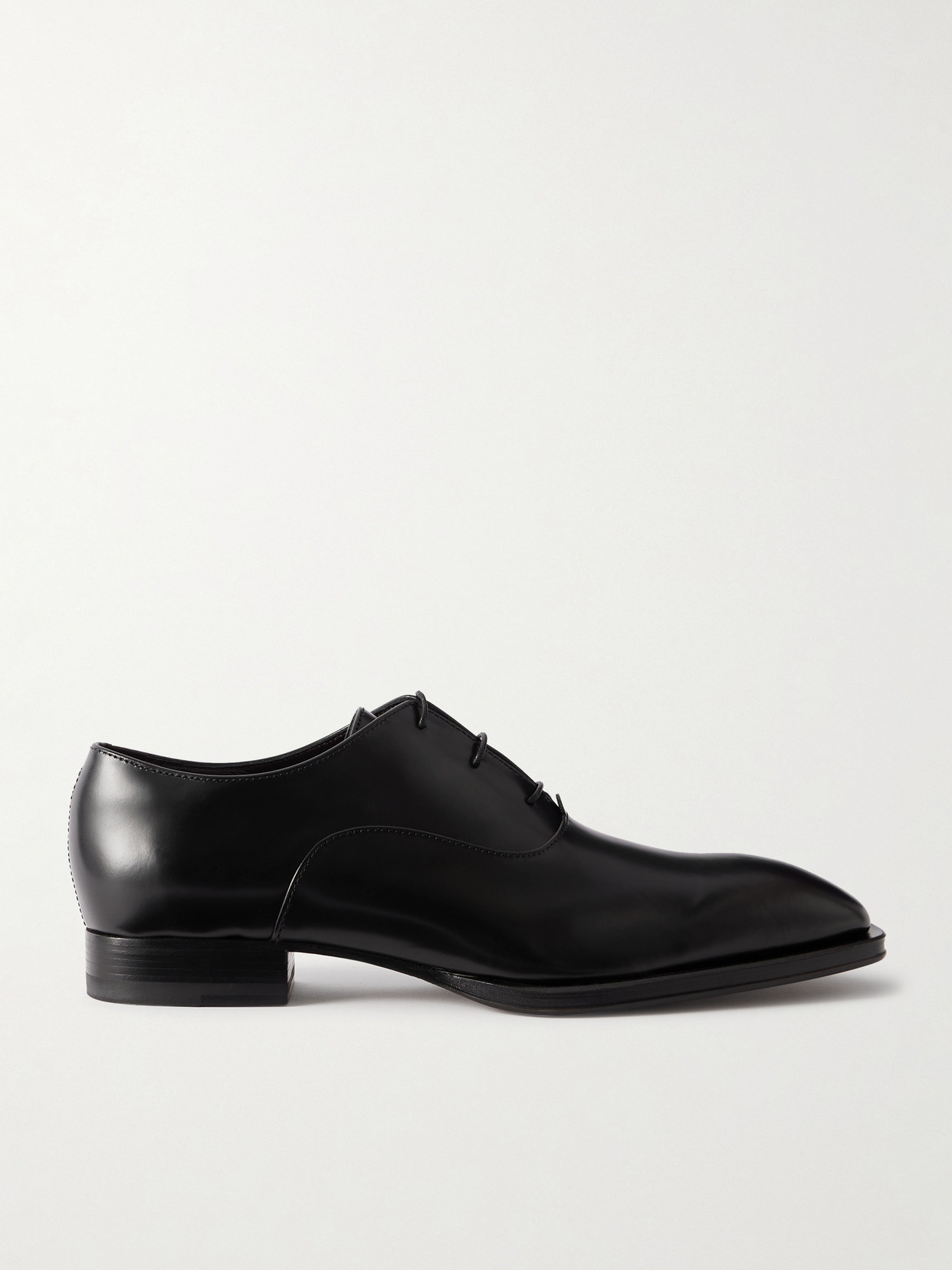


Calvin Klein Collection Felix Leather Brogues

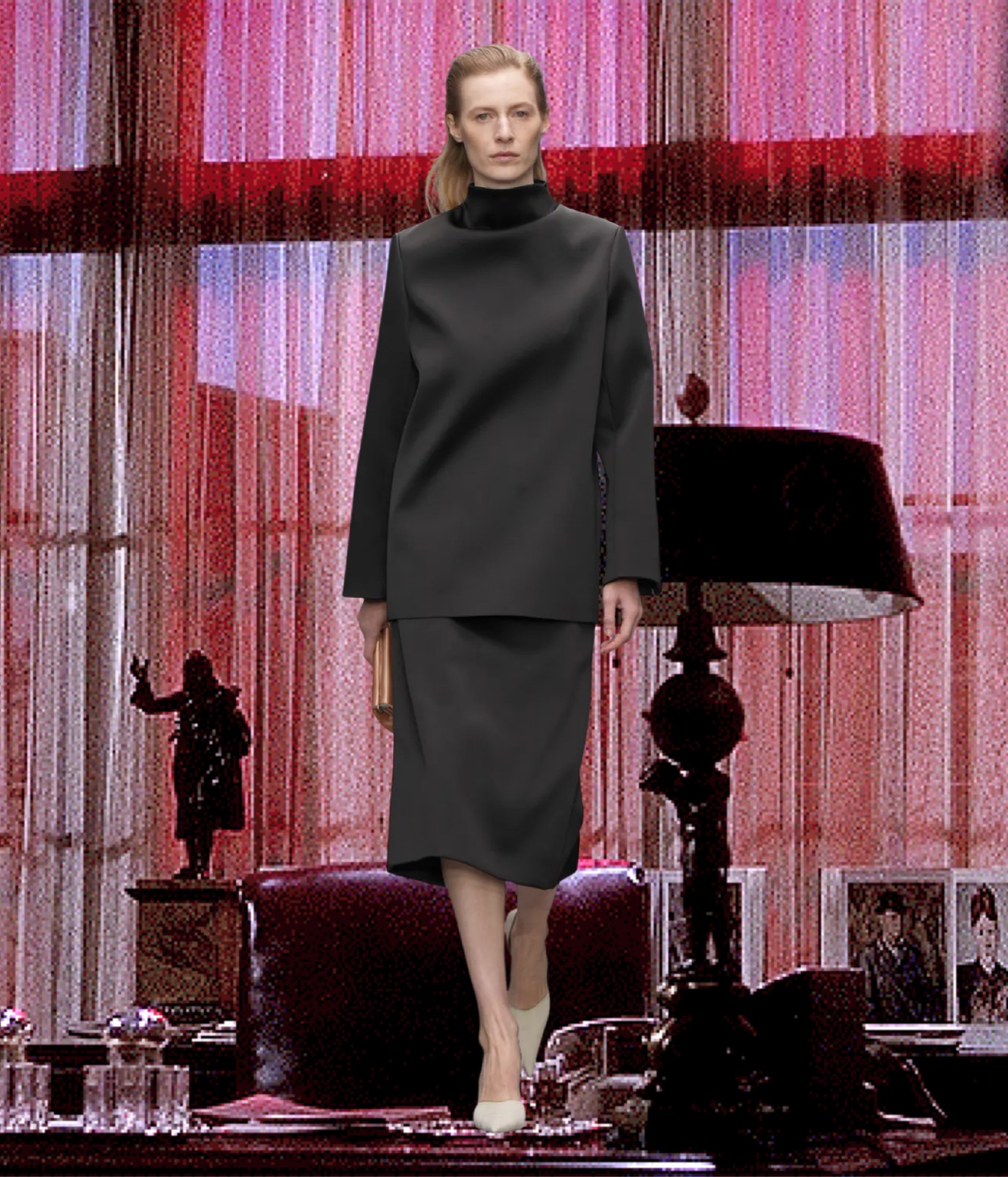
Collage by Edward Kanarecki.
Don’t forget to follow Design & Culture by Ed on Instagram.

Hey, did you know about my newsletter – Ed’s Dispatch? Click here to subscribe.

Generic. Calvin Klein Collection SS26

New York Fashion Week is here, and I’m confused: why does generic minimalism have to dominate this city so relentlessly? Everyone wants to be the next Halston (or The Row), but in reality, it’s not as simple as it looks. As LEWIS’S wrote, minimalism is “the most difficult aesthetic to achieve” and it “demands the highest precision and a mastery of the fundamentals of design”. Contemporary New York–based designers should print these words out and pin them to their studio walls.

Especially Veronica Leoni, creative director of Calvin Klein Collection. Spring–Summer 2026 marks her sophomore season, and it falters just as much as her debut. What bothers me most is how unedited and unresolved it feels – particularly considering Leoni has the ‘luxury’ of presenting just two runway collections a year, a privilege many designers can only dream of. Her latest offering resembles COS staging runway shows: an exhaustive survey of current trends, watered down and labeled ‘minimal.’ But here’s the issue: COS is an ambitious high-street brand, while Calvin Klein Collection positions itself as a high-luxury label. At those price points, the last thing you want is a diluted mélange of Matthieu Blazy’s Bottega Veneta, Louise Trotter’s Carven, the Meiers’ Jil Sander, and even Maximilian Davis’ Ferragamo.

The only authentic moment on Leoni’s runway was the Canadian tuxedo, worn by a blond male model who could have stepped straight out of a Richard Avedon ad. That look is quintessentially Calvin Klein – but the catch is, you already find that product in the ‘mainstream’ line, where Bad Bunny and Cooper Koch flaunt their jewels. And here we hit another of Leoni’s major problems: the utter disconnect between her collection and what Calvin Klein represents to contemporary, mainstream audiences. Those logo waistbands repurposed into a faux-intrecciato dress and sunglasses do nothing to bridge the gap.

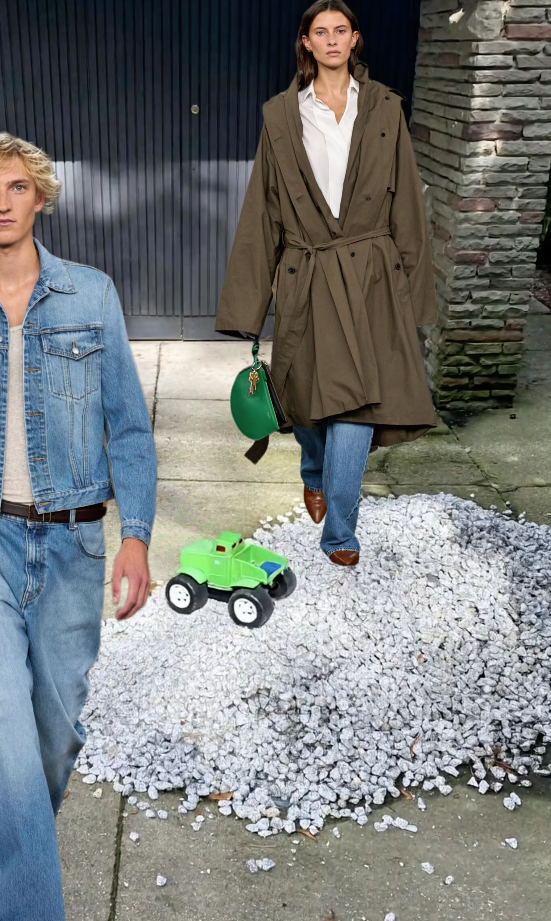
Collage by Edward Kanarecki.
Don’t forget to follow Design & Culture by Ed on Instagram!

Hey, did you know about my newsletter – Ed’s Dispatch? Click here to subscribe!

NET-A-PORTER Limited

Give Us Nothing. Calvin Klein Collection AW25

Maybe it’s the general fatigue from the constant fashion cycles – since January 7th, it’s been non-stop fashion weeks (pre-fall, menswear, couture, and the bizarrely packed Copenhagen and Berlin FWs) – but New York Fashion Week so far feels painfully generic. Of course, there were exceptions: Marc Jacobs‘ joyful outing and Christopher John Rogers‘ exuberant return to the runway. But in the sea of tasteless minimalism flooding the city, it’s easy to forget these fleeting moments of vitality.

And that’s precisely the problem with NYFW and its brands: their obsession with minimalism. Everyone wants to be the next The Row but ends up in the limbo of Totême, Proenza Schouler, and the current-day, shapeless look of Jil Sander. Everyone wants to channel the straightforward, raw elegance of Phoebe Philo, but the result is COS. Worse yet – overpriced COS.

New York has a deep-rooted history with minimalism. Minimal art was born here: think Frank Stella’s geometric perfection, Donald Judd’s rigorously crafted “Specific Objects,” and Dan Flavin’s fluorescent light installations. It’s no coincidence that as minimal art began to take shape, fashion minimalists emerged in the city, starting with Halston and Zoran, evolving through Calvin Klein and Donna Karan, and culminating in Helmut Lang – who, ironically, wasn’t even based in New York. His vision of womenswear and menswear in the late ’90s, formed during his time in the city, creatively propels local designers of today, like Mike Eckhaus and Zoe Latta of Eckhaus Latta. It’s really no wonder why so many brands are fixated on minimalism here. But should they be?

The appointment of Veronica Leoni as creative director at Calvin Klein (Collection) promised to be the next big New York success story everyone had been waiting for. Unfortunately, the Italian designer – best known for her discreet label Quira – missed the mark with her debut. Completely.

Calvin Klein’s minimalism of yore was charged with emotion and grace. His lines and silhouettes were simple, yet sophisticated, exuding power. Just take a look at this Instagram archive of his runway collections – less really was more. What I saw at Calvin Klein Collection yesterday, however, left me with a sad feeling of emptiness. It all looked like another variation of the generic minimalist grey (or rather, beige!) zone overtaking fashion. And it’s not even true minimalism; it’s stylized to look minimalist. We already have enough brands doing that – like Maximilian Davis’ Ferragamo or the aforementioned Jil Sander under the Meiers. These are collections you won’t remember in six months when they hit the stores. I doubt anyone will remember Leoni’s plaid shirt moment (how Matthieu Blazy for Bottega), the caped shirt (hello, Phoebe!), or yet another broad-shouldered camel coat that she presented. Kendall Jenner’s runway appearance and “CK One”-inspired mini-bags won’t help with the fashion amnesia.

Veronica Leoni’s first attempt to revive Calvin Klein’s runway line highlights just how ahead of his time Raf Simons was with his 205W39NYC concept. Instead of playing to the obvious Calvin trope of minimalism, he tackled another: Americana. And he delivered a short-lived but utterly memorable body of work, presenting the Calvin Klein legacy through a truly exciting lens. Good for Miuccia: she was quick to snap him up for Prada right after his New York stint.

Of course, it’s far too early to judge Veronica Leoni’s first collection at Calvin Klein. But if she plans to continue orbiting this plain-looking status quo, I doubt it will succeed. Women already have Khaite, and men have Fear of God. Meanwhile, across the Atlantic, labels like Lemaire, Phoebe Philo, Hed Mayner, and of course, The Row – now fully Paris-based, no surprise – that aren’t afraid to push the boundaries of what minimalism can mean (and look like).

Collage by Edward Kanarecki.
Don’t forget to follow Design & Culture by Ed on Instagram!

Hey, did you know about my newsletter – Ed’s Dispatch? Click here to subscribe!

NET-A-PORTER Limited

The 2010s / Raf Simons (Times Four)

Believe it or not – I can’t! – but we’re heading towards a new millenium. So, how do you choose the most important collections, designers and labels of the decade? The ones that made an actual impact in the 2010s? Well, it’s not an easy task. It all began in September 2009 with New York’s spring-summer 2010 shows and ended when the autumn-winter 2019 haute couture shows wrapped in Paris. Few thousands of shows, by the way. There will be 19 posts (that’s really the only possible minimum!) reminding about the best – and if not the best, then strongly influencing – moments in fashion.

Raf Simons (times four).

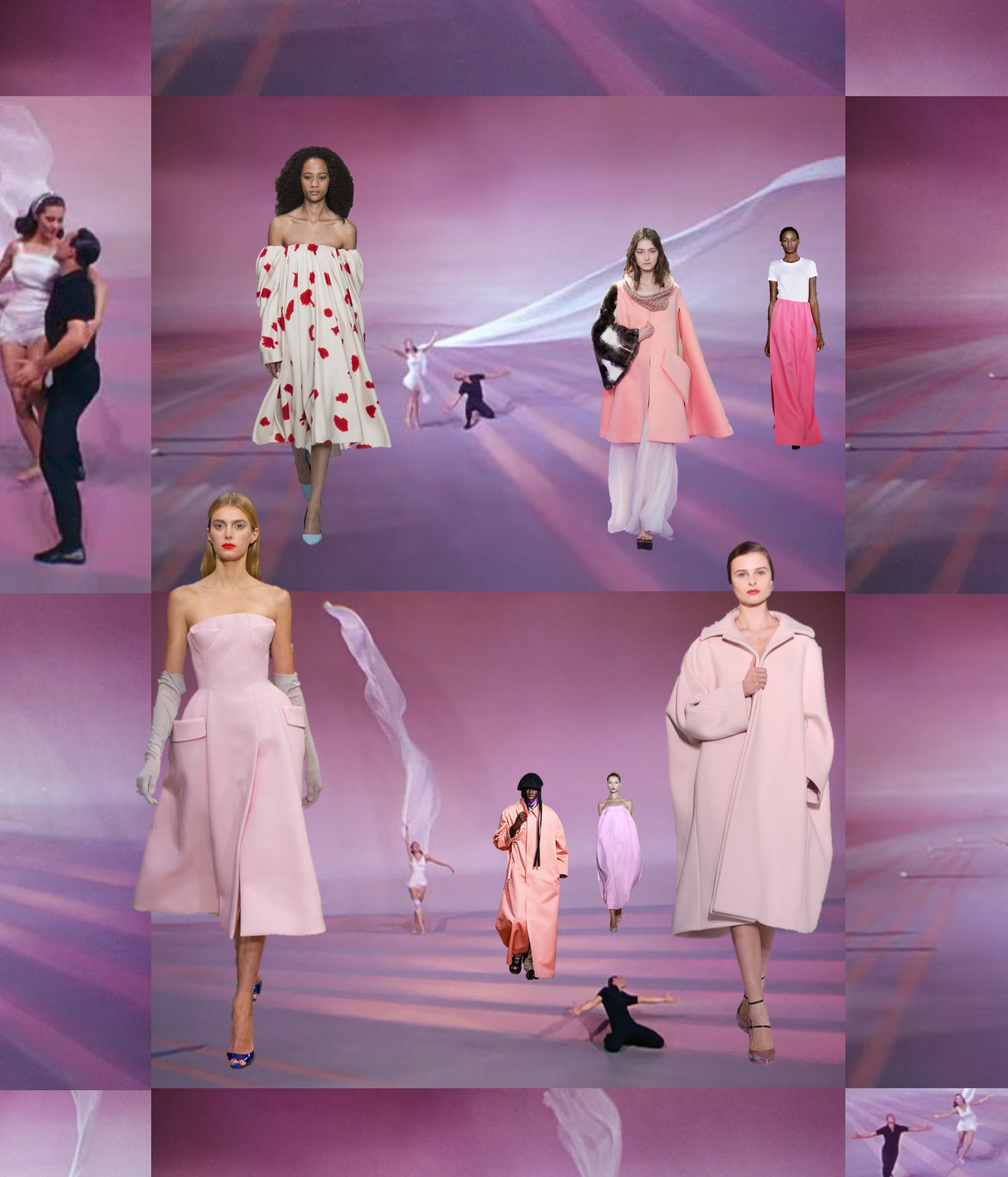
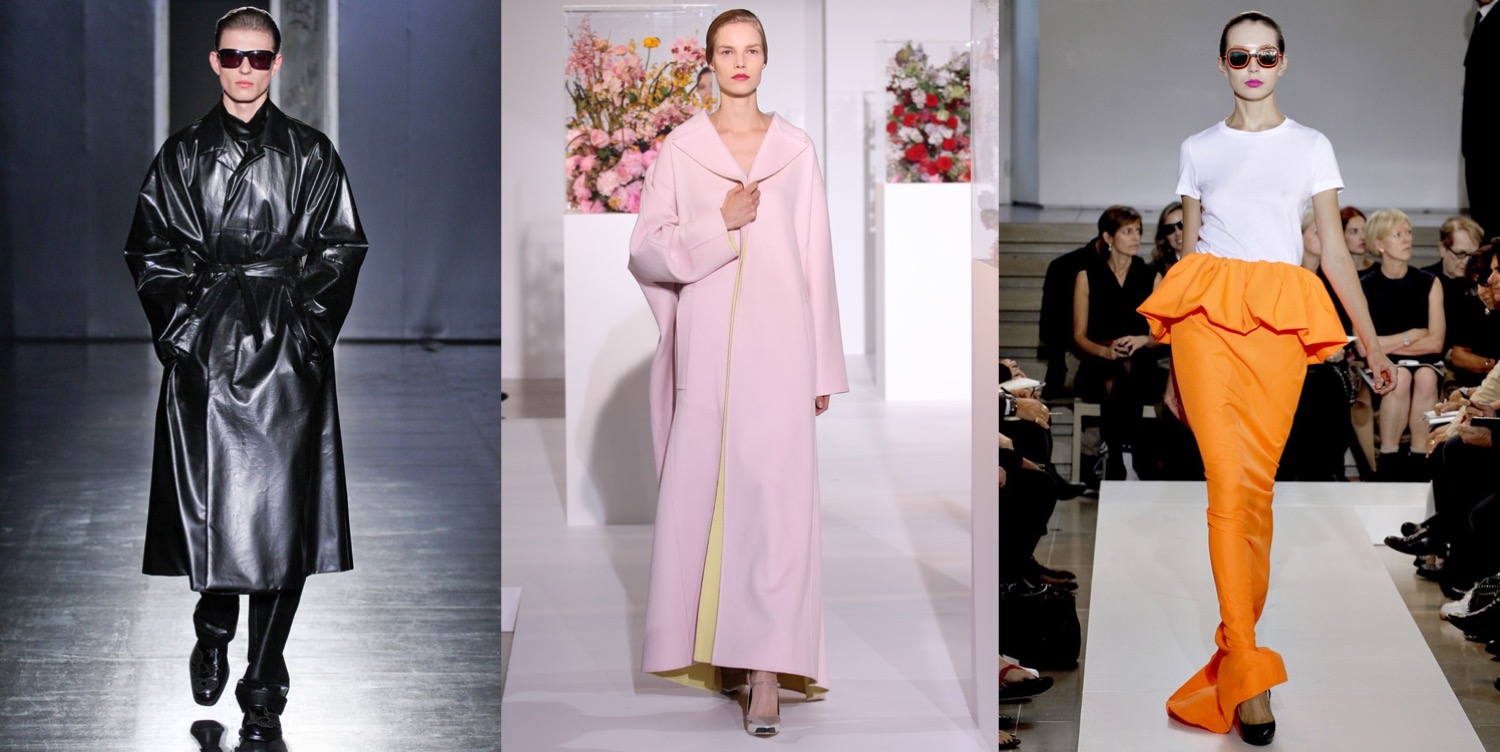
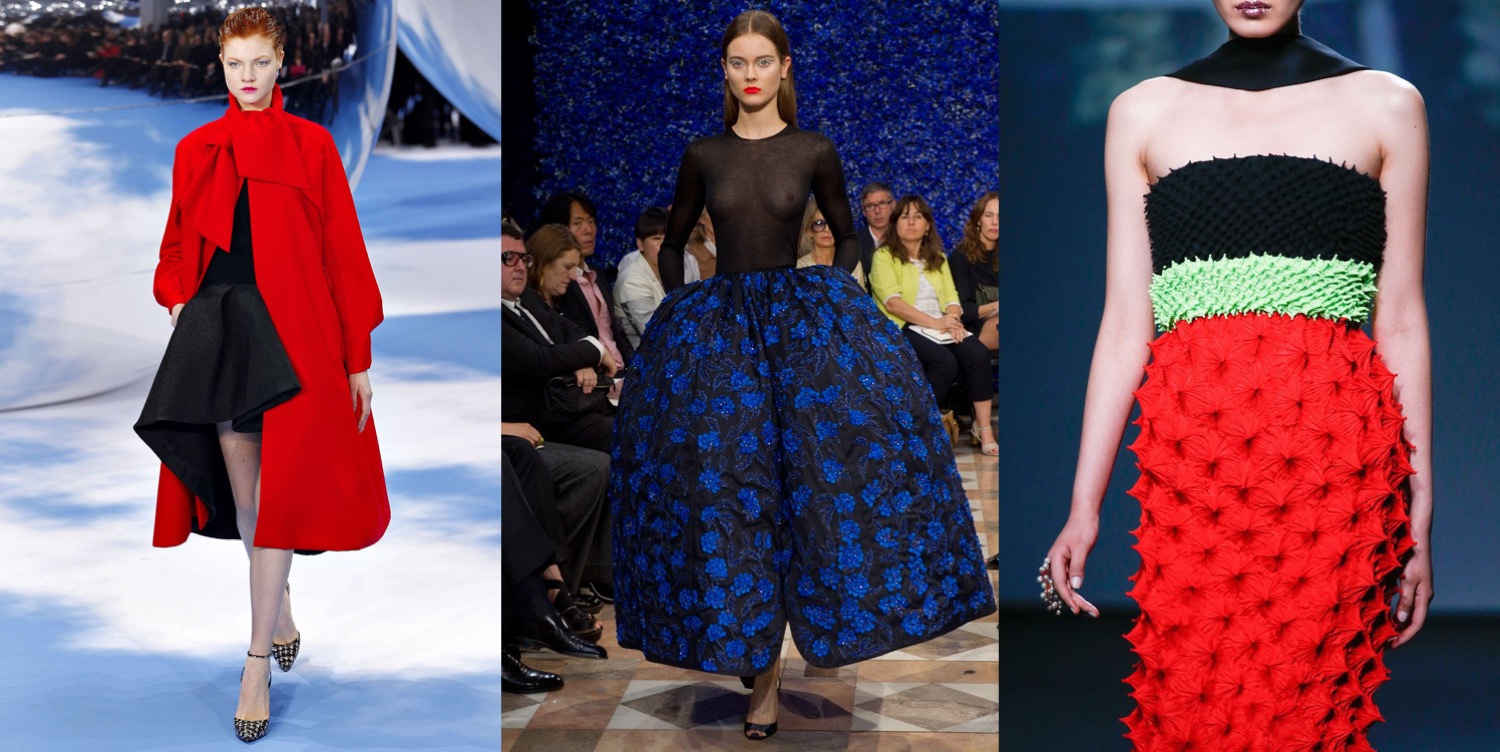
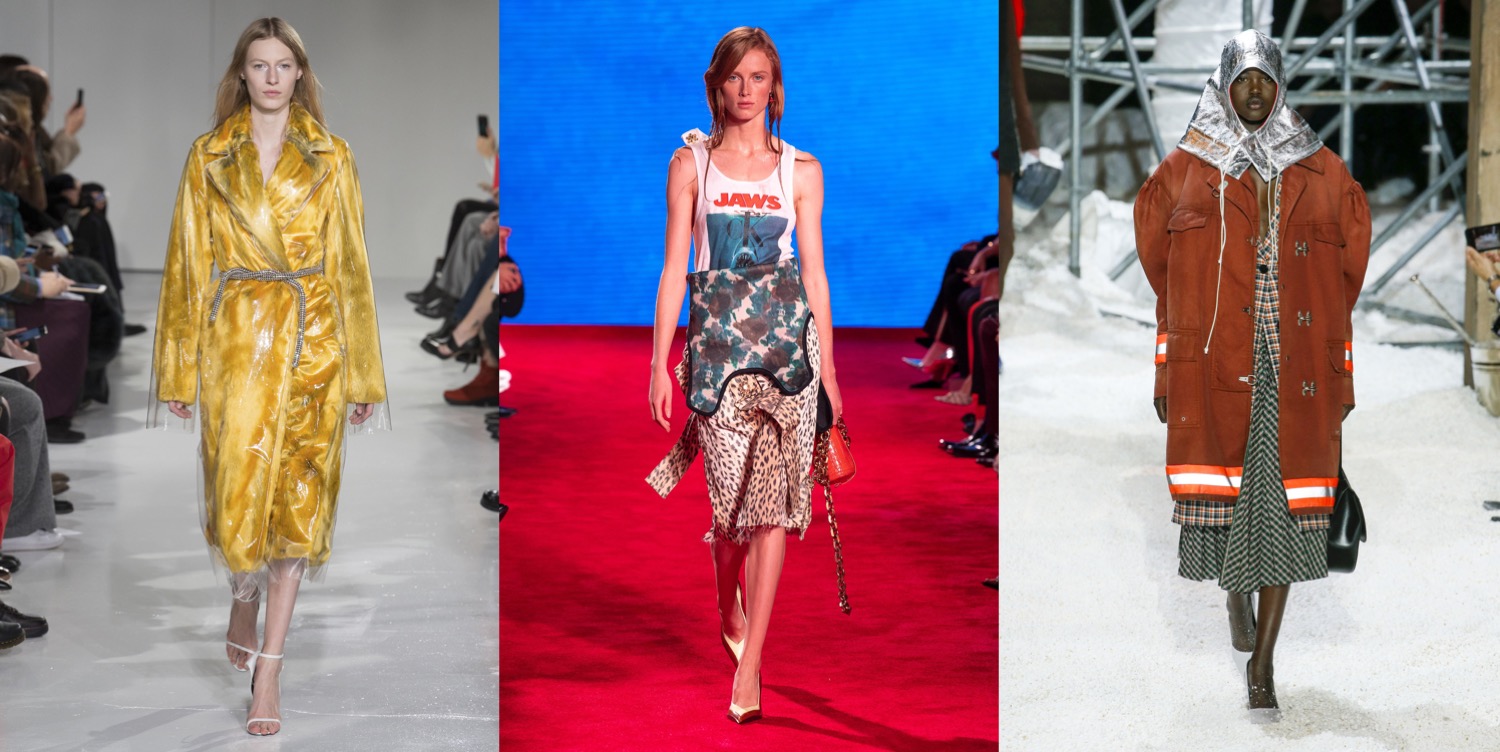
In this decade, probably no other designer worked as the creative director for three completely different brands, simultaneously presented incredible collections at their own label, and left such a meaningful body of work (and I’m sure will keep on expanding it in the 2020s!). I’m speaking of Raf Simons, the Belgian designer, who revolutionized menswear and elevated womenswear in a number of ways throughout the years. By the end of 2000s and in the beginning of 2010s, Simons brought Jil Sander back on track with his well-considered, minimalist sensitivity. Whether we’re speaking of the geometric colour block dresses (spring-summer 2011), all-leather suits for guys (autumn-winter 2012) or his forever great final line-up for the brand in 2012 – a parade of couture-ish, pastel pink gowns and cocoon coats – Simons’ tenure at Sander still keeps on being an inspiration for fashion today. Moving on, Raf was appointed as the creative director of Dior at 2012, and honestly, no other designer in this decade did anything as good for the maison (definitely not Maria Grazia Chiuri, Dior’s current designer…). Simons made Christian Dior’s house-codes, like the bar jacket, relevant again; his haute couture felt truly modern; he manages to redefine the label into something intelligent and refined. Not speaking of the gorgeous show venues (the debut collection in 2012 – the flower walls) and show locations (Pierre Cardin’s Les Palais Bulles in Cannes for resort 2016 will always have a special place in my heart). Simons left the brand due to the industry’s neck-breaking pace and constant need for newness – factors that make even the biggest visionaries struggle. After a short hiatus, the news of his appointment at Calvin Klein struck everyone. His Calvin Klein 205W39NYC line was major in every meaning of this word – but not for the corporate, shallow and impatient owners, who parted ways with him after just two years. With Raf, the label could really stand for something. It brought spotlight to New York’s fashion scene. His four seasons there were filled with musings on American culture, from The Jaws and Andy Warhol to cowboys and university merch. Each collection was pure excitement. Also, his direction for CK’s apparel lines was far better than the influencer trash that’s going on now. And of course, Raf Simons, the brand. From the now cult Sterling Ruby collection to the remarkable “odes” (like the Robert Mapplethorpe or The Blade Runner inspired collections), there wasn’t even one ‘bad’ line-up that came from Raf for Raf – each is special, and all the pieces coming from them can be tagged as “collector’s item”. Will Simons work for another brand in the 2020s or stay home with his namesake label? Who knows. Whatever his next step will be, I’m definitely paying attention.

Jil Sander by Raf Simons

Dior by Raf Simons

Calvin Klein 205W39NYC by Raf Simons

Raf Simons… by Raf Simons.

Collage by Edward Kanarecki.

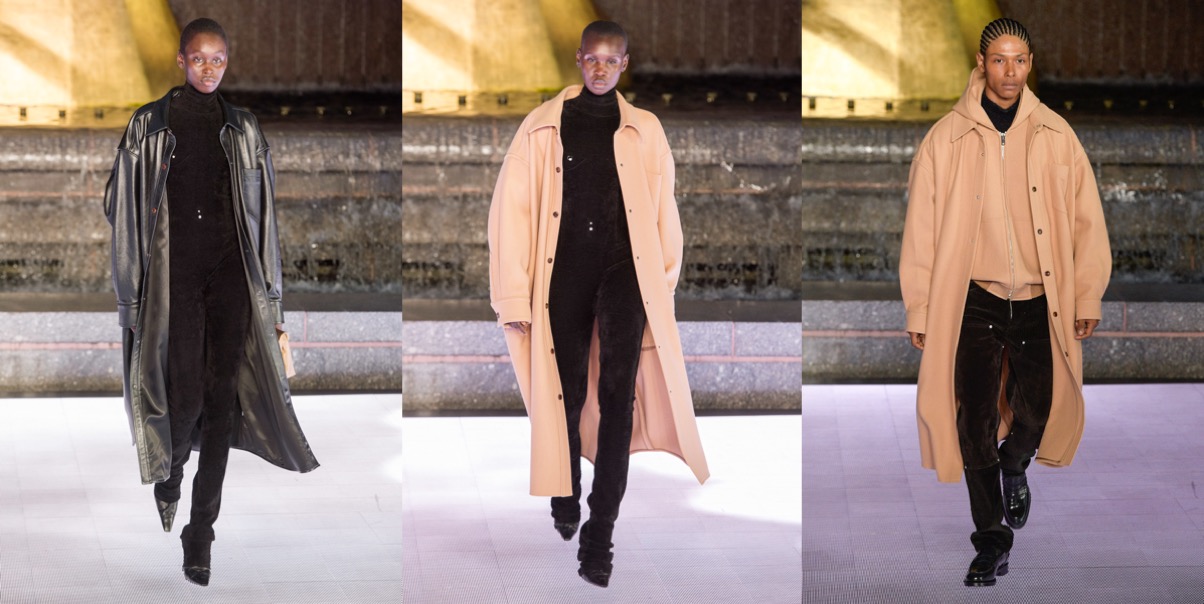
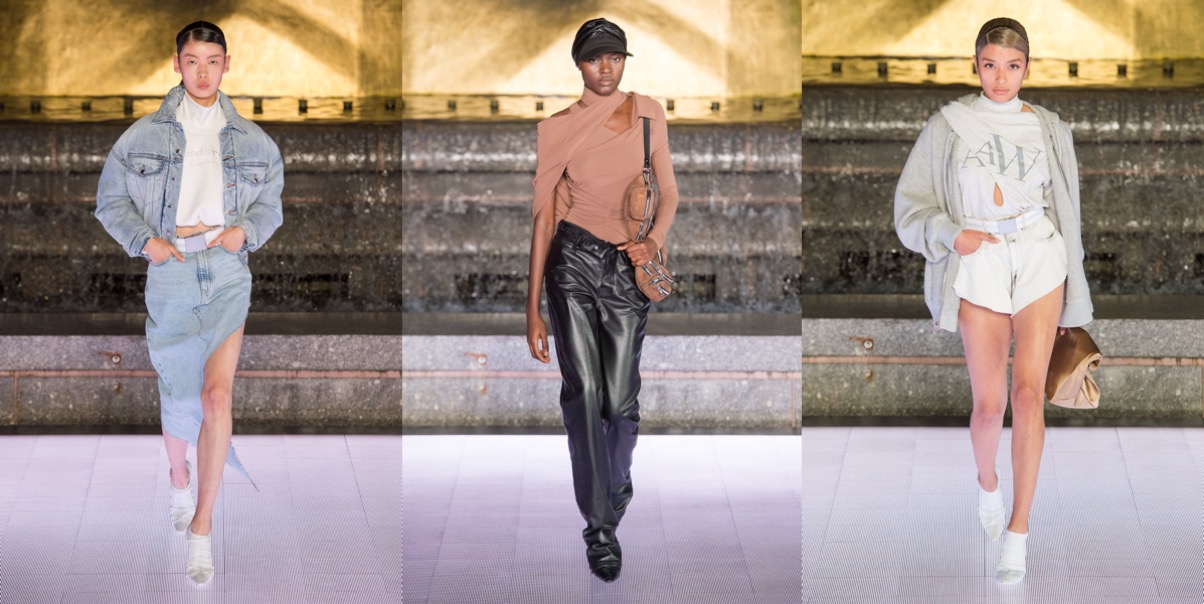
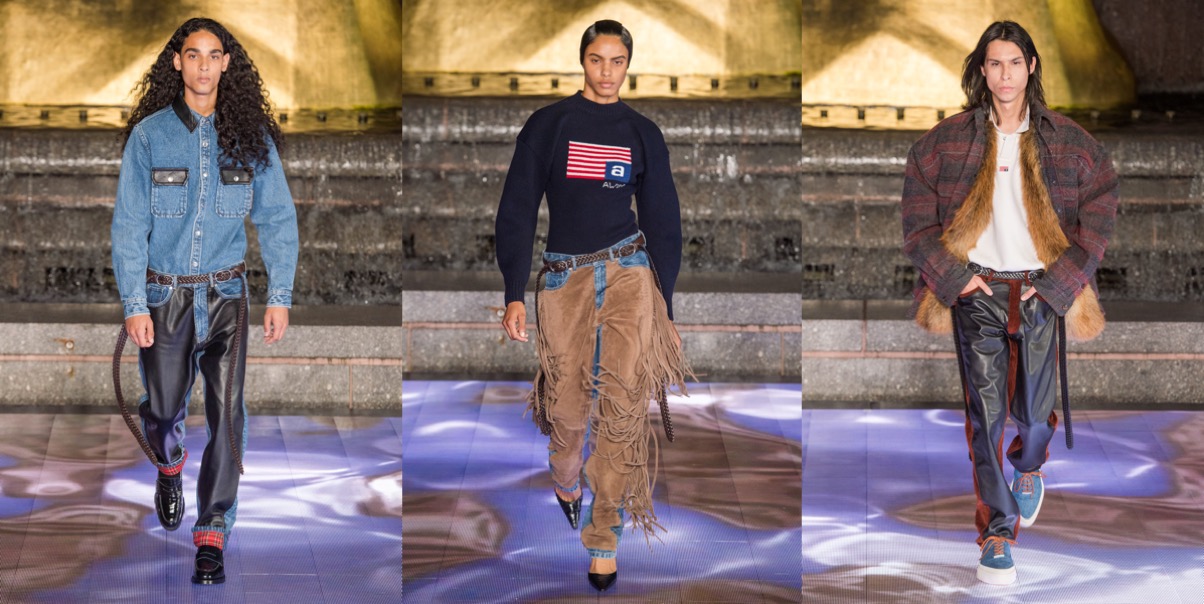
Donna, Calvin, Ralph. Alexander Wang SS20

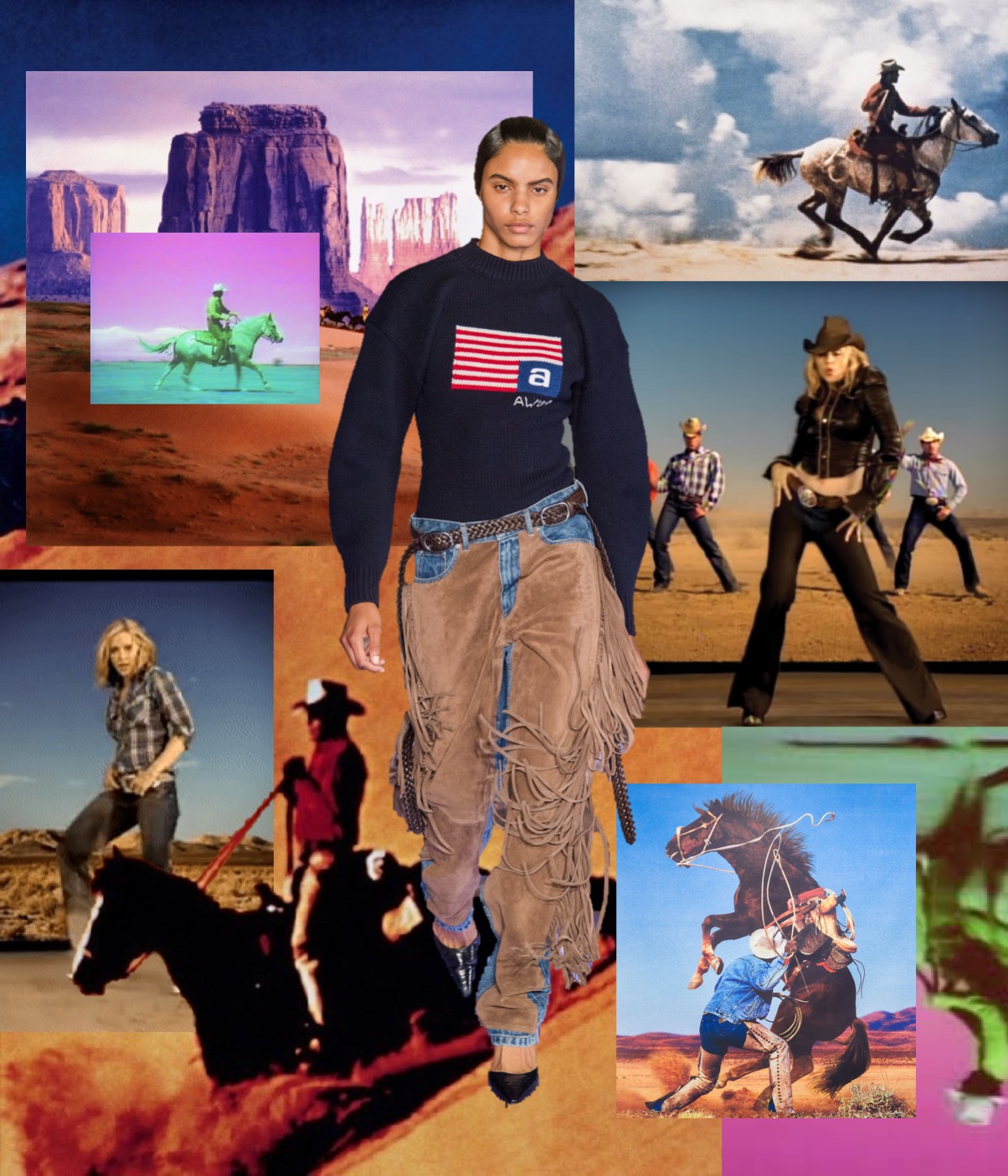
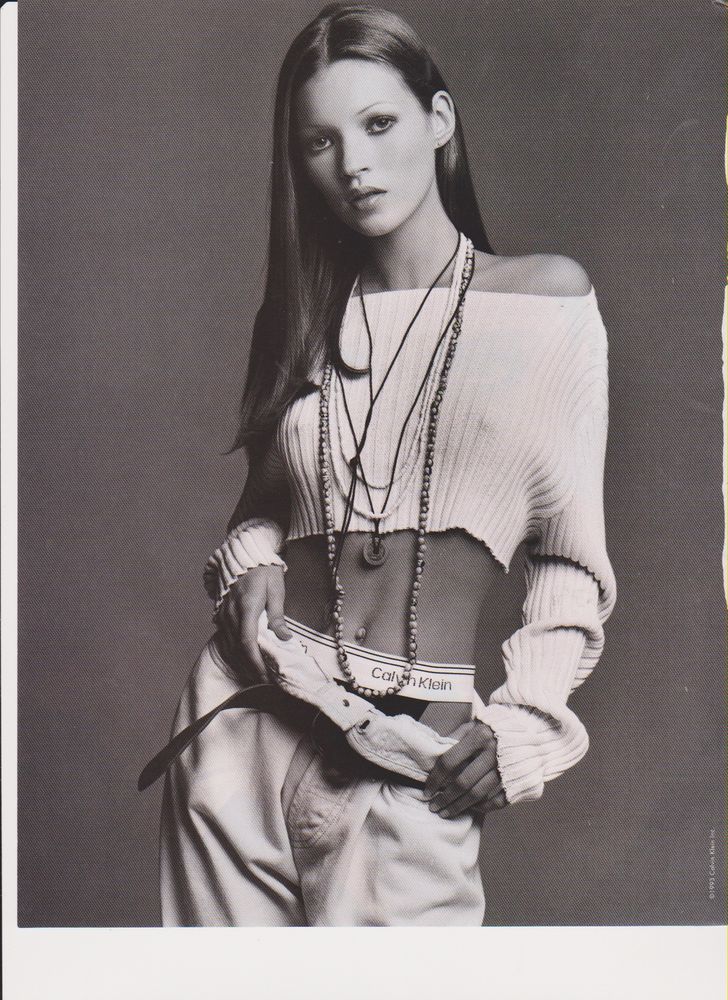
I’ve been on fence with Alexander Wang lately – his fashion week schedule skipping and temporary identity crisis not only seemed to make him less visible (especially here in Europe), but also… less relevant. But something has sparked in his spring-summer 2020 collection he showed a few days ago in New York (three months ahead of all designers who are based in the city). It was really, really good. It was Alexander Wang we all loved years ago. It was badass, cool, energetic. And, smart. This season, the designer paid tribute to three designers who changed American fashion in the late 20th century, and whose aesthetical impect is still perceivable across the world. Donna Karan. Her stretch jersey bodysuits and big shoulders were the epitome of power dressing in the 1980s, and Wang included all of her signature codes in the opening looks. Calvin Klein. Denim, sex, but also minimalism – all these three couldn’t be missed by Wang, and he pulled them off just the right way. Ralph Lauren. The eternal flannel plaid, suede fringes, corduroy, ribbed knits and luxe cowboy look were all here. Those three designers not only reshaped American fashion, but also made their own take on athleisure go global. Most of today’s 30+ designers in the U.S. were growing up with those names, and Wang’s sporty sensibility is especially built on their foundation. Admitting this so loudly is more than excellent I think.


Collages by Edward Kanarecki.