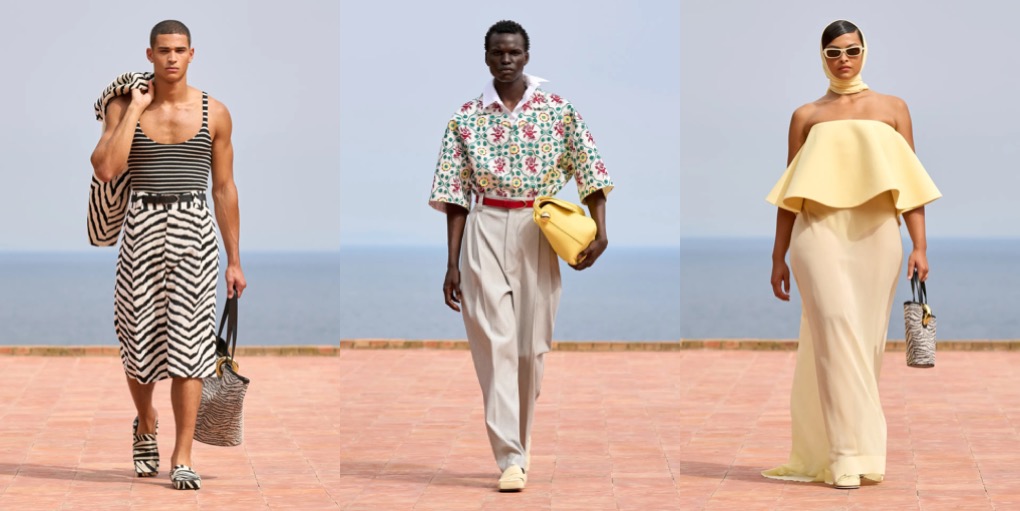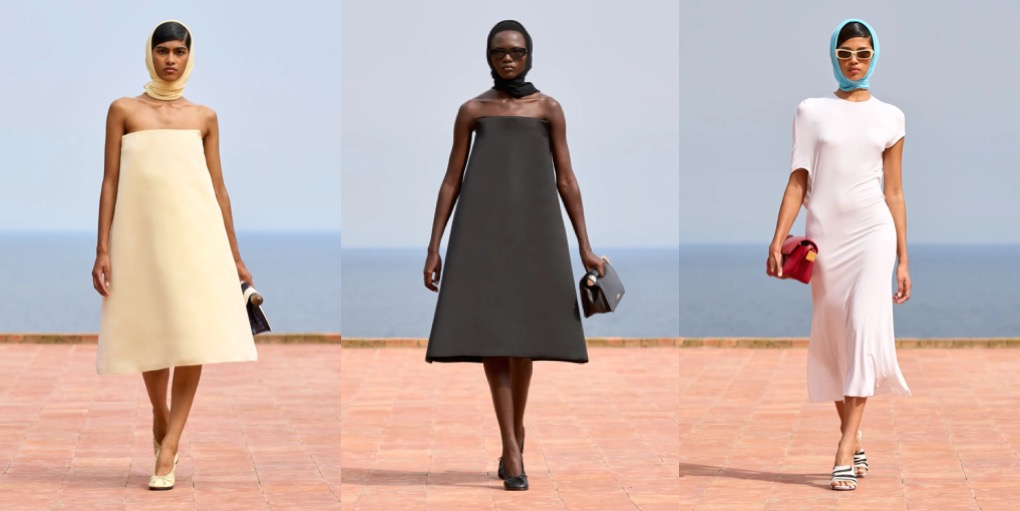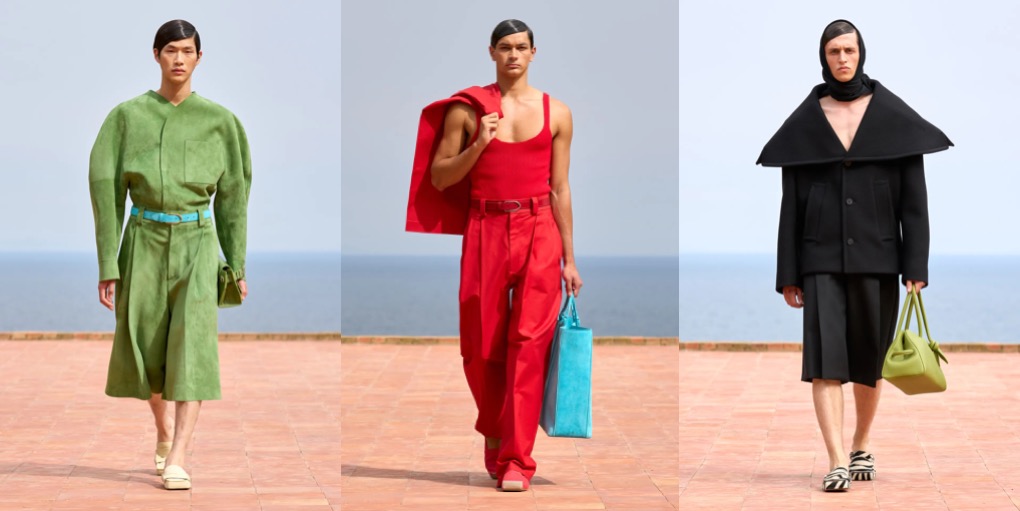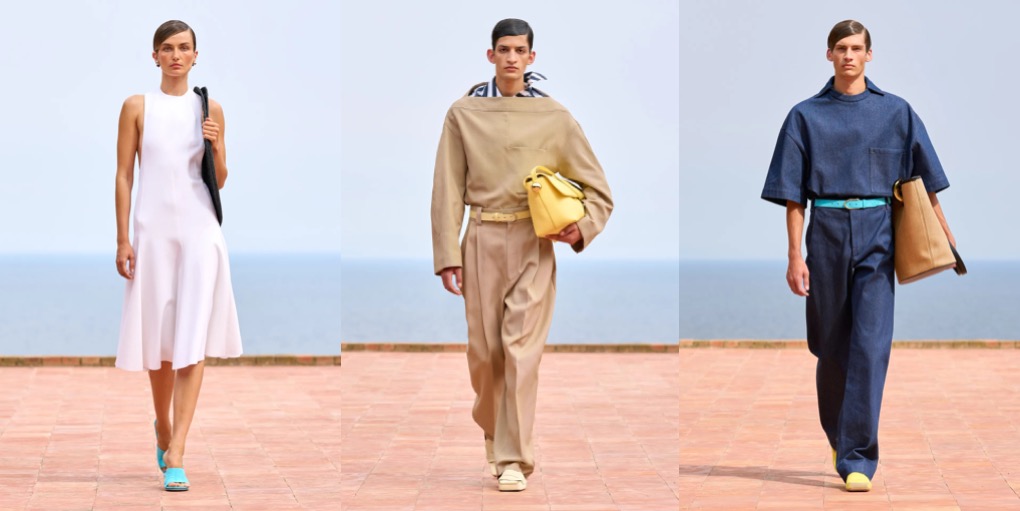
Villa Malaparte. Jacquemus AW24

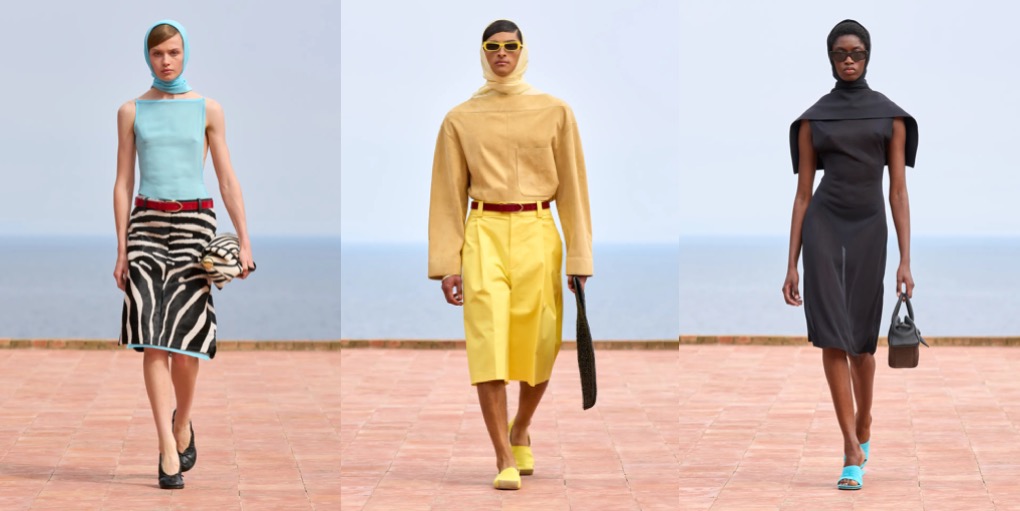
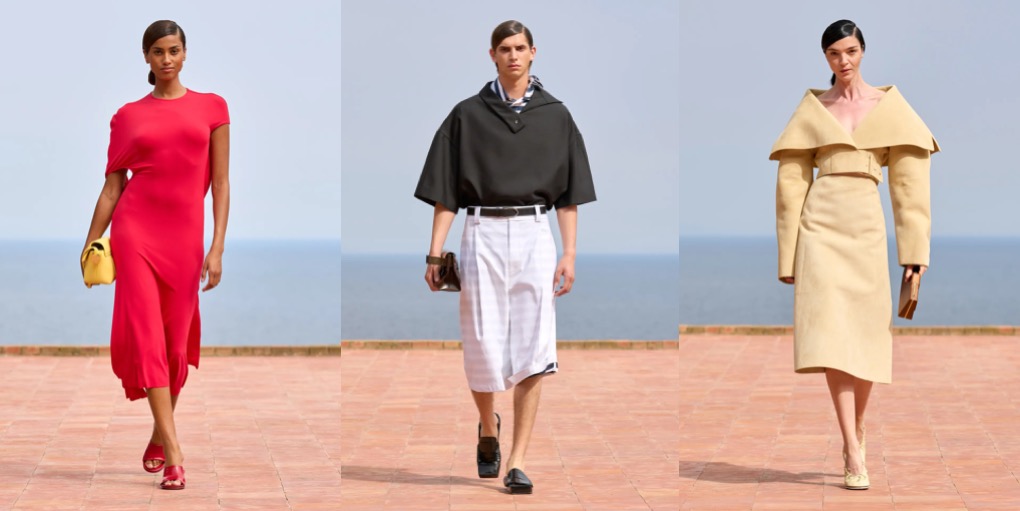
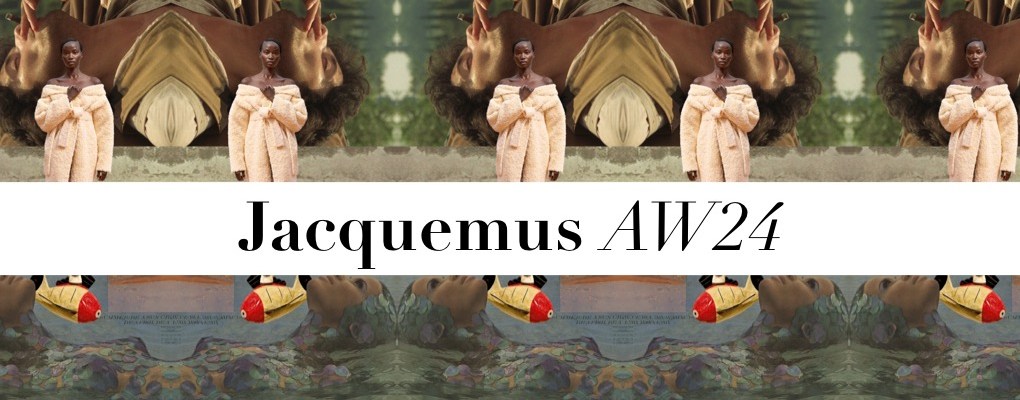
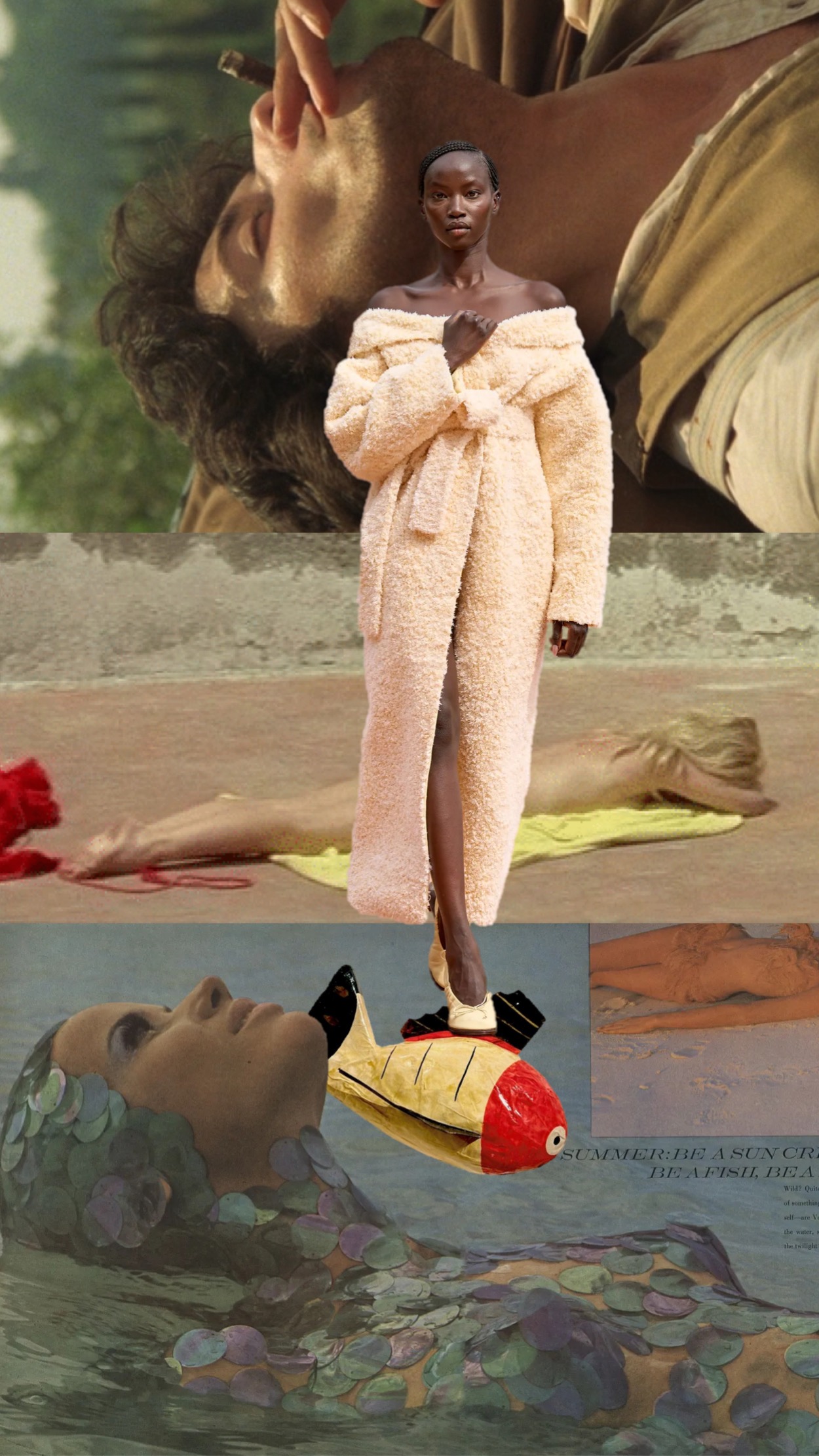
Another season, another postcard show by Jacquemus presented in a very Jacquemus-esque location. We’ve had lavender fields in the south of Provence, we went to a beach in Hawaii and visited Fondation Maeght near the idyllic Saint-Paul-de-Vence. Yesterday, the French designer flew his muses and friends to Capri and drove them to the flame-red Villa Malaparte to be exact. Designed by Adalberto Libera for Curzio Malaparte, starring in Jean-Luc Godard’s “Le Mépris” and once photographed by Karl Lagerfeld for a coffee-table book, this place is charged with history and a certain art-centric aura. Did Simon Porte Jacquemus do this place justice via his new season clothes? The designer has a tendency to scout highly-photogenic locations and create a masterful marketing ploy around it that certainly fuels an instant selling boost of his brand. If that strategy didn’t do commercial wonders, he wouldn’t repeat it each season. But the actual clothes tend to meander and stumble, being largely disconnected from the location except for a couple of architectural, yet flat-looking silhouettes, and the fluffy coat-dress that visually reassembled the bathrobe Brigitte Bardot wore in the aforementioned Godard film. I also didn’t feel Capri-ness in this collection. Everything looked quite stiff, even over-calculated, lacking a sense of sprezzatura. While menswear had daring moments – like tops derived from sailor’s smocks or really good looking pants with sharp pleats – womenswear was rather uninspiring and repetitive, focusing on flowing sack-dresses and hourglass silhouette that made the models look too covered-up. One can’t not respect what Jacquemus built: a successful, independent brand that’s based on a childhood dream. But I wish the designer was more of a designer when it comes to his fashion. 

Collage by Edward Kanarecki.
Don’t forget to follow Design & Culture by Ed on Instagram!

Hey, did you know about my newsletter – Ed’s Dispatch? Click here to subscribe!

NET-A-PORTER Limited

La Piazzetta. Emilio Pucci AW22

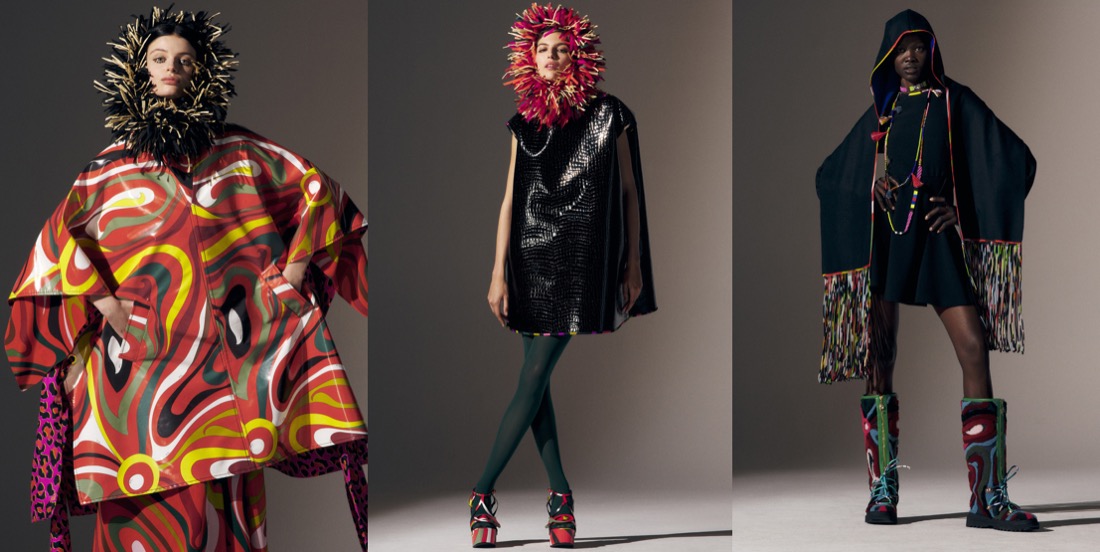
True to her Italian roots, Camille Miceli called Emilio Pucci’s winter collection La Piazzetta, hinting not only at Capri’s famous handkerchief-sized hotspot, but also at the notion of the city square as part of Italian culture, a space open to communality and connections. These values and the idea of la famiglia, another established building block of the Italian lifestyle, are the drivers Miceli is embracing to charge Pucci with a bold new energy. For her second collection for the brand, Miceli drew from her own family and circle of friends – a motley crew of characters, talents, and generations – generously sprinkling it with her abundant joie de vivre. “My Pucci woman is an urban bohemian, she loves to travel, she’s in constant movement,” she says. “It’s the mother, it’s the daughter, it’s the grandma – as long as they enjoy life, they’re part of the community of Pucci.” Festive, bold, and colorful, the collection keeps all the label’s fundamentals alive, while introducing a few novelty notes to the mix. Knitwear was a new addition, offered in a rainbow-colored capelet with an undulating hem, or in a fringed hand-knitted, patch-worked poncho worked with horizontal intarsia. Miceli said that she was “happy to have achieved something that is Pucci, without being logo-ed by the prints in a big way.” She also used black as a thread throughout the collection, using prints as pipings, side inserts, foulard ribbons, and fringes, while widening the color palette with “some more options that reflect its character without being necessarily full-on printed.” Fringes are a Miceli signature, as they “bring frivolity to the garment,” she explained. They also give the feel of the energy and glamour that is the quintessential combination of the Pucci-Miceli connection. The Pucci woman, whatever her age, is on the move, going around in activewear-inspired zippered blousons in shiny recycled nylon printed and tiny pleated printed kilts, and weathering rainy days in protective hooded waxed ponchos boasting the lysergic Marmo pattern.

Parties are the Pucci woman’s natural habitat, and Miceli wants her to shine under the discoballs. Leggings with disco ruffles are a tribute to the effervescent charm of Raffaella Carrà, an Italian showgirl famous in the ’80s who reminds the designer of her teenage years. Miceli’s affinity for the label’s high-style bohemia was conveyed in long printed chiffon dresses with ruffled décolletages, in more sinuous, body-con options wrapped in stoles, or else in leopard-printed satiny numbers – a new introduction as “Emilio only did zebra at the time,” said Miceli. Bravissimo!

Collage by Edward Kanarecki.
Don’t forget to follow Design & Culture by Ed on Instagram!

NET-A-PORTER Limited

La Grotta Azzura. Emilio Pucci AW22

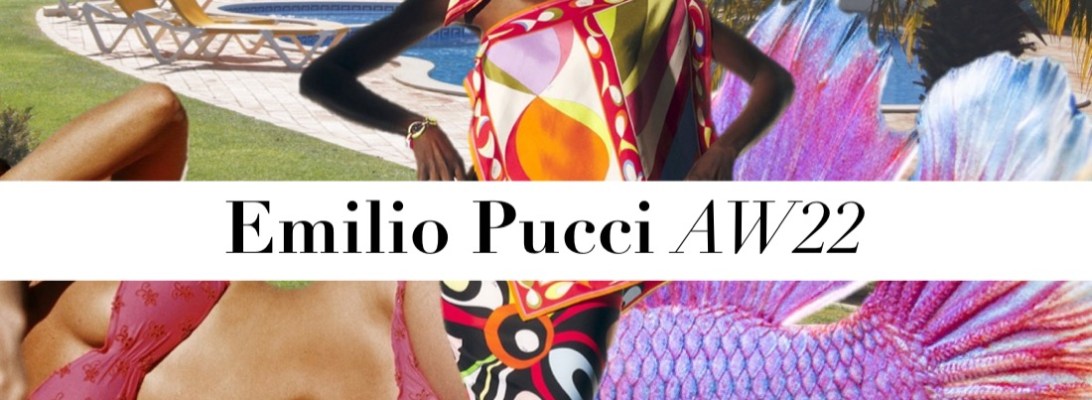
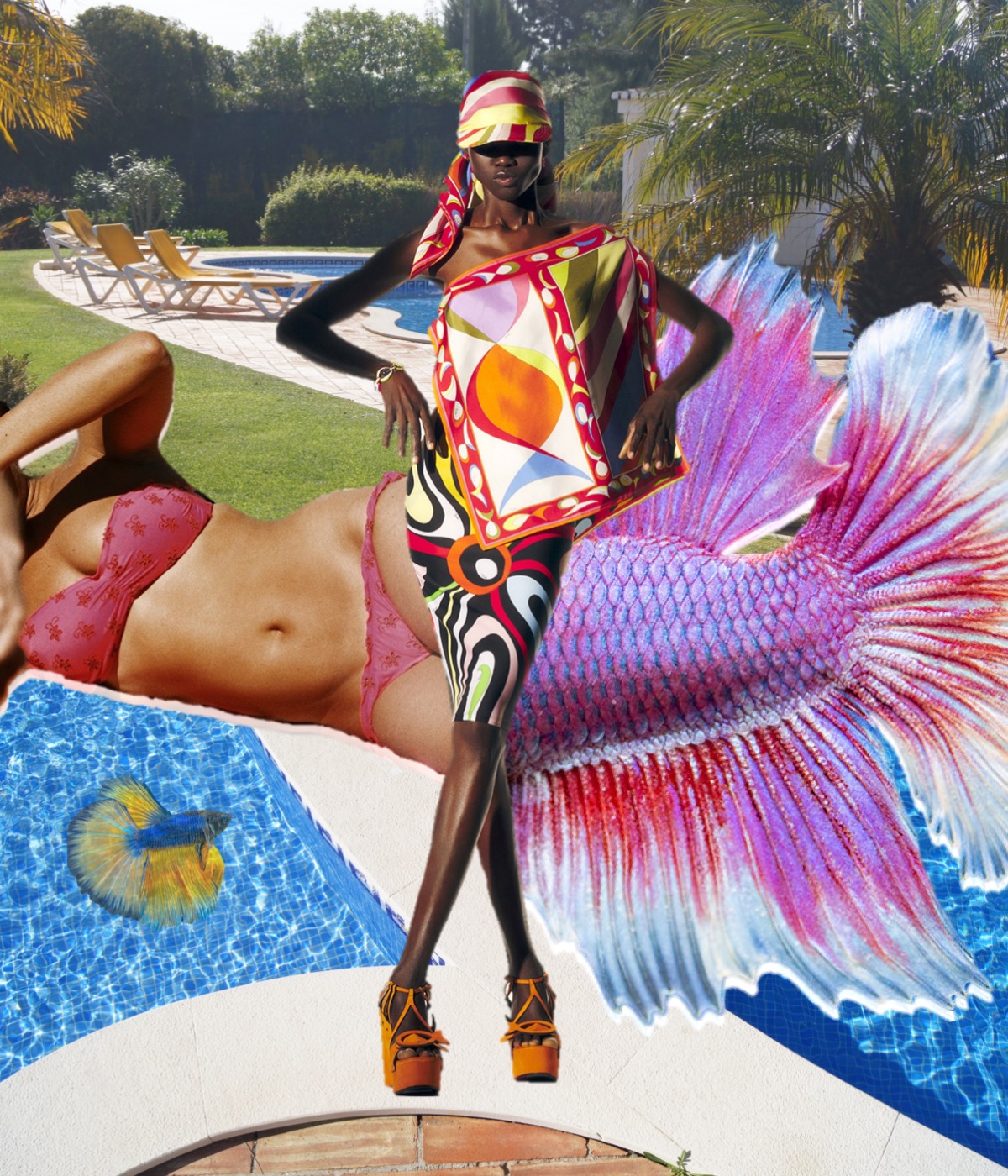
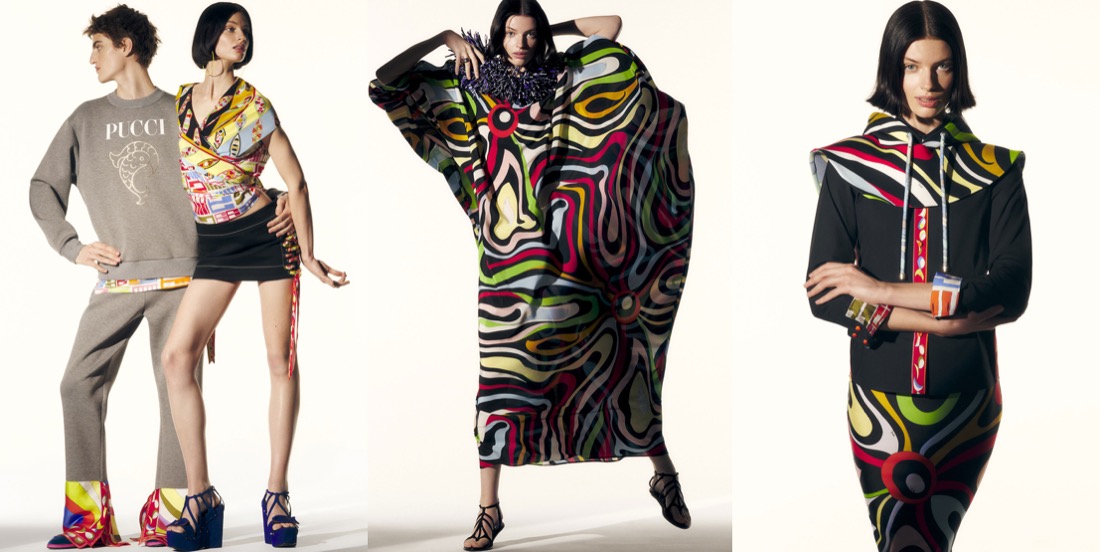
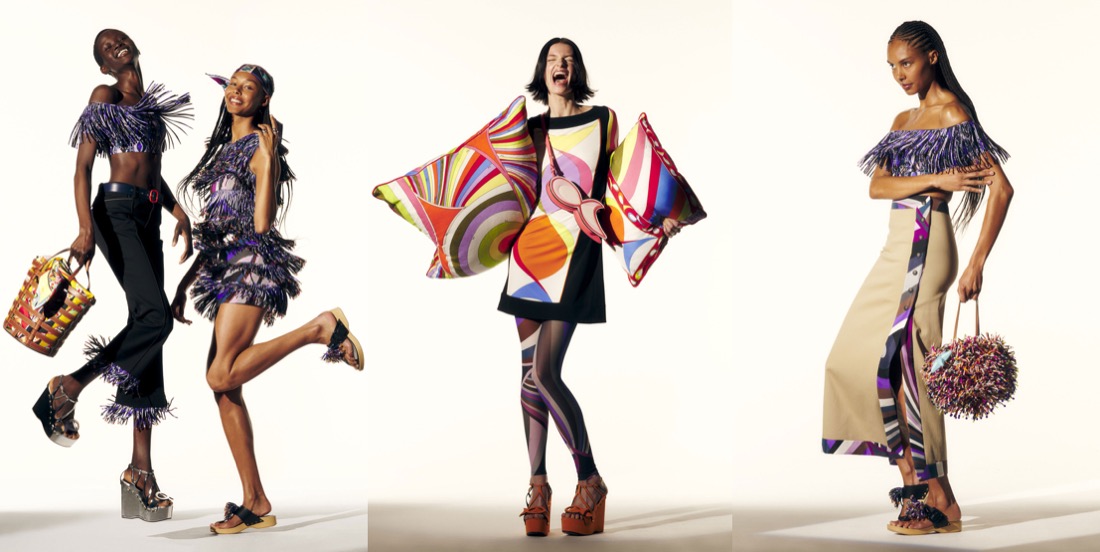
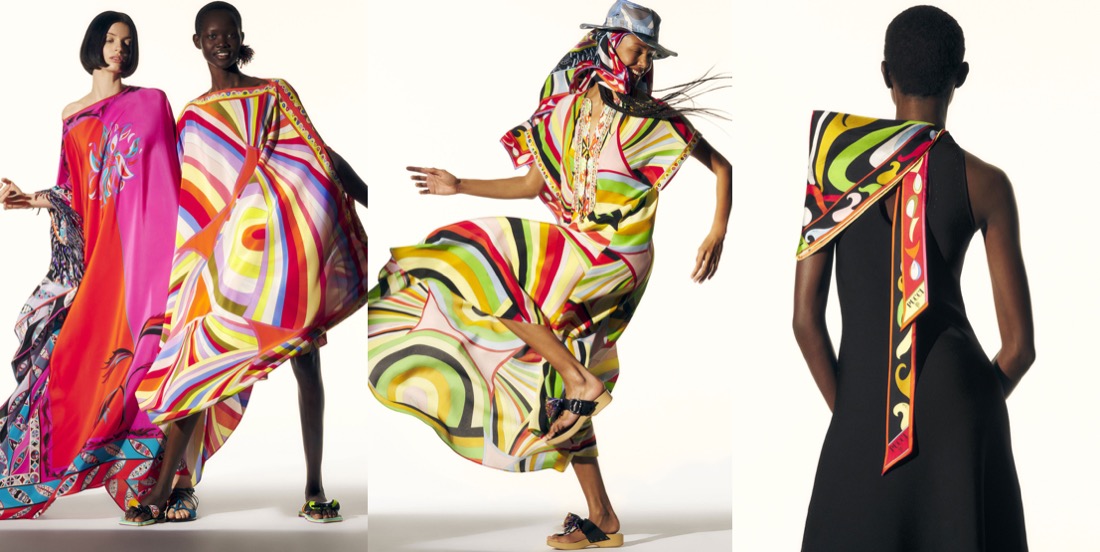
Emilio Pucci is one of these Italian luxury brands that have a rich, idiosyncratic legacy and a full package of well-known style codes, but somehow a number of contemporary designers that took it under their wings in the last couple of years never could put their finger on it. Maybe expect for Peter Dundas, whose ultra-sexy, jet-set nomad vision put Pucci on a very specific shelf of glossy Real-Housewives-kind-of clients. And then, suddenly, Camille Miceli arrived to this kaleidoscope-printed world in 2021. Her debut collection, entitled La Grotta Azzurra, is an optimistic start of the new Pucci chapter.

The designer touched down in Capri – Marchese Emilio Pucci’s beloved holiday destination – this week with her launch collection, making a splash in the late-April waters with an intense “experience” enjoyed by 160 guests flown in from Paris, Milan, and London. The US contingent was represented by the rapper Gunna, whose performance capped off three Pucci-fied days of activations and dolce vita – decadent dinners and hours-long lunches at Bagni di Tiberio; morning yoga classes for stylish Pucci yoginis; and “how-to-style-a-scarf” lessons in the label’s store on Via Camerelle. The see-now, buy-now collection was presented live in various tableaux vivants throughout the island, with Pucci-clad models looking very Slim Aarons in the surroundings. “Pucci isn’t a conceptual brand, it’s a lifestyle brand, so its message has to be direct,” she said. For Miceli it means energizing it further, amping up the joie de vivre factor already embedded in its codes. Energy is an attractive trans-generational attitude, and permeating the label with a positive, slightly trippy vibe will help engage for a wider, younger audience. Miceli also highlighted what she called Pucci’s “humanity and peculiar sensibility,” which she enhanced, for example, by creating hand-drawn iterations of the famous prints. “I think that digitized patterns strip Pucci’s motifs of the imperfections that are part of their unique charm,” she explained. In the new collection, which is full of simple (and at points simply plain, like all the active-wear), casual separates, the patterns’ pyrotechnics are offset by the use of few solid colors. Being a skilled accessories designer, Miceli has cleverly expanded the offer, working around the shape of two interlocked little fishes, playfully replicating the P in Pucci. The designer had it tranlated into enameled bracelets and metallic necklaces; into the outlined rubber soles of funny flip flops; into buckles decorating wooden clogs and high-shine platforms; and into a cute bag shaped like a fish. The Pucci reboot will proceed along a non-seasonal cadence. “The idea of season is démodée,” Miceli said, so jumping on the fashion show merry-go-round isn’t on the agenda yet. “It’s easy to have models walking a catwalk, but this see-now, buy-now formula with monthly new drops keeps you on your toes, creatively speaking, as you have to constantly find new ideas to engage the customers.” Rarely this strategy worked for other brands, but for Pucci – which largely is a “resort” label – that might the right path.

Collage by Edward Kanarecki.

NET-A-PORTER Limited