
Burberry‘s garments and accessories are inextricably linked with the phenomenon of “Britishness.” These timeless classics are woven into a British identity that is constantly evolving and ever-changing, like fashion. “Burberry has been a British institution since its inception in 1856” – says Naomi Campbell, who has regularly been the face of the historic brand’s advertising campaigns over the years. “By wearing Burberry, I feel that I am representing my country. I believe that British style always leads the trends. We Brits don’t just wear it, we live it,” she explains. The last two decades, through various creative directors and their visions, have established Burberry as a heritage brand , which remains at the forefront of fashion and its associated culture.
However, the aforementioned Britishness is a flexible and multifaceted concept. Perhaps because this phenomenon is full of paradoxes, and consists of opposites that mutually attract each other and organically coexist. The history of imperialism and the controversial Brexit are associated with the term Britishness as much as the beige trench coat, rainy weather and ironic sense of humor of the English. British society is made up of people who wear all sorts of uniforms, yet are true rebels. What they have in common is a multi-generational love of Burberry.
The brand naturally communicates many expressive signs of a collective, internationally understood notion of Britishness. In the 18th century, France saw a fashion trend perceived as British – it was called Anglomania, and the clothes associated with it were simple, well-tailored, often made of linen and wool, without unnecessary ornamentation. Ideas of functionality and utility are central to the British way of life, hence perhaps the reason why, a century after the Anglomania phenomenon, rainproof outerwear by Thomas Burberry made of luxurious but eminently practical fabrics has become a symbol of Britishness around the world.

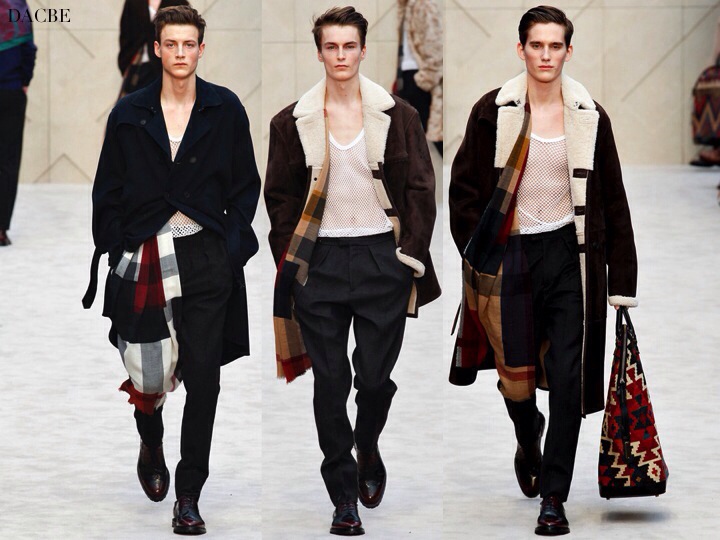
Burberry’s Britishness also encompasses distinctive clichés – like the fashion brand’s focus on weather resistance. Burberry’s clothes and accessories are designed for the British rains, which last year-round, and ironically refer to the famous British propensity to discuss just the weather. Words like “democratic” and “egalitarian” come up when it comes to the British clothing discourse – and when it comes to Burberry. After all, the design of Burberry’ s iconic trench was taken from the world of uniforms. This is, of course, related to the idea of practicality. The brand’s clothing is inspired by workwear: it might as well be a tailored suit as a handmade fisherman’s sweater. Burberry trench epitomizes this kind of pragmatism: every element of it was created with maximum comfort in mind as a reaction to everyday life. Another of the brand’s main hallmarks is, of course, the globally recognized Burberry check, a streetwear uniform since the early 1980s. It was then that the iconic grille became a representation of affluence as well as youthful aspirations. It had a similar significance in the mid-1990s, when, representing Britishness, it became a symbol of the Cool Britannia movement and a favorite of such homegrown cultural figures as Liam Gallagher of the Britpop band Oasis.
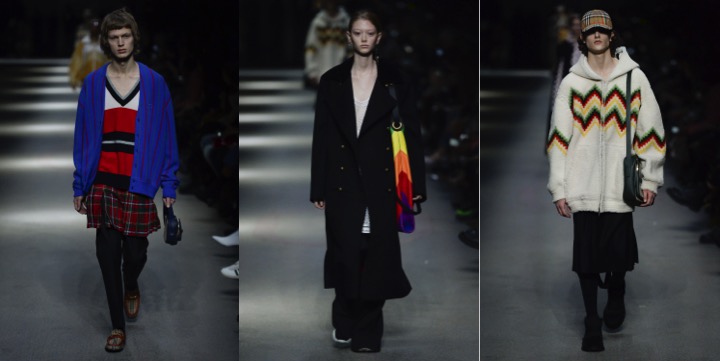
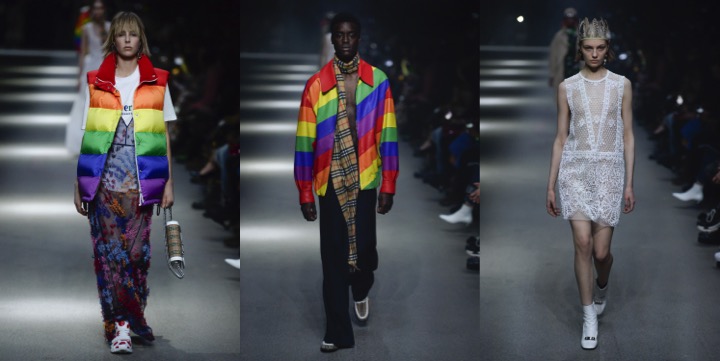
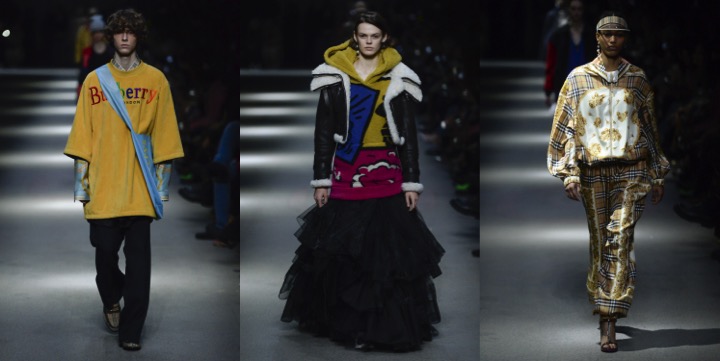
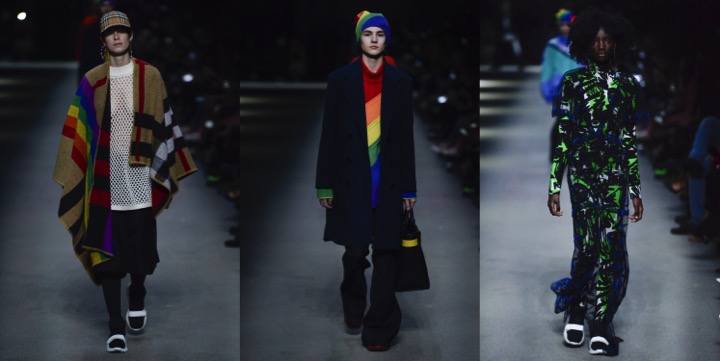
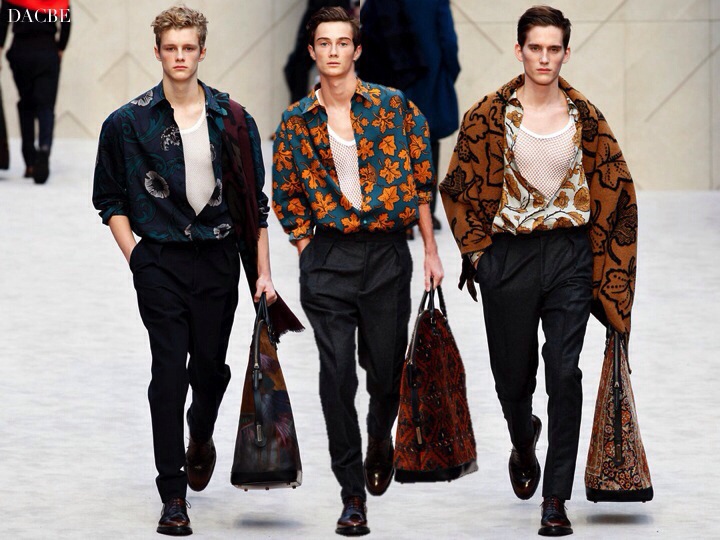
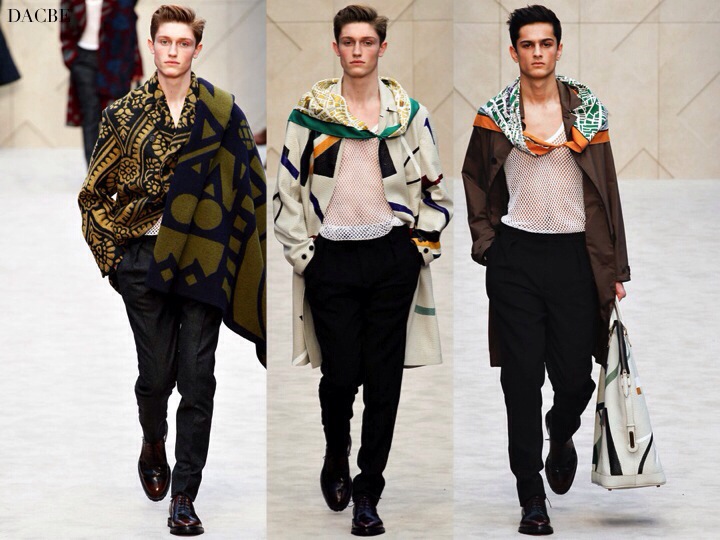
Burberry appeared on the map of true high fashion thanks to Christopher Bailey, who for 17 years presented the brand’s show collections during London Fashion Week. Over this period of time, Burberry became synonymous with contemporary fashion that allowed itself to experiment within the safe confines of the lexicon of the aforementioned Britishness. From 2018 to 2022, Riccardo Tisci, the Italian designer who resurrected the Parisian fashion house Givenchy, tried to pull Burberry out of its stylistic comfort zone – which did not always end in commercial success. For him, working at Burberry was an exploration of the concept of national identity and its ever-changing nature (especially in the context of Brexit). “Here we have monarchy, art, elegance, perfection. And we also have that other, darker side: punk. That’s the beauty of Britain: incredible diversity,” the Italian designer concluded in an interview about his role at Burberry. British rebels continue to inspire: if in the mid-20th century the perception of Burberry largely leaned towards the style of dandies and aristocrats, today the brand is taking the aesthetics of British anarchy as far as possible. Tisci’s collections were created under the influence of the style of punks and mods, as well as casuals – the youth of the 1980s who wore Burberry in a non-conformist, rebellious way.
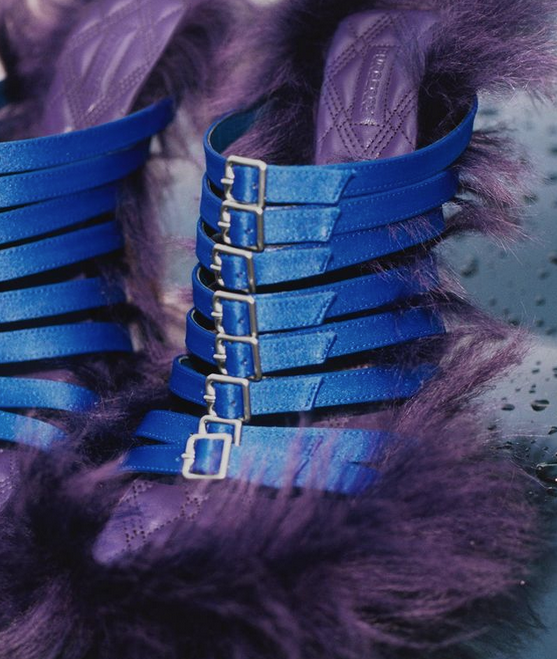
In February this year, we met a new chapter of Burberry, under the leadership of Daniel Lee – the British designer who was responsible for the global success of the “New Bottega” phenomenon a few years ago. Unlike Tisci, however, Lee is definitely going for a more settled Burberry image, closer to the image that Bailey so painstakingly promoted (it’s no coincidence that today Bailey acts as a mentor for Lee). Lee’s debut collection for the autumn-winter 2023 season has sparked a debate on social media: is it revealing and innovative enough? In this patchwork of Burberry’s signature checks, blanket coats perfect for nature, cozy knits and airy dresses in a romantic rose pattern, it’s hard to find any real fashion news. But Burberry was never meant to be a fashion concept, but a mainstay of comfortable classics and high quality.

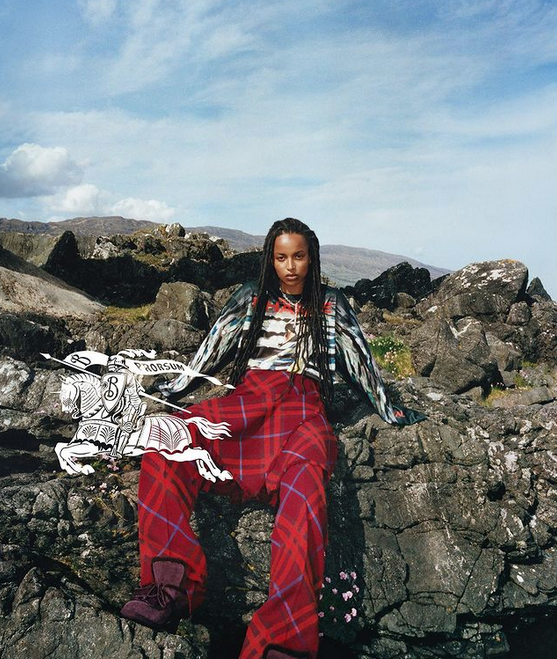
“I think the brand is all about functionality,” Lee told the press after presenting his fall collection. His men’s plaid pants with zippered pockets allude to clothing ideal for walks in Britain’s damp moores, while the women’s kilts have a casual cut reminiscent of picnic blankets. Of course, the collection did not lack wellingtons kept in intense colors. The designer is eminently versed in creating desirable accessories. Kit Butler appeared on the catwalk wearing a hand-knitted trapper’s hat in the shape of a duck head. This sight caused a real sensation on Instagram.
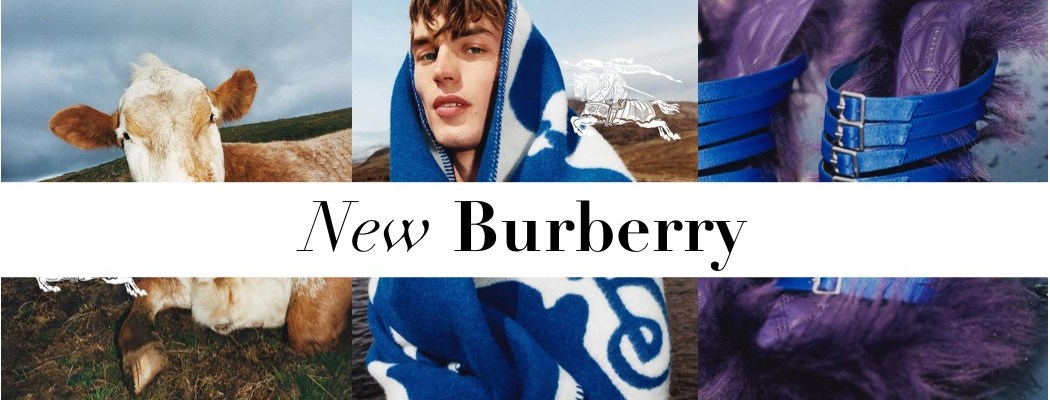
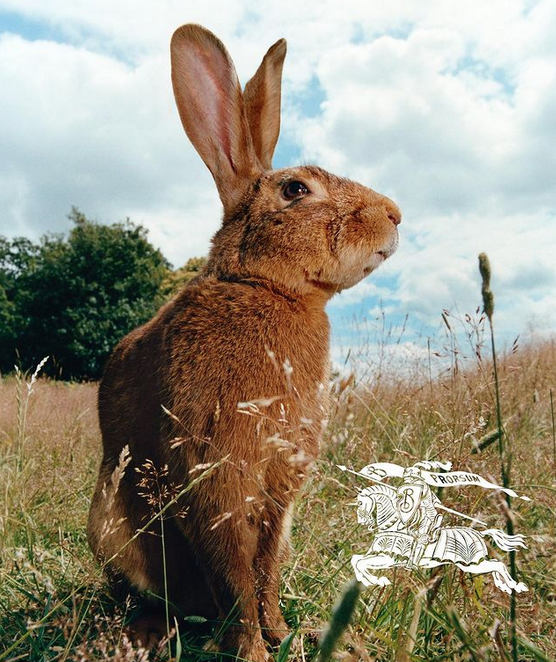
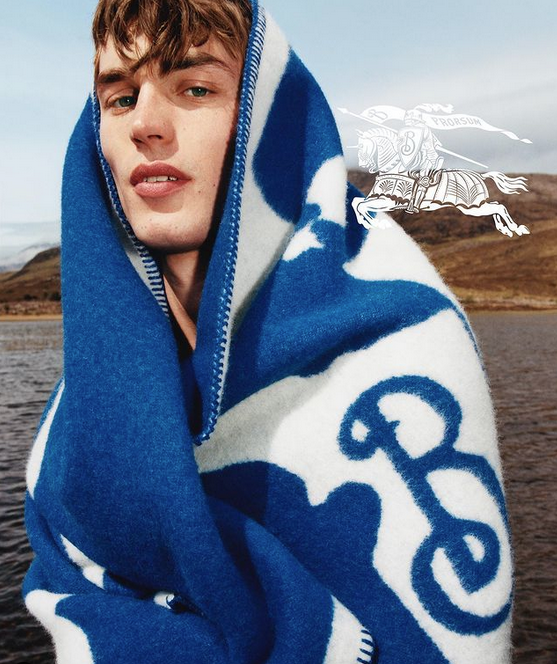
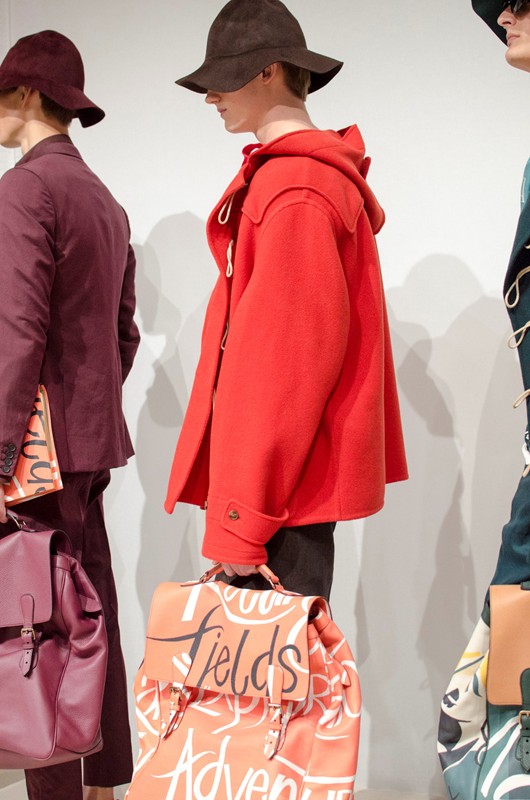
The capacious bags and panniers are fastened with clip-ons in the shape of a “B” (like Burberry), and are decorated with dangling tails of faux fur. This kind of English eccentricity is something Lee plans to develop in his collections in future seasons. Instead of a banal logo with the brand’s name, Lee promotes a somewhat forgotten but iconic Burberry symbol: a medieval knight on horseback. The emblem appeared on white dresses as well as over-size scarves. The brand’s new “flagship” color is also an interesting treatment. It’s all about the shade of deep, vivid blue. After the success of the memorable green colour with which Lee won the hearts of Bottega Veneta customers, will the “Burberry Blue” color become a new hit? Time will tell.

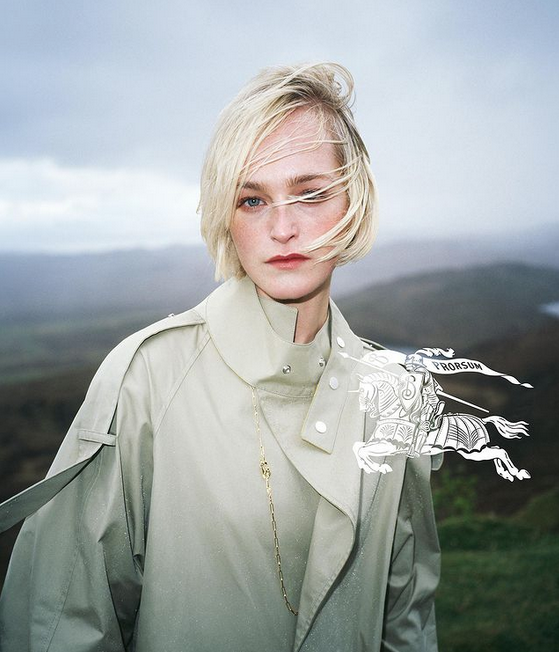
The text was originally written by me for GentleWoman. All images via @burberry, photos by Tyrone Lebon.
Don’t forget to follow Design & Culture by Ed on Instagram! By the way, did you know that I’ve started a newsletter called Ed’s Dispatch? Click here to subscribe!








 Design & Culture by Ed