Visiting Toruń

IMG_3858

Toruń is one of the oldest cities in Poland, which over centuries was the home for people of diverse backgrounds and religions. Back in the Medieval times, the city was considered the most culturally and technologically advanced centre in Europe. Moreover, during the World War II, Toruń appeared to be one of the few cities in the country, which was left with no damage. No wonder why the Old Town, fully preserved, looks so beautiful and breathes with its history up to now. Nearly every building here is made of brick, while the churches (the cathedral, dating back to 1236, is a must-see!) are  untouched. Walking down the sun-drenched streets, you wonder whether you’re strolling around Brugge or an old Tuscan village…

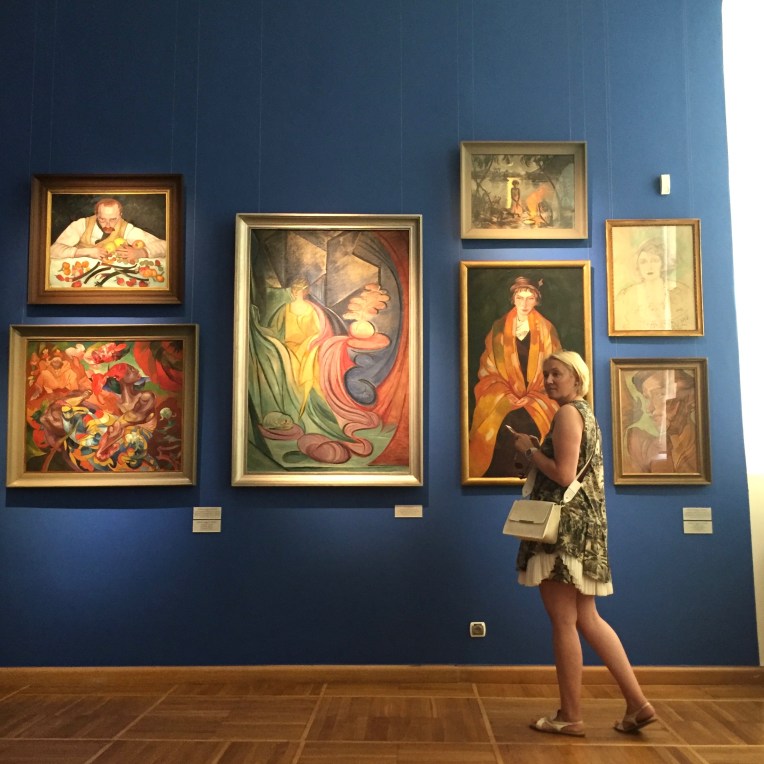
If you’re here for one day, make sure to visit the District Museum (or Toruń Regional Museum), which is located in the historic Rathaus. The ground floor is an impressive collection of Gothic art and local craftsmanship, while the upper floors hold paintings of Polish artists from XVIII to XX century. Currently, there’s an exhibition of modern art, which presents some of Zdzisław Beksiński, Władysław Hasior and Łukasz Korolkiewicz’s rare works.

In case of culinary experiences, Toruń is recognised for its famous gingerbread. But if you want something less clichéd, try a more niche, off-the-crowd spots. Od Dechy Do Dechy is a cozy, book-filled bar with signature beers, home-made pastries and coffee. Sometimes, they sell second-hand books and vinyls. Perfect place to chill after a busy day.

To sum up, Toruń is totally worth a stay, especially in the summer!

Photos by Edward Kanarecki.

Colette Closes its Doors

20140101-035235-pm

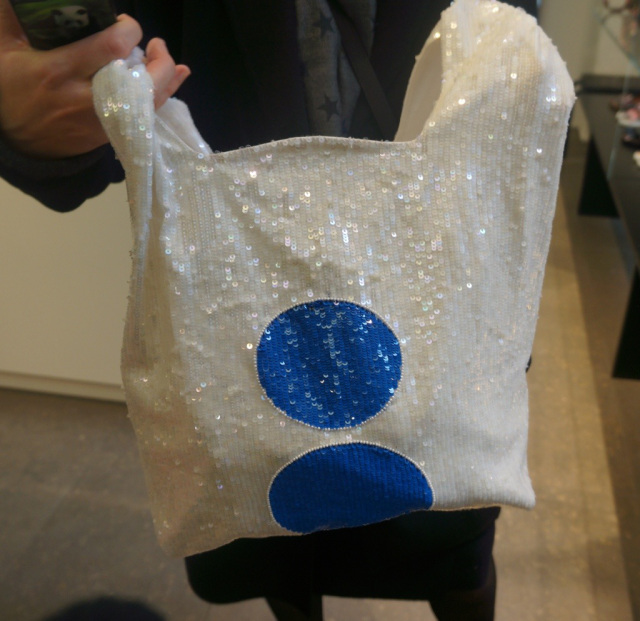
Sometimes, innocent morning scrolling on Instagram hurts. My heart ached, while I was reading Colette’s latest post. Hoped it’s a late prima-aprilis kind-of-pun. But when all Parisians started posting the signature, blue dots, this became a fact – Colette closes its doors. The boutique on rue St. Honore was founded in 1997 by Colette Roussaux (who decided for retirement), and has been led by her daughter Sarah Andelman in recent years. “It’s the only shop where I go because they have things no one else has,”Karl Lagerfeld told BoF last year. “I buy watches, telephones, jewellery there — everything really! They have invented a formula that you can’t copy easily, because there is only one Colette and her and Sarah are 200 percent involved.

An era ends on the 20th of December. By that time, the most famous spot in Paris will reach its 20 years of ‘hype’ existence. When I visited Colette for the first time in 2007, it felt like a fashion mecca, where everything, BUT everything was (and still is) the ultimate holy grail. Colette became the example for all concept stores around the world to follow. The idea of having high-end brands like Dior together with streetwear favourites and niche books felt like out of this world, like total non-chalance. And it was the Colette’s founder who did that first. If you think of the number of collaborations Colette has done with all their brands – from sequin totes by Ashish to the current Balenciaga installation – its a chapter of fashion history on its own rights. As for now, the official statement of the store says: Until our last day, nothing will change. Colette will continue to renew itself each week with exclusive collaborations and offerings.

In other words, it’s another sad, sad day for the fashion industry.


All photos come from Design & Culture by Ed archives.

Zazi Vintage

1494237165827

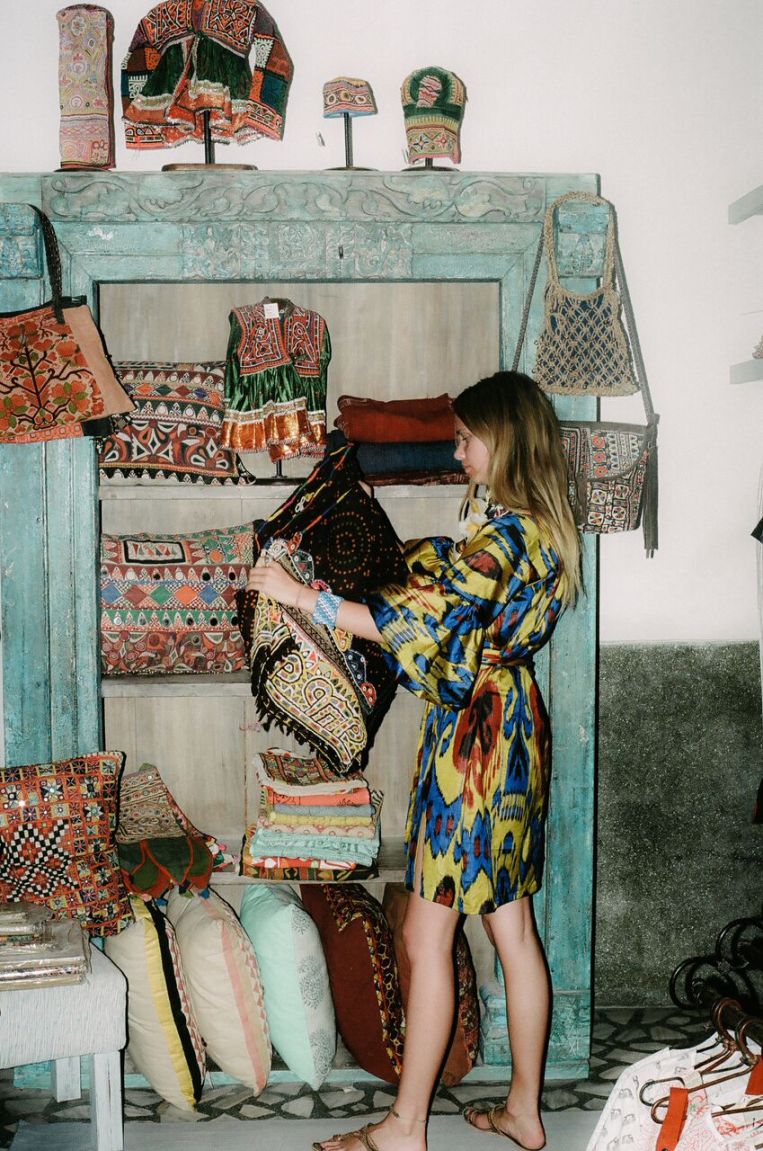
You will thank me later for telling you about Zazi Vintage. Although Jeanne Zizi Margot de Kroon‘s label is based in Berlin, the Dutch entrepreneur has a global vision to share. She quitted modelling industry after her great disillusion with the fashion world’s unethical approach towards sweat-shop production and decided to oppose chain stores’ and big companies’ continous expoitation of female workers. With the founder’s focus on sustainability and women empowerment, Zazi Vintage respects and embraces traditional clothe-making, using rejected fabrics and old materials. The brand’s seasonless pieces are made by local women from distant places. From the most intricately embroidered Suzani coats from Tajikistan to Ikat woven dresses made by  Saheli women, these pieces aren’t just precious and one-of-a-kind additions to a  wardrobe. Zazi Vintage, with support of Institute for Philanthropy and Humanitarian Development, helps girls fund education and continue their incredible work.

Learn more about Zazi Vintage on their site – click here.

Photos by Stefan Dotter.

The Sudetes: Sacred

SONY DSC

In the second part of my Sudeten journal, I’m happy to share with you the moments I’ve captured around the local churches. I was mesmerised by the sacred aura, which oozed in every corner of Basilica of the Assumption of the Blessed Virgin Mary in Krzeszów. Those magical arches, all the meticolously carved details and most of all, the mind-blowing baroque ceiling painting… incredible. Just like all the smaller, remote churches, which are scattered around the fields and forests (however, most of them are unfortunately closed).

In the Sudetes, it’s a common thing to see pastel-coloured bee-hives. While I was walking around them and taking photos of blooming cherry-blossom trees, I noticed a little Easter palm next to the wooden hut. So colourful and carefully kept by the owner – it will surely serve during the next year’s spring rituals.

If you’ve missed the first part of the journal, check it out here. The last part coming soon!

Men’s – Melting Pot. Wales Bonner AW17

kim_1313

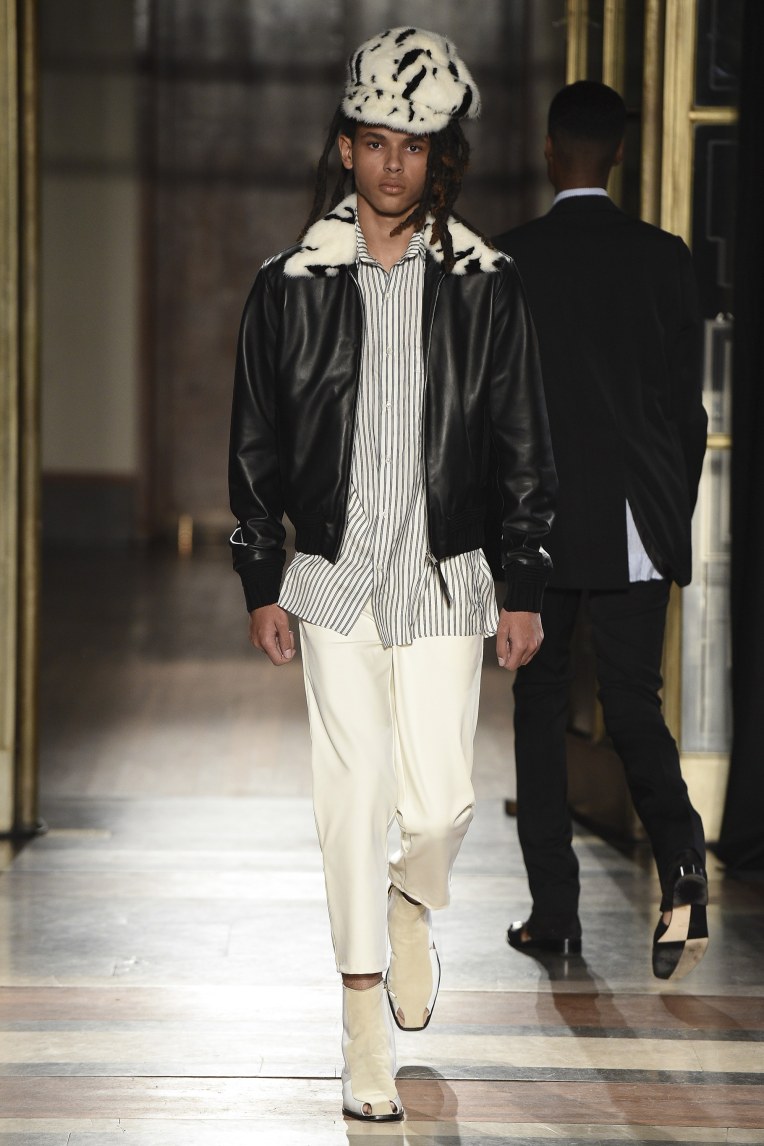
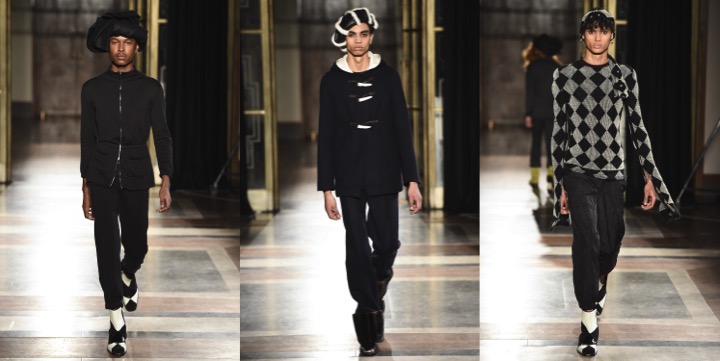
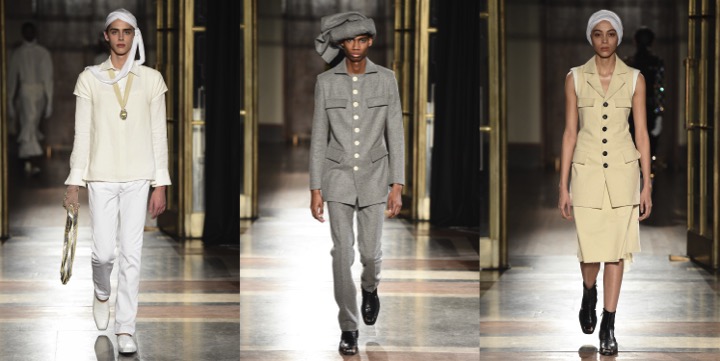
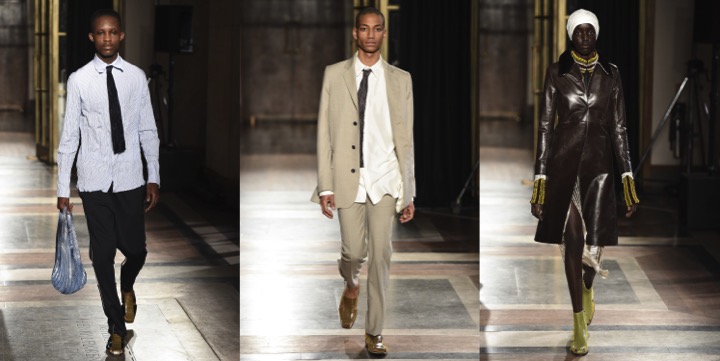
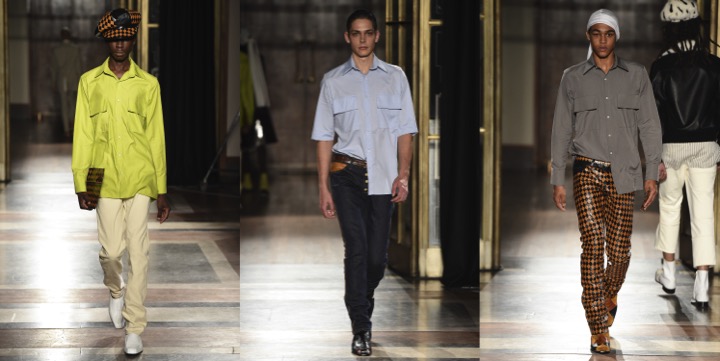
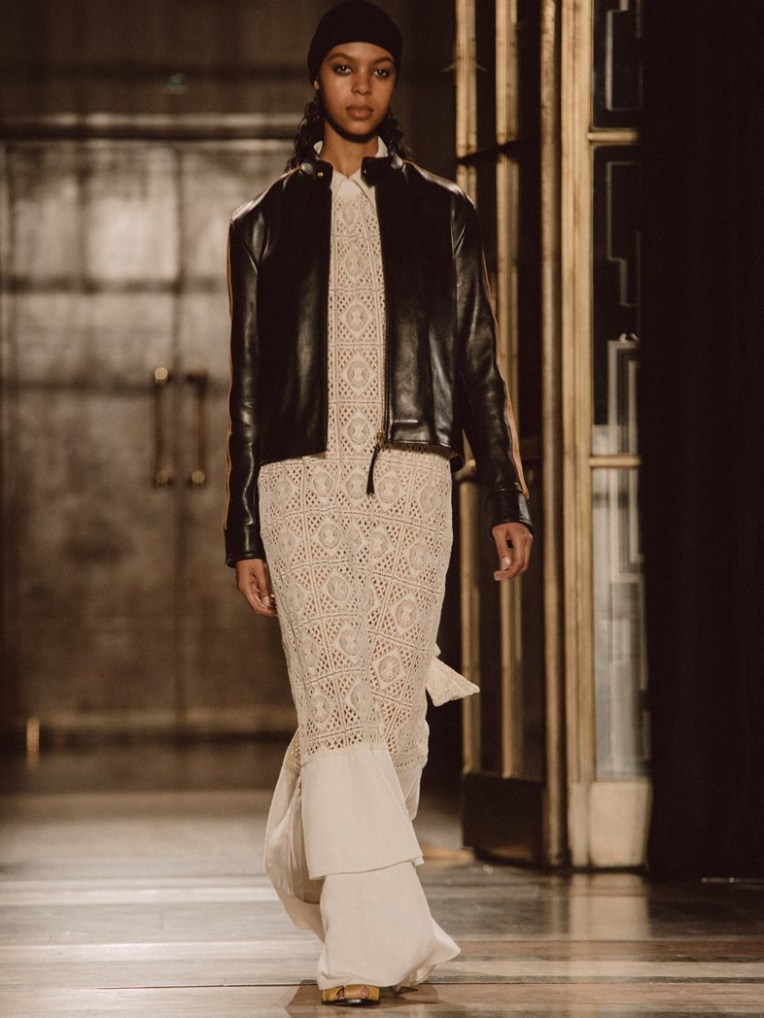
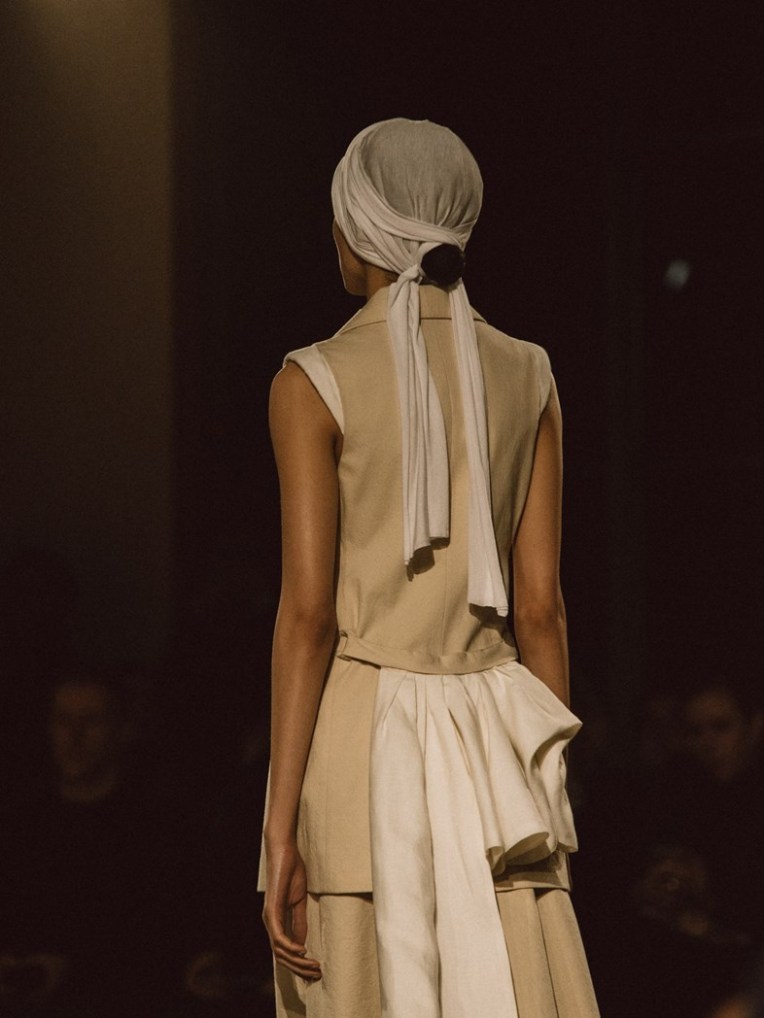
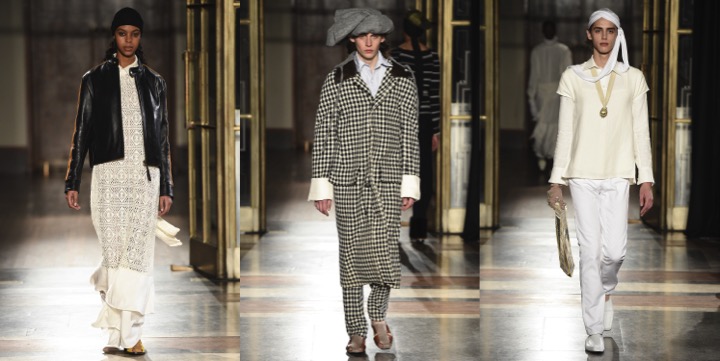
In my previous post on J.W. Anderson’s medieval-cool collection for men, I’ve mentioned Grace Wales Bonner as another example of a designer, who makes men’s London Fashion Week far, far more exciting. It isn’t a secret that London is Europe’s most celebrated melting pot of cultures, customs, dialects – no wonder why creatives from the whole world come here, to start their businesses. Wales Bonner‘s autumn-winter 2017 colllection is a continuation of her nearly poetic take on the topic of ‘spiritualism’.

slide2123

It was about the return of these spiritual characters who have existed in the Wales Bonner language before, it was about making them the heroes and looking at the street in an elevated way – and looking at it at different time periods. It was about bringing this sense of richness and depth to street language,” is the way she explained her latest outing of diverse boys (and girls).

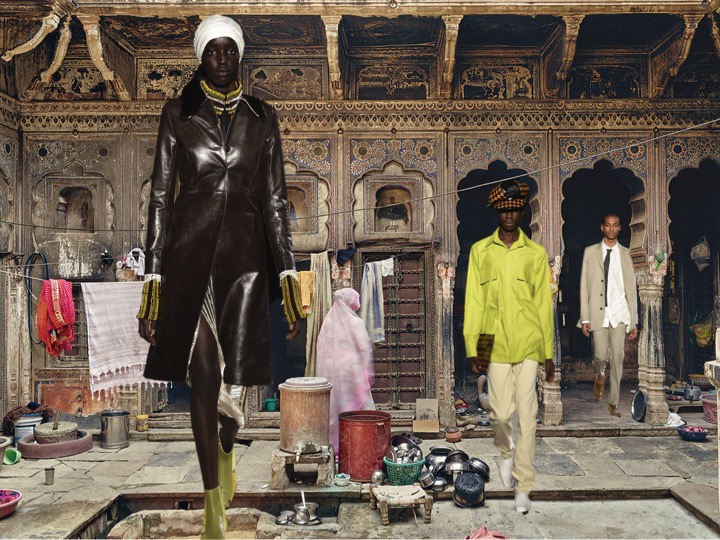
 Since the very beginnings of her own label, the Central Saint Martins graduate finds inspiration in her childhood memories – being a mixed-race girl brought up in south London was an experience, which left a significant mark on Bonner’s aesthetical point of view. The clothes presented by Grace clearly showed her interest in intriguing,  African culture. Inspired with the unexplored street culture of Dakar, Wales Bonner sent out a line of leather patchwork pants, crinkled shirts with slouchy tailoring and velvet ties – as if the looks emerged out of Patrick Cariou’s photographs from his trip to Senegal.

Tops covered in authentic Masai beading; stunning leather jackets trimmed with Dalmatian-intarsia mink – those are just some of the striking pieces coming straight from Wales Bonner runway. For the collection, the designer invited two, supremely-talented creatives, who are often associated with British fashion – first, Manolo Blahnik, who reinterpreted African sandals and boots. Second, Stephen Jones, who produced a limited number of Rasta caps with white mink stripes (Grace picked London’s Kingston neighborhood as a reference) and Pashtun caps. Bravo.

119787941197859119787461197856

Photography Chloé Le Drezen