The 2010s / Comme Des Garçons AW12

Believe it or not – I can’t! – but we’re heading towards a new millenium. So, how do you choose the most important collections, designers and labels of the decade? The ones that made an actual impact in the 2010s? Well, it’s not an easy task. It all began in September 2009 with New York’s spring-summer 2010 shows and ended when the autumn-winter 2019 haute couture shows wrapped in Paris. Few thousands of shows, by the way. There will be 19 posts (that’s really the only possible minimum!) reminding about the best – and if not the best, then strongly influencing – moments in fashion.

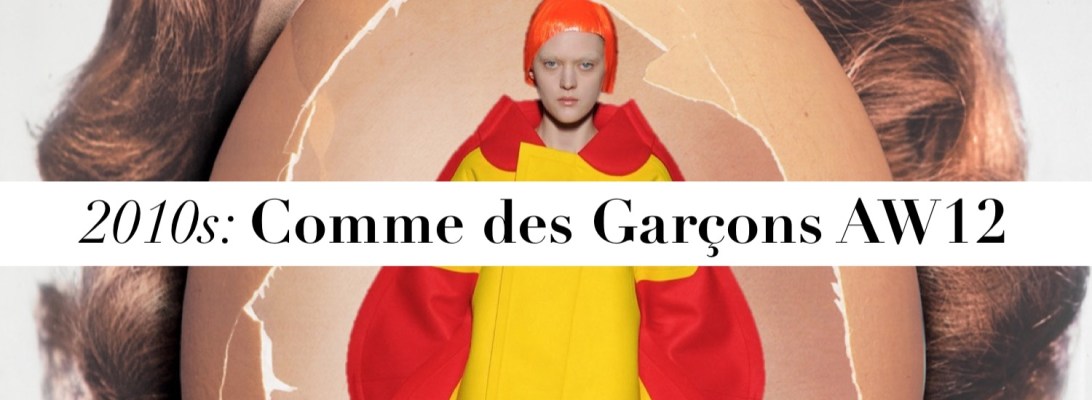
Rei Kawakubo‘s “flat” collection, Comme Des Garçons AW12.

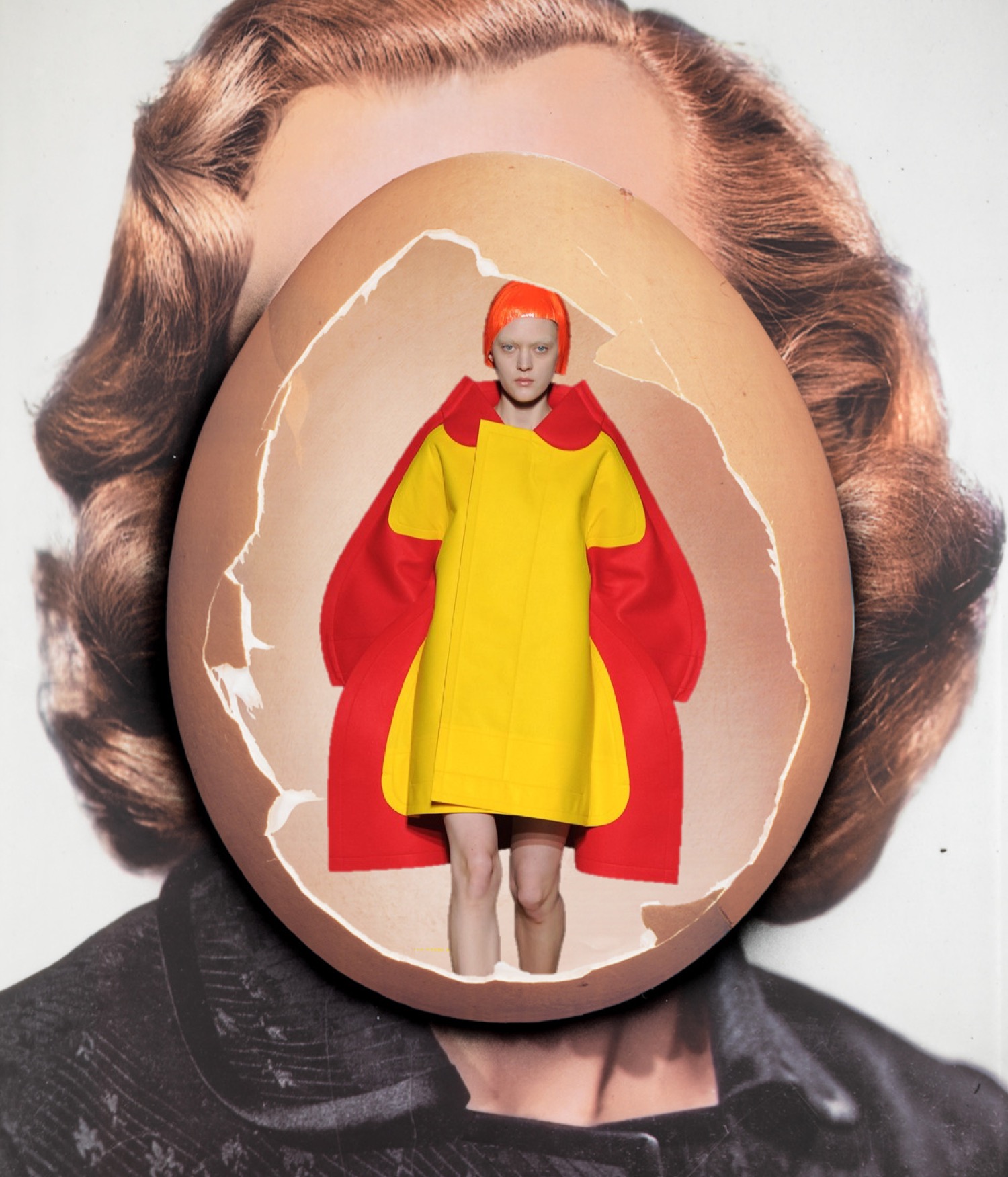
Back in 2012, I was 13. And this collection was a complete fantasy for me. “The future’s in two dimensions” was its provocative premise. The cutout paper-dolliness of looks like the red and pink felted coat-dresses that opened the show, or the lilac jacket and pants that followed – all that was amazingly odd and phenomenal at the same time. In fact, this wasn’t just about fun dressing up – hello, it’s Rei Kawakubo’s work! – but rather a comment on the state of the industry (there was a sort of creativity crisis in the end of 2000s and the beginnings of 2010s, to be honest). If the fashion industry was happy with coverage that reduces its most elevated endeavors to two dimensions, then Rei was going to reduce the industry itself to an equally flat proposition. A handful of ultra-clichéd fashion patterns – camo, leopard, florals, polka dots – were used in the most literal of ways. The “eveningwear” was all about sequins, the ultimate evening cliché. How flat! Kawakubo mocked fashion and us, the viewers, but at the same she created wearable, geometric art-works that still make you sigh with delight. Here’s Iris Apfel photographed by Jeff Bark for Dazed & Confused wearing the most striking pieces from the collection. Naturally, the 13 year old me needed that issue. And the today me still cherishes it for this stunning editorial.

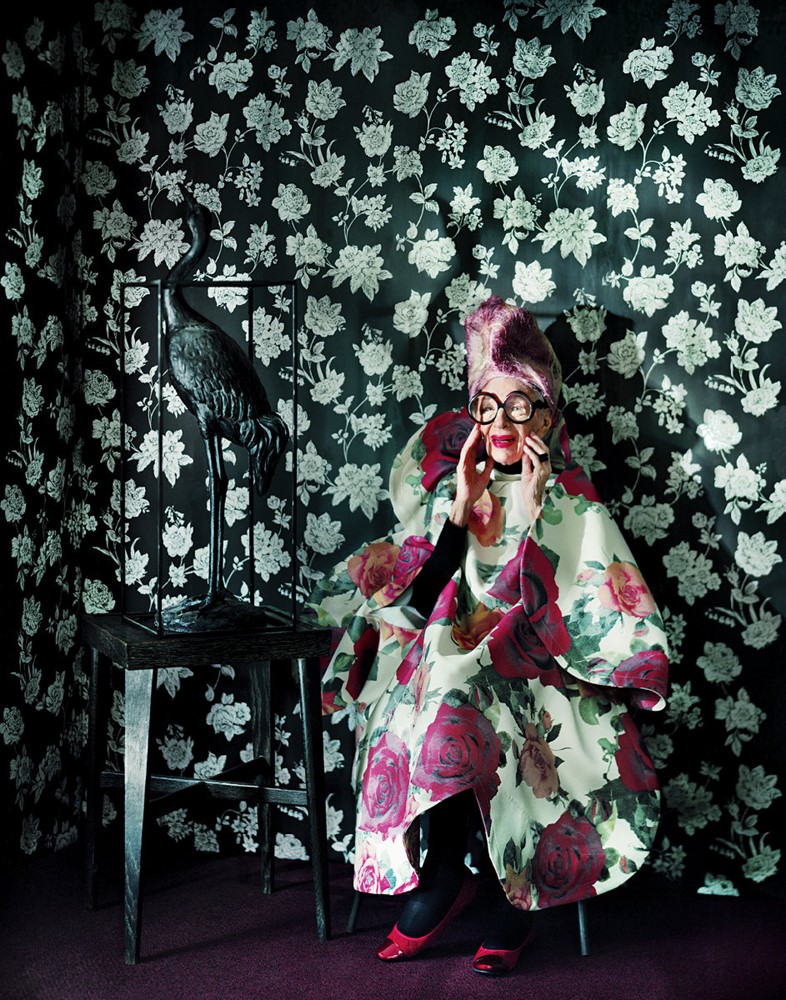
Collage by Edward Kanarecki.
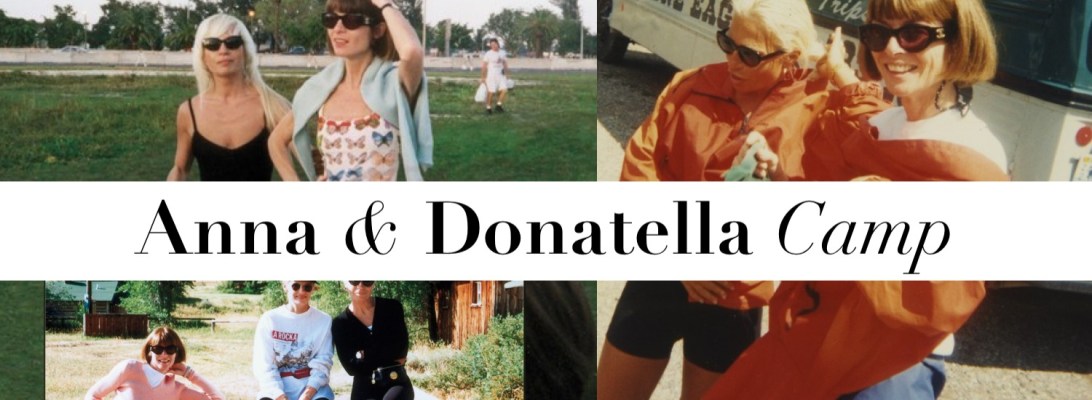
Donatella & Anna Camping

This year’s Vogue’s Forces of Fashion biggest highlight? A conversation between two friends, Anna Wintour and Donatella Versace. And the personal photos they’ve shared with the audience (and the readers, right here). The above photo seems to be unreal! But it really happened. That’s the only camp I would love to go to. But also, how CAMP is this entire situation?! Now, have a great Sunday.

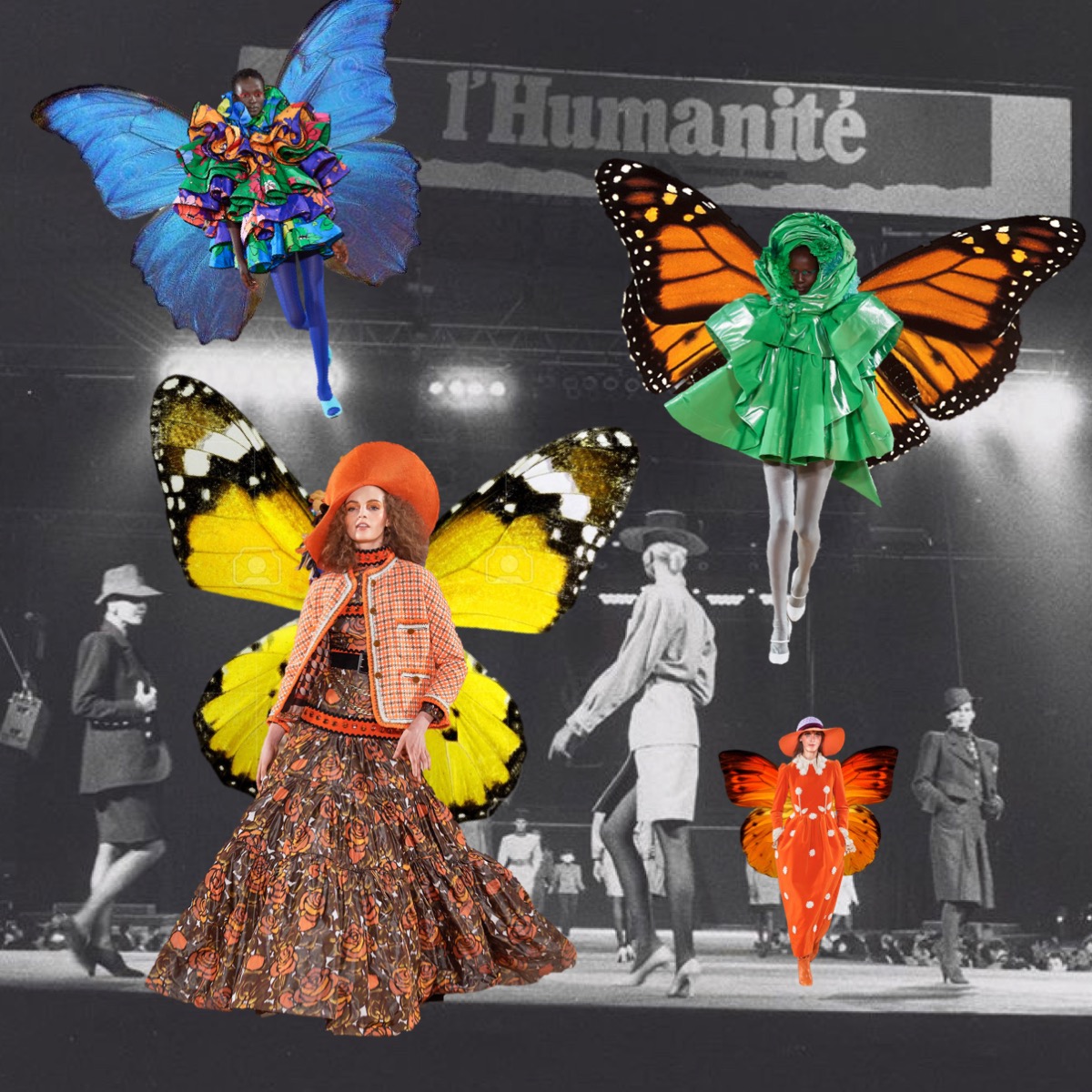
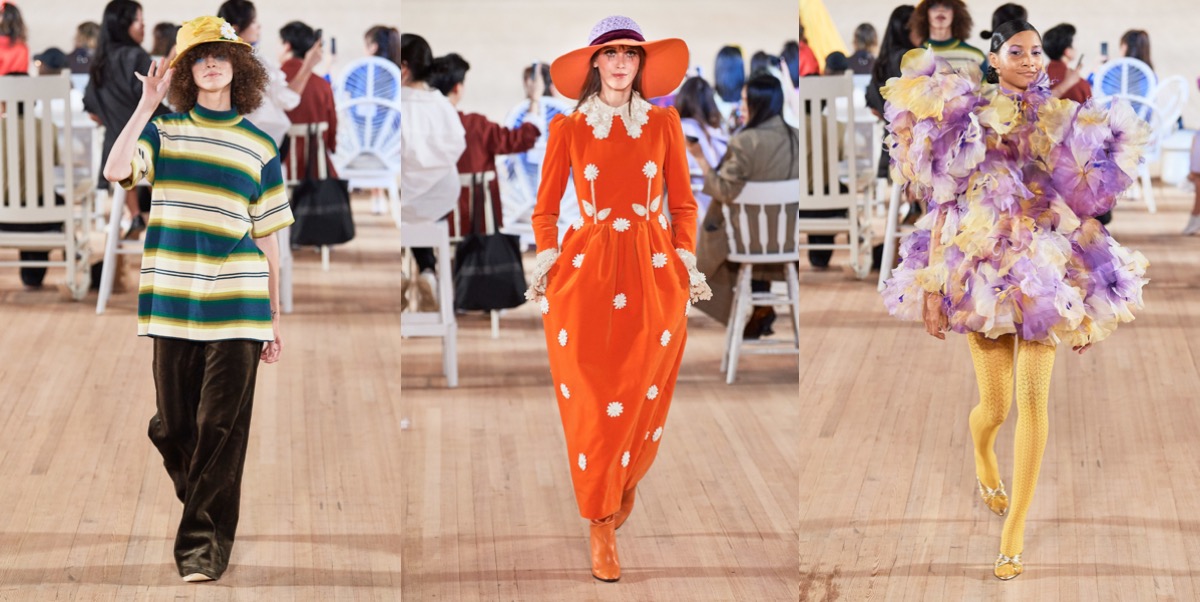
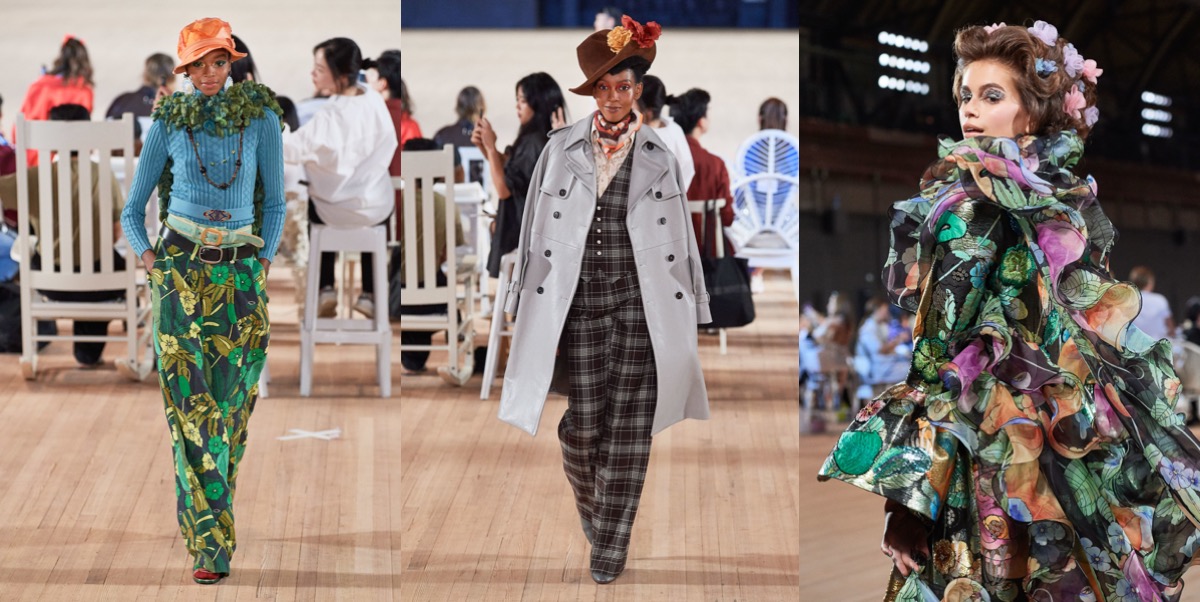
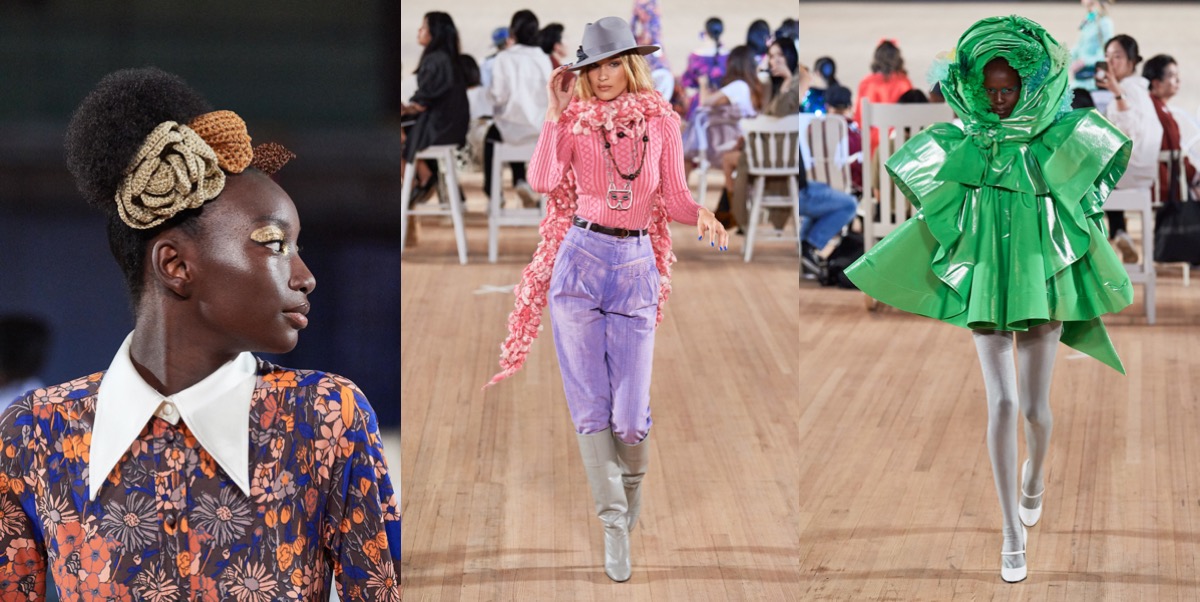
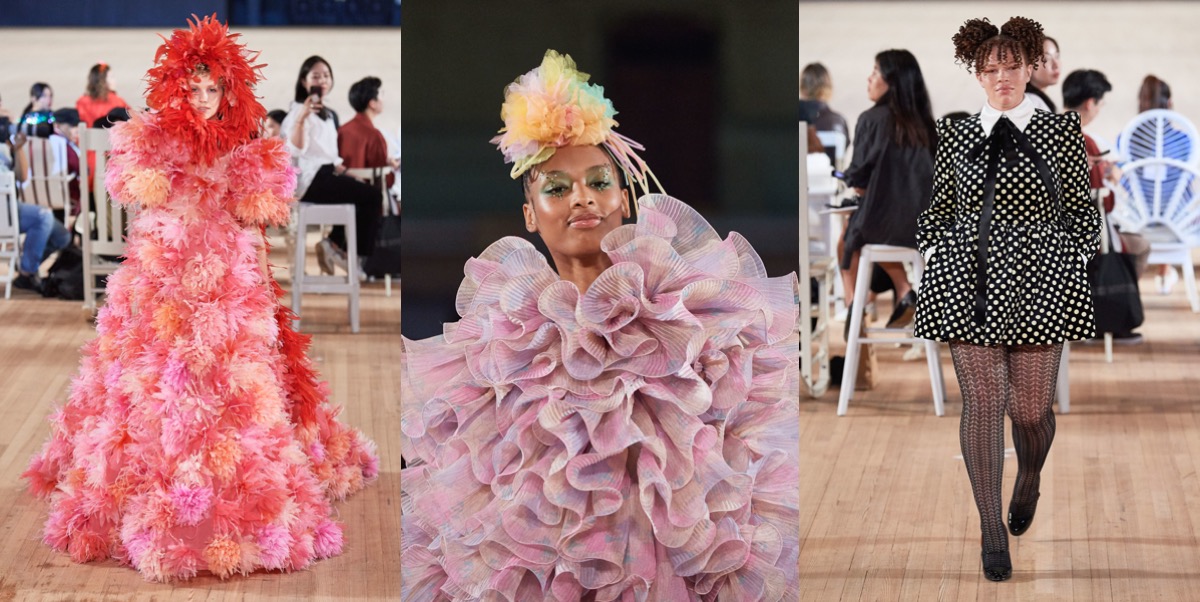
The King of New York. Marc Jacobs SS20

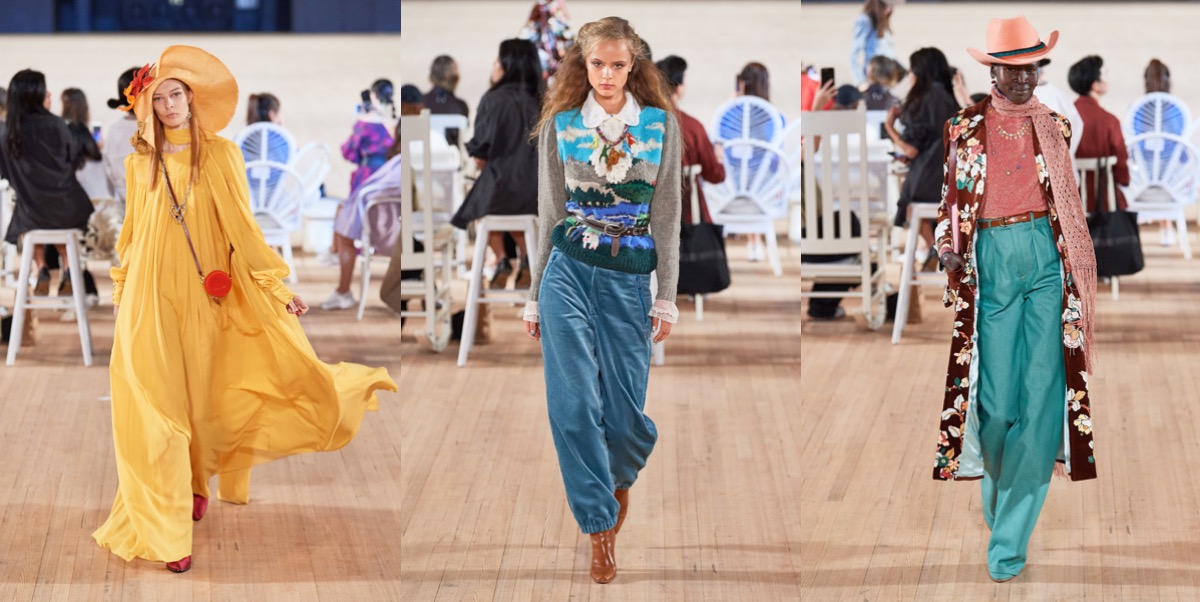
Traditionally, Marc Jacobs’ collection was the grand finale of New York Fashion Week. In a completely empty space, with different vintage chairs (painted white) standing in the middle as the guest seatings, a flock of paradise creatures emerged out of one side of the Park Avenue Armory, went across the audience, and disappeared. And then they came back, one by one, dancing and twirling according to Stephen Galloway’s choreography. A maxi velvet dress in orange, emberoidered with hippy florals; granny-ish knits with cats and kitschy landscapes; floor-sweeping gowns made for spectacular, late night dancing; patchworked denim flares; knitted mini-dresses that make you think of Quentin Tarantino’s Once Upon a Time in Hollywood and Margot Robbie’s Sharon Tate wardrobe; old school rockstar wife look as seen on Bella Hadid; another gorgeous ball dress and Savile Row-esque pantsuit… Describing each look in the collection is a non-sense, because they should all be seen. This was one of Jacobs’ most optimistic collections ever, full of dreams and emotions, love and happiness. For spring-summer 2020, the 60s, 70s and 80s were mixed and fused with Marc’s most beloved personalities and their bodies of work: think Yves Saint Laurent, Karl Lagerfelfd, Shelley Duvall, Anita Pallenberg and Marina Schiano. But simultaneously, it all feels… Marc. One more thing that should be praised in this line-up: it’s a mindful balance of wearable pieces that will actually sell in stores, and delightful fantasy. This is what the designer struggled with for the last few years. And he finally overcame it. Marc continues to be the ultimate king of NYFW. Dream a little dream of me

Collage by Edward Kanarecki.
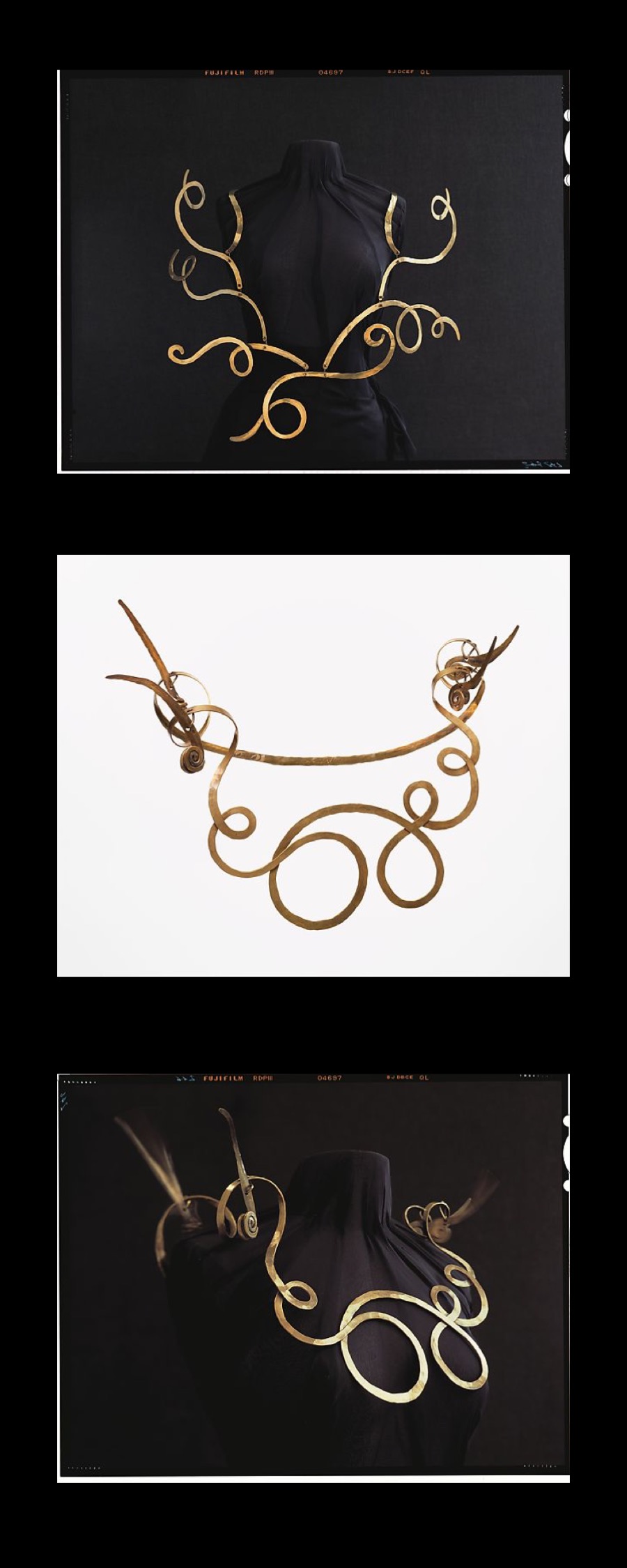
Calder’s Necklaces

Anjelica Houston wearing Calder’s necklace, photographed by Evelyn Hofer for The New York Times in 1976.

Browsing The Metropolitan Museum of Art’s digital archives can bring so much joy. I knew that Alexander Calder induldged himself in making one-of-a-kind jewellery when not creating his hanging installations, but I never actually saw his necklaces. Calder produced more than eighteen hundred pieces of jewelry, most of them between 1933 and 1952. Many of these pieces were made specifically for family members or friends and given away on special occasions. Each necklace, bracelet, ring, pin, or earring was a unique, handcrafted design to which he applied his skills as a metalworker and his visual wit, just as he did when he created mobiles and bent-wire sculptures. The necklaces below were made by hammering brass wires into flat strips and then fashioning them into a linear design that relates directly to his early wire portraits. Incredible, wearable works of art.

All photos via The Met’s digital archives.

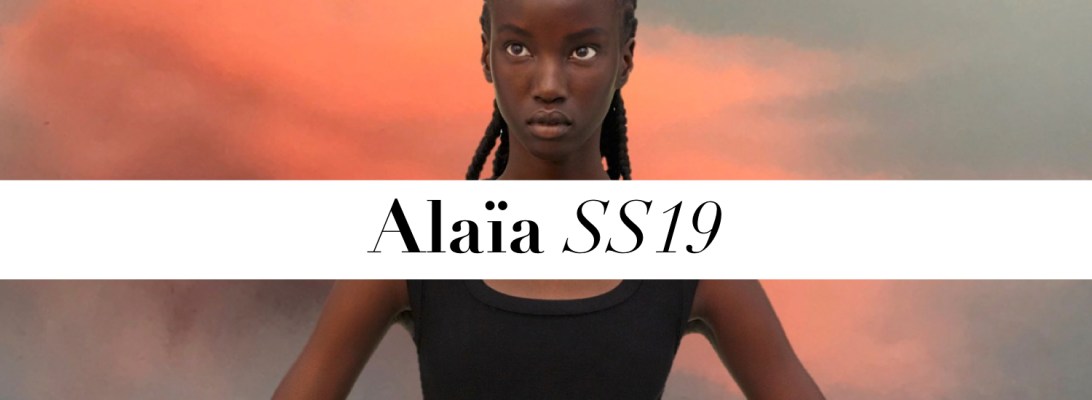
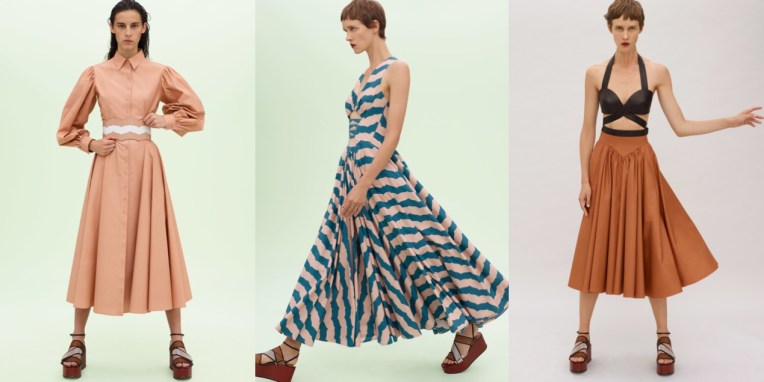
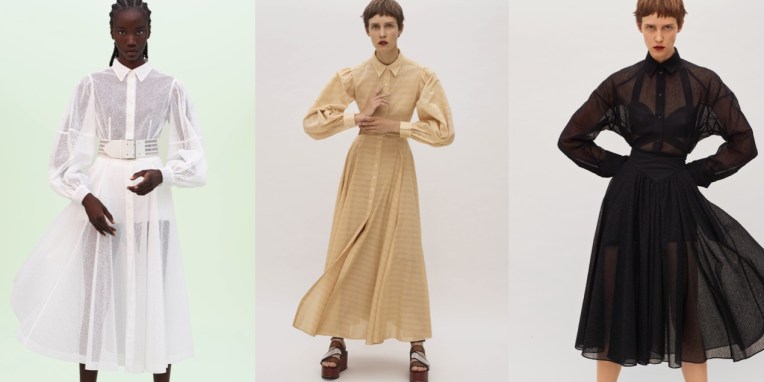
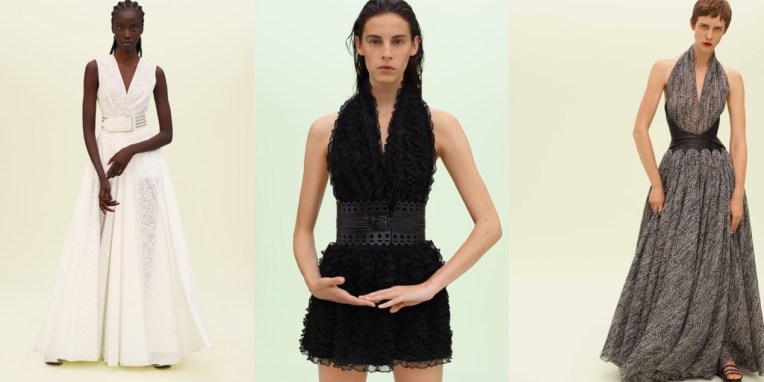
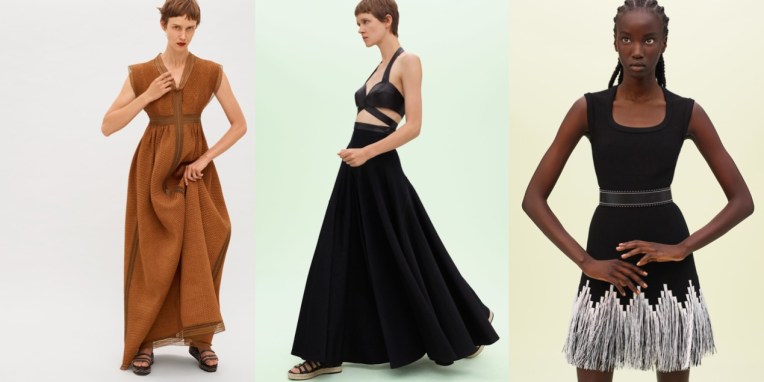
With Respect. Alaïa SS19

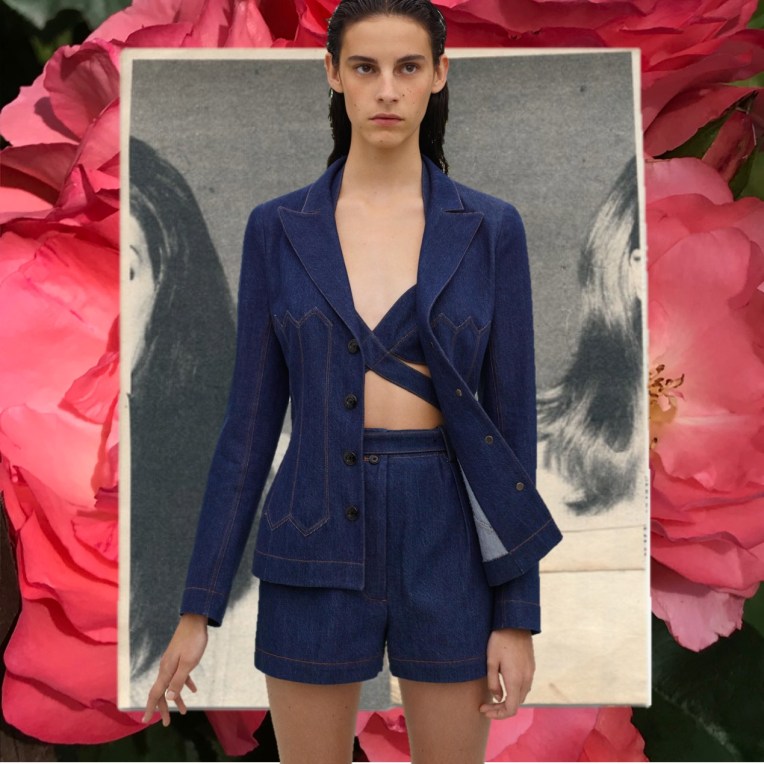
The sudden death of Azzedine Alaïa, the master couturier who understood a woman’s body like no one else, hasn’t only deprived the fashion world of an ultimate genius, but as well left his brand in an uncertain position. The spring-summer 2019 look-book that was released last week, however, assures that Alaïa – as a fashion house – isn’t going the wrong path and won’t end its existence as many French houses did after their founders passed away (waiting for years to be bought by a bored millionaire). The Maison Alaïa studio team proves to be loyal to the brand’s codes, and what’s more, isn’t lead by an outside creative director. All the people who work on today’s Alaïa collections were trained by Azzedine himself. Many pieces from the new collection aren’t that new. The offering comprises separate collections, éditions, that consist of archive pieces that have been perfectly replicated as new ready-to-wear and labeled according to original dates. A denim jacket from 1986. The striped dress is from 1990. Another gown saw its runway debut back in 1984. Cotton shirtdresses and woven raffia details were mastered in Azzedine’s last collections to perfection, and they reappear here too, just like python leather garments. The soul of Alaïa is there, in each cut and stitch. The effect is more than beautiful, and you really wish of seeing these clothes in real life. It’s a tribute collection, but not in a Versace spring-summer 2018 way. The studio is expected to rework Alaïa’s original designs in future collections, supplying the stores with the brand’s all-time classics.

Still, there are few new additions that smell with forced commerce: espadrilles made in  collaboration with Castañer (ok, that must be heaven comfort) and a capsule collection of dresses, t-shirts and accessories emblazoned with the words Mon cœur est à papa, the expression of love attributed to Naomi Campbell, who considered the Alaïa her father figure. This isn’t presented in the new season look-book (shot by Karim Sadli and styled by long-time friend of the house, Joe McKenna), but, well, it’s a necessity that just has to be accepted. By the way, for the nay-sayers, Alaïa himself did a capsule collection of logo t-shirts in collaboration with Comme des Garçons back in the 90s (very treasured vintage). No one will return Azzedine. But it’s a great relief that his heritage is in good hands and his fashion continues to be praised with so much grace and respect.


Collages by Edward Kanarecki.