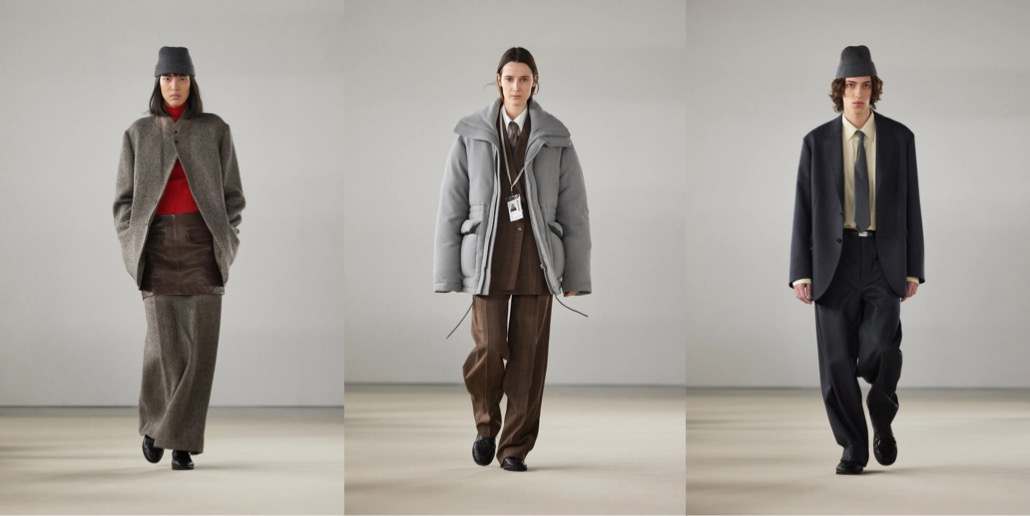
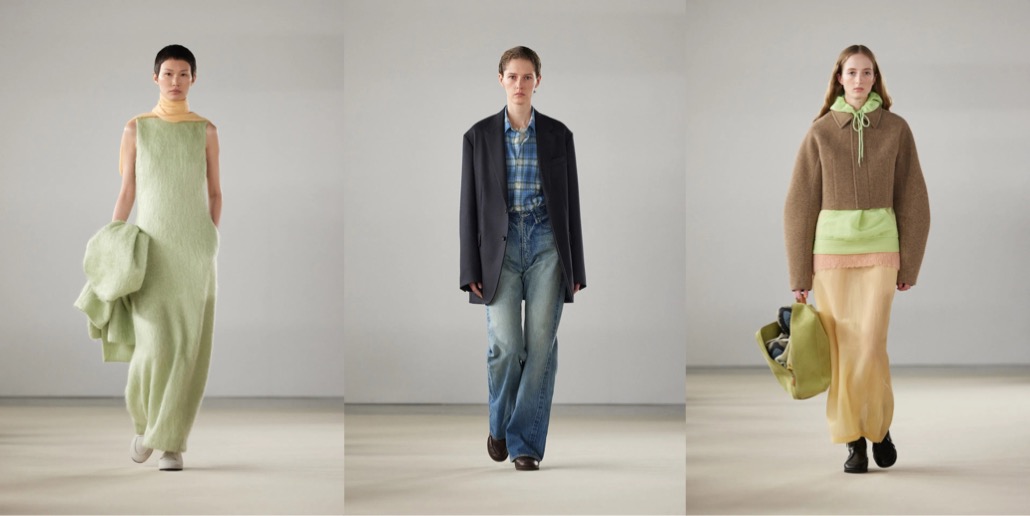
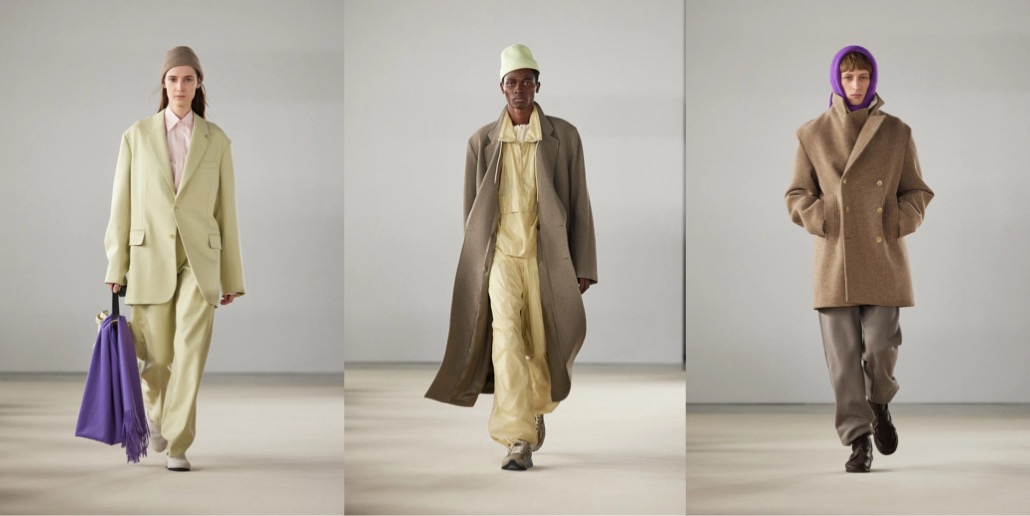
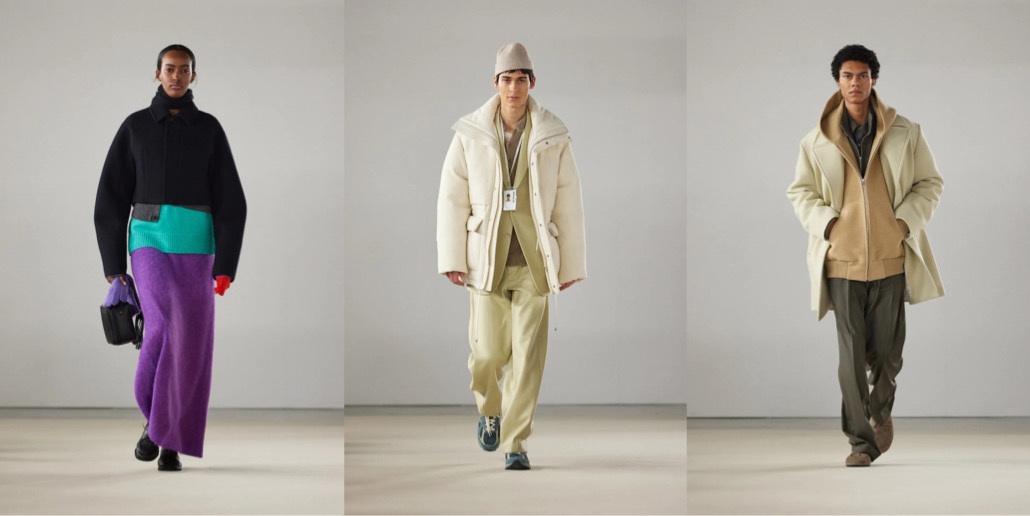
For Giorgio. Soshiotsuki SS26

The news of Giorgio Armani’s passing is heartbreaking. What lifts my spirit, however, is knowing that his legacy – a body of work spanning five decades – will live on forever, especially in the work of younger generations of designers who have studied Armani since their teens.

Giorgio Armani photographed by Juergen Teller for System Magazine.

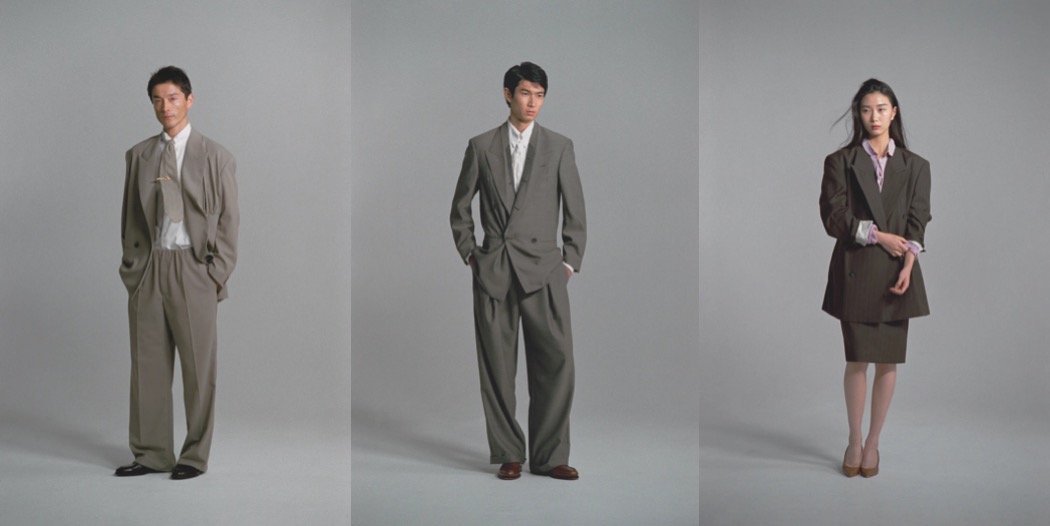
It must be some astro-numerological coincidence that yesterday Soshi Otsuki won the LVMH Prize. His Tokyo-based label, Soshiotsuki, is rooted in tailoring – one inspired by the sartorial craftsmanship of the 1980s, but filtered through a distinctly Japanese perspective. His suits, elegantly draping the body – always smooth yet refined – would surely make Mr. Armani proud.

In his delightful spring–summer 2026 collection, Otsuki mesmerizes and intrigues with nearly invisible details that make all the difference. For instance, extra fabric is built into the inside placket of a shirt to suggest a tucked-in necktie, which could be hidden or revealed depending on how it was buttoned. Deadstock kimono silk was repurposed into button-up shirts, while 1980s cotton-washi fabric was used for much of the tailoring – recalling the glamour and prosperity of Japan’s Bubble Era, a moment in time the designer enjoys riffing on.

What’s fascinating about Soshiotsuki is that the clothes don’t feel “vintage,” but utterly contemporary – and in a strikingly handsome way. That sensibility resonates with the final collections Giorgio Armani presented in recent Milan Fashion Weeks, which we were fortunate enough to witness.
Collage by Edward Kanarecki.
Don’t forget to follow Design & Culture by Ed on Instagram!

Hey, did you know about my newsletter – Ed’s Dispatch? Click here to subscribe!

NET-A-PORTER Limited

Lived-In. Auralee AW24

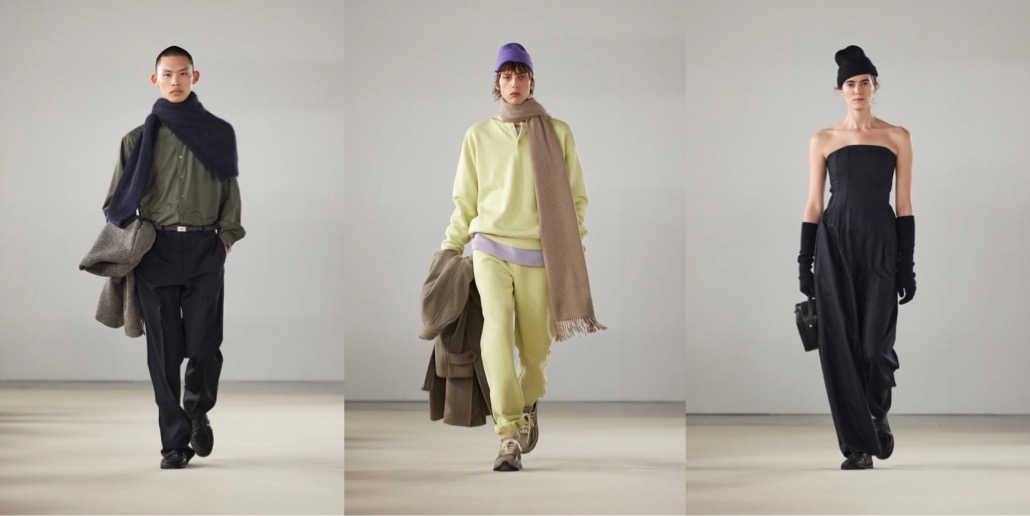
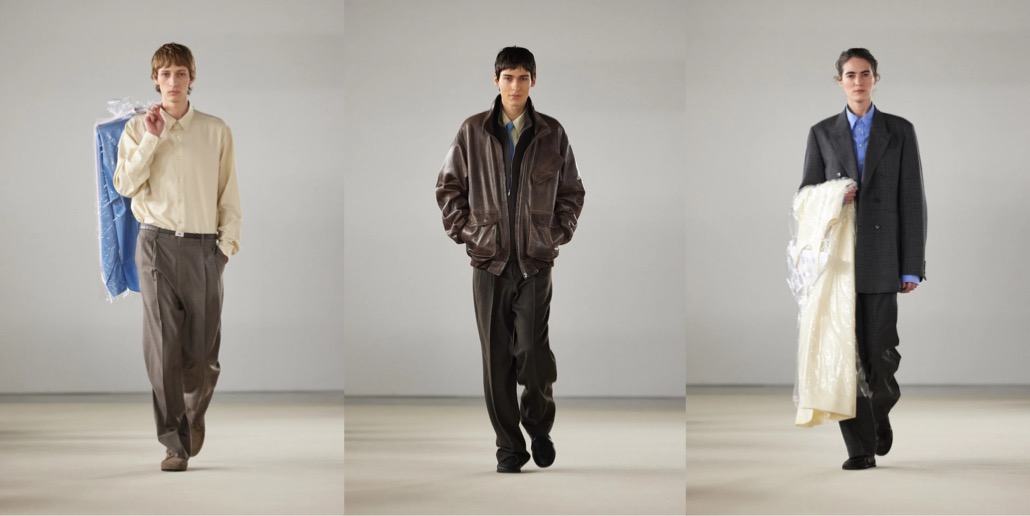
The Japanese label Auralee delivered a compact take on ready-to-wear for autumn-winter 2024: great clothes that are covetable, spark joy and are no-non-sense. The brand launched for the spring 2015 in Tokyo, and Ryota Iwai has been showing his collections on the calendar in Paris since 2019, but this is the first time he’s putting his clothes on the runway. When designing the new collection, Iwai considered specifically the hours in the evening when one is transitioning between working into simply living. “It’s that break after the first half of the day and the end of the day,” he explained. This, the way the designer sees it, is a time of brief anticipation. You’re going home from work, you’re about to have dinner with your friends, meet up with your family, run a couple of errands. Your clothes are lived-in, the properness and formality of the morning washed away by daily activity. While this collection captures that idea literally in a range of playful styling tricks – dry cleaning hangs over forearms, sweaters and coats peek out of overstuffed briefcases, gloves are held or stuffed in pockets rather than worn – it’s in the nuances of the materiality and cut in Iwai’s clothes where the ease of the end of day takes is conveyed best. There’s a ’90s feel to Iwai’s tailoring, but its proportions are distinctly contemporary: coats are streamlined and have extra long sleeves and hems, trousers pool over sneakers, and structured shoulder jackets appear hefty but are lightweight to touch. Most inviting is Iwai’s knitwear (made from either Mongolian cashmere or Peruvian alpaca), made to fit amply around the body, creating wrinkles and creases.

Collage by Edward Kanarecki.
Don’t forget to follow Design & Culture by Ed on Instagram!

Hey, did you know about my newsletter – Ed’s Dispatch? Click here to subscribe!

NET-A-PORTER Limited

Twisted. Keisukeyoshida SS24

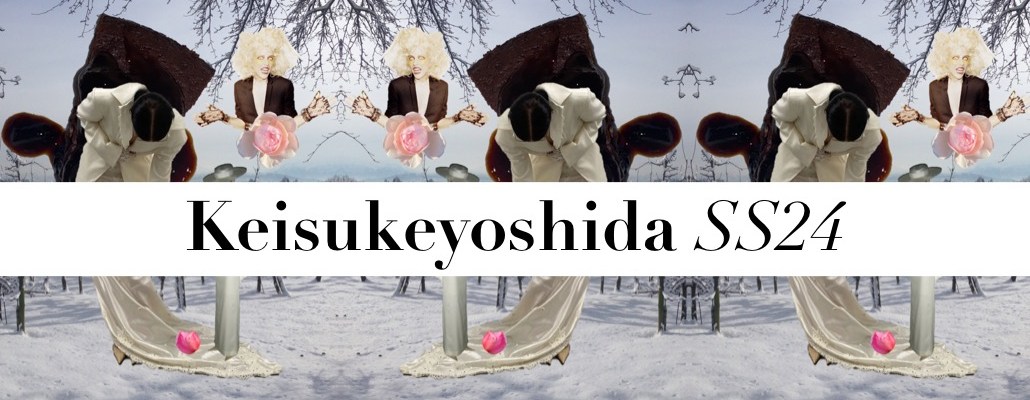
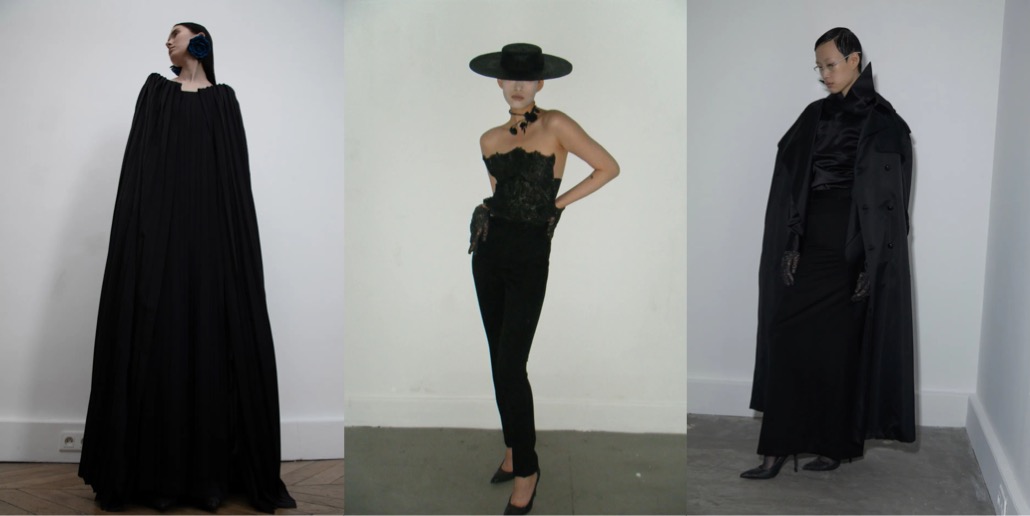
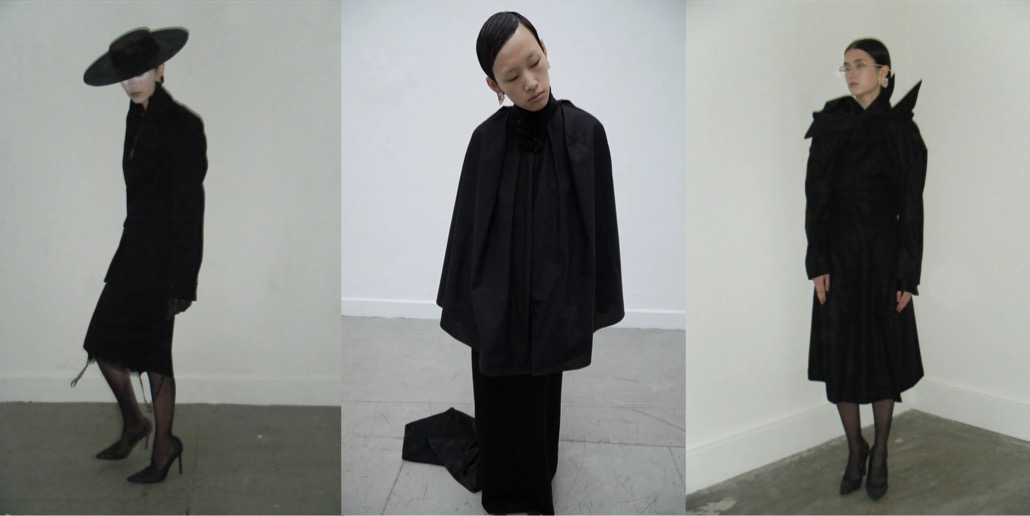
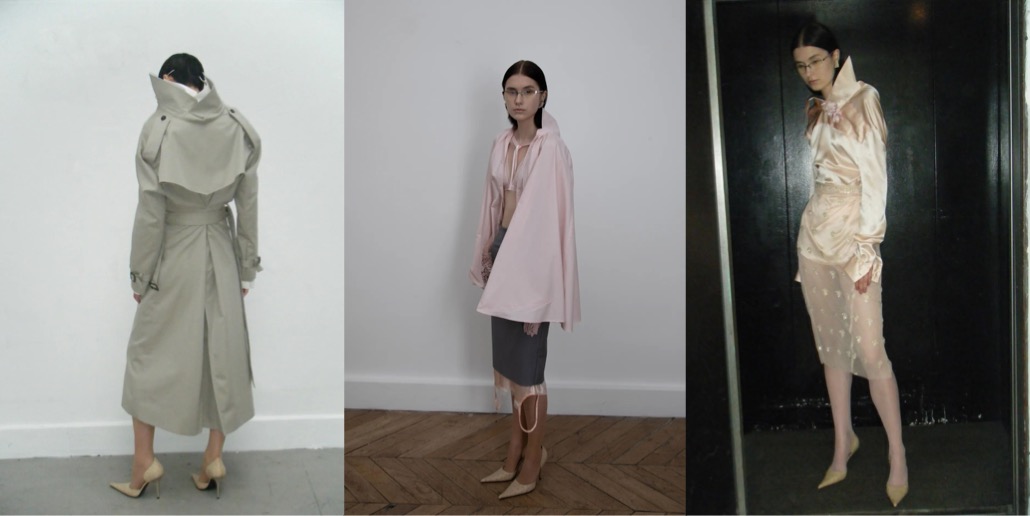
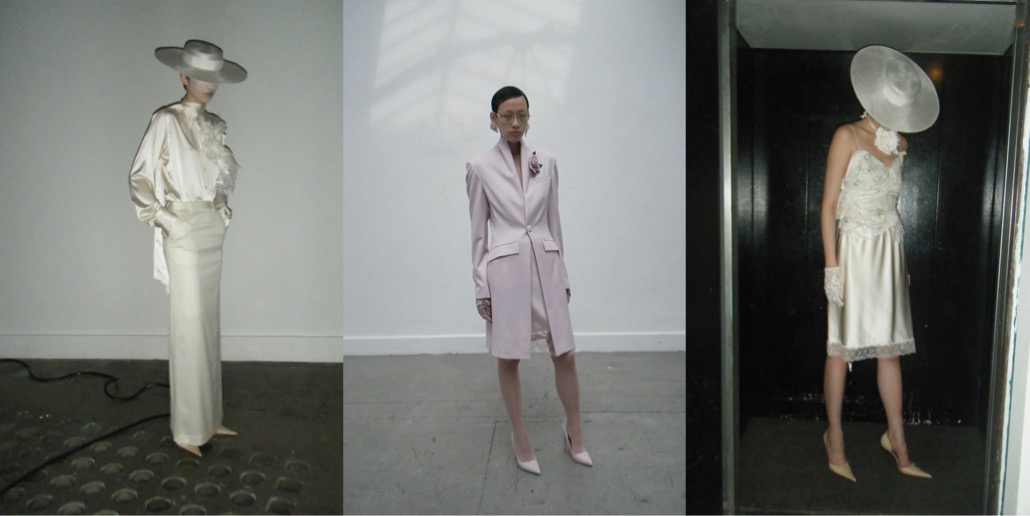
As we’re approaching 2023’s end, I wanted to spotlight one of the most intriguing emerging designers out there: Keisuke Yoshida. “I’ve had an image of this woman in my mind,” the Japanese designer said while explaining his new collection. “In my head, she’s wearing an outfit, and I can’t tell if it is a wedding dress or a mourning dress. But somehow, I know that she’s like a mother.” Last season, Yoshida’s imaginary maternal muse had been a strict, teacher-like figure with fabric clasped tight across her throat, but this time she’s come undone. Yoshida had engineered her transformation through feminine staples, using ivory silk blouses and soft, dusty pink tailoring that bared the chest, while lapels and collars were inverted or twisted so that they poked up in awkward directions, as though they’d been pulled on in a hurry. Old wedding dresses Yoshida had found in Tokyo were reworked into one-off corsets, lace gloves, and trousers, so that embellishments of pearls and sparkly lace glistered over hands or raced across the thigh, while broken ceramics served as earrings alongside seductive secretary specs. Best of all was a would-be office-appropriate pencil skirt, out of which peeked a silk camisole whose straps dangled upside down towards the ankles. Those theatrically spiky stilettos and wide-brim hats could well have evoked Irving Penn, or old photographs of Parisian couture from the 1950s, but what makes Yoshida’s work feel right for the moment are the strange quirks he sprinkles in to humanize everything, offsetting any old-world glamour or preconceived notions of feminine mystique to create something delicately twisted.

Collage by Edward Kanarecki.
Don’t forget to follow Design & Culture by Ed on Instagram!

Hey, did you know about my newsletter – Ed’s Dispatch? Click here to subscribe!
NET-A-PORTER Limited

A Gift. Tomo Koizumi SS20

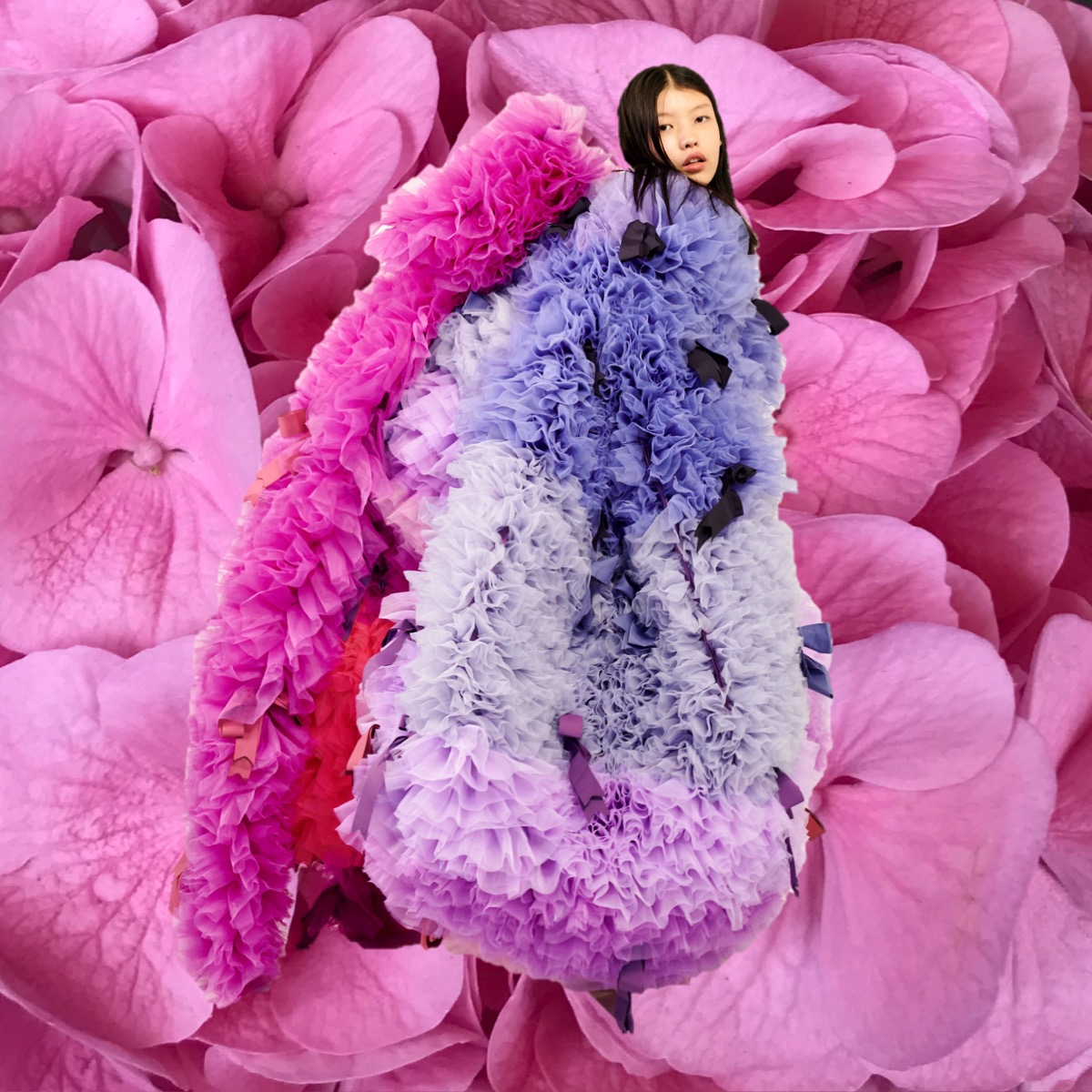
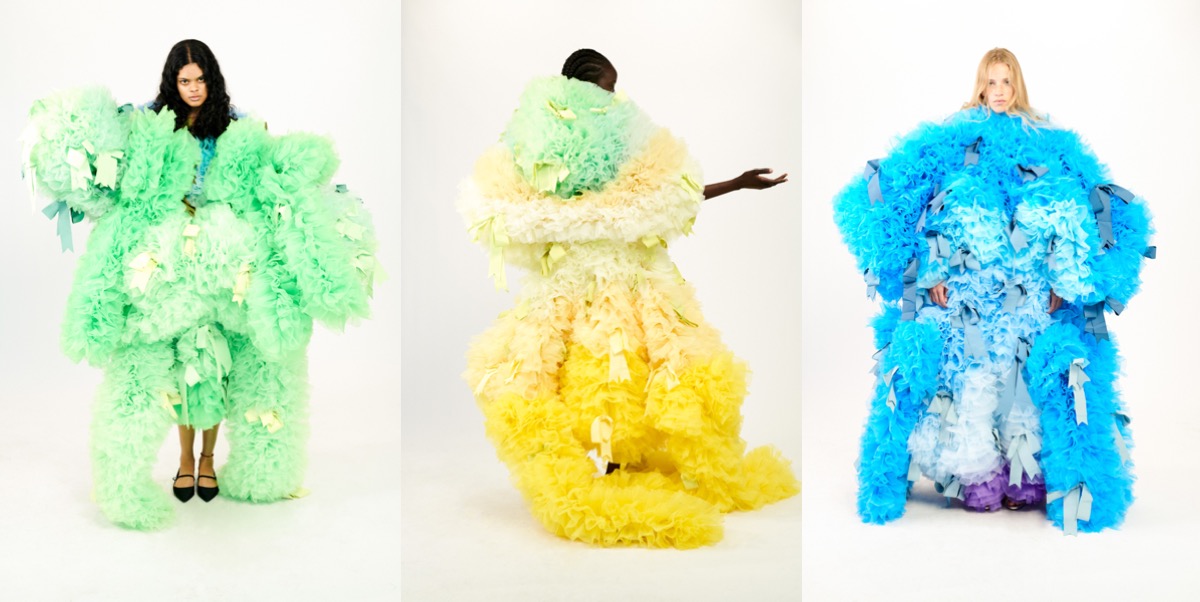
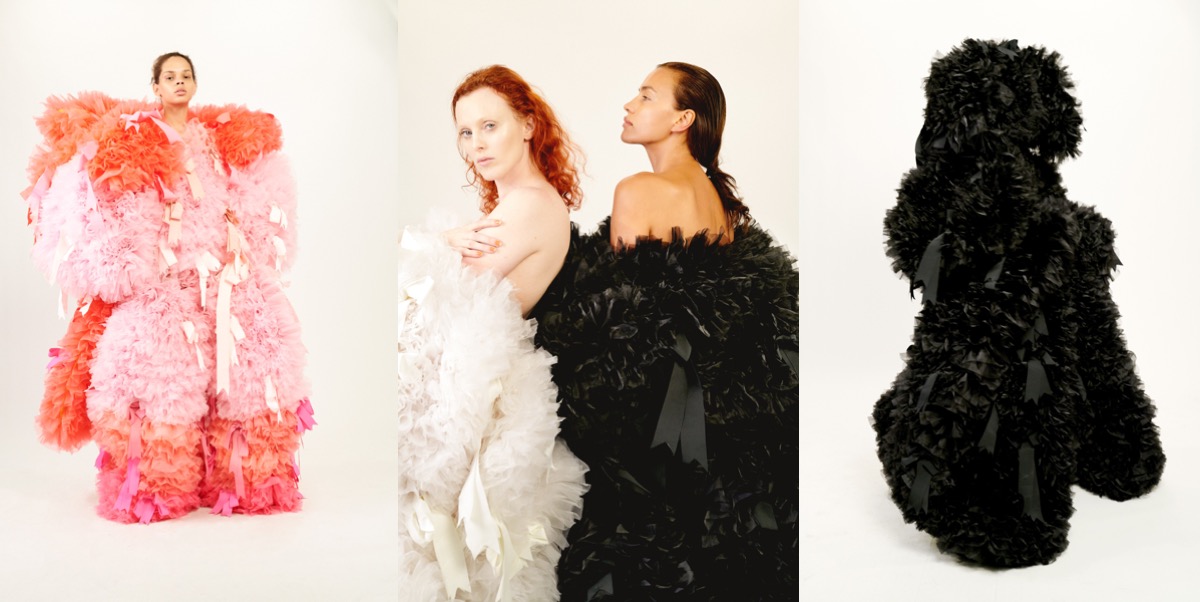
New York fashion week is in full swing. Tomo Koizumi, Marc Jacobs and Katie Grand’s protégé, had Ariel Nicholson do a theatrical performance in his new season ruffled Japanese polyester organza creations at Marc’s Madison Avenue flagship. The Japanese designer, who already amazed everyone with his work last season, explained his spring-summer 2020 process as the following: “I tried to make more 3D patterns with ruffles – it’s kind of like a boxy shape, because I wanted to make something like a gift box.” When he was sketching the designs for the garments, the designer drew inspiration from his own culture – using Lolita fashion as a primary reference, he also crafted the shapes of the dresses based on Japanese robotic cartoons, which he grew up watching. The looks – if you can even call them like this – really had something of gift wrapping, bold and knowing no borders of ‘too excessive’. Tomo doesn’t want to be commercial, and his costumes are for the most daring ones. You can hate it or love it, but this sort or joyous non-chalance is not only growingly rare in New York, but across all the fashion capitals.

Collage by Edward Kanarecki.