Berlinische Galerie

Berlinische Galerie seeks to portray Berlin’s art history in new and surprising ways with room for every genre and style. This sometimes reveals unexpected threads in the fabric, and international networking by the art community is part of that weave. Berlin is a city of artists, and here you can truly sense it. The museum show sthe classics, but also responds quickly to the latest trends in contemporary art. The programme is undogmatic, thought-provoking and sometimes controversial – but then so is Berlin. The instituion offers an interdisciplinary collection that includes painting and sculpture, prints and drawings, photography and architecture, all dating from 1870 until the present day. This makes Berlinische Galerie fundamentally different from other exhibition venues in the German capital.
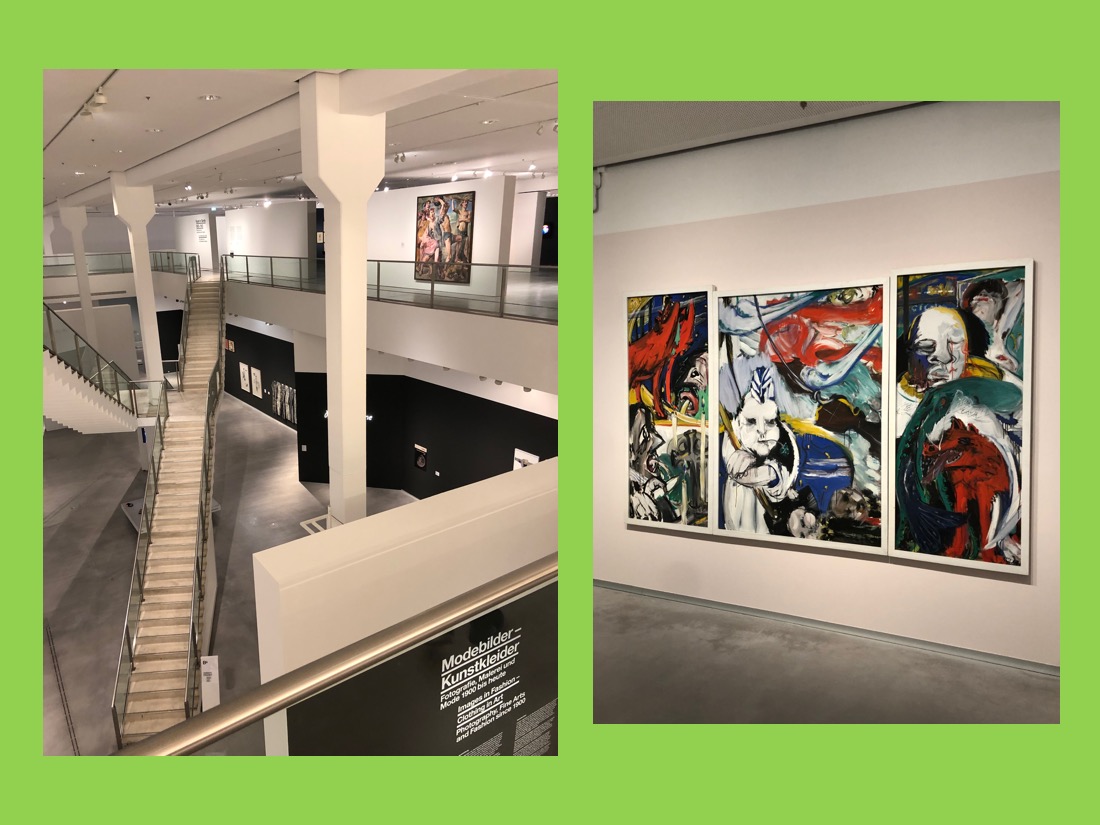
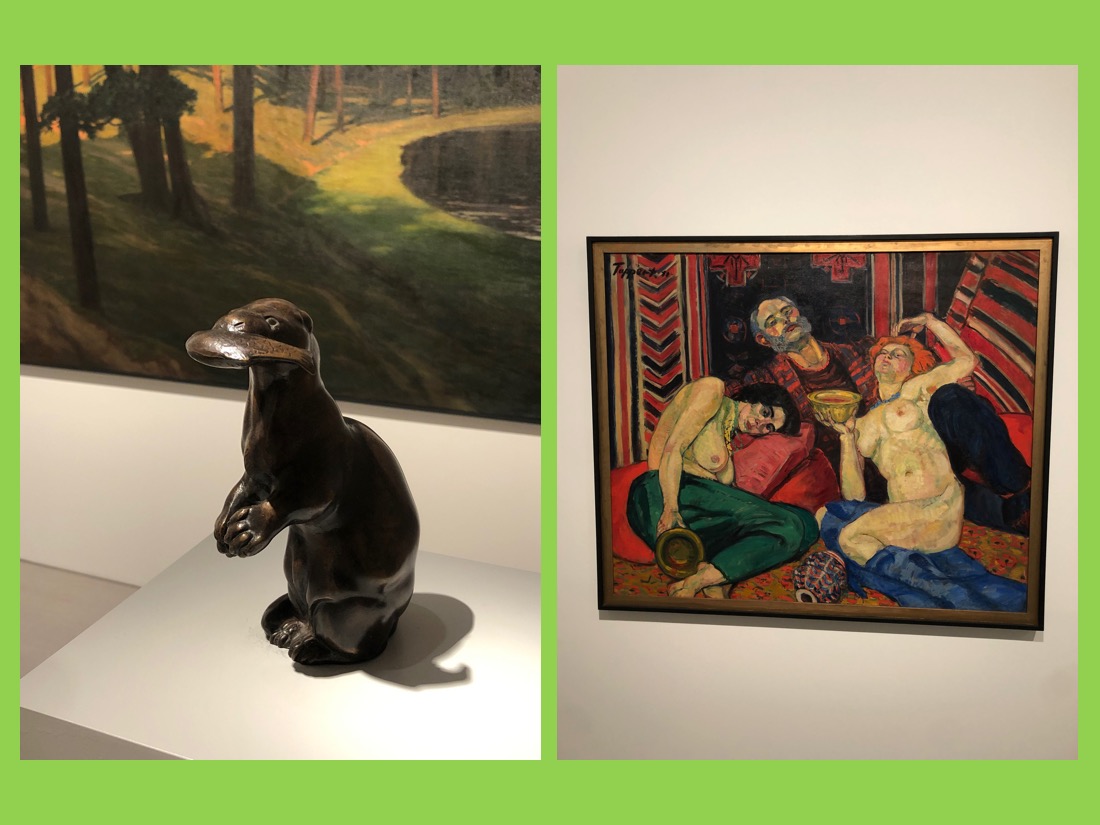
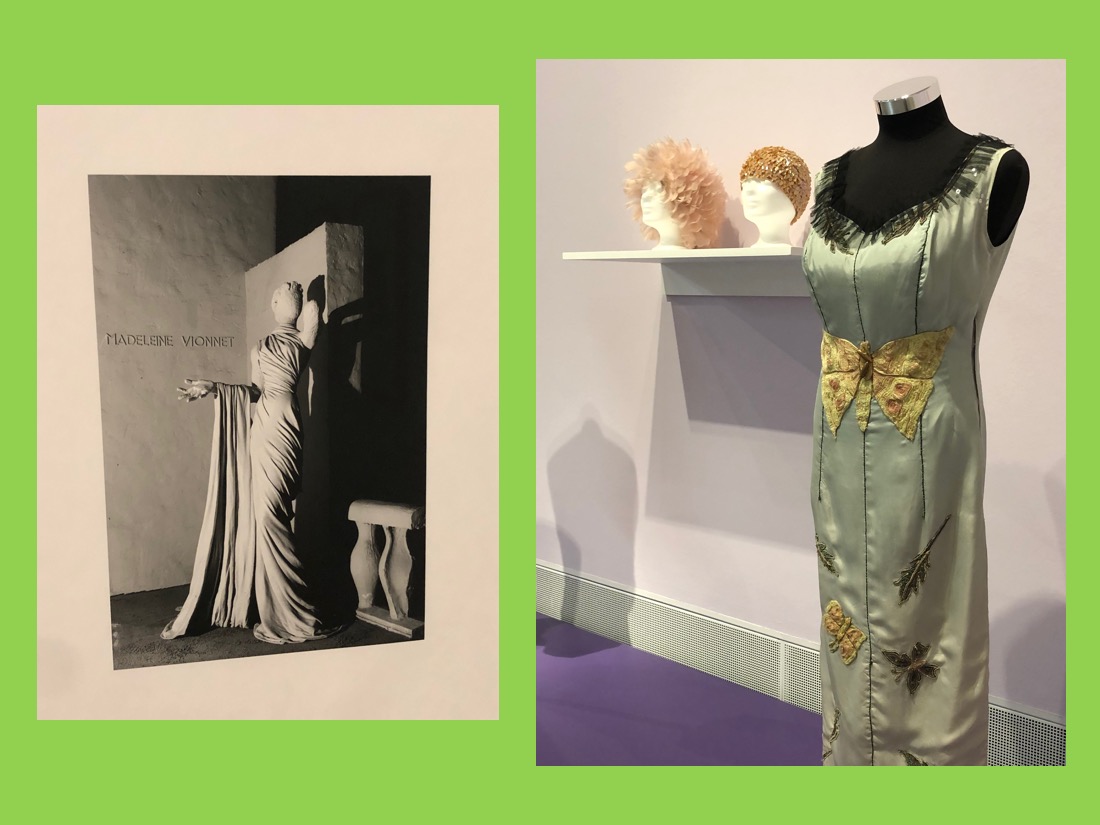
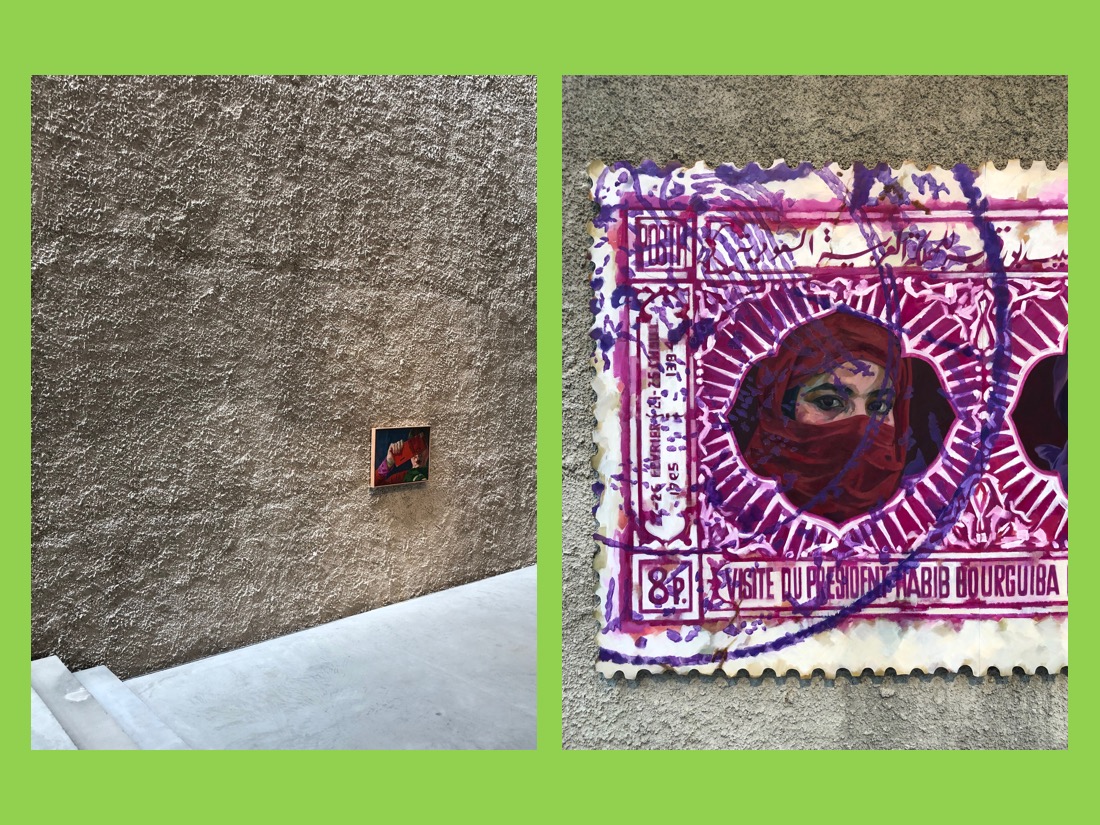
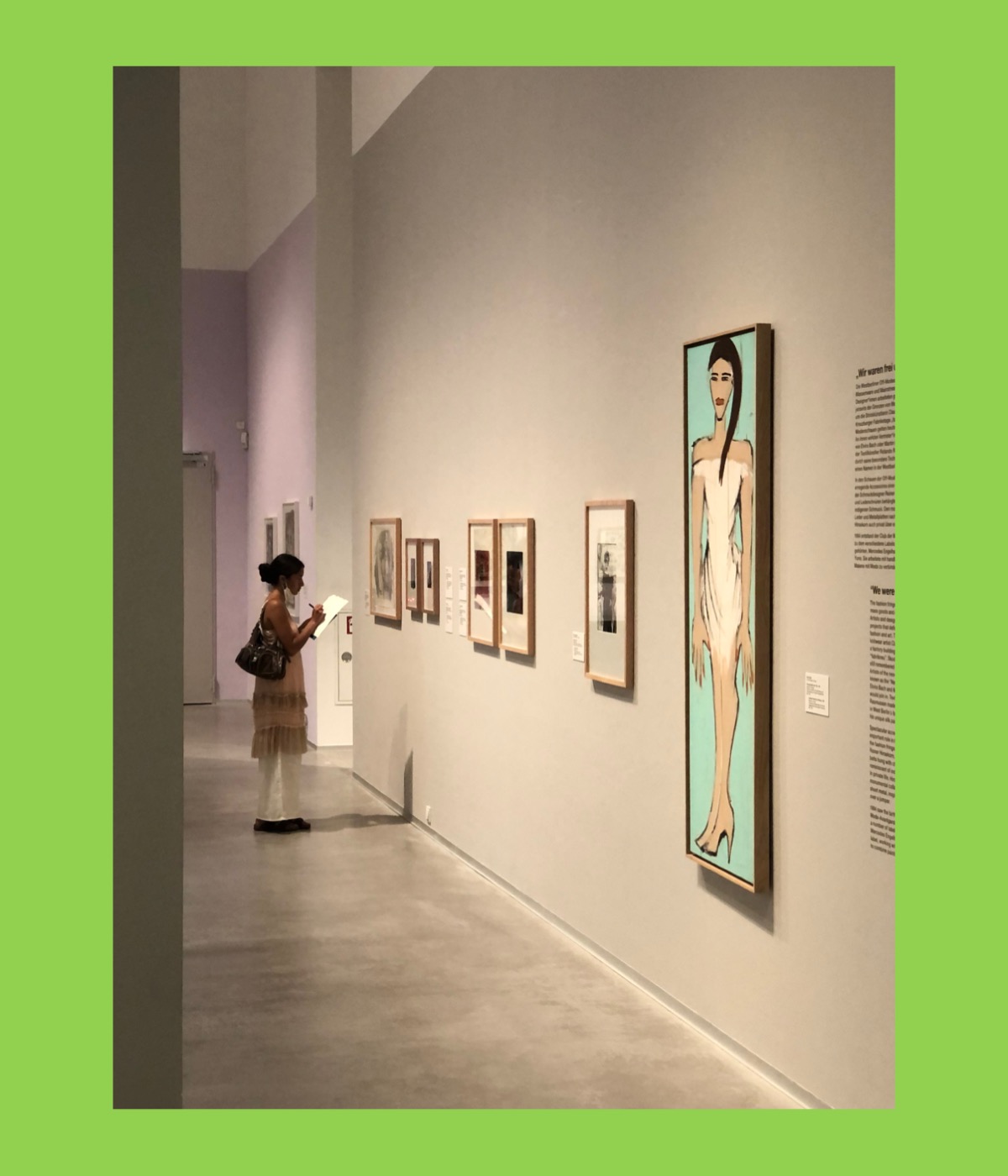
Till the end of May, you could enjoy here the fascinating, temporary exhibition entitled “Images in Fashion – Clothing in Art“. Fashion and art are mirrors of social changes and individual needs, and in the collection of the Berlinische Galerie, this theme is present in surprising and diverse ways. In addition to numerous fashion photographs spanning the 20th century (from Helmut Newton to Ute Mahler), just as many paintings and drawings testify to the role of fashion as a means of expression and representation of a particular era: from the reform dress around 1900 and the Dada dandies of the 1920s to avant-garde clothing designs in contemporary art. You can read more about this exhibition here!

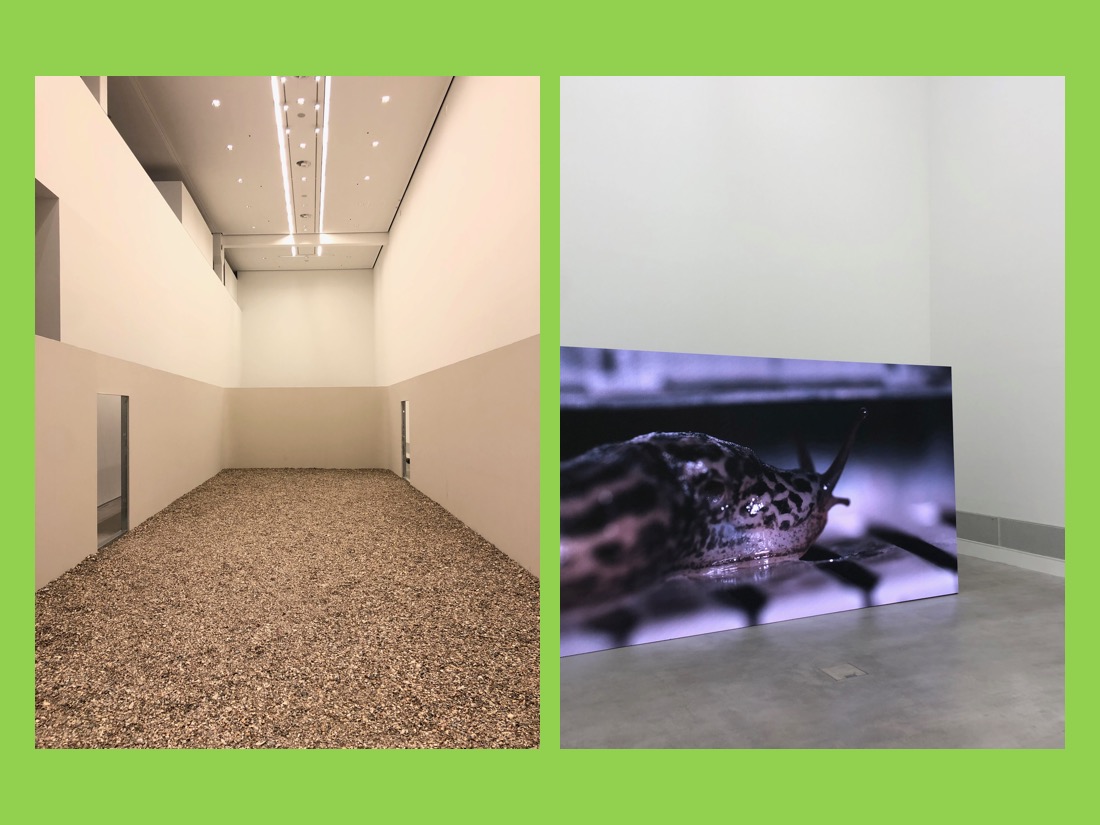
Until the end of August, there’s also the Nina Canell exhibition going on. Her artistic practice does not revolve around the finished artwork; instead, it foregrounds process, synergy and entanglement. For the Berlinische Galerie, she has conceived an experiential installation that considers the material vitality of calcite. Literally crumbling under our own weight, seven tonnes of shells speak up from the ground, causing a sensation remote from that of walking on a gallery floor. Yet, crushed calcite from marine molluscs is an essential ingredient in concrete, a major constituent of our built environment. Here, the biomineral forms that feed the construction industry break down over the course of the exhibition. Material stress gives way to a sounding, durational sculpture, inviting us to consider the ineffable number of broken bodies that hold us up. This exhibition brings together several of Canell’s sculptural works and a video created with long-term collaborator Robin Watkins. Considering the overlaps between minerals, animals, energies and technologies, “Tectonic Tender” reflects the artist’s commitment to duration and circulation as fundamental sculptural tools.
Alte Jakobstraße 124-128 / Berlin

Photos by Edward Kanarecki
NET-A-PORTER Limited

Back At König Galerie

It was my second time at König Galerie, and I must admit that this Berlin gallery just doesn’t disappoint. It’s located in the impressive, brutalist building of the fromer Saint Agnes Church in the Kreuzberg district. König Galerie was founded by Johann König in 2002, and currently represents 39 international emerging and established artists, mostly belonging to a younger generation. The program’s focus is on interdisciplinary, concept-oriented and space-based approaches in a variety of media including sculpture, video, sound, painting, printmaking, photography and performance. During my visit two weeks ago, I had a chance to see two fascinating and absolutely relevant, temporary exhibitions that took place in the gallery’s vast spaces.

Alexandrinenstraße 118–121 / Berlin

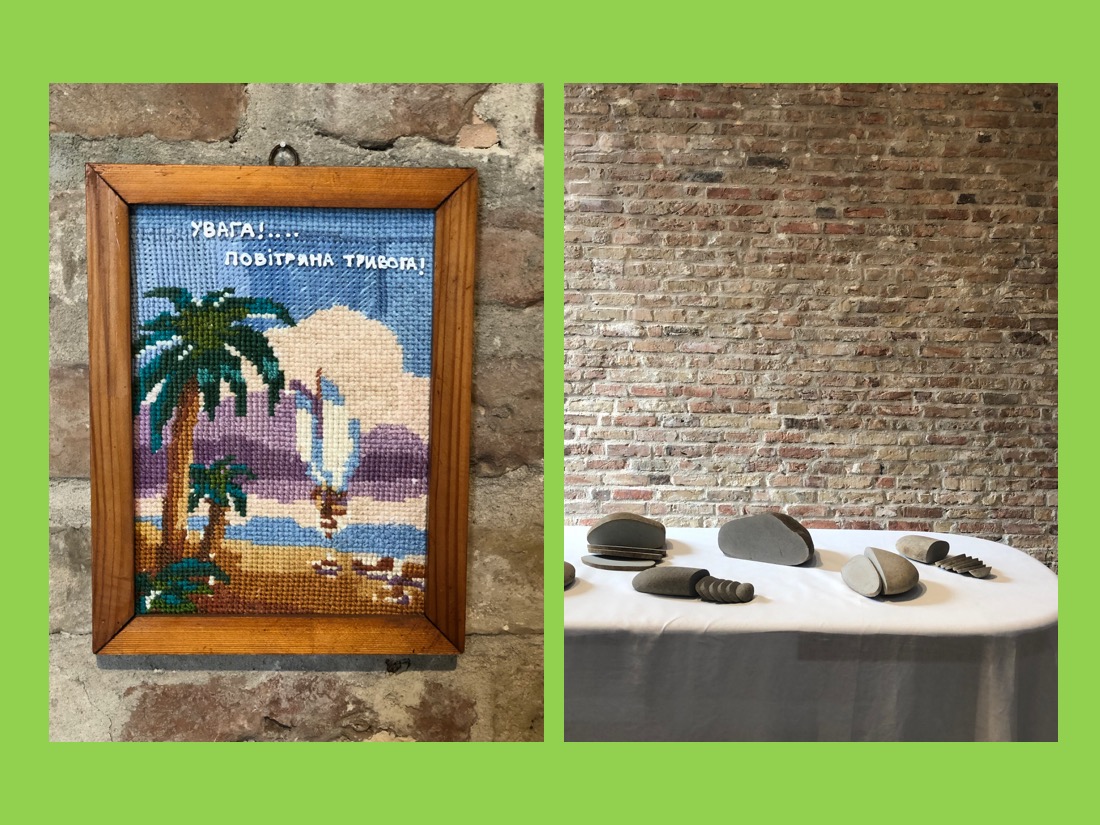
PALIANYTSIA – a solo exhibition by Ukrainian artist Zhanna Kadyrova. Kadyrova works in a variety of disciplines such as sculpture, photography, video and performance. Her practice is often site-specific and informed by the malleable and symbolic properties of urban building materials. Collecting stones from her nearest river in western Ukraine, Kadyrova’s sculptures, drawings and short film, take on the urgent situation currently playing out in her home country. Before the Russian war of aggression on Ukraine began, Kadyrova was based in Kiev. Due to the ongoing conflict she fled to the western part of the country. After relocating to the Transcarpathian region, the artist began her latest series which culminated in the PALIANYTSIA project, co-authored by Denis Ruban. Palianytsia is the name of a Ukrainian round wheat bread that Russian occupiers cannot pronounce correctly and therefore acts as a password or recognition mark among Ukrainians. During her days-long search for accommodation and a functioning studio, Kadyrova collected round stones polished smooth by the river’s current. As a symbol of Ukrainian resistance, she produced this series of illusory sculptures by slicing these collected stones whose form take on that of the Palianytsia bread. “During the first two weeks of the war, I had the impression that art was only a dream, that I had only dreamed these twenty years of my professional life. And that art at all is powerless and ephemeral compared to the ruthless machinery of war that destroys civilian cities and human lives,” the artist states. “Today I don’t think that way anymore, and I see that every artistic gesture makes us visible, and our voices audible!” Kadyrova has previously presented these sculptures and drawings in her temporary accommodation in Ukraine. With the proceeds from the sold works, she supplied herself and others with bullet-proof waistcoats, petrol, food, and medicine. She has also supported people in need in Kiev and different volunteer organisations in Kharkiv and Mariupol.

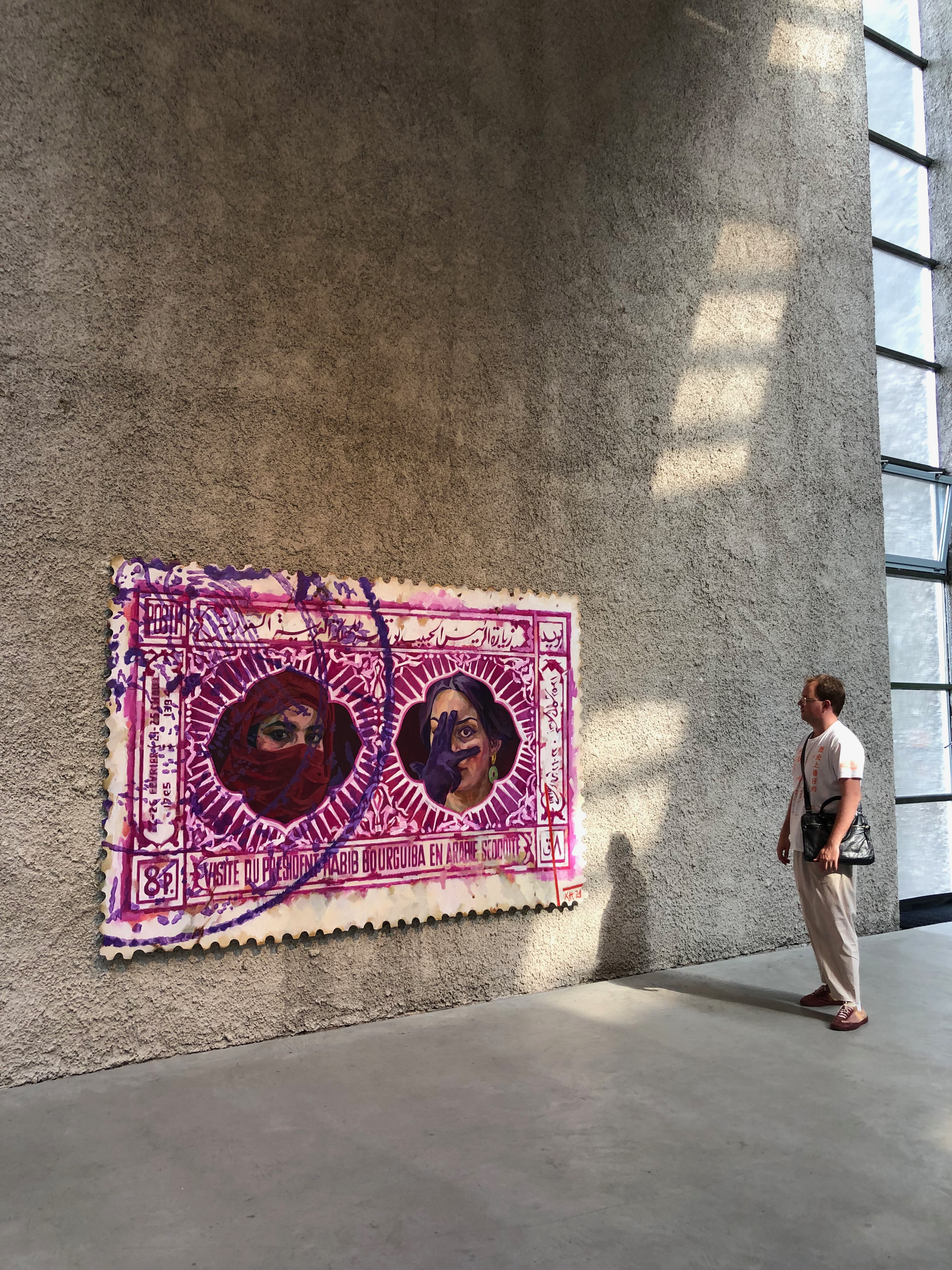
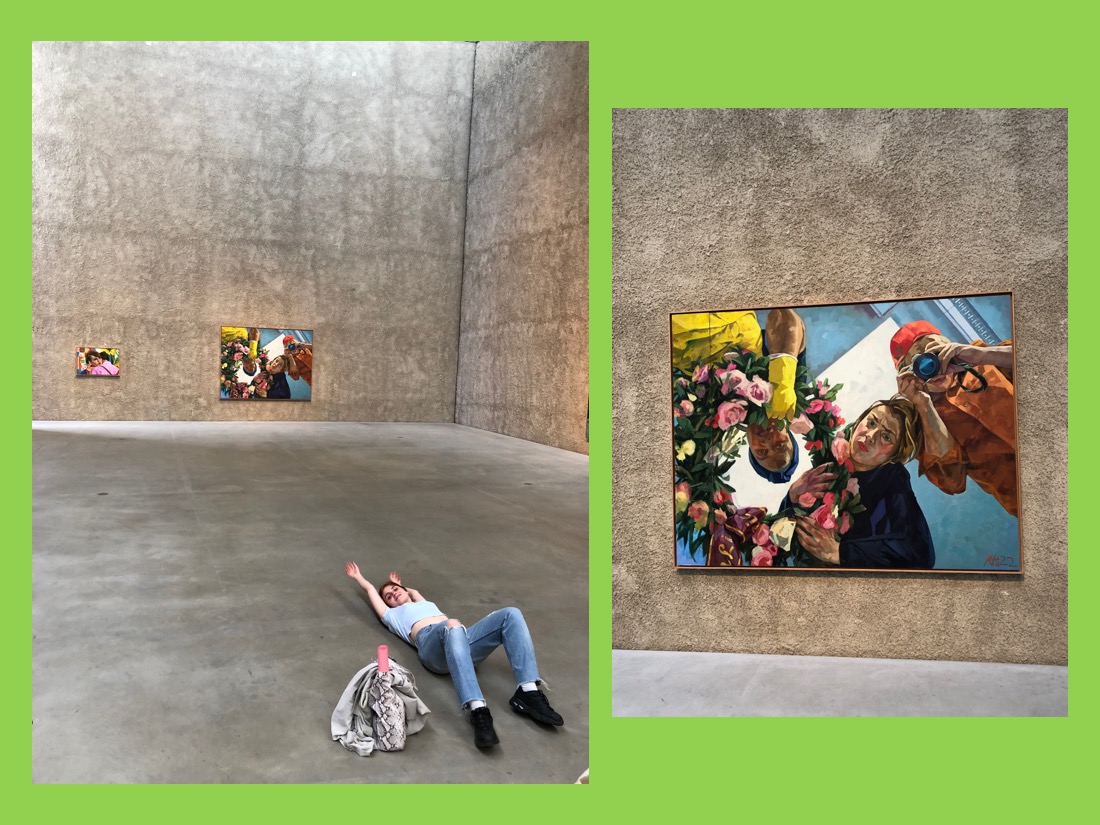
UNINTENDED BEAUTY – another temporary exhibition, this time by one of Austria’s foremost contemporary painters, Xenia Hausner. Here, Hausner explores questions of beauty in her latest show comprising twelve new paintings. UNINTENDED BEAUTY displays how Hausner redefines notions of beauty with an eye towards its treatment in contemporary art. Underpinning the paintings in her current exhibition is also the question of how beauty and dread relate to one another. Hausner shows how the distinction between them can be fluid. “Every angel is terrifying”, according to the oft-cited line from Rainer Maria Rilke’s Duino Elegies. The Austrian poet continues, “For beauty is nothing but the start of terror, which we are barely able to endure, and it amazes us so, because it serenely disdains to destroy us.” Hausner adapts Rilke’s sentiments for her own practice, suggesting that “in art, terror is nothing but the start of beauty”. From these apocalyptic murmurings a glimmer of hope suddenly emerges; prophecies of destruction are countered with the inventiveness and power of art. Chance moments are also written into Hausner’s art alongside her mise en scènes. But Hausner, who uses photography and interior settings to produce her art, does not set out to distort her co-actors. Quite the opposite, in fact: the artist says that she attaches great importance to “the figures retaining their authentic body language”. Yet, at the same time, Hausner adds, the people she paints are also “like actors playing a part in my story”. The traditional power dynamic between painter and subject is transformed by Hausner into a more equitable, bi-directional exchange, where each side of the painterly equation reveal aspects about the other. “Painting has to do with affection”, says Hausner. Her images, painted in acrylics and oils on Dibond aluminium sheets, reflect her continuing interests in the structures of composition, light, and the power of colour. UNINTENDED BEAUTY counters the values of our zeitgeist by holding on to other, contradictory notions of beauty. According to cultural critic Laurie Penny, the toxic-normative core underlying this slickness means that women are bombarded by images in film, TV, ads, print media, and even fleeting encounters, which transmit subtle messages that they are not young, slim, light-skinned, or submissive enough to meet the standard. The actors in Hausner’s predominantly female cosmos appear as counter examples to this world, drawing their aesthetic power rather from everyday reality. They are depicted as confident and fully occupying the spaces around them. Does this amount to a defence of beauty through the medium of art? Hausner’s paintings cleave to the everyday while also opening an unchartered, utopian vision of beauty.

Photos by Edward Kanarecki.

NET-A-PORTER Limited

Berlin: Voo Store

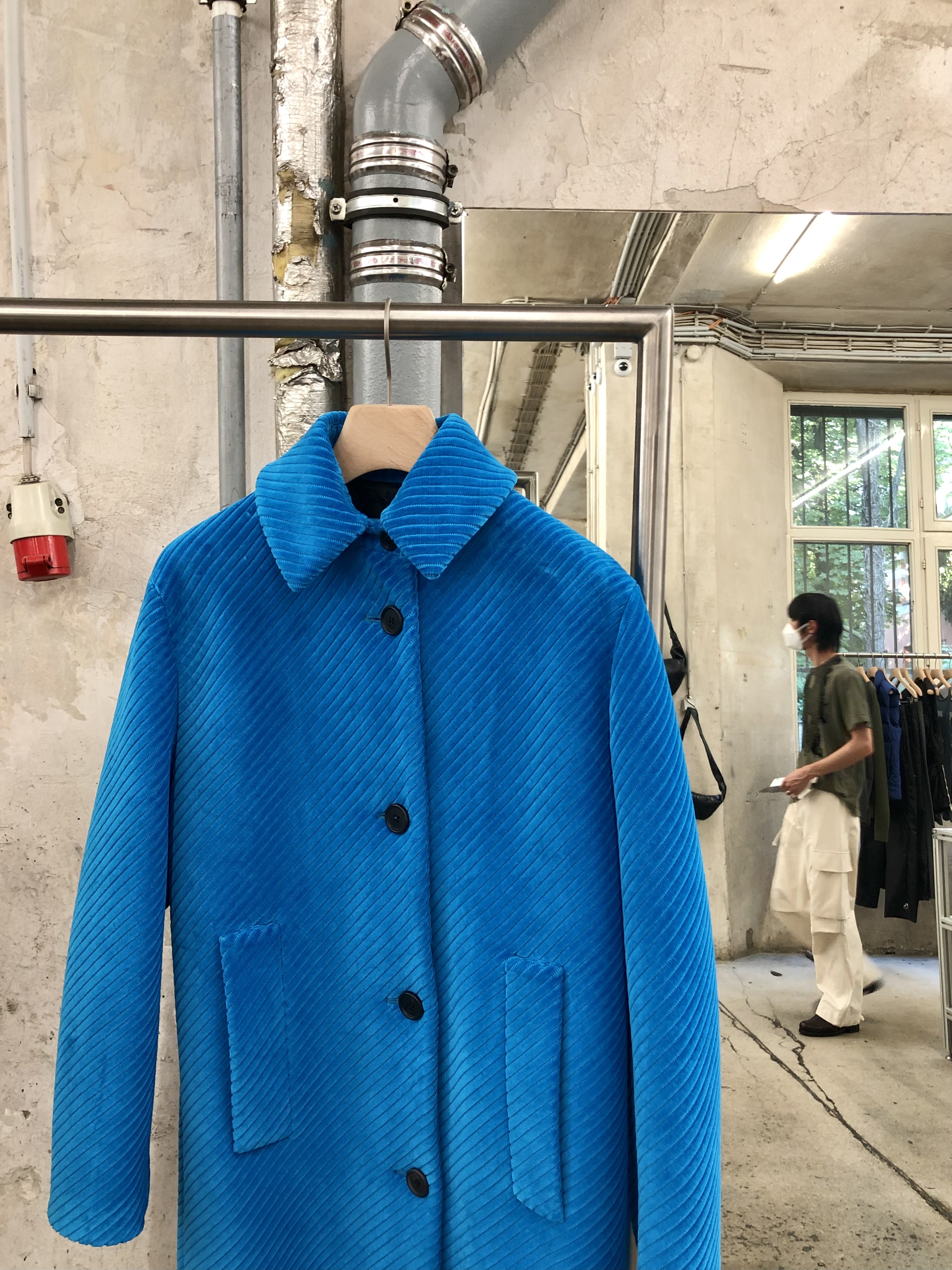
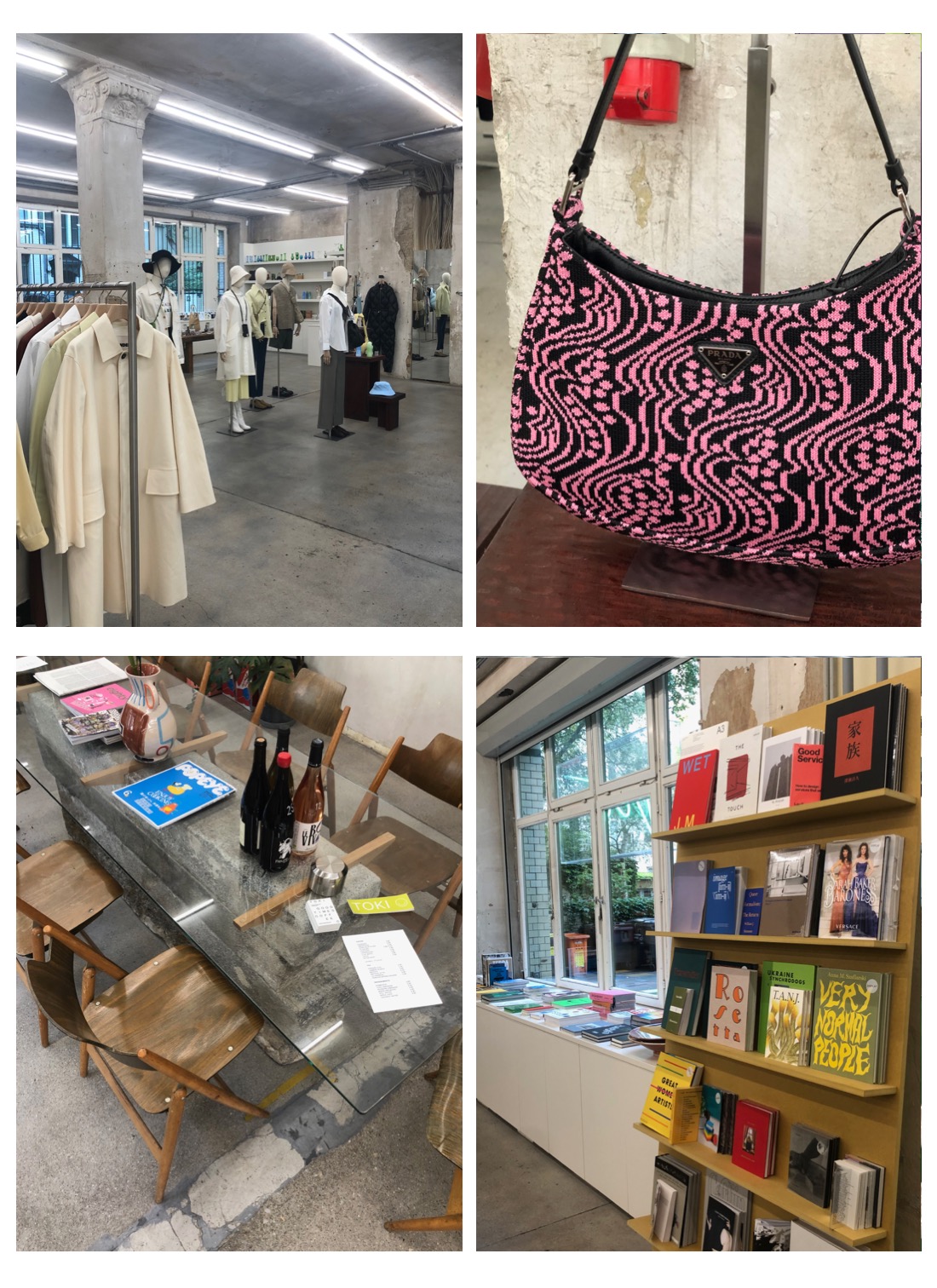
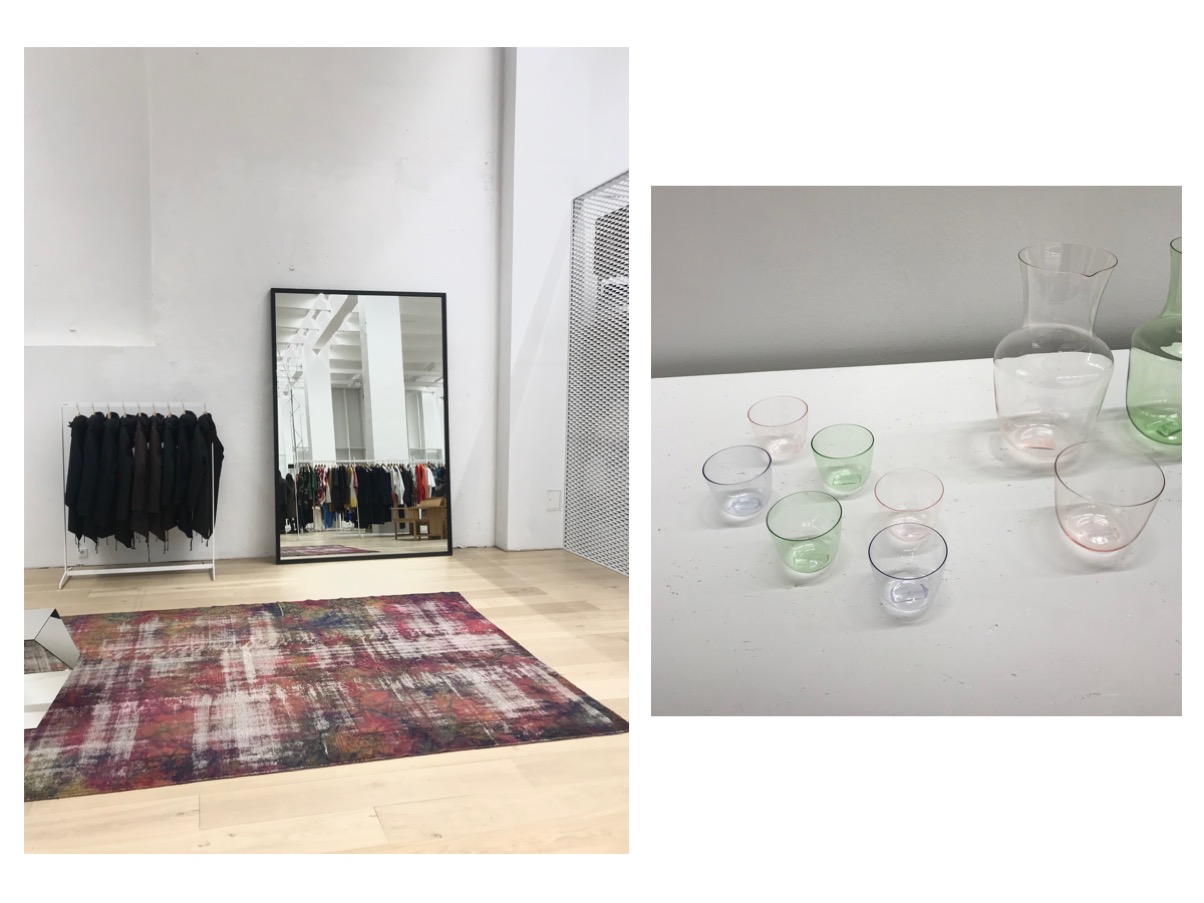
It’s not the first time Voo Store appears on the blog, but it’s truly worth a second mention. The place has changed a lot during the pandemic, and a new energy is present across the racks of Prada corduroy coats and GmbH sexy leathers, and displays filled with Isa Boulder’s knitted bodywear and Ormaie perfumes. Voo Store is a culturally empowered, creatively driven concept space located in the heart of Berlin’s Kreuzberg, occupying a charming 300 square meter courtyard space on the ground floor of a former locksmiths. The street on which the store sits continues to attribute itself to its unique and progressive approach to contemporary fashion. Translating a personal vision of Berlin through a careful selection of local and international designers and products, Voo Store is an exploration in modern design, visual culture and the future of luxury retail. The store’s seasonal presentations are supplemented by a backbone of carryover favourites and classics, with its in-house café, Toki, further complimenting Voo’s retail experience serving a variety of specialty coffee, as well as a selection of fresh-baked goods. Markedly unique, Voo Store continues to set itself apart as a concept by ensuring its selection of innovative fashion, books, magazines and art become possessions for life and serve more the longevity within design as opposed to short-lived trends.

Oranienstraße 24 / Berlin

Photos by Edward Kanarecki.

Berlin, When It’s Cold

Berlin, when it’s cold? I say: yes. The city is a perfect destination for weekend visiting in any season. So, even when it’s winter and the temperature drops below zero, you’re more than welcome to visit the Turkish market in Kreuzberg, discover new coffee spots (or rather, new to you, but well known for the locals) or simply, go to a museum. Scroll on!

AnneliesGörlitzer Str. 68

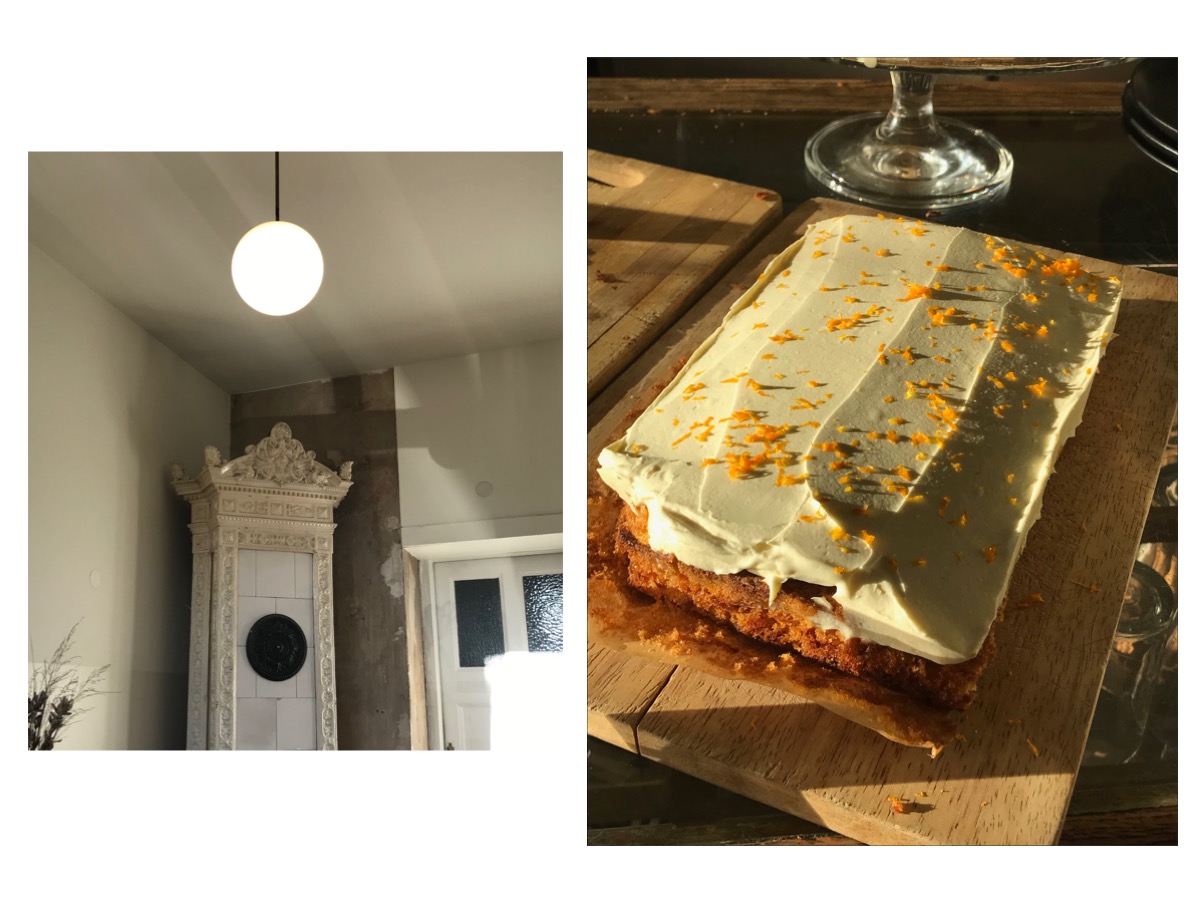
The quintessence of a Berliner brunch spot – raw, yet cozy interior, delicious pastries, perfect lighting.

Turkish MarketMaybachufer

Fresh pomegranates, mangos, coriander and lemons in February? Those market stalls got you covered.

Berggruen MuseumSchloßstraße 1

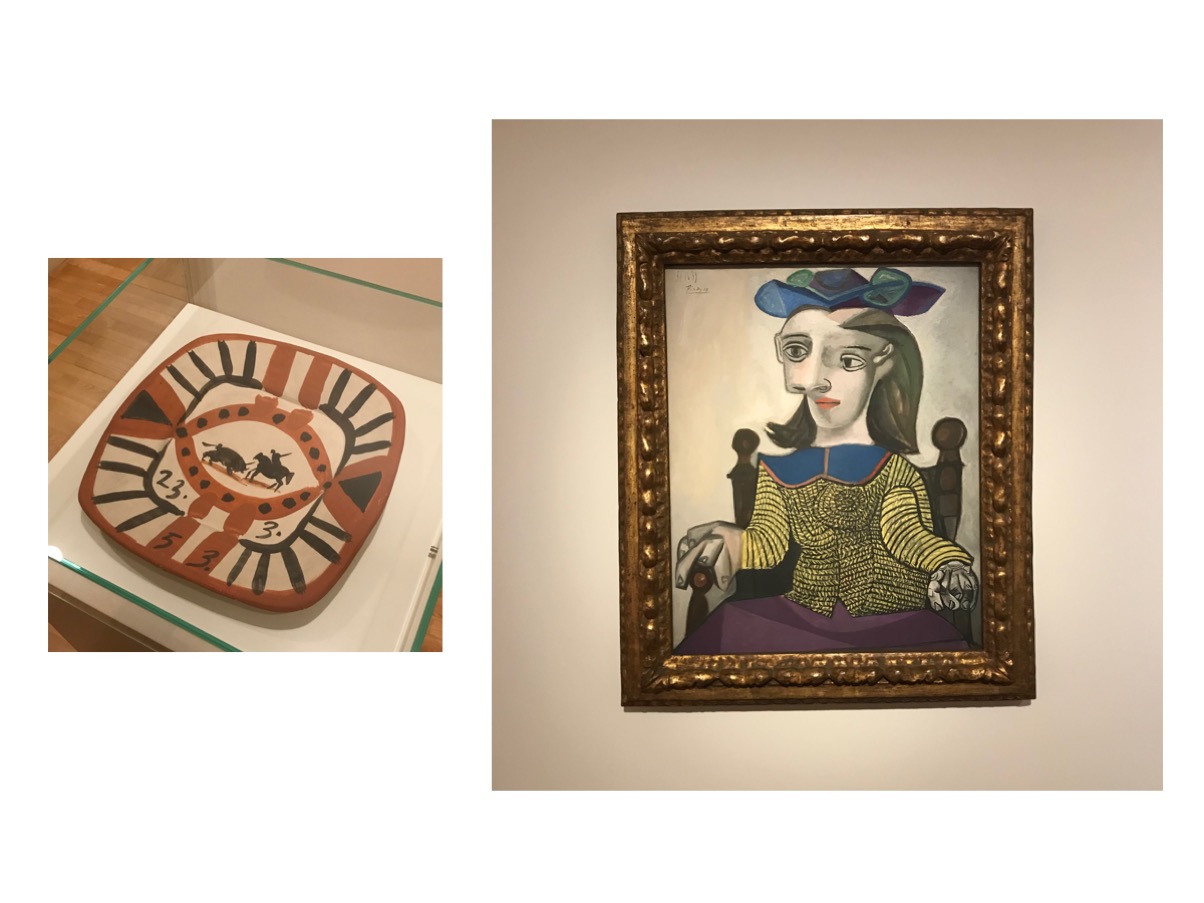
The Berggruen Museum is a collection of modern art classics, which the collector and dealer Heinz Berggruen, in a “gesture of reconciliation”, gave to his native city. The most notable artists on display include Pablo Picasso (some of the rarest works out there), Alberto Giacometti, Georges Braque, Paul Klee and Henri Matisse. A true, visual feast.

Rosa WolfEberswalder Str. 32

Rosa Wolf is a shop filled with independent magazines, carefully selected from all over the world. Whether you’re looking for reading material about fashion, art, culture, travel, architecture or design, you will find it at their place in Prenzlauer Berg.

The Store x Soho House Berlin / Torstraße 1

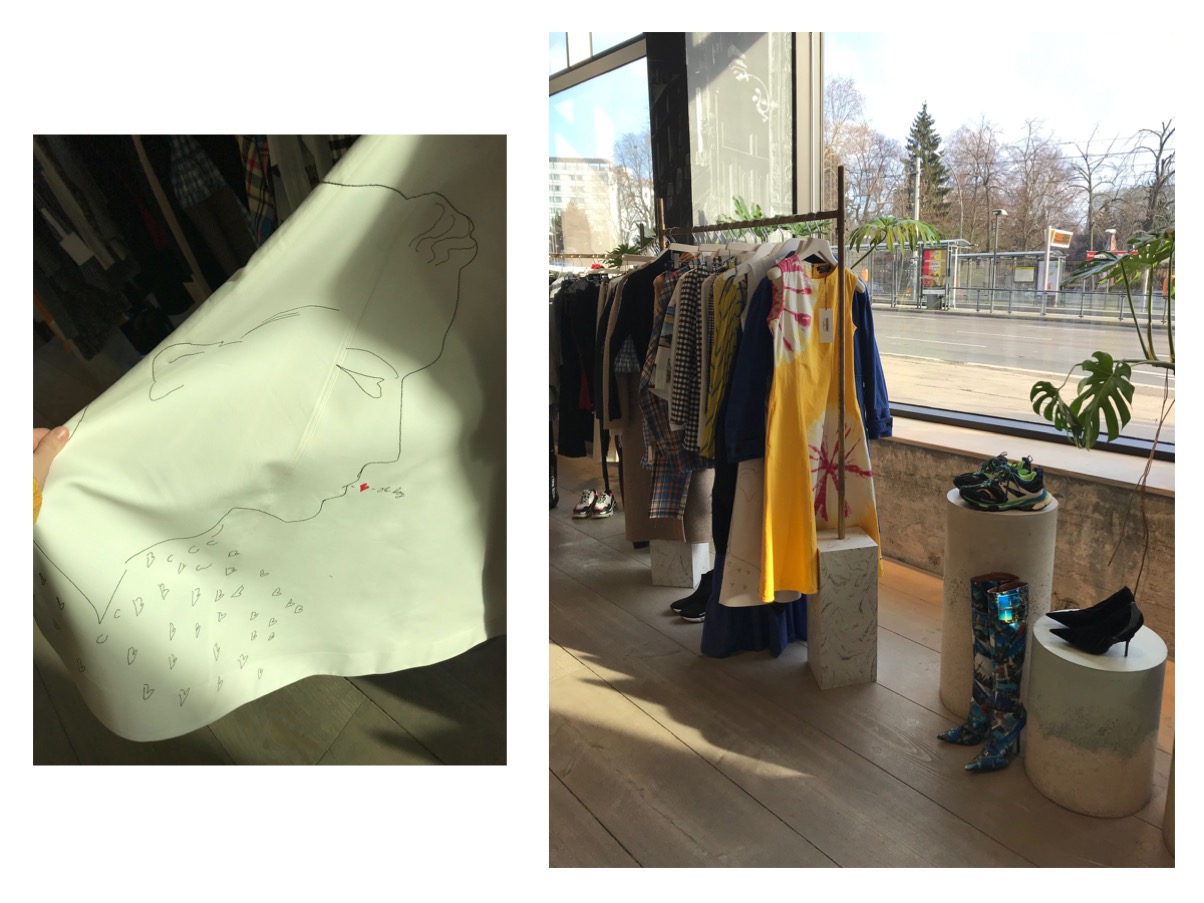
An ever-changing space created to inspire, create, work and enjoy – and most of all, to shake-up the stereotype of how a fashion retail place should look like. Located in the Soho Haus Berlin hotel, The Store makes you feel like at home, with its beautifully curated furniture (from chic Pierre Jeanneret seats to Mathieu Matégot heart shaped-patio set) and a connoisseur-level book selection, coming straight from London’s cult Idea Books. Moreover, The Store is Berlin‘s fashion destination, with its heaving hangers of Vetements, The Row, Aries, Calvin Klein, Wales Bonner and others.

The Potsdammer Straße ‘trio’:

Andreas Murkudis / Potsdammer Straße 81

Fiona Bennett / Potsdammer Straße 81-83

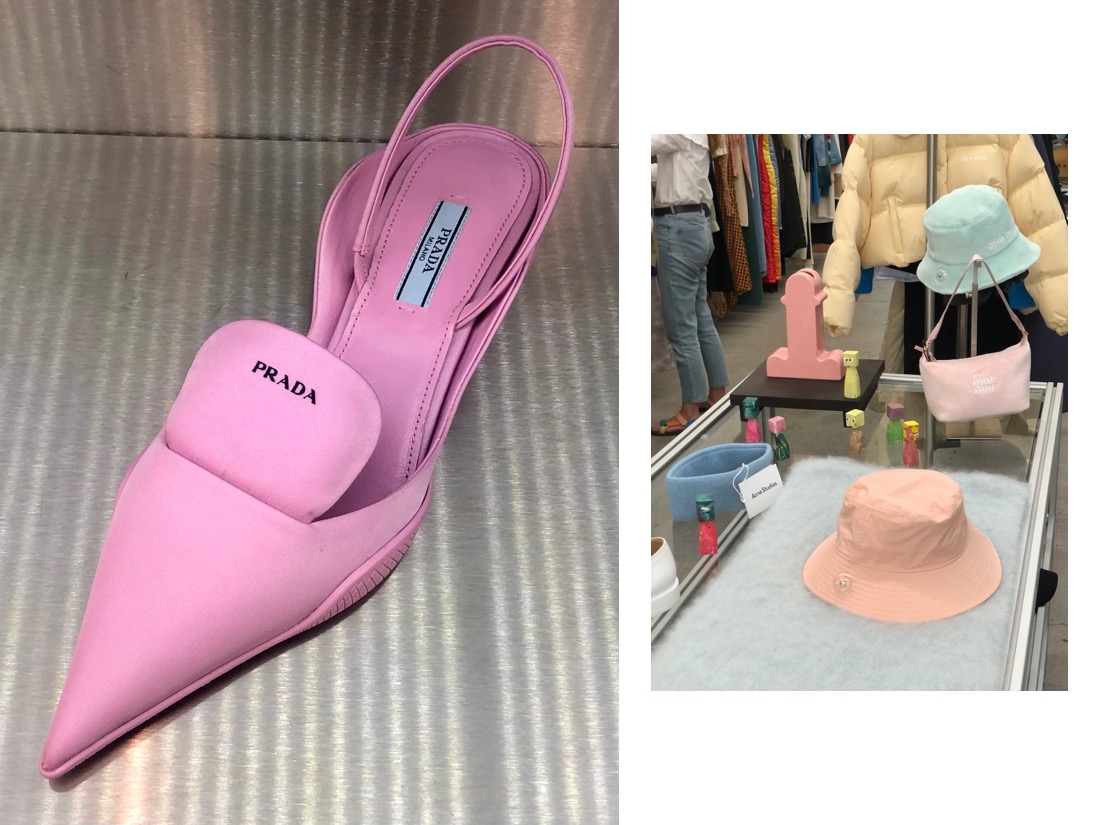
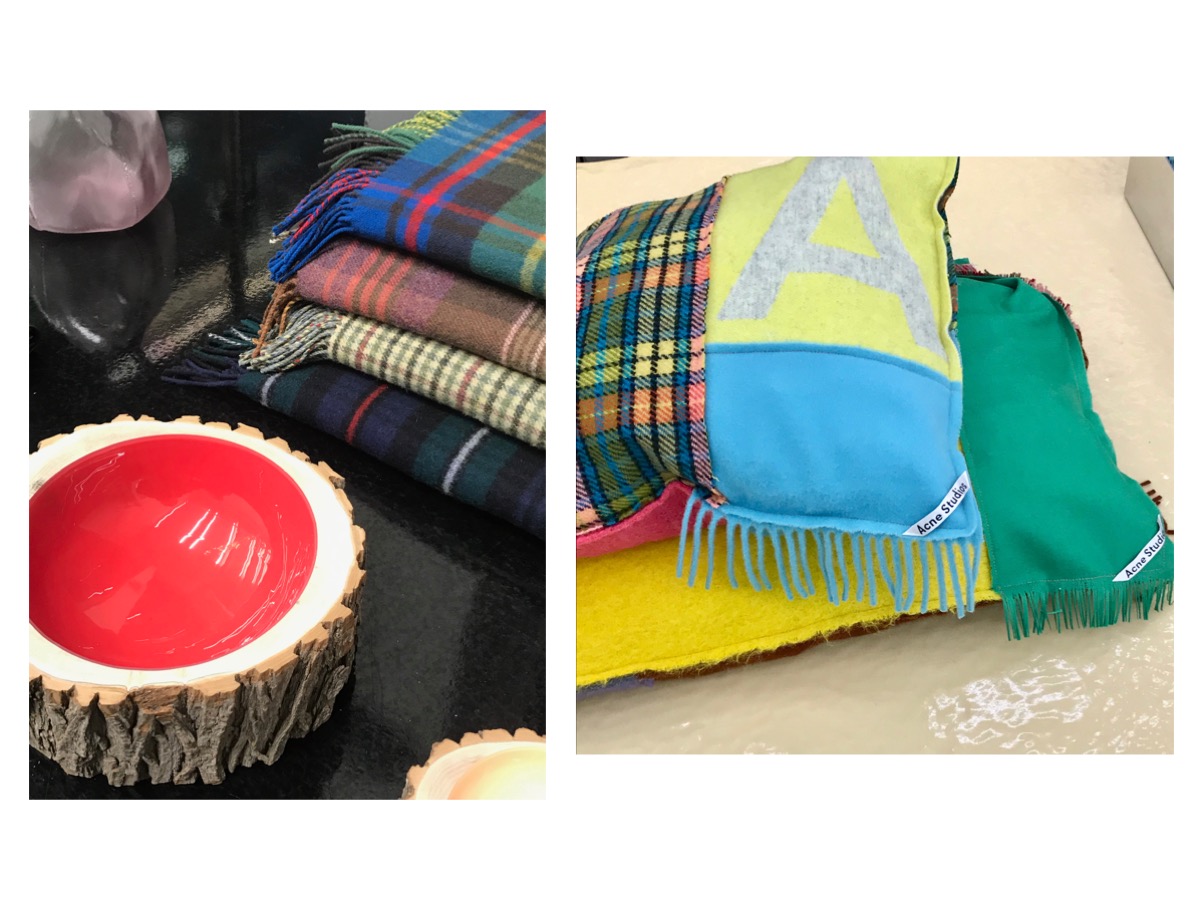
Acne Studios / Potsdammer Straße 87

SasayaLychener Str. 50

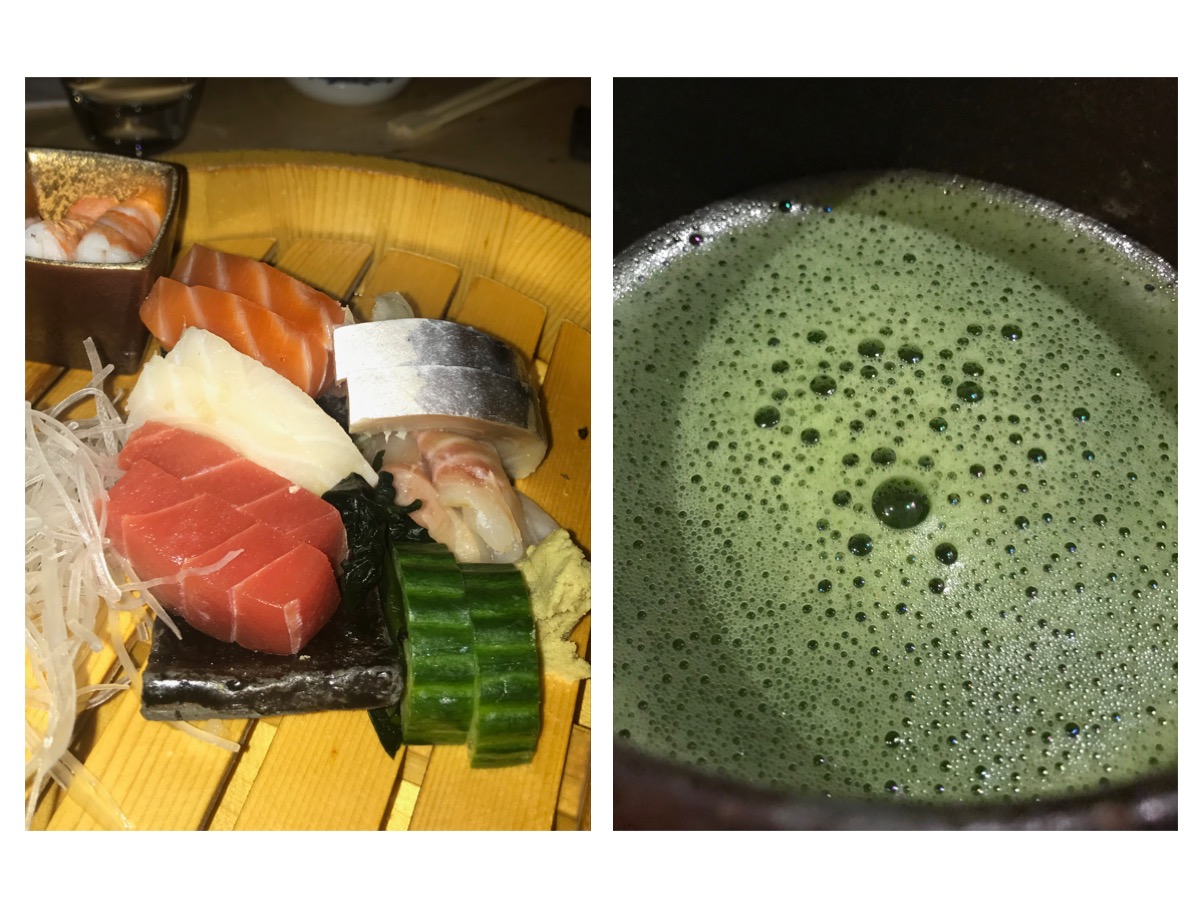
Sasaya is the best Japanese restaurant in Berlin. It’s just so pure in taste, and so Japanese in everything, from the simple interior to the way the asparagus tempura is served on ceramics plates (which are sold together with delightful pottery and rare sake next to the restaurant space). Sasaya doesn’t only serve sushi – which is perfect – but as well other traditional dishes and tastes like the tsukemono (pickled vegetables), the takana (fried vegetables), dashi broth or the kukiwakame (seaweed). The gyoza stick is a great addition to your portion of maki and nigiri, while green tea cake with matcha macchiato is an ideal desert (at least for me!).

Superbazaro / Mulackstraße 1

Italian (and not only) gourmet food and wines with selected, chic kitchenware. By Mitte’s favourite Mädchenitalianer restaurant nearby, which serves some delightful, home-made Italian cusine.

//

All photos by Edward Kanarecki.

Markthalle IX

dsc02492.jpg

That’s Berlin – you go down the street and suddenly find a place you never want to leave. Exactly this happened to us when we came across Markthalle IX in the Kreuzberg district. As the name suggests, it’s a ‘market hall’. But not that usual. Actually, it contains dozens of local butcheries, stalls with bio-vegetables and pop-ups of Berlin’s trending restaurants. There are freshly cut flowers and wild oysters; there’s salami in every possible size and taste and even Italian patisserie. The best part – you can try everything. And eat one of the best lunches in Berlin, if you find an empty bench! I tell you, this place is worth a visit.

Eisenbahnstraße 42/43 / Berlin