Focus On: Mowalola

In the light of the extremely sad and disturbing events that have happened in the past few days – and not only – I would like to state that my site, my work and my outlook always stand with the black community. Racism is alive in America, and in the world, and we must be vocal about it (the way you personally choose to). I believe that educating yourself, having conversations (private and public) and spreading actual awareness is much more meaningful than just reposting a slogan on your social media feed (even though doing this little is better than nothing). I also think that in the creative industries – the one I can speak for – reflecting personal beliefs should be more than welcomed. Other than this, donate (click here and here), share links (here, here and here), support! You can even buy the dress Rihanna wore by Asai, and the entire 300 pounds it costs will be donated to three charities – just DM the designer with your order or send him an e-mail. In the domain I’m most active in – fashion – I feel like the situation should be highlighted as well, and more designers and brands should join that dialogue. On my side, I want to introduce you to the most exciting, emerging, independent black designers out there, who are often overlooked during fashion weeks or simply underrated. Their stories and visions shape and inspire today’s industry, we should all acknowledge that!

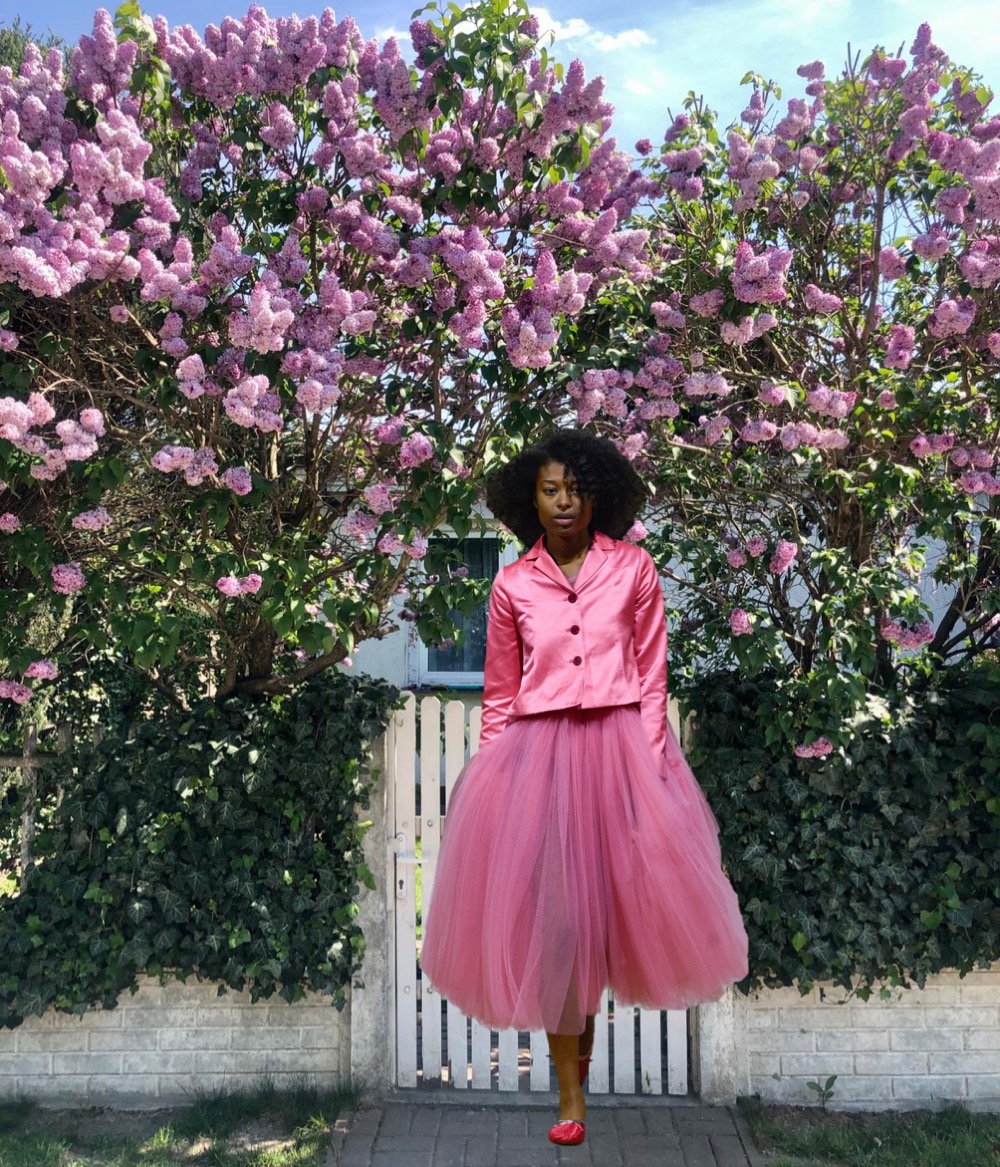
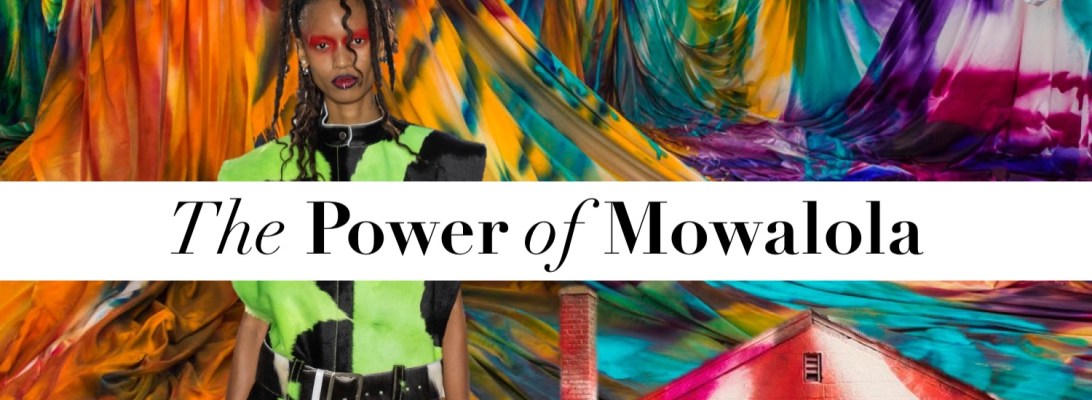
Starting with Mowalola. The Lagos-born designer Mowalola Ogunlesi arrived to London when she was a kid. At first she planned medicine as her life path, but in the end she went to Central Saint Martins. Three years ago, she presented her diploma collection dedicated to contemporary Africa. She made waves – fashion insiders and international magazines were obsessed. Mawolola’s vision was completely one-of-a-kind: through sexy, at points kinky garments she managed to convey the power of erotic tension in the times of social uncertainty. “In my country, I grew up with sexuality being very judged. So I wanted to transform people’s ideas of what sexy is. That it’s okay to show skin”, she told Vogue Runway. To embrace her origins, the designer chose psychodelic rock from Nigeria as her main reference, and her music inspirations lead to creating the new romantic menswear. Mowalola models wore sultry leather jackets, low-waisted super-slim pants and skin-baring crop tops with assymetrical cuts. All that kept in bold colours, reminding her of the Nigerian landscapes and streets. For her spring-summer 2020 collection, presented with Fashion East, Mowalola expanded her unique take on men’s fashion. Her signatures were styled with belts buckled with sacred and profane symbols: a cross, a religious icon, the Stars and Stripes, the words “sexy” and “mother fucker”. “I base it on what I’m going through – I’ve just fallen in love for the first time; I feel as if no one talks about the horrific side, the dangers of love, of losing control of your emotions and feeling like you’re crazy. It’s like how I see a horror movie!” she related. “So this is as if I’m in a black Woodstock Festival, and someone has been murdered.” See selected looks from her collections below, I can’t wait to see what she’s up to in the upcoming seasons. Make sure to follow her on Instagram and take a look at some of the pieces available from her on ssese.com!

Collage by Edward Kanarecki

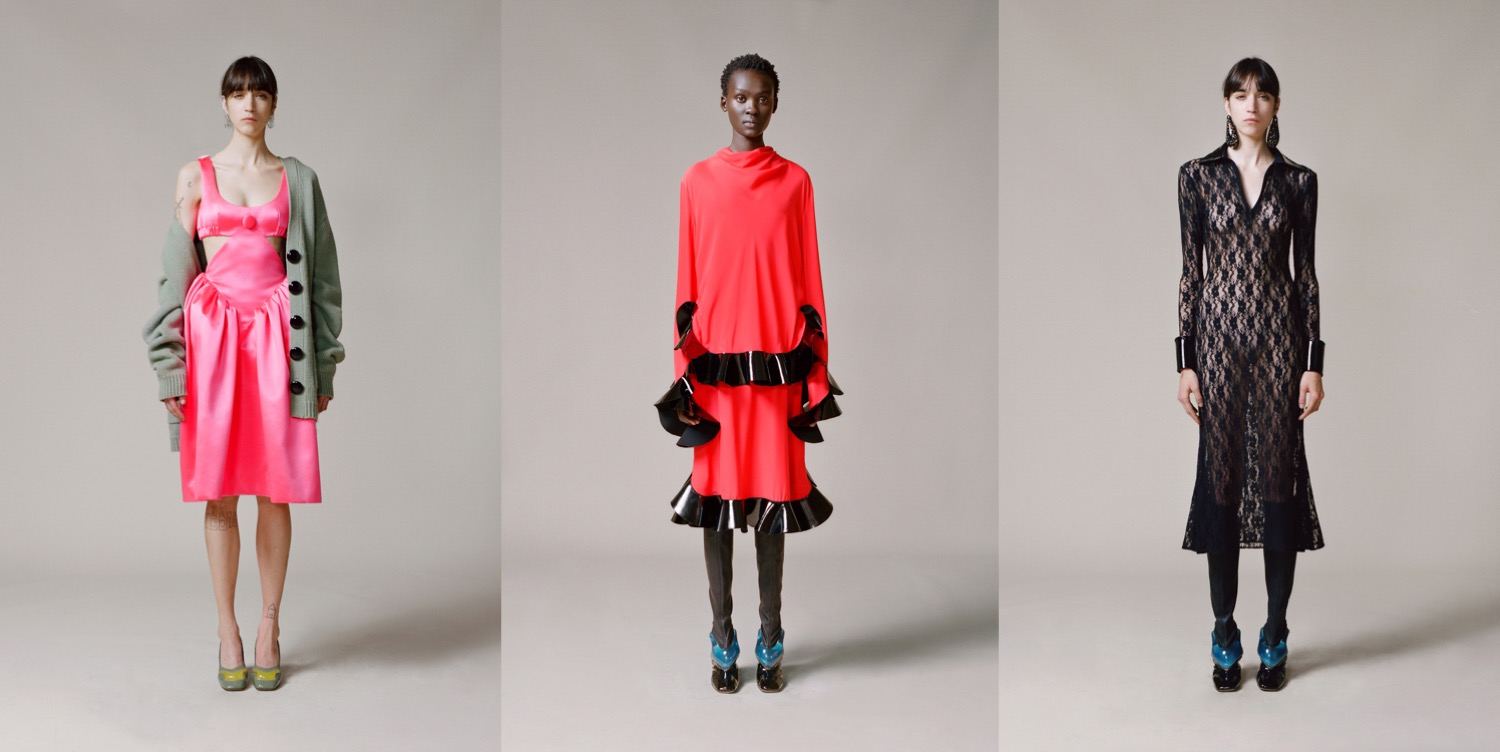
Stripped-Back. Christopher Kane Pre-Fall 2020

For pre-fall 2020 – which got launched on-line in the middle of corona – Christopher Kane was thinking about making “a stripped-back collection,” a line-up addressing his label’s most distinct codes: “sharp tailoring, flounces, bell skirts, and chain mail”, as he told Vogue Runway. Although the process of designing the collection took place well before the pandemic broke in Europe, it has a concept that might really work well business-wise for other brands in the future. A well-edited pack of looks that clearly states what the brand is all about (in case of Kane: an intelligent, at times quirky, take on sexuality), a serve of few bold silhouettes that will actually sell (love the flared midi-skirts in electric red), something fun (the Naturotica t-shirts!) and in general, items that feel relevant and… desirable.

Collage by Edward Kanarecki.

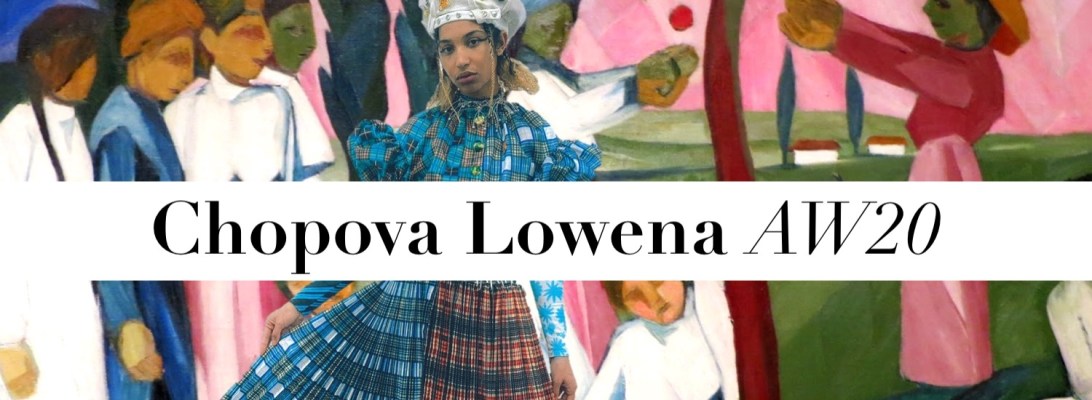
New Heritage. Chopova Lowena AW20

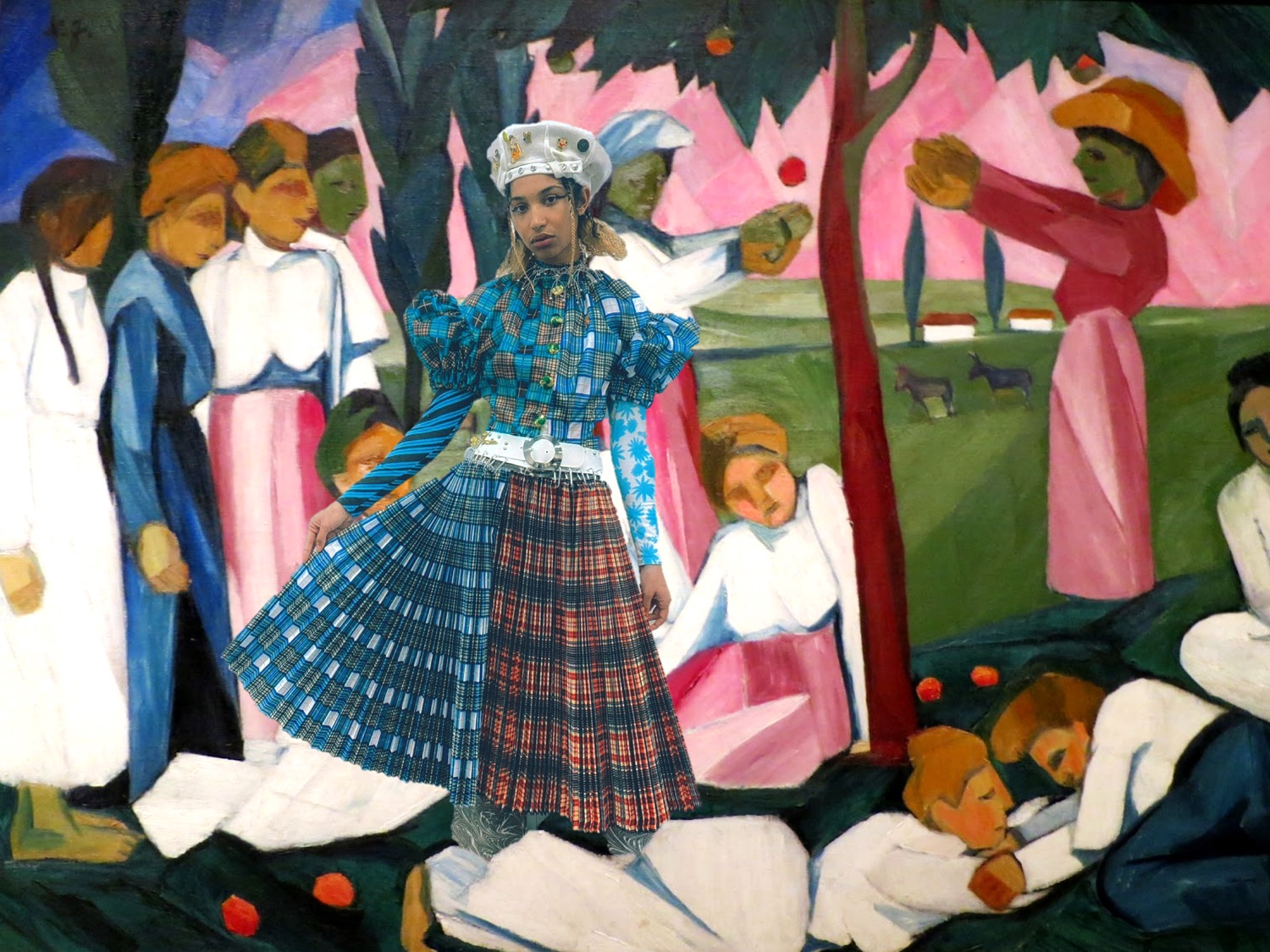
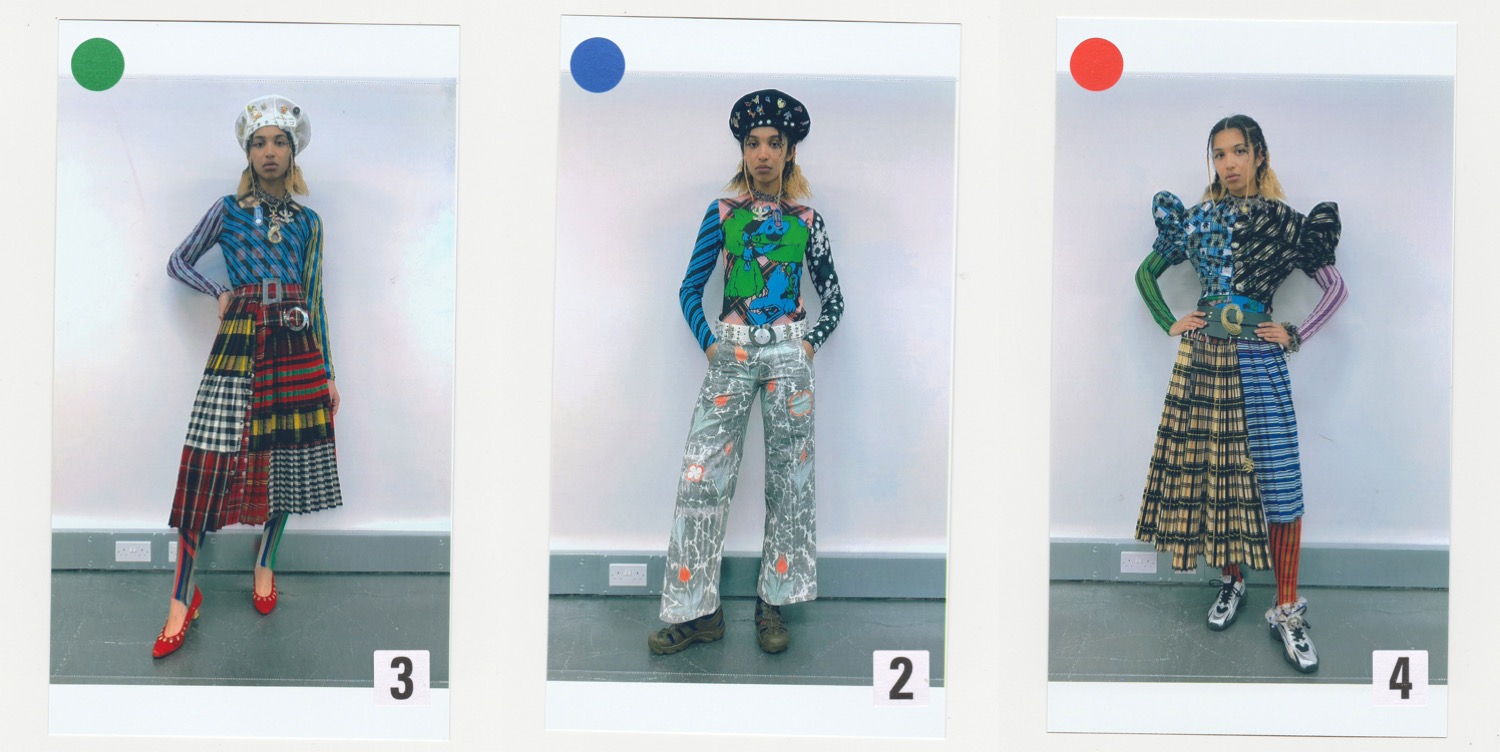
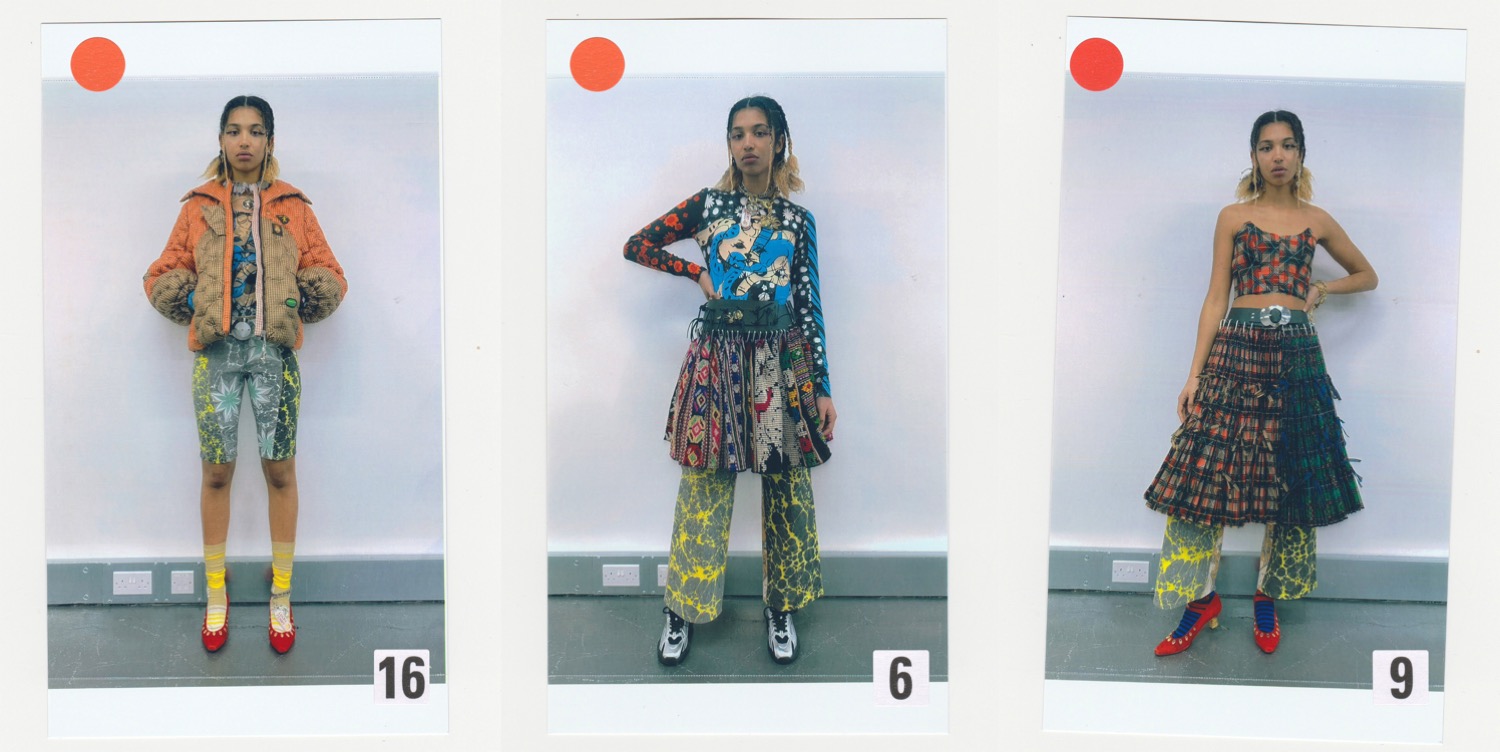
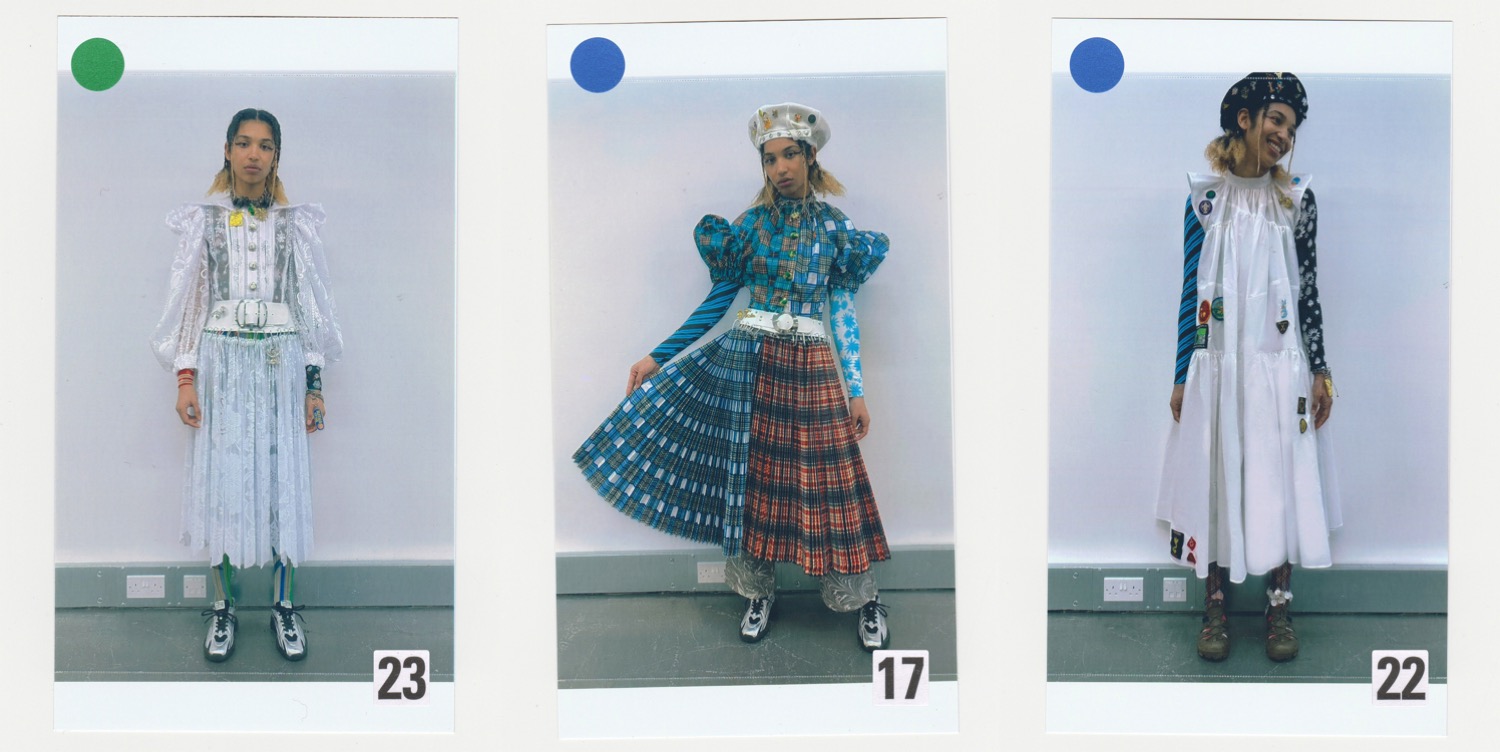
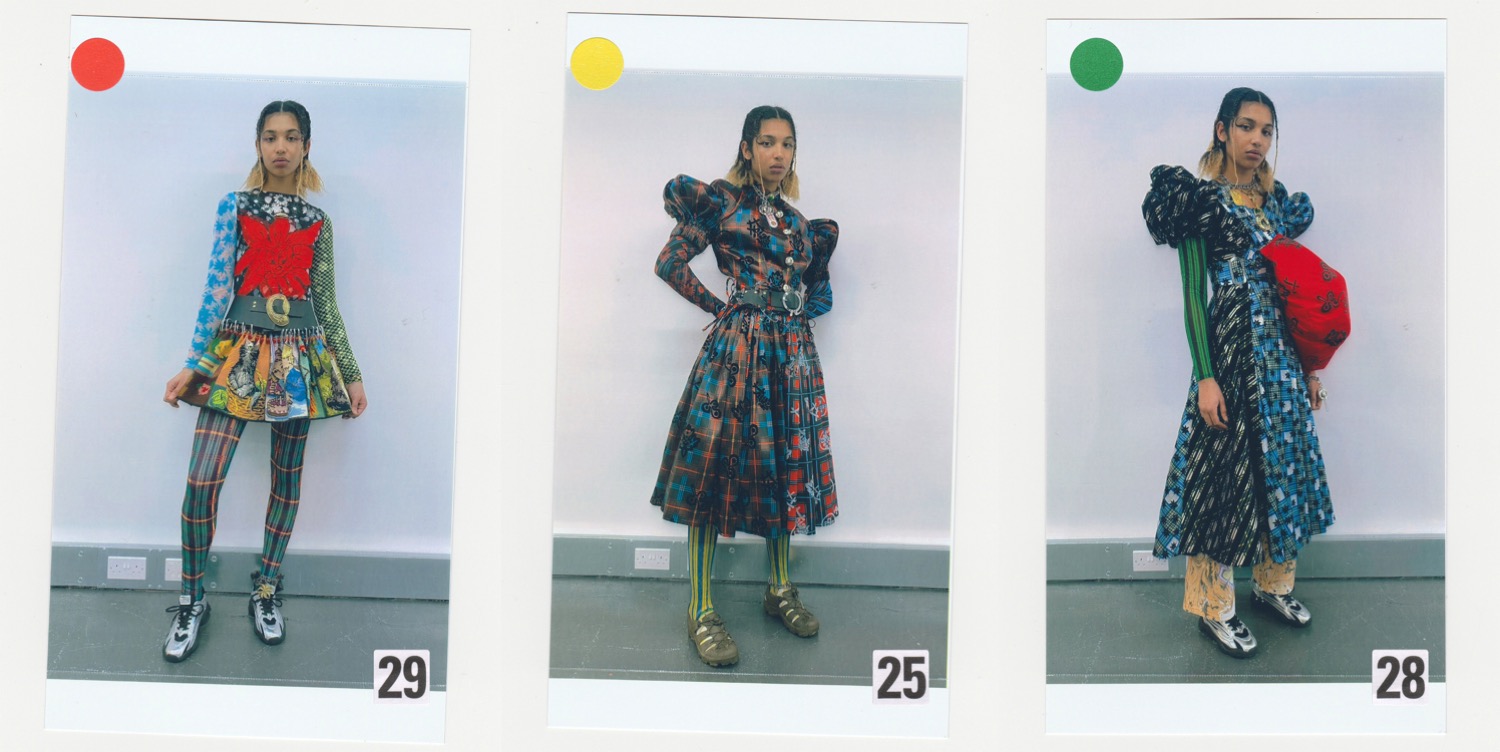
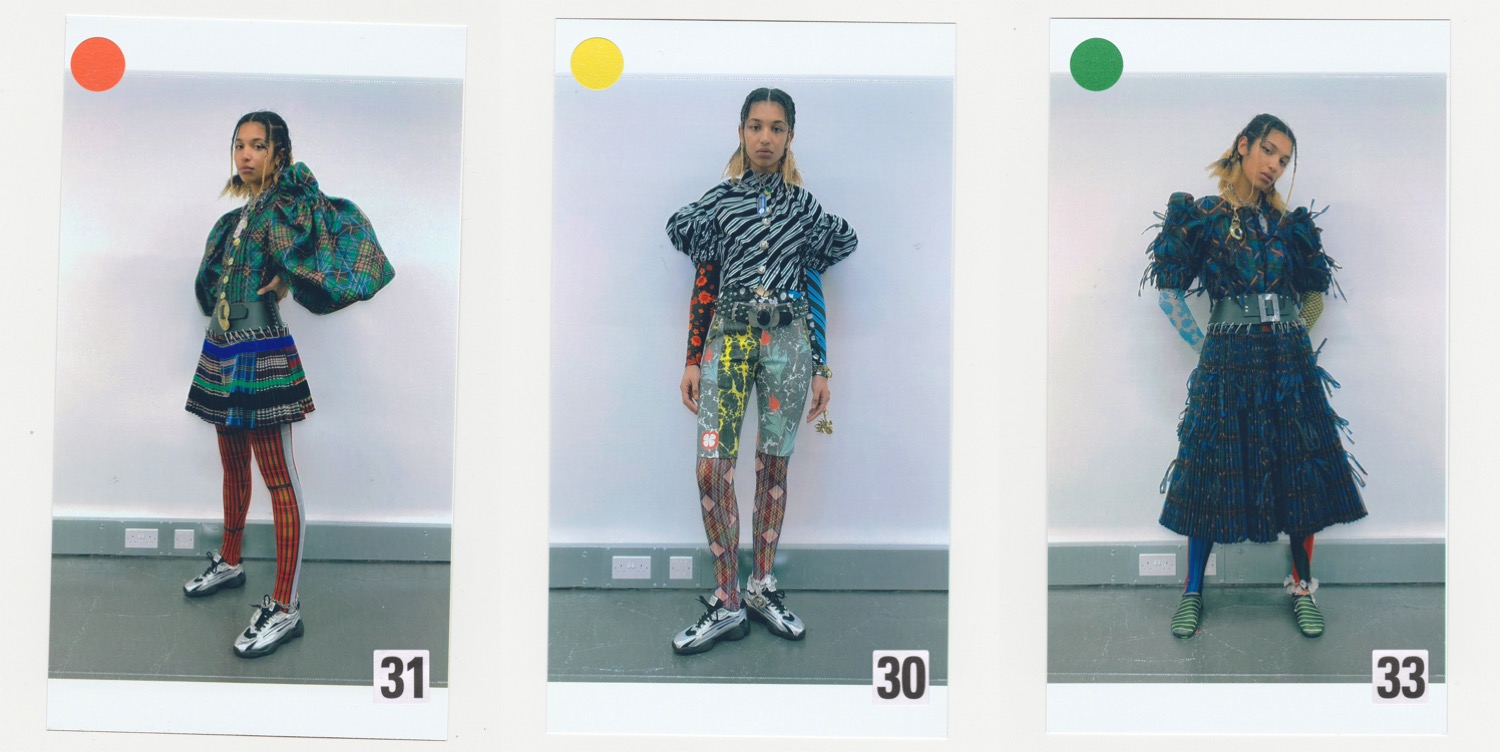
I bet you’ve seen the unmistakable, Chopova Lowena skirt – multiple-pleated patchworks, suspended by mountaineering carabiners from chunky leather belts – on the street style arena. They are so distinct in their look you that just can’t miss them in the crowd. Emma Chopova and Laura Lowena‘s signature, made out of traditional fabrics from Bulgaria – and produced there – was the start of their label’s story. In a short space of time they’ve developed a cult following for their upcycled collection: colorfully cool, full-skirted dresses with big puffed sleeves, layerings of tartans and ’70s prints. Also, their way of doing things is so appealing. “It’s important for us not to make clothes for the sake of it, but to make things which are part of our heritage, and are helping people,” they say. Chopova’s light bulb moment was realizing that her home country is full of under-recognized cultural resources – both in terms of rich fabrics and skilled female sewers. “After communism in Bulgaria, it was all about adopting a Western lifestyle,” she says. “So all the beautiful traditional clothes which had been made as dowries for brides, which people kept in trunks for generations – they didn’t find them precious anymore, and were throwing them out.” The designers began retrieving them, along with 1970s mass-produced flower-print and check taffeta deadstock, then made a network of Bulgarian women seamstresses to make their collections. “It’s built up by one friend knowing another – someone knew a granny who loves embroidery, the old technique they used for aprons. So now it’s great that everything’s being made by these women who really know their skill.” Thanks to another friendship-group link, Chopova Lowena has hit on original way of making jeans this season, printed with beautifully faded marbled patterns, inset with florals. “It’s made by women in their houses in Bursa in Turkey,“ Chopova told Vogue. “We discovered it through one of the Bulgarian women we work with, who goes there. It’s a-300-year-old technique which is used for making Turkish tiles; but now we’ve transferred it to fabric,” she continues. Every piece is unique. In times when sustainability must be the keyword for every brand out there, this ethical way of working comes naturally for these two designers. “We think it’s a luxury to be able to have something handcrafted, and to know where it comes from,” Chopova says. “When we were starting, with all these old materials and telling buyers that, no, everything we make can’t be the same – we never even guessed that it would be welcomed.

Collage by Edward Kanarecki.