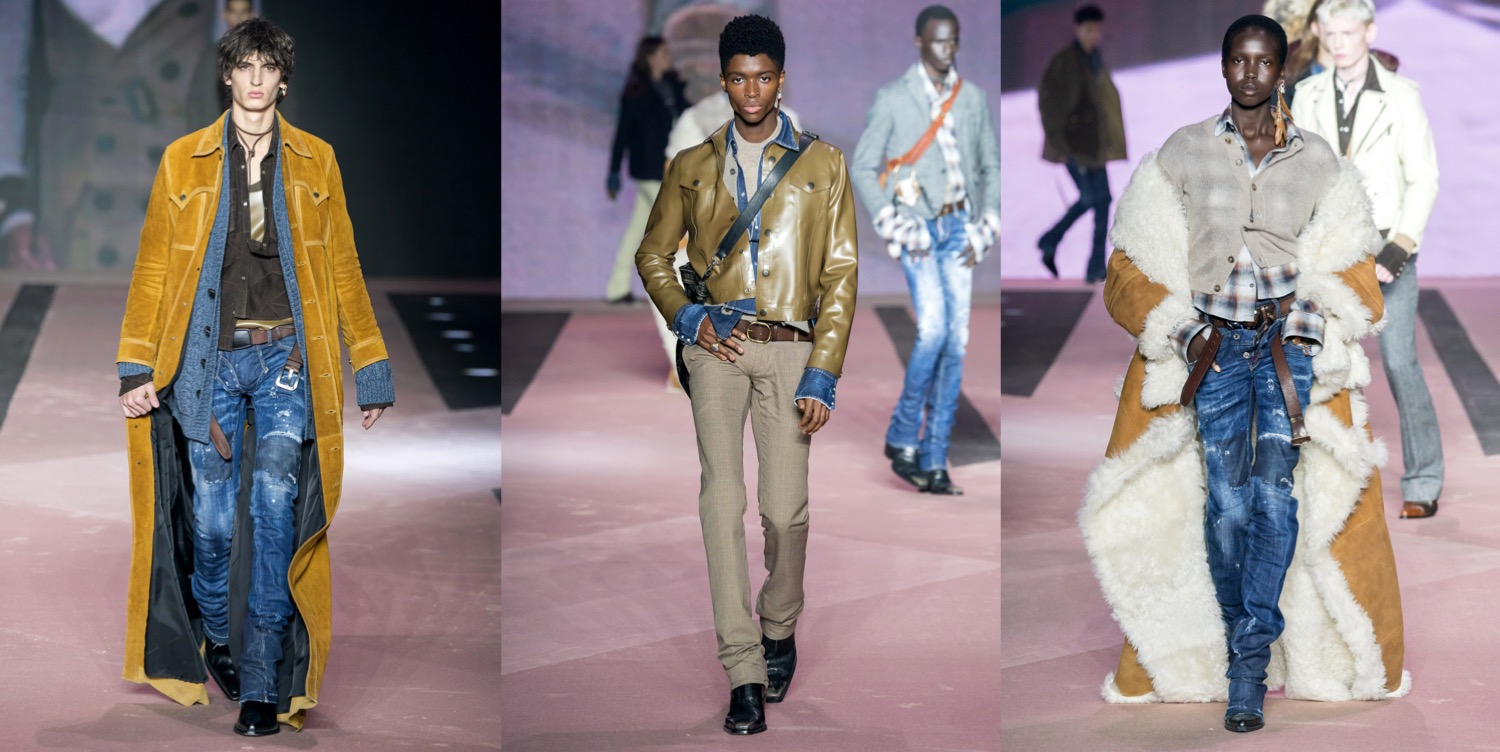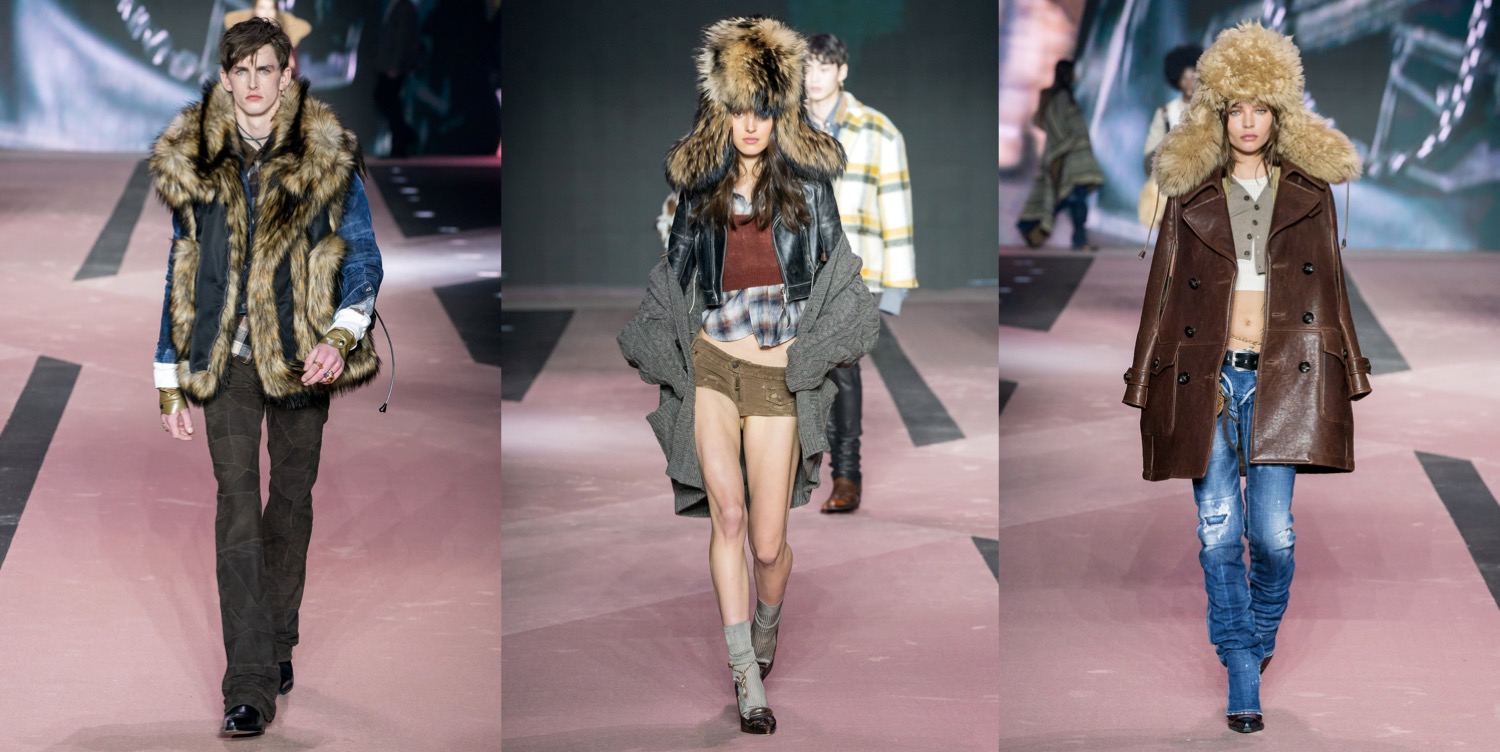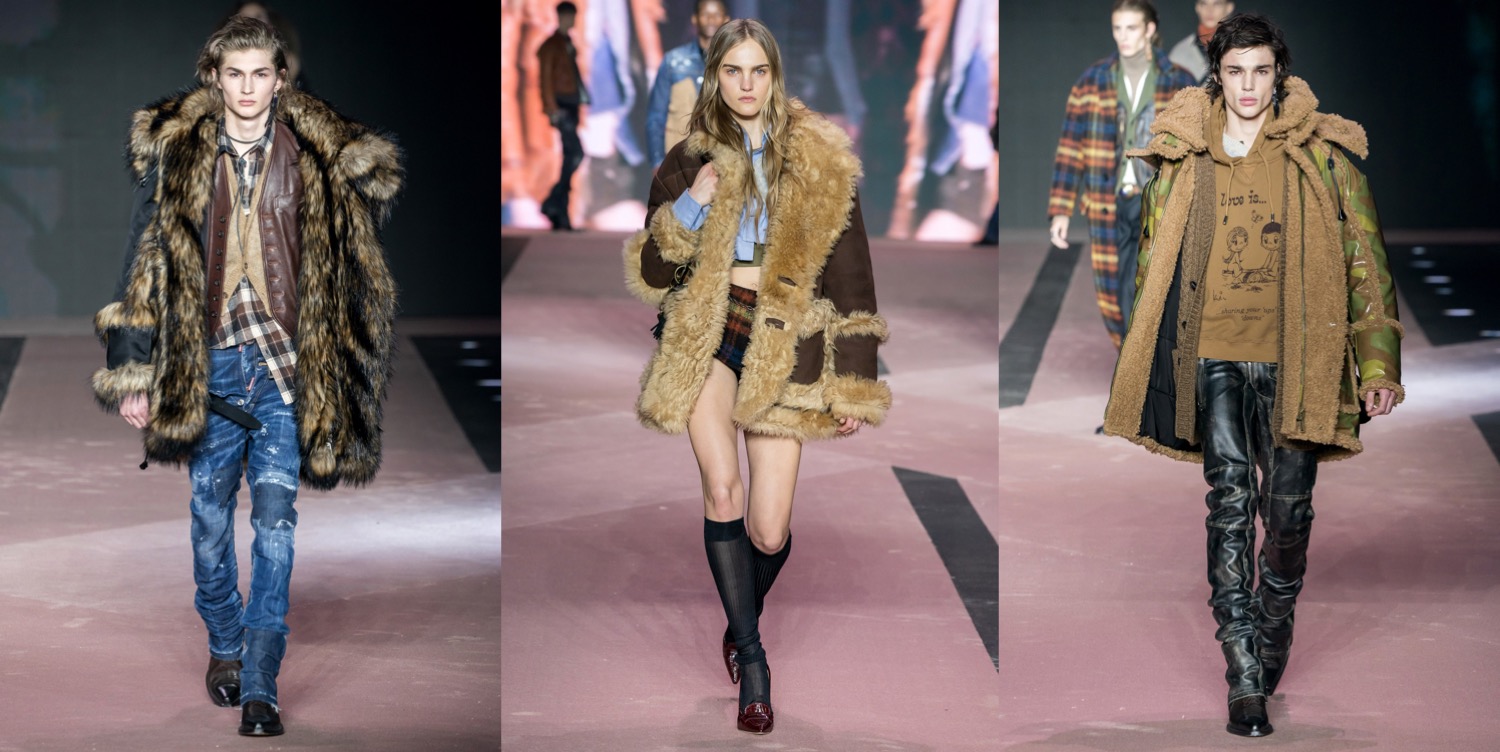
Men’s – 25 Years. Dsquared2 AW20

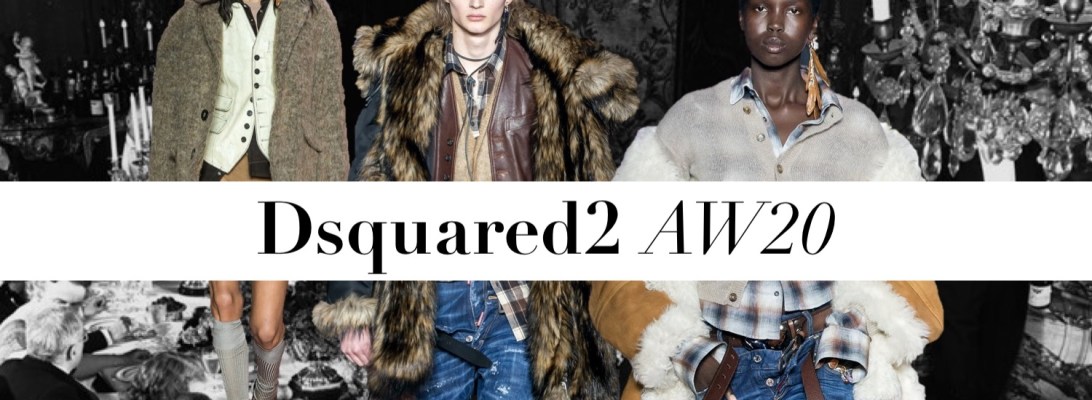
While I can’t recall Dsquared2 catching my attention in the last few years, Dean and Dan Caten‘s men’s autumn-winter 2020 show – simultaneously being their 25th anniversary show – was something the label needed: sharp, naughty and distinctly Dsquared2. The collection paid homage to the label’s past – think whild, shouty, at times crappy 2000s fashion. Probably the oversize knit blanket coat was a nod to Naomi Campbell’s first look at their notoriously great autumn-winter 2003 airplane show. There was Western-inspired style they conceived for Madonna’s “Don’t Tell Me” video. The collection was also all about sultry pioneer vintage. The silhouette was narrow at the bottom (tight kicked pants and jeans for boys, bare legs for girls topped by under-butt skirts) and volumized above (big shearling jackets, fake-fur fringed herringbone overcoats, a great waxed horseman’s long coat). Also, when was the last time ripped denim and plaid shirts looked so hot? One might wonder if the beginnings of 2020s should look back at 2000s fashion in such a literal way. But it’s Dsquared2, it’s a glossy, loud, non-stop after-party.
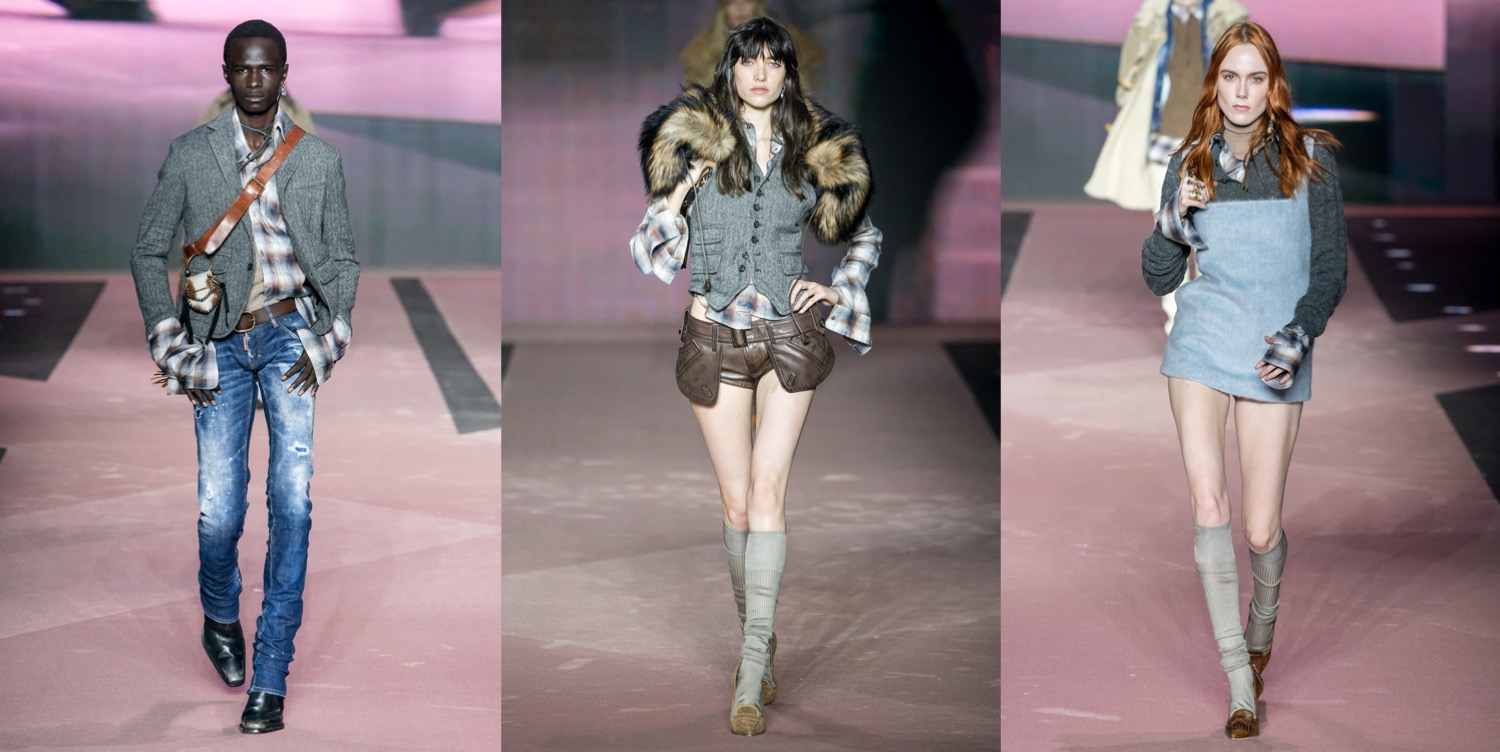
Collage by Edward Kanarecki.

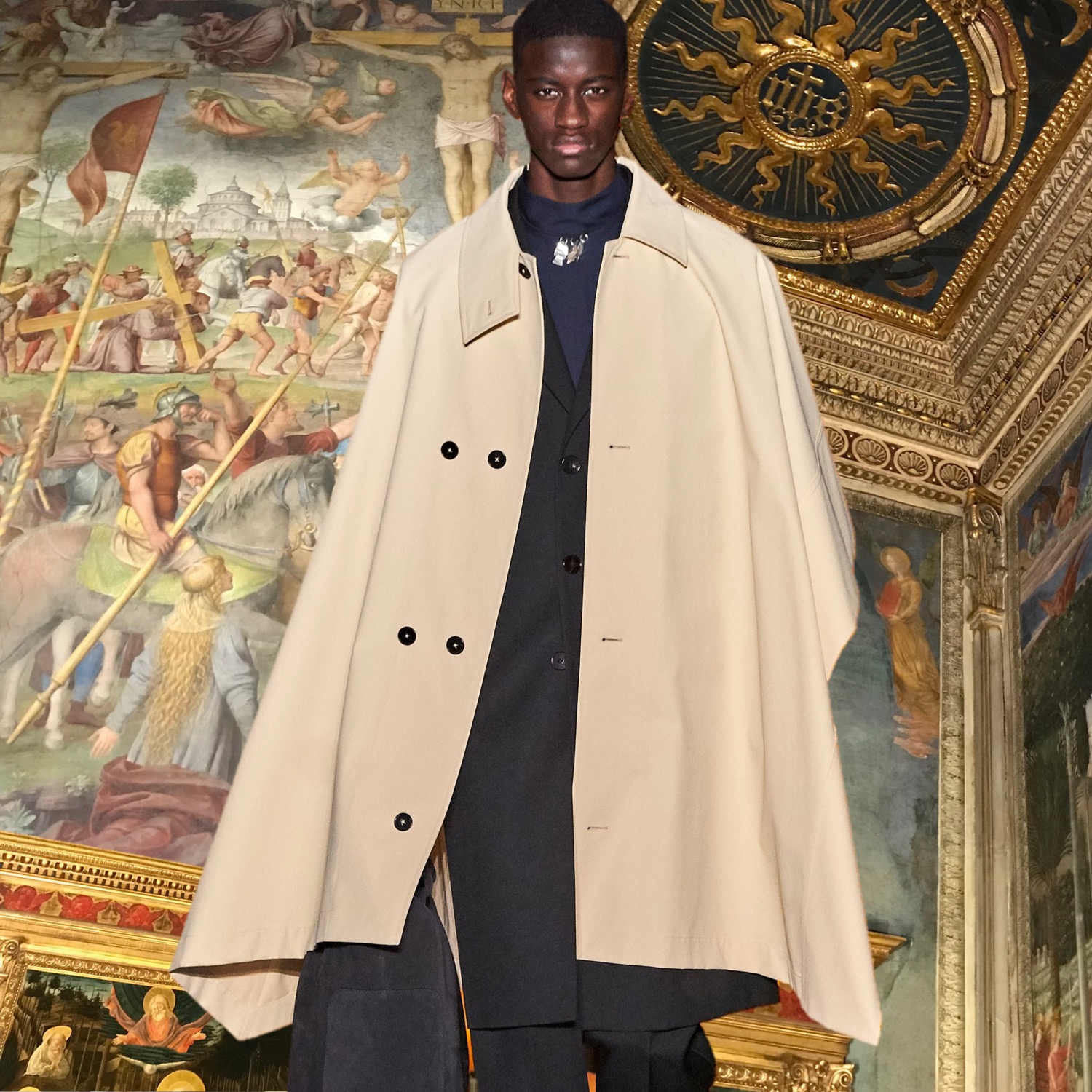
Men’s – Pure and Forever. Jil Sander AW20

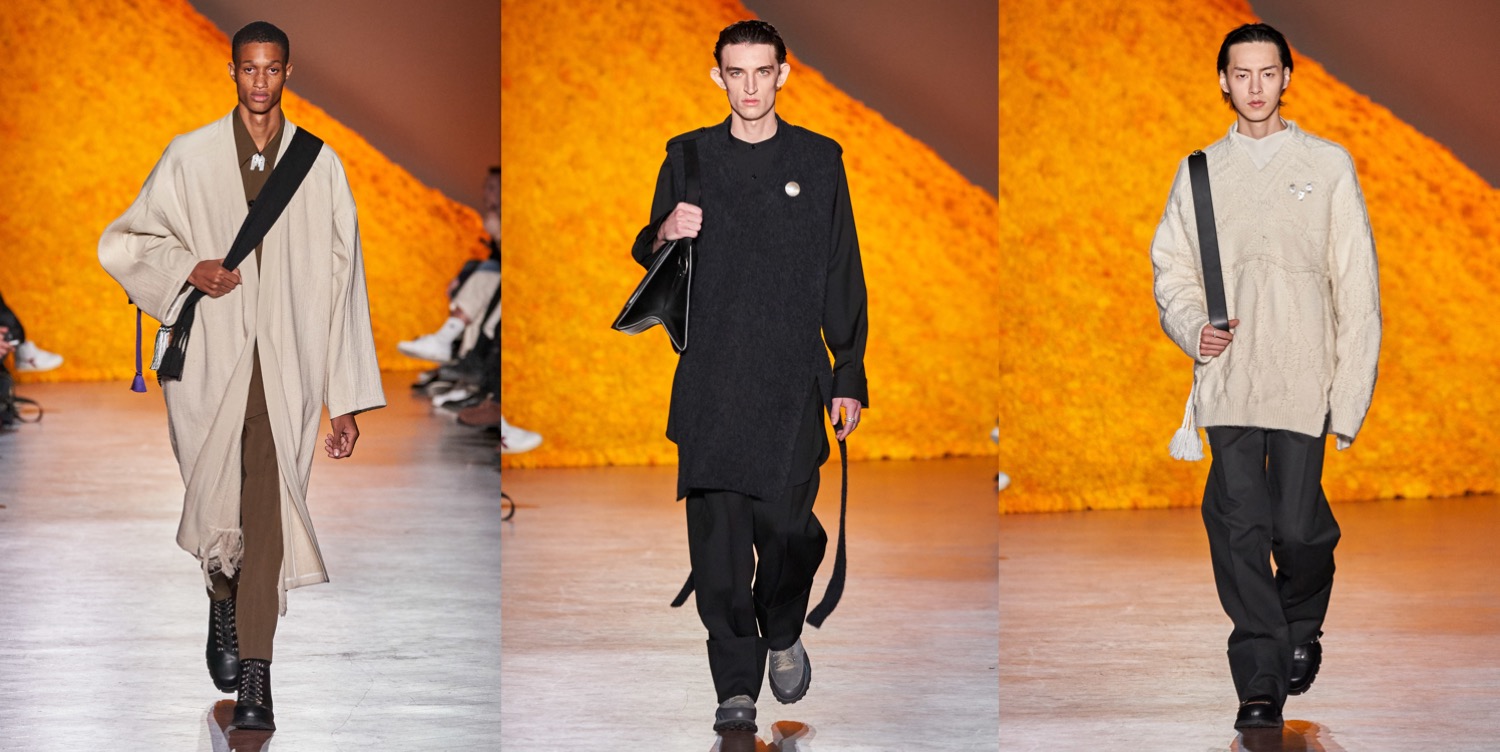
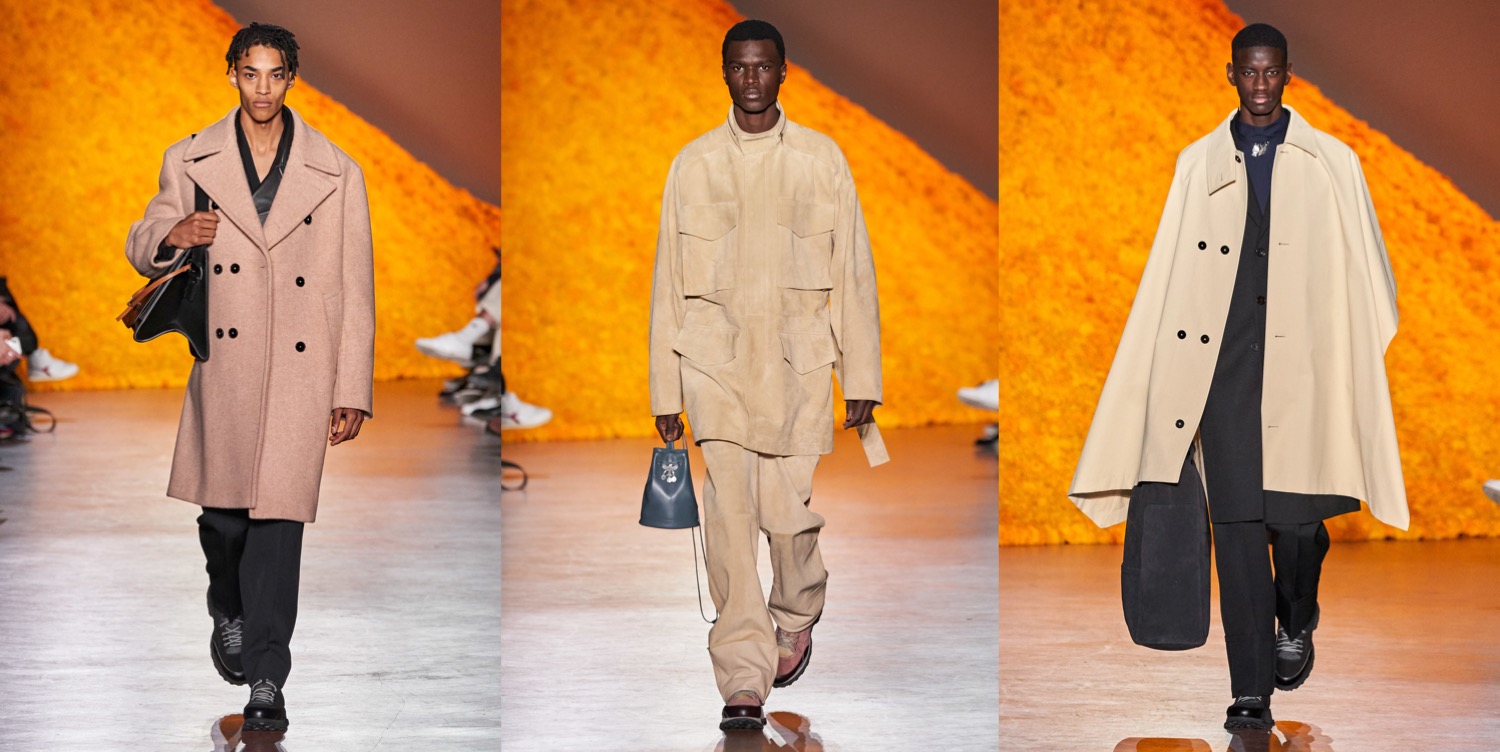
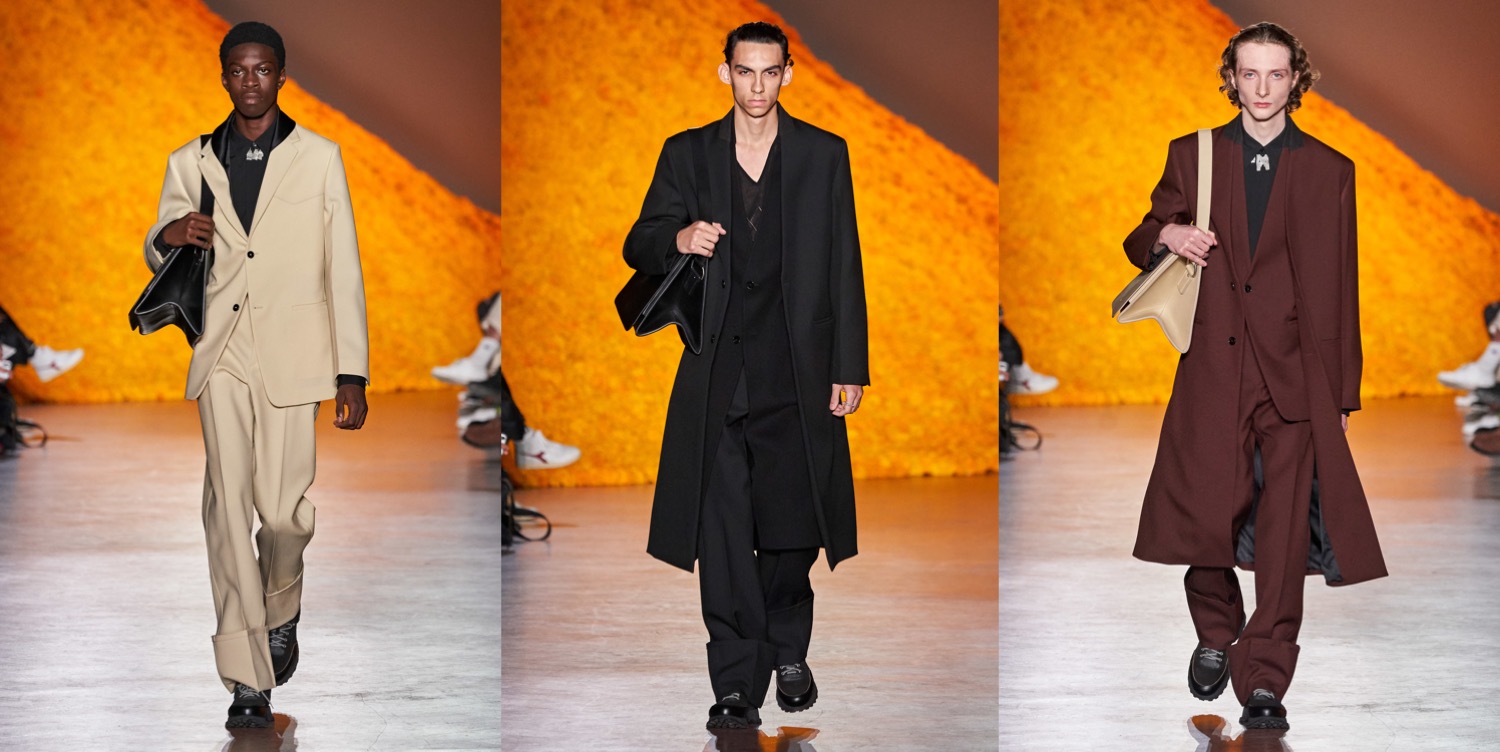
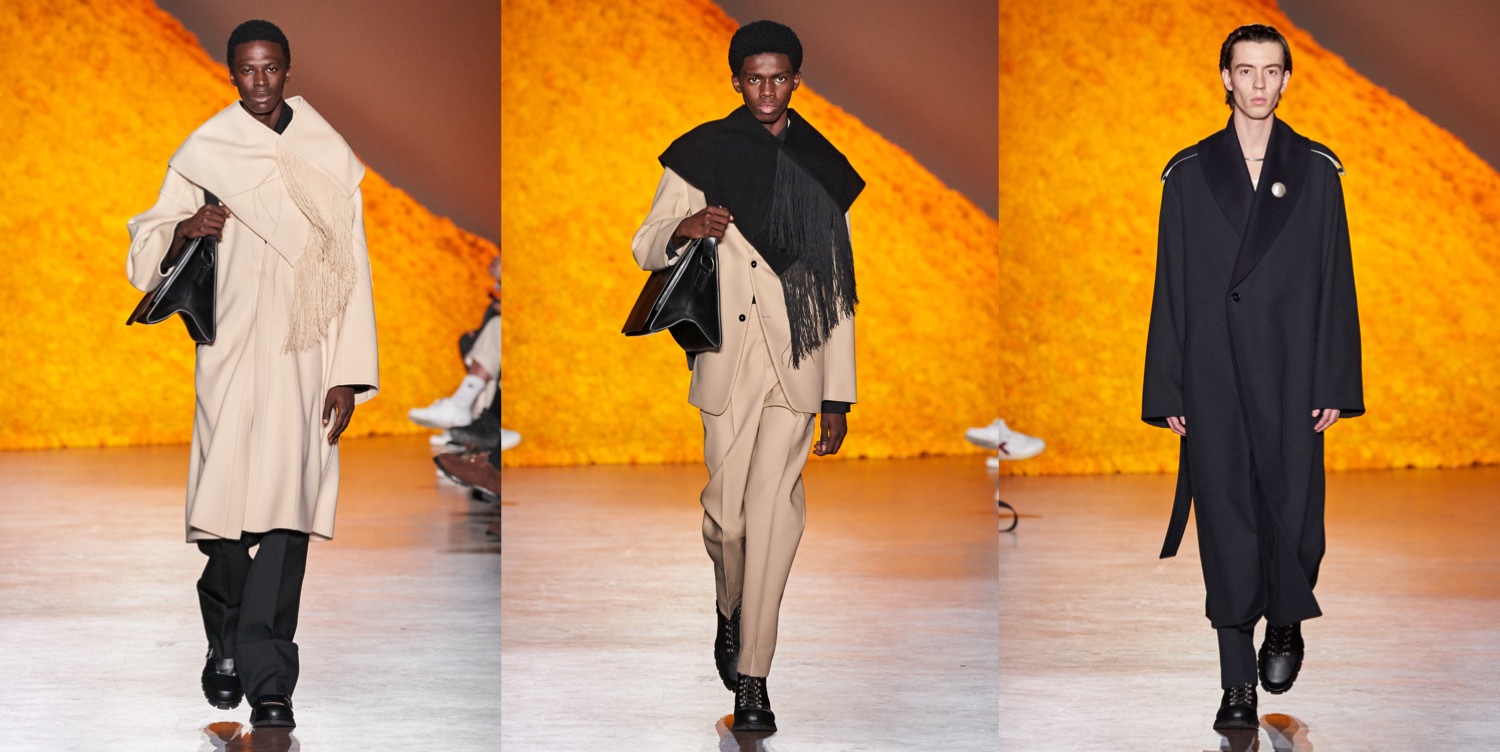
For the autumn-winter 2020 season, Lucie and Luke Meier presented their men’s Jil Sander collection at Pitti Uomo in Florence. In the complex of the Santa Maria Novella, where the show was staged (accompanied by three huge heaps of marigolds), stands an ancient pharmacy dating back to the 13th century in which balms and salves have been concocted from calendula for generations. This created a connection to the fine silk tassels – confession box Catholic, but here mostly in monochrome – that sparked thoughts of local historical attire, as did a carefully roughened white habit that passed in the collection. Still, the Meiers don’t need references to stand behind their clothes. Lucie spoke of wanting to make garments with lifetime appeal (“cherishable clothes”). The Shetland knitwear, the fantasic, over-sized tailoring, the ornamental, yet subtle beaded details on the coats – those are clothes that will stay with you forever and never get out of fashion.

Collage by Edward Kanarecki.
Men’s – Lovers Rock. Wales Bonner AW20

For her autumn-winter 2020 show in London, Grace Wales Bonner had friends and audience members sitting at tables around a dance floor, joining her celebration of Lovers Rock, the specifically British Afro-Caribbean music scene sprung from underground London house parties in the ’70s. “Lovers Rock was created by second generation Jamaicans in this country, their own kind of sweet mix of reggae and soul,” the designer explained. “It’s a reflection of my family on my father’s side. My grandad came from Jamaica in the 1950s. My dad used to work on Lewisham Road, and I found these documentary photographs by John Goto of teenagers at Lewisham Youth Club in the ’70s.” What fascinated and touched Wales Bonner was how kids of her dad’s generation wore clothes which referenced Jamaican style and Rasta flag colors, woven into a “a fun mix-up” of standard English smartness, “irreverent, but always elegant.” There was a denim tailored coat lined with velvet; a women’s look featuring  a corduroy patchwork matching shirt and skirt color-blocked in red, yellow, green, and black; slim-fit ’70s track pants; and “the kind of Adidas trainers Bob Marley would have worn.” The full repertoire of Wales Bonner’s refined tailoring was on display as well: tweedy suits, separates and coats, worn over body-hugging sweaters and roll-necks, with a stronger representation of womenswear in combinations of blazers and full pleated skirts. The self-knowledge Wales Bonner has gained over the years means she knows who she is and what her brand stands for by now. “It’s coming up for five years,” she summed up to the press. “I’m looking back and consolidating. For me, my approach is elegant, designed, and crafty—about what’s the perfect suit? Now I want to build the business.”

Collage by Edward Kanarecki.

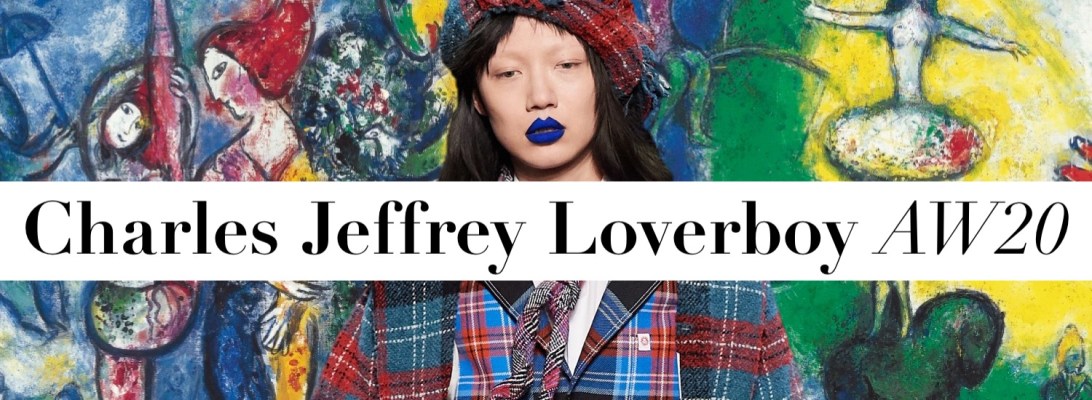
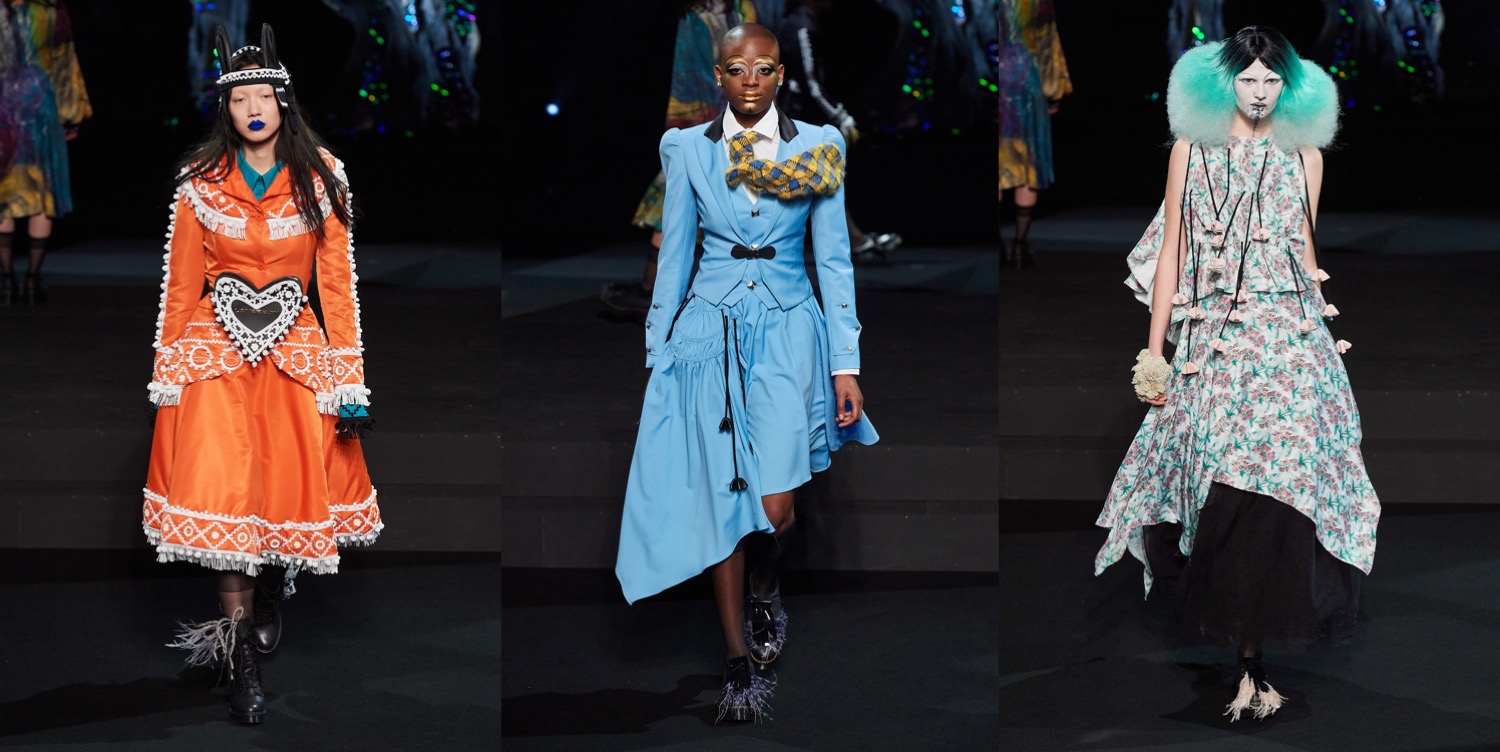
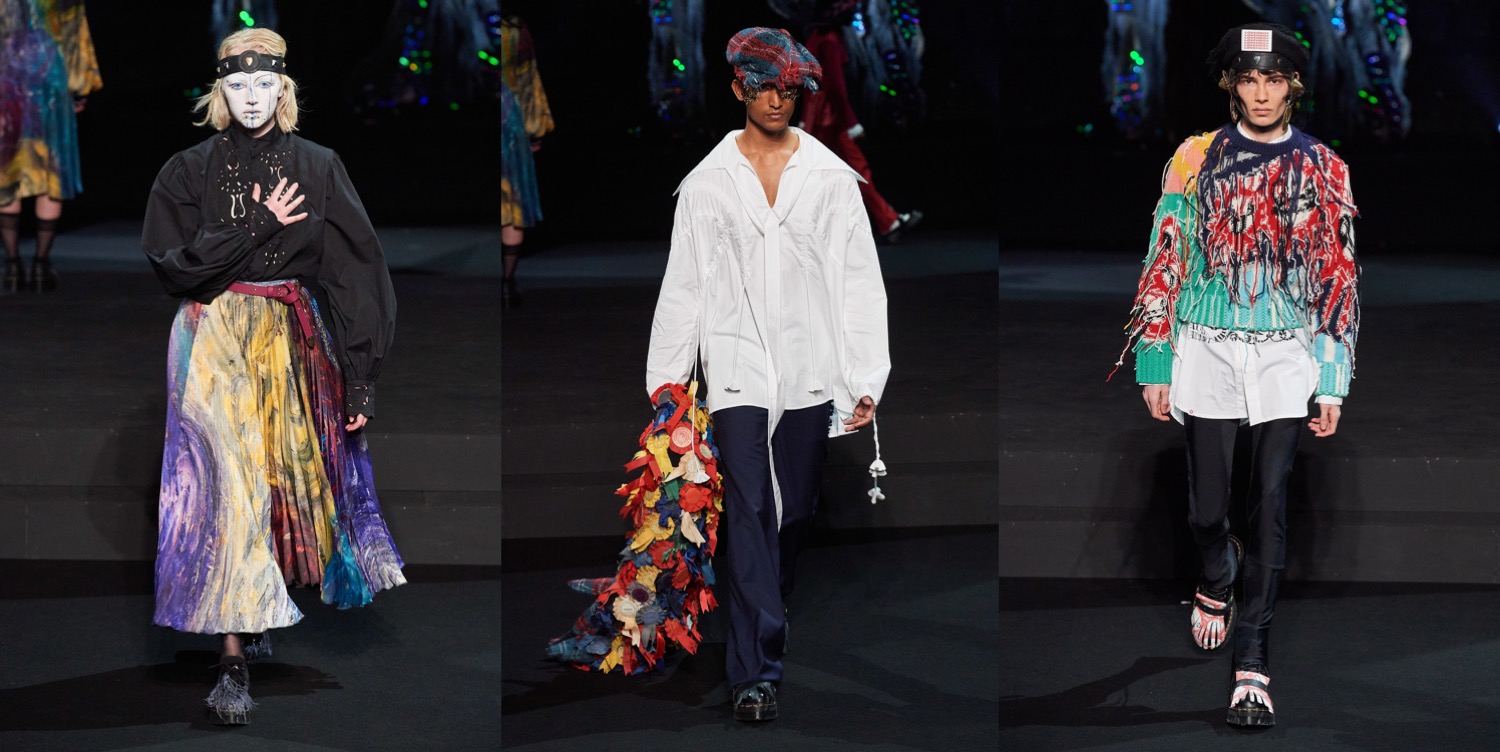
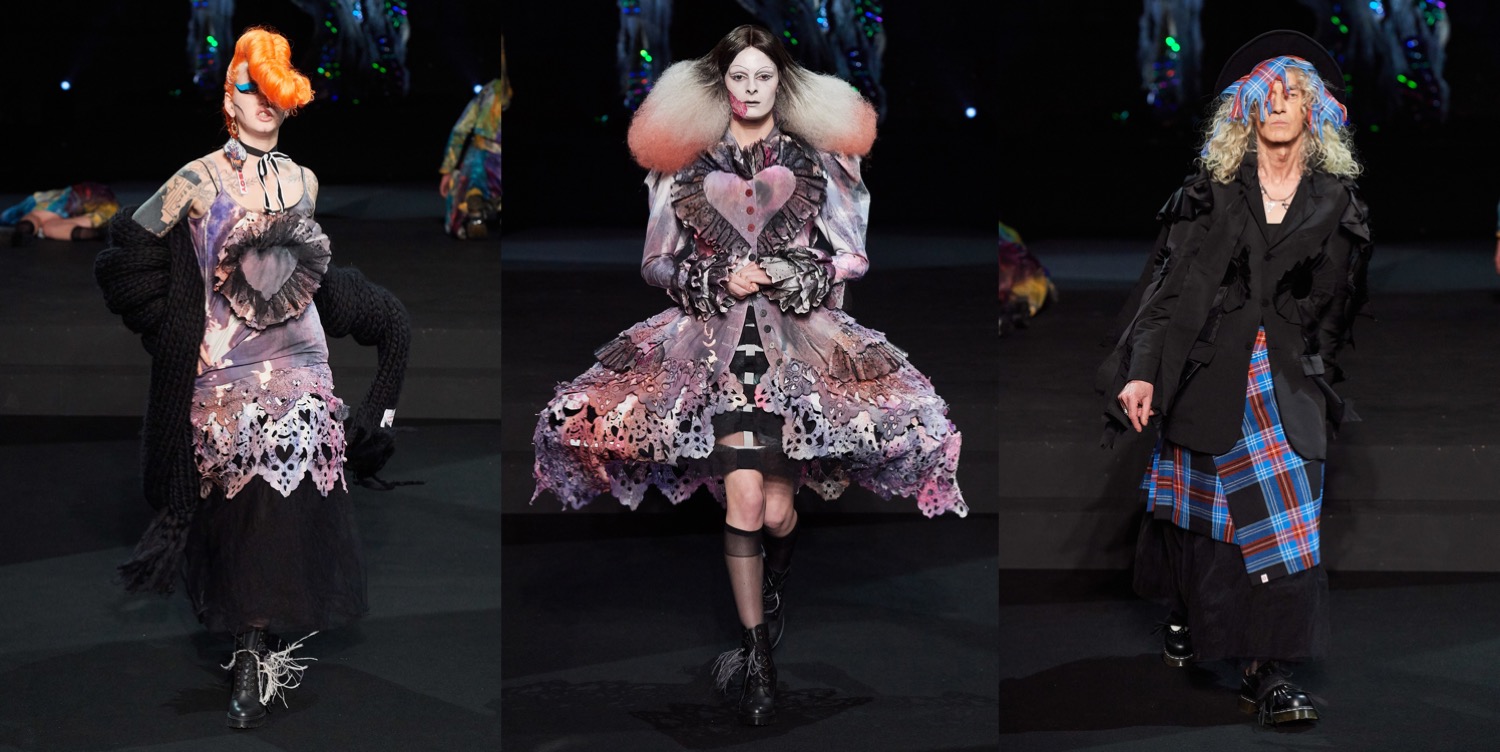
Men’s – Ritual. Charles Jeffrey Loverboy AW20

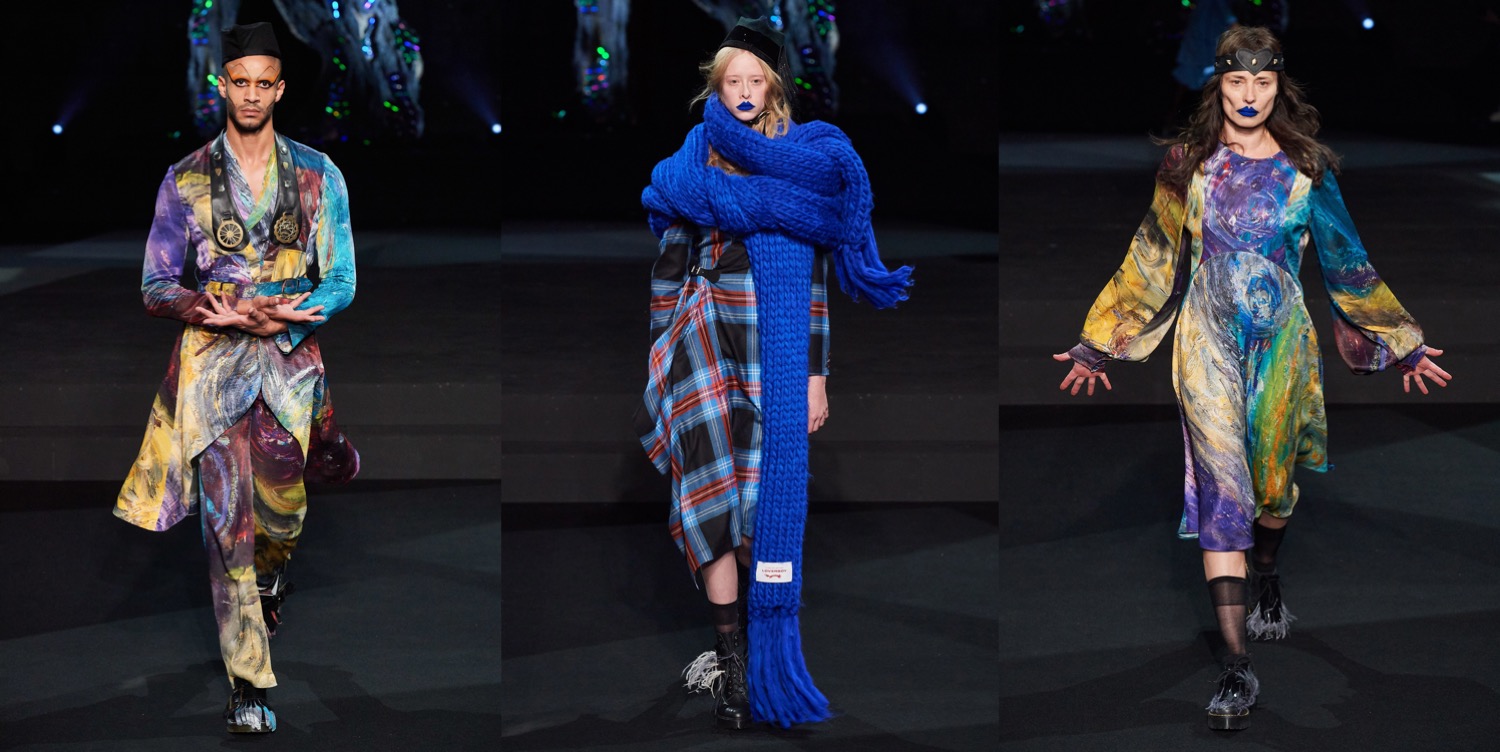
While men’s London fashion week seems to get gradually less and less popular, there are still some labels that shine some hope for the once prospering event. “It was a modern-day Scottish sacrifice,” said Charles Jeffrey backstage of his Loverboy show for autumn-winter 2020 season. There was an installation of a hollowed-out tree hung with CDs and topped by a disco ball silhouetted against the dark on a platform at the end of his runway – a place for the ritual propitiation of the ancient, abused forces of nature. So it seemed, as his characters came and went, some dressed in costumes hung with horse brasses and sporting huge equine quiffs, others in Loverboy tartans, and still more in pannier dresses. Another sect looked like a cult of eco-paganists clinging together in their own dance of lament. But other than theatrics, this line-up was the most accomplished collection from the designer yet, clothes-wise. Jeffrey has traversed that stage of his career where he has presented symbolic statements and reached a point where his tailoring fits impressively (and sexily). His waisted, puff-shouldered jackets, flared asymmetric suits and tartan trousers beat with London’s old school spirit. Fantastic dresses (genderless!) and great coats. Even the “commercial” part of the collection – bold Loverboy merch – feels right.

Collage by Edward Kanarecki.
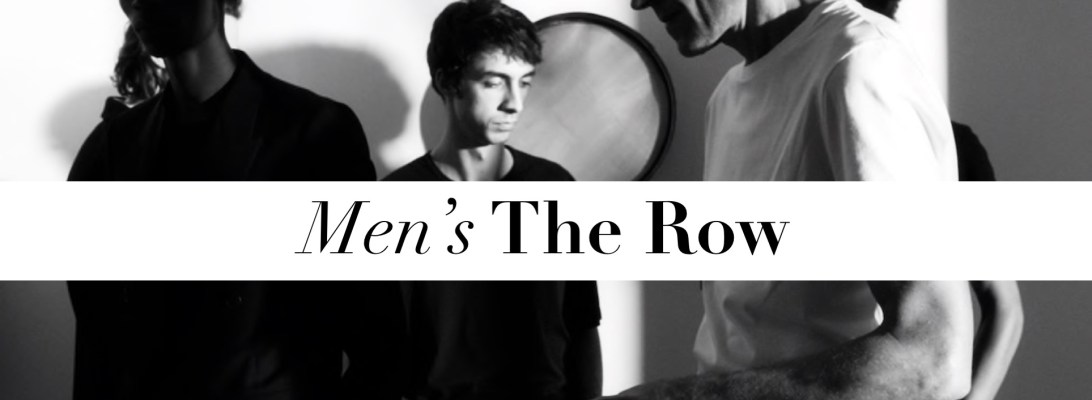
Men’s The Row


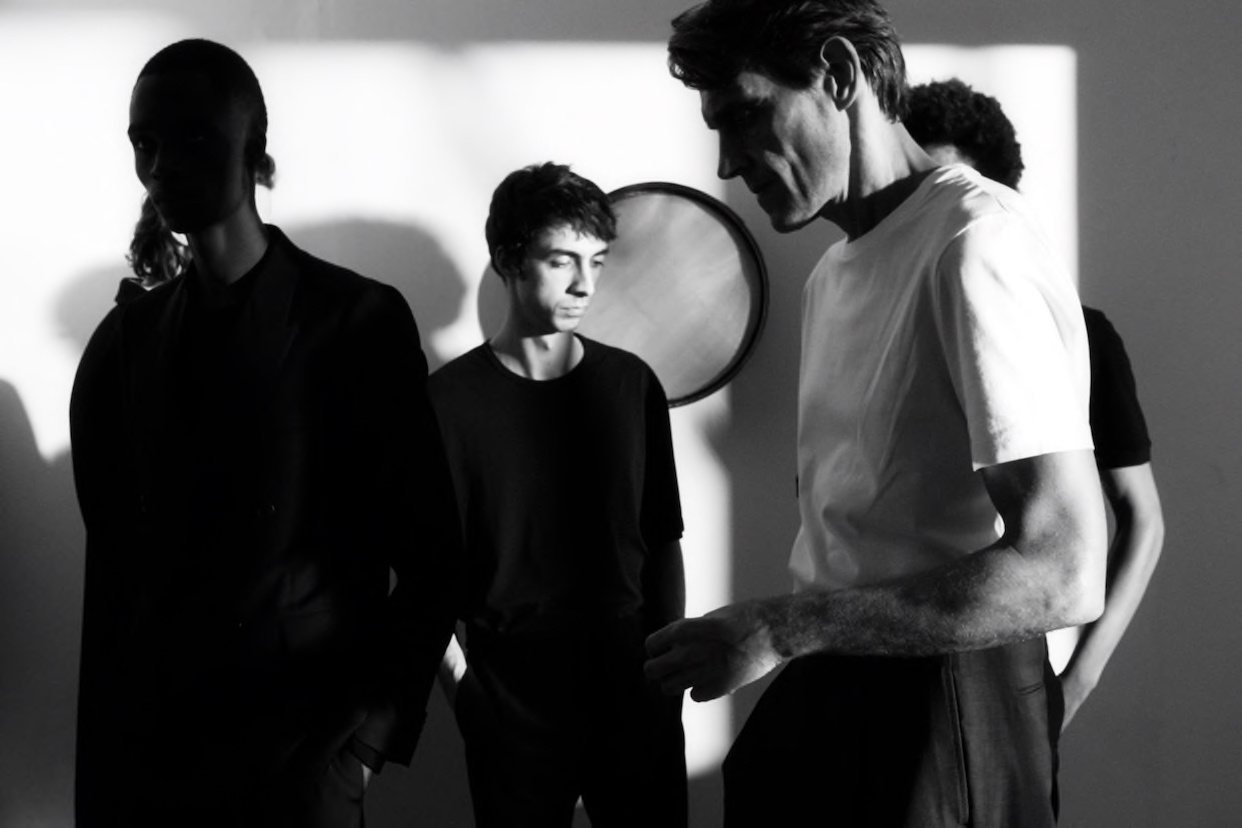
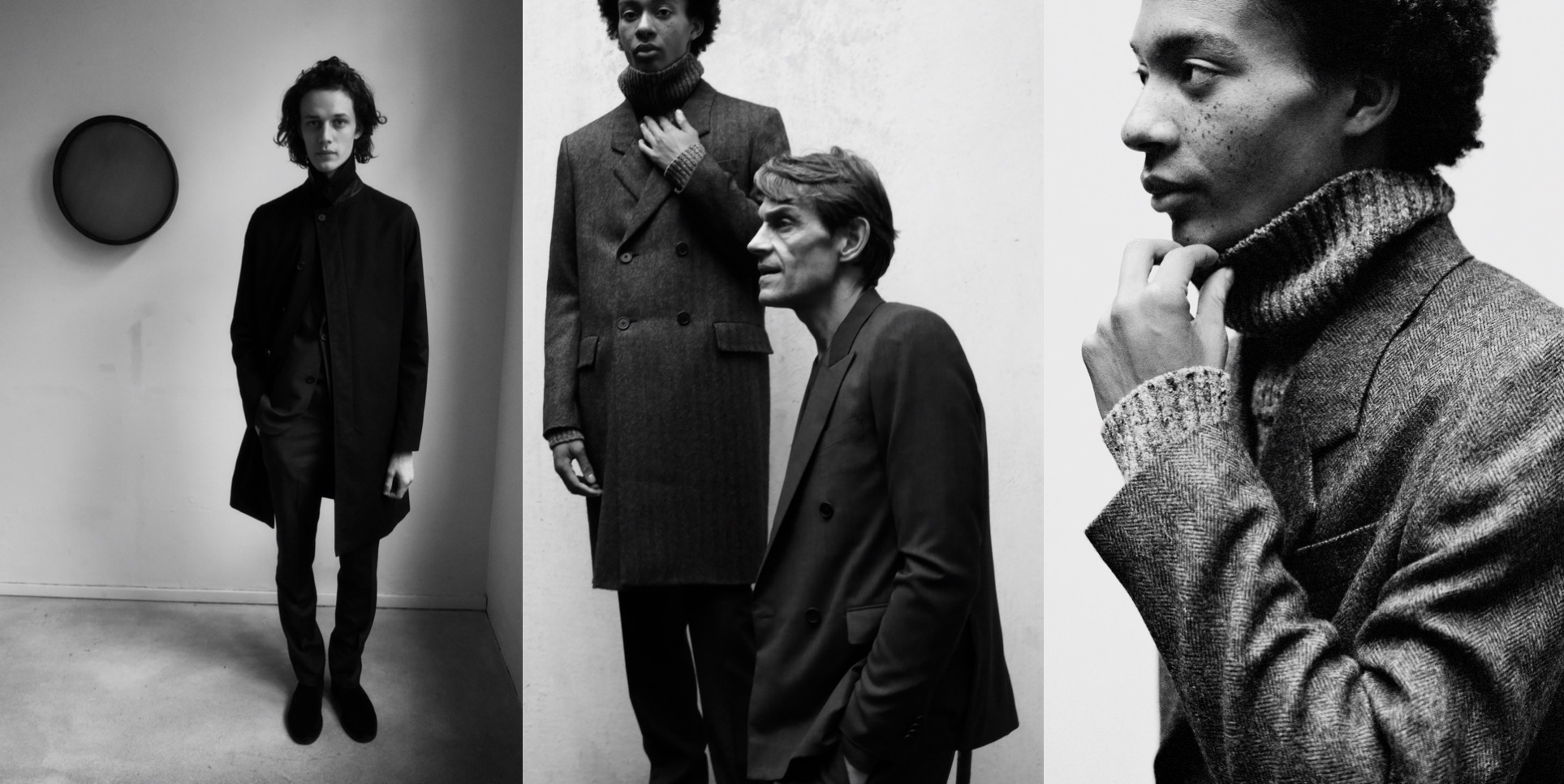
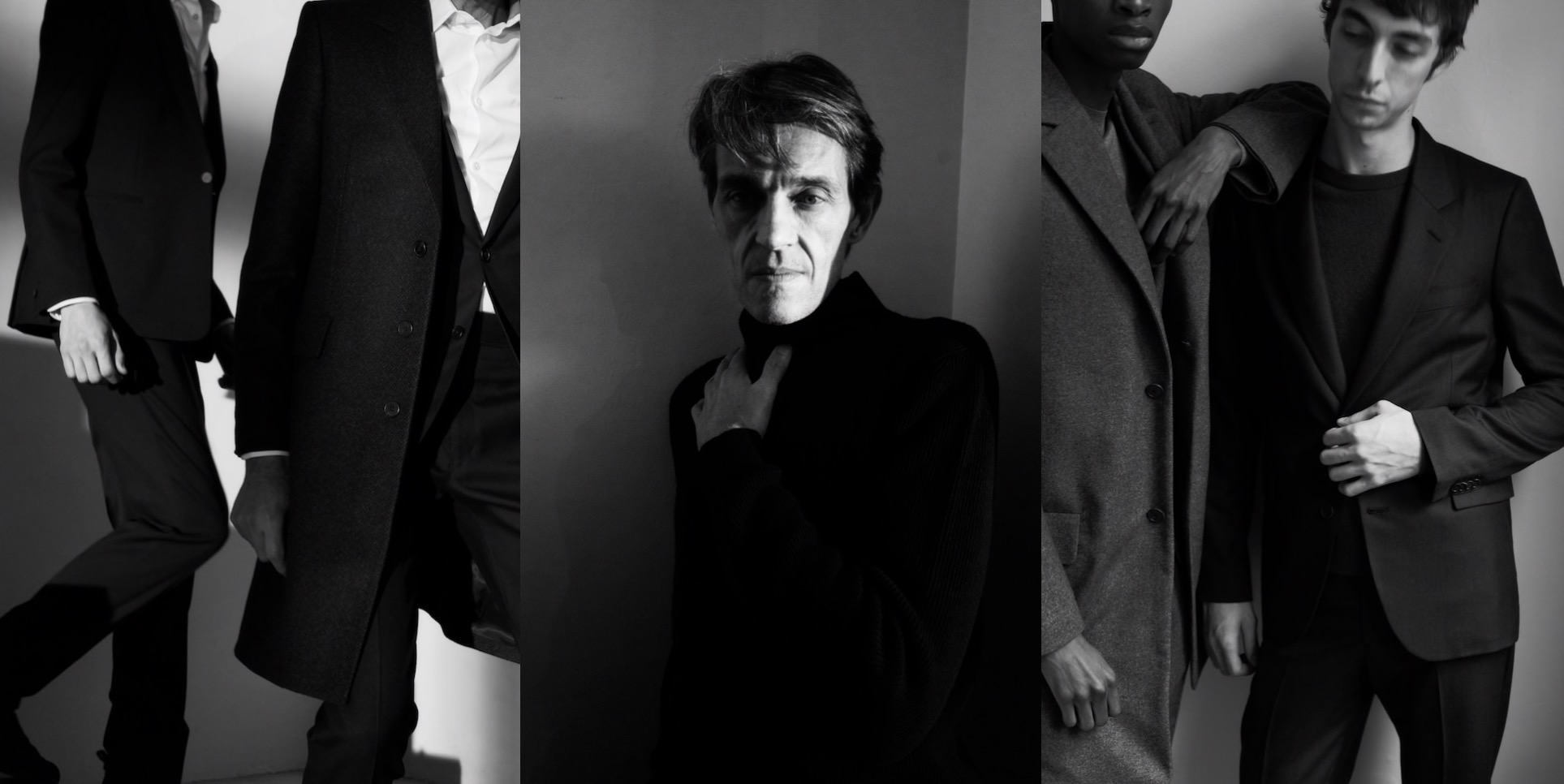
The moment when The Row announced its menswear line, my heart skipped a beat. It was quite clear from the very first moment that the men’s wardrobe in Ashley and Mary-Kate Olsen‘s viewpoint will be as refined as their women’s The Row. The look-book images that got released on the brand’s new website are even better than what you’ve been expecting. The idea behind the men’s The Row is deeply rooted in the label’s initial concept – and its actual name. The Row takes its name from the London street known for men’s tailoring, Savile Row, and from its inception the understated label has prided itself on its superior fabrics and exceptional craftsmanship. The collection showcases the designers’ signature ability to take classic styles and transform them into modern masterpieces via design nuances that make the brand so special. Ashley and Mary-Kate were inspired by men’s minimalist styles of the ‘80s and ‘90s in New York, elevated through traditional European hand-stitching techniques and Japanese construction. Black turtlenecks, crisp shirting, subtly tailored pants, dreamy coats… the price tags might be deadly (a camel coat 4,250 euros), but those are investment pieces. Real, and big, investments.

/

Farfetch:Linkshare:Affiliate:CPA:US:US