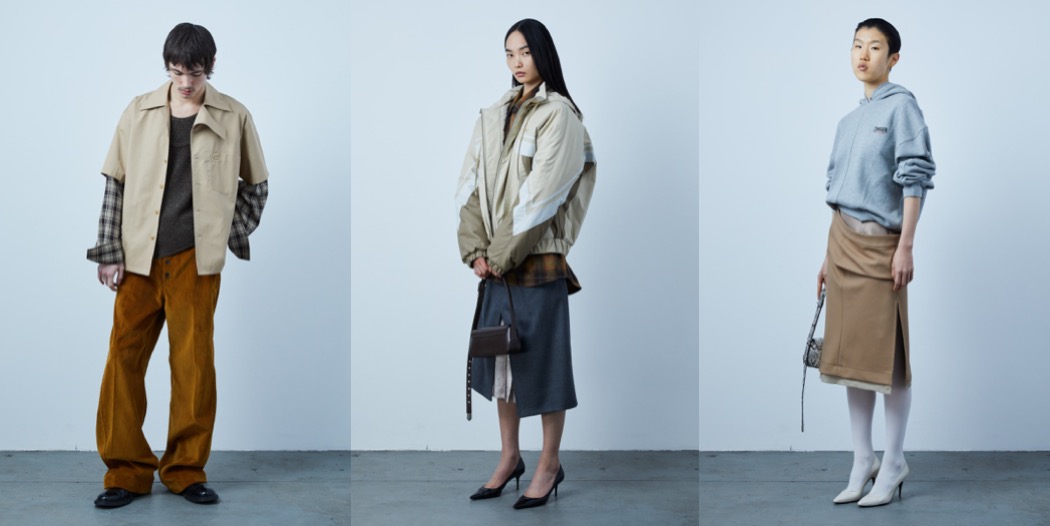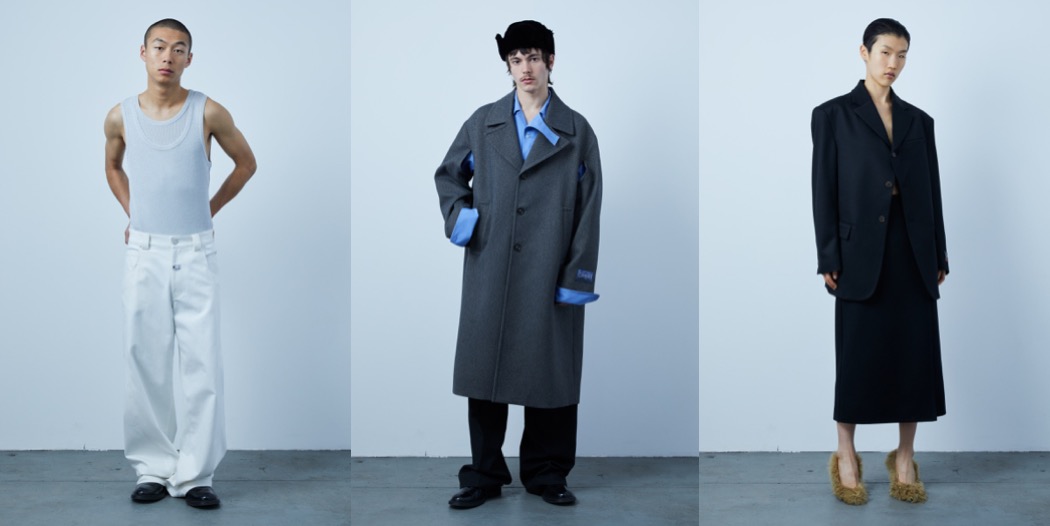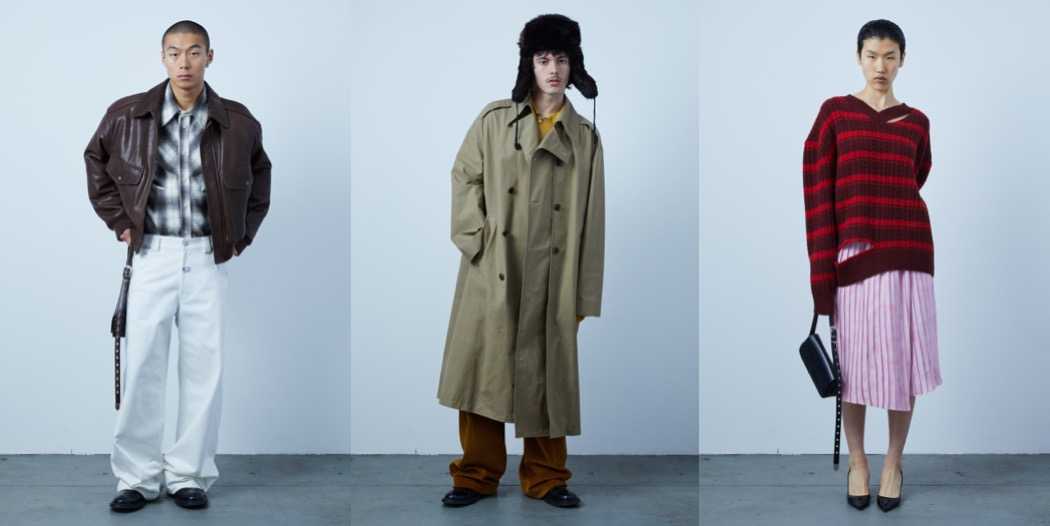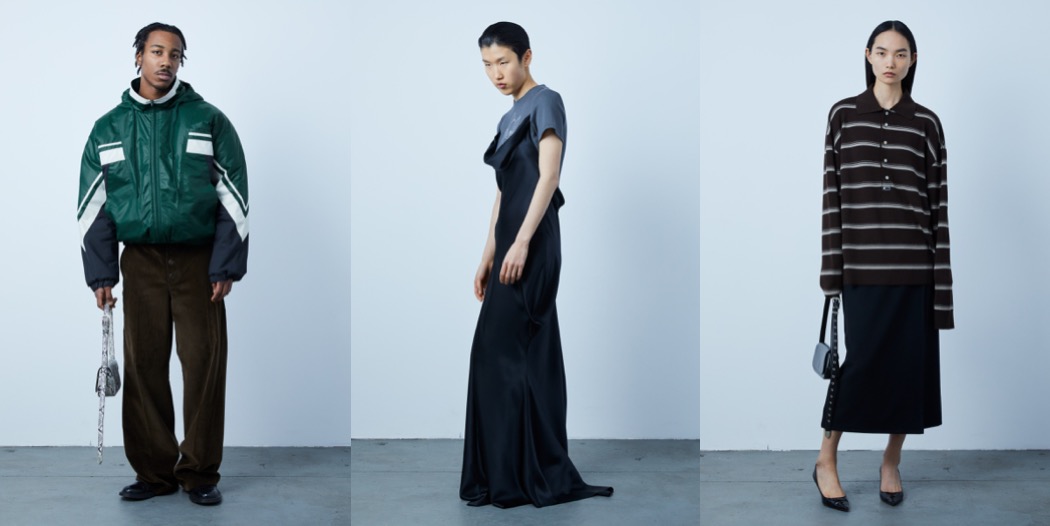
Little Bit of Chaos. Commission AW23

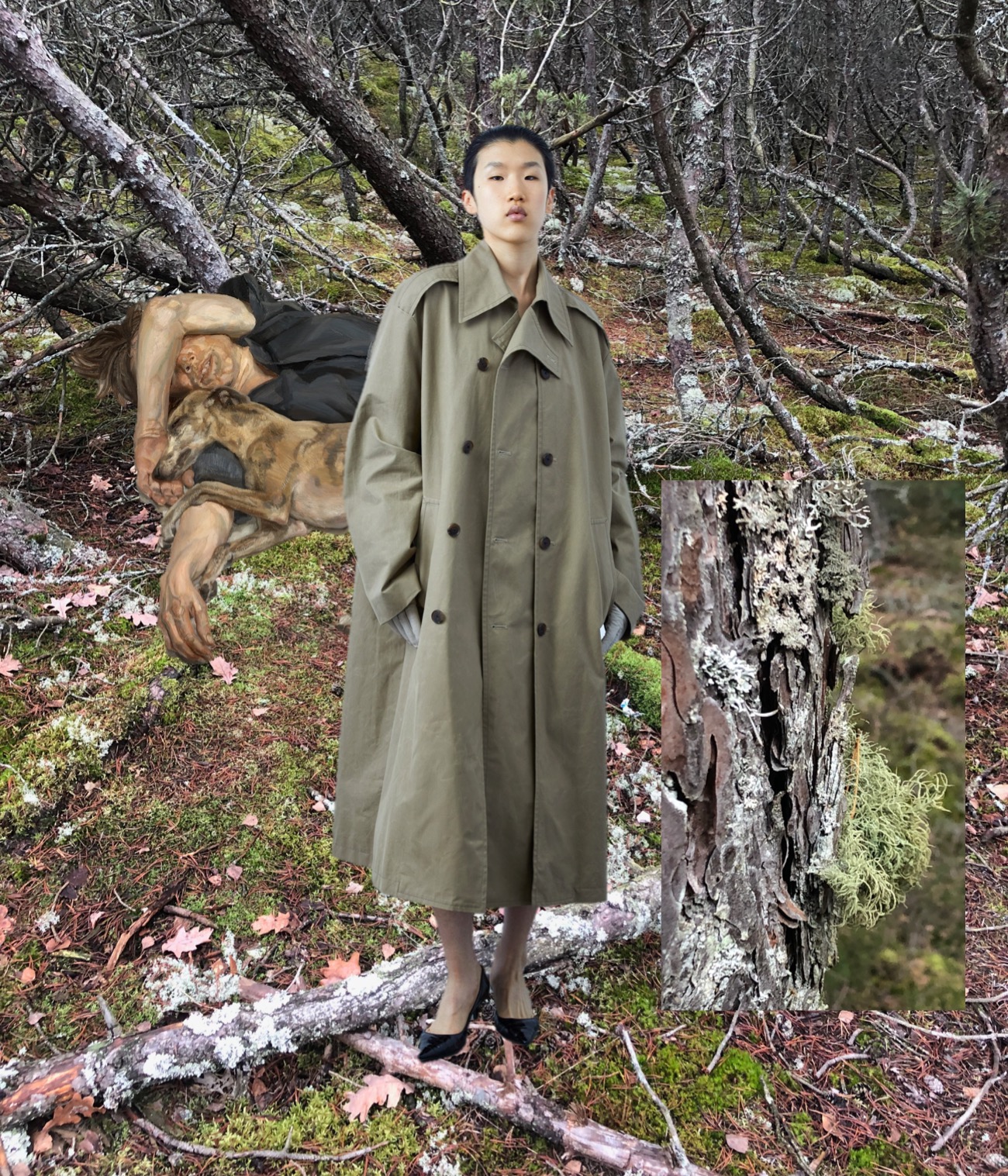
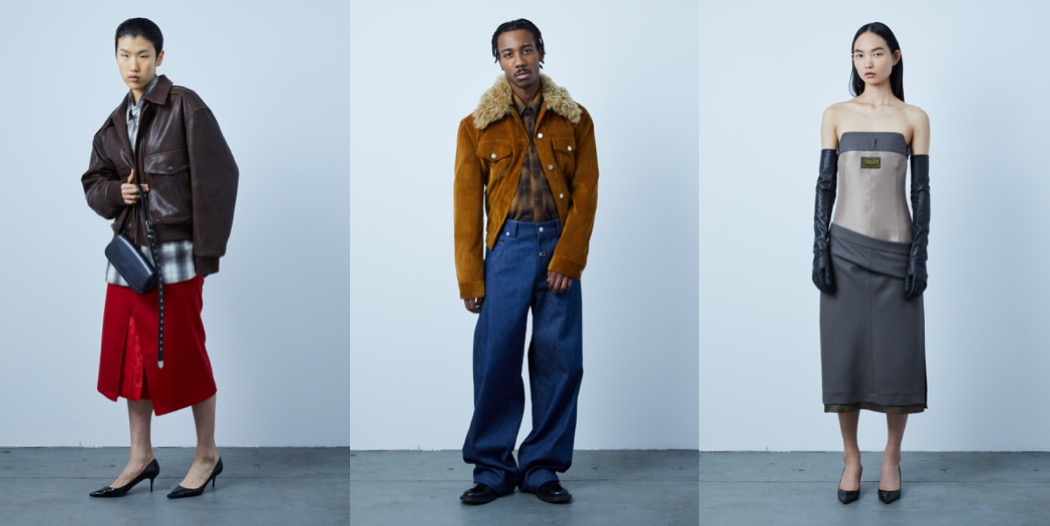
This is Commission’s 10th collection (damn, time flies so fast!). It’s quite a milestone, and it had the New York-based designer Dylan Cao and Jin Kay in a contemplative mood. “This is really a nod to the 10 and 15 years Jin and I have been here, and how much the city has become ingrained in our creative language,” Cao explained. “Tourists, bankers, skaters, moms, dads, have always been in our design language, but before it was more about our parents and how people dressed in Asia in the past.” He added, “Now, we want to speak more of our version of that, which is like what we see now.” To that end, for autumn-winter 2023 they continue to explore sliced knitwear and elaborate on the cutaway shape of jackets and button-down shirts from last season, bringing the same idea to skirts, with an extra-wide slit cut in the front, exposing a silk jacquard “slip” underneath. That’s the distinct Commission look. The designers also cited their studio’s proximity to Times Square – and its cast of characters – as well as what their friends are wearing as inspiration. “It’s comfort and a little bit of chaos,” Cao said, which might also be a great way to sum up the Commision aesthetic. “Our friends would wear a pencil skirt with a puffer jacket to go somewhere, something very practical, but it’s meshing up all their wardrobe together,” Kay said. “I think that’s the kind of modern way of dressing.” And so they bulked up their track jackets to become puffers (a real NYC staple) and added rounded shoulders. The result is a piece that seamlessly toes the line between “basic” and “directional” – a Commission sweetspot. A proper water resistant canvas trench could be buttoned up a myriad of ways; a mid-length leather trench could also be worn as a cape. The designers’ friends also like to wear t-shirts under slip dresses, and so they combined them into one piece. Elsewhere, a skirt was constructed to look like it was falling off the hips, “exposing” the lining underneath. It was paired with a gray hoodie. The idea was also expanded into a strapless dress, with the bust taking on the details of a waistband, and the bodice turned into a corset. It certainly fit the “little bit of chaos” description – in the best possible way.
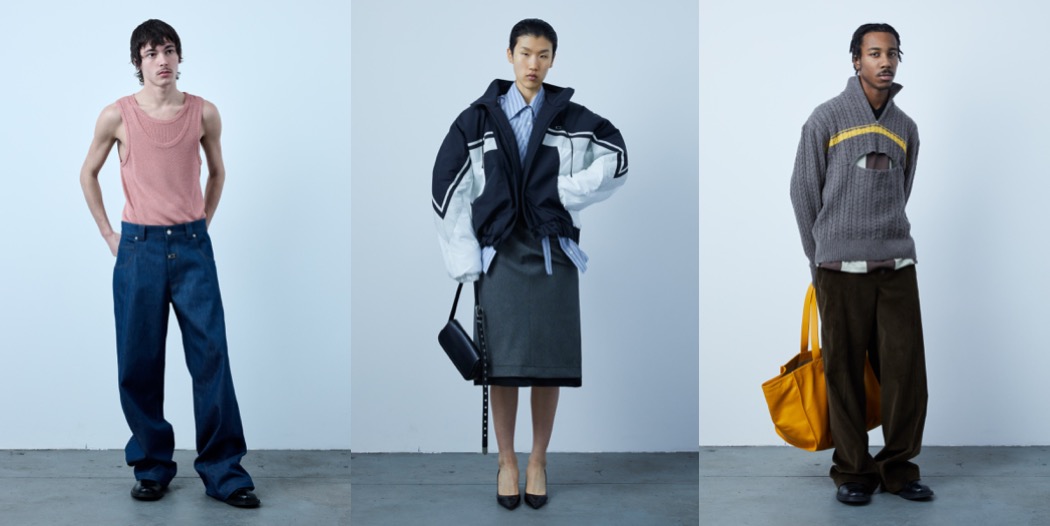
Collage by Edward Kanarecki.
Don’t forget to follow Design & Culture by Ed on Instagram!

NET-A-PORTER Limited

Clothing That Has Life To It. Maryam Nassir Zadeh AW23

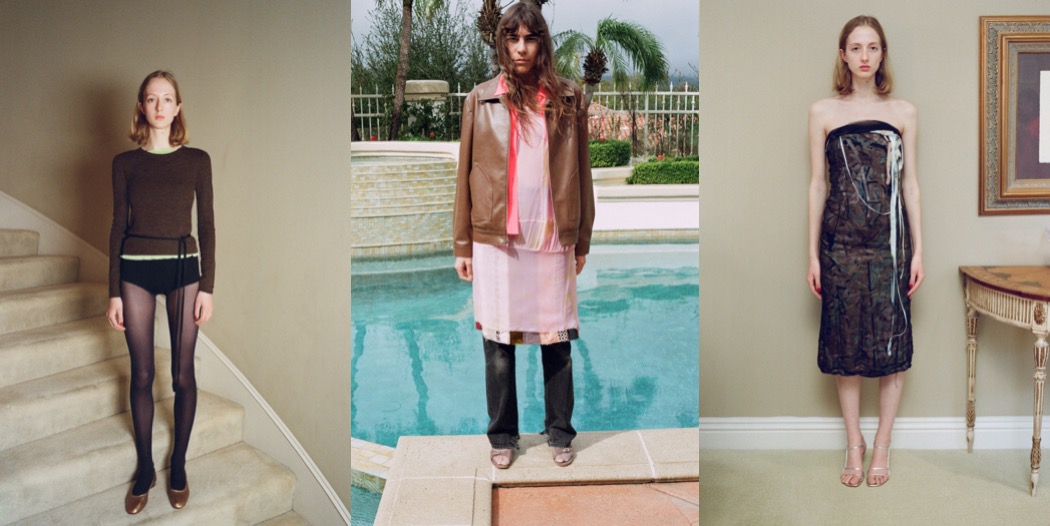
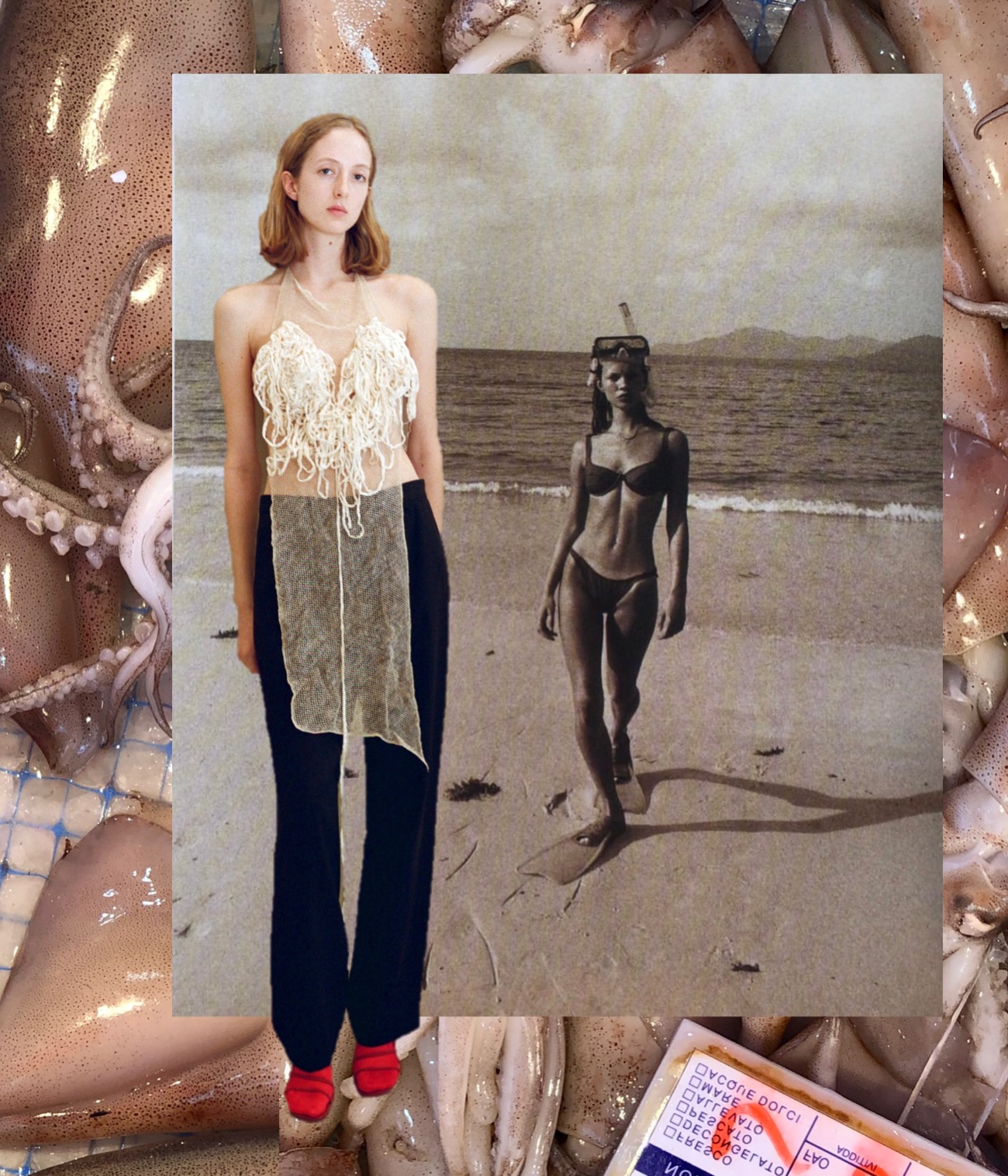
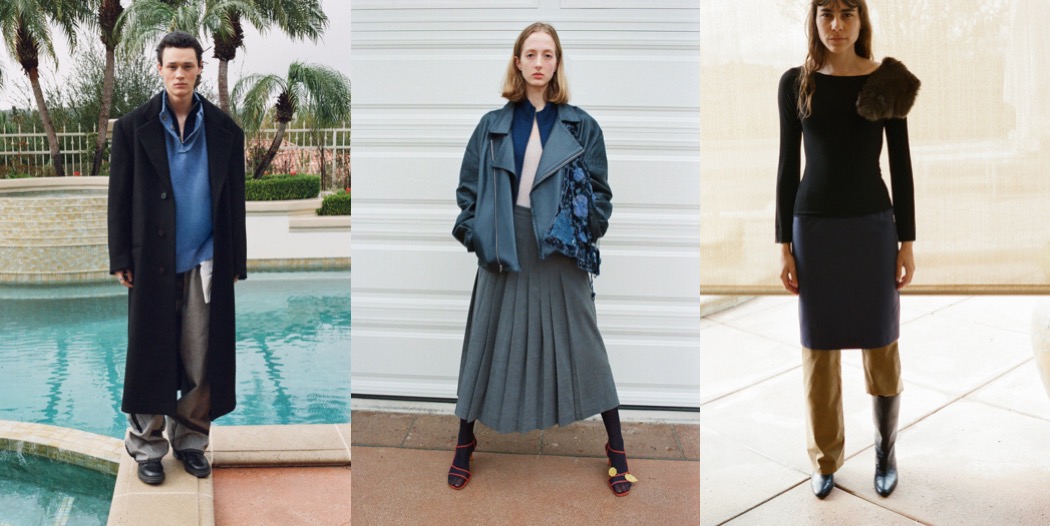
Maryam Nassir Zadeh skipped New York Fashion Week this season, and instead shot her autumn-winter 2023 look-book at her parents’ house in Los Angeles. Lately, the designer enjoys revisiting places and things she loves and seeing them afresh. “We got inspired by the idea of building a core collection, which we had never done before,” the designer explained. There were not-so-basic, quintessentially MNZ pieces aplenty here, from her signature backward pants to leather bombers for all genders, greatcoats to kilts, rendered in materials like pinstripe and corduroy. These are items that the designer still finds relevant after all these years and wants her customers to be able to come back to again and again. While going through the clothing archive she stores at her childhood home, Zadeh came across her RISD portfolio and pieces from her earliest collections. The garments and textiles she made back then didn’t just look relevant to her today; they reinforced her desire to get even closer to her work. “I really want to create textiles and make clothing that has a richness of texture and life to it,” she said. Some of the pieces, like a sash dripping with beads, are whimsical one-offs made using vintage materials; others, like an embellished stretch-lace bodysuit, will go into production. It’d look great with a pair of asymmetric laced leggings that have the special off-ness that defines the brand. In a reflective mood, Zadeh set her own pace this season. Post-lockdown, she mused, we have “a new relationship with the times, and it really has to do with things being fast. I don’t think I have to do what everyone’s doing and be so fast; sometimes doing less is just so much more. That’s where I’m at.” Going forward Zadeh will present her collections publicly by choice. The nostalgic turn her work has taken is connected to her belief that what you need you can find within yourself. As she put it: “Some things are just part of you, and some things are where you start, and then even if you go far, you still arrive back to where you began.” Zadeh’s collection might be fragranced by déjà vu, but it has the potential to take you places you haven’t yet been to.

Collage by Edward Kanarecki.
Don’t forget to follow Design & Culture by Ed on Instagram!
NET-A-PORTER Limited

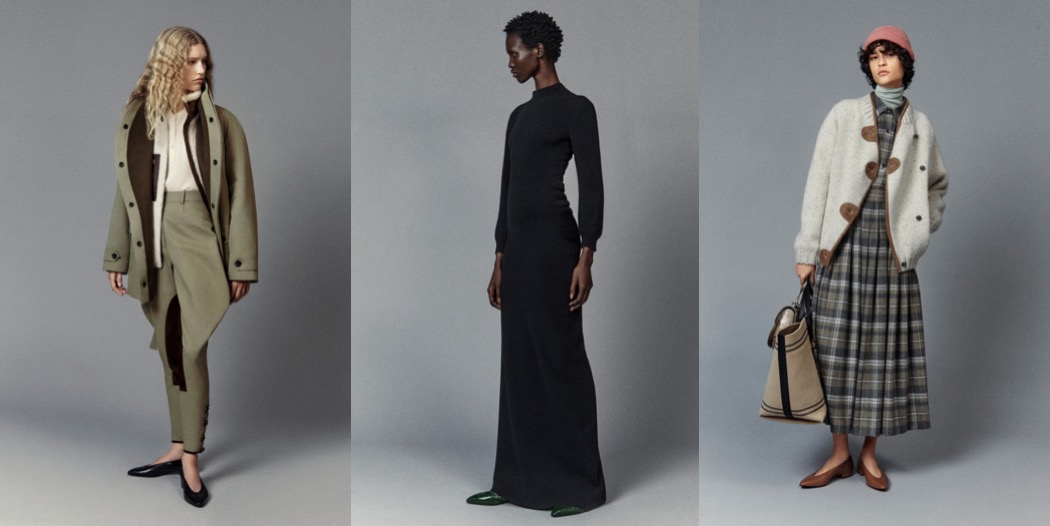
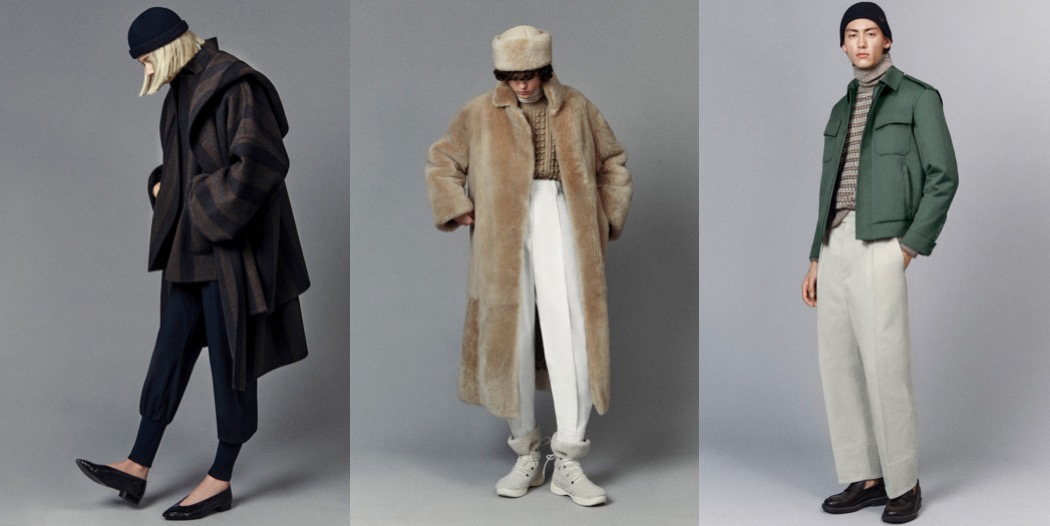
A Certain Lifestyle. Loro Piana AW23

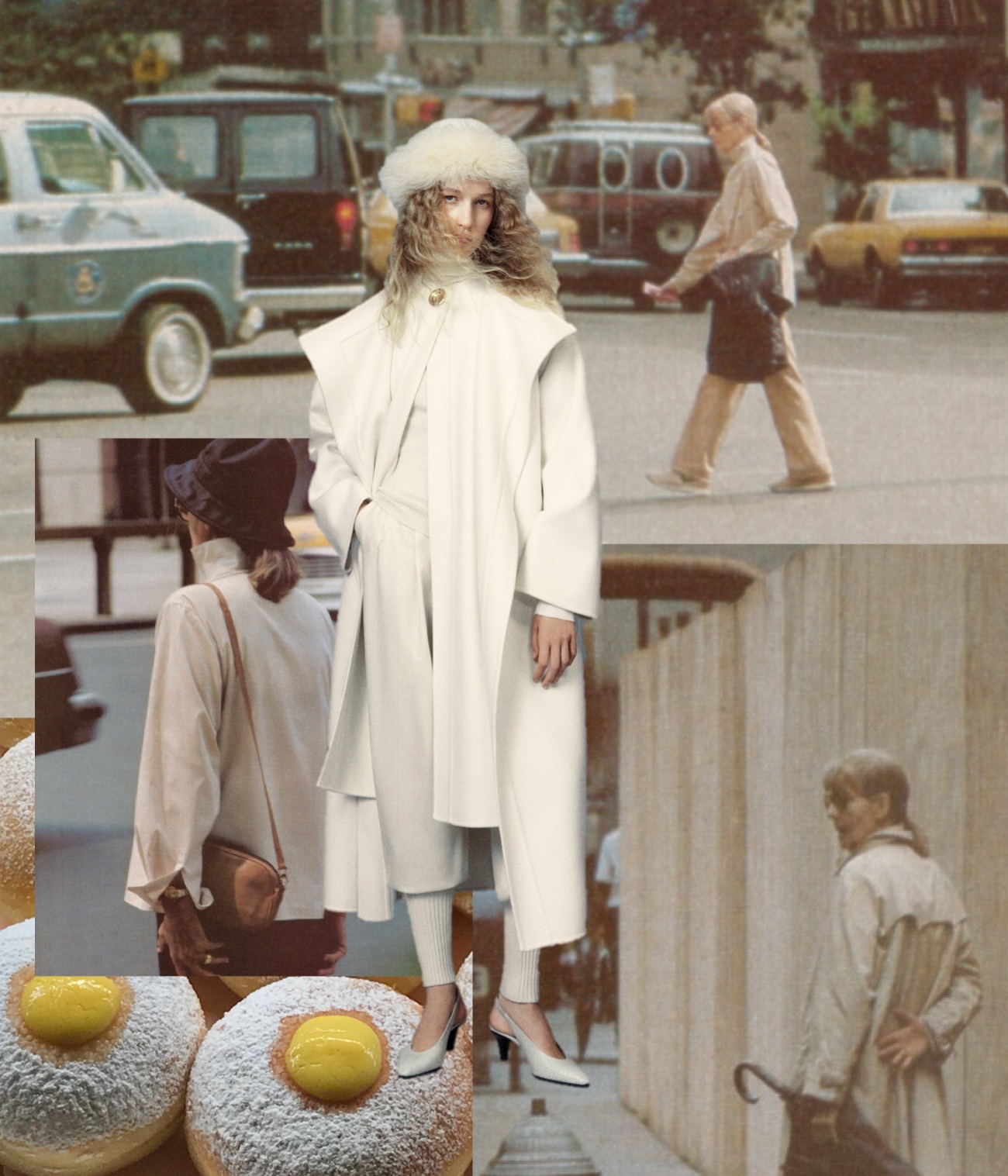
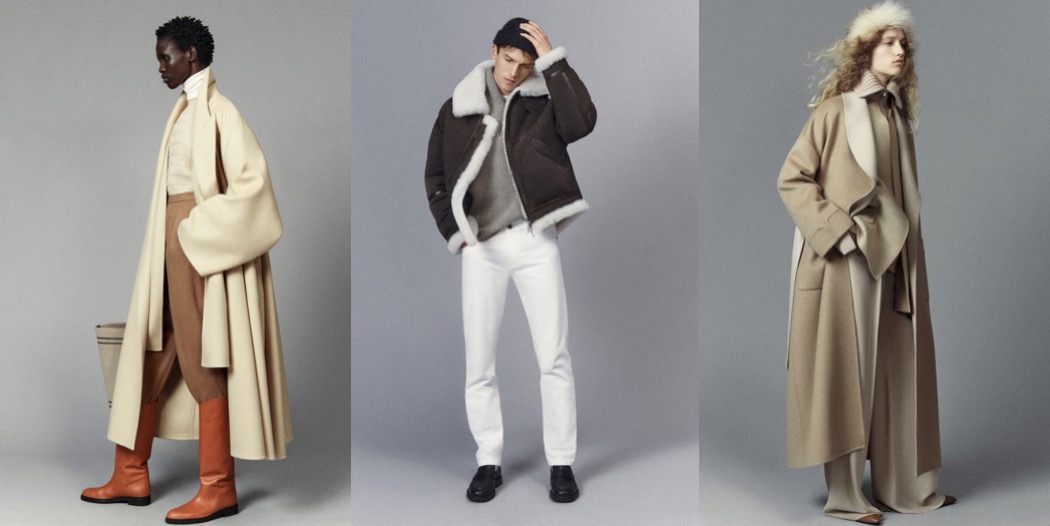
The fashion world seems to start catching up with Loro Piana. This Italian brand isn’t only delivering the finest cashmeres and vicunas to the Italian, as well as global, market, but also offers clothes that are synonymous with a certain lifestyle. Of course, it’s a very, very pricey lifestyle (*the Succession intro playing in the background*), but not a noisy one. There’s pretty much nothing flashy about Loro garments and accessories. You won’t find a single logo on the outside surface of their bags. Fashion trends, cores and themes don’t matter to this label’s design universe. The anonymous design team (the rumor has it that most of these designers came from Phoebe Philo’s Céline studio) keeps on refining the delightful house codes of Loro Piana, and the last couple of seasons are clear examples of that. The autumn-winter 2023 line-up is exceptionally great. This season, the brand celebrates the countries of its supply chains: Peru, Bolivia and Argentina (for vicuna) , New Zealand and Australia (for wool) and Mongolia (for cashmere). These inspirations were gently applied in pattern and tone to two collections – women’s and men’s – that worked hard to get along: adapted outerwear pieces from Loro’s more traditionally mannish canon were adapted for womenswear, while the pleated, fuller pants shape that the women’s team majored on was reflected in multiple menswear looks. An absolute harmony. Loro Piana is an inherently discreet brand that is traditionally more progressive in its technical development than its expression. This collection pointed to the shaping of a more coherent voice with which to declare its excellence.

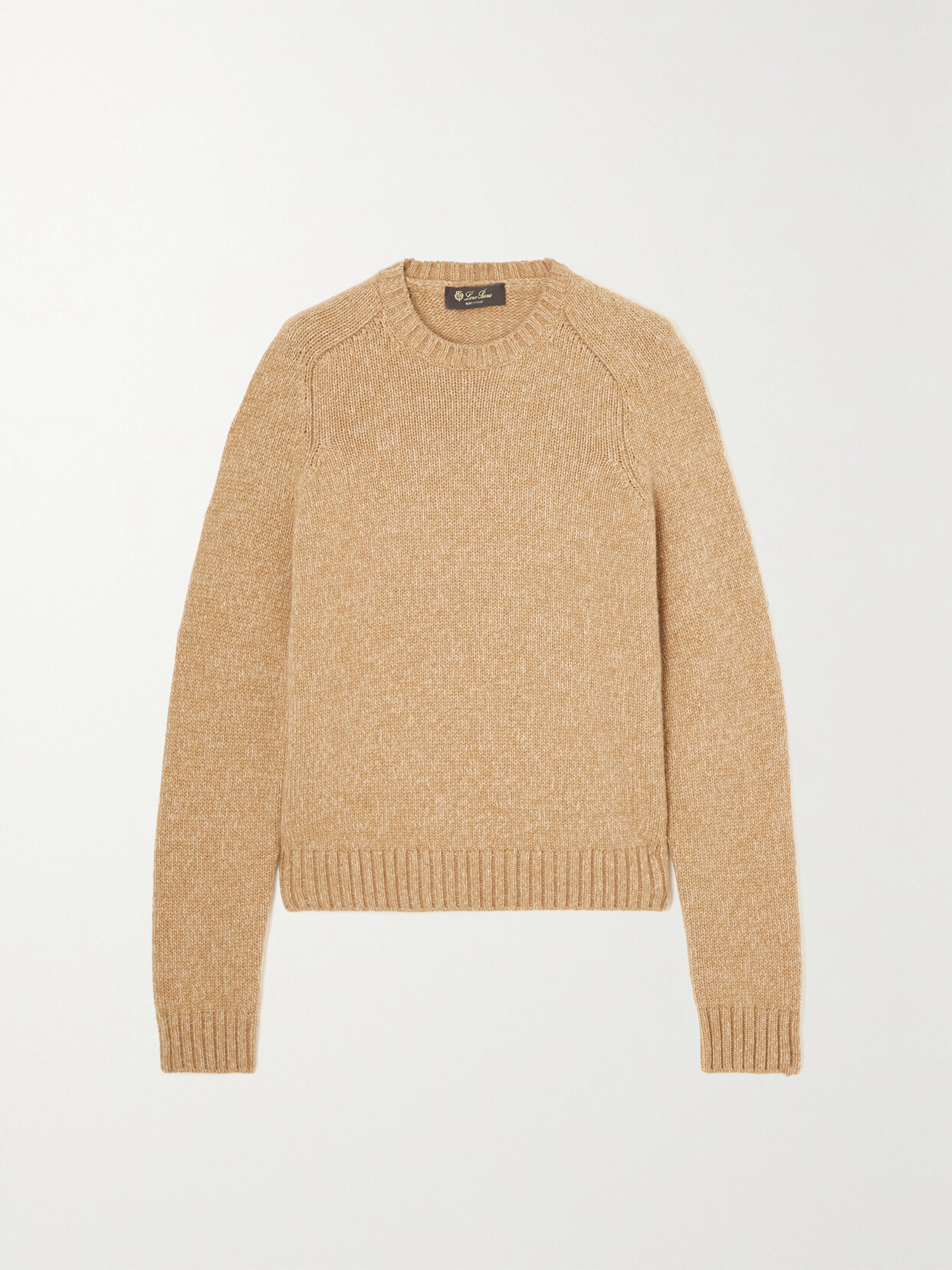
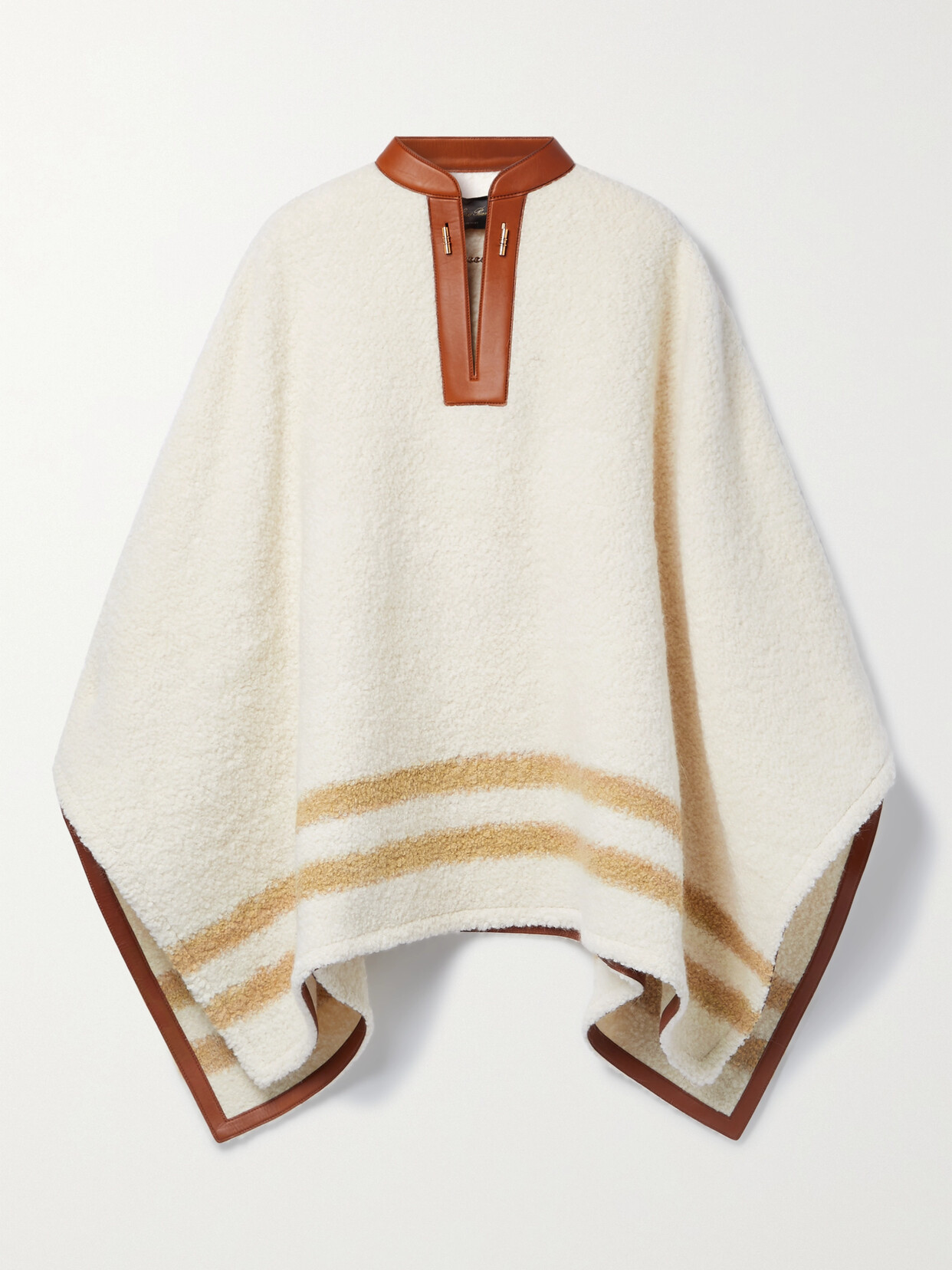
And here’s a couple of my current Loro Piana favorites. Those are pieces you could have in your closet and actually never shop again. And pass them on as family heirlooms…

Loro Piana – Monginevro Cashmere Sweater – Brown

Loro Piana – Leather-trimmed Striped Alpaca-blend Bouclé Poncho – White

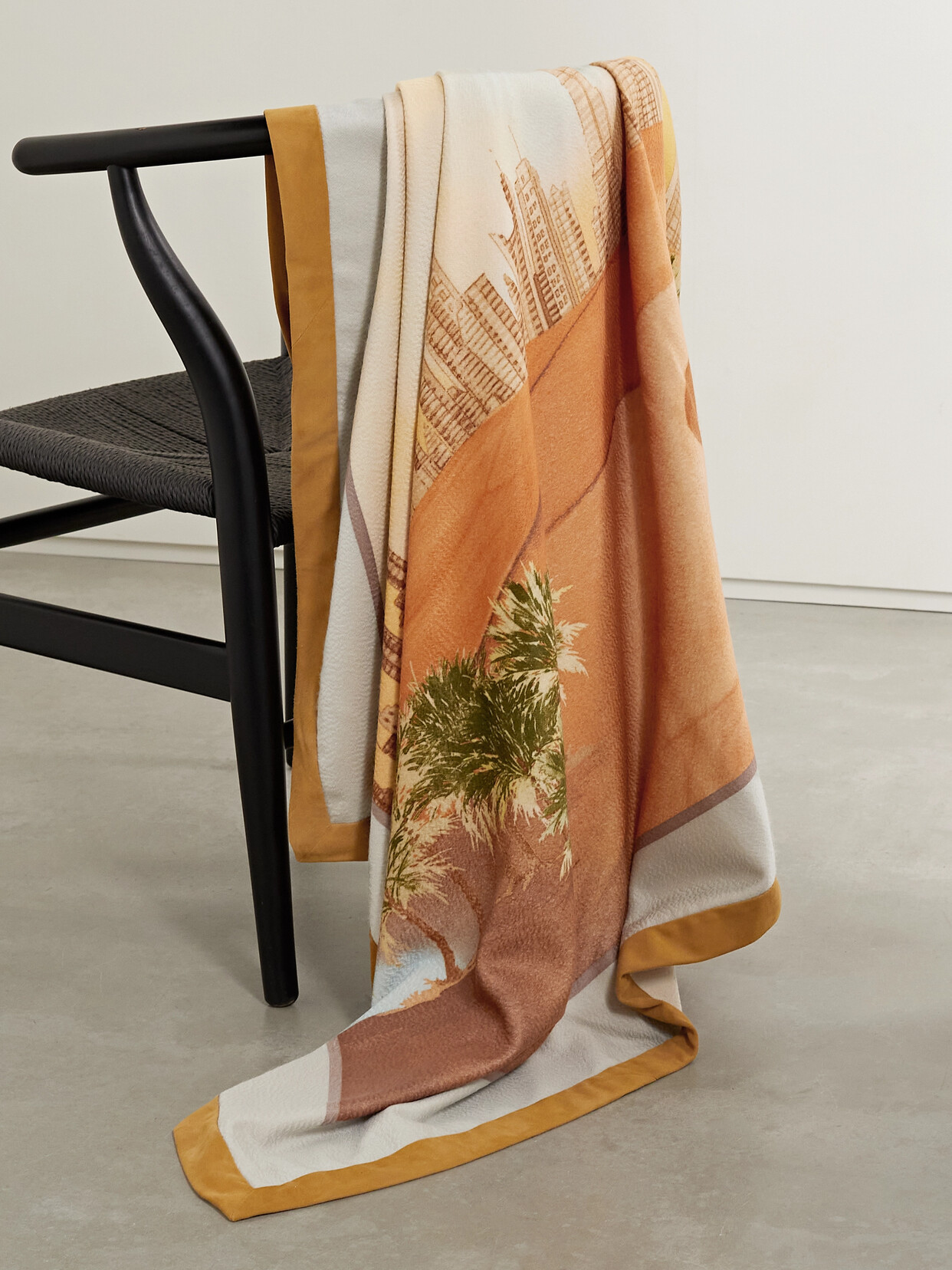
Loro Piana – Golden Hour In Dubai Suede-trimmed Printed Cashmere Throw – Orange

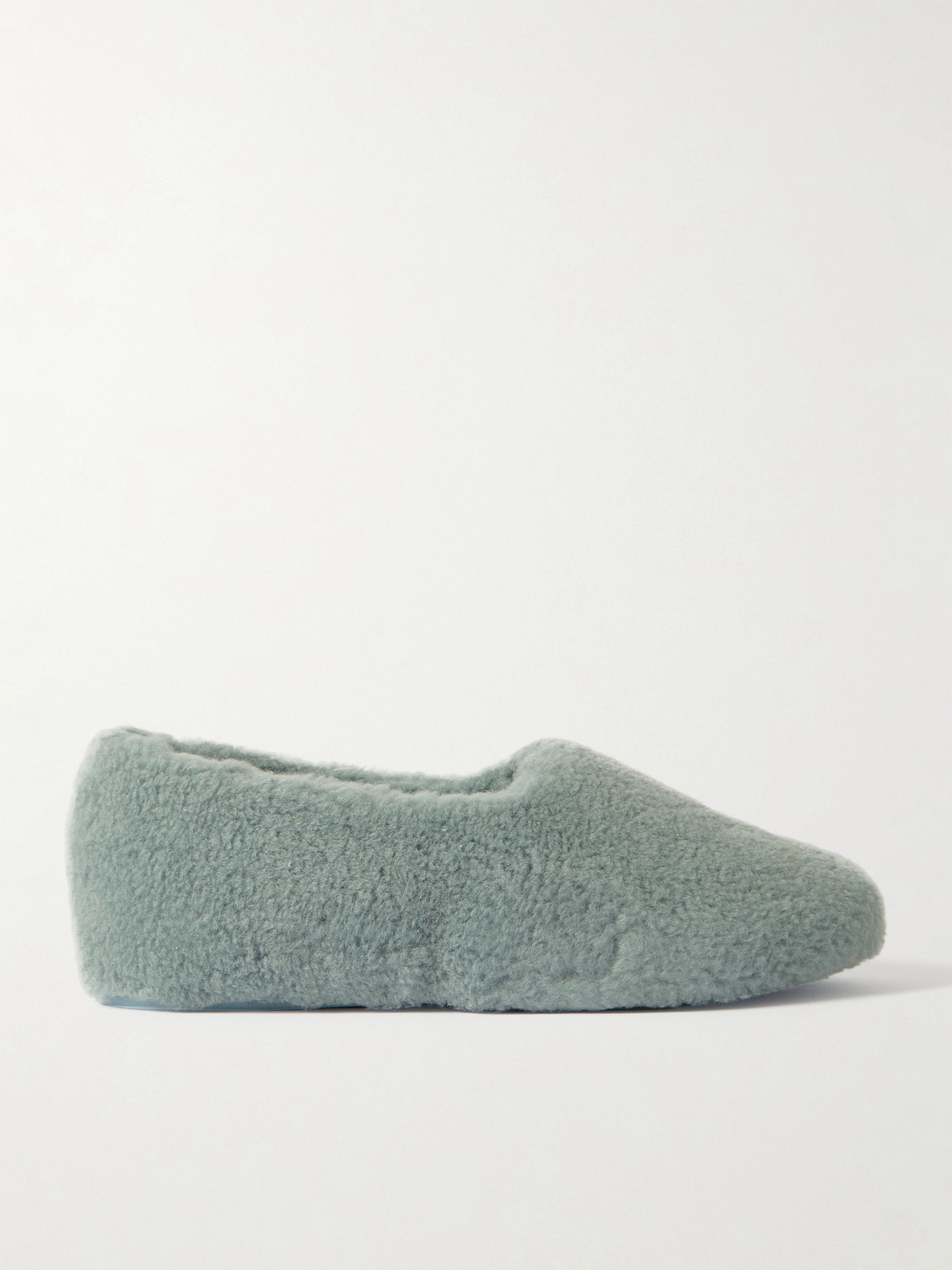
Loro Piana – Wintercozy Faux Shearling Slippers – Gray

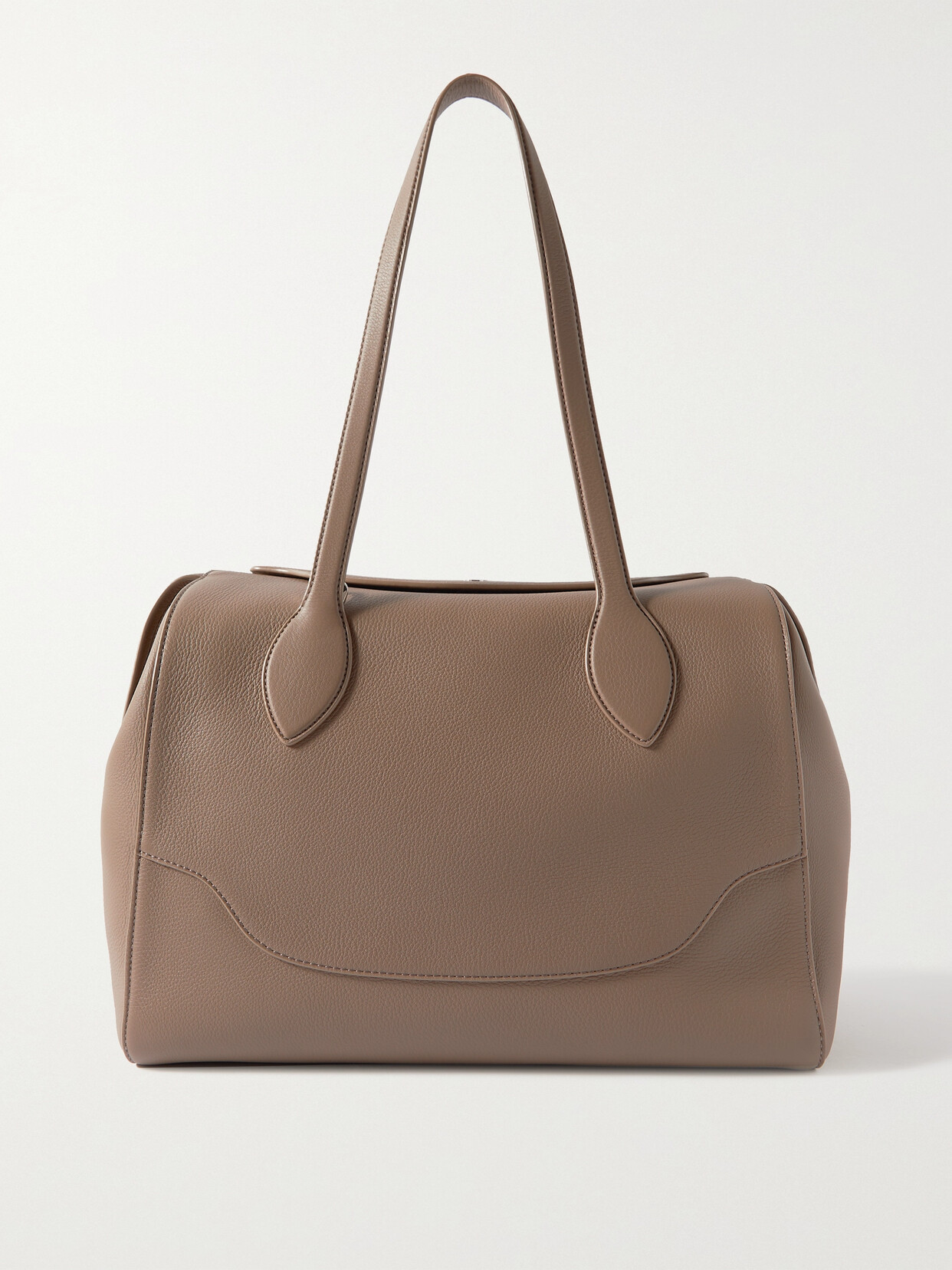
Loro Piana – Sesia Happy Day Large Textured-leather Tote – Brown

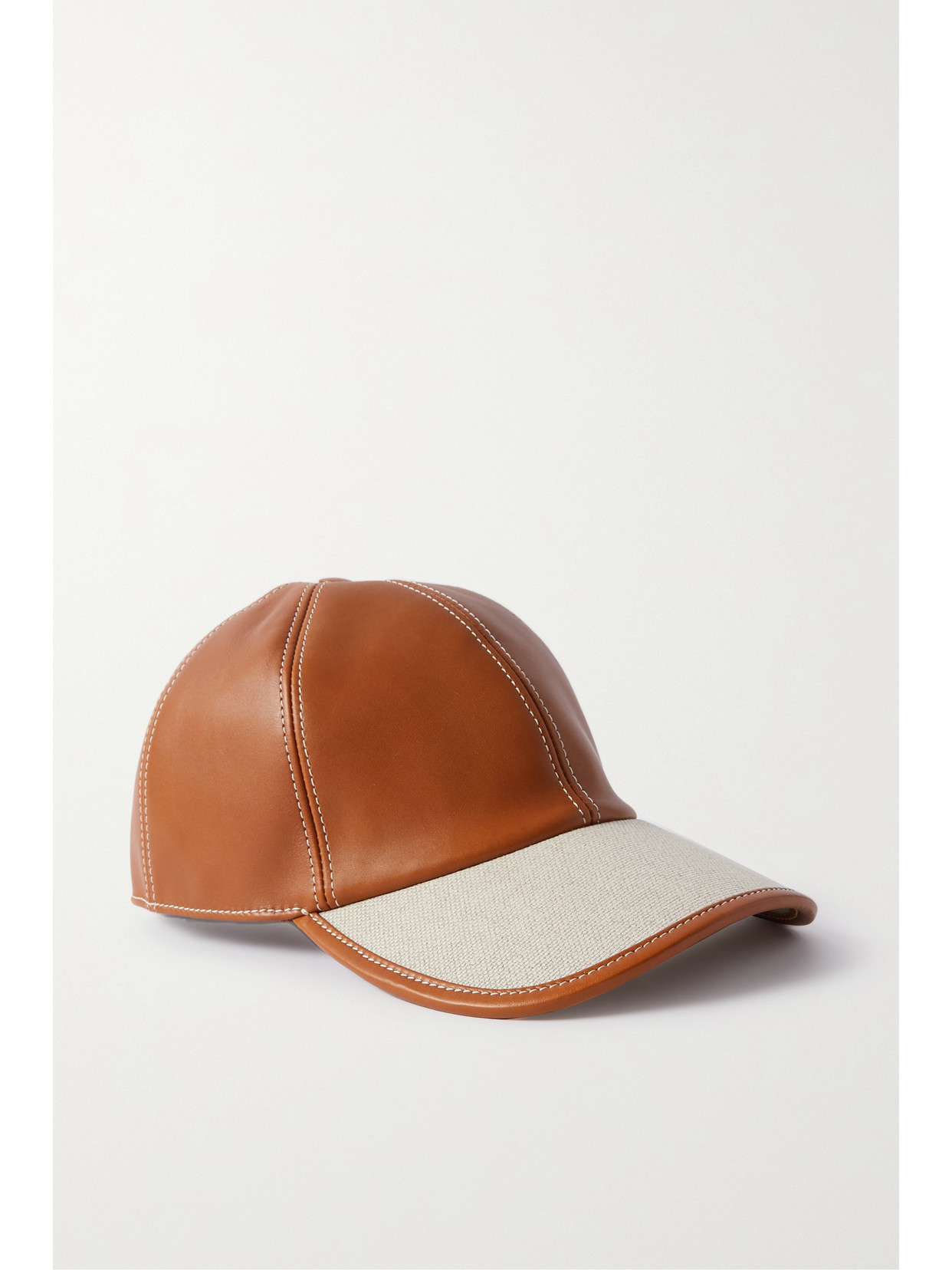
Loro Piana – Cotton And Linen-blend Canvas-trimmed Leather Baseball Cap – Brown

Collage by Edward Kanarecki.
Don’t forget to follow Design & Culture by Ed on Instagram!

NET-A-PORTER Limited

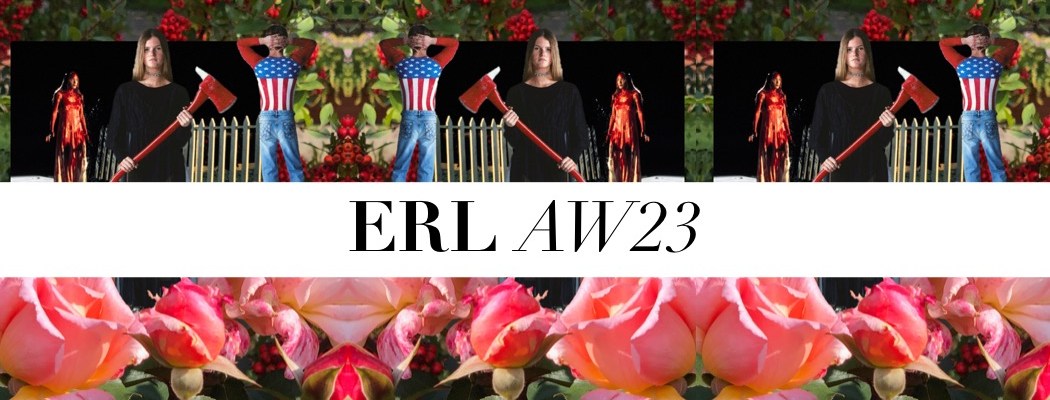
Looking For America. ERL AW23

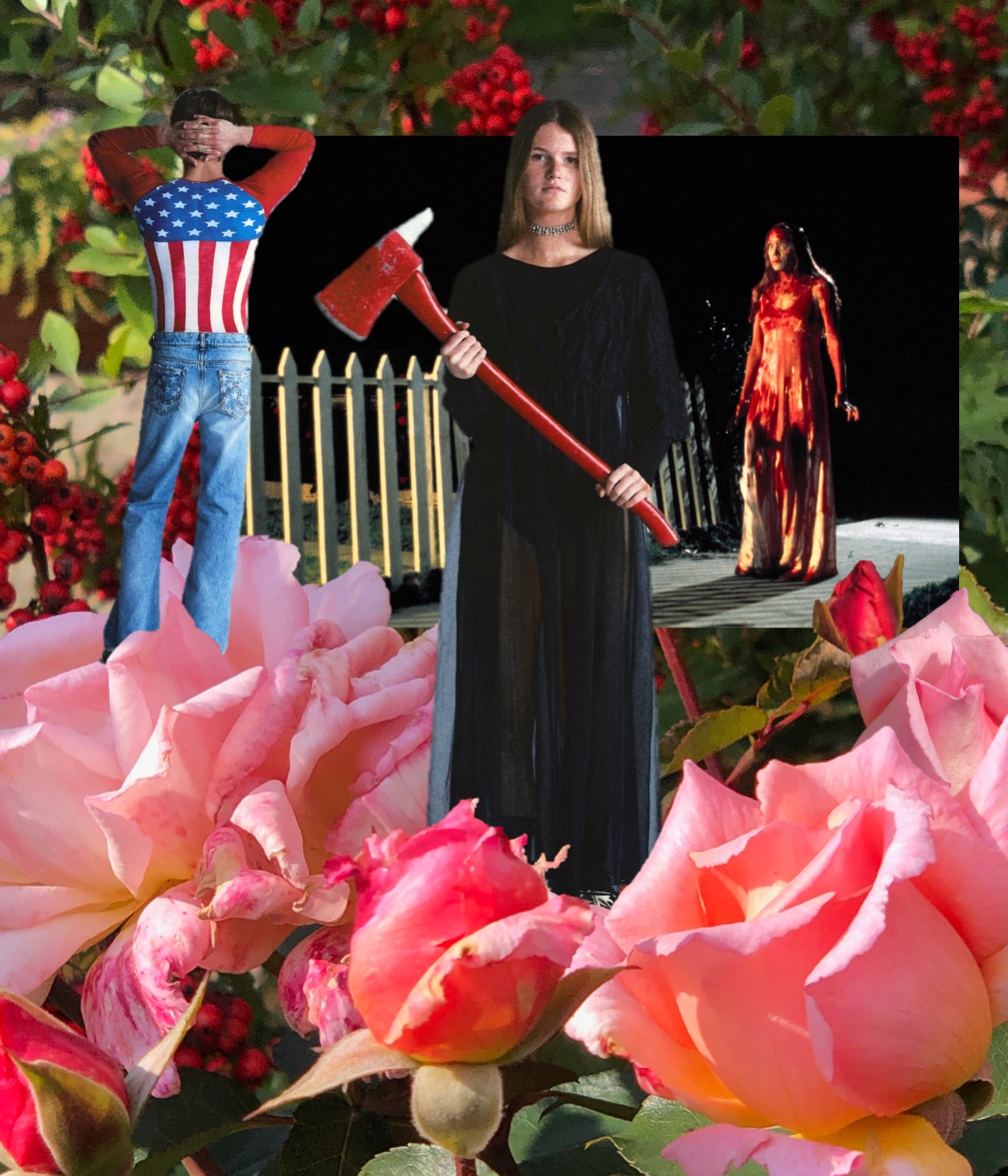
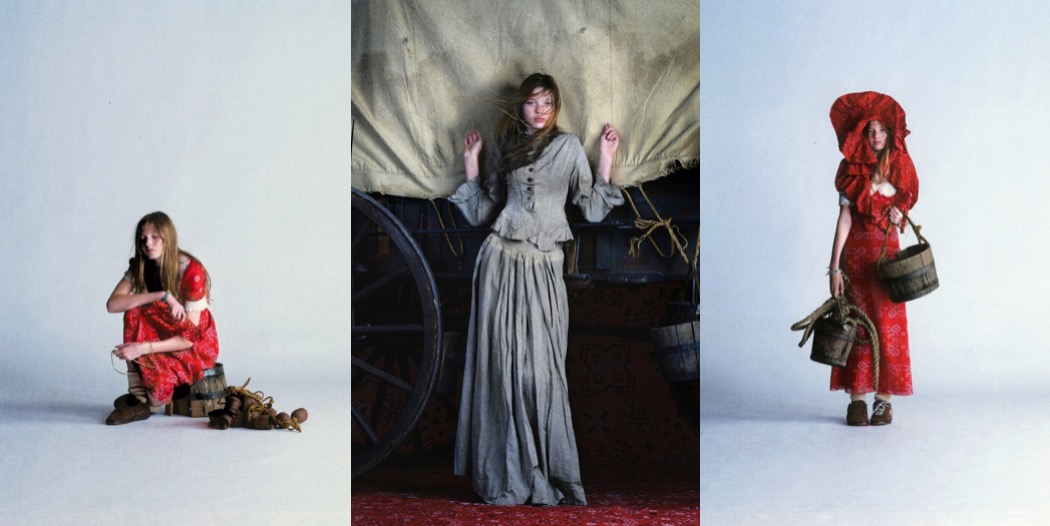
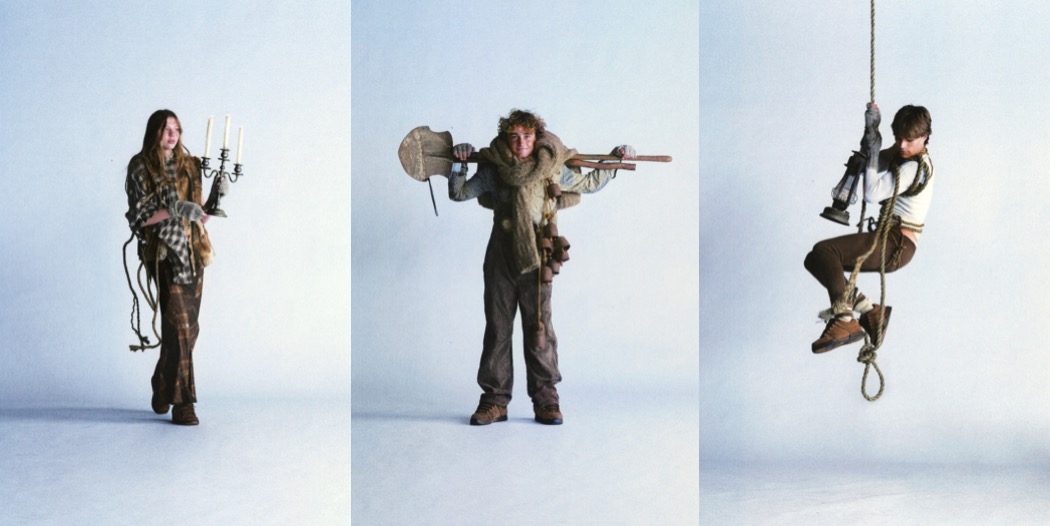
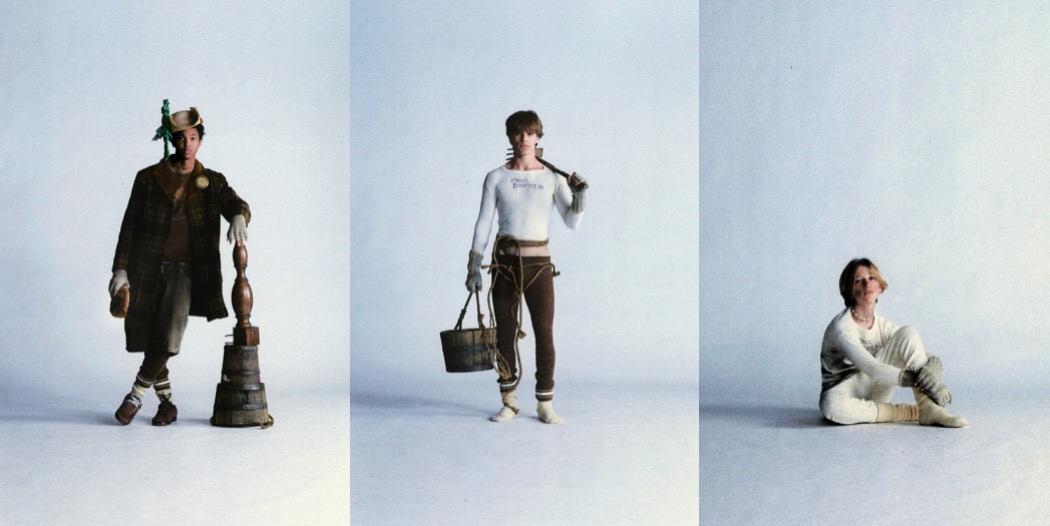
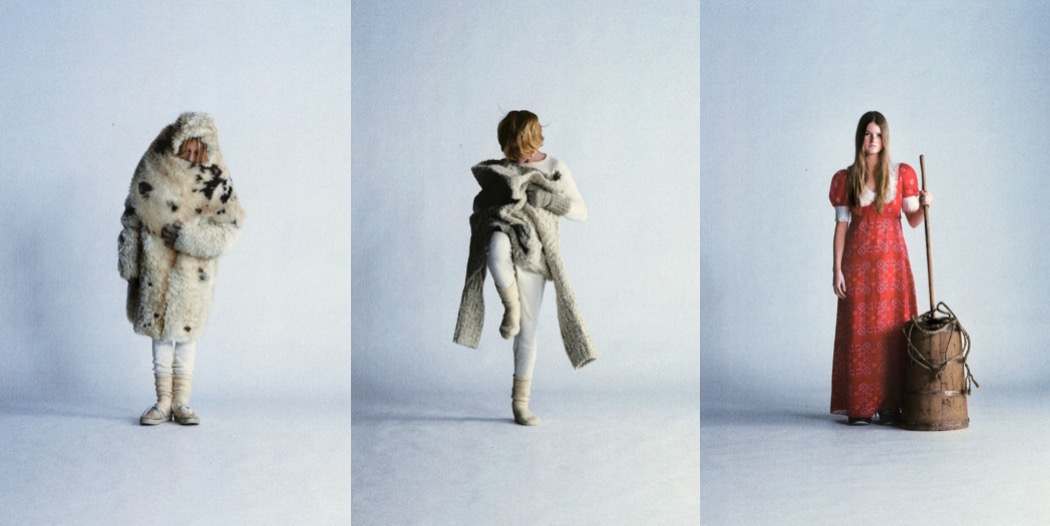
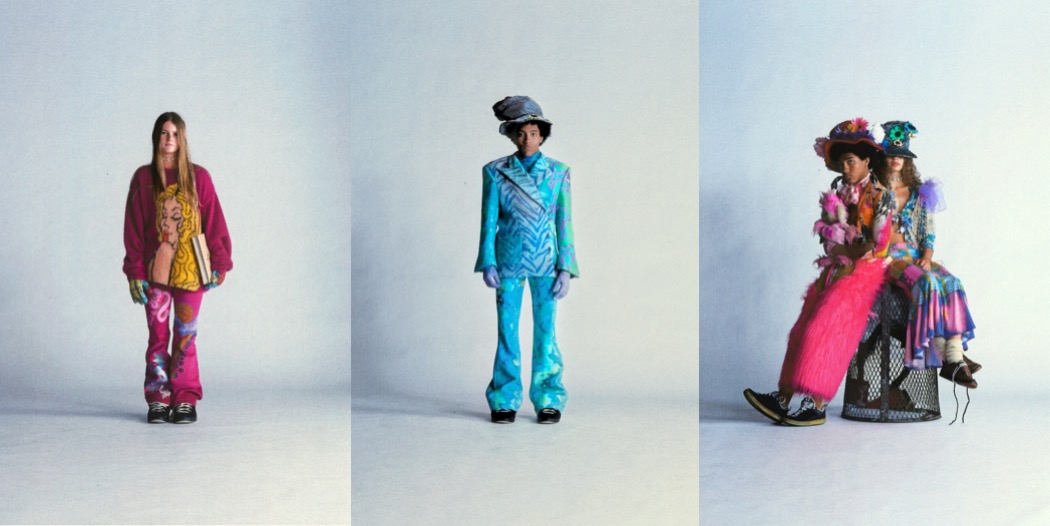
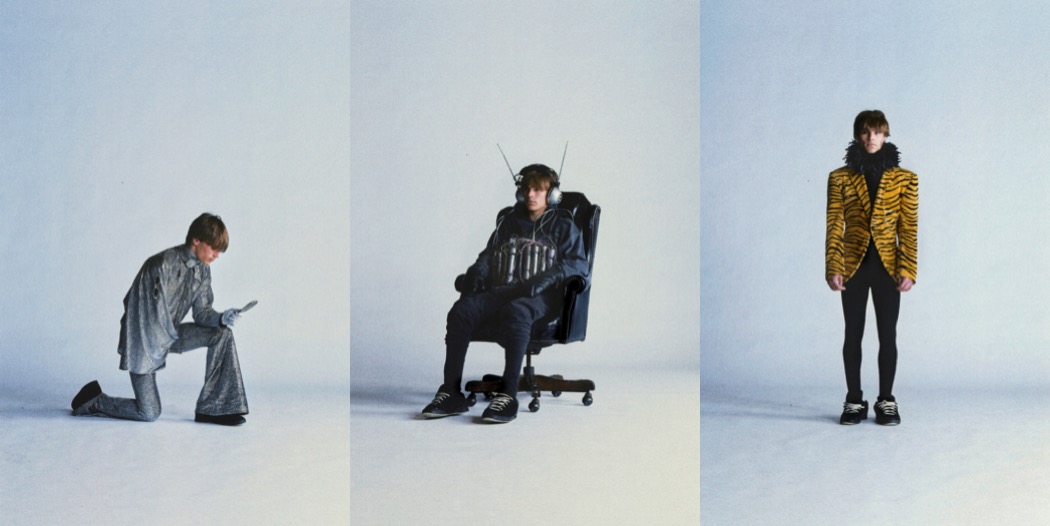
There is no other brand like ERL. By that I mean no one dissects the codes of Americana like Eli Russell Linnetz. And nobody in fashion does theatrics like the Venice Beach-based designer. The authentic, evocative story-telling, which is a combination of ERL’s convincingly vintage-y clothes and the brand’s unique cast of models, just can’t be faked. The designer’s story for autumn-winter 2023 season follows a family that strikes it rich after traveling the Oregon trail, then falls into dysfunction and deterioration across the generations. The zine, which Linnetz titled “Greed: The American Gold Rush“, opens with “pioneer chic” dresses in drab checks and a red bandana print and ends with a Wall Street descendent living through the housing crisis of the 2020s in a football jersey with a homemade bomb strapped to his chest, planning his own demise. It’s a dystopian view of the American dream, reinforced by the use of imagery from the film Easy Rider – tagline: “A man went looking for America. And couldn’t find it anywhere.” But the collection isn’t as dark as the tale Linnetz tells with his photos. Though there are T-shirts printed with the words “Rent Me,” he wears his generation’s pessimism lightly. He’s too fascinated with the major and minor arcana of American life – from the stars and stripes of the flag on down to swap meet sourced vintage prints and the 1970s phenomenon that was iron-on T-shirts – to be truly negative in his outlook. A click through the images will tell you that this is actually Linnetz’s most upbeat collection yet, and not just because he devoted a chapter to the psychedelia of the 1970s, with flower children printed parkas and snowpants, and airbrushed T-shirts in cotton that feels likes it’s been loved and lived-in for years. He had fun with his Wall Street-wear too, collaging classic menswear plaids with surfboard illustrations by the legendary surfer Gerry Lopez on jackets and coats. The back of the coat is DIY’d with one of the 50-odd iron-ons in the lineup. Linnetz pointed to his experience collaborating with Kim Jones at Dior Men for his push into tailoring, and said there will be more of it in upcoming seasons.

Collage by Edward Kanarecki.
Don’t forget to follow Design & Culture by Ed on Instagram!
NET-A-PORTER Limited

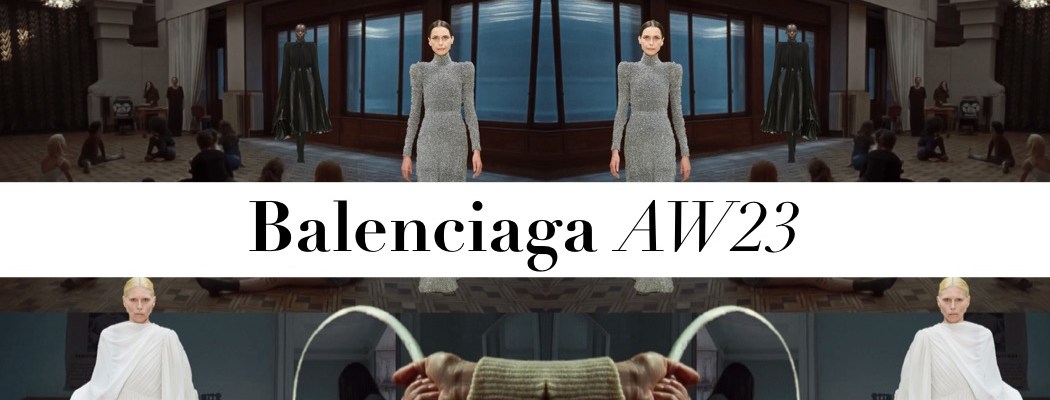
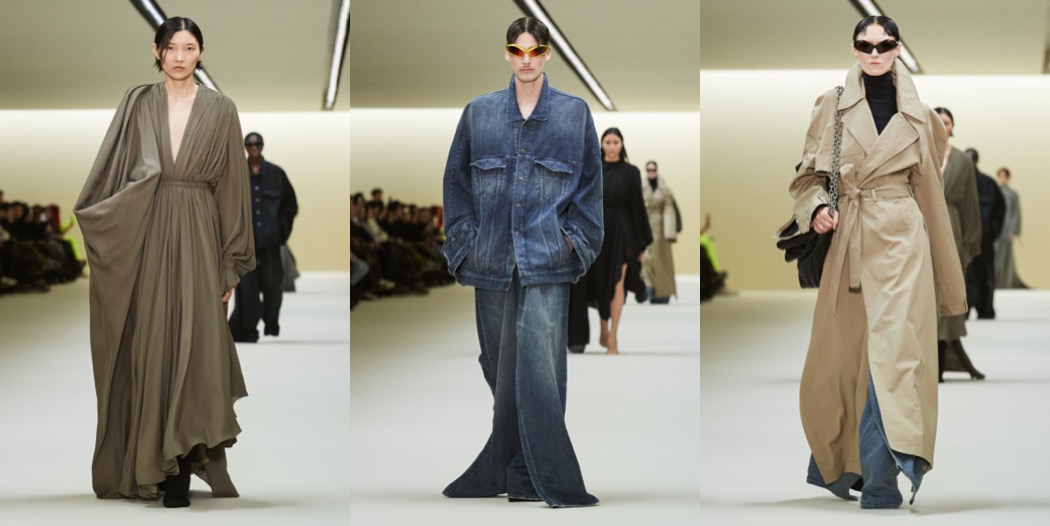
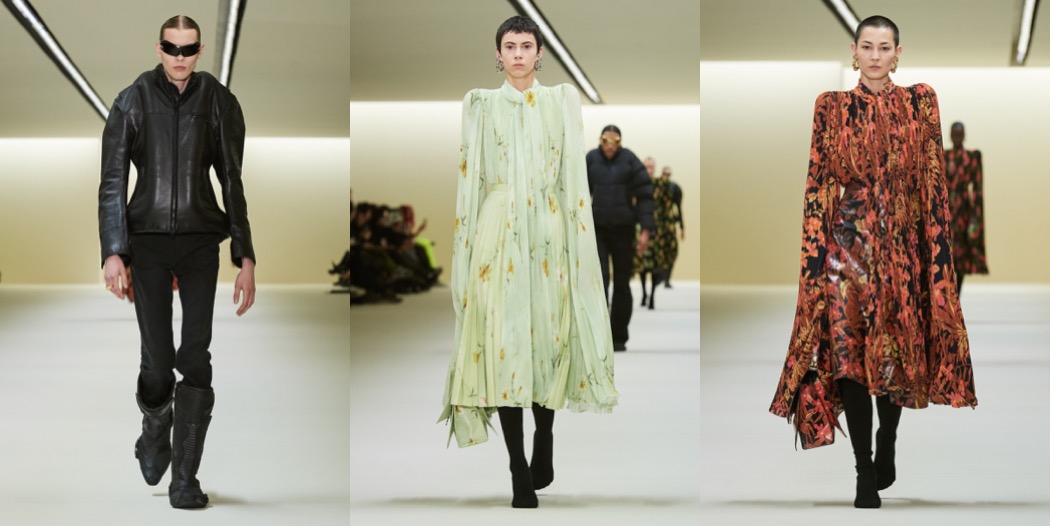
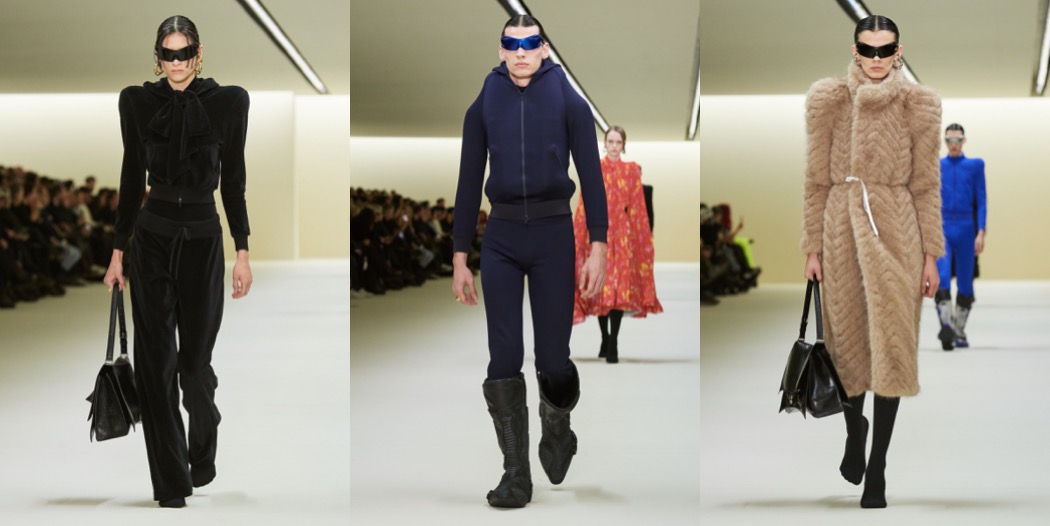
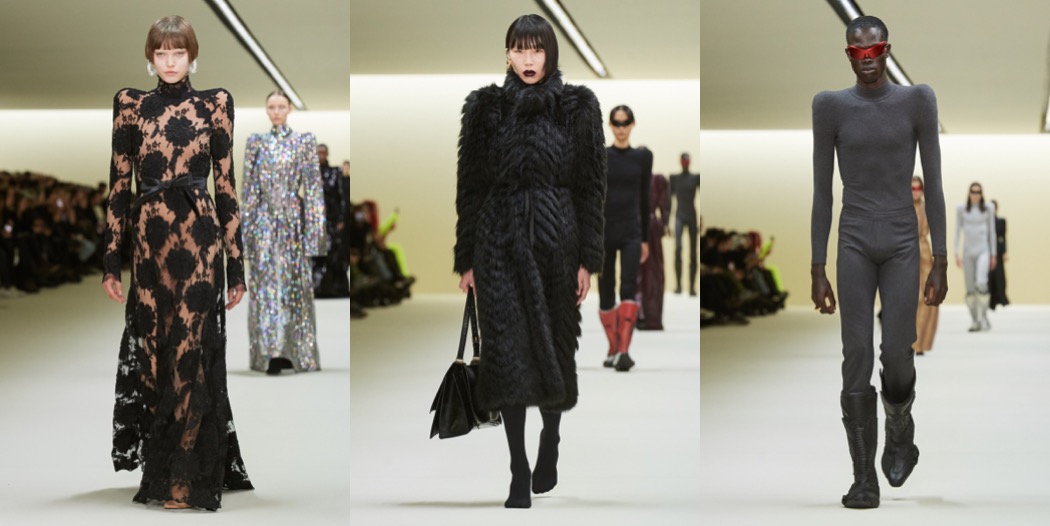
Radical Carte Blanche. Balenciaga AW23

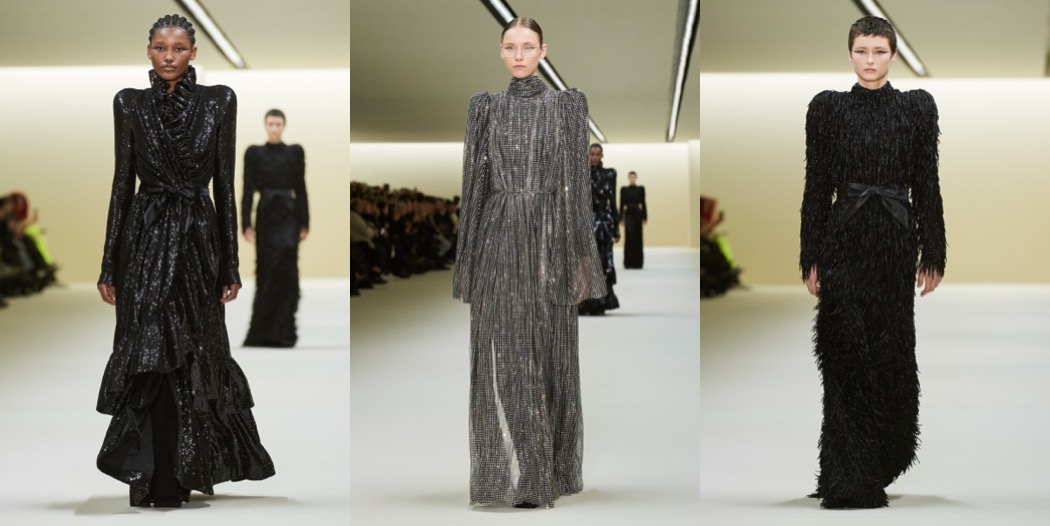
After THE controversy – which became an unprecedented case study that polarized the fashion industry – that escalated in the second half of December and continued to be dynamically scrutinized in the beginning of 2023, Balenciaga and Demna are back. Cautiously. The autumn-winter 2023 fashion show was provocation-free: just a white-cube venue and models in clothes, with no sociopolitical context playing in the background or a performative, highly-viral shock value. Stripping back to the fundamentals of design has been a thrust of this latest round of shows, but nowhere was the extreme tension between those two poles felt more sharply than at this show. Demna’s explanation and apology, with information about the brand’s plans for internal reform and its offer of reparation through a three-year partnership with the National Children’s Alliance was published by Vogue in early February. “I needed to have a show because I need to move on. I need to liberate myself – through my work, and what I do, and put it out there,” he’d said in a one-on-one conversation held at Balenciaga headquarters in the days before the show. “Because it has been a hell three months, and I really don’t know how I had the strength in me, mentally, to go through it.

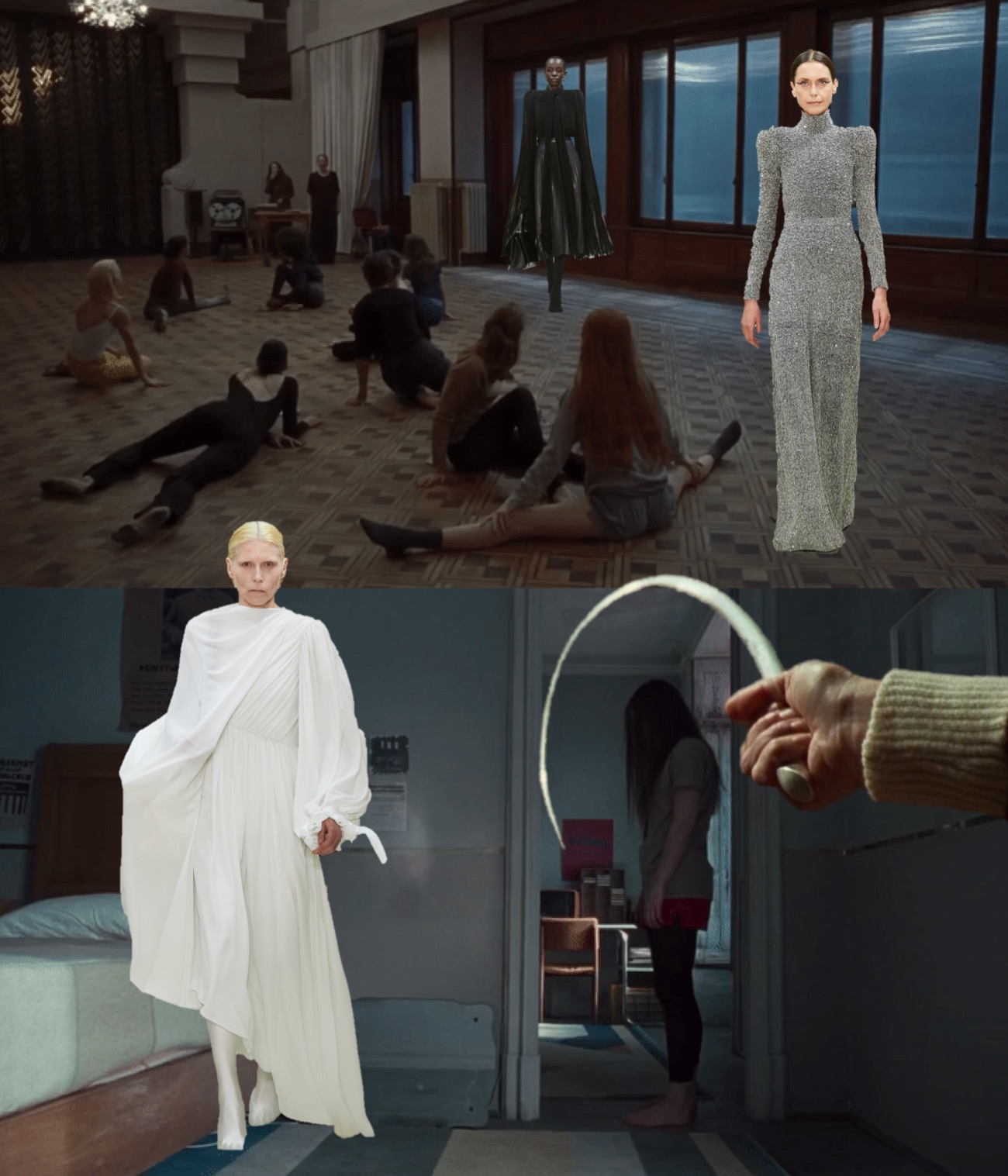
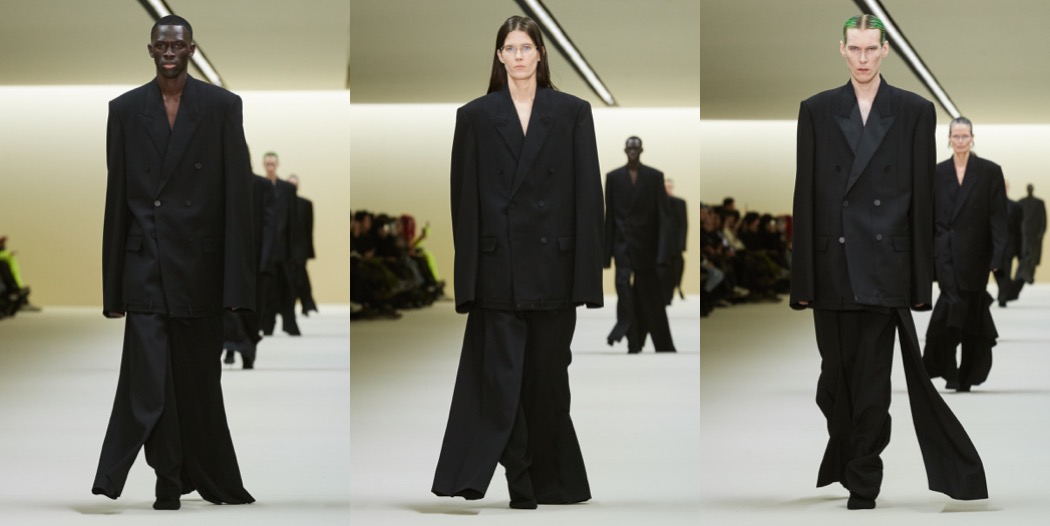
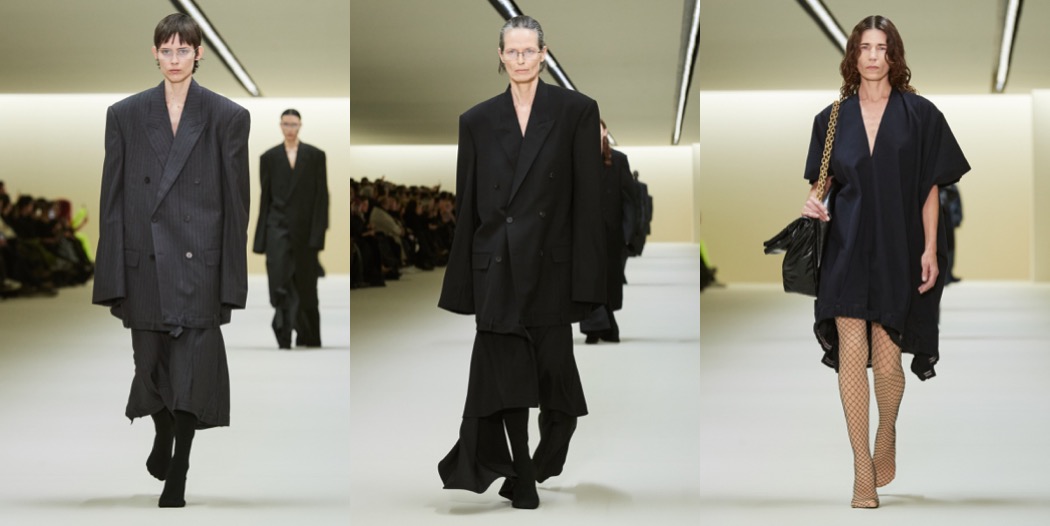
The choice he made was to ditch his mega-set methodology and showcase his personal bid for reputational integrity as a designer. “It had overshadowed the collections – most people didn’t see the clothes even when it was packed with great clothes. You know, I just felt almost like [I was] betraying that by doing those kinds of set designs, because the most important thing for me in my work was being overshadowed by 15 minutes of buzzy concept. I was like, I was like, ‘Okay, I need to change that anyway,’” he said. “And this whole situation really just confirmed to me that it cannot be about that anymore. I love doing that. But I don’t love doing that more than making clothes and I felt like I needed to put this in focus. It came together with something that truly represents me as a designer. I feel like this is the message I want to give: This is who I am.” Who he is, and where he is now: it was hard not to read the imagery of a world turned upside down in the makings of the long, somber sequence of 17 black oversized tailoring looks that opened the show. Black is a Balenciaga core non-shade; it syncs with the mood of fashion at large, and it was a reminder that Demna was, after all, the progenitor of the super-sizing that’s swept fashion in the last decade. Nothing new there. What was different: all these pieces were constructed from reverse-tailored trousers. There were coats and jackets with pant-loops and pockets in the hems. And below them hung doubled pairs of trousers, giving, from the side, the surreal illusion that the people were walking on four legs. In the next part of the collection, Demna refocused on Cristóbal Balenciaga’s legacy. “Evolving it is the number one reason why I am here,” as he’d commented to Vogue earlier. Shorn of distractions, critically, the collection could be seen as a hybrid of Demna-isms – cyber-avatar menswear, his familiar flower-printed knife-pleated dresses – segueing into more of a distinct homage to the founder’s archival evening gowns. These were long, slim, covered-up dresses, minutely embellished, and with a new signature rounded-bump of a shoulderline. Aside from the styling, there is one far more radical change on the way for Balenciaga. It was heralded only by its absence – the fact that the clothes and accessories were wiped clean of logos. The attraction of highly visible branding has been part and parcel of the cult of Balenciaga that Demna has brought to popular street culture everywhere. “It’s a big thing,” he admitted. “But I think we’re going to enter the stage in my work where it doesn’t need to be justified by the brand on it. To be honest, it’s necessary, and I use this opportunity now to convince that this is the right thing to do. And of course, you know, doing that means not doing it only once. You have to persist to be able to change.

Collage by Edward Kanarecki.
Don’t forget to follow Design & Culture by Ed on Instagram!

NET-A-PORTER Limited