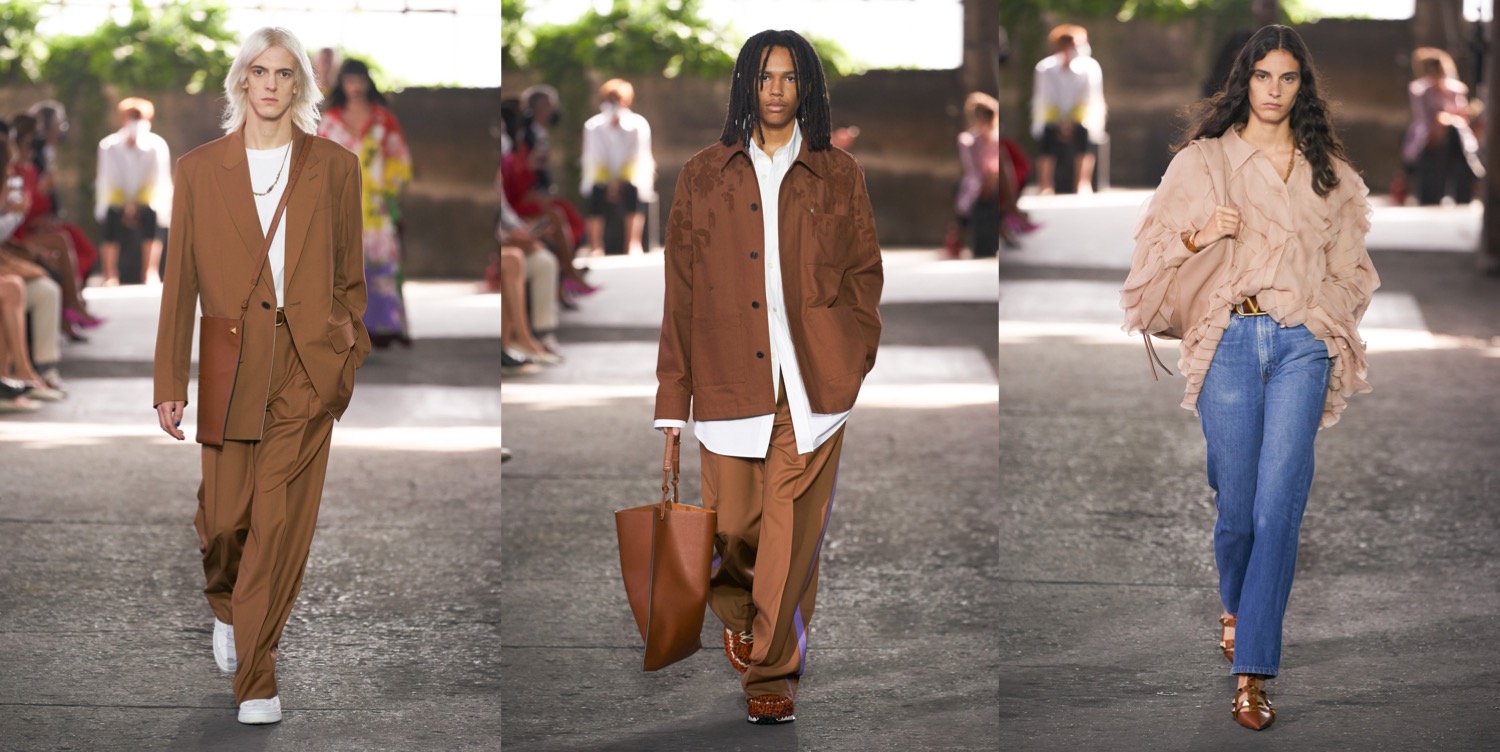
Ouverture Of Something That Never Ended. Gucci SS21

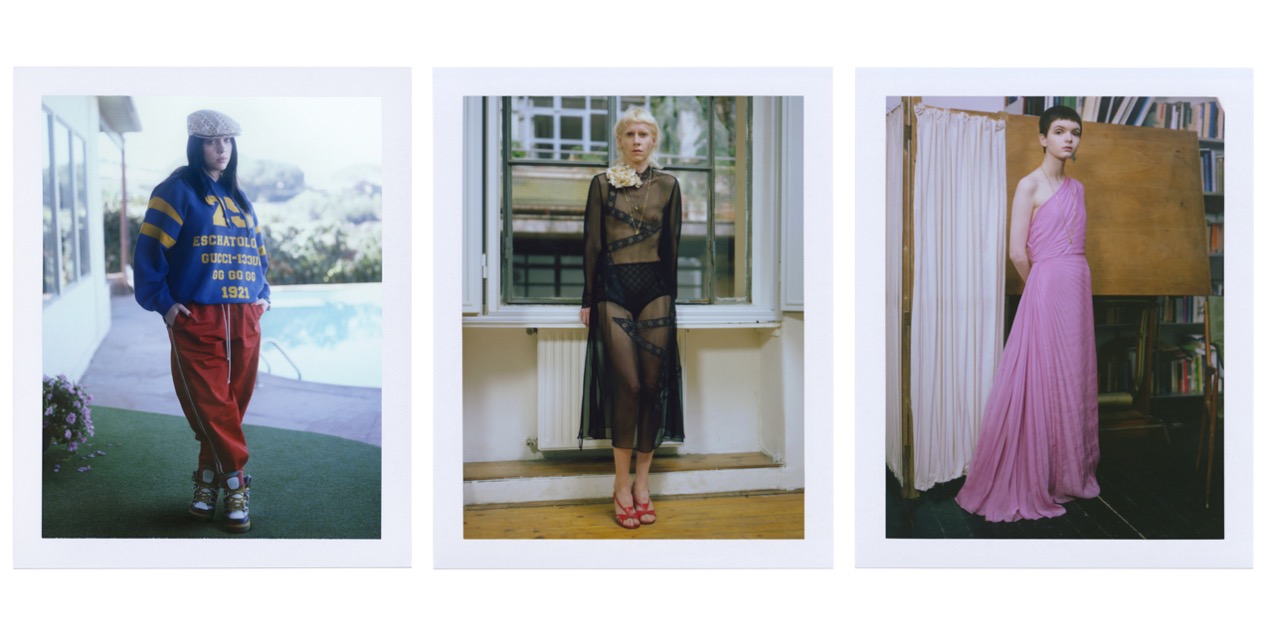
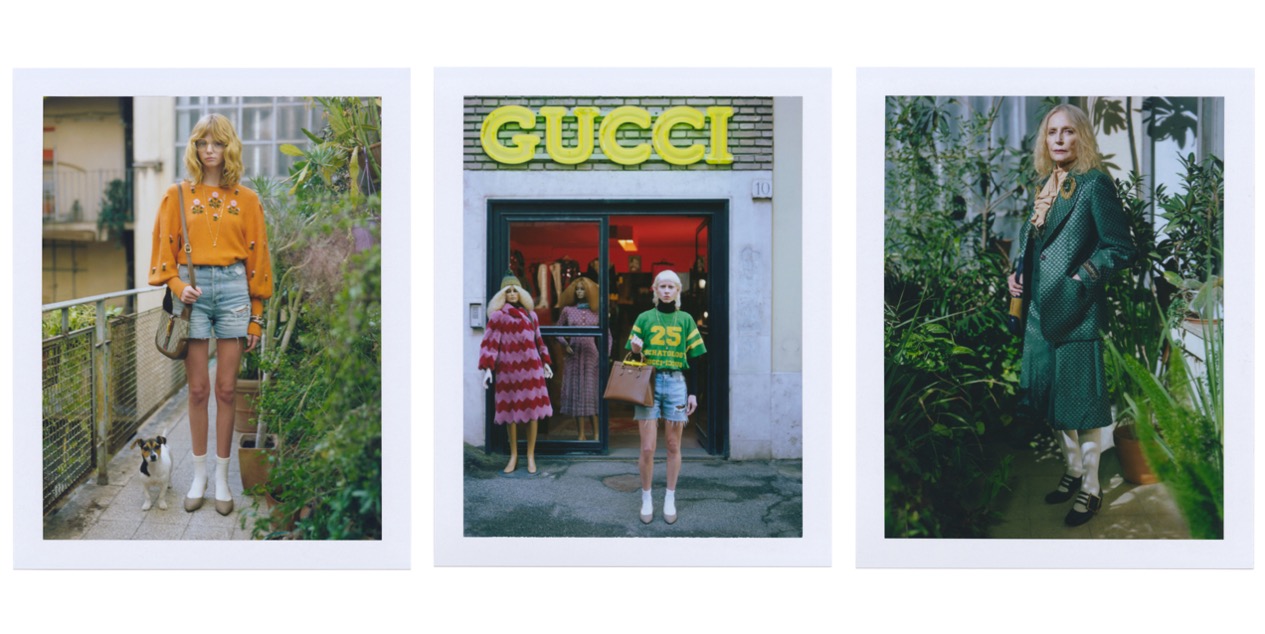
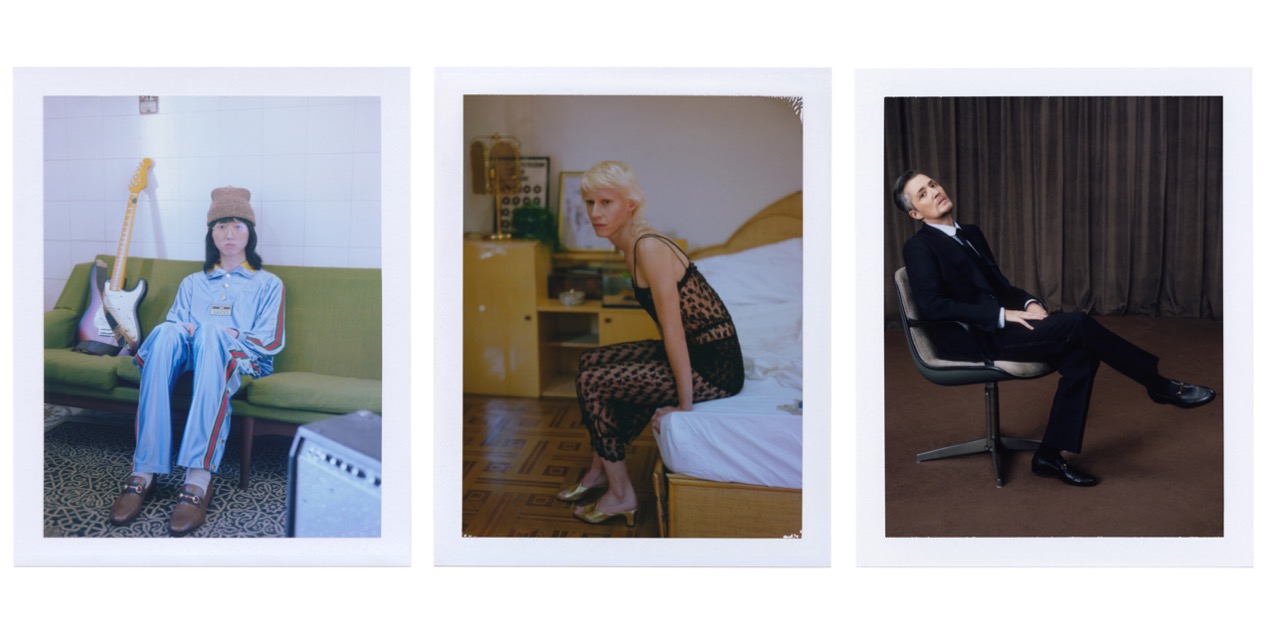
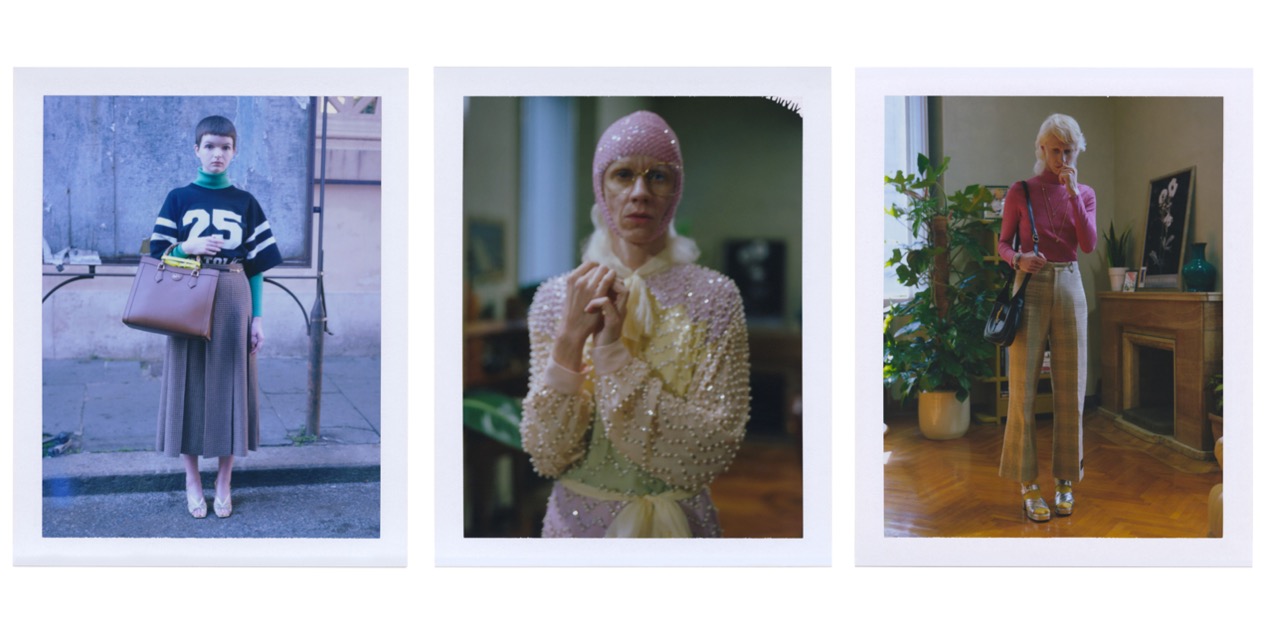
COVID-19 made fashion rethink many matters, from fashion week schedules to overproduction, but most of all, it accelarated the reflection on how to show a collection to wide audience, through the digital media, in the most appealing ways. Most of brands come up with a video or film. But the latest example takes notes from Netflix. Gucci‘s Alessandro Michele hired the one and only Gus Van Sant to make seven-episode miniseries that were shown one by one, for the entire week. At moments, the experience was bumpy. The poll I’ve made on Instagram mid-week suggested that 75% no longer paid attention to the digital Gucci event. While the visuals of Ouverture Of Something That Never Ended were striking, Silvia Calderoni’s acting was phenomenal and Gucci celebs appearances were amusingly witty (Harry Styles made a cameo wearing a pink tee tucked into denim shorts, and pronounced his improvised modern-day art manifesto: “when it comes to making art it’s about finding the thing you’ve always wanted to see that has never been made. It’s always an uncomfortable moment, I think, when you find the thing. You don’t know if you love it or hate it because you don’t really know what it is yet. But I think that’s the most exciting place to work in“; Florence Welch glided through a Gucci-fied vintage store and slipped handwritten notes into the pockets of jeans or the purse of a passerby; Billie Eilish performed her new song and danced with her pet robot dogs in what looked like the suburbs of L.A.), the focus on the clothes was hard to comprehend. Fashion films are pretty much always product-driven and lack substance, and here it was quite the opposite. There was plenty of substance, but I felt there was not enough of the collection itself. Maybe, as some editors suggested, the episodes could be shoppable? It would be great to find that golden balance. The miniseries streamed on Instagram and on a dedicated site dubbed GucciFest, where the brand also supported videos made by 15 emerging designers from around the world – which was a lovely gesture. Once you finally look at the look-book to see the actual spring-summer 2021 (and pre-fall 2021) clothes, you will be surprised (or not so much) that Michele decided to utterly focus on the core of his Gucci. The 90 looks saw some most distinct signatures, as well as Alessandro’s archives (especially pieces from his first Gucci collections). There was pretty much nothing new, and the collection was free of bizarre over-the-topness that made the label feel just too much for me in the pre-pandemic times. So, the brand’s customer will be pleased with all the vintage-y, wearable styles that are just the right amount of quirk, while the rest of the audience might use the line-up as an inspiration-filled portfolio. It seems to say: “shop your closet, no need to buy new stuff“.
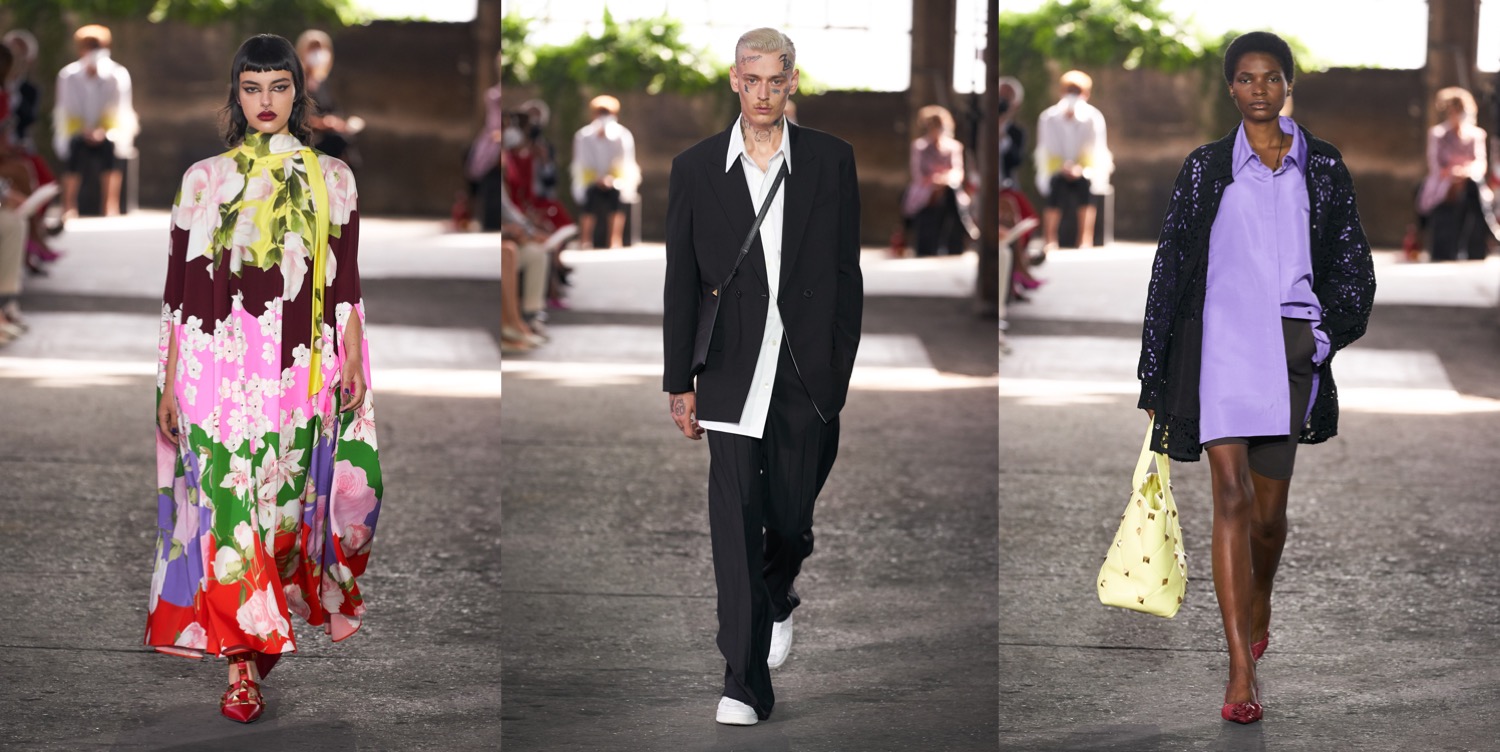
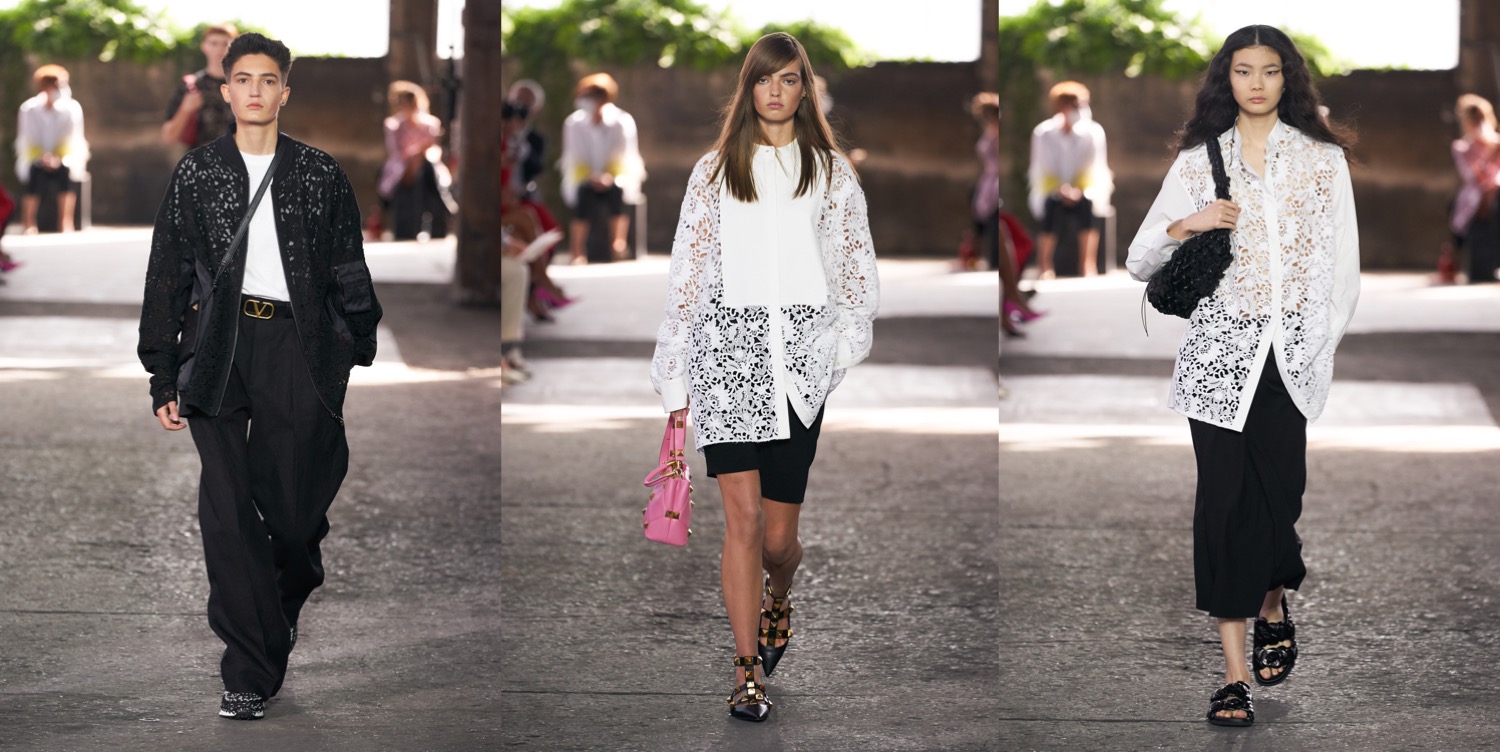
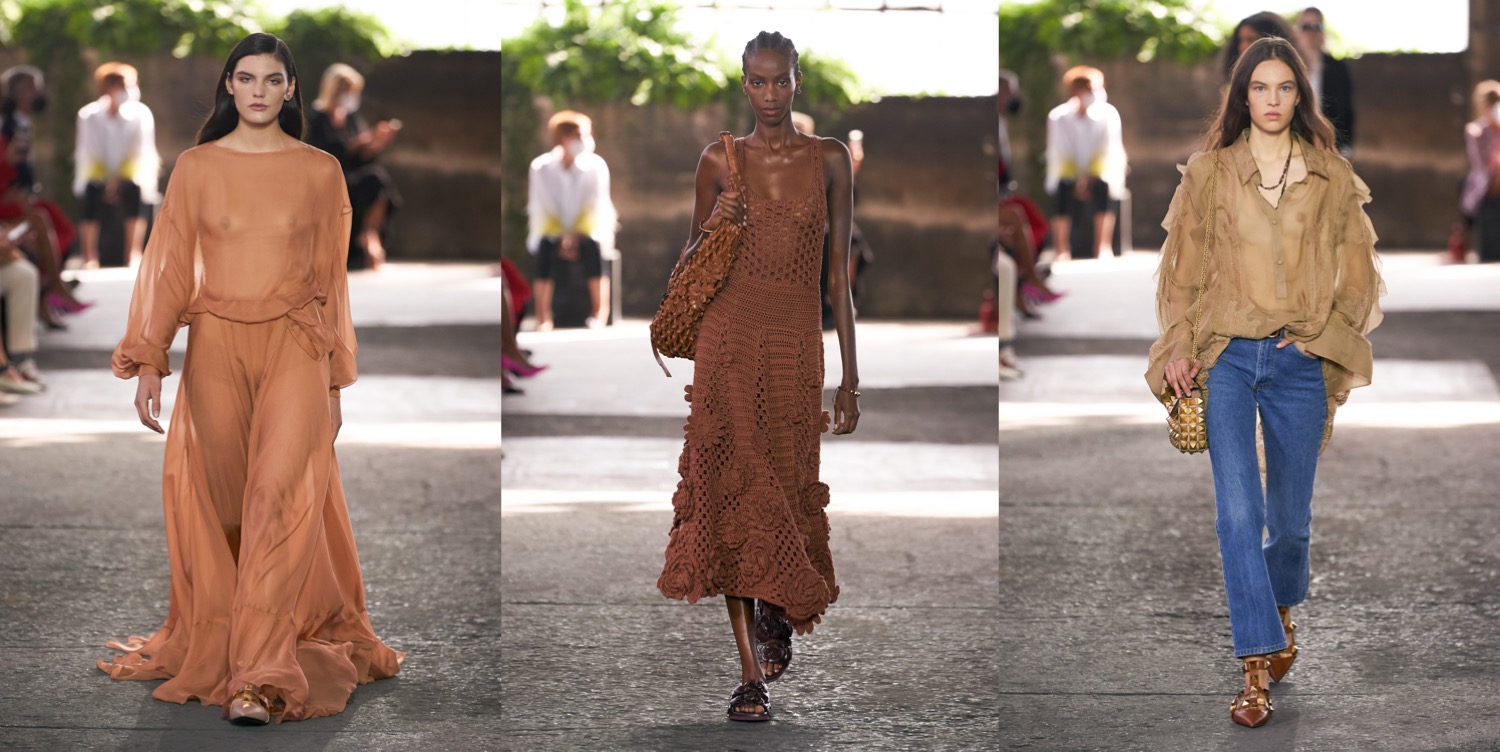
Collage by Edward Kanarecki.
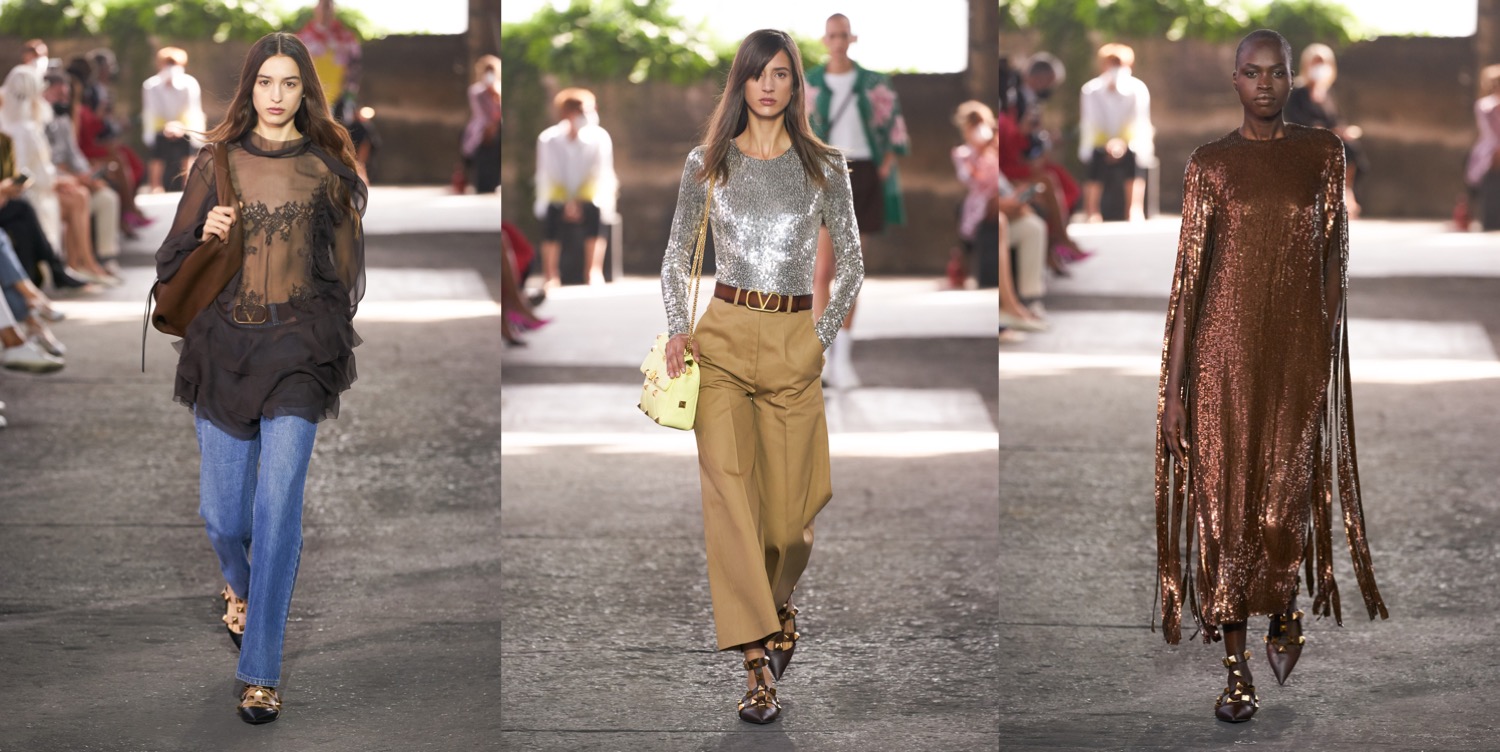
Summer. Missoni SS21

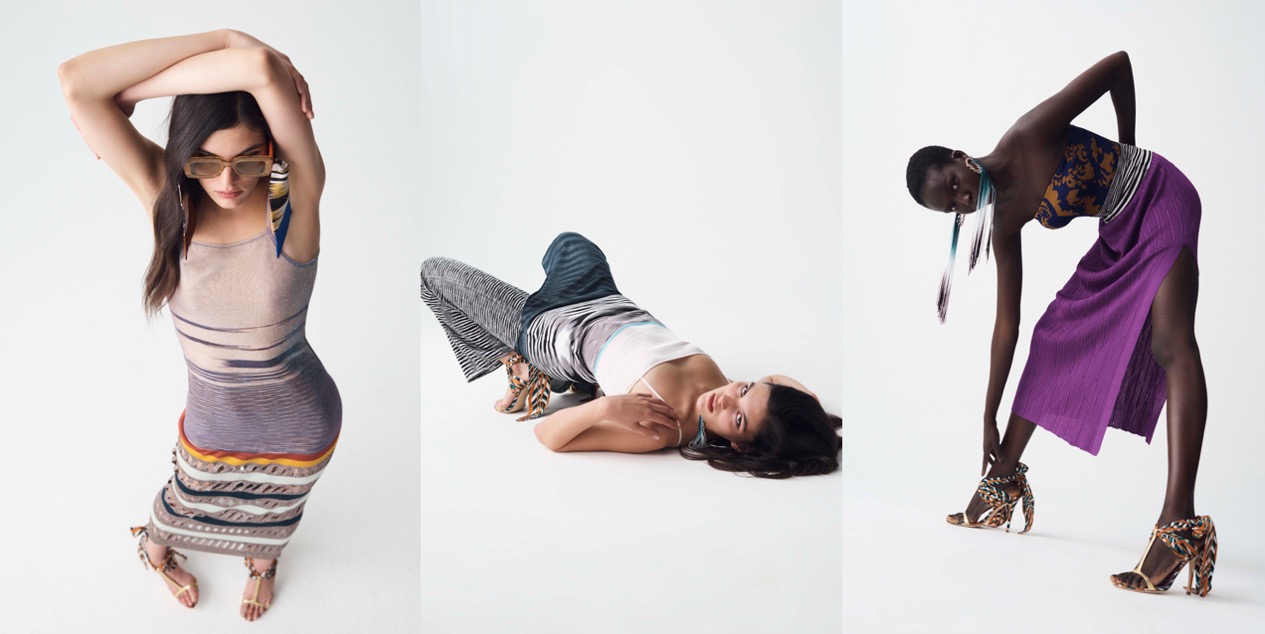
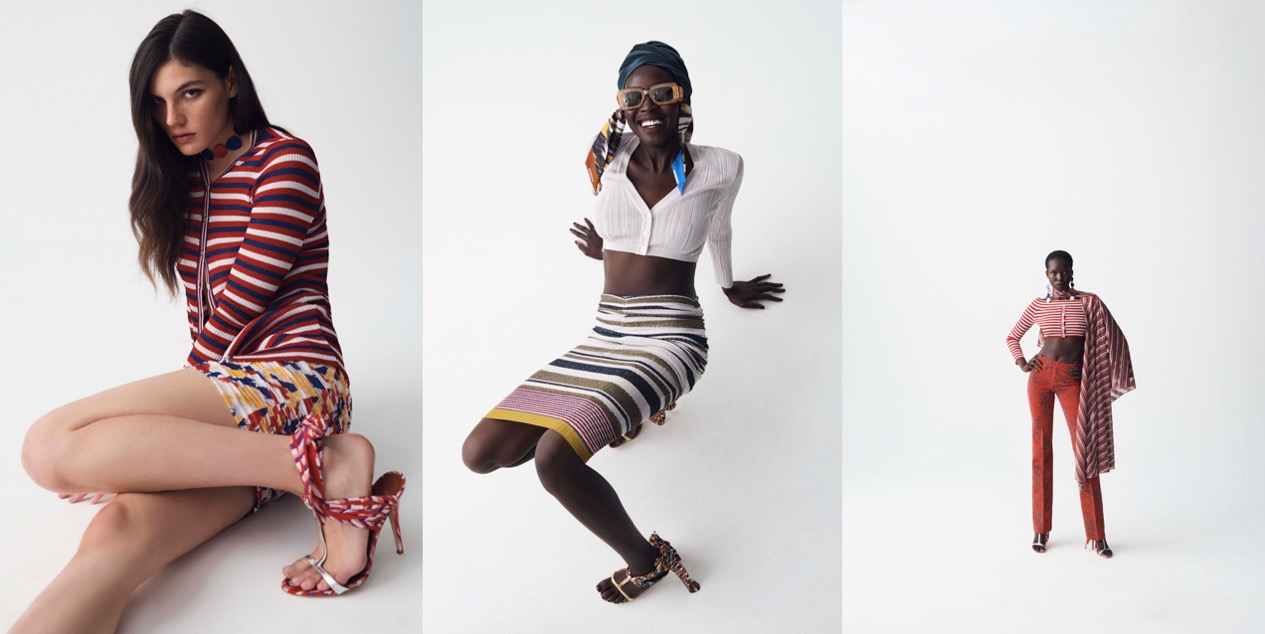
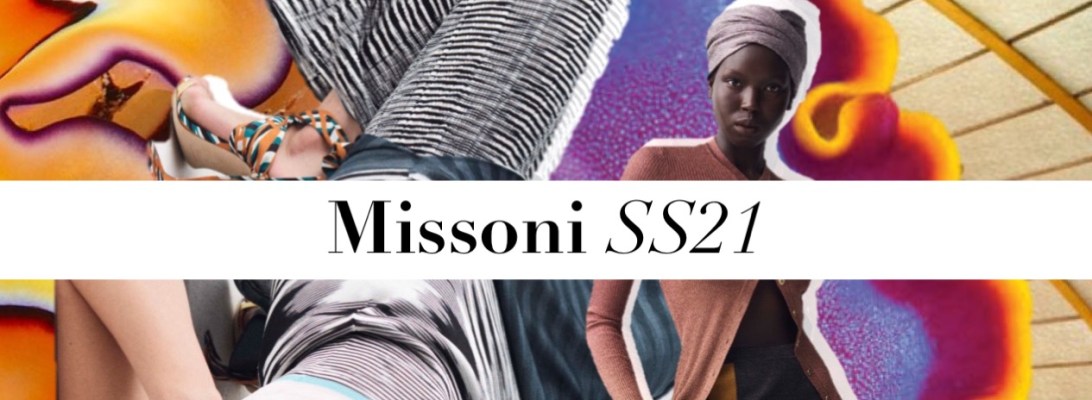
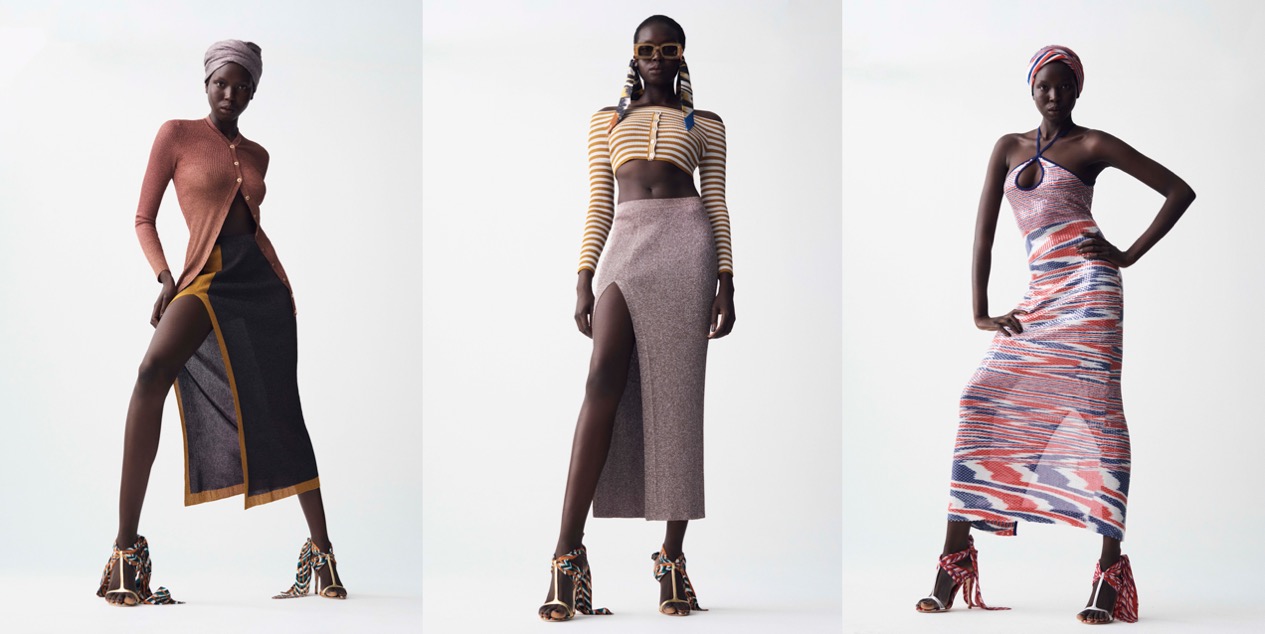
Missoni‘s spring-summer 2021 look-book warms me mentally on this cold, rainy November day. “Summer, come back”, it seems to say. While other designers switch to loungewear with lockdown on their minds, for Angela Missoni it comes much more natural. “For us, comfort has always been at the foundation of our style,” she told Vogue via Zoom. “Knitwear is indeed the most malleable, versatile medium to convey a feel of ease. So there’s nothing new for us – we haven’t changed our perspective.” Discussing her new collection, she elaborated, “Since my parents established our house in the ’50s, our collections have never been elaborate or over-designed. Nevertheless, this season I went for even more simplicity and clarity. It came as a spontaneous feel. We are designers and not sociologists; our creativity is what drives us. Although these times call for a heightened sense of responsibility and more engagement on social issues, women – myself included – still desire to be feminine and to express a certain sensuality, even when confined at home.” The lineup pivoted around an elongated and slightly ’90s silhouette, popularised by Jacquemus in the last few collections – think tube tops or midriff-baring mini cardigans; slender body-hugging midi-skirts with sexy thigh-high slits; and straight-cut thin-strapped slip dresses baring the back. Missoni’s typical 3D textures were smoothed and simplified, with plays of horizontal intarsias contrasting the verticality of the lines, a touch of Lurex and fishnet-knitted sequins adding luminosity and sparkle. Missoni paired every outfit with T-strap stilettos, casually wrapped around the ankle with printed foulards. “I’ve found myself looking at high heels in my wardrobe with a feel of longing,” she said. “I can’t wait to wear them again when all this will hopefully be over.

Collage by Edward Kanarecki.

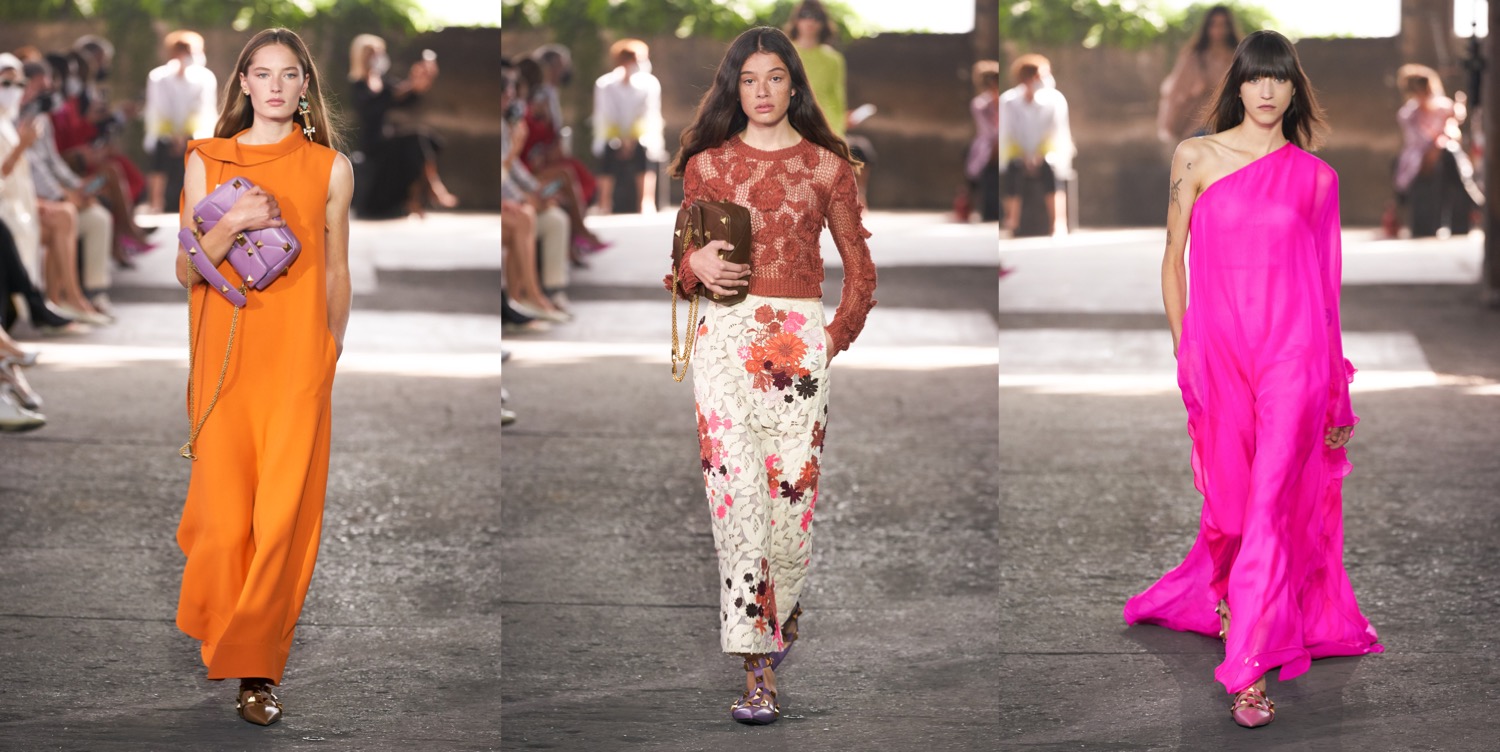
Elevated Softness. Jil Sander SS21

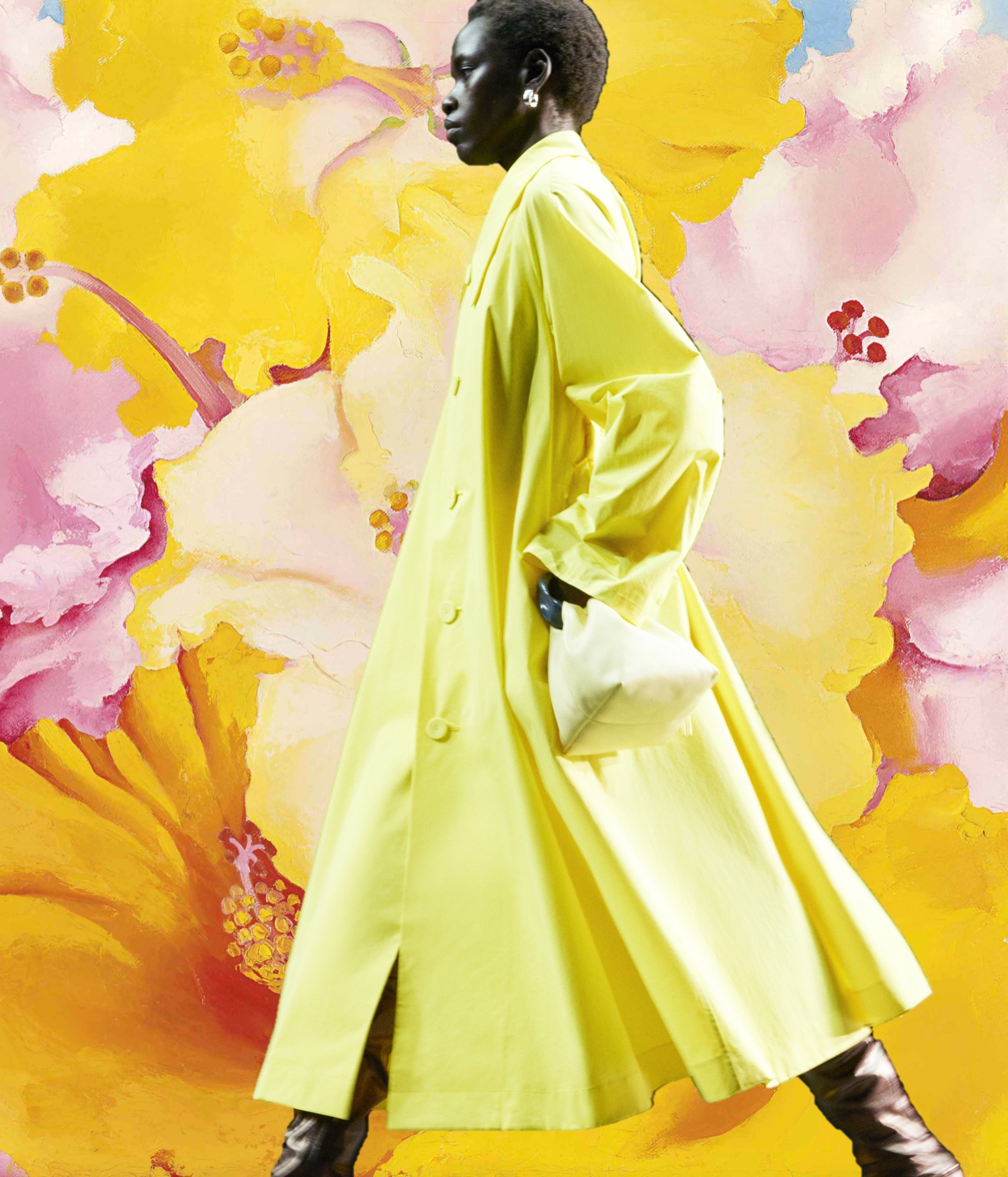
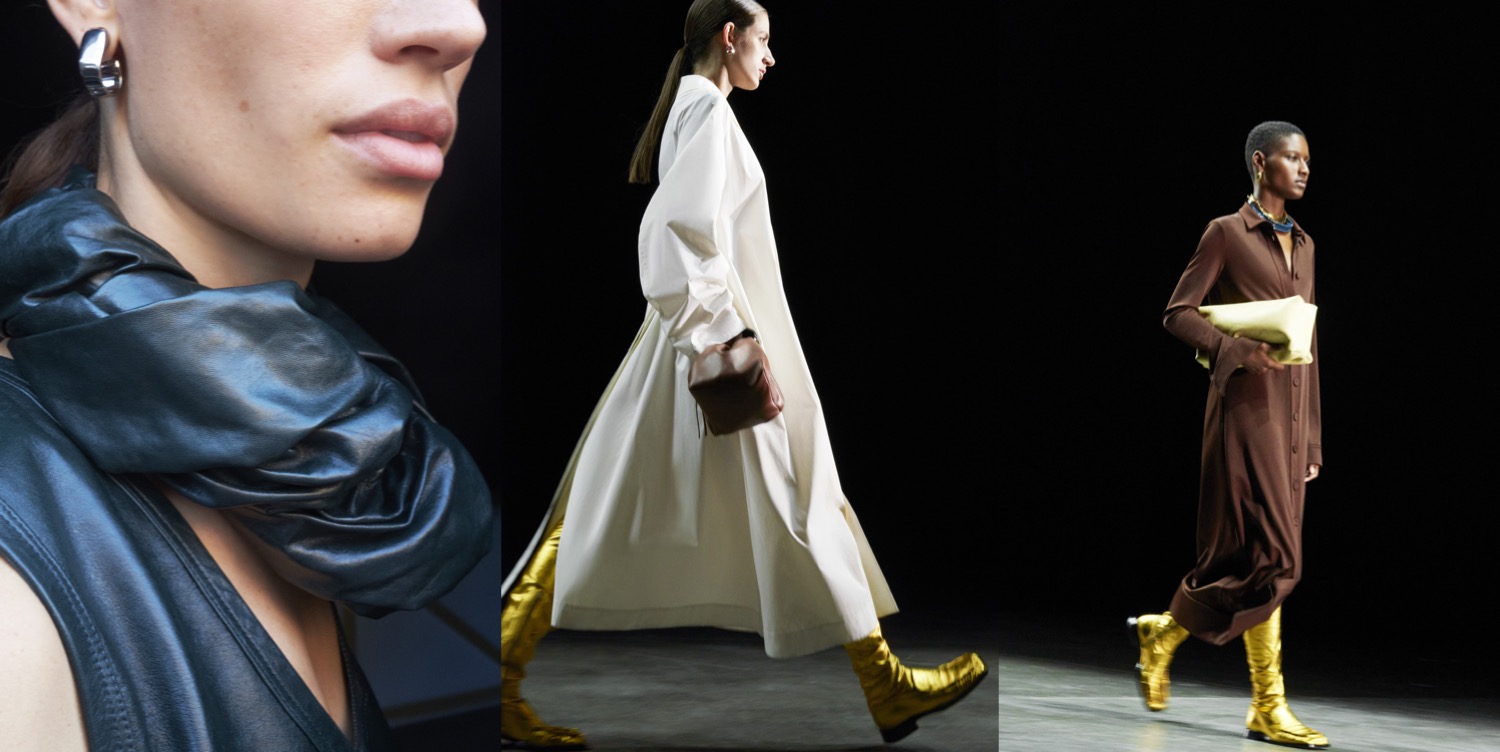
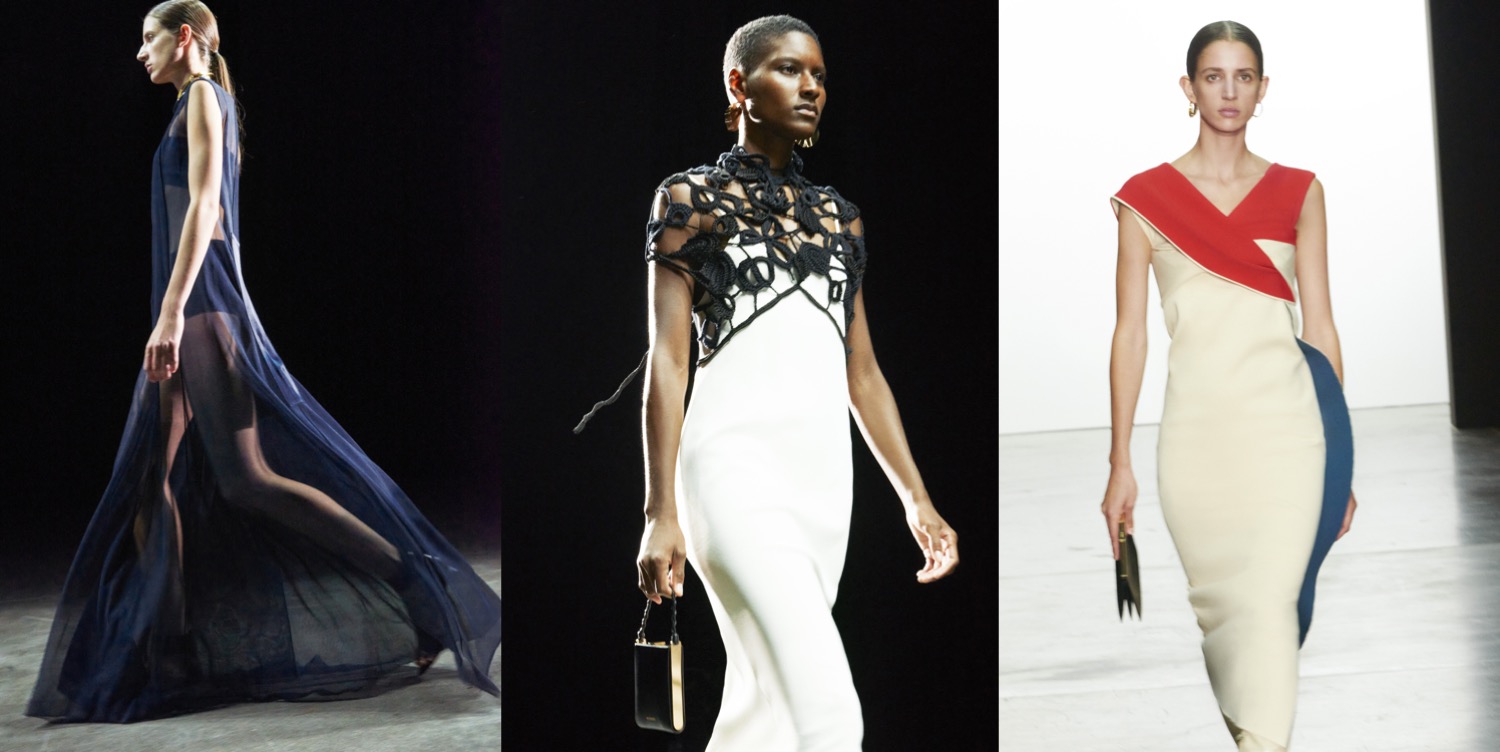
Minimalism is integral to the Jil Sander brand, and Lucie and Luke Meier make it feminine, contemporary and distinct. And embracing a consistent, visually-recognisable signature is something that’s key to many brands this season. The designers have been back in the Jil Sander studio since May. They’re thoughtful about the lockdown and the changed new world that they returned to, but resolved. “We’re going about life in a normal way, just wearing masks,” Lucie said on a Zoom call. Their new collection for the brand, where they recently rounded their three-year mark, responds to some of the shifts we’re all living through, with more time at home and fewer social engagements to buy for. Luke said they emphasized daywear, for instance. To be sure, there are no stay-at-home sweatsuits in the Meiers’ new lineup. Instead, Lucie said, they “softened” their tailored silhouette and added sheer organza to the mix for a more “intimate” sensibility. In a video they filmed for the season, models clutched pillowy, unstructured bags designed to feel “comforting to carry.” The collection is enlivened by zingy shots of gold and yellow amid its neutrals: flat metallic leather boots that extend above the knee, a sunny dress that follows the line of the torso but flares gently below the hips. Clothes with a human touch are Meiers’ signature. That came across this season in the hand-crocheted overlays worn on top of slip dresses and in the way a shawl was tied voluptuously over the shoulders of a sleeveless tee. A pair of hourglass-y color-block sheaths were a surprise, a glimpse of a more carnal side that felt especially new in the context of Jil Sander.

Collage by Edward Kanarecki.

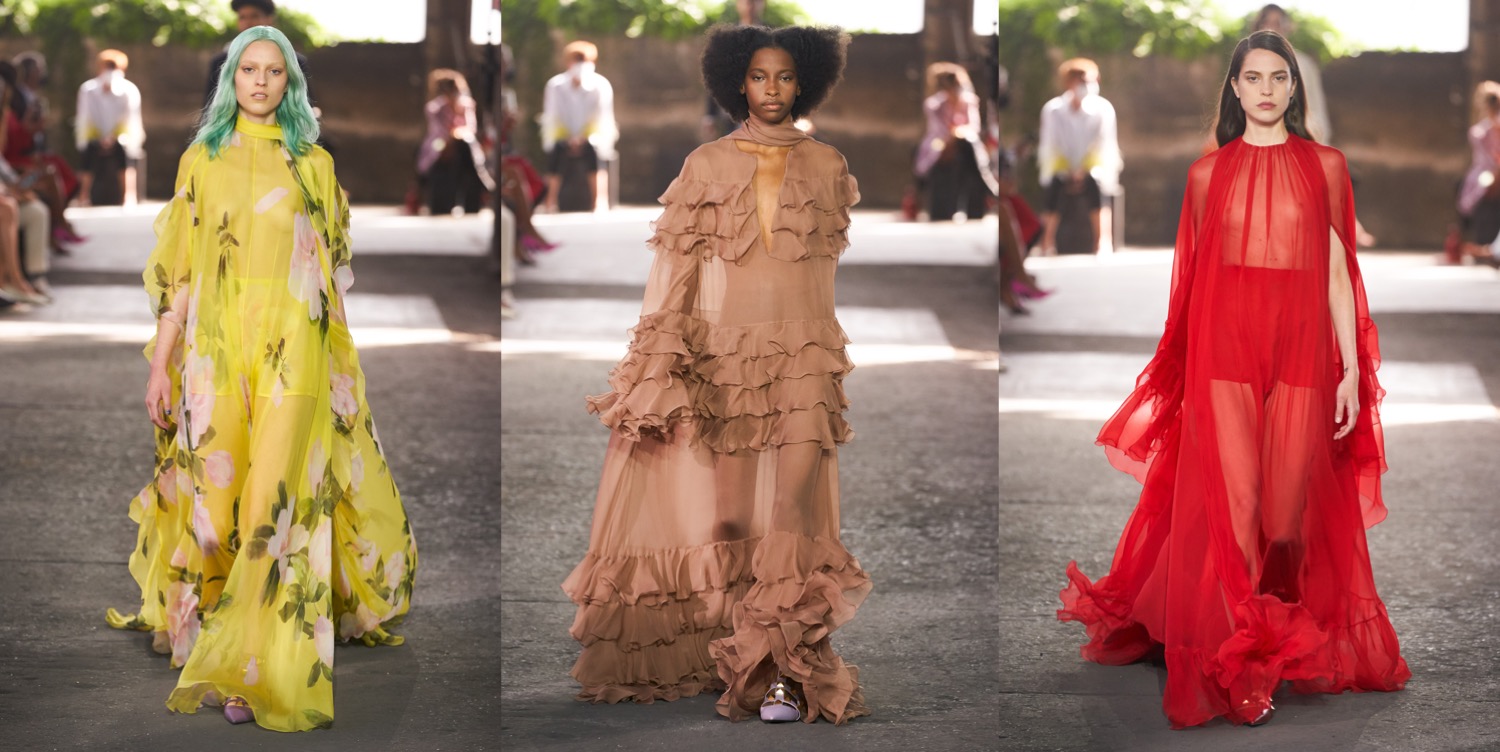
Radical Romantic. Valentino SS21


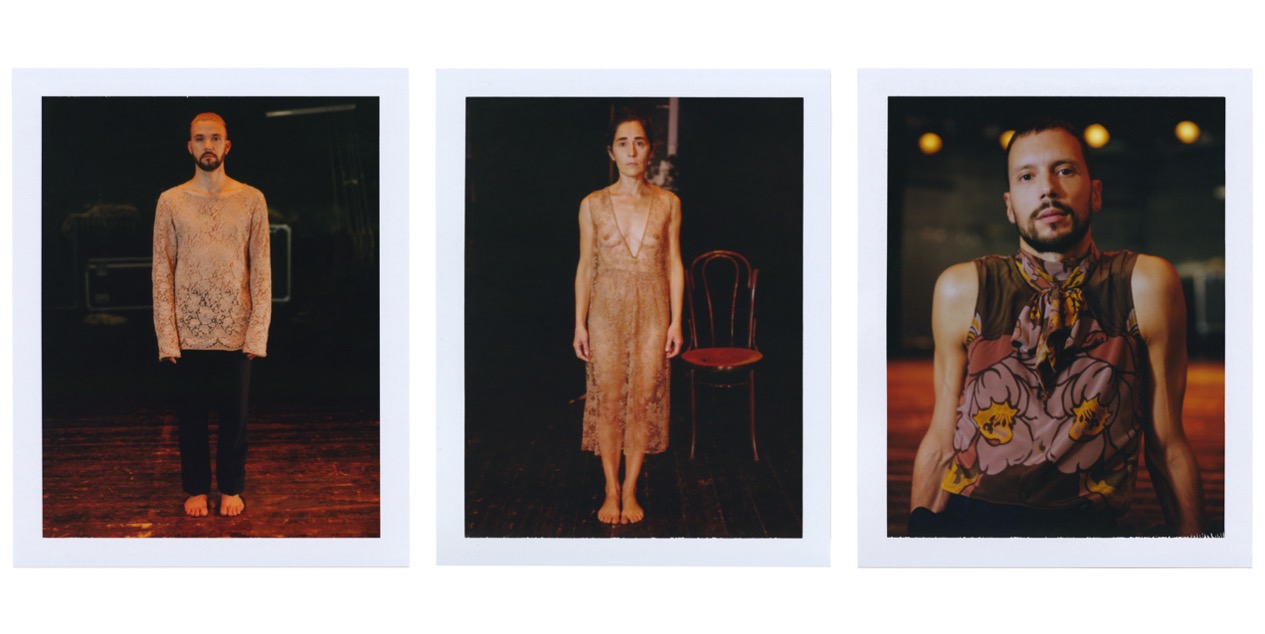
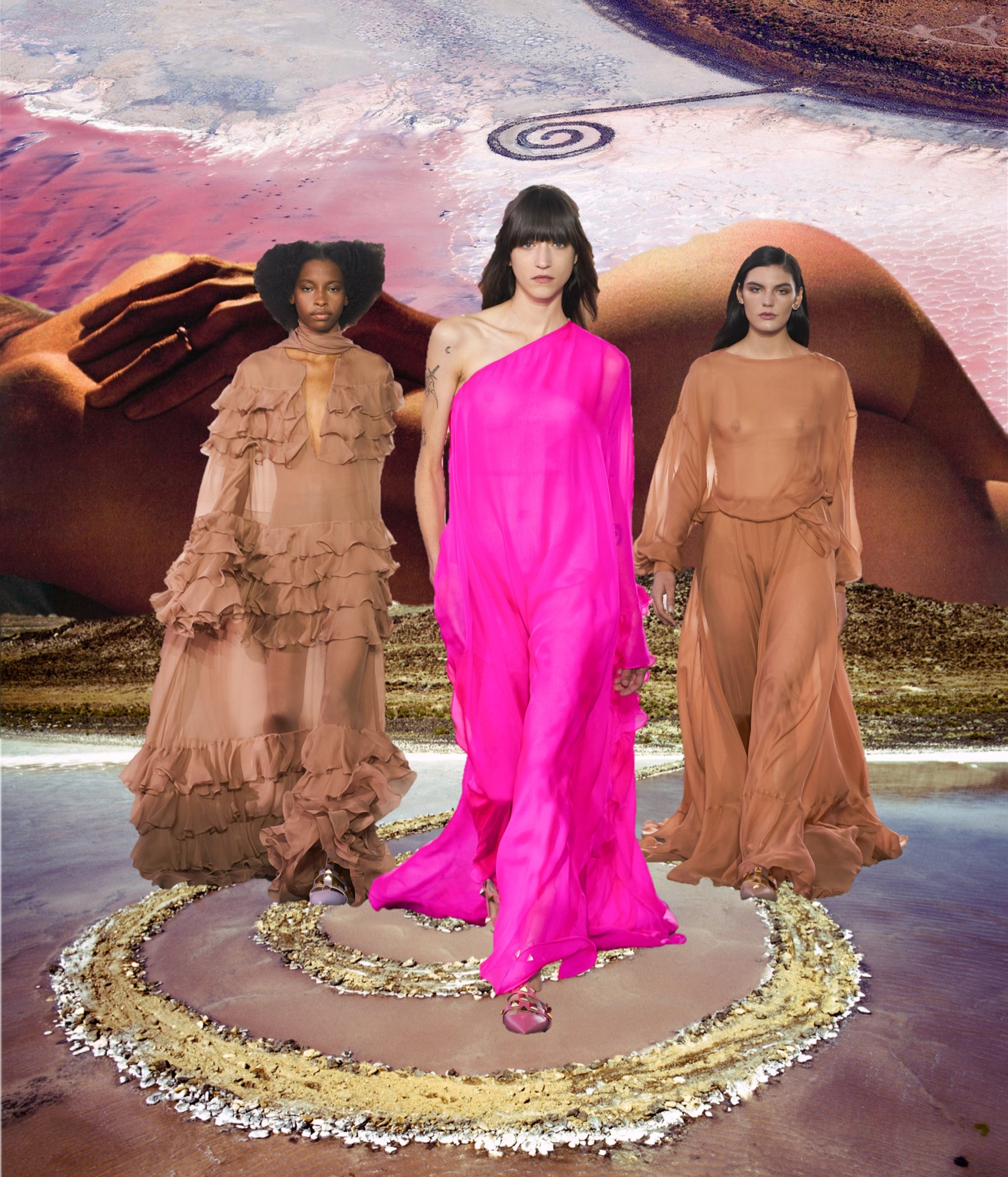
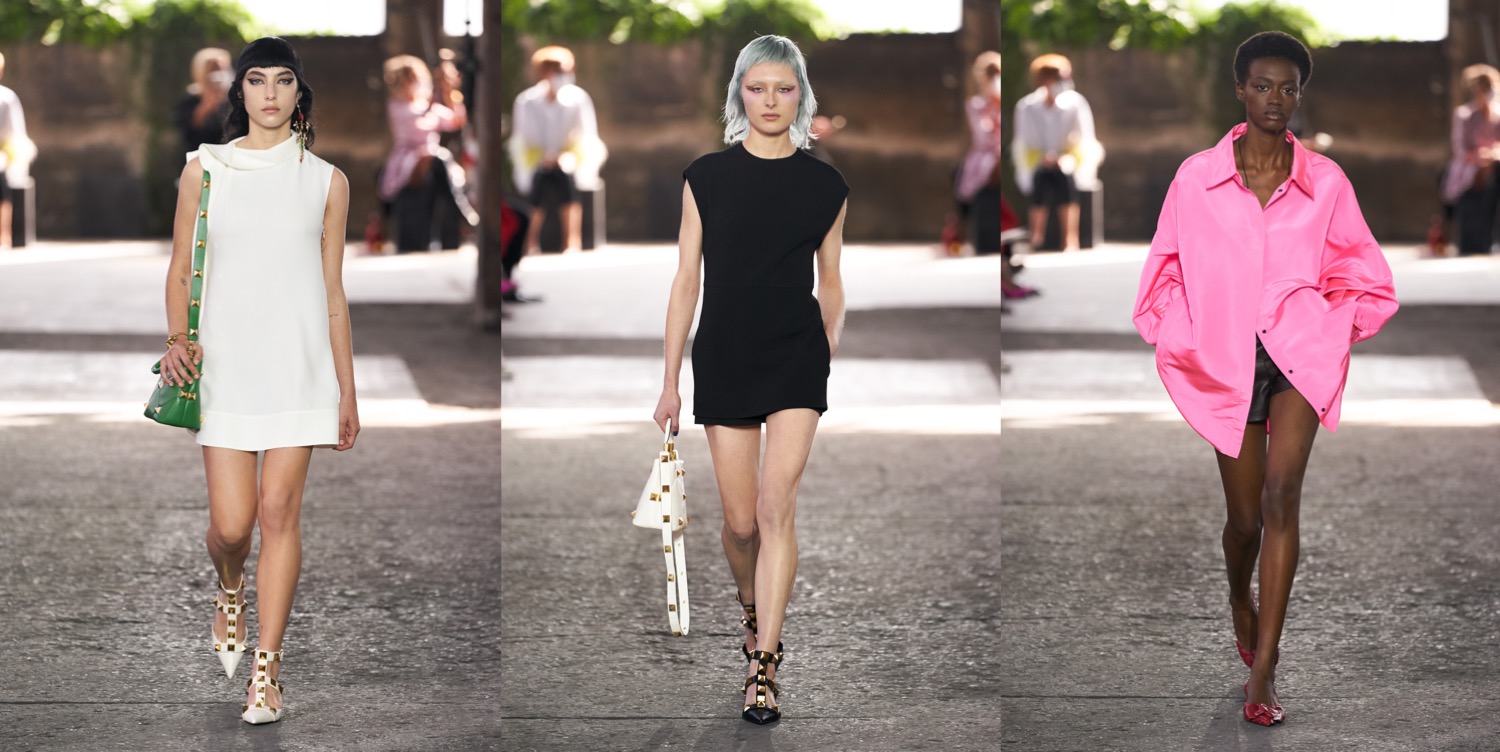
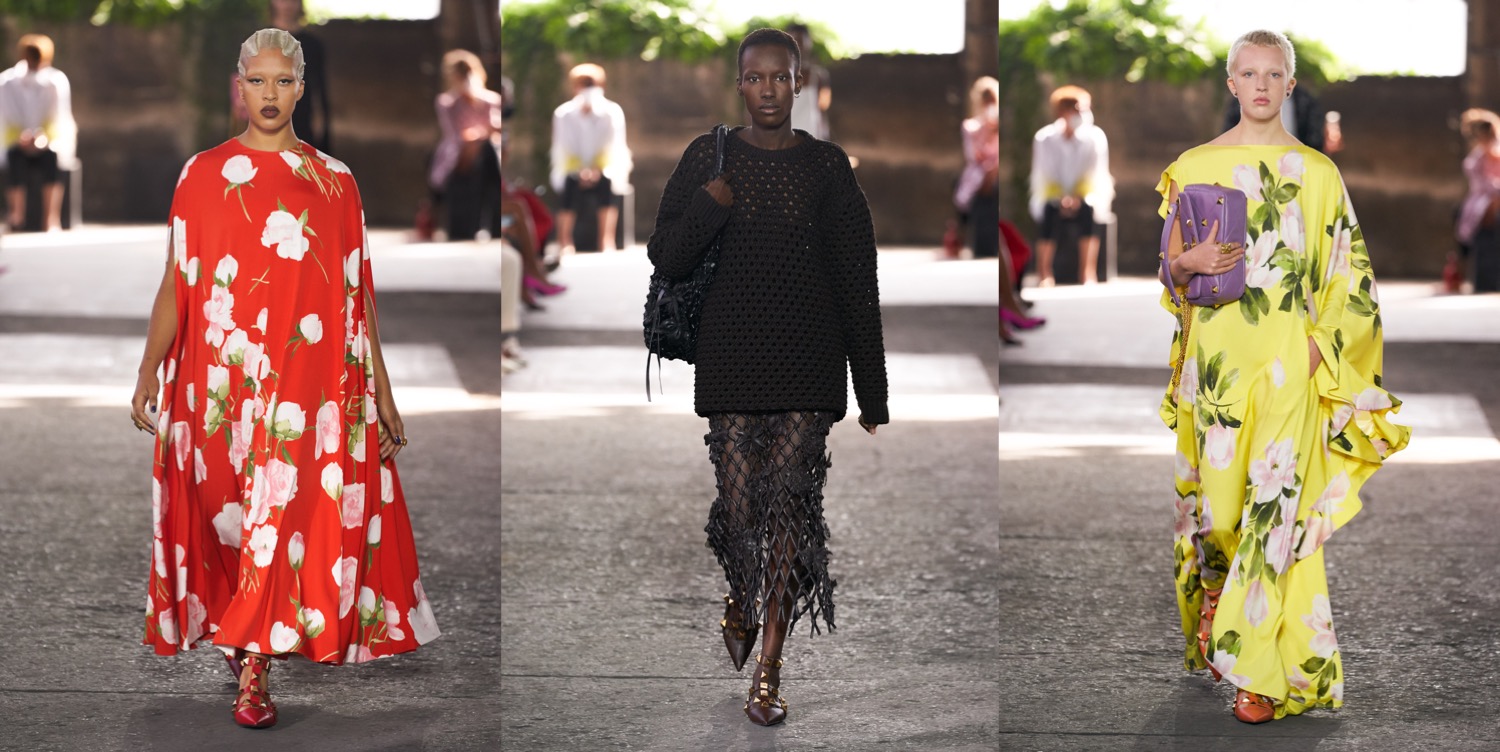
There was something truly powerful about the feeling conveyed by Pierpaolo Piccioli‘s Valentino spring-summer 2021 collection. It was so heartfelt, sincerere, honest. The line-up was presented for the first time in Milan, not in Paris, which in a way also changed the aura. In a declaration of support for the Italian fashion system and making the most out of the difficult circumstances the pandemic has forced upon us, Piccioli opted for an act of bravery – and bravura. He decided to decamp from the ornate Parisian fabulousness of the Salomon de Rothschild salons for the powerful industrial rawness of Fonderie Macchi, a metallurgical foundry active in Milan from 1936. “In this moment, sticking to an old mindset for me just wasn’t an option,” he said at the post-show press conference. Choosing a venue at odds with Valentino’s typical optics, so deep-rooted in couture, signaled the bold stance Piccioli was taking in the re-definition of the house’s stylistic codes – a process he called re-signification. “I focused on working more on Valentino’s identity than on its aesthetics,” he reflected.  As always with Piccioli, his approach was as instinctual as it was sophisticated; he’ll go down as one of fashion’s romantic visionaries, able to orchestrate moments of true creative enjoyment, both emotional and visually elevated. Romanticism was actually much on his mind while working on the collection. He called it radical. But what does it mean being a radical romantic today? “For me, it rhymes with individuality, with the freedom to express our very own identity and diversity,” he answered. Being romantic means also not following the rules, embracing idealism, being rebellious- fighting for a better world. Believing that things can change: “Fashion for me is a way to talk about the values that matter today,” he said. “The true acceptance of diversity. Tolerance and kindness. This is the world I want to tell through my work as a designer.” If aesthetics can actually suggest something about one’s life, then the collection’s street casting was a celebration of the many diverse-looking people Piccioli wants to include in his narration. Each look was individual, thoroughly chosen according to the personality of the character, young men and women coming from different backgrounds and walks of life. Yet from a fashion standpoint, the collection looked more toned down than usual: streamlined and with fewer of the decorative flourishes and certain hyperbolic gestures of couture. Lace, macramé, crochet, and embroideries were among the textural couture accents reworked here with a crafty, more palpable ‘human’ touch. Both the women’s and men’s lines shared shapes, volumes, and fabrics; the same wardrobe staples were often proposed in identical versions for both genders. Progressing from linear, almost minimal looks, the collection flowed into the ethereal evening options that have become synonymous with Valentino style; here the sophisticated shapes of caftans and cape dresses were designed with fluid, efficient precision. Highlighting a somehow reductionist approach, the only print was a vibrantly-hued floral revival of an archival dress: a glamorous yellow number famously worn by Anjelica Huston and lensed by Giampaolo Barbieri in 1972. Arrangements of wildflowers and plants filled the vast industrial set in a powerful installation by Japanese plant artist Satoshi Kawamoto; Piccioli envisioned it as a disruptive element of beauty inspired by guerrilla gardening’s practice of growing delicate plants in gray concrete spaces – another romantic act of urban resistance. The flowers had a story of their own: originated in eight different countries, they were grown in a nursery in Milan, where they’ll be returned after the show. Piccioli is the modern-day master when it comes to turning fashion shows into emotionally charged moments of visual seduction. Music always serves his purpose well. This time, he entrusted the singer, songwriter, and producer Labrinth to perform stirring renditions of some of his hits. It all worked together in a delightful way.

Collage by Edward Kanarecki.
Soft Pragmatism. Salvatore Ferragamo SS21

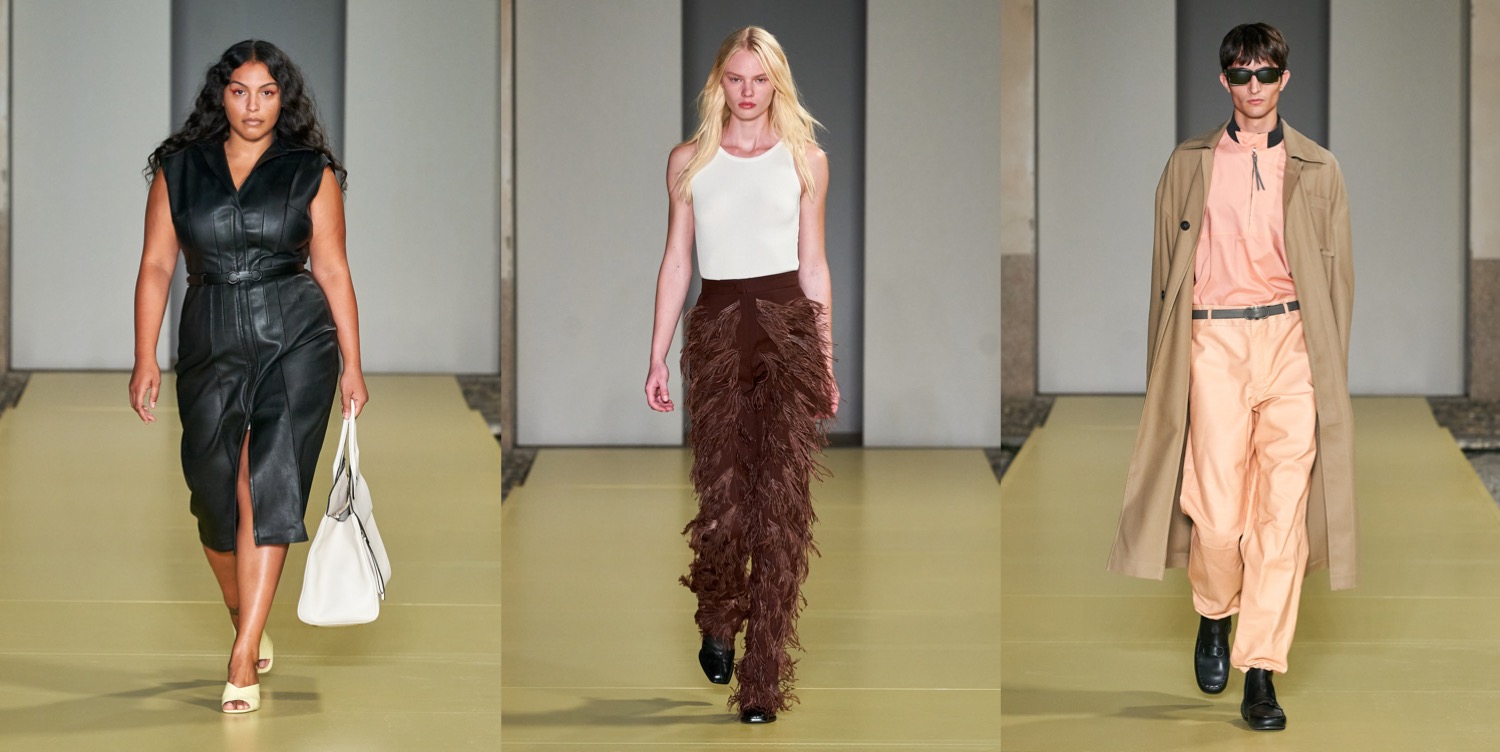
As I wrote earlier this week, it’s really all about pragmatism versus escapism this season. Designers seem not to even look for a balance between the two – they are either this or that, period. And in Milan, we see this division the most clearly. During lockdown, with time on his hands and having exhausted all of Netflix, Salvatore Ferragamo‘s Paul Andrew went on an Alfred Hitchcock binge. The Birds, Marnie, and Vertigo were at the top of his best-of list; he found out that the same obsession was also shared by director Luca Guadagnino, who in his film Io Sono l’Amore apparently referenced a lot of Hitchcock – the gestures, the lighting, the poses; a certain high-class look of enigmatic sophistication. Andrew wasn’t sure at that lockdown time if and when he would be able to stage a real show, so he decided to go for a short movie instead. Asking Guadagnino (I adore him!) to work together on a project for the spring collection was just in the cards – and a thrilling opportunity. The film, shot in an eerily empty and utterly Hitchcockian Milan at the beginning of August, opened Salvatore Ferragamo fashion show, which was staged in the open air in the hectagonal colonnaded courtyard of the late Baroque period Rotonda della Besana. Backstage before the show, Paloma Elsesser was looking intently at one of Andrew’s moodboards, wearing an hourglass black leather number that could’ve come straight out of Kim Novak’s wardrobe in Vertigo. The dress signaled a more sensualist, high-gloss direction for the designer; he tried his hand on less oversized proportions, favoring instead a shapely, more feminine, form-fitting silhouette. The color palette, inspired by the chromatic quality of Technicolor, also added a hint of sensual vibrancy, and visual punch. “That’s my favorite, Tippi Hedren’s green,” he said, pointing out a neat little tailleur with a waisted jacket in eau de nil; it would’ve actually looked slightly bourgeois, if not for the off-kilter intervention of a fluid sarouel, replacing the more conventional pencil skirt. While sticking to the refined linearity he has envisioned for Ferragamo, Andrew punctuated this collection with impactful highlights – think a seersucker checkered fabric with a tactile finish; thick knitted and knotted pieces with an artsy flair; quivering feathers sparsely scattered on straight cotton pants or on a pinafore. The co-ed collection was edited down by Andrew to just 30 looks, which was surely beneficial to conveying a convincing rhythm and a focused message. “Less but better, it’s our way forward,” he said. “I’m really into it.” The Andrew/Guadagnino connection also proved a winning creative combination, to be hopefully continued in the future. “Lockdown has been dark, surreal, and mysterious, like a Hitchcock movie,” chimed Andrew. “But strangely, like in a Hitchcock movie, the ending is always somehow beautiful. I’m trying to celebrate the beauty that is going to come out of it.

Collage by Edward Kanarecki.