The Row’s Vintage Selection

It’s no news that vintage is taking over the fashion industry. Sites like Vestiaire Collective and The Real Real are growing competitors for the big on-line empires like Net-A-Porter or Farfetch, while vintage Westwoods and Muglers are historically (and aesthetically) worth more than any trendy, “new season” arrival. Even some brands are opening up to the possibilities of vintage. Dries Van Noten’s Los Angeles store has an expansive section of the label’s archives, all available to buy. And now, The Row is the latest to join the conversation with their newly opened, on-line “Galerie“. I’m pretty much sure that those are Ashley and Mary Kate Olsen‘s personal treasures: an Issey Miyake trench coat from 1979, Chanel haute couture navy total-look from the 70s, John Galliano’s black kimono dress from his iconic spring-summer 1995 collection, some Comme Des Garçons singular items from the 80s and 90s… all items are upon request, but I guess they won’t sit there for long. Hope the Olsens are planning to update their vintage selection from time to time with new, unique garments! Oh… and just imagine wearing those gems with The Row’s investment pieces (maybe even from the second hand?).

Photos via therow.com

Refined and Personal. Marina Moscone Pre-Fall 2021

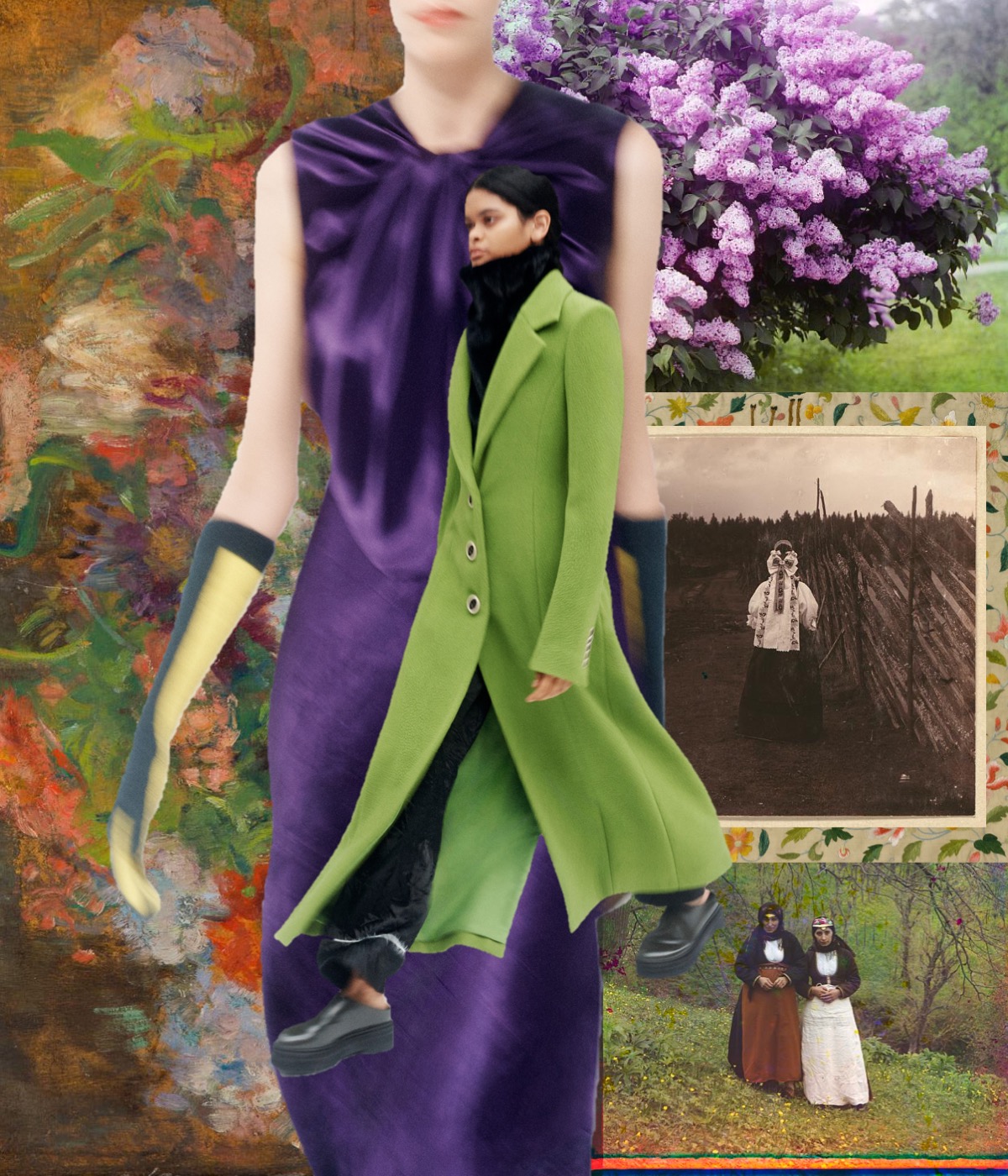
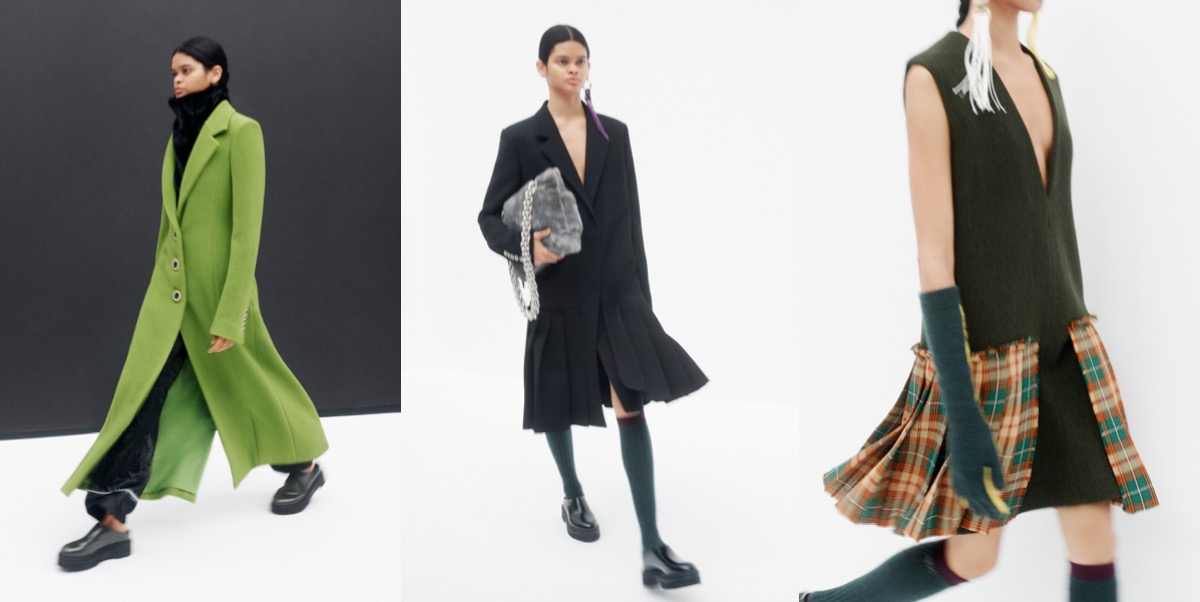
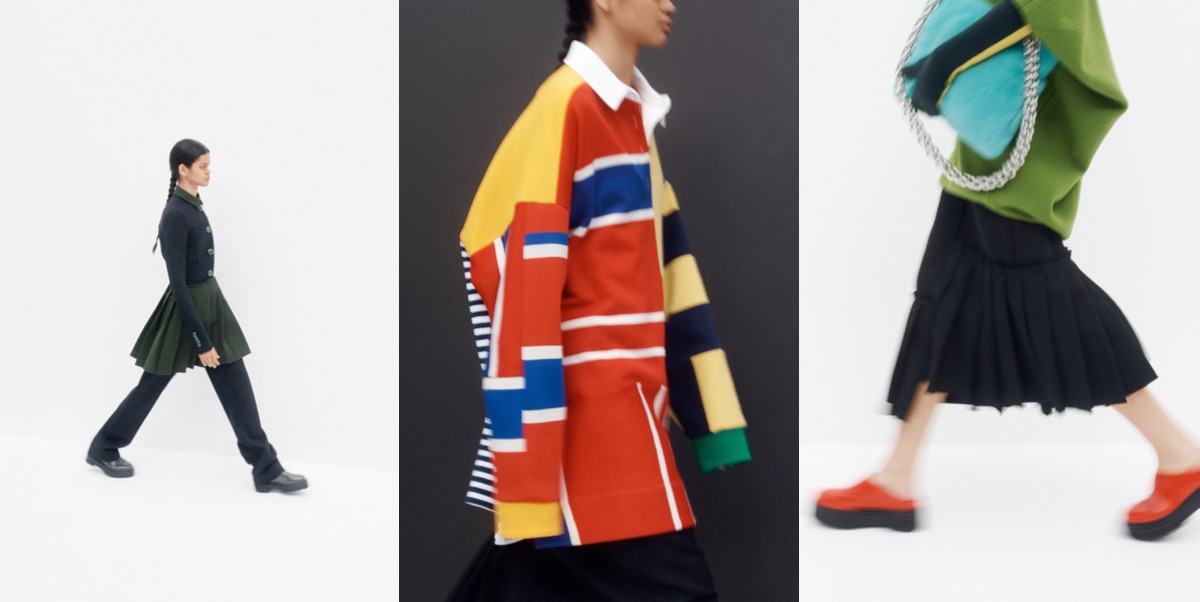
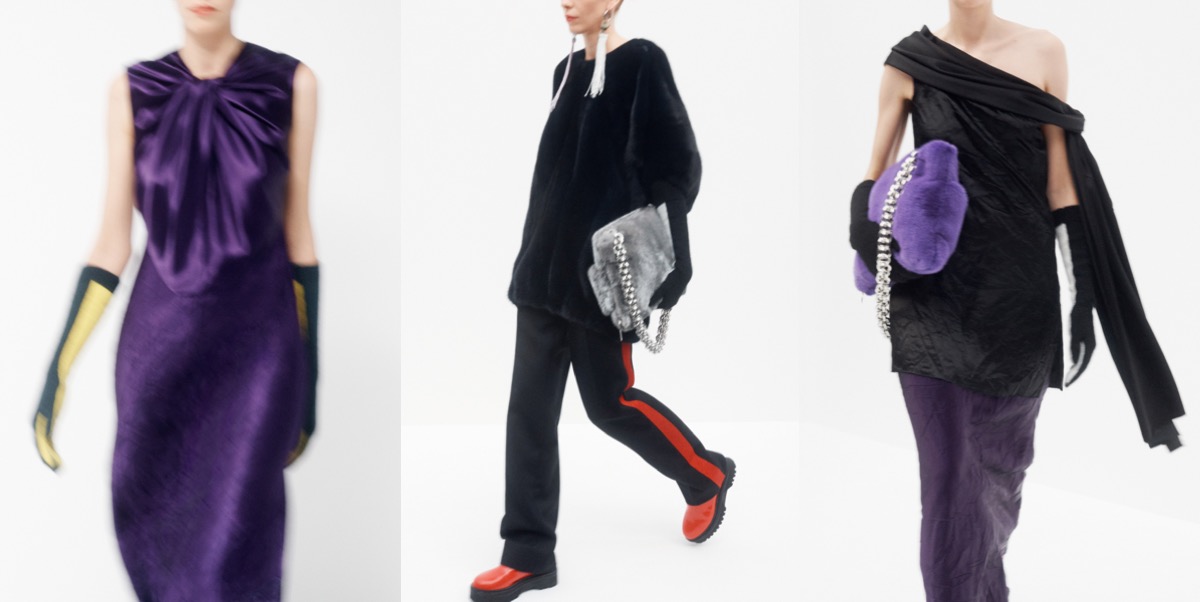
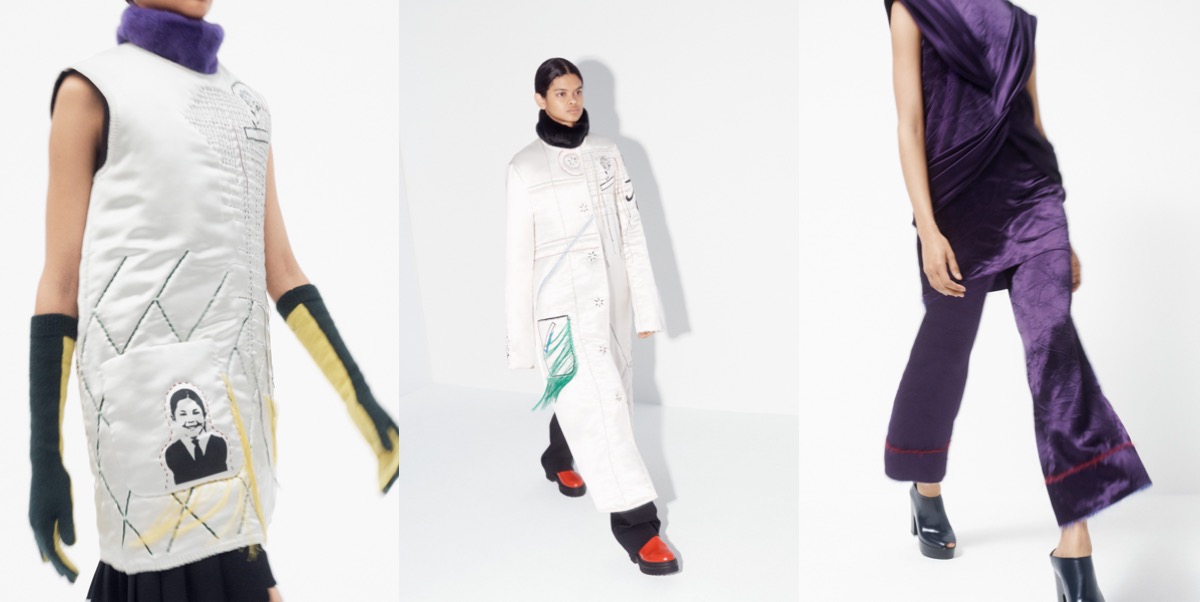
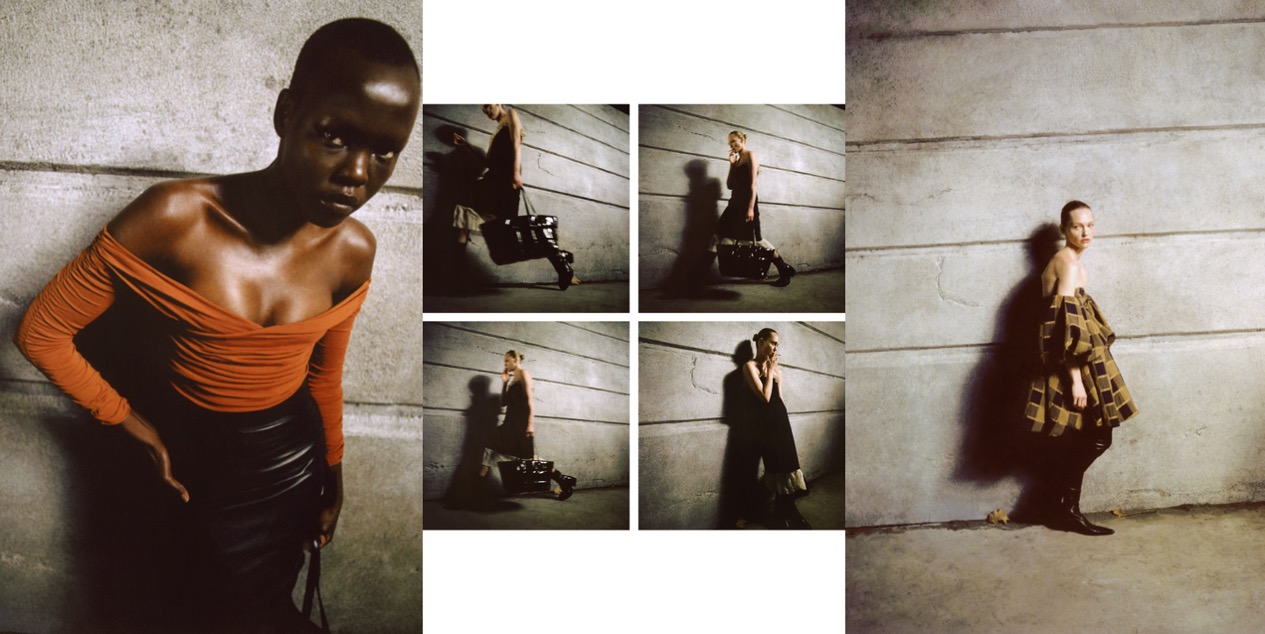
I’ve been following Marina Moscone‘s work since her first line-ups in 2018, but to be honest, pre-fall 2021 collection is the first time I’m truly convinced. There’s something spontaneous, truly artful, yet absolutely refined about it. Moscone has always liked the idea of a uniform, yet she doesn’t wear the same thing every day. It’s more about figuring out the foundation of her style so she can build upon it. For the designer herself that often starts with a shirtdress over trousers, or maybe a curvy suit with flat sandals, and she’ll experiment from there. Pre-fall found her thinking more literally, though, with familiar nods to school uniforms: pleated kilts, rugby shirts, shrunken blazers.  The opening look was a twist on her signature overcoat, now spliced with box pleats at the hem (and styled with socks and loafers). Other tunics and blazers had plaid panels tacked to the hips, like trompe l’oeil skirts. What you can’t glean from the lookbook is that those collaged items were all cut from the same material: The olive wool tunic, for instance, was backed with the same emerald and yellow plaid that appears on its “skirt.” Moscone created those double-sided wools in spite of the fact that most people won’t notice their detail on an iPhone; more importantly, it’s the kind of refined touch her customer appreciates. Another detail will be more obvious: the patches and embroidered quotes on a blazer and a duvet-like “art coat” in ivory satin. There’s a bird of paradise flower, Moscone’s favorite South African bloom; an elephant, symbolizing wisdom and persistence; a honeysuckle rose flower, which Moscone’s grandmother used to call her; and two portraits of a little boy and girl, Moscone’s parents as kids. The coat is quilted over in places and has scribble-like printing and fringe, as if a child went crazy with a box of art supplies. Moscone hopes it will offer both comfort and uplift – a combination also found in her new crinkly tops and pajama pants, a welcome WFH update. Look forward to this collection once it hits the stores!

Collage by Edward Kanarecki.

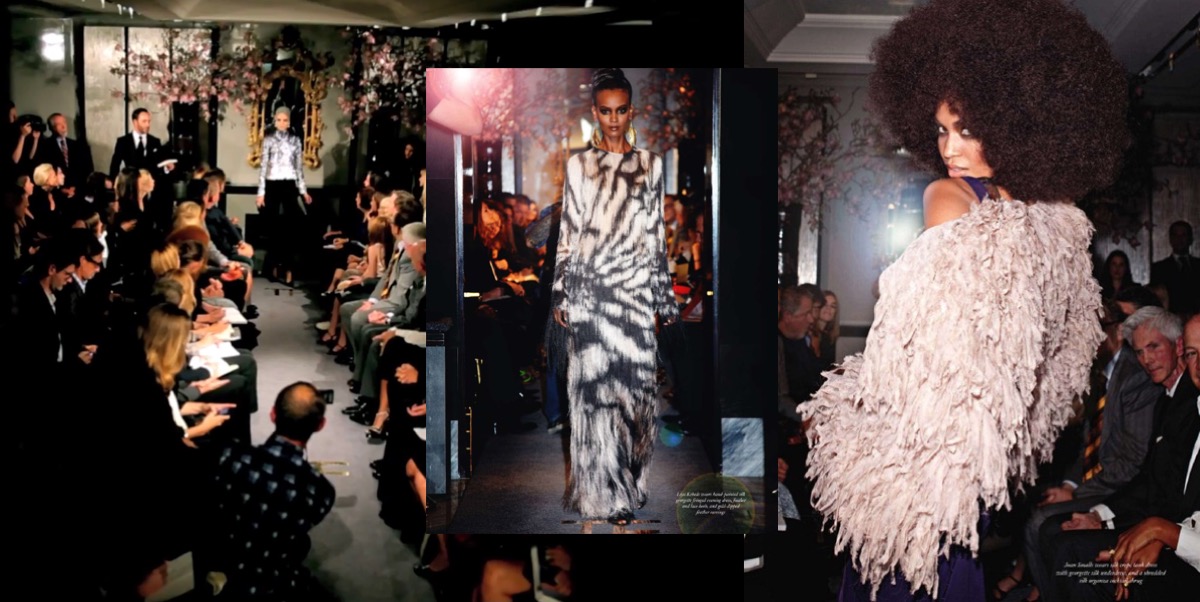
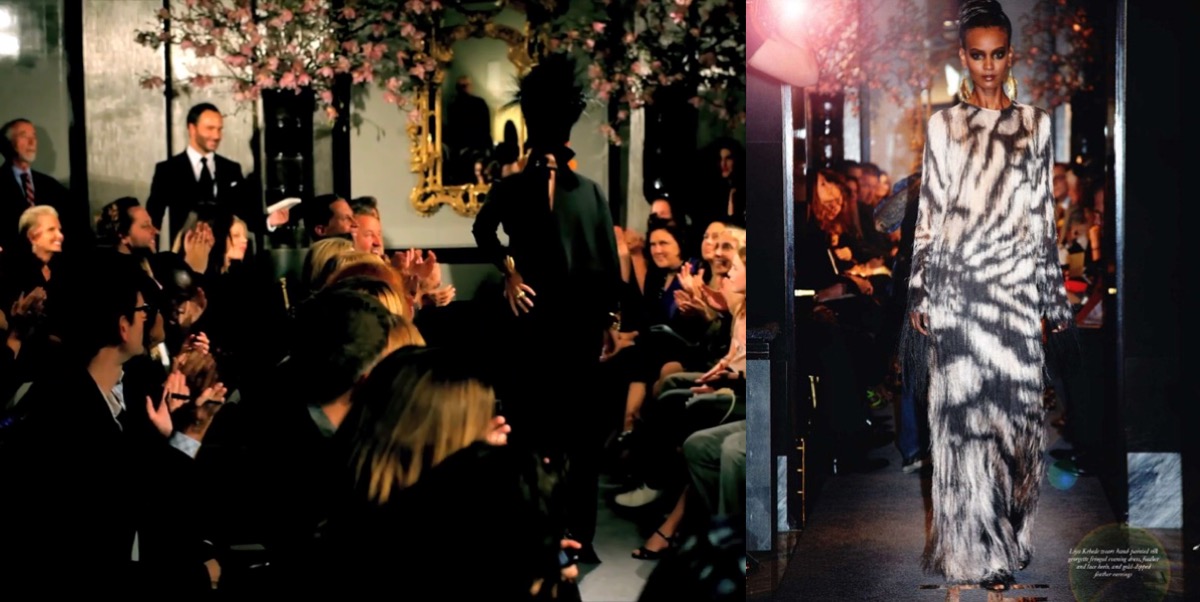
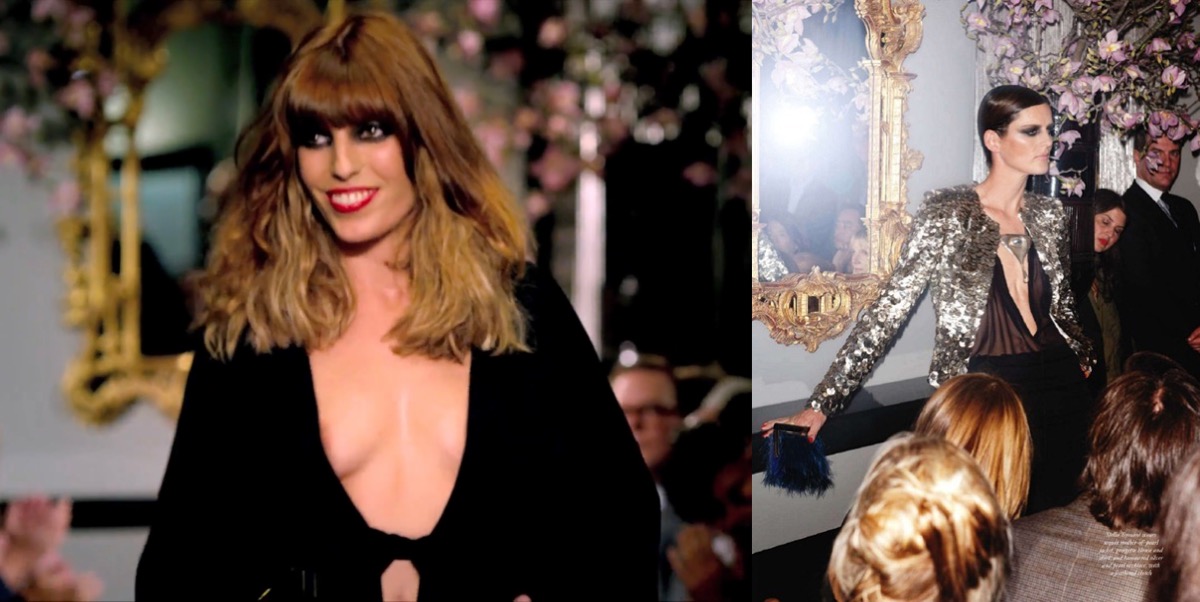
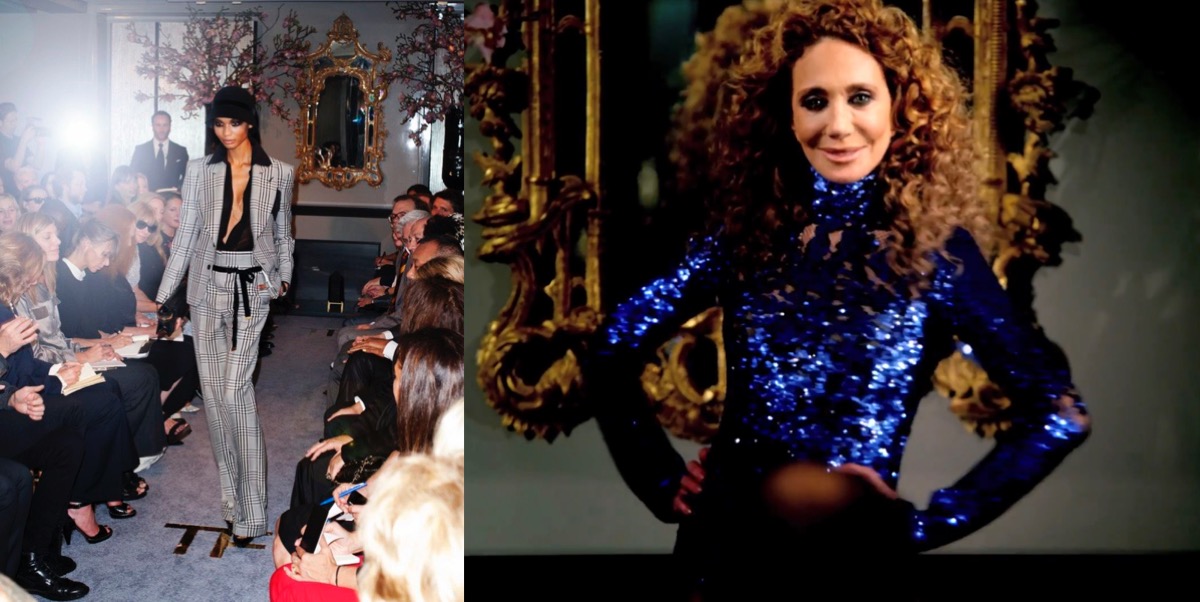
The Ultimate Show. Tom Ford SS11

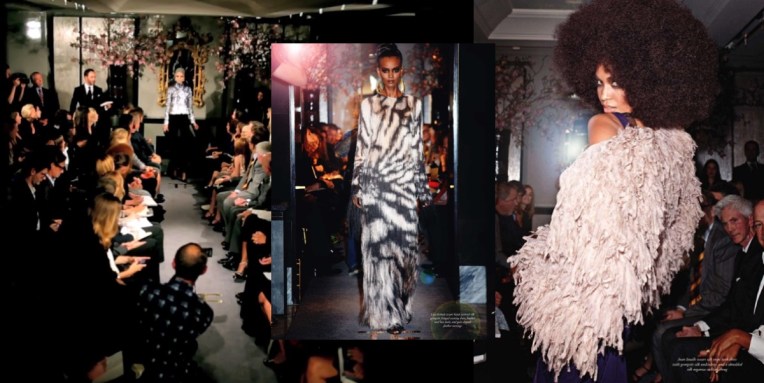
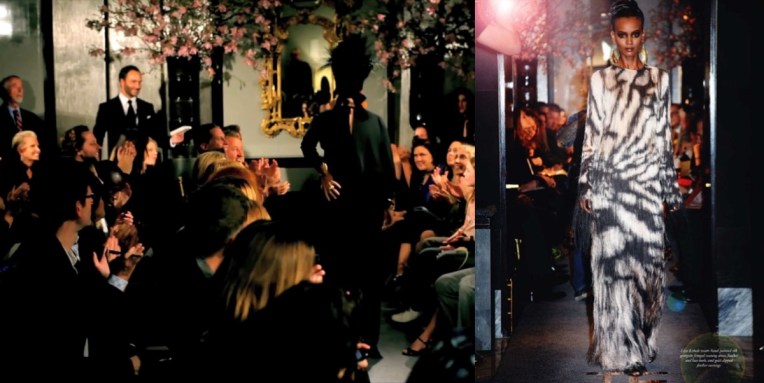
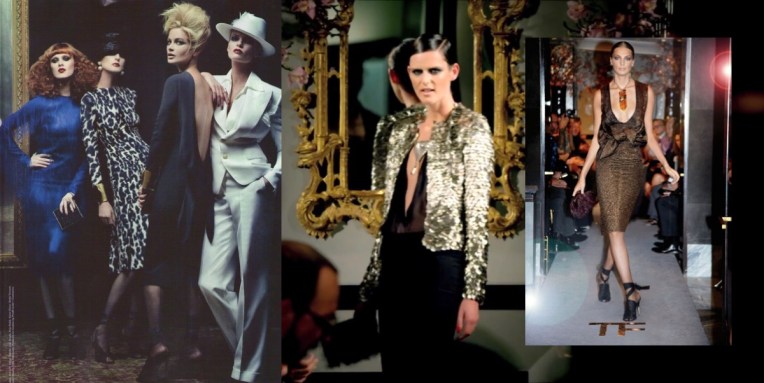
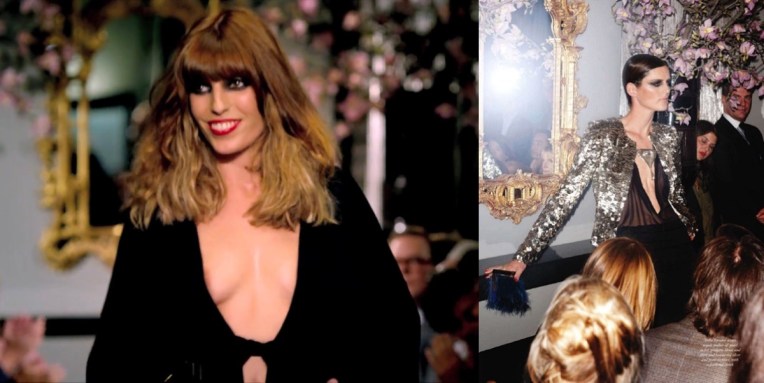
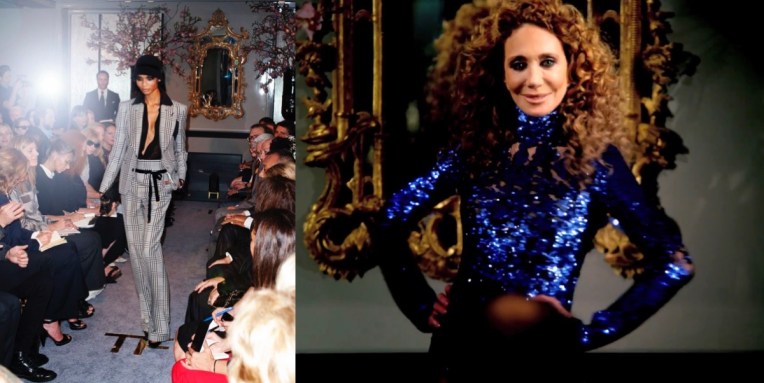
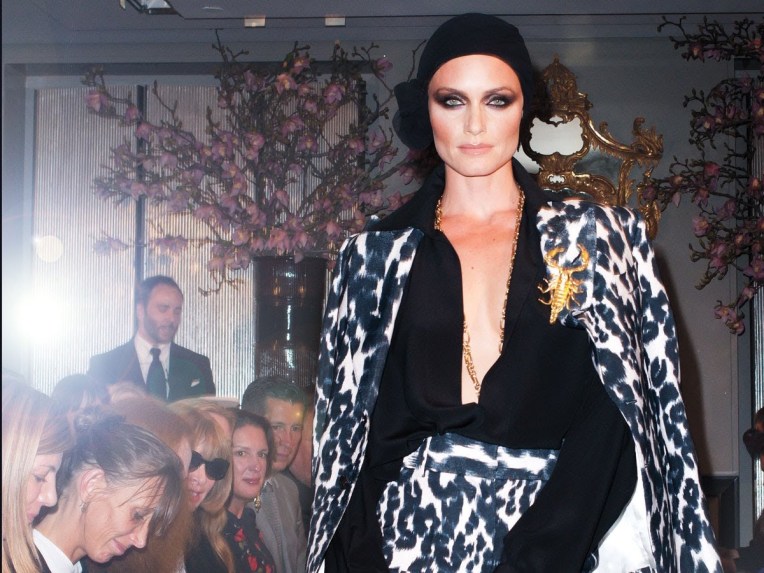
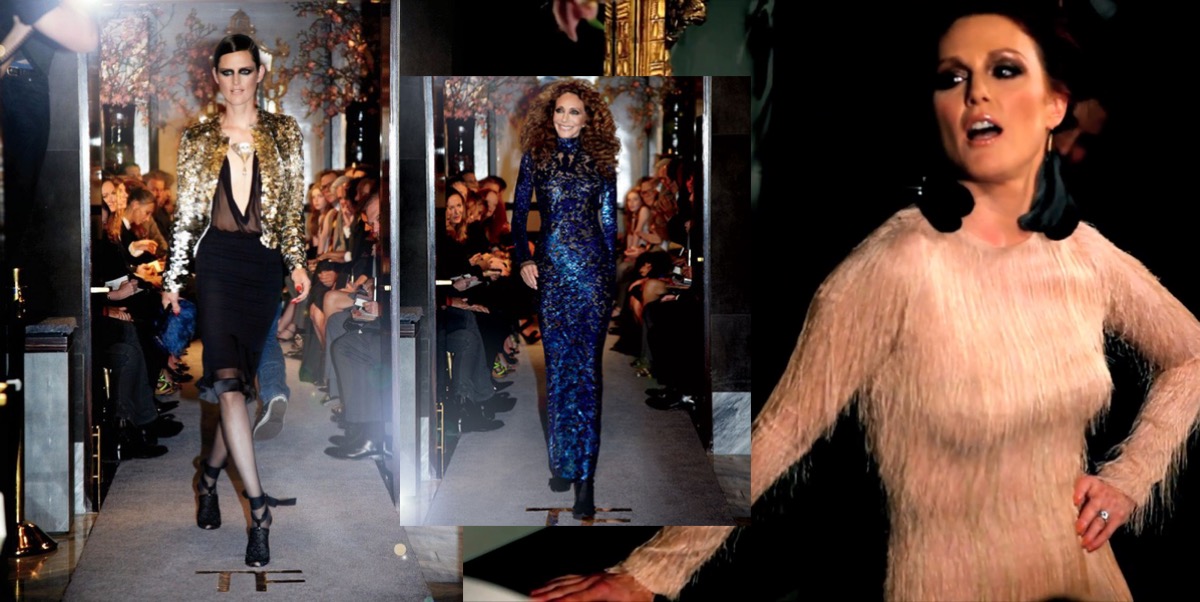
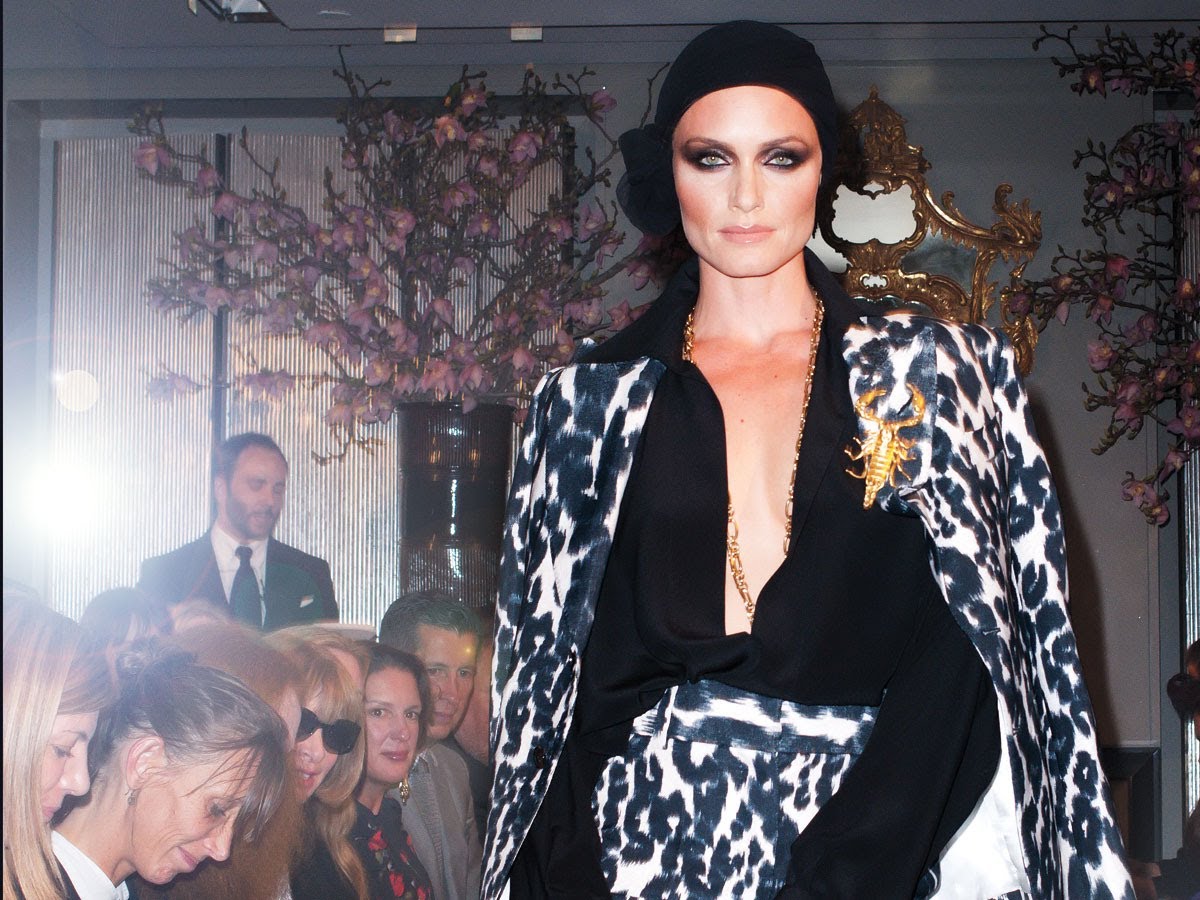
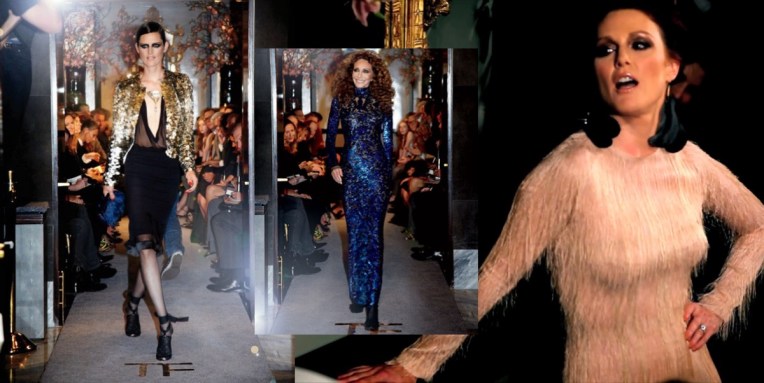
I’m currently reading André Leon Talley’s phenomenal “The Chiffon Trenches: A Memoir“, and I came across his account of Tom Ford‘s first runway collection coming from his own, name-sake label. The author recalled the event in the most ethereal way. And as it happened about ten years ago (and this is the reason why it’s the first proper post of 2021!), I was surprised I didn’t really have any image in my mind from that spectacular line-up, until Talley noted the whole event was kept mostly in a secret, and the only photographer allowed was Terry Richardson. Thankfully, some photos and this delightful video coverage are present on the web. So, spring-summer 2011 was Ford’s first big come-back to runway after his days at Gucci and Yves Saint Laurent. At the beginning of September, 2010, under the cloak of secrecy, he hosted an intimate cocktail party-slah-fashion-show at his menswear store on Madison Avenue. Luminary friends such as Julianne Moore, Lisa Eisner, Rita Wilson, Marisa Berenson, Daphne Guinness and Lou Doillon all sashayed down the runway, as did Ford model favorites Daria Werbowy, Liya Kebede (who Ford made a supermodel), Amber Valletta and the late Stella Tennant. Somehow, he even got Beyoncé to shimmy down the runway in a body-clinging, sparkle-laden gown. “Beyoncé in real life is actually quite quiet and very sweet,” Ford told Harper’s Bazaar back in the day. “But she can really turn it on.” Ford controlled the entire presentation, as in the days of intimate salon presentations, right down to the music volume, introducing every girl by name and describing her outfit in detail. For added amusement, he catcalled a few of them, teased Eisner for walking too quickly, told model Joan Smalls she might have turned him straight, and then told Beyoncé she definitely did. While many thought the show was a flashback to Parisian couture shows, Ford said the impetus for the show’s format was much more curious and much more camp. “I was on the train from London to Paris, and all of a sudden it just popped into my head: I’m going to do the Don Loper fashion show from ‘I Love Lucy’,” Ford explained. That particular episode, shot in Los Angeles with real Hollywood wives (Dean Martin’s and William Holden’s among them), is a classic: Lucy wants a covetable Don Loper dress she can’t afford. But lo and behold, Loper is doing a fashion show (which he narrates himself) and asks Lucy to model. She sits by the pool too long in hopes of achieving a perfect California bronze but ends up badly sunburned, “and she gets a tweed outfit and she can barely walk. It’s all very cute and everyone claps,” explains Ford. Of course, his 2010 version was more sexy than cute, and instead of claps he got a standing ovation. The casting was intentional. “I chose these models because I knew them. I designed these things thinking of them,” he explains. Following the Oscars, he thrust himself into designing the collection, using a mental list of about 30 women he would love to dress: “women I find inspirational and who are archetypes,” Ford says. “My collection each season should have something that a woman in her 60s, who is still stylish and lived through the Charlie era, could wear, so Lauren Hutton gets that look. There’s something someone of Rachel Feinstein’s size should wear and something for someone who is extravagant and shops at a bunch of vintage stores, like Lisa Eisner, should wear.” The incredible, magnetic Tom Ford.
Collage by Edward Kanarecki.

Domestic Chic. Batsheva Pre-Fall 2021

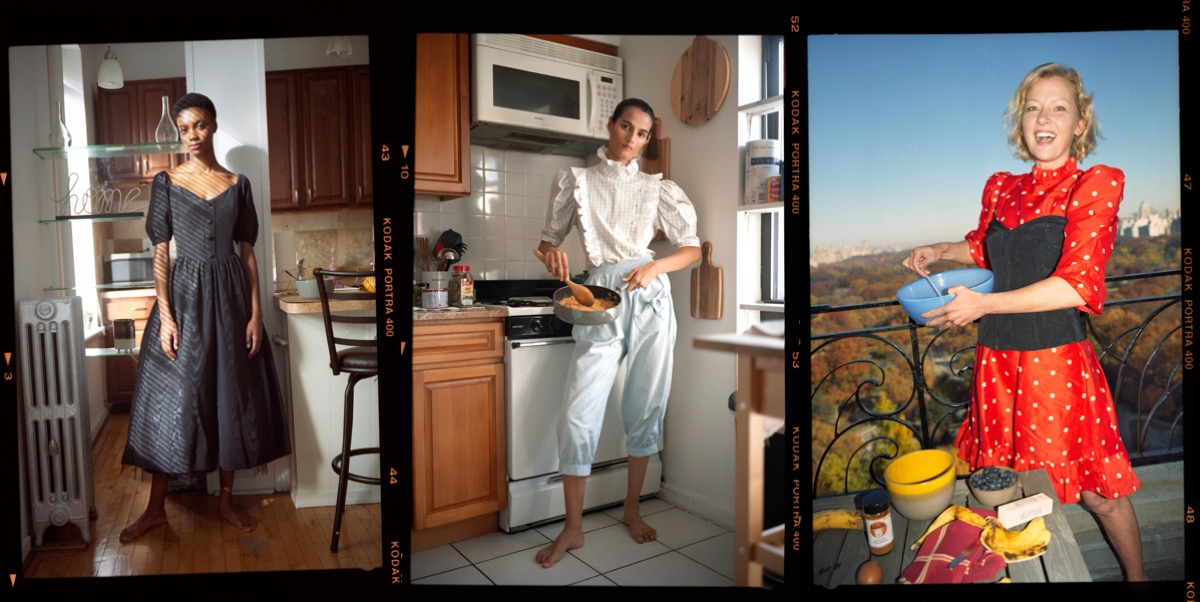
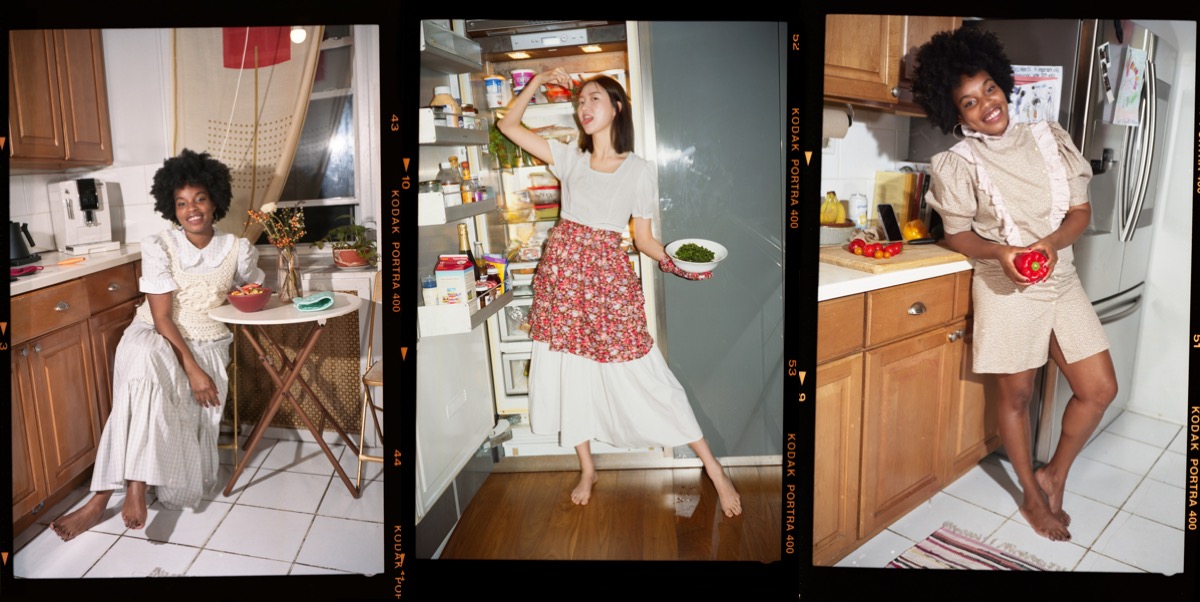
Many brands that start with one, sharp, distinct, signature piece, quickly reach its peak popularity… and equally fast fall down the cliff of oblivion. Just think of all the bag labels that had that singular “it bag” and couldn’t maintain the momentum. But Batsheva is a different story. First, Batsheva Hay‘s dresses just don’t get boring – how can such versatile must-have ever become outdated?! – and second, the designer gradually expands her universe, making old clients come back and new ones feel attracted. And the brand’s pre-fall 2021 look-book makes it even more relatable and relevant to our lockdown lives and habits. In her work, Hay has taken the symbols of femininity, domesticity, and intimacy and made them things for women to be proud of, not ashamed of. Typically, the industry rewards designers who offer more modern, minimalist takes on female style or versions of womanhood that are so fantastical and exaggerated they can only be described as “whimsical” or “dreamy.” Hay’s work is neither: it’s quirky, messy, funny, and embraces the chaos of a woman’s life. And in the new season, the Batsheva woman even cooks in Batsheva. The collection’s fantastic look-book stars real women, from club legend Susanne Bartsch to actress Gretchen Mol, wearing her latest wares in their own kitchens. Hay and her husband, Alexei, the photographer, traveled around New York taking the portraits, discussing the recipes with each woman, and eating each meal. The results will be published in a cookbook next year. “Seeing the way other people wear the pieces is so important,” Hay says, stressing that each piece must feel like “a wanted garment.” If it doesn’t elicit love from her ladies, it doesn’t get made. The garments that did get made continue to recast the possibilities for ruffles and floral prints. Hay is leaning into big 1980s graphics and piecrust collars à la Princess Diana. Those developments, she explains, were designed with an eye to Zoom routine. From the waist up, she’s offering a new bolero jacket, added embroideries and details on yokes, and expanded her offering of gorgeous crocheted tanks and hooded pullovers. Pants, skirts, and a new wrap dress round out the offering. “When I started, I thought I would run out of things to do with ruffles on dresses pretty quickly,” she told Vogue with a smirk. But trying to define what it means to be a woman in this world is an endless journey – and one of constant reinvention.

Collage by Edward Kanarecki.

Intuitive Reality. Khaite Pre-Fall 2021

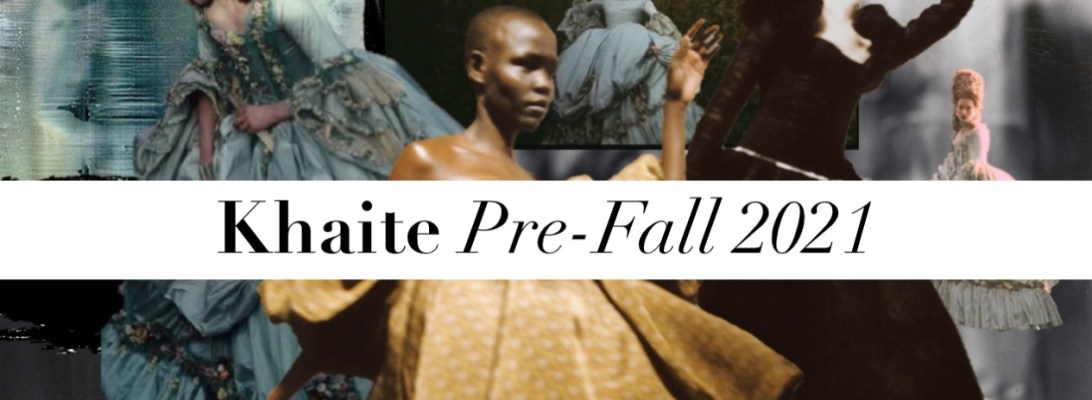
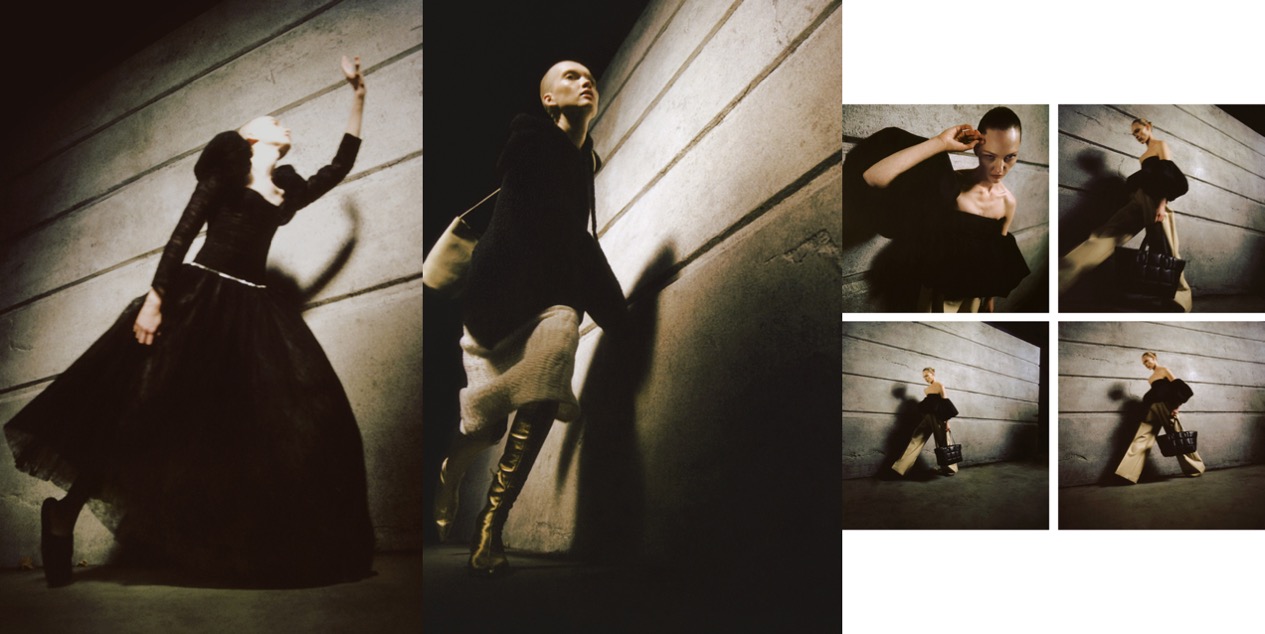
It’s quite incredible that Khaite, a relatively young and small brand, has such distinct signatures and a loyal clientele. I bet many, much older and famous labels dream of credentials Cate Holstein‘s brand can boast with. The pre-fall 2021 collection sums up Khaite’s biggest hits and classics, but it didn’t lack novelty. With a basic QR code, you can beam Lia Pavlova into your living room. It takes a minute to get the hang of “placing her” in the space, but then she’s walking, posing, and giving you multiple angles of Khaite’s new collection. The augmented reality experience is an evolution of the one Catherine Holstein launched for spring 2021, which included only shoes; now we’re getting the full look, and it’s surprisingly realistic. What makes this particular AR experiment successful is that most of these clothes will, in fact, look right at home in your apartment. Holstein is an intuitive and product-oriented designer who cares about how her clothes are worn and lived in, not just how they look on a catwalk or in a moody video. For the new season, she was especially focused on comfort, practicality, and ease – “nothing frivolous,” she said. Floor-sweeping hemlines felt excessive, so there were boxy peacoats and ’60s-ish miniskirts instead. The stronger, tougher feeling of spring 2021 carried through in the combat boots and patent over-the-knee styles, shown here with voluminous evening tops, cozy knit dresses, and narrow jeans. Even her signature bubble dresses felt casualized and couch-friendly, whipped up in crinkled viscose and styled on Sasha Pivovarova with a shrunken blazer, black tights, and no jewelry. Holstein said she wasn’t really thinking about the quite abstract “re-emerging” many designers are talking about lately; she prefers to design for the moment she’s living in, not for some hazy future. Still, she hopes her clients will  likely be in the mood to dress up, but with items that feel comforting and sensitive to the year we just endured. You’ll notice there are exactly zero stilettos for pre-fall, and little in the way of flashy embellishments. The androgynous, hardware-free leather and suede jackets and flat knee-high boots – including a pair in burnished gold – will offer a just-right balance of excitement and ease in 2021.

Collage by Edward Kanarecki.