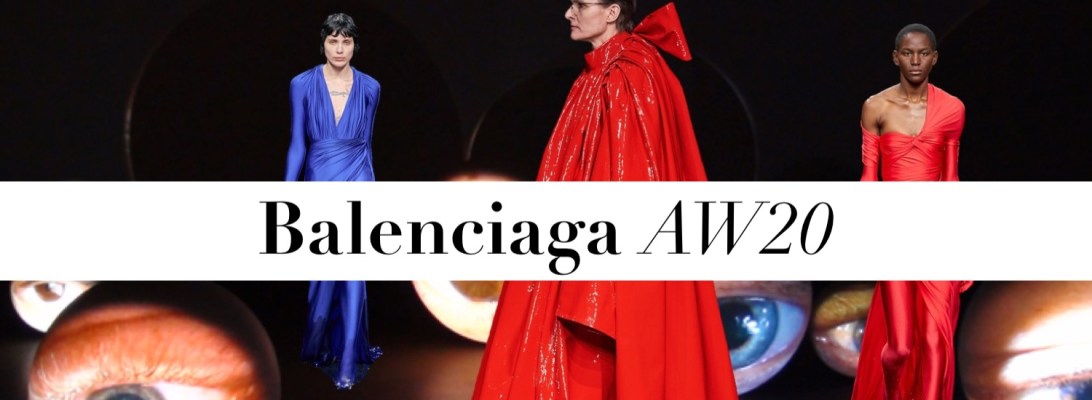
Apocalyptic. Balenciaga AW20

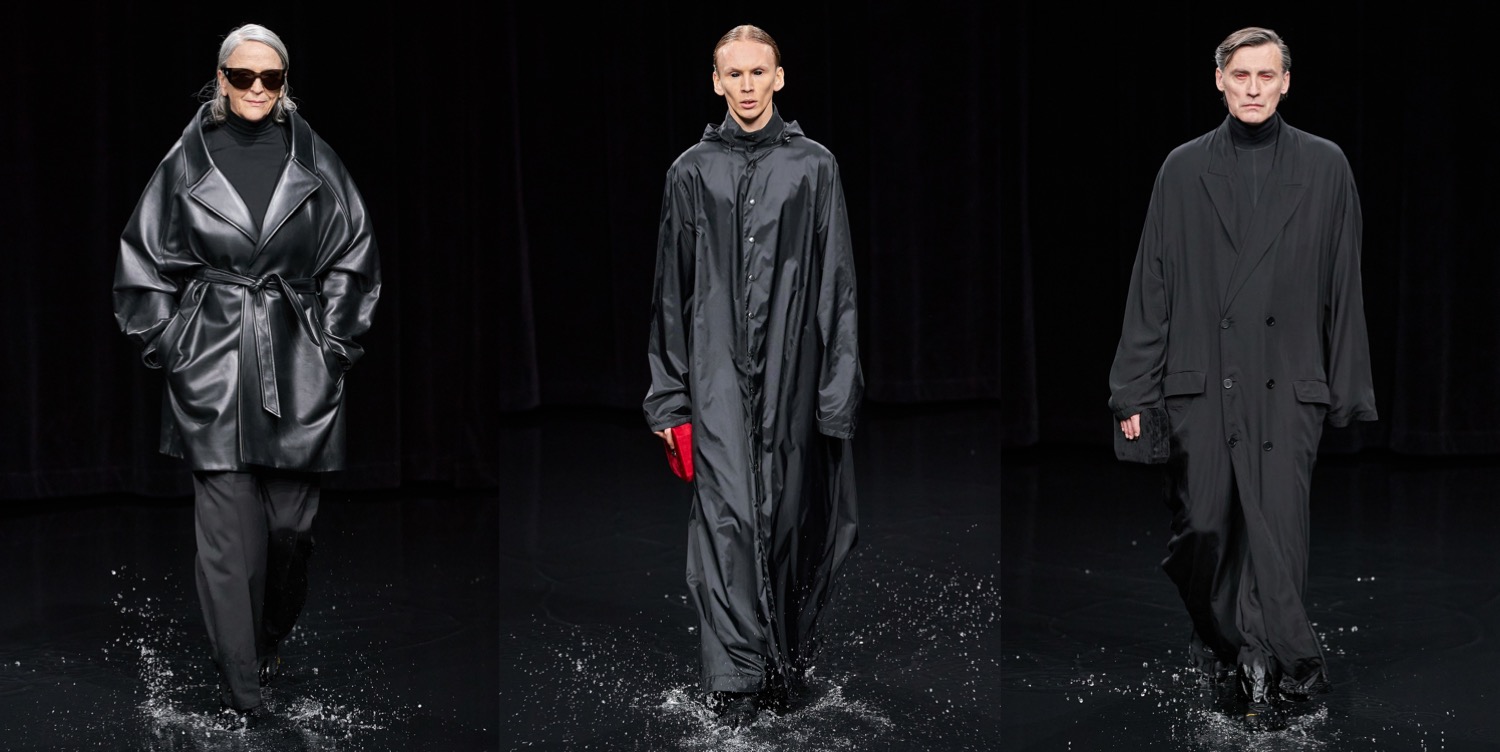
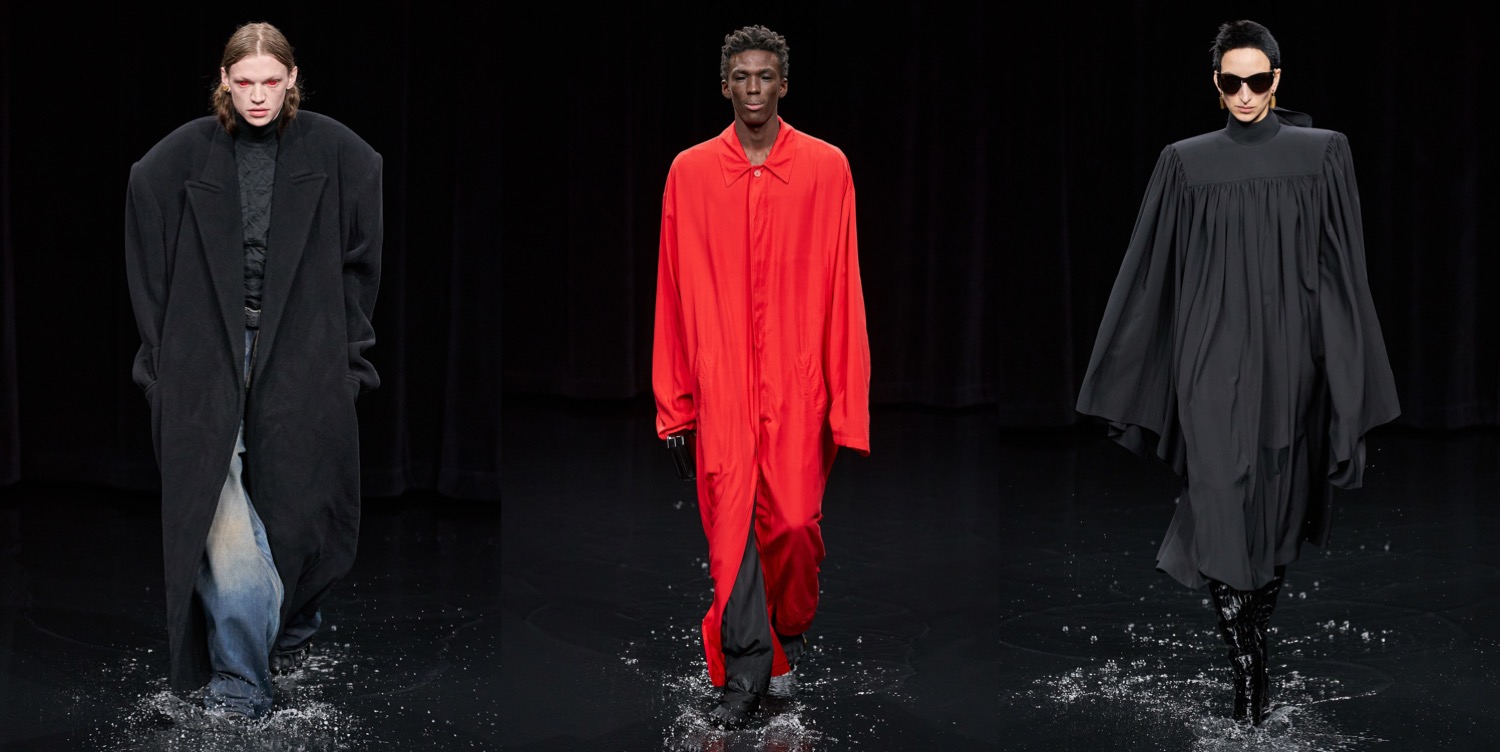
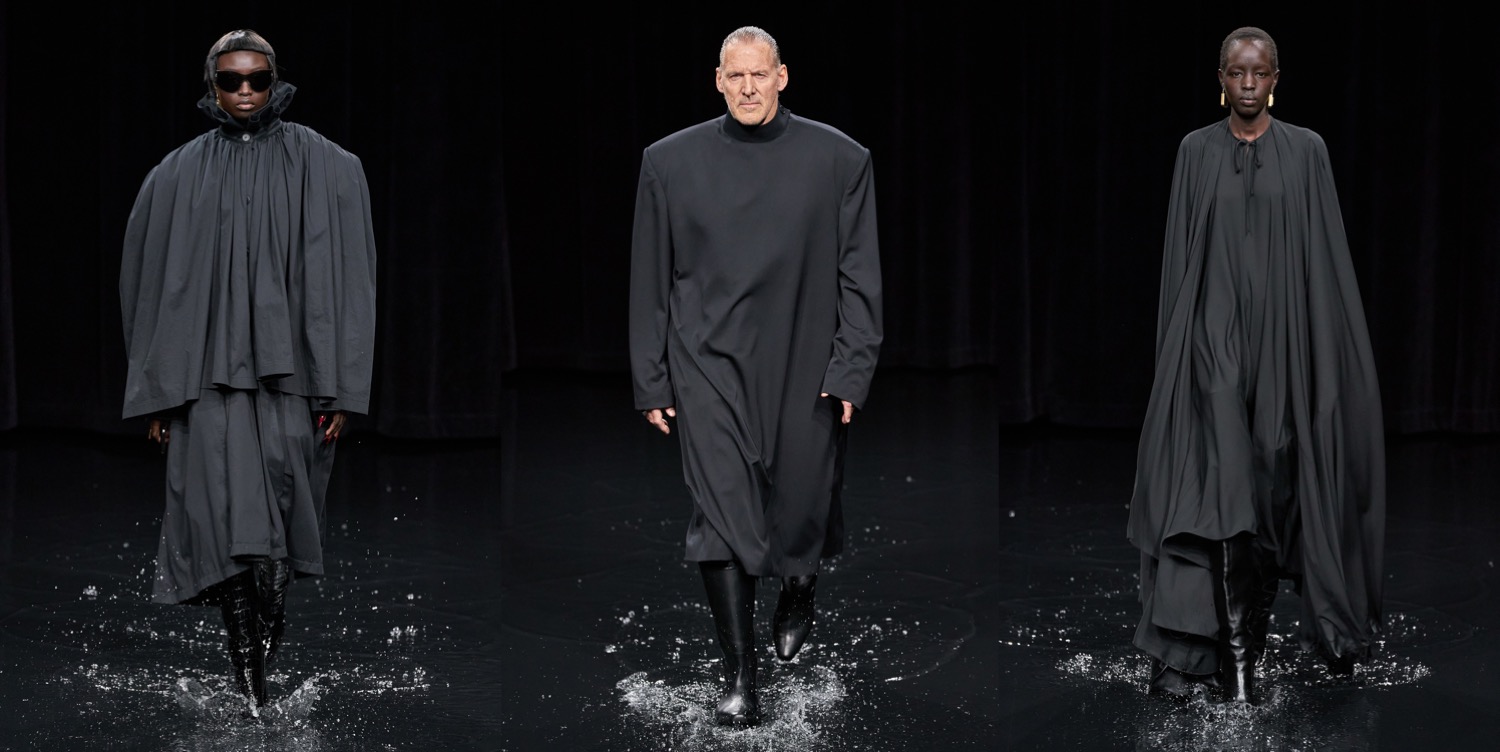
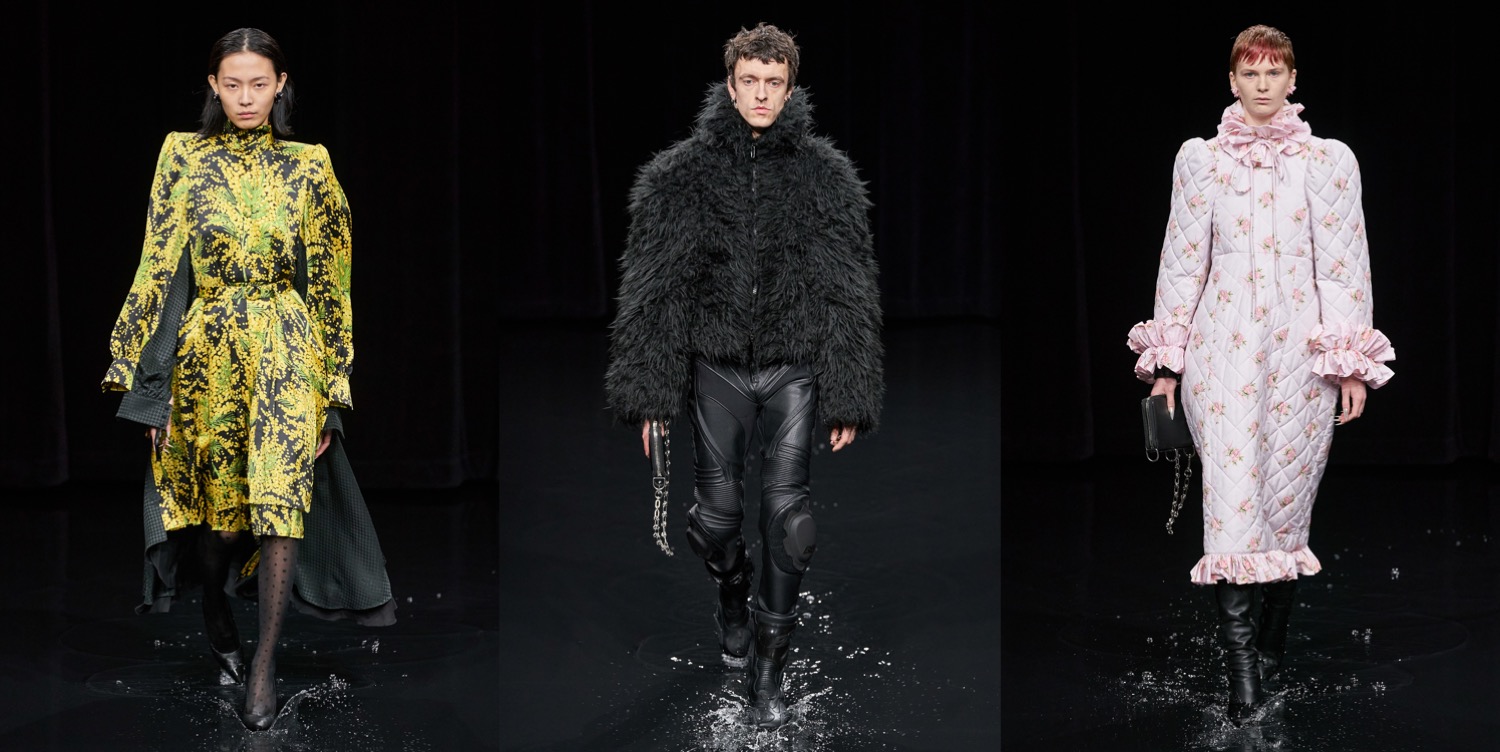
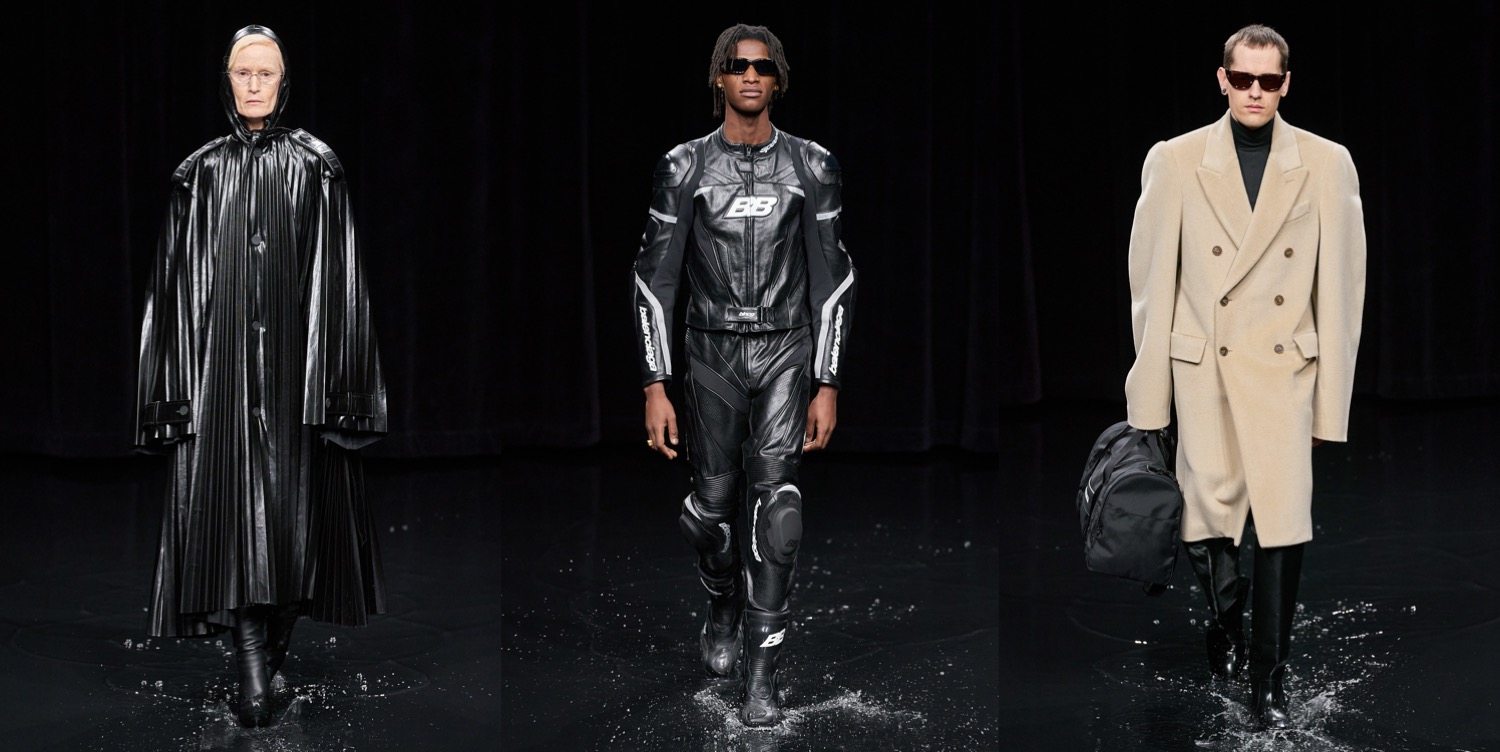
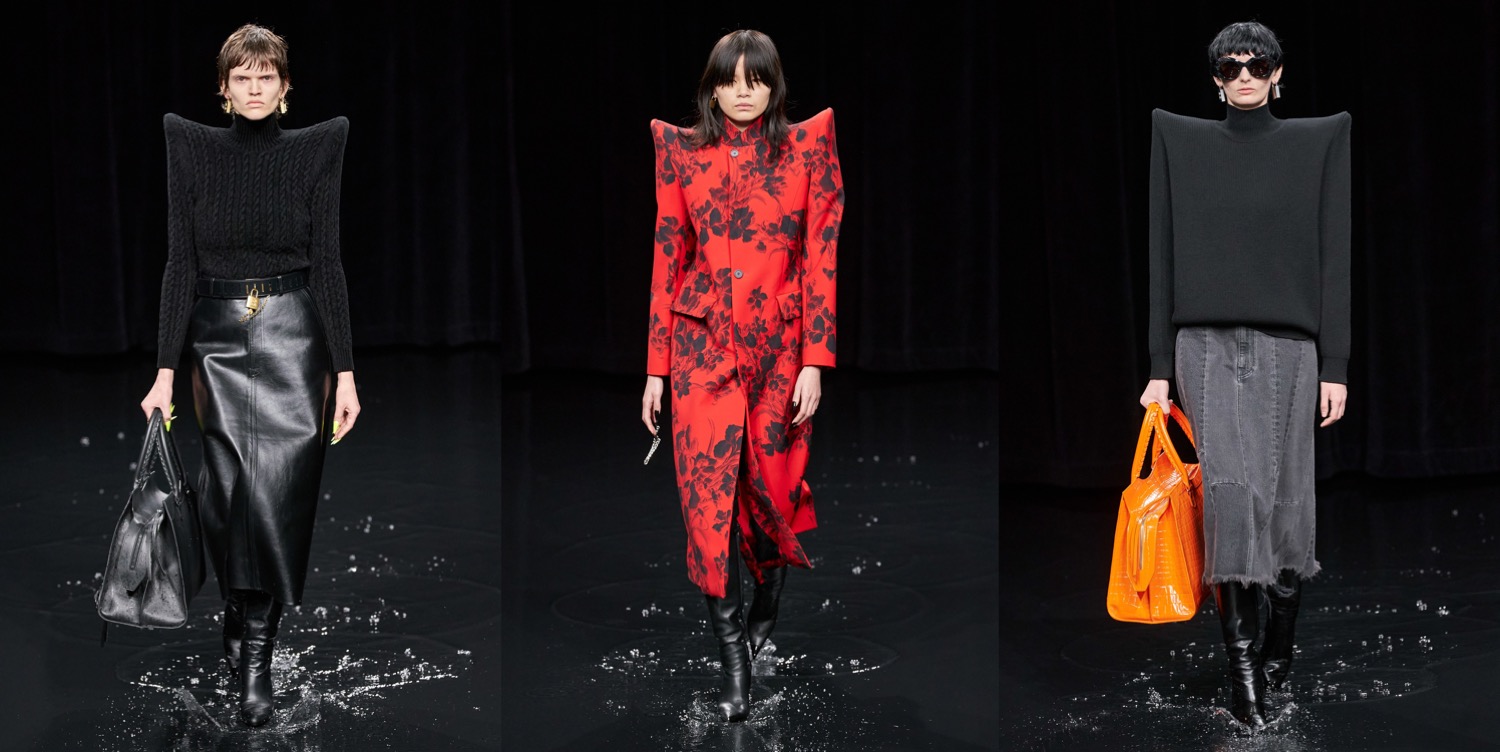
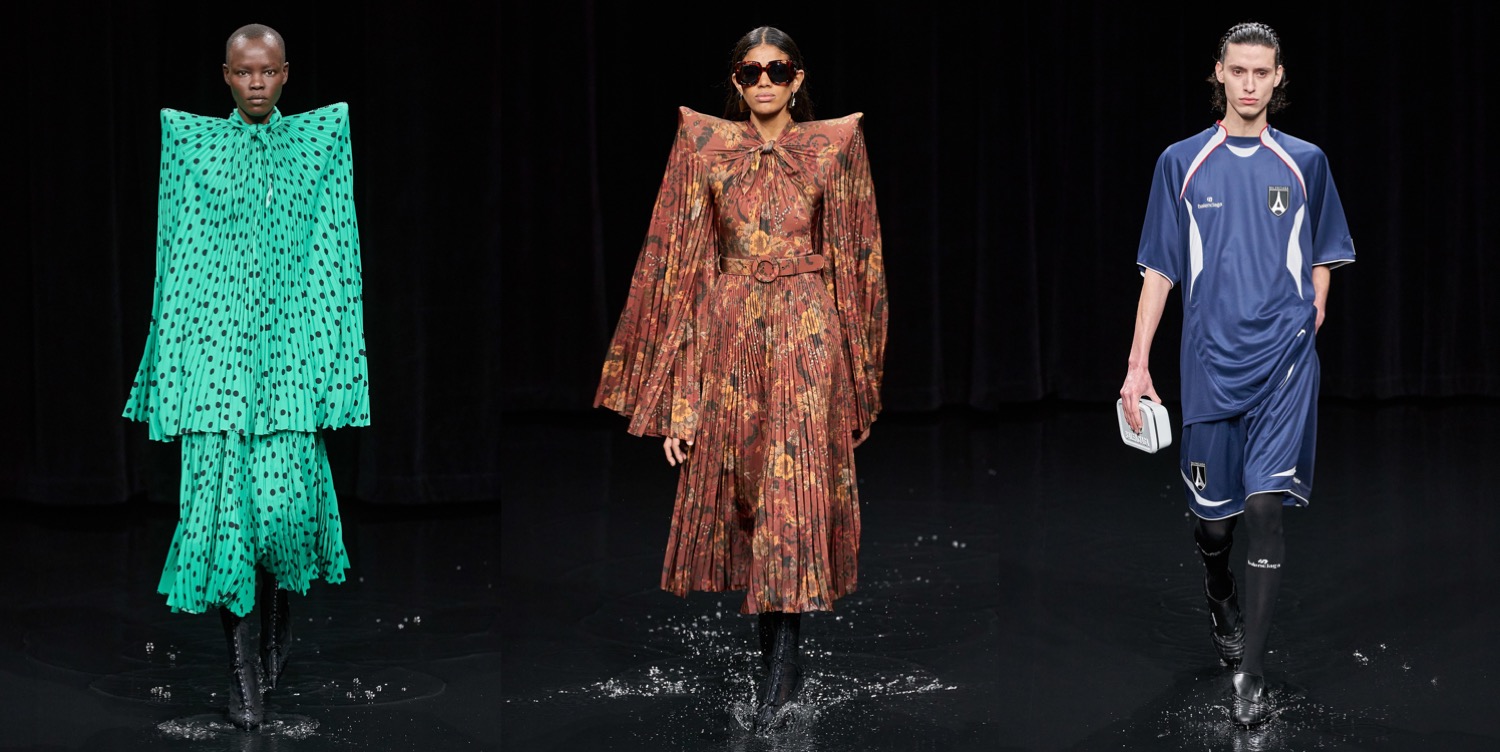
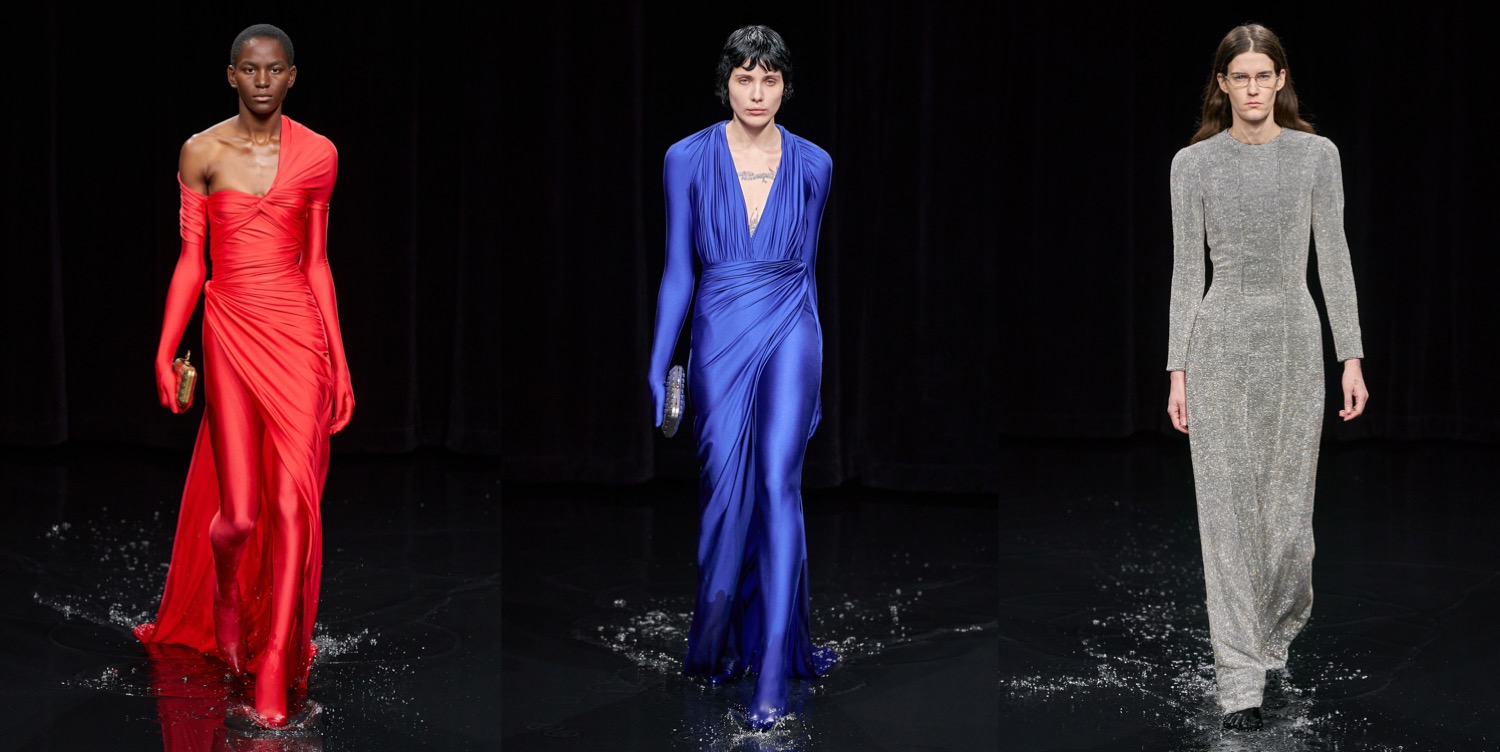
No other show in Paris left such a vivid expression as Balenciaga. You still keep on thinking about this collection (which already means something…). The audience entered the darkened Balenciaga venue and suddenly realized that the first two rows were inundated with water. It was a chilly setting for Demna Gvasalia‘s procession of sinister characters, walking on a vast stretch of water beneath an apocalyptic, digital sky filled with fire, lightning and Hitchcockian birds. “It’s the blackest show I ever did,” the designer said. Gvasalia’s route is always freighted with social observation on the state of the world, power politics, dress codes, fetishism. His intense parade of priests and priestesses in long black robes, with their “religious purity, minimalism, austerity” arose from memories of the Orthodox church in Georgia, and looking at the Spanish Catholic origins of Cristóbal Balenciaga. “He made his first dresses from black velvet, for a Marquesa to wear to church,” Gvasalia concluded. “I had a lot of clerical wear in my research. I come from a country where the Orthodox religion has been so predominant,” he said. “I went to church to confess every Saturday. Back then, I remember looking at all these young priests and monks, wearing these long robes and thinking, ‘How beautiful.’ You see them around Europe with their beards, hair knotted back and backpacks. I don’t know, I find it quite hot – but that’s my fetish.” On closer inspection, they were wearing demonic red or black contact lenses; their faces brutally augmented with protheses. “Religious dress codes are all about hiding the body, about being ashamed – body and sex is the taboo. Whereas when you look into it, some of these people are the nastiest perverts”. Holding that thought – about constraint, rules and belonging to sects – set him off, designing neoprene suits with tiny compressed waists for women and black leather “Pantaboots” with padlocked “chastity belts” and a whole series of leather biker suits. This collection is in a way painful to look at, but that is its real power. On the other note, I think Demna is the only person in fashion who really pushes the topic of silhouette and form, creating some of the most transformative garments. I can’t wait for his debut haute couture show coming this July.

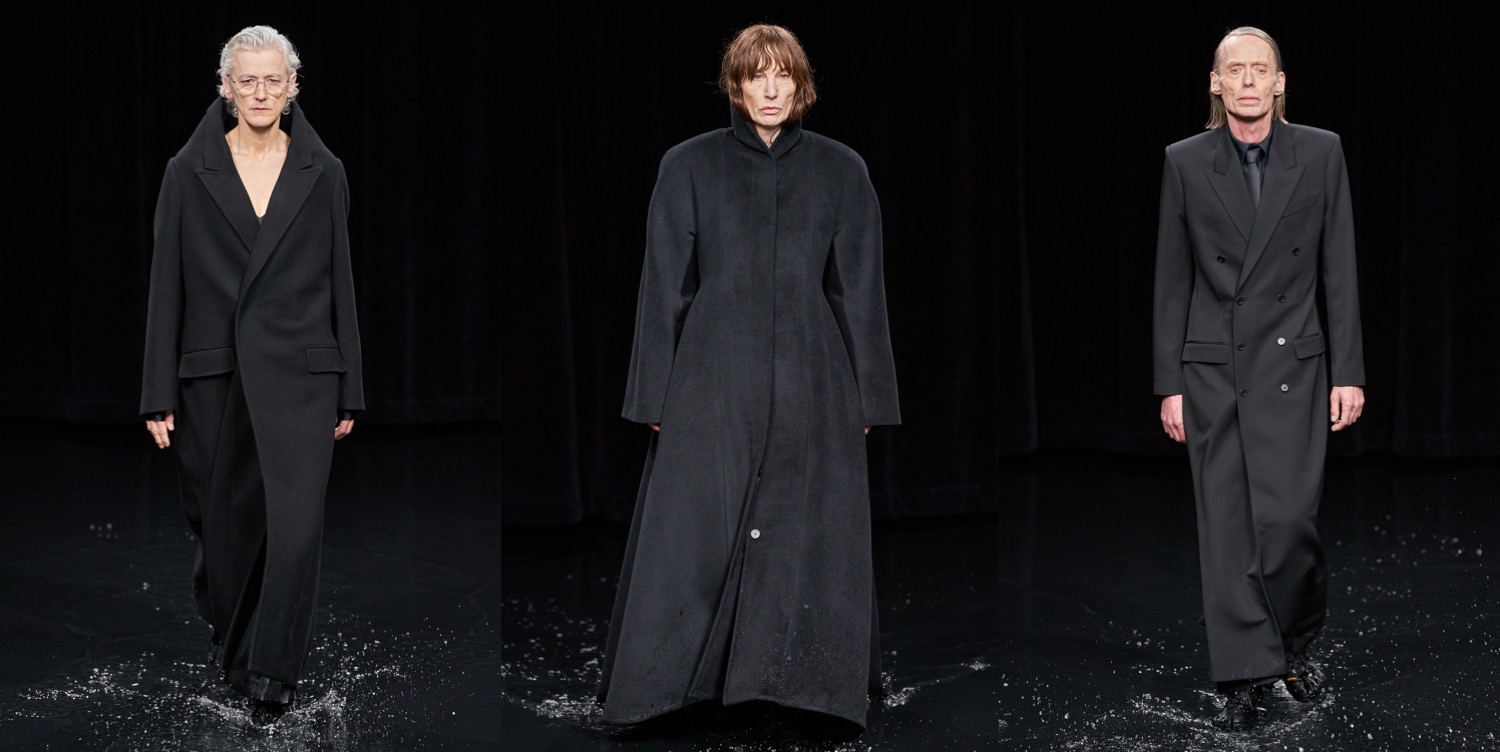
Collage by Edward Kanarecki.
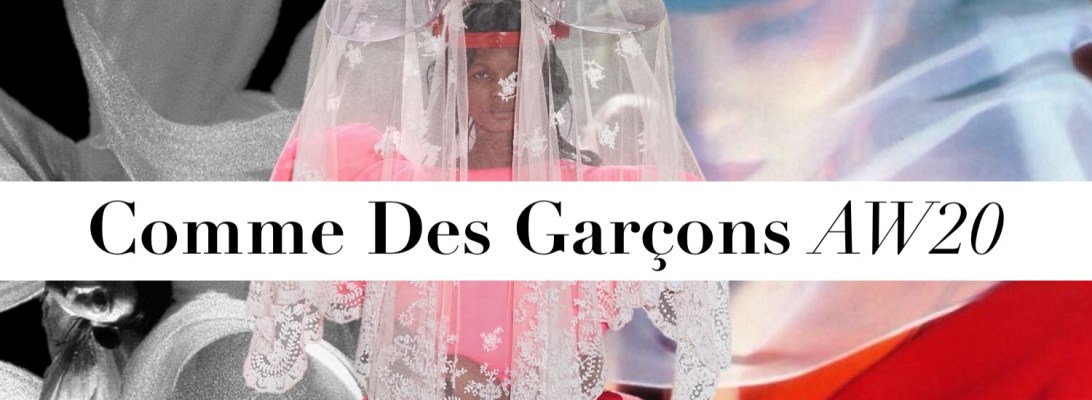
Neo Future. Comme Des Garçons AW20

Slajd1

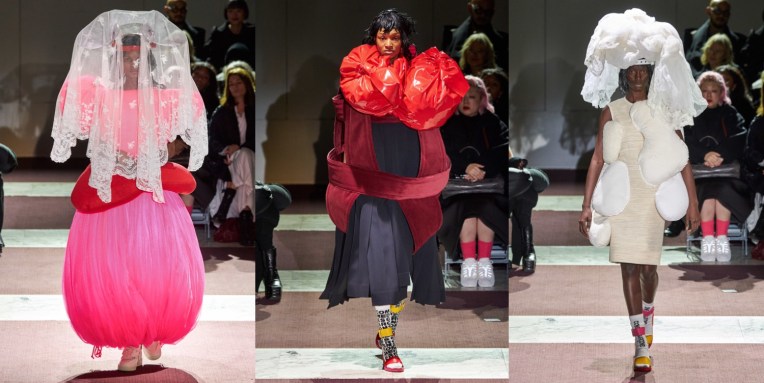
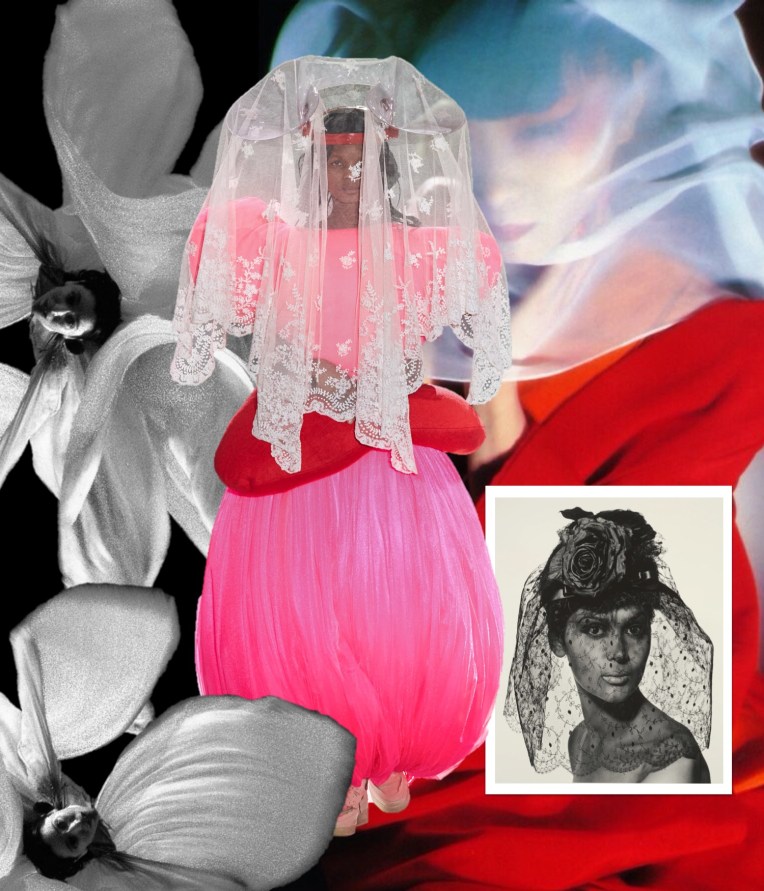
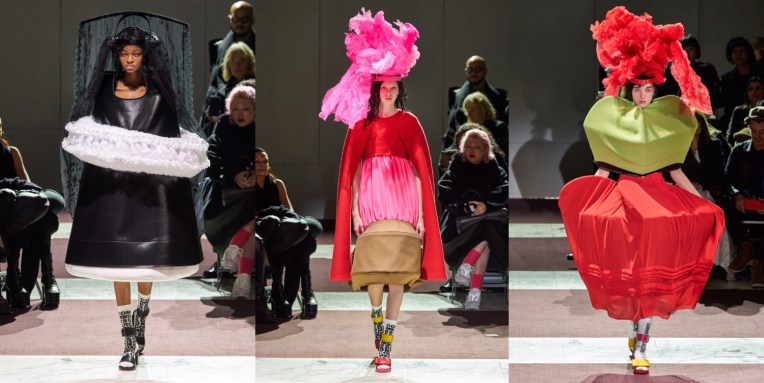
“Is it impossible to make something completely and utterly new, since we are all living in this world?”, Rei Kawakubo asked rhetorically in the press notes of her autumn-winter 2020 Comme Des Garçons collection. Looking at some “big” designers for a couple of seasons, this question is an actual punch with a fist. At this stage in her legendary career, what’s still driving Kawakubo is the tantalizing goal of being able to make work that relates to nothing else; that triggers no associations; is devoid of storytelling and free of history, politics, or satire; and is incapable of being interpreted as belonging to any culture or subconscious brew of any of the above. Among the 20 looks she sent out –  bubbles, ledged pieces apparently made for furniture, towering headpieces – it felt like she was aiming to design for some post-world state. There appeared to be echoes of Comme Des Garçons collections from the past – the Flat collection; the ones rotated around the idea of weddings and funerals; fragmented reminders of the Lumps and Bumps presentation. Kawakubo admitted it was true – she really let herself remix some of her past works. “Continuing my work as a perpetual futurist, I worked from within the CDG world.” But when you’re having such a well-formed, complex and distinct vocabulary – Miuccia Prada as well comes up to my mind as one of those designers – then there’s no wonder you want to recycle some of those concepts from time to time.

Slajd1-kopia 5Slajd2Slajd3-kopiaSlajd4Slajd5

Collage by Edward Kanarecki.
Off To Paris!

Off to Paris for a week! The reviews for the last shows of PFW will come a bit delayed. But coming back with lots of coverage! In the meantime, please check out my Instagram page – if you still haven’t done that – for some Parisian stories… see you there!

Kate Moss by Inez & Vinoodh for Yves Saint Laurent by Stefano Pilati, spring-summer 2008.

Poetry. Haider Ackermann AW20

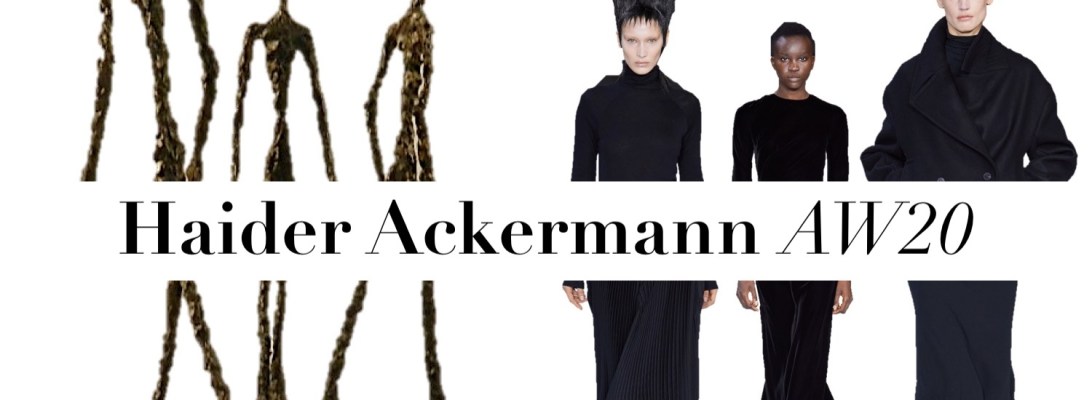
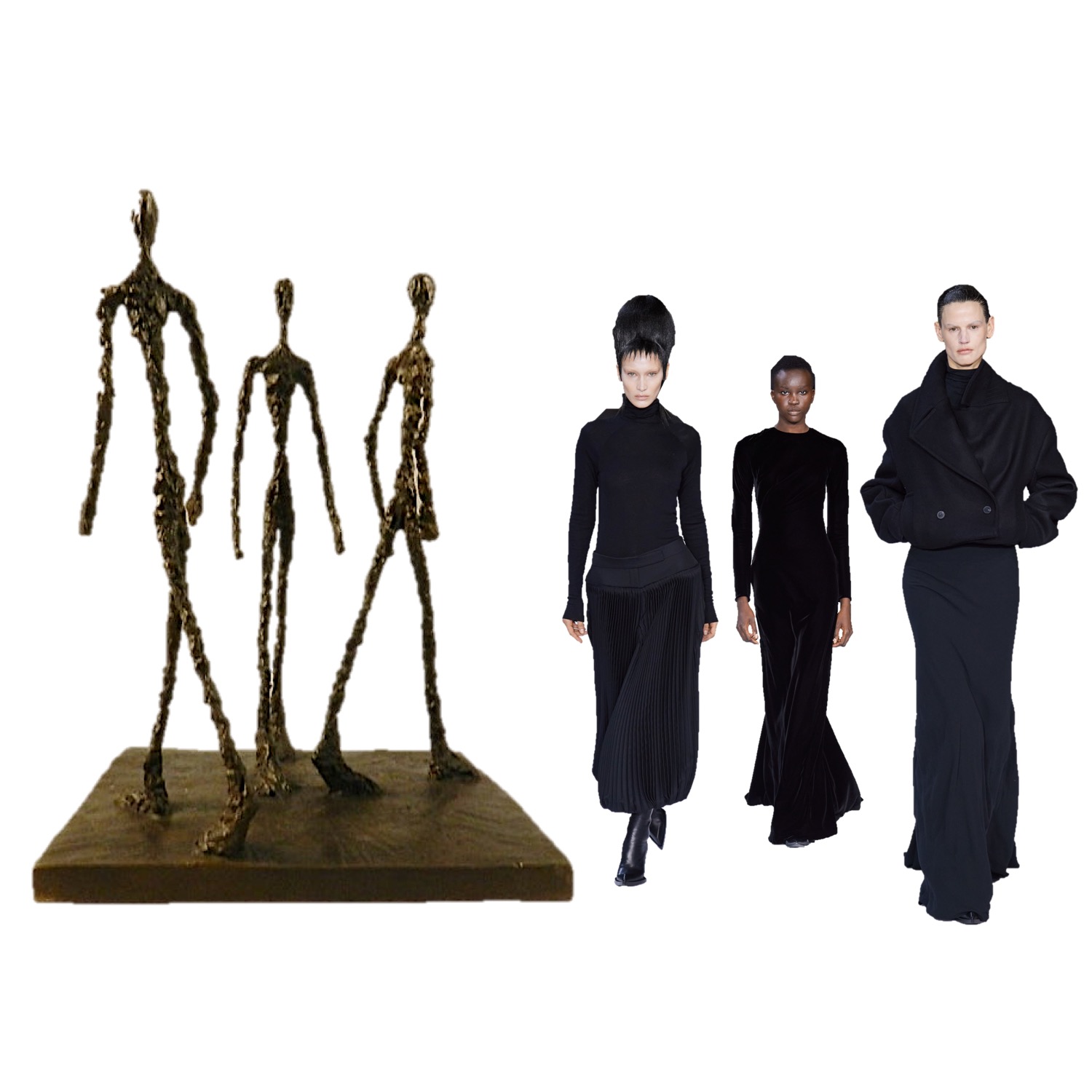
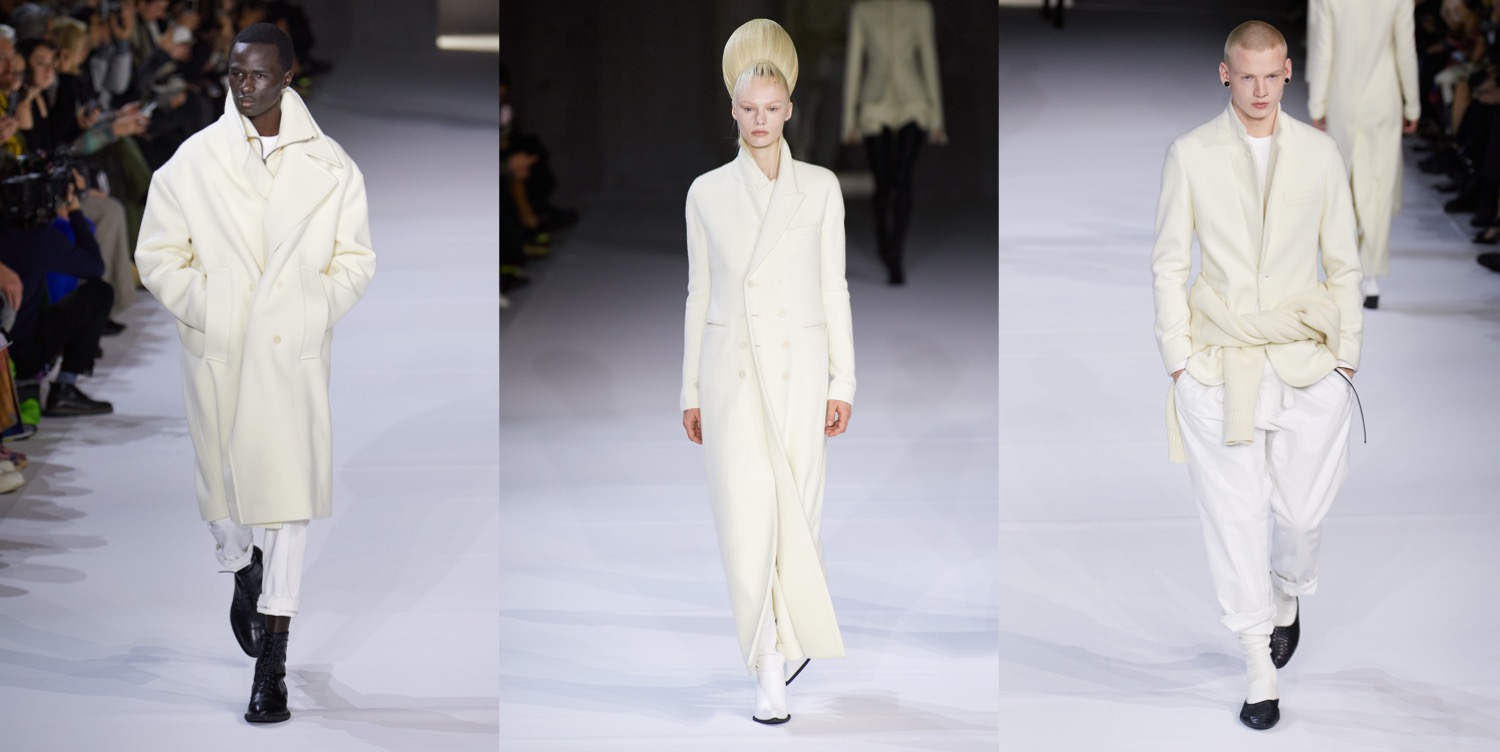
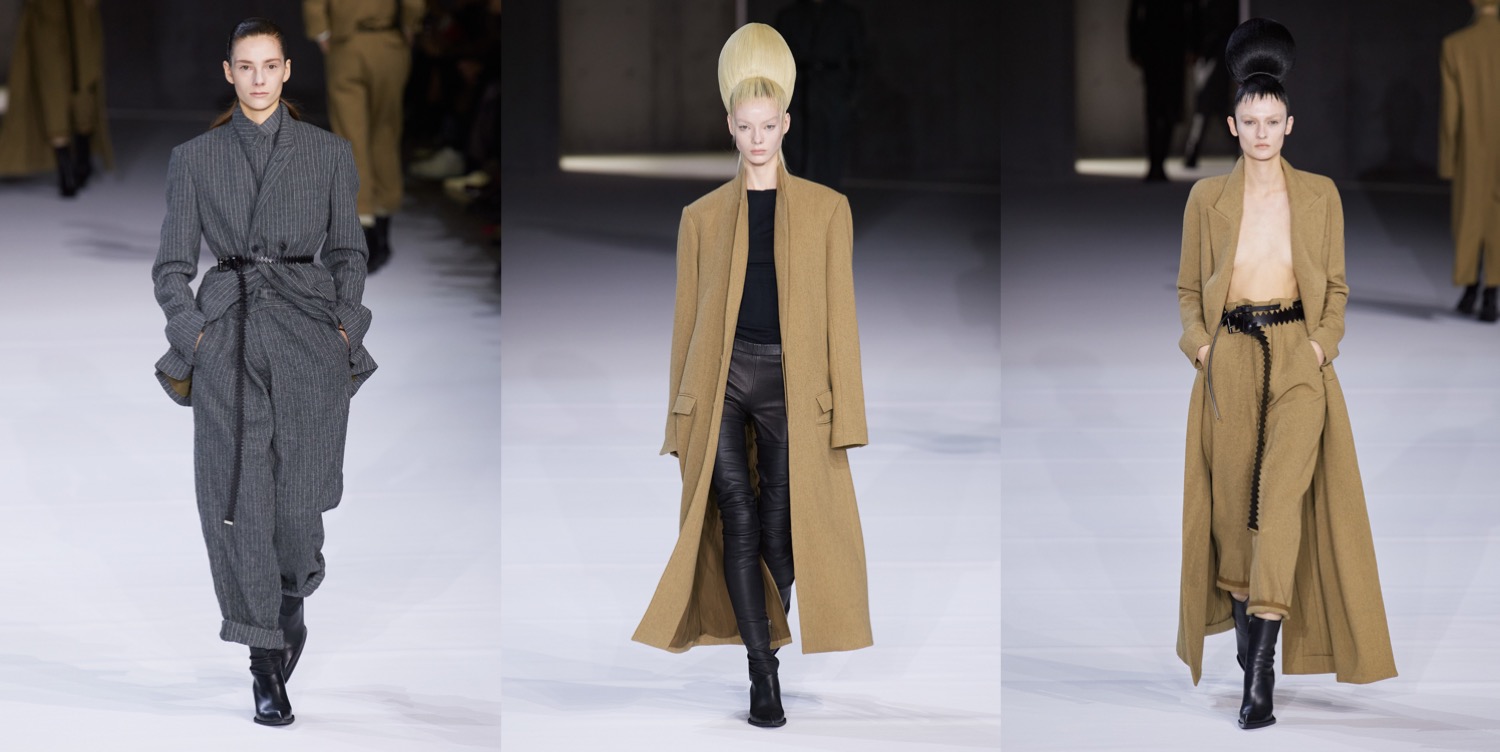
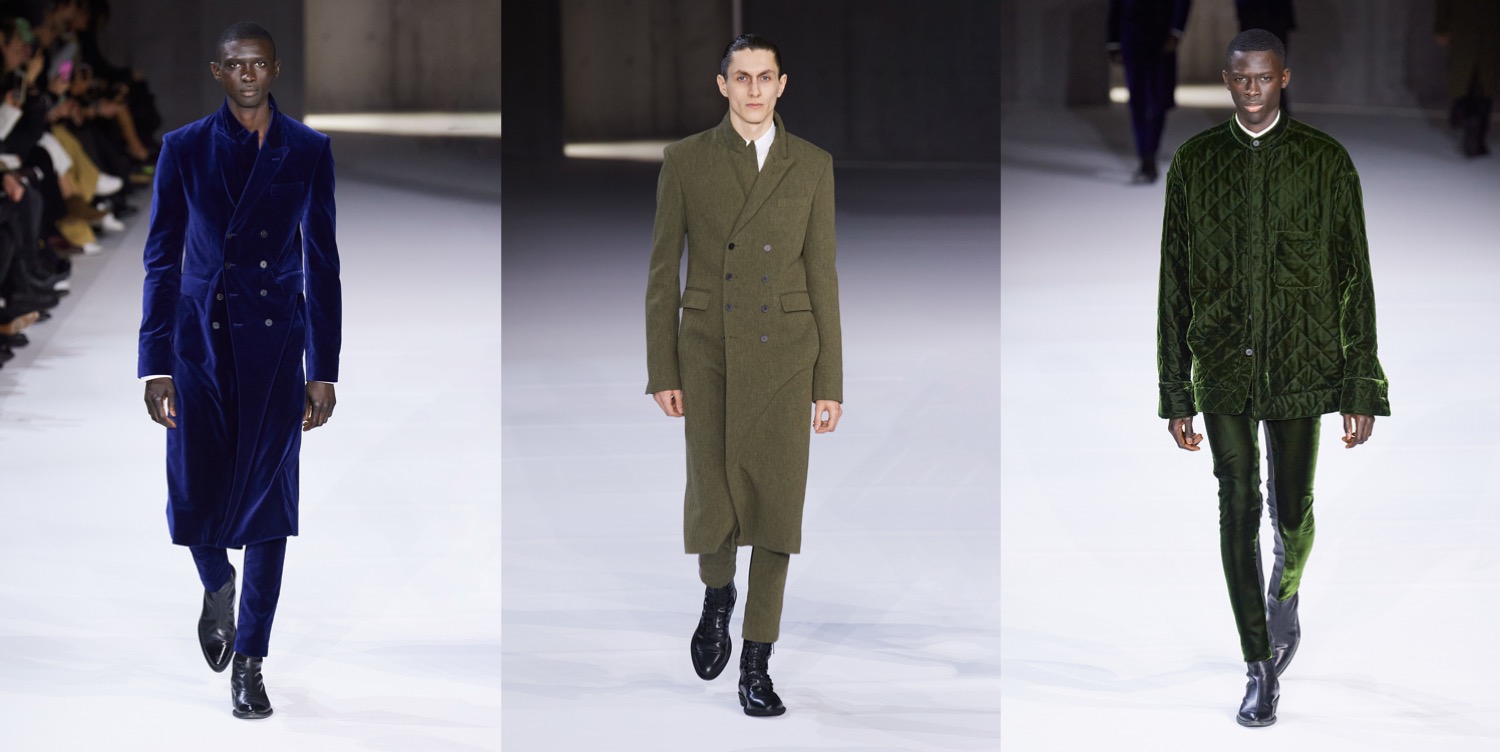
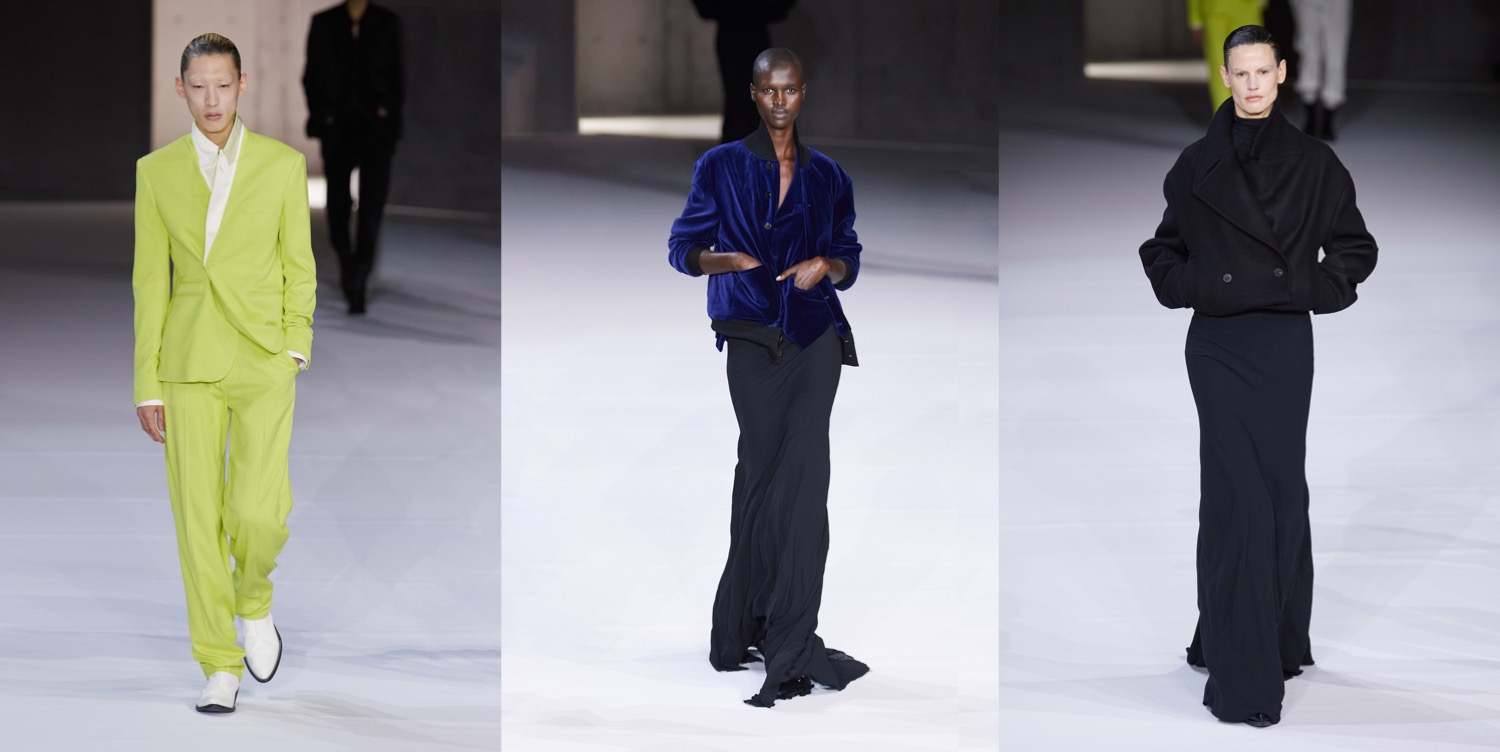
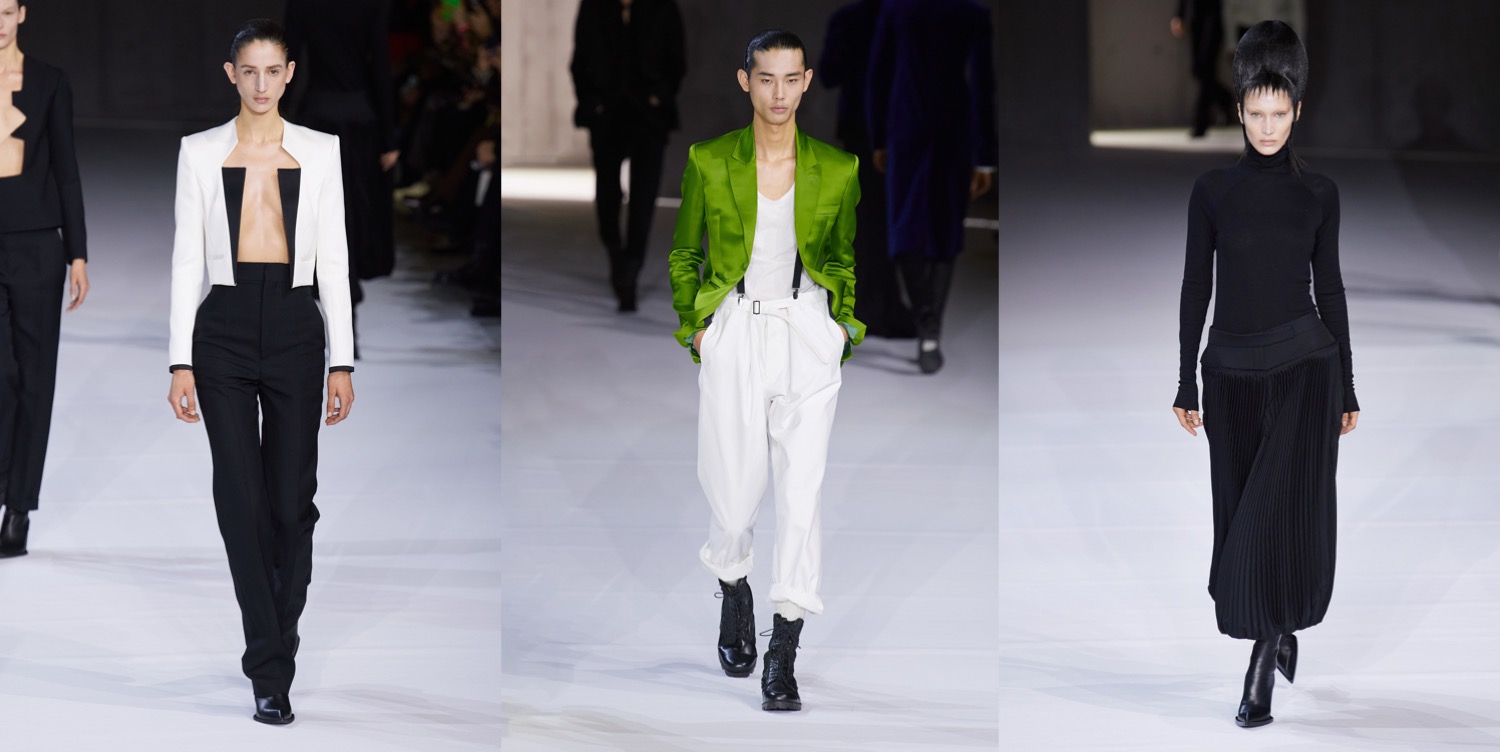
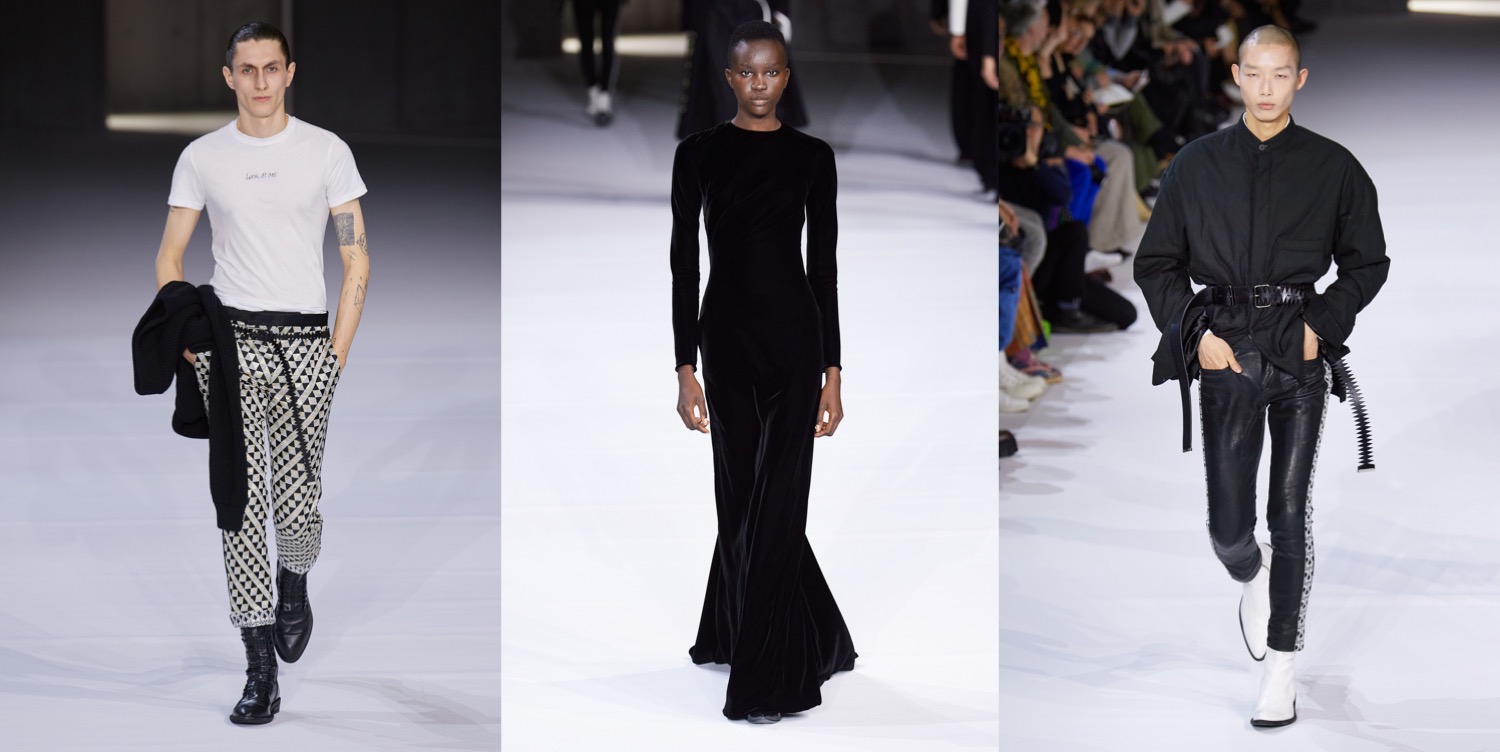
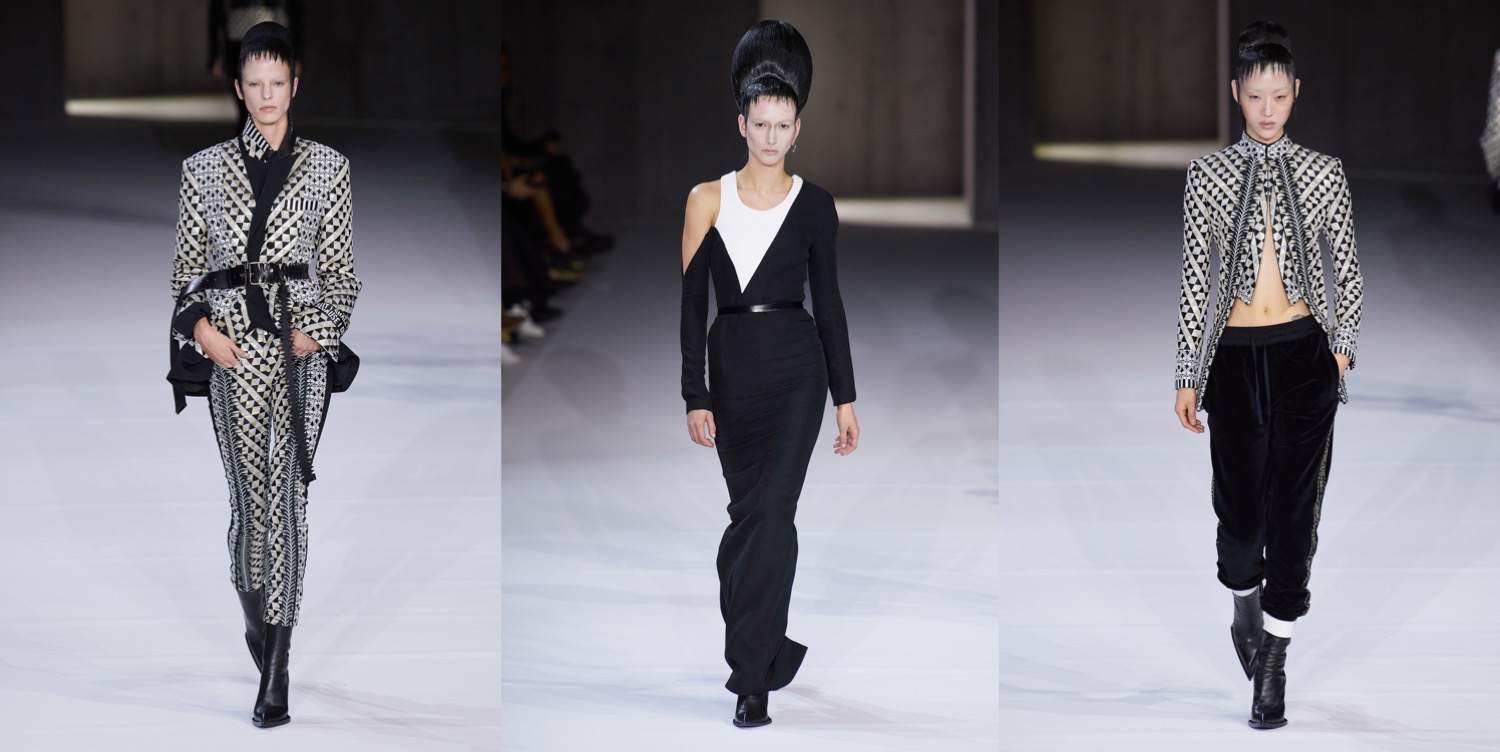
Timothée Chalamet attended Haider Ackermann‘s autumn-winter 2020, but that of course wasn’t the sole highlight of the entire event. Although there was no real explanation regarding the line-up (“I don’t like to define,” said the designer), the keys to unlocking the thought behind the collection appeared to reside in the track list upon the cotton quilt coat in one of the men’s looks. Under Ackermann’s signature and the headline “Private Dancer” was a list of songs, including Leonard Cohen’s “I’m Your Man,” David Bowie’s “Absolute Beginners,” Yoko Ono’s “I Want My Love to Rest Tonight,” Underworld’s “Born Slippy,” Eminem’s “Lose Yourself,” and Dolly Parton’s “Jolene”. “These are all my favorite songs,” Haider told the press. “It was just an ode to everything I love.” The collection was also a mix that unfolded in groups of looks for both women (sometimes under space-age beehive hats that elevated the silhouettes even more) and men. From wearing shades of ecru to rich velvets to black, the models walked in packs. What united them was the Ackermann eye for the romantic, the poetic and the sensual. At the back of jackets, vents bled into extra folds of material that caressed the silhouette. Long and lean overcoats were contoured with collars and buttons in a series of masterfully produced arrangements. This show was a painstakingly tailored mixtape of all of Ackermann’s wearable passions and signatures. Simply speaking: beautiful.

Collage by Edward Kanarecki.
Over and Over Again. Celine AW20

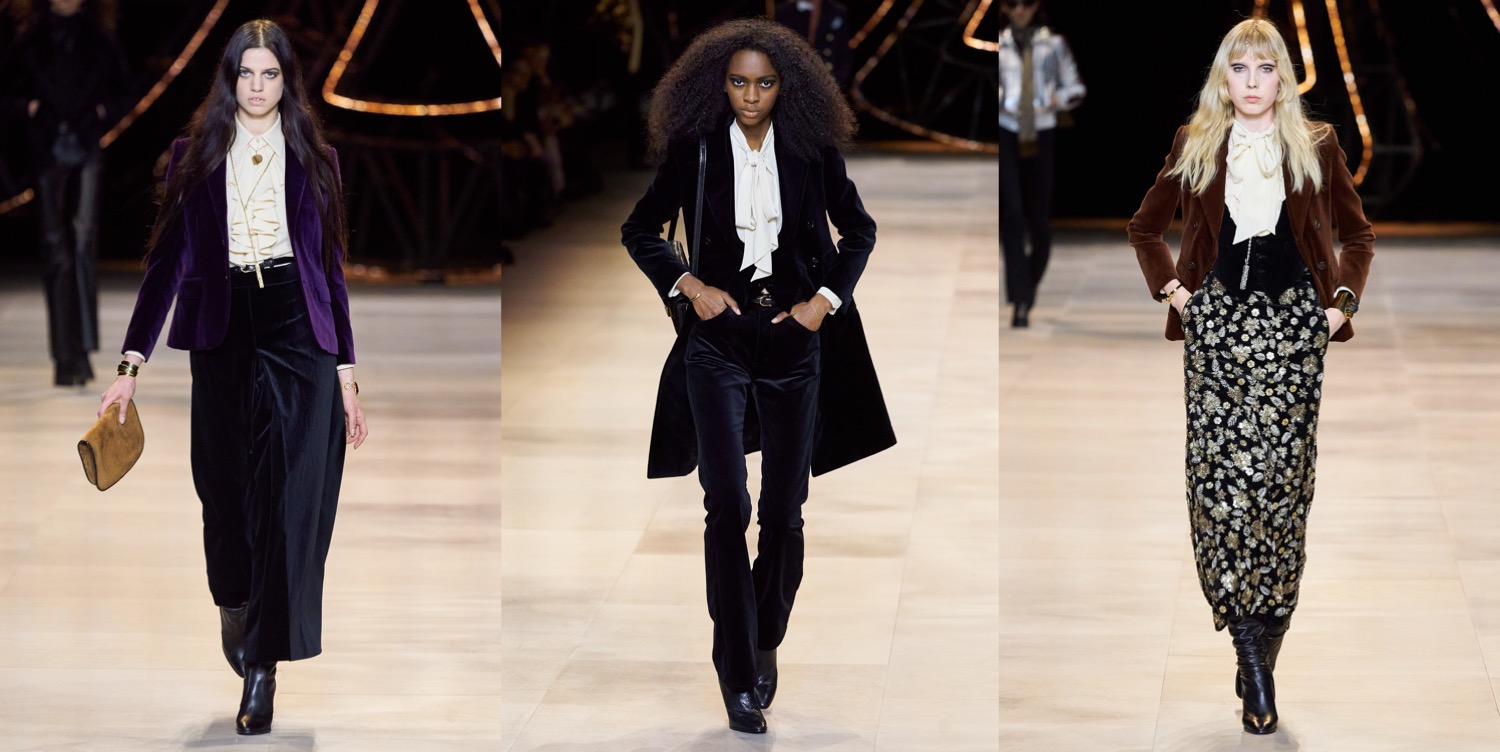
My reaction to Hedi Slimane‘s Celine follows the sinusoidal pattern of emotions I had about his work at Saint Laurent. First, I felt aversion. Then, for a moment, I was amused. In the end, I lost interest. Quite dangerously I’m entering the third phase. Consistence and assertiveness is key for a brand to succeed, yes. But Slimane’s stubborness – same venue, same models (now he even has the same faces he had back at YSL), pretty much the same music, and, what’s worst, same clothes, is quite the art of fashion procrastination. Yes, yes, I know the closing gowns are couture and they took hundreds of hours to embroider. And I’m aware that the 1970s nostalgia is a common, widespread thing for the last (and probably next) couple of seasons. Slimane doesn’t push the envelope, because it’s the aesthetic he loves and repeats over and over again. But he doesn’t even bother to rework it. It’s great that you can buy a pair of denim pants at Celine, or a corduroy mini-skirt, or a retro-lookig dress. But do we need a fashion show for this sort of clothes with more than 100 looks?

Collage by Edward Kanarecki.