Lights, Camera, Action. Chanel SS21

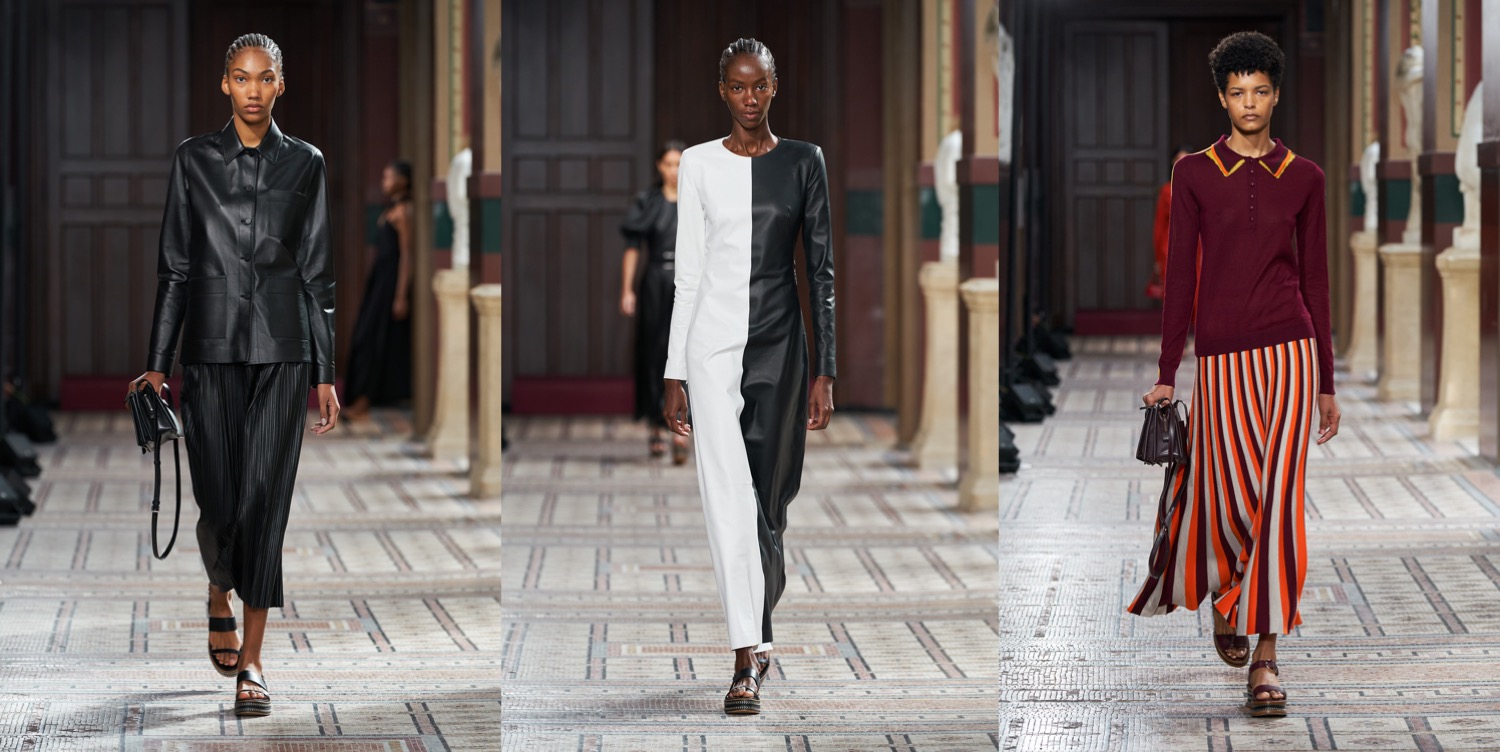
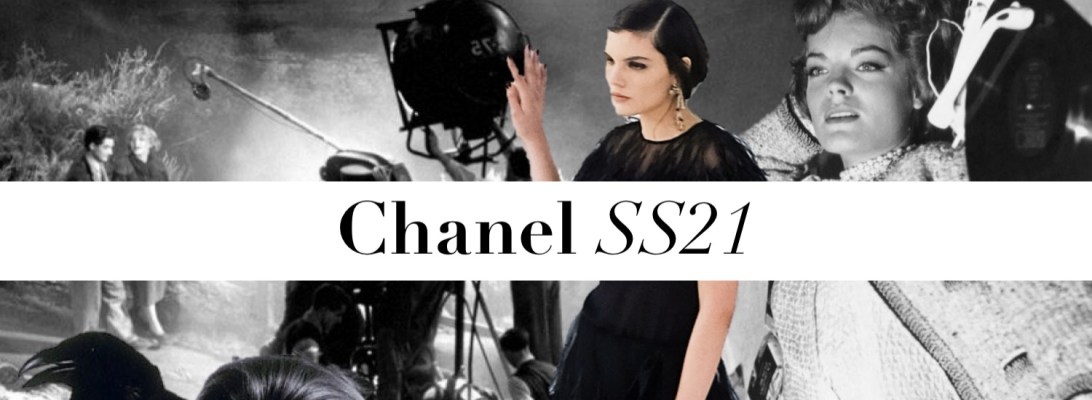
I really start to appreciate Virginie Viard‘s vision for Chanel. The spring-summer 2021 Chanel show set, in Paris’s Grand Palais, spelled the brand’s name in giant letters, evoking the iconic Hollywood sign. Did this suggest that creative director Viard was thinking of the movies? “Less movies than actresses,” Viard explained, and particularly the modern life of actresses, from the high production values of the red carpet, to a staged off-duty look whilst getting a Starbucks in the certain knowledge that a paparazzo might be lurking in the parking lot, “the whole process!” Meanwhile, the accompanying movie teasers, produced by Inez and Vinoodh, literally brought Paris to Tinseltown, with the Sacre Coeur nestled proudly in those Hollywood Hills – symbolic of Viard’s marriage of Parisian cool with laid-back Los Angeles style. And of course, Coco Chanel’s love affair with film industry played its crucial role. Coco, who began her career as a performer singing saucy music hall songs, later made over a handful of actresses in her own image, just as she did with such beloved models in her in-house cabine as Marie-Hélène Arnaud and Jackie Rogers. The designer, for instance, transformed Romy Schneider into a baby-faced version of herself, and Luchino Visconti immortalized Schneider’s new look in his 1962 short movie Boccaccio 70. Chanel herself is even said to have found the new stage name for the Nouvelle Vague actress Anna Karina. Viard, who has all these references at her fingertips, is also drawn to femme fatale Jeanne Moreau in Louis Malle’s 1958 Elevator to the Gallows, and she looked to some on-screen Chanel moments in her collection. The show itself felt like a cinematic experience, and the clothes matched that elegant, yet unpretentious ambience. Viard had jumpsuits, flowing gowns and eternal tweeds as she was evoking the real life wardrobes of contemporary actresses using her own cabine of models, including many new French faces and the sophisticated Louise de Chevigny. All of them were encouraged to do their actressy best on the runway. The collection is quintessentially Chanel, nothing overly innovative – but absolutely consistent and reassuring with all its Chanel-isms. Maybe a bit less logos next time? That understated, relaxed, yet chic style Viard does so well, without all the forced decorations, clearly speaks for itself.

Collage by Edward Kanarecki.
Bold Elegance. Givenchy SS21

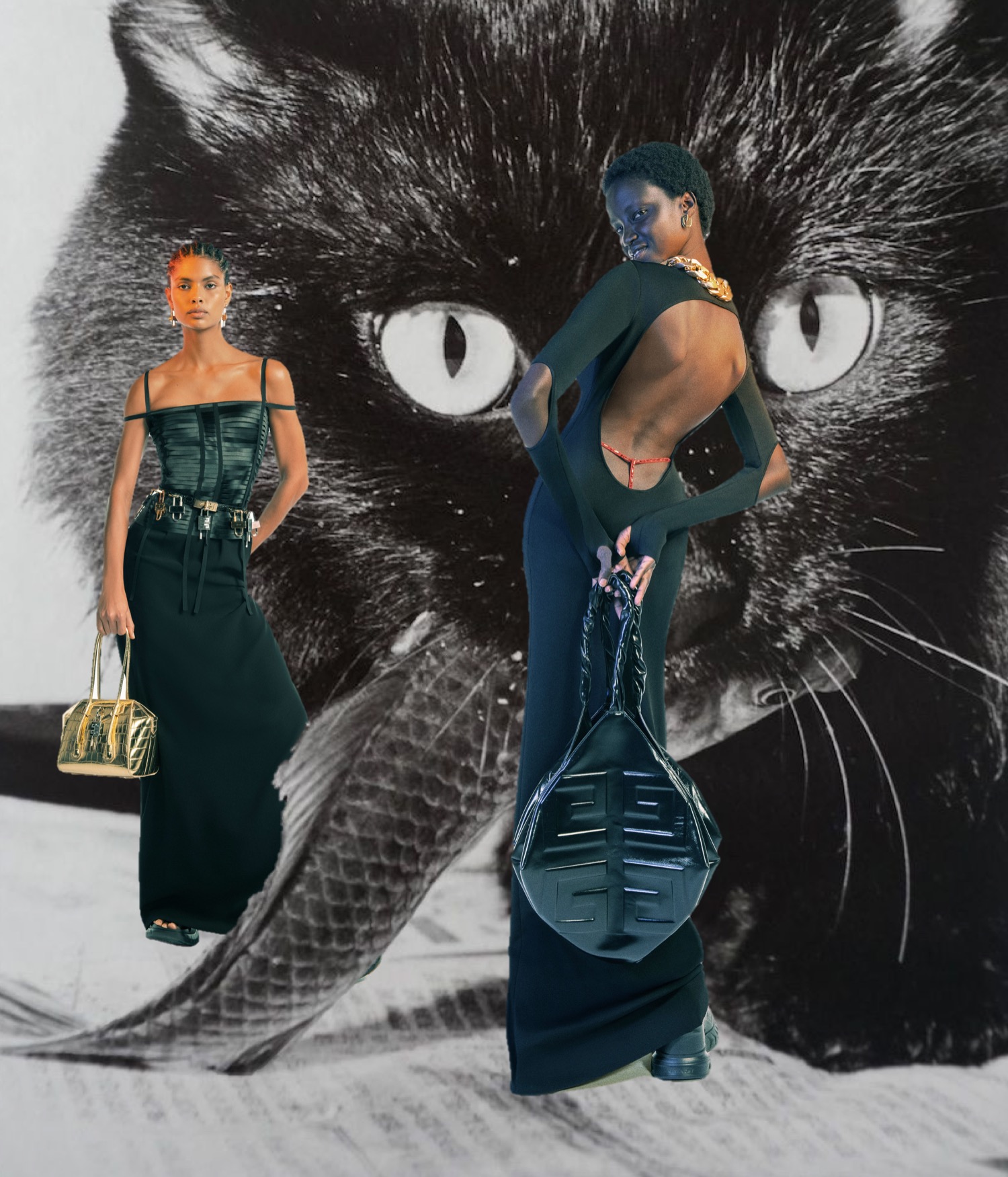
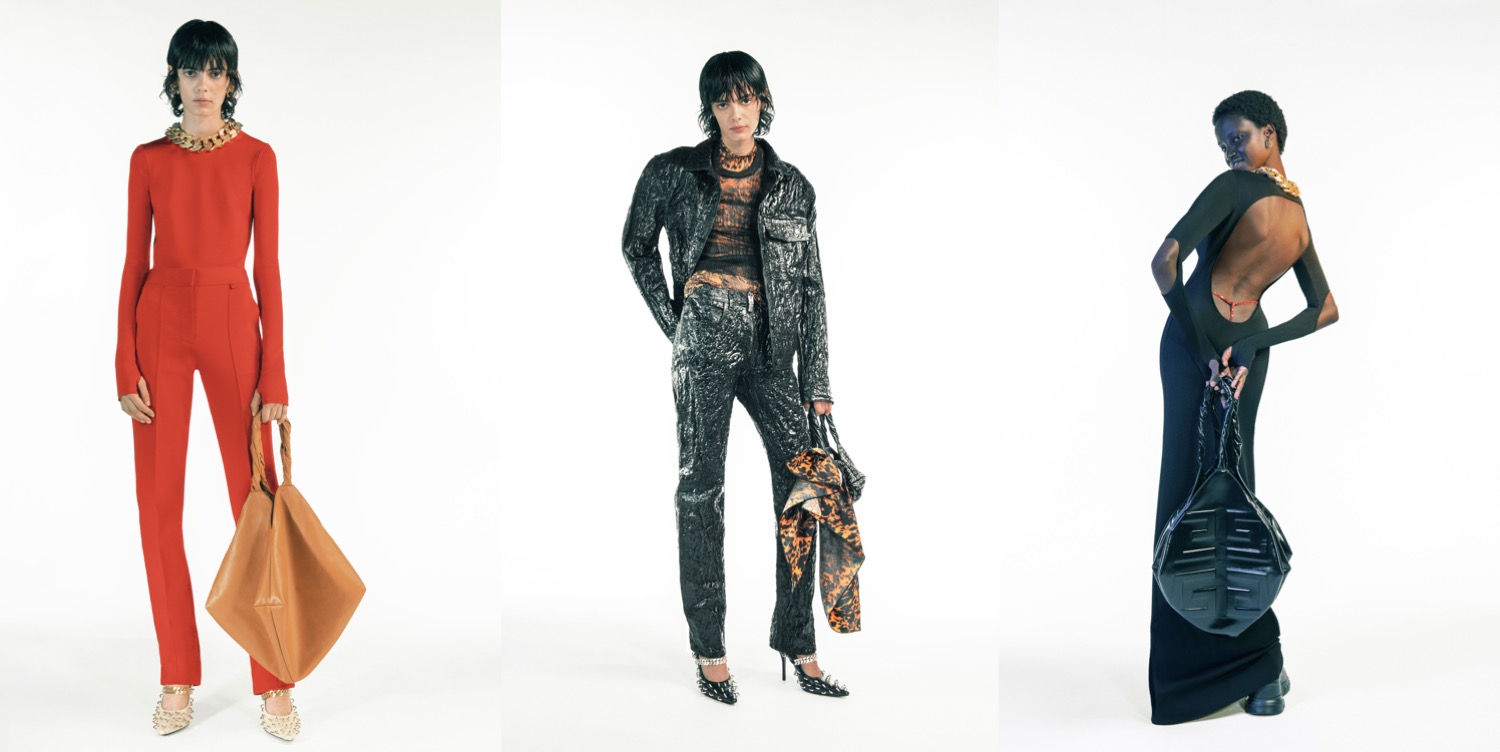
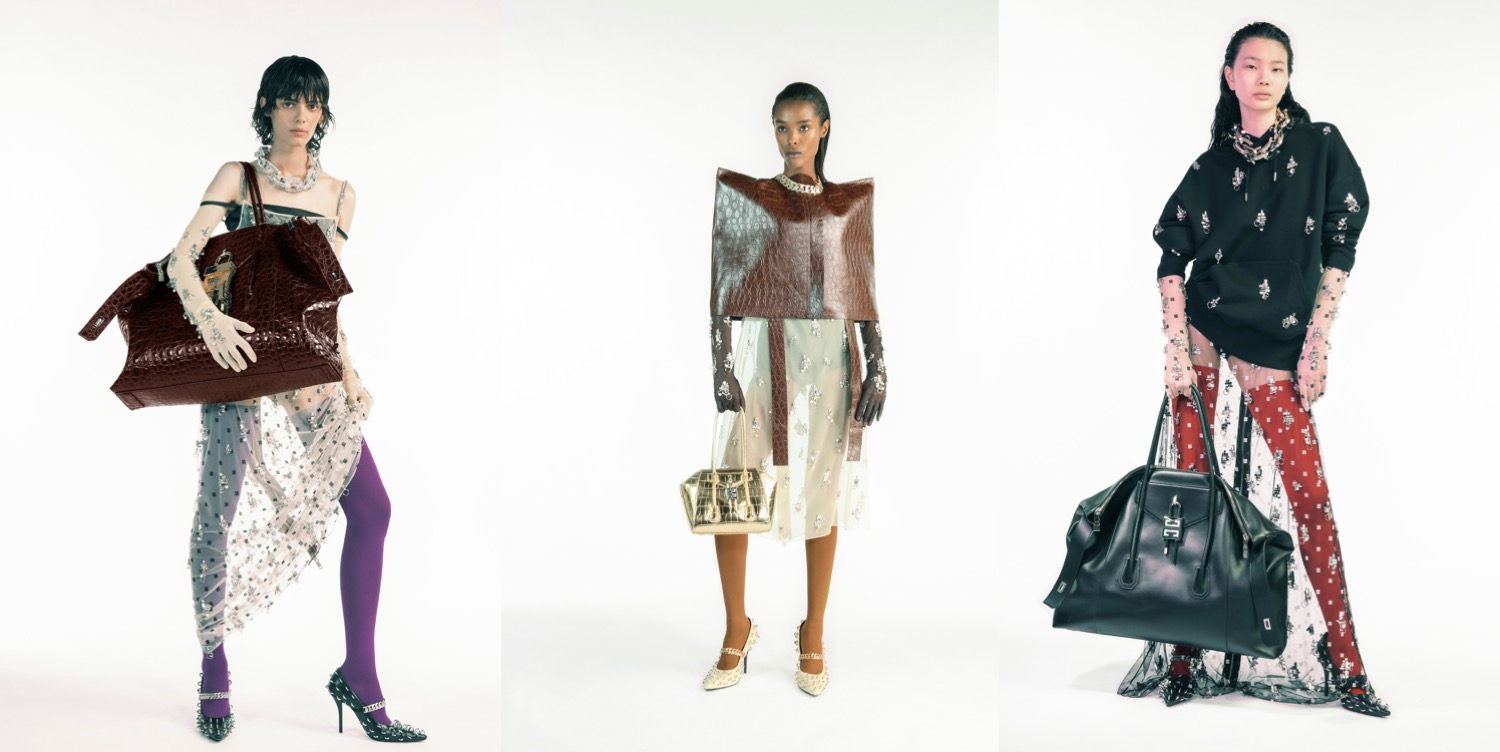
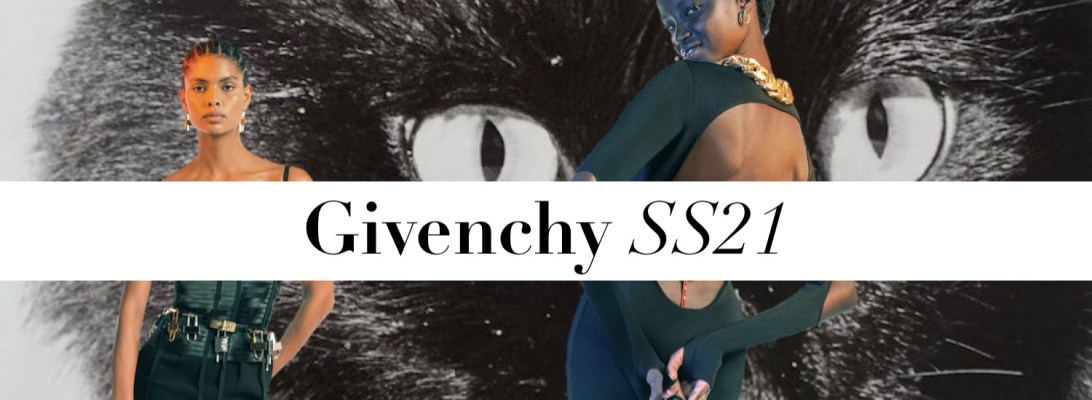
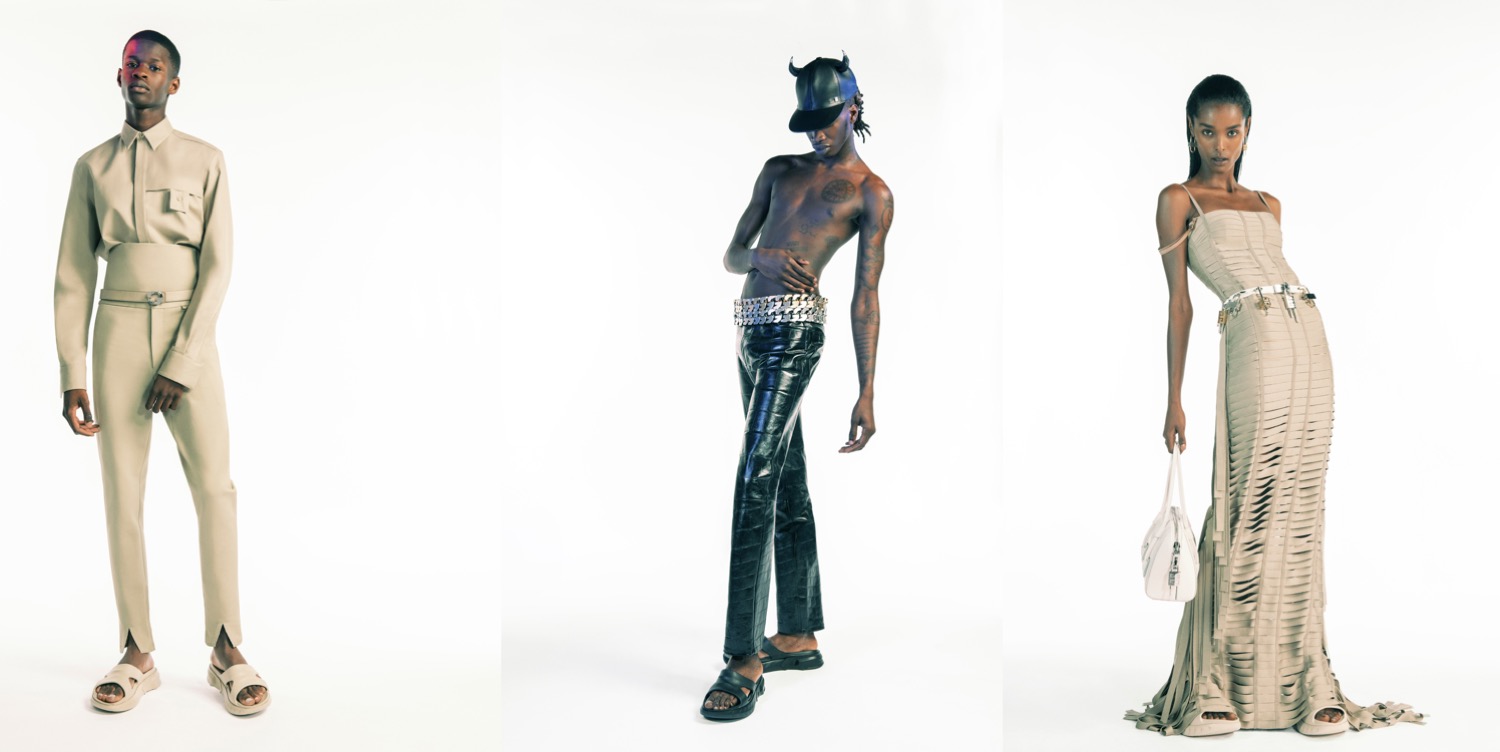
To be honest, except for beautiful couture moments, Clare Waight Keller’s Givenchy was a yawn. But when I heard that Matthew M. Williams is the new creative director, I was skeptical – I never understood what’s his Alyx is all about. To my surprise, his debut collection for the French maison was pretty good, closer to Riccardo Tisci’s years when the brand was a fusion of dark elegance and a fresh look at “street-wear” (I dread this word, because it got completely distorted throughout the years). During the Paris presentation (no fashion show, but a look-book), placed front and center was his new lock jewelry inspired by those hung on the bridges of Paris by tourist lovebirds, who throw the key in the Seine. “It’s no secret that I’m really into hardware, and that’s what I lay the foundation with when I start a new project. It comes into shoes, bags, clothing,” he said. Williams is also obsessed with texture – from the reptilian to the volcanic and the densely embellished – as fervently illustrated at his own label. His Givenchy debut read entirely like a morph between those codes and the black-clad elegance of the house he now inhabits. Suspended between the formal and the super casual, the devil was in the fabric treatments. There’s a twisted expensiveness about Williams’s clothes that feels good and dirty all at once. What’s interesting, Williams hadn’t worked with a particular inspiration. “I’m not a person who designs in themes. It’s very much product-focused. A lot of it is what I would wear personally,” he explained, adding he did take a trip to the archives that birthed some horn heels informed by Alexander McQueen’s era, and nods to Hubert de Givenchy evident in some rigorous tailoring. The focus on product was seemingly an unemotional process that paid off in the precision of design clearly made to be instantly coveted: mushroomed slides, politely stompy black leather boots, magnified takes on existing bags. There weren’t many logos around – which I appreciate a lot. Williams isn’t mad about them. “It’s funny that I get lumped into people expecting that I do that, which I don’t really understand because at Alyx we don’t do that either,” he noted. Instead, he wants his hardware to replace the role of logos. In fact, Williams’s vision for the Givenchy woman – “very elegant and powerful and chic” – was remarkably graphic and decorative. A transparent white coat covered in fuzzy tinsel, worn over a white laser-cut top that looked like a bustier made from ribbon, with cream trousers, was simply gagging for a scene in an early 2000s music video. This will sell well, I guess.

Collage by Edward Kanarecki.

Realness. Paco Rabanne SS21

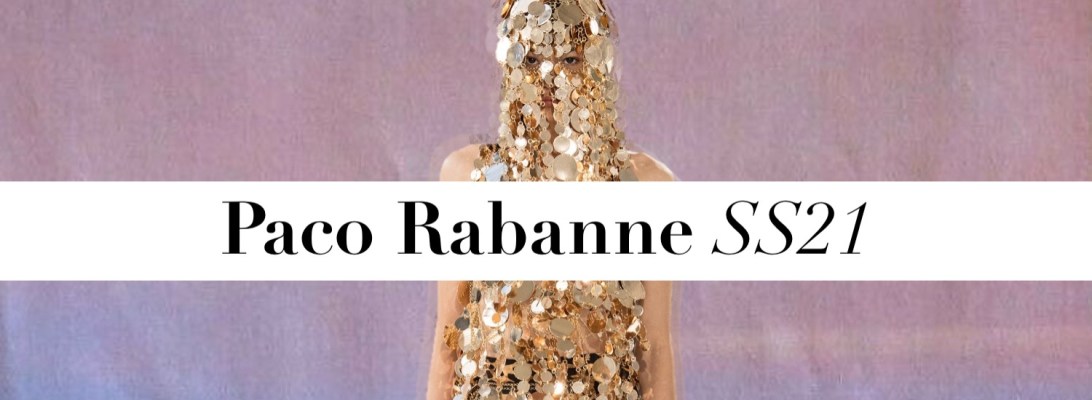
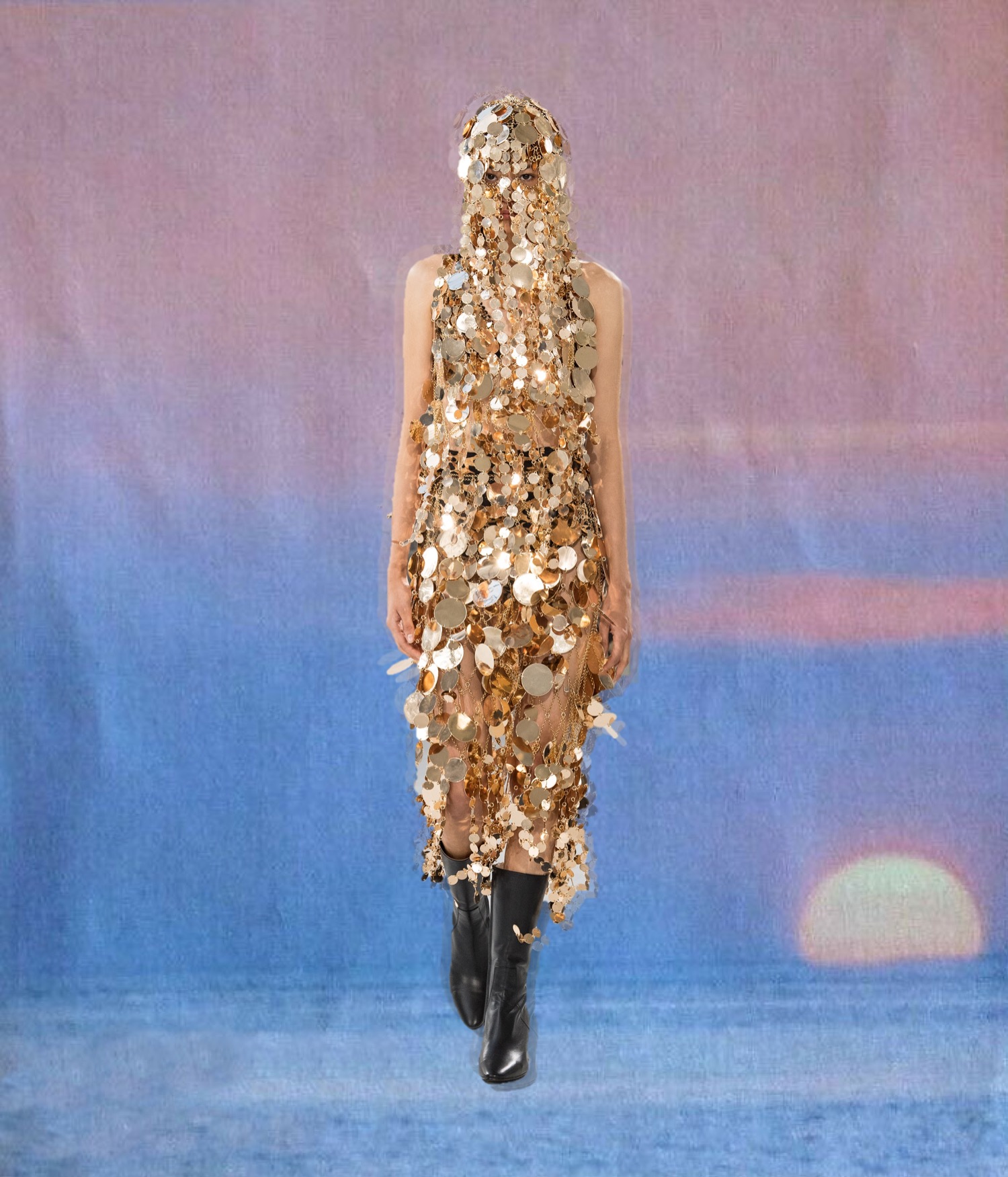
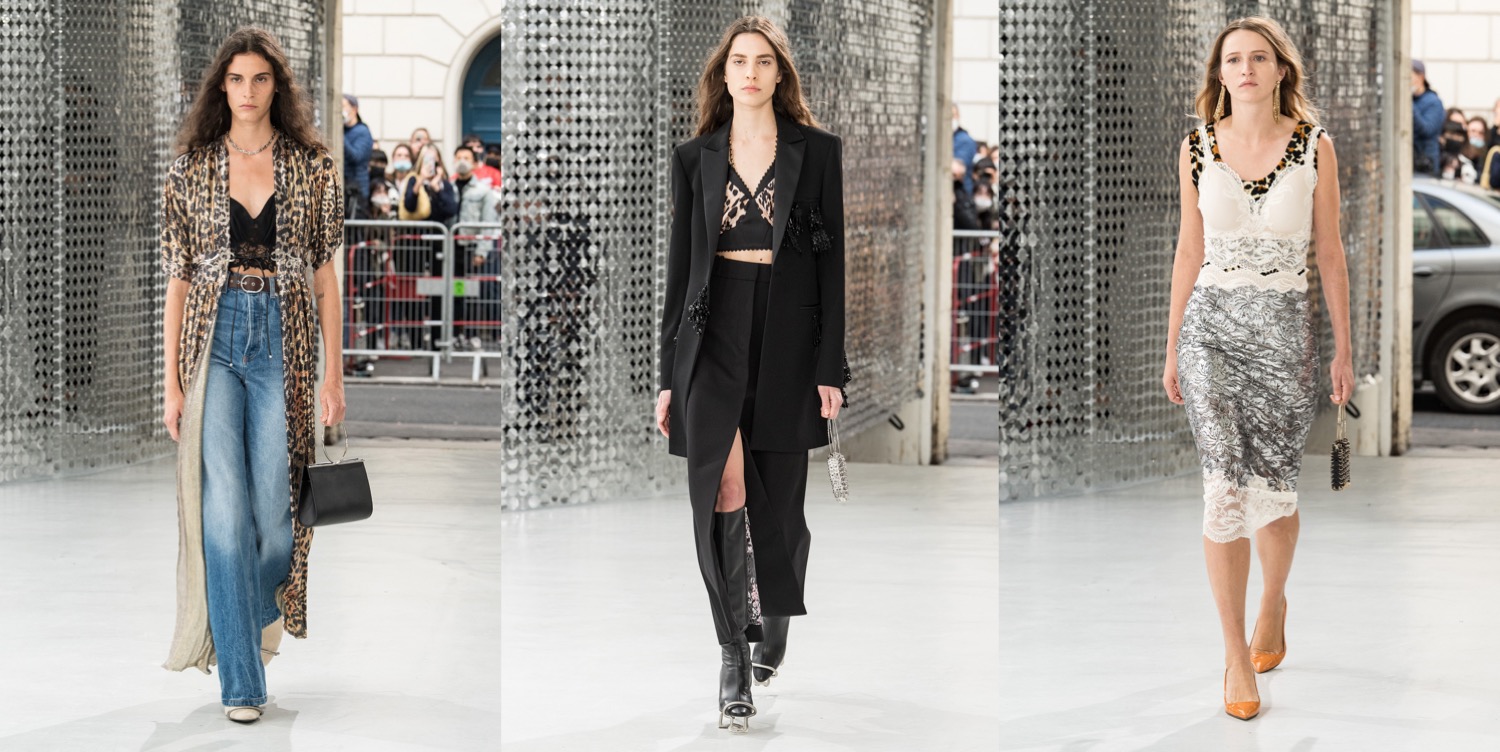
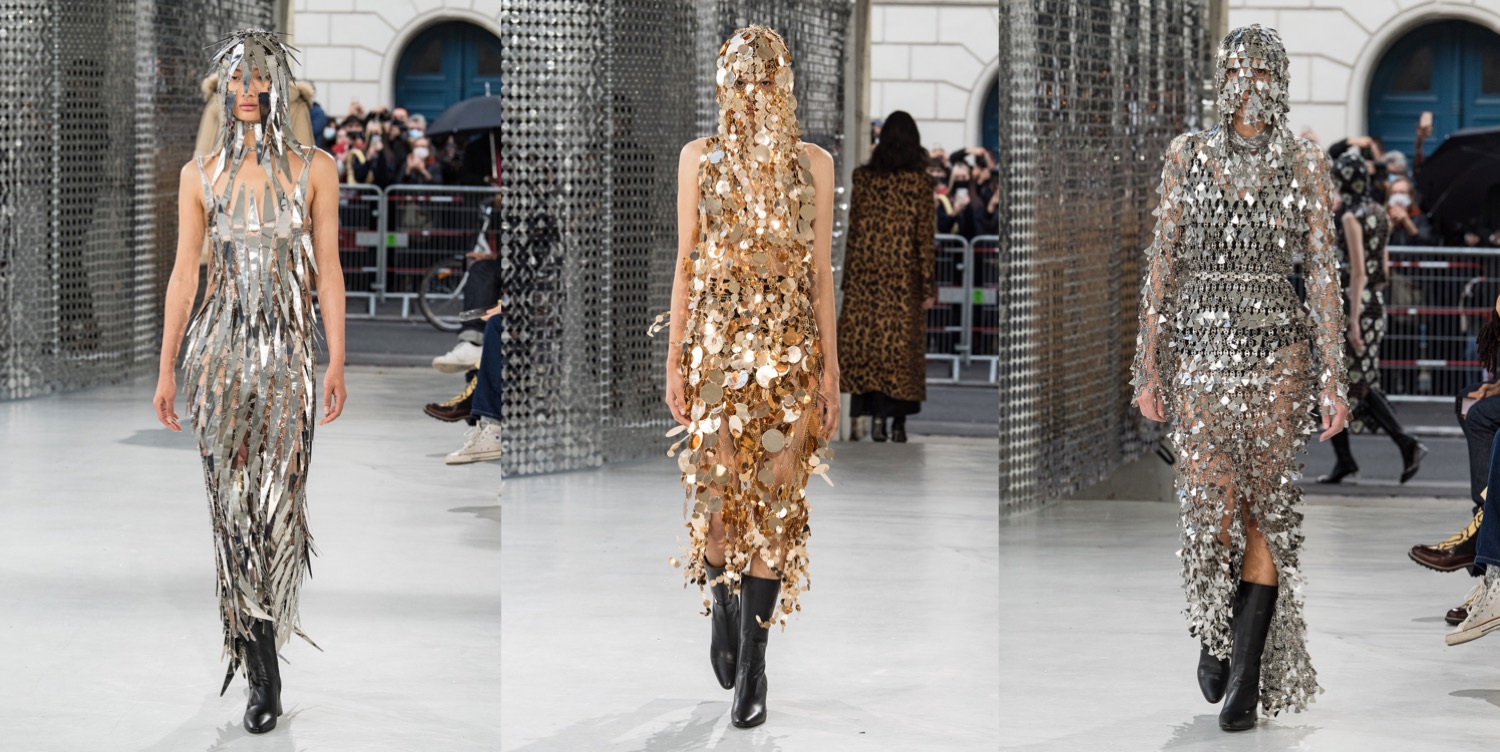
Like many designers this season, Paco Rabanne‘s Julien Dossena focused on his signatures. Spring-summer 2021 show was an impressive vocabulary of the designer’s distinct takeaways he came up with for the brand – and it ranges from clothes you would see on the streets in Paris to chain-mail craftsmanship which equals to couture. And, as a matter of fact, the runway started on an actual street. The venue had a wide-open entrance in the background – the glimpse of the street was an intentional part of Dossena’s love letter to the girls of his neighborhood, not just the need of keeping Espace Commines safely aerated for the occasion. “I realized how much I’ve been missing being in the streets, passing people, looking at their style,” he said. “I’ve always lived just near here, between the Third and the 11th arrondissements. It’s a really diverse area, with people coming from everywhere, and expressing their individuality. I wanted to work some local realness. It’s what I’ve been really happy to get back to after confinement.” Recent controversies in France have made Dossena all the more convinced that he wants to stick up for young women’s rights to dress as they please: “I wanted to show a generous, affirmative sensuality. I was really noticing women in the street who were brave enough to embrace their femininity. Wearing super-short skirts, décolleté, and being proud of it.” Without even knowing what informed that underlying subtext some of the contrasts between last season, which was staged in the grand surroundings of the medieval Conciergerie, and this one, are refreshingly apparent. There’s the new emphasis on long-line jackets and midiskirts, a mix-up of sequins and stripes, lace and lingerie tops, and the suggestion that, actually, the glittery glamour of Paco Rabanne can go just as well with jeans. “And a kind of ironic flea market feeling,” he added. Many of the women walking in his show were friends: actresses, writers, interns, junior designers, students. Most definitely, everyone who was French in the house would have been conscious of the relevance of Dossena’s crop tops and the fact that he’d very visibly implanted bra cups into his complicated lace slip dresses. Since schools returned in September, a national row broke out when teenage girls were turned away from schools for wearing cropped tops and short skirts. The girls – protesting against being gaslighted for indecency and provoking boys – started a hashtag calling for all high school students to turn up to school on September 14 wearing something provocative. “It’s just so old-fashioned, these attitudes in France,” Dossena says. “These girls were really rioting. I’m so impressed by them.” Most definitely in the grown-up and otherworldly zone was the procession of all over pailletted, helmeted women who ended Dossena’s show – feminist guardian warriors, if you will. “If you look, some of the triangle paillettes are like knives, like a weapon. It’s quite a tough realness,” Dossena smiled. “We are definitely not about doing comfy bourgeois collections here.”

Collage by Edward Kanarecki.
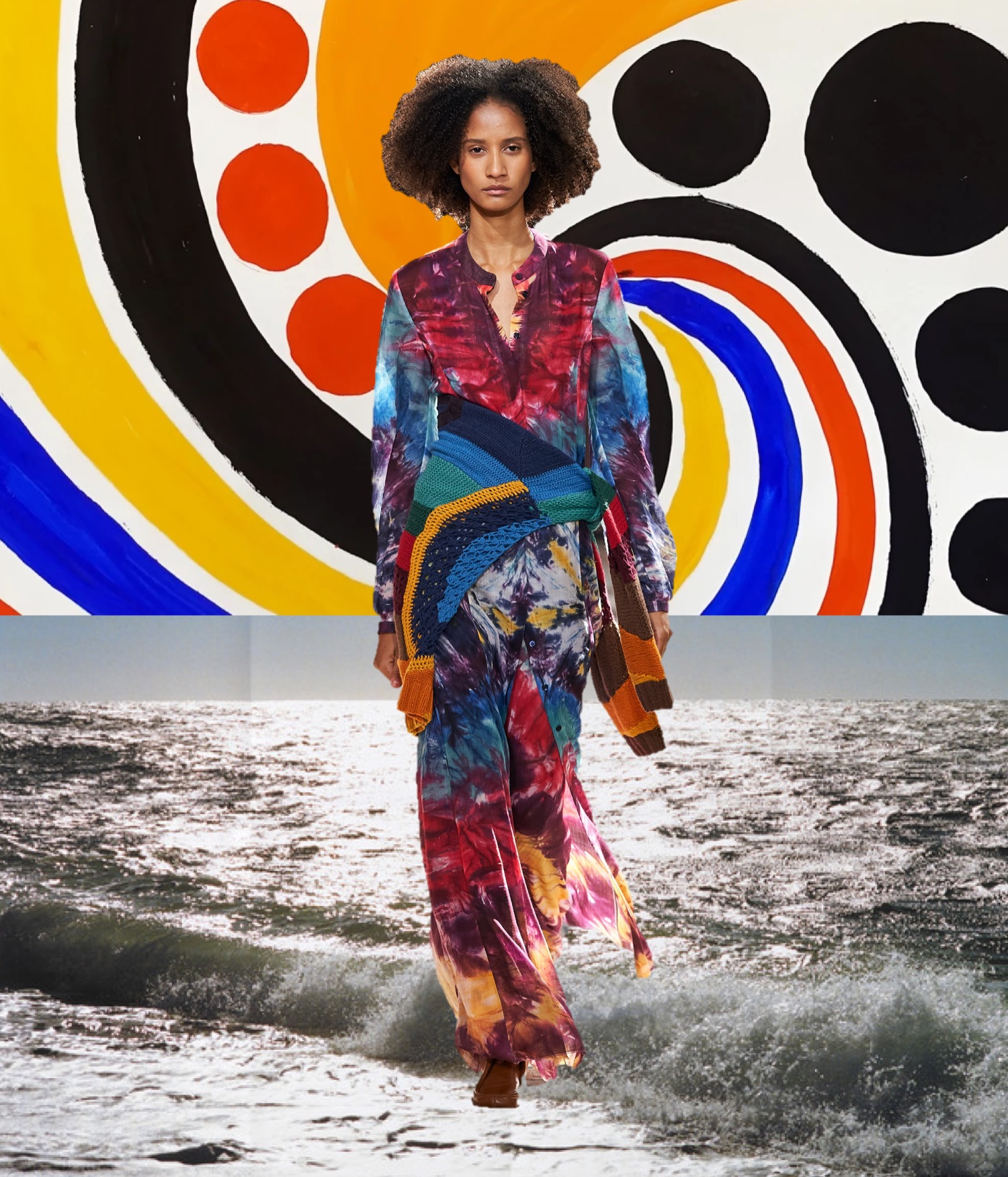
Craft. Gabriela Hearst SS21

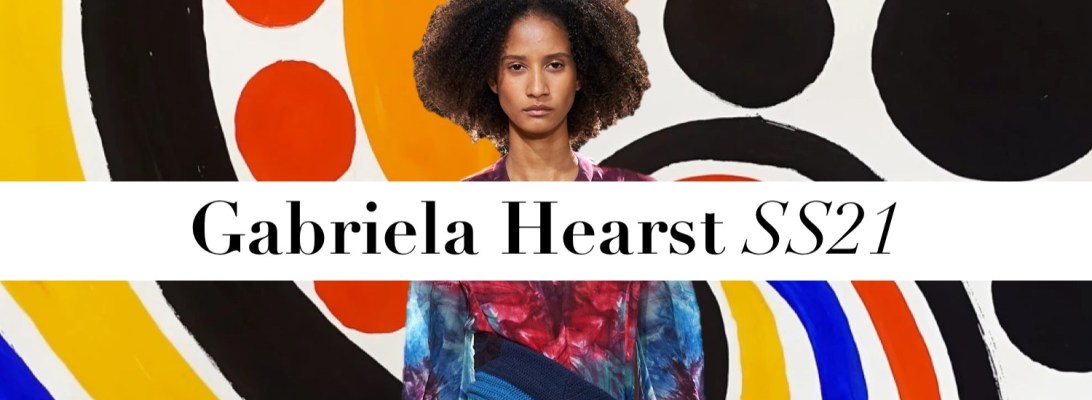
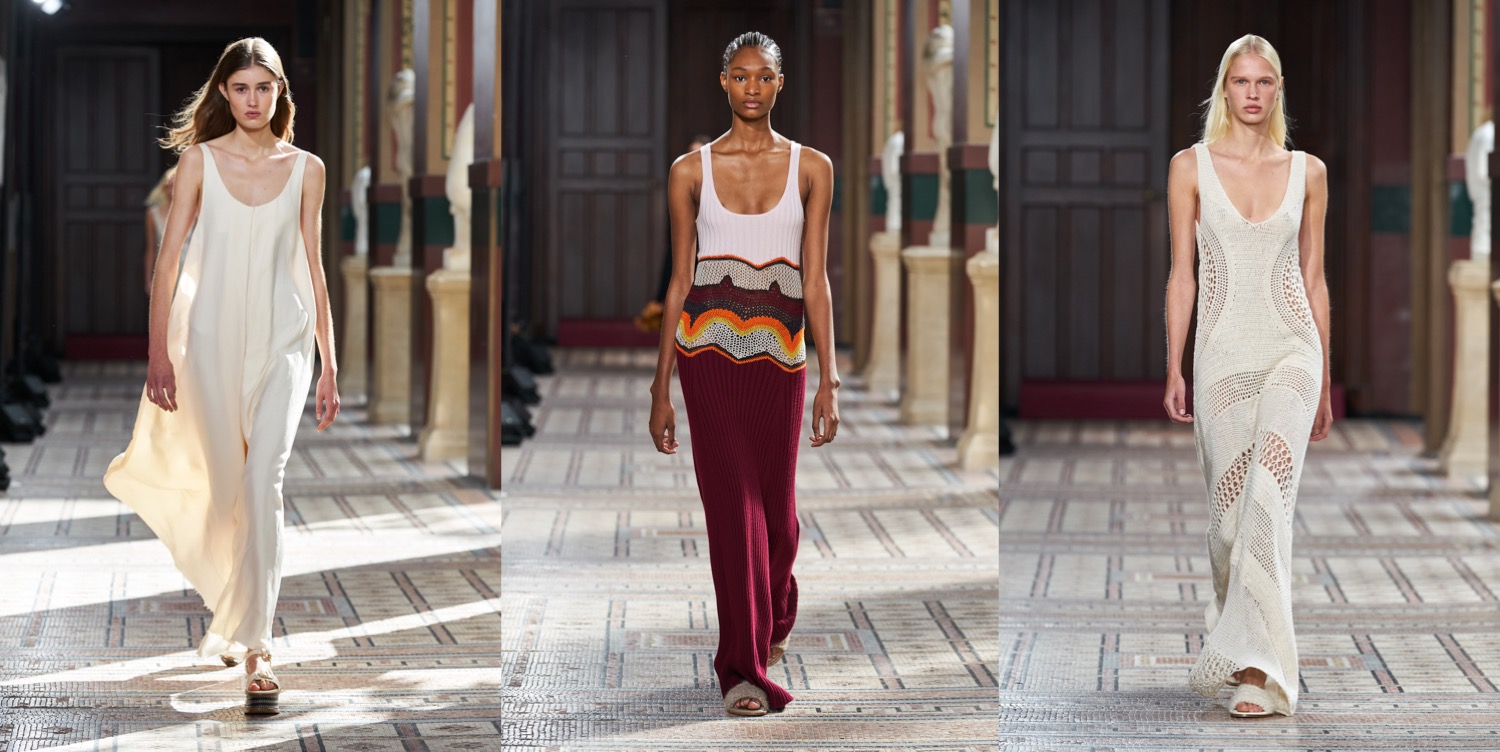
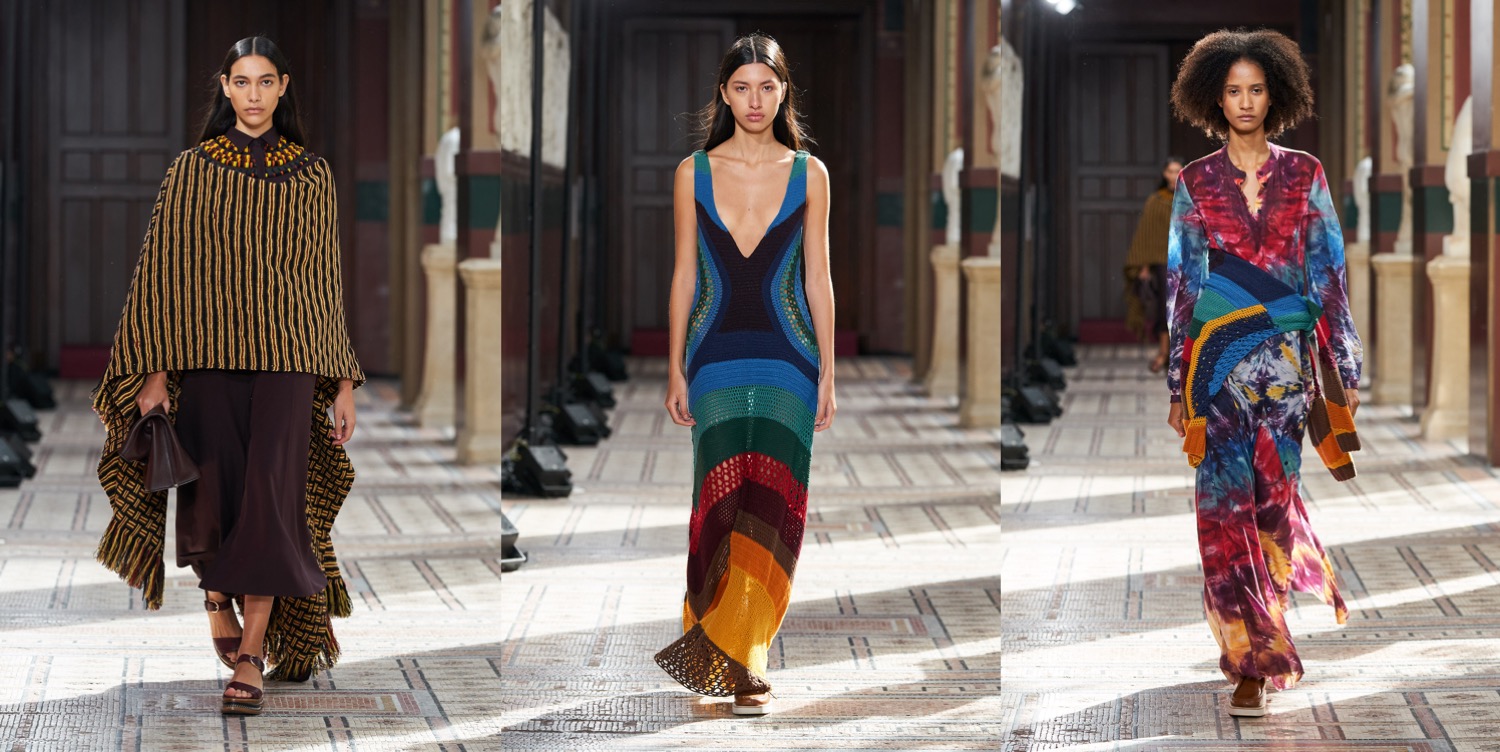
This season, Gabriela Hearst decided to show in Paris instead of New York not only to catch the spotlight in Europe, but also because it was the most sustainable and carbon-neutral thing to do – most of her samples and designs are produced in Italy. And since New York Fashion Week suffered from its cuts and was stumbling this season due to strict COVID-19 regulations, Paris really is a better option for brands like Hearst’s. “It was really important to us to push ourselves creatively, to not let the pandemic stifle us,” Hearst told Vogue. “It became the craft challenge.” The collection was a proper Gabriela Hearst line-up, relaxed, made out of top-notch materials (most from deadstock) and full of gorgeous, timeless garments. The tailoring that has made its way onto the backs of influential women like Alexandria Ocasio-Cortez, Jill Biden, and Oprah Winfrey, took a back seat. Instead, and in keeping with the themes of comfort and ease that have defined the season so far, Hearst trained her focus on knitwear: a long crocheted tank dress of many colors and its ivory sister were both striking, as were a pair of hand-knit cashmere ponchos with fringe that nearly reached the ankles in back. The collection’s genesis was a shell bracelet from Easter Island, a gift from Hearst’s mother back in January. The designer re-created it as shell trimming along the edges of circular cut-outs and on the straps of two repurposed silk dresses, making keepsakes to treasure of what were otherwise simple silhouettes. The shells led her to explorations of the golden spiral, which she reproduced in embroidered seaming details on a pair of slub linen trenches and on an aloe linen dress. Hearst knows that nothing is as important as the detail.

Collage by Edward Kanarecki.
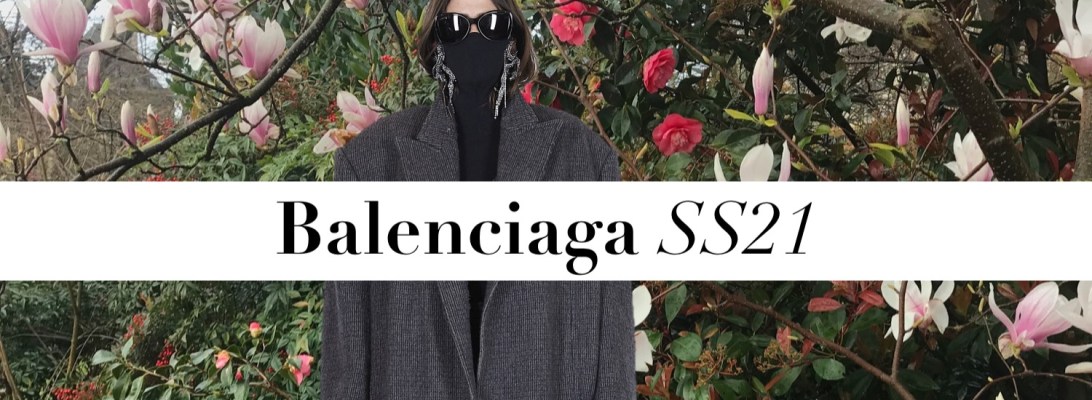
Time For Reset. Balenciaga SS21

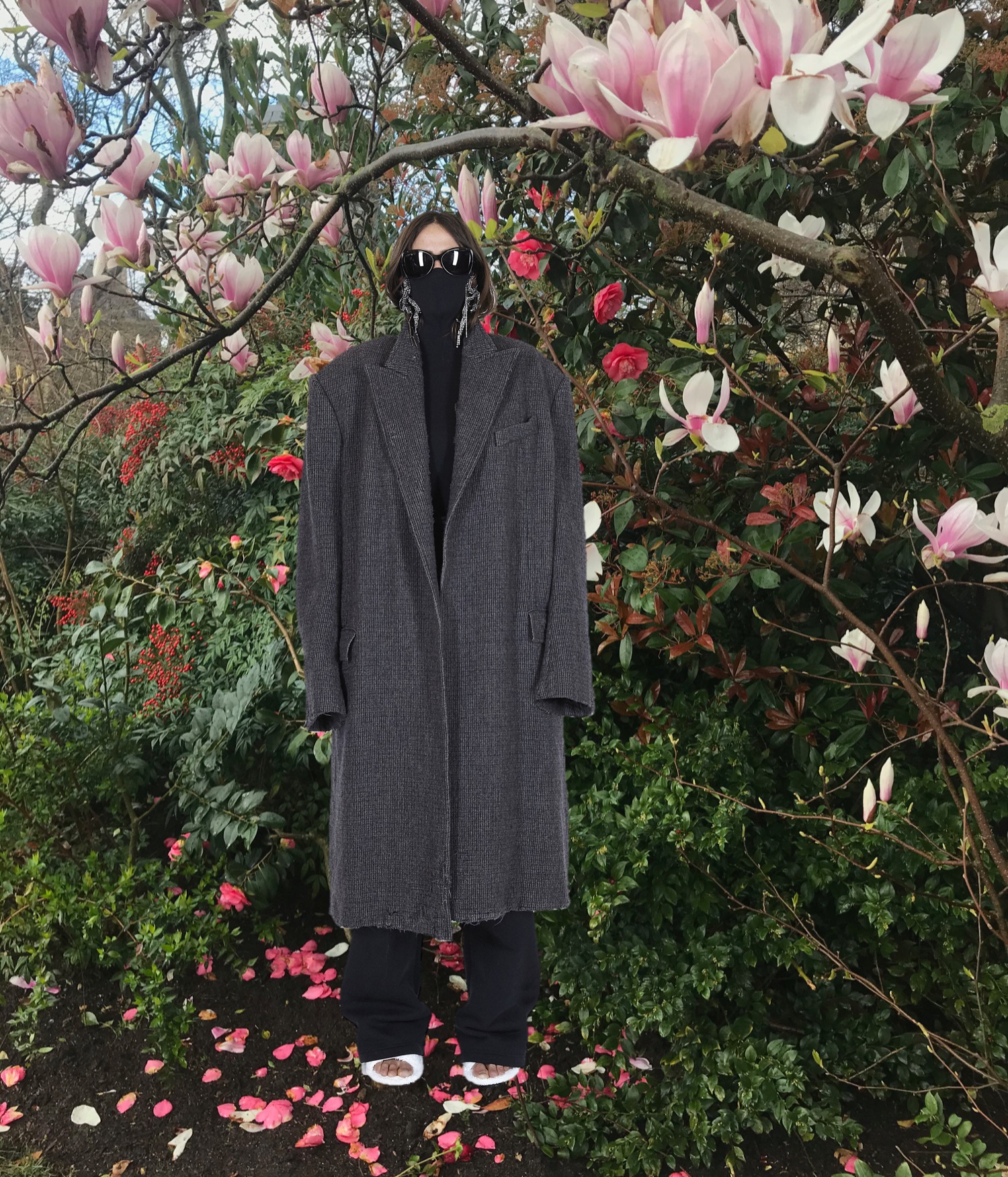
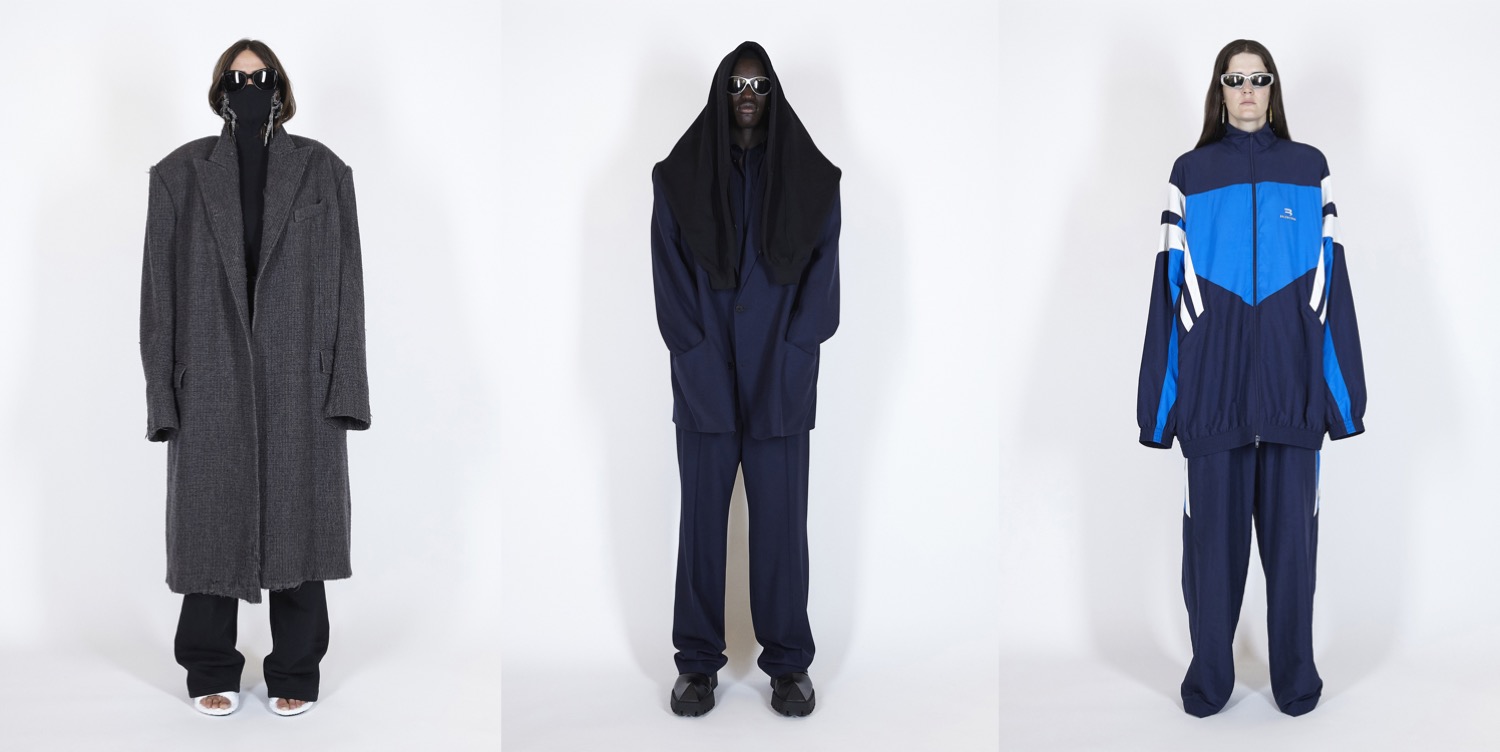
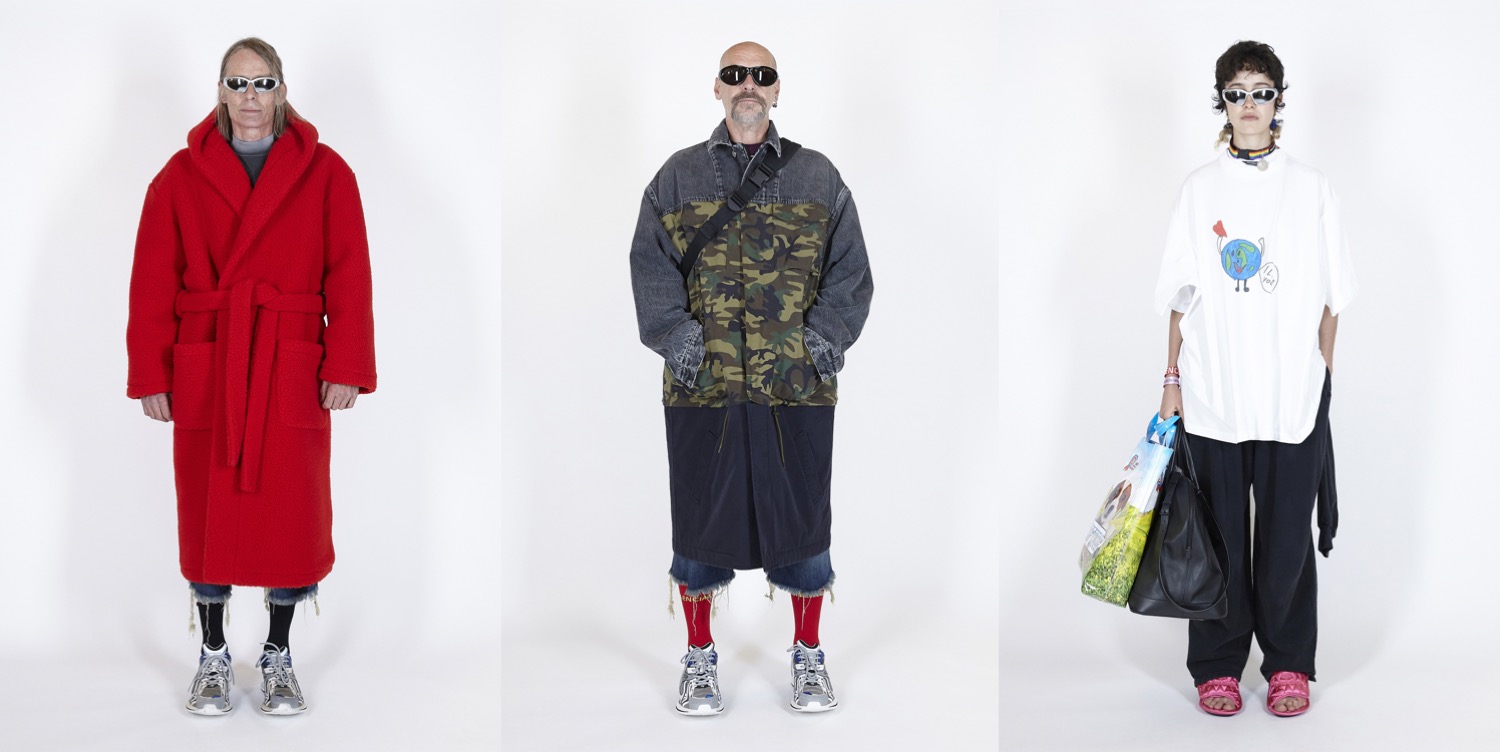
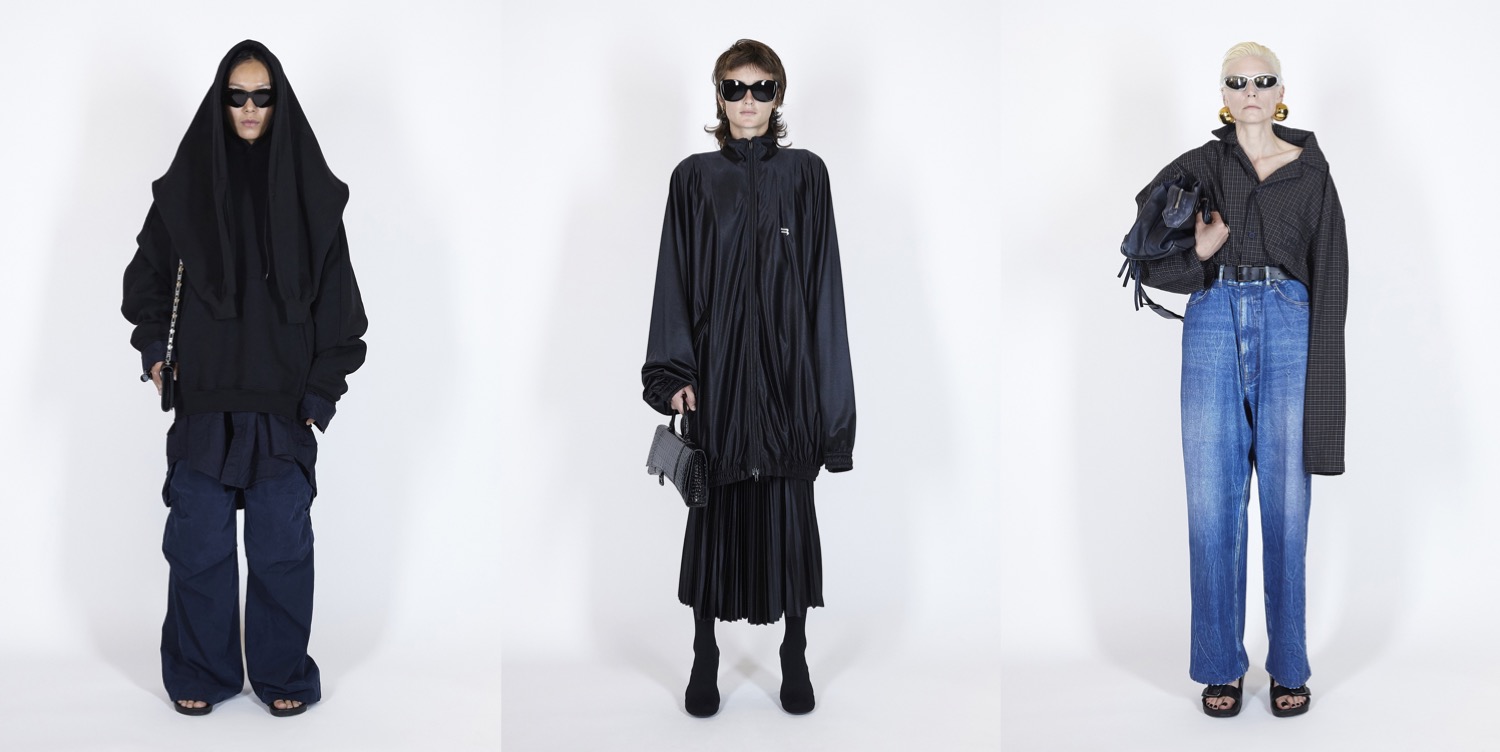
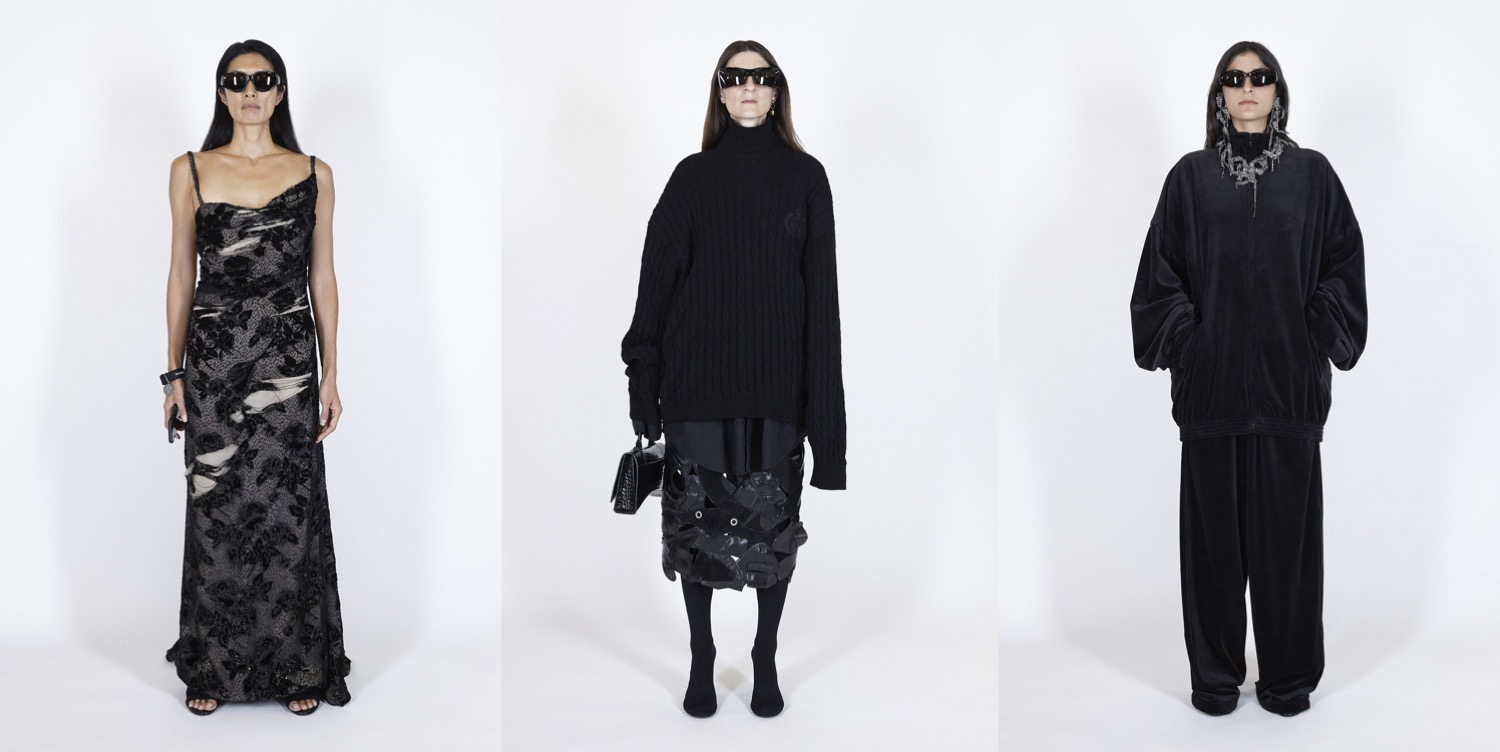
I expected to see something truly uncomfortably intriguing from Demna Gvasalia, but his latest, spring Balenciaga collection is radical in a different way. First thing you notice: it’s all about Gvasalia’s Balenciaga classics, stripped-back and simplified. And then you get it: it’s a line-up that to the bone reflects what most of us (if not all) really feel now. We need comfort. We feel secure when invisible. We don’t want to be bothered by others. And it’s great if our turtleneck can act as a mask. You can love a gorgeous, fairy-tale dress, but deep inside, under the pressure of the cracking world, a good hoodie, a big coat, and a pair of undemanding pants make us feel safe and relaxed. So, as a sort of middle finger to the industry where some still do business as usual, trying to sell a dream, Gvasalia lets us stay in the comfort zone. But then, the collection isn’t as grey and dull as it might sound. “Hope is the last thing to die. That’s the Russian saying. You know, I couldn’t wait not to do a show. It didn’t feel right with the way things are. So we’ve made a music video,” he told Vogue in a phone call from Switzerland, where he lives. “My husband recorded that ’80s track by Corey Hart, ‘I wear my sunglasses at night’—because you know, is there anything more absurdly fashion than that? It’s also allegorical. You know, where is fashion going? It’s out there, searching in the dark at the moment, not seeing…” But wait – there is nothing dystopian about this video. Gvasalia’s tribe of Balenciaga nighttime people are each captured as if heading somewhere with a purposeful step. We see them as they walk along the Rue de Rivoli, past the Tuileries gardens, embodying exactly the inimitable cool of the type of people who turn heads after dark on the streets of Paris. We clock them, we check out their clothes, how they’ve put them together, each to their own. They feel real. They are real. Demna confesses that something has change inside of him, in midst of the lockdown. The very man who plunged his fashion show audience into a terrifyingly apocalyptic show experience last season has come back with his head in a far more optimistic place. “Because some day we will be out of this.” He imagined a man who leaves the house near the site of Cristóbal’s maison – a guy, setting out in an oversized navy suit, wraparound shades, and what looks to be a sweater draped over his head (but is a ready-made Balenciaga accessory). “So,” Gvasalia related, “he walks through the night, going through lots of changes, morphing into her, him, them. And they end up meeting as friends, going to a party or a club maybe—and everyone is without masks. That’s the hope!” Pandemic-end pending, however, the film credits meticulously set out every detail of the COVID-secure measures taken to safeguard models and crew. Moreover, the impetus of the collection was “imagining how fashion will be in 2030. When thinking of the future, it’s not a Stanley Kubrick space-age vision for me. Mine is very much down to earth. Ten years from now, everything in fashion will be sustainable. No discussion, right? I think we will be reusing the clothes we have. Time makes things beautiful. I heard a quote from Martin Margiela when I was working there, about the value of ‘the trace of time’ in clothes. That touched me deeply. We keep clothes like that to death. I mean, I have a hoodie that’s 15 years old. It’s bleached out and has holes in it. But I cannot throw that away. So, I thought: In the year 2030, how will your favorite things look, aged and destroyed?” A press release specified: “93.5% of the plain materials in this collection are either certified sustainable or upcycled. 100% of the print bases have sustainable certifications.” This speaks for itself. With the resources of the Kering Group at hand, Gvasalia said, “we discovered we could do it quite easily, with the exception of the fibers that are in some of the existing fabrics. There are solutions if you look for them. There’s a need to revise things. To start a new chapter.” So, in the end, it’s not that depressing. A reset-slash-detox brings space and lets fresh air in. Gvasalia keeps on provoking the mind, even with the simplest gestures.

Collage by Edward Kanarecki.