Visual Privilege of Polly Mellen

355714070537964256_lcwzbjbh_c

Twiggy photographed by Richard Avedon and styled by Polly Mellen, Vogue, July 1967.

After reading System’s incredible interview with 92-year old Polly Mellen (former fashion editor of Harper’s Bazaar, American Vogue and Allure), I realised how boring fashion is today. Those were the days, when Polly took Veruschka to Japan for five weeks and made the most expensive editorial in Vogue’s history; when Leslie Winer and Jean Michel Basquiat made out at Irving Penn’s studio; when Mellen and Avedon worked with Nasstasja Kinski, who willingly posed with a snake on her naked body. The way Polly describes this experience to Jonathan Wingfield is equally emotive: now, I don’t know if you’ve ever held a snake… it is so erotic, you cannot imagine, it’s like holding your lover’s penis, it really is. Truly, I found reading this feauture inspiring and gripping like an adventure book – Mellen’s life is, as she describes, a ‘visual privilege’.

b32706e689bd23601e2a10a15882e59a

Nastassja Kinski photographed by Richard Avedon and styled by Polly Mellen.
b0d49134185355db6d5a9a207293605b

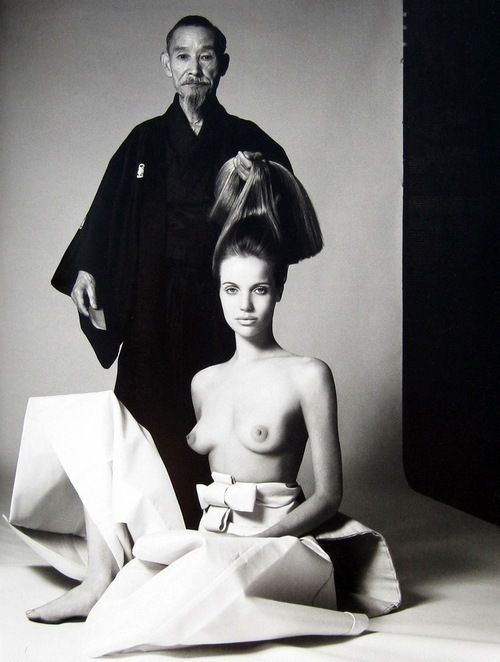
Veruschka photographed by Richard Avedon and styled by Polly Mellen, Vogue, 1966.

36_04819fa0-2c1c-492d-982d-29c5d74de3cd

Veruschka photographed by Richard Avedon and styled by Polly Mellen, Vogue, 1966.

FullSizeRender

Jerry Hall photographed by Helmut Newton and styled by Polly Mellen, Vogue, October 1974.

img-polly-mollen-5_105544935222

Unpublished, photographed by Steven Klein and styled by Polly Mellen, 1997.

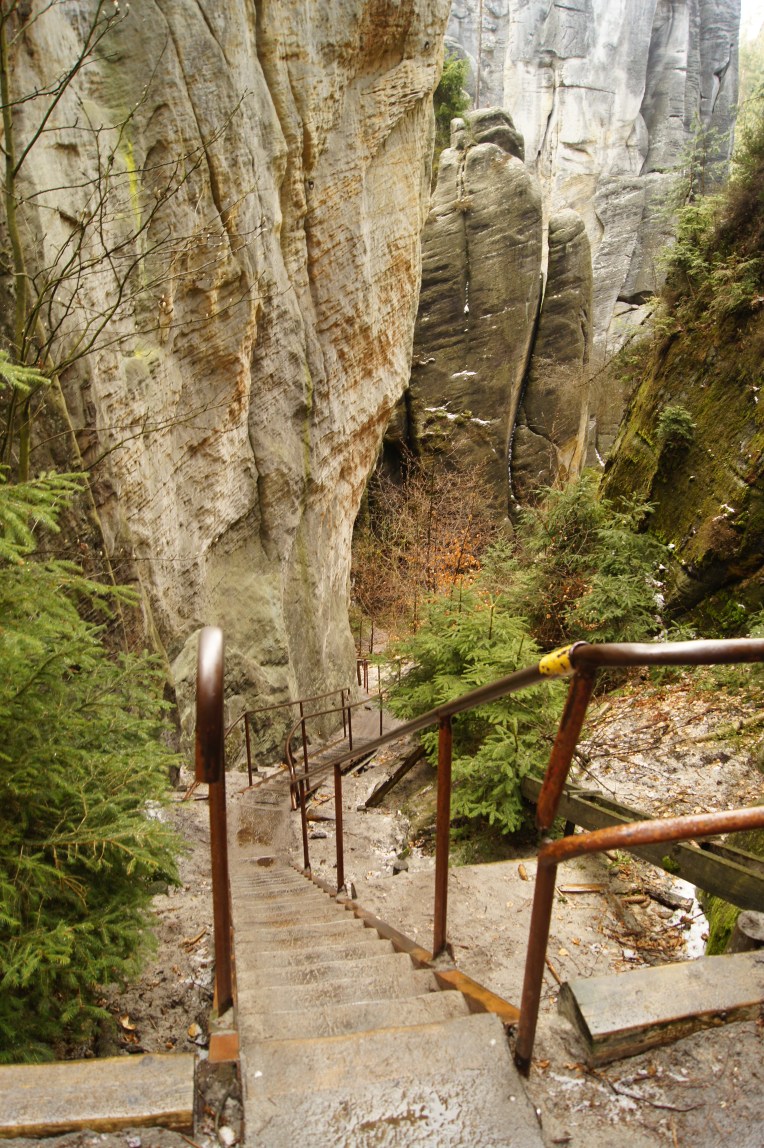
The Sudetes: Adršpach-Teplice Rocks

SONY DSC

This is the last (and personally favourite) part of my Sudeten journal. Experiencing the famous Adršpach-Teplice Rocks was spectacular in every possible aspect, especially that at the beginning of my climb it began snowing, while minutes later the sun started to shine again. The mountainous landscape is the result of an unusual set of sandstone formations covering a part of northeastern Bohemia, Czech Republic. No words can express the beauty of this place, solely made by nature.

Have you missed the other two parts of my journal? Read them here and here.

The Sudetes: Sacred

SONY DSC

In the second part of my Sudeten journal, I’m happy to share with you the moments I’ve captured around the local churches. I was mesmerised by the sacred aura, which oozed in every corner of Basilica of the Assumption of the Blessed Virgin Mary in Krzeszów. Those magical arches, all the meticolously carved details and most of all, the mind-blowing baroque ceiling painting… incredible. Just like all the smaller, remote churches, which are scattered around the fields and forests (however, most of them are unfortunately closed).

In the Sudetes, it’s a common thing to see pastel-coloured bee-hives. While I was walking around them and taking photos of blooming cherry-blossom trees, I noticed a little Easter palm next to the wooden hut. So colourful and carefully kept by the owner – it will surely serve during the next year’s spring rituals.

If you’ve missed the first part of the journal, check it out here. The last part coming soon!

The Sudetes: Royal

SONY DSC

You’ve surely noticed that the last few days were pretty quiet on Design & Culture by Ed – but I’m back for good. The truth is I needed a moment for a well-deserved mind detox. To slow down, rest a bit. And going to the Sudetes, a mountainous region located between Poland and Czech Republic, was the best possible choice for me. So, I’ve decided to divide my journal into three parts – here’s the first one, titled ‘Royal’.

The first destination was the precious Książ castle (pronunciation: ksiowsh), which went through turbulent history. Situated on a beautiful, deeply forested hillside, the castle used to be the go-to place for Polish aristocracy and socialites before the First World War. Right now it’s under major reconstruction and refurbishment, but that’s not a problem, as the delightful baroque hall and terrace are truly breath-taking. Just a few steps from the castle, there’s the all-wooden royal horse stable. Actually, I’ve never seen anything like that before – it’s huge. Although I’m not a horse-riding fan, I fell in love with those beautiful creatures that are kept here. What’s more, local riders wear authentic, pre-war gears while they’re up on the horses, which makes this incredible place even more absorbing with its historic aura.

The ‘Wałbrzych Palm House’ arose from the initiative of the last representative of the Hochberg dynasty in Książ castle, Hans Heinrich XV. The Prince had it built for his spouse, Daisy (a passionate lover of flowers and plants). To this day, his expression of love holds a great charm. It’s said to be the only such facility in Poland that has been preserved in its original construction. Inside gardens are my soft spot, so you might imagine how happy I was to walk around this rather niche tourist attraction.

Stay in tune for more posts coming about the Sudetes!