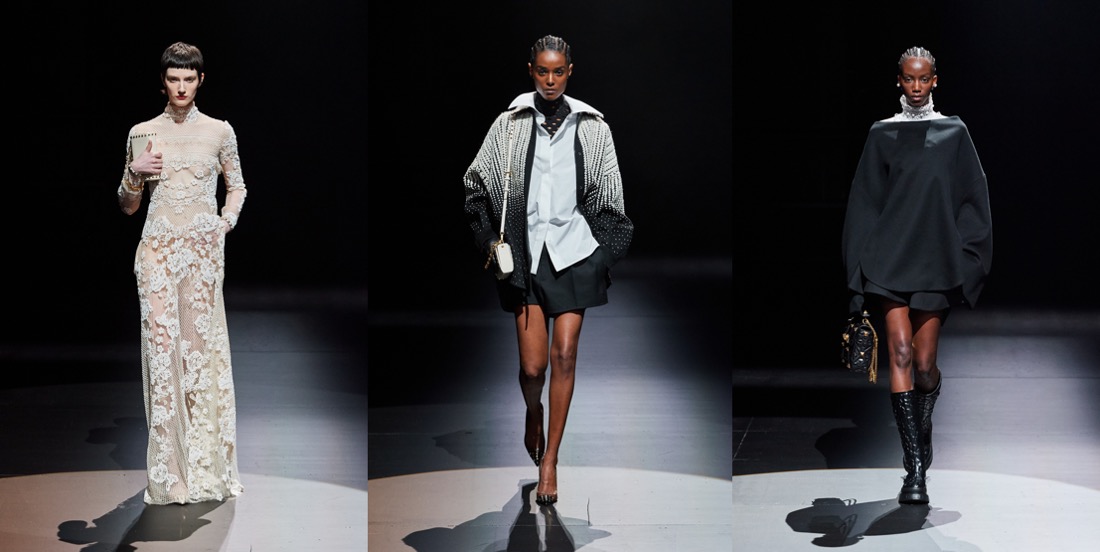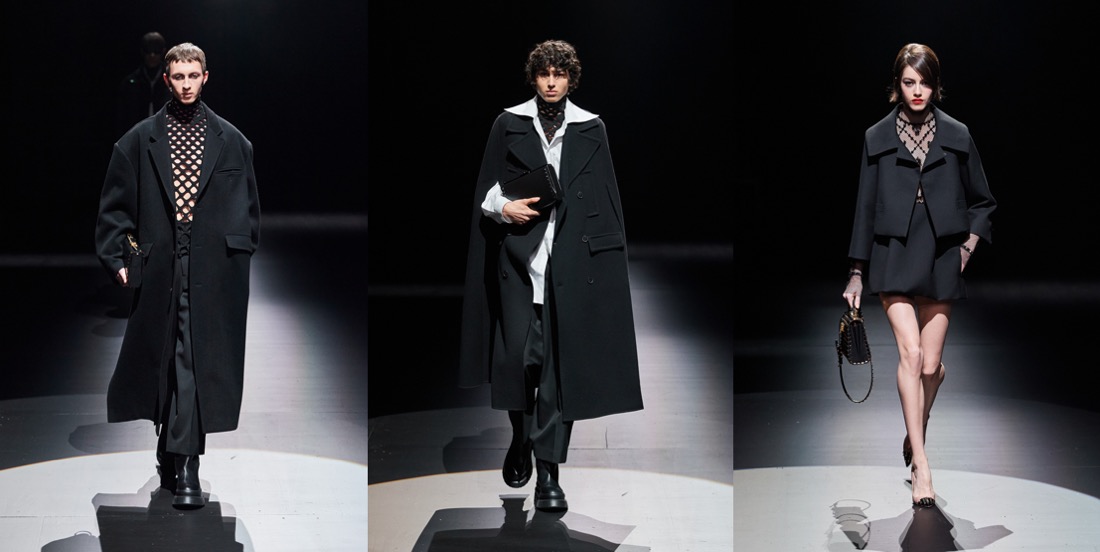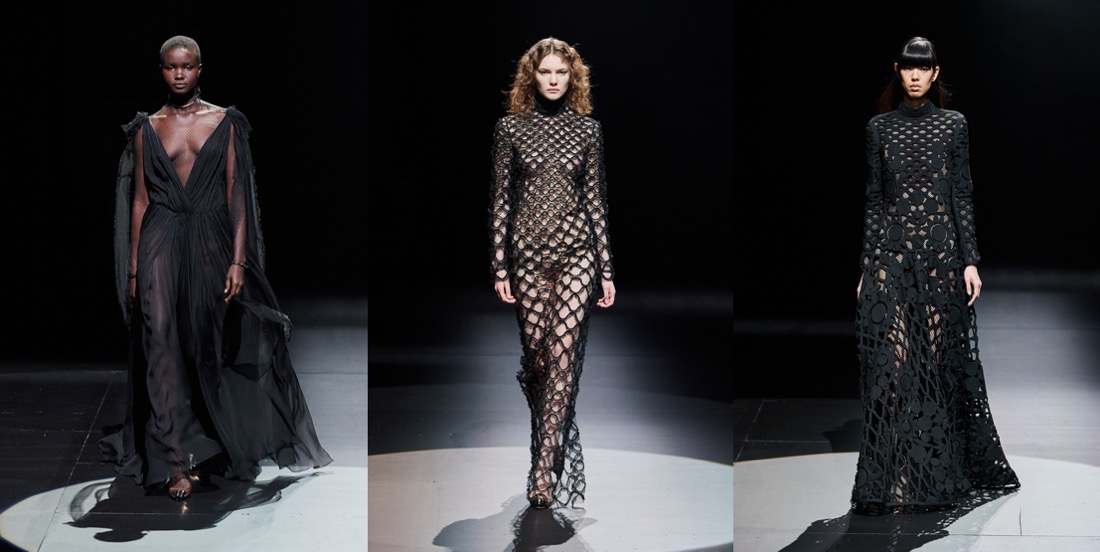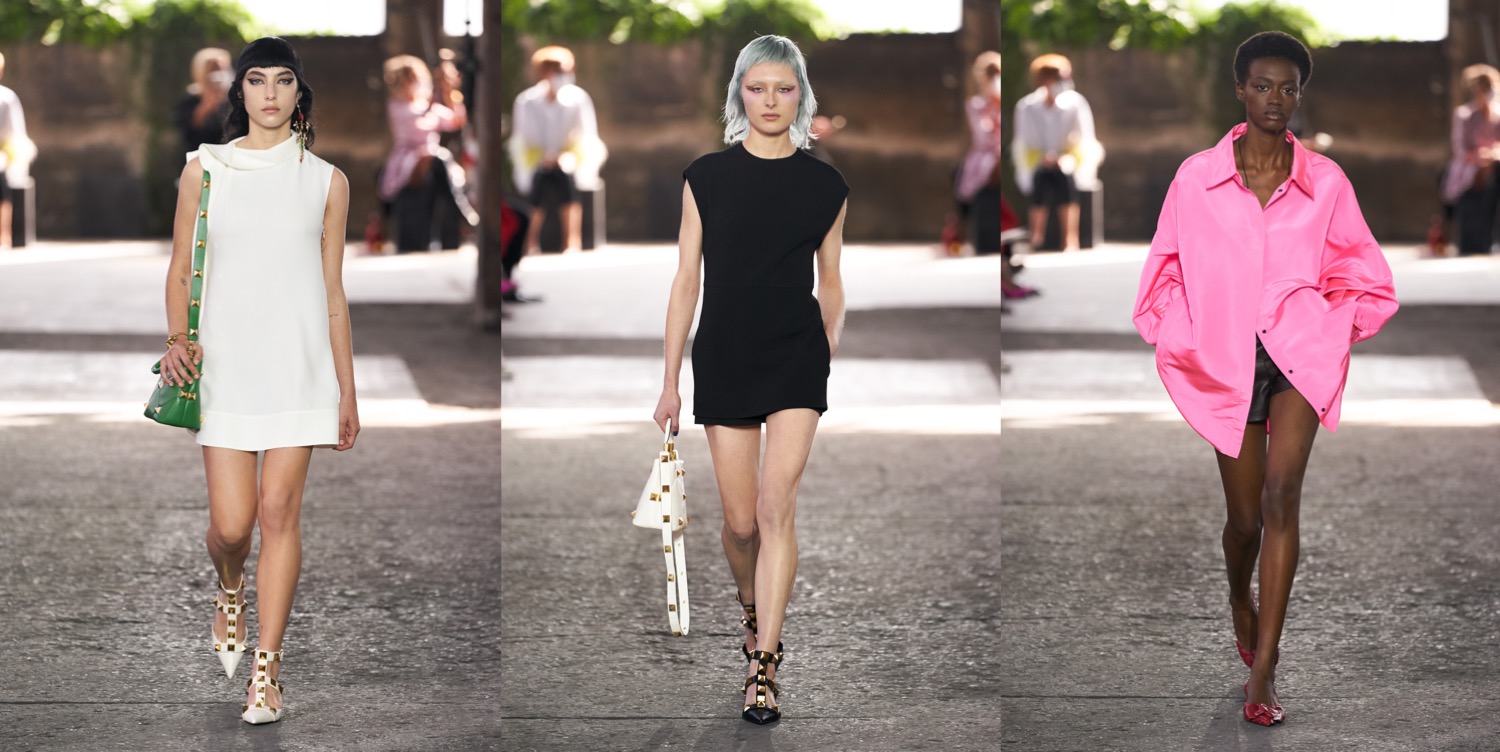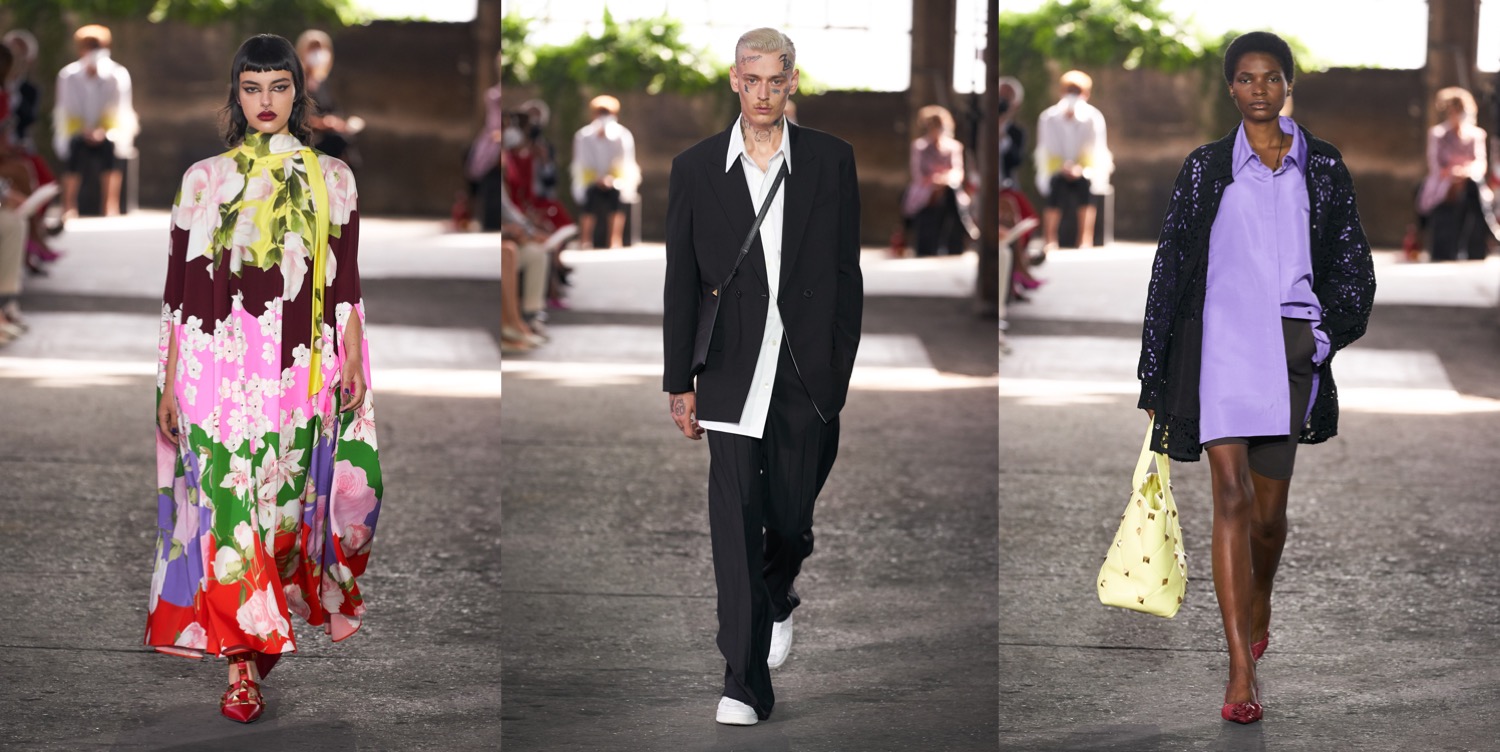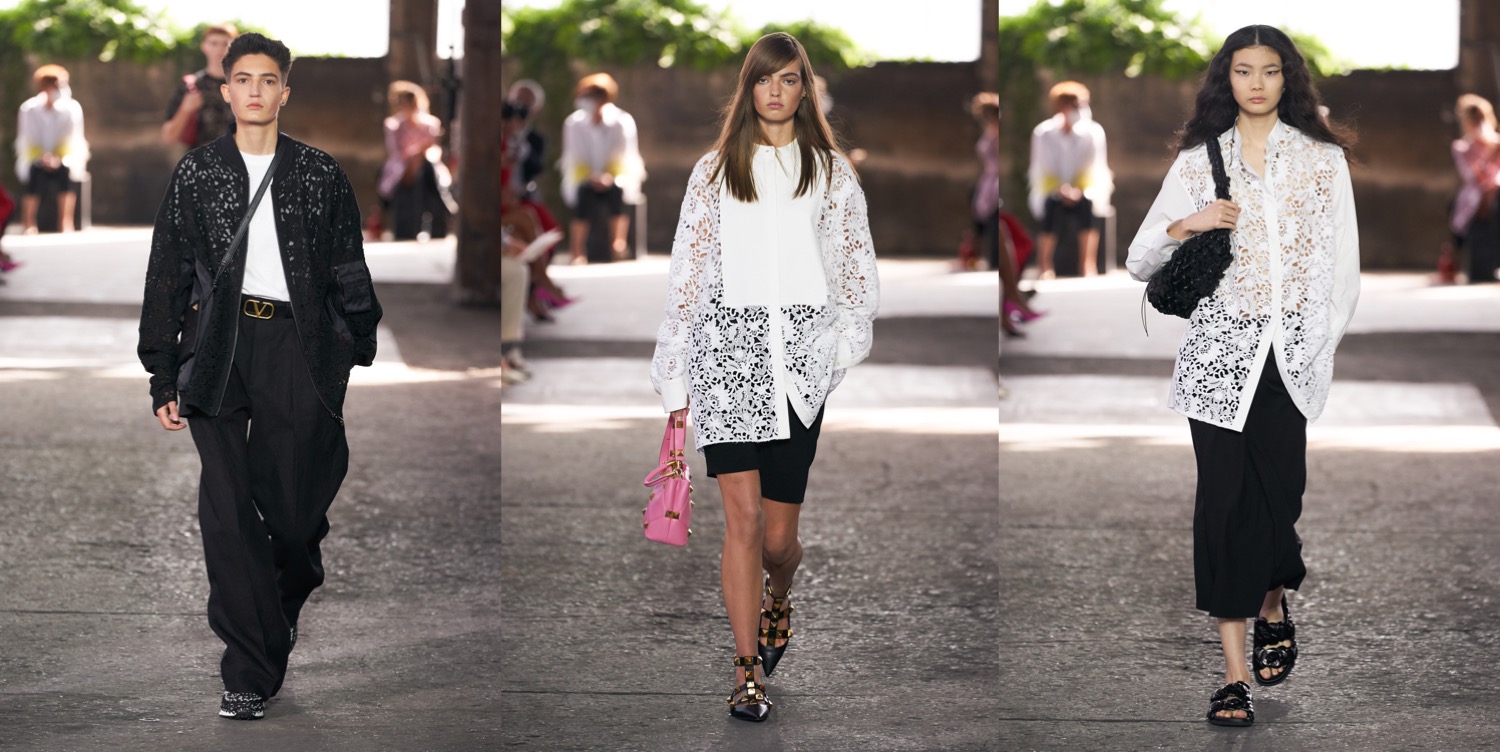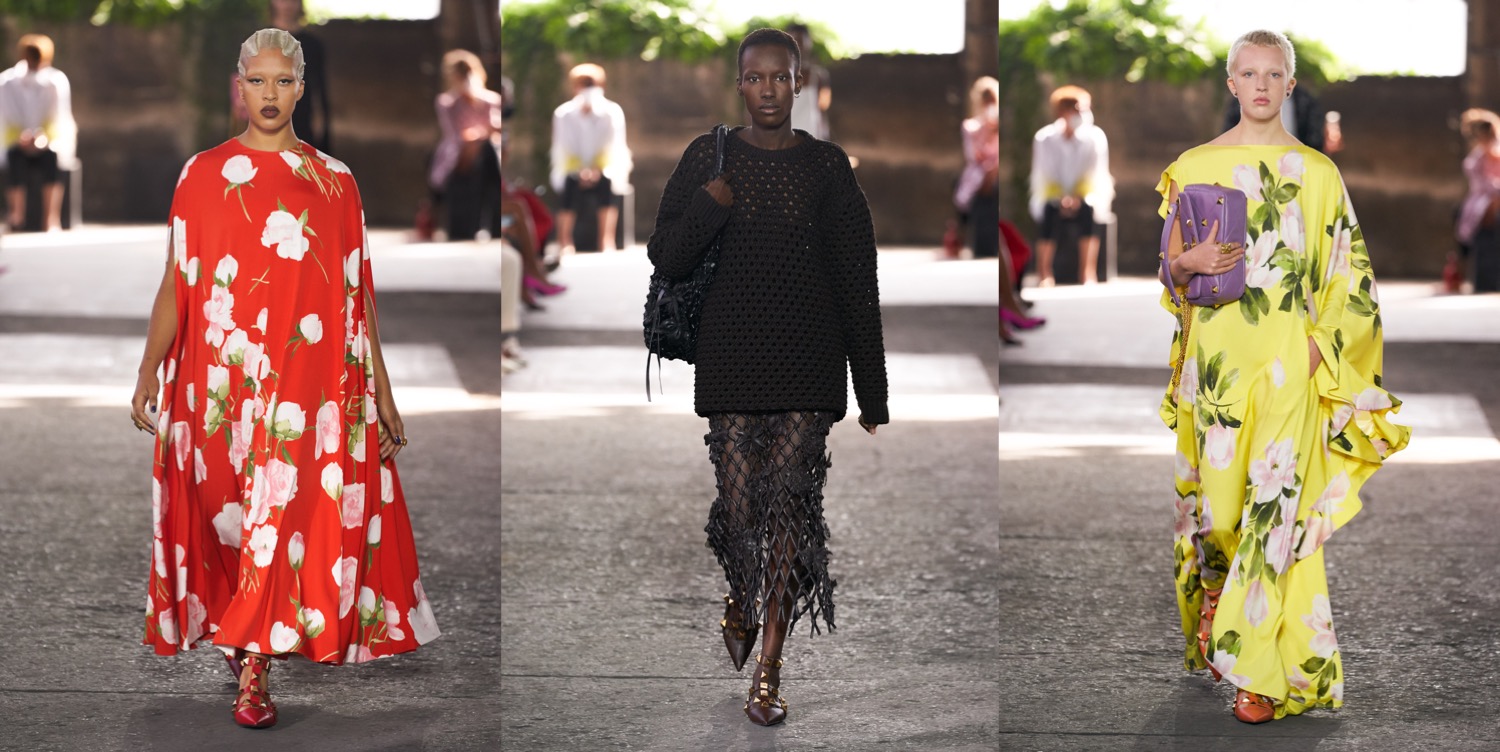
Realistic. Valentino AW21

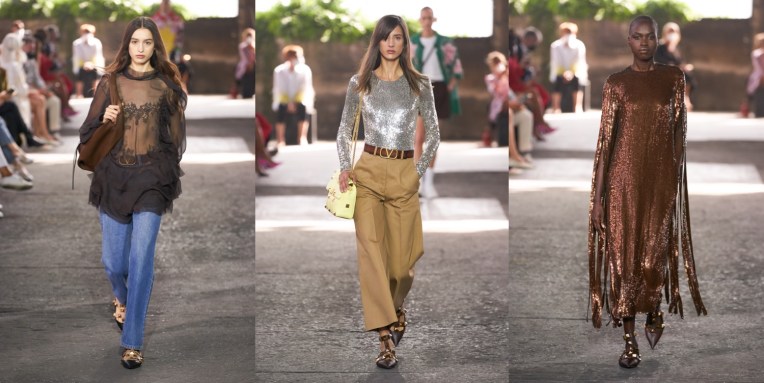
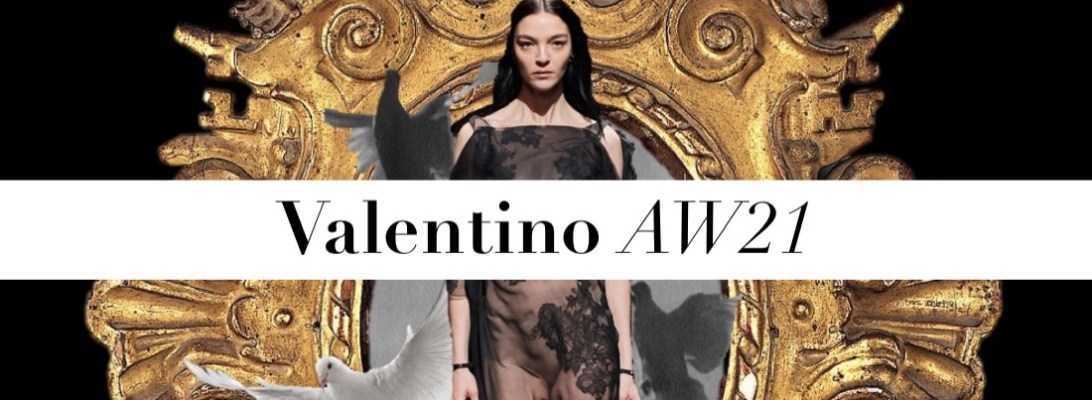
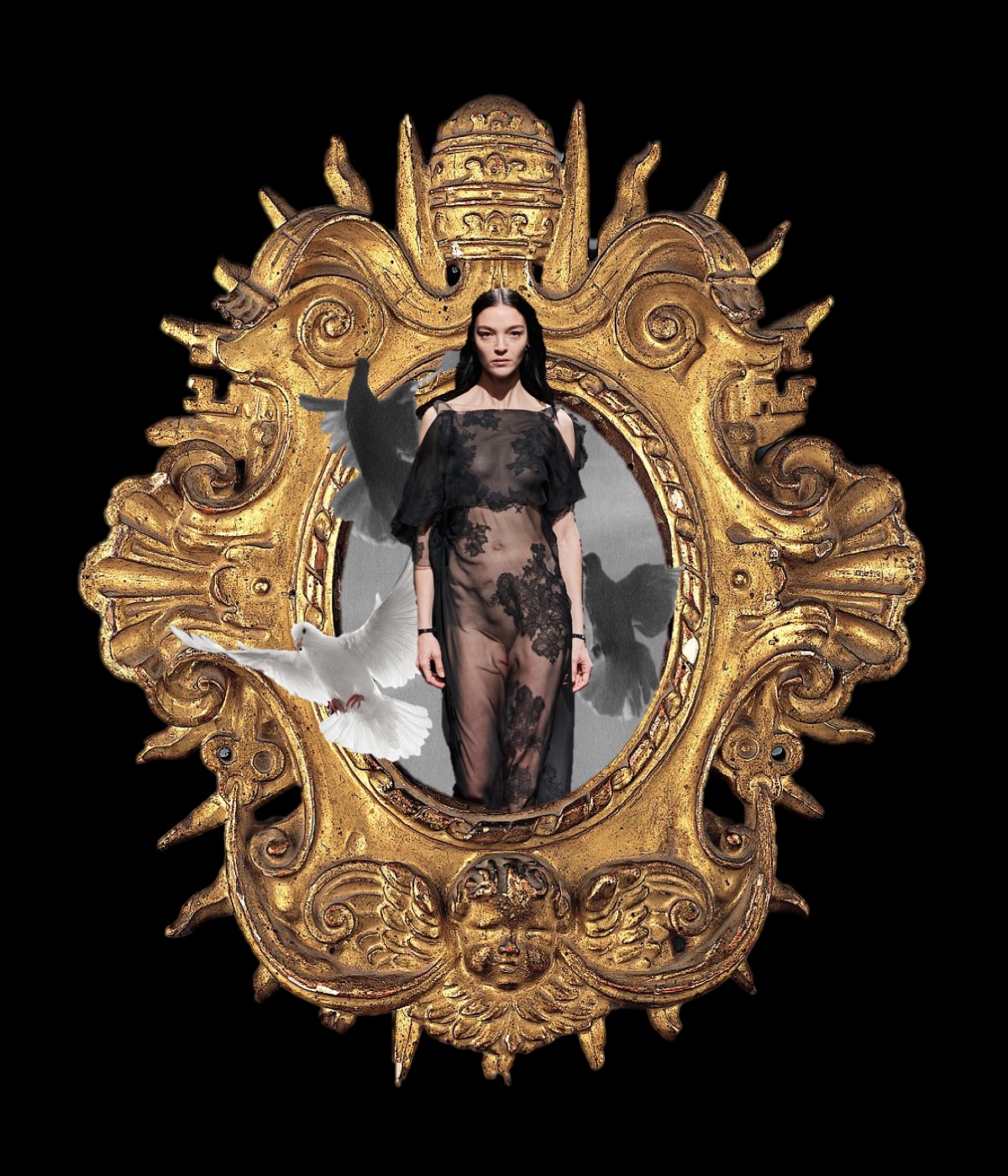
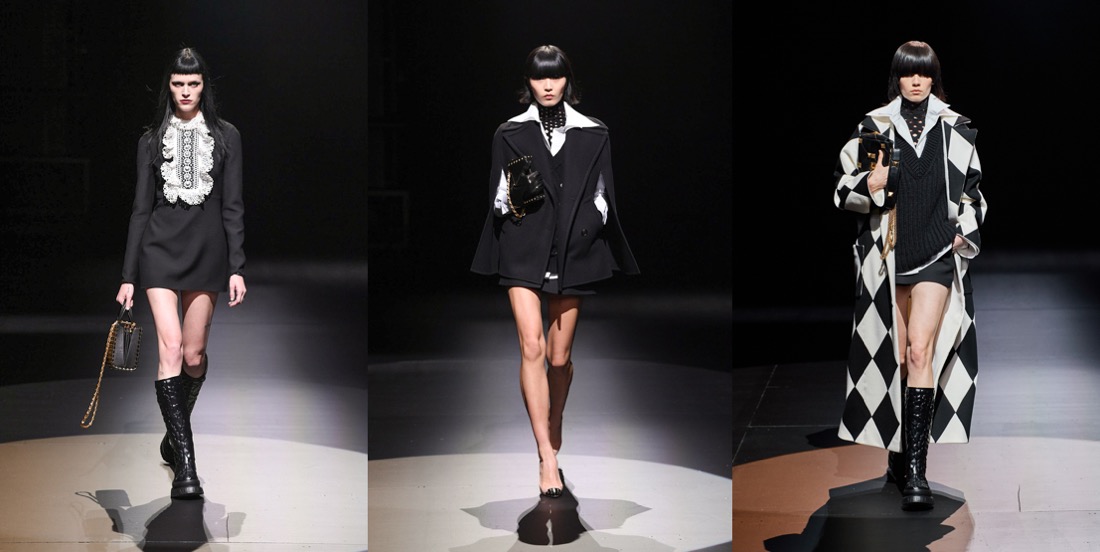
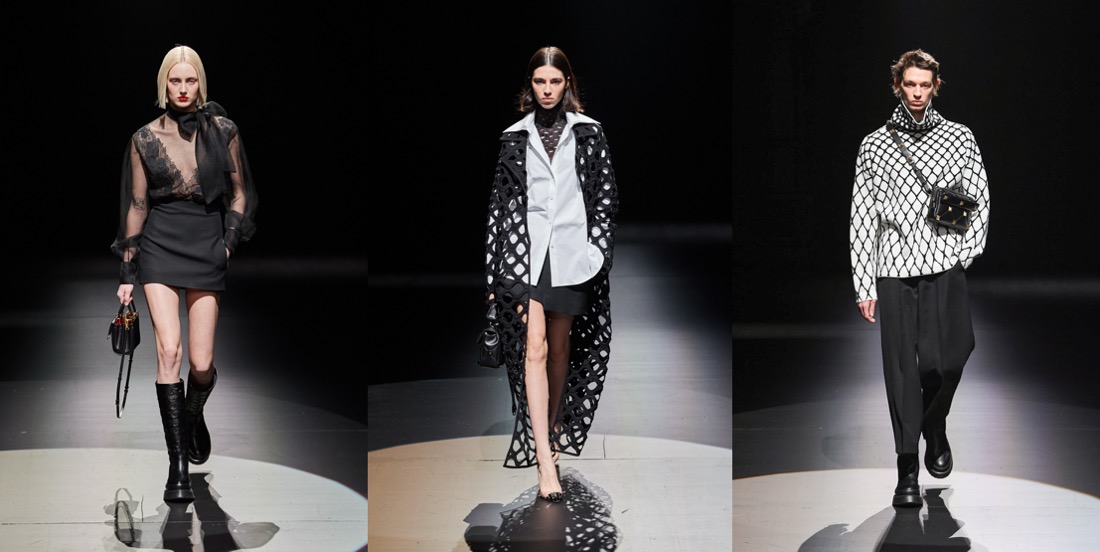
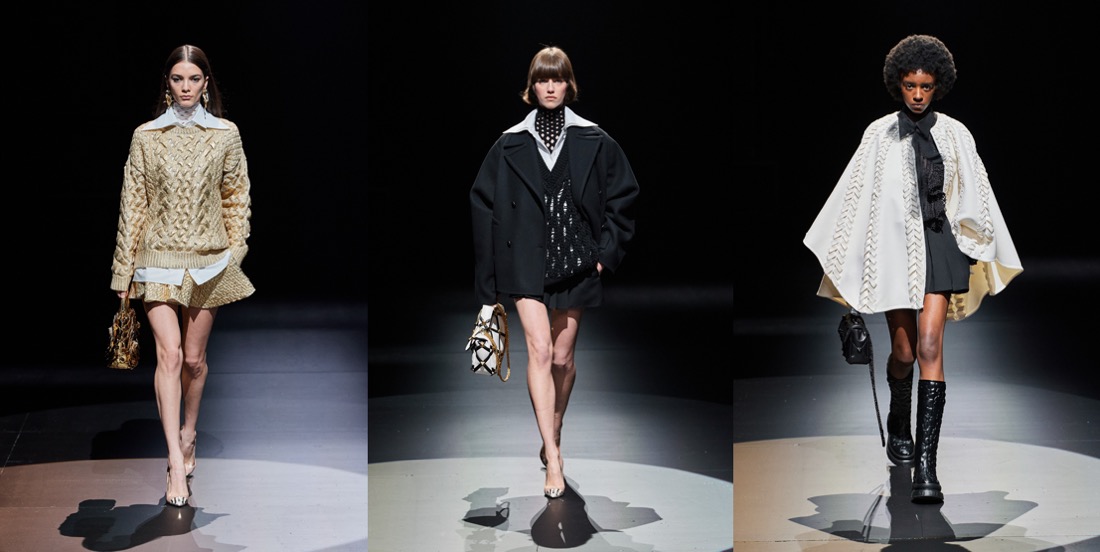
Approximately a year ago, COVID-19 hit Europe. Pierpaolo Piccioli was presenting his Valentino collection during Paris Fashion Week (who would have ever believed back then that fashion weeks will switch to digital?!) and the solemn, melancholic elegance he sent down the runway captured the first feelings of crisis. For autumn-winter 2021, you would have expected some sort of bold, joyful vision of future re-emergence most designers are desperately talking about this season. But surprisingly – especially having in mind his recent, extraordinary couture collection! – Piccioli decided to stay a realist, staying in the black-and-white colour palette. The line-up was livestreamed from Piccolo Teatro in Milan, as a gesture of love and support towards cultural institutions that are having a very tough time with all the lockdowns and limitations. The new season offering wasn’t exactly theatrical, but the dramatic lighting elevated the ready-to-wear silhouettes. Piccioli thought of a modern-day punk attitude with a romantic twist. From the sheer lace evening gowns to over-sized shirts worn as dresses, the collection looks towards the aspect of comfort, but not in a lazy way. Knitted capelets styled with heavy leather boots; ruffled blouses worn with simple mini-skirts (sexy is returning to fashion, as Tom Ford proclaimed); chunky cardigans contrasted with light pumps. Maybe this isn’t anything ground-breaking, but it’s a properly edited collection of clothes women will always want to wear. As for men, Piccioli leaves tailoring behind and decides for equally refined, yet easier wardrobe staples: an over-sized sweater, loosely-cut pants, a chic coat with a cape-like shape. The “net” motif comes in unisex turtlenecks and fantastic eveningwear. While the fashion industry is asking itself the million dollar question of ‘what will sell in the (close) future’, Valentino answers it with the right balance of stay-at-home, Zoom-ready classics and a sense of much-needed ‘dress-up’ for the better times.

Collage by Edward Kanarecki.

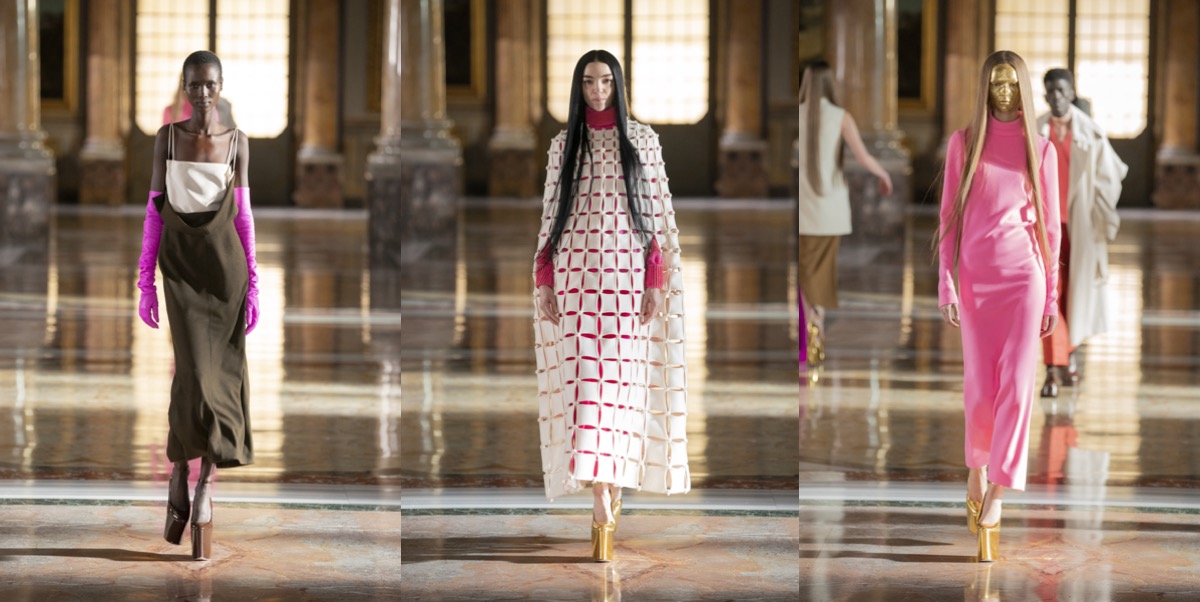
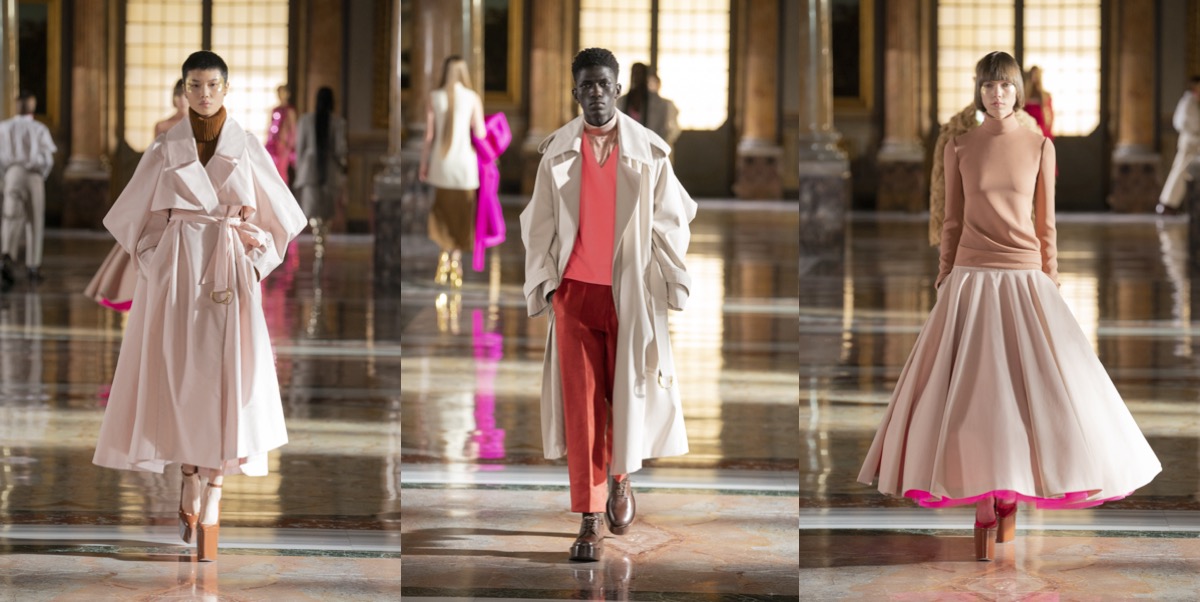
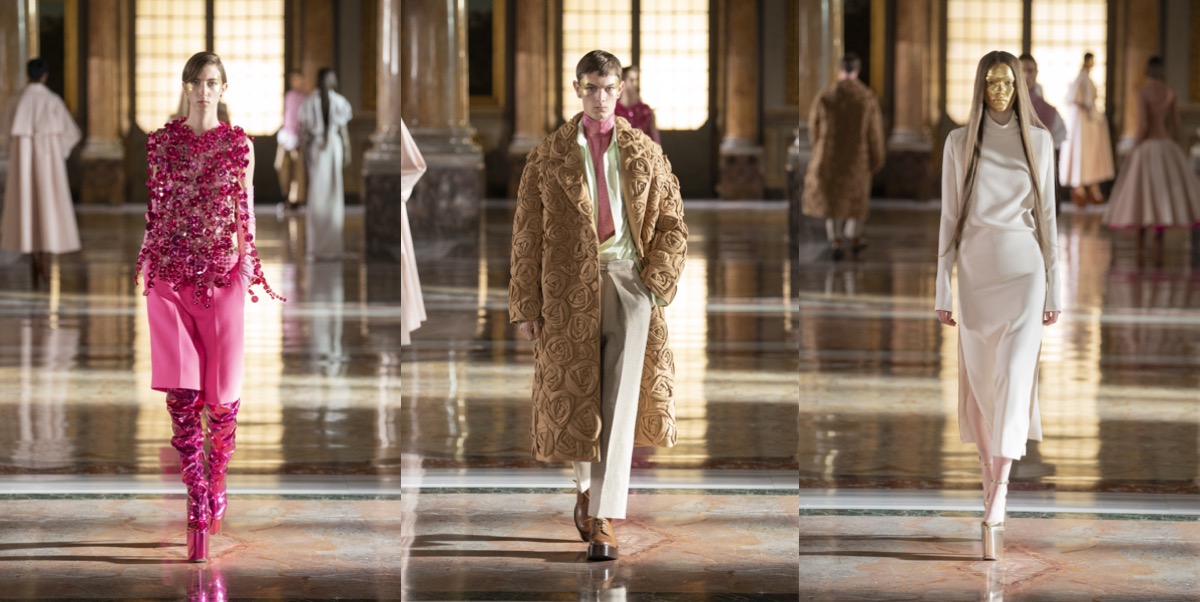
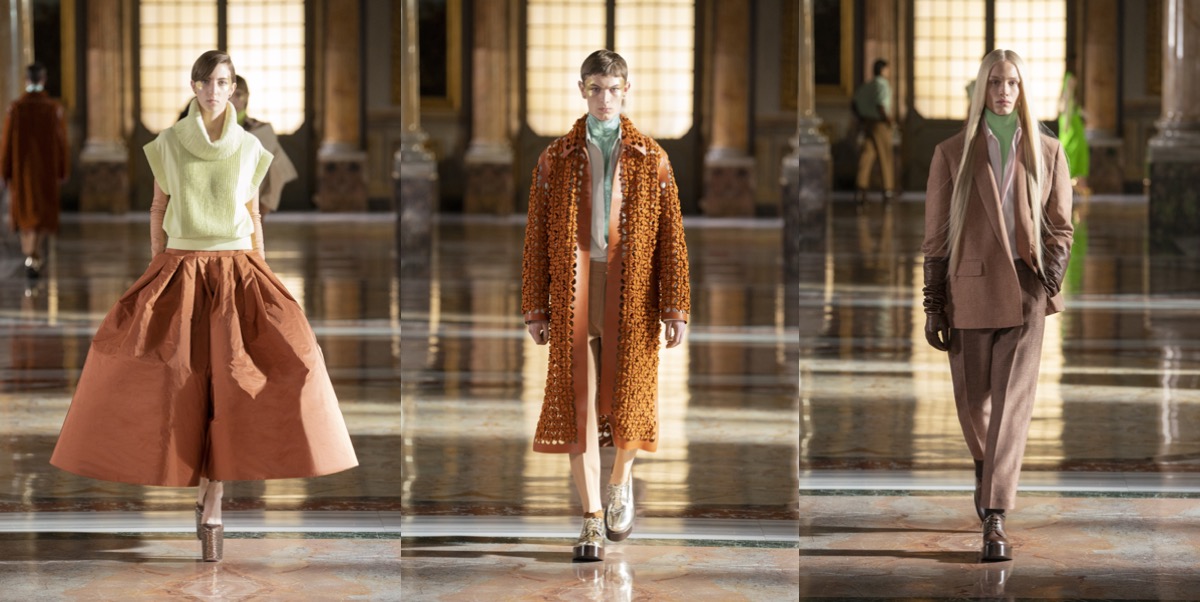
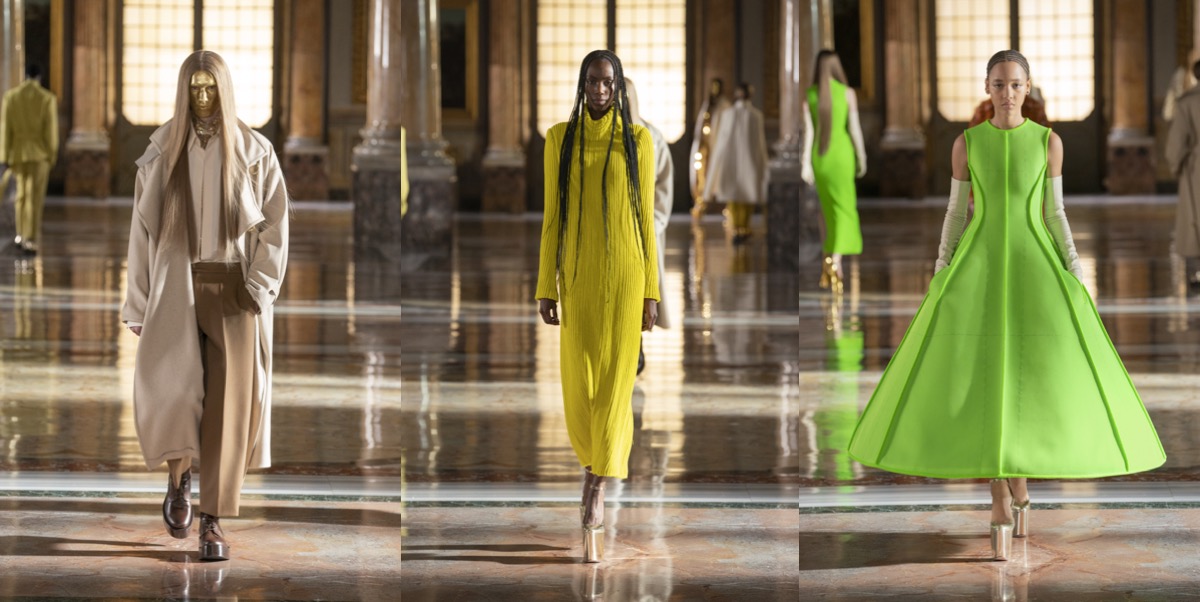
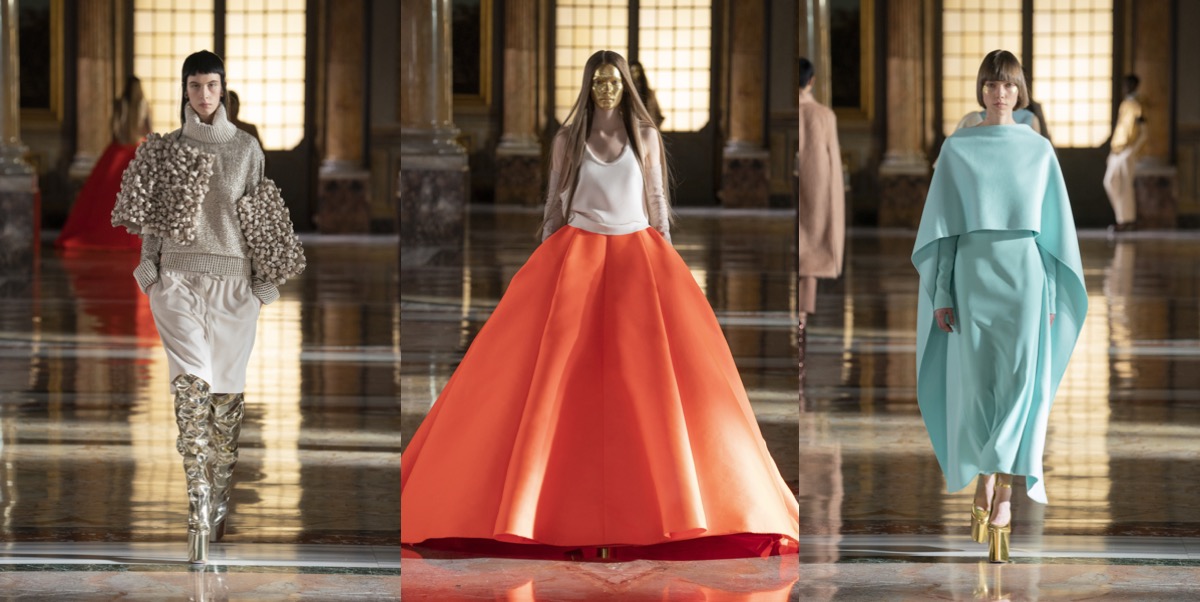
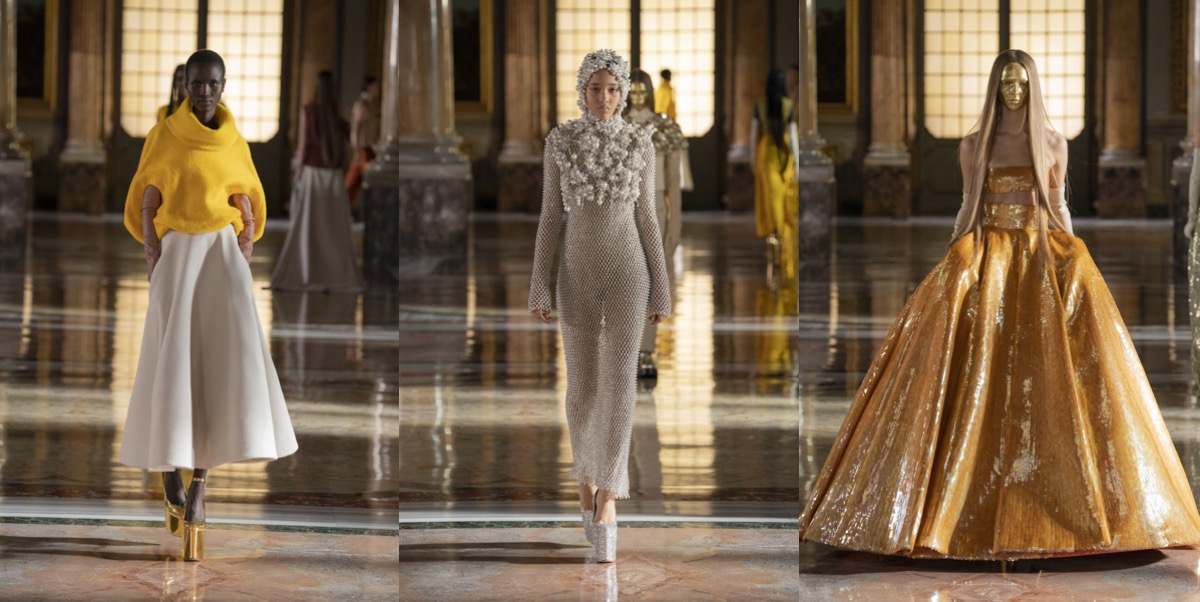
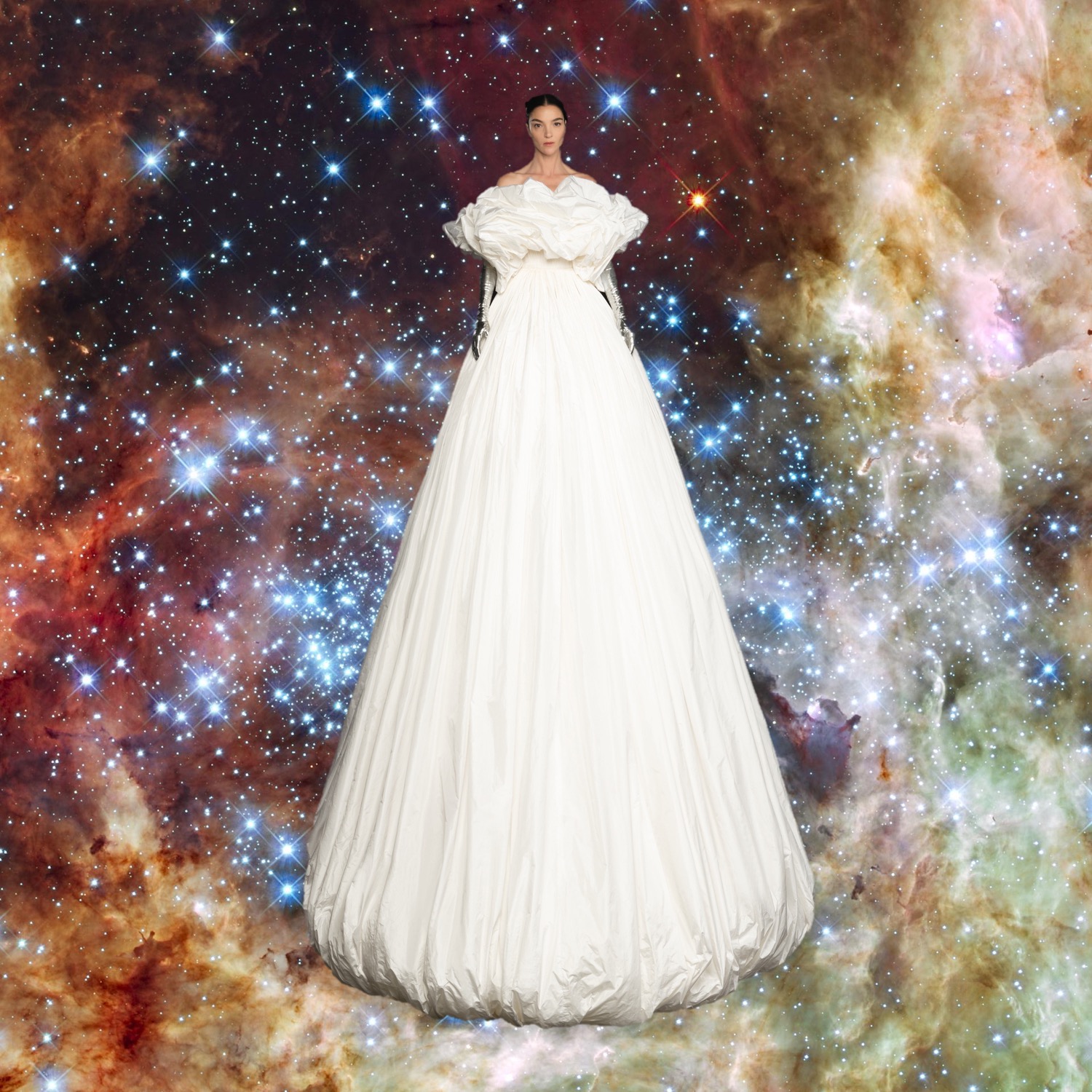
Statuesque Beauty. Valentino Couture SS21

Pierpaolo Piccioli is (again) the king of haute couture. With his Valentino spring-summer 2021 collection, he proves that the most elaborate and intricately detailed ball gown of his is equally couture as a seamless, sculpture-like cape (“I don’t want to call it that. It’s not a caftan, or a poncho. It’s a shape!”) with not even one sequin or embellishment. This season, the designer floated towards haute minimalism, which was all about lean sharpness and elevated boldness. It was just so, so, so beautiful and inspiring to see. “It’s more about pieces that will give an effortlessness,” Piccioli said. “The narrative of the collection is the collection itself. No stories. Nothing figurative. I wanted to work on surfaces, not in a decorative sense, but workmanship which becomes the surface itself.” Along came garments that (also crassly) might ordinarily be classified as hoodies, sweaters, shirts, board shorts, and camisoles, acting as foils for amazing lattice-worked coats and sculptural capes. “I think elegance is not about ‘good taste’” said Piccioli. “It’s a bit daring.” And along came men, which was a big treat. At Valentino, “it’s for the very first time,” Piccioli shrugged. “But couture is for people. I don’t care about gendered (fashion). It’s an inspiration which is fluid, no-boundaries: a trench coat is for men and women.” And what a trench coat: structured so that the volume of the sleeves somehow continued seamlessly into a generous, chic storm-flap in the back of the coat. Only haute couture experts can pull off that sort of thing. It used to be that every haute couture look was conceived as a sacred kind of unit. Gone are those days. Now Piccioli is more motivated to make a white poplin shirt, which he showed with a long oyster-colored skirt that appeared narrow in the front, yet flared to a train in back in one of the show’s most arresting moments. “It’s a shirt, a fantastic shirt. Of course you can wear it like this, or any other way. And the skirt is timeless.” Piccioli is right: we’re thankfully long past the time when audiences might work themselves into a pearl-clutching froth at the sight of male models wandering an haute couture runway. Far more to the point is keeping the practice of haute couture relevant to the moment we’re living in. As many of haute couture’s old-world conventions drop away, what remains to be valued is the coalition of high craft and social insight. Piccioli spent a long time reflecting on that in the last months. “To me, the essence of couture,” he said, “is the ritual, the process, the care, the humanity. That’s what makes couture timeless, special.” Summing up: meraviglioso!

“Live” collage by Edward Kanarecki.

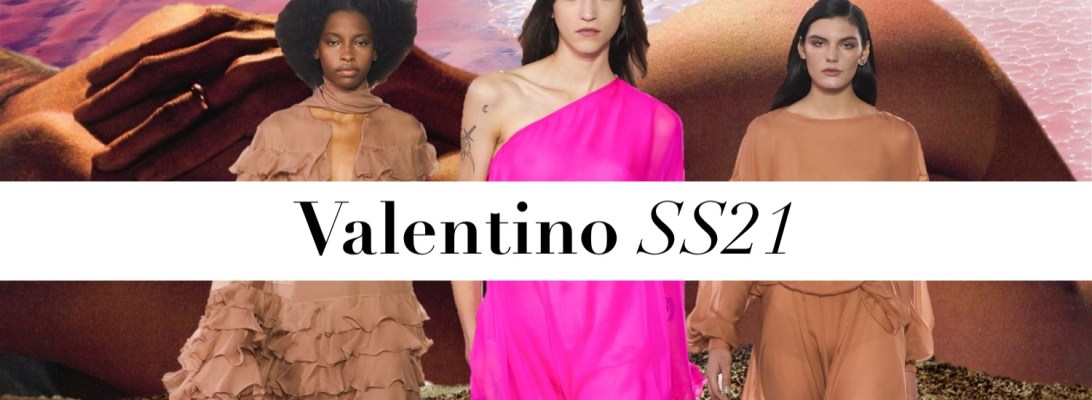
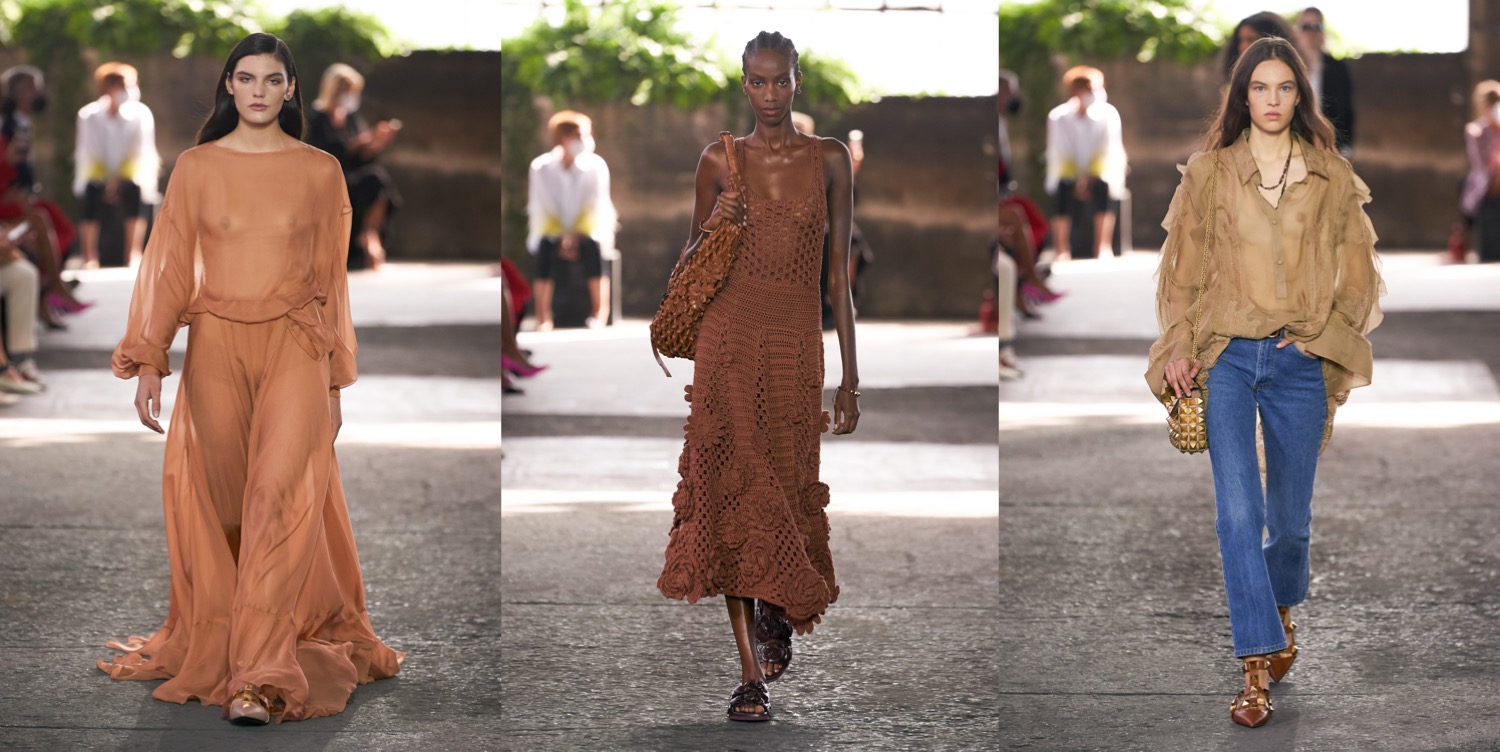
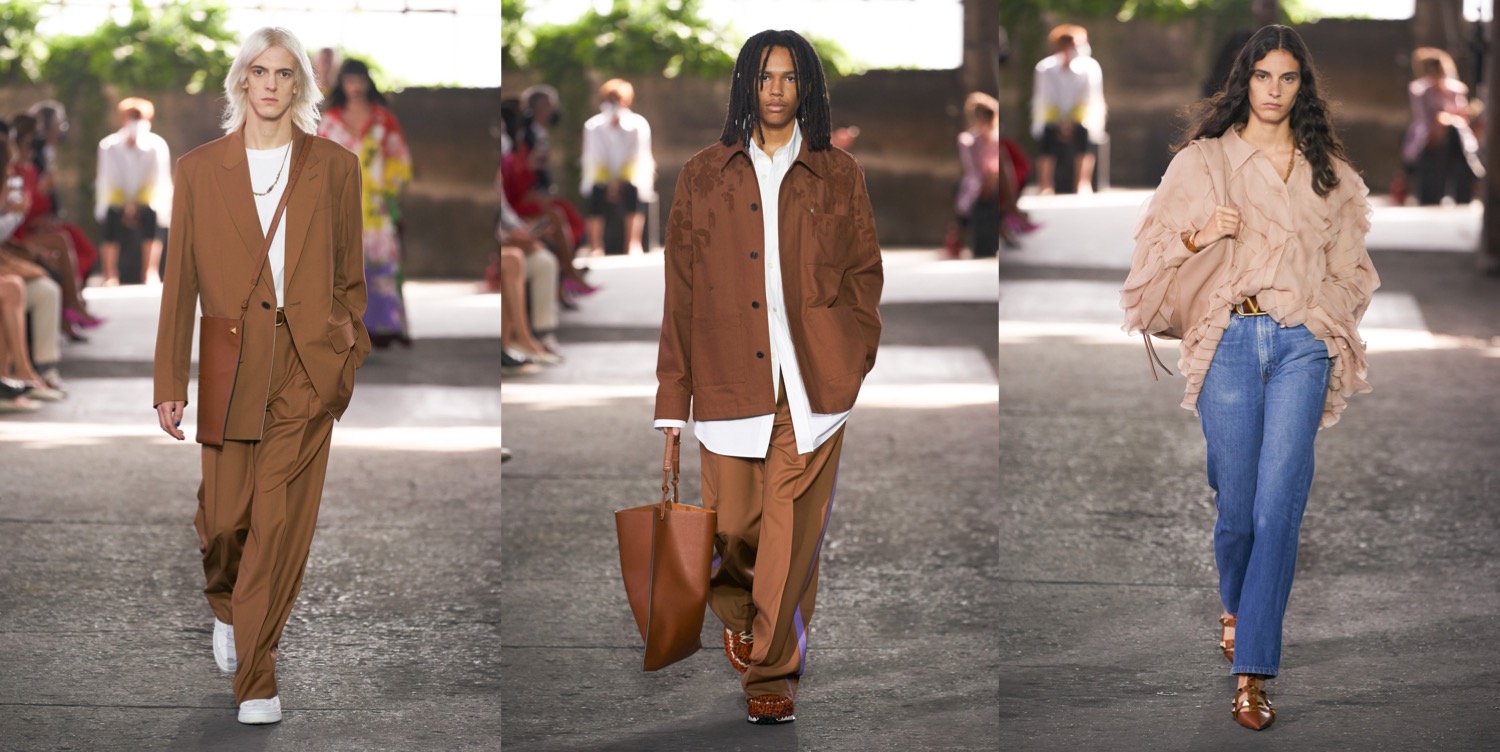
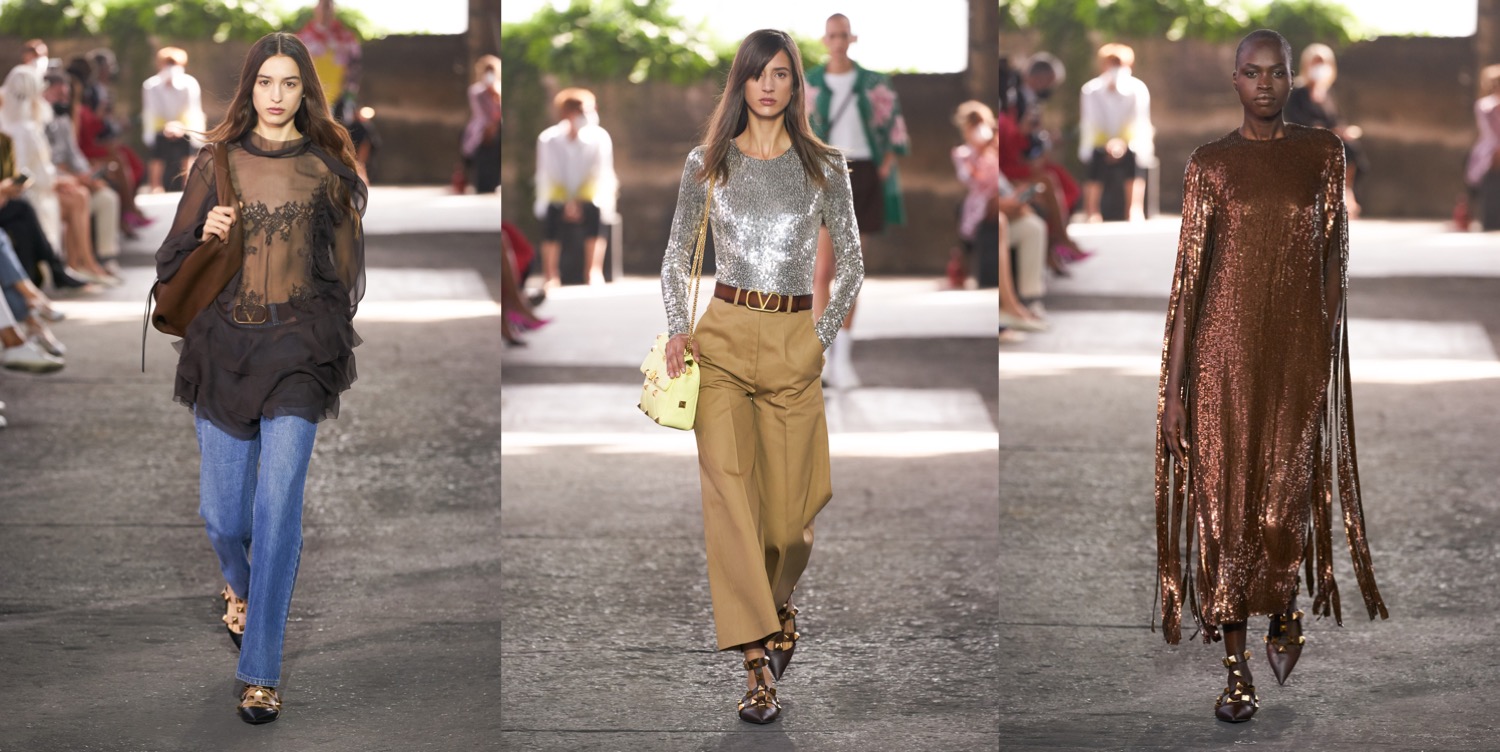
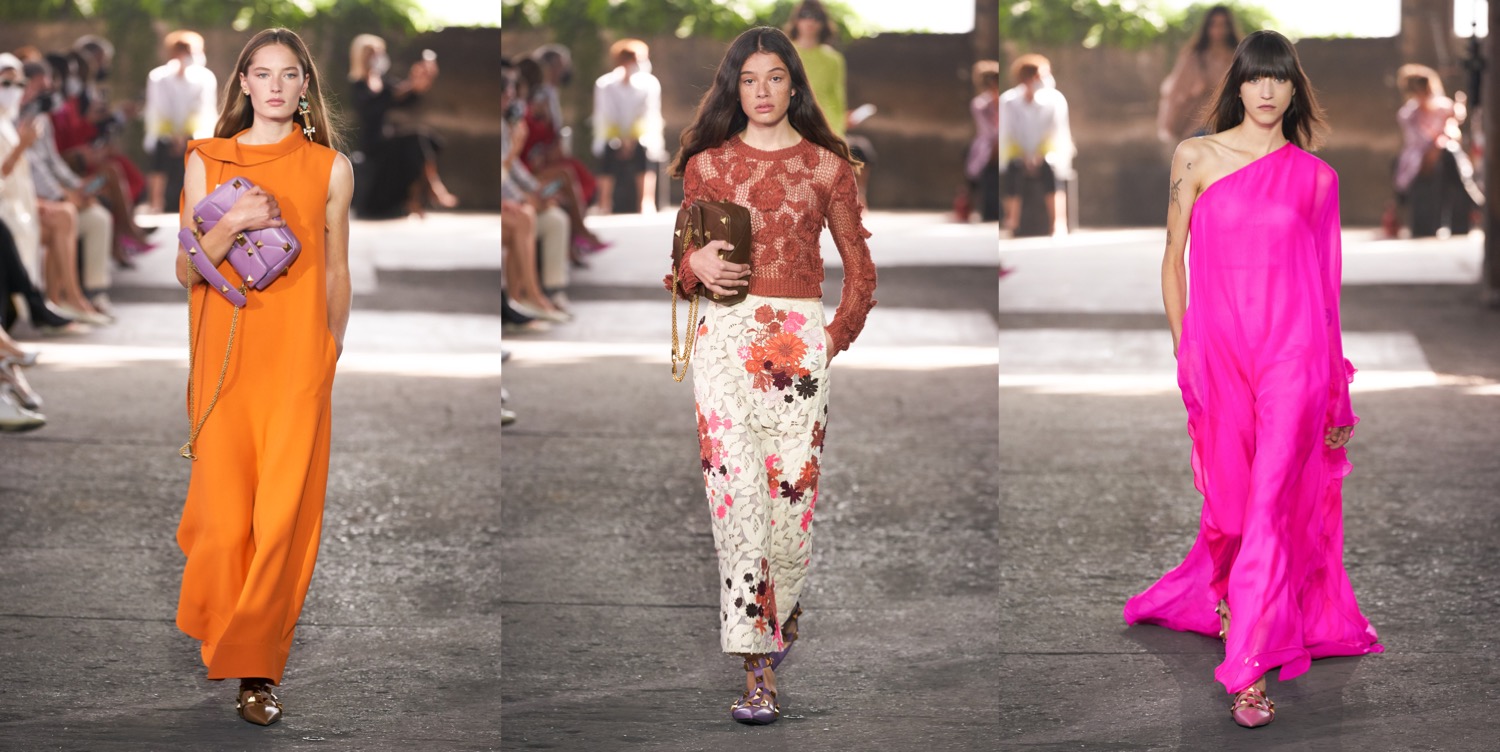
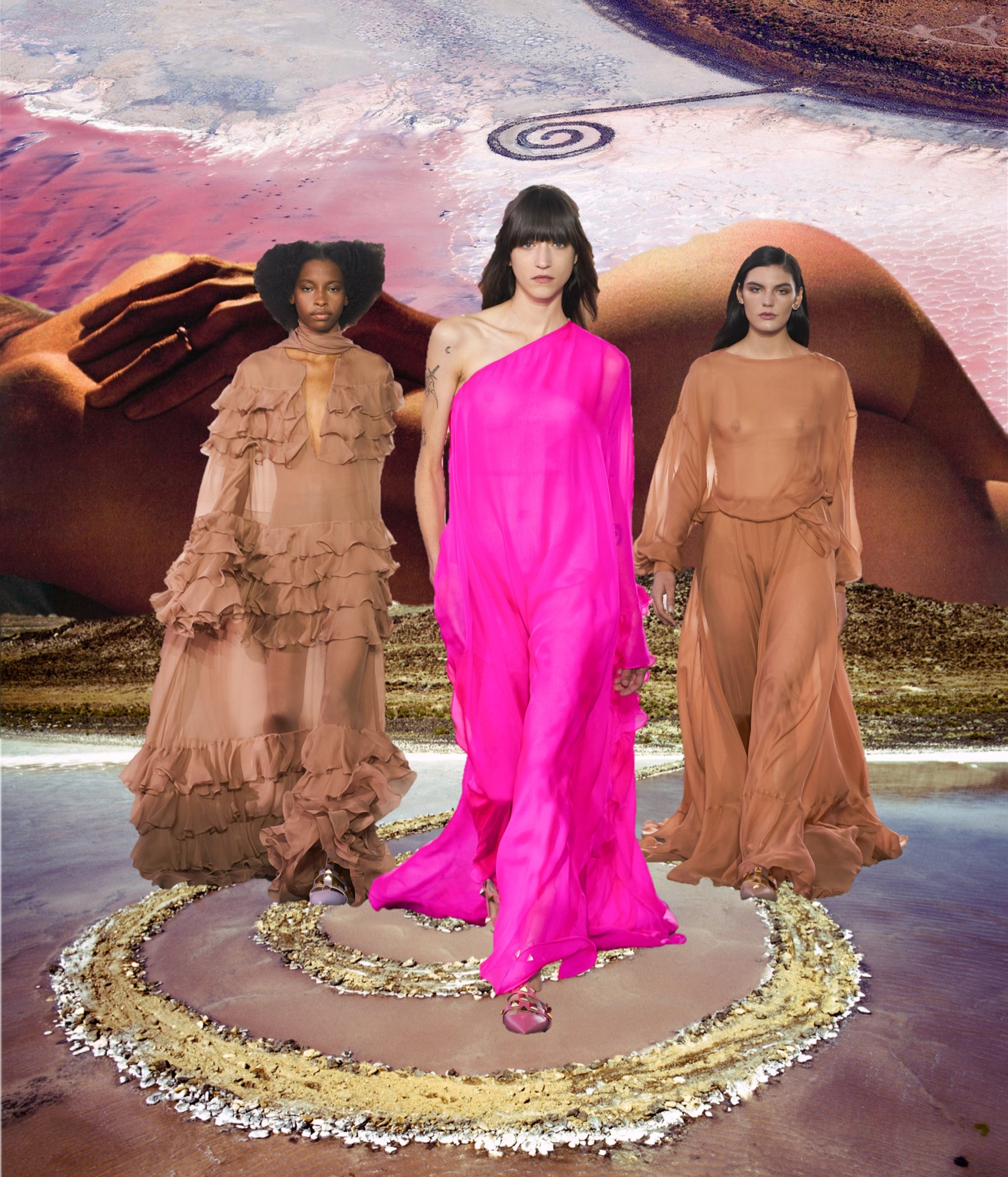
Radical Romantic. Valentino SS21


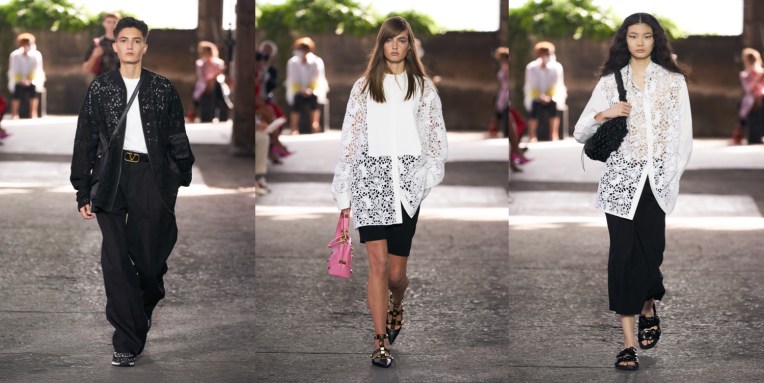
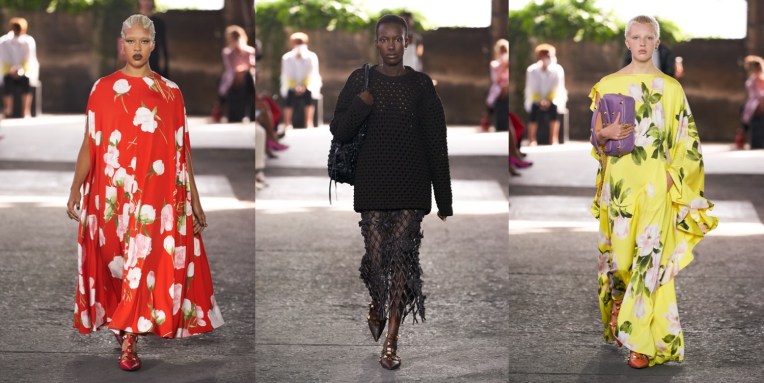
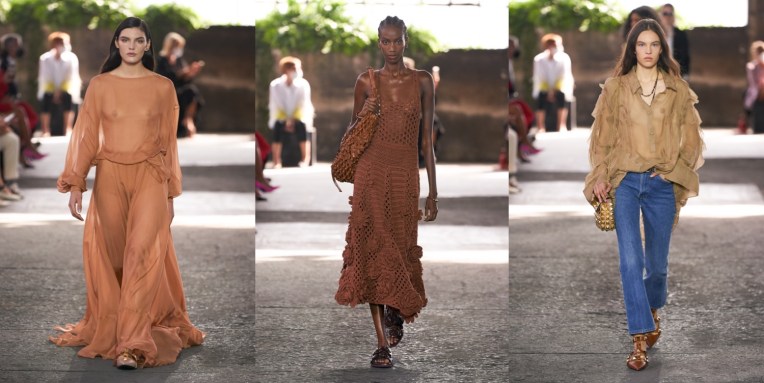
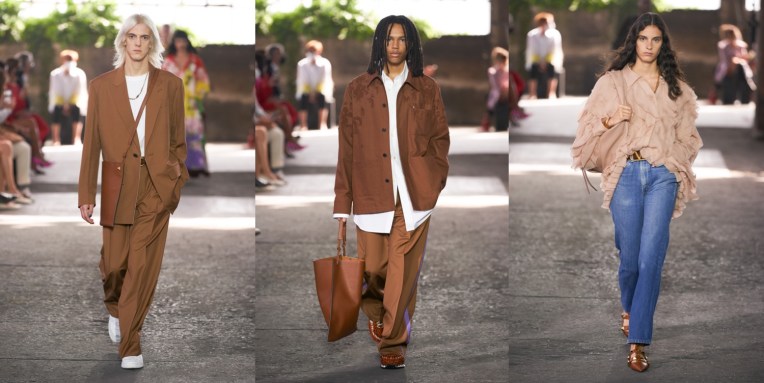
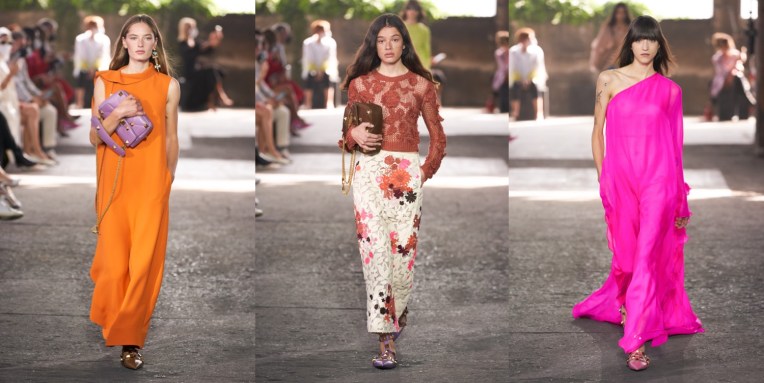
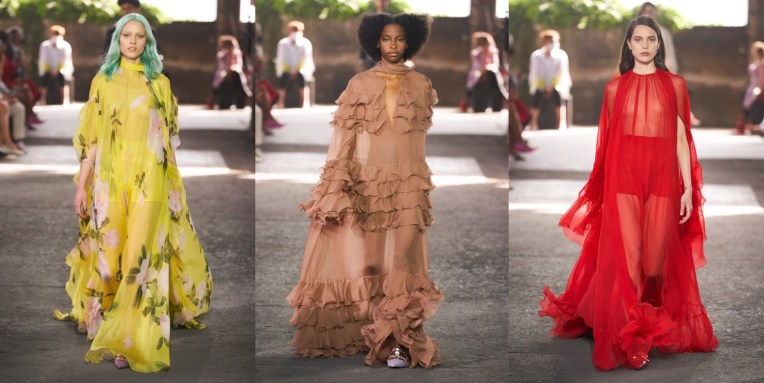
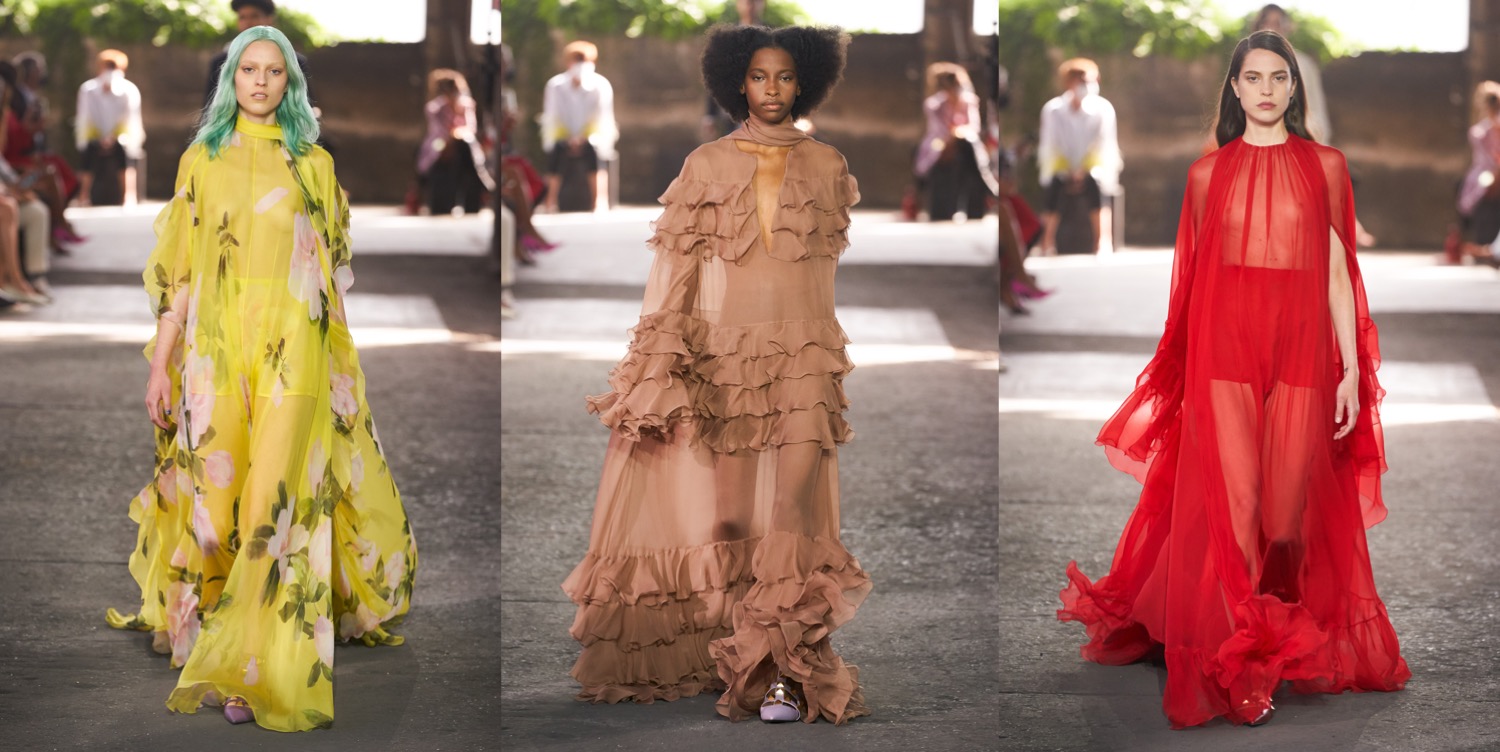
There was something truly powerful about the feeling conveyed by Pierpaolo Piccioli‘s Valentino spring-summer 2021 collection. It was so heartfelt, sincerere, honest. The line-up was presented for the first time in Milan, not in Paris, which in a way also changed the aura. In a declaration of support for the Italian fashion system and making the most out of the difficult circumstances the pandemic has forced upon us, Piccioli opted for an act of bravery – and bravura. He decided to decamp from the ornate Parisian fabulousness of the Salomon de Rothschild salons for the powerful industrial rawness of Fonderie Macchi, a metallurgical foundry active in Milan from 1936. “In this moment, sticking to an old mindset for me just wasn’t an option,” he said at the post-show press conference. Choosing a venue at odds with Valentino’s typical optics, so deep-rooted in couture, signaled the bold stance Piccioli was taking in the re-definition of the house’s stylistic codes – a process he called re-signification. “I focused on working more on Valentino’s identity than on its aesthetics,” he reflected.  As always with Piccioli, his approach was as instinctual as it was sophisticated; he’ll go down as one of fashion’s romantic visionaries, able to orchestrate moments of true creative enjoyment, both emotional and visually elevated. Romanticism was actually much on his mind while working on the collection. He called it radical. But what does it mean being a radical romantic today? “For me, it rhymes with individuality, with the freedom to express our very own identity and diversity,” he answered. Being romantic means also not following the rules, embracing idealism, being rebellious- fighting for a better world. Believing that things can change: “Fashion for me is a way to talk about the values that matter today,” he said. “The true acceptance of diversity. Tolerance and kindness. This is the world I want to tell through my work as a designer.” If aesthetics can actually suggest something about one’s life, then the collection’s street casting was a celebration of the many diverse-looking people Piccioli wants to include in his narration. Each look was individual, thoroughly chosen according to the personality of the character, young men and women coming from different backgrounds and walks of life. Yet from a fashion standpoint, the collection looked more toned down than usual: streamlined and with fewer of the decorative flourishes and certain hyperbolic gestures of couture. Lace, macramé, crochet, and embroideries were among the textural couture accents reworked here with a crafty, more palpable ‘human’ touch. Both the women’s and men’s lines shared shapes, volumes, and fabrics; the same wardrobe staples were often proposed in identical versions for both genders. Progressing from linear, almost minimal looks, the collection flowed into the ethereal evening options that have become synonymous with Valentino style; here the sophisticated shapes of caftans and cape dresses were designed with fluid, efficient precision. Highlighting a somehow reductionist approach, the only print was a vibrantly-hued floral revival of an archival dress: a glamorous yellow number famously worn by Anjelica Huston and lensed by Giampaolo Barbieri in 1972. Arrangements of wildflowers and plants filled the vast industrial set in a powerful installation by Japanese plant artist Satoshi Kawamoto; Piccioli envisioned it as a disruptive element of beauty inspired by guerrilla gardening’s practice of growing delicate plants in gray concrete spaces – another romantic act of urban resistance. The flowers had a story of their own: originated in eight different countries, they were grown in a nursery in Milan, where they’ll be returned after the show. Piccioli is the modern-day master when it comes to turning fashion shows into emotionally charged moments of visual seduction. Music always serves his purpose well. This time, he entrusted the singer, songwriter, and producer Labrinth to perform stirring renditions of some of his hits. It all worked together in a delightful way.
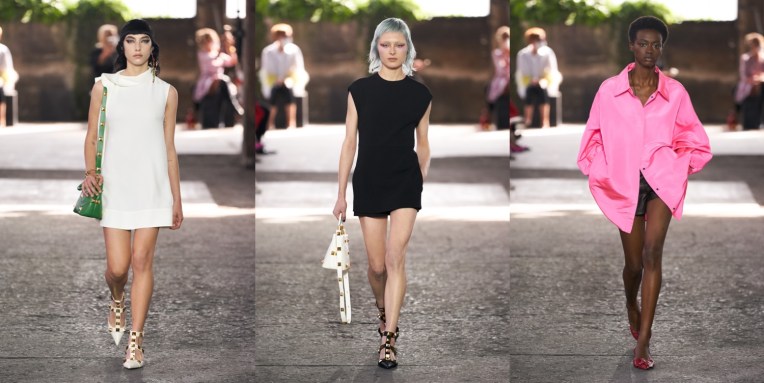
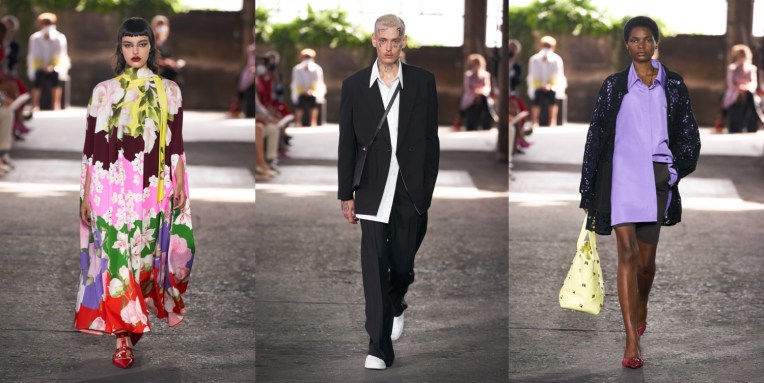
Collage by Edward Kanarecki.

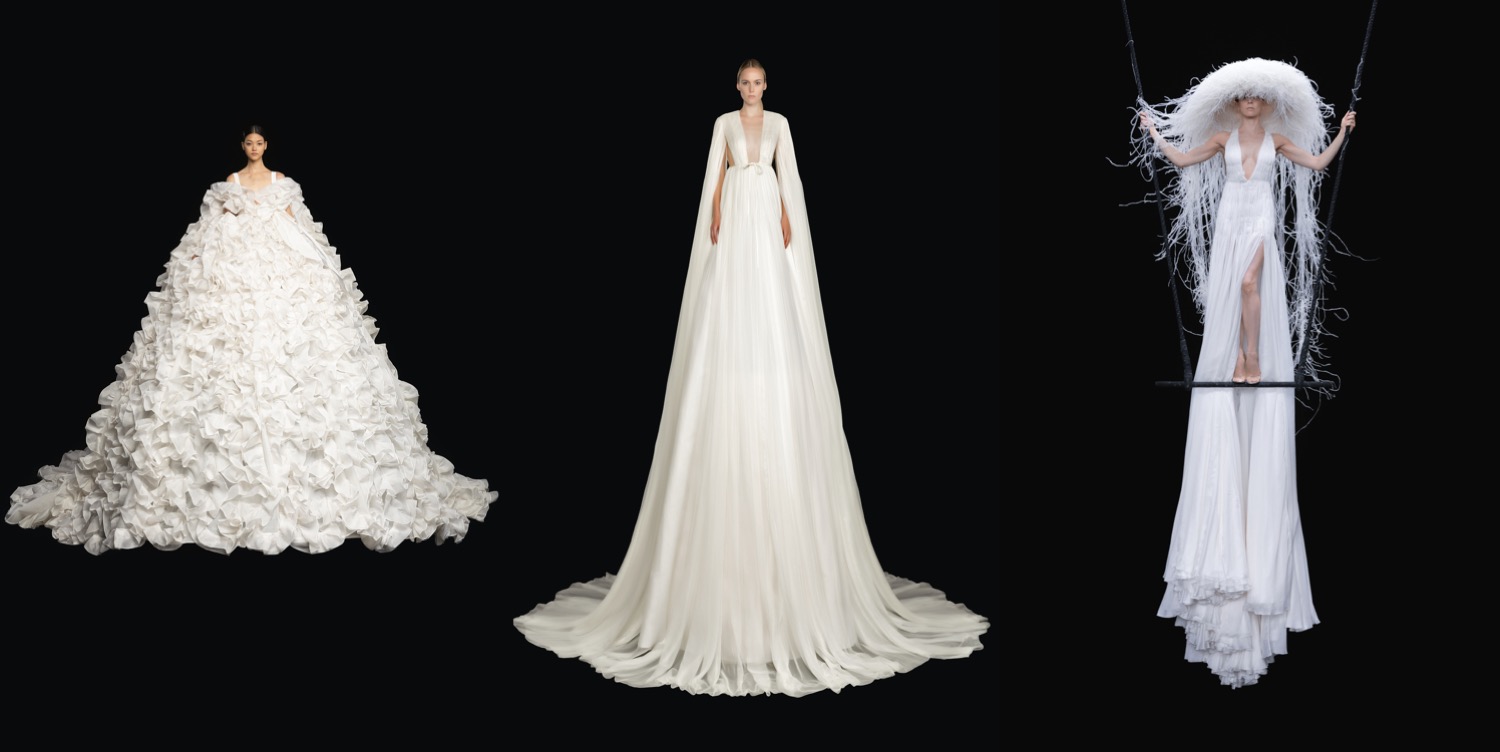
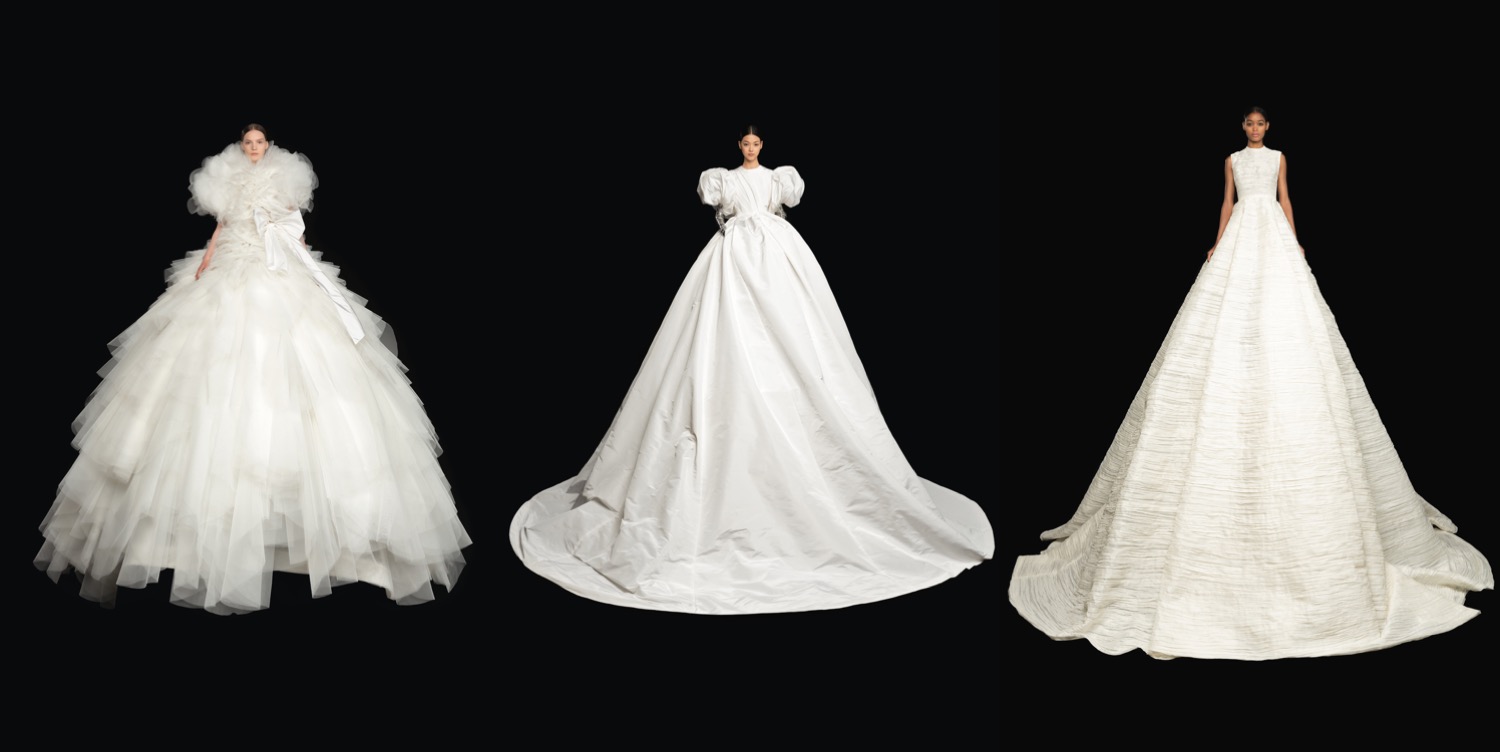
Limitless. Valentino AW20 Couture
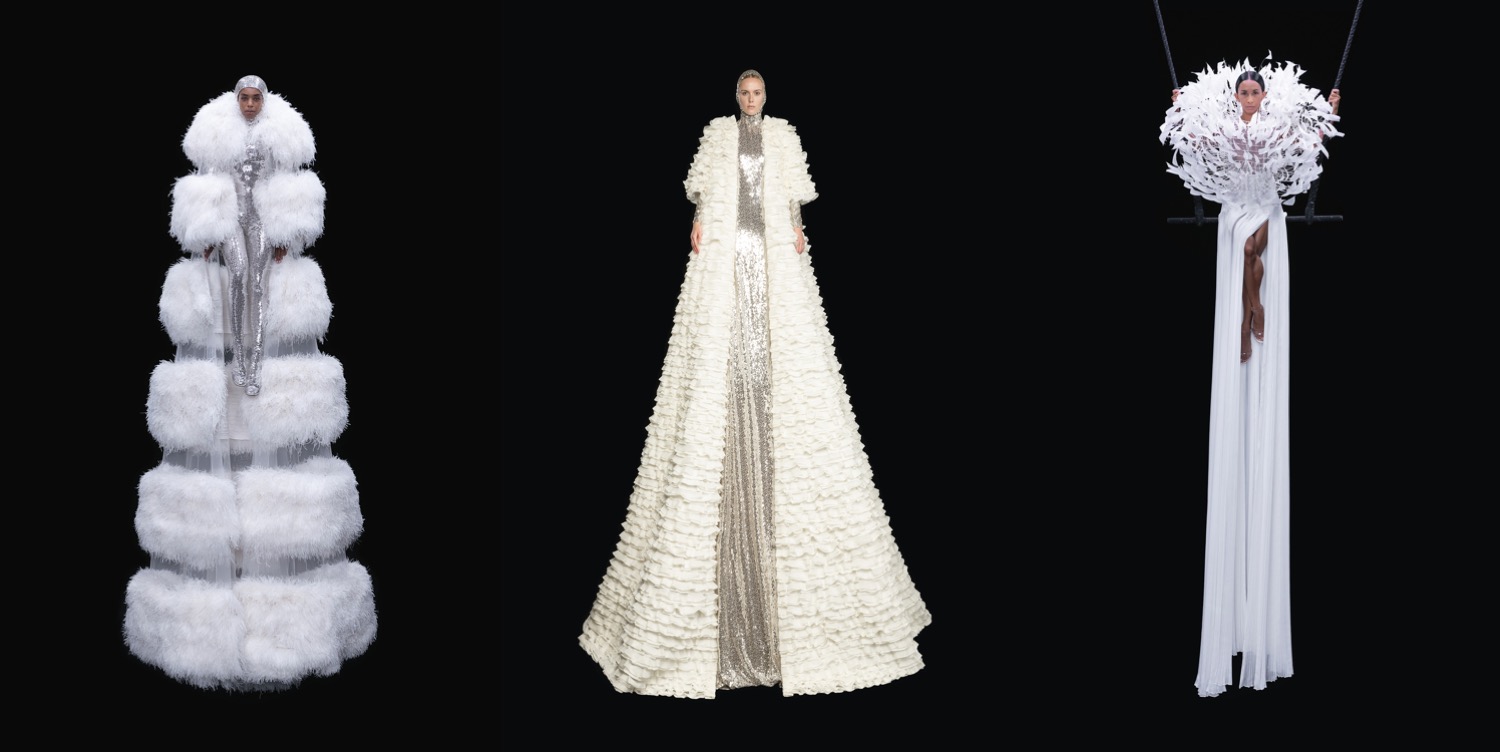
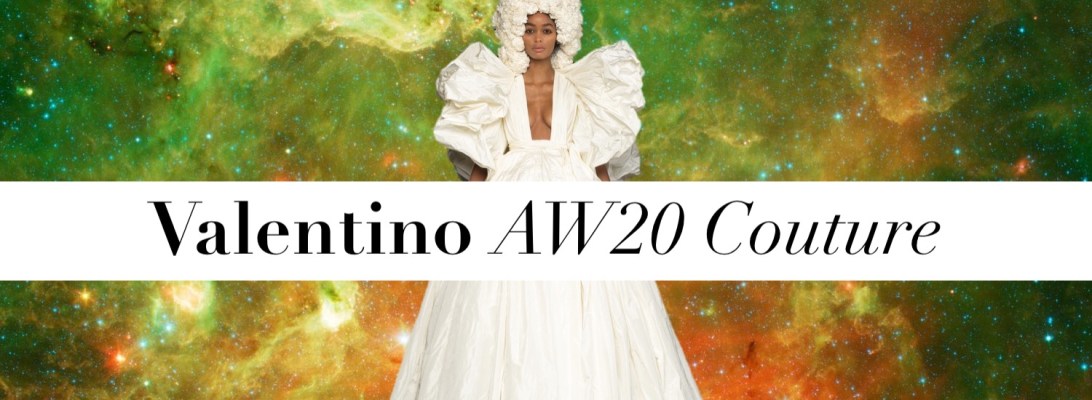
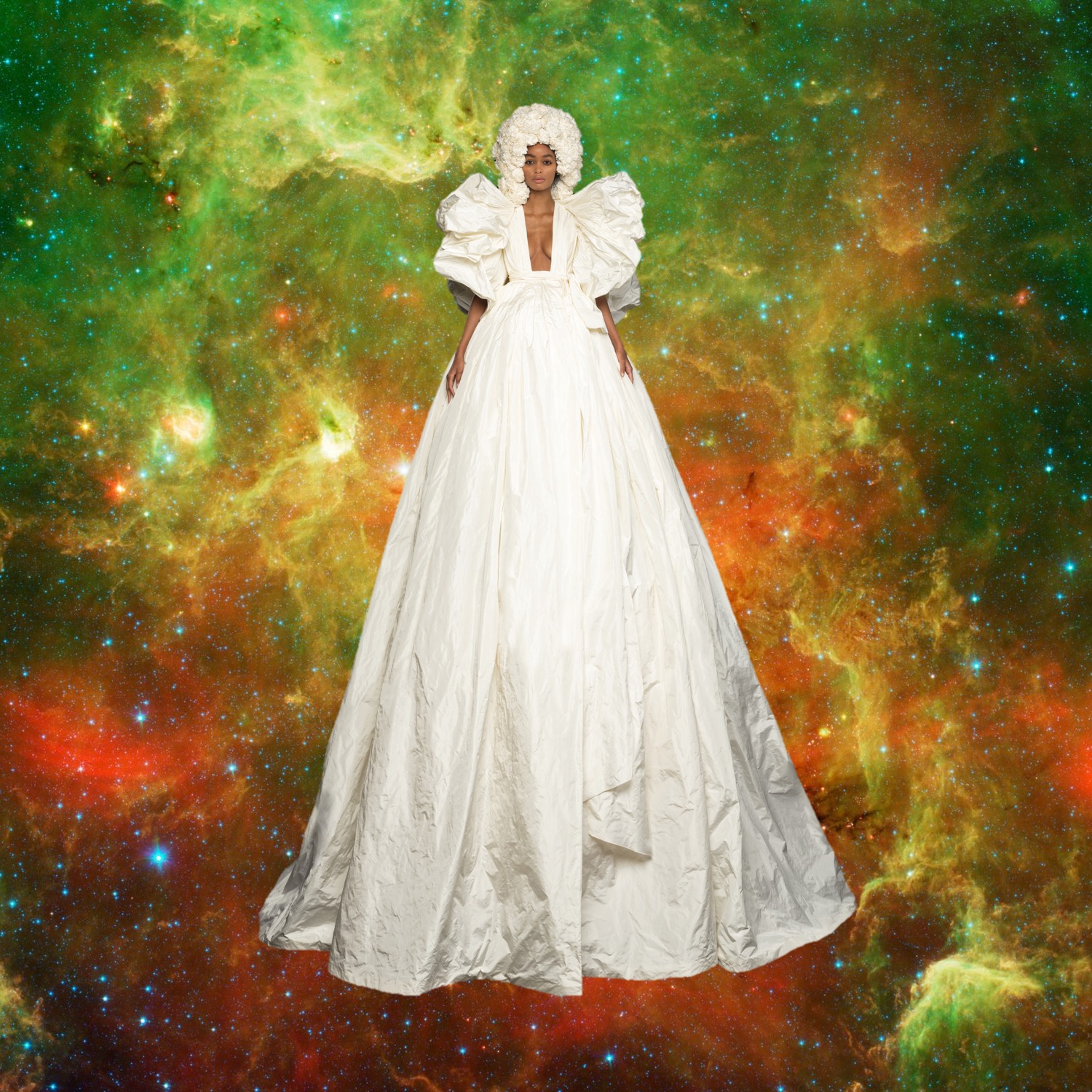
And again, Valentino‘s Pierpaolo Piccioli is the king of haute couture, even after months of confinement that could basically cancel the entire season. Entitled “The Performance: of Grace and Light, a dialogue between Pierpaolo Piccioli and Nick Knight,” the presentation played as a hybrid digital / physical event staged in a darkened void on the famed Cinecitta movie lot in Rome for local press and friends of the house. In a Zoom press conference, Piccioli explained he’d conceptualized the 16-look collection as “an extreme response” to the tough circumstances of lockdown; a determination to overcome the technical problems of socially-distanced working in the Valentino atelier and the impossibility of creating prints and lavish embroideries. “I didn’t want to feel the limitations. Couture is made for emotions, dreams,” he said. “It was super-emotional for us all to be here together to win this challenge. A moment I will never forget.” First came a pre-recorded screening of an artily glitchy video by Knight, in which projections of flowers and feathers played over meters-long dresses worn by women who appeared to hover in an aerial circus scenario. Cut to real time: curtains drew back to reveal the models, standing perched on ladders in a static tableau, their dresses – some of Pierpaolo’s biggest couture hits, elongated to the extremes, and revealed to be all-white – cascading to the floor, videoed live. INCREDIBLE. The idea of taking the show to Cinecitta, Rome’s “factory of dreams,” led the designer to add the concept of “the magic of early cinema,” evoking the silent movie imagery of with silver sequins and waterfalls of glittering fringe. To make it even more ethereal, Piccioli commissioned recordings from FKA twigs – her extraordinary voice soared poignantly as the models swung from trapezes and floated through Knight’s digital performance. Fashion communication on multi-platform formats has taken surreal twists and turns as designers have tried to conquer the dreadful problems of the pandemic. In Piccioli’s case, the surrealism was right there, embodied in the theatrical form of some of the most gorgeous dresses the world has ever seen.

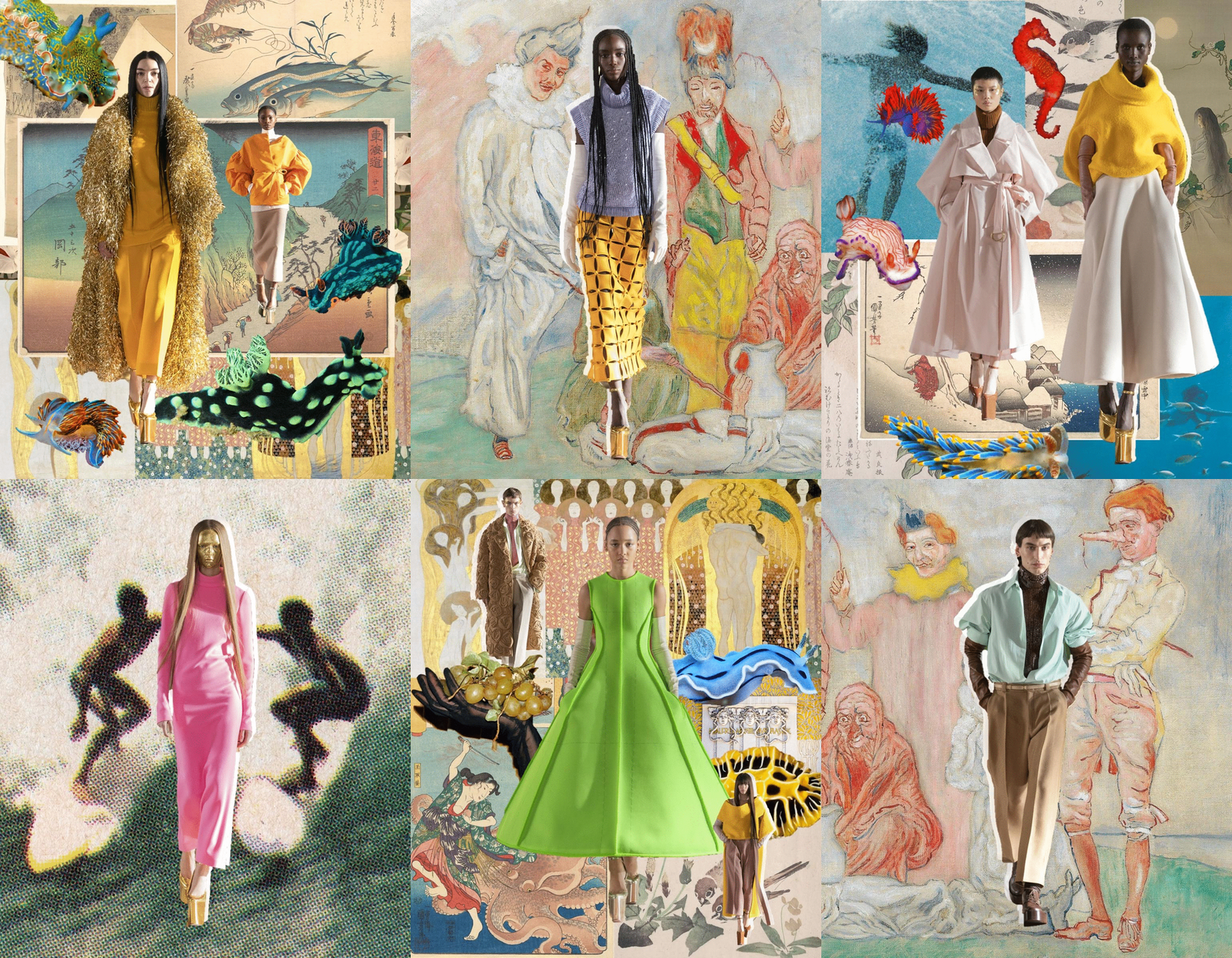
Collages by Edward Kanarecki.