Musée Rodin

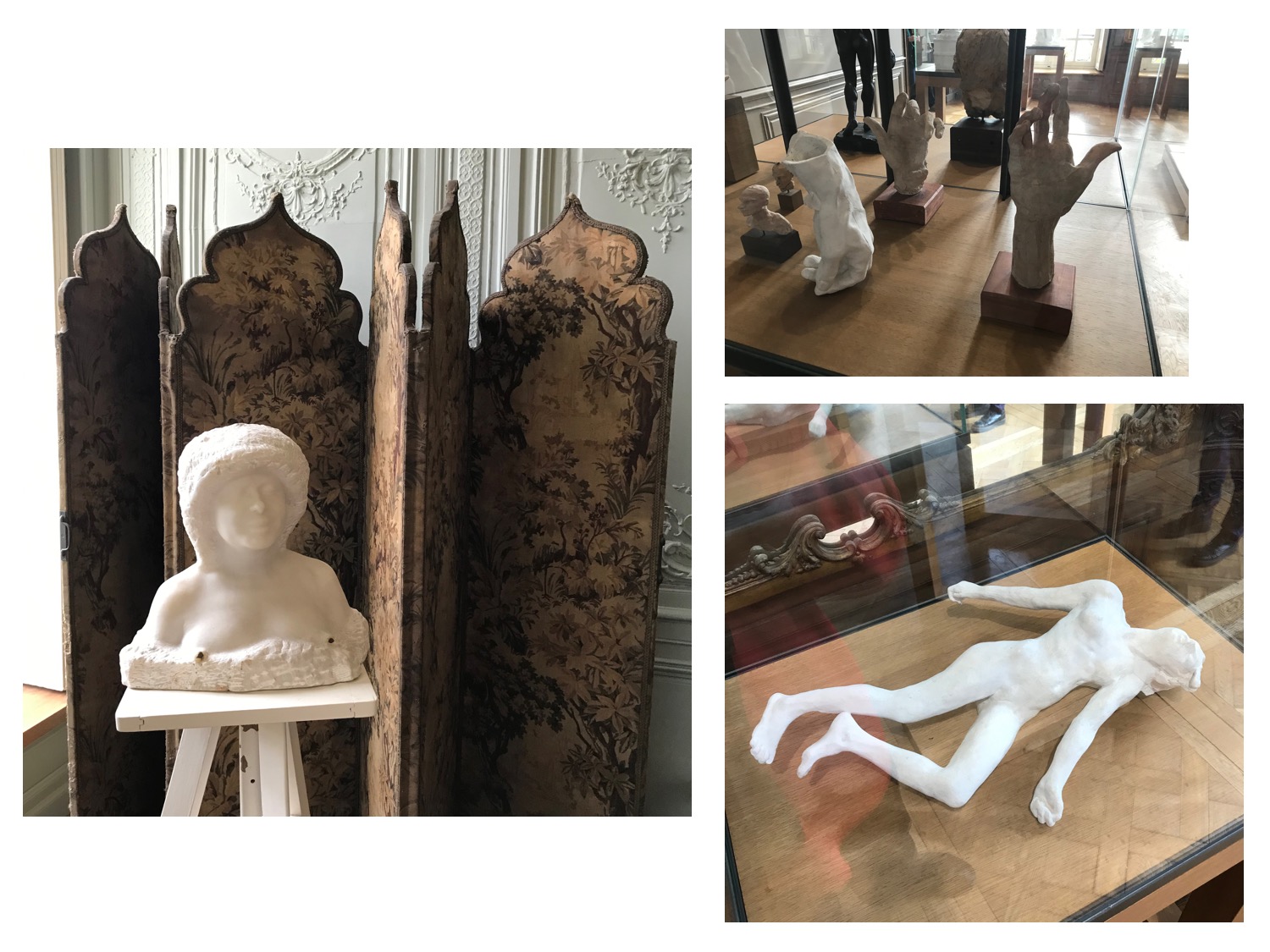
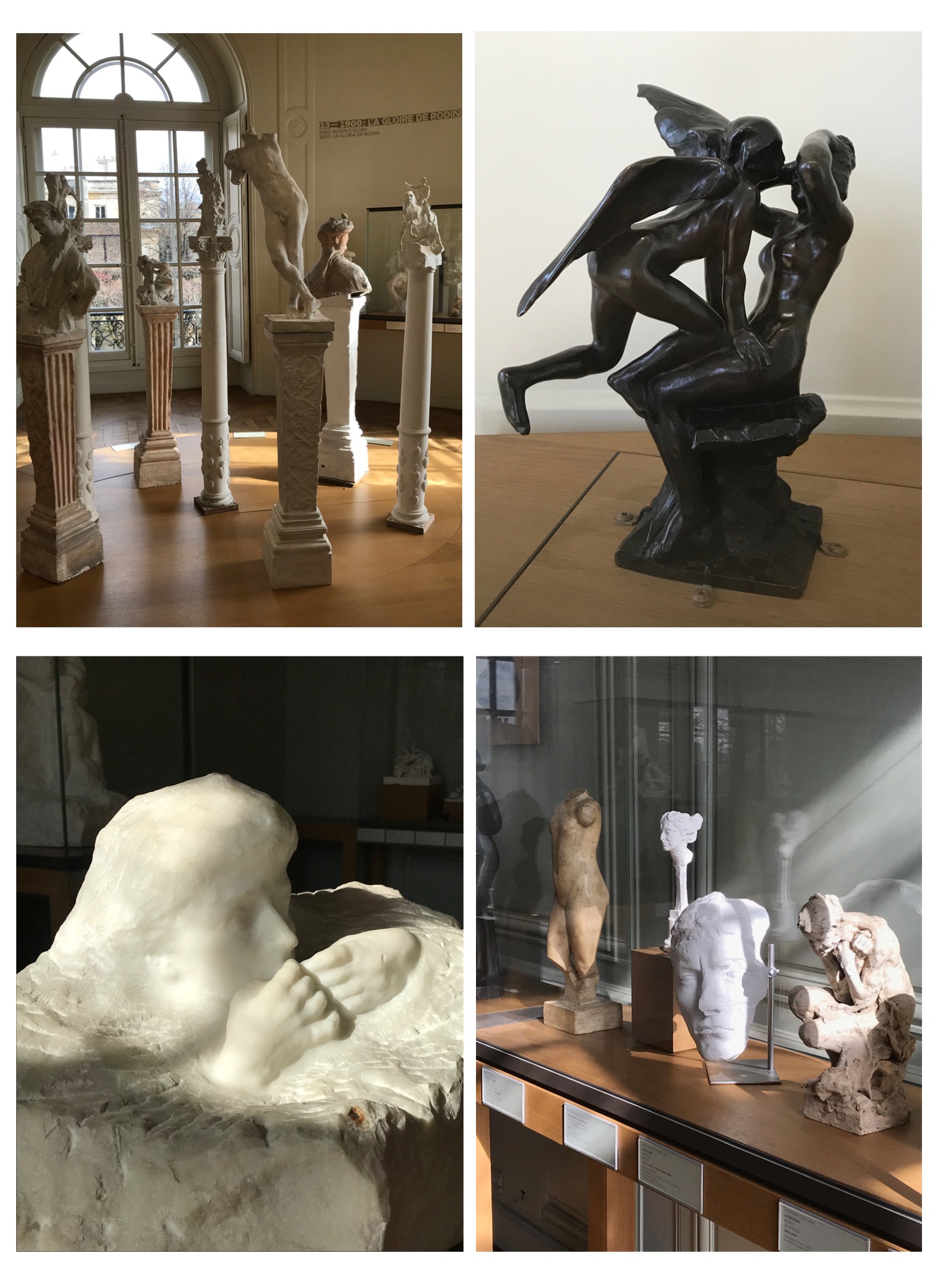
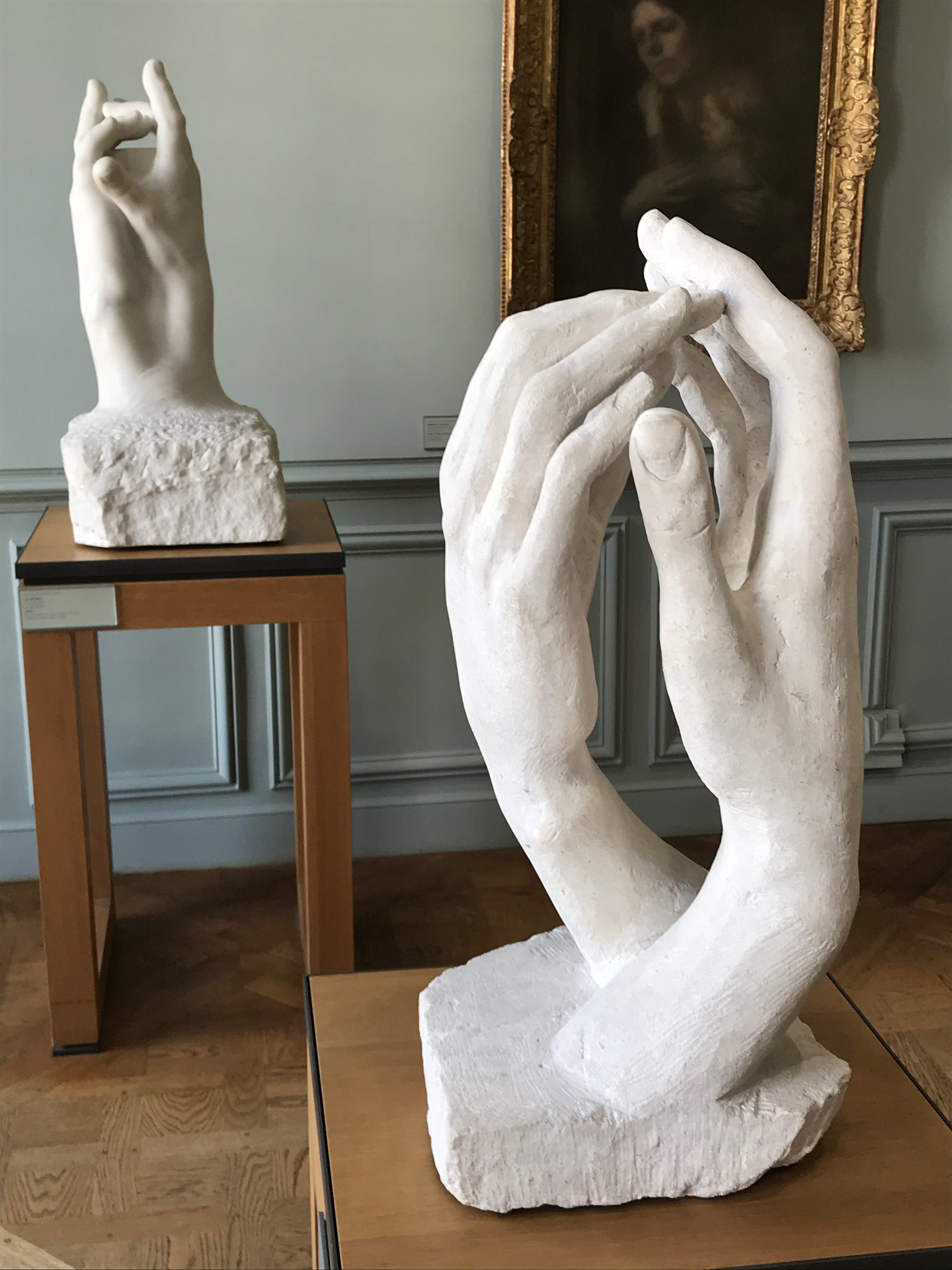
The calmness and beauty of Musée Rodin instantly made it one of my favourite places in Paris. The historical link between the collection and the Hôtel Biron where it’s located is the essence of the museum’s soul. Visitors will find many pieces created by the sculptor that have never been shown before in a display that affords a more comprehensive, coherent and accessible view of Auguste Rodin’s production. After a chronological presentation on the ground floor (including a room with a reproduction of the Hôtel Biron as it was in Rodin’s day), the first floor explores the aesthetic and historic dimensions (the Symbolist room, the Pavillon de l’Alma in 1900) and the creative process (Assemblage, Fragmentation, Enlargement) of the artist. One of the oval rooms, designed in the spirit of a cabinet de curiosités, presents Rodin’s sculptural practice alongside his activity as a passionate collector of antiquities. Although it was raining non-stop for a week, we were lucky with the weather the moment we went outside to the museum’s garden. Stretching over three hectares, the grounds are divided into a rose garden and a large ornamental garden, while a terrace and hornbeam hedge backing onto a trellis conceal a relaxation area. The glassed pavillon presents more Rodin goodness, this time in the context of nature. Some sculptures are unfinished, while others bear traces of the non-finito technique of which Rodin was so fond. For all the Rodin – and sculpture in general – lovers, this place is a must-see!

All photos by Edward Kanarecki.

(P.S. If you are inspired by my Parisian coverage, I’m really happy about, but please have in mind that now isn’t a safe time for any sorts of travelling. Stay at home!)

Where To Eat in Paris

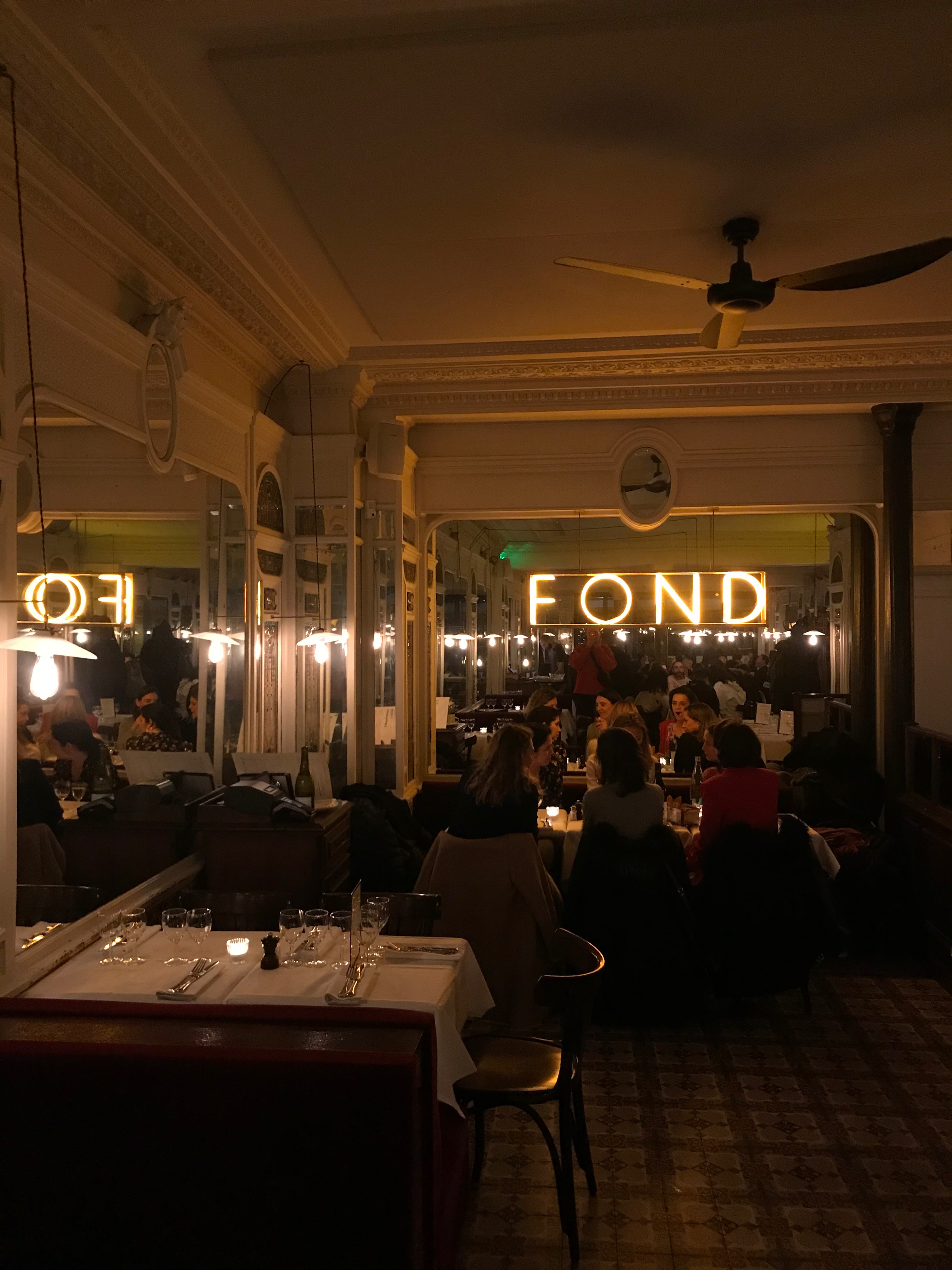
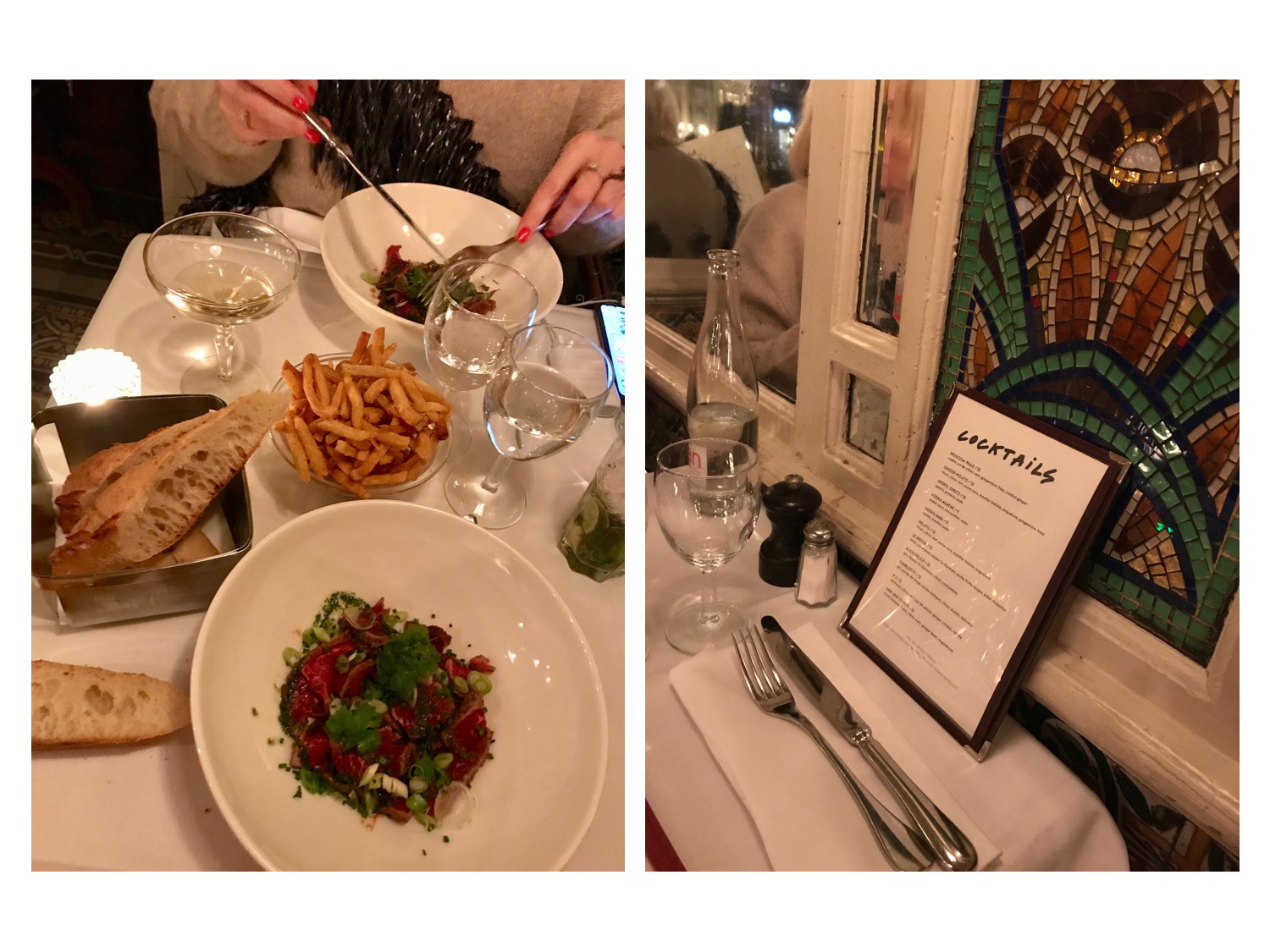
While now isn’t the moment to dine out (and restaurants are closed nearly everywhere for safety reasons), we can all look forward to our post-confinement lunches and brunches (at some point) in the future. Here are six spots, old and new, I enjoyed the most during my last stay in Paris.

Carbón

Located in the heart of Le Marais distict, Carbón is an ode to nature, a place where the most ancestral cooking technique in the world, fire, encounters the products of land and sea in their extreme nudity. The regularly-changing menu will surprise you with such offerings as oysers infused in coffee or different sorts of ceviche. Its contemporary decor provides a stylish backdrop whether you’re with friends (the sharing plates are perfect for a relaxed dinner) or looking for a more romantic spot. There’s also a great “secret” speakeasy bar, La Mina, hidden away downstairs serving up delicious craft cocktails.

14 Rue Charlot

Le Moulin De La Vierge

You could easily assume that Le Moulin de la Vierge is simply a typical neighbourhood bakery in the sleepy 15th district, however it’s much, much more. The owner is dedicated to preserving the art nouveau architecture of each of his close-to-each-other patisserie stores. The décor is reminiscent of a 19th century Parisian boutique the pastries are so, so delicious (especially chocolate croissants). You might also be tempted to taste one of the numerous pastries like the exquisite éclairs or the mouth-watering tarts. Mille-feuille lovers will also find happiness.

10 Place des Petits Pères
La Belle Epoque

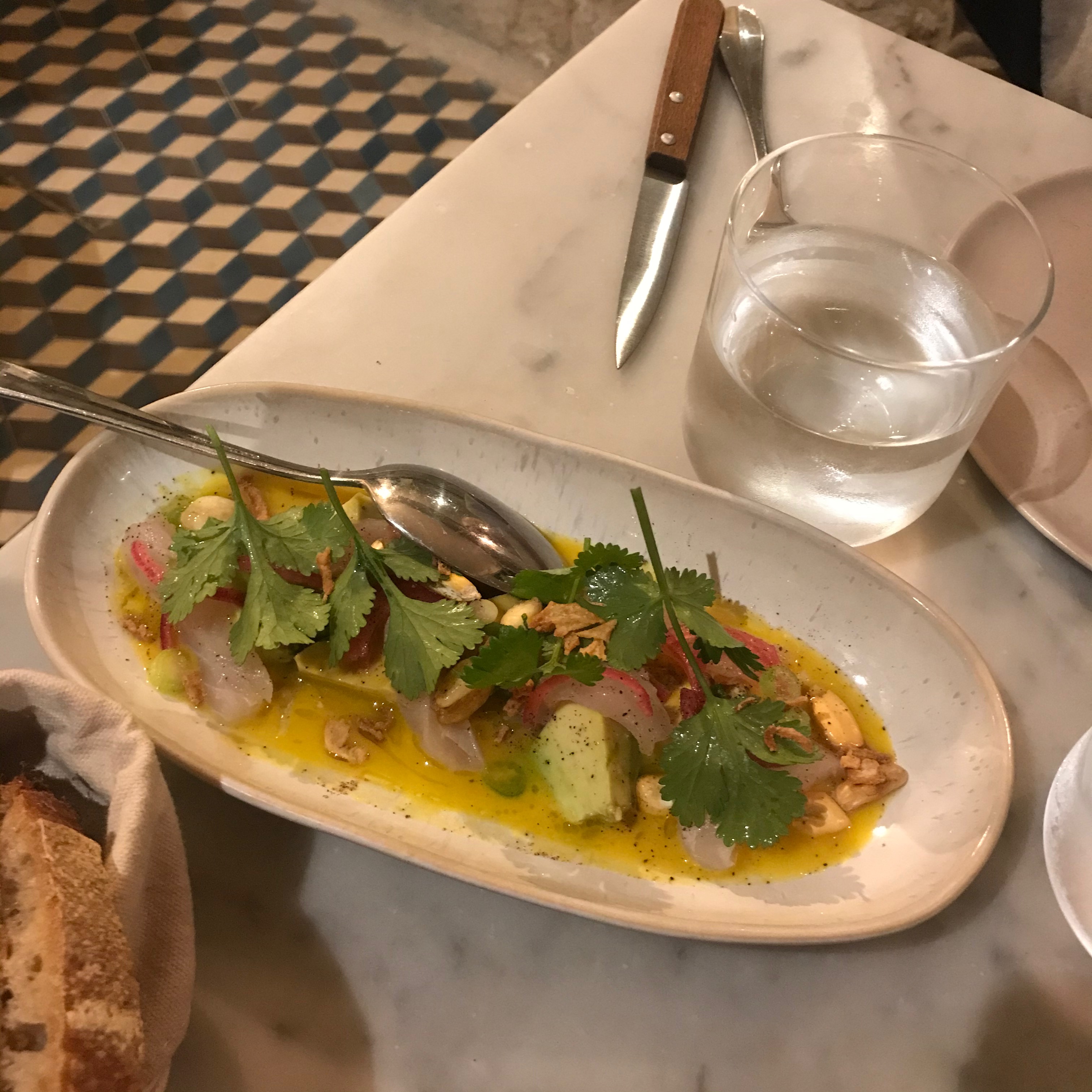
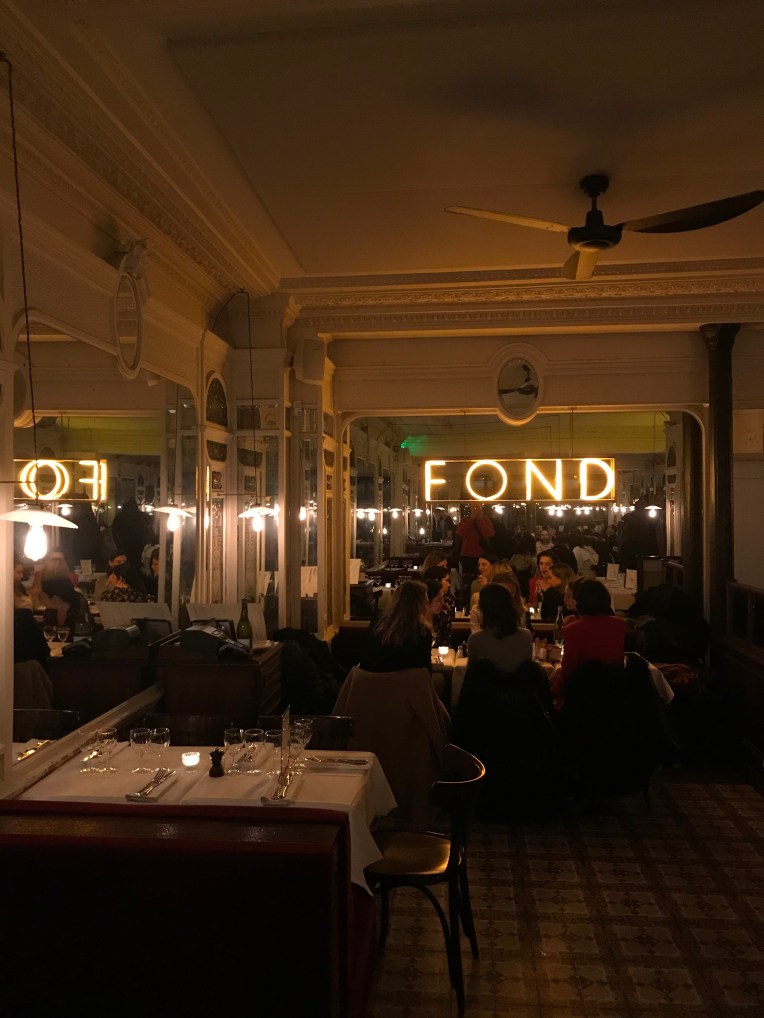
This upscale and mundane dining room that seems to have existed since forever has imposed itself as “the” must-go hangout for the chic, Parisian crowd. A wired atmosphere, a super discrete decor with an elegant 19th century tiling… here is the ideal place to show up with friends and nibble on trendy vintage dishes (leek in vinaigrette sauce, veal chops, ceviche and French style burgers, for a good example).

36 Rue des Petits Champs
Mara by Caché

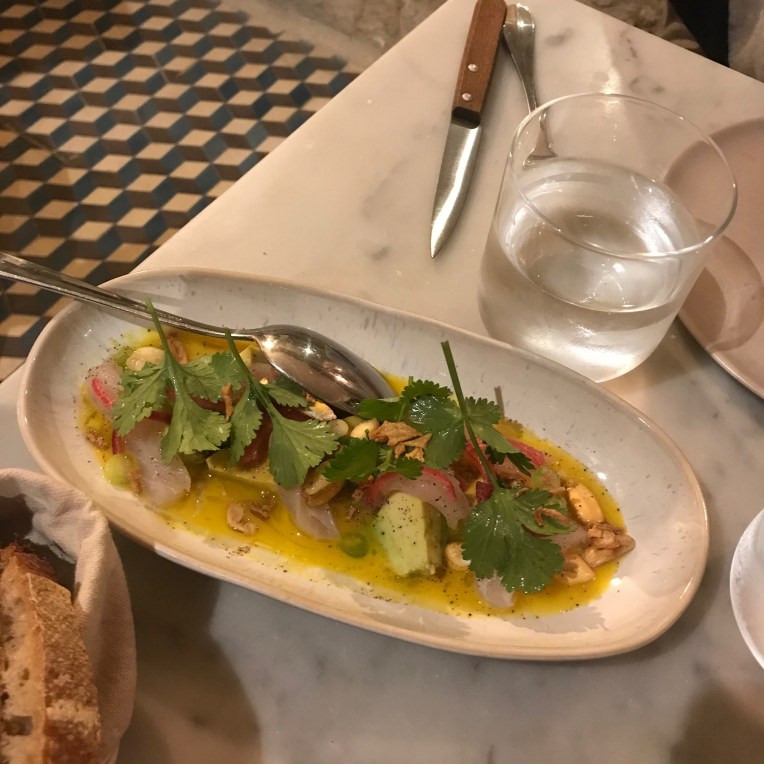
Charming dining spot in Le Marais that celebrates contemporary Mediterranean cuisine. The sharing menu has a lovely selection of raw fish (seriole carpaccio served in mango sauce, sea bream ceviche with citrus fruits…), shellfish and crustaceans, but also gourmet desserts (including rousquille, a Catalan dessert served with nougat ice cream and chocolate sauce ). All accompanied by a superb selection of niche, natural wines.

27 Rue de Saintonge

Oursin

If you’re missing the sun and the sea, head to the second floor of Galeries Lafayette Champs-Elysées, where Simon Porte Jacquemus has opened Oursin in collaboration with Caviar Kaspia. After Citron, his sunny café located just a floor below, the darling of the fashion world continues telling Provençal stories in an atmosphere that’s dripping with la dolce vita: whitewashed walls, ecru banquettes, braided wicker chairs, beautiful ceramics, draping ivy, Italian melodies… In the kitchen, you’ll find chef Erica Archambault sending out southern dishes: delicious fried artichokes with Greek yogurt and lemon zest; incredibly tender grilled octopus with cherry tomatoes, potatoes and a tomato sauce with capers – all sponged up with squid ink bread; plus an incredible chocolate ganache with yogurt sorbet and blueberries for dessert. The plates – all hand-made by Daphne Leon – are as good as the food.

60 Avenue des Champs-Élysées

Le Costes

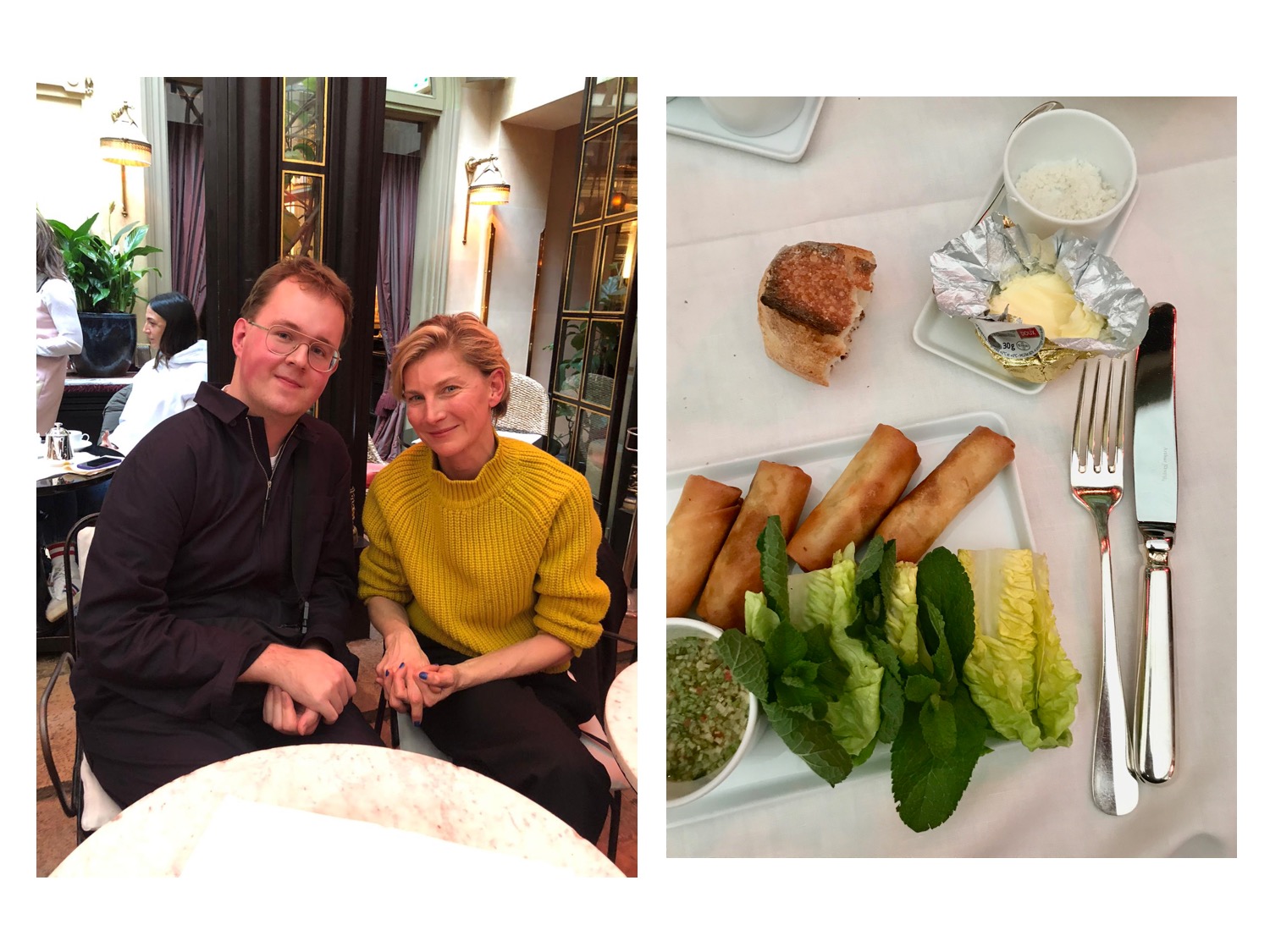
This place is old and really well-known, but still, no other restaurant has reached the level of cool chic that Le Costes does so effortlessly for years. The opulent Second Empire décor designed by Jacques Garcia that’s a cross between a brothel and a trip to Egypt, with a lineup that brings together the fashion crowd (especially during fashion week. We were sitting next to @ireneisgood and System’s Elizabeth Von Guttman – and we had a very lovely chat…). The cuisine here is properly eclectic. The menu shifts between healthy options (a  avocado/olive oil/lemon tartine, fresh bass tartare…) and fusion dishes (crispy chicken spring rolls – they are the best – and Thai-style marinated steak) to updated classics: a beautiful Niçoise salad upgraded to include flash-seared fresh tuna or a delightful chicken breast served with fries. Take the divine pavlova with red berries and voluptuous meringue for dessert.

239-241 rue Saint-Honoré

/

All photos by Edward Kanarecki.

(P.S. If you are inspired by my Parisian coverage, I’m really happy about, but please have in mind that now isn’t a safe time for any sorts of travelling. Stay at home!)

Alaïa and Balenciaga, the Sculptors of Shape (and more Alaïa!)

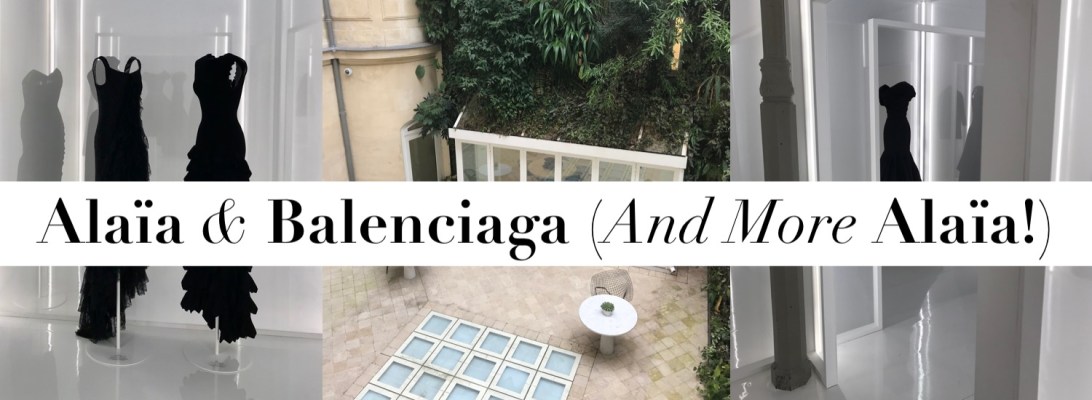
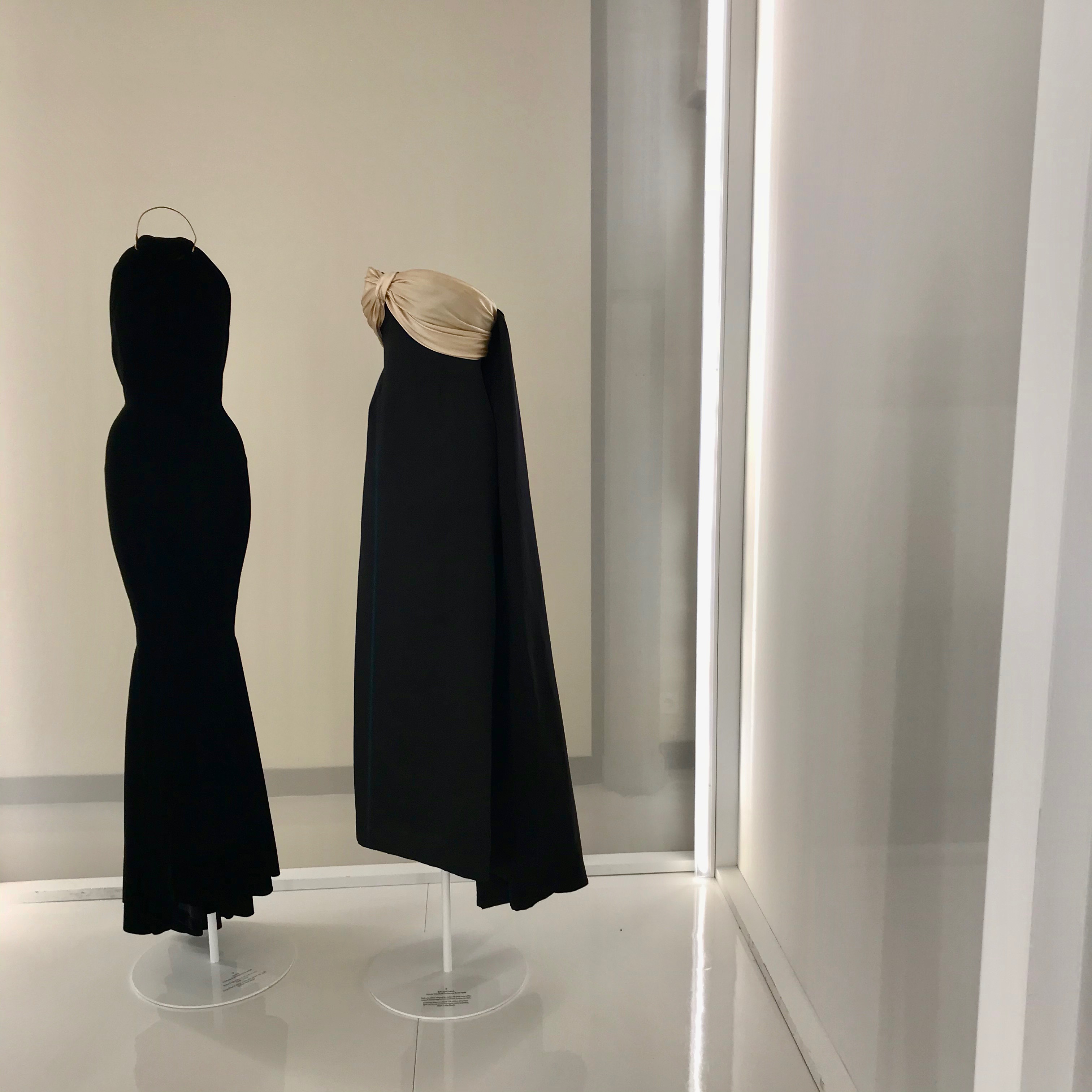
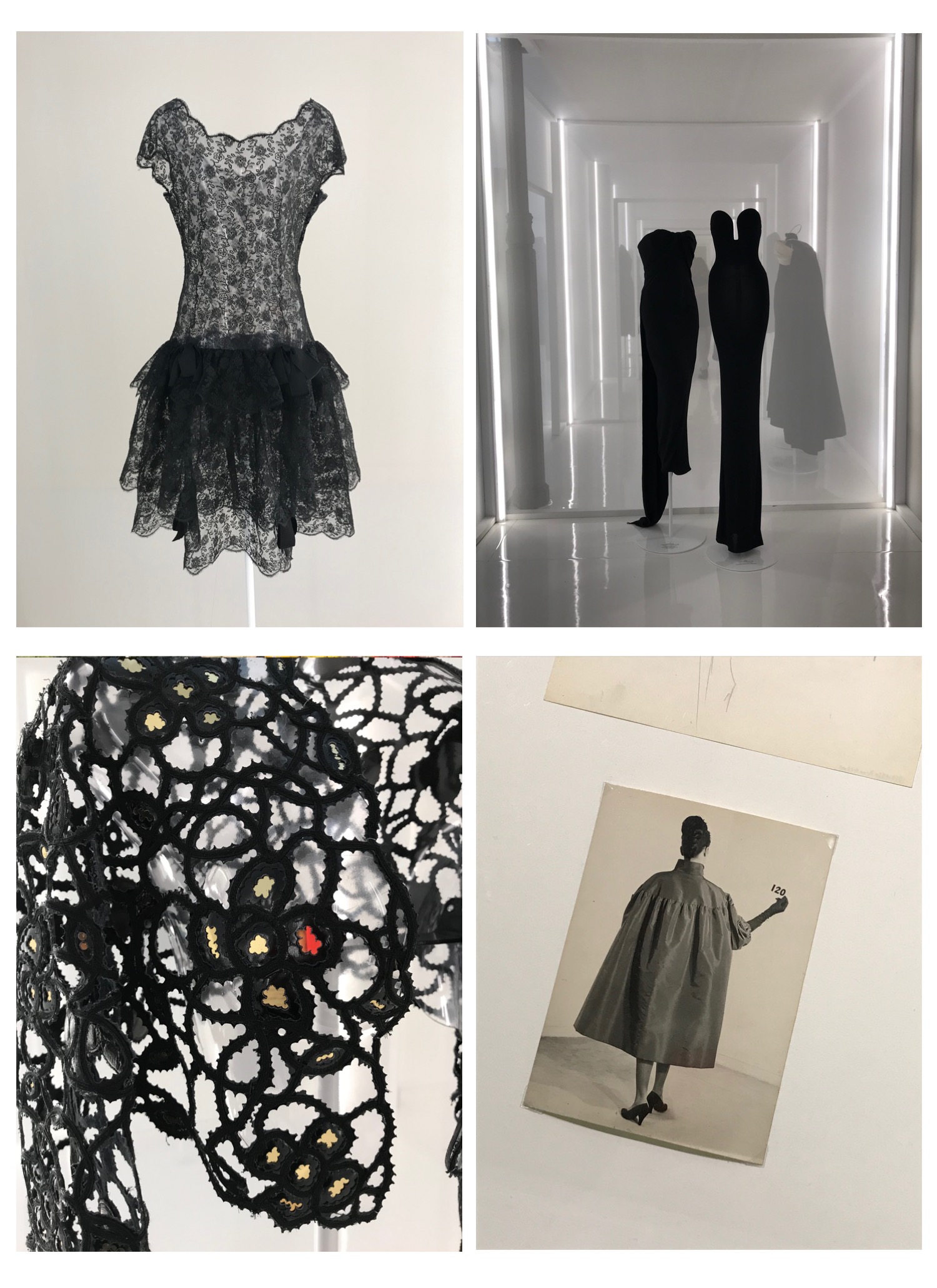
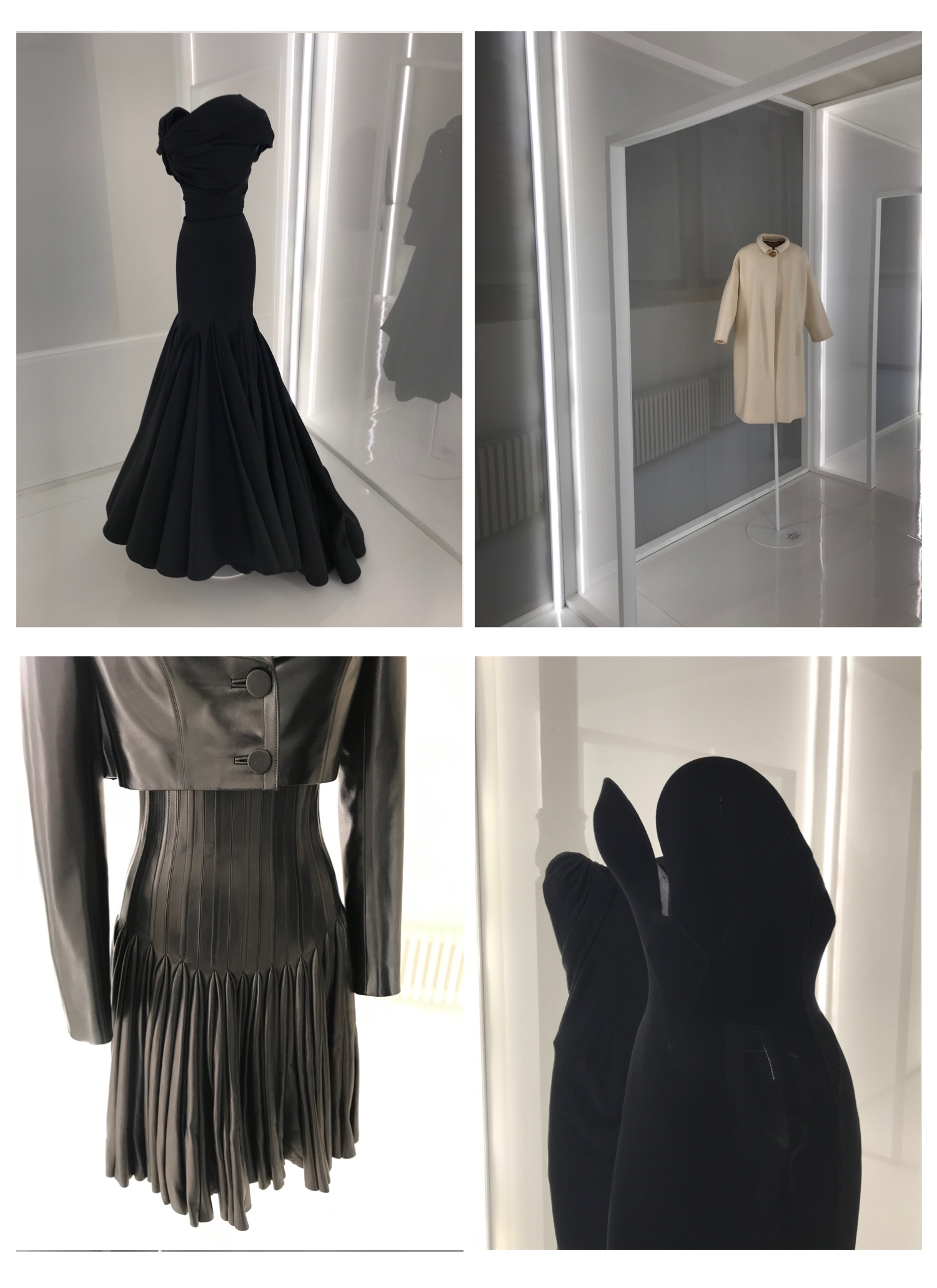
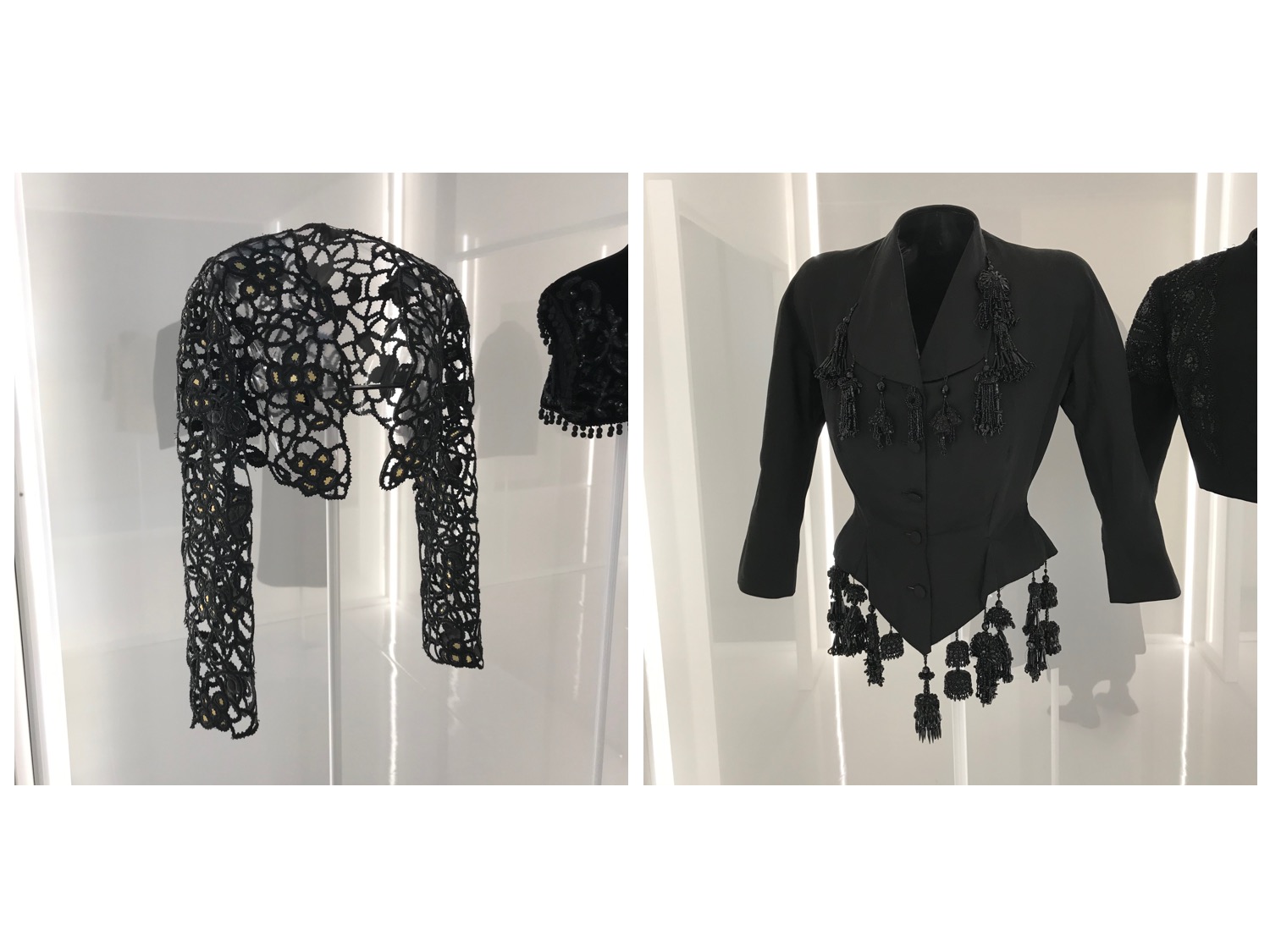
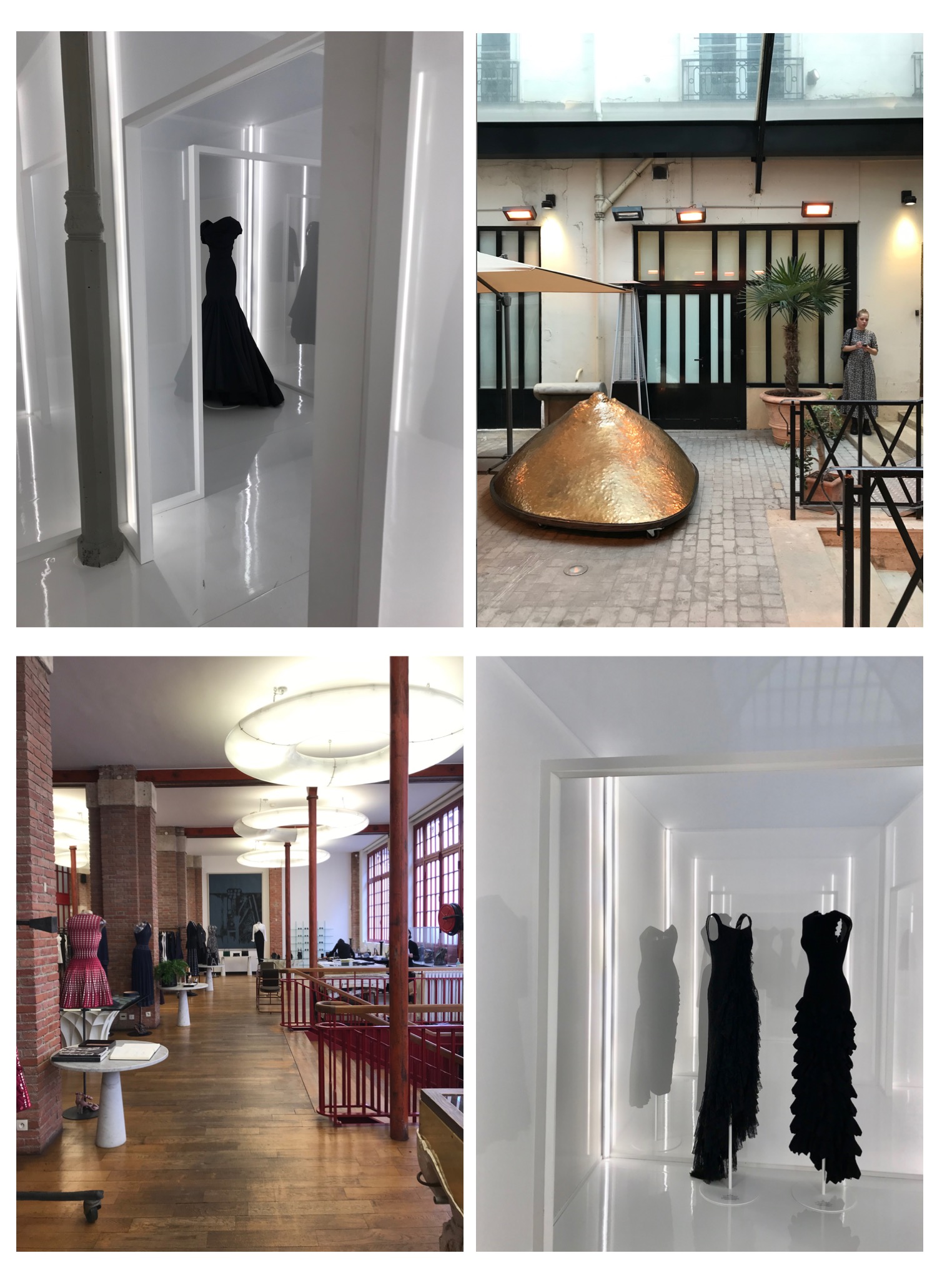
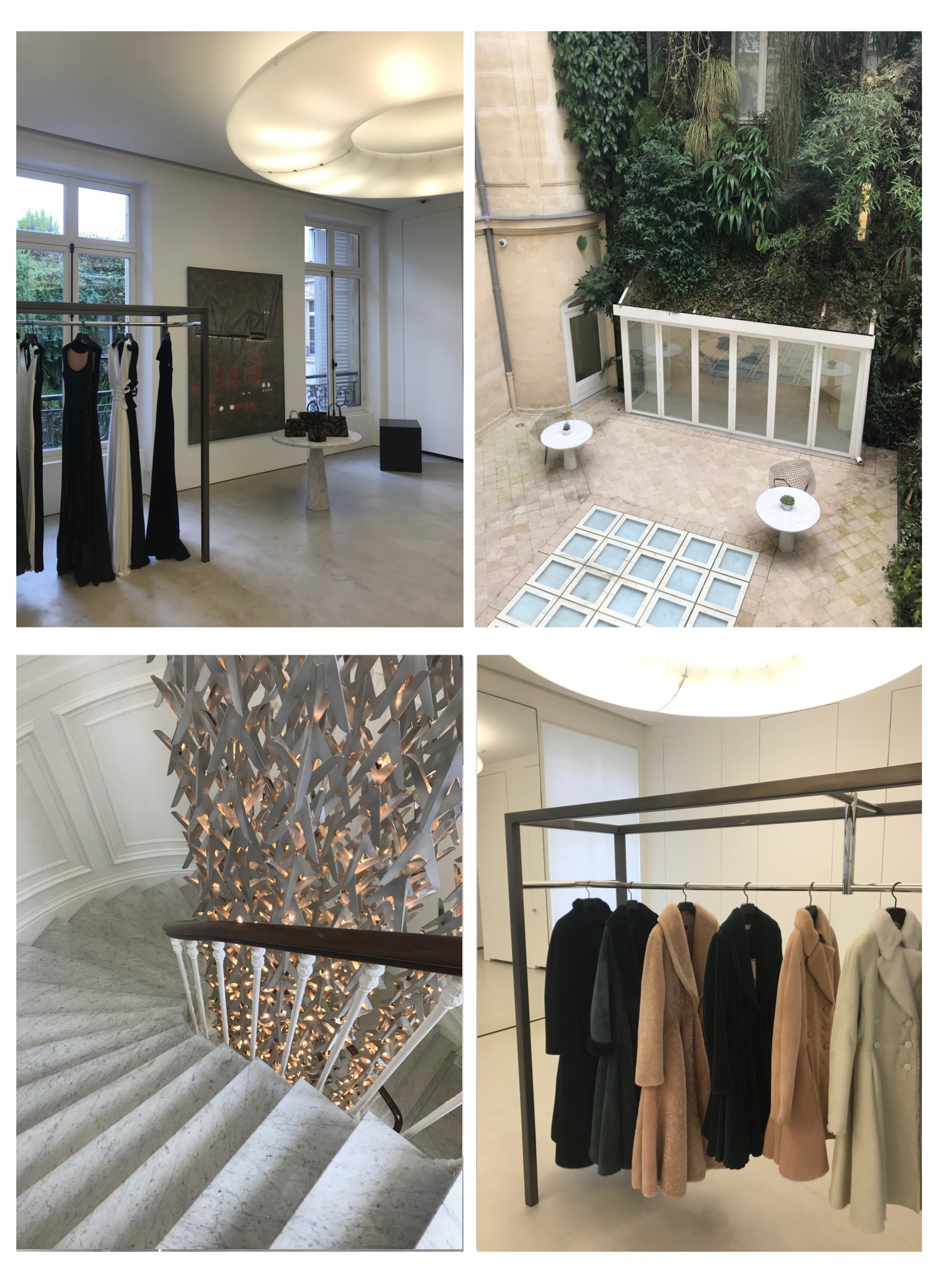
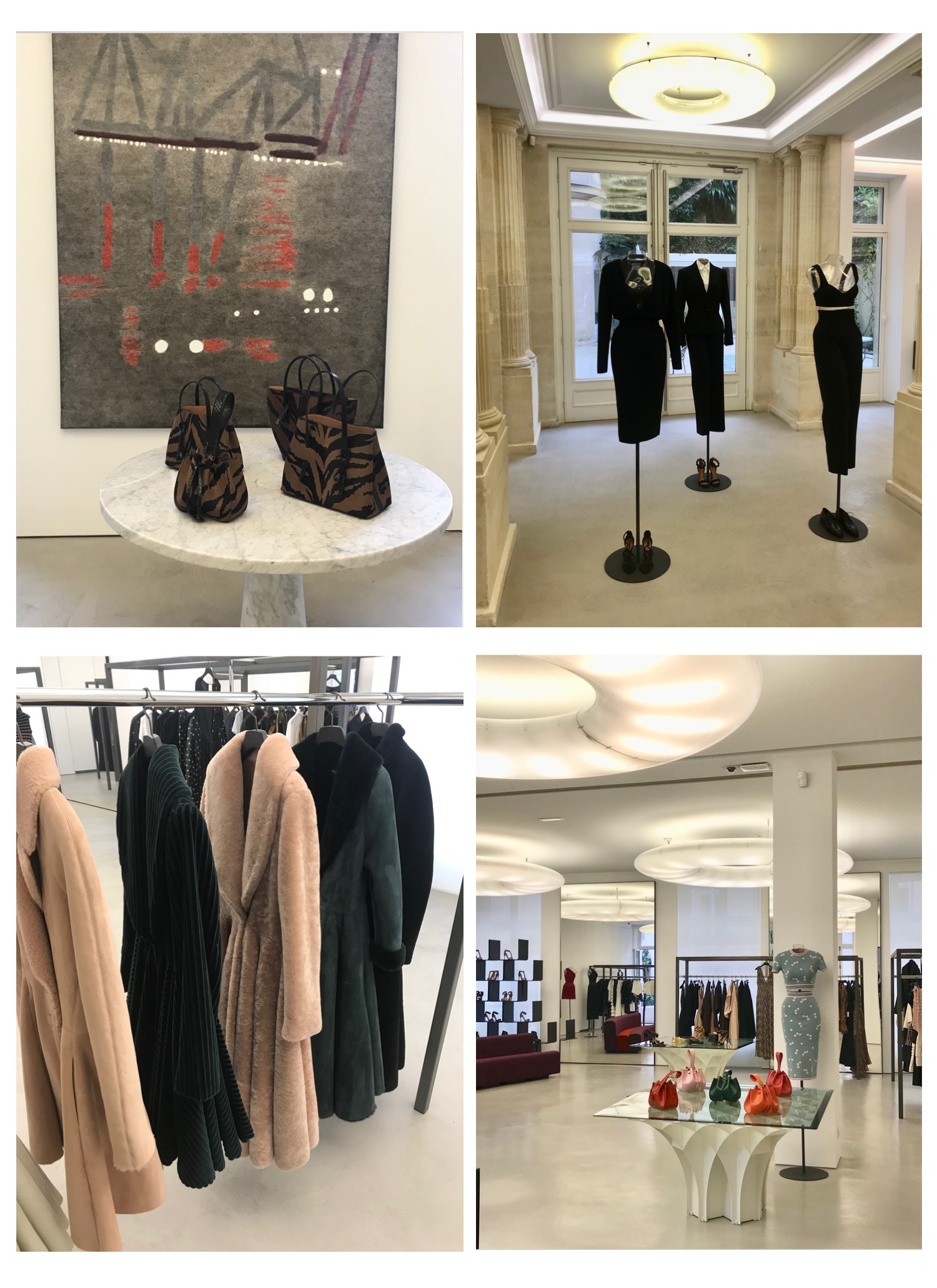
In 1968, as Cristóbal Balenciaga was preparing to close his eponymous fashion house, a young Azzedine Alaïa – already designing for private clients from his small apartment – received a phone call from Mademoiselle Renée, Balenciaga’s then-vice general director. She was concerned about the future of the Spanish couturier’s archive of gowns and unused fabrics and invited Alaïa to the maison to help himself to what was left, hoping he might re-cut and re-purpose the garments and cloth to give them new life. “That’s how his obsession for collecting fashion began,” says fashion curator and historian Olivier Saillard. “He was so moved seeing all those pieces that, instead of reworking them, he decided to keep them intact.” Saillard – who works closely with Carla Sozzani and Alaïa’s partner, the painter Christoph von Weyhe, to manage the late designer’s foundation, Association Azzedine Alaïa – has curated a new exhibition “Alaïa and Balenciaga, Sculptors of Shape” which runs until June 28 (temporarily closed now due to the coronavirus epidemy) at Galerie Azzedine Alaïa in Paris. Conceived as a sort of pristine white labyrinth, the exhibition sees pieces from both designers mirror one another without ever getting too physically close, reflecting the fact that the two couturiers never met in person. And, though Saillard might have been behind the exhibition’s content and design, he is quick to insist that the exhibition was not his own idea – rather that of another famed Parisian couturier, Hubert de Givenchy. “He came to see us in 2018, approximately six months after Azzedine’s death and, at 90 years old, completely blew us away with his old-school charm. He wanted to show the work of both designers at the Cristóbal Balenciaga Museum in the Spanish city of Getaria,” Saillard informs in the press notes. “Unfortunately, he died two weeks after that first meeting.” The curator then became in charge of fostering Givenchy’s idea, and the exhibition will eventually make its way to Getaria this summer. Identifying all the Balenciaga pieces in Alaïa’s collection was no easy feat. “Nothing was really archived, but we ended up finding more than 500 items,” remembers Saillard. “Then we compared them to Azzedine’s own work. That’s when I realised the extent of the Spanish master’s influence on him. Most of all, I think Azzedine always strived to equal Cristóbal’s technical virtuosity.” Did he succeed? “Well, there are very few 20th-century designers that mastered every step of the creative process, from drawing to cutting, sewing and assembling a garment, and they both did it. So yes.” Here are some photos I took inside this divine exhibition – partially located in the Galerie, partially over Alaïa’s boutique-slash-studio on rue de Moussy – but to really feel that mastership of cut and every single detail, these garments should be seen in real life. Here’s my post on one of the previous exhibitions presented here in case you’ve missed it: “Adrian and Alaïa. The Art of Tailoiring.”

Galerie Azzedine Alaïa / 18 rue de la Verrerie

Azzedine Alaïa Boutique & Studio / 7 rue de Moussy

And now we’re jumping from Le Marais district to rue de Marignan (located near the posh Avenue Montaigne), where Alaïa’s second Paris flagship store is located. I’ve been there a few years ago after its opening, and now I was surprised to see that more floors are open to the clients. Here you will find the brand’s current collections (designed by Alaïa’s studio), as well as re-editions of some of the most cult Azzedine designs and motifs. Fact check: no other brand in Paris does as refined eveningwear as Alaïa’s maison. Oh, and shearling coats. When I saw that rack, my heart skipped a beat. Going to this store feels like a continuation of the exhibition tour, but this time you can try it all on and, if your wallet is a magic well, buy it. Never enough of Alaïa!

Azzedine Alaïa Boutique / 5 rue de Marignan

All photos by Edward Kanarecki.

(P.S. If you are inspired by my Parisian coverage, I’m really happy about, but please have in mind that now isn’t a safe time for any sorts of travelling. Stay at home!)
Saint Laurent Rive Droite

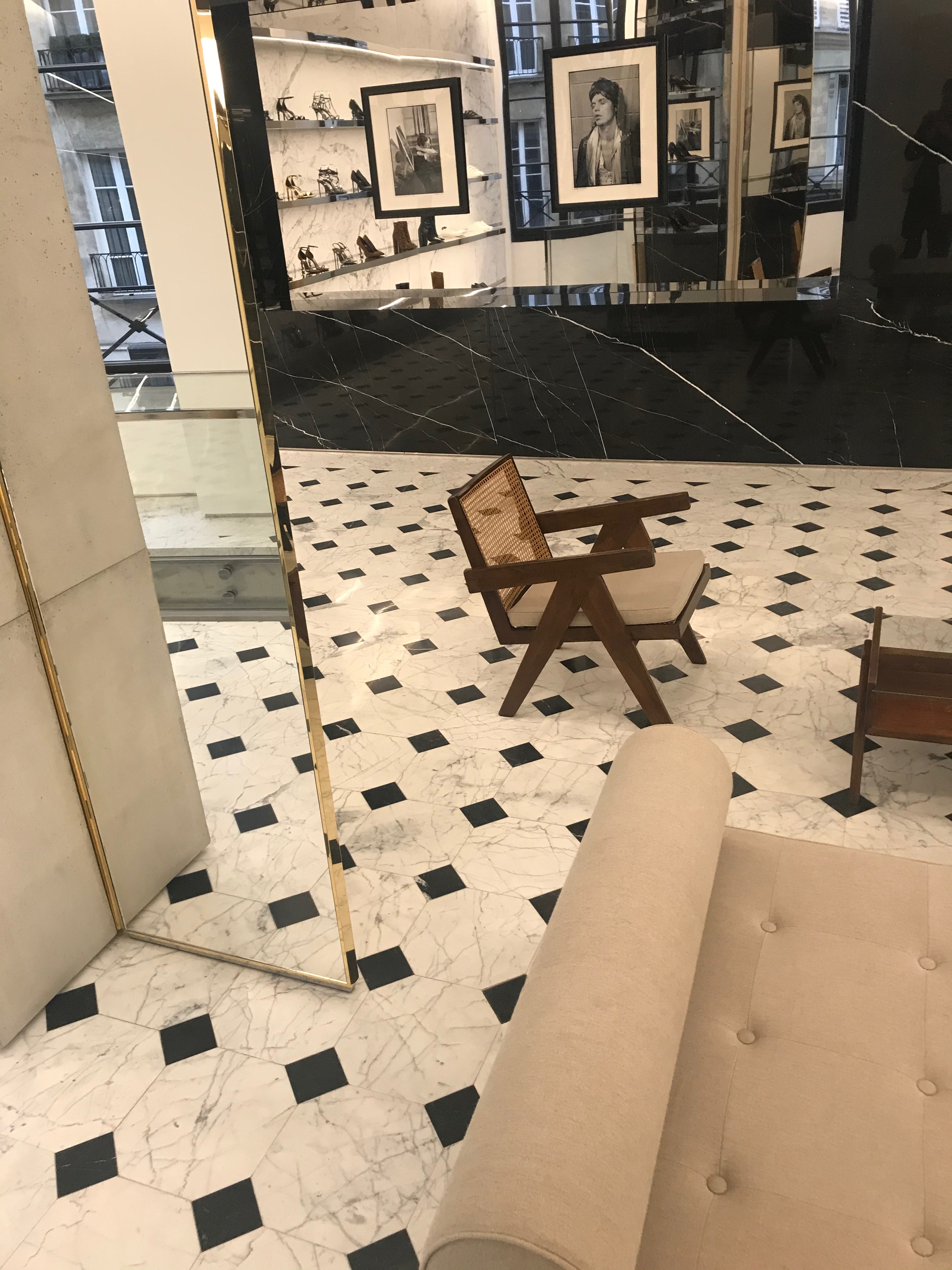
The place where the Colette once used to be, now is the location for Saint Laurent Rive Droite. Thought up as a retail destination, it’s the concept store curated by Saint Laurent’s creative director Anthony Vaccarello. The Rive Droite name takes its inspiration from Saint Laurent’s Rive Gauche, the line that introduced Yves’s unique way of combining prêt-à-porter and luxury fashion with the opening of his first boutique in Paris back in 1966. The store space is built around the idea of a cultural experience, showcased through different events such as exhibitions, performances and artistic exchanges. The products on sale are also exclusive to the space, offering rare books, vintage record players, condoms, skate-boards and toy cars. I went there to see what all the buzz is about. It’s a chic store, filled with French design classics and gorgeous clothes, that’s for sure. But then, it feels like another YSL store. So when I read that “it’s better than Colette”… well, it’s definitely not.

213 rue saint Honoré

All photos by Edward Kanarecki.

(P.S. If you are inspired by my Parisian coverage, I’m really happy about, but please have in mind that now isn’t a safe time for any sorts of travelling. Stay at home!)

Atelier Brancusi

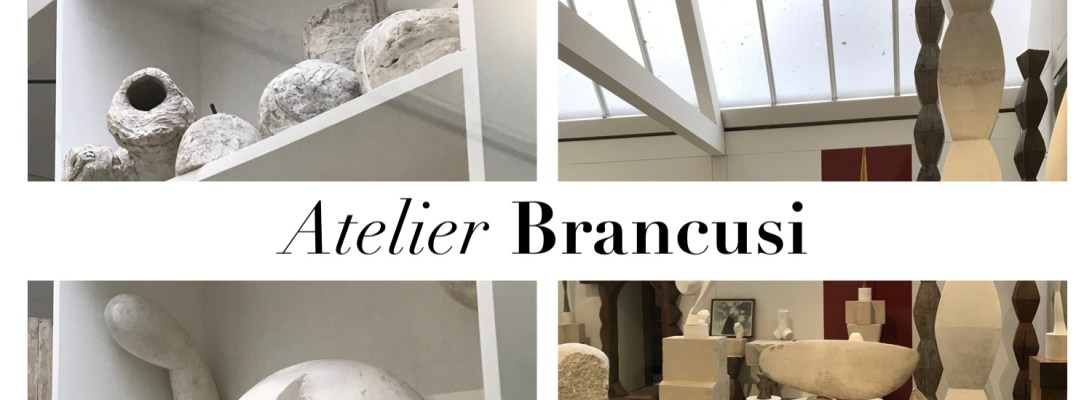
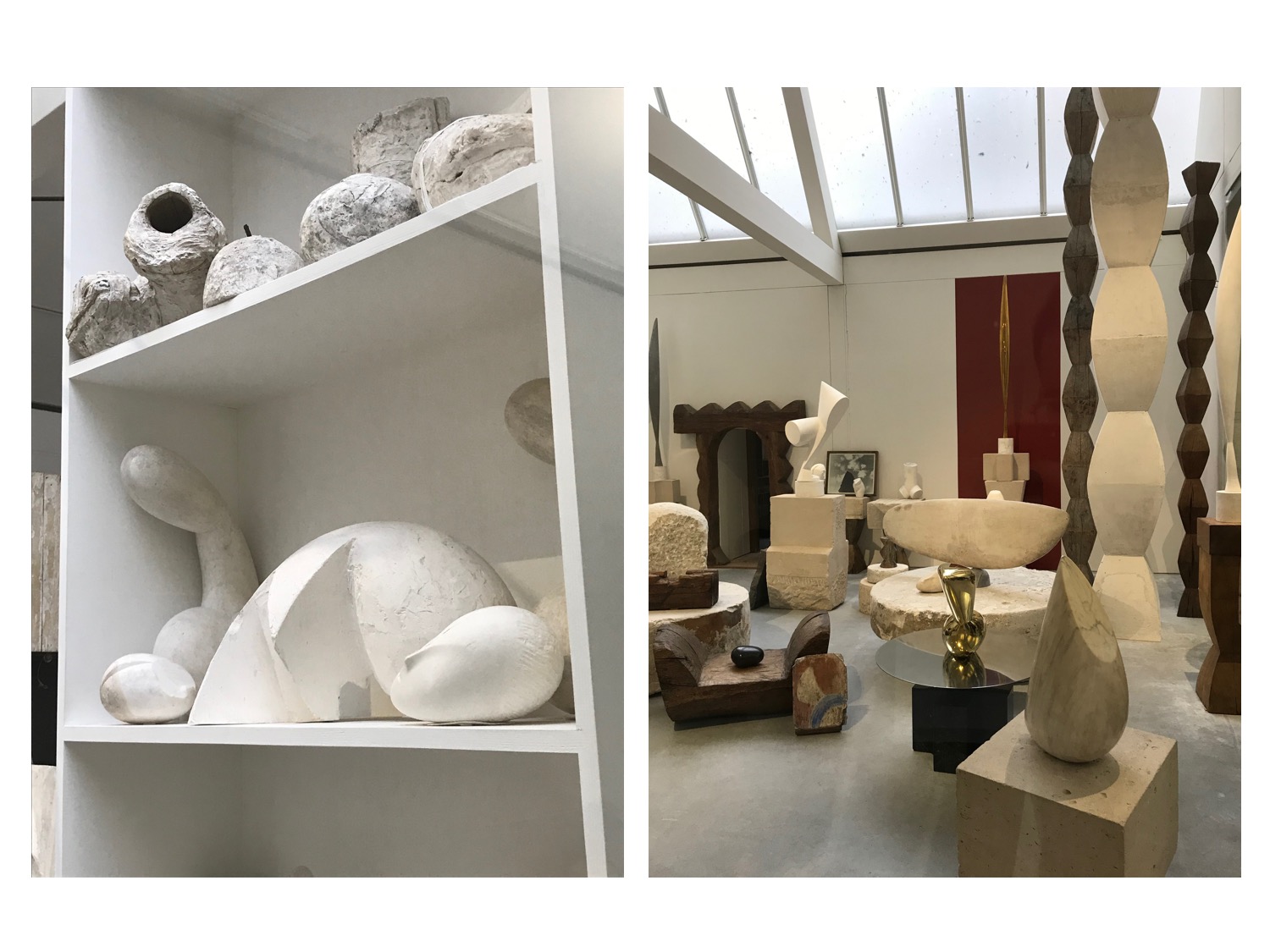
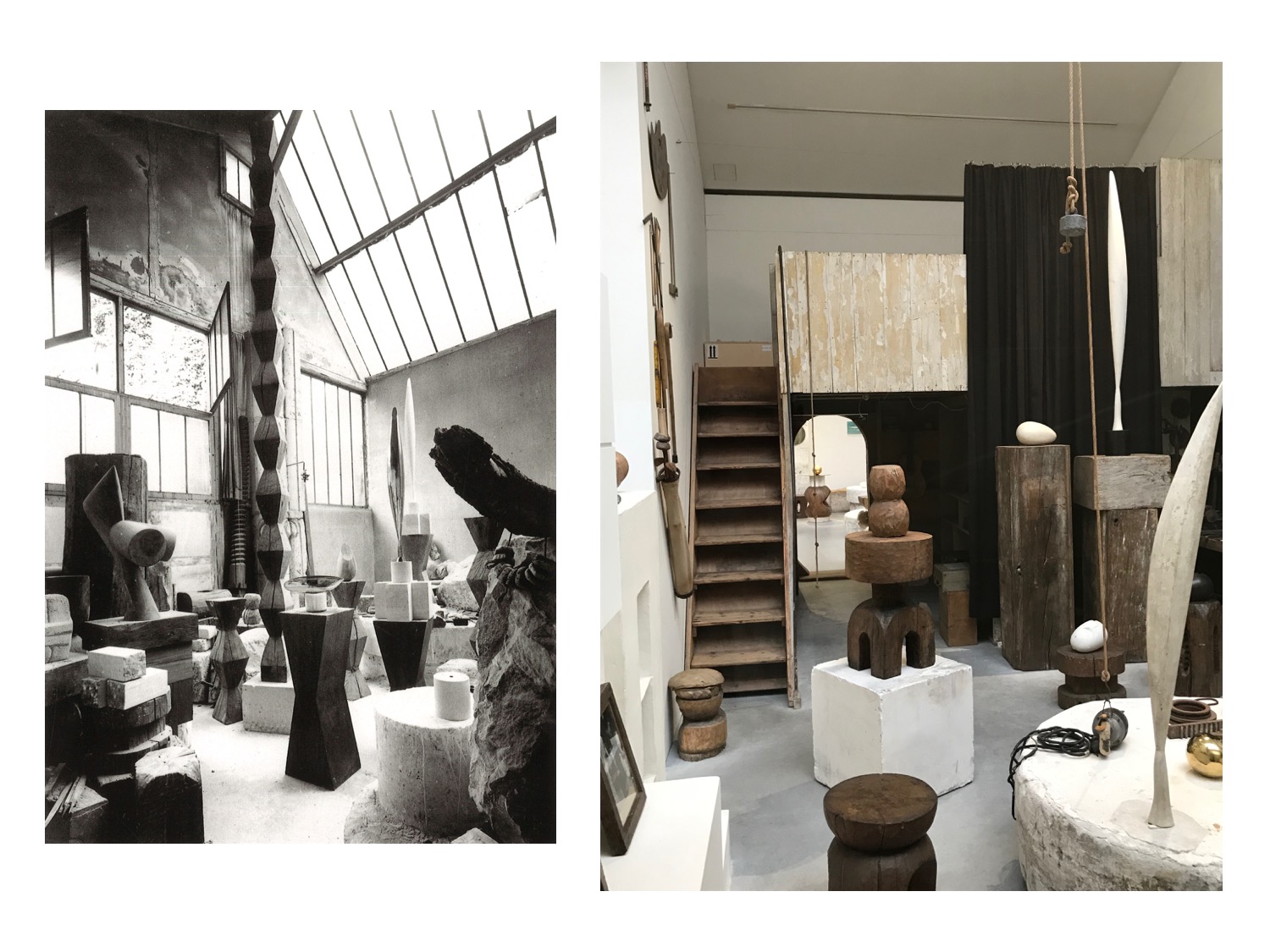
This place was on my “must see” list for a while. Finally, I visited Centre Pompidou’s Atelier Brancusi – a standalone pavillon dedicated to Constantin Brancusi‘s work. Born in Romania in 1876, Brancusi lived and worked in Paris from 1904 until his death in 1957, and this is where he produced most of his forever-inspiring work. In his will, he bequeathed his entire studio to the French state. Brancusi considered the relationship between sculptures and the space they occupied to be of crucial importance. In the 1910s, by laying sculptures out in a close spatial relationship, he created new works within the studio which he called “mobile groups“, stressing the importance of the connections between the works themselves and the possibilities of each for moving around within the group. In the next decades, the studio became an exhibition space for his work, and a work of art in its own right: a body consisting of cells that all generated each other. This experience of looking from within the studio at each of the sculptures, thus perceiving a group of spatial relationships, led Brancusi to revise their positions every day to achieve the unity he felt most apposite.At the end of his life, Brancusi stopped creating sculptures and focused solely on their relationship within the studio. This proximity became so fundamental that the artist no longer wanted to exhibit, and when he sold a work, he replaced it with plaster copy so as not to destroy the unity of the group. The present reconstruction, built by the architect Renzo Piano, is presented as a museum space containing the studio. Piano’s problem lay in making the space open to the public while respecting the artist’s wishes. While the architect did not attempt to recreate the intimacy of the original, he preserved the idea of a protected, interiorised space where visitors are isolated from the street and the piazza, in particular by an enclosed garden, from which part of the studio can be seen through a glass wall. I’ve spent there about 30 minutes, trying to absorb as much as possible with my eyes. And I went out feeling as relaxed as after a lovely spa.

Photos of the exhibition by Edward Kanarecki.

(P.S. If you are inspired by my Parisian coverage, I’m really happy about, but please have in mind that now isn’t a safe time for any sorts of travelling. Stay at home!)