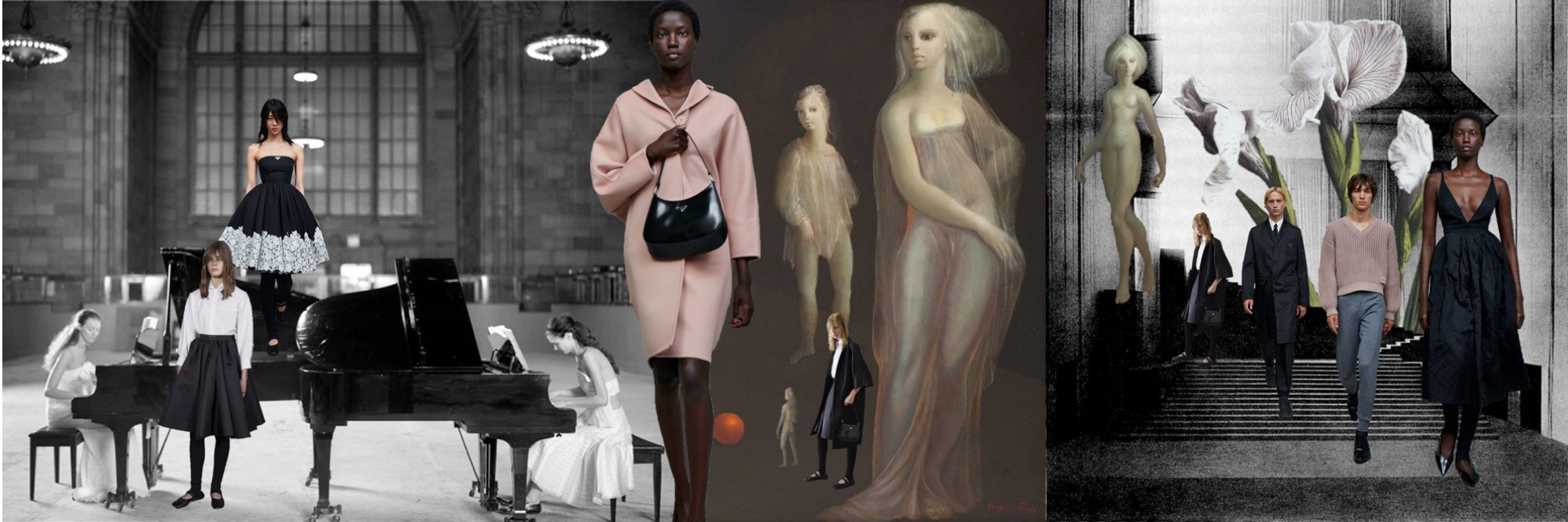
Honesty and Intelligence. Prada Resort 2021 + Men’s SS21

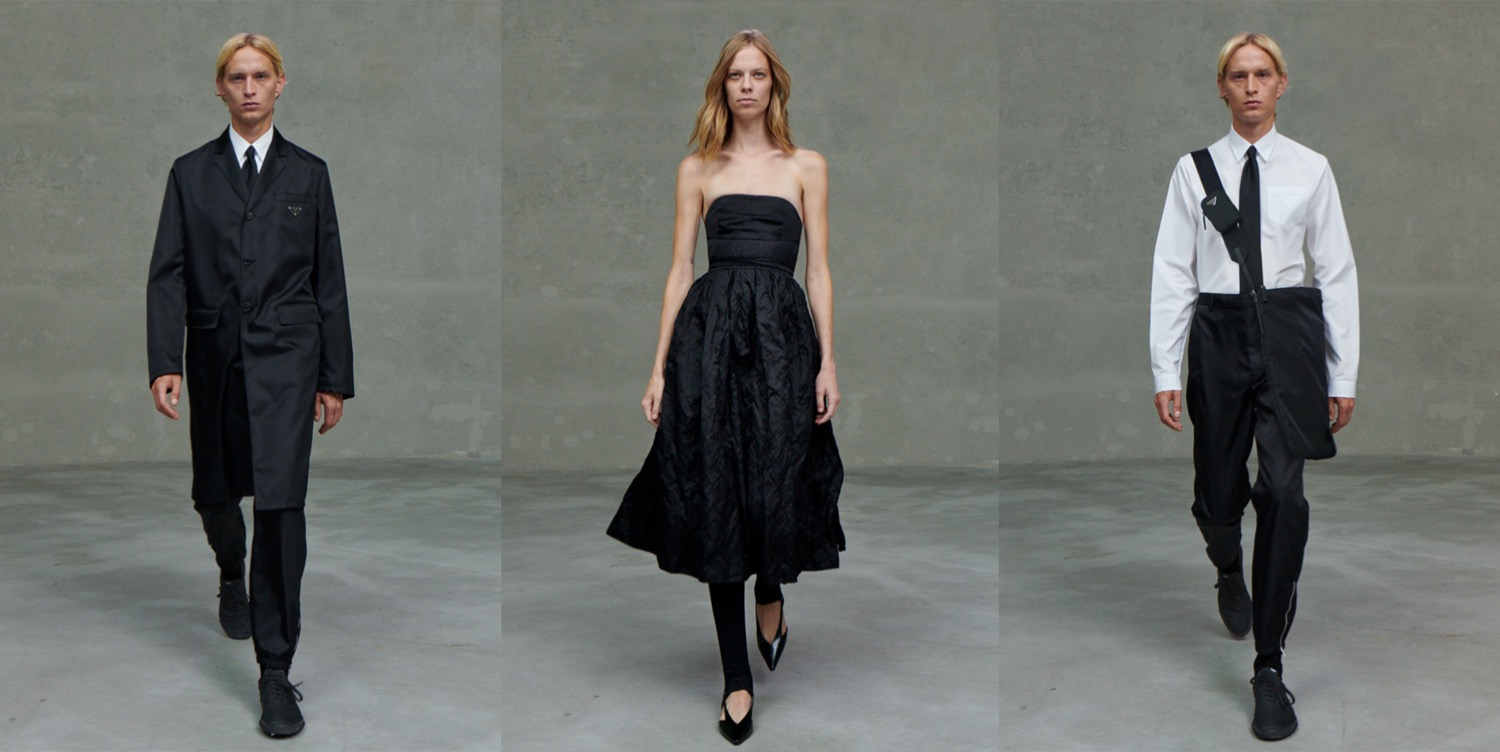
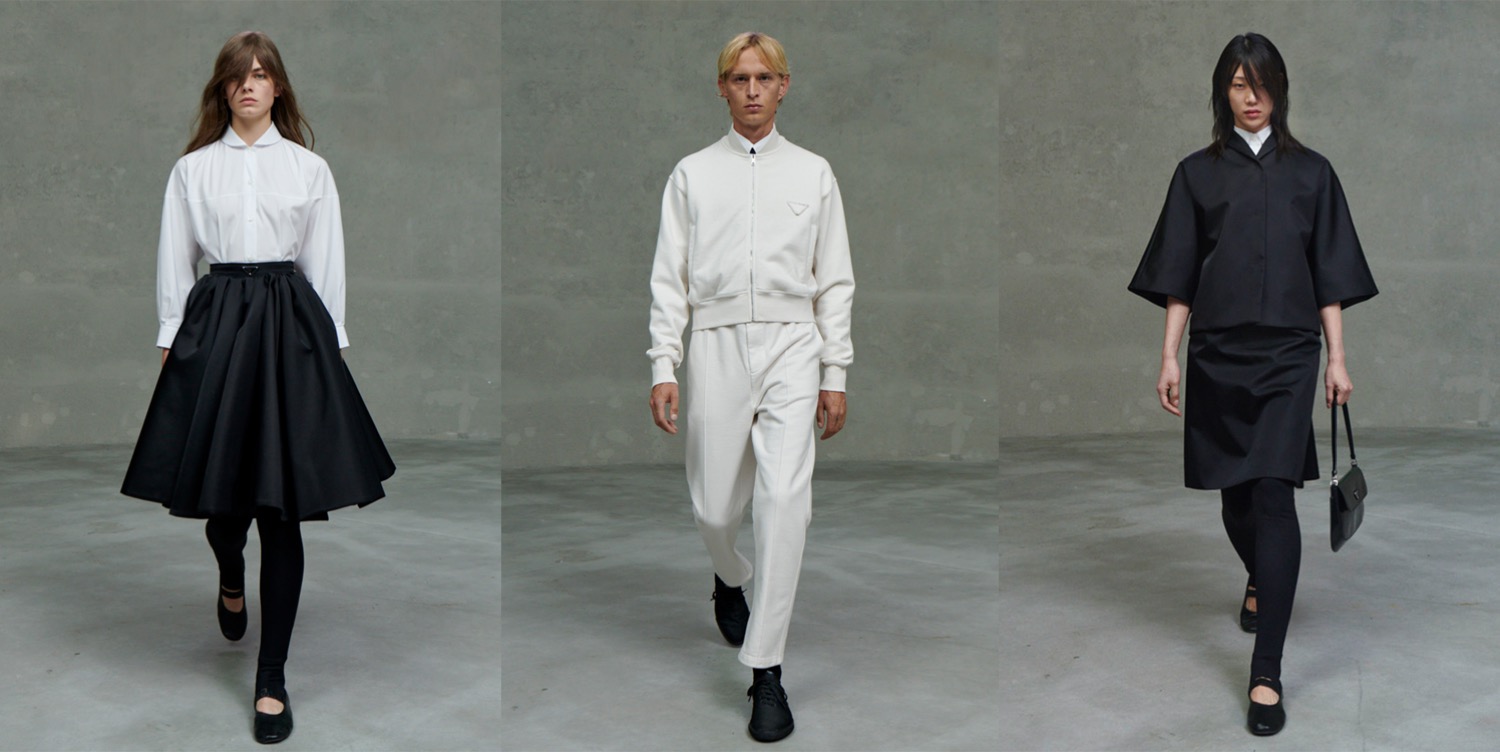
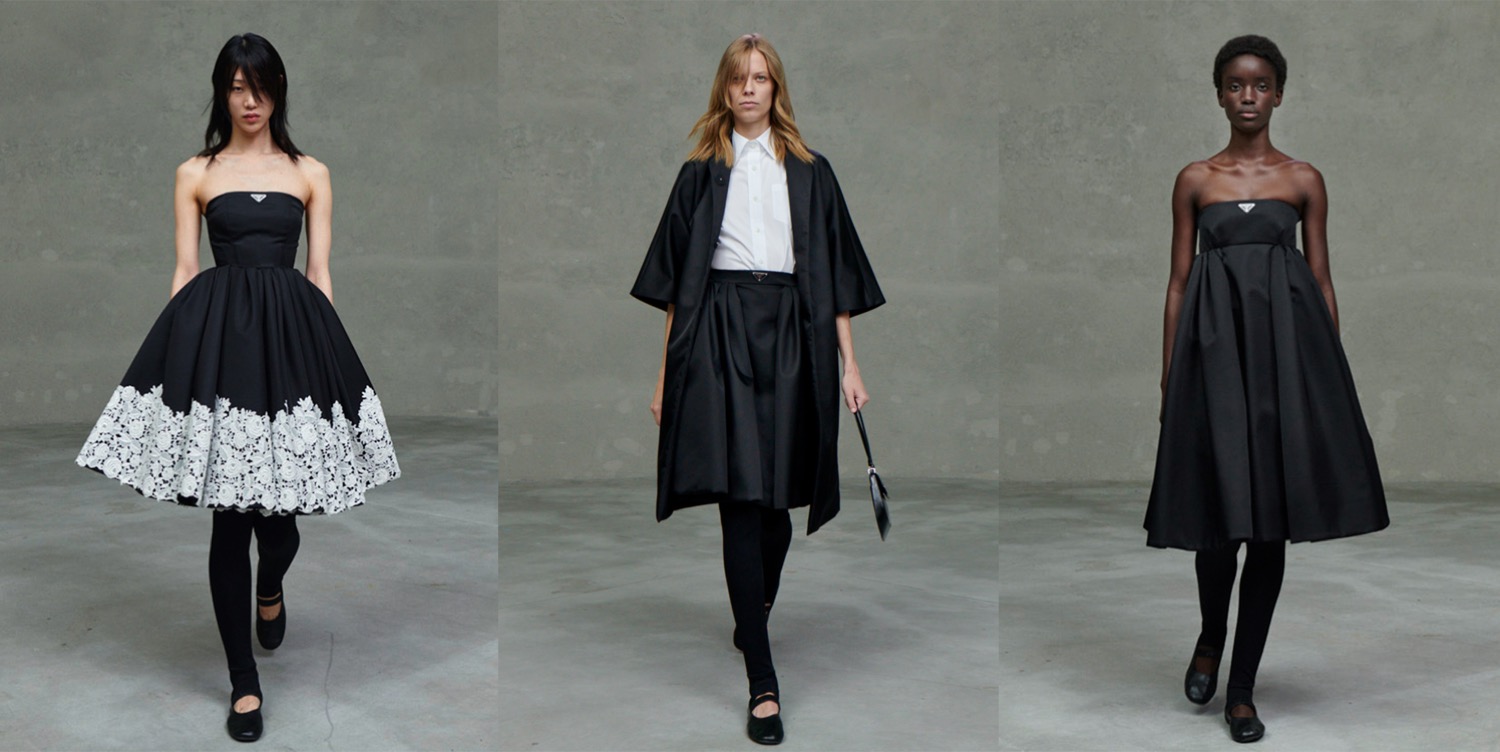
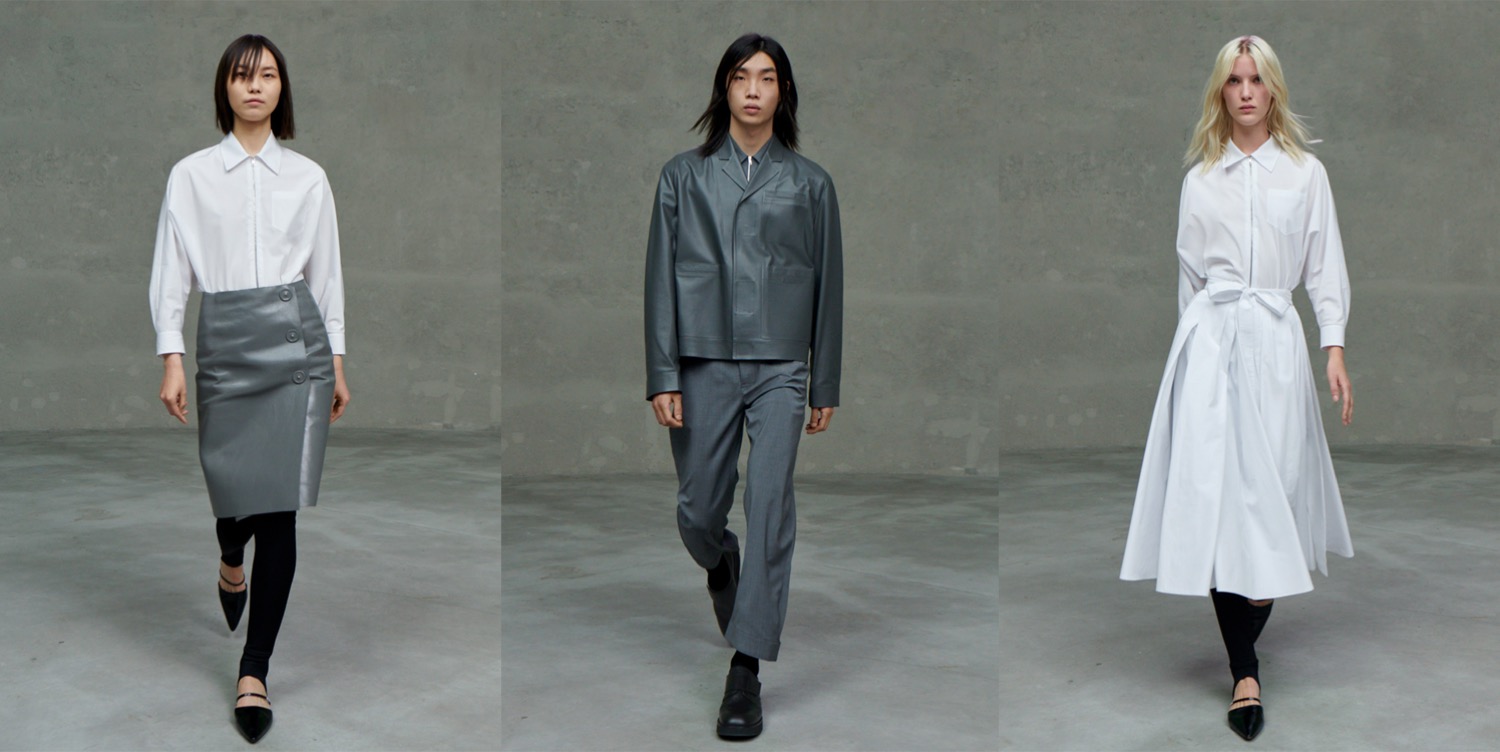
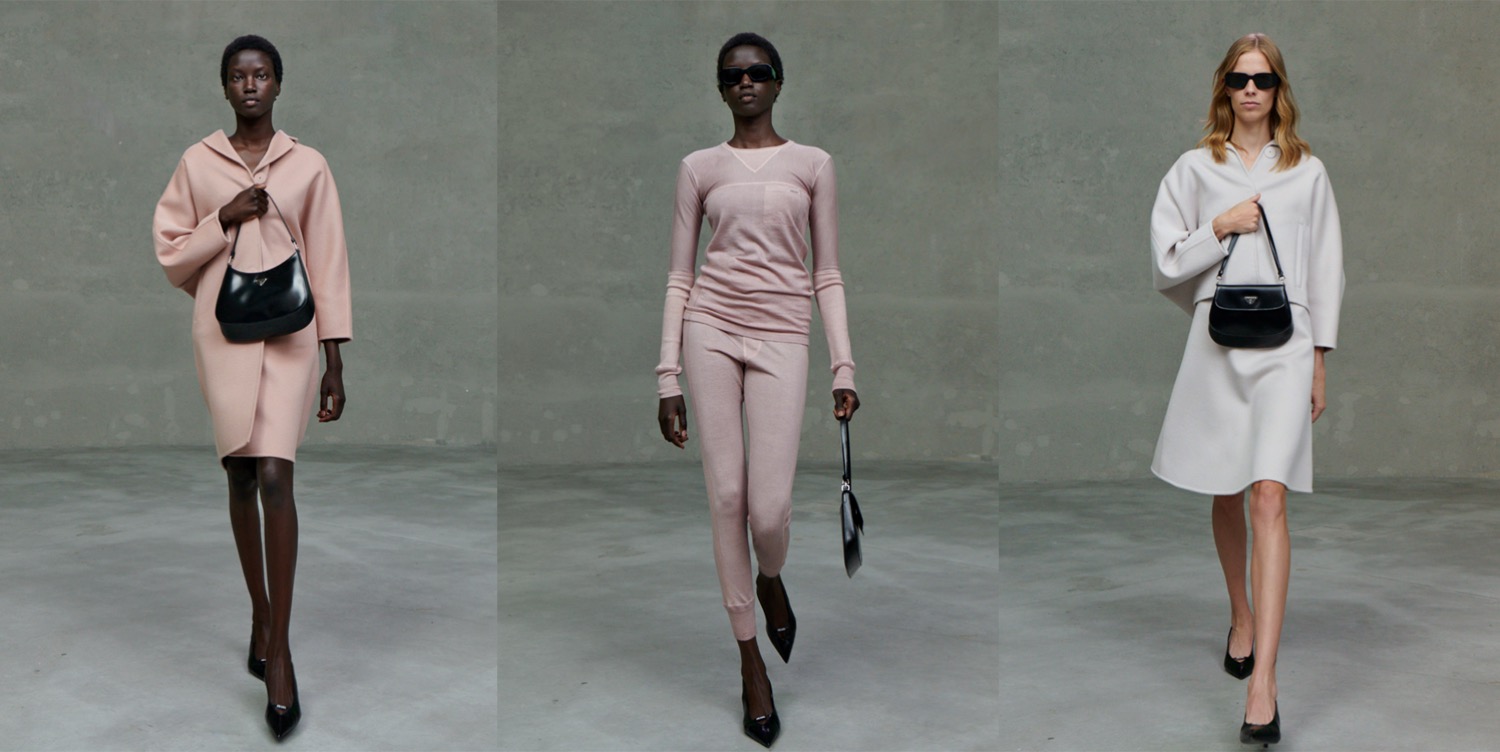
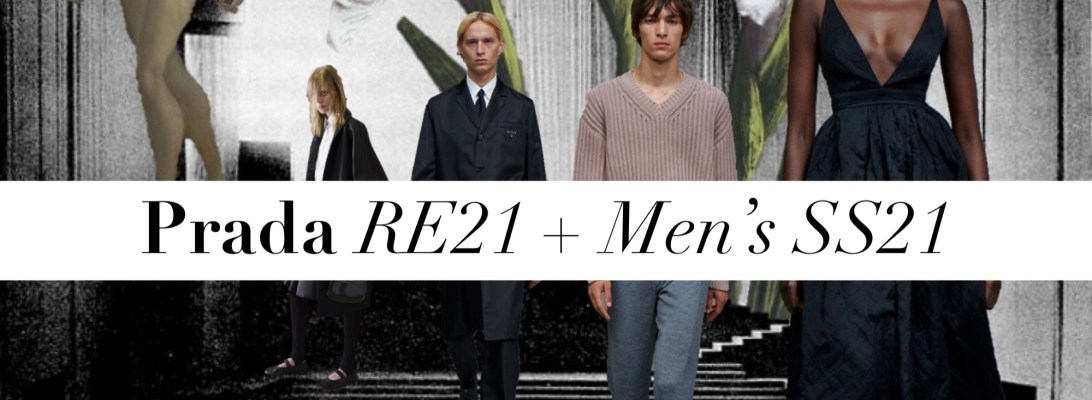
In her last solo “show”, before Raf Simons enters the role of co-creative designer in the September collection (I really, really, really can’t wait for this match to finally happen!), Miuccia Prada delivered a collection that was absolutely 100% Prada vocabulary. “As times become increasingly complex, clothes become straightforward, unostentatious, machines for living and tools for action and activity.” So said the press notes for The Show That Never Happened, which was a digitally delivered group installation of five Prada-facing films by Willy Vanderperre, Juergen Teller, Joanna Piotrowska, Martine Syms, and Terence Nance. They were all made at the Fondazione Prada, the company’s museum of contemporary art collection and the place of all Prada events. The film – which ran consecutively with the addition of a quick final walk at the end before Mrs. Prada’s usual fleeting, half-lateral bow – came to 11 minutes, the ideal duration of a live fashion show. The collection was all about pure elegance, simplicity and a sort of detox from fashion noise. Many looks were identical to Miuccia’s autumn-winter 1995 show, which forever became the image of 90s Prada. Architectural, 1950s silhouettes mixed with a touch of feminine cliché (of course, done in Prada’s ugly chic manner) for resort, and smart, business ready tailoring with a touch of nylon for men’s summer – ta-da, a collection that really got me obsessed in the last few weeks of digital presentations. The press release continued with more food for thought chez Miuccia: “I think that our job as fashion designers is to create clothes for people, that is the honesty of it. That is really the value of our job – to create beautiful, intelligent clothes. This season, we focused on that idea: It is about clothes, about giving value to pieces. The clothes are simple, but with the concept of simplicity as an antidote to useless complication. This is a moment that requires some seriousness, a moment to think and to reflect on things. What do we do, what is fashion for, what are we here for? What can fashion contribute to a community?” As Prada and her peers (plus Raf Simons, of course!) work to anticipate how change alters the specifications of taste and clothes it will be fascinating to watch the architecture of fashion change too.
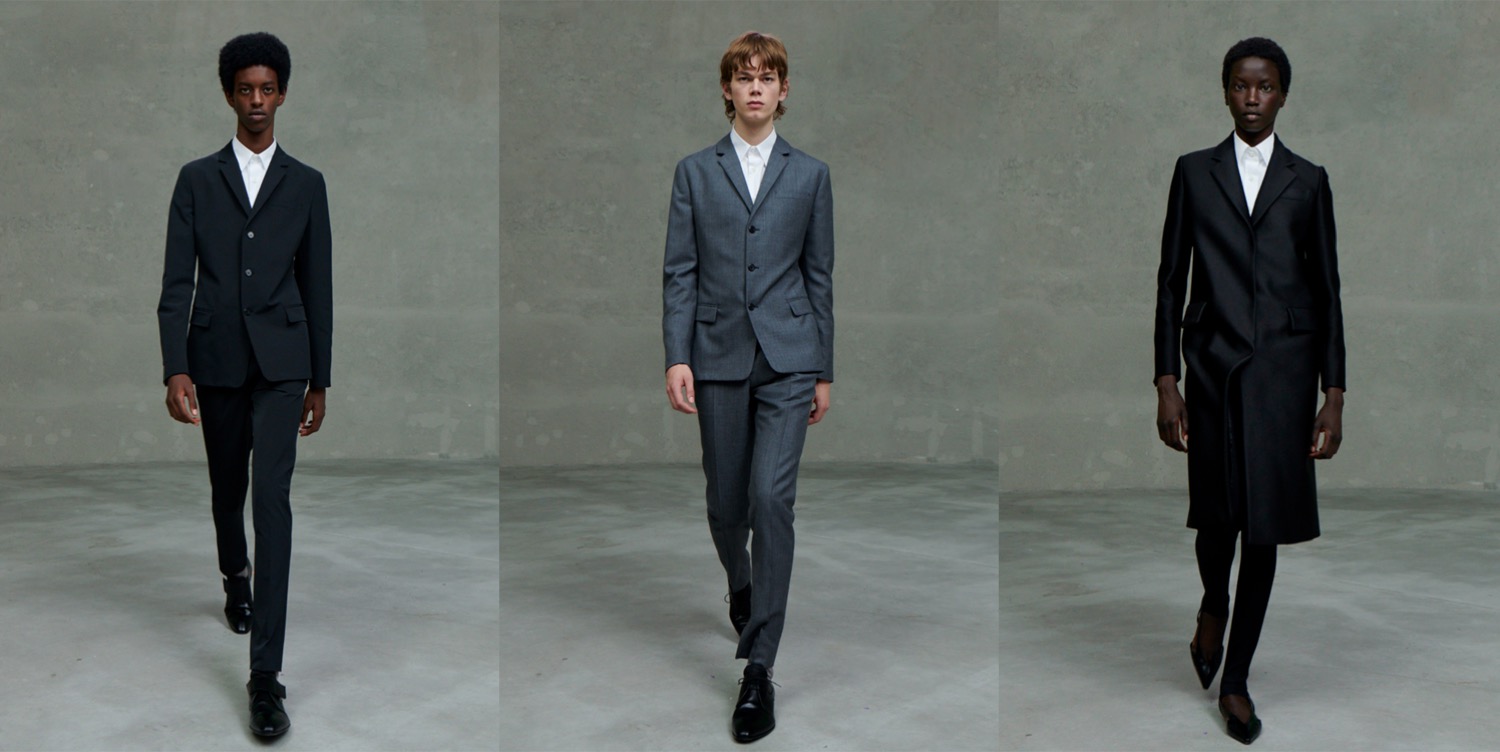
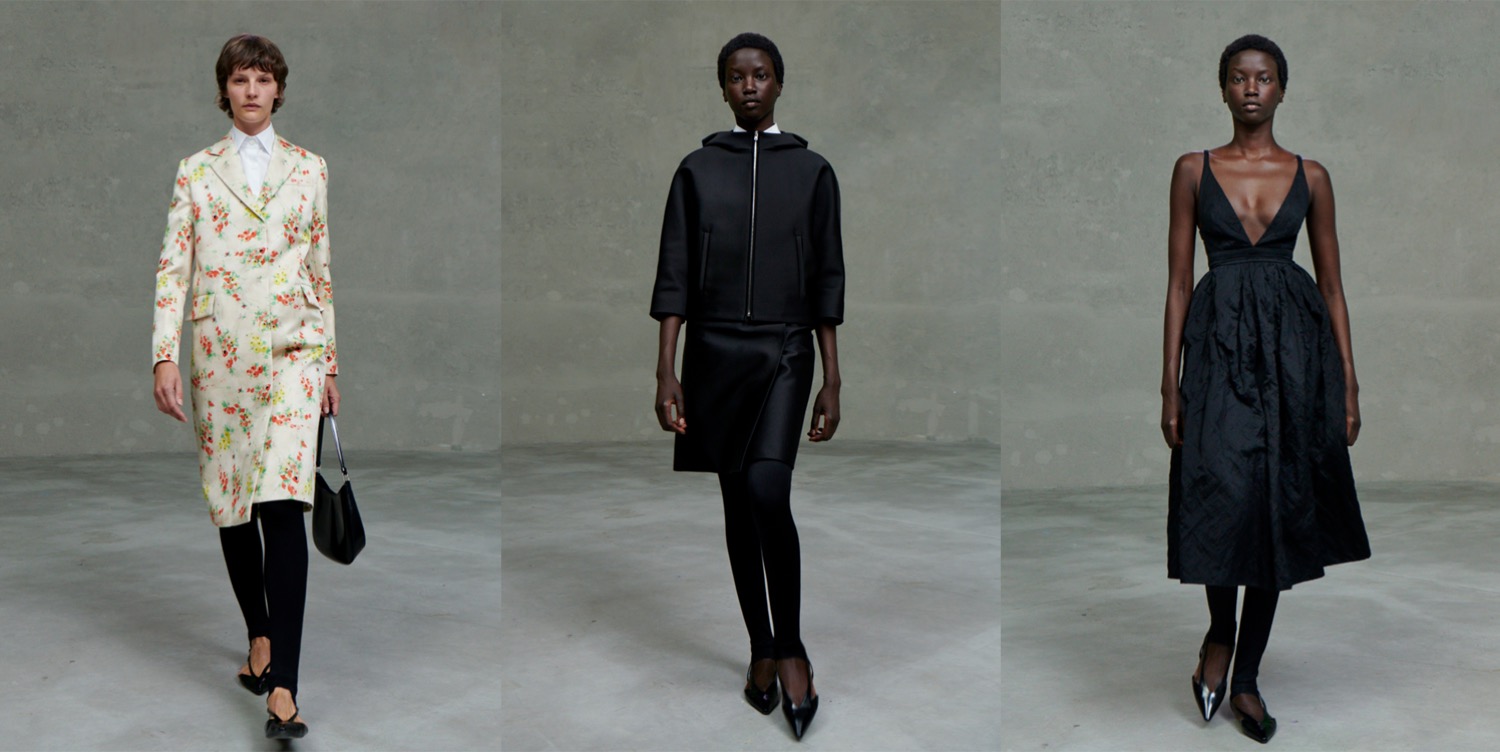
Collage by Edward Kanarecki.
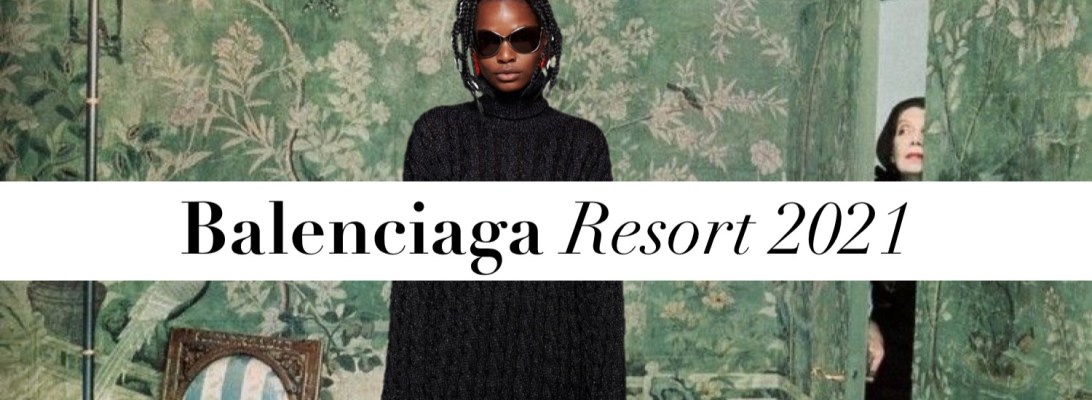
Dress for Yourself. Balenciaga Resort 2021

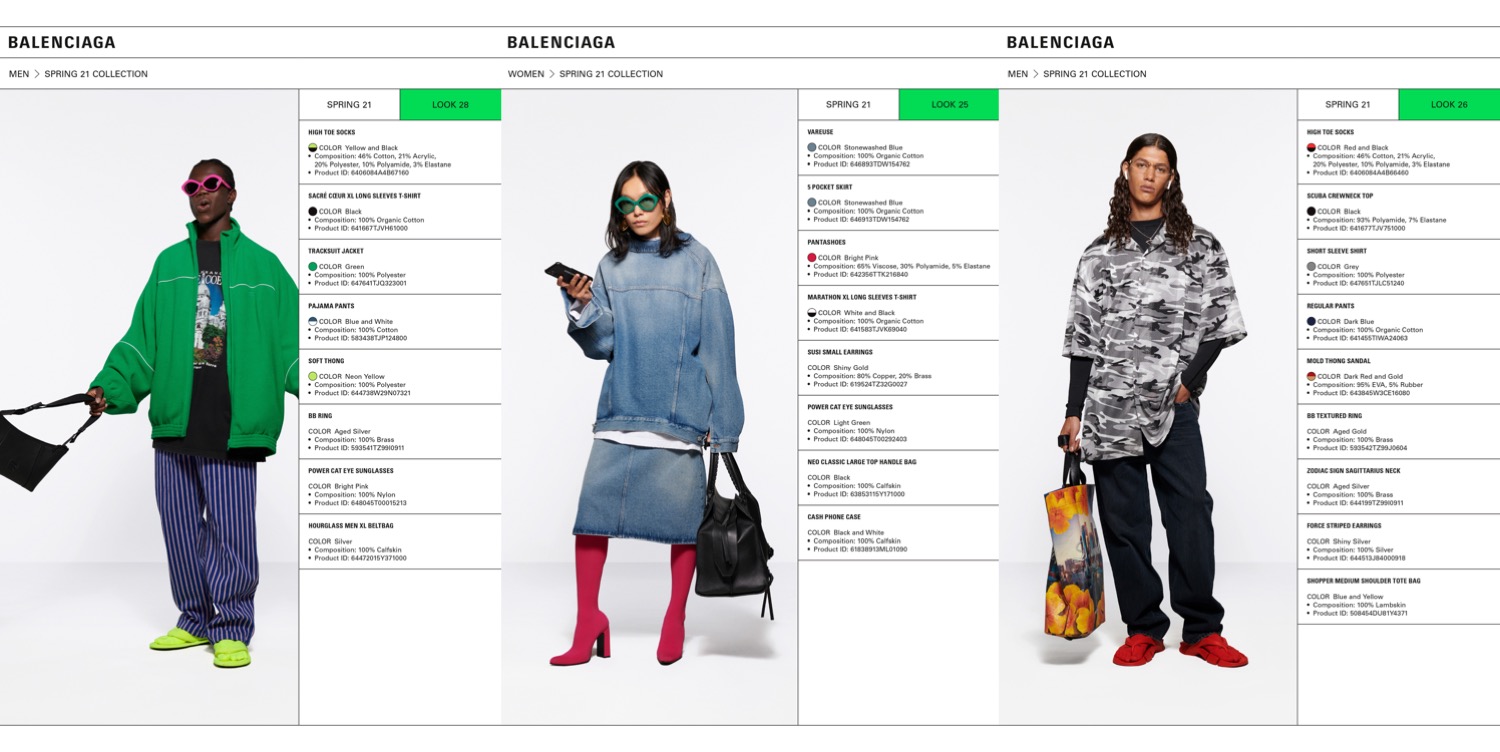
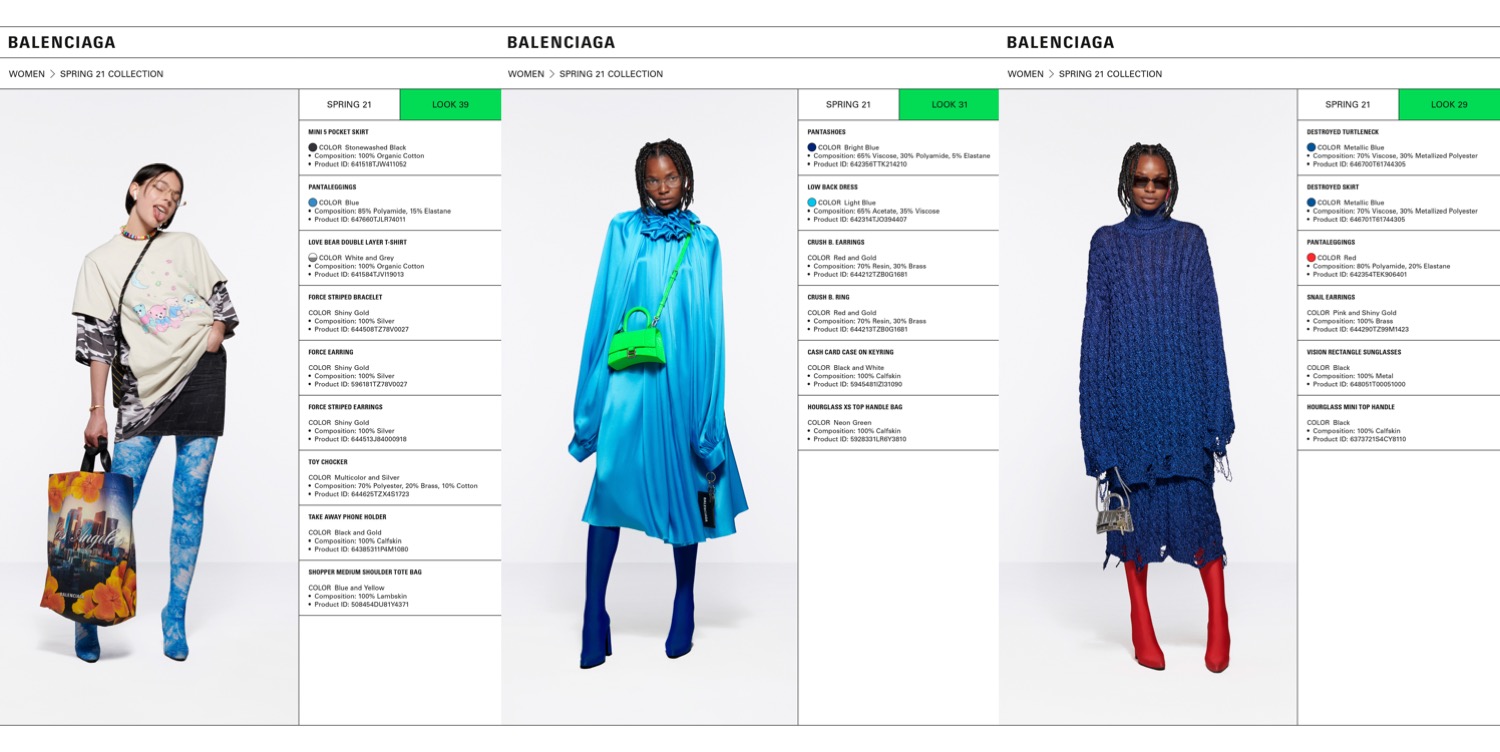
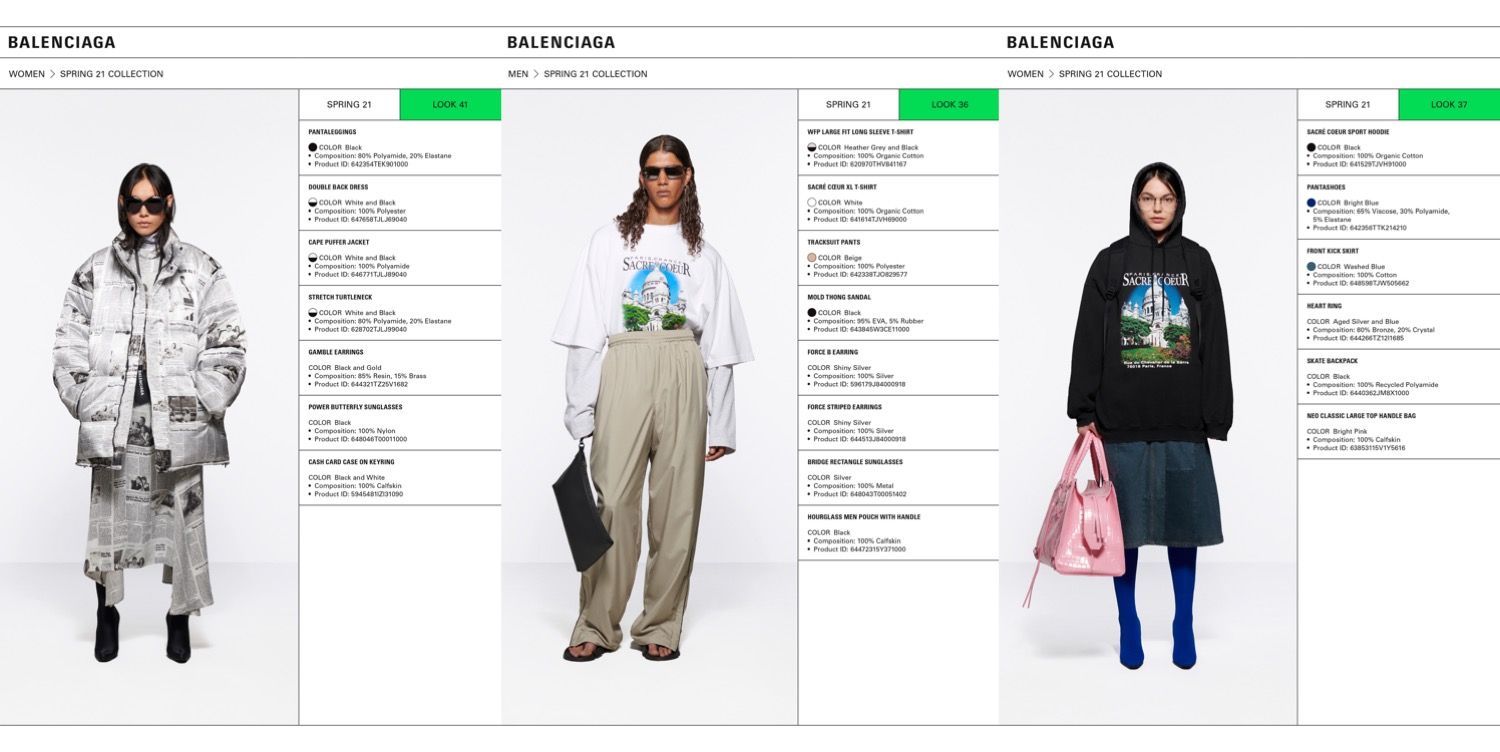
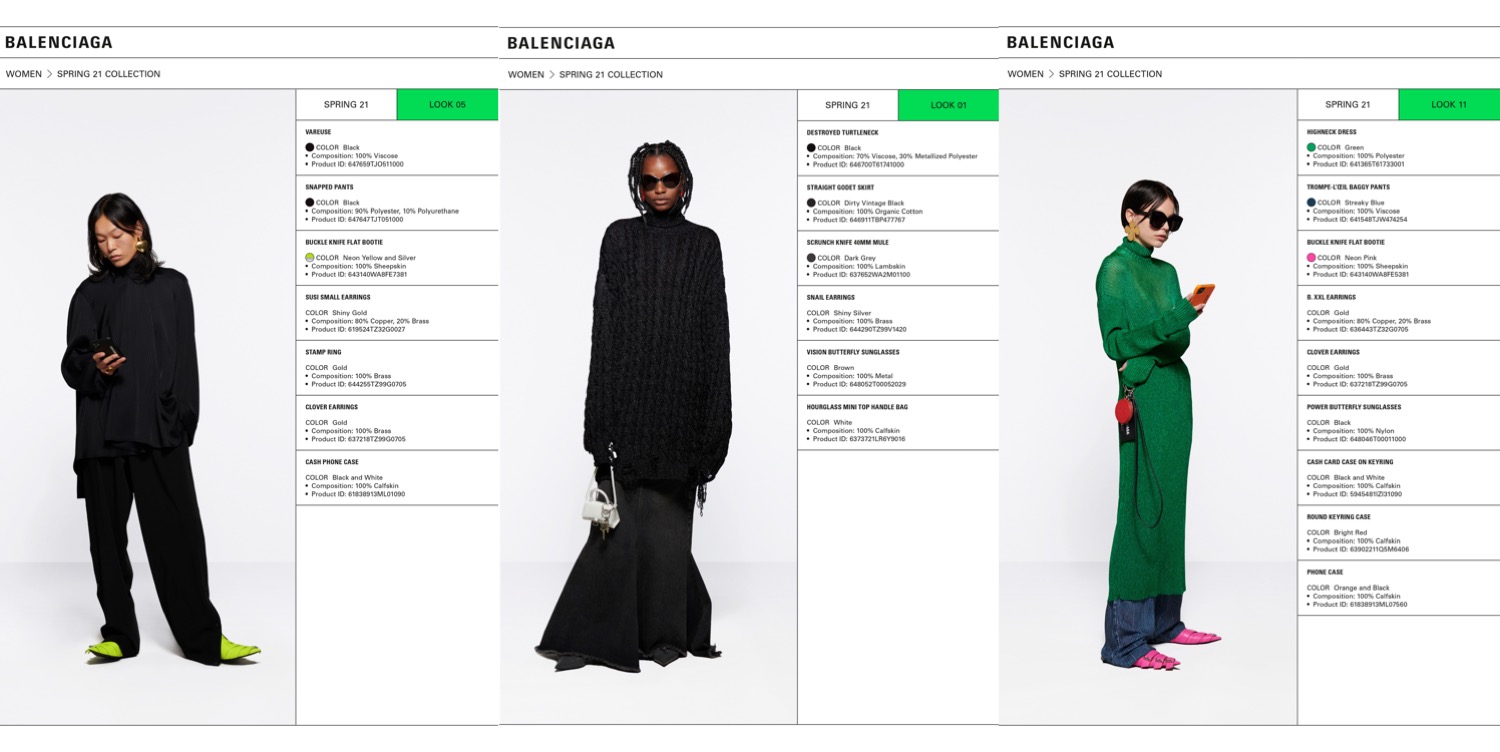
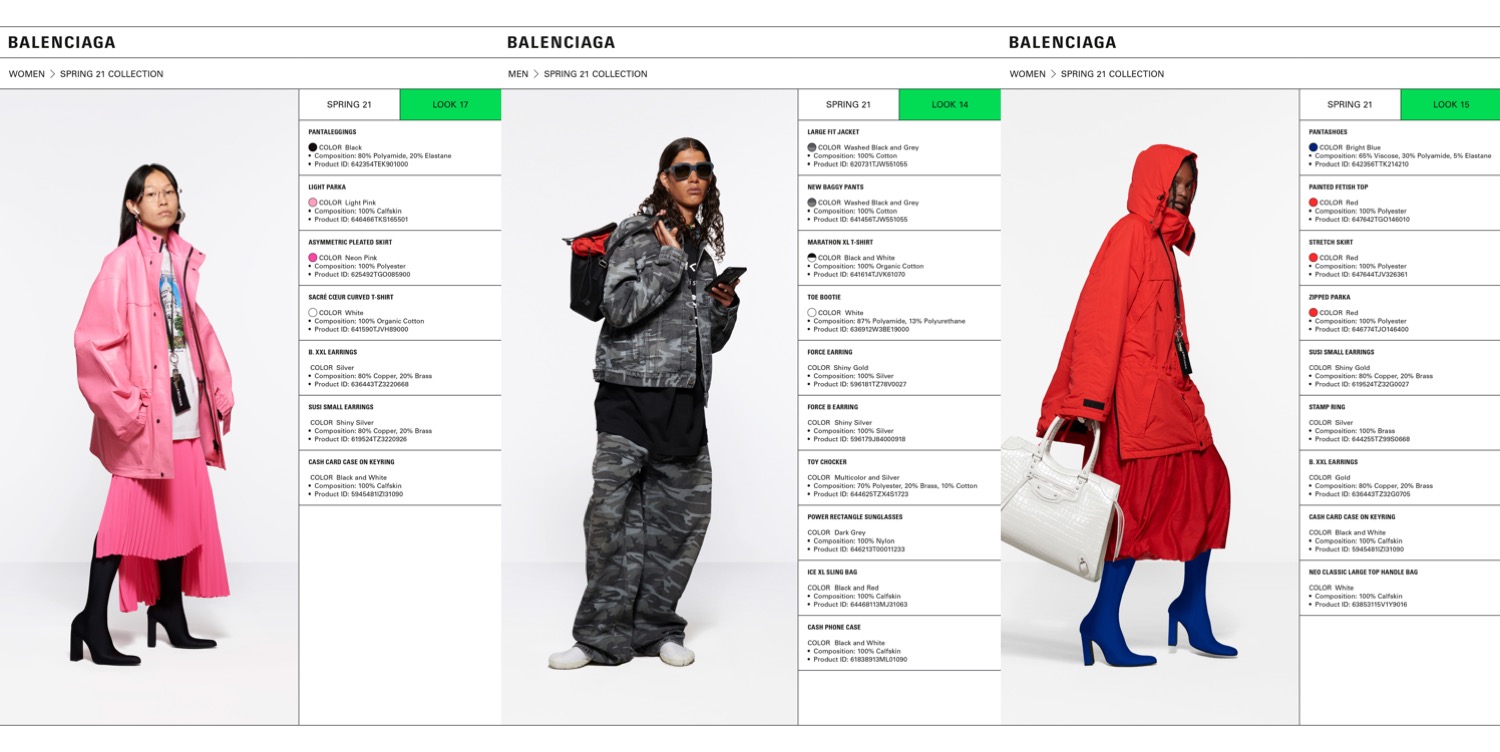
The latest Balenciaga show by Demna Gvasalia was unforgettably apocalyptic (and ironically realistic), with the first two rows of seats in the amphitheater submerged underwater and scenes of climate apocalypse on the screens above. All eyes will be on him in October – I really, really can’t wait to see how will the designer recycle all that happened in 2020 so far. In the meantime, for resort 2021, Gvasalia and his team came up with a clever, low-concept way to showcase the collection, playing up the lack of IRL appointments by including in these photos all of the line sheet information an e-commerce buyer might glean in a showroom, virtual, or otherwise – all the way down to the garments’ and accessories’ material compositions and product IDs. Gvasalia admits that Balenciaga’s pre-collections aren’t really about newness. The pre-seasons are chances to elaborate on what he calls the house’s “archetypes,” pieces like oversized car coats and parkas, the tea-dress, logo denim, all kinds of tracksuits, hoodies and t-shirts, and cult accessories (think the “Knife” panta-shoes). This time around, the styling was done completely on-screen. “It was an experiment in showing you don’t always need the new,” Gvasalia told the press. “Fashion has become a race, running after novelty, and more and more. And here we did the opposite. We looked at what we have and asked what we can do with it so it looks different for the customer.” And how did the confinement affect – or inspired – Gvasalia? “The theme,” he continues, “was dress for yourself. In this lockdown we understood what’s important for people who like fashion and like to dress up: You do it for yourself first and foremost. Working from home started with me wearing boxer shorts and pajama pants: very lazy. I thought, I don’t have to make an effort to make my look every morning, but then I started getting depressed. When I started to dress up every morning, it changed my whole mood, I started to feel good about myself. This is the task that fashion has,” Gvasalia concludes, “to bring this excitement or goodness to the person wearing it. That’s the least we can do.

Collage by Edward Kanarecki.

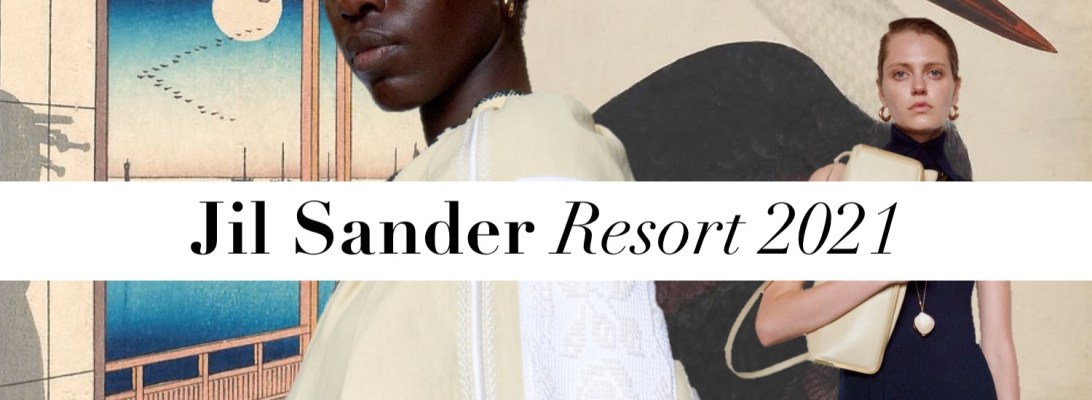
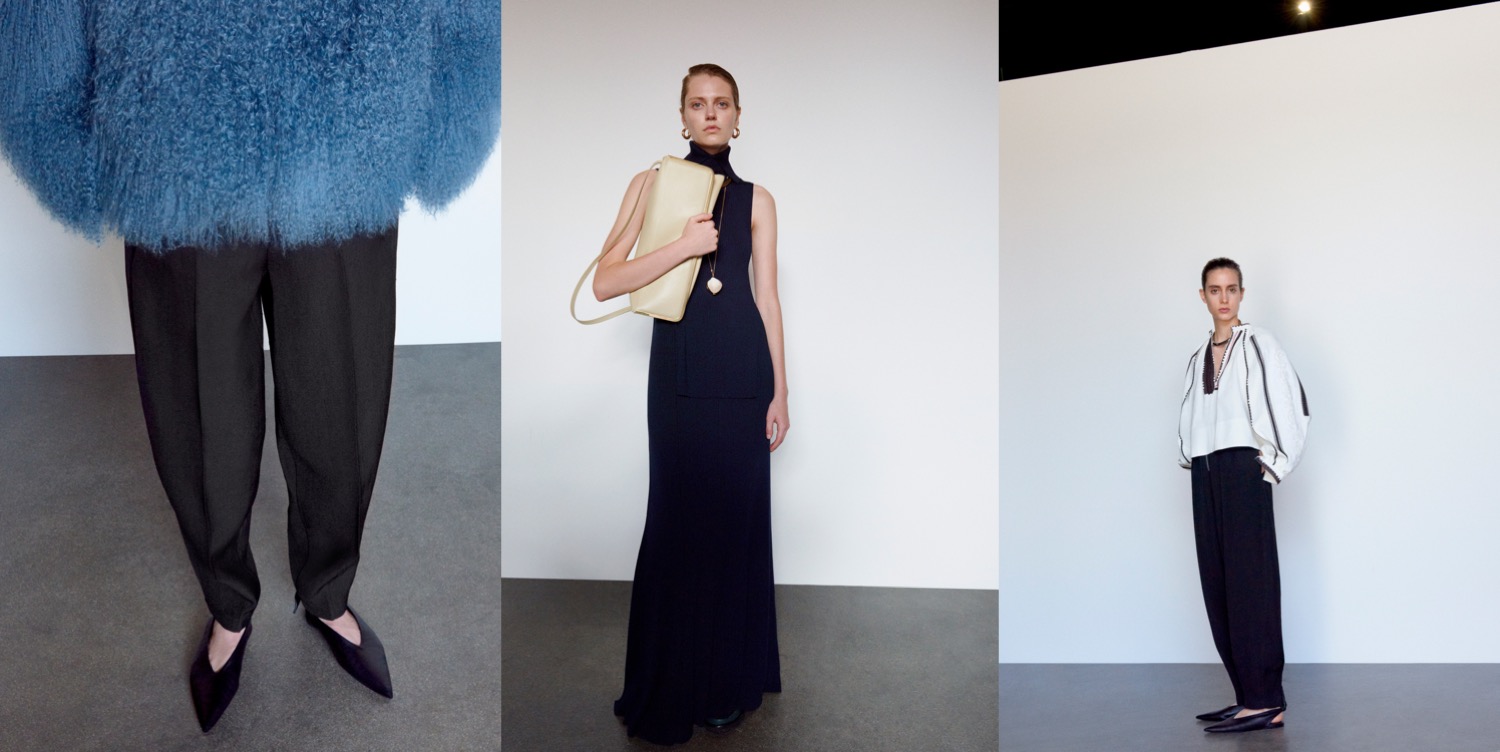
Thoughtful. Jil Sander Resort 2021

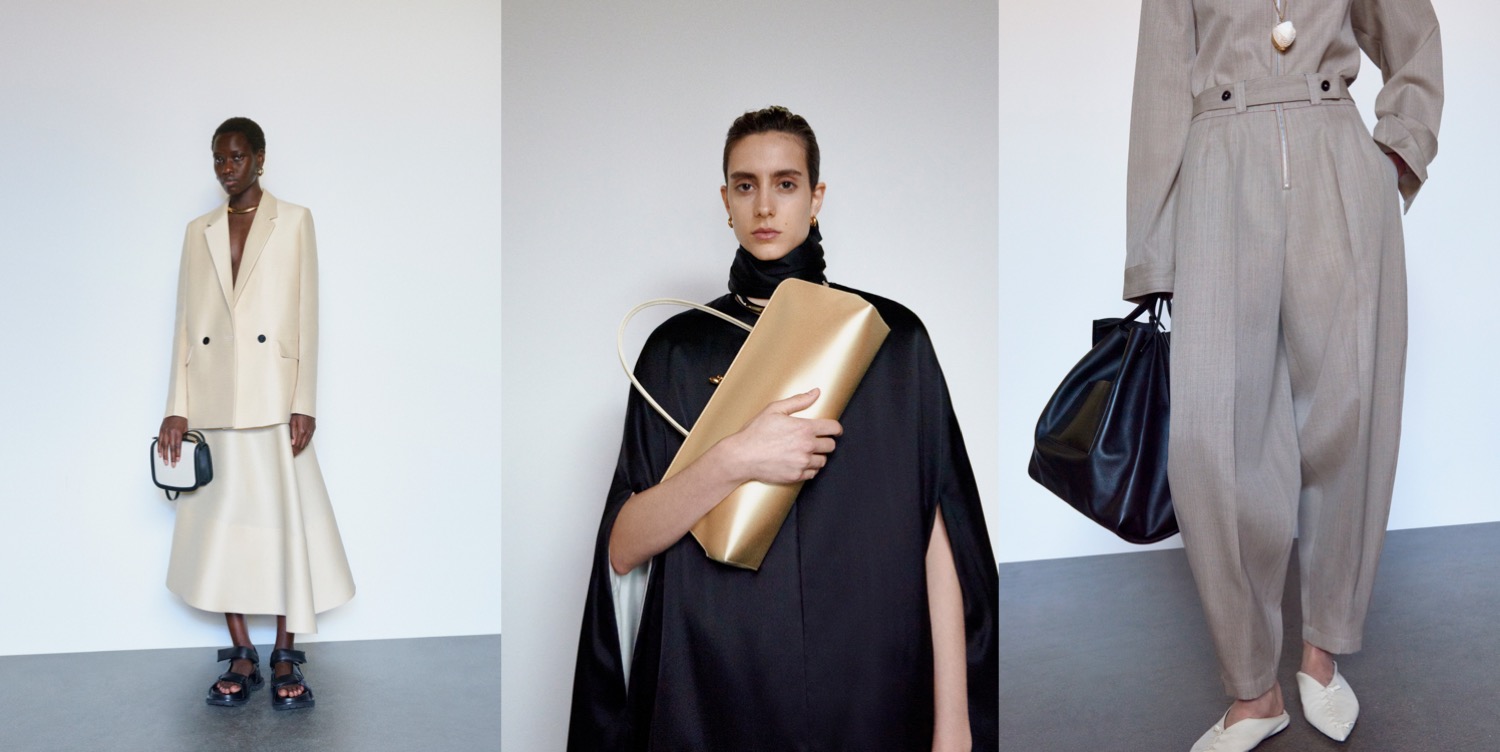
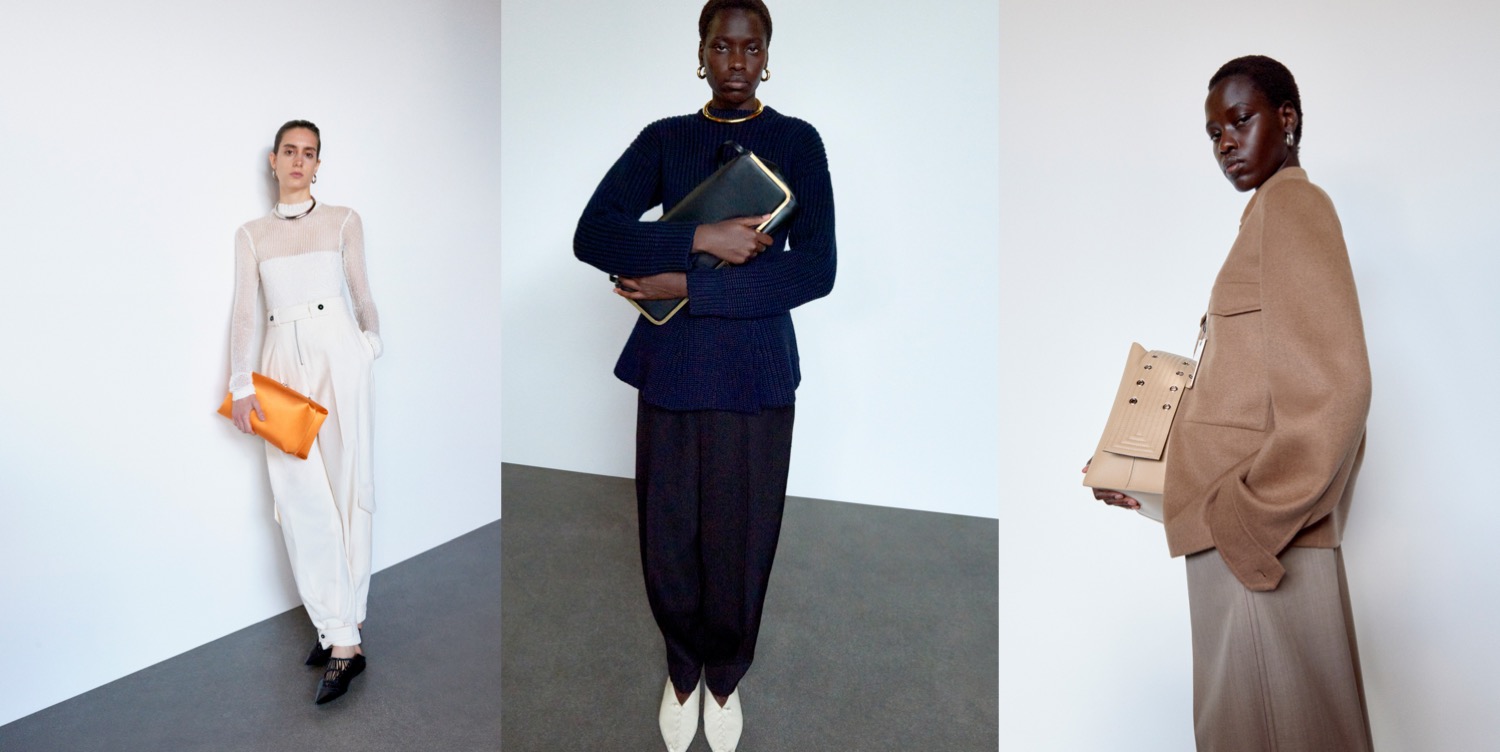
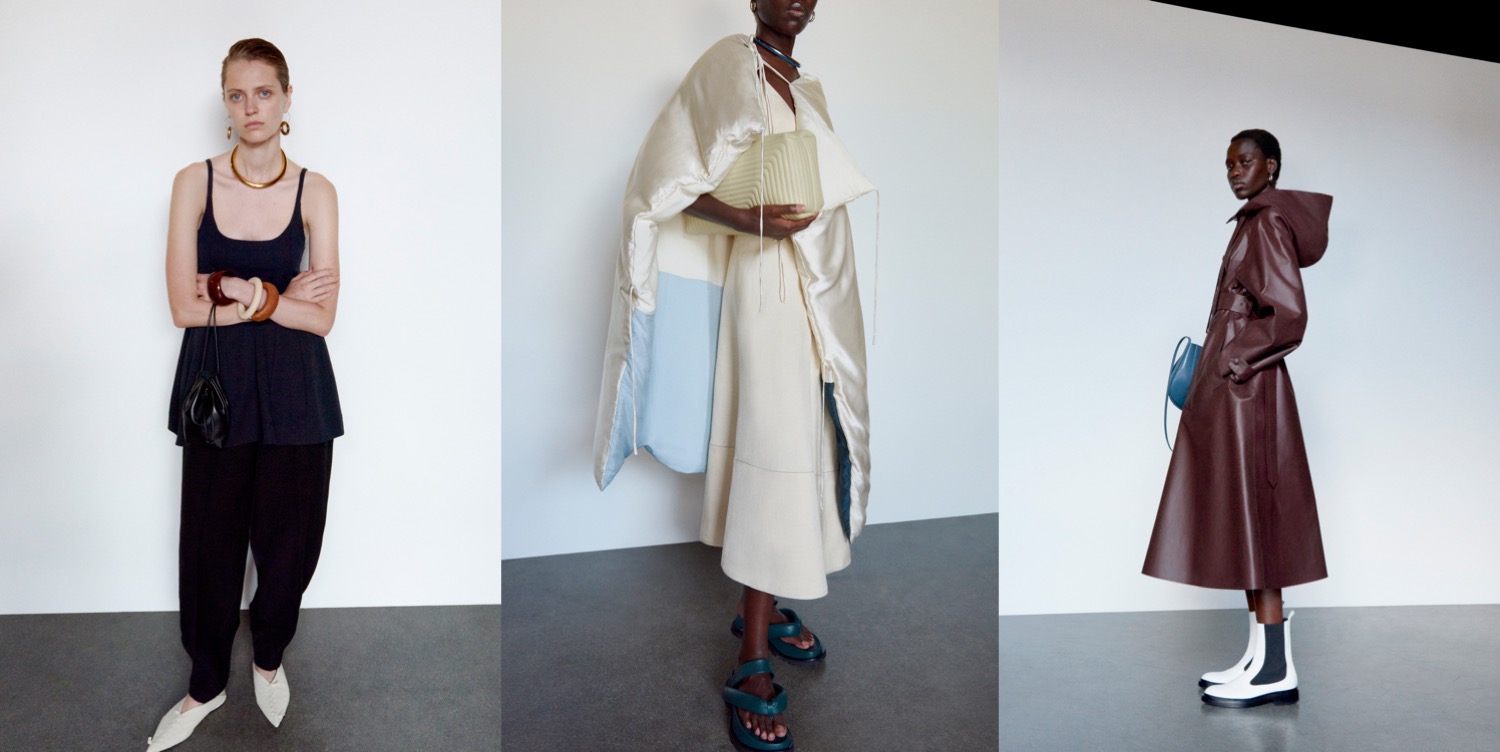
If the pandemic has made us consider a more thoughtful, responsible approach to fashion consumption and an appreciation for the consistency of values expressed by a labels’ ethos, then Jil Sander’s Lucie and Luke Meier could find themselves in a good position. “In a certain way, the pandemic has just reaffirmed what we believe in,” they said during their resort presentation, held at the brand’s showroom in Milan. “This tragic situation has made people take a long, hard look at themselves, their habits, their values. It’s what we’ve done. We really still find that our path is a good one; our philosophy hasn’t changed.” The Meiers have built their fashion credentials around a care for quality, creating pieces that stand the test of time while being of the moment, with an emphasis on great execution. The human touch of craftsmanship is paramount to their aesthetic – just take a look at a clean-cut, pleated dress in butter yellow linen with embroidered jacquard inserts appliqued on the peasant sleeves, all woven by a family in Sardinia with traditional local techniques. For resort, the designers favored pure silhouettes, together with their flair for style opposites: strong proportions and sensible fabrics; a masculine sharpness of cut and delicate choice of colors. Shapes were kept sculptural but softer than usual; suiting was given a chic modernist feel, as in a sharp-cut masculine blazer in cream wool silk gazar paired with a circle-cut, cone-shaped asymmetrical matching skirt. Contrasting the restraint the designers favor, a comforting, pillowy padded blanket cape in high-shine white silk satin with baby blue inserts was thrown languidly over a feminine double-cashmere sleeveless dress. Meiers’ conceptual approach to the brand is all about consistency: “We don’t think that the Jil Sander woman really changes,” they said. “She cares about really good design, beautiful fabrics, pieces that are very well made; all these elements are now becoming more important than ever. People will probably consume less but better; they still want to treat themselves to a beautiful piece.

Collage by Edward Kanarecki.
Serendipity. Lauren Manoogian Resort 2021

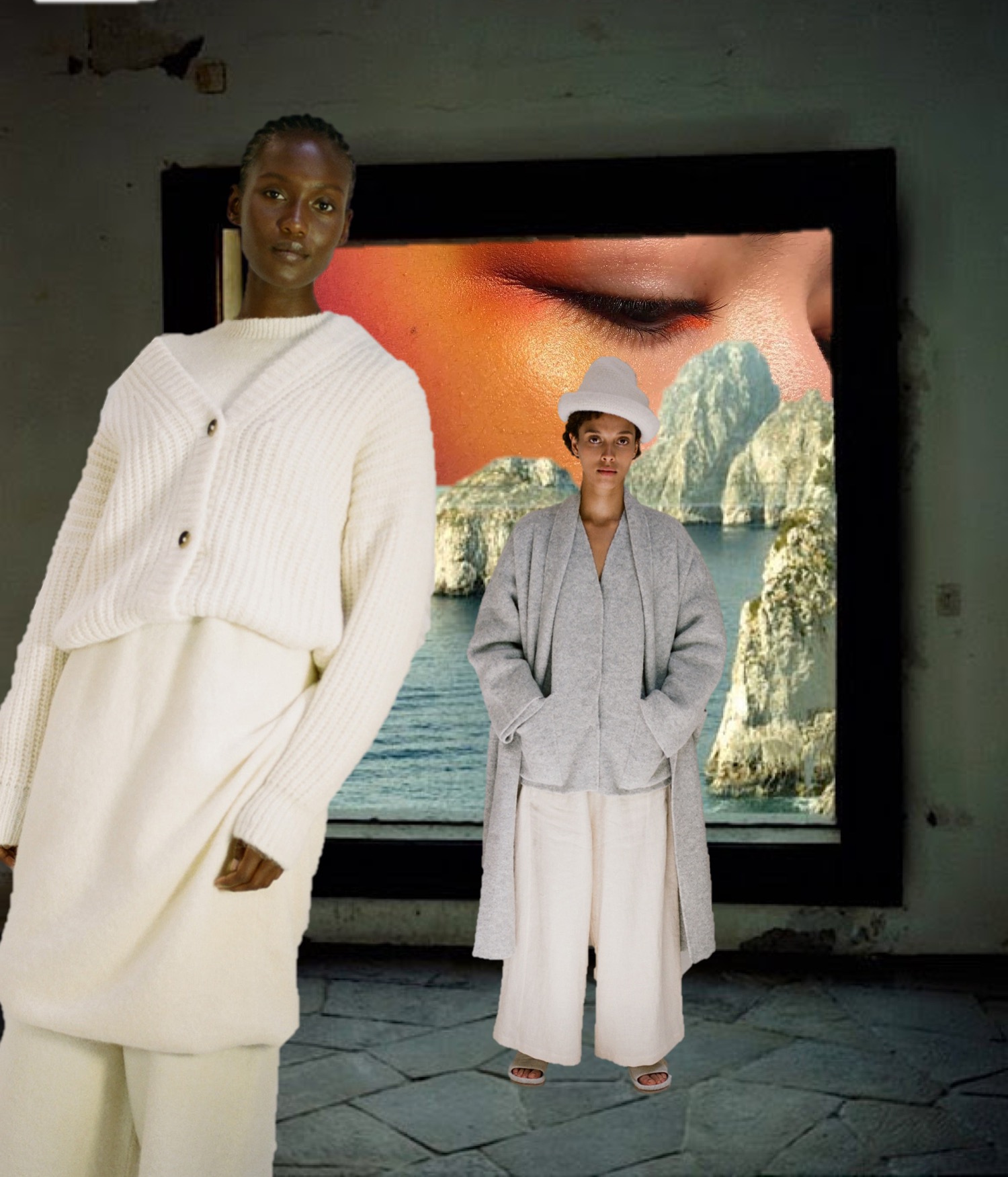
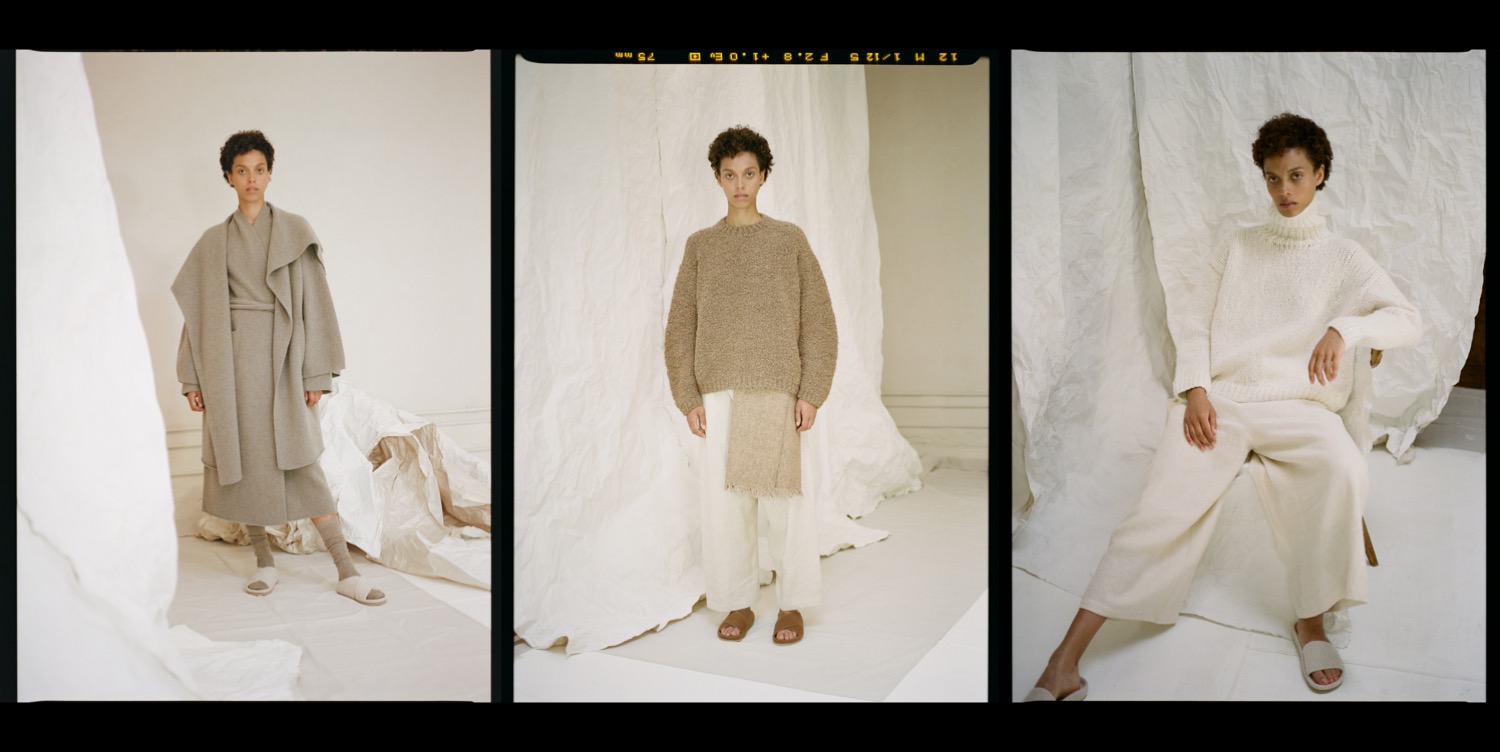
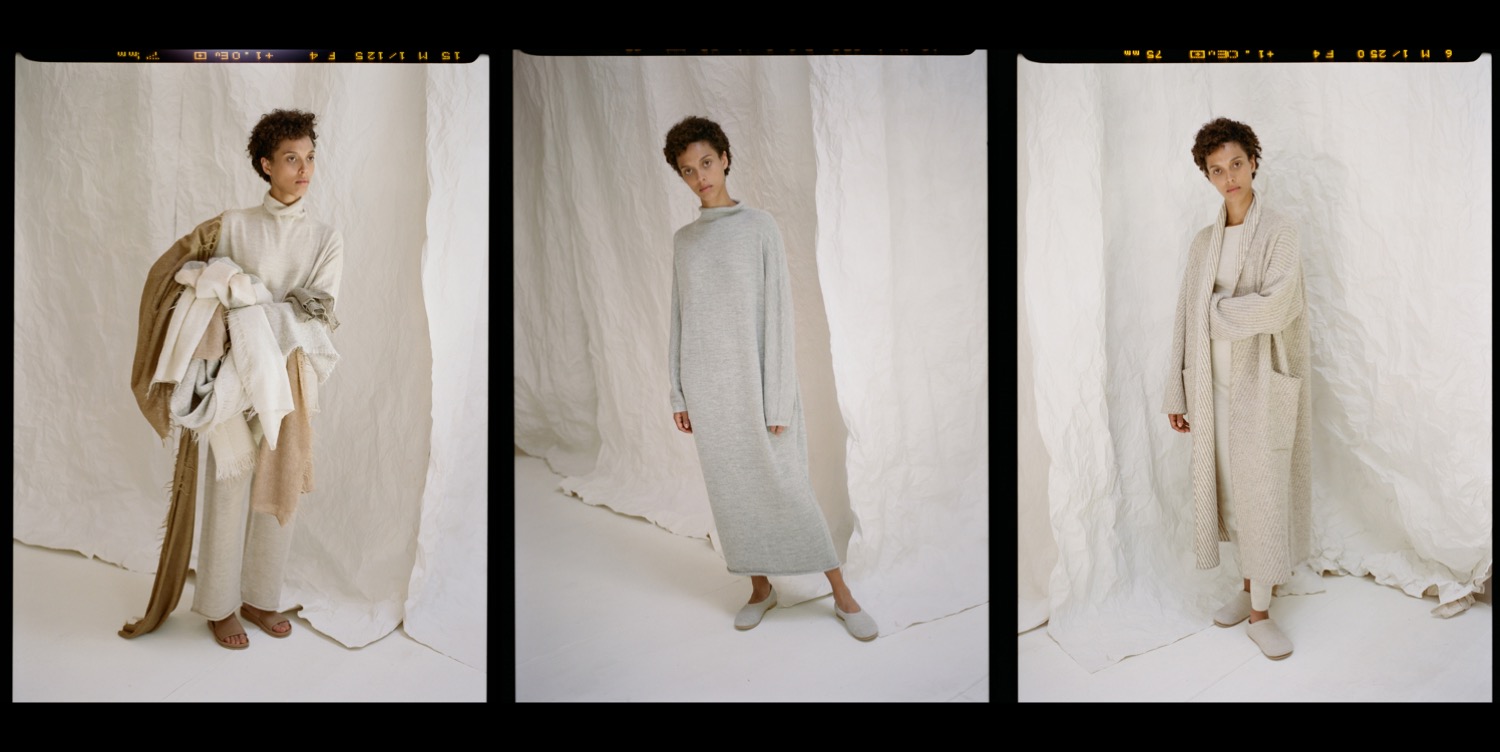
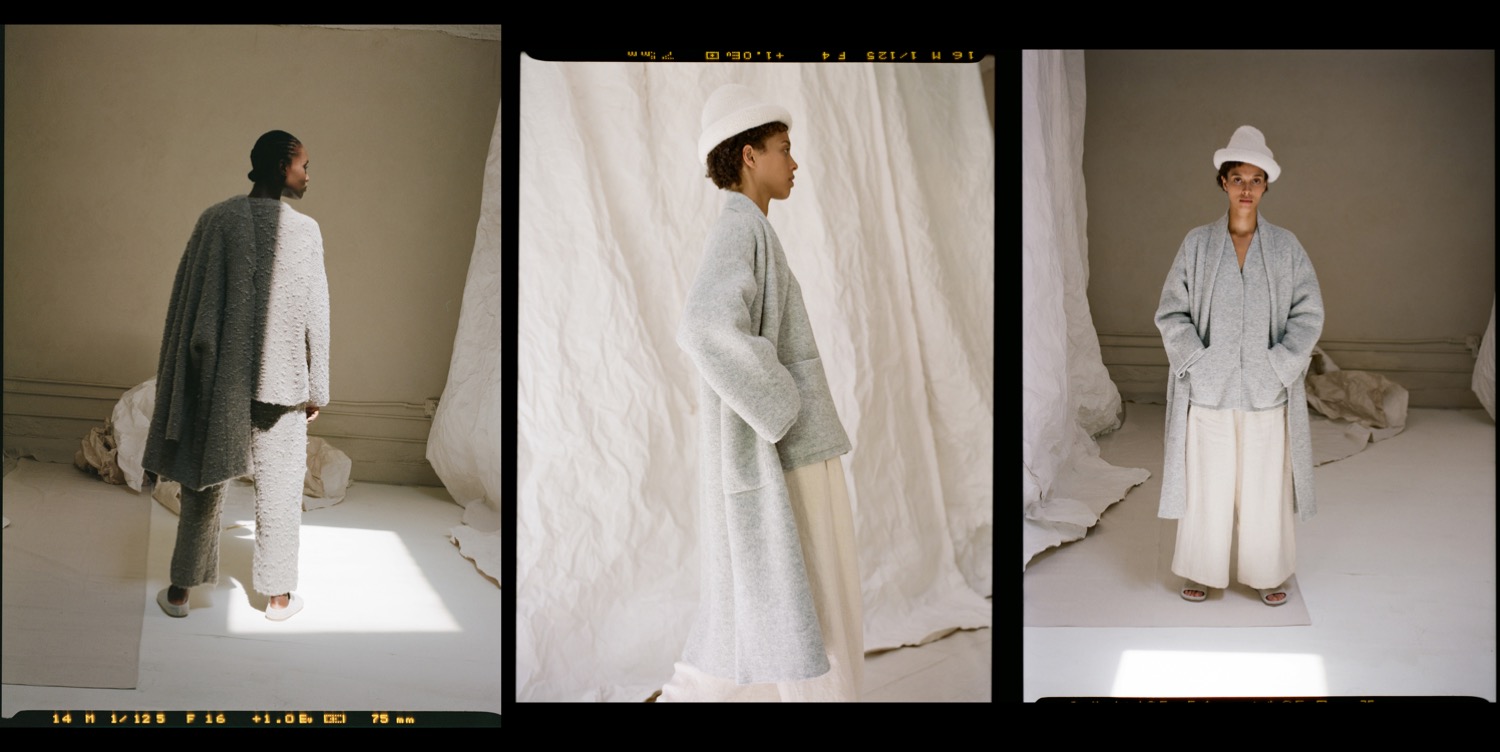
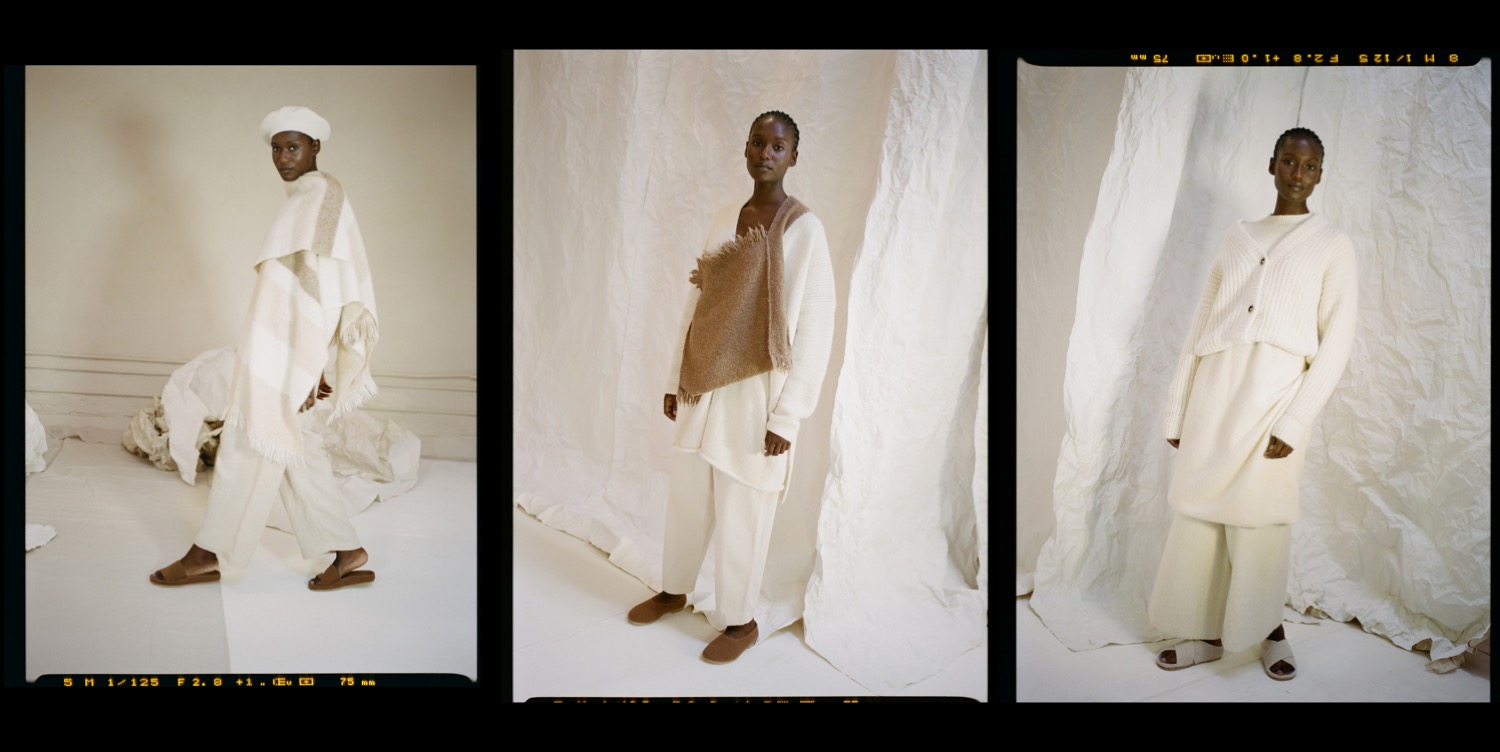
Switching from digital couture to one of the most heavenly labels in New York – Lauren Manoogian. For resort 2021, the designer’s earthy, tonal, and textural designs go side by side with her sculptural, wabi-sabi knits and accessories. Due to the pandemic, Manoogian was confined to her studio in Brooklyn and as such, her lineup, based on some greatest hits and forgotten gems from her archive, had to be captured with a more localized, low-key approach – no architectural backgrounds as usual. She hired two models, one that came in the morning and one in the afternoon, and photographed the clothes inside the studio with natural light and a backdrop made from items she picked up at the local hardware store. The finished images are unretouched, further emphasizing the organic look and feel of Manoogian’s new pieces. Soft blue and gray turtleneck dresses and bouclé blanket capes looked right at home in the serene, natural setting of Manoogian’s at-home studio. So too did the roomy, oversized trousers, cozy cardigans, and voluminous robes. Manoogian’s designs are grounding and unfussy but still striking, ideal for uncertain times like ours. The knis really speaks for itself, simple and timeless.

Collage by Edward Kanarecki.
Italian Summer. Valentino Resort 2021

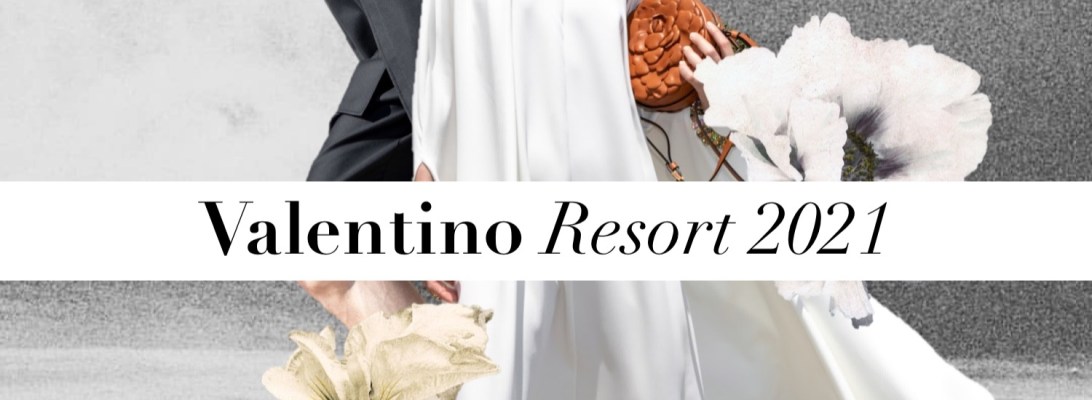
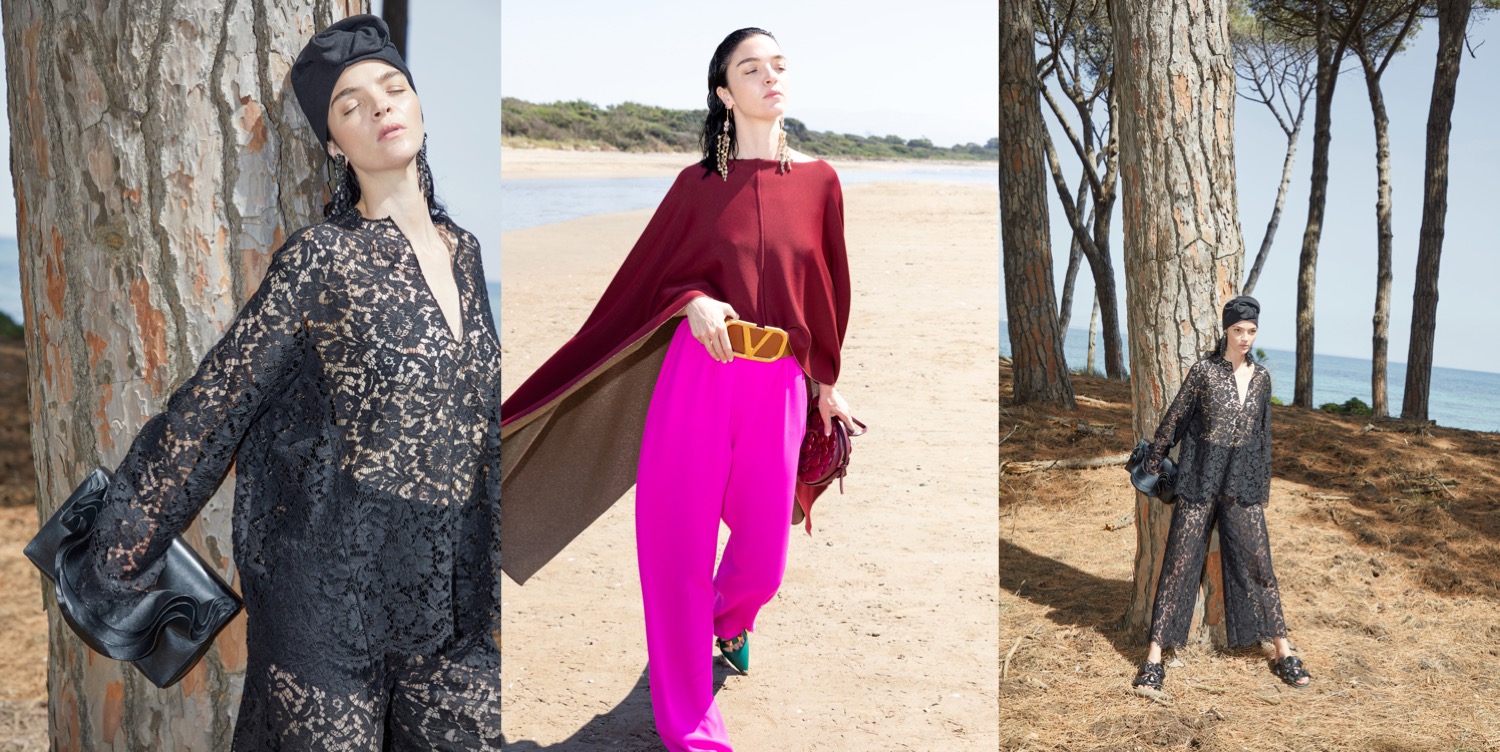
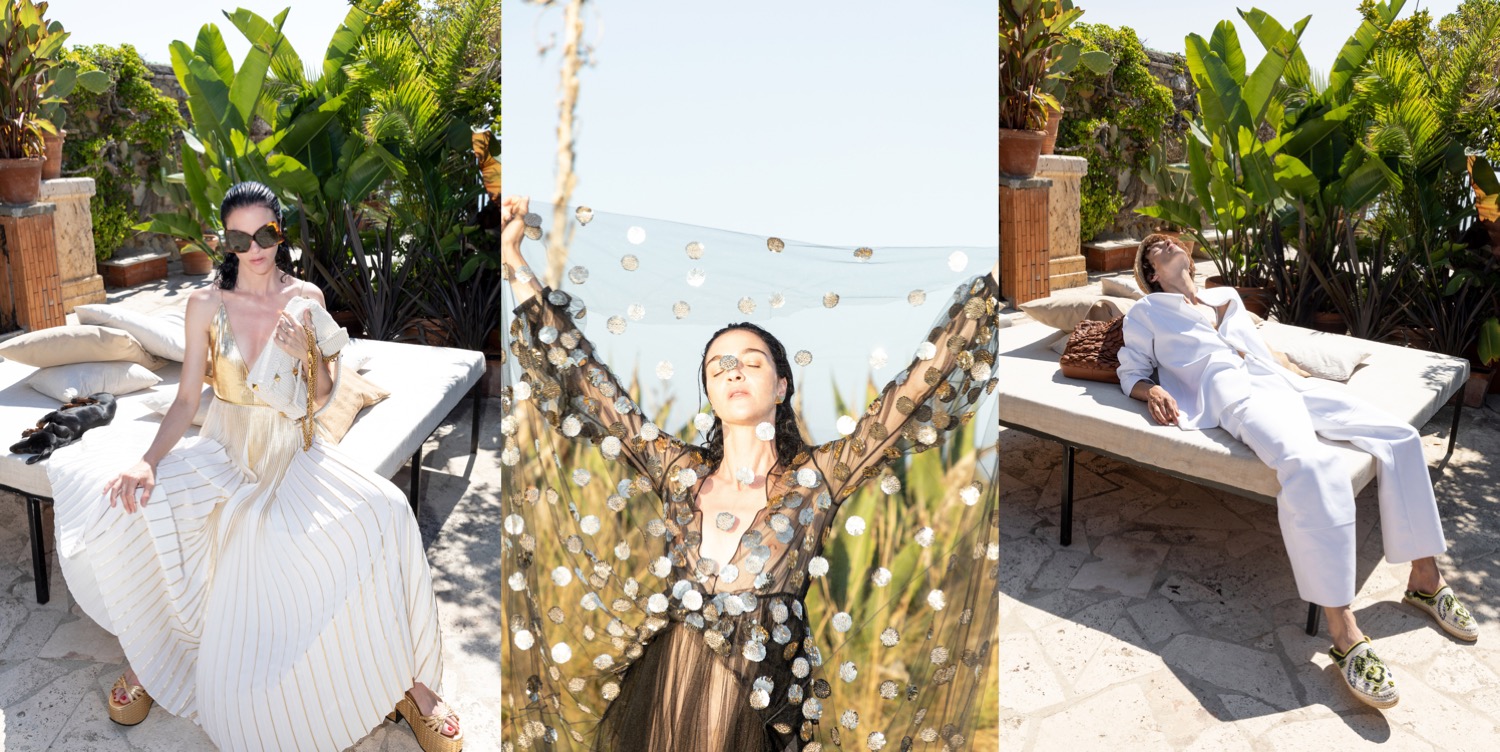
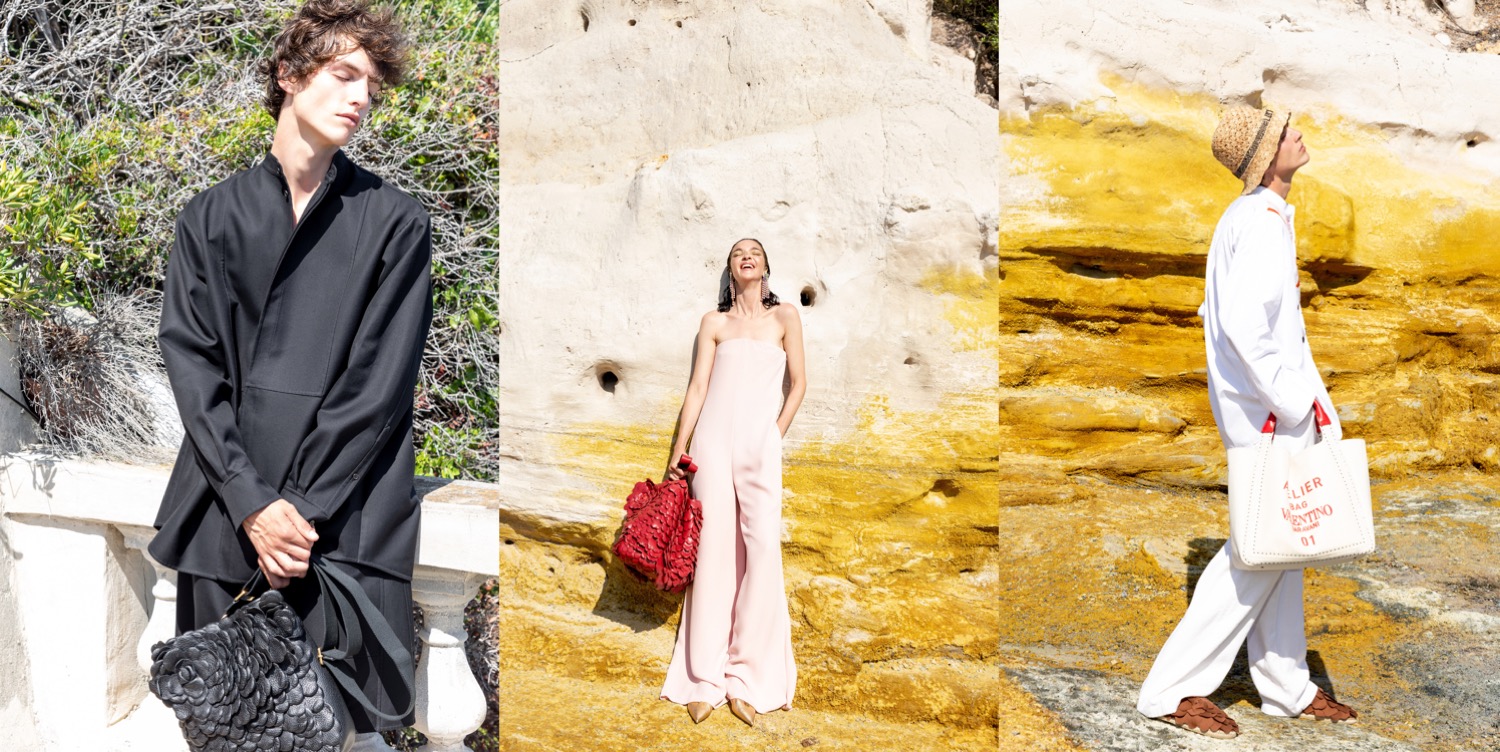
This is the ideal summer state of mind: Mariacarla Boscono dancing, laughing and sun-bathing at the Italian sea-side, wearing Valentino and being photographed by her friend – and the brand’s creative director – Pierpaolo Piccioli. Italy was the European country that was first tragically hit by COVID-19, and to many it seemed that good days aren’t coming back anytime soon. Now the country seems to gradually revive and the dream Italian summer is back on track. Optymism is winning. “I never stopped working,” Piccioli told Vogue during a Zoom call. “I profoundly love what I do; this is my passion, something fundamental for me – it isn’t just work.” The resort 2021 collection is the byproduct of the time spent alone drawing and painting, while remaining connected with his team. “I wanted to convey spontaneity and truth, even imperfection—but it’s the feel of human imperfection you long for right now,” he explained. “The collection was born out of flat drawings – paper and pencil, no styling, no mood board, just researching on paper shapes that linger in your head. A pure fashion process, as it should be done.” The human quality of creativity is paramount to Piccioli’s practice. He has imbued the rarefied world of couture with emotional values – exposing and revealing its craft and handmade processes, and shining a light on his team of seamstresses and artisans as essential players behind his fabulous creations. This center still firmly holds. “I wanted [to communicate] something even more personal, very close to myself. Conveying a sense of intimacy, a sentiment of individual connection, of emotion. I decided to photograph the collection myself because it seemed more coherent in this moment to send out a message with no filters, no manipulation, no other interpretation or mediation. I didn’t want the usual glamour of a fashion shoot,” he continued. “What I was interested in focusing on was what I’ve missed most in this confinement – the simple feeling of human connection, of shared love and friendship. This is what I wanted to bring about in my images.” Not surprisingly, simplicity is the collection’s key word. “It’s a radical simplicity though,” reflected Piccioli. “I wanted to be even more radical, in that the simplicity I’ve tried to achieve in shapes, volumes, and construction comes at the end of a process of resolved complexities. It’s a study and a project on cut, proportions, balance. Reducing and subtracting to reach the core, something essential and pure – but not more banal. Simple, not simplified.” There’s an ease and a fluidity of movement, a feel for freedom and effortlessness exuding from the lean silhouettes of caftans, elongated shift dresses, capes, and separates. Defined by strong, solid colors inspired by Mark Rothko’s chromatically powerful palette, pure shapes were infused with a vibrant, joyful flair. A few prints inspired by 18th-century tapestries were rendered as inconspicuous abstract strokes of color, as if they were just traces of memories, or shadows of the decorative motifs’ former selves. And what’s more special than a dear friend you’ve known and loved for years? “Mariacarla and I, we go back a long way,” he said. A spontaneous energy radiates from the images, shot by Piccioli in the natural surroundings of his home: a lake where he goes swimming; a sulfur mine where Pier Paolo Pasolini shot some scenes from his 1964 movie Il Vangelo Secondo Matteo. There’s a palpable sense of intimacy and of a familiar bond between photographer and model. Again, individuality and humanity are the pivots around which the collection, which was designed to appeal to both genders, came alive.

Collage by Edward Kanarecki.