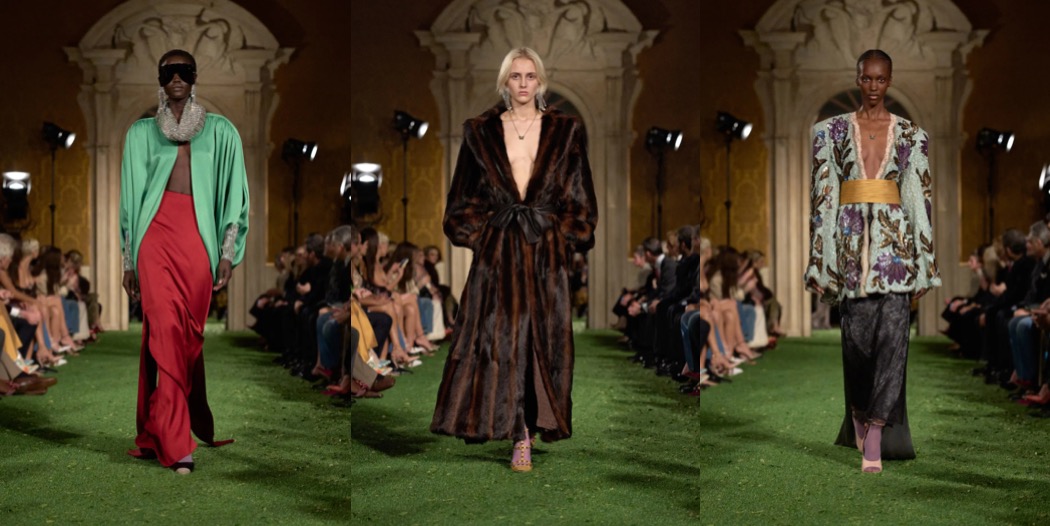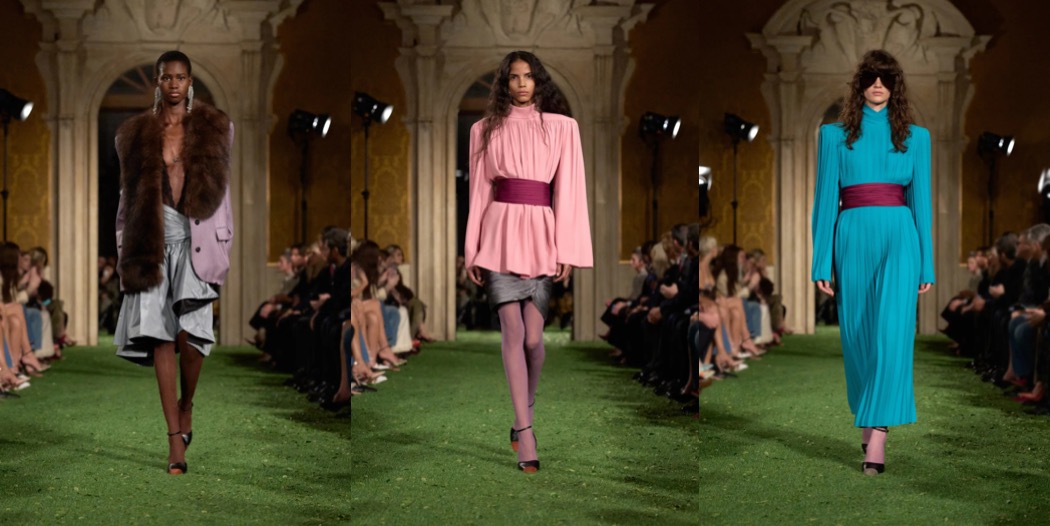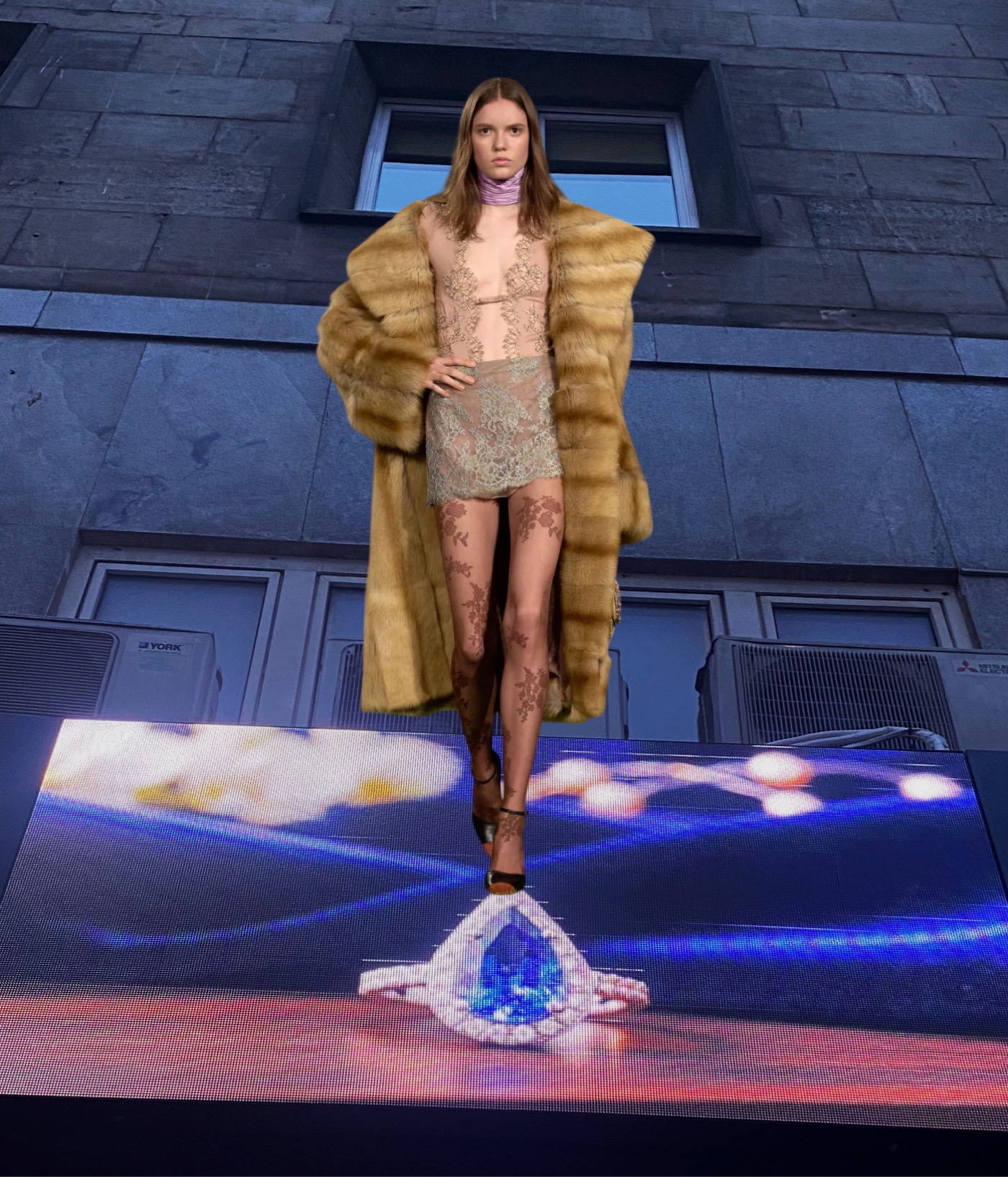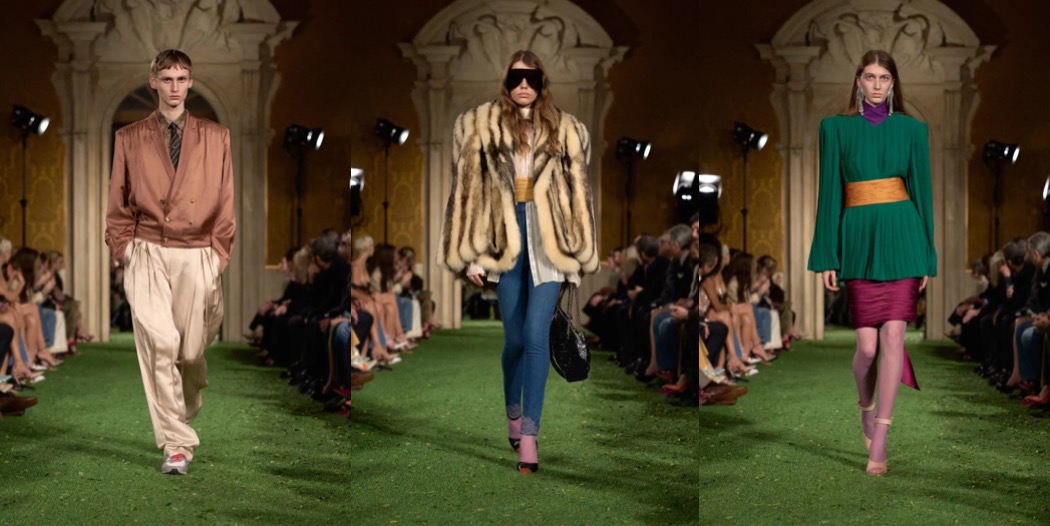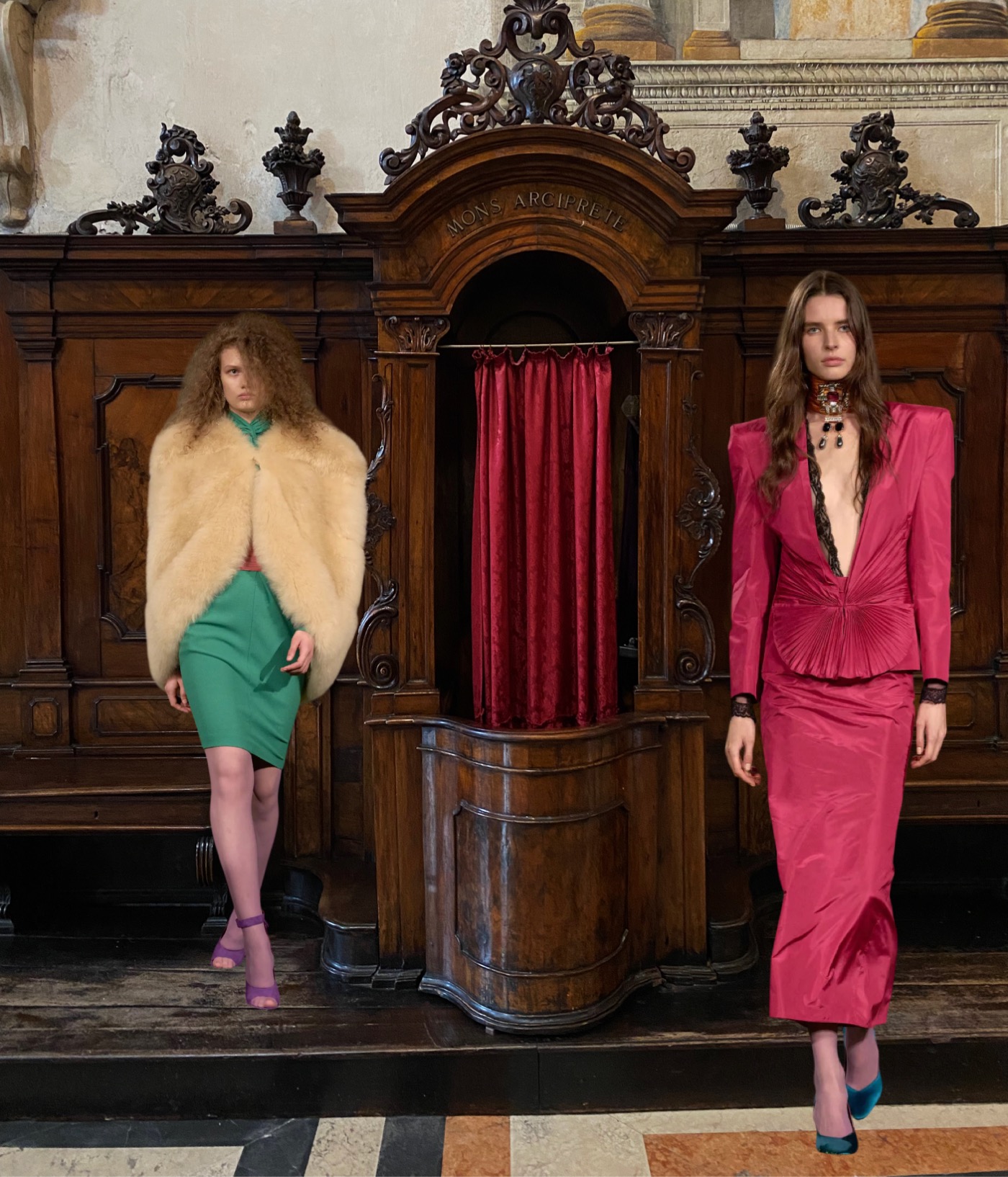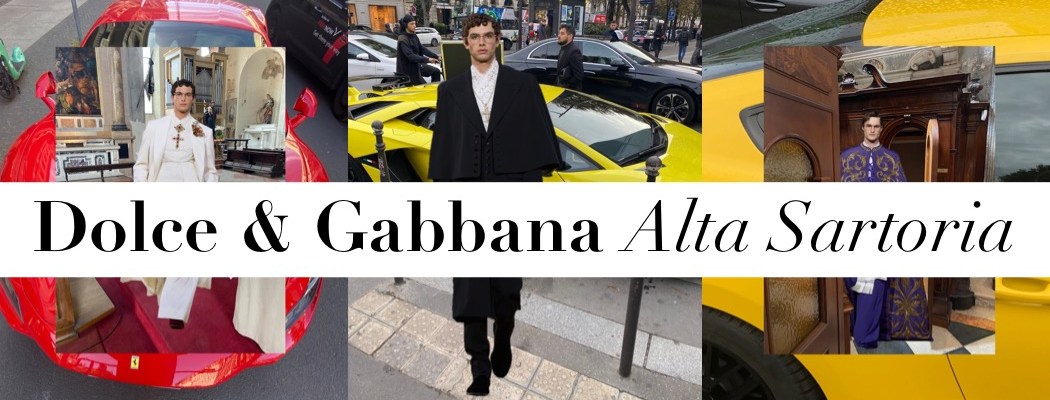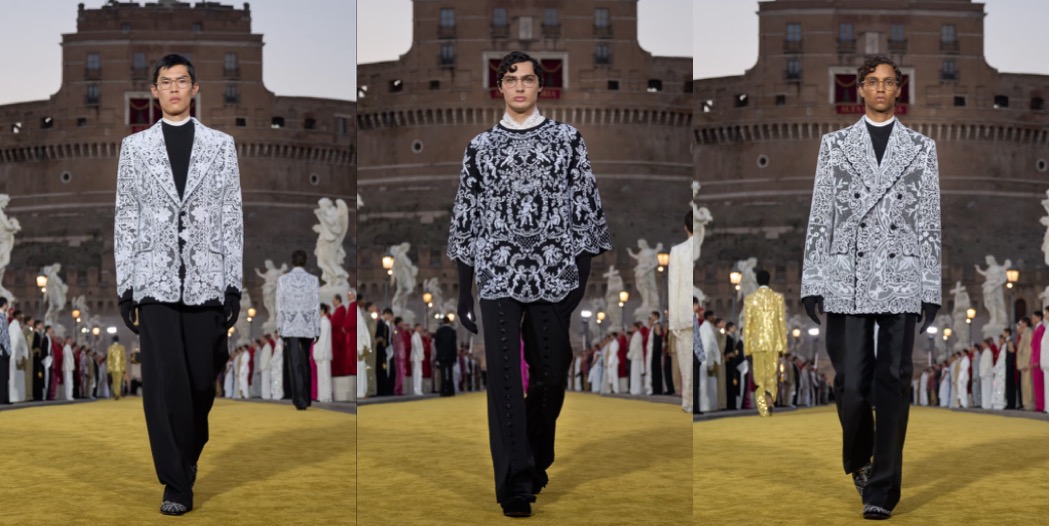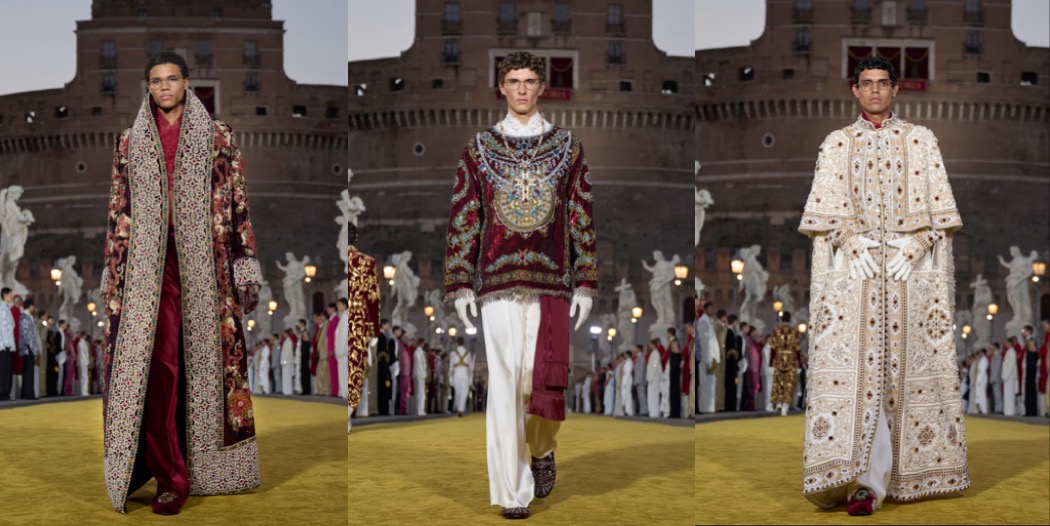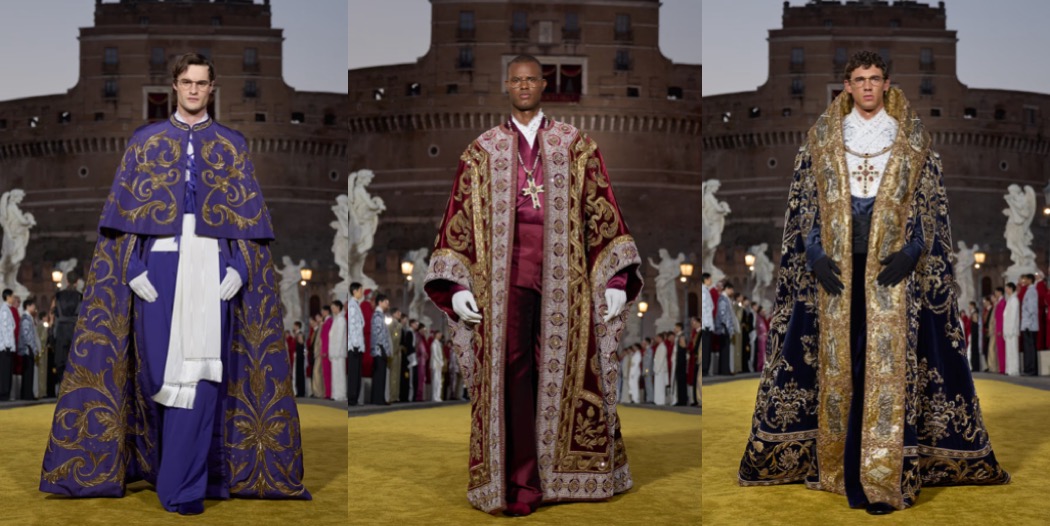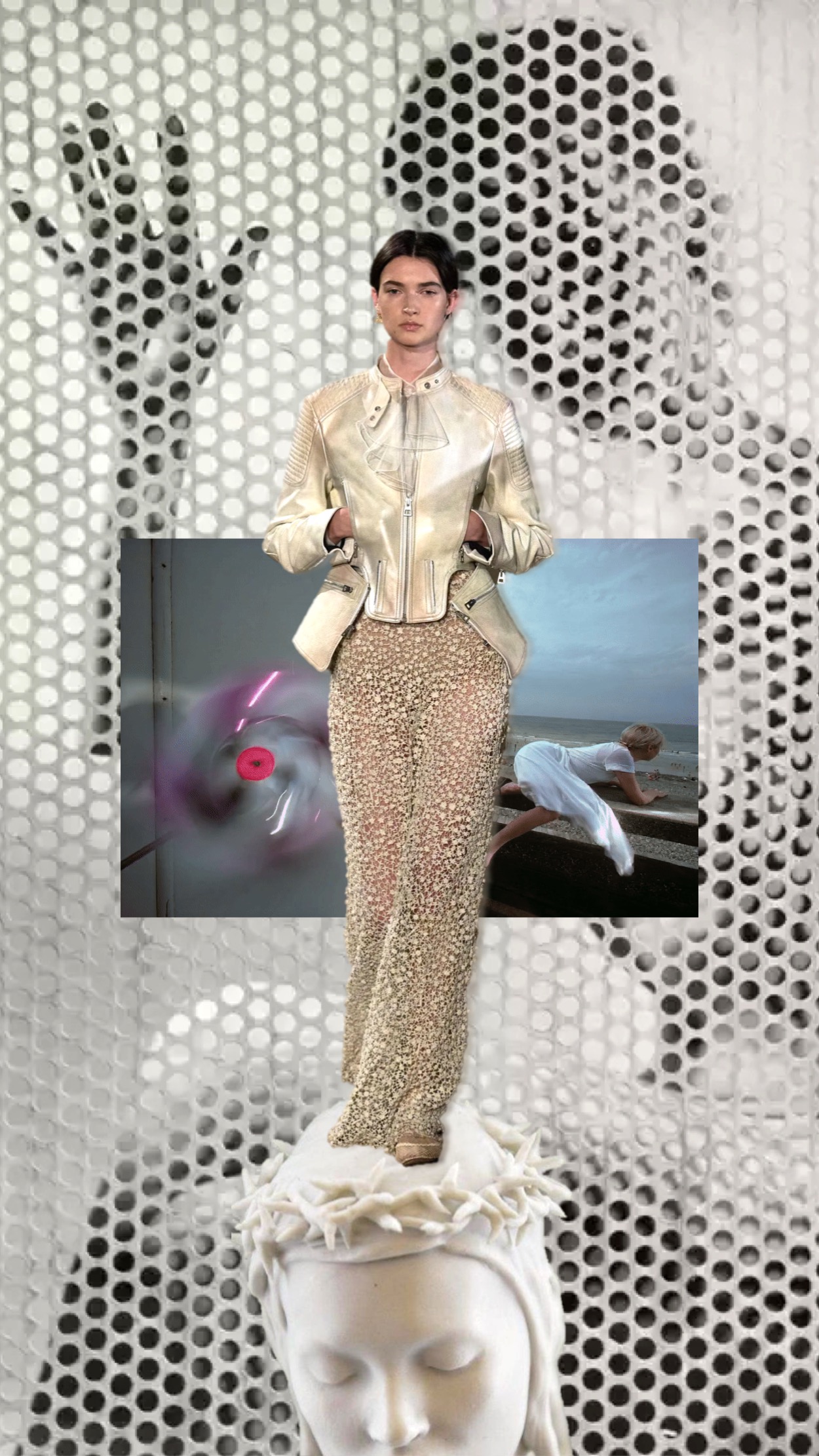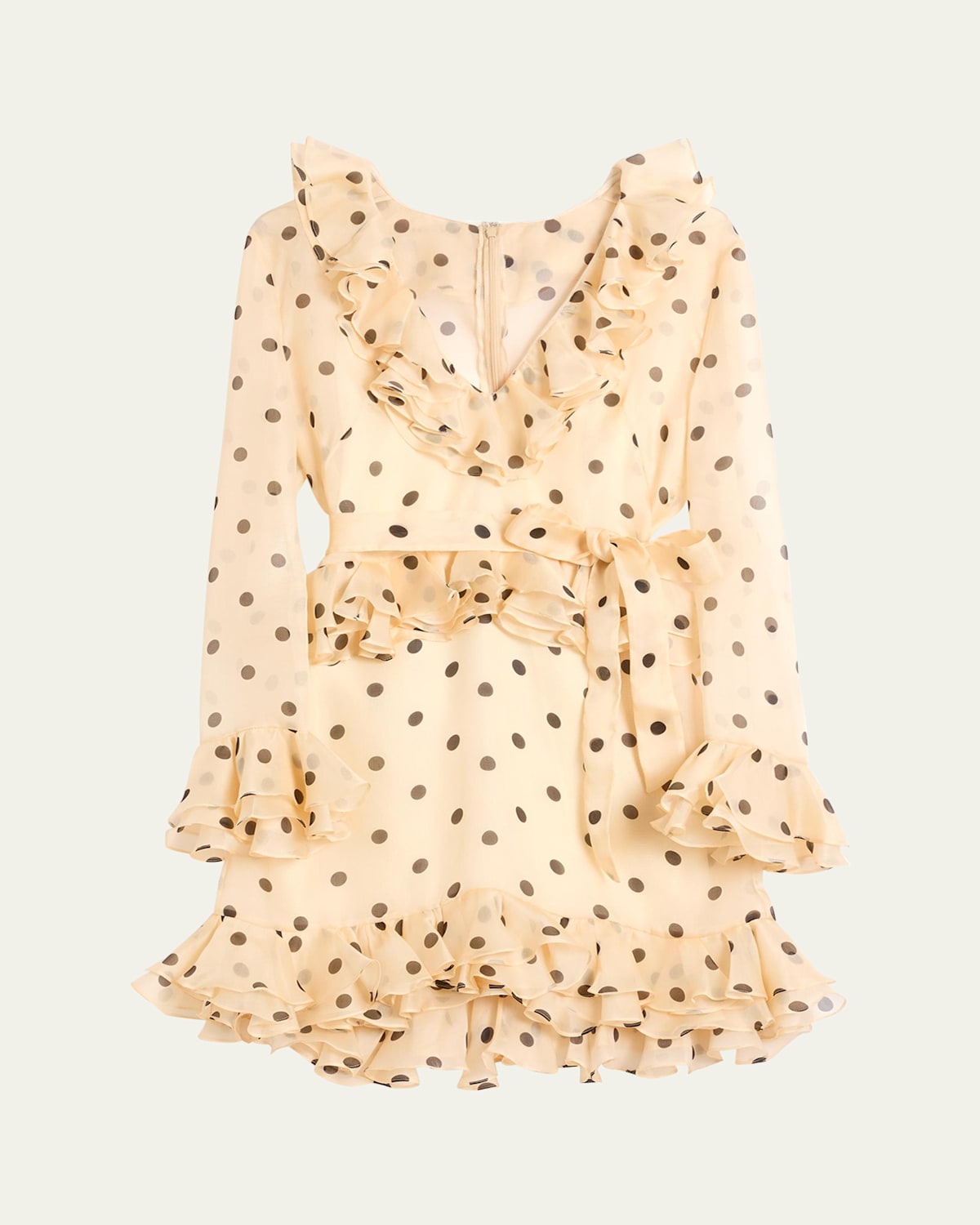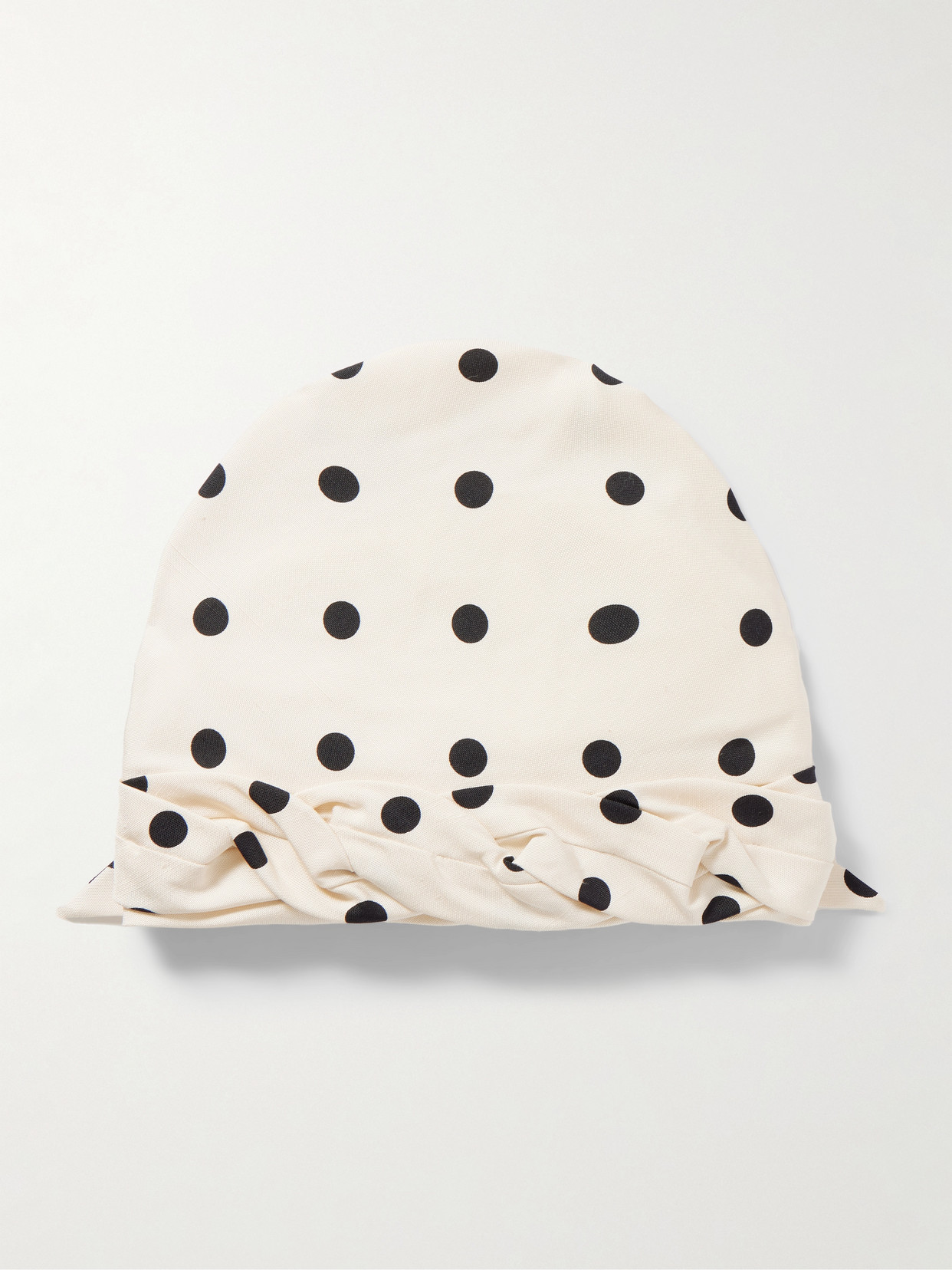
It’s been years, YEARS since I wrote about a Dolce & Gabbana show. But this one caught my attention for all the right – and wrong – reasons.
The hautecouture season doesn’t really end until Dolce & Gabbana says the last word with its obnoxiously opulent, over-the-top alta moda shows (there are three of them: for jewellery, womenswear and menswear). They are presented not in Paris, but in Italy – that explains why it’s off the official couture schedule.
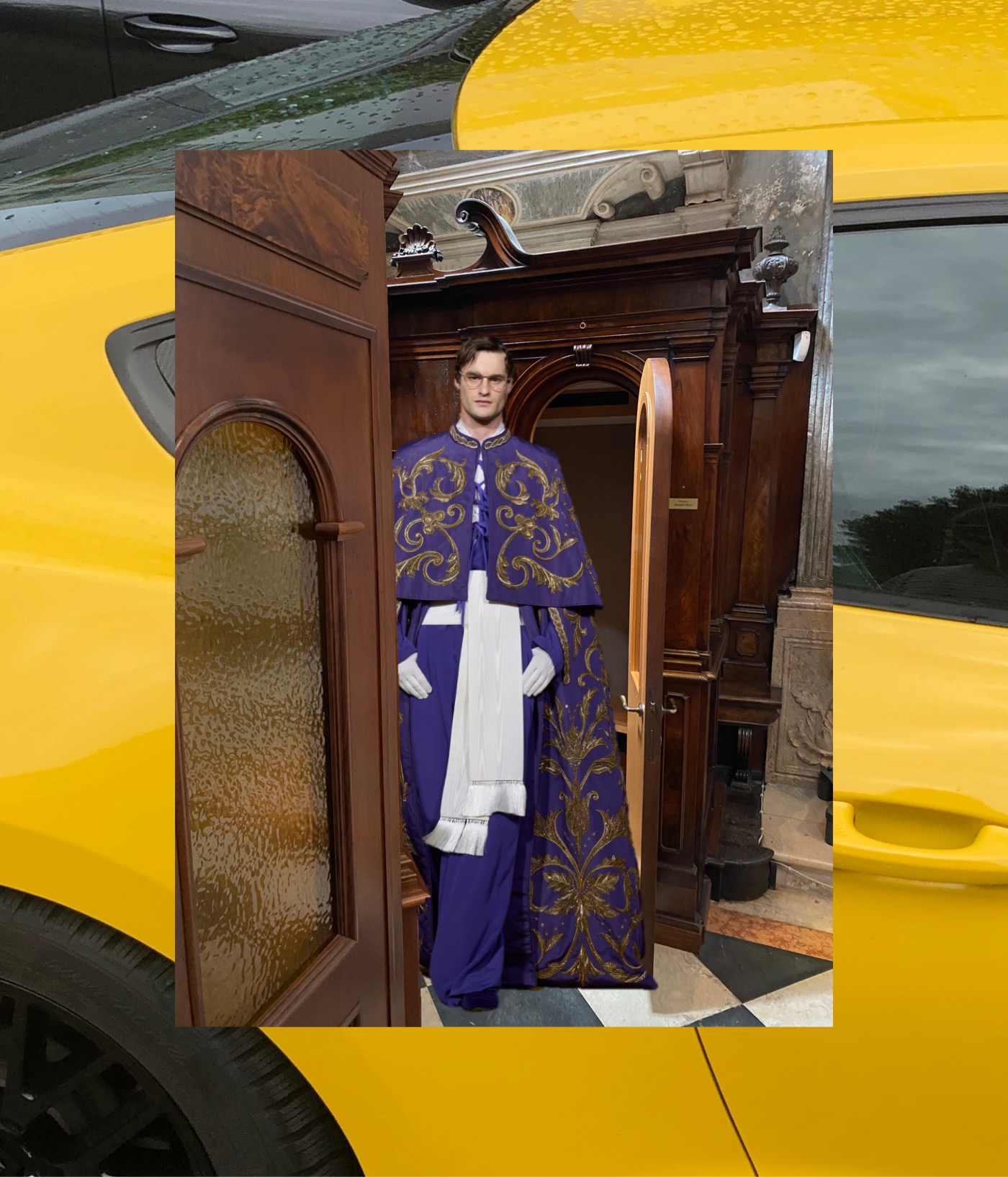
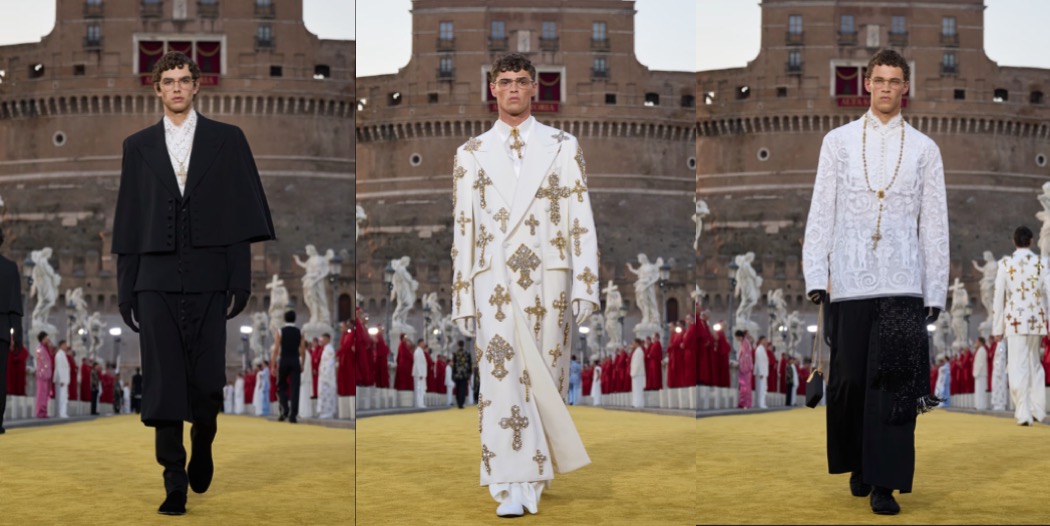
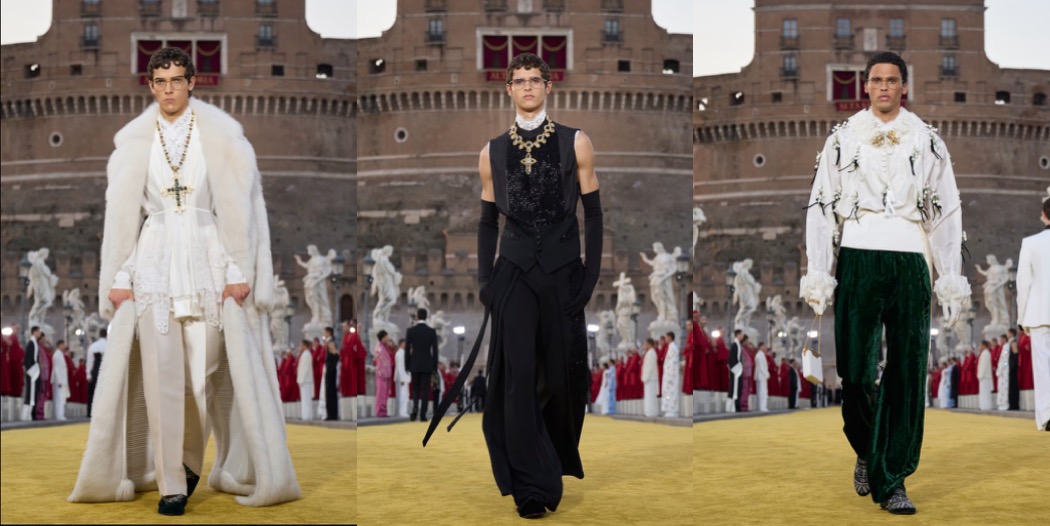
Most of the time I hate what contemporary Dolce & Gabbana does (from the Lauren Sanchez wedding dress to the designers’ problematic statements, the list for cons over pros goes on and on). Yet I have a sentiment for old Dolce & Gabbana, especially from the 1980s, 1990s, when the designers dissected the codes of Italianity and created an entire visual lexicon that was very rawn and undiluted. And I must admit that the brand’s latest Alta Sartoria collection – which goes for menswear couture – presented not just anywhere in Rome, but at the steps of Castel San’Angelo – and with IRL bishops in attendance – is really something worth analyzing. READ MY FULL REVIEW HERE.
Collage by Edward Kanarecki. Don’t forget to follow Design & Culture by Ed on Instagram!
Hey, did you know about my newsletter – Ed’s Dispatch? Click here to subscribe!
Today, Lorde released Man Of The Year, her second single from the highly-anticipated Virgin album. The song is heart-and-gut-wrenching in the most Lorde way you can imagine: raw, vulnerable, unfiltered. By the time we reach the outro, Let’s hear it for the man of the year, there is a subtle shift from mourning to ecstatic celebration. The phrase is repeated like a sarcastic toast, both honoring and burying (burning alive!) the man who inspired the deep, painful turmoil. But ultimately, Man of the Year is not really about him. It is about Lorde reclaiming the narrative, re-emerging from ego death and heartbreak with sharpened clarity.
Quite coincidentally, it was officially announced today (after months of speculation) that Maria Grazia Chiuri is stepping down from Dior. Social media raved: finally!; fashion gods heard our prayers; the end of a nightmare. Voiced especially by men, you just can’t not agree with @lewissmag that there’s a tinge (or even plenty) of misogyny sparking that excitement of a woman departuring a maison like Dior after a decade of immense volume of work. A reminder that the fashion males, queer or not, had a very similar blast when Virginie Viard left Chanel. They were in heaven.
Now don’t get me wrong: I’ve never been a number one fan of Maria Grazia Chiuri’s work at Dior – just not my cup of tea, aesthetically. But I do realize that all the logo totes aren’t her sin: it’s in fact LVMH and Bernault Arnault’s endless financial insatiability that powered Dior’s horrific merchandise in the last decade. Just think of the once sophisticated and chic Dior boutique on Avenue Montaigne that now looks like a massive, tacky department store. It’s also not Chiuri’s fault. Unfortunately, creative directors really don’t have all the power when leading a brand.
What this female designer managed to make out of Dior is turning it into a brand that’s in a way similar to Giorgio Armani’s universe: you don’t have to follow it from season to season, because you won’t really see a revolution on the runway – but there’s always a beautiful dress, a great coat, a proper jacket. A continuity that has its rhyme and rhythm.
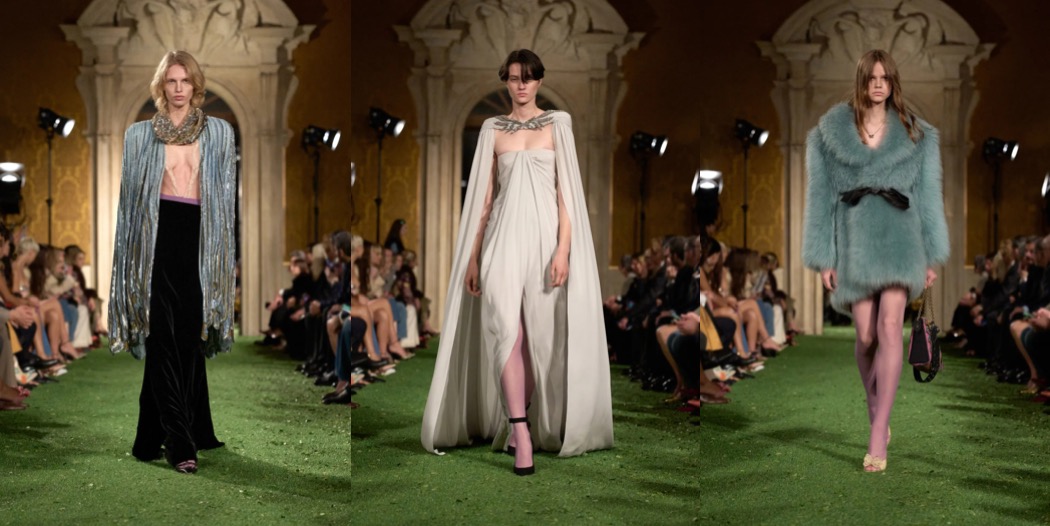
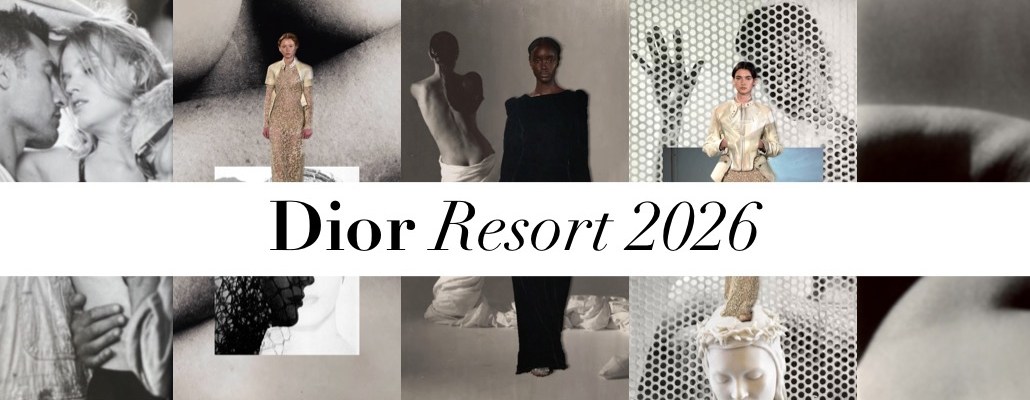
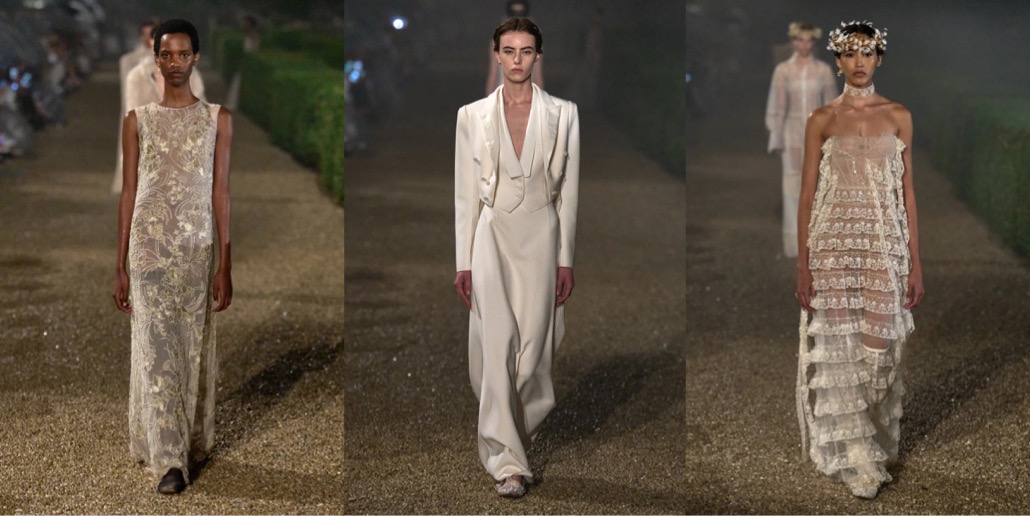
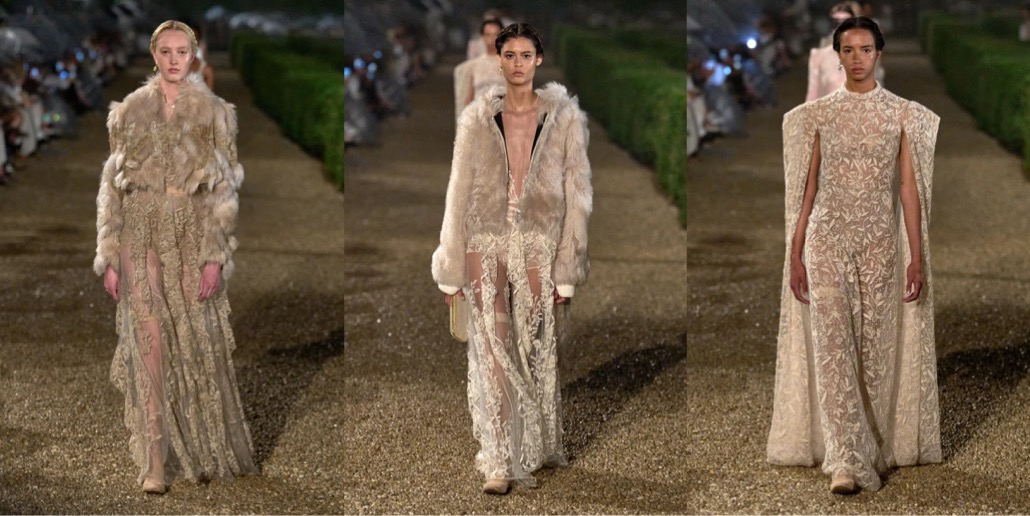
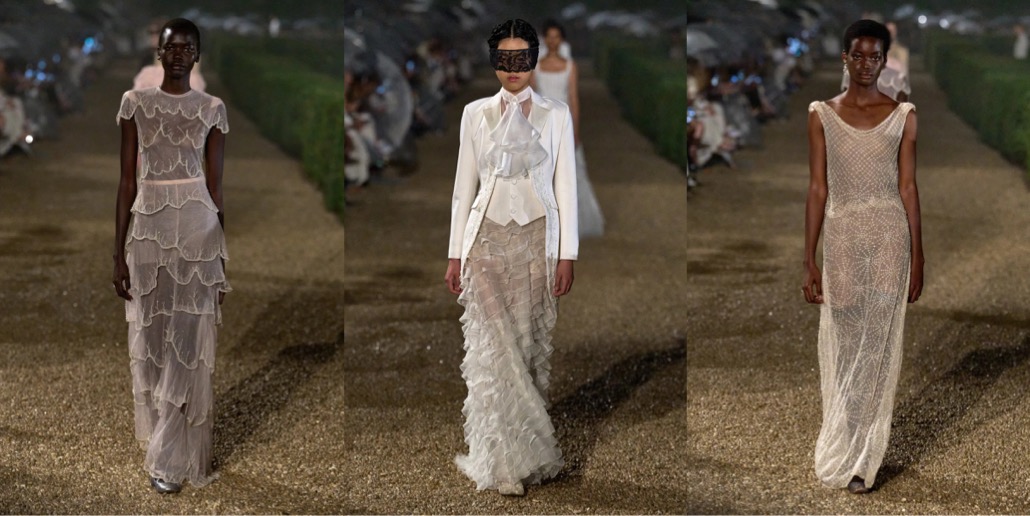
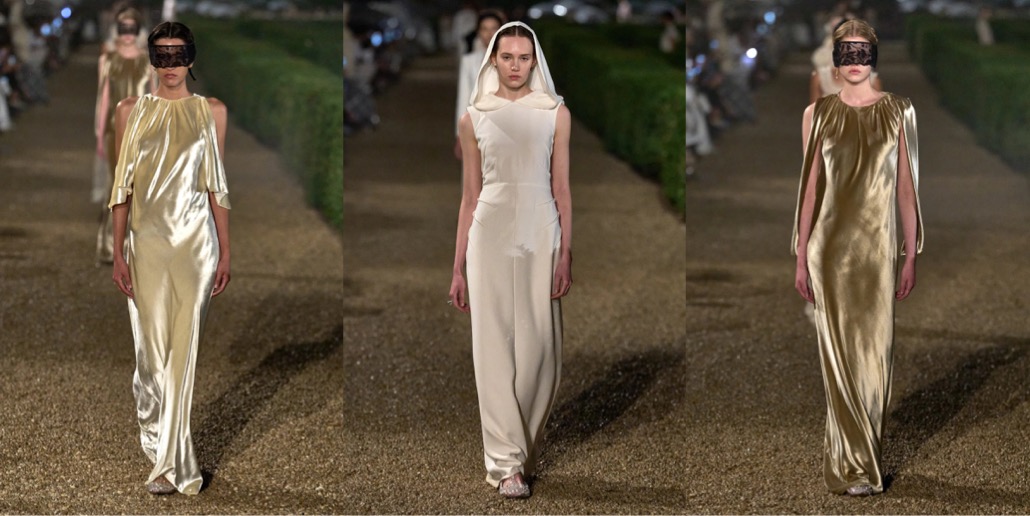
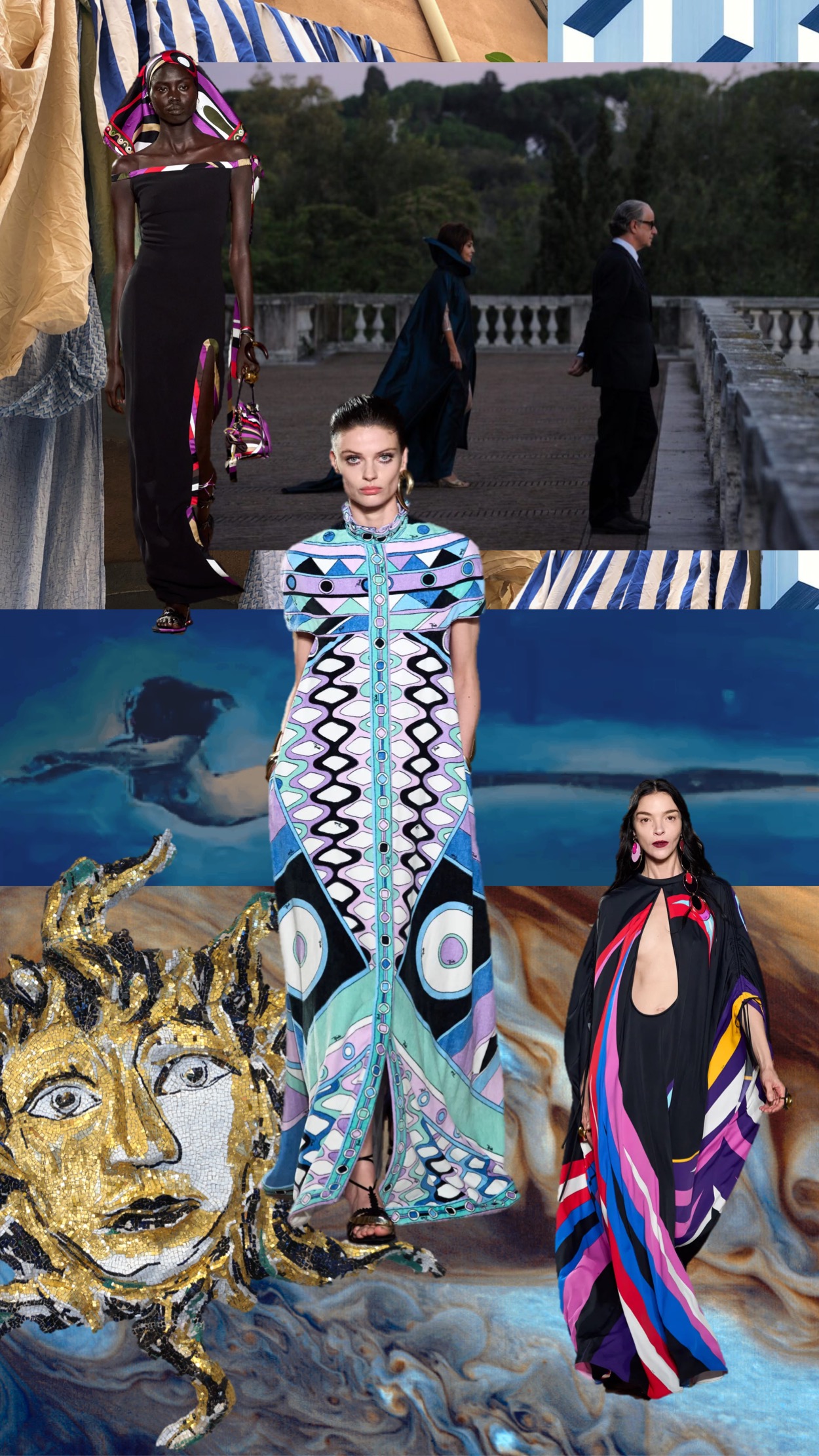
In a way, it seems to me that Maria Grazia Chiuri truly refound herself at the very end of her tenure at Dior. Her pre-fall 2025 show in Tokyo had a spark. Her swan song outing, for resort 2026, presented in the enchanting garden of Villa Albani Torlonia in Rome, was powerful in its grace. Those velvet column gowns are pure delights, just as the remarkable fur coats that are actually made from plume. The collection’s opening look, a masculine white tailcoat worn with a maxi-length, matching skirt, is the absolute essence of Maria Grazia Chiuri’s contribution to fashion, in past misguided by unfortunate styling or simply obscured under all the gimmicks of fashion show spectacles. This ideal, minimalist yet sumptuous simplicity was followed by many variations on the theme of the long, slim, semi-sheer dress. The lace effects were almost countless – 3D florals, rivulets of ruffles, leafy cut-outs, wavy art deco frills, gilded latticework covered with silken fringe. Underwear visible, shoes flat. A statement.
And then, the haute couture finale featuring caviar-beaded, trompe l’oeil-effect dresses that looked like statues dating back to Ancient Rome. Male statues, to be precise. Torsos, like armors (a theme moved very literally by Nicolas Ghesquière at Louis Vuitton just a week ago). Going back to Lorde, Man Of The Year’s cover art is a Talia Chetrit photograph of the singer’s bust, covered with duct tape. Now, do you see the connection between these two?
Will Maria Grazia Chiuri return to fashion in the near future? Probably she will spend her time on cultural initiatives, like the Teatro Della Cometa she renovated and reopened to the public a couple of days ago. And who will lead Dior’s womenswear now? Probably Jonathan Anderson. Another M.O.T.Y.
Collage by Edward Kanarecki. Don’t forget to follow Design & Culture by Ed on Instagram!
Hey, did you know about my newsletter – Ed’s Dispatch? Click here to subscribe!
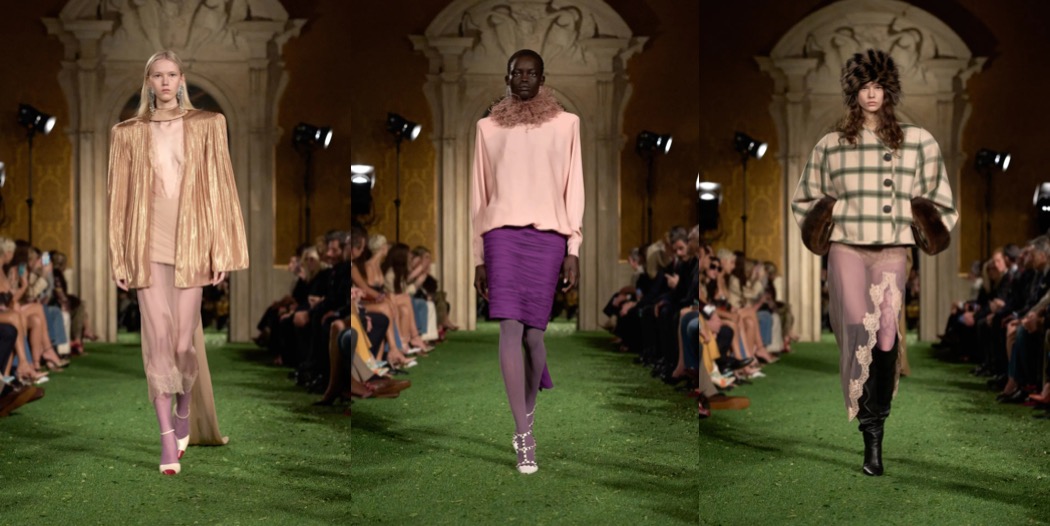
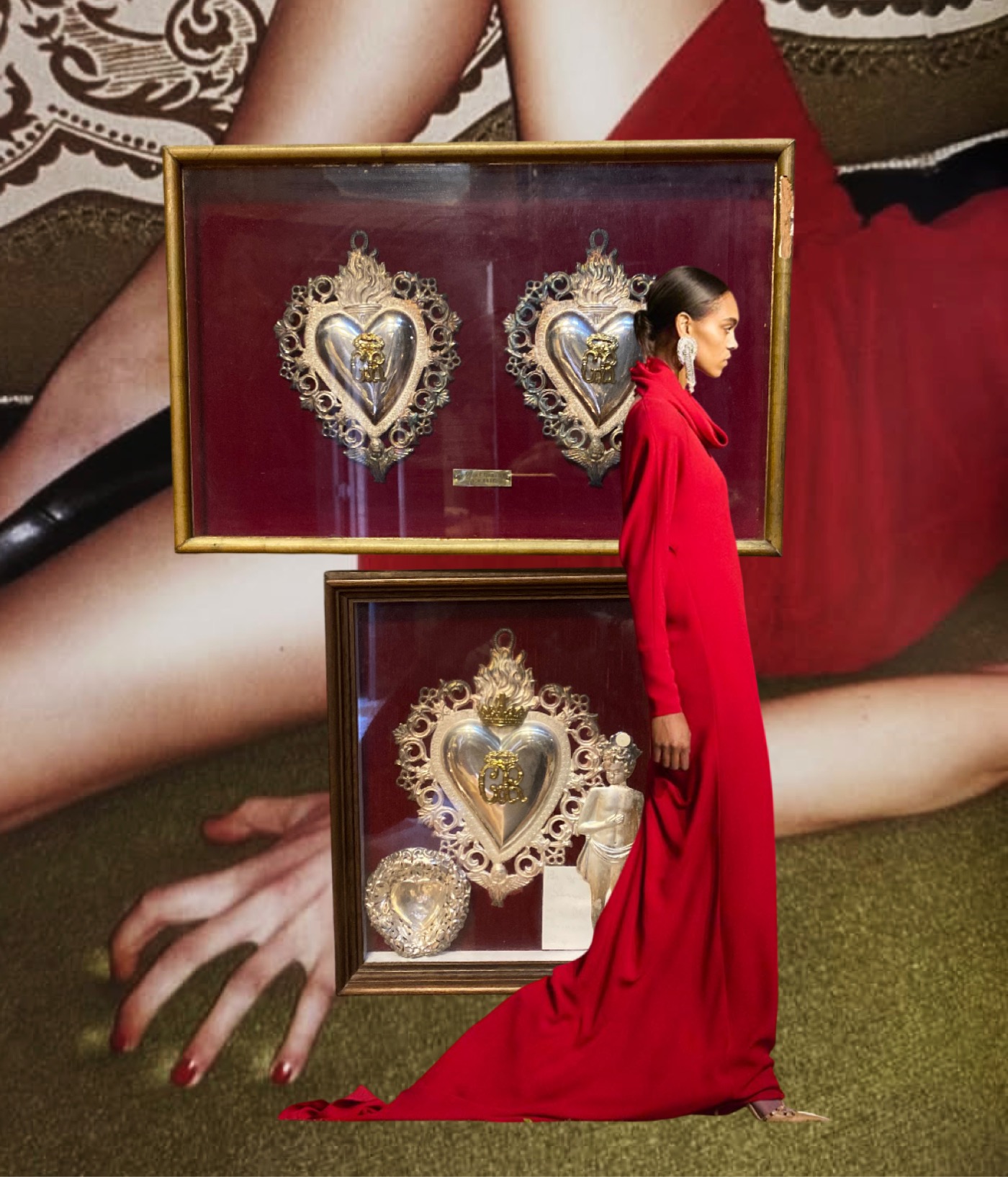
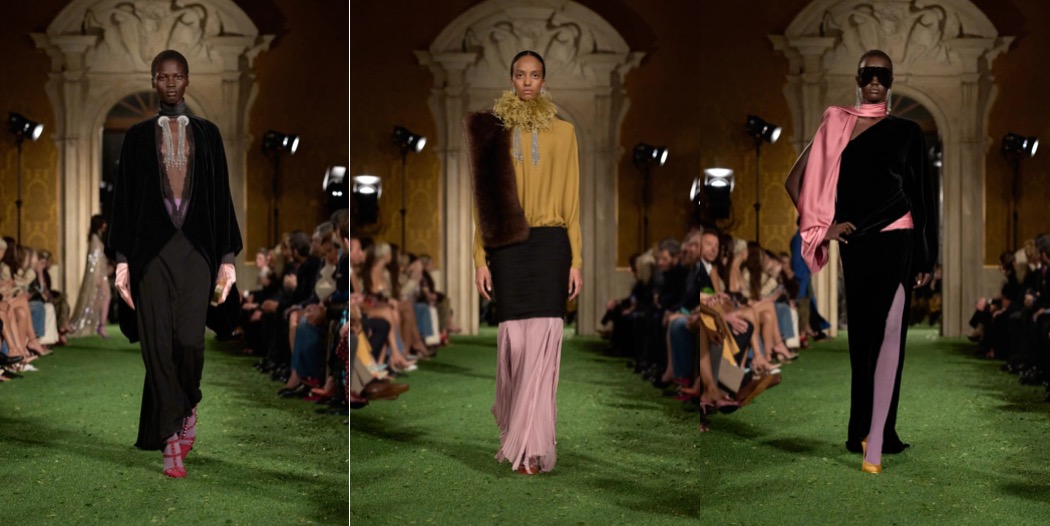
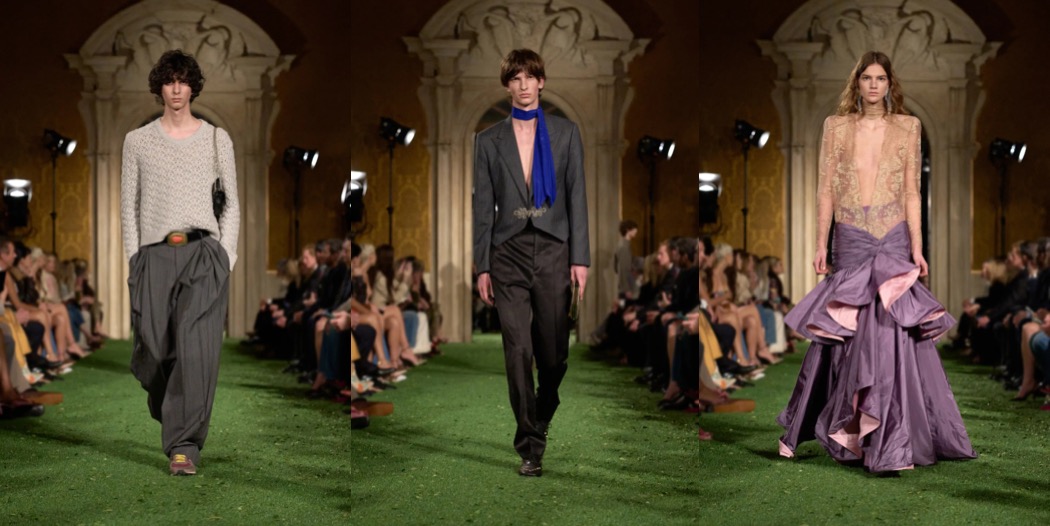
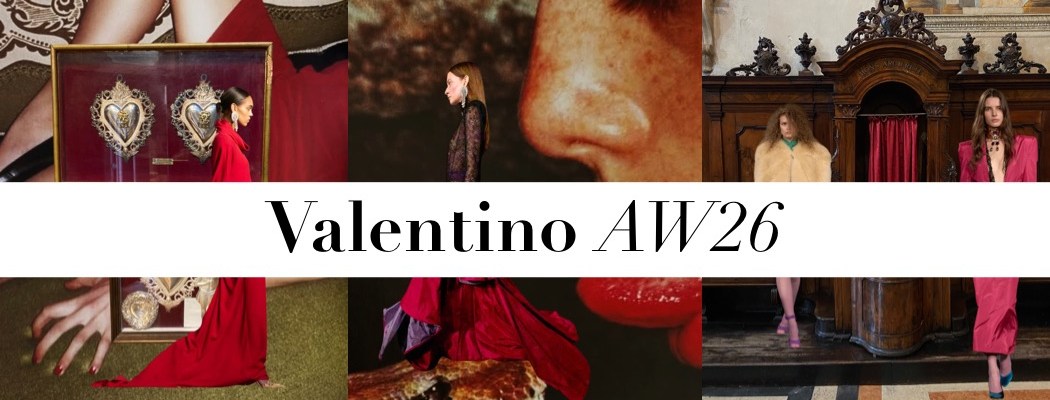
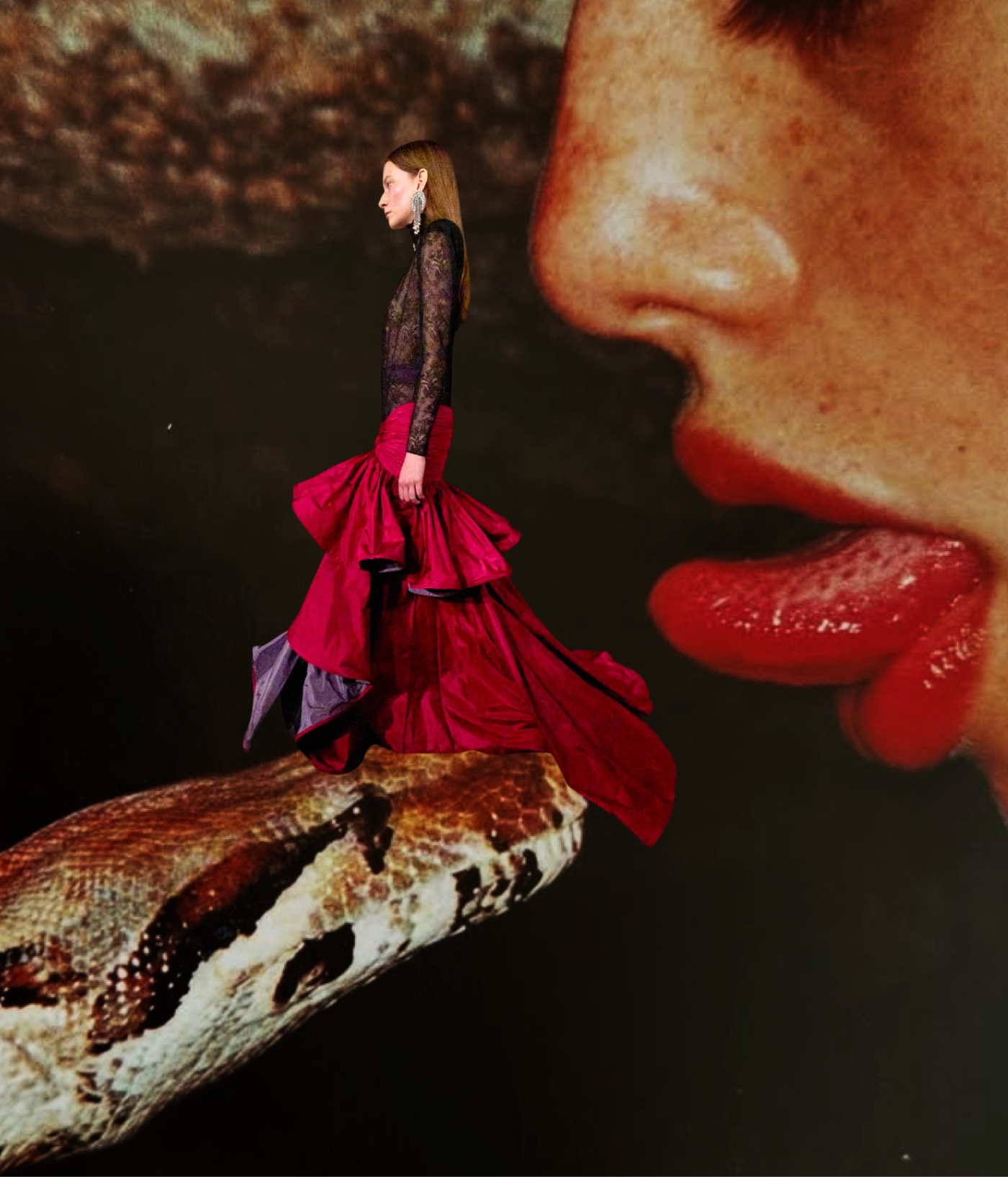
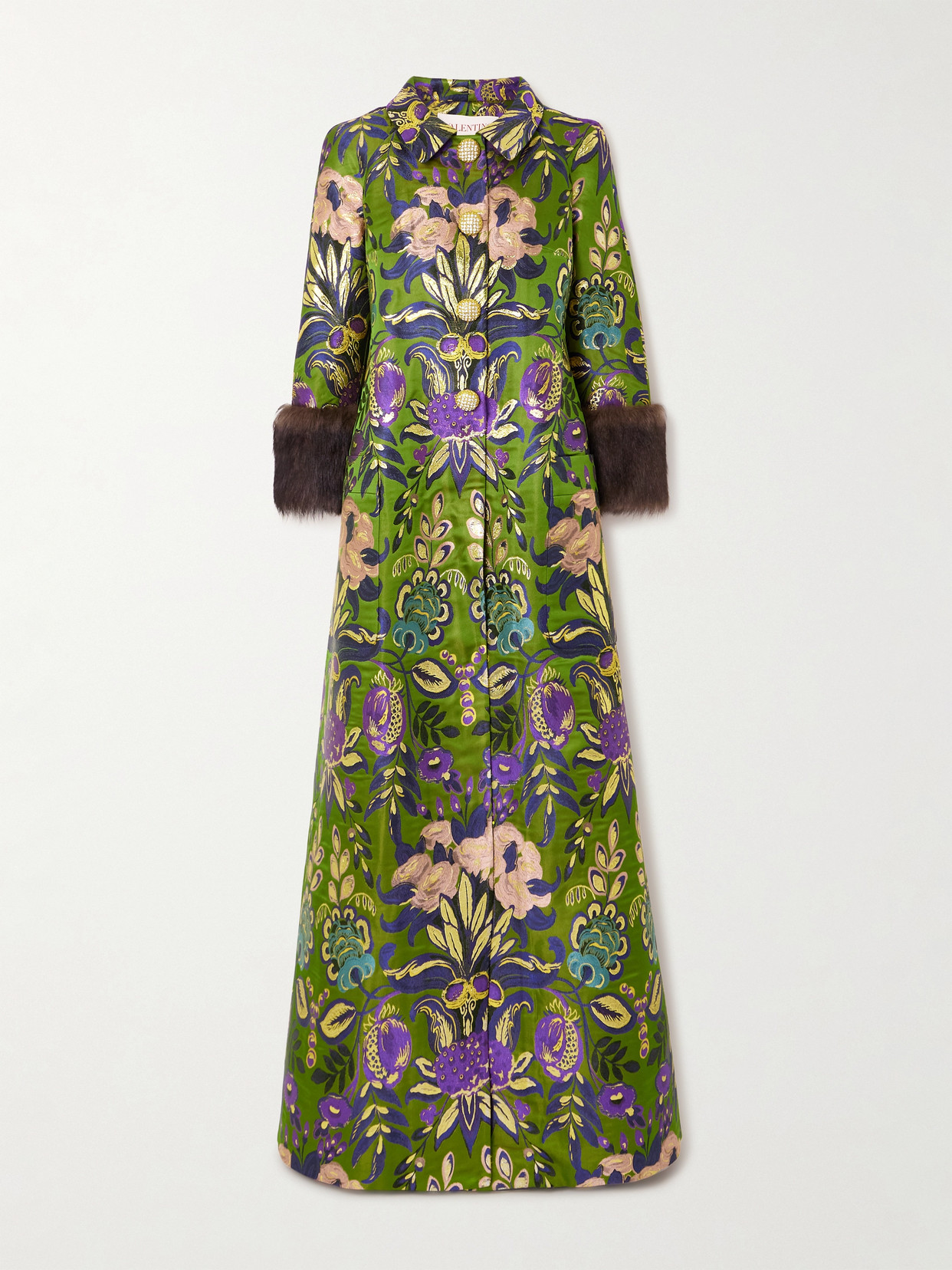
As some of you might remember, at first I was very on fence with Alessandro Michele’s debut take at Valentino. It just felt very archaic to me at the time. But something clicked for me the moment Donald Trump won the elections in the U.S. (here’s the post on that). I suddenly realized I need escapism. A sweet, decadent, indulgent escapism – exactly what Michele is known for through his unhinged vision he channeled at Gucci (with Gucci’s ready-to-wear limits) and now at Valentino, where he’s got the ultimate couture know-how.
This week, Alessandro’s third act for the Rome-based brand got released, and it’s his best one so far. I really liked how Lyas described it as “punk”. It really is punk whilst pretty much everything in fashion right now is pure conservatism, from bland “quiet luxury” minimalism to “office-core” – on the way of trad-wives and white-cube ad campaigns. Michele’s vision couldn’t be further from all that. It’s full-throttle boheme, striking with artisanship and well-traveled, idiosyncratic approach to styling.
His Valentino is of course very vintage-y. Now you might say I’m a hypocrite – I just shaded the Anthony Vaccarello’s nostalgic Saint Laurent collection. But here’s the thing: while you can trace Vaccarello’s vintage-obsession to exact, well-documented references, in case of Michele it’s totally not the case. Alessandro’s history-mania has echoes of Diana Vreeland’s “the eye has to travel” way of thinking. He takes from the past, remixes it, and recontextualizes it. Plus, it’s really striking to see how he not only is inspired with 1970s and 80s fashion (and Valentino Garavani’s work from that period), but also does his best to measure up to the craftsmanship standards of these times.
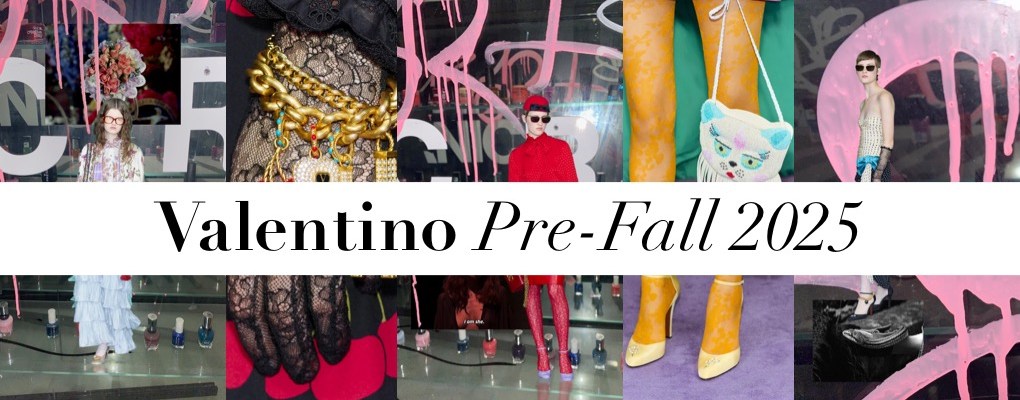
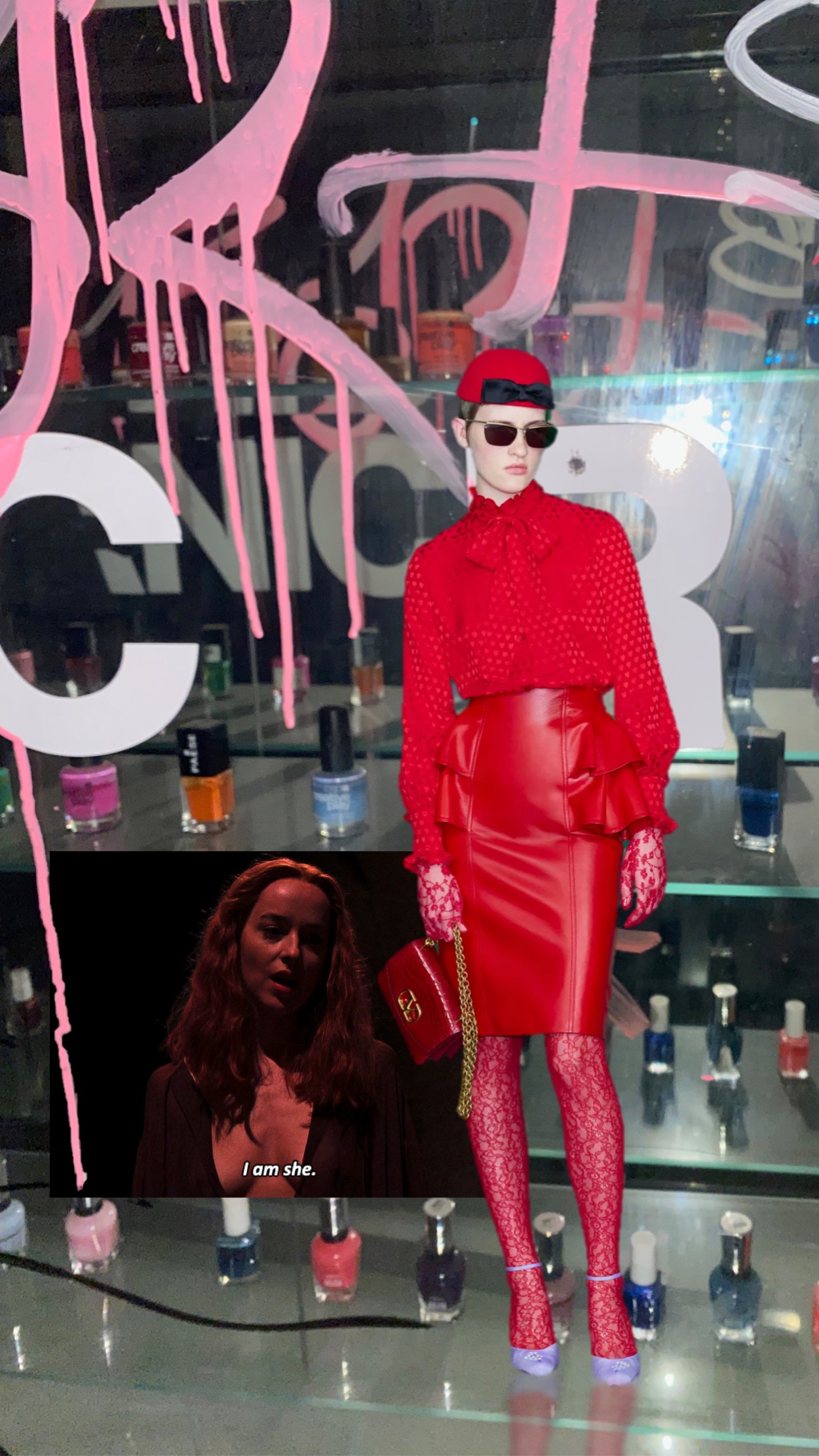
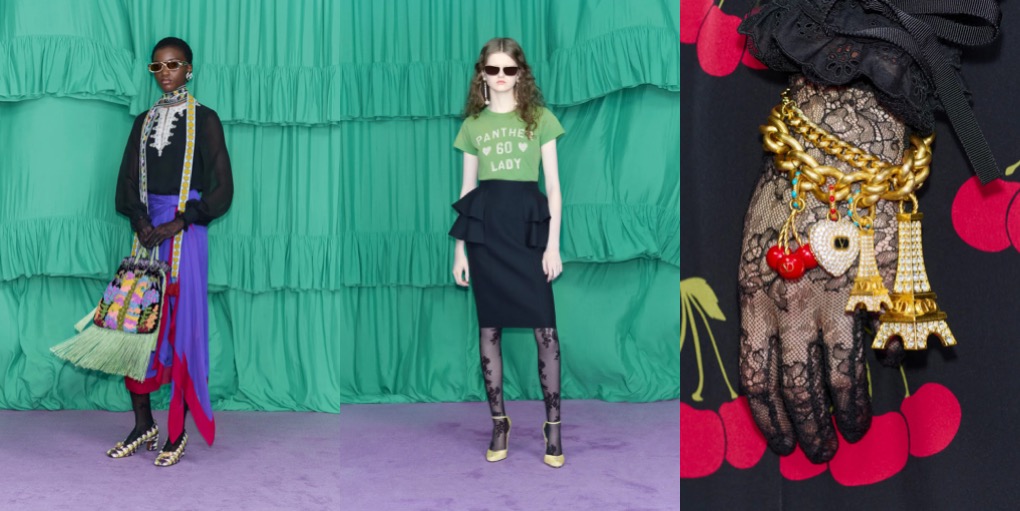
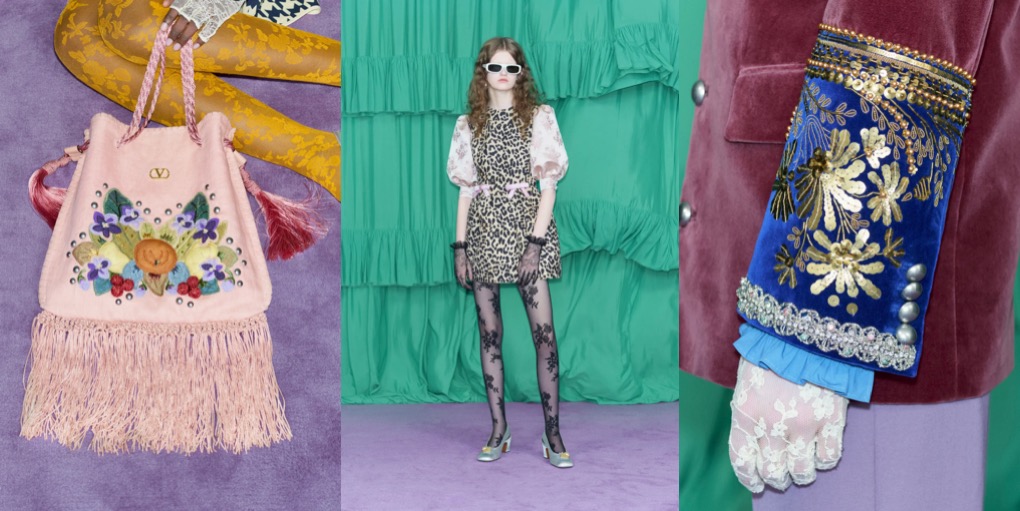
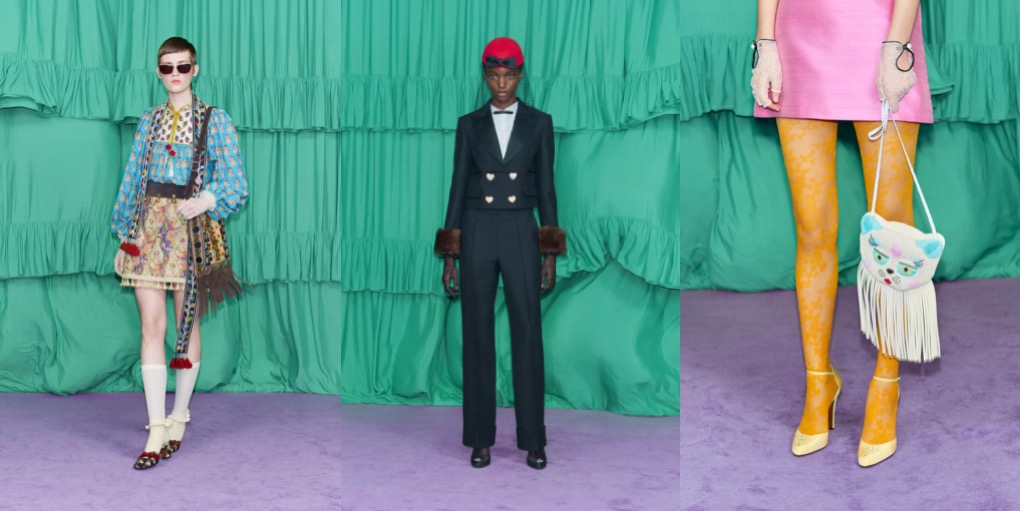
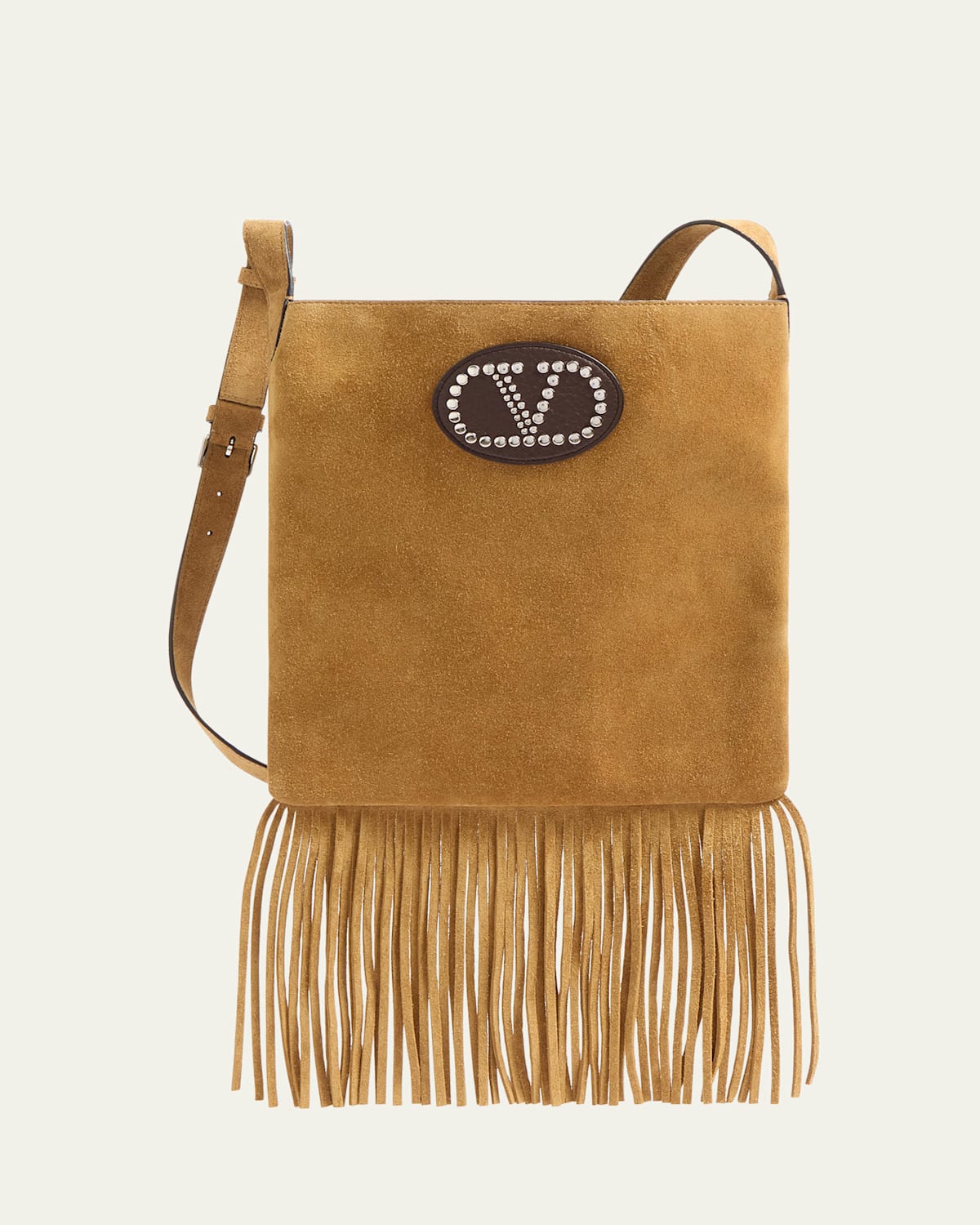
The pre-fall 2025 collection is transfixingly beautiful and dreamily opulent. The silk dresses are made out of patches of prints, from robust paisley to wallpaper florals; the lace is so intricate it looks like porcelain, and the lush, dense embroideries on velvet jackets and big-sleeved, peasant blouses is beyond. And I went completely crazy for the bags, especially the fringed, knitted pouches. Bode looks kind of poor next to these works of art. New Valentino is heirloom-status fashion. If this is what the label’s ready-to-wear looks like in Alessandro’s hands, I can’t wait for his first haute couture outing.
Unabashed beauty is so back, baby!
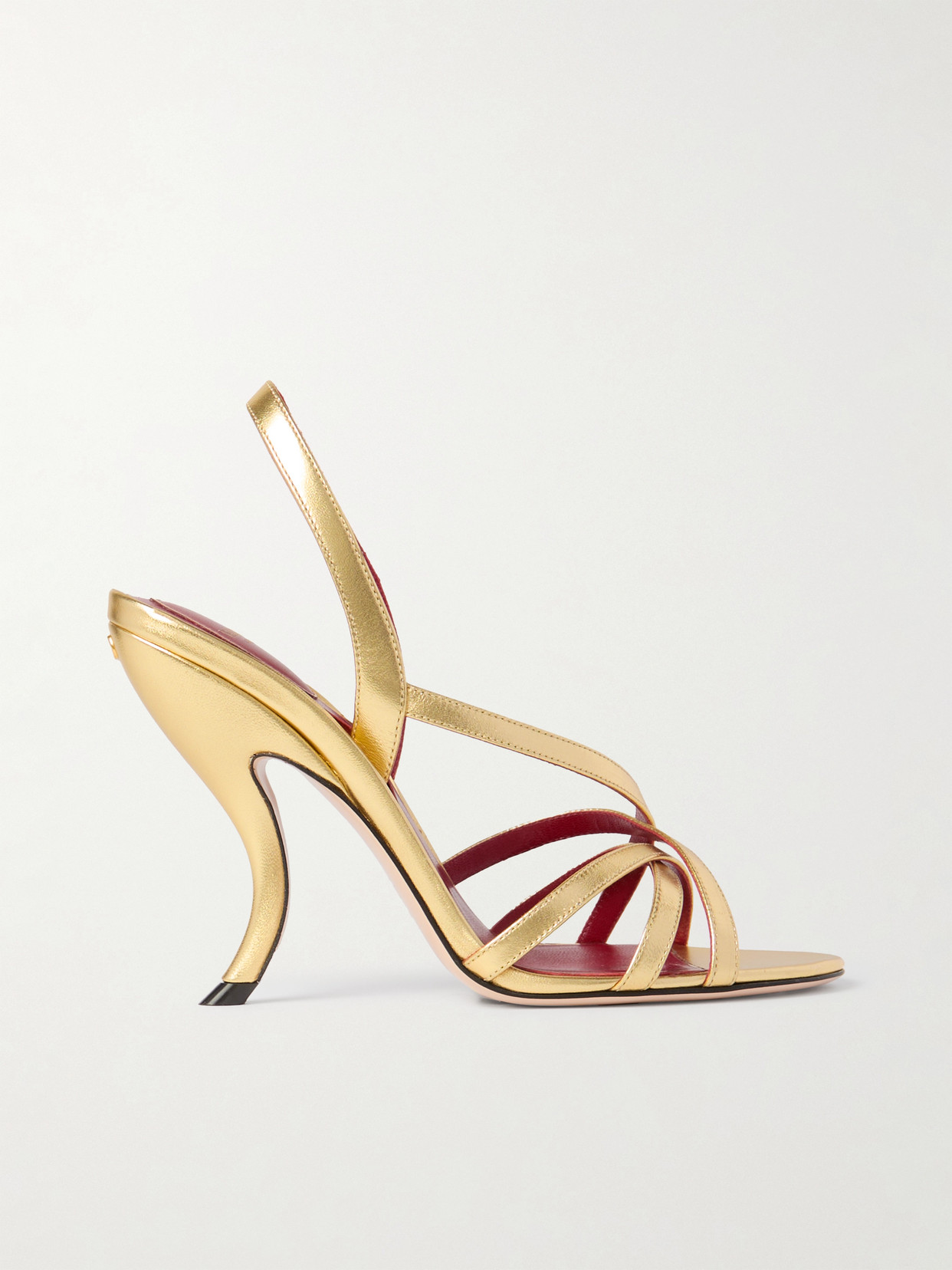
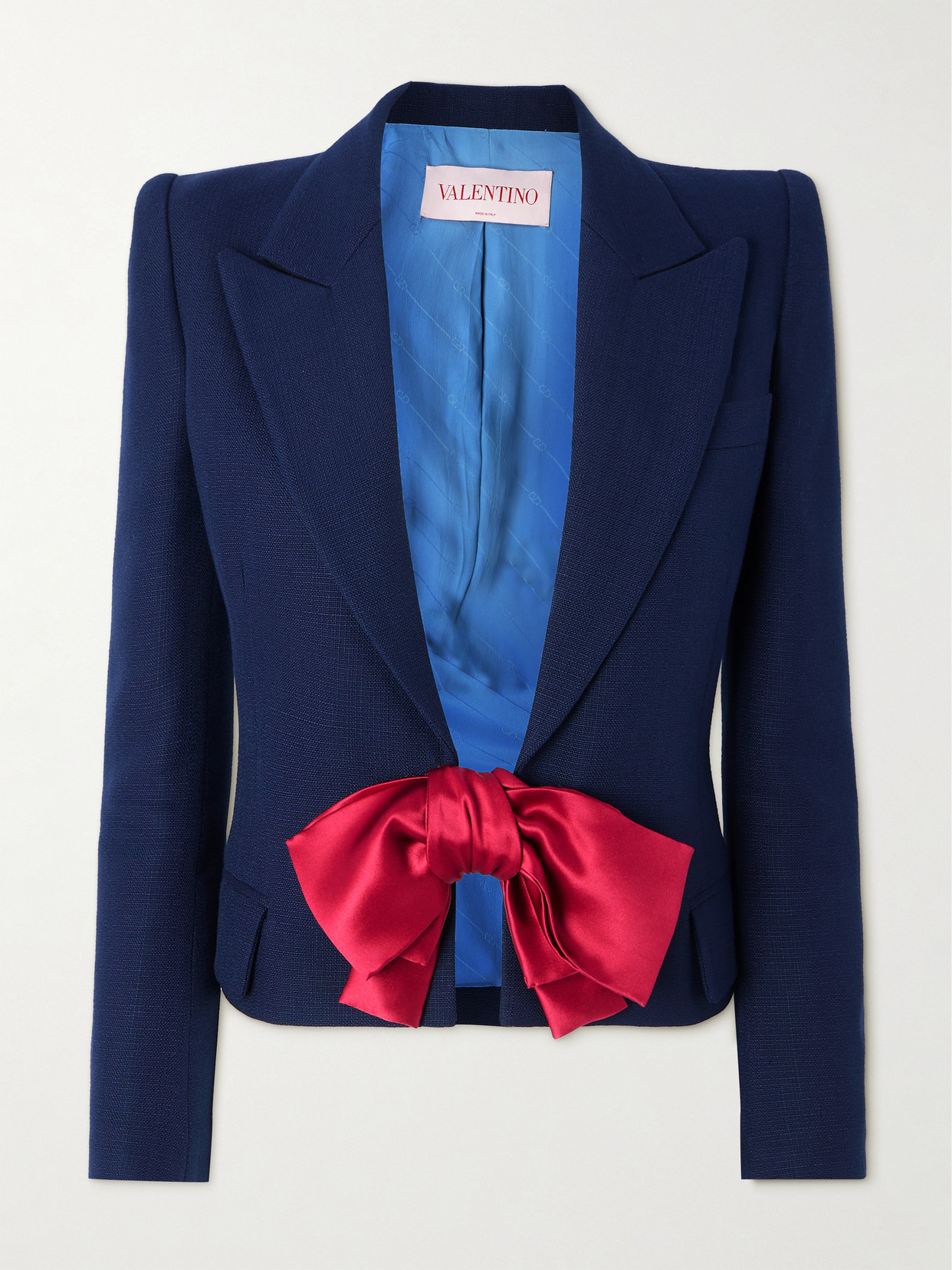
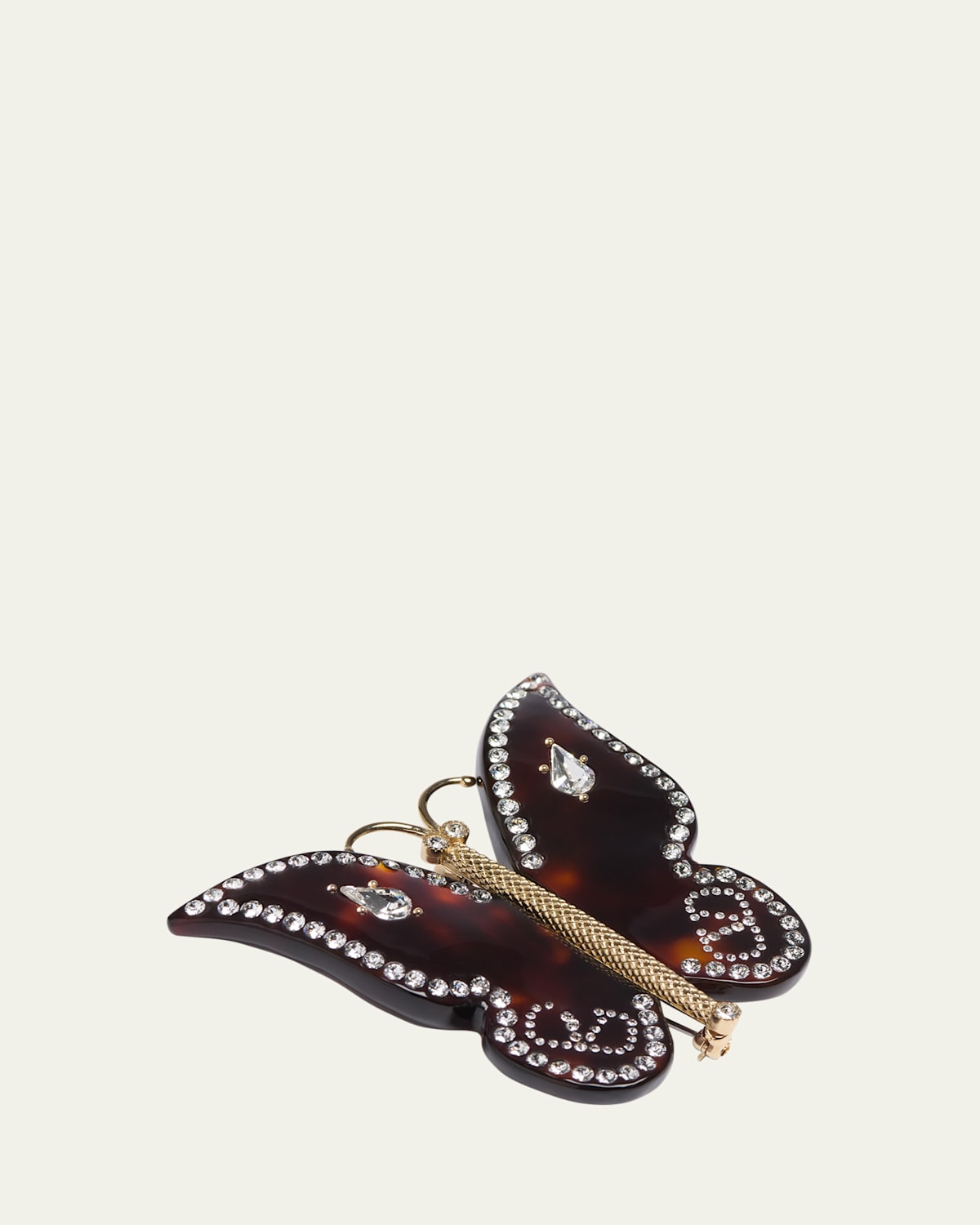
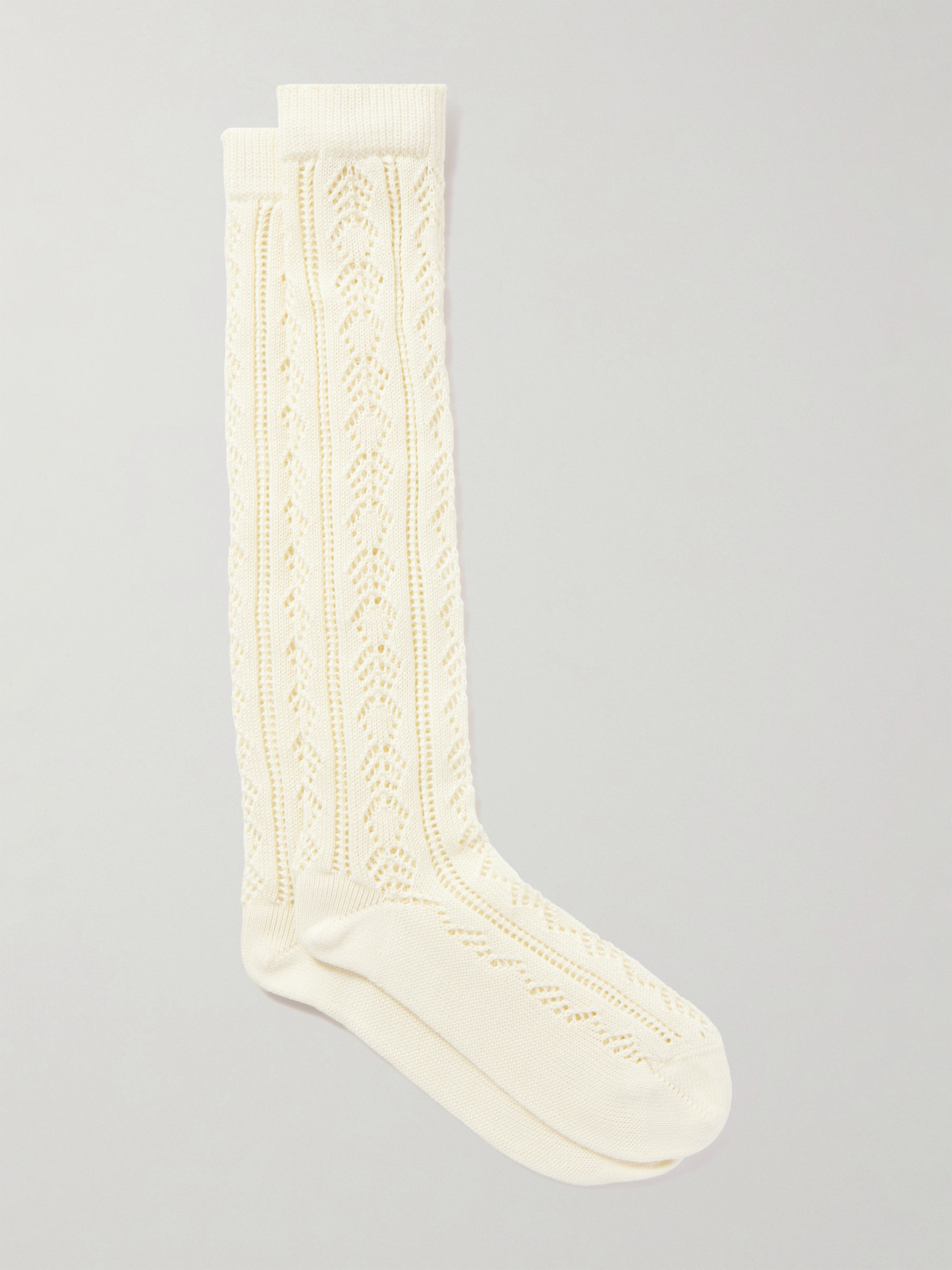
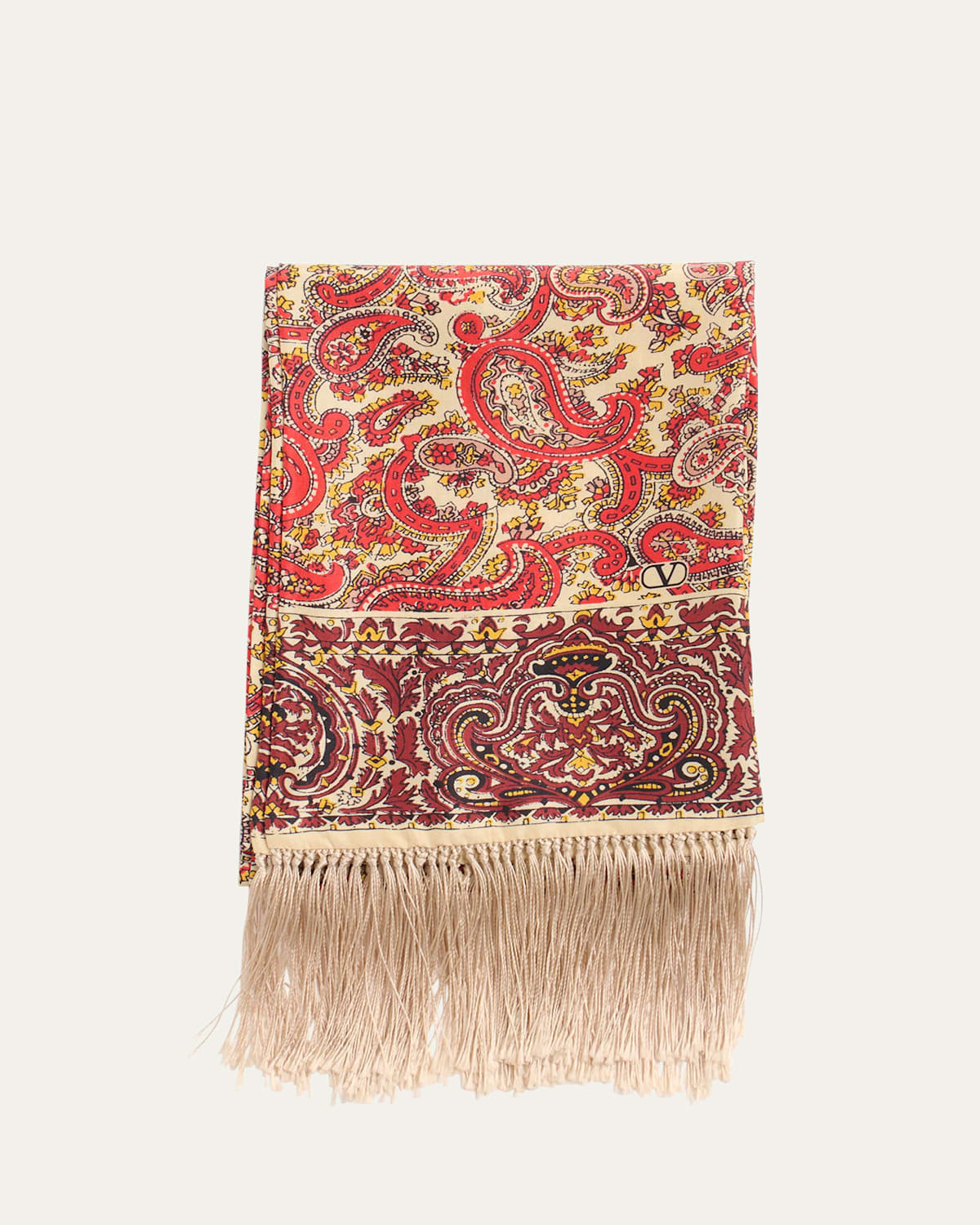
Here are some of my favorite pieces from new Valentino…
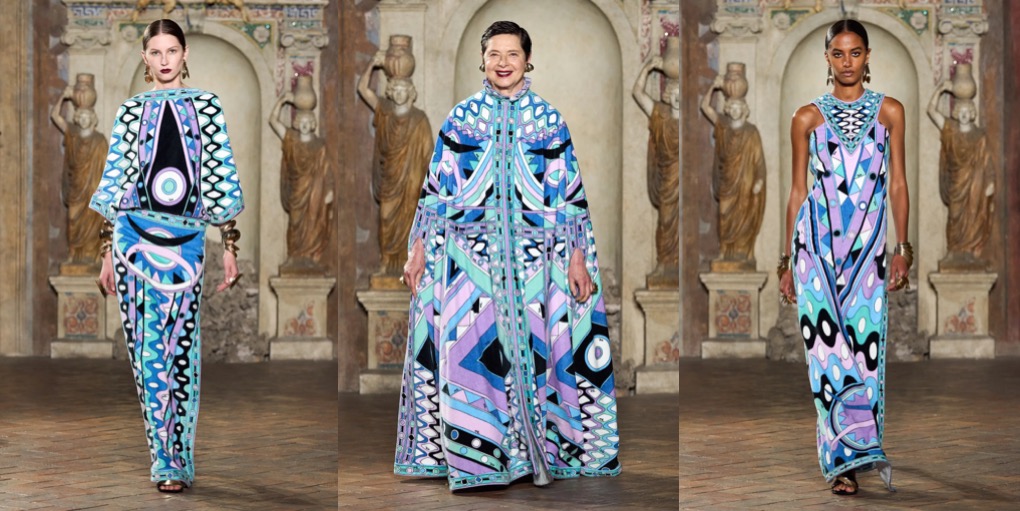
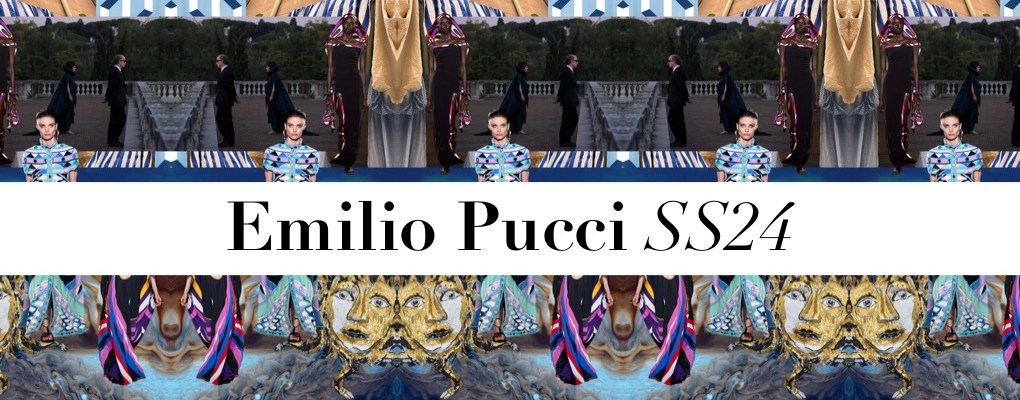
Camille Miceli delivered a bold and joyful Emilio Pucci moment: high-energy runway presentation held at Palazzo Altemps in Rome, opened with a stunning appearance by Christy Turlington and closed with the iconic Italian actress and model Isabella Rossellini. To the tune of Roisin Murphy’s covers of all-time Italian classics, the charismatic designer sent down a contemporary take on the psychedelic Pucci motif. No wonder why the collection was titled “Very Vivara” – after the iconic pattern which was created way back in 1965 and has the same vibrant resonance in 2024. Intertwining the characteristic sumptuousness and the emblematic lightness of the fashion house, shifting between organic and geometric shapes, Miceli offers a certain heartfelt glamour that doesn’t feel forced. Wearing a breezy Pucci caftan-dress, you’re a jet-set goddess, but one cherishing ease and comfort.
Collage by Edward Kanarecki. Don’t forget to follow Design & Culture by Ed on Instagram!
Hey, did you know about my newsletter – Ed’s Dispatch? Click here to subscribe!
For Valentino’s spectacular autumn/winter 2022 haute couture show, creative director Pierpaolo Piccioli returned to Rome, where Valentino Garavani founded the storied maison back in 1959. Otherworldly bodies descending from the Spanish Steps in the golden evening sun, the romantic voice of Labrinth echoing from beneath the Trinità dei Monti… well, that was a scene. “I start from the finale, always,” Pierpaolo Piccioli said during a preview in Paris days before the show. “What I have in mind is these liquid, colourful drops coming down from the Steps, the volumes light and in movement.” He titled his show The Beginning: a return to the city where Valentino Garavani founded his maison, a place that has moved with the winds of change since the dawn of time. Like Piccioli’s Valentino, Rome’s codes may remain the same but its values are in eternal evolution. That was the sentiment behind a show he envisioned as “a conversation with Valentino” across the past, the present and the future. Piccioli had been dreaming of doing a show on the 18th-century steps. “It’s very personal. The last time Valentino did a show on the Spanish Steps was in the 1990s. It was a different moment in fashion. It was about lifestyle and the perfection of beauty, the glamour, the supermodels,” he reflected. “I wanted to get the spirit of Valentino – the joie de vivre – because I think it’s the only way of making beauty resilient to the time. On the other hand, there’s a picture I want to deliver, which is different from what it was 45 years ago. It’s the picture of what we live in. The Spanish Steps are the same, the atelier is the same, and in the end, clothes are clothes. I like to keep the rituals of haute couture. But the real difference is in the casting – in the humans – that can tell stories and witness a different moment in this world. I want to empower them and give them a voice and the opportunity to tell their own stories.”
Piccioli’s approach to the show manifested in a collection that didn’t just poeticise the decades-long legacy of Valentino Garavani, but his own contributions to the house. Rather than pursuing newness, he reflected on what Valentino stands for after 14 years under his own artistic directorship (and 23 years as an employee). Unless you’d spent those years under a rock, you’d immediately recognise the resplendent volumes of his dresses, suits and coats, the hypnotising hues of his gem colours, and the drama of his plumed headpieces bouncing like jellyfish in the stream of the Roman evening breeze. “I wanted to do a reflection about how much of myself is in Valentino, and how much of Valentino is in my identity,” he said. “It’s everything I’ve already done but in a different place.” Piccioli’s era at Valentino has followed a time of political divide when the progressive values he fights for – the diversity, inclusivity and self-expression represented in his casting – are contrasted by a rise of reactionary ideas that has only become terrifyingly evident with recent American Supreme Court rulings. In that sense, moments like the Spanish Steps show – these grand gestures of beauty – are a kind of activism on his part. It may be wrapped in majestically coloured taffeta, three-dimensional geometric plumage painstakingly made to evoke Roman mosaics, or voluminous hand-sequined suits, but at the core of Piccioli’s haute couture is a dream that cuts deeper than mind-blowing craftsmanship. “I believe that it’s my responsibility as a fashion designer to bear witness to the times we’re living in,” he said. “I think that beauty has the power to break through, touch people and their conscience. Taking a radical posture through a strong narration and through images of a world that’s changing has an impact, and gives visibility to values that have to be protected. I believe fashion can be political.” With the likes of Naomi Campbell and Anne Hathaway on the front row the show was testament to the global impact of the new age of haute couture that Piccioli has spearheaded in recent years. But as illustrated by the people who joined them – Valentino’s co-founder Giancarlo Giammetti, Piccioli’s family, and their dog Miranda – it’s a success achieved through a grounded approach to the industry, to the mainstream fame he has gained, and everything that comes with it. At the heart of Piccioli’s progression-driven age of Valentino are a realness, friendliness and ease that remain his greatest assets.