Il Consiglio Di Sicilia (& Donnalucata)

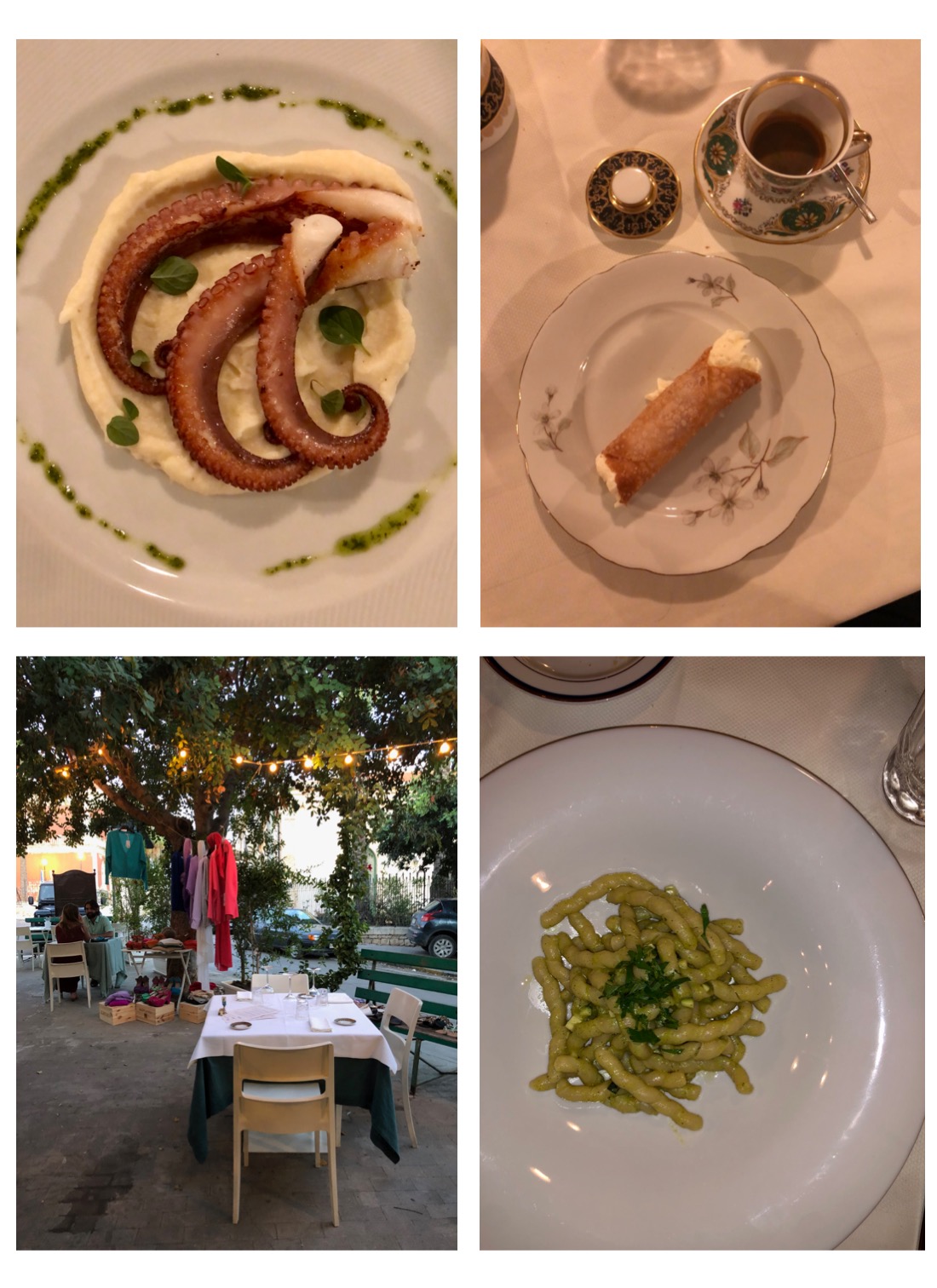
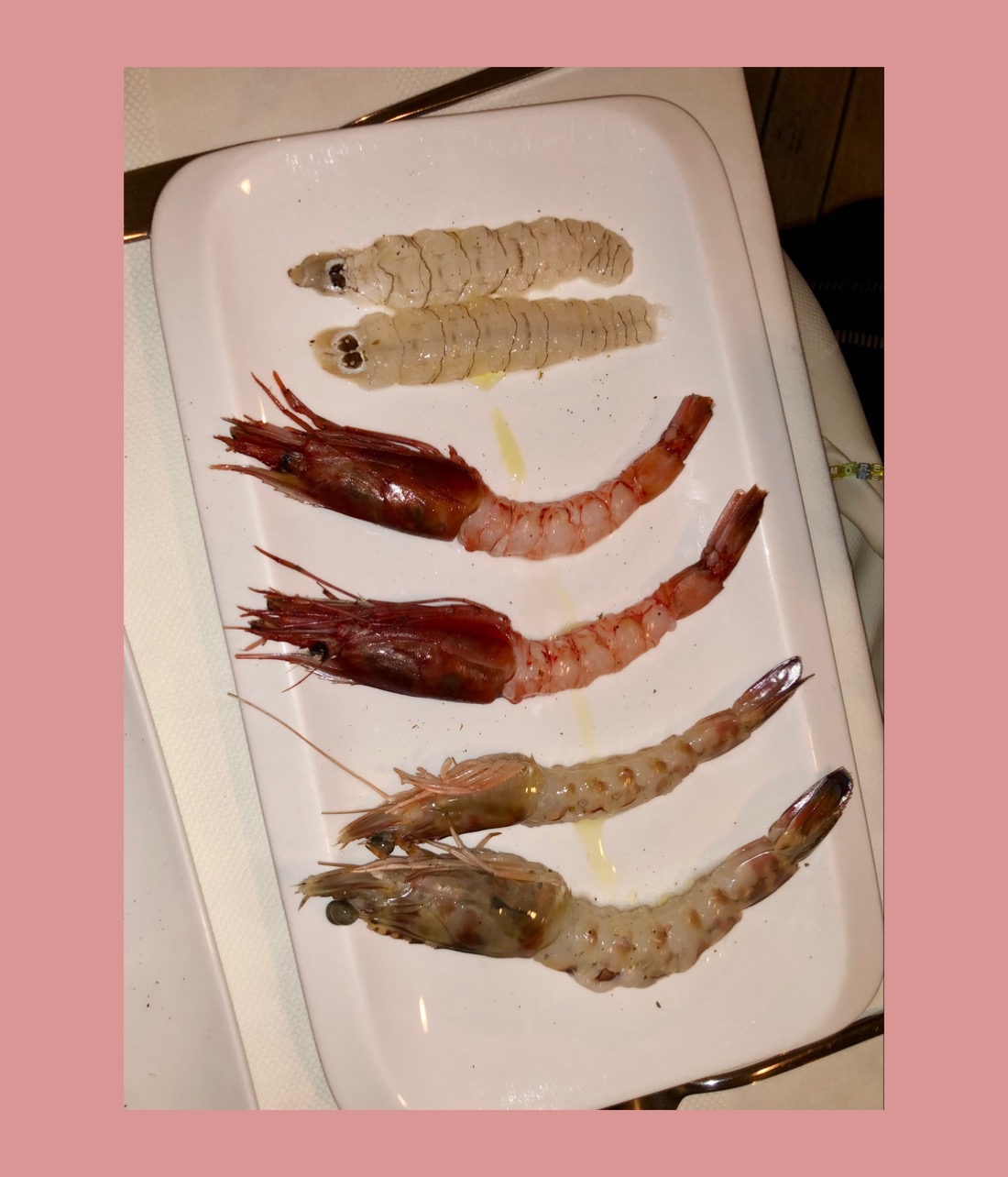
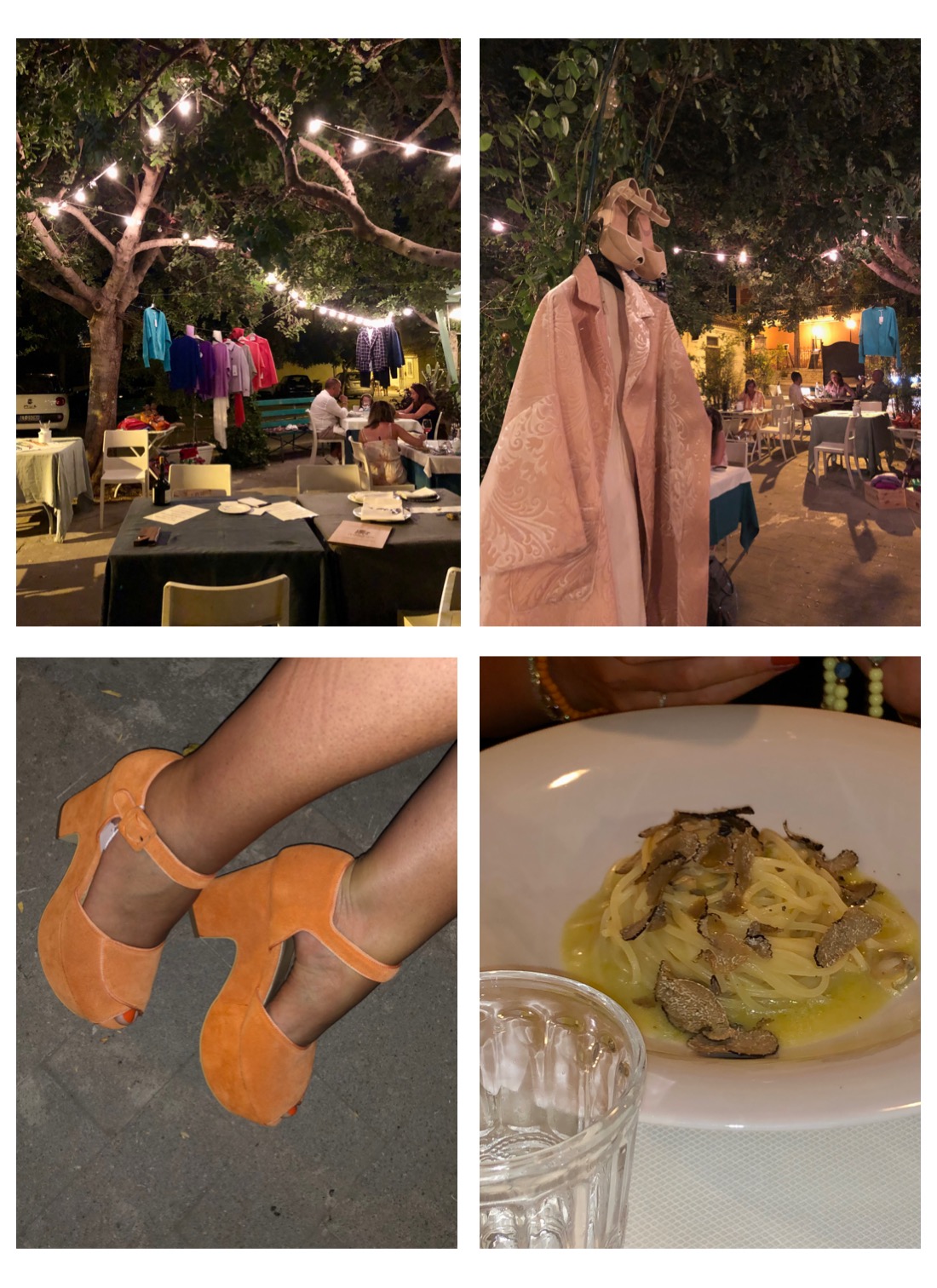
The story of Il Consiglio di Sicilia is made of three keywords: love, hospitality and happiness. Top-quality ingredients – local seafood from the Donnalucata port being their speciality – are presented on the plate straightforwardly: a style that inherently talks of the territory, beyond the trends of the moment. At the helm of the restaurant, there is a caring and sparkling couple. In the kitchen, chef Antonio Cicero prepares refined dishes, without pretension, but with great love for details. In the dining room, the charming Roberta Corradin welcomes everyone with a smile and offers knowledgeable guidance to her guests. This unique restaurant is a wholesome, heavenly experience. Eating their signature red prawn feels like that restaurant scene from Luca Guadagnino’s “I Am Love” with Tilda Swinton. The busiata pasta with anchovies is a recipe dating back to Ancient Rome. The cannolo is different level. And just on the side of the outdoor terrace you’ve got a chic selection of cashmeres and Italian accessories from Nel Garage boutique (more on it in the upcoming Ragusa post!). Don’t forget to visit Il Consiglio di Sicilia’s highly-curated wine enoteca, which is on the same street!

Via Casmene 79 / Donnalucata
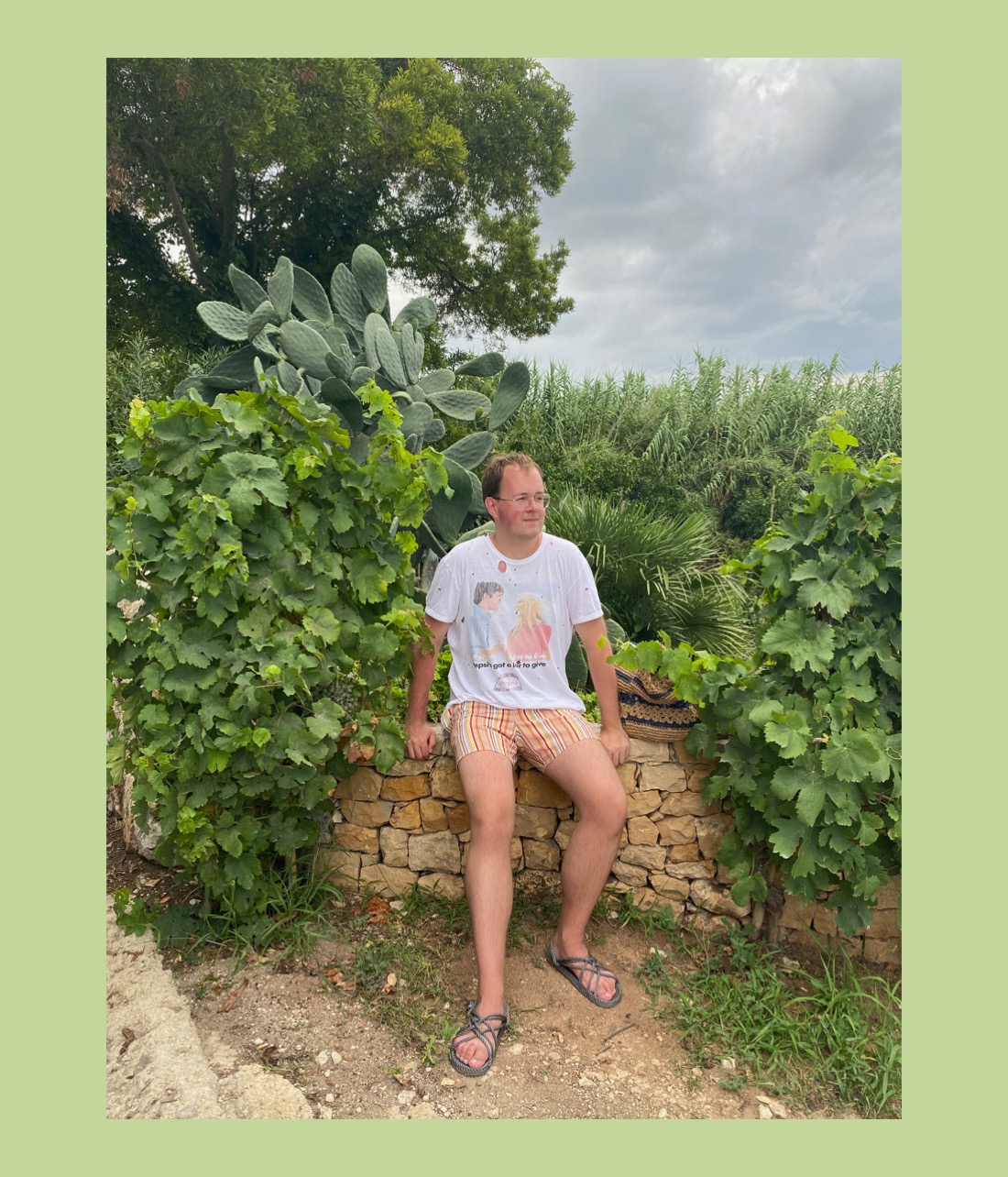
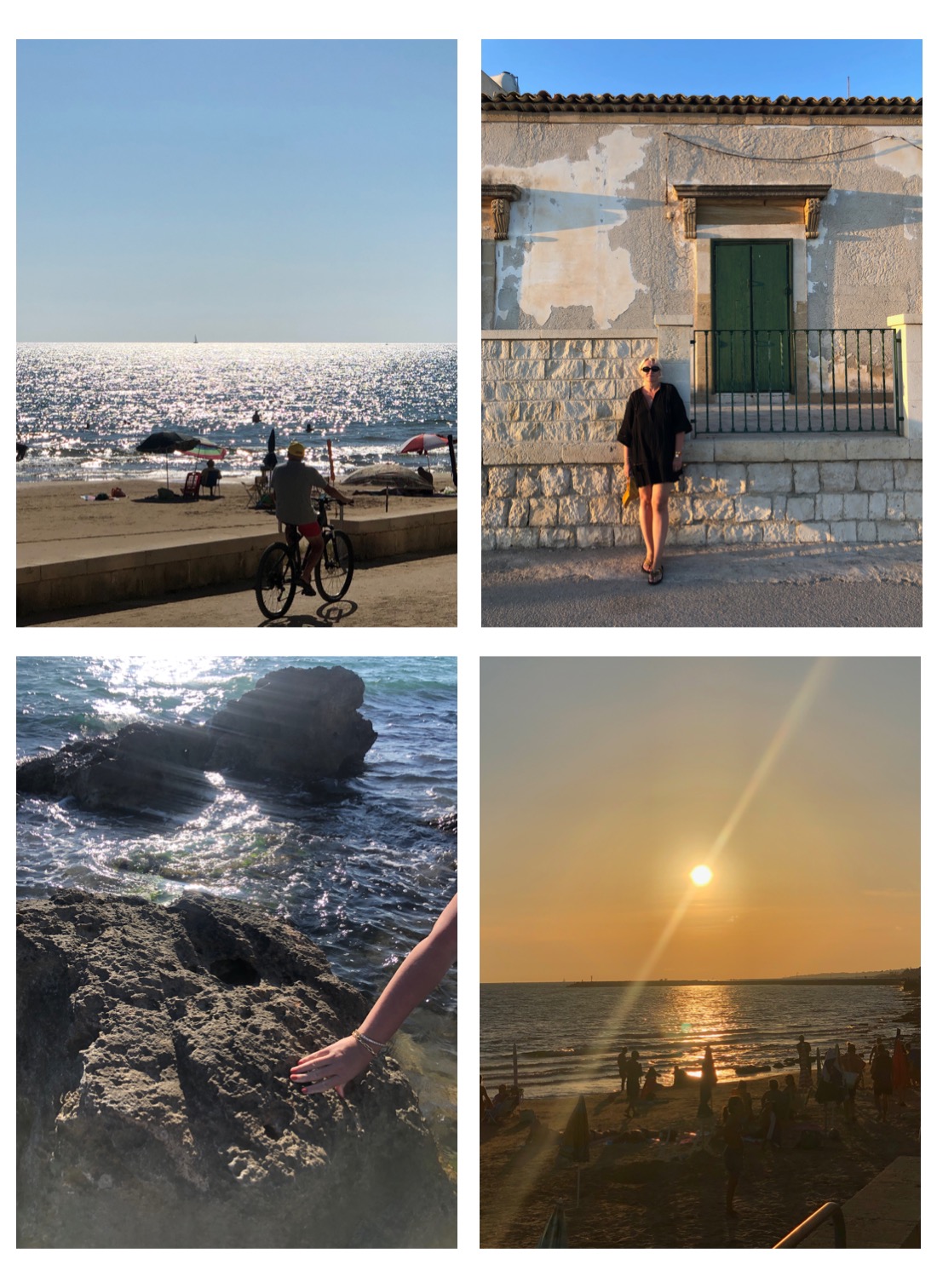
And here are a few pics from the lovely day we’ve spent at the Donnalucata beach…
Photos by Edward Kanarecki.
Don’t forget to follow Design & Culture by Ed on Instagram!
NET-A-PORTER Limited

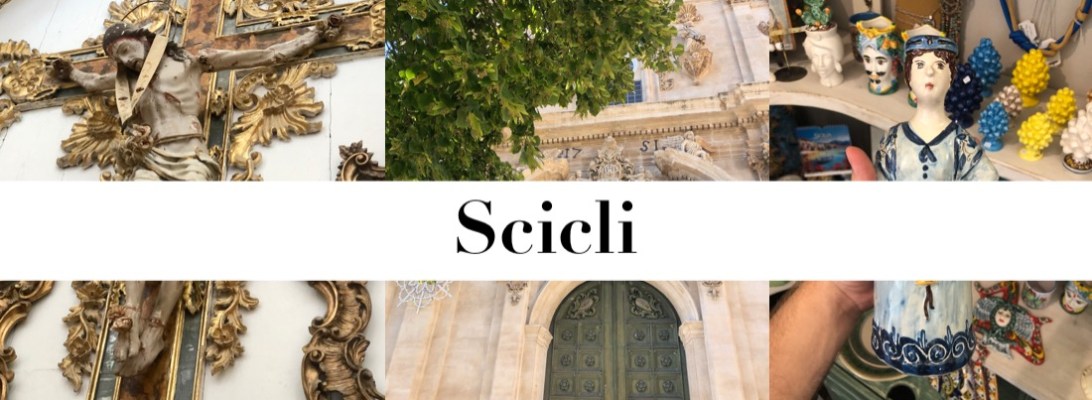
All About Scicli

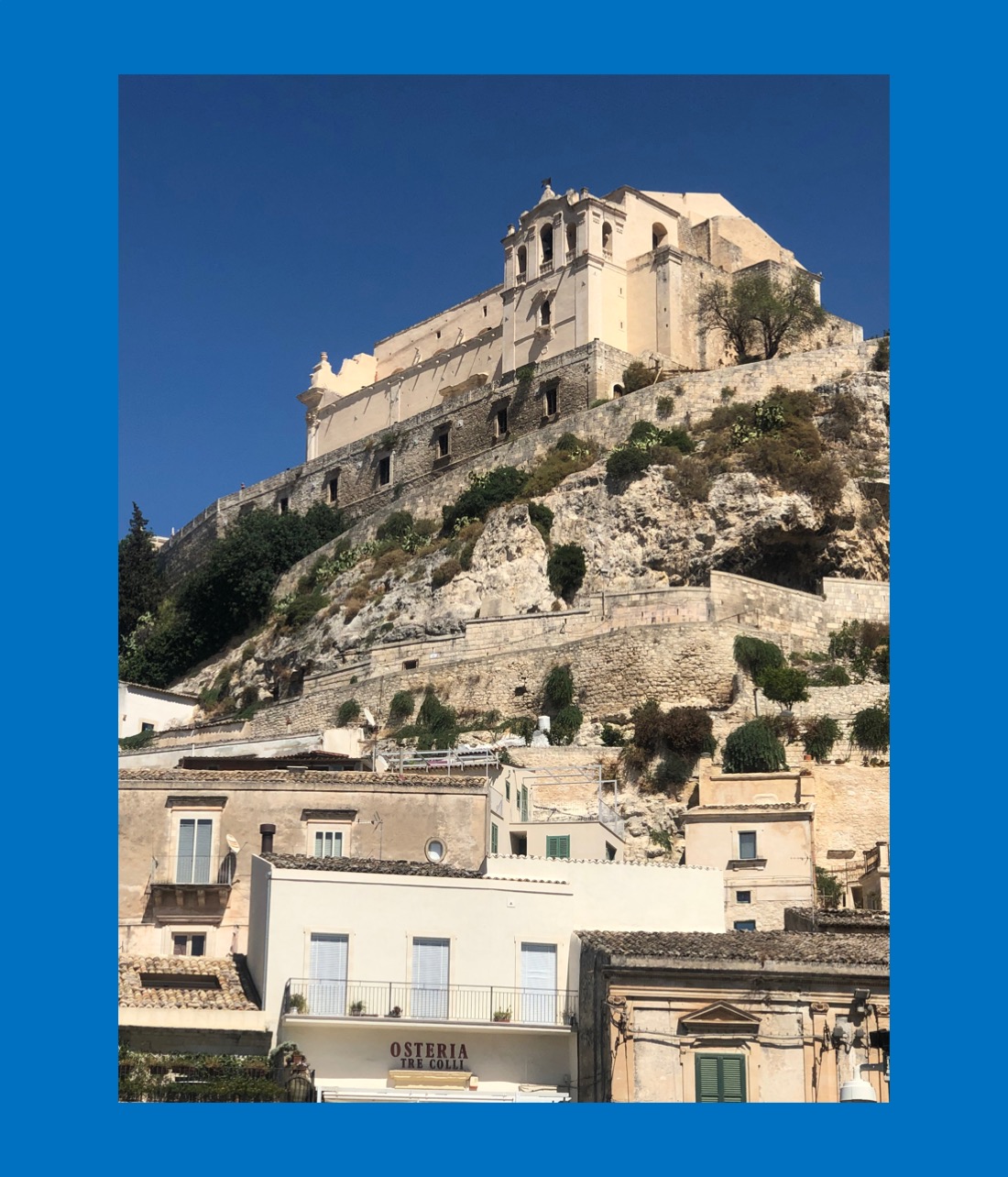
Less well-known than its prestigious neighbours (like Noto or Ragusa), but just as fascinating and beautiful, Scicli is well worth a visit if you’re ever in southeastern Sicily. It sits in a gorge just a few miles from the long sandy beaches of Sampieri and Donnalucata and is overlooked by a towering rocky mass on which the Church of San Matteo sits. The town shares much of its history with the other UNESCO Heritage Site towns of Val di Noto, most specifically the fateful earthquake of 1693, during which over 3,000 of the town’s population died. Scicli, like the towns in the area, was totally rebuilt in pure Sicilian Baroque style. Today, it is a joy to wander around. Scicli’s history, of course, long predates 1693, and it is thought to have taken its name from its founders, the Sicels, one of the three main tribes that inhabited Sicily before the arrival of the Greek colonists. Like the rest of the island, it was passed from one invading conqueror to another, reaching its economic and cultural peak during the Arab and Norman dominations. The many aristocratic palazzi, such as Palazzo Beneventano, are also fun to see, brimming over with characterful gargoyles, elegant swirls, and decorative fancies. A stroll along Via Francesco Mormina Penna is also strongly recommended as it provides a perfect example of a late Baroque street, harmonious in its wholeness and equal to anything found in the neighbouring towns of greater fame.

Photos by Edward Kanarecki.
Don’t forget to follow Design & Culture by Ed on Instagram!
NET-A-PORTER Limited

Sicilian Wild Beaches

Whether you come here to walk, bird-watch or swim, the 8km long Vendicari Nature Reserve is one of Sicily’s most spectacular nature spots and a firm favourite with anyone who enjoys the charm of wild beaches. Situated in the south east corner of the island, it is made up of a mixture of lagoons, sandy beaches and rocky coastlines. Most importantly, it is visited each year by thousands of migrating birds, including flamingos, herons and terns, en route to or from Africa. Plant life too is significant, the high salt levels providing an ideal habitat for sweetly-scented herbs, dwarf palms and juniper bushes. On the way to the beach, there’s a lovely caffè serving the most delicious granita from local lemons and avocado.

Photos by Edward Kanarecki.
Don’t forget to follow Design & Culture by Ed on Instagram!

NET-A-PORTER Limited

Palazzo Castelluccio in Noto

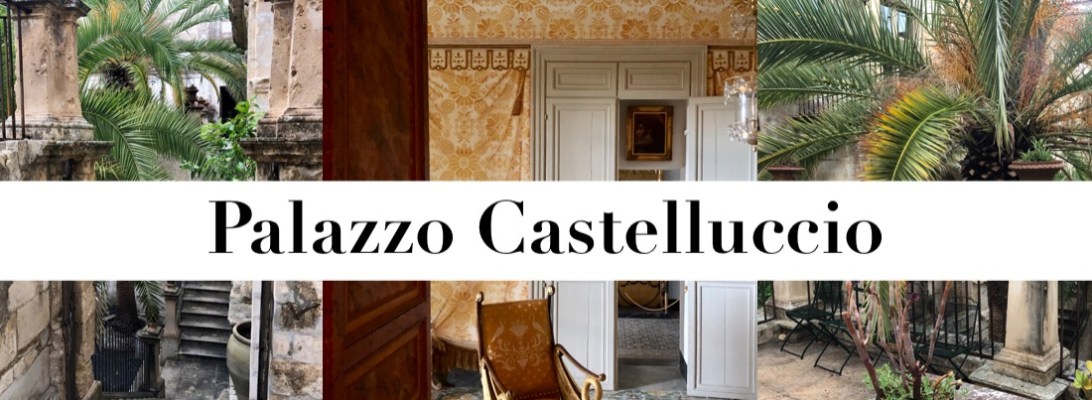
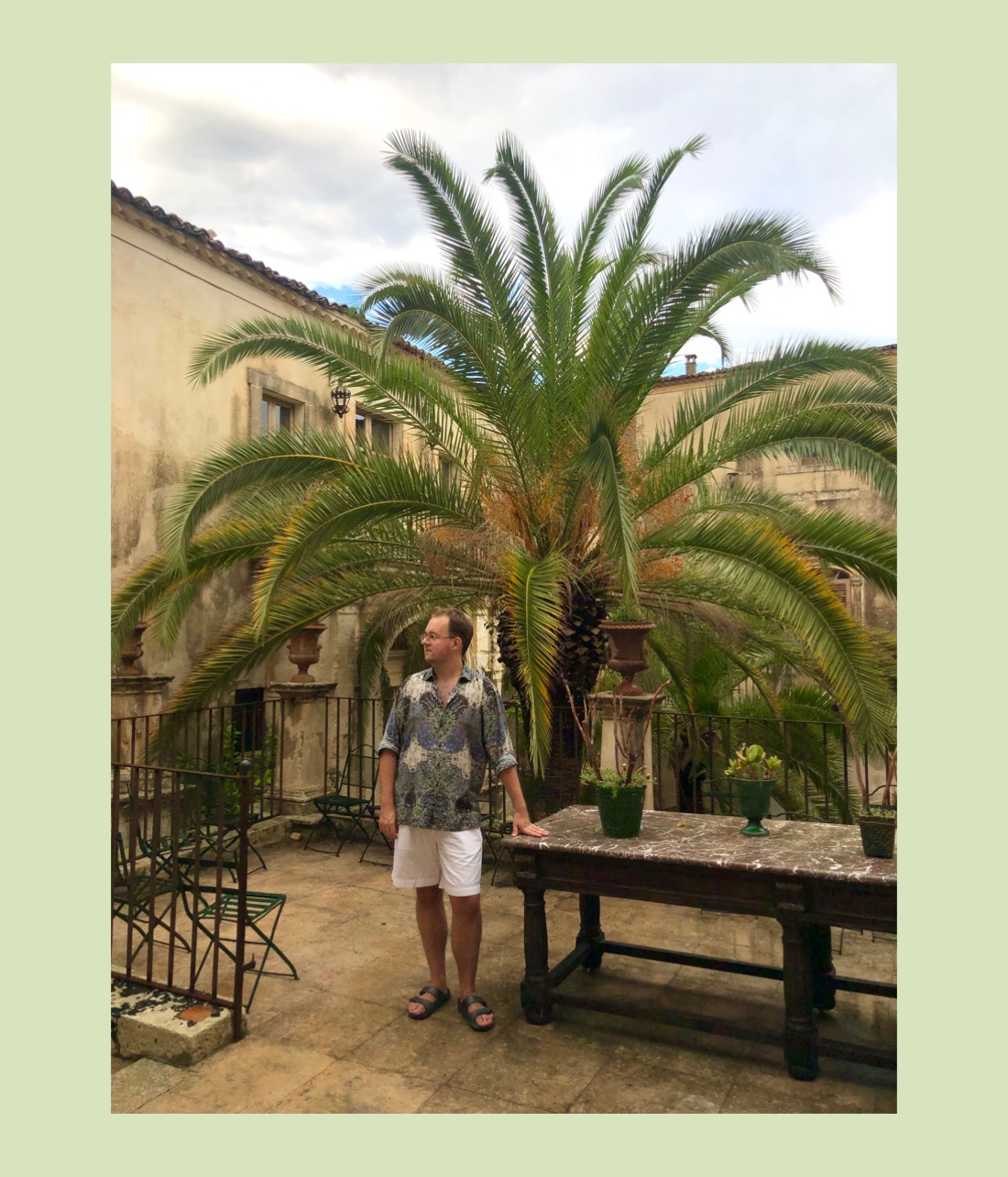
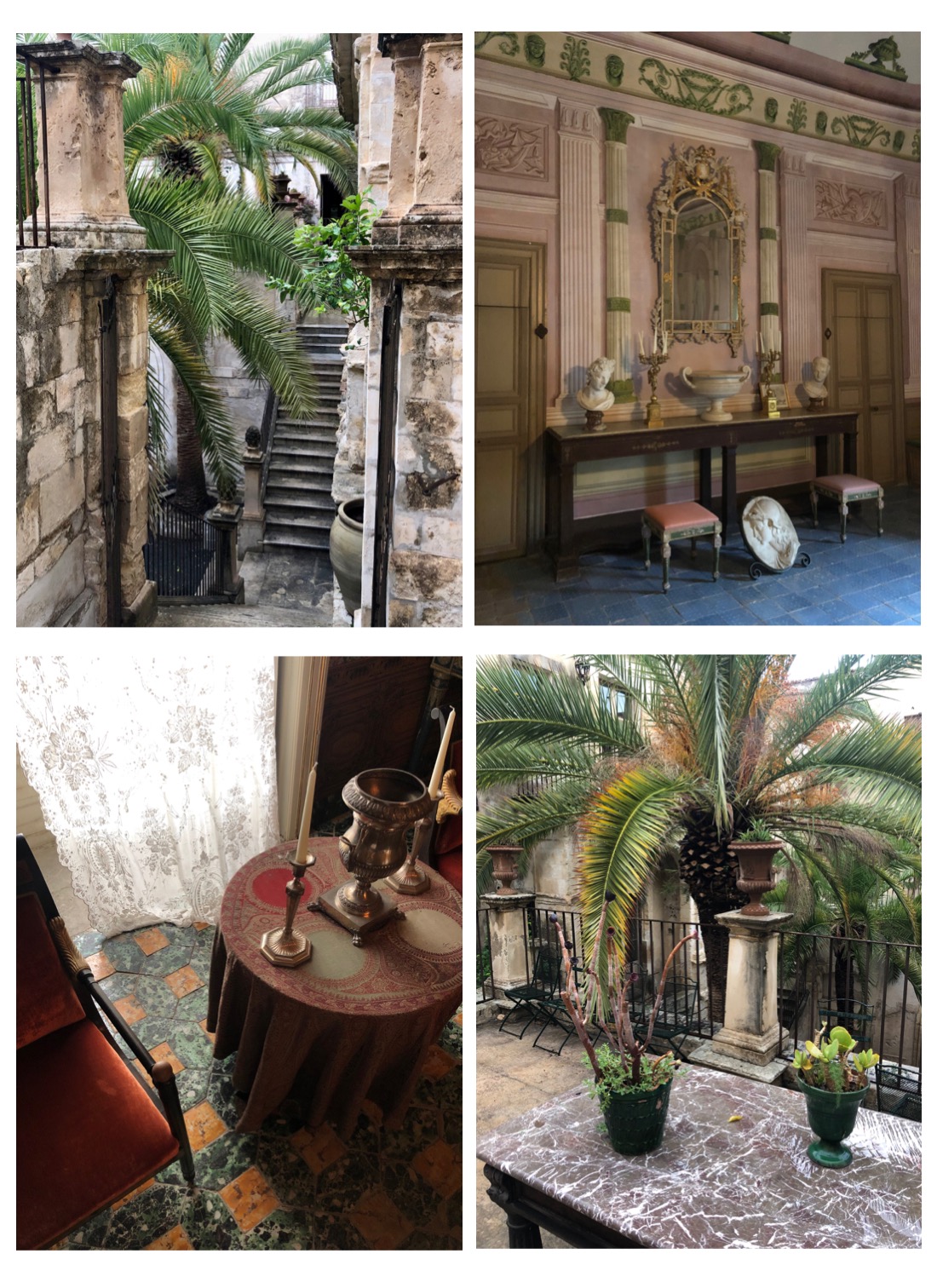
If you lose yourself to the streets of Noto, you will find incredible places to visit and fall in love with immediately. The Palazzo Castelluccio, belonging to one of the oldest families in Noto, was built in 1782 by the Marquis di Lorenzo del Castelluccio after the earthquake of 1693 which partly destroyed the region. The façade of the Palace, on Via Cavour, does not have the same baroque style used for the reconstruction of the main buildings of the city, but instead reflects the neo-classical taste popular in the late 18th century, which can be found in the well-preserved frescoes on the ceilings and walls of the main first floor. Four years of work were needed to revive the Palace, respecting its fine finishing and its history. The frescoes were cleaned and restored, the fabrics replaced and the silver wallpaper remade identically. A collection of Italian and Sicilian furniture and paintings restored the atmosphere of an inhabited palace. The music room, chapel and ballroom are testimony the power and good taste of a large aristocratic Sicilian family. After the death of the last Marquis of Castelluccio, the Order of Malta inherited the Palace and kept it for some years. When the current owner took possession in 2011, the Palace had been uninhabited for decades. The main first floor was in a terrible condition, and the doors, windows, paintings and electrical installations all had to be removed and replaced. Today, the colours have been restored to the grand staircase and its vases and extend a magnificent welcome to visitors…

Via Cavour 10

Photos by Edward Kanarecki.
Don’t forget to follow Design & Culture by Ed on Instagram!

NET-A-PORTER Limited

From Noto With Love

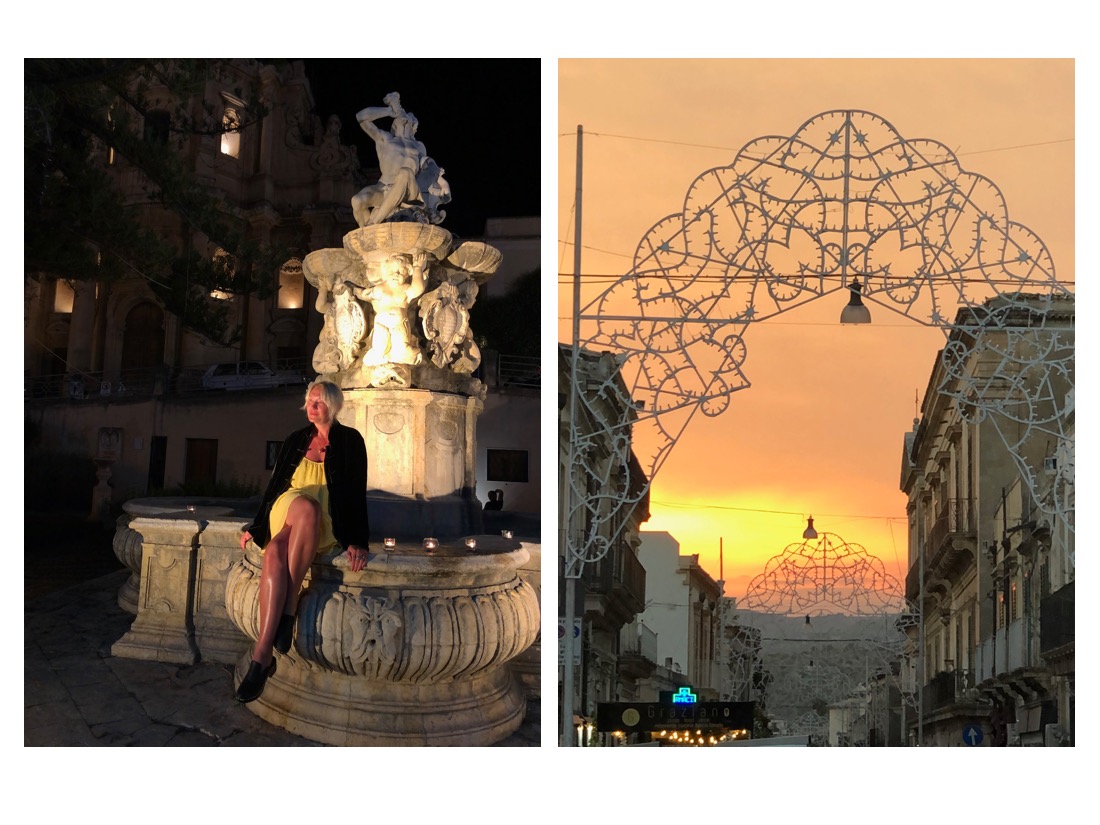
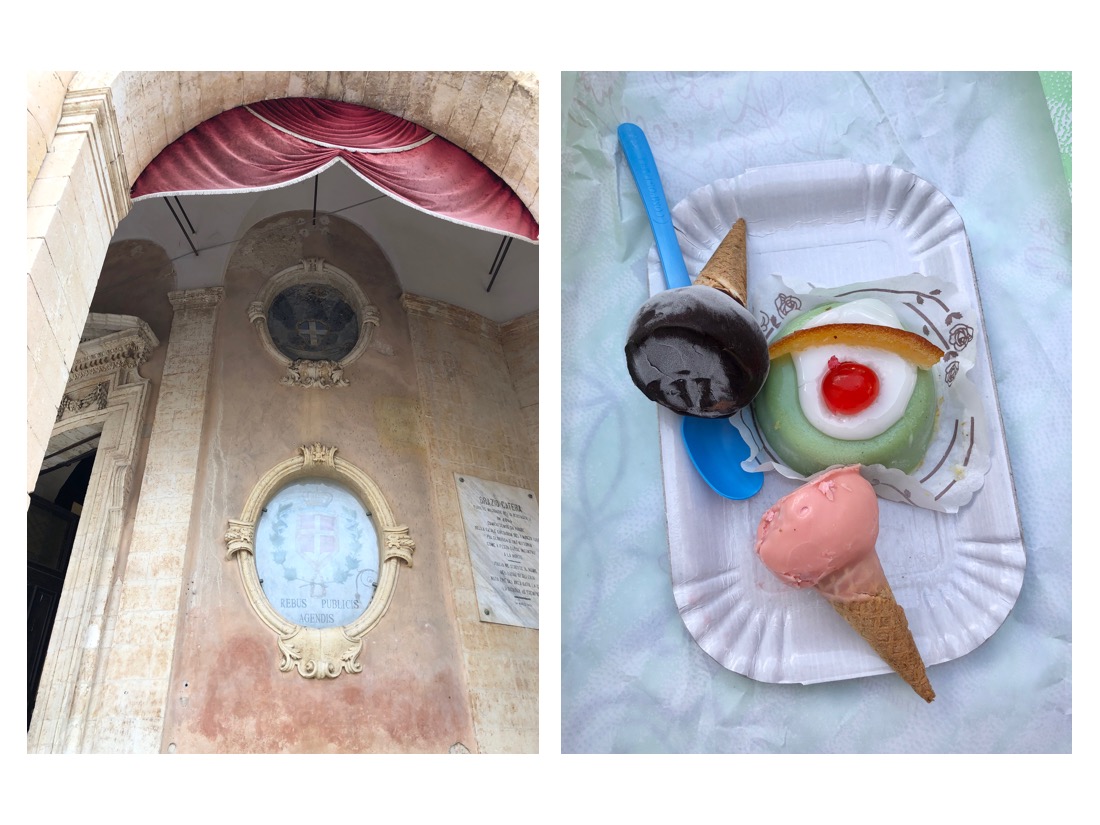
These past two weeks, I had the most amazing time discovering Sicily – so expect some sun-drenched content coming this week! During our first days on the island, we stayed in one of the most charming towns I’ve ever been to – Noto. In contrast to big European cities, Southern region of Sicily has all the history of Rome along with the small-town breezy seaside charm of the Cinque Terre. Until you are in Noto, though, it’s hard to imagine just how close neighboring historic towns like Modica and Ragusa – and any number of Ancient Greek ruins and unspoiled beaches – are to the town center and to each other. Noto and its neighbors make sightseeing feel serendipitous, but it’s worth staying his for a couple of days to truly absorb the aura of this UNESCO-protected, eighteenth-century Baroque masterpiece of town. It’s easy to cover the town on foot in a single afternoon along its two main arteries, the Corso Vittorio Emanuele and the Via Cavour, which run east to west. Or if you use Noto as your base for exploring the region, as we did, you can walk the streets at a languorous gelato-eating pace at the end of each day, as if you lived there. My Noto guide is coming shortly – for now here are some captured moments (and plenty of cassatina!) of this Sicilian slice of heaven.

Photos by Edward Kanarecki. Don’t forget to follow Design & Culture by Ed on Instagram!

NET-A-PORTER Limited