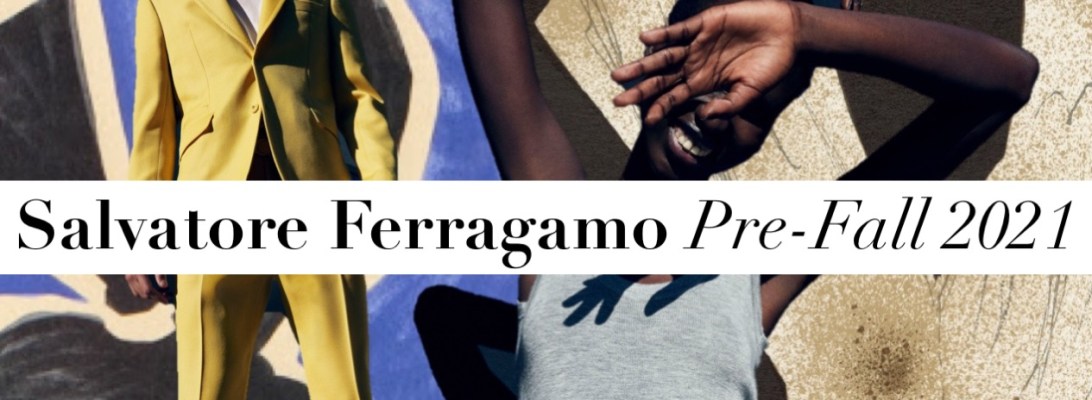
Balancing Act. Salvatore Ferragamo Pre-Fall 2021

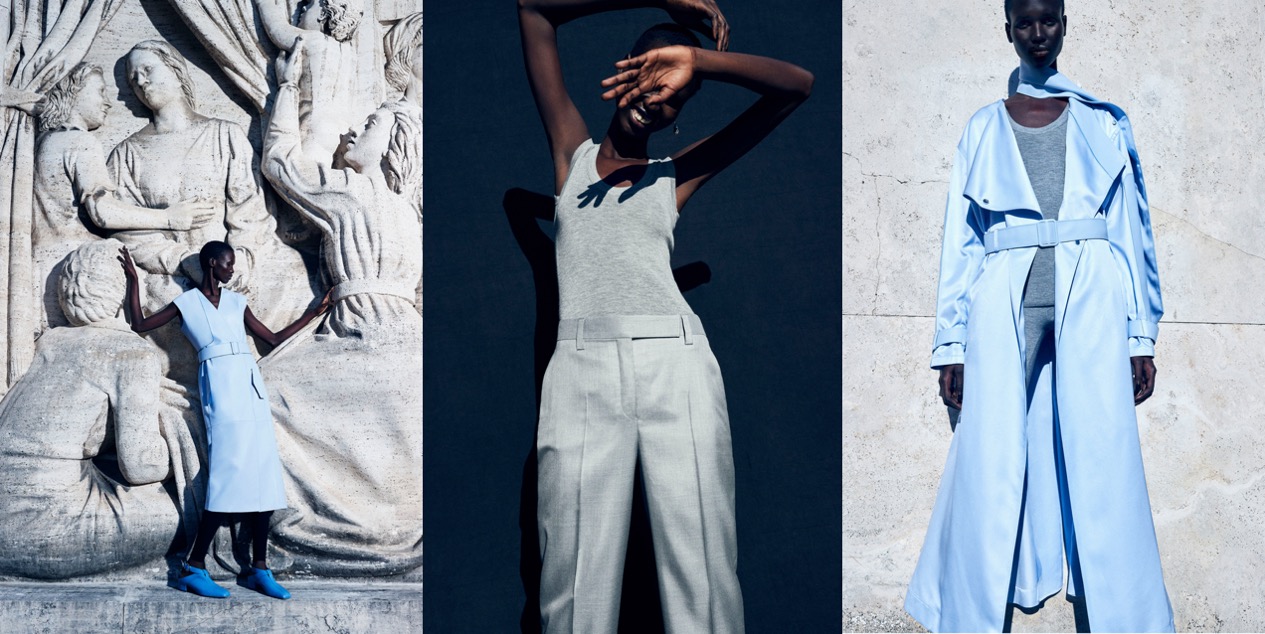
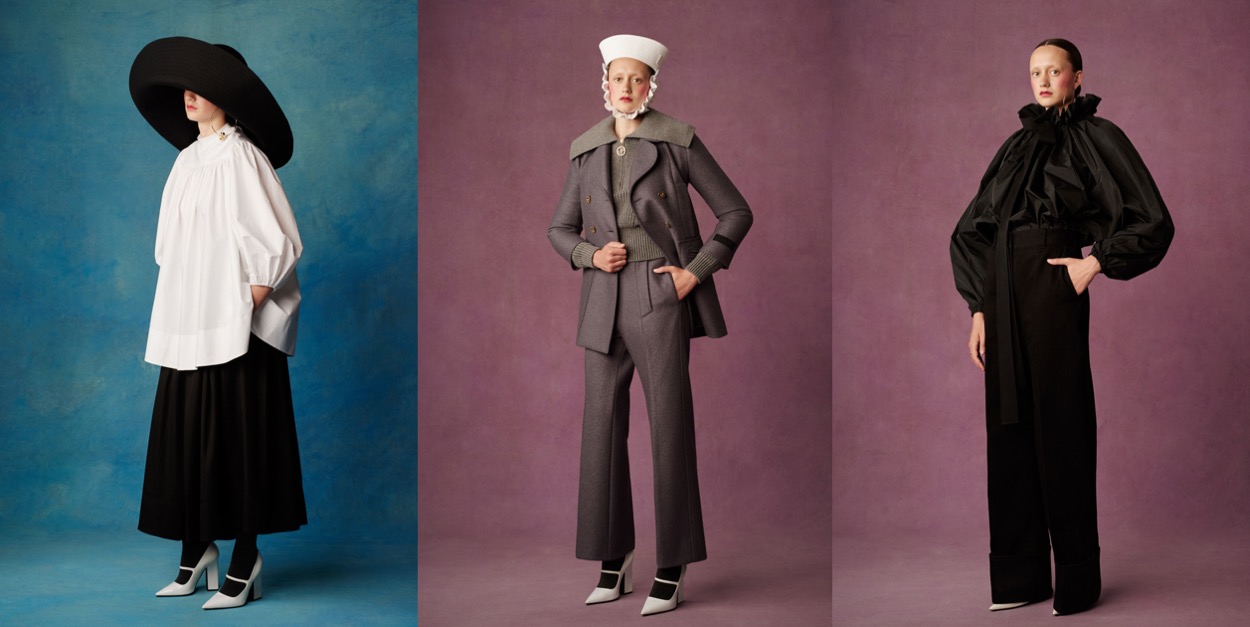
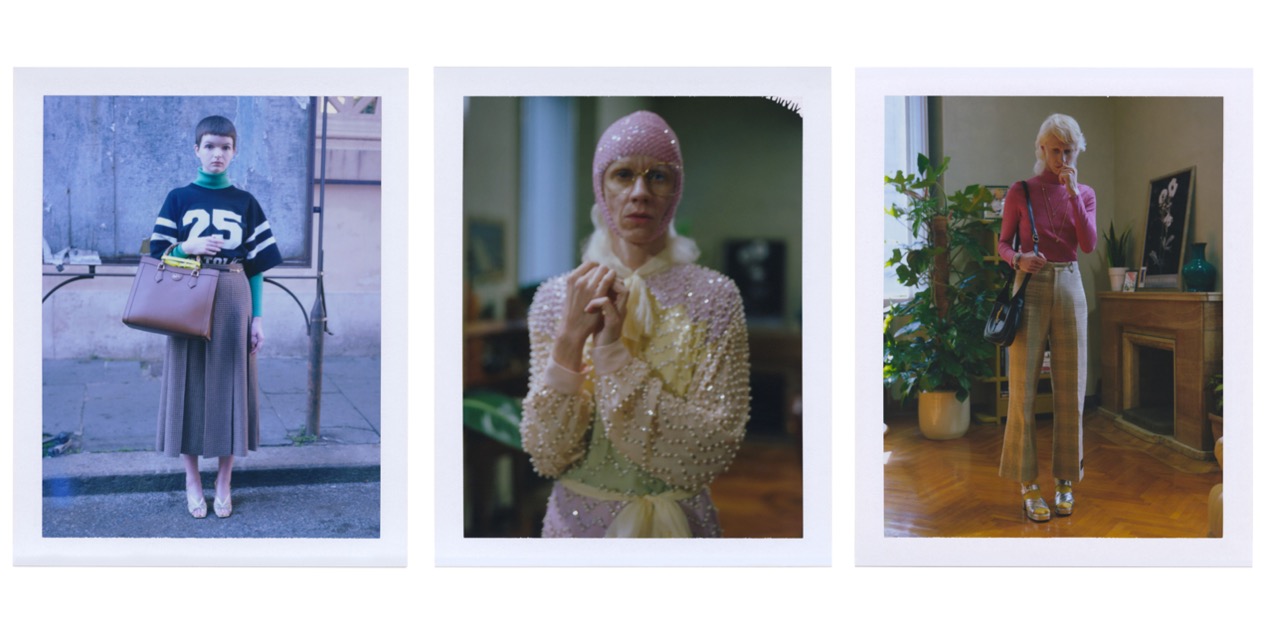
Pre-fall 2021 collections are gradually popping up (yes, the industry still wants you to think about next year’s autumn in this year’s winter). Paul Andrew likes to put things in context; he has so far used films and historical locations to frame his fashion narrative. In keeping with that practice, he shot the Salvatore Ferragamo pre-fall lookbook in Florence at Manifattura Tabacchi, a former cigarette factory built in the modernist style of the 1940s, which was recently rescued from a state of disrepair to become Polimoda’s campus: “It’s a progressive, creative place full of life and enthusiasm, with lots of young people hanging around,” he told Vogue during a Zoom call from his Florentine studio. It proved an apt location to convey the collection’s feel. “I want to bring joy and beauty to this world.”Andrew isn’t alone in his desire for turning toward the positive; nor is he alone in the urge to contextualize collections within a larger frame. Social and cultural issues have become non-negotiable parameters for every fashion designer who wants his creative work to resonate with a broader audience. Customers more than ever buy into conscious creativity – ethical, responsible, value-driven. Andrew is playing his part, steering Ferragamo into sustainable territory and keeping his commitment to responsible practices – reducing waste by choosing deadstock leathers; using recycled nylons and certified natural fibers; editing collections with a tighter focus. Doing less but better has become his mantra, a belief that has him embracing a timeless, nondisposable aesthetic. Collections are built around high-quality investment pieces that have longevity and durability, while retaining a strong contemporary appeal. This pre-fall collection is a good example of his new approach. The chic purity of line and the slender construction Andrew favors looked timeless indeed; what made the offering distinctive was its focus on tactile leather dressing offered in many variations, highlighting the artisanal expertise of the Florentine house. Shapes and silhouettes for both the men’s and women’s lines conveyed a feel of ease and comfort, while retaining their sophistication. He didn’t shy away from the occasional statement piece either. Ample A-line and wrap dresses featured adjustable matching belts or scarves, changing them into more form-fitting shapes; slender tunics and elegant shirtdresses were often worn over matching trousers or lightweight cashmere leggings. A leather circle skirt patchworked in a bold geometric archival motif added a decorative flavor, as did the contrasting hand-painted edgings on a softly architectural nappa coat dress. “I’m really thinking of what customers will want and desire after this COVID nightmare will be over,” he mused. “We’re keeping our fingers crossed that they’ll be back in stores and eager to be dressed up and to buy and invest in fashion. But they’re not going back to the old ways.” Things have to be shaken up and changed, then. “My feeling is that people will continue to be more casual, after months at home Zooming in their pajamas I’m not sure they’ll be suddenly dying to be in form-fitting garments again,” he said. “So it’s a balancing act. Whatever you do, there must be some casualness and ease combined with high-values and sophistication, refinement, beauty. But mostly, it has to have a certain vibrance – and to bring joy.

Collage by Edward Kanarecki.

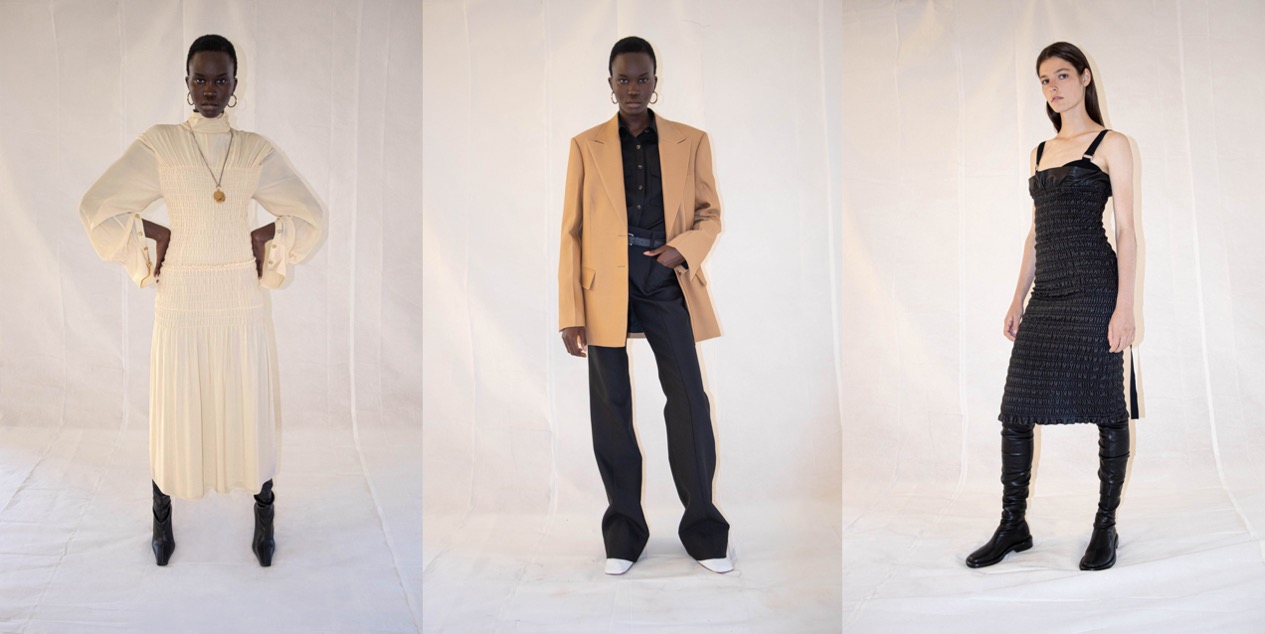
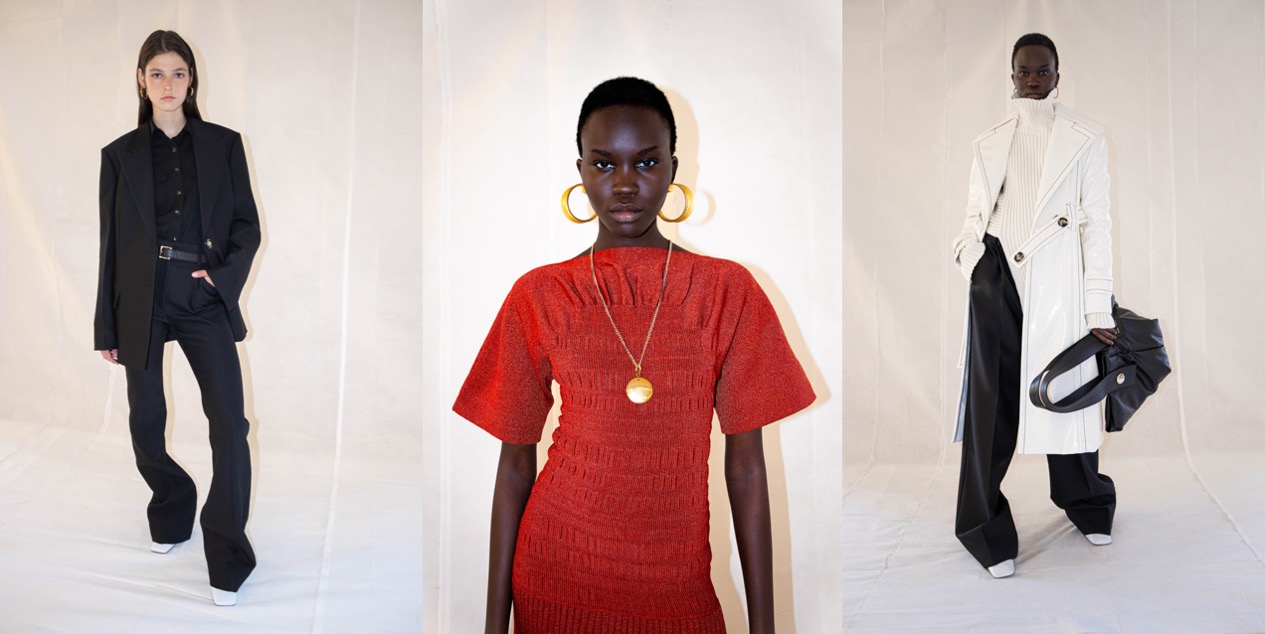
Sustainable Elegance. Proenza Schoulder Resort 2021

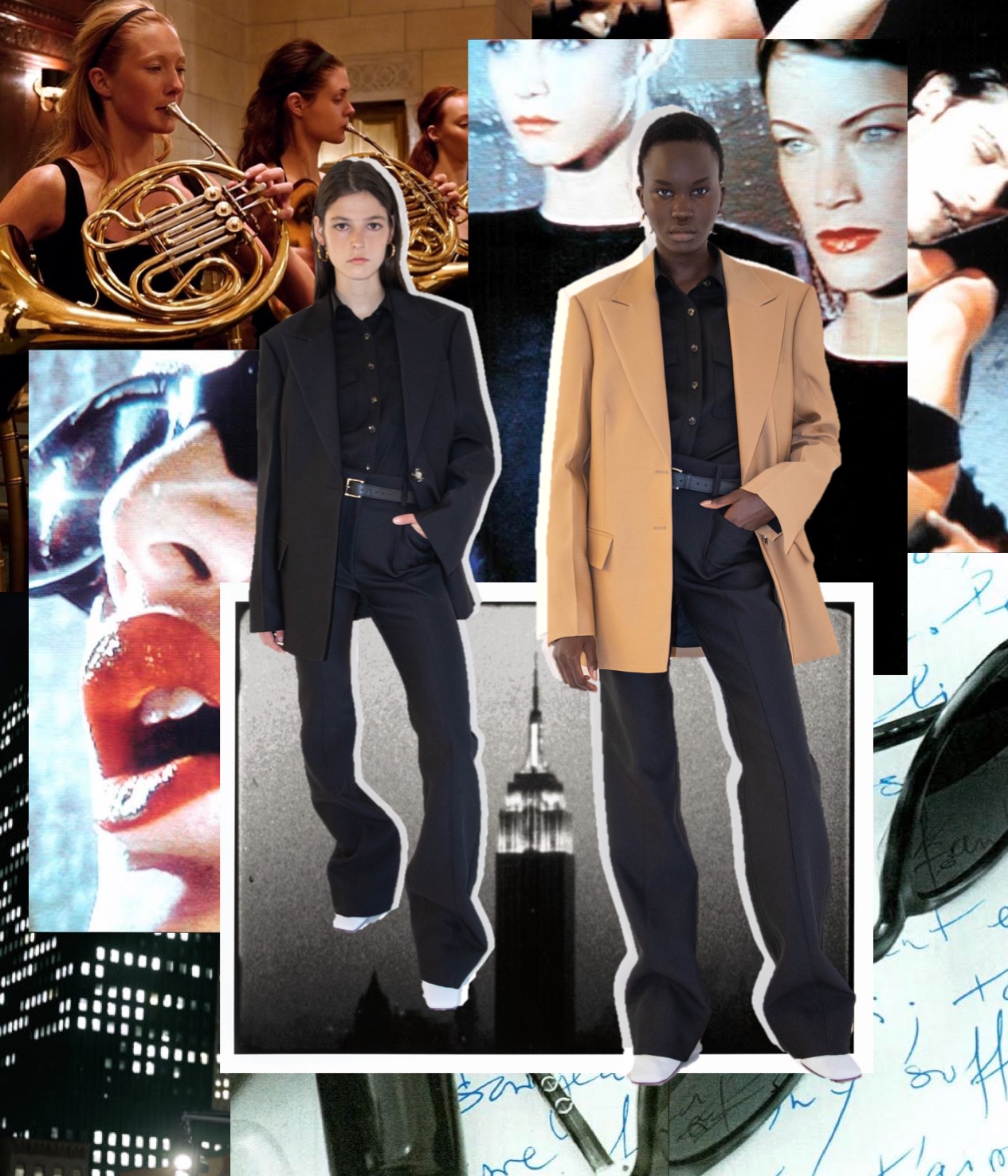
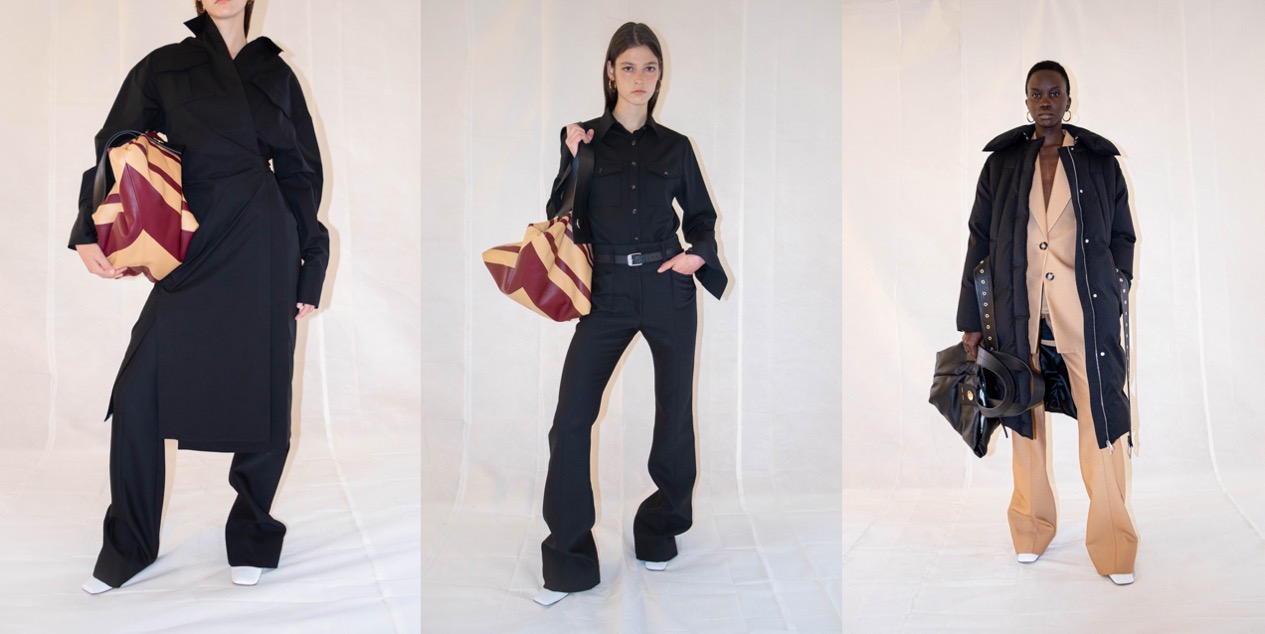
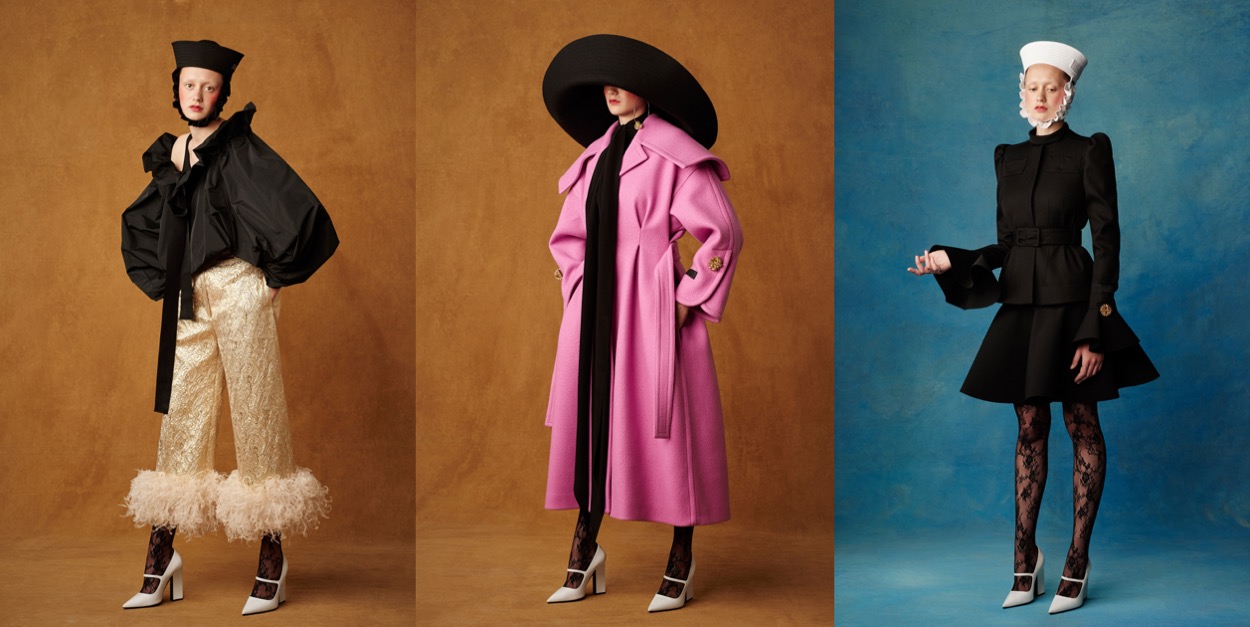
The whole crisis of 2020 appears to work well for some creatives. This sort of reset was really needed. Lazaro Hernandez and Jack McCollough of Proenza Schouler have released their spring-summer 2021 look-book not a while ago, and it was brilliant. Now, as the new season clothes are gradually arriving to stores, the boys dropped their resort 2021 line-up, which is equally great. It seems that the designers took a deep breath, reflected on their work from the last couple of seasons, and returned to Proenza Schouler’s core, but in a contemporary, thoughtful way. The resort collection is very much a product of lockdown time. The designers spent the early months of the pandemic talking business. The fashion industry was essentially at a standstill in that moment and the new normal had them reconsidering the issue of sustainability. “As a brand with a voice it’s our responsibility to address these things,” McCollough said. Over the years, they’ve amassed a huge archive of fabrics and they created parts of this pre-spring offering out of those deadstock materials. “It’s not a patchwork vibe, but it’s fabrics we’ve done before, and it’s been game changing,” said Hernandez. They’re also introducing a core offering with this collection that won’t be subject to markdowns, and hope to expand it to up to 30% of their business. “It’s relevant now, but it’s not going to be irrelevant six months from now,” Hernandez continued. “It’s a black sweater, wool suitings, nylon gabardines. So it’s sustainable also in that regard.” Browsing the lineup, it has a certain earthiness, but it hasn’t lost its cool. The palette is warm, and the smocking details feel crafty, almost homespun even on leather. As with the main collection, there’s an emphasis on easy-wearing knits. But all that is counterbalanced by minimal, ’90s-ish tailoring, which is elegant and chic.

Collage by Edward Kanarecki.
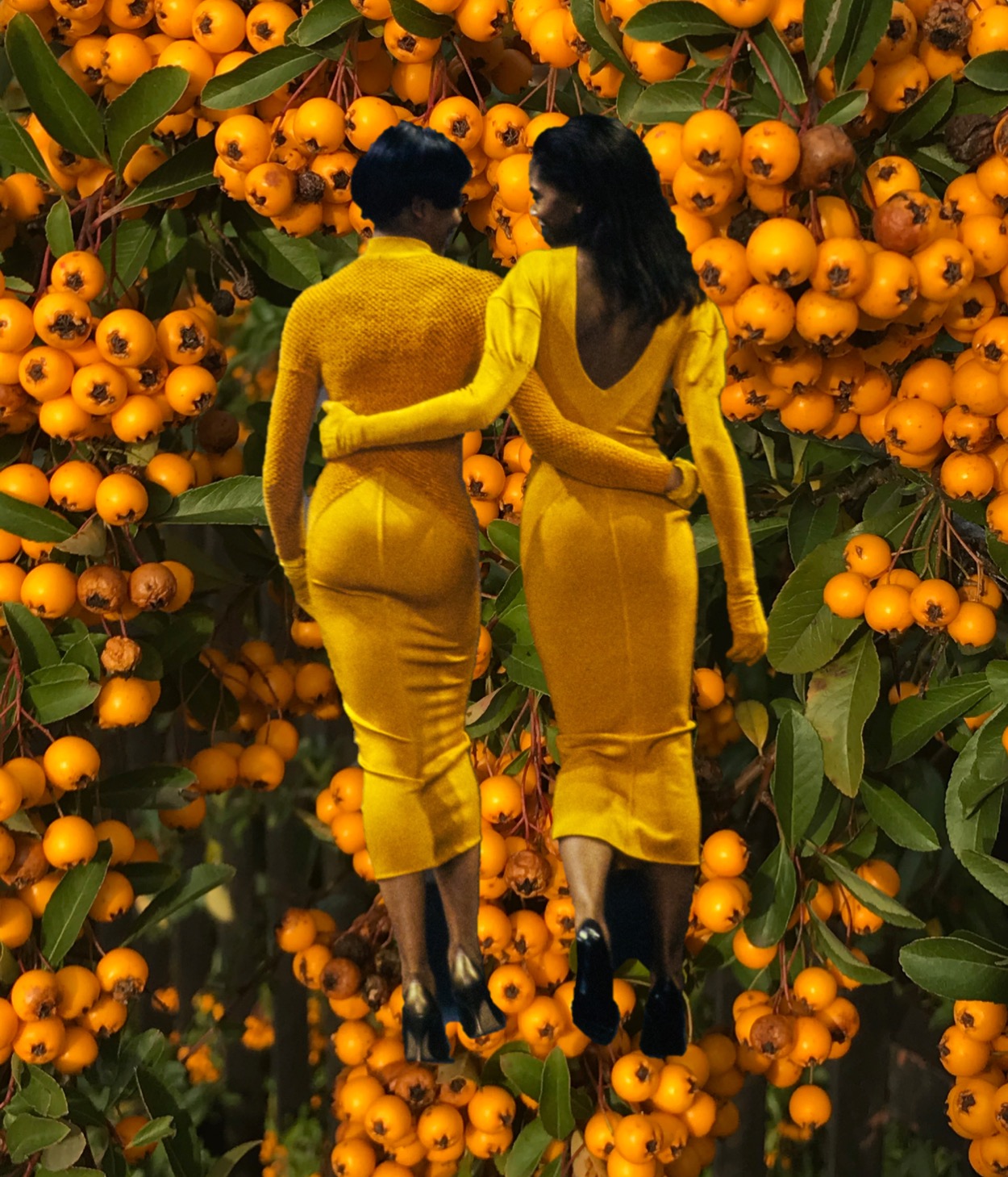
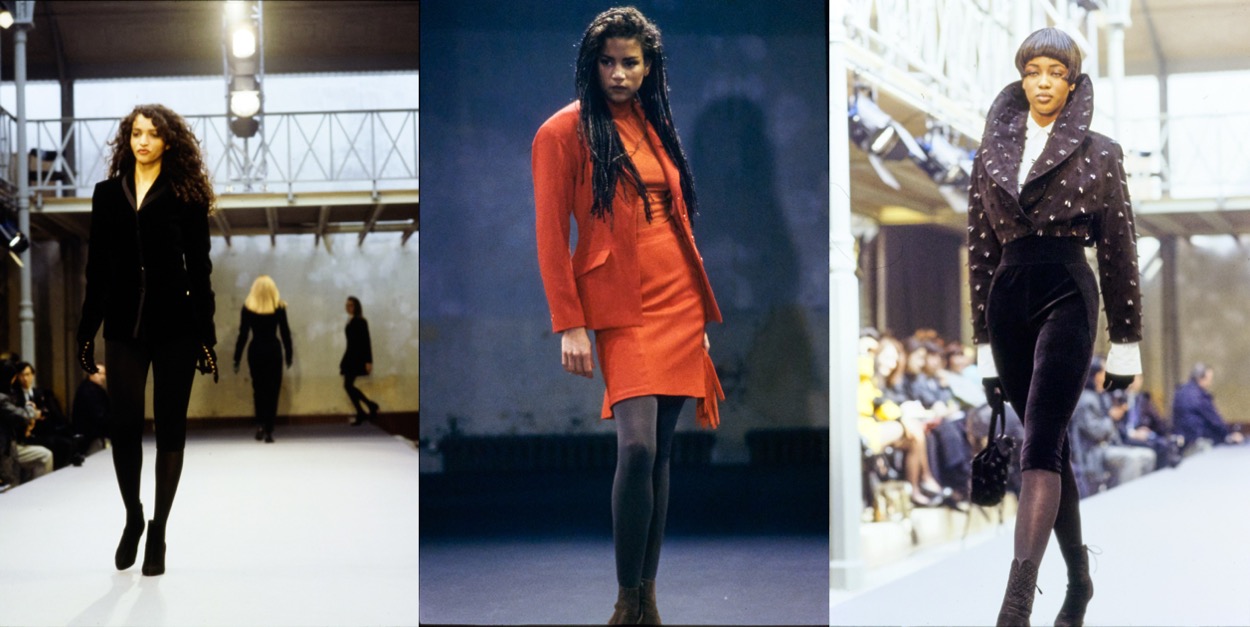
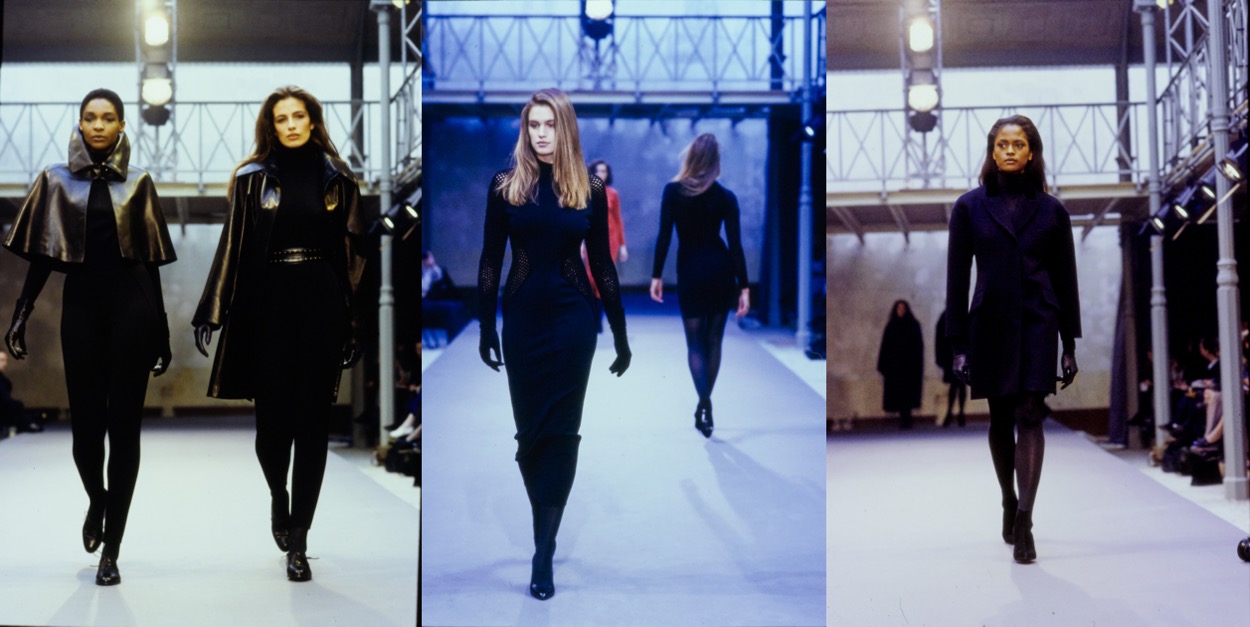
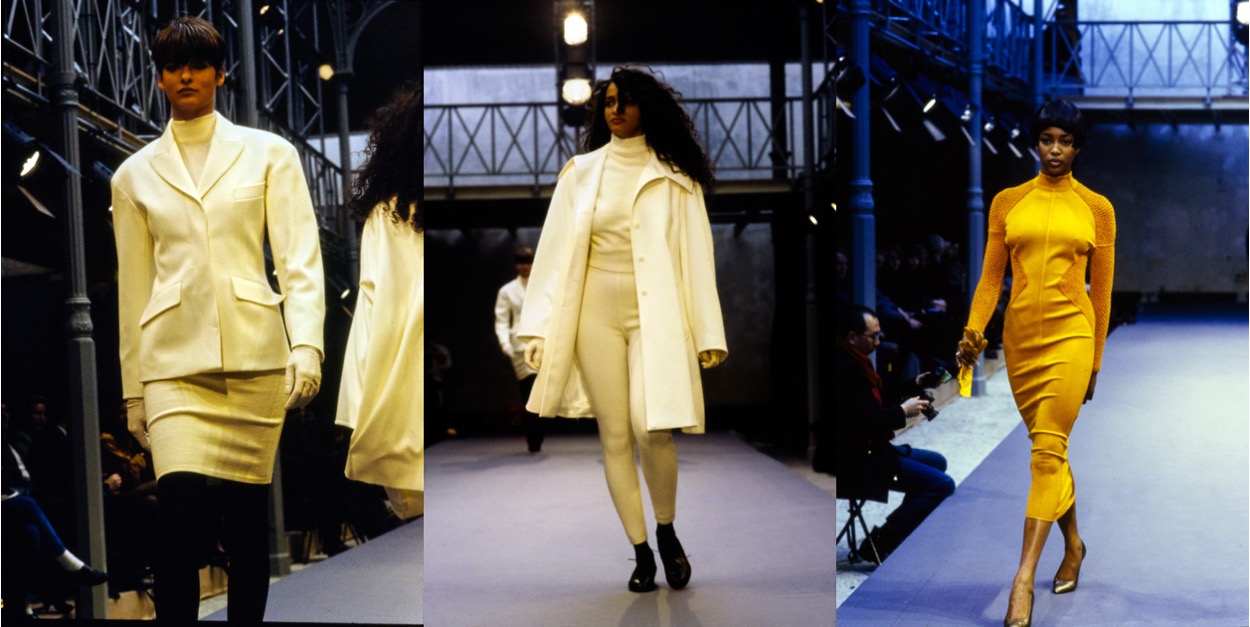
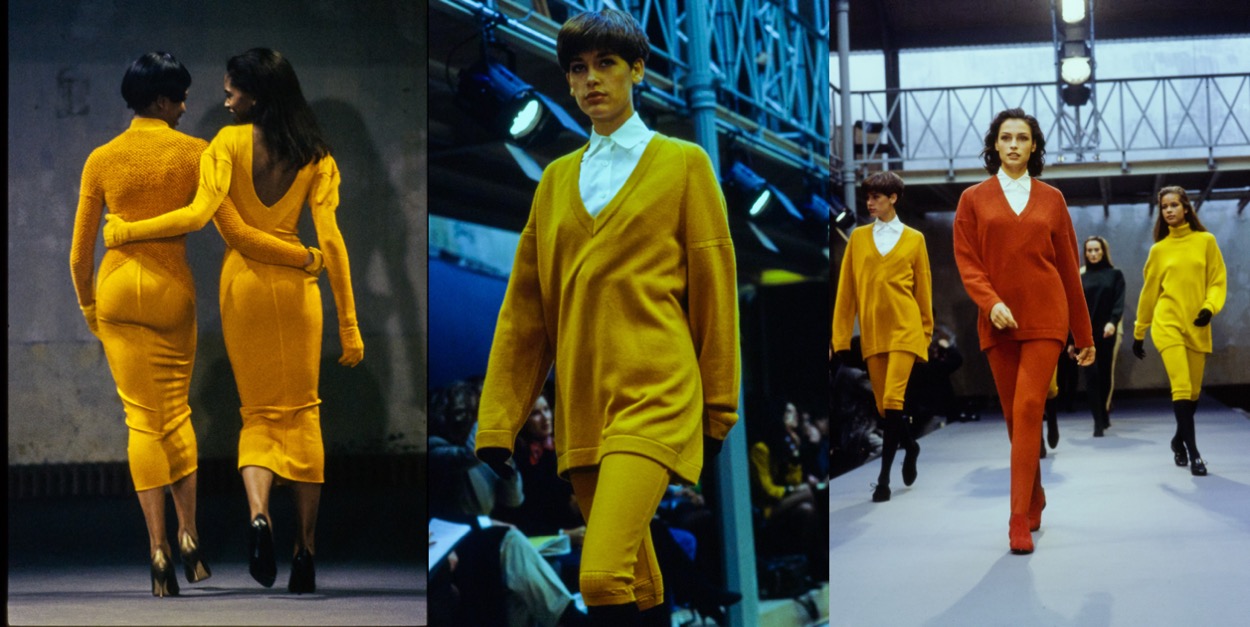
Chic, Chic, Chic. Alaïa AW89

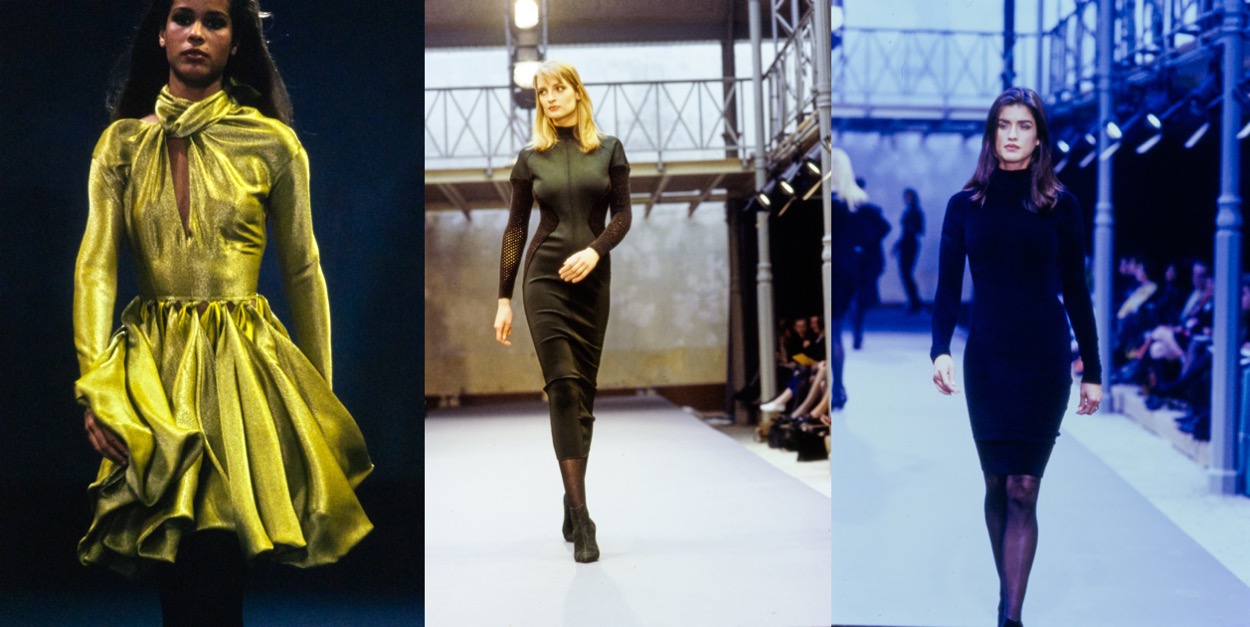
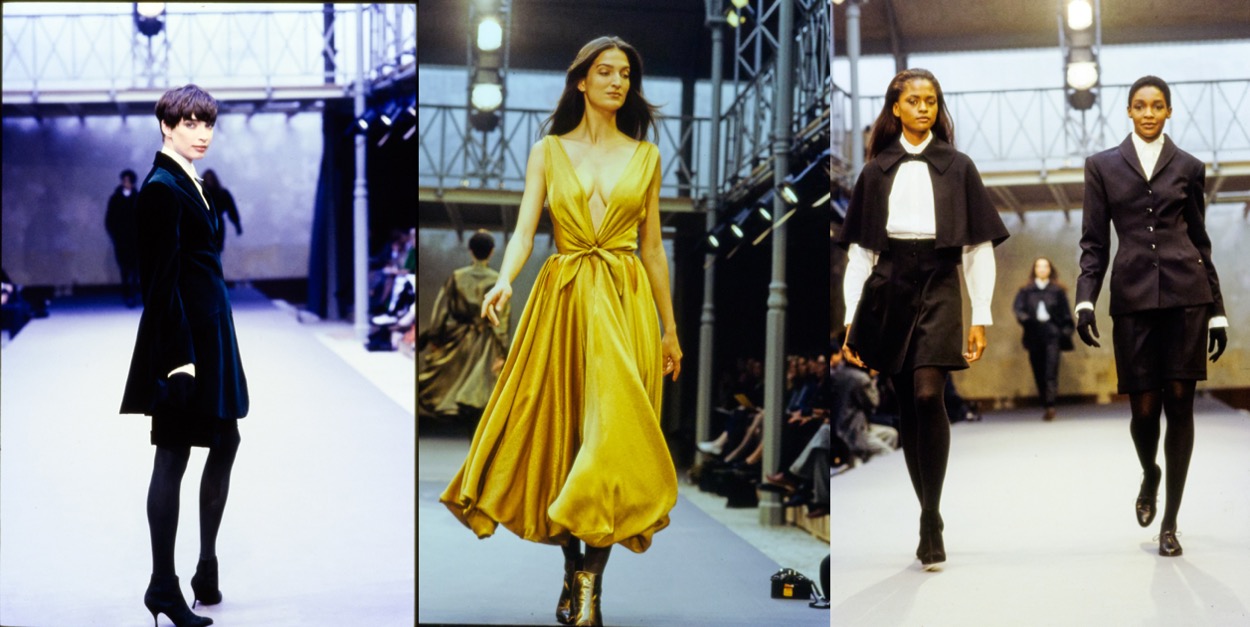
A few days ago, I discovered this delightful autumn-winter 1989 Alaïa collection, and it’s unbelievable how timeless all those Monsieur Azzedine’s designs are. Actually, they even get better with age. The colours (especially all the shades of curcuma!), the cuts, the softness of wools and cashmeres used in this line-up, the body-conscious eveningwear, which looks both seductive and comfortable… it’s all so good. And of course, it was presented on the rue de Moussy – the live & work space Azzedine Alaïa built in the Marais district of Paris that would become a welcoming mecca to models and clients. What’s interesting, it was unfinished when the designer presented his winter 1989 show a month after the regular season ended (Alaïa famously presented on his own schedule, when he felt finished, and not according to a calendar date). According to The Los Angeles Times, the glass-roofed space was leaky, dampening the models as they paraded in a collection that underlined some of the tropes the designer had staked out as his own: sculpted leathers and clingy second-skin knits. The flowing bias-cut dresses in shimmering metallics definitely looked even more spectacular as they were slightly wet. Below are some of my favourite looks from this highly underrated collection.

Collage by Edward Kanarecki.
The French Charm. Patou Resort 2021

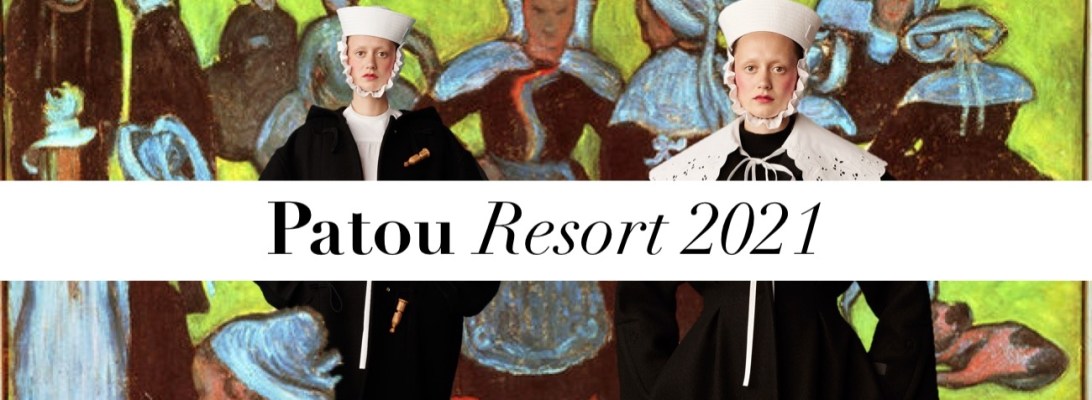
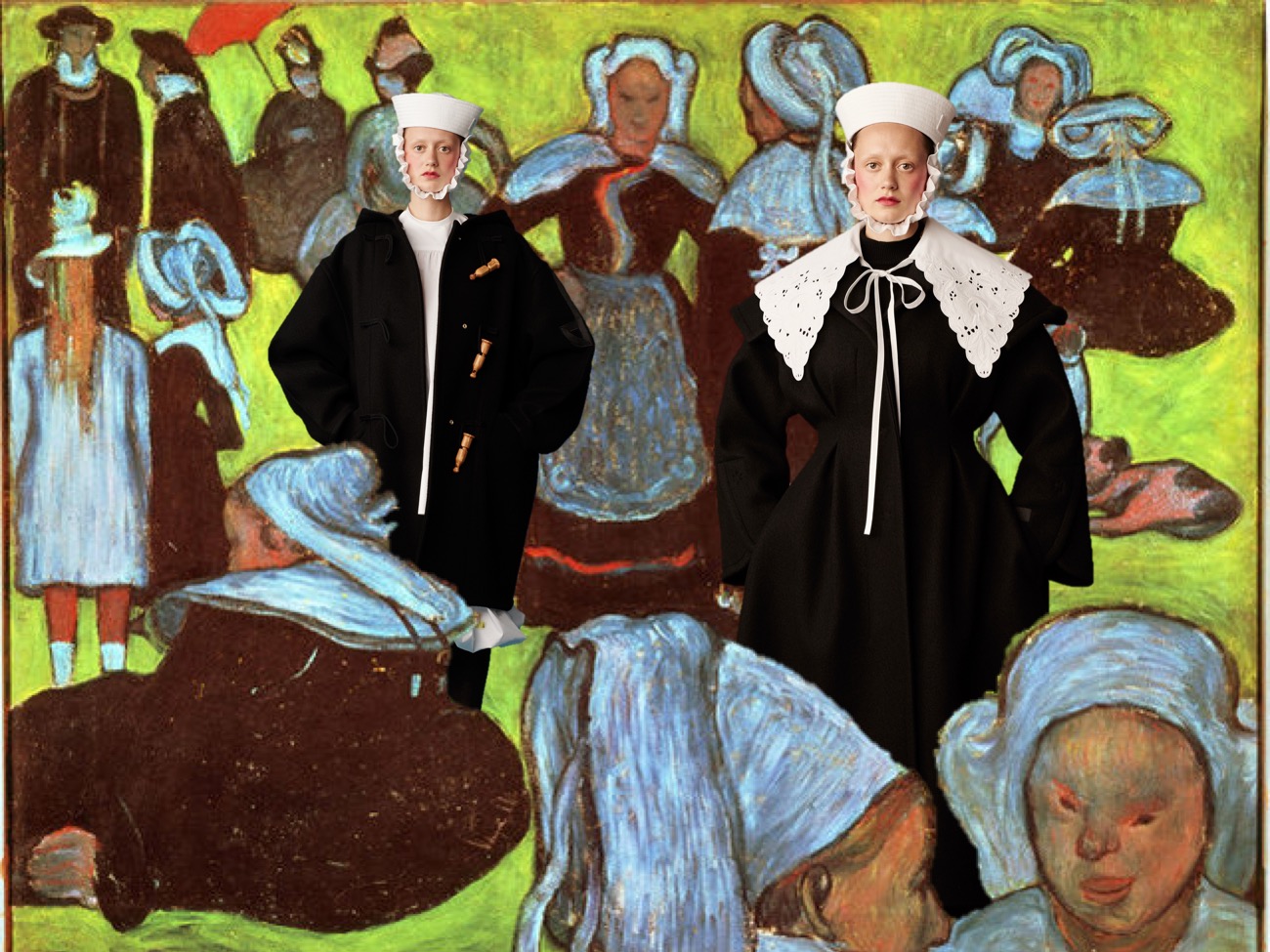
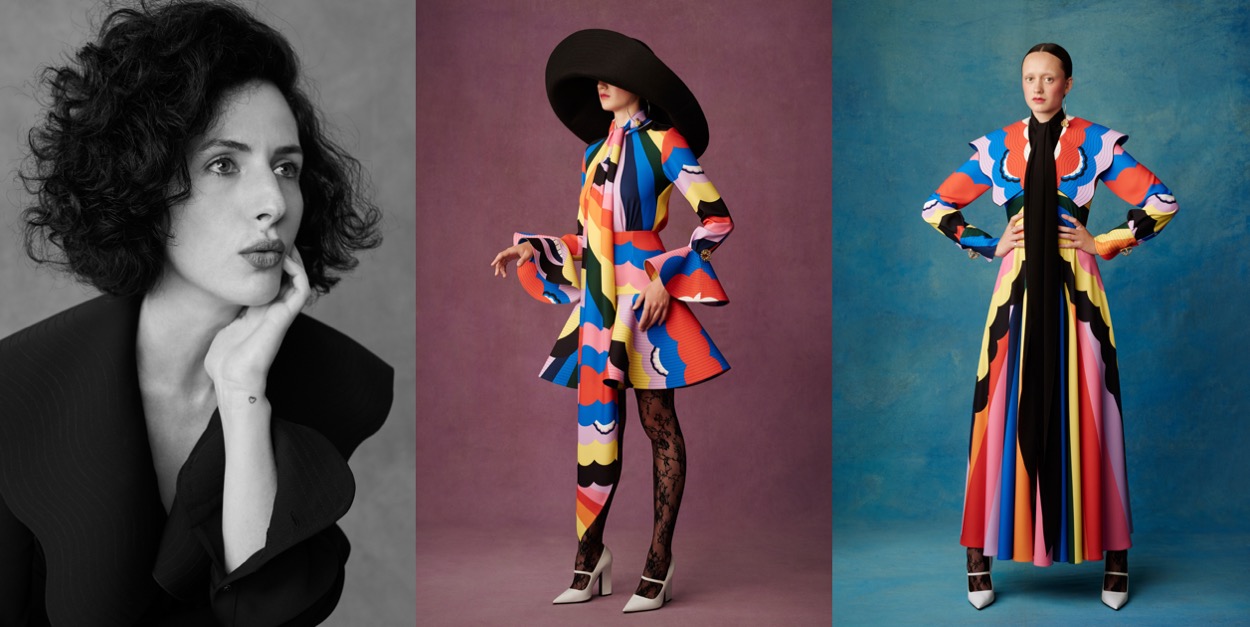
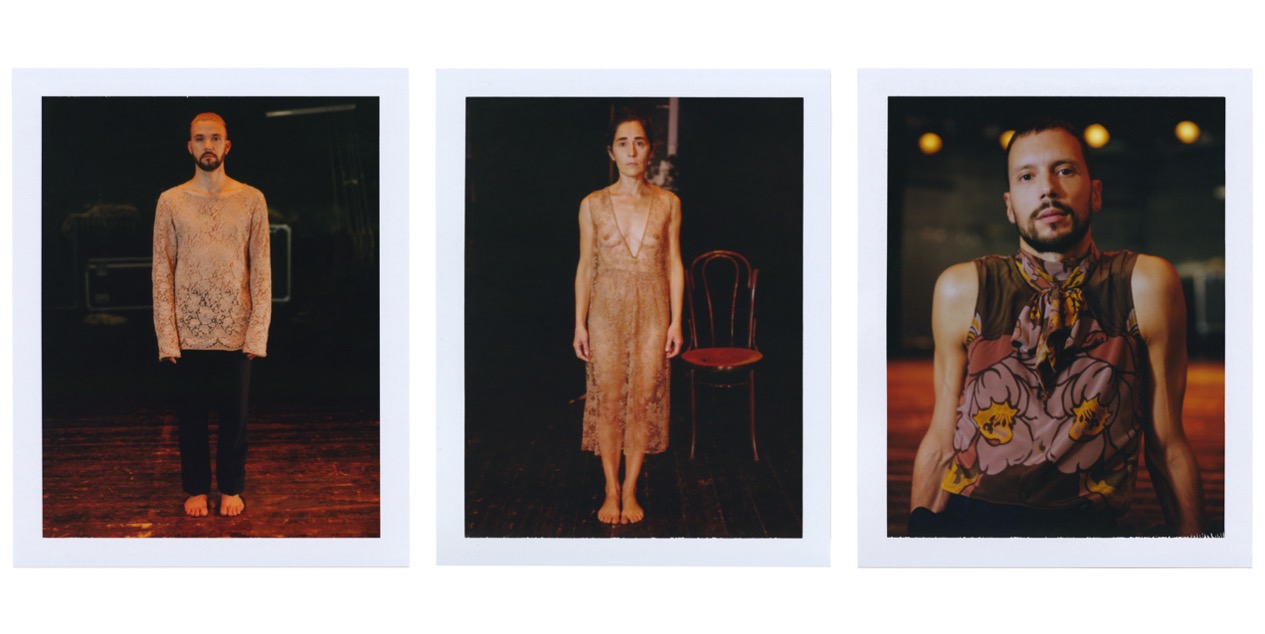
Since the first season, I’m following Guillaume Henry‘s steps at Patou, and I must say that with every single line-up, it gets better and better. I can’t believe this Parisian brand-and-designer match is still so underrated! The label released it’s resort 2021 collection now, when the clothes are arriving to the stores. Patou’s team pulled off this collection during the most severe days of lockdown in Paris. “Everyone was at home, exchanging ideas on Zoom,” Henry says. “My magic team!” The look book models are the Belgian singer Tessa Dixon and some of the Patou people – a lovely nod to the power of team-work. What they’ve come up with – despite it all – is a continuation of the optimism and joie de vivre of the house, grounded in that French-girl taste for useful, classic tailoring – which is spring-summer 2021‘s signature. The gold brocade dress, the feather-trimmed trousers, and the multicolored, stylized 1970s prints must have felt like a shot in the dark when they were designing them. But the most charming pieces were the most grounded ones. Henry has a delectable way of combining the French vernacular of down-to-earth, traditional work with flights of fashion fancy. Part of it was inspired by looking at vintage photographs of Les Forts des Halles, the porters at the old Les Halles market in the center of Paris, who used to wear felt hats to carry crates of farm produce. That’s where the oversized, turned-back-brim hats in his collection originated; one of his charming side strategies for keeping French regional working-class culture alive and relevant for a new generation. Also, you immediately think of Émile Bernard’s “Breton Women” paintings while looking at Patou’s black and white silhouettes – like the brand’s oversized, cocooning duffle coats styled with a white, hand-cut collar. Love!

Collage by Edward Kanarecki.
Ouverture Of Something That Never Ended. Gucci SS21

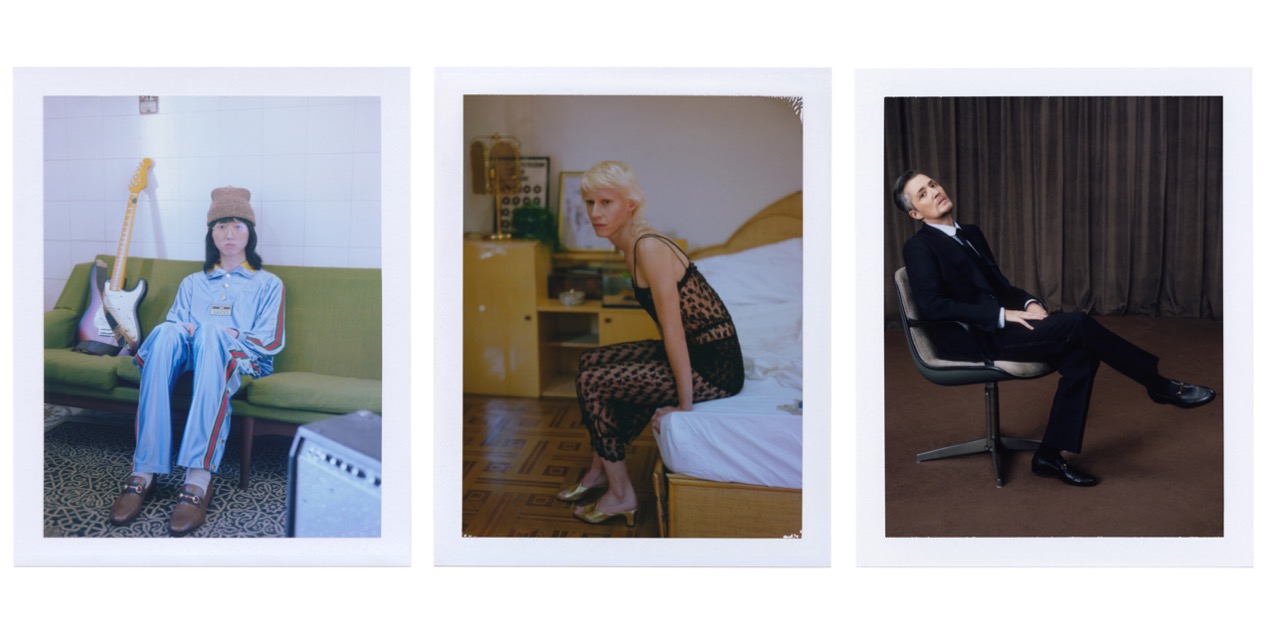
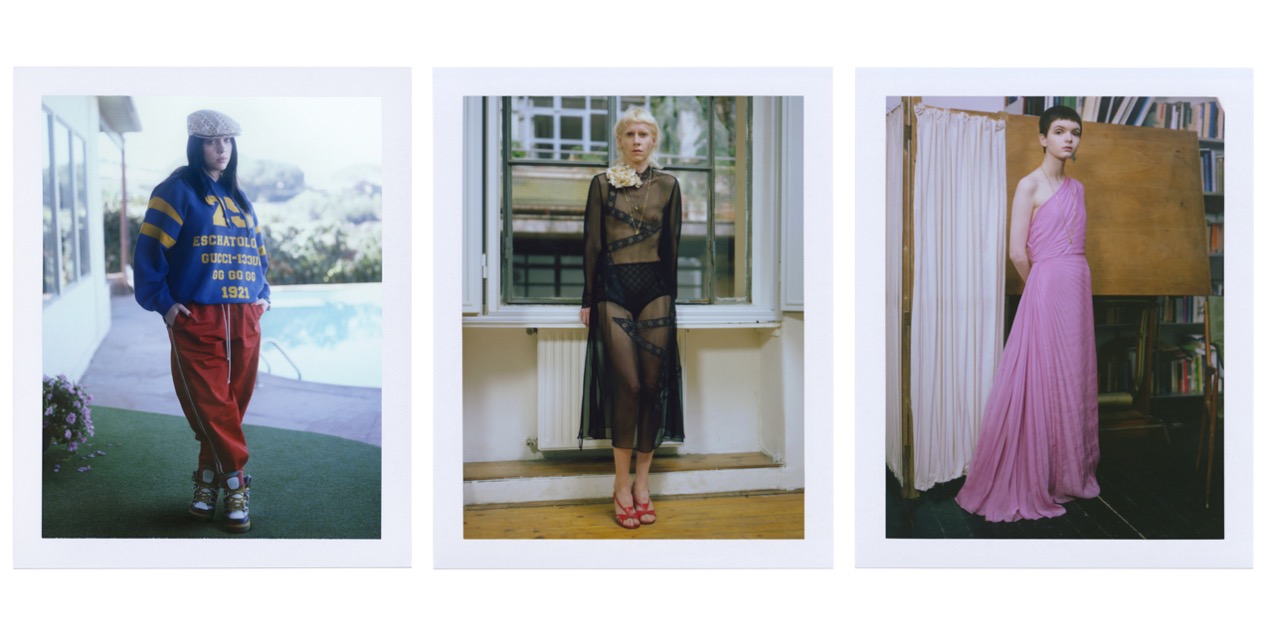
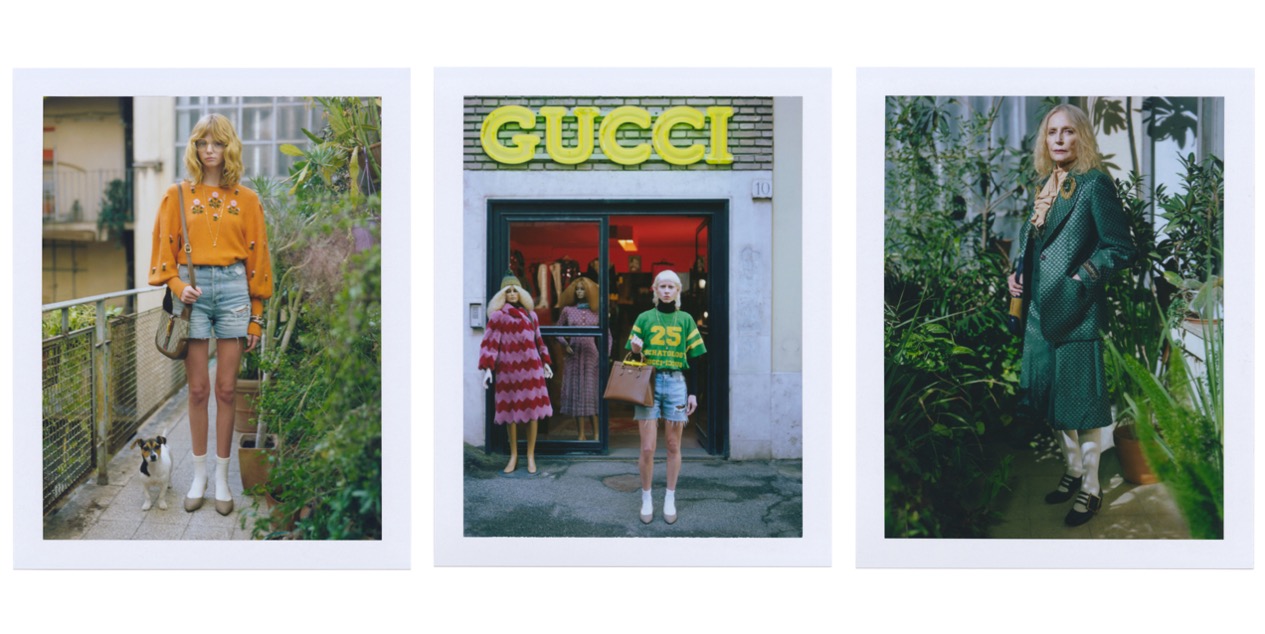
COVID-19 made fashion rethink many matters, from fashion week schedules to overproduction, but most of all, it accelarated the reflection on how to show a collection to wide audience, through the digital media, in the most appealing ways. Most of brands come up with a video or film. But the latest example takes notes from Netflix. Gucci‘s Alessandro Michele hired the one and only Gus Van Sant to make seven-episode miniseries that were shown one by one, for the entire week. At moments, the experience was bumpy. The poll I’ve made on Instagram mid-week suggested that 75% no longer paid attention to the digital Gucci event. While the visuals of Ouverture Of Something That Never Ended were striking, Silvia Calderoni’s acting was phenomenal and Gucci celebs appearances were amusingly witty (Harry Styles made a cameo wearing a pink tee tucked into denim shorts, and pronounced his improvised modern-day art manifesto: “when it comes to making art it’s about finding the thing you’ve always wanted to see that has never been made. It’s always an uncomfortable moment, I think, when you find the thing. You don’t know if you love it or hate it because you don’t really know what it is yet. But I think that’s the most exciting place to work in“; Florence Welch glided through a Gucci-fied vintage store and slipped handwritten notes into the pockets of jeans or the purse of a passerby; Billie Eilish performed her new song and danced with her pet robot dogs in what looked like the suburbs of L.A.), the focus on the clothes was hard to comprehend. Fashion films are pretty much always product-driven and lack substance, and here it was quite the opposite. There was plenty of substance, but I felt there was not enough of the collection itself. Maybe, as some editors suggested, the episodes could be shoppable? It would be great to find that golden balance. The miniseries streamed on Instagram and on a dedicated site dubbed GucciFest, where the brand also supported videos made by 15 emerging designers from around the world – which was a lovely gesture. Once you finally look at the look-book to see the actual spring-summer 2021 (and pre-fall 2021) clothes, you will be surprised (or not so much) that Michele decided to utterly focus on the core of his Gucci. The 90 looks saw some most distinct signatures, as well as Alessandro’s archives (especially pieces from his first Gucci collections). There was pretty much nothing new, and the collection was free of bizarre over-the-topness that made the label feel just too much for me in the pre-pandemic times. So, the brand’s customer will be pleased with all the vintage-y, wearable styles that are just the right amount of quirk, while the rest of the audience might use the line-up as an inspiration-filled portfolio. It seems to say: “shop your closet, no need to buy new stuff“.

Collage by Edward Kanarecki.