Prairie Dress on Ice. Batsheva AW20

Slajd1-kopia 12

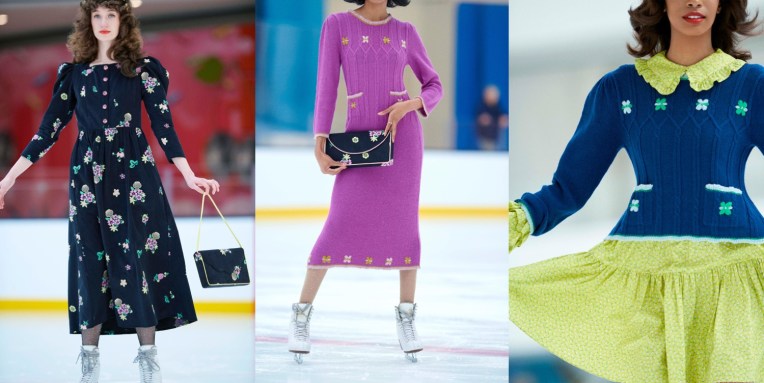
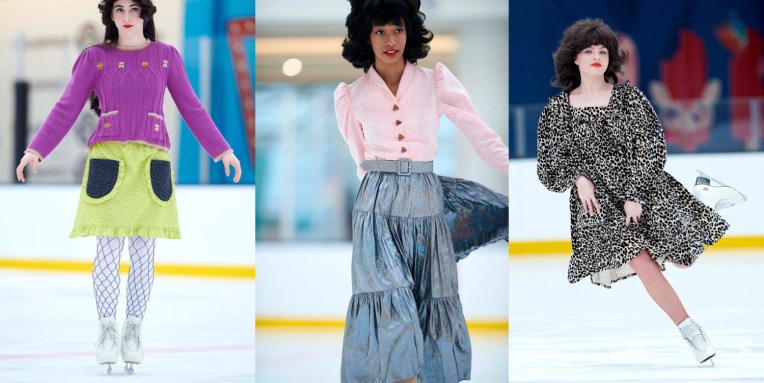
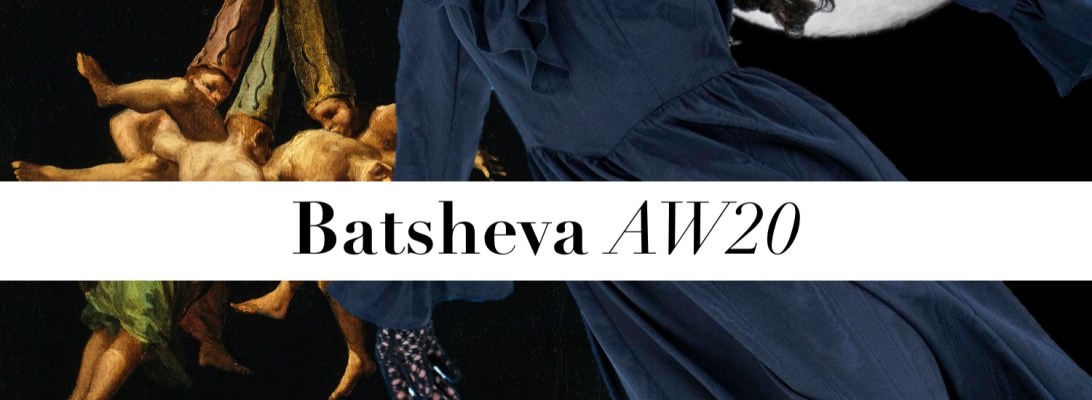
There’s no street style in New York without the Batsheva dress. Batsheva Hay‘s prairie look has trickled down to other, local brands’ repertoire, which just reassures her success. The designer expands, trying out new things. The autumn-winter 2020 collection  had no runway, but a look-book featuring… figure skaters. Batsheva and her husband, Alexei, had conspired to shoot this collection guerrilla style in the American Dream mall, and stumbled upon a figure skating competition on the day they went to scout locations. “Part of what I’m always trying to prove is the wearability of my clothes,” she said, “and athletic movement is the definitive wearability test.” The skaters spin, twirl and jump in Hay’s chiffons, cottons, and custom flower pot embroideries, frozen mid-gesture by the camera. It’s intentionally not glamorous (and definitely not Tonya Harding) and the styling is kooky in its spontaneous way. For the season, the designer brings in evening-worthy sparkles, vintage flocked wool trenches and a red bustier “going out” top. It’s proper hot. For prairie girls not ready to give up their pastoral vibes, Hay offers ruffle V-front dresses and smocks, as well as velvet leopard with a wider, less Victorian neckline – this one is my personal favourite. Sounds (and looks) like lots of fun.
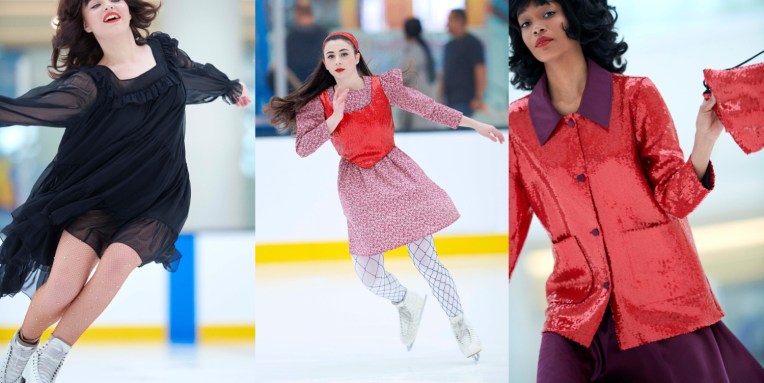
sssddd-kopiafffggghhh

Collage by Edward Kanarecki.

Soft Experimental. Eckhaus Latta AW20

Slajd1-kopia 5

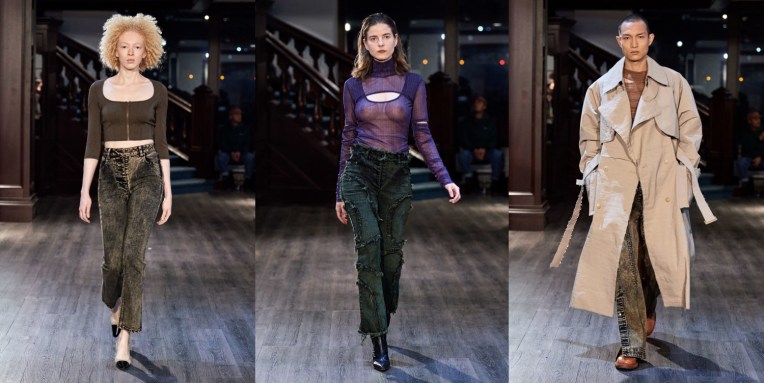
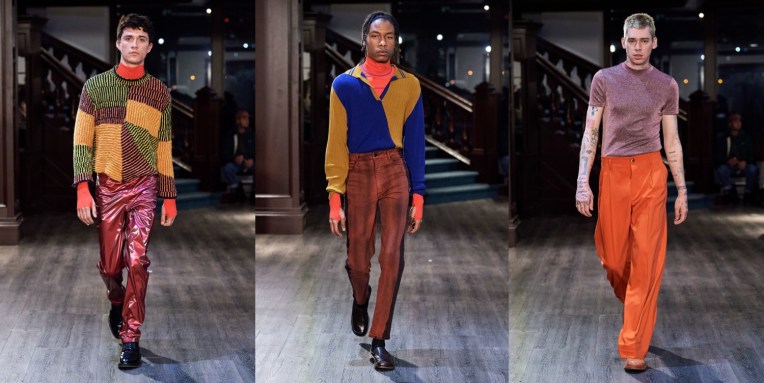
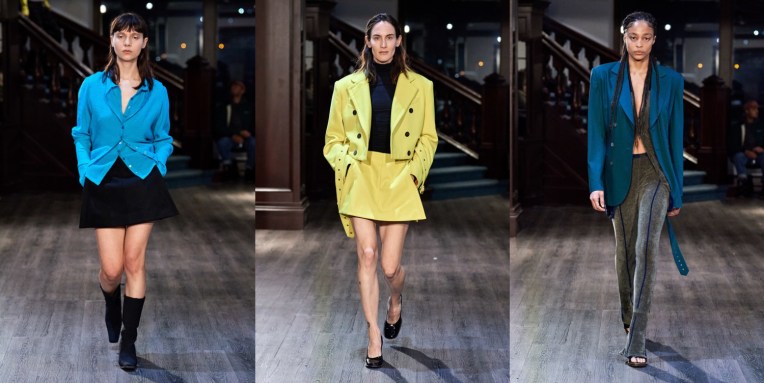
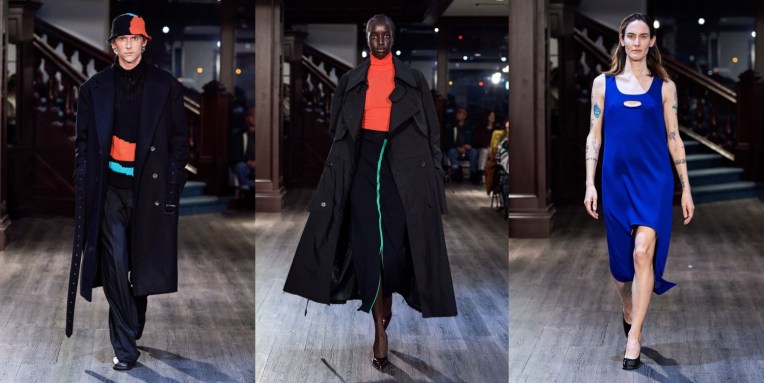
Mike Eckhaus and Zoe Latta were working through a bunch of ideas this season – colored acid-washed and “experimental” distressed denim, as they put it after their Eckhaus Latta show; boxy tailoring paired with either super-abbreviated skirts or languid, flared trousers; liquid fabric effects. As is typical for this New York-based label, the clothes were gently (rather than aggressively) challenging, with most of the novelty to be found in the occasional so-odd-its-good proportion, the unexpected finish on a garment, or the painterly quality of the garments’ surfaces (take the sweater knit with what looked like brushstrokes of bold color or jeans with a watercolor-y acid wash). Everything, even the purposefully frayed pieces, was executed with a lot of polish – and that, Latta and Eckhaus said, was the real story here. As Latta noted, they were posing “existential questions” to themselves, like, “What are we doing here?” and “Why are we making any of this?” that they answered by focusing on craft. The goal, they said, was for every piece in this collection to have a long life cycle, whether that means one wearer using a garment over many years, or several wearers enjoying the same piece. “Whatever we made,” Latta elaborated, “we wanted it to last.” Another sustainability step they took was partnering with resale site The RealReal to source footwear for the runway. Give an existing shoe a life, instead of making dozens of prototypes and samples is a great idea. But also, Mike and Zoe have always been more interested in producing clothes for varying types of people to integrate into their lives and wardrobes as they please than they have been in creating a brand uniform. Seeing all different shoes on the models highlighted the designers’ commitment to designing collections that can be interpreted in a variety of ways.

asdfSlajd5g

Collage by Edward Kanarecki.

Sustainability (For Real). Gabriela Hearst AW20

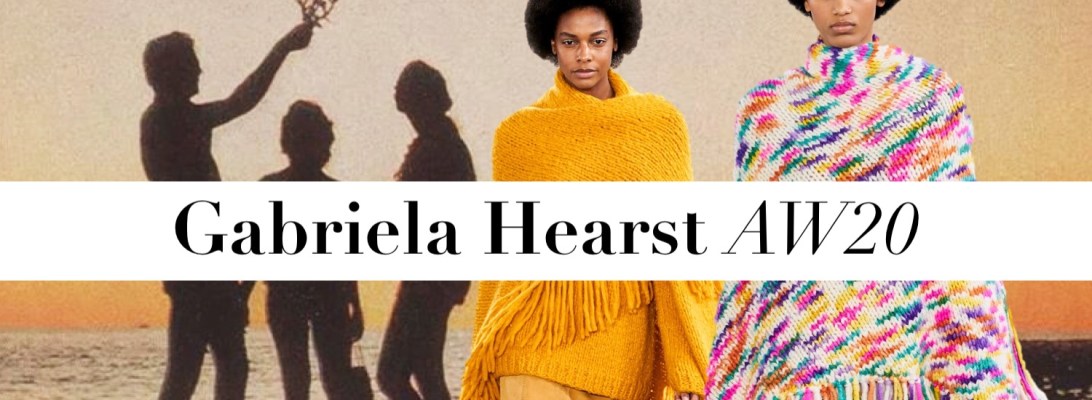
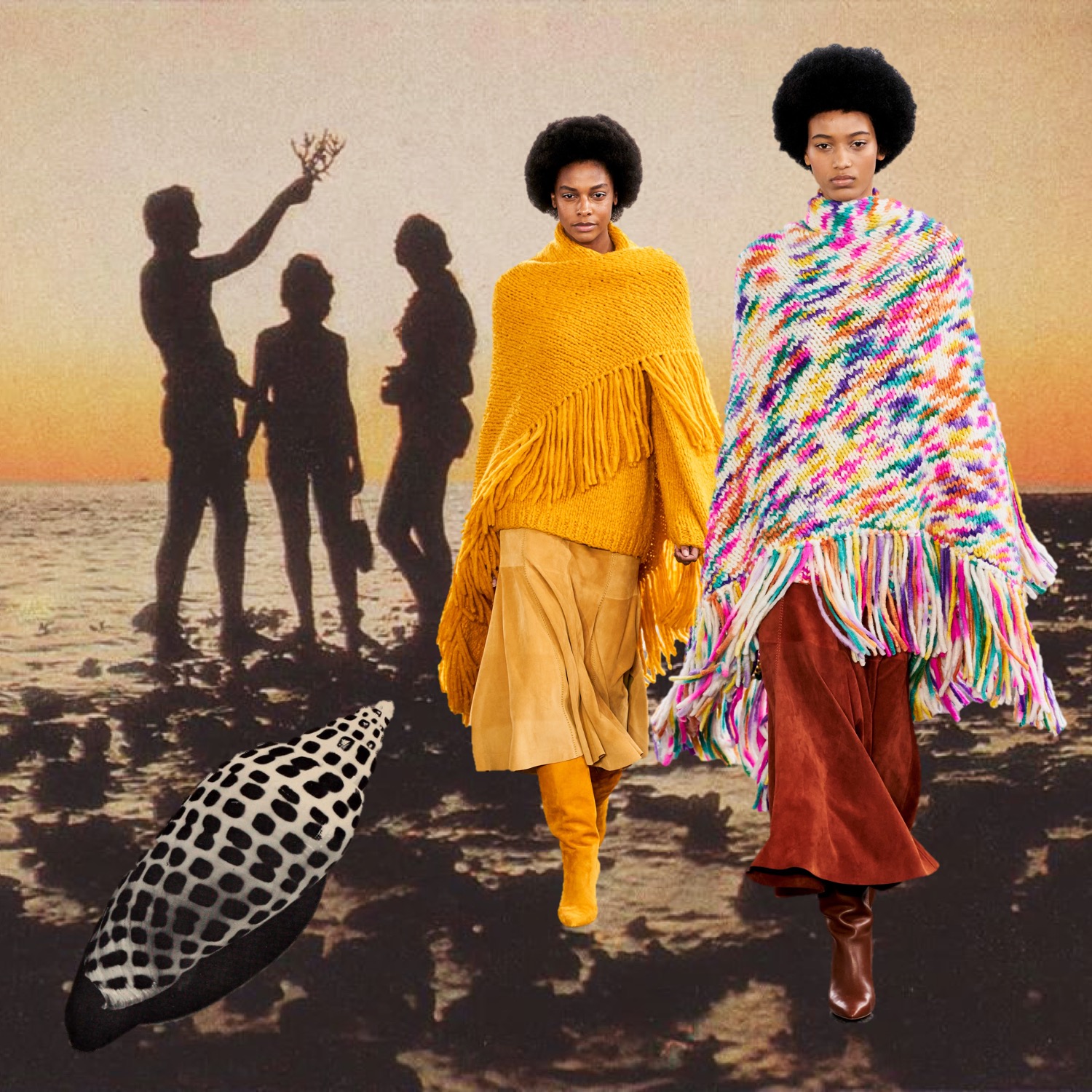
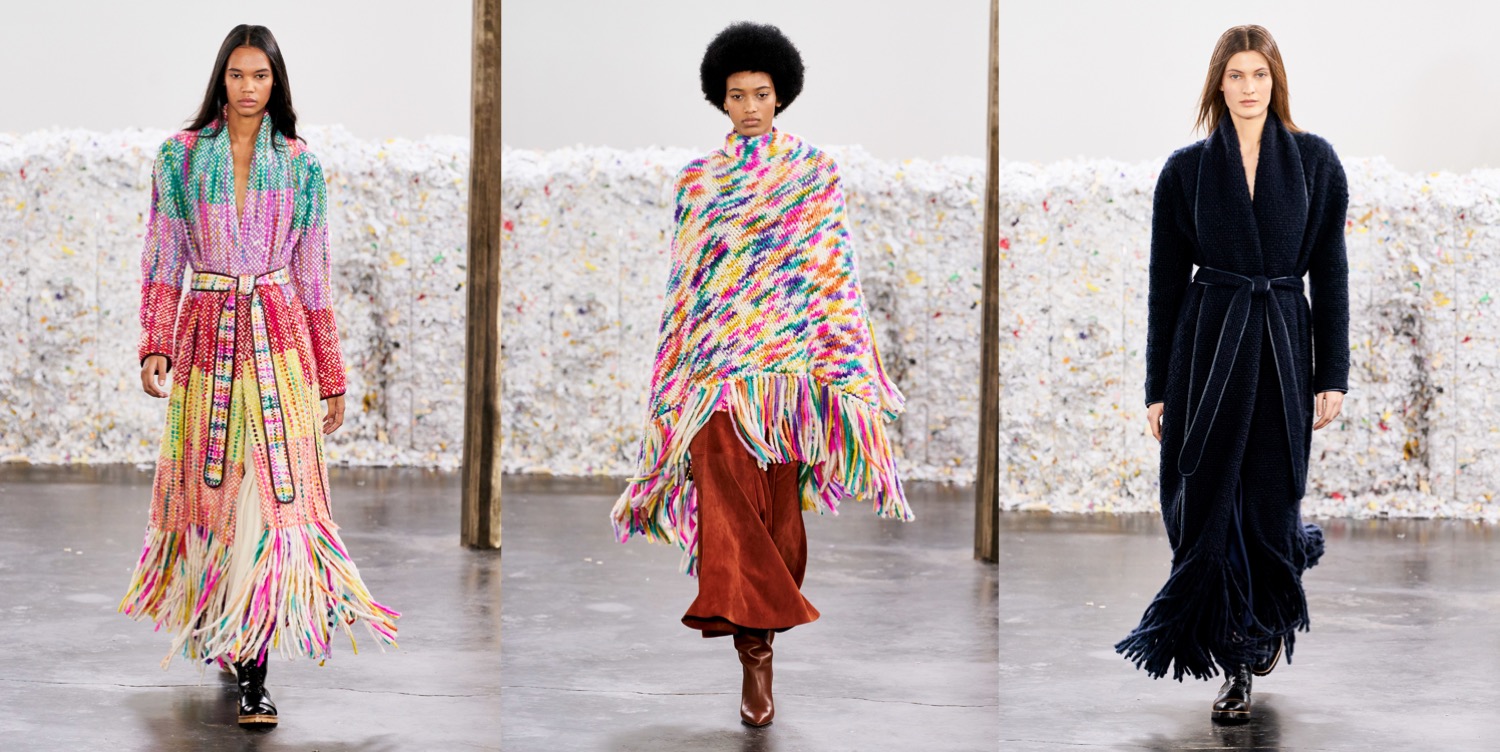
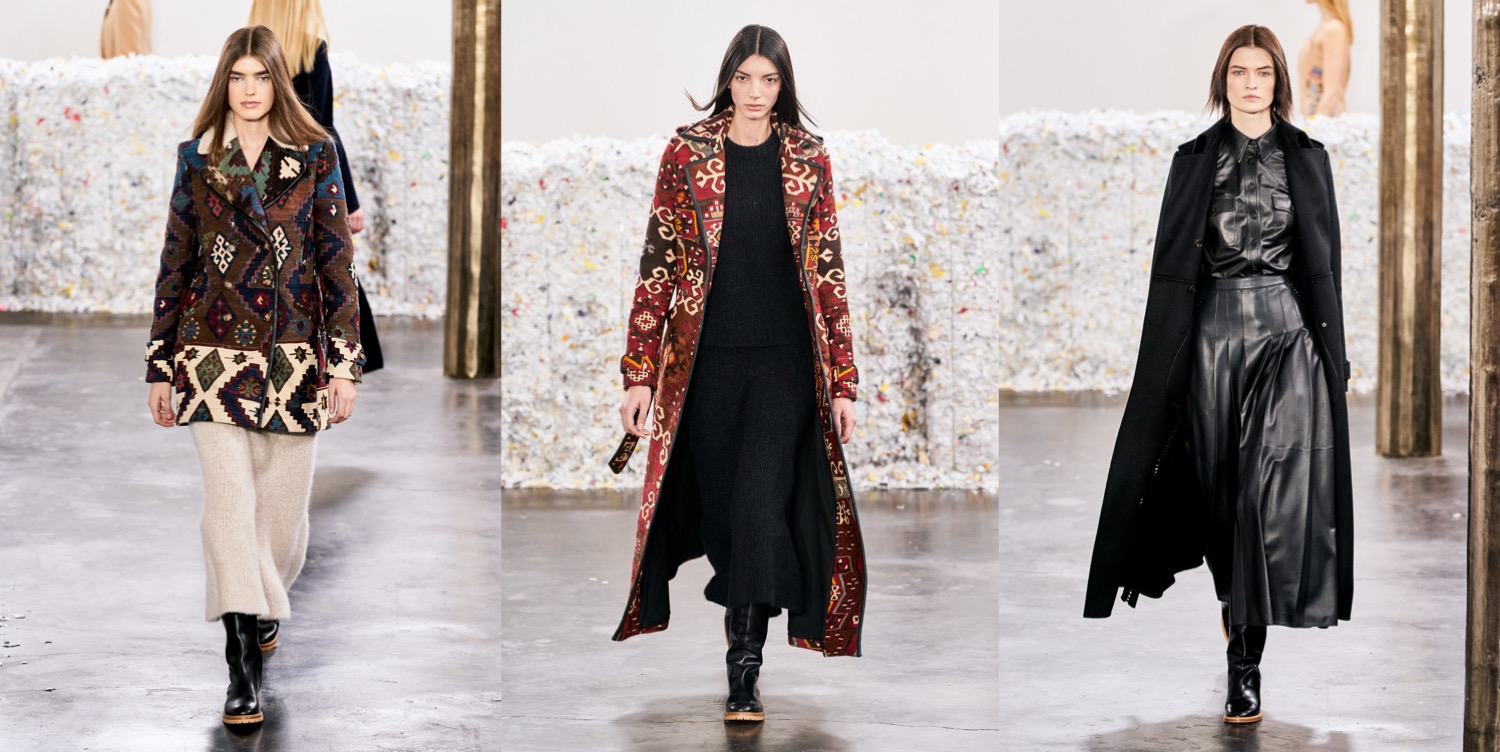
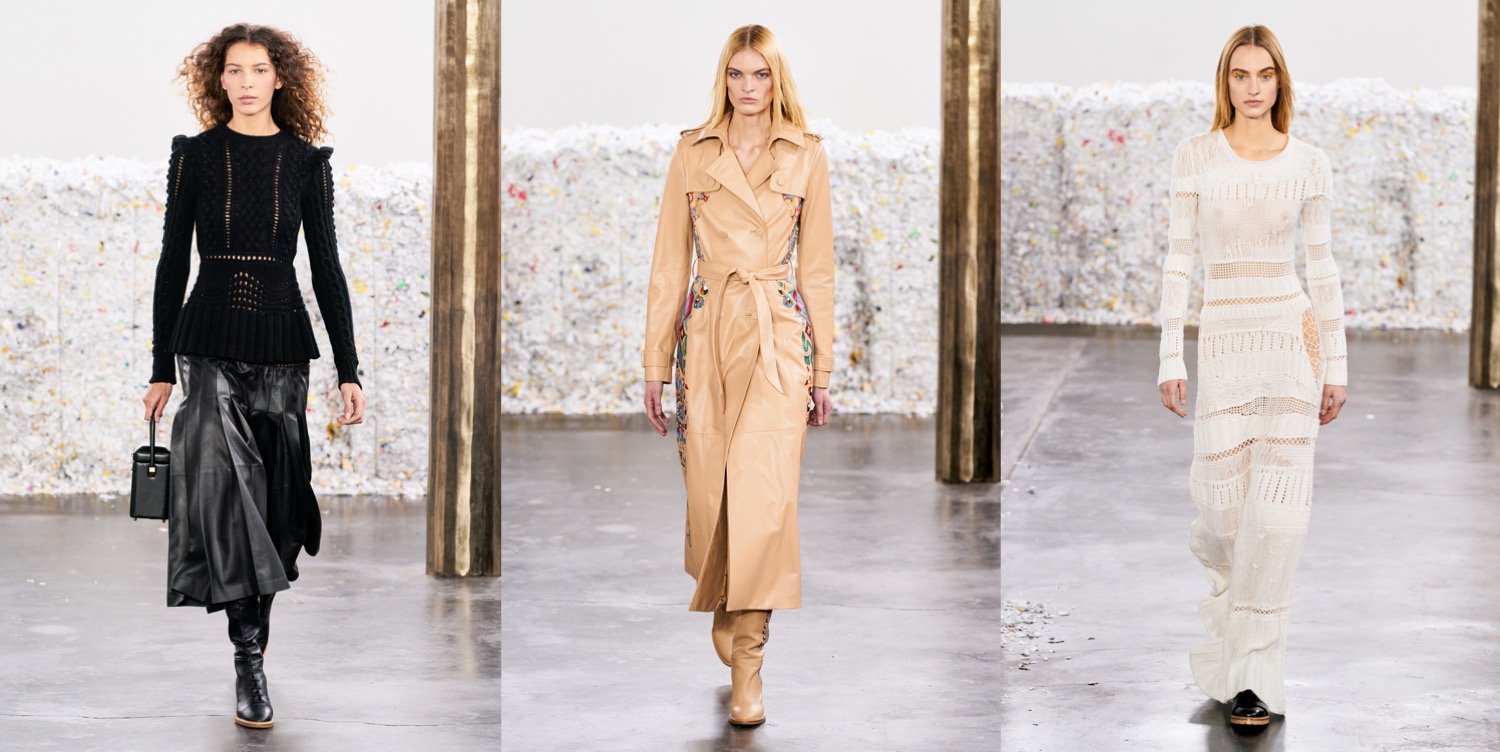
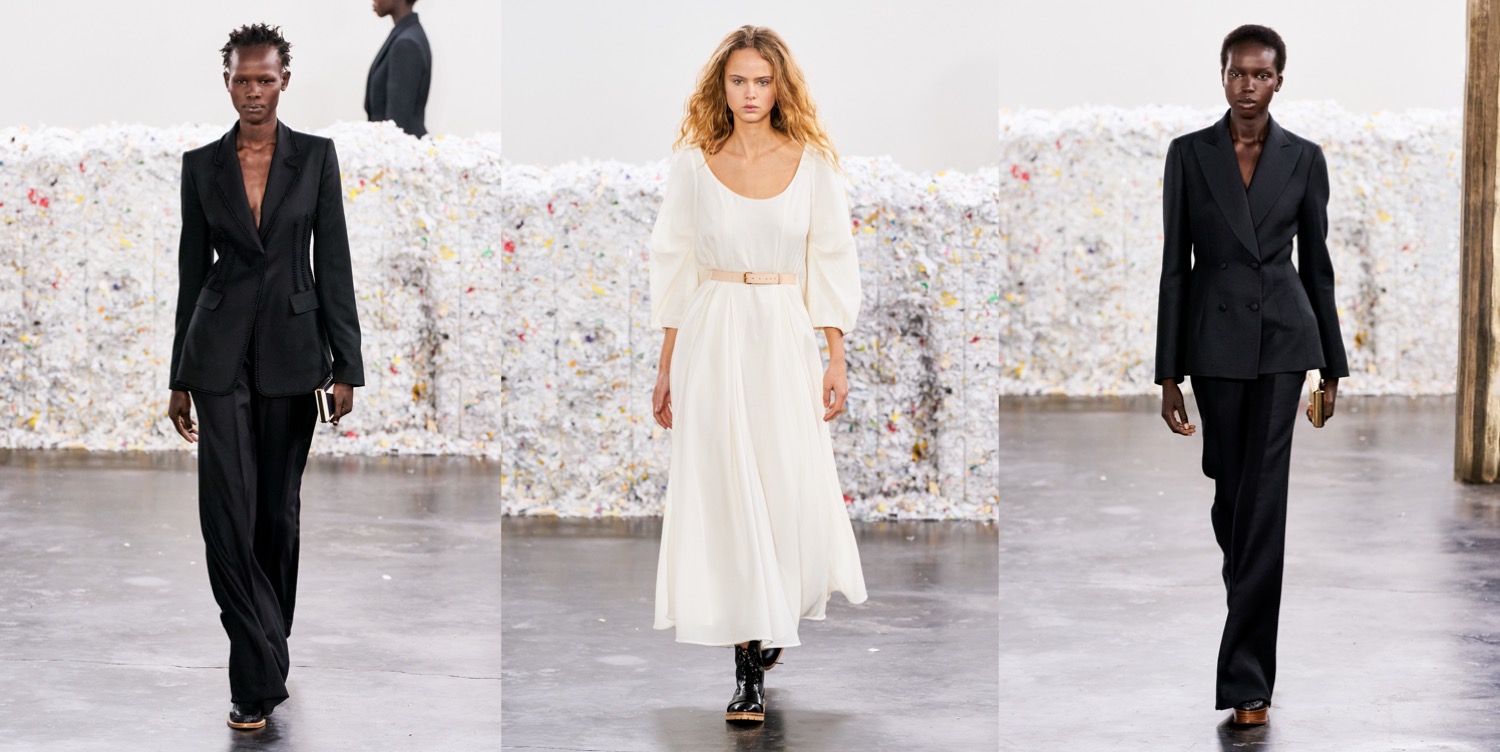
Gabriela Hearst’s autumn-winter 2020 line-up was beautiful. And it managed to be really sustainably made, without making a fuss about it. For Hearst, enviroinment is a priority. And she can translate that passion into luxurious, softly minimal, super high quality clothes. Antique remnants of Turkish rugs were puzzled together in outerwear pieces lined with cashmere. The hand-made knitwear was done by Manos Del Uruguay, the non-profit cooperative female artisans, and Magdalena Koluch, a New York-based knitter – the multi-colored, fringed poncho is one of the many gorgeous results that came from this collaboration. Existing pieces of cashmere outerwear were deconstructed and re-assembled with blanket stitch creating a fantastic colour block pattern. Most of the used wools in this collection were re-printed and reused to create new pieces. Gabriela and her team really pushed the envelope this season in terms of sustainable fashion and creating out of waste products, and simultaneously made it look refined. Just see the biscuity, cashmere corduroy tailoring or the flowing eveningwear. Delightful!

Collage by Edward Kanarecki.

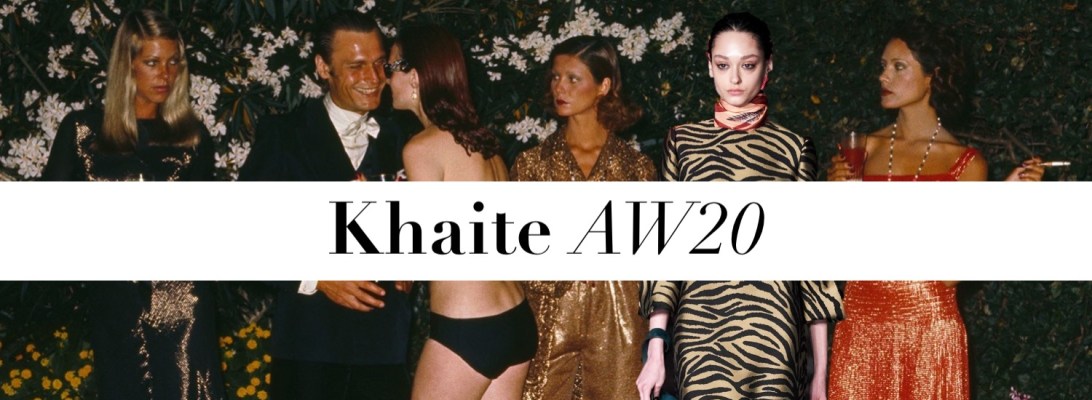
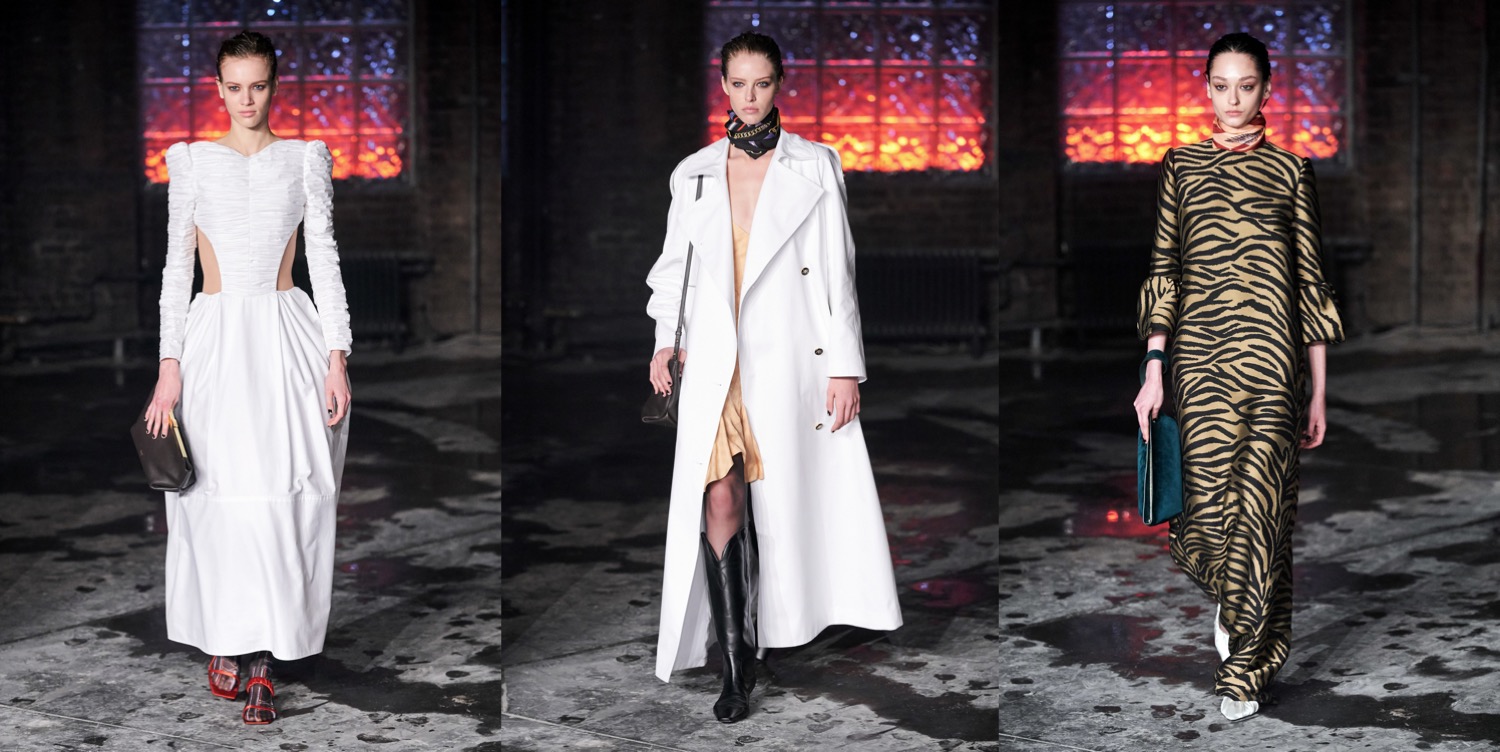
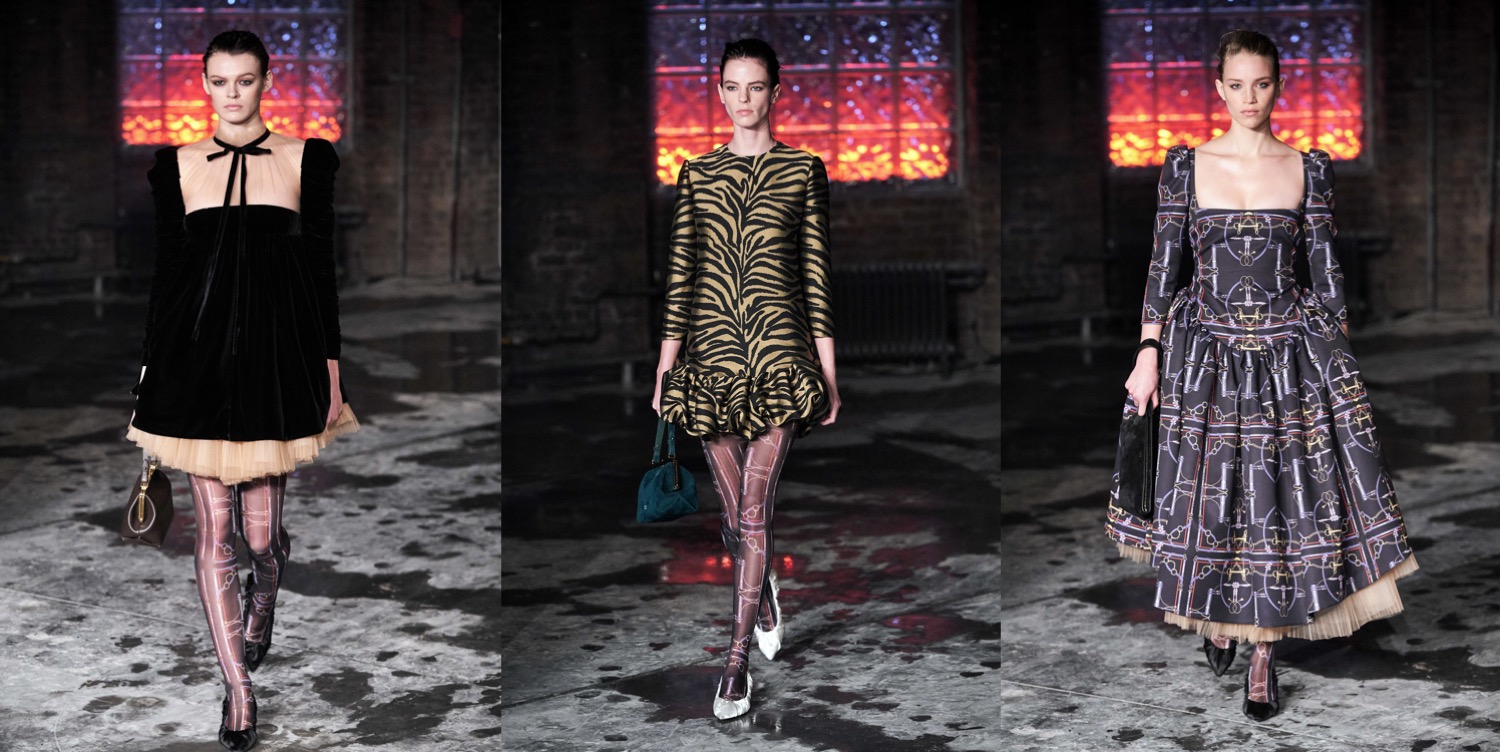
Daring and Sexy. Khaite AW20

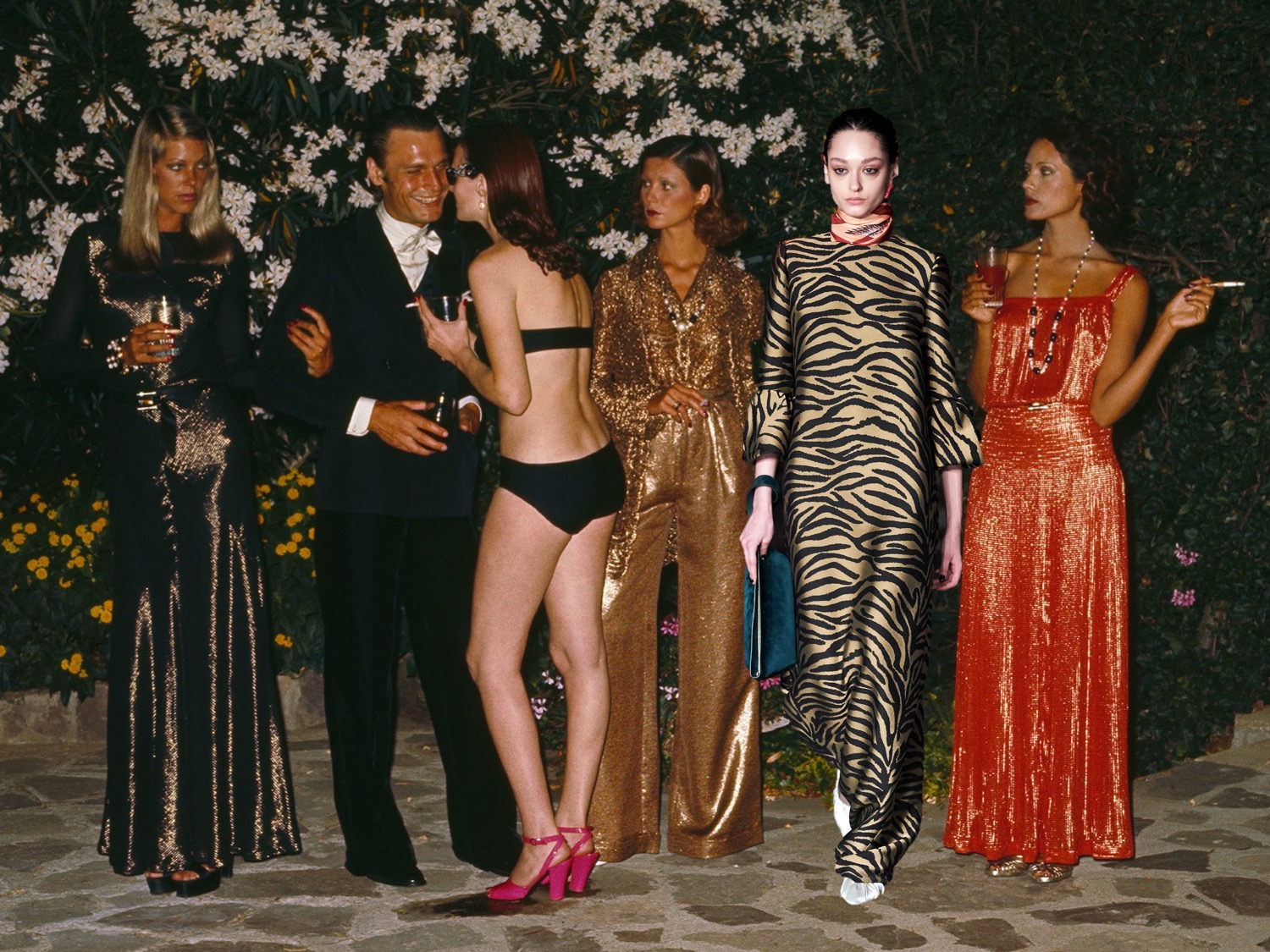
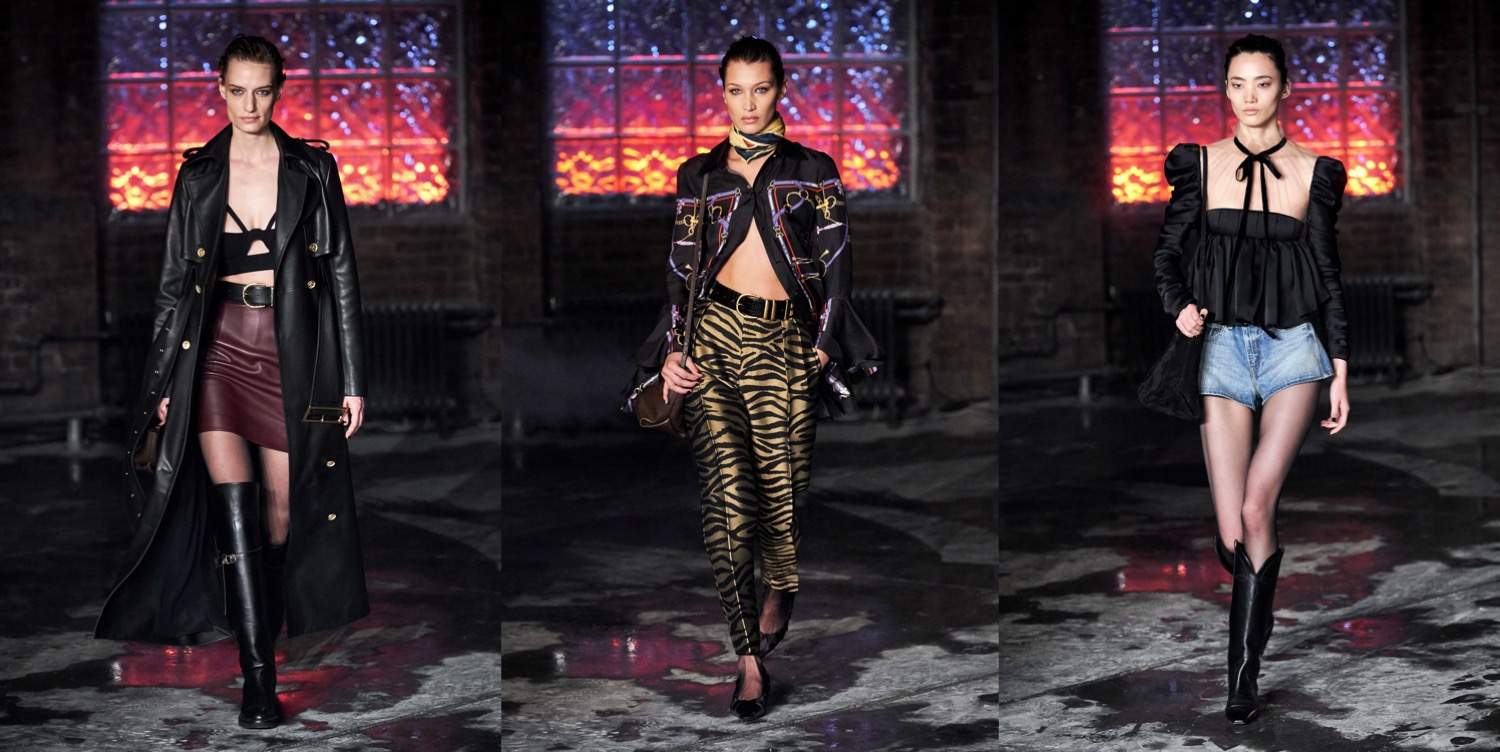
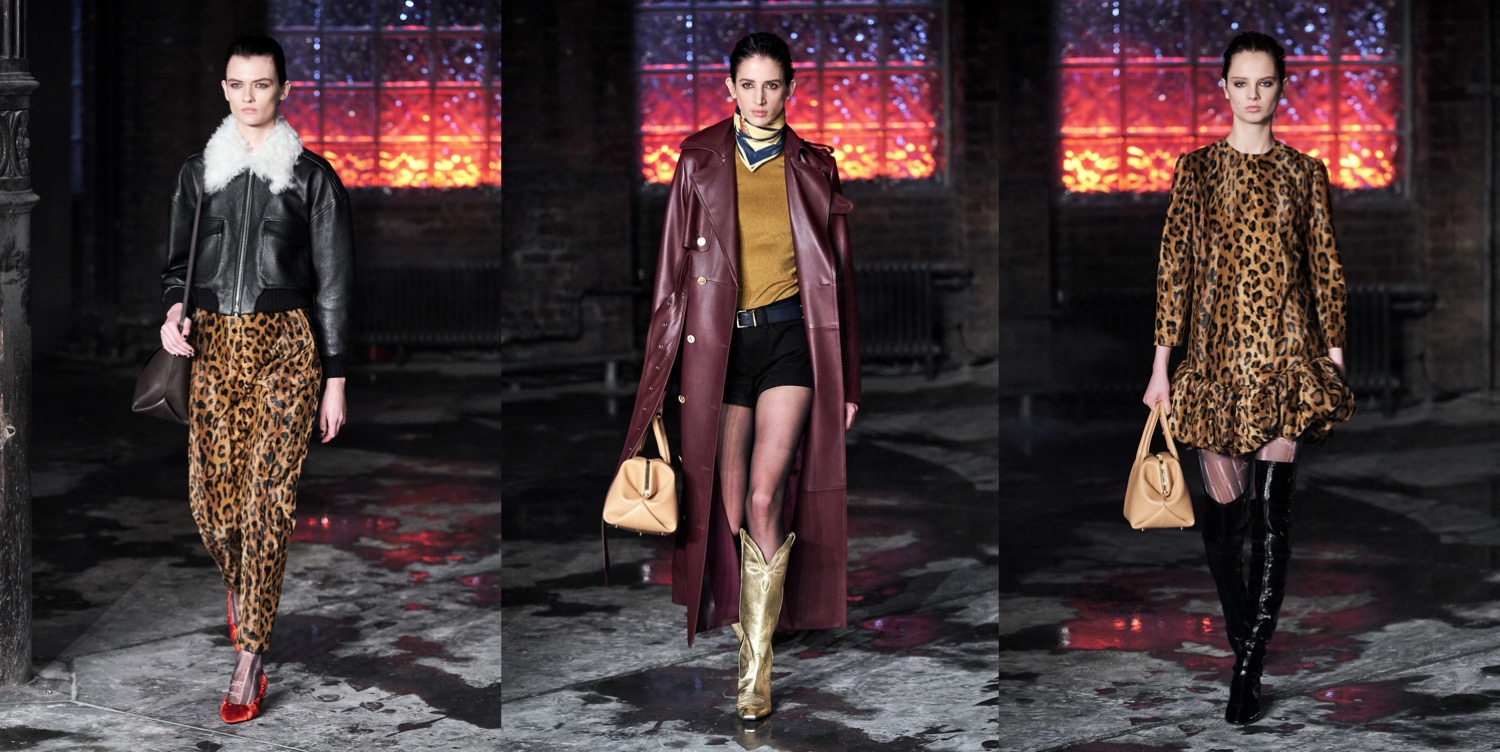
Cate Holstein’s Khaite had a similar turn as the boys at Proenza Schouler. Her woman is much more daring than usual this season. While many know and love the label for its soft minimalism, occasionally beautified by tulle and pearls and toughened by suede cowboy details, this time Holstein let some danger in. The effects? Some of it is convicing, some got lost in the messy styling. The designer wanted to embrace the word „sexy”: dramatic cut-out backs of the evening dresses, leather and cheeth prints went with signature tulle, vintage-looking horse-rider motif came across the silks. Models wore chunky knitted scarves or bandanas. Girls just wanna have fun.

Collage by Edward Kanarecki.

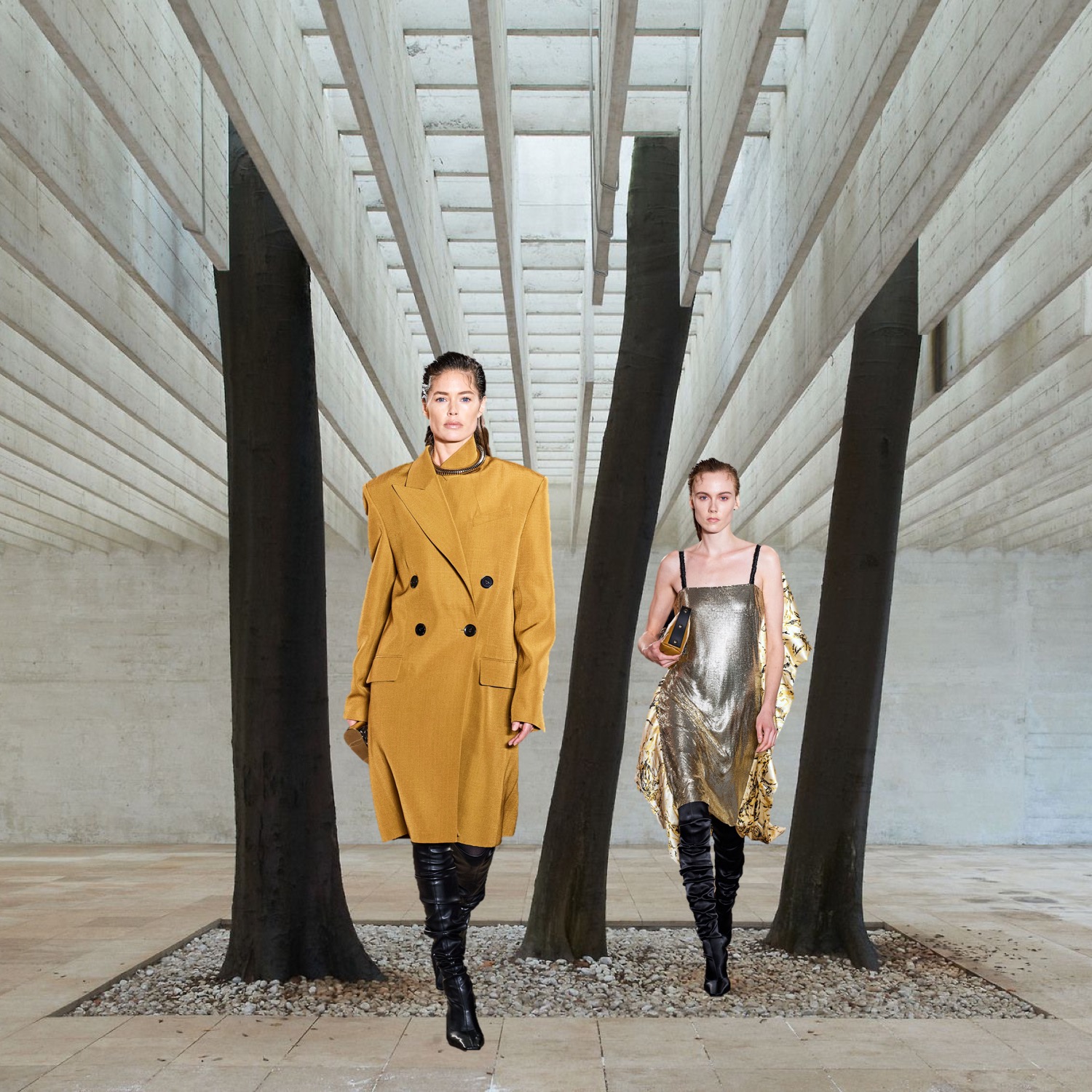
A Good Shift. Proenza Schouler AW20

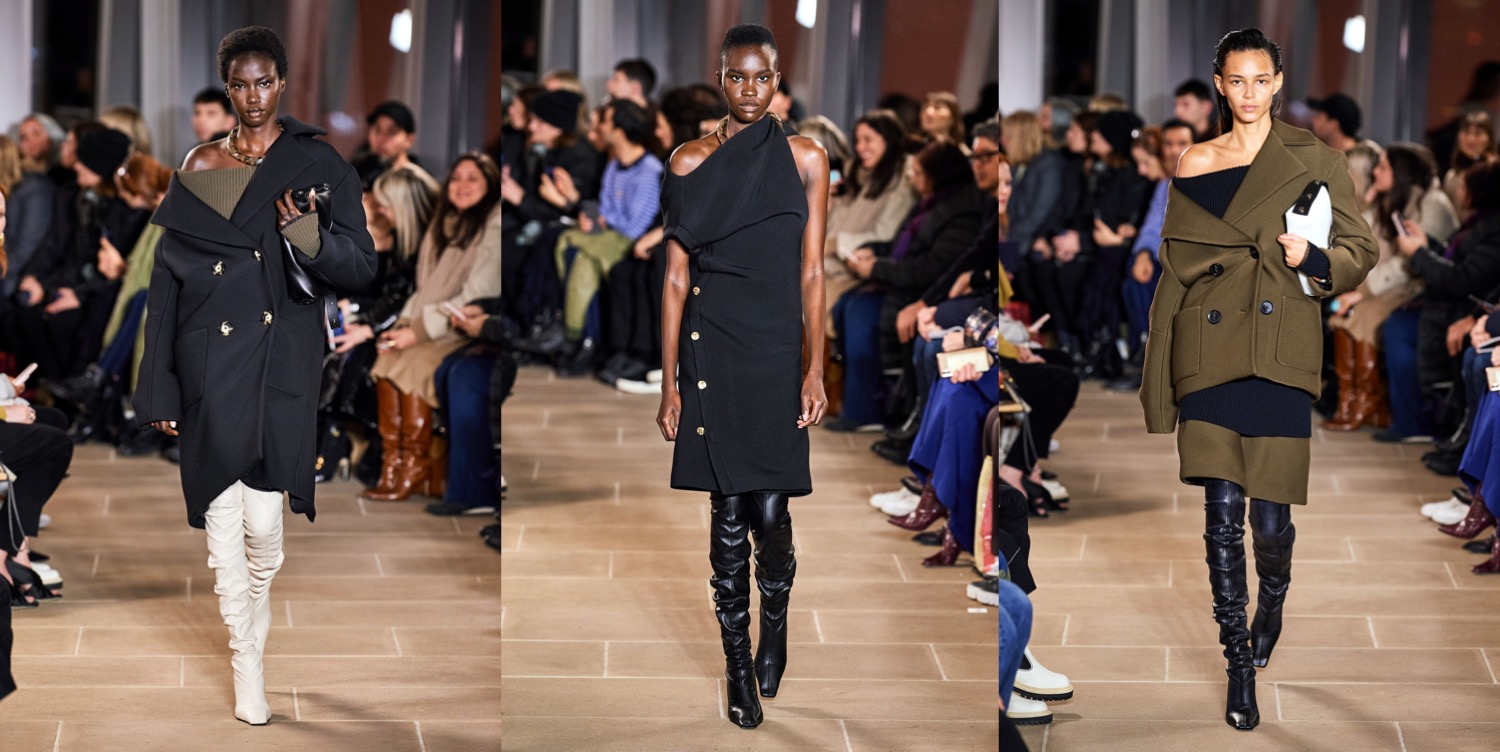
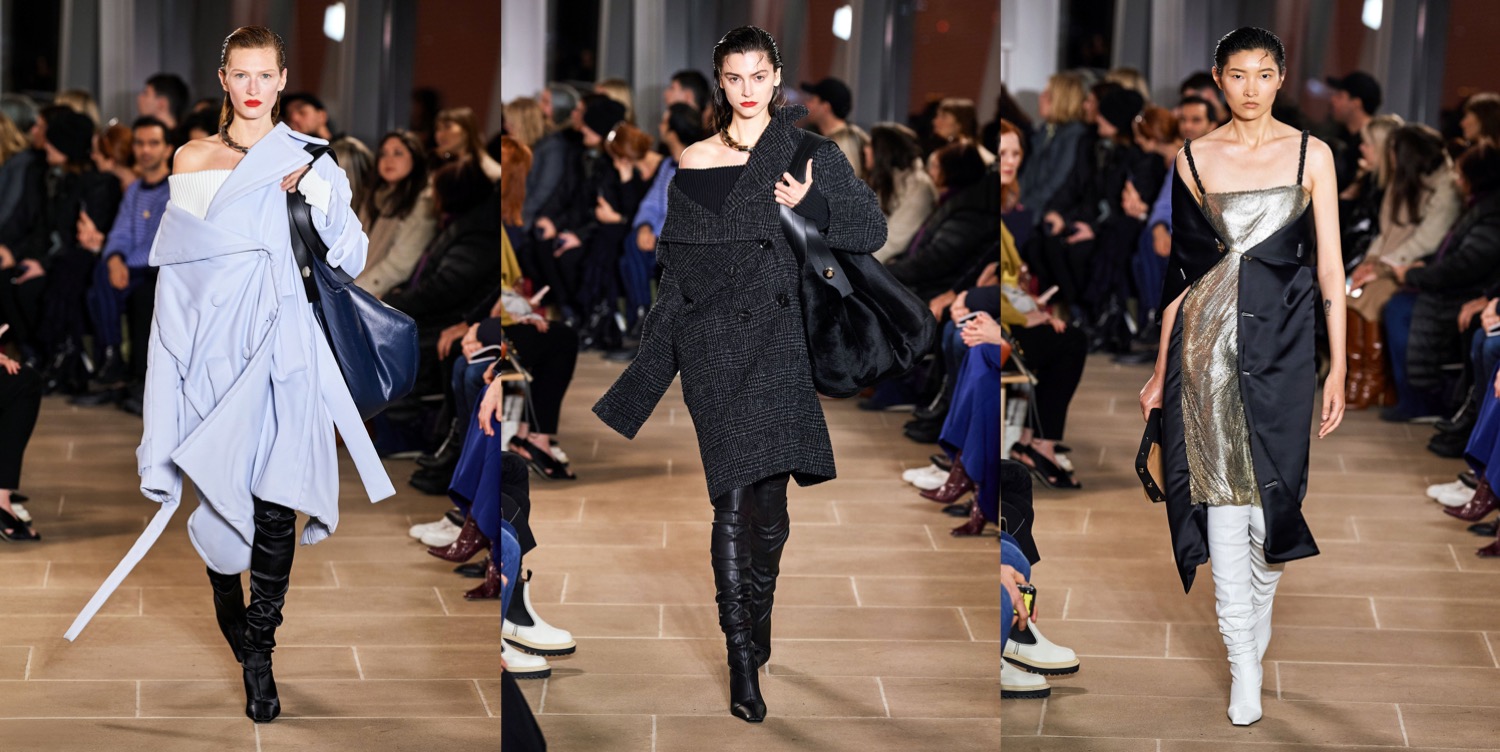
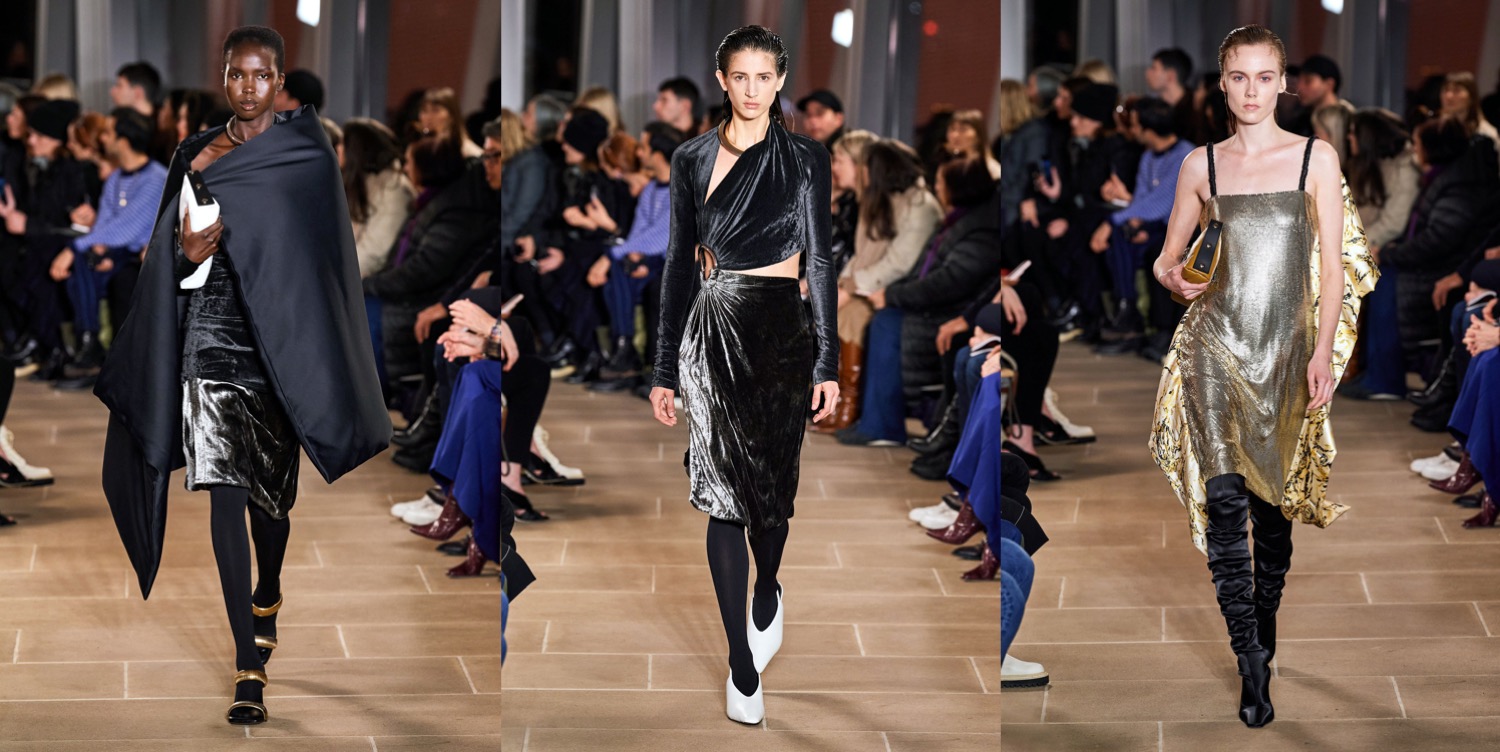
Something has shifted at Proenza Schouler. The last few seasons from Lazaro Hernandez and Jack McCollough weren’t their best, lets be honest – they were plain and mild, and seemed to drown in the New York fashion week crowd. But their autumn-winter 2020 collection feels different. Delicate silhouettes got replaced by sharper cuts, and instead of draped forms we’ve got something much more geometric and bold. Also, the lenghts are shorter, the mood isn’t slouchy. The first look was a little black dress slipping off the shoulder, worn with ruched leather boots. Later looks followed the same pattern of „undone” style: jackets and knits peeled off of one shoulder, stretch leather dresses were cut with asymmetrical necklines, and a cold shoulder sweater exposed both clavicles. The closing looks were all about comforting volume. The designers’ starting point was a blanket. The duo gave their stylist Camilla Nickerson one for Christmas which she started wearing as a scarf, and inspiration was born. “She’s blanketed in a protective layer of strength and confidence,” Hernandez said backstage. McCollough put it another way: “It’s about finding beauty in a world that’s unraveling.”

Collage by Edward Kanarecki.